Tag: solar panels

  • Why Solar Panels Are Worth the Investment for Your Home

    Why Solar Panels Are Worth the Investment for Your Home

    Solar power is a renewable source of energy that has been gaining popularity in recent years. With concerns about climate change and sustainability on the rise, many homeowners are considering making the switch to solar energy. If you’re thinking about investing in solar panels for your home, here are some reasons why it may be worth the investment:

    Introduction to Solar Power and Its Benefits

    Solar power involves harnessing the sun’s energy through photovoltaic cells that convert light into electricity. This process generates clean energy without producing any greenhouse gas emissions or other pollutants. By using solar panels, you can reduce your reliance on fossil fuels and help combat climate change. Additionally, solar power can save you money on your energy bills over time, as well as increase the value of your home.

    The Environmental Impact of Solar Energy

    One of the biggest benefits of solar power is its environmental impact. Unlike traditional forms of energy production, such as coal or natural gas, solar power does not produce any air or water pollution. It also doesn’t contribute to deforestation or habitat destruction. By switching to solar power, you can significantly reduce your carbon footprint and support sustainable living practices.

    The Cost-Effectiveness of Solar Panels for Homes

    While there may be an initial cost associated with installing solar panels, they can quickly pay for themselves over time. The cost of solar panels has decreased dramatically in recent years, making them more affordable than ever before. Additionally, many states offer tax credits and rebates for homeowners who install solar panels. Overall, solar panels can save you money on your energy bills while providing a reliable source of energy.

    Choosing the Best Solar Power Generator

    When choosing a solar panel generator, there are several factors to consider. First, determine how much energy your household uses on average. You will want to choose a system that can generate enough energy to meet those needs. Secondly, consider the efficiency rating of the solar panels. Higher efficiency ratings mean that the panels will generate more energy per square foot. Finally, think about the warranty and durability of the panels. You want a product that will last for years to come.

    Installing Your Own Solar Panels: Is It Worth It?

    Many homeowners opt to hire professionals to install their solar panels, but others prefer to take on the project themselves. Installing your own solar panels can be a challenging task, so make sure you have the necessary skills and tools before attempting it. However, if you do decide to tackle this project yourself, you could potentially save thousands of dollars on installation costs.

    JM Industrial YAX 9943 scaled

    Renewable Energy 101: What You Need to Know

    In addition to solar power, there are many other types of renewable energy sources available, including wind, hydroelectric, geothermal, and biomass. Each type of renewable energy has unique advantages and disadvantages, depending on location, climate, and resources. Understanding these differences can help you make informed decisions about which form of renewable energy is best suited for your needs.

    Overall, solar power offers numerous benefits for both individuals and the environment. While there may be an upfront cost associated with installing solar panels, they can quickly pay for themselves over time. Whether you choose to hire a professional installer or DIY, investing in solar power is a wise decision for anyone looking to reduce their carbon footprint and save money on energy bills.

  • The Truth About Solar Panels and Their Impact on the Environment

    The Truth About Solar Panels and Their Impact on the Environment

    Solar power is a renewable source of energy that has been gaining popularity in recent years. With concerns about climate change and sustainability at an all-time high, many people are turning to solar panels as a way to reduce their carbon footprint and save money on their energy bills. However, there is still some confusion around the environmental impact of solar panels themselves. In this article, we’ll take a closer look at the truth about solar panels and their impact on the environment.

    Introduction to Solar Power and Its Environmental Impact

    Solar panels work by converting sunlight into electricity using photovoltaic cells. This process generates no greenhouse gas emissions or other pollutants, making it one of the cleanest sources of energy available. While there are some environmental costs associated with manufacturing and transporting solar panels, these are generally outweighed by the benefits of using them over traditional fossil fuels.

    large solar energy panel array BFeqZppNs 1 scaled

    The Cost of Solar Panels vs Traditional Energy Sources

    One common misconception about solar panels is that they are too expensive for most people to afford. However, while installation costs can be significant, the long-term savings on energy bills can make solar panels a worthwhile investment. Additionally, government incentives and tax credits may be available to help offset the initial cost. When compared to the cost of traditional energy sources like coal or natural gas, solar power becomes even more attractive due to its lower operating costs and longer lifespan.

    Choosing the Best Solar Power Generator for Your Needs

    There are several different types of solar power generators available, including grid-tied systems, off-grid systems, and hybrid systems. Grid-tied systems are connected to the electrical grid and use excess energy generated during the day to power homes at night. Off-grid systems are designed for remote locations where access to the grid is limited or nonexistent. Hybrid systems combine both grid-tied and off-grid technologies to provide reliable backup power when needed. Choosing the best system depends on individual needs and budget considerations.

    Installing Your Own Solar Panels: A DIY Guide

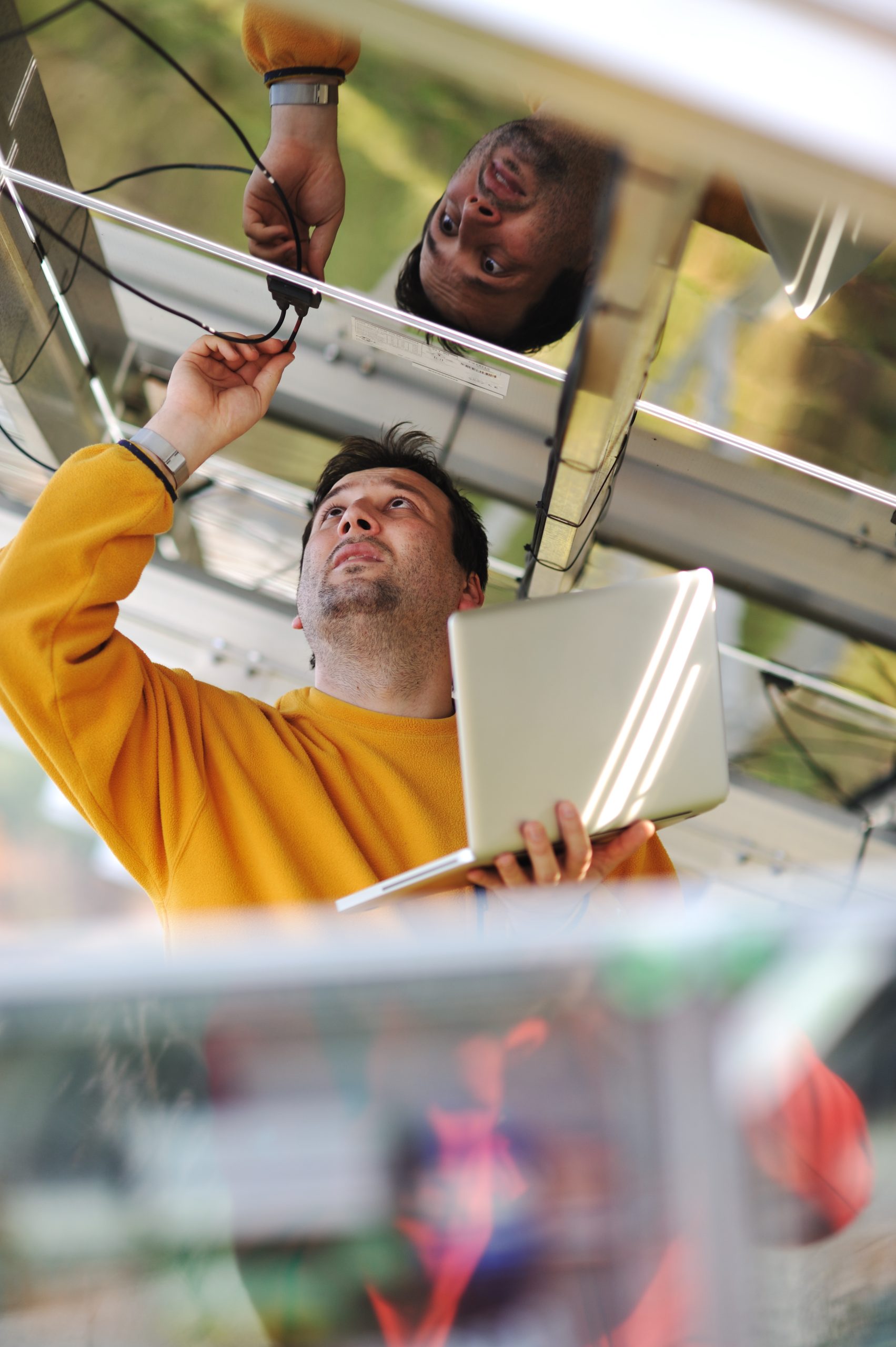
    While installing your own solar panels may seem daunting, it is possible with the right tools and knowledge. The first step is to determine the size and type of system you need based on your energy consumption patterns. Once you have selected the appropriate components, you will need to choose a location for your solar array and ensure that it receives adequate sunlight throughout the day. Installation involves mounting the panels onto a structure such as a roof or pole, connecting them to an inverter, and wiring them into your home’s electrical system. It’s important to follow safety precautions and adhere to local building codes during the installation process.

    Renewable Energy 101: Understanding the Basics

    In addition to solar power, other forms of renewable energy include wind turbines, hydroelectric dams, geothermal heating and cooling systems, and biomass fuel. Each of these technologies has unique advantages and disadvantages depending on the specific application. By understanding the basics of each technology, individuals can make informed decisions about which options are best suited for their needs.

    Conclusion

    Overall, while there are some environmental tradeoffs associated with the production and disposal of solar panels, the benefits of using them far outweigh the costs. As demand for renewable energy continues to grow, advancements in technology and manufacturing processes will likely lead to further improvements in efficiency and reduced environmental impact.

  • DIY Solar Panels: Is Installing Your Own Solar Panels a Good Idea

    DIY Solar Panels: Is Installing Your Own Solar Panels a Good Idea

    Are you tired of paying high electricity bills? Do you want to reduce your carbon footprint and contribute to a more sustainable future? If so, installing your own solar panels may be the perfect solution for you. In this blog post, we will explore the benefits of DIY solar panels, discuss whether or not solar power is truly environmentally friendly, and help you decide if installing your own solar panels is a good idea.

    JM Industrial YAX 9824 scaled

    Introduction to DIY Solar Panels

    Solar panels are becoming increasingly popular as people seek ways to reduce their energy costs and live a greener lifestyle. While many homeowners opt to hire professionals to install solar panels on their behalf, others choose to take on the project themselves. Installing your own solar panels can save you money and provide you with a sense of satisfaction knowing that you have taken steps towards reducing your reliance on traditional forms of energy.

    The Benefits of Installing Your Own Solar Panels

    There are several advantages to installing your own solar panels:

    1. Cost savings – By installing your own solar panels, you can avoid the cost of hiring a professional installer. This can result in significant savings over time.

    2. Environmental benefits – Solar power is renewable and produces no greenhouse gas emissions. By generating your own electricity using solar panels, you can significantly reduce your carbon footprint.

    3. Energy independence – With your own solar panel system, you become less dependent on the grid and can generate your own electricity whenever you need it.

    4. Sense of accomplishment – Taking on a DIY project like installing solar panels can give you a feeling of pride and achievement.

    Is Solar Power Really Helpful for the Environment

    While solar power has numerous environmental benefits, there are some drawbacks to consider as well. The production of solar panels requires the use of certain chemicals and materials that can have negative impacts on the environment. Additionally, while solar power generates electricity without producing greenhouse gases, it does require water to clean and maintain the panels. However, when compared to the environmental impact of traditional fossil fuels, solar power remains one of the most environmentally-friendly options available.

    Conclusion: Should You Install Your Own Solar Panels

    Installing your own solar panels can be a great way to save money and reduce your carbon footprint. However, it’s important to carefully consider all aspects of the project before taking on such a large undertaking. If you have experience working with electrical systems and feel confident in your ability to complete the installation safely, then installing your own solar panels may be a good option for you. Otherwise, it may be best to consult with a professional installer who can ensure that the job is done correctly and efficiently. Ultimately, the decision to install your own solar panels should be based on your individual needs and preferences.

  • How Solar Panels Can Save You Money in the Long Run

    How Solar Panels Can Save You Money in the Long Run

    Solar panels have become increasingly popular in recent years, and for good reason. They offer numerous benefits that make them an attractive option for homeowners looking to reduce their carbon footprint while also saving money on energy bills. In this blog post, we’ll explore how solar panels can save you money in the long run by covering topics such as their benefits, environmental impact, and common misconceptions debunked.

    Introduction to Solar Panels and Their Benefits

    Solar panels are devices that convert sunlight into electricity using photovoltaic cells. These cells absorb light particles called photons from the sun and release electrons, which generate a flow of electricity. The power generated by these panels is direct current (DC), but it can be converted to alternating current (AC) through an inverter so that it can be used in your home or fed back into the grid.

    wind turbines G1RCK49 scaled

    One of the main benefits of solar panels is that they produce clean energy, meaning they don’t emit any greenhouse gases or other pollutants. This makes them an environmentally friendly option that helps combat climate change. Additionally, solar panels can help you save money on your energy bills over time. Although there may be some upfront costs associated with installing solar panels, they typically pay for themselves within five to ten years due to reduced energy bills.

    How Much Money Can You Save with Solar Panels?

    The amount of money you can save with solar panels depends on various factors, including the size of your system, your location, and electricity rates in your area. On average, homeowners who install solar panels can expect to save between $10,000 and $30,000 over the lifetime of their system. This adds up to thousands of dollars in savings each year, making solar panels a worthwhile investment for many people.

    The Environmental Impact of Using Solar Energy

    Using solar energy has a positive environmental impact because it reduces our reliance on fossil fuels, which are responsible for much of the air and water pollution in the world today. By switching to renewable sources of energy like solar, we can reduce our carbon emissions and help mitigate the effects of climate change. In addition, solar panels require very little maintenance once they’re installed, so they don’t contribute to landfill waste or other forms of pollution.

    Common Misconceptions About Solar Panels Debunked

    There are several myths about solar panels that persist despite evidence to the contrary. One of the most common misconceptions is that solar panels don’t work well in cloudy climates. While it’s true that solar panels perform better in direct sunlight, they can still generate electricity even under cloudy skies. Another myth is that solar panels are too expensive for most people to afford. However, with the rise of solar leasing programs and tax credits, more people than ever before can access the benefits of solar energy without breaking the bank.

    In conclusion, solar panels offer numerous benefits, including cost savings, environmental friendliness, and reliable energy production. If you’re interested in learning more about how solar panels can save you money in the long run, contact a local installer today to discuss your options.

    abstract concrete wall background scaled

  • How Solar Panels Can Save You Money in the Long Run

    How Solar Panels Can Save You Money in the Long Run

    Are you ready to save money on your energy bills and reduce your carbon footprint? If so, solar panels may be the answer for you. In this blog post, we’ll explore how installing solar panels can benefit you in both the short-term and long-term. Let’s dive right in!

    Introduction to Solar Panels:

    Solar panels are a type of renewable energy source that convert sunlight into electricity. They work by using photovoltaic cells to absorb sunlight and turn it into usable power. The great thing about solar panels is that they require very little maintenance once installed, making them an attractive option for homeowners who want to generate their own clean energy.

    The Cost of Installing Solar Panels:

    While there is no denying that installation costs have decreased over time, many people still believe that solar panels are too expensive. However, with tax credits and other incentives available, going solar has become more affordable than ever before. On average, most homeowners will spend between $10,000-$20,000 on a typical residential system. While this may seem like a large upfront cost, keep reading to see why investing in solar panels can actually save you money in the long run.

    How Much Money Can You Save with Solar Panels:

    Depending on where you live and how much energy you consume, you could potentially save thousands of dollars per year on your energy bills. According to EnergySage, the average homeowner saves around $10,000 over the lifetime of their solar panel system. This means that even though you may need to shell out some cash upfront, you can expect to recoup those costs (and then some) over time.

    AS6 9535 619 scaled

    Incentives and Tax Credits for Going Solar:

    One of the best reasons to go solar is because of the numerous incentives and tax credits available. For example, the federal government offers a 30% tax credit for qualified solar systems. Additionally, many states offer their own incentives such as rebates or property tax exemptions. These incentives make going solar more affordable and help offset the initial installation costs.

    Maintenance and Lifespan of Solar Panels:

    When it comes to maintaining your solar panel system, there really isn’t much you need to do. Most systems come with a warranty that covers any repairs or replacement parts needed during the first few years. After that, you can expect your solar panels to last anywhere from 25-30 years. With proper care and maintenance, your solar panel system can continue generating electricity for decades to come.

    Conclusion: Is Investing in Solar Worth It:

    If you’re looking to save money on your energy bills while also reducing your carbon footprint, investing in solar panels is definitely worth it. Not only does going solar help you save money in the long run, but it also adds value to your home should you decide to sell in the future. So what are you waiting for? Start exploring your options today and discover how easy it is to switch to solar energy.

  • Solar Power 101: How to Make Your Home Energy Efficient

    Solar Power 101: How to Make Your Home Energy Efficient

    In an age where climate change looms large and energy costs soar, solar power emerges as a beacon of hope. But is solar power really helpful to the environment? Absolutely! By harnessing sunlight, we reduce our reliance on fossil fuels, which are notorious for releasing harmful greenhouse gases. Solar energy generates clean, renewable electricity that can significantly lower your carbon footprint. It’s not just about saving money; it’s about preserving our planet for future generations.

    Now, let’s address the elephant in the room: cost. How expensive is solar power? The initial investment can seem daunting—typically ranging from $15,000 to $25,000 depending on your home and energy needs—but this figure doesn’t tell the whole story. Tax incentives and rebates can help offset these costs considerably. Moreover, many homeowners see a remarkable return on investment through reduced utility bills over time. In fact, studies show that many systems pay for themselves within five to seven years. With more affordable options emerging and financing plans available, going solar might be more accessible than you think.

    If you’re contemplating solar solutions for your home, you may wonder: What is the best solar power generator? The answer varies based on individual needs and circumstances. However, brands like SunPower and LG have garnered stellar reputations for their high efficiency and durability. Look for generators with good warranties and customer reviews when choosing your system; quality matters!

    newly constructed house interior room with unfinished wood floors window and closet door electrical connections are partially unfinished BYuTX8RHs scaled

    For those who enjoy DIY projects or wish to save on installation costs, can I install my own solar panels? Technically yes! However, it’s crucial to understand local regulations and safety standards before diving into this project. Installing panels improperly can lead to inefficiency or even hazards. If you’re handy with tools and have a solid understanding of electrical work (or are willing to learn), there are numerous kits available that guide you through installation step-by-step.

    JM Industrial YAX 9824 scaled

    To truly appreciate the benefits of solar power, it helps to understand what renewable energy encompasses. At its core, renewable energy comes from sources that replenish naturally over time—sunlight being one of them! Other sources include wind, hydroelectricity, geothermal heat, and biomass. Unlike conventional fossil fuels like coal or oil that deplete finite resources while polluting our air and waterways, renewables aim for sustainability without long-lasting environmental damage.

    Finally, let’s tackle a common concern: how long does it take for my solar batteries to recharge? This largely depends on several factors including battery capacity and local weather conditions. On average though—if you’re using quality lithium-ion batteries—you can expect them to charge fully within 4-8 hours of direct sunlight exposure during optimal conditions.

    In conclusion, embracing solar power isn’t just a trend; it’s an opportunity to contribute positively towards environmental conservation while enjoying financial benefits in the long run. Whether you choose professional installation or a DIY approach—every bit counts in making your home more energy efficient! So why wait? Dive into the sunny side of sustainable living today!

  • The Advantages of Monocrystalline Solar Panels Explained

    The Advantages of Monocrystalline Solar Panels Explained

    High Efficiency Rates

    Understanding Efficiency

    One thing that really stands out about monocrystalline solar panels is their efficiency. These panels convert sunlight into electricity like a champ, usually hitting around 15% to 22% efficiency rates, which is pretty impressive. So, if you’re after maximum performance from limited space, these guys are hard to beat.

    What I love is that this means you’ll generate more energy in less area. So, if you’ve got limited roof space, you can still capture plenty of solar energy. This is especially handy for urban dwellers where space is at a premium and you don’t want panels sticking out like a sore thumb.

    And here’s the kicker: higher efficiency often translates into higher savings on energy bills. More energy captured means a reduced reliance on your utility company, which, let’s face it, is a win-win!

    Durability and Longevity

    Built to Last

    Another aspect I really appreciate is the longevity of monocrystalline panels. They’re built to endure harsh weather conditions and have longer warranties, typically around 25 years. It feels good knowing I’ve made a solid investment when I go with these panels.

    What’s more, these panels are constructed from high-quality silicon, so they’re less prone to defects or performance declines over time. It’s like having a reliable car that just keeps on going; if you look after it, it rarely lets you down!

    So, when you’re looking into solar energy, consider how long you plan to live in your home. Long-lasting panels can mean fewer headaches and lower maintenance costs in the long run. Plus, it gives you peace of mind knowing you won’t be scrambling to replace them anytime soon!

    Space Efficiency

    Making the Most of Your Roof

    Space is often a significant factor in choosing solar panels, especially for city folk or those with smaller homes. Monocrystalline panels excel here because of their high power output relative to their size. You truly can make the most of every square inch!

    With these panels, I’ve found that I can fit more actual energy-producing surface area on my roof. Even with fewer panels, I can harvest enough energy to keep my electricity bills in check. It means less clutter and a sleeker look for my house!

    So, if you’re limited on space and still want to go big on solar, monocrystalline is the way to go. It’s all about maximizing that precious real estate and getting the most bang for your buck!

    Performance in Low Light Conditions

    Thriving When It’s Cloudy

    One of my favorite perks of monocrystalline panels is their performance in low-light conditions. Have you ever noticed how some days just feel gloomy? These panels do an admirable job of still generating electricity when the skies aren’t cooperating, which is a fantastic feature.

    This can make a massive difference throughout the year, especially during winter months or rainy seasons when sunlight can be scarce. Knowing my system won’t suffer much in those gloomy conditions gives me a sense of reliability.

    Plus, that mid-day dip in sunlight when clouds roll in? No problem! With monocrystalline technology, you can still bank on decent generation, ensuring your energy needs are met more consistently than with other panel types. It’s nice not to have to stress, even on those less-than-ideal days!

    Aesthetic Appeal

    The Look of Elegance

    Let’s not forget the aesthetic aspect! I mean, who doesn’t want their home to look great, right? Monocrystalline panels have a sleek, black appearance that complements many roofs well, making it an attractive option for those looking to boost their curb appeal.

    When I had mine installed, I was pleasantly surprised at how nice they looked against my home. It was like a cherry on top of an already great improvement. These panels blend in rather than stand out obnoxiously, which is a definite plus!

    Apart from making your home more attractive, having appealing solar panels can actually increase your property value. Future buyers often consider aesthetics when choosing a home — and solar panels that look nice can certainly be a selling point down the line.

    Frequently Asked Questions

    1. What is the main advantage of monocrystalline solar panels?

    The primary advantage is their high efficiency, which allows them to produce significantly more energy compared to other types of solar panels, even in limited space.

    2. How long do monocrystalline solar panels last?

    Typically, they can last up to 25 years or more, making them a long-term investment for home energy solutions.

    3. Are monocrystalline panels suitable for all climates?

    Yes, they perform well in varying climates, including low-light conditions, which makes them versatile for different geographical areas.

    4. Do monocrystalline panels require a lot of maintenance?

    No, they are low-maintenance due to their durability, and regular cleaning is usually sufficient to keep them functioning optimally.

    5. Can monocrystalline solar panels increase my home’s value?

    Absolutely! They can boost your home’s curb appeal and overall value, making it attractive to potential buyers who are looking for environmentally friendly options.

  • Harnessing the Sun: The Ultimate Guide to Solar Power for Your Home

    Harnessing the Sun: The Ultimate Guide to Solar Power for Your Home

    In the quest for sustainable living, solar power shines brightly as one of the most promising options. But what does it really mean to harness the energy of the sun? Is it beneficial for our environment? Let’s dive into this illuminating topic and explore everything you need to know about solar power for your home.

    First, let’s address the elephant in the room: **Is solar power really helpful to the environment?** Absolutely! By utilizing solar energy, we significantly reduce our reliance on fossil fuels, which are notorious for emitting greenhouse gases that contribute to climate change. Solar panels generate electricity without air pollution or harmful emissions. In fact, a typical residential solar system can offset an average of 100 tons of carbon dioxide over its lifetime. With every ray captured and converted into usable energy, homeowners not only save on bills but also actively participate in protecting our planet.

    electricity generating solar energy panels BFZCTa6Ns 2 scaled

    However, many people worry about the initial costs associated with going solar. **How expensive is solar power?** While it’s true that installing a solar panel system can require a significant upfront investment—often ranging from $15,000 to $30,000 depending on size and location—the long-term savings can be substantial. Many states offer tax credits and incentives that can reduce installation costs substantially. Moreover, with decreasing prices in technology and financing options like loans or leases available, more homeowners are finding solar energy accessible than ever before.

    Now that we’ve broached costs, let’s discuss practicality: **What is the best solar power generator?** The answer largely depends on individual needs and circumstances. For residential use, popular brands like SunPower and LG produce highly efficient panels known for their durability and performance under various conditions. If you’re looking for something portable—for camping trips or emergency backup—a compact option like Goal Zero Yeti could be ideal. Ultimately, choosing the right generator involves assessing your household energy consumption alongside specific features that fit your lifestyle.

    A common question arises when considering installation: **Can I install my own solar panels?** While DIY installations may seem appealing—and certainly save money—one must recognize both safety concerns and potential pitfalls involved in such projects. Local regulations often mandate professional installation due to electrical codes; improper handling might lead to voided warranties or even hazardous situations. Engaging certified professionals ensures optimal performance while providing peace of mind.

    JM Industrial DSC00726 scaled

    Before we wrap up this sunny exploration into renewable sources of energy, let’s clarify one more concept: **What is renewable energy?** Simply put, renewable energy comes from resources that replenish naturally—like sunlight, wind, rain—and thus have minimal environmental impact compared to traditional forms like coal or natural gas extraction. By embracing renewables such as solar power at home, individuals contribute directly toward a sustainable future.

    Finally, if you decide to jump into this eco-friendly journey with batteries as part of your setup—perhaps aiming for off-grid living—you might wonder: **How long does it take for my solar batteries to recharge?** Generally speaking, most modern lithium-ion batteries can fully charge within a few hours during peak sunlight hours; however factors such as capacity size and weather conditions do play pivotal roles here.

    In conclusion, harnessing the sun’s power represents an exciting opportunity not just for personal savings but also for nurturing our Earth back toward health. As technology continues evolving at breakneck speed along with awareness regarding climate issues growing daily—it seems clear that investing in solar isn’t merely a trend; it’s an essential step toward responsible stewardship of our planet’s future!

  • From Solar Panels to Sustainability: Why Solar Power is the Key to a Greener Planet

    From Solar Panels to Sustainability: Why Solar Power is the Key to a Greener Planet

    As we stand at the crossroads of an energy revolution, solar power emerges as a beacon of hope, illuminating our path toward sustainability. Harnessing the sun’s limitless energy is not just a technological marvel; it’s a critical step in safeguarding our planet for future generations. Let’s delve into the science behind solar power, its economic advantages, environmental impact, and the exciting innovations shaping its future.

    At its core, solar power operates on a simple yet ingenious principle: converting sunlight into electricity. Through photovoltaic (PV) cells, which are typically made from silicon, solar panels capture photons emitted by the sun. When these particles strike the cells, they energize electrons within the silicon structure, creating an electric current. This process is not only efficient but also scalable—solar technology can be implemented in residential rooftops or large-scale solar farms alike. Moreover, advancements such as concentrated solar power systems further enhance energy capture by using mirrors or lenses to focus sunlight and generate steam that drives turbines.

    wind turbine silhouette sunset or sunrise economic system background Hw9glvkOnMg scaled

    The economic benefits of embracing solar energy are profound and multifaceted. For homeowners and businesses alike, installing solar panels can lead to significant reductions in electricity bills. The initial investment may seem daunting; however, various incentives such as tax credits and rebates can alleviate upfront costs. Over time, these savings accumulate substantially—many users report cutting their electricity expenses by 50% or more!

    Beyond individual savings, the solar industry fosters job creation on an impressive scale. According to recent reports, jobs in renewable energy have been growing at rates far exceeding those in fossil fuel sectors. From manufacturing components to installation and maintenance services, new opportunities abound across various skill levels. Communities investing in solar projects often experience revitalization as local economies thrive on this burgeoning sector.

    But what about Mother Earth? The environmental impact of adopting solar energy cannot be overstated—it’s one of the cleanest forms of power available today. By harnessing sunlight rather than burning fossil fuels like coal or natural gas, we reduce greenhouse gas emissions significantly. In fact, transitioning to renewable sources like solar could help mitigate climate change effects while improving air quality nationwide—a win-win situation! Additionally, with water scarcity becoming a pressing issue globally, utilizing solar technologies requires far less water compared to conventional power generation methods.

    As we embrace this sustainable energy source fully, innovation continues to push boundaries within solar technology itself. Cutting-edge developments include flexible solar panels that can be integrated into building materials or wearable devices that allow personal energy generation on-the-go! Furthermore, researchers are exploring bifacial panels that capture sunlight from both sides for increased efficiency and artificial intelligence systems optimized for effective performance monitoring.

    In conclusion, from scientific principles guiding photovoltaic cells to tangible economic boosts for communities and unparalleled environmental benefits—solar power stands out as a cornerstone for achieving sustainability goals worldwide. With ongoing innovations paving the way for even greater efficiencies and applications in everyday life ahead lies an inspiring opportunity: a greener planet powered by clean energy sourced directly from our sun! Embracing this transition today can shape not only our future but also ensure a thriving Earth for generations yet unseen.

  • Solar Energy 101: Everything You Need to Know to Get Started

    Solar Energy 101: Everything You Need to Know to Get Started

    ### Introduction to Solar Energy: What You Need to Know

    Solar energy has emerged as a powerful solution for those seeking sustainable and renewable power sources. As the sun beams down on Earth, it offers an abundant resource that can be harnessed for electricity generation, heating, and even transportation. With recent advancements in technology and a growing awareness of climate change, many homeowners are considering making the switch to solar. But where do you start?

    ### How Solar Energy Works: The Science Behind the Sun

    At its core, solar energy conversion relies on photovoltaic (PV) cells found in solar panels. These cells absorb sunlight and convert it into direct current (DC) electricity through the photovoltaic effect. This DC power is then transformed into alternating current (AC) electricity by an inverter, making it usable for your home appliances. It’s fascinating how something as simple as sunlight can generate power—an innovation rooted in scientific brilliance!

    ### Types of Solar Panels: Which One Is Right for You

    There are several types of solar panels available today, each with distinct advantages. Monocrystalline panels are known for their efficiency and sleek appearance but tend to come with a higher price tag. Polycrystalline panels are generally more affordable yet slightly less efficient. Thin-film panels offer flexibility and lightweight options but may require more space due to lower efficiency rates. Evaluating your specific needs—be it budget constraints or space limitations—will help determine which panel type is best suited for your situation.

    JM Industrial YAX 9717 scaled

    ### Benefits of Solar Energy: Why Go Solar

    The benefits of adopting solar energy extend beyond just reducing your electric bill. By going solar, you contribute to lowering greenhouse gas emissions, thus playing a vital role in combating climate change. Additionally, many regions offer substantial financial incentives that make installation more accessible than ever before—think tax credits and rebates! Plus, with rising energy costs being a concern globally, producing your own power provides both security and independence.

    ### Understanding Solar Incentives and Rebates

    Navigating the world of solar incentives can be daunting yet rewarding! Various federal programs exist that provide tax credits (like the Federal Investment Tax Credit), while many states also offer their own rebates or performance-based incentives. Researching what’s available in your area could save you thousands on initial installation costs.

    ### How to Evaluate Your Home for Solar Suitability

    Before jumping headfirst into solar installation, assess your property’s suitability. Key factors include roof orientation (south-facing roofs generally capture more sunlight), shading from trees or buildings, and available roof space. Don’t forget about local zoning laws or homeowner association regulations that might affect installation!

    ### Financing Your Solar System: Options and Considerations

    When it comes to financing your solar system, you have several options at hand. Upfront payments provide instant ownership benefits but may not be feasible for everyone. Alternatively, loans or leases can spread out costs over time while still allowing access to savings on energy bills. Researching various financing methods will ensure you find one that aligns with your financial goals.

    ### The Installation Process: What to Expect

    Installation typically takes one to three days depending on system size and complexity—but expect some noise! A trusted installer will handle everything from paperwork through final inspections so you can sit back while they work their magic.

    ### Maintenance and Upkeep of Solar Panels

    Maintaining your solar panels is relatively straightforward! Regular cleaning can help maximize efficiency; however, most systems require minimal upkeep once installed properly. Monitoring production levels via apps is another excellent way to ensure everything is running smoothly.

    ### Common Misconceptions About Solar Energy

    Despite its growing popularity, misconceptions about solar abound—from concerns about effectiveness in cloudy weather to doubts regarding high maintenance costs! In reality, modern systems are designed with durability in mind and perform well under various conditions.

    ### The Future of Solar: Trends and Innovations

    As we look forward toward an increasingly green future, innovations such as bifacial panels—capable of capturing light from both sides—and improvements in battery storage technology promise even greater efficiency rates ahead!

    ### Conclusion: Taking the Leap into Solar Energy

    Switching to solar energy represents not only an investment in your home but also a commitment towards sustainability and environmental responsibility. With ample resources at our disposal today—from educational guides like this one to financial incentives—there’s never been a better time than now to explore what going solar could mean for you! Embrace the sun’s potential; take that leap into clean energy today!

    solar energy panels at work BteRwTpVj scaled