Tag: Solar Power benefits

  • Why Investing in Renewable Energy is the Smart Choice for Your Home

    Why Investing in Renewable Energy is the Smart Choice for Your Home

    Renewable energy has become increasingly popular over the years, and solar power is one of the most widely used forms of renewable energy. With concerns about climate change on the rise, many homeowners are looking for ways to reduce their carbon footprint while also saving money on their utility bills. Solar power offers a great solution to both these problems. Here’s why investing in renewable energy is the smart choice for your home:

    Introduction to Renewable Energy and Solar Power

    Solar power is generated by harnessing the sun’s energy through photovoltaic cells that convert light into electricity. These cells are typically installed on rooftops or other structures where they can get maximum exposure to direct sunlight. The use of solar panels has been around for decades but has only recently gained widespread acceptance due to advancements in technology and government incentives aimed at promoting clean energy.

    The Benefits of Investing in Solar Power for Your Home

    There are several benefits to investing in solar power for your home. First and foremost, it helps you save money on your monthly utility bills. While installation costs may be higher upfront, solar panels have a lifespan of 25-30 years, meaning you will eventually recoup your initial investment and start earning back profits from reduced energy costs. Additionally, using solar power reduces your reliance on fossil fuels, which not only lowers greenhouse gas emissions but also decreases dependence on foreign oil. Finally, installing solar panels increases the value of your home, making it an attractive option if you plan to sell in the future.

    new home construction interior room with unfinished wood floors stairway and railings electrical and hvac connections also are partially unfinished StMlrWI0Hj scaled

    How Much Does it Cost to Install Solar Panels?

    JM Industrial YAX 9943 4 scaled

    The cost of installing solar panels varies depending on factors such as location, system size, and available tax credits and rebates. On average, however, homeowners can expect to pay between $10,000-$20,000 for a typical residential system. This may seem like a large expense upfront, but with potential savings of hundreds of dollars per year on utilities, the investment quickly pays off. Plus, there are numerous financing options available, including loans and lease agreements, that make solar power more accessible to everyone.

    Choosing the Best Solar Power Generator for Your Needs

    When choosing a solar power generator, there are several things to consider. First, determine how much energy your household uses on average each day. This information can usually be found on your utility bill or estimated based on the square footage of your home. Next, consider the type of solar panel you want to install. There are two main types: monocrystalline and polycrystalline. Monocrystalline panels are generally more efficient but also more expensive, while polycrystalline panels are less efficient but often cheaper. Lastly, decide whether you want to purchase or lease your solar panels. Purchasing gives you greater control over the system and allows you to take advantage of tax incentives, whereas leasing requires little upfront cost but may limit your ability to claim certain benefits.

    DIY Solar Panel Installation: Is It Worth It?

    While some homeowners may be tempted to try DIY solar panel installation to save money, this approach comes with significant risks. Proper installation requires specialized knowledge and equipment, and any mistakes made during installation could result in safety hazards or reduced efficiency. Furthermore, improperly installed systems may void manufacturer warranties, leaving you without protection should anything go wrong. For these reasons, it’s always best to hire a professional installer who can ensure safe and effective installation of your solar panels.

  • Why Solar Power is the Future of Sustainable Living

    Why Solar Power is the Future of Sustainable Living

    Solar power has become an increasingly popular source of renewable energy in recent years, and for good reason. Not only does it offer a sustainable alternative to traditional fossil fuels, but it also provides numerous benefits that make it an attractive option for homeowners and businesses alike. In this article, we’ll explore why solar power is the future of sustainable living.

    Introduction to Solar Power and Its Benefits

    Solar power is generated by harnessing the energy from sunlight using photovoltaic (PV) cells. These cells are made up of semiconductor materials that absorb photons from sunlight and convert them into direct current (DC) electricity. This DC electricity is then converted into alternating current (AC) electricity that can be used to power homes and businesses.

    One of the main benefits of solar power is its environmental friendliness. Unlike traditional fossil fuels, solar power generates no greenhouse gas emissions or air pollution, making it a clean and renewable source of energy. Additionally, solar panels have a long lifespan, typically lasting 25-30 years, which means they won’t need to be replaced as often as other types of equipment.

    The Science Behind Solar Energy Conversion

    So how exactly do PV cells work? The process begins with the absorption of light by the cell’s semiconductor material. When a photon is absorbed, it excites one of the electrons within the material, causing it to break free and travel through the material. This creates a flow of electrons, which is what produces the electrical current.

    There are several different types of PV cells, including monocrystalline, polycrystalline, thin film, and bifacial. Each type has its own unique characteristics and efficiency rates, which we’ll discuss later.

    How Solar Panels Work and Their Efficiency Rates

    Solar panels are made up of multiple PV cells arranged together in a grid pattern. The more efficient the individual cells are, the higher the overall efficiency rate of the panel will be. Monocrystalline cells tend to be the most efficient, with efficiency rates ranging from 18% to 24%. Polycrystalline cells are slightly less efficient, with efficiency rates between 16% and 20%, while thin film cells are even less efficient, with rates between 7% and 13%. Bifacial cells are a newer technology that allow for electricity generation on both sides of the panel, potentially increasing their efficiency rates.

    JM Industrial YAX 9831 scaled

    Financial Incentives for Switching to Solar Energy

    In addition to the environmental benefits, there are also financial incentives for switching to solar energy. Many governments around the world offer tax credits and rebates for homeowners and businesses who install solar panels. In some cases, these incentives can cover a significant portion of the initial installation costs, making solar power a much more affordable option. Additionally, once the system is installed, homeowners and businesses can save money on their monthly utility bills since they’re generating their own electricity.

    Conclusion

    As you can see, solar power offers numerous benefits that make it an appealing option for those looking to live more sustainably. From its environmental friendliness to its potential for cost savings, solar power is truly the future of sustainable living. So if you’re ready to take the next step towards a greener lifestyle, consider investing in solar power today.

  • Why Solar Power is the Future of Sustainable Living

    Why Solar Power is the Future of Sustainable Living

    Solar power has become an increasingly popular topic in recent years, and for good reason. As concerns about climate change continue to grow, many people are looking for ways to reduce their carbon footprint and live more sustainably. One of the most effective ways to do this is by harnessing the power of the sun through solar energy. In this blog post, we’ll explore why solar power is the future of sustainable living.

    Introduction to Solar Power and Its Benefits

    Solar power involves capturing the energy emitted by the sun and converting it into usable electricity. This can be done using a variety of technologies, including photovoltaic (PV) cells and concentrated solar power (CSP) systems. The benefits of solar power are numerous. First and foremost, solar power is renewable and sustainable, meaning that it won’t run out like traditional fossil fuels will. Additionally, solar power produces no greenhouse gas emissions or other pollutants, making it much cleaner than coal or natural gas. Finally, solar power can help homeowners and businesses save money on their energy bills over time, as the cost of installing solar panels continues to decrease.

    The Science Behind Solar Energy Conversion

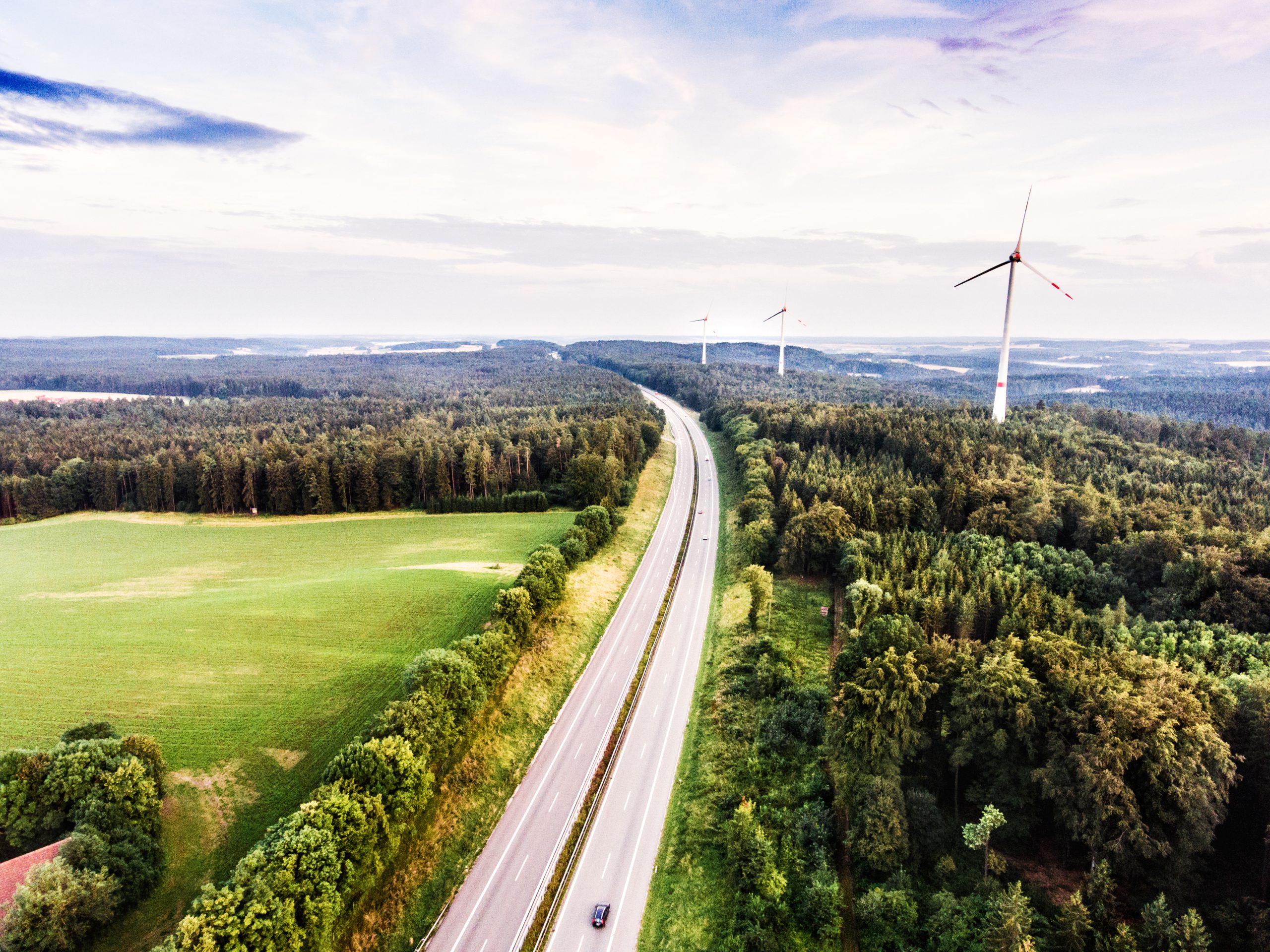
    At its core, solar power relies on the conversion of light energy from the sun into electrical energy. When sunlight hits a PV cell, it causes electrons within the cell to move around, creating an electrical current. CSP systems work slightly differently, using mirrors or lenses to focus sunlight onto a heat-absorbing material, which then generates steam to turn turbines and generate electricity. While the science behind solar energy conversion may seem complex, it’s actually quite simple once you break it down. And with advances in technology, the efficiency rates of solar panels have continued to improve, making them even more viable as a source of clean energy.

    graphicstock aerial view of highway and windmills in the middle of green forest cloudy sky netherlands H G ks BGZ scaled

    How Solar Panels Work and Their Efficiency Rates

    Solar panels, also known as PV modules, consist of multiple layers of materials that work together to convert sunlight into electricity. These layers include silicon wafers, conductive metal contacts, and protective glass or plastic coverings. When sunlight strikes the surface of the panel, the photons in the light interact with the electrons in the silicon wafer, causing them to flow in a certain direction and create an electrical current. The efficiency rate of a solar panel refers to how much of the incoming sunlight it can convert into usable electricity. Today’s best solar panels have efficiency rates of around 20%, but new technologies are being developed all the time that could push these rates even higher.

    Common Misconceptions About Solar Power Debunked

    Despite the many benefits of solar power, there are still some common misconceptions about it that persist. For example, some people believe that solar panels don’t work well in cloudy climates or during the winter months when daylight hours are shorter. However, this isn’t true – while solar panels do produce less electricity when they’re not exposed to direct sunlight, they can still generate significant amounts of power even under cloudy skies or in colder temperatures. Another myth is that solar panels are too expensive to be practical for most people. While installation costs have been high in the past, the price of solar panels has dropped dramatically in recent years, making them more accessible to homeowners and businesses alike.

    JM Industrial YAX 9831 1 scaled

    Examples of Successful Solar Projects Around the World

    There are countless examples of successful solar projects happening around the world right now. One notable project is the Ivanpah Solar Electric Generating System in California, which uses CSP technology to generate up to 392 megawatts of clean energy. Closer to home, many cities and towns across the United States are investing in solar infrastructure to power municipal buildings, schools, and other public facilities. Even entire countries are embracing solar power – Germany, for instance, has made huge strides in transitioning to renewable energy sources, with solar power playing a major role in its efforts.

    Conclusion

    As you can see, solar power truly is the future of sustainable living. With its many benefits, from reducing our carbon footprint to saving money on energy bills, it’s clear that solar power is a smart choice for both individuals and society as a whole. So if you’re ready to make the switch to clean energy, consider going solar today!

  • Ultimate Guide to Solar Power Benefits for Homeowners

    Ultimate Guide to Solar Power Benefits for Homeowners

    1. Energy Savings and Cost Efficiency

    Understanding Energy Bills

    We’ve all been there, staring at a sky-high energy bill that makes you question your life choices. Switching to solar power dramatically reduces those expenses. When I made the leap, the first thing I noticed was how those monthly bills began to shrink. It’s like finding a hidden treasure every month!

    By generating your own electricity, you become less reliant on traditional power companies and their fluctuating rates. Many homeowners, including myself, have seen their bills drop significantly, sometimes by as much as 50% or more. The savings can be redirected toward vacations, home improvements, or just a bit more fun in life.

    With solar incentives and tax credits, the initial investment can pay off quickly. I remember feeling a rush of excitement when I learned about the local and federal tax breaks—it’s basically Uncle Sam helping to cover part of your roof!

    Return on Investment

    Every time I look at my home, I see an investment that’s only getting better. The value of a home equipped with solar panels typically increases, which means when it’s time to sell, I could recoup more than I initially invested. It’s like putting money into a savings account that earns interest every day.

    Homeowners who opt for solar often report an increase in their property value—upwards of 4% in many cases. Just think, if your home is valued at $300,000, that could mean an extra $12,000 in value simply because you went solar. Talk about a smart move!

    Add this financial benefit to the overall drop in energy costs, and you’ve got an unbeatable package. The combination of savings and increased home value ensures that solar energy systems are worth every penny spent.

    Reducing Dependence on Fossil Fuels

    Let’s have a heart-to-heart here. We all know our planet is in trouble due to fossil fuels. By choosing solar, I feel like I’m doing my part to switch to cleaner energy. It’s empowering to know that my home is powered by the sun, not by polluting sources.

    Every kilowatt of solar energy you produce reduces your dependence on non-renewable resources. It’s refreshing to think that a light bulb in my home represents cleaner air and a healthier planet. Plus, it makes me feel good knowing that I contribute support towards a more sustainable energy future.

    Solar energy means more than saving a few bucks; it’s about creating a lasting change for generations to come. So really, each time I flip on a switch, I’m also helping to reduce my carbon footprint. Neat, right?

    2. Environmental Benefits

    Lower Carbon Footprint

    When I think about my home and the impact I have on the environment, switching to solar just feels like the right thing to do. Solar power greatly reduces dependence on fossil fuels, which inherently cuts down on carbon emissions. Honestly, that makes me feel all warm and fuzzy inside.

    For me, the thought of my home contributing to cleaner air and a healthier planet is more than just a perk—it’s a responsibility. Perhaps even more compelling is realizing how just one solar system can eliminate about 100 tons of carbon dioxide over its lifetime. That’s like planting over 2,000 trees! Amazing, right?

    By using solar energy, I’ve noticed firsthand the tangible improvement in the air quality around my neighborhood. It’s not just about personal gain; it’s about making the world a better place for us all.

    Supporting Sustainable Development

    Another thing I love about solar power is how it promotes sustainable development. Installing solar panels fosters a cleaner industry that supports jobs focused on renewable energy. It’s encouraging to think that by choosing solar, not only am I enhancing my own home but I am also supporting an industry that creates jobs for skilled workers.

    Solar installations help stabilize energy prices while creating a more reliable energy supply for everyone. This means that homes like mine are less vulnerable to fossil fuel price fluctuations. It’s akin to being on a sturdy ship, navigating through turbulent waters along with the support of a growing industry.

    Being a part of this change feels rewarding. Knowing that my decision supports innovation and sustainability fills me with pride every time I catch a glimpse of my solar panels gleaming in the sunlight.

    Reducing Water Usage

    Water scarcity is a serious issue, and I didn’t even realize that traditional electricity generation is water-intensive. By switching to solar, I’ve reduced water use compared to conventional energy sources. In many ways, it’s a win-win situation!

    The water used in energy production is not just about quenching humans’ thirst; it’s also about protecting ecosystems. My choice to utilize solar energy means less water is diverted for energy production—and that’s crucial for maintaining local habitats.

    Even small steps matter, and it feels great to be mindful about water conservation while providing for my household’s energy needs. It’s just another layer of being eco-conscious—one decision at a time!

    3. Increased Energy Independence

    Self-Sufficiency

    Perhaps one of the most liberating aspects of going solar is the feeling of self-sufficiency. No longer do I feel at the mercy of the utility company and fluctuating energy prices. Instead, I’m able to produce my own energy, and it feels fantastic!

    It’s not just about saving money; it’s about having control over my energy production. For example, when storms hit and power outages abound, I know that sunlight will always be there to help power my home. That sense of empowerment is unbeatable!

    This independence also means less worry about future energy increases or shortages due to political or market fluctuations. With solar energy, I can rest easy, knowing that I am creating my own electricity and only paying for those exceptional moments when I rely on the grid.

    Investment in Local Economy

    In many ways, choosing solar not only benefits me but my community as well. Investing in solar means supporting local businesses related to installation and maintenance. I love knowing that my choice is helping to create jobs in my own backyard.

    The solar industry employs thousands of people, and it’s been a fantastic boost for the local economy. When I learned that every new solar job quite literally helps the community thrive, it made me feel even better about my decision.

    The investment in local resources not only strengthens community ties but also reinforces that we all play a role in this clean energy future. I see it as a shared journey towards a sustainable environment for all.

    Resilience Against Energy Crises

    With everything going on in the world, energy crises can strike without warning. Making the transition to solar power means my home is more resilient. Even during power outages, I still have access to energy, which provides peace of mind for my family.

    During those tough times when the power grid can’t be relied on, I’m able to maintain a sense of normalcy in my household. The availability of renewable energy creates stability, enabling more families like mine to weather any storm—literal or metaphorical!

    Being part of a growing shift toward renewable energy ensures that, as a community, we become stronger and less dependent on vulnerable energy systems. Just imagine how impactful that can be for the future!

    4. Tax Incentives and Rebates

    Understanding the Financial Benefits

    One of the things that really surprised me when I went solar was all the tax incentives available. I honestly thought it would be a complicated mess, yet it turned out to be quite straightforward. These incentives can cover a significant portion of installation costs—who wouldn’t want to save some money?

    In many areas, there are federal tax credits that cover up to 26% of installation costs. That’s huge! It felt like receiving a discount from my favorite store, except it was for an investment in my home and the environment.

    Many states also offer specific rebates that further decrease installation costs. All I needed was a little research, and soon I was on the way to maximizing those benefits. If I can do it, so can you!

    State and Local Programs

    Beyond federal incentives, numerous states have their own programs designed to encourage solar use. For me, discovering what my state had to offer was like finding extra chips in a bag that I thought was empty—it was a delightful surprise!

    Whether it’s performance-based incentives, solar renewable energy certificates (SRECs), or local rebates, exploring available options can really stack on the benefits. I remember feeling an overwhelming sense of gratitude for the support my community offered for those going green.

    Be sure to look into your local programs, as many offer significant savings that can make the decision to go solar even more enticing. There’s a world of options out there just waiting for you.

    Long-Term Financial Security

    Investing in solar isn’t just about immediate savings; it’s about creating long-term financial security. As energy prices continue to fluctuate, I feel comforted knowing that I can lock in a consistent energy price by using solar power.

    This stability translates into budgeting for the future. Knowing what my energy cost can be in the long run allows me to allocate resources more efficiently. It’s like having a friend who always knows the best routes to avoid traffic!

    The long-term gains of solar energy become very apparent; this is particularly true with increasing energy prices over time. I’ve created a safety net for my family’s future, and that’s something that gives me peace of mind.

    5. Enhancing Home Value and Curb Appeal

    Stylish Solar Design Options

    When I first installed solar panels, I had a vision in mind—not just practicality but aesthetics too! Today, there are so many stylish designs that integrate nicely with almost any home style. Gone are the days when solar panels were clunky and unattractive; the options now are sleek and modern.

    For me, choosing the right solar technology was a fun part of the process. I’m excited by how my panels now complement my home’s exterior. Honestly, they look so good on my rooftop; it gives the whole place a modern touch!

    Plus, many people are already looking to purchase homes with solar panels in place. It’s a pretty chic accessory and can make your property stand out to buyers, which is excellent when I think about selling someday.

    Boosting Property Value

    Research shows that homes with solar energy systems typically sell for more than those without. For me, knowing my investment contributes to future value is immense. When I eventually decide to sell my home, I can feel confident about recouping my solar investment, which is a huge plus!

    Buyers are continually searching for energy-efficient homes. By investing in solar, I’ve essentially made my property more attractive to potential buyers—all while providing a better lifestyle for my family right now.

    The solar installation bumps up the home’s market appeal in an increasingly eco-conscious market. I’ll definitely sleep easier knowing that my home is a coveted asset!

    Environmental Appeal

    And let’s face it: sustainability is trending! Today’s homebuyers are becoming more conscious of their environmental impact. When they see solar panels, they might just see a home that aligns with their values. This enhances not only the home’s value but its overall appeal.

    It’s not just a metric; it’s a movement. I can proudly say I’m part of that movement … every time someone compliments my beautiful solar setup, my heart swells with pride.

    As more people consider their carbon footprint, solar energy is increasingly viewed as a must-have rather than just a luxury. It’s a trend that’s definitely on the rise!

    Frequently Asked Questions

    1. What are the clear financial benefits of switching to solar power?

    The main financial benefits include significant savings on energy bills, various tax incentives, and an increase in property value. Many homeowners see a return on investment in just a few years!

    2. How does solar energy contribute to environmental sustainability?

    Solar energy reduces reliance on fossil fuels, decreases greenhouse gas emissions, and minimizes water usage in electricity generation. It plays a significant role in creating a cleaner and healthier planet.

    3. Are there local incentives available for installing solar panels?

    Definitely! Many states offer local rebates, performance incentives, and solar renewable energy certificates (SRECs) to homeowners who choose solar, helping to further reduce the overall cost.

    4. How do solar panels affect home resale value?

    Homes with solar installations generally sell for more than those without. They are increasingly valued by buyers who are seeking energy-efficient and environmentally friendly homes.

    5. What is the process of going solar?

    The process usually involves assessing your energy needs, obtaining quotes from solar installers, deciding on financing options, and finally, getting the system installed. It’s simpler than you might think!

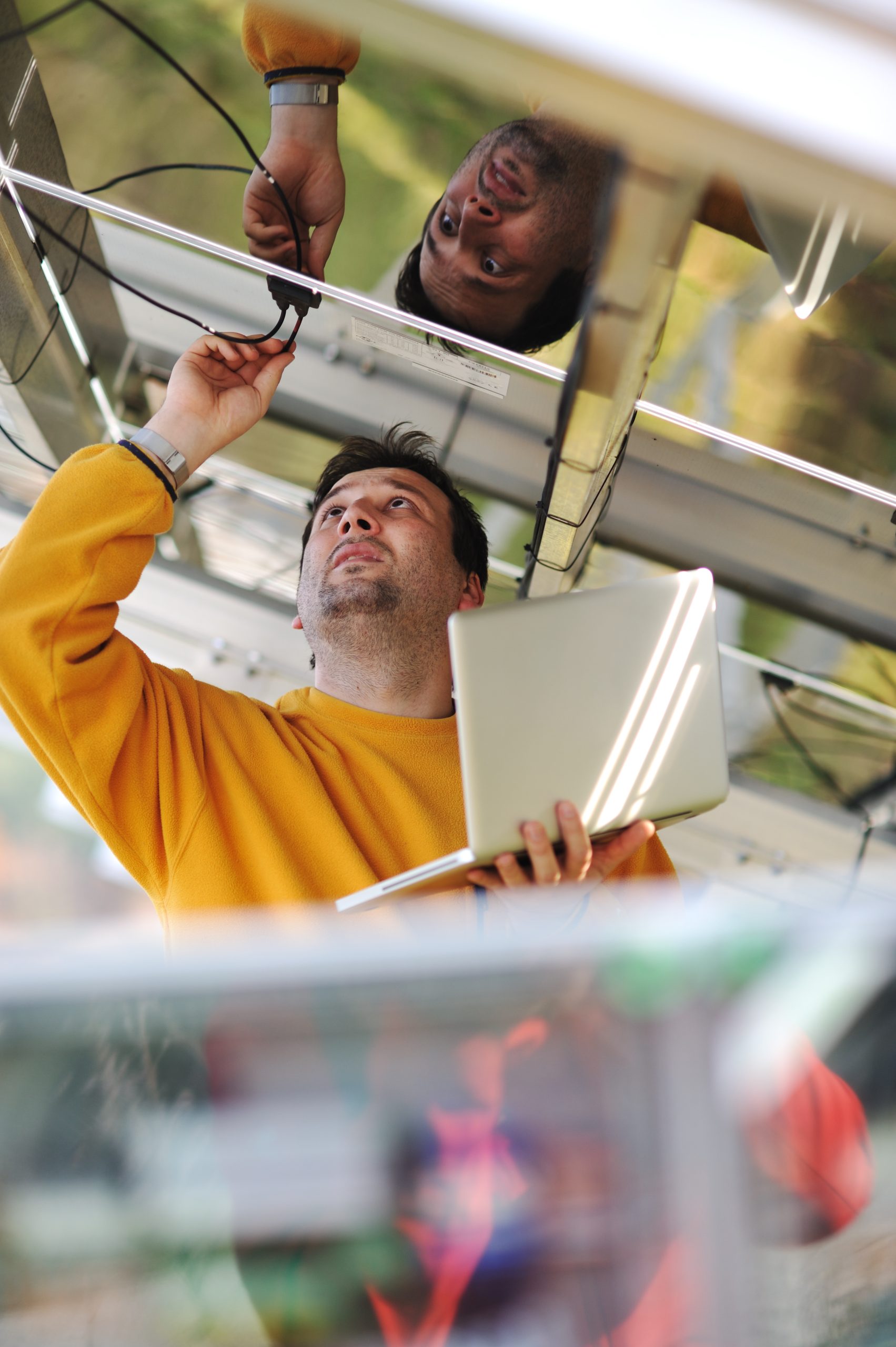
  • Useful Advice For Those Interested In Solar Energy

    Useful Advice For Those Interested In Solar Energy

    Solar energy is not brand new, but it is an unexplored topic for many people. The trick to knowing a lot about solar power is putting in some time reading and studying about it. The following article is a great starting point.

    The efficiency of solar panels depends on their density. With a high density the price will be increased, but you’ll generate a lot more energy. Be sure to compare densities before picking your panels.

    You can help the environment by heating your water with solar energy. You can find solar systems in both tankless and standard water heaters. You can install these in bright location or on your roof.

    There are two types of solar panel. Poly-crystalline panels are generally less expensive; however, they are not as efficient as mono-crystalline panels. Make sure to get the most affordable and efficient product to power your home’s energy system.

    TIP! Two categories of solar panels are available. The less expensive types are the poly-crystalline panels, but they also are less effective than the mono-crystalline panels.

    If you want to use partial solar power, look into some small solar operated appliances. There are two ways to go about it. You could, for instance, invest in small solar panels that can be mounted on a window. The second way is to use solar-powered equipment when you camp. Every little bit shaves a little off of your electric bill.

    Solar Power Benefits

    Be aware that you can still get solar power benefits even if you live in a chilly, overcast area. Solar power benefits do not need full sun at a particular temperature. Many folks say that their top power days sometimes come on seemingly less than optimal days.

    Your solar power system will function wonderfully if you maintain proper care of it. Inspect and clean your panels on a regular basis. You can save money by doing this yourself, but should hire someone if you don’t feel comfortable doing it.

    TIP! You have to maintain your solar panels so that they function normally. Wash it frequently and check it for problems every day.

    If you have resources and room for it, sun tracking panel systems are the way to go. The sun is followed as it moves through the sky with these systems. While it may be more expensive, the energy it produces is worth it.

    Solar Panels

    If you get solar panels installed, make a habit of checking the inverter. Look to be sure that the indicator light is solid green. If it is off or blinking, you should call your solar energy company. Many owners aren’t skilled enough to diagnose the problem. Choose solar panels with a long warranty that includes maintenance and repairs.

    Reposition your panels during the year as the seasons change. If you need to install panels that are fixed, a compromise will need to be reached in terms of optimal angles for winter and summer.

    TIP! Although it may appear that solar panels are permanently attached to the roof, the best systems for generating the most electricity allow the angle of panels to be repositioned throughout the seasons. If you must install fixed angle panels, you’ll have to make a compromise in between the best angles for summer and winter.

    Look into using solar energy to power your home in some way if you care anything at all for the environment. Since it gets its power from the sun, there is not much you can do to be greener than use solar energy. Using solar energy will lessen the amount of fossil fuels you use.

    A solar powered fan for your attic is a good choice if switching completely to solar power is not feasible. An attic fan will sense the temperature and turn itself on when your attic reaches a specific temperature. This gets rid of heat and reduces cooling costs. It’s also solar powered, so you don’t have to pay to power it.

    The best time to purchase a complete solar power system is once you fully own your home. If you have to make payments on your house still, you will have to pay extra for your solar energy system and could lose it if you fall behind on your payments.

    useful advice for those interested in solar energy

    If your solar panels fail, you should have a backup in place. It is a wise idea to remain connected to your local power grid or invest in a generator. Keep your generator well maintained and run it regularly to keep it in good condition.

    TIP! You should have a back-up plan in case the solar panels don’t work as they should. Although a generator can be viable solution, you could also choose to remain plugged in to the power grid and harness traditional power during the times that your solar panels are malfunctioning.

    There are many factors that may affect the placement of solar panels and the angle for optimum sunlight. It is helpful to periodically check to make sure nothing is causing shade, like a tree or new building in the area.

    Solar Energy

    Avoid pushy sales reps who work in the business of solar energy. Switching to solar energy is a large investment and one you should think about first. You should always consider such an expensive investment carefully and get several estimates. If it will save you money at the present moment, it will later as well. Don’t be pressured into making such an important decision without carefully considering all of your options.

    Assess your needs and budget to determine whether or not solar power is a good option for you. In particular, you need to consider a few things. If your area is remote, you may want to invest in solar energy. It’s also a wonderful choice if you understand that paying more upfront can cut your costs and the environment in the long run.

    TIP! Is solar energy right for you? You need to consider a few things. Solar energy is a good option for those that live in remote locations that are not connected to utility grids.

    You should have your solar panels checked twice each year for peak performance. The technician will ensure everything is running smoothly and angled the right way.

    If you are a resident of the American southwest, solar power is likely a great idea for you. This is one of the most optimal areas in the country for a solar energy system. The cost of installation is far less than the average cost of utility bills.

    Change solar panel angles during the seasons, or four times per year. As you progress from season to season, the direction of the sun will alter. Make sure you’re maximizing your panels’ energy absorption by varying the angle that your panels face. Therefore, you can ensure you are getting your money’s worth out of your panels.

    Don’t give in to a high pressure sales pitch when you are seeking the best in solar energy systems. You need to do the adequate research and carefully weigh the options so that you will make the right decision. A hasty decision at this point could cost you thousands of dollars because you invested in a useless system.

    TIP! If you are thinking of buying solar energy panels, stay away from high-pressure salespeople. Know what you’re looking for before ever setting foot in the shop.

    Installing solar panels is an important task and should be approached accordingly. You should always make sure you do your research, seek out references, and do your price checking. You should carefully consider each aspect of the contract, and you might want an attorney to look it over.

    Consider a solar water heater if you are not ready for a full solar energy system. 35% of your energy usage may be just for hot water. A water heater that is solar powered is lower priced than an entire power system, but you can save money with it.

    Before hiring a solar energy installer, be sure to perform a background check. Panels should come with a minimum of a 10+year warranty. Also, it will make it easier to find replacement panels and have warranty work done.

    Solar power systems are evolving each year. Though they used to be expensive, solar panels have become more affordable. There are many different systems out there, so it is important to take your time to ensure you choose the best fit for you.

    TIP! It’s amazing how solar technology continues to evolve. The costs have dropped and the rigs are more efficient than ever.

    People are very interested in solar power today. There are many others that still have a lot to learn about it. This article has given you many great pointers about solar energy exploration.

  • Why is Solar Power Important?

    Why is Solar Power Important?

    Why is Solar Power Important?

    Solar power is a great way to generate electricity for your home or business. It is a clean, renewable resource that can help you save money on your energy bills. Solar power is also an excellent way to reduce your carbon footprint and help protect the environment.

    Introduction to Solar Power

    Solar power is the conversion of sunlight into electricity, either directly using photovoltaics (PV), or indirectly using concentrated solar power (CSP). Concentrated solar power systems use lenses or mirrors and tracking systems to focus a large area of sunlight into a small beam. Photovoltaic cells convert light into an electric current using the photovoltaic effect.

    Solar power is a renewable energy, and it is one of the cleanest sources of energy available. Solar power does not produce any greenhouse gases, and it does not pollute the air or water. Solar power is a very versatile source of energy, and it can be used for a variety of applications, including powering homes and businesses, providing electricity to remote areas, and even powering entire cities.

    Solar Power Basicsdo you know the benefits of solar energy read on

    Solar power is one of the most promising renewable energy sources. It has the potential to provide a clean, carbon-free source of electricity for homes, businesses, and utilities. Solar power is derived from the sun’s radiation. Solar panels, also called photovoltaic (PV) cells, convert sunlight into electricity.

    Solar power has many benefits. It is a clean, renewable source of energy that does not produce carbon emissions. Solar power is also a very versatile energy source. It can be used to generate electricity for homes, businesses, and utilities. Solar power is also relatively affordable, and the cost of solar panels has been falling in recent years.

    Solar power is not without its challenges. Solar panels require a sunny location to work well, and they can be expensive to install. Solar power also requires a reliable storage system, such as batteries, to store the electricity generated by the panels.

    Solar Power Benefits

    Solar power has a number of benefits over traditional forms of power generation. Solar power is a renewable resource, which means that it can be used over and over again without running out. Solar power is also very efficient, and can be used to generate electricity with very little environmental impact. Solar power is also very versatile, and can be used in a number of different ways to meet energy needs.

    Solar Power Drawbacks

    how solar energy can benefit you and your familySolar power has a number of advantages over other forms of energy, but it also has a few disadvantages. One of the main disadvantages of solar power is that it is not available 24 hours a day. Solar power is only available during the daytime, when the sun is shining. This means that solar power cannot be used at night or on cloudy days. Another disadvantage of solar power is that it is not very efficient. Solar panels only convert a small percentage of the sun’s energy into electricity. This means that a lot of solar panels are needed to generate a significant amount of power.

    Solar Power Costs

    Solar power is one of the most promising renewable energy sources available today. It has the potential to meet a large portion of the world’s energy needs, and its costs are falling rapidly as technology improves.

    However, solar power is still more expensive than conventional fossil fuels, and it currently only provides a small fraction of global energy demand. In order to become a major player in the energy market, solar power will need to become cheaper.

    There are a number of ways to make solar power cheaper. One is to improve the efficiency of solar panels so that more sunlight can be converted into electricity. Another is to reduce the cost of manufacturing solar panels.

    Solar power is also becoming cheaper as more countries invest in it and as the technology improves. The cost of solar power is expected to continue to fall in the coming years, making it an increasingly attractive option for meeting the world’s energy needs.

    The Future of Using Solar Power

    The sun is a never-ending source of renewable energy, making solar power an attractive option for the future. Solar power is pollution-free and produces no greenhouse gases, making it a sustainable energy source. The cost of solar power has decreased significantly in recent years, making it more affordable than ever. Solar power is a versatile energy source that can be used for a variety of applications, including powering homes, businesses, and even vehicles. With the continued development of solar technology, the future of solar power is bright.