Tag: SOLAR POWER

  • Is Solar Power Worth the Investment? A Cost-Benefit Analysis

    Is Solar Power Worth the Investment? A Cost-Benefit Analysis

    Solar power is a renewable source of energy that has been gaining popularity in recent years. With increasing concerns about climate change and the need to reduce carbon emissions, many people are looking for ways to switch to cleaner sources of energy. But is solar power really worth the investment? Let’s take a closer look at the cost-benefit analysis of this alternative form of energy.

    Introduction to Solar Power and its Benefits

    Solar power involves harnessing the sun’s energy through photovoltaic cells or thermal systems. These systems convert sunlight into electricity that can be used to power homes, businesses, and other applications. One of the main benefits of solar power is that it produces no greenhouse gas emissions, making it an environmentally friendly option. Additionally, once you have installed a solar system, there are minimal ongoing costs associated with producing your own energy.

    The Cost-Benefit Analysis of Solar Power

    While the initial installation cost of a solar system may seem high, over time, it can save you money on your energy bills. The cost of installing solar panels has decreased significantly in recent years, making it more affordable than ever before. Depending on where you live, you may also qualify for tax credits or rebates that can further offset the upfront costs. Additionally, by generating your own energy, you become less reliant on traditional energy sources, which can fluctuate in price due to supply and demand. Overall, while there may be some initial expenses involved, the long-term savings make solar power a worthy investment.

    Is Solar Power Really Helpful for the Environment

    One of the biggest advantages of solar power is its environmental impact. By using clean energy, we can reduce our dependence on fossil fuels, which contribute to air pollution and global warming. According to studies, switching to solar power can help reduce carbon dioxide emissions by as much as 28,000 pounds per year. This reduction in emissions not only helps combat climate change but also improves air quality, leading to healthier communities.

    How Expensive is Solar Power in Comparison to Traditional Energy Sources

    Although the initial cost of installing solar panels may be higher than traditional energy sources such as coal or natural gas, solar power becomes cheaper over time. Once you have installed a solar system, there are no fuel costs associated with producing energy, meaning that your ongoing costs will be lower. Additionally, as technology continues to improve, the cost of solar power is expected to continue to decrease, making it even more competitive with traditional energy sources.

    What are the Best Solar Power Generators on the Market

    There are several types of solar generators available on the market today, ranging from portable units designed for camping trips to larger systems that can power entire homes. Some of the best solar power generators include those made by companies like Goal Zero, Renogy, and Suaoki. These brands offer high-quality products that are durable and efficient, providing reliable energy when you need it most.

    Can I Install My Own Solar Panels or Do I Need Professional Assistance

    Installing solar panels requires specialized knowledge and skills, so it’s recommended that you seek professional assistance. However, depending on the size and complexity of your project, you may be able to perform some aspects of the installation yourself. It’s essential to research local permitting requirements and safety guidelines before beginning any DIY projects related to solar power.

    JM Industrial YAX 9943 scaled
  • Solar Energy Explained In Easy To Understand Terms

    Solar Energy Explained In Easy To Understand Terms

    Millions of people around the world have benefited from solar energy. Ask anyone who uses solar energy in their own home, and you will find a person who is paying less for energy every month. In this article, we discuss the extensive benefits of going solar.

    The amount of energy produced depends on the efficiency of your solar panels as well as the number of solar panels installed. Do your homework and determine through your calculations how to get the most out of your panels. Sometimes, it is better to choose quality over quantity.

    Start small when you start using solar energy. Use solar lights outside to conserve energy. You can find them at your local hardware store or mass market retailer. Installing them means nothing more than shoving them into the soil.

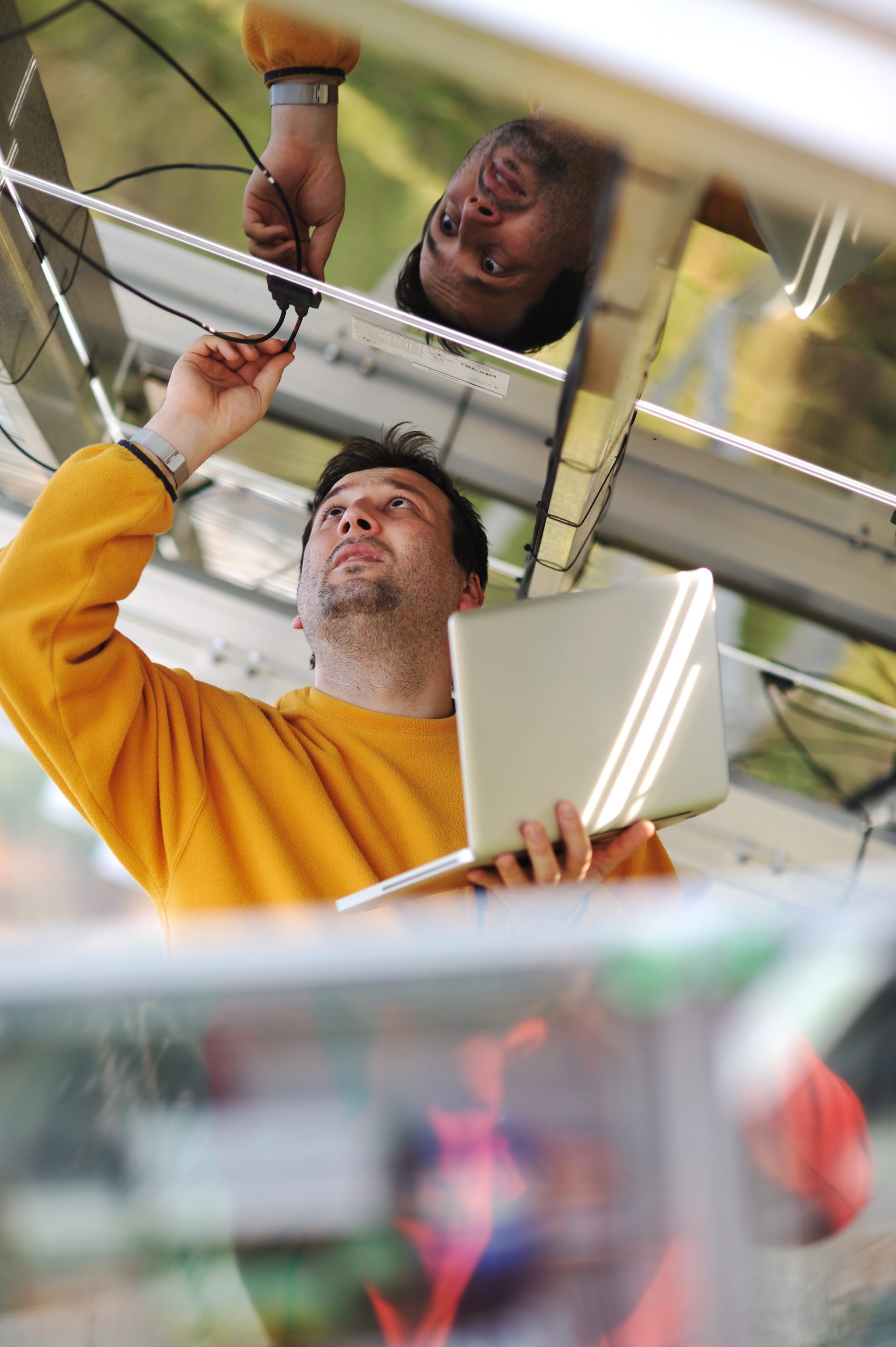
    With regular maintenance, solar energy systems will run just fine. You need to perform monthly equipment inspections and clean the panels well. Although you can save money by inspecting and cleaning your panels on your own, you should hire a professional for doing this if you are just not comfortable climbing up on your roof.

    TIP! It is important to preform regular maintenance to the solar energy system to help prolong the life of it. You should inspect your equipment at least once a month, and wash the surface of the panels carefully.

    Look for installations that have technology that doesn’t rely completely on the schedule of the sun. New solar energy systems can store a great deal of energy so that you can make complete use of your system 24/7, 365 days a year. This is great if you use lots of power in the evening.

    While it may seem that your solar panels are always affixed to your roof permanently, the best ones permit repositioning of the angles. If you have to put in panels with fixed angles, try to position it so it will work for both winter and summer months.

    You can have solar power even in a cloudy or cold locale. Visual light is only part of what is used to generate electricity, and cloud cover does not block everything. In fact, lots of people say that they get great energy on days that are not so sunny.

    An environmentally friendly way to save money is using a solar water tank to heat your home’s water. You can find solar systems in both tankless and standard water heaters. These can be installed in a sunny location or on top of your roof.

    TIP! Heating water with a solar-powered heater can help save the environment. There are several varieties of water heating systems including solar powered tankless styles and solar heated water tanks.

    Solar Panels

    While you will need to spend extra initially, properly installed solar panels will save you money. Solar panels represent an important financial investment and it could be years before your equipment is paid off. Do not invest in solar panels unless you are ready to settle down.

    Numerous governmental authorities offer tax credits for solar energy installations. In some places, you could get approximately 30 percent of the money you put into your system back. Find out if you can get this where you live by looking on the Internet or speaking with a local representative.

    Check your solar panel inverter from time to time. Your inverter should display a green light if it is working properly. Call your technician if you see some blinking lights or notice some lights are off. Diagnosing a solar panel issue is generally outside the expertise of owners. If your system is still under warranty, most visits are covered free of charge.

    TIP! After your solar energy system is installed, you must check your power inverter often. You should see a solid green light.

    When converting your domicile to solar power, begin with the spaces that are the easiest. Starting with small solar-powered appliances will help make the transition easier without disrupting your daily routine. Converting a little bit at a time can help you feel more confident about committing to solar energy for your home.

    Pathway lighting is simple, affordable and ideal for bringing solar energy to your home or business. The lights power up all day and then brighten the path at night. It is simple to install then and make outdoor spaces charming.

    Analyze the weather in your area to determine if solar panels are right for you. You need at least five hours of sunlight every day to get the most use out of them. If your roof is covered with snow in the winter or if you have many cloudy days, solar energy may not be for you.

    With each year, solar power systems keep getting stronger and stronger. It was very expensive in the past, but the cost has gone down to match the affordability of a common household. You can find the proper unit for your home with just a little homework and effort.

    TIP! There are many different innovations being made with solar energy. It was very expensive in the past, but the cost has gone down to match the affordability of a common household.

    Look at adding a solar system for heating water with an eye to pragmatism. While they do produce some energy savings, even the most efficient only use one third less energy than convectional water heaters. Secondly, never assume morning showers mean cold water. Solar-heated water will be warm for up to a whole day.

    To make sure that your solar panels are operating at maximum efficiency, do a routine check a couple of times a year. This check involves examination of the connections as a means to make sure that the panels are angled properly and that the power inverter remains in good working order.

    Avoid walking on solar panels unless you have no choice. These are pricey, and any misstep (literally) can cost you a fortune in repairs. Should you need to step on them, always avoid the edges of panels, as these are more susceptible to breakage.

    Solar energy is an excellent way to reduce the quantity of pollutants you generate. Smaller machines that depend on solar energy have become increasingly popular. The ways that solar power can be utilized grow with each year and the possibilities are endless.

    TIP! Solar energy reduces the amount of pollution produced annually. There are other machines that use solar energy to operate.

    When you choose solar panels, make sure to think about more than price. Solar panels differ in the panel’s physical size, wattage, brand, warranty period, performance and material quality. Because of this, you should thoroughly research all the solar panels and select the highest quality one rather than the cheapest one. Buy the best you can afford.

    A sun tracker will increase your ability to capture solar energy. This device will automatically adjust your solar panels so they are always at the optimal angle to capture sunlight. Although they are more costly, the energy production will offset the difference.

    Solar panels are able to do more than light your house. They also offer heat for your water. Solar panels will eventually pay for themsleves. the amount you pay on your electricity.

    If you want to preserve the environment, you should find a way to use solar energy at home. Solar energy is a very “green” source of energy since it is 100 percent renewable. Making use of this technology will greatly reduce your use of fossil fuels.

    TIP! If you are environmentally conscious, consider adding a solar energy system to your home. Sunlight is a renewable resource, and a solar energy system takes full advantage of this.

    Solar Energy

    Find out which areas in your home are ideal for solar energy. Solar energy may not be able to provide all of the energy you need so find ways to reduce your energy needs. That said, they can provide enough energy to power your water heater. You can also use other alternate energy options if you find solar power cannot fulfill all of your needs.

    You can’t easily save the planet, but going green with solar energy can help you cut energy costs and save the planet. Electric bills continue to rise. Use this advice to make the switch to solar energy today!

    Review how much energy you use each day. Before switching to a solar energy system , you should have a good sense of the amount of power you use. Making the right choices for your needs is essential to getting the most for your money. Go back over the entire year to see how your energy usage changes throughout the seasons.

    TIP! Learn how much energy your household uses. Before switching to solar panel, you must know how you use energy.
  • Solar Energy Tips You Really Need To Know

    Solar Energy Tips You Really Need To Know

    In years to come, people will start to use less oil to provide energy for their needs. Solar power is a major component in the green revolution, and you can become a part of it. The tips in this article will give you valuable insight on how to get started.

    In order to maximize the potential from your solar panels, try and find a system that doesn’t directly rely on the schedule of the sun. Newer panels allow you to store energy and use it later when there are no sun rays. This is great if you use lots of power in the evening.

    Saving the environment can start with cleaner water-heating devices. You could invest in a solar-powered water tank or in a tankless system. They are easily installed in an area of optimum sun exposure or on the roof.

    The amount of electricity you generate from solar panels is dependent on how many panels you install and the efficiency of these panels. You should be using math to help you find out the number of solar panels you need. Many times it is more cost efficient to purchase energy efficient panels rather than more panels.

    TIP! The amount of energy you can produce using solar power greatly varies depending on how many panels you have, as well as their efficiency. Do the math and figure what you require.

    If you want to get off the grid, you will need to store power for when the sun is not shining. Buy an efficient battery which will allow you to power your home at night, or sell the power back to the grid.

    Solar Energy

    You need to think about whether or not solar energy is a good decision for your house. There are many reasons you may choose to go this route to power your home. If you live in a remote setting and aren’t on the grid, solar energy can be a fantastic option. It is a good alternative for you if you can afford the initial investment to cut down on the impact of your energy usage on the environment.

    You can integrate solar energy into your home’s current energy source. Use solar lights outside to conserve energy. You can find them at large retailers and national chain stores. The installation of the lights is not complicated, and most are ready to go from the box right into the ground.

    TIP! Start small if you are just starting out with solar energy. Use solar lights outside to conserve energy.

    There are many different things to factor in when deciding whether or not to install a solar energy system into your home. While solar panels have come a long ways, there are still instances where the costs outweigh the benefits. You need to do all your homework, so you know if this type of energy is really going to save you money.

    If you want to help improve the environment, then utilizing solar energy for your home is one of the best ways to go. Solar energy harnesses the power of the sun, a free and entirely renewable source of power. Do your part to use less fossil fuels by using solar energy instead.

    If you are having a new home built for you it is a great time to look into using solar energy to power your home. Solar power is the way of the future. It is now time to check out solar energy if you have failed to do so in the past.

    Do not think that taking advantage of solar energy requires you to completely tear off the roof. At the least, you’ll need to replace outside illumination with lamps and lights that run on solar energy. They gather energy during the day to light up at night. Just be aware that they may not work during long winter nights or predawn times.

    TIP! Do not think that taking advantage of solar energy requires you to completely tear off the roof. You can always start small by purchasing outdoor lighting that is run off of solar energy.

    solar energy tips you really need to know

    How do you use energy? If you are considering solar panels, realize how much power you use. If you want to choose a properly sized solar energy system, this information is extremely important. You should look at the past year’s utility bill.

    If you’re not ready to fully change to solar energy, check out attic fans that are solar powered. An attic fan that runs on solar power will turn on due to a sensor if the temperature in the attic reaches a certain number. This will remove heat and lower the cost of cooling. This is a great option because it costs you nothing to run it, since it is completely powered by the sun.

    If you will be switching to solar energy, begin with the easiest areas to convert. Starting with small solar-powered appliances will help make the transition easier without disrupting your daily routine. Changing things one step at a time makes it easier to follow through with your plan.

    Once your solar panel system produces energy, it’s crucial you discover how to properly store all this energy. The best way is purchasing a high-quality battery that stores lots of power for a lengthy time period. However, you can also sell your produced energy to the power grid. This will allow you to continue drawing your own energy from the grid.

    TIP! It’s important to have a storage solution for solar energy. Purchase a good battery able to store significant amounts of energy for long periods, or think about reselling excess energy to the grid.

    You can add pathway lighting to your home or your business today to get started on harnessing the power of the sun. Standalone pathway lights are simple to install. They gain power from the sun in the daytime and provide light all night long. It is simple to install then and make outdoor spaces charming.

    You want to have a plan for your solar energy panels and maybe purchase a few at a time, because they are an expensive initial investment. Get a professional to perform an energy audit on your home. This can help you find the ways you waste energy so you can change them. This means you will not need as many panels installed.

    Try to find more contemporary options when selecting a solar panel system. Newer technologies have better efficiency, but some vendors continue to market older technology. Older versions come at lower price points, but newer ones deliver better long-term results.

    You can save a lot of money with solar energy if you don’t mind the investment. Although the initial cost of solar panels may seem prohibitive, remember that you will soon recoup your expense with money save on energy. If you don’t plan to stick around, don’t buy solar panels.

    TIP! A wonderful long-term investment that can save you money is a solar power system. Solar panels represent an important financial investment and it could be years before your equipment is paid off.

    Your solar panels need to face the sun. The energy comes from the sun, and if you want your panels to receive maximum energy, they need to be facing the sun.

    Change the panels’ angle with the change of seasons. As the seasons change, the amount of sunlight hitting your home, as well as the direction of that sunlight, will change as well. If you change the panel angles, you stand a good chance of optimizing the energy that you can capture, getting the most of your investment.

    In the future, energy is likely to become both cheaper and cleaner. Why wait until solar energy becomes the standard? You should consider your different options and establish a budget before you decide to invest in solar panels.

    Many governments worldwide may provide credits on taxes for changing to solar power. This can save you up to one-third of your initial purchase. Contact a local representative or look on the Internet for more information to see what programs are near you.

    TIP! There are many tax credits, rebates and incentives to help you offset the initial costs of solar power. You could get a refund of thirty percent, or so, on your system once you use their rebate.

  • Renewable Energy 101: Understanding Solar Power and its Benefits

    Renewable Energy 101: Understanding Solar Power and its Benefits

    Solar power is a form of renewable energy that has been gaining popularity in recent years. It involves harnessing the sun’s energy to generate electricity, which can be used for various purposes such as heating water or running appliances. In this article, we will explore the basics of solar power, its benefits, how it works, and whether it truly helps the environment. We will also discuss the costs involved in using solar power and what you need to know about installing your own panels. Let’s get started!

    Introduction to Solar Power

    Solar power is generated by converting sunlight into electrical energy through photovoltaic cells. These cells are made up of semiconductor materials, usually silicon, that absorb photons from the sun’s rays and release electrons, creating an electrical current. The amount of energy produced depends on factors like the intensity of light, the angle of incidence, and the efficiency of the cell.

    The Benefits of Using Solar Energy

    One of the main advantages of solar power is that it is a clean source of energy. Unlike fossil fuels, it does not produce greenhouse gases or other pollutants that contribute to climate change. This makes it an attractive option for those who want to reduce their carbon footprint and help protect the planet. Additionally, solar power is abundant and free, meaning it can provide a reliable source of energy without the fluctuations seen with traditional sources like oil and gas.

    How Does Solar Power Work

    As mentioned earlier, solar power works by converting sunlight into electrical energy through photovoltaic cells. When sunlight hits these cells, it causes electrons to move around, creating an electrical current. This current is then sent to an inverter, which converts it into usable AC (alternating current) electricity that can be used to power homes or businesses. Excess energy can be stored in batteries for later use or fed back into the grid for others to use.

    Is Solar Power Really Helpful for the Environment

    Absolutely! As mentioned earlier, solar power produces no emissions or pollution, making it one of the most environmentally friendly forms of energy available today. By switching to solar power, individuals and organizations can significantly reduce their carbon footprint and play a role in mitigating climate change.

    Understanding the Costs of Solar Power

    While there may be some initial costs associated with setting up a solar system, including purchasing equipment and installation fees, solar power can ultimately save money over time. Once installed, solar systems require little maintenance and can last for decades, providing a steady supply of free energy. Additionally, government incentives and tax credits may be available to offset the cost of installation.

    What is the Best Solar Power Generator

    There are many different types of solar generators available, ranging from small portable units to large-scale commercial systems. The best generator will depend on individual needs and preferences. Some things to consider when choosing a solar generator include capacity, efficiency, durability, and ease of use.

    wind energy fyHRFEqO scaled

    Can I Install My Own Solar Panels

    Yes, many people choose to install their own solar panels as a way to save money and take control of their energy production. However, it should be noted that installing solar panels requires specialized knowledge and skills, so it may be more practical to hire a professional installer unless you have experience working with electrical systems.

    Renewable Energy 101: An Overview

    In addition to solar power, there are several other forms of renewable energy, including wind, hydroelectric, geothermal, and biomass. Each type of energy has unique characteristics and applications, but all share the common goal of reducing our reliance on nonrenewable resources and promoting sustainable development.

    How Long Do Solar Batteries Take to Recharge

    The time it takes for solar batteries to recharge depends on several factors, including battery size, charging method, and weather conditions. Typically, solar batteries can fully charge within 4-8 hours under ideal conditions. However, if they are heavily discharged or exposed to poor weather conditions, it may take longer for them to reach full capacity.

    Conclusion

    In conclusion, solar power offers numerous benefits, including being a clean and abundant source of energy that can help reduce our impact on the environment. While there may be some initial costs associated with setup, solar power can ultimately save money over time and provide a stable source of energy for years to come. Whether you decide to install your own panels or work with a professional installer, exploring solar options is a great step towards achieving a greener future.

  • How Solar Energy is Revolutionizing the Way We Power Our Homes

    How Solar Energy is Revolutionizing the Way We Power Our Homes

    Introduction to Solar Energy:

    Solar energy is a renewable source of power that has been gaining popularity in recent years. It involves harnessing the sun’s energy and converting it into electricity using solar panels or photovoltaic cells. The use of solar energy can help reduce our dependence on fossil fuels, which are finite resources that contribute significantly to climate change. With advancements in technology, solar power has become more accessible and affordable than ever before.

    electricity generating solar energy panels BFZCTa6Ns scaled

    The Benefits of Using Solar Power in Your Home:

    There are several benefits to using solar power in your home. Firstly, solar energy is clean and renewable, meaning it does not produce any greenhouse gas emissions or other pollutants. This makes it an environmentally friendly option for powering your home. Secondly, solar power can save you money on your utility bills over time. Although there may be some upfront costs associated with installing solar panels, once they are installed, you will generate free electricity from the sun. Additionally, solar panels have a lifespan of around 25-30 years, so you can expect them to last for many years to come. Finally, solar power can increase the value of your home if you decide to sell it in the future. Many buyers are looking for homes with renewable energy sources, making your property more attractive to potential buyers.

    How Solar Panels Work and Their Efficiency Rates:

    Solar panels work by capturing sunlight and converting it into direct current (DC) electricity through photovoltaic cells. These cells are made up of layers of silicon, which absorb photons from the sun and release electrons, creating an electrical current. This DC electricity then passes through an inverter, which converts it into alternating current (AC) electricity that can be used to power your home. The efficiency rates of solar panels vary depending on their quality and design. Generally speaking, higher-quality panels with better efficiency ratings tend to cost more. However, even lower-efficiency panels can still provide significant savings on your utility bills over time.

    Common Misconceptions About Solar Energy Debunked:

    Despite the growing popularity of solar energy, there are still many misconceptions about its feasibility and effectiveness. One common myth is that solar panels only work in warm climates. In reality, solar panels can work effectively in a wide range of climates, including cold ones. Another misconception is that solar panels require constant maintenance and cleaning. While regular cleaning can improve their efficiency, most modern solar panels are designed to be low-maintenance and durable enough to withstand weather conditions without needing frequent attention. Finally, some people believe that solar panels are too expensive to be practical. While there may be some initial costs associated with installation, solar power can save you money in the long run and even increase the value of your home.

  • Solar Power: The Future of Renewable Energy

    Solar Power: The Future of Renewable Energy

    The world is changing, and so are our energy needs. We have been relying on fossil fuels for far too long, and it’s time to make a change. Solar power has emerged as one of the most promising sources of renewable energy, and it’s time we embrace it. In this blog post, we will explore everything you need to know about solar power, its benefits, and why it’s the future of renewable energy.

    Introduction to Solar Power: The Future of Renewable Energy

    Solar power is generated by harnessing the energy from the sun through photovoltaic cells. These cells convert sunlight into electricity that can be used to power homes, businesses, and even entire cities. Solar panels are typically installed on rooftops or in large, open areas where they can receive maximum exposure to the sun’s rays.

    One of the main advantages of solar power is that it produces no greenhouse gas emissions, making it an environmentally friendly option. Additionally, once the initial investment of installing solar panels is made, there are virtually no ongoing costs associated with generating electricity from the sun. This means that homeowners and business owners who switch to solar power can save money on their energy bills over time.

    Is solar power really helpful to the environment?

    Yes, absolutely! As mentioned earlier, solar power generates electricity without producing any greenhouse gas emissions. This makes it a clean source of energy that doesn’t contribute to climate change or air pollution. In fact, according to the National Renewable Energy Laboratory, solar power has the potential to reduce carbon dioxide emissions by up to 28,000 pounds per year for every household that switches to solar energy.

    How expensive is solar power and can I afford it?

    While installation costs for solar panels can be significant, the overall cost of solar power has decreased significantly over the past decade due to advancements in technology and increased demand. According to EnergySage, the average price of solar panel installations fell by more than 50% between 2010 and 2020. Additionally, many states offer tax credits and other financial incentives to encourage homeowners and businesses to switch to solar power. With these savings and incentives, switching to solar power can often pay for itself within just a few years.

    What are some common myths about solar energy?

    Despite the numerous benefits of solar power, there are still several misconceptions surrounding this form of renewable energy. One common myth is that solar panels don’t work well in cloudy climates. While solar panels do generate less electricity when exposed to less direct sunlight, they can still produce enough energy to be effective in cloudier regions. Another myth is that solar panels require frequent maintenance and repairs. However, modern solar panels are designed to last for decades with little to no maintenance required.

    Conclusion: Why investing in solar power is a wise decision for your future

    Investing in solar power is not only good for the environment but also makes sound economic sense. By reducing your reliance on traditional forms of energy, you can save money on your energy bills while also contributing to a cleaner, healthier planet. And with the increasing availability of financing options and government incentives, now is the perfect time to consider making the switch to solar power. So, if you’re ready to take control of your energy consumption and reduce your carbon footprint, look no further than solar power.

    large solar energy panel array BFeqZppNs scaled
  • The Future of Renewable Energy: How Solar Power Is Leading the Charge

    The Future of Renewable Energy: How Solar Power Is Leading the Charge

    Solar power is a clean, renewable and abundant source of energy that has been gaining popularity in recent years. With increasing concerns about climate change and the need to reduce our carbon footprint, solar power has emerged as a viable alternative to traditional fossil fuels. In this blog post, we will explore how solar power is leading the charge towards a more sustainable future.

    Introduction to Solar Power

    Solar power involves harnessing the energy from the sun through photovoltaic cells or solar panels. These panels are made up of layers of silicon wafers that convert sunlight into direct current (DC) electricity. This DC electricity is then converted into alternating current (AC) electricity which can be used to power homes and businesses.

    The Benefits of Using Solar Energy

    One of the main benefits of using solar energy is its environmental friendliness. Unlike fossil fuels, solar power does not produce greenhouse gases or other pollutants that contribute to climate change. Additionally, solar power is a renewable resource that will never run out unlike coal, oil, and natural gas. Another benefit of solar power is its cost-effectiveness. While initial installation costs may be higher, solar panels have a long lifespan and require little maintenance, making them a cost-effective option over time.

    DSC 7771 300 scaled

    How Solar Panels Work and Their Efficiency

    Solar panels work by allowing photons or particles of light from the sun to knock electrons free from atoms in a silicon wafer. These freed electrons create an electrical flow that can be captured and turned into usable electricity. The efficiency of solar panels depends on various factors such as the type of panel, its age, and the amount of sunlight it receives. Generally speaking, modern solar panels have an efficiency rate of around 20%, meaning they can generate enough electricity to power a home or business with just a few hours of sunlight per day.

    Innovations in Solar Technology

    As technology advances, so too do innovations in solar technology. One promising development is the use of perovskite solar cells, which are cheaper and more efficient than traditional silicon-based cells. Other advancements include the use of floating solar panels on bodies of water, which can increase their efficiency by reducing heat loss.

    The Cost-Effectiveness of Solar Energy

    While initial installation costs for solar panels may be high, the overall cost-effectiveness of solar energy is becoming increasingly apparent. As the demand for solar energy grows, prices continue to decrease, making it more accessible to consumers. Additionally, governments often offer tax credits and rebates for those who install solar panels, further offsetting the initial investment.

    Conclusion: Why Solar Power is the Future of Renewable Energy

    With its numerous benefits including environmental friendliness, cost-effectiveness, and technological advancements, solar power is undoubtedly the future of renewable energy. As concerns about climate change mount and the world seeks ways to reduce its carbon footprint, solar power will play a crucial role in shaping a cleaner, greener tomorrow.

  • Everything You Need to Know about Renewable Energy Sources

    Everything You Need to Know about Renewable Energy Sources

    Introduction to Renewable Energy Sources:

    Renewable energy sources are becoming increasingly popular as people become more aware of the negative impact that traditional forms of energy have on the environment. These renewable sources include solar power, wind power, hydroelectricity, geothermal energy, and biomass energy. Each one has its unique benefits and drawbacks, but they all share a common goal – reducing our dependence on fossil fuels and creating a cleaner, greener future for everyone.

    The Benefits of Solar Power for the Environment:

    Solar power is one of the most widely used renewable energy sources today. It harnesses the sun’s energy and converts it into electricity without producing any greenhouse gas emissions or other pollutants. This makes it an excellent choice for those who want to reduce their carbon footprint and help combat climate change. Additionally, solar panels require very little maintenance once they are installed, making them a cost-effective option in the long run.

    How Much Does it Cost to Install Solar Panels:

    The cost of installing solar panels can vary depending on several factors such as the size of your home, location, and available rebates and tax credits. On average, residential solar panel systems range from $10,000 to $25,000 after tax credits and rebates. While this may seem like a significant upfront investment, many homeowners find that the savings on their monthly utility bills outweigh the initial costs over time.

    Choosing the Best Solar Power Generator for Your Needs:

    There are various types of solar generators available on the market, including portable, RV, and off-grid models. When choosing the best solar generator for your needs, consider factors such as wattage output, battery capacity, weight, and ease of use. Portable solar generators are ideal for camping trips or emergency backup power during blackouts, while larger off-grid models provide enough power to sustain entire homes. Regardless of which type you choose, make sure to research reviews and specifications carefully before making a purchase.

    Conclusion:

    In conclusion, renewable energy sources offer numerous benefits for both individuals and the environment. Solar power is one of the most accessible and effective options available, with many financial and environmental advantages. By understanding how much it costs to install solar panels and selecting the right solar generator for your needs, you can join millions of others around the world in taking steps towards a brighter, cleaner future.

    wind energy fyHRFEqO 1 scaled
  • Why Solar Energy is the Best Investment for Your Home

    Why Solar Energy is the Best Investment for Your Home

    Introduction to Solar Energy:

    Solar energy is a renewable source of power that has been gaining popularity in recent years. It involves harnessing the sun’s energy and converting it into electricity using solar panels or photovoltaic cells. The use of solar energy not only helps reduce our carbon footprint but also provides numerous benefits for homeowners.

    The Benefits of Using Solar Power in Your Home:

    1. Lower Electric Bills – By generating your own electricity, you can significantly reduce your monthly utility bills. In fact, studies show that homes with solar panels sell faster and at higher prices than those without them.

    graphicstock aerial view of highway and windmills in the middle of green forest cloudy sky netherlands H G ks BGZ scaled

    2. Environmentally Friendly – Solar energy is clean and produces no greenhouse gas emissions, making it an excellent choice for environmentally conscious individuals.

    3. Long-Term Savings – While there may be some initial costs associated with installing solar panels, they are designed to last for decades, providing long-term savings on your energy bills.

    4. Increased Property Value – Homes equipped with solar panels have been shown to increase in value by as much as $15,000.

    Common Misconceptions About Solar Energy Debunked:

    Despite its many advantages, there are still several misconceptions about solar energy that prevent people from investing in it. Some of these include:

    1. High Upfront Costs – While there may be some initial costs associated with installing solar panels, there are now more affordable options available, and the long-term savings often outweigh the upfront expenses.

    2. Maintenance Requirements – Solar panels require little maintenance once installed, and most come with warranties that cover any repairs or replacement needs.

    3. Limited Availability – Solar energy is now widely available across the country, and even cloudy regions can benefit from this renewable resource.

    Conclusion: Why Investing in Solar Energy is a Smart Decision:

    Investing in solar energy is not just good for the environment; it makes financial sense too. With lower electric bills, increased property values, and tax credits available in some areas, it’s easy to see why so many homeowners are choosing to go solar. Plus, with advancements in technology, solar panels are becoming more efficient and cost-effective every year. So if you’re looking for a smart investment for your home, look no further than solar energy.

  • Renewable Energy Explained: What You Need to Know

    Renewable Energy Explained: What You Need to Know

    Solar power is one of the most popular forms of renewable energy, and it’s easy to see why. With increasing concerns about climate change and a growing awareness of our impact on the environment, many people are looking for ways to reduce their carbon footprint and live more sustainably. Solar power offers an attractive solution that not only helps you do your part for the planet but also saves you money in the long run.

    In this article, we’ll explore everything you need to know about solar power, from its benefits to choosing the right generator for your needs and installing your own panels. Let’s get started!

    Introduction to Renewable Energy: What You Need to Know

    Renewable energy refers to any form of energy that comes from natural resources that can be replenished over time. This includes sources like wind, water, geothermal heat, and, of course, sunlight. Unlike fossil fuels such as coal or oil, which take millions of years to form and will eventually run out, renewable energy sources are constantly being replenished by nature.

    One of the main advantages of renewable energy is its environmental friendliness. Because these sources of energy don’t produce greenhouse gases or other pollutants, they have a much smaller impact on the environment than traditional forms of energy production. Additionally, because renewable energy sources are often locally sourced, they can help reduce dependence on foreign oil and support local economies.

    The Benefits of Solar Power for the Environment and Your Wallet

    When it comes to renewable energy, solar power is one of the most widely used and accessible options available. Here are just some of the benefits of using solar power:

    **Environmentally friendly:** As mentioned earlier, solar power produces no emissions or pollution, making it an excellent choice for those who want to reduce their carbon footprint.

    **Cost savings:** While there may be an initial investment required to install solar panels, once they’re up and running, you’ll save money on your electricity bills each month. In fact, many homeowners find that their solar panels pay for themselves within just a few years.

    **Energy independence:** By generating your own electricity with solar power, you become less reliant on the grid and can enjoy greater energy independence.

    **Property value:** Homes equipped with solar panels tend to sell faster and at higher prices than homes without them, so adding solar panels to your property could increase its overall value.

    Choosing the Best Solar Power Generator for Your Needs

    If you’ve decided to go solar, congratulations! The next step is to choose the best solar power generator for your specific needs. There are several factors to consider when selecting a generator, including:

    **Power output:** How much electricity do you need? Make sure the generator you choose has enough capacity to meet your energy demands.

    **Efficiency:** Look for generators with high efficiency ratings, as these will generate more electricity per square foot of surface area.

    **Durability:** Solar panels should last for decades, so make sure the ones you choose are built to withstand harsh weather conditions and other potential hazards.

    **Aesthetics:** If you plan to mount your solar panels on your roof, make sure they look good and blend seamlessly into your home’s design.

    Installing Your Own Solar Panels: A Step-by-Step Guide

    While installing your own solar panels may seem daunting, it’s actually quite possible with the right tools and knowledge. Here’s a brief guide to getting started:

    1. Determine your energy needs: Before purchasing any equipment, calculate how much electricity you use on average each day. This information will help you determine what size system you need.

    2. Choose your components: Once you know how much electricity you need, select the appropriate solar panels, batteries, and inverter for your setup.

    3. Find a suitable location: Ideally, your solar panels should face southward and receive direct sunlight throughout the day. However, depending on your location and surroundings, you may need to adjust the angle or orientation of your panels.

    4. Install the racking system: The racking system holds your solar panels in place and connects them to the rest of your system. Follow the manufacturer’s instructions carefully to ensure a secure fit.

    5. Connect the wiring: Use heavy-duty cables to connect your solar panels to your battery bank and inverter. Again, follow all safety precautions and refer to the manufacturer’s instructions.

    wind energy fyHRFEqO scaled

    6. Test your system: After completing all the connections, test your system to make sure it’s working properly. Adjust any settings as needed before turning off the breaker and connecting to the grid.

    Conclusion

    As you can see, going solar is both environmentally responsible and financially beneficial. Whether you choose to hire a professional installer or tackle the project yourself, switching to solar power is a smart decision that will reward you for years to come.