Tag: SOLAR POWER

  • The Truth About Solar Panels and Their Impact on the Environment

    The Truth About Solar Panels and Their Impact on the Environment

    Solar power is one of the most popular forms of renewable energy, and it’s easy to see why. With solar panels becoming more affordable and efficient than ever before, many homeowners are turning to this eco-friendly option as a way to reduce their carbon footprint while also saving money on their electricity bills. However, there are still some misconceptions about how solar panels impact the environment. In this blog post, we’ll explore the truth about solar panels and their environmental impact.

    Introduction to Solar Power and Its Environmental Impact

    One of the biggest advantages of solar power is that it produces no greenhouse gas emissions or air pollution. Unlike traditional fossil fuels like coal and natural gas, which release large amounts of carbon dioxide into the atmosphere when burned, solar panels generate clean energy from sunlight. This means that they don’t contribute to climate change or smog formation, making them an excellent choice for those who want to reduce their carbon footprint.

    Another advantage of solar power is that it requires very little water compared to other types of energy generation. For example, conventional power plants use huge amounts of water for cooling purposes, which can have a significant impact on local aquatic ecosystems. Solar panels, on the other hand, require virtually no water at all, making them much more sustainable in terms of water usage.

    The Cost of Solar Panels vs Traditional Energy Sources

    While the initial cost of installing solar panels may be higher than traditional energy sources such as oil or gas, the long-term savings make it well worth the investment. Not only do solar panels save you money on your monthly electricity bill, but they also increase the value of your property if you decide to sell. Additionally, with government tax credits and rebates available in many areas, the upfront costs of going solar can be significantly reduced.

    Choosing the Best Solar Power Generator for Your Needs

    When choosing a solar panel system, there are several factors to consider. First, determine what size system you need based on your energy consumption patterns. A professional installer can help you calculate this by analyzing your past energy usage and considering future growth projections. You will also need to choose between monocrystalline, polycrystalline, or thin film solar cells depending on your budget and needs. Finally, consider whether you want a grid-connected or off-grid system, depending on where you live and how much independence you desire.

    Installing Your Own Solar Panels: Is It Worth It?

    Many people wonder if they should install their own solar panels instead of hiring a professional. While DIY installation can certainly save you money, it’s important to carefully weigh the pros and cons. Installing solar panels requires specialized knowledge and skills, so unless you have experience working with electrical systems, it may not be the best idea. Additionally, mistakes during installation can void warranties and cause safety hazards. If you’re unsure, consult with a licensed contractor who can provide guidance and recommendations.

    Understanding Renewable Energy and Its Benefits

    Renewable energy sources like solar power offer numerous benefits beyond just reducing our carbon footprint. They create jobs in industries related to manufacturing, installation, and maintenance of these technologies. Additionally, renewables provide greater energy security since they aren’t subject to price fluctuations in global markets like oil and gas. By transitioning to renewable energy sources, we can build a more resilient and sustainable future for ourselves and generations to come.
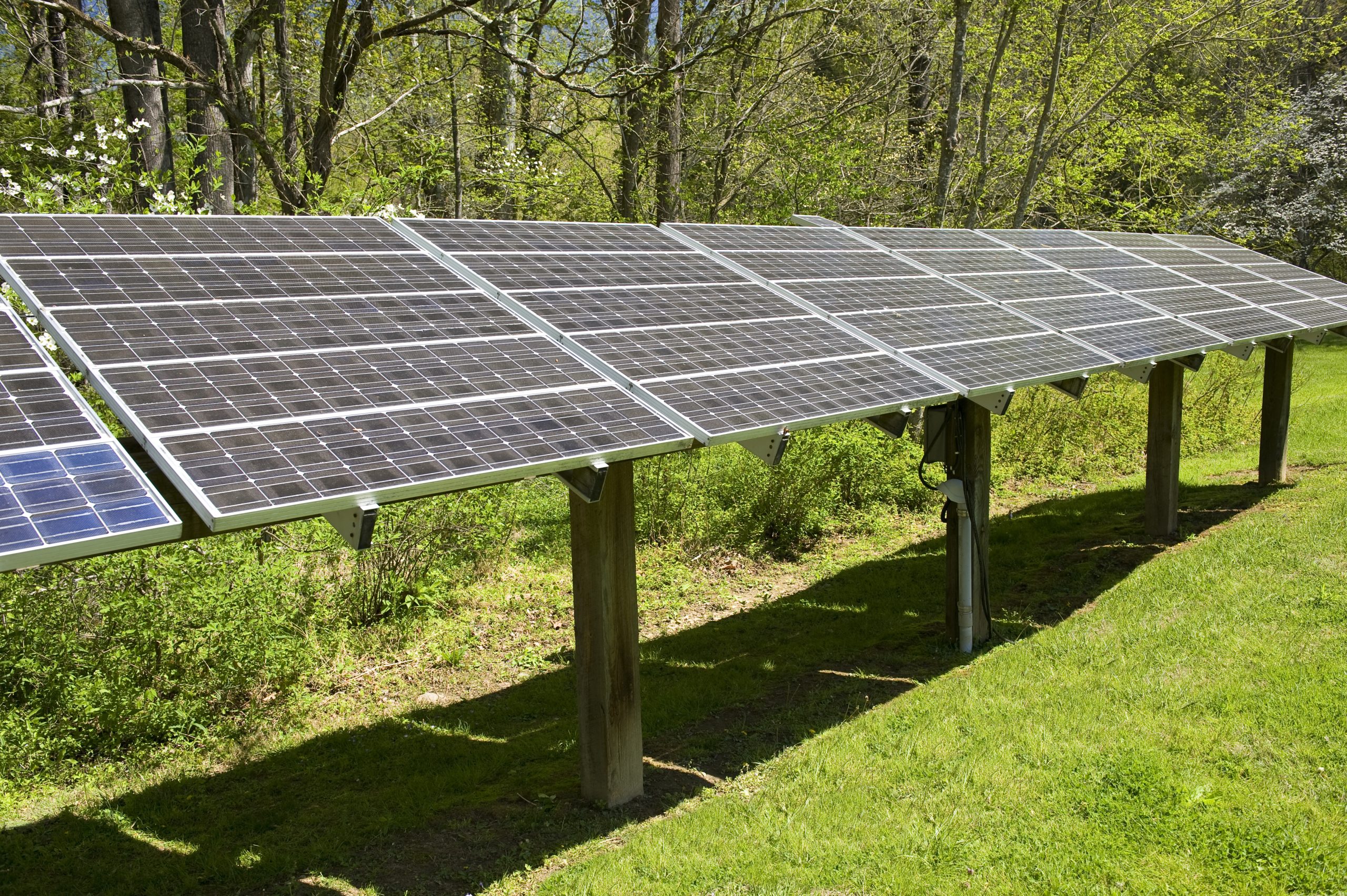
    large solar energy panel array BFeqZppNs 3 scaled

    Recharging Your Solar Batteries: How Long Does it Take?

    If you’ve decided to go off-grid with your solar panel system, you’ll need to consider battery storage options. Depending on your location and energy demands, you may need to recharge your batteries frequently. The good news is that modern lithium-ion batteries can be charged quickly and efficiently, usually within a few hours. However, if you’re using older lead-acid batteries, charging times may take longer, typically around 8-12 hours. Be sure to factor in charge time when designing your solar panel system to ensure you have enough energy stored for your daily needs.

    In conclusion, solar power offers numerous benefits to both individuals and society as a whole. From reducing our carbon footprint to creating new job opportunities, renewable energy sources like solar power represent a bright future for us all.


  • How Much Does Solar Power Cost? The Real Price of Going Green

    How Much Does Solar Power Cost? The Real Price of Going Green

    Solar power is a clean, renewable source of energy that has become increasingly popular in recent years. With the rise in demand for sustainable and eco-friendly products, more people are looking to switch to solar power as an alternative to traditional fossil fuels. But how much does it cost? Is going green worth the investment? In this blog post, we’ll explore everything you need to know about the real price of switching to solar power.

    Introduction to Solar Power and Its Benefits

    Solar power involves harnessing the sun’s energy through photovoltaic cells or thermal systems. These systems convert the sun’s rays into usable electricity or heat, which can be used to power homes, businesses, and even entire communities. One of the biggest benefits of solar power is its environmental friendliness – it produces no emissions, making it a great option for those who want to reduce their carbon footprint. Additionally, solar power can help lower your energy bills over time, providing long-term savings on utility costs.

    mg i5a3199 scaled

    The Cost of Going Green: Is Solar Power Worth It?

    One of the most common concerns when considering solar power is the initial cost. While installation fees vary depending on location and system size, the average cost of installing solar panels ranges from $10,000 to $25,000. However, there are many factors to consider when determining whether or not solar power is worth the investment. For example, government tax credits and rebates can significantly offset the upfront costs, and some states offer additional incentives for homeowners who install solar panels. Additionally, with rising energy prices, solar power can provide significant long-term savings on utility bills. Ultimately, the decision to go solar depends on individual circumstances and priorities.

    Choosing the Best Solar Power Generator for Your Needs

    There are several types of solar generators available, including portable, RV, and off-grid models. When choosing a generator, it’s important to consider your specific needs and budget. Portable solar generators are ideal for camping trips or outdoor events, while RV solar generators are designed specifically for use in recreational vehicles. Off-grid solar generators are typically larger and more powerful, allowing them to provide electricity to entire households. Factors such as battery capacity, wattage output, and durability should all be considered when selecting a solar generator.

    Installing Your Own Solar Panels: A DIY Guide

    While professional installation is recommended for large-scale solar panel systems, many homeowners opt to install smaller systems themselves. Installation requires basic tools and knowledge of electrical wiring, but it can be a complex process. Before beginning any DIY project, it’s essential to research local building codes and permitting requirements. Additionally, proper safety precautions must be taken during installation to avoid injury or damage to property. By following step-by-step instructions and seeking guidance from experts, homeowners can successfully install their own solar panels and start saving money on energy bills.

    In conclusion, the real price of going green varies based on individual circumstances and preferences. While the initial cost of installing solar panels may seem high, there are many factors to consider when determining whether or not solar power is worth the investment. From reducing your carbon footprint to long-term savings on utilities, the benefits of solar power make it a compelling choice for those looking to switch to renewable energy sources.

  • The Benefits of Switching to Solar Power: Why It’s Time to Make the Change

    The Benefits of Switching to Solar Power: Why It’s Time to Make the Change

    Solar power is a clean, renewable source of energy that has been gaining popularity in recent years. With increasing concerns about climate change and the need for sustainability, many people are looking for ways to reduce their carbon footprint and switch to cleaner sources of energy. In this blog post, we will explore the benefits of switching to solar power and why it’s time to make the change.

    Introduction to Solar Power and Its Benefits

    Solar power involves harnessing the energy from the sun through photovoltaic cells or solar panels. These panels convert sunlight into electricity that can be used to power homes, businesses, and even entire communities. One of the main benefits of solar power is its environmental friendliness – it produces no greenhouse gas emissions, making it an excellent alternative to fossil fuels. Additionally, solar power is a reliable source of energy that does not depend on weather conditions like wind or rain.

    The Cost-Effectiveness of Switching to Solar Energy

    Many people assume that switching to solar power is expensive, but the truth is that the cost of solar panels has decreased significantly over the past decade. In fact, in some areas, the cost of solar energy is now cheaper than traditional forms of energy such as coal or natural gas. Additionally, there are tax credits and other financial incentives available for those who invest in solar power, making it an attractive option for both homeowners and business owners alike.

    How Solar Panels Work and Their Efficiency Rates

    Solar panels work by capturing sunlight and converting it into direct current (DC) electricity. This DC electricity is then converted into alternating current (AC) electricity, which can be used to power appliances and electronics in your home or business. The efficiency rates of solar panels vary depending on factors such as the type of panel, the amount of sunlight they receive, and their age. However, modern solar panels have efficiency rates of around 20%, meaning they can generate enough electricity to power a typical home.

    Examples of Successful Solar Power Implementations Around the World

    There are countless examples of successful solar power implementations around the world. For example, Germany has become one of the largest producers of solar energy in the world despite having less sunshine than countries like Spain or Italy. Similarly, California has set ambitious goals for transitioning to renewable energy sources, with solar power playing a significant role in achieving these goals. Closer to home, many cities and towns across the United States have implemented solar power programs for municipal buildings, schools, and other public facilities.

    Conclusion

    In conclusion, switching to solar power offers numerous benefits, including reduced reliance on fossil fuels, lower costs in the long run, and increased sustainability. Whether you’re a homeowner, small business owner, or large corporation, there are plenty of opportunities to invest in solar power and reap the benefits. So, what are you waiting for? It’s time to make the change!

    mg i5a9857 2 scaled

  • The Benefits of Switching to Solar Power: Why It’s Time to Make the Change

    The Benefits of Switching to Solar Power: Why It’s Time to Make the Change

    Solar power is a clean, renewable source of energy that has been gaining popularity in recent years. With concerns about climate change and sustainability on the rise, more people are looking for ways to reduce their carbon footprint and switch to cleaner sources of energy. In this blog post, we will explore the benefits of switching to solar power and why it’s time to make the change.

    Introduction to Solar Power

    Solar power involves harnessing the energy from the sun through photovoltaic cells or solar panels. These panels can be installed on rooftops, in fields, or on other structures where they can receive direct sunlight. The electricity generated by these panels can then be used to power homes, businesses, and even entire communities.

    modern solar panel used for generating electricity from the sunlight SKl tbuCSo 1 scaled

    The Environmental Benefits of Switching to Solar Power

    One of the biggest advantages of solar power is its environmental benefits. By using solar energy, you can significantly reduce your reliance on fossil fuels, which are responsible for a significant amount of greenhouse gas emissions. According to the National Renewable Energy Laboratory, solar power has the potential to reduce carbon dioxide emissions by up to 28,000 pounds per year for every household that makes the switch.

    How Much Money Can You Save by Going Solar

    Another advantage of solar power is the potential for significant cost savings over time. While there may be some initial costs associated with installing solar panels, many homeowners find that they recoup those costs within just a few years due to reduced energy bills. Additionally, once your system is paid off, you can enjoy free electricity for the life of the panels, which can be up to 30 years or more.

    The Advantages of Using Solar Energy for Your Home or Business

    In addition to reducing your carbon footprint and saving money, there are several other advantages to using solar energy for your home or business. For example, solar power can provide a reliable source of backup power in case of outages or emergencies. Additionally, solar panels require very little maintenance, so you can enjoy peace of mind knowing that your system is working efficiently without requiring much attention from you.

    Common Misconceptions About Solar Power Debunked

    Despite the many benefits of solar power, there are still some common misconceptions about this type of energy. One of the most prevalent myths is that solar panels don’t work well in cloudy climates. However, this isn’t true – solar panels can still generate electricity even when it’s cloudy outside. Another misconception is that solar panels are too expensive to be practical. While there may be some upfront costs associated with installation, the long-term savings often outweigh these expenses.

    Conclusion: Why It’s Time to Make the Switch to Solar Power

    Overall, the benefits of switching to solar power far outweigh any drawbacks. By making the switch, you can reduce your carbon footprint, save money on energy bills, and enjoy a reliable source of renewable energy. Whether you’re a homeowner, business owner, or community leader, now is the time to consider making the switch to solar power.

  • Solar Power: The Future of Renewable Energy

    Solar Power: The Future of Renewable Energy

    The world is changing rapidly, and with it, the way we generate energy. For years, fossil fuels have been the primary source of power for homes, businesses, and transportation. However, as technology advances and people become more aware of environmental issues, renewable energy sources are gaining popularity. One such source is solar power.

    Solar power involves harnessing the sun’s energy to produce electricity. It is a clean, efficient, and sustainable method of generating electricity that has numerous benefits. In this article, we will explore some of those benefits, dispel common myths about solar power, and provide tips on how to choose the best solar panels for your home.

    Introduction to Solar Power

    Solar power is generated through photovoltaic (PV) cells that convert sunlight into direct current (DC) electricity. These cells are made up of semiconductor materials, usually silicon, which absorb photons from the sun and release electrons, creating an electrical current. This current is then converted into alternating current (AC) electricity that can be used to power homes and businesses.

    The Benefits of Using Solar Energy

    One of the most significant advantages of using solar power is its eco-friendliness. Unlike traditional forms of energy generation, solar power does not emit greenhouse gases or other pollutants that contribute to climate change. By switching to solar power, you can reduce your carbon footprint and help preserve the environment for future generations.

    Another benefit of solar power is its cost-effectiveness. While installing solar panels may require a substantial initial investment, they typically pay for themselves within five to seven years through reduced energy bills. Additionally, once the system is installed, there are minimal maintenance costs involved.

    Common Misconceptions About Solar Power

    Despite the many benefits of solar power, there are still several misconceptions surrounding this form of energy generation. One of the most prevalent myths is that solar panels only work in warm climates. While solar panels do perform better in direct sunlight, they can still generate electricity in cloudy conditions. Additionally, advancements in PV cell technology have made solar panels more efficient, so they can generate more electricity with less sunlight than before.

    Another misconception is that solar panels are unsightly and bulky. While this may have been true in the past, modern solar panels are sleeker and more compact than ever before. They come in various sizes and colors, making them a versatile option for both residential and commercial properties.

    electricity generating solar energy panels BFZCTa6Ns 2 scaled

    How to Choose the Best Solar Panels for Your Home

    If you’re considering installing solar panels at your home, there are several factors to consider when choosing the right system for you. First, determine the amount of energy your household uses. This information will help you calculate the size of the solar panel system needed to meet your energy needs.

    Next, research different types of solar panels to find one that suits your budget and lifestyle. Monocrystalline and polycrystalline panels are two popular options, each with their unique set of pros and cons. You should also look into the efficiency rating of the panels, as higher ratings indicate greater energy output.

    Finally, consider the warranty and customer support offered by the manufacturer. A reliable warranty ensures that any defects or malfunctions will be covered, giving you peace of mind knowing that you’ll receive assistance if needed.

    In conclusion, solar power is a promising alternative to traditional forms of energy generation. With its eco-friendliness, cost-effectiveness, and versatility, it’s no wonder why more people are turning to solar power every day. Whether you’re looking to reduce your carbon footprint or save money on energy bills, solar power is certainly worth exploring.

  • How to Choose the Best Solar Power Generator for Your Needs

    How to Choose the Best Solar Power Generator for Your Needs

    Are you ready to make the switch to solar power? If so, congratulations! You’re joining millions of people around the world who are choosing renewable energy over traditional fossil fuels. In this blog post, we’ll cover everything you need to know about how to choose the best solar power generator for your needs.

    Solar power has become increasingly popular in recent years due to its many benefits. Not only is it a clean and sustainable source of energy, but it can also save you money on your electricity bills in the long run. Additionally, solar panels have become more affordable than ever before, making them an accessible option for homeowners and businesses alike.

    One of the first things you’ll need to consider when choosing a solar power generator is the cost. While solar power may initially seem expensive, it’s important to compare the costs of installing solar panels with those of traditional energy sources. When you take into account the rising costs of electricity from utility companies, as well as the potential savings on your monthly bills, investing in solar power can be a wise financial decision.

    Once you’ve decided that solar power is right for you, it’s time to choose the best solar power generator for your specific needs. There are several factors to consider when selecting a solar panel system, including:

    The amount of sunlight available at your location

    Your energy consumption patterns

    The size of your property or business

    Your budget

    There are many different types of solar panels available on the market today, ranging from small portable units to large commercial systems. Some common options include monocrystalline, polycrystalline, thin film, and bifacial solar panels. Each type of panel has its own unique advantages and disadvantages, so it’s essential to do your research before making a purchase.

    Another factor to consider when choosing a solar power generator is whether to install the panels yourself or hire a professional installer. While installing your own solar panels can be a rewarding DIY project, it requires specialized knowledge and skills. For most homeowners and businesses, hiring a qualified installer is the safest and most efficient option.

    DSC 1852 326 scaled

    In conclusion, switching to solar power is a smart choice for both your wallet and the environment. By following these tips, you can choose the best solar power generator for your specific needs and enjoy the benefits of renewable energy for years to come.

    graphicstock realistic earth closeup render BYF bAQicl scaled

  • How to Choose the Best Solar Panels for Your Home or Business

    How to Choose the Best Solar Panels for Your Home or Business

    Introduction to Solar Power and Its Benefits

    Solar power is a renewable source of energy that has become increasingly popular in recent years. With the rise in global warming awareness, many people are looking for ways to reduce their carbon footprint and switch to cleaner sources of energy. Solar panels convert sunlight into electricity, which can be used to power homes or businesses. There are several benefits to using solar power:

    Lower Electric Bills: Once you have installed your solar system, you will start generating your own electricity, reducing your reliance on traditional utility companies. This means lower monthly bills and savings over time.

    Increased Property Value: Homes with solar systems tend to sell faster and at higher prices than those without them. Adding solar panels to your property increases its value and makes it more attractive to potential buyers.

    Environmental Benefits: By switching to solar power, you are helping to reduce greenhouse gas emissions and combat climate change. Solar power is clean and produces no pollution or hazardous waste.

    large solar energy panel array BFeqZppNs 4 scaled

    The Cost of Solar Panels vs Traditional Energy Sources

    While there may be an initial investment required when installing solar panels, they often pay for themselves within just a few years due to reduced electricity costs. The cost of solar panels has also decreased significantly over the past decade, making them more affordable than ever before. Additionally, government tax credits and rebates make it even easier to justify the upfront expense. When compared to traditional energy sources such as coal or natural gas, solar power becomes even more appealing since it eliminates unpredictable fluctuations in pricing and provides long-term stability.

    JM Industrial YAX 9768 scaled

    Choosing the Best Solar Panels for Your Needs

    When choosing the best solar panels for your home or business, there are several factors to consider. First, determine how much energy you need to generate based on your daily usage patterns. You want to ensure that your solar panel system meets all of your energy needs while not oversizing it unnecessarily. Next, research different types of solar panels available on the market, including monocrystalline, polycrystalline, thin film, and bifacial. Each type has unique features and advantages depending on your location, budget, and specific requirements. Finally, look for reputable brands with high efficiency ratings and positive reviews from other customers.

    Installing and Maintaining Your Solar System

    Once you have chosen the right solar panels for your needs, it’s time to install them. Professional installation is recommended to ensure proper placement and connection to your electrical system. Regular maintenance is also important to keep your solar panels functioning optimally. This includes inspecting them for any damage or dirt buildup, ensuring wiring connections remain secure, and replacing faulty components as needed. With proper care and attention, your solar panel system can provide reliable energy for decades to come.

  • The Benefits of Switching to Solar Power: Why It’s Time to Make the Change

    The Benefits of Switching to Solar Power: Why It’s Time to Make the Change

    Solar power is a clean, renewable source of energy that has been gaining popularity in recent years. With more and more people becoming aware of its benefits, many homeowners are making the switch from traditional electricity sources to solar power. In this article, we will explore some of the advantages of switching to solar power and why it’s time for everyone to make the change.

    Introduction to Solar Power and Its Benefits

    Solar panels work by converting sunlight into usable electricity through photovoltaic cells. These panels can be installed on rooftops or other structures where they can receive direct sunlight throughout the day. The electricity generated by these panels can either be used immediately or stored in batteries for later use. One of the main benefits of using solar power is that it produces no greenhouse gas emissions, making it an environmentally friendly option. Additionally, solar power is a reliable source of energy that is not subject to price fluctuations like fossil fuels.

    The Cost-Effectiveness of Switching to Solar Power

    One common misconception about solar power is that it is too expensive for most people to afford. However, with advancements in technology and government incentives, the cost of installing solar panels has decreased significantly over the past decade. In fact, the average cost of solar installation has dropped by 70% since 2010. Additionally, once you have made the initial investment, there are minimal maintenance costs associated with solar panels. This means that while the upfront cost may seem high, in the long run, solar power can save you money.

    How Solar Energy Can Help You Save Money in the Long Run

    Not only does solar power reduce your carbon footprint, but it also saves you money in the long run. While the initial investment may seem high, solar panels typically last between 25-30 years. During this time, you will save money on your monthly utility bills as well as avoid future increases in electrical rates. Additionally, if you generate excess electricity, you can sell it back to the grid, providing you with even greater savings.

    The Environmental Advantages of Using Solar Power

    In addition to being cost-effective, solar power is an excellent choice for those who want to reduce their environmental impact. By using solar power, you can significantly reduce your reliance on fossil fuels, which contribute to air pollution and climate change. Additionally, solar power generates no noise pollution, making it a quiet and peaceful alternative to traditional electricity sources.

    Conclusion: Why It’s Time for Everyone to Make the Switch

    As you can see, there are numerous benefits to switching to solar power. From reducing your carbon footprint to saving money in the long run, solar power is an excellent choice for anyone looking to make a positive impact on both the environment and their wallet. So why wait? Contact a local solar installer today and start reaping the benefits of solar power!

    solar energy Mk2WEV9d 1 scaled

  • The Future of Renewable Energy: How Solar Power Is Leading the Charge

    The Future of Renewable Energy: How Solar Power Is Leading the Charge

    Solar power is a form of renewable energy that has been gaining popularity in recent years. With advancements in technology and government initiatives to promote clean energy, solar power is becoming an increasingly viable alternative to traditional forms of energy like coal and oil. In this blog post, we will explore how solar power is shaping the future of renewable energy and why it’s time for us to embrace this sustainable source of power.

    Introduction to Solar Power and Its Benefits

    Solar power involves harnessing the energy from the sun through photovoltaic cells or solar panels. These panels are typically installed on rooftops or in large-scale arrays in areas with high levels of sunlight. The benefits of using solar power are numerous. First and foremost, solar power is a completely renewable resource – unlike fossil fuels which are finite and contribute to climate change. Additionally, solar power produces no greenhouse gas emissions, making it one of the most environmentally friendly sources of energy available today.

    The Latest Advancements in Solar Technology

    One reason why solar power is becoming more widely adopted is due to advances in technology. Over the past decade, there have been significant improvements in the efficiency and affordability of solar panels. This means that they can generate more electricity with less sunlight than before, and at a lower cost. Furthermore, battery storage technologies have also improved, allowing homeowners and businesses to store excess solar energy for use when the sun isn’t shining.

    How Solar Energy Is Transforming the Industrial Sector

    While residential and commercial applications of solar power are growing rapidly, it’s the industrial sector where we’re seeing some of the most exciting developments. Large-scale solar farms are being built in remote locations around the world, providing access to electricity in areas where traditional grid infrastructure doesn’t exist. Additionally, solar power is being used to power everything from airports to data centers, demonstrating its versatility as a reliable source of energy.

    Exploring the Economics of Solar Power

    Despite the many benefits of solar power, there are still those who argue against its adoption due to concerns about cost. However, the economics of solar power are changing rapidly. While installation costs remain relatively high, the cost of electricity generated by solar panels has dropped significantly over the last few years. As a result, solar power is now competitive with other forms of energy in many parts of the world. Moreover, governments around the globe are offering tax credits and other financial incentives to encourage the adoption of solar power, further reducing the overall cost.

    wind turbine silhouette sunset or sunrise economic system background Hw9glvkOnMg 1 scaled

    Conclusion: Why Solar Power is the Future of Renewable Energy

    As you can see, solar power offers a multitude of benefits that make it an attractive option for individuals, businesses, and entire industries alike. From its environmental advantages to its economic feasibility, solar power is poised to play a major role in our collective effort to transition towards cleaner, more sustainable forms of energy. So, if you’re looking for a way to reduce your carbon footprint while saving money on your energy bills, consider going solar – the future of renewable energy is bright!

  • Debunking Myths About Solar Power and Its Impact on the Environment

    Debunking Myths About Solar Power and Its Impact on the Environment

    Introduction to Solar Power and Its Impact on the Environment:

    Solar power is a renewable source of energy that has been gaining popularity in recent years. It involves harnessing the sun’s energy through solar panels, which convert sunlight into electricity. Many people believe that using solar power can have a positive impact on the environment because it produces no greenhouse gas emissions or air pollution. However, there are still some myths surrounding this type of energy production. In this blog post, we will debunk these myths and provide you with accurate information about solar power and its impact on the environment.

    Debunking Myths About Solar Power’s Cost-Effectiveness:

    One common misconception about solar power is that it is too expensive for most people to afford. While it may be true that installing your own solar panels can require a significant upfront investment, many homeowners find that they save money over time by reducing their reliance on traditional forms of energy such as coal or natural gas. Additionally, government tax credits and rebates can help offset the cost of installation. With advancements in technology, the cost of solar panels has also decreased significantly in recent years, making them more accessible to consumers.

    The Benefits of Renewable Energy Sources:

    Another benefit of solar power is that it is a renewable resource. Unlike fossil fuels, which are finite resources, the sun provides an endless supply of energy. By switching to renewable sources of energy like solar power, we can reduce our dependence on nonrenewable resources and slow down climate change.

    Common Misconceptions About Installing Your Own Solar Panels:

    Many people assume that installing solar panels requires extensive knowledge of electrical systems and engineering. However, this isn’t necessarily true. There are plenty of DIY kits available online that make it easy for anyone to install their own solar panels. Of course, if you prefer not to do it yourself, there are also professional contractors who specialize in installing solar panels. Another common misconception is that solar panels only work well in warm climates. This is simply untrue – solar panels can generate electricity even in cloudy weather conditions.

    environment M1 RqyCd scaled

    In conclusion, while there are certainly some myths and misinformation surrounding solar power, the benefits far outweigh any drawbacks. By choosing to use renewable sources of energy like solar power, we can all play a role in protecting the planet and ensuring a sustainable future for generations to come.