Tag: SOLAR POWER

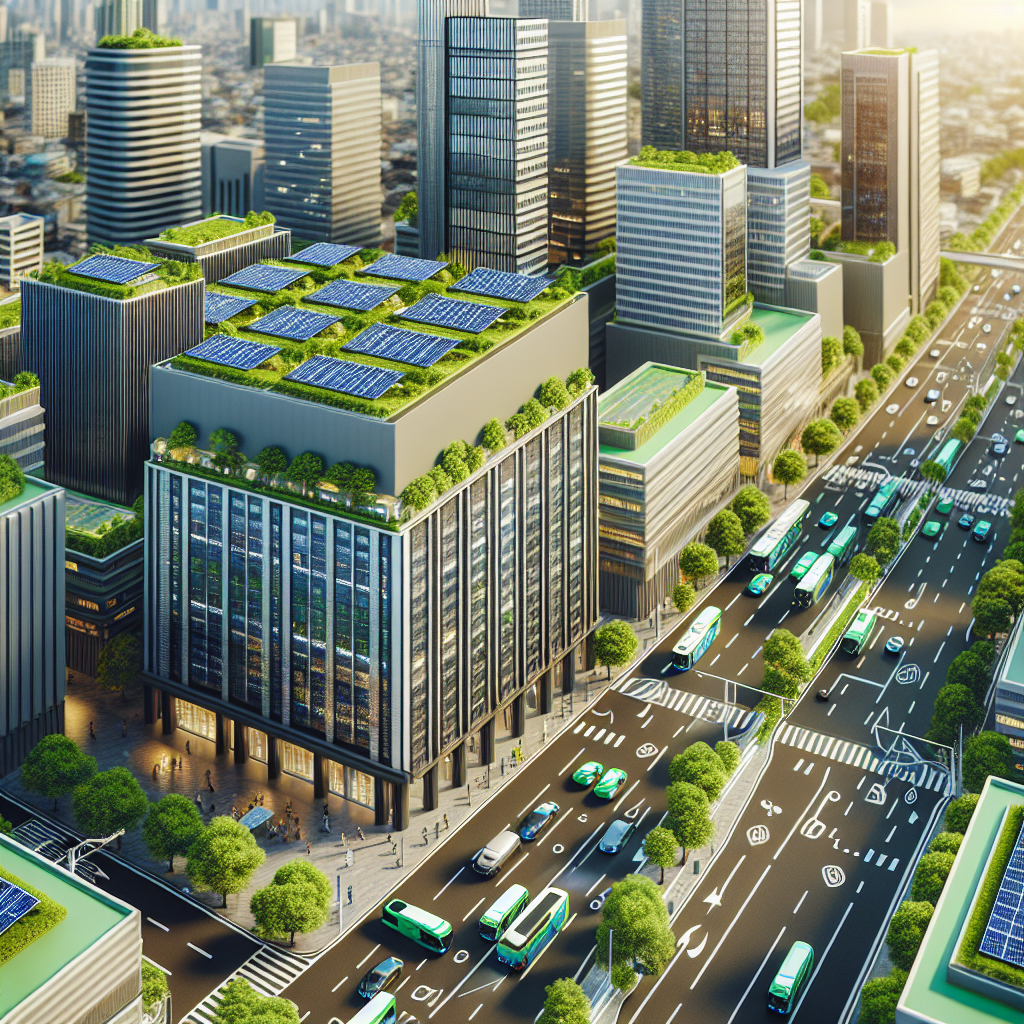
  • What to Expect from Solar Power Systems in Urban Areas

    What to Expect from Solar Power Systems in Urban Areas

    Hey there! Today, let me share my insights about solar power systems in urban areas. If you’re considering going solar, or just curious about how it all works in a city setting, you’ve come to the right place! This journey will cover five main areas you should expect when diving into solar energy in an urban environment. So, grab a comfy seat, and let’s get started!

    Understanding the Basics of Solar Power

    What is Solar Power?

    Alright, let’s break this down. Solar power is basically energy harnessed from sunlight. It boils down to using solar panels, which convert sunlight into electricity. There’s a bit of a science to it, but the premise is pretty straightforward. As someone who’s been fascinated by renewable energy, I can tell you there’s a mix of technology and nature that creates this magic!

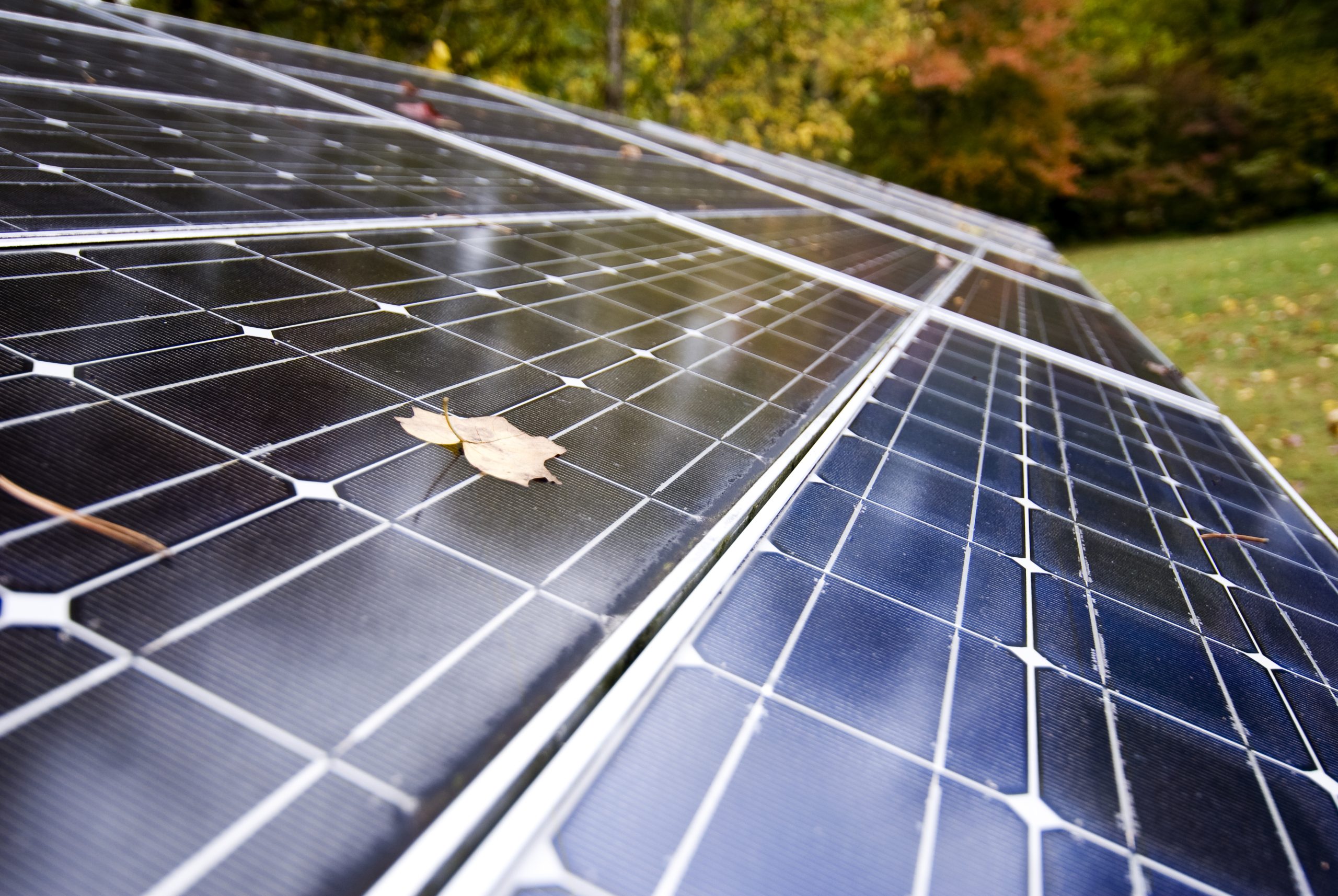
    Solar panels are made up of many solar cells, mostly made from silicon, that absorb sunlight. When sunlight hits these panels, it creates a flow of electricity. It’s like lighting up your home with the power of the sun! Now, think about the potential of this energy source in a bustling urban environment—there’s plenty of sun to go around, even in crowded cities.

    What’s cool, too, is that solar power doesn’t produce any direct emissions. So, by using it, you’re doing your bit for the environment. Trust me, it feels great to know you’re contributing toward a cleaner planet!

    Advantages of Solar Power in Urban Areas

    Eco-Friendliness

    First off, let’s talk about being eco-friendly. Living in a city, we are often surrounded by pollution and noise. Adopting solar energy is one effective way to combat that. By harnessing sunlight, we can significantly reduce our carbon footprints, which can contribute to improved air quality and combat climate change.

    When enough of us invest in solar, it’s like a chain reaction. Fewer fossil fuels used means less bad stuff in the air. Again, every little bit helps, and being part of this change can be empowering!

    Plus, the more people that switch to solar, the more government incentives and rebates come into play, encouraging even more folks to hop on the solar train. It’s a win-win!

    Energy Independence

    Here’s where it gets exciting—being energy independent! In urban areas, we are often at the mercy of utility companies and fluctuating energy prices. But with solar power, you can generate your own electricity. It feels liberating to know that I’m not tied down by the rising cost of traditional energy sources.

    By going solar, you’re essentially creating your own energy source. On sunny days, I can power my appliances and even store some extra energy for cloudy days or nighttime use. Isn’t that just the best?

    Plus, if you produce more energy than you use, you can often sell that back to the grid. Imagine giving energy back to your city! It’s a game-changer.

    Cost Savings

    Now, let’s chat about cash—everyone’s favorite topic. While the initial installation of solar panels can seem steep, over time, the cost savings are significant. I remember when I first installed my panels; I thought, “Wow, this is pricey!” But I had to remind myself that it was an investment.

    Once installed, your electricity bills can drop drastically, or even disappear altogether. And don’t even get me started on tax credits and rebates! They usually help offset those initial costs. Urban living can be expensive, but switching to solar is my way of cutting down on long-term expenses.

    Add in the fact that these systems require minimal maintenance, and you’ll see why they are worth it! My wallet thanked me after the first year of savings!

    Challenges of Implementing Solar Power

    Space Limitations

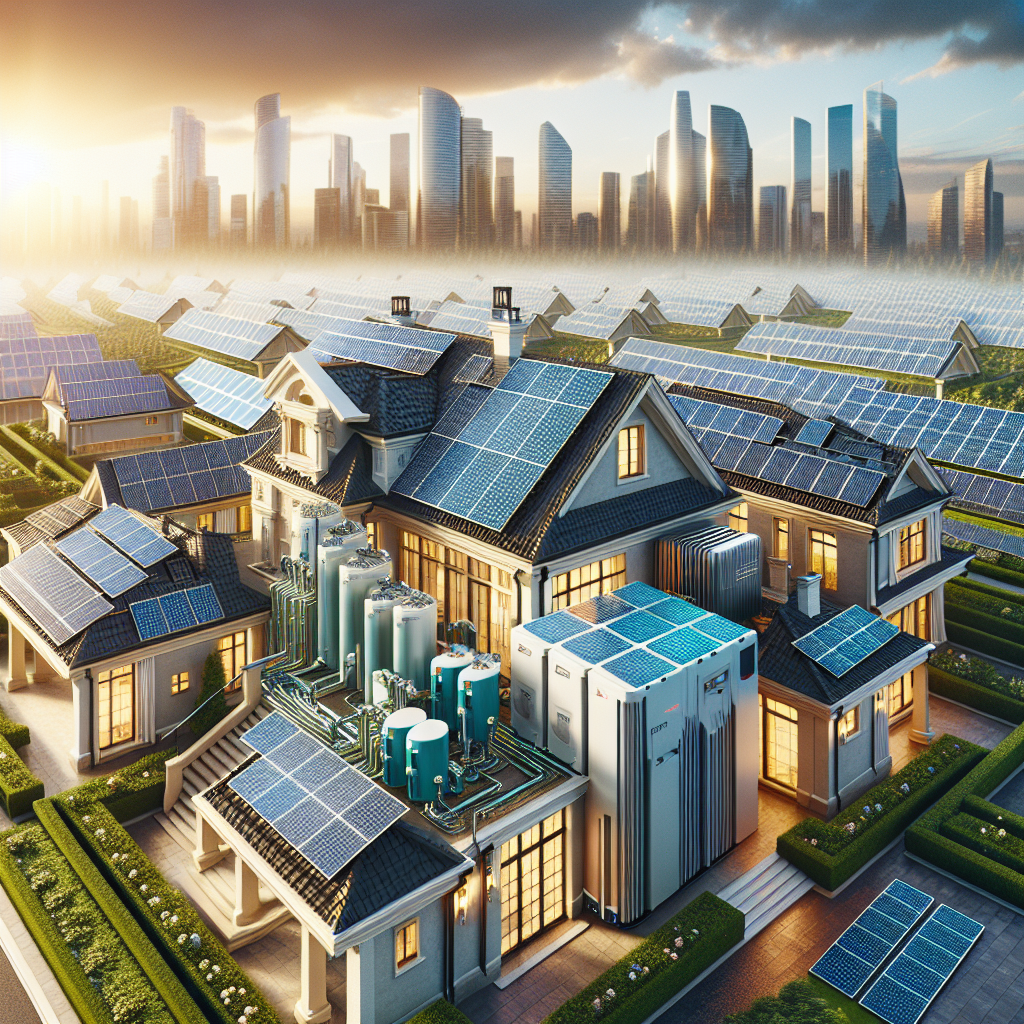
    Living in the city means we often face one significant challenge—space! Rooftops get crowded with chimneys, water tanks, and even other equipment, making it tricky to find room for solar panels. It can be a bit of a puzzle figuring it all out.

    However, with a little planning, many urban homes can still mount some panels on their rooftops. Plus, there are community solar programs where you can invest in a larger solar farm and still benefit from the energy without having to mount panels directly on your home. I found this super handy when my roof wasn’t ideal for panels.

    So even if you think your space is limited, there are always creative options to explore. Don’t let space be a dealbreaker!

    Regulations and Permits

    Alright, let’s get real—dealing with city regulations and permits can be a pain. Each city has its own hoops to jump through, and it can take time to get all the approvals necessary to install your solar system. I remember feeling overwhelmed as I navigated the maze of paperwork!

    But here’s a pro tip: connect with local solar providers. They are usually seasoned professionals who understand the specific regulations in your area and can help streamline the process for you. With their guidance, what seems daunting can become manageable.

    Take a deep breath, be patient, and remember that each step you complete gets you one step closer to harnessing the solar power you want!

    Costs of Installation

    I won’t sugarcoat it—installing solar panels can be pricey upfront. I know firsthand how it feels to look at that quote and think, “Yikes!” However, I want you to keep in mind the long-term savings we talked about earlier. In urban settings, the initial costs can vary based on the size of the installation and the type of system you choose.

    It’s essential to shop around, compare quotes, and ask about financing options. Many companies offer plans that can help ease the burden of the upfront costs. And remember that some states have programs that help homeowners finance solar installations!

    Preparation and research are your best friends. Trust me, it’ll all be worth it when you start seeing those savings roll in!

    Conclusion: The Future of Solar Power in Urban Areas

    As we wrap up, I hope you gained a solid understanding of what to expect from solar power systems in urban areas. The journey from curiosity to installation might have its challenges, but the rewards often outweigh the hurdles. Embracing solar power is a step toward energy independence, savings, and contributing positively to our environment.

    If you’re thinking about making that leap, don’t hesitate! Dive in, do your research, and consider all the possibilities that await. After all, bright sunshine and green energy are just around the corner!

    FAQs

    1. What are solar panels made from?

    Solar panels are primarily made from silicon, which is used to create solar cells. These cells absorb sunlight to generate electricity.

    2. How does solar energy benefit urban areas?

    Solar energy helps reduce carbon emissions, enables energy independence, and can lead to significant cost savings on electricity bills, making it a valuable resource for urban residents.

    3. What is the biggest challenge of installing solar panels in the city?

    Space limitations often pose the largest challenge, but creative solutions like community solar options and utilizing roof spaces can make it feasible.

    4. Are there incentives for installing solar panels?

    Yes! Many states offer tax credits, rebates, and other incentives to help reduce the initial costs of installing solar power systems.

    5. Can I install solar panels myself?

    While it’s technically possible, I recommend hiring a professional installer to ensure everything is done correctly and in compliance with local regulations.
  • Solar Energy 101: Everything You Need to Know to Get Started

    Solar Energy 101: Everything You Need to Know to Get Started

    ### Introduction to Solar Energy: What You Need to Know

    Solar energy has emerged as a powerful solution for those seeking sustainable and renewable power sources. As the sun beams down on Earth, it offers an abundant resource that can be harnessed for electricity generation, heating, and even transportation. With recent advancements in technology and a growing awareness of climate change, many homeowners are considering making the switch to solar. But where do you start?

    ### How Solar Energy Works: The Science Behind the Sun

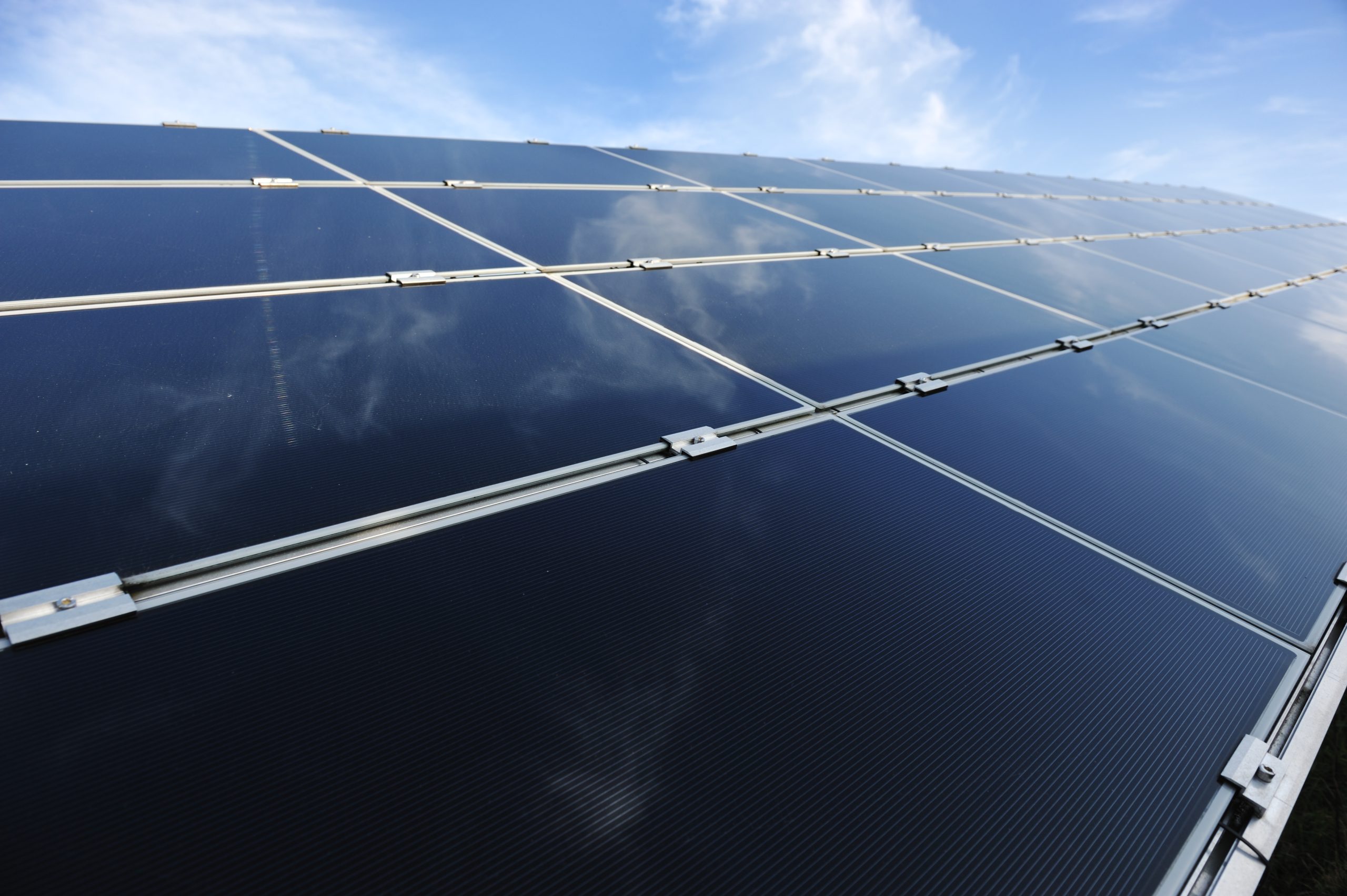
    At its core, solar energy conversion relies on photovoltaic (PV) cells found in solar panels. These cells absorb sunlight and convert it into direct current (DC) electricity through the photovoltaic effect. This DC power is then transformed into alternating current (AC) electricity by an inverter, making it usable for your home appliances. It’s fascinating how something as simple as sunlight can generate power—an innovation rooted in scientific brilliance!

    ### Types of Solar Panels: Which One Is Right for You

    There are several types of solar panels available today, each with distinct advantages. Monocrystalline panels are known for their efficiency and sleek appearance but tend to come with a higher price tag. Polycrystalline panels are generally more affordable yet slightly less efficient. Thin-film panels offer flexibility and lightweight options but may require more space due to lower efficiency rates. Evaluating your specific needs—be it budget constraints or space limitations—will help determine which panel type is best suited for your situation.

    JM Industrial YAX 9717 scaled

    ### Benefits of Solar Energy: Why Go Solar

    The benefits of adopting solar energy extend beyond just reducing your electric bill. By going solar, you contribute to lowering greenhouse gas emissions, thus playing a vital role in combating climate change. Additionally, many regions offer substantial financial incentives that make installation more accessible than ever before—think tax credits and rebates! Plus, with rising energy costs being a concern globally, producing your own power provides both security and independence.

    ### Understanding Solar Incentives and Rebates

    Navigating the world of solar incentives can be daunting yet rewarding! Various federal programs exist that provide tax credits (like the Federal Investment Tax Credit), while many states also offer their own rebates or performance-based incentives. Researching what’s available in your area could save you thousands on initial installation costs.

    ### How to Evaluate Your Home for Solar Suitability

    Before jumping headfirst into solar installation, assess your property’s suitability. Key factors include roof orientation (south-facing roofs generally capture more sunlight), shading from trees or buildings, and available roof space. Don’t forget about local zoning laws or homeowner association regulations that might affect installation!

    ### Financing Your Solar System: Options and Considerations

    When it comes to financing your solar system, you have several options at hand. Upfront payments provide instant ownership benefits but may not be feasible for everyone. Alternatively, loans or leases can spread out costs over time while still allowing access to savings on energy bills. Researching various financing methods will ensure you find one that aligns with your financial goals.

    ### The Installation Process: What to Expect

    Installation typically takes one to three days depending on system size and complexity—but expect some noise! A trusted installer will handle everything from paperwork through final inspections so you can sit back while they work their magic.

    ### Maintenance and Upkeep of Solar Panels

    Maintaining your solar panels is relatively straightforward! Regular cleaning can help maximize efficiency; however, most systems require minimal upkeep once installed properly. Monitoring production levels via apps is another excellent way to ensure everything is running smoothly.

    ### Common Misconceptions About Solar Energy

    Despite its growing popularity, misconceptions about solar abound—from concerns about effectiveness in cloudy weather to doubts regarding high maintenance costs! In reality, modern systems are designed with durability in mind and perform well under various conditions.

    ### The Future of Solar: Trends and Innovations

    As we look forward toward an increasingly green future, innovations such as bifacial panels—capable of capturing light from both sides—and improvements in battery storage technology promise even greater efficiency rates ahead!

    ### Conclusion: Taking the Leap into Solar Energy

    Switching to solar energy represents not only an investment in your home but also a commitment towards sustainability and environmental responsibility. With ample resources at our disposal today—from educational guides like this one to financial incentives—there’s never been a better time than now to explore what going solar could mean for you! Embrace the sun’s potential; take that leap into clean energy today!

    solar energy panels at work BteRwTpVj scaled
  • The Top Myths About Solar Power Debunked

    The Top Myths About Solar Power Debunked

    Myth 1: Solar Power is Too Expensive

    Understanding the Cost Dynamics

    When I first considered solar power, the first thing that popped into my mind was the cost. It’s easy to think solar panels are only for the wealthy or big corporations, but that’s a common misconception. Nowadays, the prices have plummeted significantly, making solar energy much more accessible. I remember talking to a local solar installer who explained how technology and competition have driven down prices.

    Moreover, various financing options like leasing or power purchase agreements mean you can enjoy the benefits of solar without upfront costs. When I talked to friends about their experiences, they often mentioned how their monthly utility bills decreased, meaning that the initial investment would pay off in no time.

    It’s also worth noting that many governments offer incentives or rebates that can help alleviate the costs. So, don’t dismiss solar power based on expense alone – it’s a lot more affordable than it was just a few years ago!

    Long-term Savings

    In my journey to harness the power of the sun, I quickly realized solar energy can be a money-saver in the long run. After the initial installation, you can significantly reduce or even eliminate your monthly electric bills. Imagine not having to worry about those pesky price hikes every year!

    Some folks have even reported making a little money back by selling excess energy back to the grid! It’s this potential for savings that really made me think about how solar can pay for itself over time. Don’t forget, that adds value to your property too!

    Comparing Costs

    If you’re still skeptical, I recommend doing some math. Take a few utility bills from previous months and calculate your annual spending. Compare that to the projected costs of installing solar. You might be pleasantly surprised! I’ve done this with friends, and they didn’t realize just how affordable solar could be until they crunched the numbers.

    Myth 2: Solar Panels Don’t Work in Cloudy Weather

    The Science Behind Solar Power

    One thing I’ve learned is that solar panels are designed to capture energy from sunlight, but they’re not as picky as you might think. Sure, a sunny day is optimal, but cloudy weather doesn’t render your panels useless. In fact, I’ve seen solar panels generate energy even on overcast days.

    I once took a drive through some foggy areas and was amazed at how many solar installations I noticed. The panels were still working! They can still capture diffuse sunlight, so don’t let a few clouds stop you from considering solar energy.

    Performance Awareness

    Once I did my research, I found out that leading manufacturers have even made advancements in panel technology that allows them to perform better in lower light conditions. We often mistakenly believe that solar power is only viable in states like California, but that’s just not true. Places like Germany, which have fewer sun days than other regions, are leading in solar technology.

    Although efficiency might dip a bit on cloudy days, that energy still adds up. Just remember inefficient doesn’t mean ineffective!

    Seasonal Variability

    Of course, seasonal changes do affect solar panel efficiency somewhat, but that’s all part of the learning curve. Living in a location with four seasons, I’ve gained a deeper appreciation for how well my panels perform in all types of weather conditions.

    On winter days, solar output might be lower, but every harnessed watt counts! When the sun does peek through those clouds, it’s a real treat. Don’t let the thought of cloudy weather deter you; there’s still a solid chance your panels will operate effectively.

    Myth 3: Solar Panels Require Too Much Maintenance

    The Low-Maintenance Reality

    I think one of the biggest surprises for me was how little maintenance solar panels actually need. A lot of people seem to picture climbing up on the roof every few months to scrub down the panels, but that’s just unnecessary. In fact, I’ve found that a simple occasional rinsing during notably dusty or pollen-heavy seasons keeps them functioning just fine.

    Naturally, you can also hire professionals to check their performance, but I have yet to encounter serious issues in my own experience. The manufacturers often give you warranties that can last 20-25 years. That’s a major relief!

    Nature’s Cleaning Service

    Believe it or not, nature has a way of taking care of most of the cleaning for you! Rain is a natural and fairly effective cleanser for your panels. I have taken the opportunity to enjoy rain showers and watch as the panels clean off naturally.

    Even in dry areas, a good dusting isn’t a major deal. If you’re near a construction site or agricultural fields, and dirt does start to build up, then a quick power wash maybe once or twice a year should do the trick.

    Keeping Track

    Lastly, don’t underestimate the benefits of keeping an eye on your panels’ performance using monitoring systems. I can check my output from my phone, and I encourage family and friends to do the same. It’s really like having a health checkup for your energy system!

    If something’s not right, a quick call to the installation company often clears things up. The key takeaway? Maintenance is easy-peasy, and you’ll end up spending more time enjoying your energy savings than worrying about upkeep!

    Myth 4: Solar Energy is Only for Homeowners

    The Shared Power Concept

    Let’s address a major misconception – you don’t need to own a home to go solar! One of my friends lives in an apartment complex that’s community-focused, and they have a shared solar program with the landlord.

    This always gave me hope that solar can be more accessible. You can invest in shared solar power or community solar farms where the energy is divided among participants.

    I often encourage renters to look into options in their area, as many utility companies now offer greener energy solutions for people who can’t install panels at home.

    Solar-Powered Renters

    There are even portable solar generators nowadays that renters can utilize. They’re great for camping or charging devices and can help reduce electricity bills even in rental spaces.

    Take it from me, there’s no need to sit on the sidelines because you don’t own. Get involved in community initiatives, and be the change!

    Your Role in the Clean Energy Movement

    Every little bit helps in the pursuit of cleaner energy, whether you’re a homeowner or not. By supporting solar initiatives and programs, you’re contributing to larger efforts in reducing our dependency on fossil fuels.

    It’s pretty empowering when you think about it! Always be on the lookout for ways to participate, even if that means just supporting policies that promote solar energy.

    Myth 5: Solar Energy is Inefficient

    Understanding Efficiency Ratings

    When that myth crossed my path, I dug deeper into the true efficiency of solar panels. A lot of people don’t realize that many solar panels currently available have efficiency ratings exceeding 20%. This means that, contrary to the belief that they waste energy, they’re doing a stellar job at harnessing what’s available!

    I read up about how technological advancements have made solar more efficient than ever. Efficiency is always improving and it’s genuinely exciting to see how far we’ve come in harnessing solar energy.

    Real-World Application

    I often share my excitement when discussing how solar power contributes to energy grids. Many regions are now complementing their energy sources with what we can harvest from the sun. It’s really inspiring to see communities actively reducing their carbon footprint while utilizing this abundant resource.

    A personal connection to this is seeing my own neighborhood evolving toward more sustainable practices. There’s something powerful about witnessing our world move to renewables; it ignites passion for this green revolution!

    Setting Realistic Expectations

    It’s also crucial to set realistic expectations regarding energy generation. While solar energy is a great option, it won’t be able to replace all fossil fuels overnight. But what I appreciate is that more folks are becoming aware of their choices and how they contribute to the bigger picture.

    So instead of thinking of solar as inefficient, I encourage people to focus on the progress being made. Every small leap counts in our battle against climate change.

    Frequently Asked Questions

    1. Is solar power really worth the investment?

    Absolutely! Many homeowners see a significant decrease in their energy bills and some even profit by selling excess energy back to the grid.

    2. What happens if it’s cloudy or rainy?

    Solar panels can still generate energy on cloudy days. In fact, they can capture light in various conditions, not just sunshine.

    3. How much maintenance do solar panels require?

    Not much at all! They’re designed to be low-maintenance. Regular rinsing and occasional inspections are usually enough.

    4. Can renters participate in solar energy?

    Yes! Many community solar programs allow renters and those who don’t own a home to invest in and benefit from solar energy.

    5. How efficient are modern solar panels?

    Many modern panels have efficiencies over 20%. Efficiency is constantly improving thanks to advancements in solar technology.

  • Bright Futures: The Benefits of Switching to Solar Energy

    Bright Futures: The Benefits of Switching to Solar Energy

    In an age where sustainability is at the forefront of global conversations, solar energy shines as a beacon of hope. But beyond the buzzwords and headlines, one must ponder—Is solar power really helpful to the environment? Absolutely! Solar energy significantly reduces greenhouse gas emissions, which are largely responsible for climate change. By harnessing sunlight, we can decrease our dependency on fossil fuels and help preserve precious ecosystems. Every solar panel installed contributes to cleaner air and a healthier planet.

    However, many prospective users often hesitate due to perceived costs associated with solar power. How expensive is solar power, really? Initial investments can seem daunting—the average cost for residential installations ranges from $15,000 to $30,000 before incentives. Yet, it’s essential to consider long-term savings. With tax credits and rebates available in many regions, homeowners can recoup their investment over time. Moreover, lower utility bills offer ongoing financial relief; some even enjoy net-positive energy production that allows them to sell excess back to the grid!

    Once you’ve decided to make the leap into solar energy, you might wonder: what is the best solar power generator? There’s no one-size-fits-all answer here; it largely depends on your specific needs and circumstances. For those seeking portability or backup solutions during outages, portable generators like Goal Zero Yeti or Jackery models are excellent choices. On the other hand, if you’re looking for something more permanent for home use, brands like SunPower and LG consistently rank high in efficiency and durability.

    If DIY projects excite you or if you’re keen on saving money by cutting out labor costs, you might be curious about whether you can install your own solar panels. The short answer? Yes! However, it requires thorough research and understanding of local regulations. Some homeowners embark on this adventure with kits designed for easy installation while others prefer professional help to ensure optimal performance.

    This brings us to a fundamental question: What is renewable energy? In essence, renewable energy comes from sources that naturally replenish themselves—like sunlight! Unlike traditional resources such as coal or natural gas that deplete over time and harm our environment through extraction processes, renewable options offer sustainable alternatives that promise longevity without contributing further harm.

    Now that we’re on board with using clean energy sources like solar panels at home—how long does it take for my solar batteries to recharge? Typically speaking, this duration varies based on battery size and sunlight availability but generally falls within 5-8 hours of direct sunlight under optimal conditions. Advanced systems equipped with Lithium-ion batteries may charge faster than older lead-acid versions too!

    mg i5a9870 scaled

    In conclusion, transitioning toward solar energy offers numerous benefits—from environmental preservation to financial savings down the line. While initial costs may seem intimidating at first glance and installation might require some elbow grease (or professional assistance), embracing this green technology paves the way towards brighter futures not only for ourselves but generations yet unborn. So why wait? The sun’s rays are ready; all we need is your commitment!

  • Breaking Down Solar Myths: What You Really Need to Know About Solar Power

    Breaking Down Solar Myths: What You Really Need to Know About Solar Power

    In recent years, solar power has surged in popularity as a viable alternative to traditional energy sources. However, despite its growing presence, many myths still cloud public perception. Let’s illuminate the truth behind some of the most common misconceptions surrounding solar energy.

    wind energy zkRk9V5d scaled

    *Is Solar Power Really Helpful to the Environment?**

    Absolutely! Solar power is often lauded for its environmental benefits. By harnessing sunlight, we reduce reliance on fossil fuels, which are notorious for emitting greenhouse gases and contributing to climate change. The process of generating electricity through solar panels emits zero emissions. Furthermore, solar installations can lead to less air pollution and reduced water consumption compared to conventional energy methods. While there is an environmental footprint associated with manufacturing solar panels, the overall life cycle impacts are significantly lower than those of coal or natural gas.

    *How Expensive Is Solar Power?**

    The cost of solar power has decreased dramatically over the past decade. Initially viewed as a luxury investment, today’s prices make it more accessible for average homeowners. While installation costs can vary depending on location and system size—averaging between $15,000 and $25,000 before incentives—the long-term savings often outweigh these upfront expenses. Tax credits and rebates can further reduce costs. Additionally, with rising utility rates, many find that their monthly bills decline after switching to solar.

    *What Is the Best Solar Power Generator?**

    Choosing the best solar generator depends largely on your specific needs—whether you’re looking for portability or a solution for home backup power during outages. Brands like Goal Zero offer compact options perfect for camping trips or small appliances while companies like Jackery provide larger systems suitable for home use. When selecting a generator, consider factors such as battery capacity, output wattage, and charging time to ensure it aligns with your lifestyle requirements.

    *Can I Install My Own Solar Panels?**

    While DIY enthusiasts may be tempted to take on this project themselves, installing solar panels is generally best left to professionals. Although it’s possible to install your own system—especially small off-grid solutions—there are numerous challenges involved including local regulations and permitting processes that must be navigated carefully. Professional installers not only ensure compliance but also optimize panel placement for maximum efficiency based on geographic location.

    *What Is Renewable Energy?**

    Renewable energy refers to energy derived from resources that replenish naturally over short periods of time: think sunlight (solar), wind (wind turbines), rain (hydropower), geothermal heat from the Earth’s core, and biomass from organic materials. These sources stand in stark contrast to finite resources like coal or oil which deplete over time and contribute heavily to environmental degradation.

    *How Long Does It Take For My Solar Batteries To Recharge?**

    The recharging time for solar batteries varies depending on several factors including battery type (lithium-ion vs lead-acid), capacity size, and available sunlight during charging hours. Generally speaking, most modern lithium-ion batteries can recharge fully within 4-8 hours under ideal conditions when connected directly to a properly sized solar panel array. Lead-acid batteries may require longer periods due to their chemical makeup but remain effective options in many applications.

    In conclusion, embracing solar power offers both financial savings and environmental benefits while dispelling common myths helps clarify its role in our sustainable future. As technology advances further into renewable solutions like this one, we can all play our part in creating a cleaner planet!

  • Solar Power 101: How to Tap into Renewable Energy

    Solar Power 101: How to Tap into Renewable Energy

    In an era marked by climate change and environmental concern, many are seeking sustainable alternatives for energy consumption. Among these options, solar power stands out not only as a viable solution but also as one that promises numerous benefits for our planet.

    solar energy panels at work BteRwTpVj 2 scaled

    *Is Solar Power Really Helpful to the Environment?**

    Absolutely! Solar power is one of the cleanest forms of energy available today. By harnessing sunlight, we reduce reliance on fossil fuels, which are notorious for emitting harmful greenhouse gases. Unlike conventional energy sources, solar panels generate electricity without producing air pollutants or toxic waste. The more people switch to solar energy, the lower our collective carbon footprint becomes—a crucial step toward combating global warming.

    *How Expensive is Solar Power?**

    The cost of going solar has seen a significant decline over recent years. While initial installation can be a hefty investment—often ranging from $15,000 to $25,000 depending on system size and location—many find that federal tax credits and local incentives can help offset these expenses considerably. Furthermore, once installed, solar panels can drastically reduce monthly electricity bills. In fact, many homeowners report savings within just a few years of their investment!

    *What is the Best Solar Power Generator?**

    Selecting the best solar power generator depends largely on your specific needs—be it portability or off-grid capability. However, brands like Goal Zero and Renogy have garnered positive reviews for their reliability and performance across various applications. For home use, grid-tied systems with battery storage from companies like Tesla (with their Powerwall) are often lauded for efficiency and integration with smart home technology.

    *Can I Install My Own Solar Panels?**

    Yes! If you’re handy with tools and have some electrical knowledge, DIY installation is possible—but proceed with caution! While saving money on labor costs may be tempting, improper installation could lead to inefficiencies or safety hazards. It’s advisable to consult local laws and regulations since some areas require professional installation for safety compliance.

    *What is Renewable Energy?**

    Renewable energy refers to power derived from resources that are naturally replenished on a human timescale. This includes not only solar but also wind, hydropower, geothermal, and biomass energies. As society strives towards sustainability, adopting renewable resources becomes paramount—not merely for reducing emissions but also ensuring future generations have access to safe and clean energy sources.

    *How Long Does it Take for My Solar Batteries to Recharge?**

    The recharge time of solar batteries varies based on battery type and capacity along with sunlight availability during charging hours. Generally speaking, lithium-ion batteries can take anywhere from 5-10 hours in optimal sunlight conditions to fully recharge when connected to a quality solar panel system. Monitoring your battery levels will help gauge how much sun exposure they receive during the day.

    In conclusion, tapping into solar power represents an exciting opportunity both environmentally and economically. As technology continues advancing—and costs diminish—the pathway toward cleaner energy becomes clearer than ever before. Whether you’re considering installation or simply curious about renewable options available today—embracing the sun’s potential could be your bright future!

  • The Best Solar Power Systems for Large Homes in 2024

    The Best Solar Power Systems for Large Homes in 2024

    Understanding Your Energy Needs

    Assessing Your Household Consumption

    So, first off, let’s get real about energy. Every large home has its unique energy consumption patterns, and it’s essential to know what yours is. Grab your last few electric bills and look for that monthly usage. Is it consistent throughout the year, or does it spike during summers when your AC is working overtime? Understanding this will give you a solid foundation to build on.

    You also want to consider which appliances are the biggest energy hogs. Maybe it’s that super-efficient dryer or the multi-setting oven. Knowing this will not only help you decide how many solar panels you’ll need but also help you find areas where you can cut back a bit. It’s like doing a little energy audit on yourself!

    Don’t forget about future growth either! If you’re planning to add more family members, or hey, maybe that electric car you’ve been eyeing, be sure to factor that into your energy needs. Better to overestimate now and have options later.

    Evaluating Solar Potential

    The next step in this solar journey is to check out your home’s solar potential. Not every home is created equal, and factors like roof orientation and shading can really influence how effective your system will be. If you’re lucky enough to have a roof that faces south with minimal shading, you’re golden!

    Consider getting a professional solar assessment. It might sound a bit technical, but these pros can offer an incredible insight into how much energy you could realistically harvest. Use satellite imagery or apps that help you visualize solar access too. This is all about maximizing your investment!

    And hey, don’t overlook your local climate! If you live in a place with tons of sunny days, you’re looking at a great return on investment. But if the rain clouds roll by more often than not, you may need to be a bit more strategic about sizing your system.

    Choosing the Right System

    Alright, it’s system time! Choosing the right solar power system is like picking the right pair of shoes; it’s got to fit well! There are several options, like grid-tied, off-grid, and hybrid systems. I lean more towards grid-tied systems because they allow you to stay connected to the grid and draw energy when your solar panels aren’t cutting it—especially at night.

    Next up is understanding solar technology. Are monocrystalline panels your best bet, or do you want to go with polycrystalline or thin-film? Monocrystalline is usually the top performer, but polycrystalline can be a great budget-friendly option. Researching these will arm you with the knowledge you need to make an informed choice.

    Finally, consider the inverter system. The inverter is crucial as it converts the solar power generated into usable electricity. String inverters are quite common, but micro-inverters are getting more popular due to their efficiency, especially in shaded areas. Don’t skimp on this aspect; it truly makes a difference!

    Financing Your Solar Investment

    Exploring Incentives and Rebates

    Let’s talk money—because let’s face it, this is a big deal. There are a plethora of incentives and rebates available for solar installations. Check out the federal tax credits which can significantly reduce the overall cost of your solar array. Knowledge is power, my friends! Each state has its own set of benefits, so be sure to research what’s available to you.

    Also, some utility companies offer their own incentives for solar users. They may provide rebates and other perks for going solar, and you don’t want to miss out on that free cash! A little digging into those programs can pay off big-time.

    And remember: your solar investment might also increase your property value. That’s not an incentive you can cash in today, but it’s something to consider for tomorrow. It’s like siding with an extra score on your home!

    Financing Options

    With all that incentive stuff, you might still need to finance your solar installation. Traditional loans, solar loans, or even leasing options are available for homeowners. Personally, I’ve found a solar loan to be a great way to own my panels outright while keeping my cash flow in check.

    Don’t forget about solar leases! They can provide a way to go solar with little to no upfront investment, but just remember that you won’t own the panels or the SRECs (Solar Renewable Energy Certificates). You need to weigh those pros and cons carefully to find what fits your situation.

    Always shop around and read the fine print when looking at financing options. Some loans come with hidden fees, while others might offer better interest rates. Don’t just go with the first green lender you see; make sure it holds water!

    Working with Solar Installers

    Alright, you’ve got all your ducks in a row—now it’s time to find a reputable solar installer! I cannot stress how vital this step is. Go for someone who has solid reviews and a proven track record. Ask around your community or search online for feedback. Building relationships with local installers can also lead to better deals down the road.

    Ask them questions! An experienced installer should be willing to discuss your options, the installation process, and even provide estimates for performance. Get multiple quotes! This competitive nature sometimes kicks in, and you might end up scoring an awesome deal.

    Lastly, make sure your installer is familiar with local regulations and permitting processes. Trust me, the last thing you want is delays because they didn’t file the right paperwork. You have to play this like a well-oiled machine.

    Maintenance and Monitoring

    Regular System Checks

    Now that you’re on the solar power train, let’s chat about maintenance. It sounds a bit boring, but trust me, regular system checks are crucial to ensure optimal performance. Ultimately, you want to keep your panels clean and clear of debris. A yearly cleaning should do the trick, but you might want to check them more frequently during pollen season or after a big storm.

    It’s also wise to keep an eye on your inverter. Most systems have monitoring capabilities to track energy production. If you notice a drop in production, it’s time to investigate further. Real-life example: I noticed a dip in energy output just after a heavy storm, and a quick check revealed some branches had fallen onto the panels. I was glad I caught it early!

    Another tip is to engage with your installer for annual maintenance check-ups. They can spot issues before they turn into costly problems. Think of it like regular check-ups for your system to keep it healthy!

    Monitoring Performance

    Investing in a monitoring system pays off big time! Most modern systems have built-in monitoring apps or tools that let you see how your system is performing in real-time. It’s always kind of exciting to watch those numbers go up, right?

    Being proactive is key, so regularly review your monitoring data. Look for patterns and deviations from the norm, which can help you catch any potential issues early. It also helps to show you how much money you’re saving on that utility bill—motivation to keep going!

    And don’t forget to celebrate milestones! Once you hit that first full year of having solar, you’ll likely have saved a good chunk of change. Set goals for how much you’d like to reduce your energy costs each year and track your progress. It makes the effort feel worthwhile!

    Handling Repairs and Upgrades

    Even with proper maintenance, issues can arise. It’s like owning a car—sometimes, stuff just happens. If you notice problems with energy output or your system seems off, don’t wait too long to get it examined. A good installer should offer warranties and support, so use them!

    In addition to repairs, consider how and when you might want to upgrade your system. As technology evolves, newer solar technologies become available. You may decide to invest in a battery storage solution down the road, especially to store energy for night use or during outages.

    Finally, keep an eye on your panels’ warranties. If you’ve invested in premium panels, they often come with extensive warranties. Making a conscious effort to understand and leverage these can save you money in the long run!

    Frequently Asked Questions

    1. How much solar power will I need for my large home?

    The amount of solar power you need largely depends on your energy consumption patterns, roof size, and solar potential in your area. Conducting an energy audit can help determine the best solar system size for your needs.

    2. What are the best types of solar panels for large homes?

    Monocrystalline panels are often the best performers in terms of efficiency and space usage, but polycrystalline can also be a practical option if you’re looking to save a bit of cash. Consider your budget and energy goals when selecting.

    3. Are there financing options available for solar systems?

    Absolutely! There are various financing options like solar loans, leases, and incentives from both the government and local utilities that can help you manage the cost of solar panels without breaking the bank.

    4. How do I maintain my solar power system?

    Maintenance usually involves keeping your panels clean, checking the inverter regularly, and possibly scheduling annual check-ups with your installer. Monitoring systems can also help track performance to alert you of any issues.

    5. What should I do if my solar panel system isn’t performing well?

    If you notice a significant drop in performance, conduct a quick check of your panels for debris or obstructions. If everything seems fine, reach out to your installer for a professional evaluation to ensure everything is functioning correctly.

  • Solar Power Revolution: Why You Should Make the Switch Today

    Solar Power Revolution: Why You Should Make the Switch Today

    In an age where energy consumption is at an all-time high and climate change looms over our planet, solar power emerges as a beacon of hope. But what exactly is solar power? At its core, solar energy harnesses sunlight, converting it into electricity through photovoltaic cells. This innovative technology not only promises to meet our energy needs but does so sustainably, paving the way for a cleaner future.

    One of the most compelling reasons to embrace solar power lies in its environmental impact. Traditional energy sources—like coal and natural gas—emit greenhouse gases that contribute significantly to global warming. In contrast, solar energy produces no emissions during operation. By adopting this renewable source, we can drastically reduce our carbon footprint. Imagine cities powered by the sun’s rays instead of fossil fuels; clean air, reduced pollution levels, and healthier ecosystems become attainable goals.

    a single wind turbine over a cloud filled blue sky BF0 uG 0Hj scaled

    Beyond its ecological advantages, making the switch to solar power makes sound economic sense. Initial installation costs may seem daunting; however, numerous studies indicate that homeowners can save thousands over time on their electricity bills. Many governments offer incentives such as tax credits or rebates for installing solar panels. Additionally, with rising energy prices and decreasing costs of solar technology, your return on investment (ROI) becomes increasingly favorable. In many regions, going solar is not just an eco-friendly choice—it’s a smart financial decision.

    The technological advancements in the realm of solar energy are nothing short of remarkable. Over the years, efficiency has seen significant improvements thanks to innovations like bifacial panels that capture sunlight from both sides and enhanced battery storage solutions allowing for greater energy retention for nighttime use or cloudy days. Smart grids equipped with AI are making it possible to optimize energy distribution in real-time while reducing waste—a game changer for renewable resources.

    mg i5a9842 scaled

    Despite these benefits, certain myths persist around solar power that can deter potential users from making the switch. One common misconception is that solar panels don’t work well in cloudy climates; however, they still generate electricity even on overcast days! Another myth suggests that maintaining panels is overly complicated or costly; in reality, minimal upkeep usually suffices to ensure they remain efficient for decades. Understanding these misconceptions is crucial for anyone considering this transition.

    So how do you get started with going solar? It’s simpler than you might think! First off, evaluate your home’s current energy usage by reviewing utility bills from previous months—this will give you insight into how much electricity you consume annually. Next up: research reputable local installers who can provide detailed assessments tailored specifically to your property’s unique needs and conditions.

    Once you’ve chosen a provider and received a system estimate based on your preferences and budgetary constraints—including any applicable incentives—you’ll be ready to sign contracts! After installation begins—usually taking only a few days—you’ll soon revel in watching those electric meters spin backward as your home becomes powered by sunshine!

    In conclusion, joining the Solar Power Revolution isn’t merely about accessing renewable energy; it’s about embracing sustainability while saving money in the long run—and perhaps more importantly—doing right by our planet’s future generations! The time has come to make this transformative switch today!

  • Going Green: The Financial and Environmental Benefits of Solar Power

    Going Green: The Financial and Environmental Benefits of Solar Power

    In recent years, solar power has surged in popularity, emerging as a beacon of hope for both environmentally conscious individuals and savvy homeowners looking to save money. But what exactly is the solar advantage? Understanding the fundamentals can illuminate just how transformative this energy source can be for your wallet and the planet.

    At its core, solar power harnesses sunlight through photovoltaic (PV) cells, converting it into usable electricity. This clean energy alternative reduces reliance on fossil fuels and offers an abundance of sunshine waiting to be tapped into. With technology advancing rapidly, solar panels have become more efficient and accessible than ever before. The prospect of generating your own electricity from a renewable source is not only appealing but increasingly practical.

    Now let’s talk numbers—specifically, how going solar can lighten your financial load. Many homeowners are surprised to discover that installing a solar energy system can lead to significant savings over time. Federal tax incentives, state rebates, and local programs often exist to encourage the switch to renewable energy sources. For instance, the federal solar tax credit allows you to deduct a substantial percentage of your installation costs from your federal taxes. In some cases, this incentive alone can offset thousands of dollars in expenses!

    Furthermore, reducing monthly electricity bills is another compelling reason to consider solar energy. Once installed, your system will generate free electricity for decades—typically 25 years or more! Imagine watching your utility bill shrink while contributing positively to the environment; it’s a win-win situation that many homeowners cherish.

    Speaking of environmental benefits—let’s delve into the eco-friendly impact of adopting solar power. Traditional energy generation methods contribute significantly to greenhouse gas emissions and climate change. By choosing solar, you’re actively participating in reducing carbon footprints and promoting cleaner air quality for future generations. Each kilowatt-hour generated by solar panels mitigates harmful emissions that would otherwise result from burning fossil fuels.

    Moreover, embracing solar energy can help preserve precious natural resources such as water—energy production often requires vast amounts of water for cooling processes in conventional plants. Transitioning to a sustainable model like solar drastically minimizes these needs, making it an essential component in fighting ecological degradation.

    So how does one embark on this green journey? Making the switch doesn’t have to be daunting; there are straightforward steps you can follow:

    1. **Research**: Start by gathering information about different types of systems available—grid-tied vs. off-grid—and their respective benefits.

    2. **Assess Your Home**: Evaluate your roof space and orientation toward sunlight exposure; south-facing roofs typically yield optimal results.

    3. **Find Reputable Installers**: Seek out qualified professionals with solid reviews or recommendations who understand local regulations and financing options.

    4. **Explore Financing Options**: Investigate loans or leasing programs if upfront costs pose a barrier; many companies offer flexible payment plans tailored to individual budgets.

    5. **Monitor Performance**: Once installed, keep track of your system’s output; this ensures everything functions correctly while allowing you to witness firsthand how much you’re saving.

    Transitioning to solar power is not just about capitalizing on immediate financial rewards; it’s a commitment toward sustainability that pays dividends for years ahead—both economically and ecologically! Embrace this opportunity today because every small step counts when we strive toward greener living together!

    mg i5a9842 1 scaled

  • How to Create an Energy-Efficient Home with Solar Power

    1. Understanding Solar Power Basics

    What is Solar Power?

    Alright, let’s kick things off by understanding what solar power really is. In simple terms, it’s energy generated from sunlight. It’s amazing how this free resource can be so powerful! Solar panels, which are basically large photovoltaic cells, convert sunlight into electricity. This energy can then be used to power your home, run appliances, or even charge your electric car. How cool is that?

    The beauty of solar power is that it’s renewable, meaning it won’t run out anytime soon—definitely a big plus in today’s fast-paced world. And honestly, who doesn’t want to harness the sun’s rays to keep their home running? Plus, the technology has advanced so much that it’s now more efficient and accessible than ever!

    On top of that, using solar power means you’re reducing your carbon footprint. You’re not just saving money on your bills, but you’re also doing something great for our planet. Win-win, am I right?

    How Does Solar Power Work?

    So, you might be wondering, “How does all this magic happen?” Here’s the scoop: solar panels are made up of photovoltaic cells that absorb sunlight. When these cells absorb sunlight, they create an electric current that can be captured and used. It’s almost like turning sunshine into electricity—who knew the sun could do all that?

    A solar inverter then converts this direct current (DC) into alternating current (AC), which is the kind of electricity that powers our homes. Pretty neat, huh? The energy is then sent to your electrical panel and distributed throughout your house to power everything from your refrigerator to your lights.

    If you generate more energy than you use, you can even send that excess energy back to the grid—hello feedback loop! This not only allows you to earn energy credits but also contributes to renewable energy resources in your area.

    Advantages of Solar Power

    Let’s talk benefits! First off, solar power can significantly lower your electricity bills. Depending on the size of your solar installation, you could save thousands over time. Imagine a world where your electric bill is virtually non-existent. Sounds like a dream, right?

    Beyond the savings, there are also government incentives available, like tax credits and rebates, aimed at encouraging homeowners to make the switch. This financial support can help offset the initial costs of installation.

    And don’t forget about the environment! Switching to solar means reducing greenhouse gas emissions and reliance on fossil fuels. It’s a step in the right direction for sustainability, and who knows, you might inspire your neighbors to go green too!

    2. Assessing Your Energy Needs

    Calculating Your Energy Consumption

    Before diving into solar, it’s super important to get a grasp on your current energy needs. This means taking a step back and looking at your monthly electricity bills. Check out how much energy you consume each month to get a baseline. This helps you determine what size solar system you may need.

    Make a list of all the major appliances in your home: your fridge, HVAC system, washing machine, and so forth. You’d be surprised how much energy these bad boys consume! The goal is to add up your total energy usage and see what part of that can potentially be covered by solar power.

    By understanding your consumption patterns, you’ll have a clearer idea of the type of solar system that suits you best—after all, there’s no point in overpaying for a system that generates more electricity than you’ll ever use!

    Evaluating Your Property’s Solar Potential

    Next up, evaluating whether your home is a good fit for solar power. The orientation of your roof, for example, plays a huge role here. South-facing roofs generally get the most sunlight, which is ideal for solar panels. If your roof isn’t facing the right way, don’t fret! There are other options like solar ground mounts that can work well too.

    You’ll also need to consider any shading from nearby trees or buildings, which could impact how much sunlight your panels receive. Sometimes a simple trim can make a huge difference! It’s all about getting that sweet sunlight on your panels.

    Lastly, consider how much space you have for installation. You want to make sure there’s enough room for the number of panels you’ll need to effectively meet your energy goals. Doing a little research ahead of time can save you time and money down the line.

    Choosing the Right System Size

    Alright, you’ve assessed your energy needs and property potential, now it’s decision time! When choosing a system size, take into account your energy consumption and potential future needs. If you plan on buying an electric vehicle or adding more appliances in the future, you might want to upsize your system right off the bat.

    Generally, a good rule of thumb is that one solar panel can produce about 300 watts per hour. Multiply that by the number of peak sunlight hours in your area, and you’ll have a better idea of how much energy you can generate. Working with a professional can also help you create a customized system size plan.

    And don’t forget to think about efficiency! Buying high-efficiency panels may increase your upfront costs, but they can generate more power in less space, making them worth the investment in the long run.

    3. Choosing the Right Solar Panel

    Types of Solar Panels

    When diving into the world of solar panels, you’ll discover there are generally three types: monocrystalline, polycrystalline, and thin-film. Monocrystalline panels are the most efficient but can be pricier. Polycrystalline panels are a more budget-friendly option that still gets the job done, while thin-film panels can be great for unique installations, but they don’t quite pack the same punch as the other two.

    It’s like choosing between a luxury sports car, a reliable sedan, and a practical hatchback. It all comes down to your needs and budget.

    Do your research and figure out what’s right for you. Sometimes you can even combine different types of panels to optimize your energy generation!

    Comparing Efficiency Ratings

    Efficiency ratings are super important when it comes to solar panels. In basic terms, this rating tells you how much sunlight is converted into usable electricity. The higher the efficiency, the more power you get from each panel, which can be a lifesaver when space is limited.

    As a general benchmark, look for panels that offer 15% efficiency or higher. While it might be tempting to opt for the cheaper option, remember that investing in higher-efficiency panels can lead to better output in the long run.

    Take your time comparing different panels’ specs and consider consulting a solar professional who can point you in the right direction. Trust me, you won’t want to skip this step!

    Evaluating Warranty and Lifespan

    When selecting your solar panels, it’s also essential to consider the warranty and lifespan of the products. Most quality solar panels come with a manufacturer’s warranty of about 25 years, which is a good indication of durability.

    It’s crucial to understand what’s covered under the warranty. Is it just the panels, or does it include labor too? Make sure you’re fully informed so there are no surprises later.

    A long lifespan typically means you’re making a solid investment. Pair this with high efficiency, and you’ve got yourself a winning combination!

    4. Installation Process

    Finding a Qualified Installer

    Now that you’ve done the research, it’s time to find a qualified installer! Not all solar installation companies are created equal, so look for ones with good reviews, practical experience, and solid warranties.

    Ask family and friends for recommendations, or check out online platforms where users share their experiences. It’s worth doing your homework to ensure you’ll be working with reputable folks!

    Once you’ve narrowed it down, get several quotes to compare not just pricing but also customer service and installation timelines. If a company seems too cheap, they might cut corners, which is the last thing you want.

    The Installation Process

    Once you’ve found the right installer, you’ll get an overview of the installation process. Generally, it begins with an inspection of your roof and property to ensure everything is good to go. Your installer will then discuss the best placement for panels and the equipment involved.

    Once the planning wraps up, the actual installation can typically be done in just one to three days, depending on your system size and roof complexity. It often involves mounting the panels and connecting them to your home’s electrical system.

    Post-installation, your installer will conduct tests to ensure everything is functioning correctly. They should also provide guidance on how to monitor the system’s performance moving forward.

    Permits and Regulations

    Before your installation kicks off, your installer will likely handle necessary permits and adhere to local regulations. In many areas, there are specific guidelines for solar panel installation, and your installer should be knowledgeable about these.

    It might seem like a hassle, but these regulations are there for your safety and the environment. Plus, having the right permits can save you from fines or costly repositioning later down the line.

    So, double check that your installer is on top of this—it’ll save everyone time and headaches in the long run!

    5. Monitoring and Maintenance

    Keeping an Eye on Energy Production

    Congratulations on your new solar system! Now, the fun part is keeping track of how much energy it produces. Most systems come with monitoring tools that you can access via an app or website, giving you real-time data on your solar production.

    Monitoring allows you to spot any potential issues early on. Are you getting less energy than usual? Maybe it’s time for a check-up! Just like with any major home investment, keeping an eye on performance will ensure you’re getting the best bang for your buck.

    Plus, seeing your solar contributions makes you feel good! It’s nice to track how you’re saving on energy bills and helping the planet at the same time.

    Regular Maintenance Tips

    Solar panels are generally pretty low-maintenance, but a few habits can help keep them in peak condition. For instance, it’s a good idea to keep your panels clean. Dust, leaves, and bird droppings can reduce efficiency, so consider a gentle wash when they start looking grimy.

    It’s also important to regularly check the connections and wiring. If you see any issues, contact your installer right away; catching problems early is a great way to avoid costly repairs later on.

    Overall, you’ll want to schedule professional inspections every few years to ensure everything is all good. This proactive approach can keep your system running efficiently for years to come.

    Understanding Inverter Lifespan

    Lastly, don’t forget about your solar inverter. While the panels may last well over 25 years, inverters typically have a lifespan of about 5 to 10 years. Knowing this, you should budget for future replacements when needed.

    Most modern inverters come with warranties, so make sure to check what’s included. When the time comes for a replacement, upgrading to a better inverter can also boost your system’s efficiency.

    Keeping an eye on the inverter’s performance is just as important as checking on the panels. A well-maintained inverter will keep your solar system running smoothly and help you get the most from your investment!

    Frequently Asked Questions

    1. How much can I save on my electricity bills with solar power?

    On average, homeowners can save 50 – 80% on their electricity bills with a well-designed solar system. Actual savings will vary based on your location, energy usage, and the size of your system.

    2. Do I need to have a sunny roof for solar panels?

    No, while sunny roofs are ideal, solar panels can also generate energy on cloudy days. Shaded areas can be supplemented with micro-inverters or optimizers to maximize production.

    3. What happens during a power outage?

    Typically, your solar system will shut down during a power outage for safety reasons. However, you can add a battery storage system to store energy for use during outages.

    4. Are there tax incentives for going solar?

    Yes, many regions offer tax credits, rebates, and incentives to homeowners who install solar systems. Make sure to check your local laws for specific opportunities.

    5. How long does it take to install solar panels?

    On average, the installation process takes about 1 to 3 days, depending on the complexity of your system and the size of your roof. Your installer can provide a more specific timeline based on your unique situation.