Tag: SOLAR POWER

  • Solar Power Myths Debunked: What You Really Need to Know

    Solar Power Myths Debunked: What You Really Need to Know

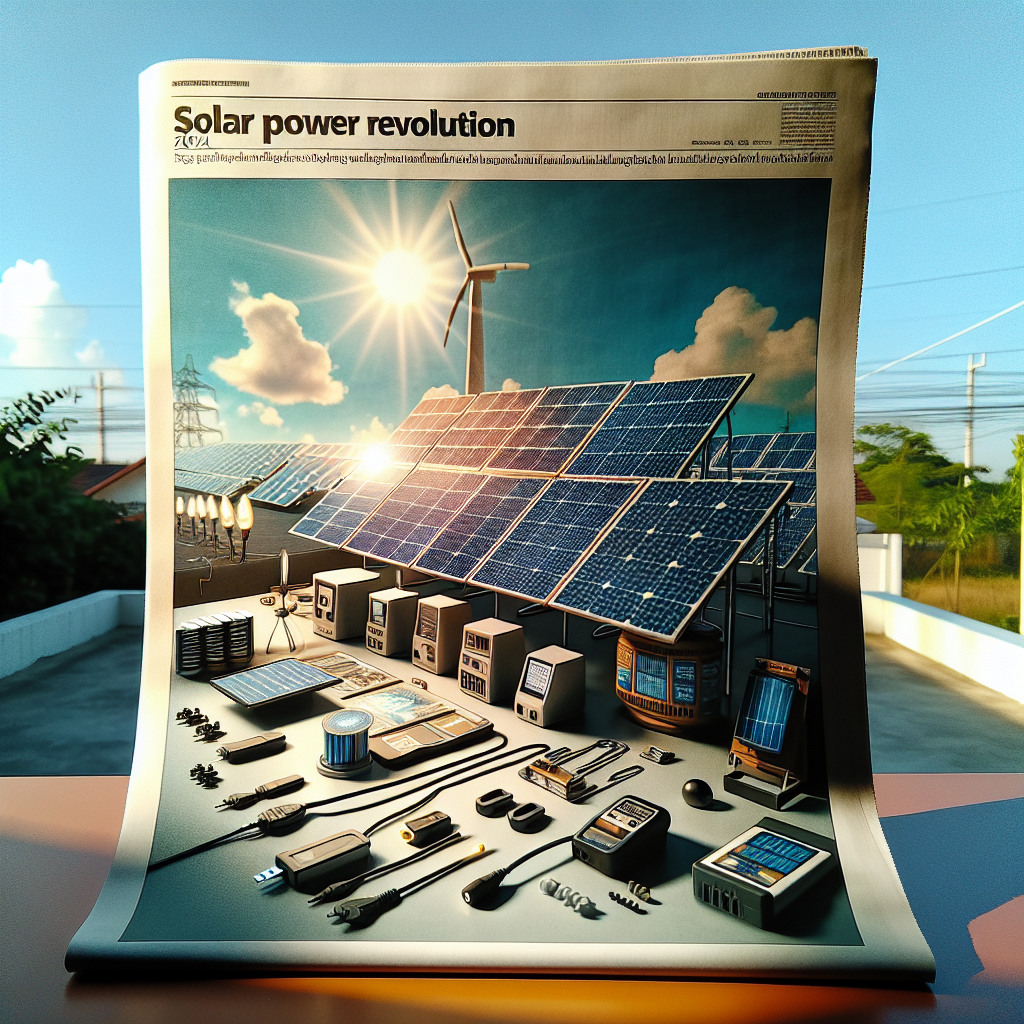
    Solar power is rapidly gaining traction as a viable energy solution, but many people are still clouded by misconceptions. Let’s peel back the layers on solar energy and uncover what you truly need to know.

    *Understanding the Basics: What is Solar Power?**

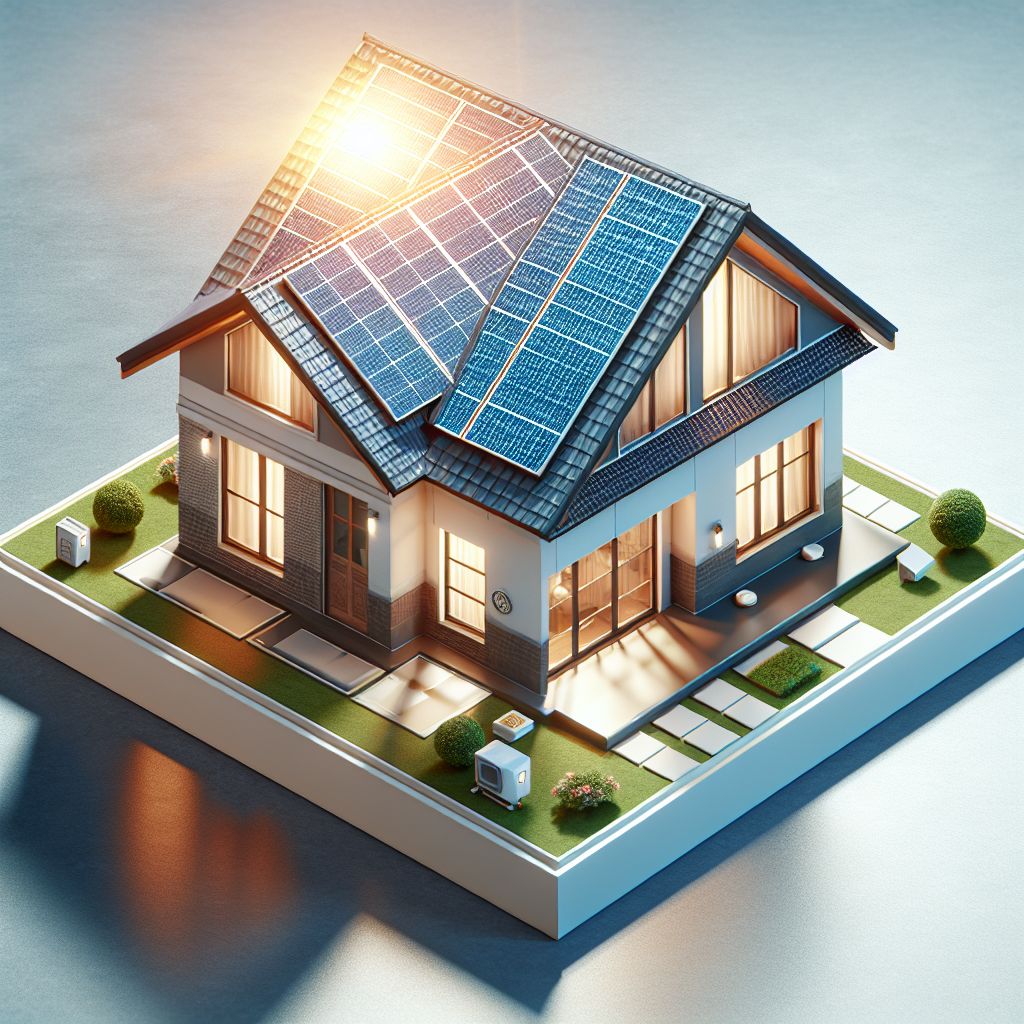
    At its core, solar power harnesses sunlight and converts it into electricity or heat. This transformation occurs through photovoltaic cells in solar panels that capture photons from sunlight. These energetic particles excite electrons, creating an electric current. Simple, right? As the technology has evolved, so has our ability to tap into this abundant resource efficiently and economically.

    *Myth vs. Reality: Common Misconceptions About Solar Energy**

    Despite its growing popularity, several myths linger around solar energy. One common misconception is that solar panels only work in sunny climates. While it’s true that sunnier locations yield better results, modern panels are designed to capture light even on cloudy days. Another myth suggests solar systems require extensive maintenance; however, most installations need little more than occasional cleaning and a routine inspection every few years.

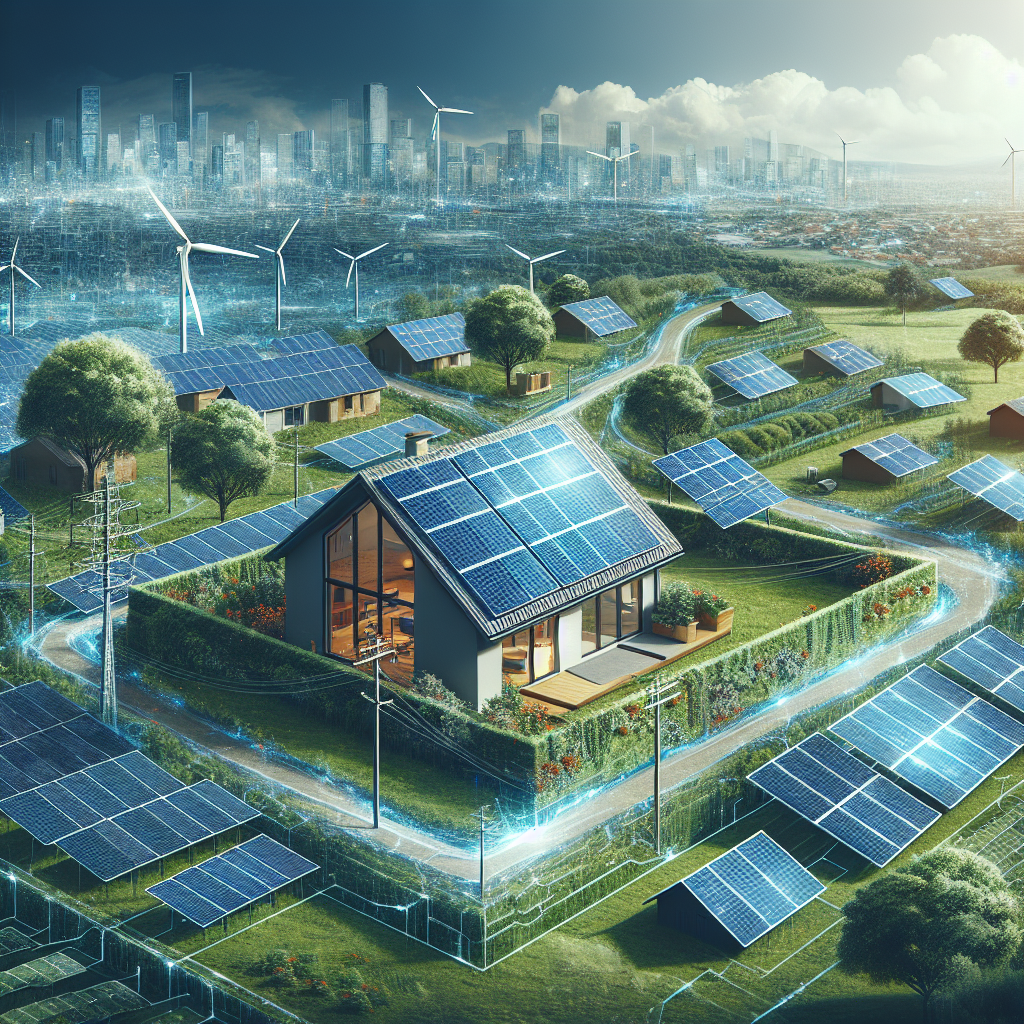
    People often believe that installing solar panels will significantly increase their home insurance costs. In reality, many homeowners experience minimal changes in their premiums once they install a system—if any at all! Additionally, some think going solar means being completely off the grid; while that’s an option for some, most residential systems are tied to the utility grid for added reliability.

    *The Financial Perspective: Are Solar Panels Really Worth the Investment?**

    The financial implications of choosing solar can be daunting yet rewarding in the long run. Upfront costs may seem high; however, numerous incentives exist—federal tax credits and state rebates reduce initial expenses significantly. Furthermore, many homeowners see a decrease in their monthly utility bills after installation.

    Return on investment (ROI) varies depending on location, panel efficiency, and energy consumption habits but generally falls between five to seven years for most households. The long-term savings often outweigh initial costs when you consider rising electricity rates over time!

    *Environmental Impact: How Solar Power Contributes to a Greener Planet**

    Switching to solar power isn’t just about saving money; it’s also about making a positive impact on our planet! Utilizing renewable energy reduces dependency on fossil fuels and decreases greenhouse gas emissions significantly. According to research studies, one average-sized home going solar can eliminate approximately 100 tons of carbon dioxide over its lifetime—that’s like planting more than two acres of trees!

    Adopting clean energy sources helps combat climate change while promoting sustainable living practices that benefit future generations.

    *Installation and Maintenance: What to Expect When Going Solar**

    Navigating the transition to solar can feel overwhelming initially—but it doesn’t have to be! The process typically begins with a consultation where professionals assess your property’s suitability for solar installation based on factors like roof orientation and shading.

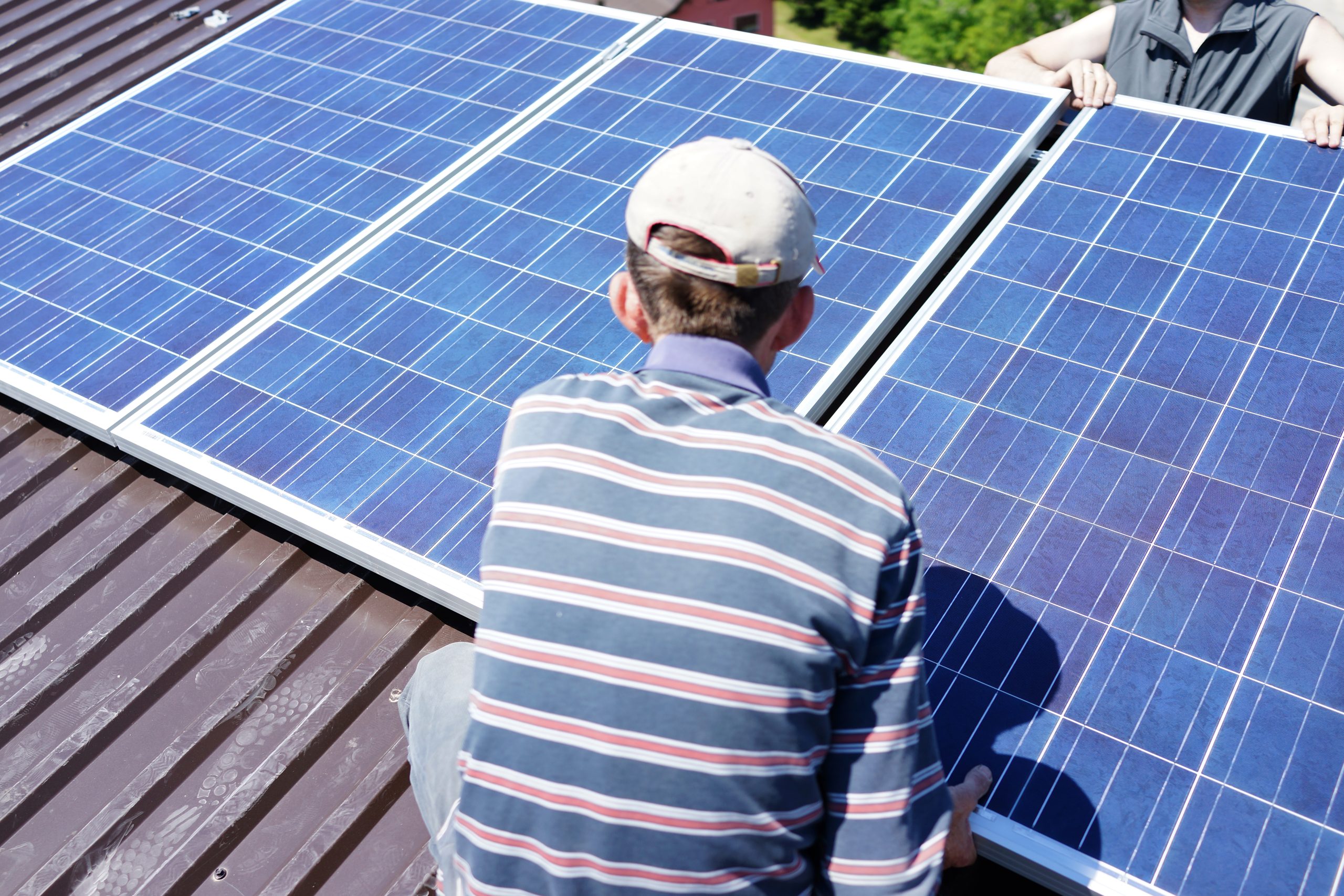
    Once you proceed with installation—which usually takes just one or two days—you’ll soon enjoy your new system’s benefits! Maintenance is minimal—most manufacturers recommend inspections every few years alongside regular cleaning if necessary due to dust or debris accumulation.

    *The Future of Solar Energy: Innovations and Trends to Watch**

    As we look ahead into the realm of renewable energy, exciting innovations abound! Bifacial panels that harvest sunlight from both sides show promising potential for increased efficiency while floating solar farms leverage unused water bodies as sites for installations.

    JM Industrial DSC00737 scaled

    Furthermore, battery storage technology continues evolving—allowing homeowners greater control over their power supply during outages or peak demand periods without relying solely on grid access.

    In conclusion, understanding these aspects of solar power not only dispels myths but also empowers informed decisions toward adopting cleaner energy solutions—a step forward towards sustainability!

  • The Ultimate Checklist for Setting Up Solar Power at Home

    The Ultimate Checklist for Setting Up Solar Power at Home

    Assess Your Energy Needs

    Understanding Your Electricity Consumption

    Before diving headfirst into the solar energy pool, it’s crucial to get a grip on your energy consumption. Take a good look at your electric bills; they’ll show you how much power your household uses. Look at the averages over the past few months, factoring in seasonal changes that might affect your usage. This step will give you a strong baseline.

    Next, think about appliances you use regularly. Consider both significant energy eaters like refrigerators and HVAC systems, and the smaller gadgets like chargers and light bulbs. It’s astonishing how much juice those little things can consume if you don’t keep an eye on them. Plugging them into an energy meter can provide more insight into their power consumption.

    Finally, project any future changes—for example, if you’re planning to upgrade to energy-intensive appliances or even adding a new family member. Knowing your current needs helps you understand how much solar power you need to generate for optimal efficiency.

    Calculating Your Solar Needs

    Once you’re aware of your energy consumption, calculating solar needs comes next. A solar energy calculator can be a handy tool here. These calculators generally require your average monthly consumption and some basic info about your location. The results can guide you on the system size you’ll need.

    Don’t stop there; consider the potential for peak usage times. For instance, if most of your energy use happens during the day while the sun’s shining, you might benefit more from a larger solar setup. It’s all about aligning solar generation with usage.

    Finally, consult with a professional installer. They’ll provide insights tailored to your unique situation and location, often using advanced tools and knowledge of local regulations to help you pinpoint your exact needs.

    Evaluating Your Home’s Suitability

    Your home’s environment can basically make or break your solar adventure. Start by inspecting your roof. Is it facing the right direction? South-facing roofs tend to get the most sun exposure, but east and west can be decent too. You want minimal shading from the surrounding trees or buildings; those shadows can hugely impact your solar production.

    Next, think about the structural integrity. Older roofs might need repairs or even a replacement before you add solar panels. It’s a drag to put all that money into solar, only to have to tear it down later for repairs!

    Finally, take into account the local climate. If you live in an area prone to cloudy days or heavy snowfall, it may impact the overall efficiency of your solar system. Look for options that focus on all-weather performance, and consult local experts who understand your climate’s specific challenges.

    Choose the Right Solar System

    Types of Solar Systems

    Once you’ve assessed your energy needs and home suitability, it’s time to pick out your solar system type. The three main options include grid-tied, off-grid, and hybrid systems. Grid-tied systems are the most common and are connected to the utility grid. They’re often the most affordable and provide benefits like net metering.

    If you’re feeling adventurous, there’s the off-grid system. It’s perfect if you want to be independent and not reliant on utility companies, but it can be pricier due to battery storage needs. And let’s not forget the hybrid system, which combines the best of both worlds, allowing for battery storage while also connecting to the grid.

    Take some time to think about your lifestyle and budget. For most people, a grid-tied system is the way to go, but if you live in a remote area or want total freedom from the grid, maybe consider going fully off-grid.

    Evaluating Financial Options

    Now comes the fun part—figuring out how to pay for this all! There are several financing options available. You could outright purchase a solar system, but that’s a significant upfront investment. Many folks explore loans or even leases, which can help spread out the costs over time.

    Don’t forget about incentives! Check for local and federal tax credits that can save you loads of cash. Many areas offer rebates and grants for solar installation, which can significantly reduce your initial outlay. It never hurts to do a little digging online.

    And, of course, think about the long-term savings on your energy bill. While solar systems can be pricey up front, over time, the reduction in monthly bills often pays for itself and then some.

    Choosing a Qualified Installer

    Selecting the right installer is crucial. Start with research and get referrals from friends or online communities. Look for professionals with positive reviews and a solid reputation in the solar industry. It’s not just about cost but also quality and experience.

    Check their certifications and licenses. Make sure they are accredited by organizations like the North American Board of Certified Energy Practitioners (NABCEP). This is a big deal in ensuring your installer knows their stuff.

    Finally, get multiple quotes. This doesn’t just help you compare costs; it also helps you understand what’s included in each proposal. Be sure to ask about warranties and maintenance services too; you want someone who’s going to be there for you long-term.

    Prepare for Installation

    Getting Your Home Ready

    Once you’ve selected a system and an installer, it’s time to prepare your home. First off, ensure your roof is cleared of any debris and accessible for the crew. A clean workspace ensures that installation runs smoothly without unnecessary delays.

    Next, coordinate with your installer about how the installation will go down. You may need to be available for questions or approvals during the process. Understanding the timeline helps you manage your schedule—no one likes surprises, right?

    Also, inform your neighbors about the installation. A little heads-up goes a long way and keeps the peace, especially if heavy equipment is involved. Everyone appreciates knowing what’s happening around them!

    Post-Installation Inspection

    After installation, conduct a thorough walk-through with the installer. Ensure everything is up to your standards and ask any lingering questions. Don’t hold back; you’re investing a lot of cash here, and it should match your expectations.

    Check that all paperwork, including warranties and any maintenance agreements, is in place. These documents are crucial for future reference and might come in handy if any hiccups arise down the line.

    Take some time to learn how to use the monitoring system that comes with your solar setup. Many systems provide mobile apps that let you track usage and efficiency right from your phone. It’s a great way to stay connected to your new eco-friendly home setup!

    Ongoing Maintenance and Support

    Your solar system is now up and running, but don’t just forget about it! Regular maintenance helps to ensure that it’s performing at its peak efficiency. Cleaning debris off the panels and checking for shading issues or other potential obstructions will go a long way.

    Stay connected with your installer for periodic check-ups. They can provide advice on how to keep your system in tip-top shape and alert you to any adjustments or upgrades that might be beneficial down the road.

    Lastly, keep an eye on your energy production. If you notice any significant drops in efficiency, don’t hesitate to reach out for help. Early detection can often resolve issues without much fuss, ensuring you get the most out of your solar system!

    FAQ

    1. How do I know if solar power is right for my home?

    Assess your energy consumption, evaluate your roof’s suitability, and consider local regulations. If your home receives good sunlight exposure and you want to save on energy costs, solar might be a great option!

    2. What are the main types of solar systems available?

    The main types are grid-tied, off-grid, and hybrid systems. Each has its perks and is suitable for different needs, so weigh your options based on your lifestyle and energy goals.

    3. Are there financing options available for solar systems?

    Yes, there are various financing options, including outright purchasing, loans, and leases. Additionally, look for tax credits and rebates that can help lower your overall costs.

    4. What should I look for in a solar installer?

    Search for a qualified installer with solid experience and good reviews. Make sure they’re licensed and certified, and don’t hesitate to get multiple quotes to compare services.

    5. What maintenance does a solar system require?

    Regular cleaning and checks for obstructions are essential. It’s also wise to schedule periodic inspections with your installer to ensure everything is functioning correctly.

  • The Ultimate Guide to Understanding Solar Power Tax Credits

    The Ultimate Guide to Understanding Solar Power Tax Credits

    Understanding Federal Tax Credits

    What Are Federal Tax Credits?

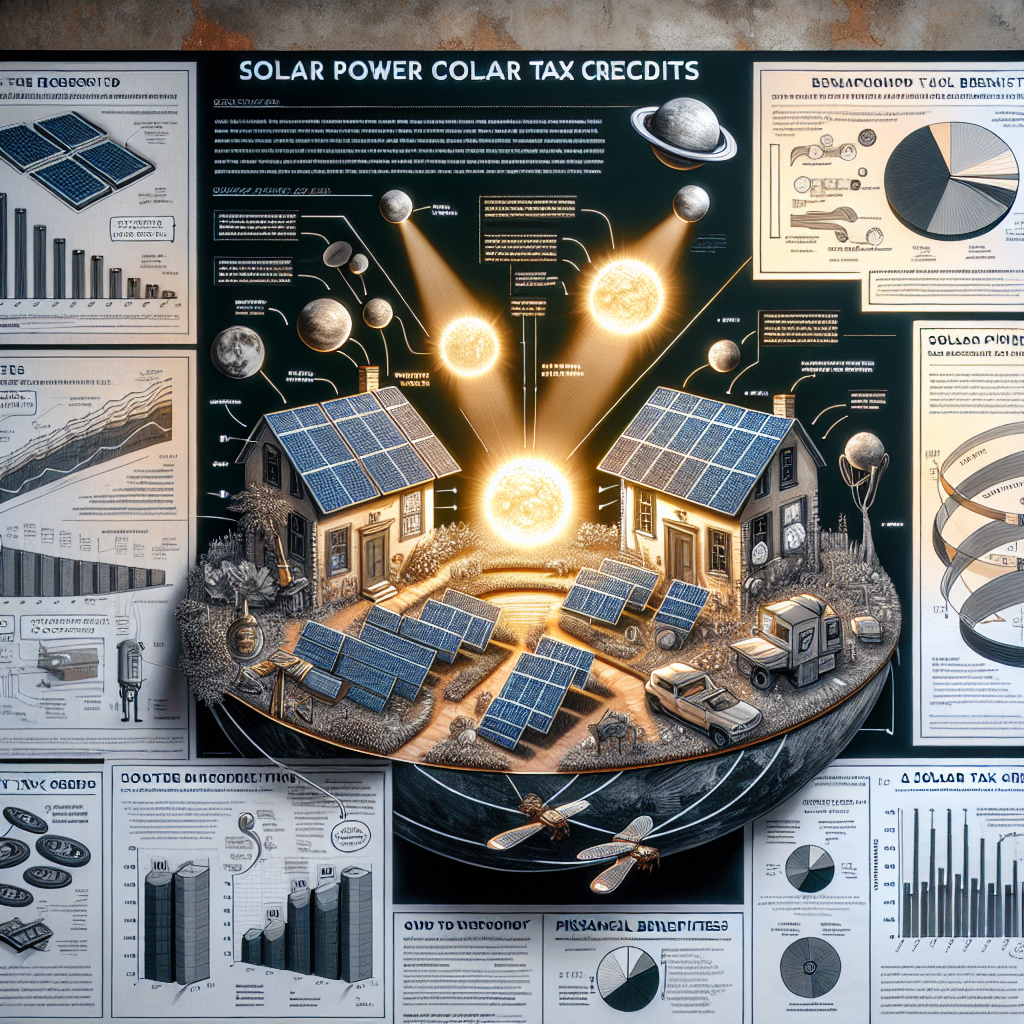
    When I first dove into solar energy, I was blown away by the potential savings from federal tax credits. These credits are incentives offered by the government to encourage homeowners to invest in renewable energy. The main one most folks talk about is the Investment Tax Credit (ITC). If you install solar panels, you could offset a significant portion of your costs during tax season.

    So, how does it work? Essentially, the ITC allows you to deduct a chunk of the installation costs from your federal taxes. The beauty of it is that it can really lighten the financial load. I found that knowing this credit existed changed my entire approach to affording solar energy.

    It’s also key to stay updated because these credits can change. They’ve been extended, reduced, and there’s chatter about future changes. Keeping your ear to the ground can help ensure you get the most and save as much as possible.

    Eligibility Criteria

    Now, you might be wondering if you’re even eligible for these credits, right? Generally speaking, if you own the solar system and it’s installed at your primary residence, you’re good to go! But there might be more criteria based on where you live and the specific setup.

    One of the things I learned was that if you lease your solar panels instead of owning them, you usually can’t claim the tax credit. Bogus, I know, but that’s the lay of the land. It’s super important to get clarity on ownership to make sure you as the homeowner get the benefits.

    Additionally, some states have their own specific requirements. Doing a bit of homework about your state’s regulations will avoid some last-minute headaches. Trust me, you’ll thank yourself later!

    How to Claim the Credit

    Okay, so you’ve got your solar panels up and you’re registered for the ITC; now what? Claiming the credit is actually quite straightforward. You’ll need to file Form 5695 along with your regular tax return.

    When I first filled out that form, I felt a little overwhelmed. I mean, tax forms can be intimidating! But once I started filling it out, I realized it was all about providing basic info about the installation cost and how many panels you have.

    Make sure to keep all your receipts and documentation organized, as the IRS likes to see proof. Having everything easy to find showed me that I was serious about my investment and made my life easier when filing ahead of the tax deadline.

    State-Specific Incentives

    Overview of State Incentives

    Each state has its unique charm and benefits regarding solar energy, and boy, I found that out the hard way! While the federal tax credits give you a solid start, many states have their own rebates and credits. This can significantly amplify your savings.

    For instance, I moved from California to Texas, and I quickly realized that while California had several lucrative incentives, Texas had its own set of perks. It’s fascinating to explore how different areas promote solar energy usage!

    If you dive into state incentives, you may find grants or specific programs aimed at encouraging solar installation. This can be like finding free money lying around—definitely keep your eyes peeled!

    How to Find State Incentives

    Finding these incentives isn’t as daunting as it seems. Start with your state government’s website. They usually have a resource section dedicated to renewable energy. When I tracked down my local incentives, it was easier than I thought—it just required a bit of research!

    Another option is to check out sites like the Database of State Incentives for Renewables & Efficiency (DSIRE). They provide a comprehensive overview of all kinds of incentives plus who qualifies. It’s a goldmine!

    If you’d rather skip the legwork, chatting with local solar installation companies might guide you to know what incentives you can snag. They usually keep a pulse on the latest state and federal programs.

    Understanding Local Rebates and Incentives

    Local utilities sometimes offer rebates for solar panel installations as well. I remember getting a nice chunk off my initial investment thanks to a rebate from my utility provider. It’s like bonus savings just for using renewable energy!

    But be on the lookout: these rebates can change often, so it pays to dig in as soon as you decide to install solar. The more you find, the more you can save. Once I understood the nuances, every step felt like a victory!

    Just keep in mind that some rebates may have specific eligibility rules, so read the fine print. You don’t want to find out later that you missed the chance to cash in on some sweet incentives!

    The Role of Solar Financing Options

    Different Financing Options

    Now, let’s chat about how to actually pay for all this solar goodness. There’s a variety of financing options available to homeowners. I spent a good chunk of time figuring this out, and trust me, it’s totally worth knowing your options!

    Loans are pretty popular—whether they’re secured against your home or not. I went the unsecured route, avoiding collateral but paying a slightly higher interest rate. I weighed convenience over long-term cost savings, but for you, it might be different.

    Some people even opt for power purchase agreements (PPAs), where you pay for the power generated by the system rather than the system itself. It’s kind of like taking a subscription service approach. You just need to find what fits your budget and lifestyle.

    Evaluating Costs vs. Savings

    One thing I learned is that it’s not just about the installation costs—it’s about evaluating your long-term savings as well. While the out-of-pocket expense can seem daunting, running the numbers for monthly energy savings helped me see the silver lining.

    It’s a smart idea to sit down and calculate how much you’ll save on your electricity bill over time versus the total cost of the solar system. I spiced things up by using online calculators, which made crunching numbers way more fun!

    After evaluating, I realized that my investment paid off in the long run. That gave me peace of mind whenever I faced my monthly expenses. Plus, it felt great to know I was doing my part for the environment!

    The Importance of Working with Financial Advisors

    Getting professional advice can really pay off. I didn’t realize initially how much guidance I needed until I sought out a financial advisor. They helped me weigh the pros and cons of different financing options against my personal financial situation.

    Finding the right advisor can make the entire process less stressful. They can break down the complexities of tax credits and incentives in terms that make sense! Get someone who knows their stuff—it’s worth every penny.

    This support helped me feel confident in my financial decisions moving forward, and I wish I hadn’t waited so long to do it. So, don’t shy away from seeking advice; you’re building a greener home, and that’s a great step!

    Navigating Future Changes in Legislation

    Staying Informed on Tax Law Changes

    Tax laws are a living thing—constantly shifting and changing, just like the weather! I found out the hard way how important it is to stay updated on any changes to solar power tax credits.

    A good rule of thumb is to follow organizations and advocacy groups dedicated to renewable energy. They provide updates and have resources that explain what any new laws mean for you. I would read their newsletters and it kept me in the loop.

    Even subscribing to updates from tax-related websites can guide you on any changes coming down the pipeline. You don’t want to miss a potential opportunity for savings because you weren’t aware of the rules!

    Preparing for Potential Changes

    While it’s great to be informed, it’s also helpful to have a plan. For instance, if the tax credit’s expiration is coming up, you might want to expedite your solar installation. That way, you’ll certainly be in line for those sweet credits.

    One thing I did was create a little calendar reminder to check in every few months. It was a simple way to ensure I stayed up to date. You don’t always have to chase down news; just keep it on your radar and you’ll feel a lot more secure!

    Also, if you’re part of a community solar program, your local solar provider might offer insights into upcoming changes and how they could affect you. Local connections can definitely keep you informed!

    Advocacy and Support Groups

    Speaking of knowing the ins and outs, joining advocacy groups focused on renewable energy can work wonders. When I got involved, I found a community of like-minded people who shared tips and strategies. It just felt right to be part of something bigger!

    These groups often lobby for better policies and can provide additional information about local initiatives or grants. It felt empowering to contribute and learn from fellow advocates who share my passion for the planet!

    So, when navigating any future changes in legislation, don’t go it alone. Tapping into these networks can yield valuable insights that can help you navigate the twists and turns of solar power tax credits.

    Frequently Asked Questions

    What is the federal tax credit for solar energy?

    The federal tax credit for solar energy, known as the Investment Tax Credit (ITC), allows homeowners to deduct a significant portion of solar installation costs from their federal taxes. As of recent updates, it’s generally 26%, but can vary, so always check the latest info!

    Am I eligible for state incentives?

    Eligibility for state incentives varies widely, depending on where you live and the specifics of the program. Most commonly, if you own your solar installation and it meets state guidelines, you should qualify. Always check local regulations!

    How do I claim the solar tax credit?

    To claim the solar tax credit, you’ll need to file IRS Form 5695 along with your tax return. This form helps you report your solar installation costs and claim the credit efficiently.

    What financing options are available for solar energy systems?

    Financing options for solar energy include personal loans, home equity loans, and power purchase agreements (PPAs). Each option has its pros and cons, so it’s worth doing some digging to find what suits your financial situation best.

    How do changes in legislation affect my solar tax credits?

    Changes in legislation can impact the availability and amount of solar tax credits. Staying informed about current and future tax laws is crucial. Joining advocacy groups can also help you navigate these potential changes!

  • How to Reduce Your Energy Bills with Solar Power Systems

    How to Reduce Your Energy Bills with Solar Power Systems

    Understanding Solar Power Basics

    What is Solar Power?

    Let’s kick things off with the basics. Solar power is energy that comes directly from the sun. Sounds simple, right? But there’s so much more to it! Basically, solar panels convert sunlight into electricity through a process called photovoltaic effect. When I first learned this, it felt like magic—turning sunbeams into energy to power my home!

    Not only is solar power renewable, but it’s pretty much an endless resource. I mean, the sun isn’t going anywhere anytime soon, so it just makes sense to tap into that energy source. And the best part? Once your solar system is up and running, harnessing the sun’s energy is practically free!

    Understanding these basics helps frame how solar power can impact your energy bills. It’s like having your own little power plant! This takes us to why many homeowners, including myself, are turning toward solar—because it’s a reliable and cost-effective way to reduce those pesky energy bills.

    Choosing the Right Solar System

    Types of Solar Panels

    Choosing the right solar system can feel a bit overwhelming, but trust me; it’s totally manageable once you break it down. There are mainly three types of solar panels: monocrystalline, polycrystalline, and thin-film. The first option, which I went with, is usually more efficient but can be pricier. Worth the investment, though!

    Polycrystalline panels are generally more affordable but slightly less efficient. Then there’s the thin-film option, which is lightweight and flexible but tends to take up more space for the same energy output. Figuring out what works best for your needs can take some research, but it pays off in the long run!

    When I upgraded my system, consulting with a solar expert really helped me make informed decisions. So, don’t hesitate to reach out for advice—figuring out the types of solar panels will lead you on the right path to saving on energy bills.

    Installation Process

    Finding the Right Installer

    Once you’ve settled on the type of solar system you want, the next step is installation. Finding a solid installer is crucial. I know all too well how important it is to work with someone dependable. Make sure to read reviews and seek referrals—it’s like buying a new car; you really wanna be sure of what you’re getting!

    An expert installer will walk you through all the necessary permits, and trust me, they know the ins and outs of what needs to be done—way more than I would! Plus, they can help predict how much you can save on energy bills with your new system, which is super helpful.

    After installation, keep in touch with your installer for any maintenance needs. A good installer won’t just drop the system and disappear; they’ll support you all the way, which helps ensure efficiency and savings down the line.

    Understanding Incentives and Rebates

    Financial Benefits of Going Solar

    Okay, let’s talk money! One of the coolest things about going solar is the financial incentives available. Depending on where you live, there might be federal, state, and even local incentives. These can significantly affect your overall costs and savings on energy bills.

    I took full advantage of the federal tax credit when I installed my solar panels—definitely one of my better financial moves. Plus, many states offer rebates that can help offset the costs of installation. So check your local programs because, hey, every little bit helps!

    Not to mention that solar energy is a long-term investment that pays off over time. Even with the upfront costs, the savings over the years just make sense! The best advice I can give here is to get familiar with these incentives. They can save you a chunk of change, which is always nice.

    Maintaining Your Solar System

    Simple Maintenance Tips

    Now that you’ve got everything in place, let’s chat about maintenance. Keeping your solar system running smoothly doesn’t have to be a hassle. First things first, I make it a point to keep the panels clean—dust, leaves, and debris can seriously cut down on efficiency.

    Checking for shading is also crucial. I once noticed a tree was growing and blocking sunlight—it was a real wake-up call! Trim any overhanging branches to maximize sunlight exposure. Regular checks can save a lot on energy bills and keep your system working like a dream.

    Lastly, stay in touch with your installer for check-ups. Having a professional routinely assess your system helps spot any issues before they turn into costly repairs. Proper maintenance truly makes a world of difference in performance and savings!

    FAQ

    1. How quickly can I expect to see savings after installing solar panels?

    Typically, homeowners begin seeing savings on their energy bills within the first month after installation. However, how quickly you see a return on investment depends on incentives and your local energy rates.

    2. Are solar panels still effective on cloudy days?

    Absolutely! Solar panels can still generate electricity even on cloudy days—though not at full capacity. They’re designed to harness as much light as possible, which is why they are still a good investment even in less sunny areas.

    3. What kind of maintenance do solar panels require?

    Most solar panel maintenance is straightforward. You should regularly clean the panels and inspect them for shading from trees or debris. Beyond that, an annual professional check-up is a good way to ensure everything is functioning well.

    4. Can I still use electricity from the grid if I have solar panels?

    Yes! If your solar system isn’t producing enough electricity (like during winter months), you can still pull energy from the grid. Many homeowners opt for a net metering system, which can allow you to receive credits for excess energy your panels generate.

    5. How long do solar panels last?

    On average, solar panels last about 25 to 30 years. Most manufacturers offer warranties for at least 25 years. As they age, their efficiency might decrease, but many still produce a significant amount of electricity beyond that time frame!

  • The Top Solar Power Systems for Eco-Friendly Living

    The Top Solar Power Systems for Eco-Friendly Living

    1. Understanding Solar Power Systems

    What are Solar Power Systems?

    Solar power systems harness the energy from the sun to generate electricity or heat. Essentially, they convert sunlight into usable energy, either for your home or businesses. Just imagine getting all that energy for free! Personally, when I first tried to figure out how solar worked, it honestly blew my mind. The technology has come a long way and it makes it easier for anyone to switch to renewable energy.

    There are two primary types of solar systems: photovoltaic (PV) systems and solar thermal systems. PV systems use solar panels to convert sunlight directly into electricity, while solar thermal systems use the sun’s heat to produce hot water or steam for heating purposes. Each has its unique benefits, and the choice depends on your specific needs and setup.

    Understanding how these systems work lays the foundation for making a smart investment. From my experience, taking the time to grasp the basics really helps when selecting the right options for your eco-friendly living goals.

    Benefits of Solar Energy

    Going solar has a ton of benefits—both for you and for the environment. First, it drastically reduces your electricity bills. I’ve personally noticed a massive drop in my utility payments since going solar. This savings can be redirected into other enjoyable or necessary expenses.

    Secondly, solar energy is renewable and abundant. Unlike fossil fuels, which are on this never-ending depletion path, sunlight is free and available everywhere. It’s a clean source of power, making it a critical piece in reducing our carbon footprint and fighting climate change.

    Lastly, in many places, government incentives and rebates make switching to solar even more affordable. If you’re like me, every bit of financial assistance counts. Even just being aware of these can help during the installation process.

    Types of Solar Power Systems

    As a homeowner, I found it essential to delve into the types of solar power systems available. The most common types are grid-tied systems, off-grid systems, and hybrid systems. Grid-tied systems connect to the local electric grid and allow you to draw power when your solar system isn’t producing enough energy.

    On the flip side, off-grid systems operate independently of the electric grid. These are typically outfitted with battery storage, which means you can access energy no matter the time of day. This is an excellent option if you live in a remote area or just want complete independence from traditional electricity sources.

    Hybrid systems offer the best of both worlds by integrating grid access with battery storage. Some nights the grid takes care of us, while during sunny days, we rely on solar. It really allows for flexibility and maximization of renewable energy use!

    2. Choosing the Right Solar Panels

    Types of Solar Panels

    When I started my solar journey, I quickly learned that not all solar panels are created equal. There are three main types you’ll encounter: monocrystalline, polycrystalline, and thin-film. Monocrystalline panels are known for their high efficiency and sleek design, which is great if aesthetics matter to you.

    Then, there are polycrystalline panels. While they’re generally less efficient than their monocrystalline cousins, they’re often more budget-friendly. If you’re like me and need to watch your wallet, this could be a suitable option.

    Lastly, thin-film solar panels are lightweight and flexible, making them easy to install in various spaces. However, they typically require more roof space, as they have a lower efficiency than the other two. Choosing the right panel is crucial, and once you understand the differences, it becomes easier to weigh your options.

    Factors to Consider When Selecting Solar Panels

    Choosing solar panels is more than just picking a pretty color. There are several factors to consider. First, you need to think about efficiency. Higher efficiency means better performance and less space needed on your roof. Personally, I wanted panels that weren’t just pretty but wouldn’t require me to clutter my roof with tons of them.

    Next is durability. Look for panels with robust warranties and a solid track record. I went with a brand known for its longevity and performance, and it’s paid off so far with no issues. Choosing panels meant to withstand extreme weather can save you from future headaches.

    Lastly, pay attention to the cost versus output ratio. Sure, a cheap panel may look good on your budget sheet, but if it produces less energy over time, it might not be worth it. That’s where research and reviews come into play, and I found plenty of resources online to help me navigate this process.

    Installation and Maintenance of Solar Panels

    Once you’ve chosen the perfect solar panels, it’s time to talk about installation. I must say, finding a reputable installer made all the difference for me. I did my homework and selected a company with strong reviews and a solid warranty, which alleviated many of my worries.

    Post-installation, maintaining your solar panels is essential. They’re pretty low maintenance, but I still check them regularly for debris and dirt—especially after heavy storms. A simple rinse can boost their effectiveness and maintain efficiency. I set reminders in my phone to inspect them every few months to stay on top of it!

    And don’t forget about monitoring your system! Most systems come with apps these days. You can track how much energy you’re producing in real-time, and it feels like I’m watching magic happen every sunny day. It keeps you engaged and shows just how much you’re contributing to eco-friendly living.

    3. Off-Grid vs. Grid-Tied Systems

    Grid-Tied Advantage

    When I first thought about going solar, I was drawn to the grid-tied systems. The ability to draw on the grid when my setup couldn’t meet my energy needs provided comfort. It’s kind of like having a safety net in case of cloudy days.

    Plus, many grid-tied systems let you sell back excess energy to the utility company, which puts money back in your pocket. This net metering option is an absolute gem! I remember that first time I checked my utility bill and saw that credit—what a win!

    However, I did worry about the dependency on the grid. Given the unpredictability of energy availability, this type of system could leave you hanging if there’s a blackout. Still, I thought it was a fair trade-off for my lifestyle at that time.

    Off-Grid Independence

    If you’re a free spirit or live in a remote area, off-grid solar systems might fit your vibe better. After switching to solar, I caught myself daydreaming about the freedom of being completely independent. Off-grid systems require battery storage, which lets you store energy for when you need it most, like at night or during overcast days.

    These systems can feel like a breath of fresh air, providing security and self-sufficiency, especially if you live in an area prone to power outages. They do, however, require a higher upfront investment due to batteries and setup complexity, which isn’t a tiny detail to overlook.

    In the end, the idea of living off the grid sounds romantic until you realize you need to factor in the cost, maintenance, and space for energy storage. It’s essential to approach this decision with careful consideration.

    Hybrid Systems: The Best of Both Worlds

    After deciding on my own solar system, I realized that the hybrid option melded the best of both worlds together. These systems combine the connection to the grid while also offering battery storage, giving you the best options available. I mean, what’s better than being able to tap into the grid when needed and still havin’ that independence?

    Hybrid systems are super flexible, allowing for customization based on energy needs. You won’t feel boxed into one method of energy production. I appreciated this when evaluating my energy use and preferences over time.

    It’s crucial to weigh all options, though. This hybrid style can be more costly, so consider your budget and long-term energy goals. I found that many people, myself included, valued the balance between independence and accessibility—a solid compromise!

    4. Financial Incentives and Tax Credits for Solar

    Federal Tax Credits

    If you’re thinking about going solar, you’ll want to familiarize yourself with available financial incentives, especially federal tax credits. I’m talking about the Investment Tax Credit (ITC), which allows you to deduct a significant percentage of your solar system installation costs from your federal taxes. When I learned about this, it made my decision to go solar even more exciting!

    These credits can save you a hefty amount, and the percentage has varied in past years. So always stay updated on current guidelines, and remember: you’ve got to actually install your system to benefit from this lovely bonus!

    Plus, be sure to consult with a tax professional who can help you navigate the specifics of your situation. I found it incredibly helpful to have someone in my corner assisting with the nitty-gritty parts of taxes and ensuring I got my credits appropriately.

    State and Local Incentives

    Don’t sleep on local incentives; they can be just as great as federal ones! Many states and municipalities offer additional tax credits, rebates, or grants for renewable energy projects. When I dove into this part, I found that some localities even provide performance-based incentives that pay you for the solar power you generate.

    This was a huge win for me, as it meant the local government was actively supporting the adoption of green technology. Check with local regulations or utility companies—sometimes you’ll luck out with an unexpected incentive program.

    Also, certain states have net metering laws, which as mentioned before, can mean you get credits for feeding energy back into the grid. The overall savings from local and state programs can really make a difference!

    Financing Options for Solar Energy

    Buying a solar system can seem daunting at first, especially price-wise. It doesn’t have to drain your savings! Over the years, I discovered several financing methods available, from solar loans to leases and Power Purchase Agreements (PPAs). Loans generally let you own the system and qualify for incentives, whereas leases and PPAs can help those who aren’t ready for the full financial commitment but want to enjoy solar benefits now.

    Leasing means you don’t actually own the system but pay for the energy produced by the panels. On the flip side, a PPA involves paying for the power generated, which can be a smoother way to start your solar journey without the initial investment stress.

    Consider your goals and financial situation—there’s a plan out there that fits you. I found it beneficial to sit down and crunch the numbers, so I knew what would work best for my budget and lifestyle.

    5. The Future of Solar Energy

    Advancements in Solar Technology

    The future of solar energy is bright—pun intended! I’m constantly amazed by the advancements in solar panel technology. Research is leading to panels that are more efficient, more affordable, and less obtrusive in design. There’s even talk about solar skins that can blend in with your roof! How cool is that?

    With improved efficiency, more homes than ever will be able to benefit from solar energy in a smaller footprint. It honestly gives me hope for global energy solutions as we tackle climate change.

    As advancements in solar energy continue, we can look forward to more innovative energy storage solutions, which will help with our energy independence. The future is indeed looking fantastic!

    Impact on the Environment

    Switching to solar energy isn’t just about saving money; it also plays a crucial role in benefiting our planet. Reducing reliance on fossil fuels means fewer greenhouse gas emissions—something I value deeply as we seek to create a healthier environment for future generations.

    By opting for solar, we’re promoting a sustainable lifestyle, leading to cleaner air and less pollution overall. Personally, knowing I’m doing something meaningful for the planet makes every dollar I spend seem worthwhile.

    Every year, more families are embracing solar power, leading to a massive shift in energy consumption patterns, and I can’t help but feel hopeful about collective progress toward a greener planet.

    Community Involvement in Renewable Energy

    As solar energy becomes more commonplace, community-driven initiatives are starting to sprout up. From neighborhood solar co-ops that allow residents to pool resources for a collective solar project to social campaigns that promote education about renewable energy—there’s a lot happening!

    Getting involved in these local initiatives has been one of the most fulfilling experiences for me. It fosters camaraderie among neighbors while promoting sustainable energy practices. Plus, working together strengthens relationships, and there’s nothing like a community working towards a common goal to make a difference.

    Whether participating in local sustainability fairs or simply spreading the word about solar energy, everyone can contribute to the future of renewable energy one small step at a time.

    FAQs About Solar Power Systems

    1. How much can I save by switching to solar energy?

    The amount you save can vary widely depending on your location, energy usage, and the size of your solar system. However, many homeowners see savings of anywhere from 20% to 50% on their energy bills.

    2. Are solar panels expensive to install?

    Initial installation costs can be high, but thanks to falling prices for solar technology and financial incentives, many homeowners can find affordable options. The long-term savings on electricity bills often outweigh the upfront costs.

    3. What happens during cloudy days or at night?

    Ingrid-tied systems draw electricity from the grid when solar production is low. Off-grid systems use storage batteries to provide power when there’s no sunlight. So, you’ll always have a way to get power, no stress!

    4. Do I need to maintain solar panels?

    Solar panels are generally low-maintenance, with most requiring just a cleaning a few times a year to remove dirt and debris. Regular inspections can also help maximize efficiency.

    5. What is net metering?

    Net metering is a billing arrangement that allows you to receive credits on your electricity bill for any excess energy your solar system generates and sends back to the grid. This can help offset future energy costs and is an attractive benefit for many homeowners.
  • How to Troubleshoot Solar Power System Problems Quickly

    How to Troubleshoot Solar Power System Problems Quickly

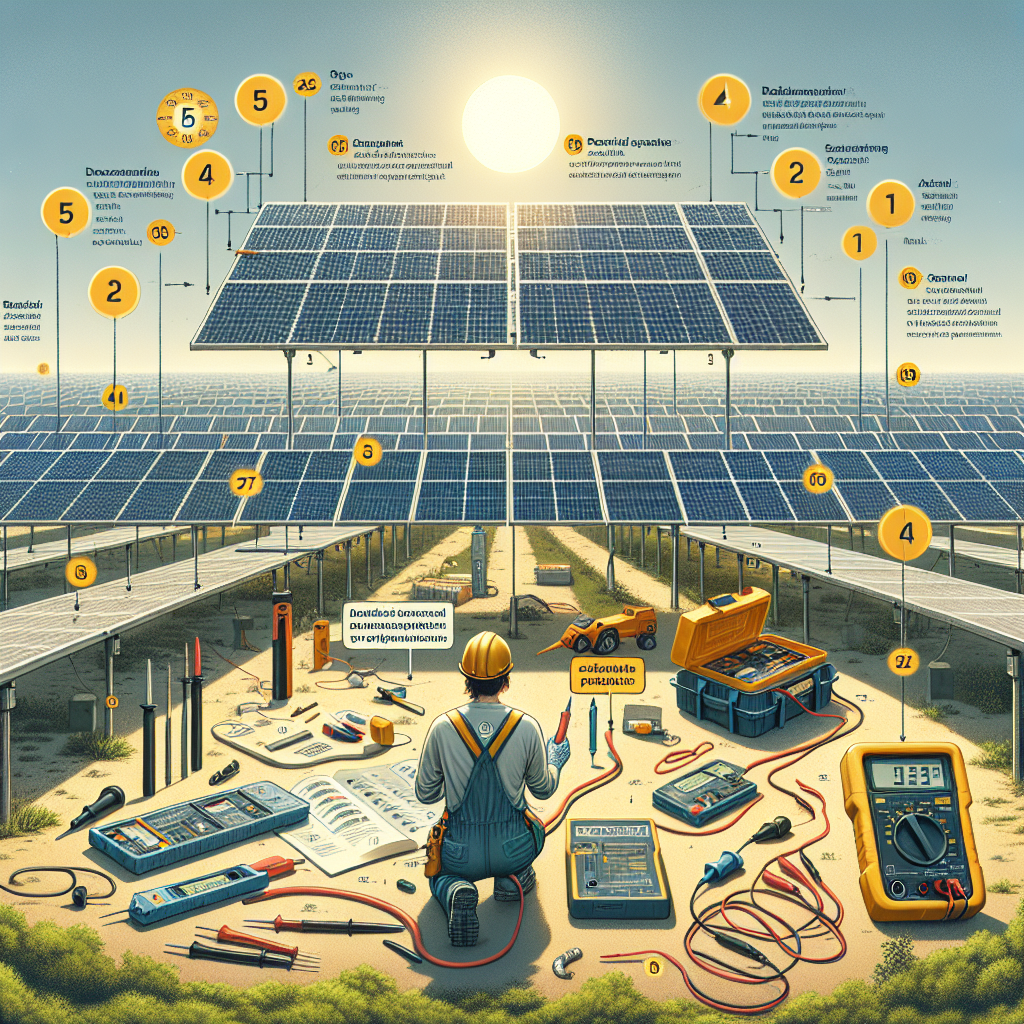
    Hey there! If you’re here, chances are you’re facing some hiccups with your solar power system. I’ve been there, and it can be a real drag! But fret not, I’m here to share some insights from my own experiences on how to troubleshoot these issues quickly and efficiently. Let’s break it down into five areas that I’ve found to be super crucial when diagnosing solar power system problems.

    Understanding System Components

    Know Your Solar Setup

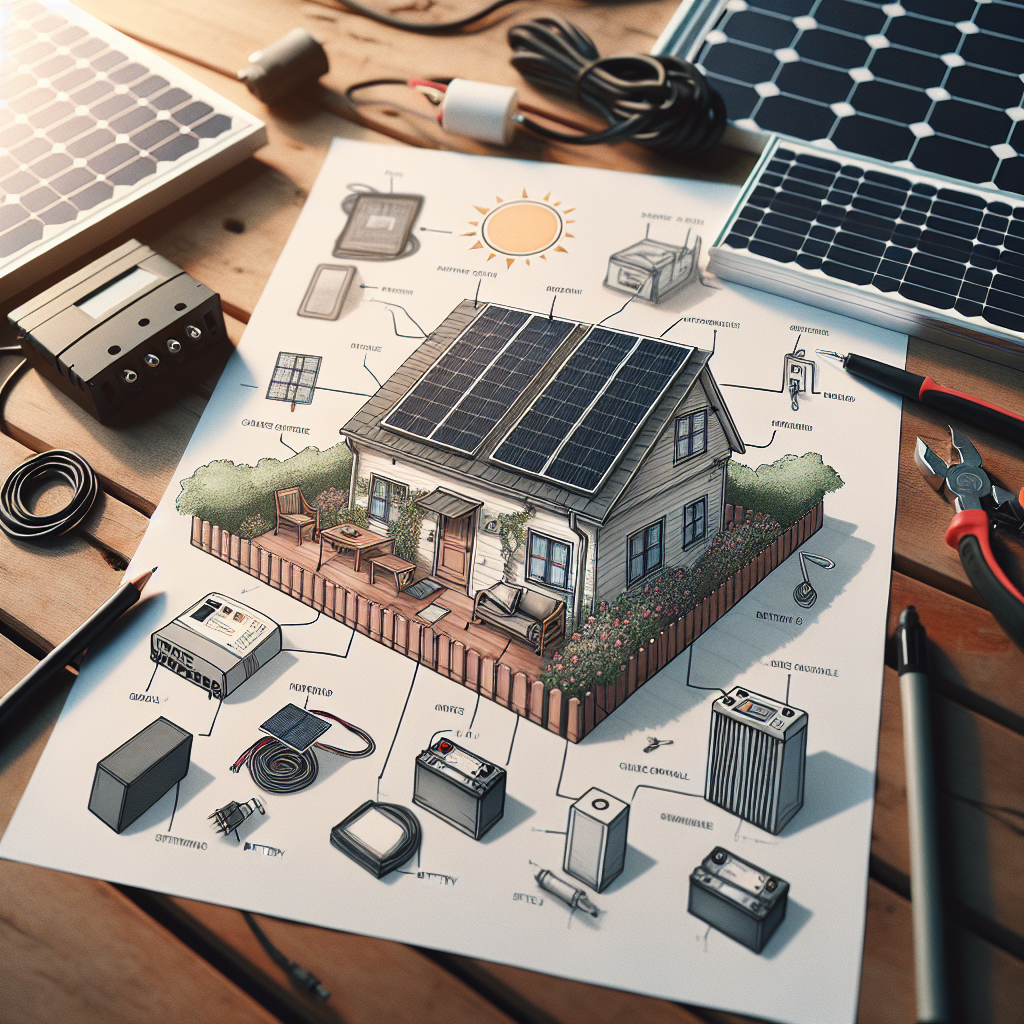
    First off, getting familiar with your system’s components is key. Your solar setup usually includes solar panels, an inverter, batteries, and sometimes a charge controller. Each part has its own job, but if one blows a fuse, it can mess up the whole party. Seriously, it’s the same as knowing your car under the hood; if you don’t know what’s what, how can you fix it?

    Take some time to look over the manuals or manufacturer specs. Understanding how each component interacts with others can help pinpoint where the issue might be hanging out. Trust me, it’s easier to fix what you know!

    Also, keep an eye on the warranties for each part. If something’s gone south, sometimes it could be a manufacturer issue, and you might be able to get a replacement or repair without shelling out more cash!

    Regular Monitoring

    One of the best things you can do is keep an eye on your system’s performance. Many systems come with monitoring tools nowadays, and they’re a lifesaver. If you notice that your PV output is way off, you can act fast before it turns into a bigger problem. I can’t tell you how many folks I know who didn’t even realize their system was underperforming until their energy bill hit them like a ton of bricks!

    Checking in regularly, maybe weekly or even monthly, gives you a good feel for normal operations. It’s like checking the air in your tires—you want to catch issues before they become big problems!

    And don’t forget about visual checks! Look out for any physical debris on the panels, or signs of wear and tear on wires or connectors. Nature can wreak havoc, so stay proactive about maintenance!

    Identifying Common Issues

    Battery Problems

    Let’s face it; batteries can be a real headache. Symptoms like your system not holding a charge or showing low voltage can indicate that your batteries are on their last leg or possibly overworked. What I’ve done is make sure to schedule check-ups on my batteries at least twice a year.

    Batteries also come with their own quirks; for instance, lead-acid batteries have different needs than lithium-ion ones. Take the time to familiarize yourself with your battery type—you don’t want to be in a position where you’re treating a lithium battery like it’s a dinosaur!

    If you’ve replaced batteries before and still have issues, it may be worth checking the connections! Loose or corroded terminals can cause all sorts of juice-draining headaches.

    Inverter Troubles

    Another area where things can get tricky is with the inverter. This little gadget is like the brain of your solar power system, converting DC power to AC. If it’s acting up, everything can go haywire. I remember once my inverter was functioning but producing lower output—which turned out to be due to a faulty connection. Ouch!

    Check for any error codes on the inverter display; they usually backtrack to what’s causing the trouble. Consult your manual or look online if needed—I’ve always found forums to be super helpful when hunting down specific error messages!

    And don’t forget to check if your inverter has any firmware updates! Manufacturers often release them to improve performance or fix bugs. It can be frustrating, but sometimes updates do work wonders!

    Physical Inspections

    Panel Cleanliness

    Next up is a good old-fashioned inspection of your solar panels. These beauties need to be clean to work efficiently! Dust, leaves, and bird droppings can cover them and dramatically reduce their output. I try to clean my panels at least a couple of times a year, but it really depends on where you live and local weather conditions.

    Use a soft brush or a microfiber cloth to avoid scratching the panels. And if you’re not up for climbing a ladder, you can hire a cleaning service for roofs. Safety first, right?

    In winter, heavy snow can also blanket your panels. Nothing can sap your output quicker than a layer of snow, so make sure to remove it if possible when it’s safe to do so!

    Inspecting Connections

    While you’re up there, take a close look at the connections throughout your system. Loose or corroded wiring can lead to substantial energy losses. I can’t stress enough how vital it is to ensure everything is securely fastened and in good shape. Something as simple as a frayed wire can lead to power loss or even a fire hazard. Yikes!

    And if you’re unsure about anything during inspections, don’t hesitate to reach out to a professional. It’s better to be safe than sorry, after all!

    Many solar companies offer maintenance checks, which can save you a lot of hassle in the long run. This might help catch issues before they become critical, allowing you to kick back while someone else handles the nitty-gritty.

    Understanding System Performance

    Data Analysis

    Next on the list is measuring your system’s performance accurately. Look at the metrics your monitoring system provides. If you don’t understand the readings, it’s like staring at a foreign language. Spend some time learning what your specific metrics mean, and you’ll be able to pinpoint the issues much faster.

    If you notice recurring dips in performance, take a closer look at relevant weather patterns or energy usage trends. Sometimes factors outside your control—like shading from new tree growth—can impact your system significantly. Make sure to assess environmental impacts!

    Engaging with a solar community online can also open doors to share data and experiences. Often, others might have faced similar issues and can offer insights that could save you from unnecessary trial-and-error!

    Consumer Expectations

    Don’t forget to have realistic expectations about your system’s performance. Many residential solar panels perform well during full sunlight but can fluctuate wildly during cloud cover or in bad weather. Knowing these performance limits can help manage expectations and also prioritize when to look for issues.

    Get to know what average production should be and how much energy different weather conditions typically yield. Having these baselines can be huge when troubleshooting. If your system is consistently underperforming beyond these standards, then it’s time to dive deeper into potential issues.

    Before jumping into solutions, pause and reassess your energy needs. You might find that increased consumption or new appliances are demanding more than your system can handle, leading to confusion about issues with the system itself.

    Getting Professional Help

    When to Call the Experts

    Even with all this info, sometimes it’s best to lean on the experts. If you’ve attempted the above steps and are still in a lurch, calling a solar technician may be your best move. Don’t feel bad about it; we all need a helping hand sometimes! I personally have had to make that call on occasion, and the peace of mind is worth every penny!

    When you do reach out for help, be prepared to share all the details about what you’ve experienced. Document any error codes, performance data, and notes from your inspections. It’s a total game-changer and will help the techs get to the root of the problem faster.

    Moreover, reading reviews or asking for recommendations can ensure you’re reaching out to someone reputable. You don’t want to end up with a cowboy who may create more issues than help!

    Maintenance Contracts

    Sometimes it’s not just about fixing an issue but also preventing them altogether. Consider looking into maintenance contracts. These options can save a ton of cash down the line by ensuring regular checks and maintenance are performed on your system without having to think about it.

    Many companies offer these contracts at reasonable prices, and they can often be tailored to your specific system. This way, you’ll always have a pro at the ready should something go wrong!

    In my experience, knowing I have that reliable support is a huge relief. Just like a good insurance plan, it helps me sleep a little better at night, keeping unexpected repair bills at bay!

    FAQ

    1. How often should I check my solar system?

    It’s a good idea to perform visual inspections every month, and more thorough checks about twice a year.

    2. What are the signs my inverter is failing?

    Common signs include unfamiliar sounds, lights not turning on, or error codes appearing on the display. If you suspect an issue, definitely investigate further.

    3. Is it normal for solar panels to have lower output in winter?

    Yes, lower output in winter is quite normal, especially in locations that experience snow. Make sure they are clear of snow and debris to maximize efficiency.

    4. Can I clean my solar panels myself?

    Absolutely! Just be sure to use gentle methods and stay safe. If you’re uncomfortable, it’s always a smart decision to hire professionals.

    5. When should I seek professional help?

    If you’ve checked all the common issues and your system is still not performing well, it’s time to call in the pros. Don’t hesitate to get help when you’re feeling stumped!

  • The Most Affordable Solar Power Solutions in 2024

    The Most Affordable Solar Power Solutions in 2024

    Understanding Solar Power Basics

    What Is Solar Power?

    Let’s kick things off by breaking down what solar power even is. At its heart, solar power is energy from the sun that gets converted into thermal or electrical energy. It’s eco-friendly and increasingly becoming more affordable. I remember first diving into this world and being amazed at how the sun could power so many aspects of our lives!

    There are two main types of solar energy systems: photovoltaic (PV) systems, which convert sunlight directly into electricity, and solar thermal systems, which use sunlight to heat a fluid. I once thought they were pretty much the same until I actually got into the nitty-gritty and realized how different they can be in application.

    If you’re pondering whether to invest in solar energy, understanding these basics is crucial. It’s like laying a solid foundation for your house before building the walls. Without this knowledge, you’re just shooting in the dark.

    The Environmental Benefits

    One of the biggest draws for me personally when considering solar was its environmental impact. By utilizing solar power, we’re significantly reducing our carbon footprint. It doesn’t just benefit us; it benefits the planet! I mean, think about it: harnessing the sun means using a natural, renewable resource rather than fossil fuels that pollute our environment.

    Moreover, solar energy reduces greenhouse gas emissions. If we all chipped in just a little and electrified our homes with solar, we could see a dramatic decrease in air pollutants. Every little bit helps, right? I feel a sense of pride knowing my energy choices can impact future generations positively.

    Plus, as solar technology advances, it’s becoming ever so efficient. The once lofty goal of sustainability is now becoming more and more of a reality, especially for the average homeowner looking to go green without spending a fortune.

    How Solar Works in a Nutshell

    Now, let’s unwrap the mechanics of how solar power works. At its core, solar panels contain photovoltaic cells—these little guys do all the heavy lifting by converting sunlight into electricity. It’s incredible how just sunlight can be transformed into something we can use to watch TV or power our fridges!

    When sunlight hits these cells, it generates direct current (DC) electricity. This electricity is then converted into alternating current (AC) by an inverter, making it usable in our homes. And voila! You’ve got electricity straight from your roof. It’s like magic, but this time it’s backed by solid science!

    Understanding this process has really helped me appreciate the entire system. I used to take for granted how my electrons got to my devices until I saw solar in action. And trust me, it’s totally worth it to learn the basics.

    Evaluating Your Solar Needs

    Assessing Your Energy Consumption

    Before diving headfirst into solar, the first step is analyzing your current energy consumption. I remember sitting down with my utility bills, tallying everything up. It’s a bit daunting, but it’s super helpful. What I quickly learned was where my energy was going – turns out, those late-night Netflix binges were adding up!

    Once you know your average energy usage, you can better gauge how much solar power you’ll need. A little tip from me: Keep track of your energy bills over a year to account for seasonal changes. It’s amazing how those winter months can be drastically different from summer!

    Once armed with that data, you’ll have a clearer vision of how much solar power will actually meet your needs. It’s crucial for avoiding overpaying or ending up with an underwhelming system, trust me.

    Identifying Available Space

    Next on the checklist is space. It might seem obvious, but you’d be surprised at how many folks overlook it. When I was checking out solar options, I had to consider my roof’s direction, angle, and even shading from trees or nearby buildings. I’ve got this massive oak tree nearby, and boy, did that take some calculating!

    Generally, south-facing roofs are ideal for harnessing maximum sunlight, but east and west-facing roofs can be good alternatives. I ended up utilizing a mix because tossing out options felt like a crime against my potential savings!

    Also, don’t forget about ground-mounted systems if roof space isn’t an option. These require more yard space but can be aligned perfectly for optimal sun exposure. Just make sure you’re cool with losing some lawn space; it’s a trade-off!

    Local Incentives and Rebates

    Before wrapping up this section, let’s chat about money! Most states and localities have incentives and rebates for going solar. Trust me, they can really sweeten the deal. I snagged a few rebates that knocked a hefty chunk off my installation costs, and it made all the difference.

    It’s worth doing some homework! Look up government incentives at the federal, state, and local level. Some areas offer tax credits that can reduce your overall costs significantly. I felt like I hit the jackpot when I discovered how much I could save through these programs.

    So don’t just dive in without checking what’s available to you. Knowing about these financial incentives can make going solar not only an eco-friendly solution but also a wallet-friendly one!

    Choosing the Right Solar System

    Types of Solar Systems

    Navigating through solar systems can feel overwhelming, but I’m here to help simplify it for you. The main types you’ll encounter are grid-tied, off-grid, and hybrid systems. Grid-tied systems are the most common and allow you to stay connected to the utility grid while using solar energy. This was perfect for me because I remain connected, even on cloudy days!

    Then there’s the off-grid system, which is a bit like your own little island of energy. This setup is ideal for remote locations where connecting to the grid isn’t feasible. However, I found that this can require additional battery storage which can boost initial costs. If you can swing it, the independence from the grid can be liberating.

    Hybrid systems are another fantastic option; they provide the best of both worlds. You can use solar during the day but also connect to the grid, so you have a backup plan. I leaned towards this option since it gave me flexibility and reliability without much extra worry.

    Quality of Equipment

    When choosing a solar system, the quality of equipment matters. I discovered the hard way that opting for cheaper, lower-quality panels can backfire. In the long run, you could end up replacing them sooner than expected. Spending a little more up front can save you in repair and replacement costs later. I wish someone had told me this earlier!

    Look for reputable manufacturers that offer solid warranties. Good brands often stand behind their products, providing peace of mind. I spent some time researching and found companies with strong customer reviews and good warranties – it paid off!

    Don’t forget about inverters either! They convert the DC electricity to AC. It’s vital to choose a reliable inverter because if it breaks down, your solar efficiency can tank. I made sure to prioritize quality here, and it truly made a difference in my system’s performance.

    Finding a Good Installer

    Lastly, let’s not underestimate the importance of a qualified installer! This can totally make or break your solar experience. I remember feeling anxious about finding the right fit, but a little research goes a long way. Check reviews, ask for references, and don’t hesitate to interview potential installers; it’s a big decision!

    A strong installer will not only handle the installation but also help determine the right system for you. They’ll ensure everything is tailored to your needs. I found my installer by asking around in local groups; it was worth it because they had a stellar reputation!

    Don’t be shy about discussing pricing too; make sure you understand the breakdown and what you’re getting for your money. A good installer will be transparent and willing to answer all your questions. I felt super comfortable once I found my match!

    Maintaining Your Solar System

    Regular Cleaning and Inspections

    Once you’ve got your solar system up and running, maintaining it might not be the first thing on your mind, but trust me—it’s essential. Dust, leaves, or bird droppings can hinder your solar panels’ efficiency. I made it a point to check mine regularly and sometimes give them a light rinse with water.

    Also, consider scheduling professional inspections every couple of years. They’ll catch any potential issues before they escalate. It’s kinda like going to the doctor for a check-up; it’s way better to prevent problems than to solve them later!

    I’ve discovered that keeping everything clean and in good shape can significantly boost the lifespan and efficiency of my solar energy setup, making it worth the effort.

    Monitoring Performance

    Technology these days allows us to monitor our solar system’s performance from the comfort of our smartphones! This has been a game-changer for me. I installed an app that tracks energy production and gives me insights into how my system is performing.

    Monitoring can help you detect any dips in energy output or issues with the system. I remember when I noticed a sudden decline in production, which led me to call my installer right away. They caught a minor issue before it became a big headache!

    Stay proactive with monitoring, and keep tabs on energy production. Regular trends can help you catch things early and maintain high efficiency, which is what we ultimately want.

    Staying Informed About Advancements

    The world of solar technology is continually evolving. Staying informed about advancements can help refine your system. I’ve found newsletters and blogs dedicated to solar energy invaluable. They keep me in the loop about efficiency improvements, new products, and even changes in regulations or incentives.

    Every little bit of knowledge can help you save more money or optimize your system. I love knowing that I can tweak my energy setup based on the latest info. It’s like being part of a cool club of eco-warriors!

    So, don’t sleep on staying current! A small investment of your time could significantly pay off in your solar journey.

    Future of Solar Power Solutions

    Emerging Technologies

    The future looks bright for solar energy! New technologies, like solar shingles and more efficient PV cells, are emerging regularly. I can hardly contain my excitement thinking about how these advancements could make solar even more accessible and aesthetically pleasing.

    As these technologies evolve, they’re also becoming more affordable. What was once a luxury is now increasingly becoming mainstream. I can’t wait to see how this affects energy costs for everyone in the coming years!

    It’s a thrilling time for solar power, and I feel fortunate to witness this transformation as we move toward a more sustainable future.

    Community Solar Programs

    I’ve recently come across community solar programs that allow multiple households to share a single solar installation. This is fantastic news for those who may not have suitable roofs or enough funds to install their own systems. It’s like coming together for a greater cause, and it warms my heart!

    These programs empower more people to participate in solar energy and decrease reliance on fossil fuels. I’ve already seen some local initiatives pop up, and it’s impressive how communities come together for shared sustainability goals.

    In the future, I can see these programs becoming more prevalent, making solar power an even more accessible option for everyone. Sustainability is a team sport, after all!

    Policy and Regulation Changes

    Lastly, shifts in policies and regulations can greatly influence the solar landscape. Governments worldwide are making strides toward supporting renewable energy, which is promising! These changes could create better incentives and funding for solar power.

    I think it’s essential to keep an eye on legislative trends that might either bolster or hinder solar growth. Knowing what’s happening in policy circles can help you capitalize on favorable changes or prepare for potential challenges.

    As we move forward, it’s exciting to think about what policies will arise, strengthening solar adoption and paving the way for an eco-friendly future!

    Frequently Asked Questions

    1. What type of solar system is best for my home?

    The best type depends on your energy needs, location, and available space. Grid-tied systems are most common since they work parallel to the grid, while off-grid or hybrid systems might suit those looking for independence or varied energy sources.

    2. How do I maintain my solar panels?

    Regular cleaning is essential to remove any dirt or debris that could block sunlight. Monitoring systems can help detect performance dips, and consider scheduling professional inspections every couple of years to catch any potential issues early.

    3. Are there financial incentives for going solar?

    Yes! Many states and local governments offer tax credits, rebates, and other financial incentives to encourage solar adoption. Always check for available programs to maximize your savings.

    4. How does solar energy affect property value?

    Installing solar panels can increase property value since they can lower energy costs. Many homebuyers view solar installations as a positive feature, making homes with solar energy systems more attractive.

    5. What’s the future outlook for solar energy?

    As technology advances and policies shift toward supporting renewable energy, the outlook for solar energy is bright. New technologies and community solar programs are making solar more accessible, sustainable, and beneficial for everyone!

  • How to Safeguard Your Solar Power System During Storms

    How to Safeguard Your Solar Power System During Storms

    1. Assess Your System’s Risk

    Understanding Weather Vulnerabilities

    One of the first steps I took when considering storm protection for my solar power system was assessing the vulnerabilities inherent in my location. Each region has its own risks; for instance, areas prone to hurricanes, heavy winds, or hail need specific safeguards. You don’t just want to wait until the storm hits to realize your system has weak spots.

    Take time to research the types of storms that commonly occur in your area. Websites from local meteorological services or climate research organizations can be invaluable for gaining insight. Knowing what kind of risks you’re up against helps in forming a plan tailored to your unique situation.

    Additionally, consider talking to your neighbors who are also solar owners. They might share experiences or tips about protecting their systems that could benefit you in the long run!

    Evaluating Installation Quality

    Let me tell you—if you want to ride out the storms with your solar system intact, the installation quality matters immensely. I once had a situation where my neighbor’s system faltered due to poor installation practices.

    In my research, I found that reputable installers often follow strict guidelines and best practices. Make sure your solar panels are securely mounted to withstand high winds and that the wiring is protected from water damage. A thorough inspection can prevent catastrophic failures during storms.

    Also, ensure your panels are positioned to minimize exposure to direct hits from strong winds. Consultation with a trusted installer about the initial setup can lead to better resilience later on.

    Regular Maintenance Checks

    You better believe that having a schedule for maintenance is crucial! Regularly checking your solar power system doesn’t just extend its life; it also helps pinpoint any issues before they turn serious. My routine includes examining all components, from the batteries to the solar panels themselves.

    Look out for loose connections, dirt buildup, or potential corrosion which can all affect performance, especially during stormy weather. I find that doing these checks every few months gives me peace of mind knowing I’m doing my part to keep everything shipshape.

    Also, engaging a professional for at least an annual inspection can provide insights that I wouldn’t catch on my own—even seasoned pros can miss things sometimes!

    2. Implement Protective Measures

    Investing in Storm Shields or Covers

    One of the smartest purchases I made was storm shields. They act like a bodyguard for my solar panels. There are all kinds of options available, from temporary covers you can put on before a storm hits to permanent shields designed specifically for harsh conditions.

    When shopping around, I found out that not all shields are created equal. Some are far sturdier than others, and reading customer reviews helps to sift through the options. A bit of research pays off when it comes to finding the right materials that can withstand severe weather.

    Additionally, I learned that positioning these covers correctly is essential. Covering your panels by following the manufacturer’s instructions can ensure better protection and avoid causing unintentional damage.

    Secure Loose Parts

    Loose parts can become dangerous projectiles during storms. One time, I neglected to secure some garden furniture, and let me tell you, it was a mess afterward! For your solar power system, make sure that all cables and connections are tight and secure.

    Take the time to check for anything that could blow away or could be a hazard during high winds, not just around the solar panels but also nearby structures. This could include tree branches or even tools. I always make it a habit to do a little pre-storm ‘sweep’ of my yard.

    Being proactive about securing items helps prevent damage that could lead to costly repairs. I’ve learned over the years that being prepared is key to minimizing stress when a storm is brewing!

    Elevate Equipment Where Necessary

    If there’s one aspect I wish I’d considered earlier, it’s the elevation of key equipment. Flooding can be a significant threat to solar installations, especially in storm-prone areas. When I set up my system, I made sure to elevate it above potential water levels.

    This strategy involves placing battery banks, inverters, and other essential equipment on elevated platforms. This might mean investing in new bases or supports, but I assure you, it’s worth every penny. It saves you the headache and potential costs of water damage.

    It’s not just about having a quality solar system; it’s about designing your setup to endure nature’s unpredictability. I’ve definitely learned to think ahead in this respect!

    3. Develop an Emergency Plan

    Creating a Backup Power Strategy

    Let me tell you, when storms threaten, having a backup power strategy can be a lifesaver. I’ve created a plan around my solar system to ensure I won’t be left in the dark during outages.

    This could mean relying on a battery storage system that kicks in automatically when the grid goes down. I debated for a while whether to invest in one, and I can’t stress enough how glad I am that I did. It’s a bit like insurance—you hope you never need it, but if you do, you’re grateful to have it!

    Also, think about limiting your energy usage during storms. Prioritize what you need to keep running—like your fridge or emergency lights. I’ve learned to keep my usage efficient, especially during peak storm season.

    Establishing Communication Channels

    In a storm, communication can be crucial. I always include a step in my emergency plan to ensure I stay in contact with my loved ones. Having a group chat ready to go is helpful to quickly share updates in case of severe storms.

    I also made sure to keep emergency numbers handy, not just for family but for utility companies and local emergency services. Technology can let you down in outages, so having those contacts saved somewhere off-grid is a good strategy.

    If there’s anything I’ve learned, it’s that staying connected can mitigate a lot of worries! Planning for how to reach out for help can ease fluffier nerves during turbulent times.

    Practice Your Plan

    Once I had my emergency plan set, I knew it wasn’t enough just to write it down. Practicing my plan made all the difference—especially when I started to include my kids! It’s a little drill we have where we pretend a storm is coming and we switch into action.

    We check everything—from securing items outside to rolling our backup power strategies into practice. This way, everyone in the family knows their role, should a real storm approach. It’s good bonding time while simultaneously encouraging learning.

    Facing an emergency is less daunting when you know exactly what to do. It builds up our confidence as a family, and let me tell you, that’s a key power I don’t want to overlook!

    4. Stay Informed During Storm Season

    Monitor Weather Reports

    If there’s one thing I’ve learned, it’s the importance of keeping an eye on the weather. During storm season, I tune into local forecasts frequently. Technology advancements have made it easier than ever to receive updates, whether it’s through apps on my phone or alerts on my smart devices.

    I’ve noticed that having multiple sources for weather updates gives me a clearer picture of what to expect. When a storm is brewing, I take that information seriously and adjust my preparedness strategies accordingly.

    More than once, those early warnings helped me secure my property and solar installation before the brunt of a storm arrived. It’s all about getting that crucial heads-up before things could go south!

    Utilize Social Media for Real-Time Updates

    Social media can be a surprisingly useful tool during severe weather events. I often follow local news channels and emergency services on platforms like Twitter and Facebook for real-time updates. It’s all about knowing what’s happening in your community.

    Sometimes, social media can provide insights that regular weather reports may miss. I’ll get updates about road closures or specific emergency resources in my area, so I always keep an eye on it when bad weather is on the horizon.

    Plus, it fosters community engagement. I’ve found a bunch of local groups which share advice or support during storms—definitely a great way to keep the spirits high during storm season!

    Prepare for Post-Storm Assessments

    Once a storm passes, it doesn’t mean we’re out of the woods just yet. Getting prepared for what comes next is equally important. Immediately after storm conditions ease, I gear up to inspect my solar power system.

    The post-storm assessment involves looking for visible damage or debris that may affect my system’s performance. In one instance, after a major storm, I found small branches had fallen close to my panels. A quick clean-up ensured optimal functionality.

    It’s also a great time to assess my emergency plan based on the latest storm experience. What went well? What needs tweaking? Adapting my strategies post-storm makes every occurrence a learning curve!

    5. Consult Professionals When Needed

    Finding the Right Experts

    I cannot emphasize enough the importance of consulting professionals. While I love DIY projects, I realize when it comes to my solar power system—or any electrical work, honestly—it’s just not worth the risk to go it alone.

    Taking time to find trusted local professionals who can provide insight on installations or repairs can save a significant headache in the long run. Reviews and referrals from friends are incredible resources for finding expertise you can rely on.

    Working with experts not only provides peace of mind but also ensures your system stays compliant with local regulations and codes, which is essential especially when storms hit.

    Learning from Installers

    I made a habit of asking my installers questions whenever they performed maintenance checks. This opened the door to valuable knowledge that I could apply going forward. I learned about things I could do to keep my system in its best shape and best practices for safeguarding against storms.

    Mastering some basic knowledge about my own system has empowered me. I firmly believe that understanding how my solar power works—and what it needs to weather storms—is as crucial as the installation itself.

    Plus, getting to know your installer often leads to better customer service. They’ll remember you and be more likely to keep you informed about any updates or changes needed to maintain performance.

    Joining Community Resources

    Last but not least, I found value in joining local solar energy associations or community groups. These groups often provide resources, seminars, and learning events to help keep owners informed about safety, maintenance, and advancements in solar technology.

    Networking with fellow solar owners has given me additional strategies to safeguard my system. Plus, who doesn’t love a little camaraderie in facing the same challenges?

    Remember, we’re all in this together! Sharing experiences can make a real difference, especially when tackling storm preparations as versatile homeowners.

    Frequently Asked Questions

    1. What should I do before a storm hits?

    Before a storm, it’s wise to assess your system’s risk, secure loose parts, and consider investing in storm shields or covers.

    2. How can I stay informed during storm season?

    Monitoring local weather reports and utilizing social media for real-time updates are great ways to stay informed during storm season.

    3. What are some post-storm assessment tips?

    Following a storm, inspect your solar power installation for any physical damage or debris blocking the panels, and modify your emergency plan based on the recent experience.

    4. Should I consult professionals about my solar system?

    Yes! Consulting professionals ensures proper installation, compliance with local codes, and allows you to learn more about your solar power system.

    5. What resources can I join for more information on solar safety?

    Joining local solar energy associations or community groups can provide valuable resources and networking opportunities to help you safeguard your solar power system.

  • How Solar Power Can Slash Your Energy Bills

    How Solar Power Can Slash Your Energy Bills

    Understanding Solar Energy Basics

    What is Solar Power?

    So, let’s kick things off with the basics. Solar power is energy harnessed from the sun using various technologies. The most common way is through solar panels, which convert sunlight directly into electricity. It sounds like magic, but it’s really just good old physics at work!

    These solar panels are made up of photovoltaic (PV) cells that capture sunlight and transform it into usable electric energy. Depending on where you live, the solar potential can be fantastic, meaning you could generate quite a lot of your electricity directly from the sun’s rays!

    With climate change and rising energy costs, teaching ourselves about solar energy helps not only our wallets but also our planet. I mean, who wouldn’t want to feel like a superhero while saving the Earth and cash at the same time?

    The Importance of the Transition

    Transitioning to solar power is crucial for several reasons. First up, it significantly reduces fossil fuel dependence, which is vital for combating global warming. Every kilowatt produced through solar is one less that comes from polluting sources.

    Moreover, embracing solar energy can lead to long-term savings. Energy bills can be a real drain, and solar power offers a way to cut those down significantly. It’s a bit like switching to a more fuel-efficient car—you save bucks in the long run!

    Lastly, solar energy is a renewable resource, meaning it’s endlessly available and won’t run out like oil and gas. I can’t stress enough how liberating it feels to switch to energy that’s always there for the taking—sunshine!

    Technology Choices

    When diving into solar power, it’s essential to consider the various technologies available. You’ve got traditional solar panels, which are the most commonly recognized, but there are also solar thermal systems and even emerging technologies like solar shingles.

    For example, solar shingles lay flat on your roof and look just like regular roof tiles. They blend in so well that you’d hardly know they’re generating power! This kind of innovation is exciting and a testament to how far we’ve come in making solar energy more accessible and aesthetic.

    Choosing the right technology depends on your budget and aesthetics. Take the time to do a little homework and see what fits best for your lifestyle and home setup!

    Financial Incentives

    Government Rebates

    One of the coolest things about going solar is the financial incentives out there. Many governments offer rebates and tax credits for homeowners who install solar panels. These financial boosts can significantly lower the cost of installation, making it way more manageable.

    In the United States, for instance, there’s a federal solar tax credit that can be up to 26% of your installation costs. That’s money back in your pocket! You’d be crazy not to take advantage of it. Just make sure to check the eligibility requirements in your area before diving in.

    Another neat option is local utility rebates, which can vary from one area to another. Many states have their own incentive programs that sweeten the deal even further, so it’s worth asking your provider about those options!

    Financing Options

    If upfront costs are giving you cold feet, don’t sweat it! There are plenty of financing options available to help spread the load. Solar loans allow you to pay for the panels over time while still enjoying the lower energy bills right away.

    Plus, there are power purchase agreements (PPAs), where a company installs the solar system at no cost to you, and you simply pay for the power it generates—usually at a lower rate than your local utility. It’s like having your cake and eating it too!

    Make sure you explore all available financing paths; several programs are designed to make solar energy more accessible to everybody, regardless of your current financial situation. Don’t let money hold you back!

    Long-Term Savings

    Now, let’s talk about the cherry on top—long-term savings! Once you’ve got your solar system up and running, your electricity bills can drop dramatically. Imagine paying little to nothing for energy—sounds sweet, right?

    Typically, solar systems pay for themselves within a few years, depending on energy consumption and location. After that, it’s like you’ve hit the jackpot! The more you produce, the less you pay. And if you generate extra energy, you might even sell it back to the grid!

    Plus, let’s not forget that solar panels increase property value. You’re not just saving money; you’re also investing in your home. Buyers love the idea of lower energy bills, which can make your property even more attractive in the long run.

    Environmental Benefits

    Reduces Carbon Footprint

    Switching to solar power isn’t just about saving money; it’s about helping our planet too. By using solar energy, you significantly reduce your carbon footprint. Every little bit counts, baby! The less reliance on fossil fuels cuts down on harmful emissions, making the air a bit cleaner for all of us.

    Many people don’t realize how much energy they use daily, but when you switch over to solar, you’re actively reducing that impact. It’s genuinely empowering to know that you’re making a difference.

    Taking responsibility for our energy choices can have a ripple effect. The more people go solar, the more it encourages others to follow, leading to a larger impact on climate change trends overall. It’s like joining a big, beautiful solar family!

    Conservation of Resources

    Another fantastic aspect of solar energy is its ability to conserve our limited natural resources. When we harness energy directly from the sun, we lessen the demand for carbon-intensive resources like coal and natural gas that are quickly depleting.

    By tapping into solar, you’re taking a stand for a sustainable future. This renewable energy source is abundant and practically limitless on a human timescale, so you won’t be scrambling for resources down the line like with fossil fuels.

    It feels great to know that every ray of sunshine is just waiting to be utilized! So, not only are you saving your bills, but you’re also participating in a vital movement to protect our planet for future generations.

    Promoting Sustainability

    Switching to solar power also promotes sustainability in your community. As more people adopt solar, it generates awareness and enthusiasm about clean energy. Neighbors might start discussions on how to lower energy costs, which can progress into community-focused solar projects.

    Also, solar installations can lead to job creation in the renewable energy sector. Local economies benefit because there’s a demand for skilled labor to install and maintain these systems, boosting local employment and innovation.

    Being part of the solar movement is not just about what’s happening at your home; it’s about contributing to a larger cause. The more we talk about renewable energy, the more we inspire others to think sustainably and make a change!

    Conclusion

    Embracing solar energy has never been more crucial. From understanding the basics to taking advantage of financial incentives, the benefits are clear. And it feels great not only to be saving money but also to protect our environment for future generations. I’ve seen firsthand how solar can change lives, so if you’re even a bit curious, I encourage you to research and explore the possibilities!

    FAQs

    1. How much can I save by switching to solar power?

    Your savings will vary based on energy consumption, location, and system size, but many homeowners find significant reductions on their electricity bills, often saving thousands over time!

    2. Are there any upfront costs?

    While solar systems do require an initial investment, there are many financing options available, including loans and power purchase agreements, to help spread those costs over time.

    3. How long does it take to see a return on investment?

    Typically, homeowners see their solar systems pay for themselves in about 5 to 7 years on average, but this can vary based on energy prices and usage patterns.

    4. Does solar power work in cloudy climates?

    Absolutely! While solar panels are less efficient in cloudy weather, they still produce energy. You’ll be surprised at how much power they can generate even when it’s not sunny!

    5. What happens if I generate more energy than I use?

    Any excess energy generated can be sold back to the grid, meaning you can actually earn credits or payments from your utility provider. How’s that for a bonus?

  • Ultimate Guide to Solar Power Benefits for Homeowners

    Ultimate Guide to Solar Power Benefits for Homeowners

    1. Energy Savings and Cost Efficiency

    Understanding Energy Bills

    We’ve all been there, staring at a sky-high energy bill that makes you question your life choices. Switching to solar power dramatically reduces those expenses. When I made the leap, the first thing I noticed was how those monthly bills began to shrink. It’s like finding a hidden treasure every month!

    By generating your own electricity, you become less reliant on traditional power companies and their fluctuating rates. Many homeowners, including myself, have seen their bills drop significantly, sometimes by as much as 50% or more. The savings can be redirected toward vacations, home improvements, or just a bit more fun in life.

    With solar incentives and tax credits, the initial investment can pay off quickly. I remember feeling a rush of excitement when I learned about the local and federal tax breaks—it’s basically Uncle Sam helping to cover part of your roof!

    Return on Investment

    Every time I look at my home, I see an investment that’s only getting better. The value of a home equipped with solar panels typically increases, which means when it’s time to sell, I could recoup more than I initially invested. It’s like putting money into a savings account that earns interest every day.

    Homeowners who opt for solar often report an increase in their property value—upwards of 4% in many cases. Just think, if your home is valued at $300,000, that could mean an extra $12,000 in value simply because you went solar. Talk about a smart move!

    Add this financial benefit to the overall drop in energy costs, and you’ve got an unbeatable package. The combination of savings and increased home value ensures that solar energy systems are worth every penny spent.

    Reducing Dependence on Fossil Fuels

    Let’s have a heart-to-heart here. We all know our planet is in trouble due to fossil fuels. By choosing solar, I feel like I’m doing my part to switch to cleaner energy. It’s empowering to know that my home is powered by the sun, not by polluting sources.

    Every kilowatt of solar energy you produce reduces your dependence on non-renewable resources. It’s refreshing to think that a light bulb in my home represents cleaner air and a healthier planet. Plus, it makes me feel good knowing that I contribute support towards a more sustainable energy future.

    Solar energy means more than saving a few bucks; it’s about creating a lasting change for generations to come. So really, each time I flip on a switch, I’m also helping to reduce my carbon footprint. Neat, right?

    2. Environmental Benefits

    Lower Carbon Footprint

    When I think about my home and the impact I have on the environment, switching to solar just feels like the right thing to do. Solar power greatly reduces dependence on fossil fuels, which inherently cuts down on carbon emissions. Honestly, that makes me feel all warm and fuzzy inside.

    For me, the thought of my home contributing to cleaner air and a healthier planet is more than just a perk—it’s a responsibility. Perhaps even more compelling is realizing how just one solar system can eliminate about 100 tons of carbon dioxide over its lifetime. That’s like planting over 2,000 trees! Amazing, right?

    By using solar energy, I’ve noticed firsthand the tangible improvement in the air quality around my neighborhood. It’s not just about personal gain; it’s about making the world a better place for us all.

    Supporting Sustainable Development

    Another thing I love about solar power is how it promotes sustainable development. Installing solar panels fosters a cleaner industry that supports jobs focused on renewable energy. It’s encouraging to think that by choosing solar, not only am I enhancing my own home but I am also supporting an industry that creates jobs for skilled workers.

    Solar installations help stabilize energy prices while creating a more reliable energy supply for everyone. This means that homes like mine are less vulnerable to fossil fuel price fluctuations. It’s akin to being on a sturdy ship, navigating through turbulent waters along with the support of a growing industry.

    Being a part of this change feels rewarding. Knowing that my decision supports innovation and sustainability fills me with pride every time I catch a glimpse of my solar panels gleaming in the sunlight.

    Reducing Water Usage

    Water scarcity is a serious issue, and I didn’t even realize that traditional electricity generation is water-intensive. By switching to solar, I’ve reduced water use compared to conventional energy sources. In many ways, it’s a win-win situation!

    The water used in energy production is not just about quenching humans’ thirst; it’s also about protecting ecosystems. My choice to utilize solar energy means less water is diverted for energy production—and that’s crucial for maintaining local habitats.

    Even small steps matter, and it feels great to be mindful about water conservation while providing for my household’s energy needs. It’s just another layer of being eco-conscious—one decision at a time!

    3. Increased Energy Independence

    Self-Sufficiency

    Perhaps one of the most liberating aspects of going solar is the feeling of self-sufficiency. No longer do I feel at the mercy of the utility company and fluctuating energy prices. Instead, I’m able to produce my own energy, and it feels fantastic!

    It’s not just about saving money; it’s about having control over my energy production. For example, when storms hit and power outages abound, I know that sunlight will always be there to help power my home. That sense of empowerment is unbeatable!

    This independence also means less worry about future energy increases or shortages due to political or market fluctuations. With solar energy, I can rest easy, knowing that I am creating my own electricity and only paying for those exceptional moments when I rely on the grid.

    Investment in Local Economy

    In many ways, choosing solar not only benefits me but my community as well. Investing in solar means supporting local businesses related to installation and maintenance. I love knowing that my choice is helping to create jobs in my own backyard.

    The solar industry employs thousands of people, and it’s been a fantastic boost for the local economy. When I learned that every new solar job quite literally helps the community thrive, it made me feel even better about my decision.

    The investment in local resources not only strengthens community ties but also reinforces that we all play a role in this clean energy future. I see it as a shared journey towards a sustainable environment for all.

    Resilience Against Energy Crises

    With everything going on in the world, energy crises can strike without warning. Making the transition to solar power means my home is more resilient. Even during power outages, I still have access to energy, which provides peace of mind for my family.

    During those tough times when the power grid can’t be relied on, I’m able to maintain a sense of normalcy in my household. The availability of renewable energy creates stability, enabling more families like mine to weather any storm—literal or metaphorical!

    Being part of a growing shift toward renewable energy ensures that, as a community, we become stronger and less dependent on vulnerable energy systems. Just imagine how impactful that can be for the future!

    4. Tax Incentives and Rebates

    Understanding the Financial Benefits

    One of the things that really surprised me when I went solar was all the tax incentives available. I honestly thought it would be a complicated mess, yet it turned out to be quite straightforward. These incentives can cover a significant portion of installation costs—who wouldn’t want to save some money?

    In many areas, there are federal tax credits that cover up to 26% of installation costs. That’s huge! It felt like receiving a discount from my favorite store, except it was for an investment in my home and the environment.

    Many states also offer specific rebates that further decrease installation costs. All I needed was a little research, and soon I was on the way to maximizing those benefits. If I can do it, so can you!

    State and Local Programs

    Beyond federal incentives, numerous states have their own programs designed to encourage solar use. For me, discovering what my state had to offer was like finding extra chips in a bag that I thought was empty—it was a delightful surprise!

    Whether it’s performance-based incentives, solar renewable energy certificates (SRECs), or local rebates, exploring available options can really stack on the benefits. I remember feeling an overwhelming sense of gratitude for the support my community offered for those going green.

    Be sure to look into your local programs, as many offer significant savings that can make the decision to go solar even more enticing. There’s a world of options out there just waiting for you.

    Long-Term Financial Security

    Investing in solar isn’t just about immediate savings; it’s about creating long-term financial security. As energy prices continue to fluctuate, I feel comforted knowing that I can lock in a consistent energy price by using solar power.

    This stability translates into budgeting for the future. Knowing what my energy cost can be in the long run allows me to allocate resources more efficiently. It’s like having a friend who always knows the best routes to avoid traffic!

    The long-term gains of solar energy become very apparent; this is particularly true with increasing energy prices over time. I’ve created a safety net for my family’s future, and that’s something that gives me peace of mind.

    5. Enhancing Home Value and Curb Appeal

    Stylish Solar Design Options

    When I first installed solar panels, I had a vision in mind—not just practicality but aesthetics too! Today, there are so many stylish designs that integrate nicely with almost any home style. Gone are the days when solar panels were clunky and unattractive; the options now are sleek and modern.

    For me, choosing the right solar technology was a fun part of the process. I’m excited by how my panels now complement my home’s exterior. Honestly, they look so good on my rooftop; it gives the whole place a modern touch!

    Plus, many people are already looking to purchase homes with solar panels in place. It’s a pretty chic accessory and can make your property stand out to buyers, which is excellent when I think about selling someday.

    Boosting Property Value

    Research shows that homes with solar energy systems typically sell for more than those without. For me, knowing my investment contributes to future value is immense. When I eventually decide to sell my home, I can feel confident about recouping my solar investment, which is a huge plus!

    Buyers are continually searching for energy-efficient homes. By investing in solar, I’ve essentially made my property more attractive to potential buyers—all while providing a better lifestyle for my family right now.

    The solar installation bumps up the home’s market appeal in an increasingly eco-conscious market. I’ll definitely sleep easier knowing that my home is a coveted asset!

    Environmental Appeal

    And let’s face it: sustainability is trending! Today’s homebuyers are becoming more conscious of their environmental impact. When they see solar panels, they might just see a home that aligns with their values. This enhances not only the home’s value but its overall appeal.

    It’s not just a metric; it’s a movement. I can proudly say I’m part of that movement … every time someone compliments my beautiful solar setup, my heart swells with pride.

    As more people consider their carbon footprint, solar energy is increasingly viewed as a must-have rather than just a luxury. It’s a trend that’s definitely on the rise!

    Frequently Asked Questions

    1. What are the clear financial benefits of switching to solar power?

    The main financial benefits include significant savings on energy bills, various tax incentives, and an increase in property value. Many homeowners see a return on investment in just a few years!

    2. How does solar energy contribute to environmental sustainability?

    Solar energy reduces reliance on fossil fuels, decreases greenhouse gas emissions, and minimizes water usage in electricity generation. It plays a significant role in creating a cleaner and healthier planet.

    3. Are there local incentives available for installing solar panels?

    Definitely! Many states offer local rebates, performance incentives, and solar renewable energy certificates (SRECs) to homeowners who choose solar, helping to further reduce the overall cost.

    4. How do solar panels affect home resale value?

    Homes with solar installations generally sell for more than those without. They are increasingly valued by buyers who are seeking energy-efficient and environmentally friendly homes.

    5. What is the process of going solar?

    The process usually involves assessing your energy needs, obtaining quotes from solar installers, deciding on financing options, and finally, getting the system installed. It’s simpler than you might think!