Tag: SOLAR POWER

  • Is Solar Power Worth It? Real Benefits Explained

    1. Environmental Impact

    The Reduction of Carbon Footprint

    When I first dove into solar energy, one of the key reasons I was drawn to it was the positive environmental impact. Solar power significantly reduces carbon emissions compared to fossil fuels. By harnessing energy from the sun, we can reduce our reliance on polluting energy sources, which is a big win for the planet.

    The transition to solar means that we’re not just taking, but also giving back to the Earth. It’s like planting trees, but instead of just growing one, you’re planting an entire forest of solar panels that help absorb and utilize sunlight for energy!

    Let’s be real; saving the environment is not just a nice thought—it’s essential for future generations. Each solar panel installed means one less carbon footprint on our beautiful planet. It’s these small steps that can encourage larger collective actions for a healthier Earth.

    <h3.Reducing Pollution

    Another eye-opening realization I had was how solar power helps in cutting down pollution levels. Traditional power plants are notorious for releasing harmful substances into the air. With solar energy, we’re looking at a zero-emission option during operation, which is music to my ears!

    Don’t get me wrong, manufacturing and installing solar panels does have an environmental footprint, but once they’re functional, they operate clean and green. It’s like switching from a gas-guzzler to an electric car—the difference becomes visible in cleaner air and less smog.

    By embracing solar power, we aren’t just saving energy; we’re doing our part to make the air cleaner and our ozone layer less depleted. This is especially important for urban areas where pollution levels are alarmingly high.

    Promoting Sustainability

    Sustainability is the trending buzzword, isn’t it? Everyone’s talking about it, but few are actually doing anything substantial. With solar energy, I feel empowered to contribute to sustainability efforts. We can generate electricity without depleting resources!

    This means we’re investing in technology that harnesses the most abundant resource available—sunlight! Honestly, I love the idea that my energy needs can be met in a sustainable manner, reducing our dependency on finite resources like coal and oil.

    By adopting solar, I feel like I’m part of this amazing movement toward a sustainable future, where my choices directly impact the environment in a positive way. Who wouldn’t want to be a part of that legacy?

    2. Economic Benefits

    Lower Energy Bills

    Let’s talk money, shall we? When I first installed my solar panels, I couldn’t believe the difference in my energy bills. The moment I saw those savings instantly, I knew I had made the right choice. It’s incredible how much you can save by generating your own electricity.

    For me, that was like hitting the jackpot! Instead of throwing money at my utility company every month, I could see that cash staying in my pocket. It felt freeing to think about how those savings could go toward things I actually wanted, like travel or investments.

    Not to mention, many states offer incentives and rebates for solar panel installation, making it an even sweeter deal financially! These perks can significantly offset the initial costs, making it more accessible for those of us who are on a budget.

    Property Value Increase

    So, here’s something cool: homes with solar panels typically see an increase in property value. I learned that buyers are increasingly looking for energy-efficient homes, and having solar systems can make your place stand out on the market.

    When I decided to install solar panels, I had the long-term thought in mind. It’s like digging your roots deeper into homeownership while also growing its value. Trust me; this is something that not only adds to your property but can pay off if you decide to sell someday.

    Plus, who wouldn’t want to walk through their neighborhood and feel a sense of pride, knowing their home is equipped with green energy tech while increasing its value? It’s a win-win!

    Job Creation

    Another aspect that brightens my day—solar energy has shown to create

  • Is Solar Power Worth It? Real Benefits Explained

    Is Solar Power Worth It? Real Benefits Explained

    Cost Savings on Energy Bills

    Lower Monthly Expenses

    Bill shock, right? We’ve all been there—the unending rise in energy prices makes you want to pull your hair out. I remember the first time I saw my monthly bill exceed what I’d budgeted. I was genuinely fed up! Switching to solar power dramatically reduced my monthly energy costs. Now, I’ve got a surplus of cash each month, which feels like winning the energy lottery!

    With solar panels, you’re generating your own electricity. It’s like becoming your own energy supplier. This means less dependency on your utility, especially when rates are going through the roof. I’ve actually had months where the bills were practically non-existent, and it felt great not dumping so much of my hard-earned money into energy bills!

    Also, let’s not forget about those lovely tax incentives for going solar. Often, you can claim a percentage of installation costs on your taxes. I mean, who doesn’t love a nice fat return after a big spend? Add that up, and the savings are hard to ignore.

    Long-Term Savings

    Initially, when I was contemplating solar energy, I was worried about the upfront costs. But once I dug deeper into the world of solar, it became clear that long-term savings were significant. It’s like investing in your future, and believe me, once you pay off those solar panels, the money saved is pure gold!

    Over time, the savings add up substantially. A decent system can pay for itself within a few years, especially when you factor in rising electricity costs. As I’ve become more energy-efficient and made it a goal to stay conscious of my usage, I’ve even found ways to use less energy than before—stacking those savings higher!

    Plus, if you’re ever thinking about selling your home, solar panels can actually boost your property value. Homebuyers today are increasingly looking for energy-efficient features, and homes with solar panels tend to sell quicker and at higher prices. It’s like adding a cherry on top of an already enticing home deal!

    The Benefit of Energy Independence

    Let me tell you, there’s a real peace of mind that comes from producing your own energy. No more worrying about power outages or rolling blackouts; you can rely on your system to keep the lights on. I honestly feel like I’m breaking free from the tie of the utility companies, and it’s a liberating experience!

    Energy independence means that you have power! And in a world where energy bills fluctuate like a rollercoaster, having your own sourced energy feels secure. I don’t have to stress every time a news report mentions rising oil prices. No more worrying about unexpected spikes in my bills due to global events. How refreshing is that?

    Also, with advancements in battery storage technologies, you can store excess energy generated during sunny days for use at night. That’s a win-win situation where your energy independence comes into play even more, making you less reliant on grid energy at night!

    Environmental Impact

    Reduction in Carbon Footprint

    One of the coolest parts about going solar is knowing I’m helping the planet. Every solar panel I installed is reducing my household’s carbon footprint. Seriously, it’s a gratifying feeling to see my contribution to cleaner air and combating climate change.

    Fossil fuels are becoming increasingly scrutinized, and rightly so. The benefits of switching to solar can be felt on a global level since solar energy is clean and sustainable. I’m proud to say that I’m not only saving money—I’m doing my part in leaving a cleaner world for future generations!

    On days when I see my energy usage drop because of my solar array, I can’t help but think of all the emissions I’m helping avoid. Whether it’s reducing pollutants in the air or conserving precious resources, making the switch feels like a no-brainer.

    Pushing Renewable Energy Forward

    By investing in solar power, I feel like I’m participating in a bigger movement. Every person who makes the switch is a step towards a more significant transition to renewable energy sources. It’s empowering to know that I’m making a statement in support of sustainable alternatives to fossil fuels.

    The more we advocate for and invest in solar energy, the more mainstream it becomes. It pushes innovation and the development of smarter, more efficient technologies. I’m excited to see where it goes and to know I’m part of that journey!

    And it’s not just individuals; communities and businesses are shifting gears, too. As more of us adopt solar energy solutions, we strengthen the demand for renewable resources, which helps advance this necessary transition away from outdated energy systems.

    Contributing to a Sustainable Future

    Every time I glance at my solar panels, it reminds me I’m doing my part for a more sustainable future. I think about the generations to come and how vital it is they inherit a world that prioritizes clean energy. By embracing solar energy, I’m casting my vote for a brighter, greener future.

    Being part of the solution fuels my passion! Knowing that I’m contributing to the decline of fossil fuel dependence and watching the growth of green energy markets is really inspiring. Every effort counts, and I whole-heartedly believe we can create lasting change if we work together.

    Long story short, going solar isn’t just about my home. It’s an investment in my community, my planet, and a future filled with hope for environmental recovery. It makes me optimistic about the road ahead.

    Increased Home Value

    Attracting Eco-Conscious Buyers

    When I decided to put solar panels on my house, I didn’t just do it for myself. I also considered the long-term benefits if I ever decided to sell. Real estate trends indicate that eco-friendly homes are increasingly attractive to buyers who prioritize sustainability. So, if my time comes to move, I know I’ve made my home a hot commodity!

    Buyers are now more educated about energy efficiency and are often willing to pay a premium for homes that come with solar power. Just think about it: while some buyers are still looking for all those costly renovations to be done, I can list my home as ready-to-move-in while touting the lower energy costs that come with solar.

    The added value can really set a house apart in a competitive market. When I see homes listed specifically highlighting their solar energy capabilities, it excites me—there’s value being created that transcends just the property itself.

    Lower Maintenance Costs

    Another bonus of installing solar panels is that they are usually fairly low maintenance. Once they’re up and running, all I really need to do is clean them a couple of times a year. It’s not like the roof needs constant repairs—my panels have proven to be durable and reliable. If you’re investing in home improvements, that’s music to your ears!

    Additionally, quality solar systems come with warranties that protect your investment for decades. Knowing I have that security has eased my mind; I’m not worried about surprise repair costs or failures. It allows me to enjoy my home without stressing over unexpected expenses.

    While many home improvements might require ongoing investments, my solar panels aren’t one of them. That keeps my home value high while providing me with peace of mind. It’s like a well-oiled machine that keeps cranking along with minimal fuss!

    Incentives Enhancing Value

    Diving into the solar realm revealed some incredible financial incentives I hadn’t thought of. From federal tax credits to state-specific benefits and rebates, the initial investment starts to look much more appealing. I found that these incentives significantly increase the perceived value of my home, making it an attractive option for buyers.

    Potential homeowners will view my solar setup as a financially smart investment. It’s hard to put a price tag on the allure of energy independence, especially when they know the current market rates. This translates to higher demand and, consequently, potential offers at a price point I can feel good about.

    Those incentives, combined with energy savings, paint the solar picture with bright colors. It’s not just about the immediate benefits; it’s about positioning my home for long hours of future enjoyment—who wouldn’t want that?

    Grid Security and Reliability

    Defense Against Power Outages

    Who knows how often those unexpected power outages happen? It can feel like the world is ending when your lights flicker off during a storm or heatwave. That’s why one of the reasons I love my solar system is its ability to provide power, even when the grid goes down. That reality gives me serious peace of mind!

    With a good battery backup system, I can store energy for later use. This means I don’t have to sit in the dark or fry during a summer blackout. I can cook, keep my fridges running, and stay connected—all thanks to my solar panels!

    Moreover, it shifts the worry from the utility companies to my own efforts. I’m in control of my energy supply, and the security it gives me is pretty empowering. Sometimes, you don’t realize how much you need that dependability until the lights go out.

    Resilience Through Natural Disasters

    Let’s be real for a second: climate change has made extreme weather events all too common. Having solar panels means that my home is better equipped to deal with emergencies. Surviving storms and other disasters is less daunting when I know my energy source isn’t solely dependent on the grid.

    For instance, during a hurricane in my local area, the power struggled to stay on for days. Other homes went dark, but my solar energy kept flowing, and I was able to help neighbors charge devices and stay connected. It felt great to be that helping hand!

    Additionally, my ability to remain self-sufficient during tough times is, frankly, a superpower! Having an energy source that is an extension of my home allows me to be resourceful when others may need assistance.

    Future-Proofing My Home

    As our worries about energy dependability grow, having a solar array is a way of future-proofing my home. Energy demands are only going to increase, and having a plan that includes a renewable alternative makes sense in the long run. I can sleep easier knowing that I’m on the right track with smart choices for my home.

    Shifting to solar also means I’m likely to see fewer increases in my energy bills down the line. As technology improves, I can embrace those advancements without feeling financially strapped. I mean, who wouldn’t want that kind of foresight for their home?

    Solar energy isn’t a passing trend; it’s a lasting investment! I feel like I’m embracing changes that not only benefit myself but the planet altogether. That brings me immense satisfaction as a homeowner, and I hope everyone can feel this excitement, too!

    FAQ

    1. How can solar power save me money on energy bills?

    By installing solar panels, you can generate your own electricity which reduces your reliance on the grid. This can result in significantly lower energy bills, especially as electricity rates increase over time.

    2. Will installing solar panels increase my home’s value?

    Absolutely! Homes with solar panels tend to attract eco-conscious buyers and can sell at higher prices, especially as the demand for energy-efficient homes continues to rise.

    3. What are the environmental benefits of solar power?

    Solar power reduces your carbon footprint and helps decrease dependence on fossil fuels. By switching to solar, you contribute to cleaner air and a healthier planet for future generations.

    4. Does solar energy provide reliability during power outages?

    Yes! With a solar battery storage system, you can store energy for use during outages, providing stability and independence from the grid, particularly in emergencies.

    5. Are there incentives for installing solar panels?

    Yes, many federal and state programs offer tax credits, rebates, and other incentives that can significantly lower the installation costs, making solar a financially wise decision.

  • How to Switch to Solar Power: Step-by-Step Guide

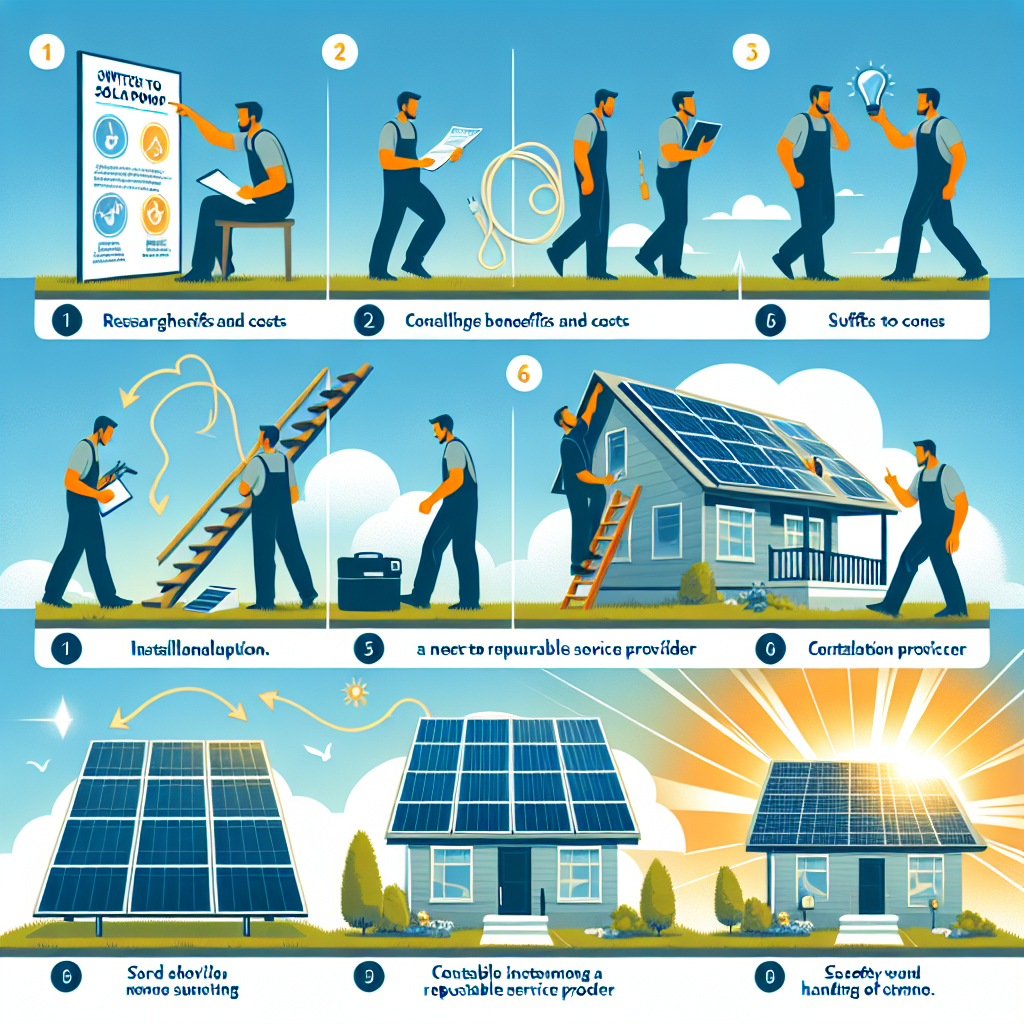
    How to Switch to Solar Power: Step-by-Step Guide

    Assess Your Energy Needs

    Understanding Your Electricity Usage

    When I first started considering solar power, I found it super helpful to get a clear picture of my energy usage. So, I dug into my electricity bills from the past year. Trust me; it’s like finding hidden treasure. You can see your monthly usage, peak hours, and how much you’re spending.

    It’s essential to understand the kilowatt-hours (kWh) you use. If you’re anything like me, you probably have a bunch of appliances, from your fridge to those funky gadgets that hang out in your garage. The more you know, the better you can plan your solar system.

    Additionally, don’t overlook seasonal variations. In summer, my AC is working overtime, while in winter, I rely more on heating. Keep track of these trends to get a true sense of your needs year-round.

    Consider Your Future Energy Needs

    Okay, so here’s the deal: your energy needs can change. Are you planning to expand your family? Wanting to buy that sweet electric car? I found it crucial to think several steps ahead. Estimating future energy consumption helps you choose the right size solar system.

    I made a rough guess about my future energy needs and it guided my choice. You might find that you need more energy in the coming years, and you don’t want to buy a system that’s too small to accommodate your lifestyle changes.

    Consider all your gadgets and potential upgrades. More devices can mean more energy, so factor that into your planning. This way, you can maximize your investment in solar power.

    Research Your Local Climate

    So, here’s where it gets interesting—climate! I had to wrap my head around how much sunlight my area gets. Where I live, some parts are sunny year-round, while others aren’t. I checked resources online and even talked to locals who had solar installed. It’s a game-changer!

    Do you know how many sunny days you have a year? It directly affects how efficient your solar system can be. You want to ensure you’re getting enough bang for your buck in those sunshine hours!

    Don’t forget about weather factors. Hail, for example, can damage panels, while shading from trees can reduce efficiency. All these elements play a role in how effective your solar power will be, so do your homework!

    Explore Financing Options

    Understand the Cost of Solar Energy Systems

    Let’s talk dollars and cents—how much is it really going to cost? When I started my journey, I was surprised to find that there are various systems, each with different costs. I strongly suggest getting multiple quotes. It helps to know what’s standard in your area.

    The costs vary based on the quality of panels and the size of the installation, which can range from a couple of thousand to tens of thousands. It’s easy to get overwhelmed, but with a bit of research, you’ll find something that aligns with your budget.

    I spent time comparing different financing models. Some people opt to buy outright, while others go for loans or leases. Each choice has its pros and cons, and can impact your long-term savings on energy bills.

    Explore Incentives and Rebates

    Let me tell you—don’t leave money on the table! Governments and utility companies often offer rebates and incentives to encourage solar power adoption. I was blown away by how much I could save once I tapped into these benefits.

    Look for federal, state, and local tax credits. Every little bit counts. For example, I saved a significant amount with the Federal Investment Tax Credit (ITC). Make sure you’re fully aware of what programs your area offers.

    I even came across low-interest financing options that were specifically tailored for solar installations. It’s like finding a hidden passage to more savings!

    Calculate Potential Savings

    Now, let’s get real about savings! I sat down with an online calculator that showed how much I could potentially save over the years. It helped paint a clearer picture of the return on my investment.

    Sure, the initial cost felt steep, but spotting those long-term savings helped me feel more comfortable with the decision. On average, solar systems can see savings within a few years if you play your cards right.

    Keep track of your current energy bills and project how they’ll change once solar kicks in. After a while, you’ll see the light (pun intended) at the end of the tunnel—lower bills and a greener footprint!

    Choose the Right Solar System

    Types of Solar Panel Systems

    Alright, so once I had my finances sorted, the fun part began—choosing the system! There are two main types: grid-tied and off-grid systems. Each suited different needs and situations.

    A grid-tied system connects to the electrical grid, so when the sun isn’t shining, you’re still covered. This was my choice since I wanted reliability without having to purchase a costly battery system. I loved knowing I could pull power from the grid anytime!

    On the flip side, off-grid systems allow you to go completely independent from the grid. They’re great if you’re out in the sticks, but the setup can be complex and pricey due to battery storage. I admired the independence it offered but chose not to go that route for my needs.

    Selecting the Right Equipment

    Choosing solar panels is like picking your favorite ice cream flavor—so many options! I researched different brands, ensuring I went for high-quality panels. Looking at reviews and ratings was key for me.

    Efficiency ratings were critical, too. I wanted panels that would capture as much sunlight as possible, so I narrowed down my search to those with high efficiency. I read about various technologies, like monocrystalline vs. polycrystalline panels, and which would work better for my situation.

    Don’t forget about inverters! They convert the energy generated into a format you can use in your home. I learned that a good inverter will last as long as your solar panels, so I invested in a reliable one.

    Hire a Reputable Installer

    This step is huge! I couldn’t stress enough the importance of finding a trustworthy solar installer. I asked friends for recommendations and even checked online reviews. A solid track record in the area was crucial for my decision.

    During consultations, I asked tons of questions—experience, warranties, installation timelines—get all the details. You should feel comfortable and confident with your choice; this is a long-term investment!

    After selecting an installer, be sure to communicate clearly about your needs and expectations. This way, everyone is on the same page, and you can avoid any hiccups during installation.

    Monitor and Maintain Your Solar System

    Keep Tabs on System Performance

    Once everything’s installed, it doesn’t just stop there! You want to keep an eye on how well your system’s performing. Most systems come with apps or online portals to track energy production and consumption.

    My system alerts me of any dips in performance, so I know when to look into potential issues. Regular checks help you catch any problems early. I can’t stress how essential it is to monitor performance!

    If you notice that your panels are underachieving, it’s time to call the installer and get their expert opinion. Early detection can save you from bigger issues down the road.

    Schedule Regular Maintenance

    Talking maintenance, it’s essential. I set up a plan for cleaning and inspecting my panels. Dust and debris can seriously reduce efficiency—a dirty solar panel can lose up to 25% of its generating capacity! Yikes.

    Even though I can wipe them clean occasionally, I found it worthwhile to hire professionals for a thorough check-up once or twice a year. They know what to look for and can spot any issues I might miss.

    Don’t forget to check the inverter periodically. They don’t typically need a lot of maintenance, but ensuring they’re functioning correctly is a must. Most issues can be taken care of early with regular care!

    Stay Informed about Technology and Regulations

    The solar world is always evolving! I make it a point to stay updated on new technologies and any changes in regulations or incentives. New panel designs are making waves and can improve efficiency.

    Additionally, if local laws or incentives change, knowing these updates could mean a boost in your savings or system performance. This knowledge keeps you ahead of the game!

    Like anything, an informed homeowner can make better decisions. Be proactive, read up, and engage with online communities or forums that focus on solar energy. You’re part of a growing movement after all!

    FAQ

    1. How do I know if my home is suited for solar panels?

    Your home should ideally have a roof that gets plenty of sunlight throughout the day with minimal shading from trees or buildings. A simple roof inspection can clarify things.

    2. What incentives are available for switching to solar energy?

    There are various federal and state tax credits, rebates offered by utility companies, and financing options, all of which can significantly lower the cost of installation.

    3. What happens if I don’t generate enough power with my solar panels?

    If your solar system can’t meet your energy needs, you’ll draw from the grid as a backup. Grid-tied systems mitigate this issue perfectly.

    4. How do I maintain my solar panel system?

    Keep your panels clean and free of debris. Regular inspections and maintenance checks by professionals will ensure long-term efficiency and performance.

    5. Is solar energy worth it?

    Absolutely! While the initial investment can seem high, the long-term savings on energy bills and the benefits to the environment make it a wise choice for many homeowners.

  • 10 Solar Power Myths Finally Debunked

    10 Solar Power Myths Finally Debunked

    Myth 1: Solar Energy is Too Expensive

    Understanding the Initial Costs

    When I first looked into solar energy, the sticker shock hit me hard. I thought, “There’s no way I can afford this!” But after doing my homework, I learned that the initial costs are often offset by long-term savings on energy bills. The truth is that, thanks to advancements in technology and competitive pricing, solar panels have become way more affordable over the years.

    In many areas, there are also government incentives and tax credits available that help ease the financial burden. After factoring in these savings, the upfront investment suddenly doesn’t look so scary. I remember being afraid of the commitment, but it dawned on me that it’s a bit like getting a home loan; you’re investing in your future.

    Plus, think about it: with the rising cost of traditional electricity, locking in your energy price for decades could save you a boatload of cash. For me, once I understood all the ways to make solar work for my budget, it became a no-brainer decision.

    The Long-Term Savings

    For me, one of the most compelling reasons to invest in solar power was the potential for long-term savings. I remember sitting down and calculating how much I spent on electricity annually. It was shocking! With solar panels, I realized that I could significantly decrease, or even eliminate, those bills.

    On top of that, solar panels can increase your property value. If you ever decide to sell your house, prospective buyers see the added benefit of lower electricity costs as a major advantage. Think of it like an extra feature on a car; the more attractive it is, the more people are willing to pay.

    When I finally took the plunge, I started seeing just how much I could save on a monthly basis. It felt amazing to see those numbers change. I mean, who doesn’t want a little extra cash in their pocket every month, right?

    Financing Options Available

    The more I explored, the more I found that affording solar power was actually doable. There are tons of financing options available that help break down the costs into manageable chunks. Whether it’s a loan or a leasing option, it means you can go solar without draining your bank account right away.

    Many companies offer payment plans and even power purchase agreements (PPAs) where you pay only for the power generated by the panels. It’s incredible to know that so many people can access this technology without huge out-of-pocket expenses. For me, that made all the difference.

    In the end, I found a plan that suited my budget and lifestyle. The meeting with my solar consultant felt like chatting with an old friend who genuinely cared about helping me save money while being kinder to the planet.

    Myth 2: Solar Power is Inefficient

    Understanding Solar Efficiency

    This myth blew my mind when I first heard it! Sure, I thought solar panels didn’t work all that well. However, I quickly learned that modern solar panels have improved tremendously in terms of efficiency over the last few decades. We’re talking efficiencies around 20% to 22% or even higher in some cases!

    What this means for folks like me is that we can capture a larger amount of sunlight and convert it into usable energy. It’s exciting to see how technology continues to evolve. I remember feeling like I was getting in on something groundbreaking!

    It’s also good to know that even in less-than-ideal conditions, like cloudy days or in the shade, solar panels can still generate power. It’s all about making the best use of what we’ve got, and I feel pretty empowered knowing that!

    Comparing Efficiency Across Technologies

    When I started my journey, I didn’t realize there are different types of solar panels. Each has its own efficiency ratings, and it’s worth doing your research. There’s monocrystalline, polycrystalline, and thin-film technology. Each has pros and cons, and finding what works best for your lifestyle is key.

    For me, it came down to where I live and how much space I had. I spent time talking to my solar provider, who helped me understand which panels would give me the best performance based on my specific situation. They made it feel less daunting and more like a fun project!

    So, when you hear people say solar is inefficient, remind them that it’s all about choosing the right type and not getting bogged down by outdated information. You’re always going to find options that fit your needs.

    Performance Over Time

    Another thing to keep in mind is that high-quality solar panels often come with performance warranties. That means the manufacturer guarantees they will operate at a certain efficiency level for many years. I was really surprised to learn that a lot of companies back their products so strongly!

    In my personal experience, I’ve been thrilled to see that, as technology advances, the longevity and efficiency of solar panels continue to improve. There’s been a surge of studies showing how well they can perform over their lifespan, which is usually about 25 years or more!

    So, if someone tells you that solar power is inefficient, don’t let them rain on your parade. It’s just a matter of going with quality options and understanding how they work in the real world.

    Myth 3: Installing Solar Panels is Too Complicated

    Getting Started with the Process

    If you’re like me, the thought of solar panel installation can sound overwhelming. There are tons of steps, paperwork, and decisions to make, right? But the truth is that most solar companies make the process pretty user-friendly. They walk you through each step, which helps ease the stress.

    Initially, I was worried about choosing the right contractor. Then I realized it’s super important to find someone reputable and experienced. I spent time reading reviews, asking for recommendations, and researching local companies. Once I found the right folks, I felt way more at ease.

    They’ll usually schedule a free consultation to discuss your situation and how solar can work for you. For me, that first meeting was really helpful because I got to ask questions, voice my concerns, and learn more about the entire deal. It felt like a friendly chat rather than a sales pitch!

    Support Offered by Solar Companies

    (This is a tail end for the subhead, previous sections can mention this as well) Most reputable solar companies provide comprehensive support throughout the installation. They take care of all the permits, paperwork, and the nitty-gritty details that can make your head spin. I can’t tell you how much of a relief that was for me! Imagine having a team of experts helping you at every turn—it truly took a weight off my shoulders.

    They even help you understand how your solar system functions and how to maintain it over time. After my panels were installed, I had a better grasp of how everything worked and what to do—or not to do—to keep everything running smoothly. Knowledge is power, right?

    Overall, don’t let the installation process intimidate you. If I can get through it, you totally can too!

    Trial and Error is Okay

    As I dove deeper into the installation world, I realized that it’s okay to make mistakes and learn along the way. There’s a lot of new information out there, and not everything is going to sink in right away. I had some hiccups, but I used them as learning opportunities!

    The beauty of the modern solar industry is that it thrives on improvement and adaptation. So many resources are available online and through your installation team if you ever feel stuck. Just remember, you’re not alone in this journey!

    So, if you think the solar installation process is too complicated, take a deep breath and know that it’s more of an adventure than a challenge. And just like any other big project in life, patience and persistence go a long way.

    Myth 4: Solar Panels Damage Your Roof

    Debunking the Roof Damage Myth

    For a while, even I feared that getting solar panels installed meant jeopardizing my roof. I thought that drilling holes into it would lead to leaks or structural issues. After chatting with my solar consultant, I learned that-well, that’s simply not true!

    Most solar companies take great care to ensure that their installation process doesn’t harm your roof. The installers properly seal any holes, and they often use mounting systems designed to protect your roof over the long haul. Newer technologies have even allowed for some installation options that don’t require drilling at all. How cool is that?

    In fact, many installers even check your roof’s integrity before putting panels on, which can save you from future headaches. I ended up feeling way more reassured knowing that my roof was in good hands.

    Maintaining Your Roof

    Once I wrapped my head around the fact that solar panels don’t spell doom for my roof, I asked about maintenance. It turns out that having solar panels can actually make your roof last longer. They protect your roof from exposure to UV rays and other elements that cause wear and tear.

    Still, it’s essential to have regular roof inspections and maintenance even after installation. It’s kind of like keeping up with a car, you’ve got to take care of it to ensure it runs well! Regular maintenance means you can enjoy the benefits of your solar setup without worrying about your roof’s condition.

    This made me feel a lot better about my decision, knowing I wasn’t just putting a band-aid on the problem. It’s all about striking that balance between performing well today while looking ahead to the future.

    Enhancing Aesthetic Appeal

    Believe it or not, solar panels can actually enhance your home’s appearance! A lot of new designs are more sleek and modern, giving roofs a fresh look. The panels I chose complement my home beautifully, and I often receive compliments from neighbors.

    A well-placed rack of solar panels can change the look of your roof while promoting a green energy lifestyle. Not to mention, my home’s value has increased because of them. It’s fascinating to see how something often perceived as ugly can blend right into the aesthetic of a home.

    In the end, remember that they’re not just energy savers; they’re also style enhancers! So, if you’re worried solar panels will ruin your roof, think again. They could even become the highlight of your home!

    Myth 5: Solar Energy Isn’t Effective in Cold Climates

    Understanding Solar Functionality Year-Round

    Living in an area known for long winters, I was initially convinced that solar energy wouldn’t work for me. But let me tell you, the sun doesn’t just shine in the summer! In fact, I learned that solar panels actually work quite well in cold conditions.

    What really surprised me was the fact that solar panels can perform better in colder temperatures. The cool weather actually increases the panels’ efficiency and output. How wild is that? So, while I may get less direct sunlight in the winter, I can still generate energy! Who knew?

    Plus, thanks to snow melting off the panels, they can even self-clean, which keeps them operating efficiently. I remember the first real snowfall after I installed my panels—they looked stunning covered in white and were still generating power!

    Adjusting to Changing Weather Conditions

    As I explored further, I learned that solar technology is designed to adapt to different weather conditions. Installing the right system is all about finding your ‘sweet spot’ for production. Fortunately, this is what solar professionals love to do! They can help maximize the effectiveness of your panels regardless of the weather.

    Also, it’s smart to work with a company that has experience in your local climate. They’ll know what will work best given your unique weather patterns—be it snow, rain, or abundant sunshine. It’s kind of like getting advice from someone who knows all the best local restaurants—you’ll want to go with the expert!

    Overall, if you live in a cold climate and are worried about solar energy’s performance, don’t let that deter you. I’ve found that a well-planned solar system can shine bright, even on the chilliest days.

    Benefits of Year-Round Energy Production

    So, what’s the takeaway from all this? You can still benefit from solar energy year-round, regardless of where you live. In fact, especially during the spring and fall seasons, you may find that your panels can generate more energy since the sun is at a great angle.

    If anything, having solar panels means year-round energy savings, which is something I truly appreciate in my own home. Each month, I see those costs drop, allowing me to enjoy a comfy house without worrying about hefty bills. Can you say “win-win?”

    Plus, knowing that I’m reducing my carbon footprint, even when it’s chilly outside, feels great. In the end, I understood that my worries about solar energy and cold climate efficiency were pretty far-fetched. Now that I’m a solar advocate, I love sharing this knowledge with others!

    Frequently Asked Questions

    1. Are solar panels worth the investment?

    Absolutely! While the upfront cost can be significant, the long-term savings on energy bills and potential property value increase make solar panels a smart investment for most homeowners.

    2. Do solar panels work at night?

    No, solar panels do not generate electricity at night. However, many systems are equipped with battery storage or grid-tied systems that allow you to pull power from the grid when the sun isn’t shining.

    3. How long do solar panels last?

    Most solar panels come with warranties of 25 years but can last much longer if they are well-maintained. Their performance may decrease slowly over time, but they’re built for durability and efficiency.

    4. Will solar panels damage my roof?

    No! Good solar installers use secure mounts that protect your roof and can actually help prolong its lifespan by shielding it from UV rays and other elements.

    5. Can I install solar panels myself?

    While it’s technically possible to install solar panels yourself, I recommend working with trained professionals. They can ensure everything is done correctly, safely, and in compliance with local regulations.
  • Solar Power Tax Incentives: Complete Guide

    Understanding Solar Power Tax Incentives

    What Are Solar Power Tax Incentives?

    So, when I first dived into solar energy, I was a little overwhelmed by all the terms flying around. Solar power tax incentives are essentially government perks designed to promote the use of solar energy. They can come in the form of tax credits, rebates, or even deductions. These incentives are crucial since they can significantly lower the cost of installation and make solar energy more viable for everyone.

    In every country, these incentives can vary widely. For example, in the U.S., there’s the federal solar tax credit, which allows you to deduct a substantial percentage from your federal taxes. Some states and local governments even throw in their own incentives, which can add up. It’s like a little cherry on top of the already sweet deal!

    Understanding these incentives is the first step in planning your switch to solar. Without this knowledge, you might miss out on valuable savings that could make the installation process a whole lot easier on your wallet.

    Why Are They Important?

    Now, one might wonder why these incentives even exist. Well, they play a huge role in pushing us towards renewable energy sources. By making solar power more affordable, they encourage more people to make the switch, which helps the planet and supports the growth of the solar industry.

    Think about it: less reliance on fossil fuels means cleaner air and a reduction in greenhouse gas emissions. That’s a win-win situation, right? Plus, with more folks using solar energy, we’re creating job opportunities in the renewable energy sector, which is super important nowadays.

    So, as you embark on your solar journey, remember that these incentives aren’t just financial perks; they’re part of a much larger environmental movement. When more people go solar, we’re all helping to shift the world to a more sustainable path.

    How to Qualify for Incentives

    Alright, let’s get into the nitty-gritty of qualifying for these incentives. First things first: it’s essential to understand the specific criteria in your area. Typically, to qualify for federal and state incentives, you need to install a solar energy system that meets certain standards set by the government.

    It’s also crucial to work with a certified and reputable solar contractor. They can help guide you through the paperwork and let you know what’s needed to ensure you receive all the available incentives. In my experience, having someone who knows the ropes really makes the process smoother.

    Lastly, don’t forget about the timeline! Most tax credits and rebates have deadlines, so make sure you’re getting your application in on time to cash in on those savings.

    Federal Solar Tax Credit

    What Is It?

    The federal solar tax credit, often referred to as the Investment Tax Credit (ITC), is one of the biggest tax incentives out there for anyone interested in going solar. It allows you to deduct a percentage of your solar installation cost from your federal taxes. This isn’t just pocket change, either; we’re talking thousands of dollars saved!

    This credit has varied over the years, but right now, it’s capped at a significant percentage of the total cost of solar installations. It’s essential to keep track of current percentages because they can change based on legislation.

    When I took the plunge into solar, this credit was a game-changer for me. It was like finding a treasure chest in my backyard! When tax season rolled around, I was like a kid in a candy store with all those savings.

    How to Claim the Federal Solar Tax Credit

    Claiming the federal solar tax credit isn’t rocket science, but it does require some documentation. You’ll need to use IRS Form 5695 to calculate your credit. It sounds intimidating, but once you start, it becomes much clearer.

    Make sure to gather all your receipts and documents from your solar installation—you’re going to need them to prove how much you spent. A solid tip is to keep all your info organized to make this process seamless.

    I remember feeling a mix of excitement and anxiety when filling out the forms. But it’s totally doable, and once you submit your tax return, the feeling of knowing you saved that money is worth it!

    Limitations of the Federal Solar Tax Credit

    Like everything good, there are some limitations to the federal solar tax credit. One significant limitation is that it only applies to installations for your primary residence. If you’re considering putting solar on a vacation house, there are different rules to consider.

    Additionally, there’s a cap on the total eligible expenses, which means that if your system costs exceed a certain amount, you might not receive the full tax benefit on those excess costs. So, keeping that in mind while planning your project is essential.

    And, of course, this credit is set to decrease in later years, so it’s a wise move to act sooner rather than later if you’re considering going solar. Better to get in while the getting is good!

    State and Local Incentives

    Understanding the Varying Incentives

    Beyond the federal tax credit, each state can have its own set of incentives that can significantly boost your savings. Some states offer their own tax credits, deductions, and even rebates for those who install solar energy systems.

    It’s fascinating how varied these incentives are. In some states, you might score a rebate based on the energy your system produces—like getting paid to be eco-friendly! Others might have local utility programs designed to encourage renewable energy use, which can add even more savings.

    I’ve researched local incentives, and I’ve been blown away by how much I could potentially save. It truly pays to do your homework and learn about what your state has to offer.

    How to Find State and Local Incentives

    Finding local incentives can feel daunting, but a little research makes it pretty manageable. Start by checking your state’s energy office website, which often has a list of incentives available to residents. You can also visit resources like the Database of State Incentives for Renewables & Efficiency (DSIRE) to find detailed information.

    Don’t hesitate to reach out to local solar providers, either. Most are happy to explain what incentives their customers have successfully utilized and can help you navigate the many options available.

    The best part? Knowing what you qualify for ahead of time gives you a clearer picture of your return on investment, which is super motivating when making the leap into solar energy.

    Maximizing Your Benefits

    Maximizing state and local incentives is all about strategic planning. You’ll want to stack the various benefits to create a comprehensive savings plan. Sometimes, combining federal and state incentives can make your installation much more affordable than it first appears.

    For instance, if your state offers a rebate based on solar installation costs while the federal tax credit covers another part, you could be looking at substantial savings. In my experience, taking time to crunch the numbers can lead to surprising discoveries.

    Also, don’t forget to ask your local solar installer about programs for low-income households, which often have additional incentives to encourage solar adoption in underserved areas. It’s fantastic to see how communities are coming together to embrace renewable energy!

    Financing Options for Solar Installations

    Types of Financing Available

    When it comes to going solar, financing is often a major piece of the puzzle. Luckily, there are various options to help ease those upfront costs. A common approach is the solar loan, where you borrow money to cover installation and pay it back over time. Many companies even offer crowdfunding options that encourage community investment.

    Another option is leasing. In this scenario, you don’t have to buy the solar system outright; instead, you can lease it for a monthly fee. Each of these options comes with its pros and cons, so you’ll want to assess your financial situation carefully.

    I remember discussing my options with my solar provider, and they helped break everything down for me. The clarity I received made a once-overwhelming decision much more manageable, making me feel more confident about my choices.

    Government Loans and Grants for Solar Energy

    In addition to commercial loans, look into government-backed programs that offer low-interest loans and grants for solar installations. These are typically aimed at homeowners who might not qualify for traditional financing options. The government recognizes the importance of solar energy, and they often actively work to promote it.

    Research programs like the USDA’s Rural Energy for America Program (REAP) that grants loans to rural businesses and agricultural producers to purchase renewable energy systems. It’s astonishing how much support is out there for those eager to make the switch to solar.

    I’ve seen firsthand the impact of these programs on my friends in rural communities. They’re able to adopt solar power with so much less financial strain, which is why I highly recommend exploring these types of funding opportunities if you qualify!

    Evaluating the Best Financing Solutions for You

    As you weigh your financing options, it’s essential to ask yourself a few key questions: What are my long-term goals? How long do I plan to stay in my home? Will going solar increase my property value? All of these factors can impact the financing route you choose.

    Let’s be real; some plans can be financially restrictive. It’s worth your time to shop around and compare different offers and understand the interest rates and repayment periods involved. Transparency is crucial, and your solar provider should be able to help with this.

    In my journey, I learned that personalized financing solutions were essential to getting the best deal for my situation. Take your time with this decision; the more informed you are, the better your financial future can look!

    Making the Most of Solar Power Tax Incentives

    Staying Informed About Changes in Legislation

    The world of solar power tax incentives is always evolving! Staying informed about changes in legislation is vital to making sure you take full advantage of any current incentives. New bills and tax plans can introduce benefits or take them away, making it crucial to keep your ear to the ground.

    I’ve found that following solar energy associations and advocacy groups on social media keeps me updated. These organizations often share timely updates, so you’ll be in the know. It’s a good idea to subscribe to newsletters, too!

    Being proactive can save you a lot of money in the long run. The last thing you want is to miss out on valuable incentives because you weren’t aware of changes!

    Engaging with Local Solar Advocacy Groups

    Another fantastic resource in making the most of tax incentives is engaging with local solar advocacy groups. These organizations often have hands-on experience and insights relevant to your specific area. They can provide valuable guidance on how to best navigate the process and take advantage of available programs.

    I found my local solar group through a community event, and joining opened my eyes to many resources I didn’t know existed. It’s comforting to know that there are folks advocating for solar energy and your best interests.

    Networking within these communities can lead to finding great solar providers and financing options as well. A shared experience can often lead to discovering new avenues for tax incentives, which I’ve found to be incredibly beneficial!

    Evaluating Your Own Solar Investment Over Time

    After making the leap into solar, don’t forget to periodically evaluate your investment. Keep track of how much you’re saving on energy bills and how your solar system is performing. Monitoring systems can provide valuable data about your energy production and savings over time.

    Plus, as tax incentives and energy prices fluctuate, evaluating your investment helps you understand how your initial savings have impacted your overall financial health. I like to review my setup at least once a year; it keeps me focused on my long-term energy goals.

    In the end, being proactive ensures that solar remains a worthwhile investment for many years to come. The more you engage with your solar choice, the better it can work for you and your budget!

    Frequently Asked Questions (FAQ)

    1. What are solar power tax incentives?

    Solar power tax incentives are government programs designed to encourage the adoption of solar energy. These can include federal and state tax credits, rebates, and other financial benefits that help reduce the cost of solar installations.

    2. How do I qualify for the federal solar tax credit?

    To qualify for the federal solar tax credit, you need to install a solar energy system in your primary residence that meets specific criteria. You’ll need to complete IRS Form 5695 when filing your taxes to claim the credit.

    3. What types of financing are available for solar installations?

    You can find various types of financing options, including solar loans, leases, and government-backed loans. These options can help you manage the upfront costs associated with going solar.

    4. Are there state-specific incentives for solar energy?

    Yes! Each state offers its own set of incentives that can include tax credits, rebates, and local utility programs aimed at promoting solar energy use. Researching state-specific incentives is crucial for maximizing your savings.

    5. How can I make the most of solar power tax incentives?

    To get the most out of solar power tax incentives, stay informed about changes in legislation, engage with local solar advocacy groups, and periodically evaluate your solar investment. Being proactive will help you navigate the benefits effectively!

  • Solar Power Tax Incentives: Complete Guide

    Solar Power Tax Incentives: Complete Guide

    Understanding Solar Power Tax Credits

    What Are Solar Tax Credits?

    Let’s start with the basics. Solar tax credits are incentives offered by the government to encourage homeowners and businesses to invest in solar energy systems. They’re designed to reduce the amount of tax you owe based on your solar investment. If you’ve installed solar panels, there’s a good chance you qualify for these perks!

    The key player here is the Federal Investment Tax Credit (ITC), which allows you to take a percentage of the cost of your solar panel system off your federal taxes. This means that the more you invest in solar, the less you’ll owe the IRS. How cool is that?

    Additionally, it’s essential to know that these credits can sometimes be rolled over to future tax years if they exceed your tax liability, which can be a real lifesaver if you’re not quite at the top of your income bracket.

    Eligibility for Solar Tax Credits

    Now, not everyone is eligible for these tax credits, so it’s crucial to know the ins and outs. Firstly, your solar power system must be installed on a property that you own and use as your primary or secondary home, or even a business you own.

    Secondly, the solar panels need to be new and installed within the year you plan to claim the tax credit. Sometimes people think they can just buy used panels and qualify, but that won’t cut it. The system must be operational during the tax year for which you’re claiming!

    Lastly, make sure to have all documentation in order — receipts and proof of installation — because if you don’t, the IRS isn’t going to believe you installed those shiny solar panels!

    The Financial Benefits of Utilizing Solar Tax Credits

    The financial perks of utilizing solar tax credits are pretty straightforward; it’s all about saving money! By claiming these tax credits, you can significantly lower the upfront costs of your solar installation. Imagine spending less on those utilities while cashing in on tax savings. Sounds like a win-win to me!

    Moreover, this tax dedication isn’t just a short-term benefit; it can lead to long-term savings on energy bills. With rising utility rates, investing in solar energy could mean your savings continue to grow over the years.

    Lastly, let’s not forget the increased property value. Homes with solar energy systems often see higher resale values, plus new buyers love the idea of reduced energy expenses. Basically, it’s like getting paid back for going green!

    State-Specific Solar Incentives

    Researching Local Incentives

    While the federal tax credit is a great start, many states throw in their own additional incentives. This is where it gets fun! Each state has its unique set of incentives, from rebates to grants, tax exemptions, and even performance payments.

    Before jumping into your solar installation, do a little research on what your state offers. Websites like the Database of State Incentives for Renewables & Efficiency (DSIRE) can be super helpful. It’s basically a treasure map for finding hidden solar gold!

    Remember, some states are more generous than others. For example, California and New York are known for their robust incentives, while others might have a leaner offering. It’s worth investigating to maximize your investment!

    Understanding Local Rebates and Grants

    Local utility companies often provide rebates to encourage solar installations, helping offset your initial costs. Many people don’t realize this, but these programs can save you significant cash. It’s typical for states to have more competitive programs that might even give you energy credits for the excess power your system generates.

    Getting your hands on these rebates usually requires some paperwork — you know how it goes. But trust me, it’s worth the effort. Some grants don’t even require repayment, so you’re literally getting free money to go solar. How awesome is that?

    Always keep an eye on deadlines; these incentives can change seasonally or annually. You don’t want to miss out just because you didn’t follow a couple of newsletters. Stay proactive!

    How State Incentives Work Together with Federal Credits

    If you think about it, the way these incentives work together is pretty cool. You can stack your federal ITC with state rebates, which means you’re getting even more bang for your buck. This layered approach can significantly cut your solar costs.

    Just be cautious; sometimes state incentives could change or get cut off – it’s the nature of the political game. Always be in the loop. A good rule of thumb is to consult a local solar installer who’s familiar with both state and federal incentives.

    Lastly, keep in mind that tax credits usually have an expiration date. Federal ITC credits have been extended in recent years, but that can change. So, while planning your solar installation, be mindful of timelines and project completion dates!

    Claiming Your Solar Tax Incentives

    The Application Process

    Okay, so you’ve gone solar and want to claim your incentives. What’s next? First off, the application process is actually much simpler than it seems. For federal credits, you’ll file IRS Form 5695, which is basically a one-stop shop for all your renewable energy tax credit needs.

    Be meticulous while filling out this form. If you fudge any numbers or forget something crucial, it could delay your credits — and nobody wants that. Keeping all your documentation handy will make this process smoother and quicker.

    If you’re claiming state incentives, the application process might vary. Be sure to check your state’s specific guidelines, as they often have their unique collection of forms or online submission processes.

    Record Keeping for Tax Credits

    Now, this might not sound exciting, but I can’t stress enough how vital record-keeping is. Always save your invoices, receipts, and contracts related to the solar installation. You’re going to want to have proof should any questions arise down the line.

    It’s not just about submitting your documents. You may even need these records if you sell your house in the future to demonstrate the quality and value of your solar installation. Think about it—a nice stack of paperwork can give buyers more confidence that they’re getting a good deal.

    Also, consider going digital! Scanning everything or keeping a digital folder can help you remain organized and ready for any audits or follow-ups without losing a crucial document.

    The Importance of Consulting with a Tax Professional

    I can’t tell you how important it is to chat with a tax pro. These folks know the ins and outs of tax codes and can help you navigate the application process. Plus, they can spot additional deductions you might not be aware of.

    A good tax professional will ensure you understand both the benefits and responsibilities associated with these credits. They can also provide tailored advice based on your specific financial situation, which is priceless.

    At the end of the day, your tax return is a big deal, and hiring an expert can save you time and stress — not to mention it could lead to maximizing your savings!

    Future Trends in Solar Power Tax Incentives

    Potential Changes on the Horizon

    The solar landscape is always evolving, especially when it comes to tax incentives. Staying updated on potential changes is crucial, as new legislation can significantly impact your savings. The government is continuously evaluating the effectiveness of these incentives, and some may even be expanded!

    Also, with the growing awareness of climate change, pushback for more substantial policies could yield new benefits for solar customers. Keeping an ear to the ground can help — joining solar advocacy groups or following news related to renewable energy can keep you informed.

    Having foresight in this area can help you make strategic decisions about when and how to invest in solar technology, potentially maximizing your benefits before any changes take place.

    Adoption Rates and Their Impact on Incentives

    As more people go solar, social attitudes towards these technologies are evolving. Greater adoption rates could lead to more competition and newer incentive programs in the future. Think of it as solar becoming the new normal — the more common it gets, the more likely it is for incentives to evolve or change.

    This is great news, as we can hope there will be more innovative programs designed to put solar energy within reach for everyone. With changes in technology and the landscape, it’s also likely that new financing options will emerge as well.

    So, staying engaged with local solar organizations and being part of the greater dialogue will position you well for whatever new benefits or trends come your way!

    The Role of Technology in Shaping Incentives

    The technological advancements in solar power have been nothing short of revolutionary. Improvements in efficiency are prompting further interest from potential solar buyers, leading governments to rethink their incentive strategies.

    New technologies can often lead to lower prices over time. As costs decrease due to innovation, governments may shift incentives to promote the latest advancements. Exciting, right? This could mean better systems at lower overall costs for consumers.

    Staying informed about the latest in solar tech can help you adapt and ensure your investment continues to pay off in the ever-changing market. Plus, being knowledgeable gives you more power (pun intended!) in discussions about policy and future developments.

    FAQs

    1. What is the Federal Investment Tax Credit (ITC)?

    The Federal Investment Tax Credit is a tax incentive allowing you to deduct a percentage of the cost of installing a solar energy system from your federal taxes. It’s designed to encourage homeowners and businesses to invest in solar energy.

    2. How do I know if I qualify for solar tax credits?

    To qualify for solar tax credits, ensure that your solar energy system is installed on a property you own and that it’s new and operational during the tax year for which you’re claiming the credit. Always check for local and state-specific requirements as well!

    3. Are there state-specific benefits for installing solar panels?

    Absolutely! Many states offer additional incentives such as rebates, grants, and tax exemptions. These vary by state, so it’s crucial to do your research and find out what’s available in your area.

    4. What documents do I need to claim solar tax incentives?

    You’ll need to keep good records, including invoices, receipts, and proof of installation. When claiming federal credits, you’ll file IRS Form 5695, so having all documents handy will make the process smoother.

    5. Can I claim both federal and state incentives?

    Yes! You can stack state incentives on top of your federal tax credits, which can significantly reduce your overall costs. Just be aware of each program’s terms and conditions to ensure you qualify for both.

  • How Does Solar Power Actually Work?

    How Does Solar Power Actually Work?

    1. The Sun: Our Ultimate Energy Source

    Why the Sun is Important

    Let’s dive right in! The sun is one massive ball of energy. When I learned about solar power, the first thing that blew my mind was how much energy the sun radiates. Just a single hour of sunlight could, in theory, power the world’s energy needs for an entire year. It’s amazing to think about the power we get just from that fiery ball in the sky!

    What’s even cooler is that solar energy is renewable. Unlike fossil fuels, which can run out, the sun will shine for billions of years to come. We can capture this energy in a way that doesn’t hurt the planet, which is something we should all get excited about.

    And hey, let’s not forget that the energy we receive isn’t just about heating up our planet. It stimulates our photosynthesis, which in turn helps plants grow. Basically, without the sun, there wouldn’t even be life on Earth. Isn’t nature just awesome?

    Solar Energy’s Different Forms

    When I first jumped into the solar world, I discovered there are different ways to harness the sun’s energy. There’s photovoltaic (PV) energy, which is what most folks think about when they talk about solar panels. These bad boys convert sunlight directly into electricity using materials like silicon.

    Then you’ve got solar thermal energy. It’s a little different—this process captures sunlight for heating. It’s commonly used in homes for heating water or even in large power plants to produce electricity. So, no matter where you are, there’s a way to use that sunshine!

    Finally, there’s concentrated solar power (CSP), which uses mirrors to focus sunlight onto a small area, significantly heating a fluid that drives a turbine. It’s fascinating how many different methods we have to utilize the sun’s energy!

    Efforts in Harnessing Solar Energy

    From personal experience, I’ve seen my own community get behind solar energy in a big way. Local governments and businesses have started providing incentives for people to install solar panels on their roofs. Just last year, my neighbor installed panels and cut down on his electric bill by a third—talk about a win!

    Also, the technology keeps improving. I remember when my grandfather’s solar panels used to take up half the yard and weren’t very efficient. Nowadays, panels are sleek, efficient, and can even be integrated into roofs and windows. It’s super exciting to think about where technology will go in the next few years!

    Many people aren’t aware, but you can even sell excess energy back to the grid! If you’re producing more energy than you consume, some states allow you to earn credits for that contribution— a little extra cash, if you will!

    2. How Solar Panels Work

    The Basics of PV Cells

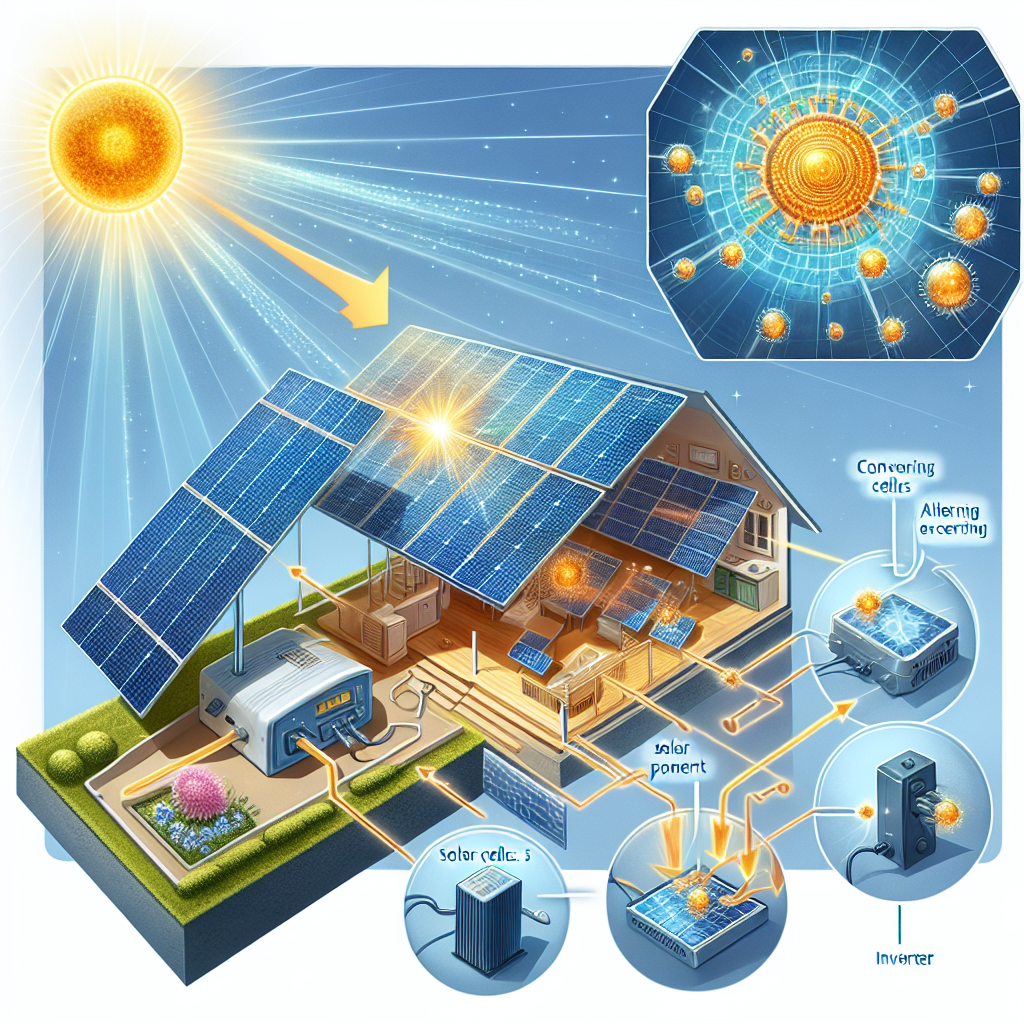
    Now, let’s talk about the real MVPs of solar energy: photovoltaic (PV) cells. These cells are made from silicon and are designed to convert sunlight into electricity. Basically, when light hits a PV cell, it knocks electrons loose, and that movement creates an electric current. It’s that spark that powers things up!

    At first, I thought it was just magic, but science backs it up! The way these cells are structured is what creates the positive and negative charges necessary for electricity flow. So next time you see a solar panel, remember: there’s a whole world of science behind those shiny rectangles!

    And here’s a fun fact—I once installed a small solar panel on my camping gear. It was incredible to be able to charge my phone while basking in the sun. It made me feel like I was truly one with nature, and I couldn’t get enough of using solar-generated electricity!

    Inverters and Energy Storage

    After learning about PV cells, the next step is understanding inverters. An inverter’s job is pretty crucial; it converts the direct current (DC) generated by solar panels into alternating current (AC), which is what our homes run on. You can think of it as the translator between the solar panels and your electrical devices.

    I remember struggling with this concept initially, but then I had an “aha!” moment. It’s like trying to communicate with someone who speaks a different language—your inverter is that bridge connecting your solar energy to the appliances in your home.

    Also, I’ve got to mention energy storage here; after all, we don’t just want energy during the day. Batteries are increasingly a part of solar setups, allowing you to store excess energy for use at night or during cloudy days. It’s pretty cool to think I could be using energy collected during the day to power my lights in the evening!

    Real-World Applications of Solar Power

    As I learned more, I became fascinated with the many applications of solar power. Homes are an obvious place, but think bigger! Just around my city, I see solar panels on schools, businesses, and even farms. It’s a testament to how far solar technology has come.

    A standout example for me is when I visited a solar farm. It was wild to see acres of solar panels gleaming in the sun, all generating energy to supply thousands of homes. Seeing it first-hand made the whole idea of solar energy feel so much more real and impactful.

    And then there’s solar water heating for pools. I’ve spent countless summers enjoying a warm pool, thanks to solar heating systems installed on nearby homes. Just another way solar power brings sunshine into our everyday lives!

    3. The Benefits of Solar Power

    Environmental Impact

    Let’s be real for a second; environmental concerns are a big deal right now. One of my favorite things about solar power is its minimal impact on the planet compared to fossil fuels. It doesn’t produce air pollutants or greenhouse gases. So, every time I see a solar panel, I feel like I’m helping to safeguard our earth!

    There seems to be a growing urgency around climate change, and solar energy presents a fundamental shift in how we can do better. I’ve become more eco-conscious, and it’s refreshing to see so many people feeling the same way. Combining solar energy with other methods like wind and hydro can help us significantly reduce our carbon footprint.

    Plus, it’s not just about the present but also about the future! Investing in solar helps foster a cleaner and healthier planet for the generations that follow. I can only hope they continue to innovate and embrace renewable energy!

    Cost Savings

    Alright, who doesn’t love saving a bit of cash? One of the compelling reasons more folks are jumping on the solar train is the financial benefits. By generating your power, you can significantly reduce your monthly energy bills. I’ve had a number of friends bragging about their low power bills after going solar, and honestly, I can’t blame them!

    Additionally, there are tax incentives and rebates available in many areas, which can lessen the initial investment. Sometimes it can feel daunting to make that leap, but with a little research, the numbers often add up in favor of going solar. Plus, it’s a long-term investment when you think about rising energy costs!

    And remember, solar panels increase property values. So, if you ever plan to sell your home, being solar-equipped can make your property a hot commodity! Who wouldn’t want to grab a property that saves energy and money?

    Energy Independence

    One more thing I truly appreciate about solar energy is the independence it offers. Relying on fossil fuels means we’re subject to fluctuating markets and prices, which can really take a toll. But with solar energy, you take control back into your hands!

    When you install solar panels, you’re generating your electricity. It’s a liberating feeling – no more worrying about how high that bill is going to be at the end of the month!

    Plus, in some regions, there are even energy cooperative setups where neighborhoods come together to invest in solar as a community. There’s this beautiful synergy that happens when communities unify towards a sustainable goal. It’s not just about personal gains; it’s about building a movement, and that’s truly exciting!

    4. How to Get Started with Solar Power

    Assessing Your Energy Needs

    Thinking about going solar? The first step is assessing your energy needs. Take a good look at your energy bills and find out how much electricity you use usually. This is a critical step that helps you furnish a proper solar setup.

    Also, think about your future energy usage. Planning to add an electric vehicle? Make sure to factor that in too! Understanding your needs will help set the stage for an effective solar energy system.

    By the way, even if you have a small home like mine, there’s still potential for solar installations. It doesn’t take a major mansion to benefit from solar power—a modest setup can still make a massive difference!

    Choosing the Right System

    Now, once you have an idea of your needs, it’s time to choose the right solar system. There are various options—grid-tied, off-grid, or hybrid systems can each serve different purposes. I initially felt overwhelmed by all the choices, but talking to friends who installed systems helped break it down!

    Grid-tied systems are typically the most common, allowing you to stay connected to the utility grid while simultaneously utilizing your solar energy. Off-grid systems can be suitable if you want to totally detach yourself from the grid, but they often require a battery storage system, which can bump up costs.

    Hybrid systems provide a bit of both worlds, letting you tap into power from both solar and the grid. Make sure to do your homework, and consider consulting solar experts to find a setup that perfectly fits you.

    Finding Qualified Installers

    So, you’ve got your needs figured out, and you may know the type of system you want—that leads us to finding a qualified installer. I can’t stress enough how vital it is to choose this step wisely. Not all installers are created equal!

    Do your research! Look for reviews and ratings. I asked my friends for recommendations and checked online platforms to compare experiences. Communication with the installer is key—if they’re willing to chat about your goals and preferences, you’re on the right track.

    Also, make sure to ask about warranties and what their follow-up service looks like. After my own installation, having someone ready to address questions and provide support made a huge difference. You want a partner in this journey, not just a quick transaction!

    5. Common Misconceptions About Solar Power

    Solar Energy is Too Expensive

    I get it; many folks think solar power is way too pricey. However, over the years, solar technology costs have significantly dropped! I remember when my uncle first looked into it, and the prices seemed sky-high. But with tax credits, rebates, and financing options, it’s become way more accessible.

    Many states and municipalities offer incentives for going solar, some even providing $0 down payment options! Getting over the initial investment hurdle can lead to awesome long-term savings on energy bills.

    So, don’t let that misconception hold you back. Each year more people are switching to solar, showing it’s becoming a valid choice for more families, including mine!

    Solar Panels Don’t Work in Cloudy Weather

    This one really surprised me! A lot of people think solar panels are useless during cloudy days. Not true! Sure, the output might be lower, but they still work perfectly fine. In fact, I’ve seen panels generate electricity even in lousy weather! It’s just about how they’re designed.

    Moreover, solar technology keeps improving—some panels are engineered to capture a broader spectrum of sunlight, making them efficient even in less-than-ideal conditions.

    The important thing to take away is that while sunny days are optimal, solar energy isn’t tied solely to them. If you’re in a place with a lot of cloudy days, no need to throw in the towel!

    All Solar Panels Look the Same

    Finally, I used to think all solar panels were the same: big, bulky rectangles. Oh boy, was I wrong! Today, there are numerous options available. Some are sleek and integrated into roofs, while others are more traditional. Different aesthetics cater to varied styles, so finding something that works for your home shouldn’t be a battle.

    Plus, as technology advances, we’re seeing innovative designs that make solar panels less obtrusive. In fact, some windows can now even act as solar panels! That blew my mind! Who would have thought we could harness energy from something we look through every day?

    So, if you’re worried about aesthetics, don’t! There are so many designs that can blend seamlessly into your property while still giving you the energy edge.

    FAQs

    1. What are solar panels made of?

    Solar panels are primarily made of silicon, which is why they’re often referred to as photovoltaic (PV) cells. This unique material allows them to convert sunlight into electricity efficiently.

    2. Can I install solar panels myself?

    While it’s technically possible to install solar panels yourself, I highly recommend hiring a qualified installer. It involves understanding local codes, permits, and ensuring everything is installed correctly for safety and efficiency.

    3. How long do solar panels last?

    Most solar panels come with a warranty ranging from 20 to 25 years, and it’s not uncommon for them to last even longer. With proper maintenance, they can serve you for many years!

    4. Do solar panels require a lot of maintenance?

    Nope! Solar panels are relatively low maintenance. Occasional cleaning and inspections are typically enough to ensure they continue functioning well. Even rain can help to clean off dust and debris!

    5. How much can I really save by going solar?

    The amount you save depends on your energy consumption, local electricity rates, and available incentives. Many households see significant reductions in their energy bills after going solar. It’s worth running the numbers to see what works for you!

  • Off-Grid Solar Power: Everything You Need to Know

    Off-Grid Solar Power: Everything You Need to Know

    Understanding Off-Grid Solar Systems

    What is Off-Grid Solar Power?

    Okay, so first off, let’s get clear on what off-grid solar power actually means. Simply put, it refers to solar energy systems that operate independently of the centralized power grid. This setup is perfect for those looking to achieve energy independence, especially in remote areas where connecting to the grid isn’t practical.

    When I first took the plunge into off-grid living, I was amazed at how liberating it felt. I didn’t have to rely on anyone else for my power needs. Using solar panels, I could generate my own electricity and power my life, whether I was out in the woods or living in a cozy cabin.

    But it’s not just about independence; it’s also about sustainability. Off-grid solar systems can drastically reduce your carbon footprint and contribute to a greener planet. I mean, who doesn’t want to do their part for Mother Nature, right?

    Components of an Off-Grid System

    Now, let’s talk parts. An off-grid solar power system typically consists of solar panels, a charge controller, batteries, and an inverter. Each component has a unique role in making the system work smoothly.

    The solar panels convert sunlight into electricity, which is charged into the batteries by the charge controller. These batteries store energy, so you have power even when the sun isn’t shining. Finally, the inverter changes the stored DC electricity into usable AC power for your home appliances. It’s a nifty little setup!

    When I was setting this up, I had to take a bit of time to research the right components that fit my energy needs. Trust me, investing in quality equipment pays off big time in the long run.

    Advantages and Challenges

    While being off the grid is fantastic, there are both advantages and challenges. The biggest perk for me was the reduction in electricity bills. Once everything was set up, my power was practically free!

    However, it’s not all sunshine and rainbows. The initial setup costs can be high, and you need to ensure your system is designed well enough to handle your energy needs. Plus, if you’re in a less sunny area or during winter months, you might struggle with insufficient power.

    It’s essential to do thorough research and planning before going off-grid. Understanding your energy consumption habits can save you lots of headaches—and probably some money—in the long run.

    How to Calculate Your Energy Needs

    Assess Your Daily Usage

    The first thing I did when moving toward an off-grid lifestyle was calculate how much energy I used daily. This meant listing out all my appliances, their wattage, and how many hours I used them. It felt a bit like going back to school with all the math involved!

    But once I wrapped my head around the numbers, it turned out to be super relieving. Knowing how much energy I consumed allowed me to tailor my solar system to meet my specific needs instead of just guessing.

    This step is crucial to ensure you’re investing in the right amount of solar. Trust me, you don’t want to end up with a system that doesn’t cover your energy use, especially during those cloudy days.

    Solar Panel Output

    Next up, understanding solar panel output. Not all solar panels are created equal! They vary significantly in efficiency, size, and output rating. When I chose my panels, I made sure to pick ones that had high efficiency and a good warranty. You want something that’ll last!

    Calculating how many panels you need means dividing your total daily kilowatt-hours (kWh) by the solar panel output rating. This will help you get a good estimate of how many panels you should install for your energy usage.

    Keep in mind that different factors—like location and weather—can affect performance, so I usually added a bit extra to my calculations just to be safe.

    Battery Storage Considerations

    Finally, let’s talk batteries. Selecting the right battery storage is crucial since they are what keeps your lights on when the sun goes down. I opted for lithium-ion batteries because of their longevity and efficiency, but lead-acid batteries are also popular for a reason—they’re usually cheaper!

    When figuring out how many batteries you’ll need, I considered how much energy I wanted to store. A good rule of thumb is to have enough batteries to cover 2-3 days of energy use. That way, if there are a couple of cloudy days in a row, you won’t be left in the dark.

    Also, don’t forget about battery maintenance! It’s something that can be easily overlooked, but regular checks can prolong their lifespan significantly.

    Installation Process

    Planning Your System

    The installation process can seem daunting, but it’s all about planning. I drew up a diagram of where I wanted my panels installed and how everything would connect. Visualizing helped me avoid mistakes once the real work began.

    I also spent time checking local regulations regarding solar installations. Some places have specific guidelines or permits that you need to adhere to. It’s better to tackle this upfront to avoid headaches later on!

    Involving professionals is always a good idea if you feel overwhelmed. They bring expertise to the table and can help streamline the installation process.

    Installing Solar Panels

    When it came time to install the solar panels, I felt like such a boss! It was hard work, but really rewarding to see my system coming together. Depending on your setup, you may need to mount the panels on a roof or ground mount them in your yard. I went for a ground-mounted system because it made maintenance simpler.

    For anyone who decides to take this route, just be sure your panels are angled correctly for maximum sunlight exposure. It’s key to rotate those bad boys to capture the most sun throughout the day!

    Also, make sure to use proper tools and safety equipment. It’s always better to be safe, especially when working on ladders or rooftops!

    Connecting Other Components

    With the panels up, the next step is connecting everything: the charge controller, batteries, and inverter. This part sometimes felt like piecing together a puzzle. I had to double-check each connection to ensure it was all correct; one wrong move can throw off the entire system!

    Online tutorials and videos were my best friends during this stage. There’s a wealth of info out there that can guide you through the process like a pro. And if you’re ever unsure, calling in a certified technician is a solid option.

    After hooking everything up, watching the system come to life was such a thrill! I finally saw my panels generating energy, and it felt like I’d conquered a huge mountain.

    Maintenance and Troubleshooting

    Regular Maintenance Practices

    Let’s chat about keeping your system in tip-top shape. Even the best solar systems need a bit of TLC now and then. I set a schedule to clean my panels and check connections regularly, especially after big storms or heavy dust.

    A clean panel can be more efficient, so I occasionally used a hose and a soft brush to remove any debris. Just be gentle; you don’t want to scratch the surface!

    Beyond cleaning, it’s good to keep an eye on the battery health as well. Sometimes battery cells can get imbalanced, so occasionally checking their charge status helps ensure everything runs smoothly.

    Signs of System Failure

    Now, even with the best planning, issues can crop up. Some signs of system failure include persistent low voltage readings or batteries not charging correctly. When I experienced this, it was super frustrating!

    Whenever you notice something off, it’s essential to investigate right away. If the issue isn’t something obvious like dirt on the panels, you might need to consult with a pro to diagnose and fix the problem.

    Staying ahead of potential issues can save you loads of heartache down the road. Plus, knowing the common problems can help you troubleshoot like a champ!

    Upgrading Your System

    Last but not least, let’s talk upgrades. As time passed, my energy needs changed, and I found myself wanting to add more panels and batteries. Thankfully, the beauty of off-grid solar is that you can tweak and upgrade your system as needed.

    When considering upgrades, analyze your current setup. Are you using your energy efficiently? Maybe adding energy-efficient appliances can make a huge difference without investing heavily in extra panels.

    But should you choose to expand, there are plenty of resources available to help you understand what modifications are best for your existing system. Embracing the upgrades keeps everything running smoothly and efficiently!

    FAQs

    1. Is off-grid solar power really cost-effective?

    Absolutely! While the upfront costs can be high, many folks quickly see reductions in their electricity bills. Plus, once it’s set up, you start generating free power!

    2. How much maintenance do solar power systems require?

    It’s minimal! Regular cleaning of the panels and checking battery health is typically all that’s needed. Make it part of your seasonal chores, and you’re golden!

    3. Can I connect my off-grid system to the grid later?

    This depends on your local regulations, but many systems can be designed for grid-tied compatibility. It’s always best to check with an expert before making any plans.

    4. What if I live in an area with less sunlight?

    No worries! You can adjust by adding more panels or investing in more efficient batteries. Research how other off-grid people in your area handle it for ideas!

    5. Do I need a lot of land for solar panels?

    Not at all! Many installations are suitable for smaller spaces, especially with vertical panels. Be creative with your setup!

    So there you have it—everything you need to kickstart your off-grid solar journey! If I can do it, so can you! Happy solar setup!

  • Solar Power ROI Calculator: Investment Returns Explained

    Solar Power ROI Calculator: Investment Returns Explained

    Understanding the Cost of Solar Installation

    Initial Investment Breakdown

    So, you’re thinking about diving into solar energy? I totally get it! But before you splash your cash—let’s break down what you’ll actually be spending. The first thing on the list is the solar panel installation, which includes the panels, inverters, and any additional equipment. It’s crucial to get a detailed quote from a reputable installer to avoid any surprise costs later on.

    But wait, there’s more! Labor costs are often overlooked. Depending on where you live, these can vary quite a bit. It’s essential to factor in not just the going rate for installers but also any potential permits or inspections that might pop up. Trust me, I learned this the hard way when I installed mine!

    Lastly, don’t forget about those sneaky maintenance costs. While solar panels are generally low-maintenance, you’ll want to set aside some cash for cleaning them occasionally or for potential repairs down the line. Planning for these expenses will help you get a clearer picture of your overall investment.

    Calculating Energy Savings

    Estimating Your Energy Bill Reduction

    One of the most attractive parts about going solar is the energy savings! To calculate how much your energy bills will drop, you’ll first need to dive into your energy consumption data. Check your electricity usage over the past year to get an accurate baseline. Believe me, knowing your numbers is half the battle!

    Once you know your consumption, it’s time to look at the size of the solar system you’ll need. An average system can cover anywhere from 50% to 100% of your electricity usage—depending on your location and roof size. Putting pen to paper, or fingers to keyboard, will show you just how much of your bill can be slashed!

    Beyond just the dollar signs, I like to think about the environmental impact too. Reducing your energy bill is sweet, but reducing your carbon footprint? That’s a win-win! You’re not just saving money; you’re also doing your part for this beautiful planet of ours.

    Evaluating Incentives and Rebates

    Federal and State Incentives

    Okay, let’s talk cash! There are some fantastic federal and state incentives that can give your solar investment a serious boost. The federal solar tax credit is a game changer, allowing you to deduct a percentage of your solar installation costs from your federal taxes. It’s honestly like the government throwing you a bone for going green.

    But don’t stop there! Many states offer additional rebates, tax credits, or performance-based incentives. Check out your local government’s website or hit up a solar installer for info. I remember finding a rebate that cut my costs by thousands, which made my decision so much easier!

    Incentives change often, so keeping an eye on them is important. When I first considered solar, I had to stay on my toes and remember to ask questions. The more informed you are, the better results you’ll see in your ROI!

    Calculating the Return on Investment (ROI)

    Understanding Payback Period

    Evaluating the payback period helps you understand just how long it will take to recoup your initial investment through energy savings. It’s like figuring out how long it’ll take for your solar system to pay for itself! Typically, most systems have a payback period of about 5 to 10 years. Just think of it as a little waiting game.

    To calculate this, divide the total cost of your system by your annual savings. The result will give you the years it takes to break even. I remember when I hit that magic number—it felt like I was finally in the clear!

    While a shorter payback period is sweeter, don’t forget about the long-term benefits. After you’ve recouped your costs? It’s all gravy, baby! You’ll be enjoying those energy savings for years to come while helping Mother Earth at the same time.

    Projecting Long-Term Benefits

    Beyond Immediate Savings

    Long-term benefits from solar don’t end after you’ve paid back your system. After all those years of savings, those low energy bills continue to rack up. Let’s not ignore the energy independence angle—less reliance on fluctuations in energy prices means more stability for your wallet. I mean, who doesn’t like predictable expenses?

    Another benefit you might not have considered is the increase in property value. Homes with solar installations often sell for more than those without. Think of it as a shiny upgrade that makes your place more appealing, especially to eco-conscious buyers.

    Of course, there’s also the feel-good factor for many of us eco-warriors out there. Knowing that my energy source is renewable and helps reduce our reliance on fossil fuels is a huge bonus. It’s not just an investment in my finances; it’s an investment in our planet’s future!

    Frequently Asked Questions

    1. What does ROI mean in the context of solar energy?

    ROI, or Return on Investment, in solar energy refers to the financial return you can expect from installing a solar system compared to the total costs involved. It looks at savings over time and helps you understand your investment’s profitability.

    2. How do I start calculating my solar investment?

    Begin by estimating your energy needs and total solar installation costs, then explore available incentives. After that, calculate potential energy savings to assess your payback period and overall ROI.

    3. Are there tax credits available for solar installations?

    Yes! The federal solar tax credit allows you to deduct a percentage of your solar installation costs from your federal taxes, and additional state incentives may also be available.

    4. How long does it take to see savings after installing solar panels?

    The payback period usually takes between 5 to 10 years, but this varies based on the size of your system, local energy prices, and incentives you qualify for.

    5. Does solar increase property value?

    Definitely! Studies show that homes with solar installations often sell for more than those without, making it a smart investment not just for energy savings but also for property appreciation.

  • Can You Get Solar Power in an Apartment?

    Can You Get Solar Power in an Apartment?

    Understanding Solar Power Options for Apartment Dwellers

    What is Solar Power?

    Alright, let’s kick things off with the basics. Solar power is energy that comes from the sun, and it gets converted into electricity or heat. For those of us living in apartments, that might sound like a distant dream, but hang tight! There are options that cater specifically to us.

    This renewable energy source is not just a fad; it’s a sustainable way to power up your life. For apartment folks, it’s important to know that you can still play a role in harnessing this amazing resource. Whether you have a balcony or a window, there are innovative ways to tap into solar energy.

    Essentially, solar panels absorb sunlight and convert it into usable energy. But we’ll dive into the types of systems available later. For now, know that getting more familiar with solar energy is the first step toward going green in your apartment!

    Different Types of Solar Solutions

    So, what kinds of solar solutions are out there? Well, there are a few key players that I found useful: rooftop solar panels, portable solar panels, and community solar programs. Each has its perks, especially when you’re working with limited space.

    Rooftop panels are less of an option for many apartment dwellers unless your building allows for it. However, portable solar panels are perfect for balconies. They’re designed for easy use and can generate enough juice for your devices without needing a full-on roof installation.

    Then there are community solar programs. These are pretty innovative! You can subscribe to a solar farm and get credit for the energy produced, even if you don’t have a panel on your apartment. Cool, right? It’s like sharing a pizza but in the energy world!

    The Benefits of Solar Power in an Apartment

    Imagine this: lower energy bills, a smaller carbon footprint, and contributing to a sustainable future. How can you not get excited? By investing in solar, even from an apartment, you’re doing your part for the planet!

    An added bonus? Some states offer tax credits and rebates for going solar. It’s a win-win situation where you lower your bills and potentially save a chunk of cash during tax season!

    Plus, think about the value it can add to your apartment life. Environmentally conscious tenants are becoming more common, which might make your spot more desirable in the rental market. Trust me, it’s a step in the right direction!

    Challenges of Implementing Solar Power in an Apartment

    Space Limitations

    Alright, let’s get real. One of the biggest challenges of adopting solar power in an apartment is space. Most folks don’t have expansive rooftops or yards to set up a massive solar array, and it can feel pretty discouraging.

    If you live in a high-rise, good luck getting on that rooftop! But don’t fret; there are options to get around this. Even the smallest balcony can accommodate a portable solar setup. It all comes down to being creative and resourceful!

    Consider this: if your building has common areas or roofs that face the sun, you could talk to your landlord about collective solar solutions. You never know what’s possible until you ask!

    Landlord and Building Regulations

    Another hurdle? Your landlord’s policies! Some properties have strict rules about installations and changes to the building. If you’re renting, it’s vital to check your lease or chat with your landlord before making any moves.

    Building regulations can sometimes clamp down on what you can and can’t do. Some apartments might not allow any changes, while others might be open to solar installations. Make sure you know the rules of your building!

    Also, it’s a good idea to look into homeowners’ associations (HOAs) if you’re in a managed property. That can also dictate how feasible solar is for you. Just be proactive about gathering all the info!

    Cost and Investment

    Ah, the cost of going solar. It’s no secret that solar products can carry a hefty price tag upfront. However, it’s crucial to see this as an investment rather than just a cost. Think long-term! Over time, you’ll save money on electric bills, but the upfront is significant.

    Portable solar setups can be relatively affordable; prices vary greatly depending on capacity and features. I’ve seen some compact systems that work great for charging devices at around $200 to $300—a much lower commitment than full installations!

    However, be sure to shop around and read reviews. Look for financial assistance programs available in your area. With creativity and diligent research, you’ll find a path that fits your budget.

    Finding Local Resources and Incentives

    Research Community Solar Programs

    One of my favorite paths to pursue solar energy is to look into community solar programs. It’s a way for renters and owner-occupiers to participate without needing a rooftop. Simply put, you contribute to a larger solar farm, and they credit your monthly bills. How great is that?

    I suggest starting with a quick online search for programs in your area. Many states are rolling out these initiatives, and you might find one that’s perfect for you! They often provide diverse options that can cater to all sorts of living arrangements.

    Getting involved is super easy, and being part of a community solar program could really enhance your apartment experience. Plus, you can talk about it at parties—who wouldn’t want to brag about being eco-savvy?

    Utilize Government Incentive Programs

    Don’t overlook the power of government incentives! Many areas offer substantial rebates or tax credits to encourage solar energy. By researching local incentives, you’ll save some bucks and encourage solar growth in your community.

    Websites like the Database of State Incentives for Renewables & Efficiency (DSIRE) are treasure troves of information. Check them out! You might be surprised at what’s available just for you.

    Even your local utility companies might provide programs aimed at increasing solar use. Connecting with a local solar installer can help navigate this landscape and find out what you’re eligible for.

    Connect with Local Solar Installers

    Another gold mine for resources is connecting with local solar installers. Even if you aren’t ready to jump into an installation just yet, these professionals can give you the lowdown on what options you have.

    Research online, ask around, and read reviews about local installers. A good installer won’t just give you a sales pitch; they’ll take the time to understand your situation and suggest what works best for you.

    Plus, they often keep up with the latest industry developments. You might learn about new products or incentives that could work with your unique apartment circumstances!

    Wrapping Up: Making the Switch to Solar Power

    Taking the First Step

    Making the switch to solar power feels like a big deal, right? But remember, every small step counts! Start by assessing your living situation, researching your options, and talking to your landlord. It doesn’t have to be overwhelming!

    Even little actions, like swapping out some incandescent bulbs for energy-efficient ones, can begin to lower your bills while you gather the courage to go solar.

    Once you’ve done your homework, you can confidently choose a solar solution, whether it’s portable panels or participating in a community solar program. Trust me, you’ll feel accomplished having taken that step toward sustainability!

    Enjoying the Benefits

    As you initiate this journey, don’t forget to enjoy the rewards along the way. There’s something incredibly fulfilling about knowing you’re contributing to a cleaner, greener planet while saving money!

    Plus, you might inspire your friends and neighbors to follow suit! When people see your setup, they might just ask how you did it, giving you the chance to spread the solar love.

    Living in an apartment doesn’t have to mean giving up on greener initiatives. Embracing solar power within your space, big or small, can ignite change for both your wallet and the planet.

    Final Thoughts

    In the end, solar power is a fantastic way to reduce your carbon footprint and save on energy costs, even in an apartment setting. With the right research, creativity, and willingness to explore options, you can embrace this change and be part of a much larger energy conversation.

    So, here’s to you taking that leap! Whether it’s starting small or diving into a community project, every effort counts. Remember, making a positive impact doesn’t require a mansion—your apartment can be a green machine too!

    FAQs

    1. Can I use solar power if I live on a lower floor?

    Absolutely! Even if you’re on a lower floor, you can explore options like portable solar panels for use on balconies or windows. Community solar programs can also be a great fit!

    2. What are portable solar panels, and how do they work?

    Portable solar panels are smaller, lightweight panels designed to provide power for devices like smartphones or laptops. They work by converting sunlight into electricity, which you can then use via USB or other connections.

    3. Are community solar programs available everywhere?

    Not everywhere, but they’re gaining popularity! Check your local state’s offerings, as many areas are starting to create these programs to help renters access solar power.

    4. What are the typical costs for portable solar panels?

    Costs can vary widely based on brand and capacity, but you can find decent options starting around $200 to $300. Comparing prices online can help you find the best budget-friendly choice.

    5. How can I convince my landlord to allow solar installations?

    Having an open conversation about the long-term benefits of solar for both rent savings and property value is key. Also, showing them potential tax benefits or incentives can strengthen your case!