Tag: SOLAR POWER

  • The History and Evolution of Solar Power Systems

    The History and Evolution of Solar Power Systems

    Early Beginnings of Solar Power

    Theoretical Foundations

    You know, when I first started diving into solar power, I was blown away by the fact that the concept of solar energy has roots that go way back, like way before my grandparents were even born! The theoretical foundations of solar power date back to the 19th century when folks like Edmond Becquerel discovered the photovoltaic effect. Can you imagine that? A lad experimenting with electricity gets to the core of turning sunlight into energy!

    Another key figure was Hermann Paul, who also contributed to our understanding of how sunlight could generate electricity. The energy from the sun was something people were curious about for a long time, and this early curiosity laid the groundwork for future innovations. It’s fascinating to think that the seeds for solar power were planted more than a century ago!

    Reflecting on this foundation, it’s amazing how the thirst for knowledge and exploration could eventually lead us to the solar panels we see on rooftops today. These early theories not only opened the door to practical applications but also fueled a spirit of invention that still drives solar technology forward.

    First Solar Cells

    Fast forward to the mid-20th century, and things really started heating up in the solar world. The first practical solar cell was developed in 1954 by Bell Labs. Can you picture their lab buzzing with excitement as they figured out how silicon could generate usable electricity from sunlight? This was the moment solar power transitioned from a cool idea into a practical technology! I can just imagine their high-fives!

    These initial solar cells were not perfect by any means—they were expensive and not very efficient. Back then, a solar cell’s efficiency was only about 6%. But the breakthrough was significant; it signaled the beginning of commercializing solar technology. Enthusiasts and inventors started experimenting, iterating, and pushing the boundaries of what solar power could do.

    That early innovation was just the tip of the iceberg. Those first solar cells started a ripple effect—you know, kind of like throwing a rock in a pond—that would eventually lead to advances that we benefit from today. The evolution was unstoppable; more and more players began to join the solar game.

    Commercial Applications Begin

    In the 1970s, I think we can all agree that solar power started gaining some traction in the marketplace. Countries like the U.S. began to see potential in solar energy for more than just basic applications. I mean, the 1973 oil crisis pushed the government and many folks to look for alternatives, and solar power was like, “Hey, I’m right here, waiting for my moment!”

    This period also saw the introduction of projects like the Solar One plant in California, which was one of the earliest large solar thermal power plants. It was kind of like a proof of concept for the industry. If the sun can heat water to produce steam, why not scale that up? It got people excited about the possibilities, and we started to see public interest grow.

    Looking back, it’s thrilling to see how those early initiatives helped pave the way for today’s thriving industry. Solar didn’t just sit on the sidelines; it jumped right into the spotlight and started catching everyone’s attention!

    Technological Advances in Solar Power

    Improved Efficiency

    As I dove deeper into the solar world, I realized that it wasn’t just about being able to capture sunlight—it was about how efficiently we could convert that sunlight into usable electricity. Over the years, researchers worked tirelessly to develop new materials and designs for solar cells. It wasn’t all smooth sailing, though! These innovations came from a lot of trial and error.

    By the early 2000s, engineers began experimenting with new solar cell materials, like multi-junction cells which could capture a broader spectrum of sunlight. The efficiency dramatically increased to upwards of 40% in lab settings. That’s some serious progress! You could literally feel the excitement in the air as industry experts discussed these breakthroughs.

    Now, with improved efficiency on our side, solar power could compete—and even outshine—traditional energy sources. This shift wasn’t just beneficial for companies, but it empowered everyday people to truly consider solar energy, making it more appealing to a wider audience.

    Emergence of Solar Technologies

    I’ve seen so many innovative technologies emerge from the solar revolution! From photovoltaic panels to solar thermal systems, we saw a boom in creativity. It was a perfect storm of technological advances, increased awareness about climate change, and a demand for sustainable energy that led to these new products hitting the market.

    Then, of course, there are solar batteries! I remember when that technology started making headlines. Storage options became key because, let’s be real, the sun doesn’t shine 24/7. With better battery systems, it suddenly became feasible to store energy for later use, allowing people to maximize their solar investments. You could use energy from your roof even at night—how cool is that?

    As someone who’s deeply passionate about solar, it’s exciting to see how creative solutions have come from this field. The constant evolution keeps me on my toes, and I can’t wait to see what’s next!

    Cost Reduction Trends

    We can’t talk about solar power evolution without mentioning costs. If you ask me, this has been one of the most crucial factors in making solar energy accessible to the average Joe. In the past decade, the cost of solar panels has dropped dramatically, which has been a game-changer for many families and businesses.

    Honestly, it’s wild to think that in the 1980s, solar panels cost thousands of dollars per installed kilowatt. Now, we’re talking about costs plummeting to a point where many installations can pay for themselves within a few years! People used to think it was a luxury; now it’s becoming a norm. The widespread adoption is a relief, knowing that more folks can join the clean energy revolution.

    These trends relate closely to advancements in manufacturing and technology. As more companies recognized the potential of solar, it created a competitive environment that spurred innovation and lower prices. It was like a catalyst, fueling the entire industry’s growth, allowing everyone to hop on board the solar bandwagon.

    Government Policies and Incentives

    Supportive Legislation

    Let me tell you something, government policies have played a huge role in the evolution of solar power systems! There have been numerous incentives designed to encourage the use of renewable energy. When the federal government introduced programs like the Investment Tax Credit (ITC), it effectively put solar energy on the map! This tax incentive lets homeowners deduct a significant percentage of the cost of solar energy systems from their federal taxes.

    Local governments haven’t been shy about getting involved either. Many states created their own incentives, rebates, and tax credits to promote the adoption of solar power. I remember seeing friends and family excitedly share stories about how much they were saving on installation costs thanks to these programs. It really painted solar energy in a good light!

    Having this support from the government lends credibility to solar, giving consumers confidence to invest in this technology. It’s kind of like having a big sibling who’s always got your back, giving you a little push when you need it!

    Global Initiatives

    Around the globe, countries are waking up to the importance of renewable energy sources—and solar is shining bright! I’ve personally watched various international agreements come to life, pushing nations to commit to reducing carbon emissions. The Paris Agreement, for instance, rallied countries to shift toward cleaner energy sources including solar power.

    As developing countries also embrace solar technologies, the energy landscape is changing globally. Initiatives aimed at bringing solar to remote areas are awe-inspiring. Imagine bringing electricity to communities that have never had consistent power—this is the magic of solar! I’ve seen documentaries showcasing these projects, and it’s heartwarming to see how lives are transformed.

    This global push isn’t just about the environment, but also about creating economic opportunities and fostering innovation. With world leaders invested in advancing solar technology, it’s clear that this is just the beginning of a bright future.

    Impact on Job Creation

    Lastly, I have to highlight the job growth created by the renewable energy sector, particularly in solar. It’s incredible to see how many new jobs have popped up as the demand for solar energy has exploded. From manufacturing to installation, the solar industry is a workforce powerhouse.

    I remember attending a local solar expo, and seeing how many talented folks were there—engineers, installers, salespeople—all coming together for a common cause. I realized that not only does solar energy benefit homeowners, but it also contributes significantly to the job market!

    As the industry grows, it creates a ripple effect throughout the economy. More jobs mean more opportunities for skilled workers. It’s something that not only contributes to the economy but also helps make the solar sector more robust and resilient for the future.

    The Future of Solar Power

    Emerging Trends

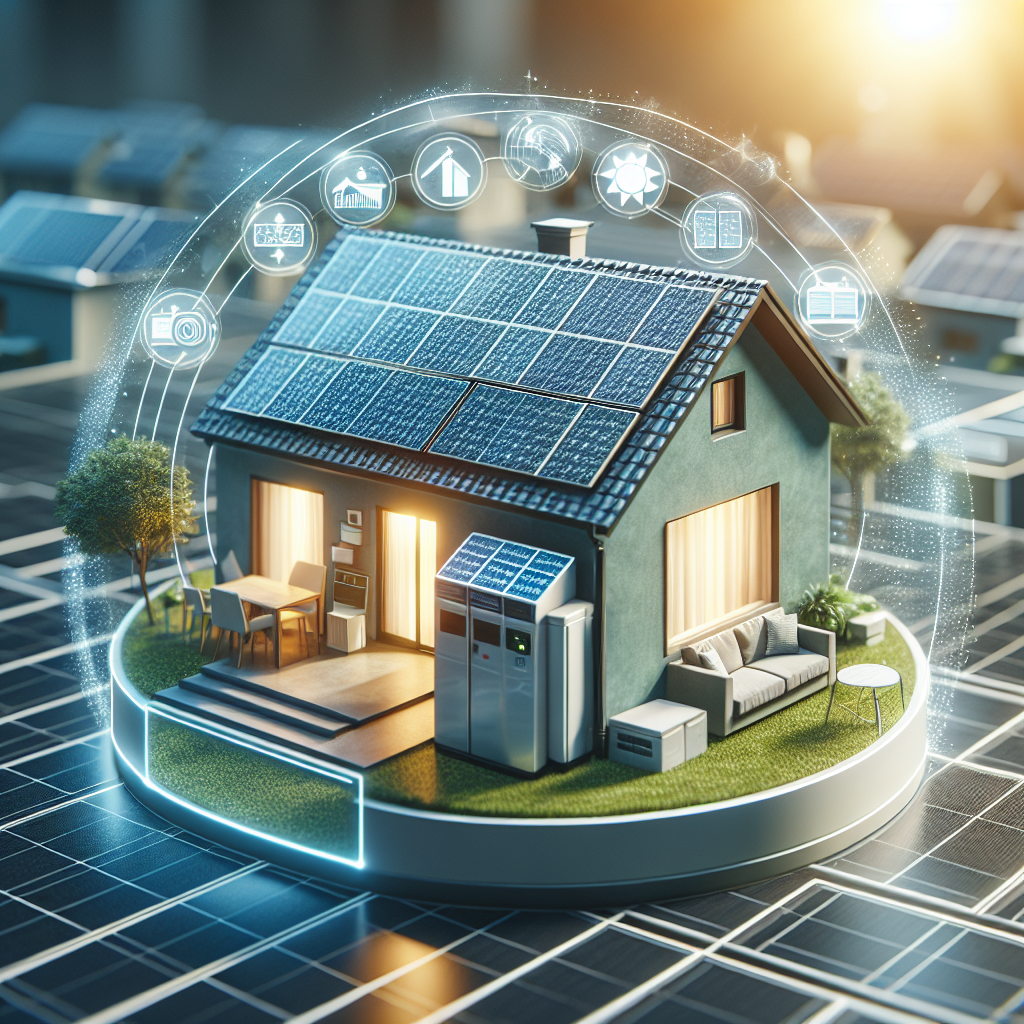
    Thinking about the future of solar power, I can’t help but be excited about emerging trends that are on the horizon. There’s so much innovation happening! For instance, solar panels are becoming more integrated into our architecture. I’ve seen designs that incorporate solar tiles with conventional roofing materials; it’s super sleek!

    Additionally, solar tracking systems are becoming more popular. These systems adjust the angle of the panels throughout the day to maximize sunlight absorption. This kind of tech feels like a game-changer to me, as it can dramatically increase energy output!

    As we harness the power of the sun more efficiently, it creates an opportunity for us to rely less on fossil fuels. It’s incredible to think about how these advancements could reshape our power infrastructure in the coming years!

    Sustainability and Recycling

    Another fascinating aspect is the focus on sustainability and the lifecycle of solar products. As more panels reach the end of their lifespan, it’ll be crucial for the industry to tackle the recycling processes that come with it. The push for sustainable practices has never been more relevant, and I see many companies aiming to address this challenge.

    I read about initiatives looking at repurposing old solar panels and reducing waste generated by the industry. This goes beyond just the installation; it’s about being responsible and creating a positive impact on the environment. It’s exciting to be part of a movement that really cares about sustainability!

    As consumers become more conscious of environmental issues, they can appreciate companies that prioritize recycling and sustainability. This trend can lead to a positive reputation and a loyal customer base—一个 win-win for everybody!

    Advocating for Community Solar

    Lastly, I’m really passionate about the rise of community solar projects! Not everyone can install solar panels on their roofs, but that shouldn’t exclude them from benefiting from solar energy. Community solar allows multiple people to invest in a shared solar power facility, making it accessible to a larger demographic.

    This concept isn’t just about providing energy; it’s about empowering communities. I’ve seen towns rally together to support these projects, tapping into the collective spirit of cooperation. There’s something beautiful about seeing neighbors come together for a common cause, don’t you think?

    These projects help lower energy costs for residents and increase renewable energy in the local grid. It’s an incredible way for everyone to contribute to a cleaner future without the barriers that traditional solar systems might present.

    Conclusion

    As I wrap up this little journey through the history and evolution of solar power systems, it’s clear that we’ve come a long way. The story of solar power is not just about big ideas and innovations; it’s about people, communities, and the desire to create a more sustainable world. This progress fills me with hope for the future, and I’m genuinely excited to see where solar power will take us next.

    FAQs

    1. What was the first practical solar cell made from?
    The first practical solar cell was made from silicon and was developed by Bell Labs in 1954.
    2. How have solar panel costs changed over the years?
    Solar panel costs have dramatically decreased over the last decade, making solar energy more accessible to the average consumer.
    3. What role did government incentives play in solar energy adoption?
    Government incentives, such as tax credits, have encouraged the adoption of solar energy by reducing installation costs and promoting investment in renewable energy.
    4. How does technology affect the efficiency of solar panels?
    Advancements in materials and design have significantly improved the efficiency of solar panels, enabling them to capture and convert more sunlight into usable electricity.
    5. What is community solar?
    Community solar allows multiple people to invest in a shared solar power facility, making solar energy accessible to those who may not be able to install solar panels on their own properties.
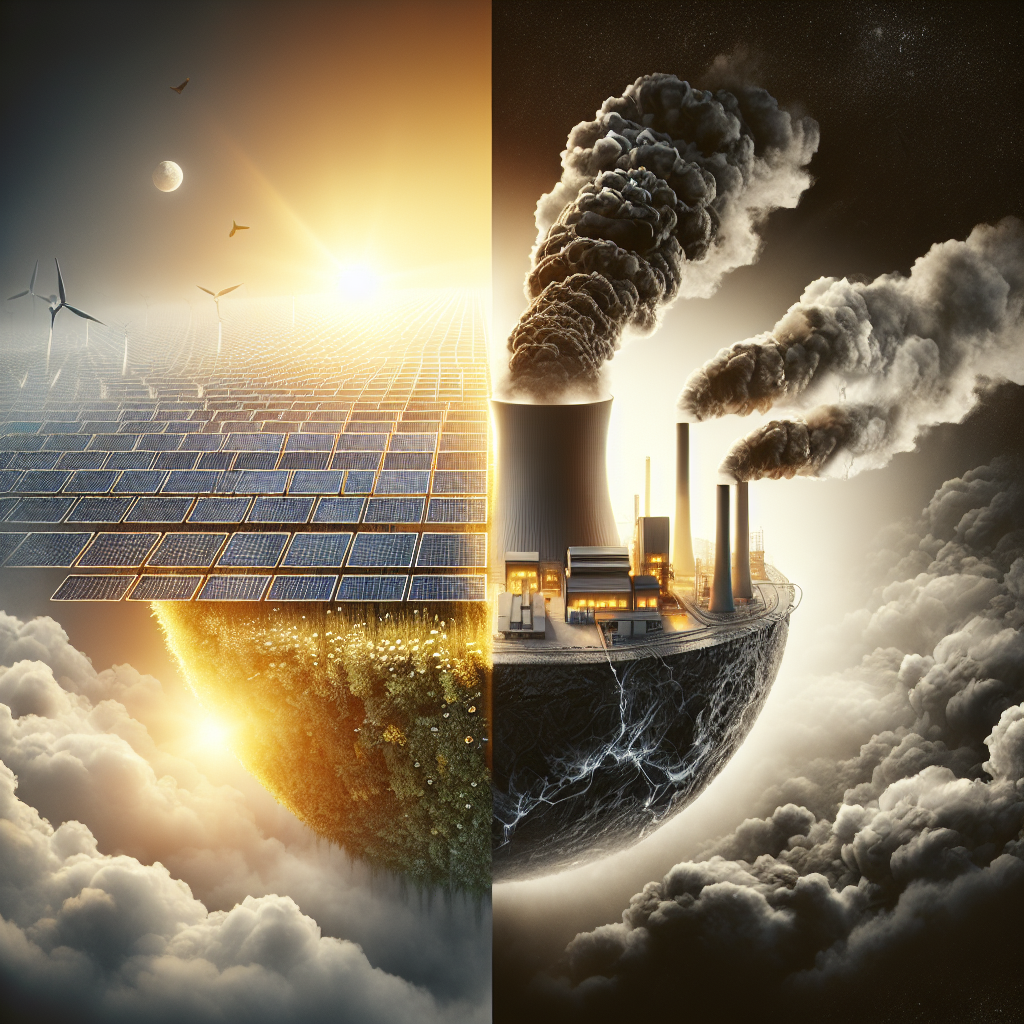
  • Choosing Solar Power vs. Traditional Energy Sources

    Choosing Solar Power vs. Traditional Energy Sources

    Cost Efficiency

    Initial Investment

    When I first started looking into solar power, I was hit right between the eyes with the upfront costs. Installing solar panels can feel like a huge investment—sometimes amounting to tens of thousands of dollars. But let me tell you, once I crunched the numbers, I realized that this initial cost was often offset by long-term savings. Think about it, traditional energy sources require consistent payments, while the sun, well, it just keeps shining!

    What I found exciting was the variety of financing options out there: loans, leases, and even power purchase agreements. These helped break down that hefty initial cost into manageable bites. In some cases, I’ve seen people go solar with little to no down payment! Awesome, right?

    Over time, as energy prices continue to rise, my solar investment has made more sense. No more worrying about fluctuating monthly bills; instead, I enjoy the stability of a fixed payment—or sometimes, no payment at all. It’s liberating!

    Long-term Savings

    The long game is where solar really shines (pun intended). After the initial investment, the savings from solar energy can be substantial. Think about it: no more skyrocketing electricity rates to deal with! When I calculated my potential savings over 20 years, the figures were eye-opening. Many folks can save thousands, even tens of thousands. It’s kind of like having your cake and eating it too!

    Plus, the government incentives and tax credits available for solar installations can further cushion the blow. You could recoup quite a bit of your initial investment with these perks. They’re designed to encourage folks, like you and me, to go green.

    And don’t forget the potential increase in property value! Homes equipped with solar panels often sell at a premium, giving you a financial boost down the road. In my experience, that becomes a huge selling point if and when you decide to move.

    Maintenance Costs

    Another attractive feature of solar power is the incredibly low maintenance costs. I was pleasantly surprised to learn that once my system was installed, the ongoing upkeep was minimal. A quick inspection every couple of years and occasional cleaning was all it took to keep things running smoothly.

    Traditional energy sources, though? They often come with hidden costs in repairs and maintenance—think of those old gas pipelines or aging power plants. It had me seriously considering what type of energy I wanted to rely on for the long haul.

    For me, the low maintenance costs associated with solar not only save me money but also provide peace of mind. I can focus on more important things in life than stressing over energy bills and repairs!

    Environmental Impact

    Carbon Footprint

    One of the most rewarding aspects of switching to solar power is knowing I’m making a positive impact on the environment. Traditional energy sources, like coal and natural gas, have high carbon footprints. Each panel I installed helps to shrink my carbon impact while generating clean energy.

    It’s a fantastic feeling to understand that by harnessing the power of the sun, I’m contributing to cleaner air and reducing pollution. The less we rely on fossil fuels, the better off our planet—and future generations—will be!

    Even friends and family have noticed the difference. When I share my solar journey, I encourage them to think about their own footprints. It’s inspiring to see how one person’s choice can ripple out and affect a whole community.

    Renewable Energy Source

    Solar is an unstoppable force—literally! Unlike traditional energy that can run out, the sun is a renewable resource. It’s here every day, begging to be harnessed. The more I’ve learned about solar power, the more I appreciate this endless energy source.

    As I gradually shifted my dependence from traditional energy to solar, I felt great knowing that I was part of the shift towards a more sustainable future. Plus, as solar technology continues to advance, we’re witnessing better efficiency and performance every year.

    There’s something so comforting about the fact that I’m using energy that’s ultimately free from Mother Nature, rather than continuously extracting from our planet. It’s like the ultimate partnership!

    Impact on Wildlife

    It’s critical to consider how energy production affects wildlife, and solar power offers a less invasive alternative compared to non-renewable sources. Before I opened myself up to solar, I hadn’t given much thought to the impact of fracking or drilling on natural habitats.

    Solar farms, when designed thoughtfully, can coexist with wildlife. I appreciate that many developers are committed to protecting natural ecosystems while embracing solar technology. This harmonious relationship benefits everyone involved.

    When I think about my transition to solar, I feel good knowing that I’m contributing to sustainability—not only for my energy needs but also protecting our planet’s precious wildlife.

    Energy Independence

    Reducing Reliance on Grid Power

    One of the most liberating aspects of choosing solar power has been the sense of energy independence I’ve gained. Being tied to the grid means you’re at the mercy of fluctuations in prices and outages. Trust me, it’s nice to know that you can generate your own power when you need it.

    Going solar has truly transformed the way I interact with energy consumption. I’m no longer counting on the grid; instead, I’m generating my own, which gives me control and peace of mind. I can feel even more secure in the face of natural disasters or energy shortages.

    This sense of independence has empowered me and helped me appreciate the work I put into my solar transition. I’m making smarter choices regarding my energy usage and consumption.

    Resilience During Outages

    Let’s talk about power outages. Those pesky moments when the lights flicker off at the worst possible times. With a solar system, especially one paired with battery storage, I’ve found myself much less affected by outages. My family’s safety and comfort take precedence, and knowing that I can have light when the grid fails is priceless.

    In conversations with people who’ve made the switch, many share that having a backup battery has created a sense of security. It’s nice knowing I can keep our essentials running even when the grid doesn’t want to cooperate.

    There’s something about having that reliability at your fingertips. It allows me to stay grounded, even during uncertainty, which is invaluable in today’s world.

    Future Innovations

    As someone who prides themselves on keeping up with the latest tech trends, I’m excited to see how solar power evolves. The potential for innovations in solar technology means we’re just getting started with what’s possible. As advancements roll out, energy independence may only get easier to achieve.

    New materials for solar panels, more efficient batteries, and improved grid connectivity are all on the horizon. I fully believe we’ll see greater accessibility for solar energy across the globe soon. Companies are racing to create cost-effective solutions, and that’s something I can fully get behind!

    For anyone looking to the future or trying to make a clear choice between energy sources, the innovations coming forth in solar energy are definitely an exciting part of the equation to consider. It feels empowering, like we’re part of something bigger.

    Challenges and Considerations

    Installation Issues

    While the benefits of solar are super enticing, I can’t overlook the challenges. One main consideration is the installation process. Initially, I was overwhelmed by the idea of contracting and figuring out what system suited my home. Researching various options pushed me out of my comfort zone.

    Finding a reliable service provider can be tricky. I had several friends share their experiences with shoddy installers, which definitely raised my anxiety levels. But once I found the right company and went through the installation, it felt like a weight had been lifted.

    So, my advice? Take your time researching installers! Be sure to read reviews and ask the right questions. The right team makes all the difference when embarking on a solar journey.

    Weather Dependence

    Another reality check is the weather dependency factor. While solar panels work beautifully on sunny days, cloudy days can cause a dip in energy efficiency. I learned firsthand how vital it is to understand my local climate before making a decision.

    For folks in areas with more overcast weather, energy generation may vary, which can be a bit of a bummer. But many installers I spoke with encouraged me to look into battery storage to combat this. That way, I could store energy produced on sunny days for use when the clouds roll in.

    For me, this knowledge helped shape my perspective. Solar isn’t a one-size-fits-all solution—but with a little creativity and preparation, it can be tailored to nearly anyone’s needs!

    Regulatory Policies

    The maze of local regulations is something that took me by surprise. Each region has its own rules concerning solar installations—everything from permits to tax credits. This labyrinth can sometimes feel frustrating for homeowners trying to make energy transitions.

    I found it helpful to engage with local solar groups or online communities. They were packed with useful tips and shared experiences from people who’d been through the regulatory process. Understanding the legalities ahead of time made my transition a lot smoother.

    So, if you’re considering solar, take some time to familiarize yourself with local regulations. Knowledge can help you navigate the process and avoid potential pitfalls effectively!

    Conclusion

    In wrapping this all up, choosing between solar power and traditional energy sources can feel daunting at first, but the exciting potential of solar is hard to ignore. From cost savings and environmental impacts to energy independence and challenges, there’s much to dive into. However, I’ve learned firsthand that the rewards of switching to solar far outweigh the challenges. It’s a journey worth taking!

    FAQs

    1. What are the upfront costs of solar power?

    The upfront costs can be significant, sometimes ranging from $15,000 to $30,000 or more, but various financing options can help manage that initial investment, including loans, leases, or even power purchase agreements.

    2. How much can I save with solar energy?

    Many homeowners can save thousands over the lifespan of their solar system. Savings vary based on location, energy usage, and the specific solar setup you choose, but the long-term benefits are clear.

    3. What about maintenance costs for solar panels?

    One of the best parts about solar panels is their low maintenance cost! After installation, minimal upkeep is required—just occasional cleaning and periodic inspections to ensure everything is functioning properly.

    4. Is solar power dependent on sunny weather?

    Yes, solar efficiency can drop on cloudy days, but with battery storage systems, you can store excess energy generated on sunny days for use during less favorable weather.

    5. How can I find reliable solar installers?

    Do your research! Look for customer reviews, check local forums, and ask for recommendations from friends or family who’ve installed solar. Finding a reputable installer is key to a successful transition.

  • The Latest Innovations in Solar Power Systems for Homes

    The Latest Innovations in Solar Power Systems for Homes

    Smart Solar Inverters

    Understanding Smart Technology

    Let me tell you, smart solar inverters are a real game-changer in the solar industry! These nifty devices not only convert the energy from your solar panels into usable electricity, but they also come packed with features that make monitoring and optimizing energy production a breeze. With built-in communication technologies, you can check your system’s performance right from an app on your smartphone. How cool is that?

    What I love about these inverters is that they provide real-time data. Imagine being able to see how much energy your home is producing or if there’s a hiccup in the system—all from your couch. Plus, they often have capabilities to connect with your home’s energy management system, helping you use electricity more efficiently. It’s like having a personal energy coach!

    Many of these inverters can automatically update with the latest software as well, meaning you’re always up-to-date with the newest tech—which is super important in such a rapidly-evolving field like solar energy.

    Improved Efficiency

    When it comes to solar inverters, the efficiency levels have skyrocketed over the last few years. We’re talking about systems that can convert up to 99% of solar energy into usable electricity. That means more power for your home and less energy wasted! Trust me, having an efficient inverter can make a big difference in your monthly utility bills.

    Furthermore, with innovations like Maximum Power Point Tracking (MPPT), these inverters can optimize the energy extracted from solar panels throughout varying conditions—think of cloudy days or when the sun is setting. It’s like having a savvy friend making sure you get the most out of your solar setup!

    I always encourage homeowners to look carefully at inverter efficiency ratings when shopping around. It’s one of those things that pays off in the long run. A quality inverter can save you a ton of headaches (and dollars) down the line!

    Remote Monitoring Capabilities

    The remote monitoring feature is honestly one of the best things about modern inverters. I remember when you had to physically go up on your roof to see if your system was performing well—how old school is that? Now, you can monitor your energy production from anywhere.

    Some smart inverters even send alerts if there’s something amiss in the system. I love how proactive this makes managing your solar power. If something goes wrong, you’ll know right away, possibly even before your electric utility notices. It’s like having a watchdog for your energy system!

    This capability not only gives peace of mind but also allows homeowners to be more engaged with their energy needs. It fosters a sense of empowerment—knowing you have the tools in place to effectively manage your home’s energy consumption.

    Home Energy Storage Solutions

    Understanding Battery Systems

    Okay, let’s chat about home energy storage systems. These babies let you store excess energy your solar panels generate, so you can use it whenever you need it. This is particularly handy during power outages or at night when sunlight is just a distant memory. I always thought of these systems like having a backup battery—one that helps you save money while keeping your house running smoothly.

    Modern batteries have come a long way in terms of efficiency and lifespan. New lithium-ion batteries are popular for their compact size and ability to last for years without losing too much charge retention. I mean, who wouldn’t want a battery that lives as long as most of your household gadgets?

    Plus, setting up a battery storage system can sometimes even get you incentives from your state or local government, making it an even sweeter deal. Just make sure to do your homework on compatibility with your existing solar setup!

    Cost-Effectiveness

    One of the coolest advancements in home energy storage is how affordable they’ve become. In the past, you could easily break the bank trying to get a decent battery storage system. But now, with different options to fit various budgets and preferences, it’s amazing to see just how accessible it has become for regular homeowners like us!

    On top of affordability, with the savings generated from using stored energy during peak hours, you might find that your investment pays for itself over time. I’ve chatted with friends who’ve noticed significant reductions in their utility bills just by using stored energy smartly. It really does feel good to save money!

    So, consider investing in a battery system for your home, especially if you find yourself often using more energy in the evening. It’s one of those innovations that truly feels like a win-win situation.

    Integration with Smart Home Technology

    One of the most thrilling things lately is how energy storage systems can integrate with your smart home tech. I remember the first time I set up my smart thermostat and realized how I could manage my home’s temperature remotely. Now, imagine being able to do something similar with your energy storage!?

    This ability allows you to optimize your energy usage based on when you have the most energy stored. If you’ve got a smart system that can learn your habits, it will know when to charge or discharge energy based on your lifestyle. Pretty impressive, right?

    So, not only can you save energy, but you can also streamline your home management systems, all while being environmentally conscious. It’s definitely the direction we should all be heading toward!

    Enhanced Solar Panel Technologies

    More Efficient Solar Cells

    The strides made in solar cell technology are straight-up mind-blowing! With advancements in materials and design, manufacturers are pushing efficiency levels beyond what we thought possible. Some panels now boast efficiencies pushing 23% or more! It’s almost like they’re supercharged!

    What’s cool is that these more efficient panels not only take up less space but also provide more power per square foot. For my own home, that means I’ve been able to install fewer panels and still meet my energy needs. I love that I’m maximizing my roof space while being eco-friendly.

    Plus, these solar cells are designed to perform better in lower light conditions, meaning they gather solar energy even when the sun isn’t blazing down. The innovations in design are making solar a viable option even in less-than-ideal weather conditions. Now that’s impressive!

    Durability and Longevity

    Another cool thing about modern solar panels is their impressive durability. Manufacturers are focusing on longevity, offering warranties that can span 25 years or more. That’s right! When you invest in solar, you’re really looking at a long-term solution.

    These improvements are often thanks to the use of better materials that help prevent issues like corrosion, fading, or physical damage. For someone who has dealt with stormy weather, I appreciate how my panels can stand up to the elements!

    Having durable solar panels not only means less maintenance and fewer replacements over time but also truly reflects the commitment to sustainability and longevity in renewable energy solutions.

    All-Weather Performance

    This innovation deserves a shout-out: all-weather solar panel performance. The latest models are designed to withstand extreme temperatures and conditions, whether it’s intense snow or scorching heat. I mean, think about it: these panels are tough cookies!

    The cool thing about this is that it allows homeowners in different climates to enjoy the benefits of solar energy without worrying too much about performance dips during seasonal changes. I know that for myself, the peace of mind that my panels will continue working through different weather is invaluable.

    This is truly a major step for solar energy—making it a reliable choice no matter where you live. It opens up the opportunity for homes in all climates to embrace renewable energy!

    Policy and Incentive Developments

    Government Support and Incentives

    Let’s not overlook the role of government support in boosting solar energy adoption. Programs like the federal solar tax credit, along with various state and local incentives, can really sweeten the deal for homeowners looking to install solar panels. It’s like getting a kickback for doing the right thing!

    Over the years, these incentives have made solar installations much more affordable. I remember hearing stories about friends who saved a chunk of change just because they took advantage of these programs. It’s all about knowing what’s out there!

    Plus, as a homeowner, when you see your investment substantially reduced through such incentives, it adds a layer of excitement and accessibility. It feels brighter when a greener future fits into your budget, doesn’t it?

    Legislation Supporting Renewable Energy

    There’s been a notable shift in the legislative landscape supporting renewable energies recently. Increasingly, policies are being enacted that support renewable energy, overall as a part of global sustainability goals. It definitely paints a hopeful future for all of us!

    I always keep an eye on local legislation and how it can impact my energy choices at home. When lawmakers push for legislation that supports renewable energy development, it opens doors for new technology and investment in solar projects. This progress directly translates into better options for consumers.

    Staying informed about these changes not only helps you as an individual but contributes to the broader cause of environmental sustainability. We’re all in this together, after all!

    Community Solar Programs

    Community solar programs are another incredible way renewable energy is being made more accessible. If your roof isn’t suitable for solar panels, these programs allow you to purchase or lease solar power from a nearby solar garden instead. How neat is that?

    This means that even renters or anyone living in a shaded area can benefit from solar energy. I’ve spoken with several folks who are thrilled to be part of community solar, enjoying green energy without the hassle of installing panels on their roofs!

    Participating in these programs is not only good for your wallet but also fosters a sense of community involvement. It’s rewarding to know that you are supporting renewable energy initiatives that help build a safer planet for generations to come.

    Integration with Electric Vehicles (EVs)

    Solar-Powered Charging Stations

    Have you seen the exciting trend of solar-powered electric vehicle (EV) charging stations? They’re popping up everywhere, and it’s a brilliant integration of two eco-friendly technologies. These stations harness solar energy to charge your car, making it one of the greenest ways to fuel your ride.

    As an EV owner myself, I can attest to how cool it feels to know that my car is powered by renewable energy. It’s like giving Mother Nature a high-five every time I plug in! Plus, many of these charging stations allow you to monitor energy usage, which is just as important while you’re on the go.

    I guarantee that as solar tech advances, we’re going to see even more innovative charging options that make EV ownership both practical and sustainable.

    Cost Savings for EV Owners

    Using solar for your EV can really rake in the savings! Forget about those spikes in gas prices; with solar charging, you’re generating your own energy. I’ve seen folks calculate their reduced fuel costs, and honestly, it can be quite substantial.

    Imagine combining a solar panel system with an EV—you’re generating energy during the day to store for nightly charging. It’s a beautiful synergy that benefits both your wallet and the environment.

    Plus, some states offer additional incentives for EV owners to switch to solar, which is like a double whammy of eco-friendliness and savings. It’s a no-brainer for anyone considering a new car!

    Future Trends in Solar and EV Technology

    The future looks bright for solar and EV tech. With the rise of solar EV technology, we’re seeing everything from integrated solar panels on cars to home charging solutions that use stored solar energy. It’s shaping a new world where renewable energy powers many aspects of our daily lives.

    You can bet I’m excited to see how these innovations unfold. It’s not just about saving the planet, but also about changing the way we think about energy consumption as a whole. Each step forward makes me more optimistic about the viability of a sustainable future.

    Stay tuned, folks—this is just the beginning of a solar-powered revolution!

    Frequently Asked Questions

    1. What is a smart solar inverter?

    A smart solar inverter is a device that converts solar energy into usable electricity while providing real-time monitoring and optimization features to enhance energy production.

    2. Why should I invest in home energy storage?

    Home energy storage allows you to store excess solar energy for use during peak hours or outages, ultimately saving you money on utility bills while providing backup power reliability.

    3. How are solar panels becoming more efficient?

    Recent advancements in materials and technology have improved solar cell efficiency, allowing panels to convert more sunlight into usable energy, even in low-light conditions.

    4. What are community solar programs?

    Community solar programs allow individuals who cannot install solar panels on their property to purchase or lease solar energy from a shared solar garden, enabling broader access to renewable energy.

    5. Can solar power be used to charge electric vehicles?

    Yes! Solar energy can power charging stations for electric vehicles, making it a sustainable and cost-effective way to fuel your EV and reduce overall energy consumption.

  • How to Integrate Solar Power with Smart Home Technology

    How to Integrate Solar Power with Smart Home Technology

    Understanding Solar Power Basics

    What is Solar Power?

    As I’ve gotten deeper into the world of renewable energy, one thing that really stood out to me is solar power. In the simplest terms, solar power is the energy we capture from the sun’s rays and convert into usable electricity. There are generally two ways to harness this energy: photovoltaic (PV) panels and solar thermal systems. The first one is quite common and is what most homeowners think of when they picture solar energy systems.

    Now, why should you even consider solar power? Well, apart from being eco-friendly, it’s a great way to cut down on your electricity bills. Can we say win-win? When installed correctly, not only do you benefit from reduced energy costs, but you also increase your home’s value. Homebuyers love the idea of energy independence!

    In latest years, the technology surrounding solar power has improved significantly. These days, solar panels are more efficient than ever, and their aesthetics are getting better too. So, if you’ve been on the fence about it, it might be time to do a little research and take the plunge!

    Smart Home Technology Overview

    What is Smart Home Technology?

    Smart home technology involves devices that can connect to the internet and communicate with each other, usually controlled via smartphone apps or voice commands. Imagine walking into a room and the lights turning on automatically, or adjusting your thermostat from anywhere you are—this is the kind of convenience we’re talking about.

    While at first glance it might seem a bit like sci-fi, smart home tech is becoming increasingly accessible. From security systems to smart lighting and energy management tools, there’s a device out there for almost anything you can dream of. I mean, who wouldn’t want to turn their home into a tech-savvy oasis?

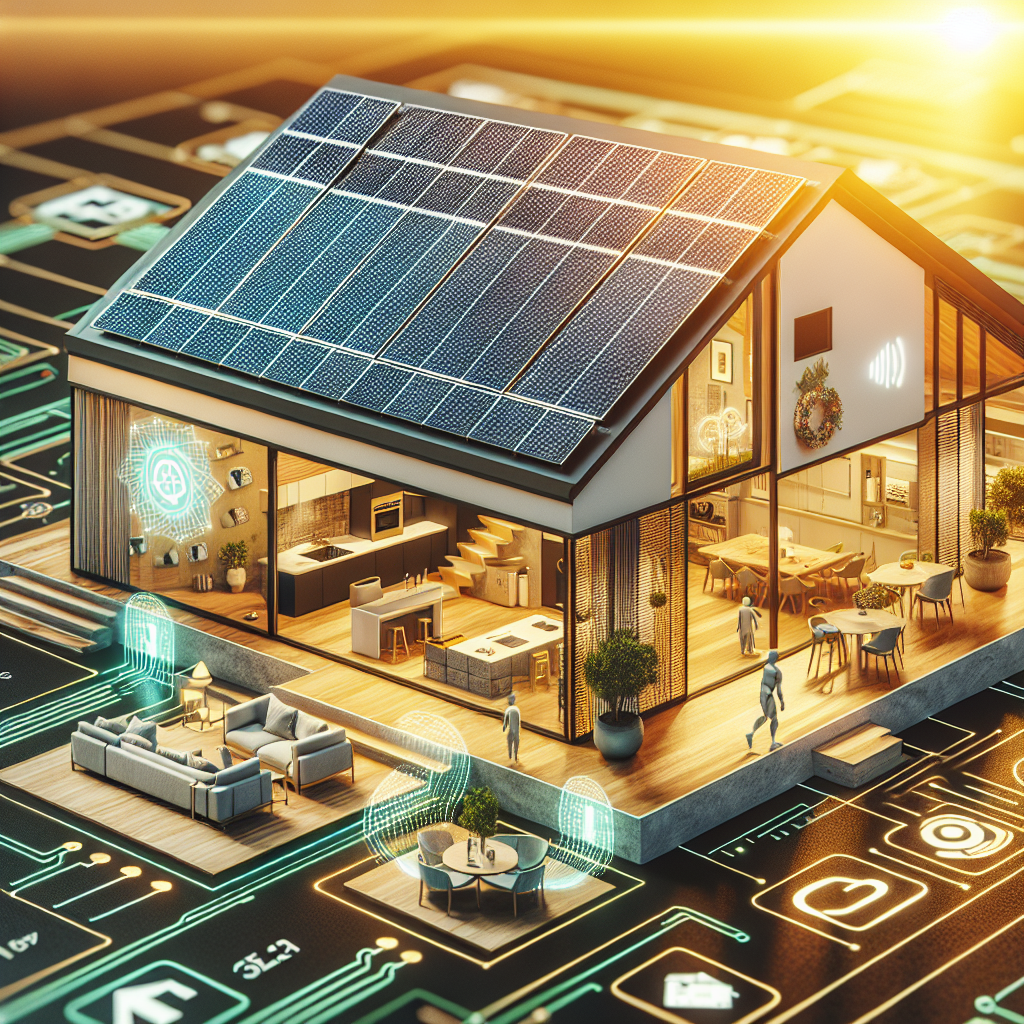
    Integrating this technology with solar power is where the magic really happens. By connecting your solar energy system with smart home devices, you not only optimize energy use but also gain real-time insights into your power consumption. It’s pretty empowering to see how much energy you’re using and how much you’re saving!

    Choosing the Right Solar Power System

    Types of Solar Panels

    Choosing the right type of solar panel is crucial for an effective setup. There are primarily three types: monocrystalline, polycrystalline, and thin-film. Each has its pros and cons. Personally, I’ve found that monocrystalline panels tend to be the most efficient and space-saving option if you have limited roof space. Yes, they might be pricier, but trust me, they’re worth it!

    On the flip side, polycrystalline panels are generally more affordable and can deliver good performance but may take up a bit more space. If you’re going for a budget setup and have space to spare, they might just do the trick. And then there are thin-film panels—while they’re quite flexible and lightweight, they usually have lower efficiency rates.

    Take your time to weigh your options, and maybe even chat with a professional. The goal is to find a solar panel that fits well with your lifestyle and home setup.

    Integrating with Smart Home Technologies

    Smart Energy Management

    Integrating your solar system with smart home technology is the next big step. The first thing you’ll likely want is a smart energy management system. These systems monitor and control your energy usage by adjusting your smart devices according to energy production and consumption. For example, a smart thermostat can learn your habits and optimize when to use energy based on when your solar panels are generating the most power.

    Some devices can even store excess energy generated by your solar panels for later use. Imagine not just saving energy but actually using stored energy during peak times when electricity prices are higher!

    Besides managing energy use, these systems can provide detailed reports, giving insights into your energy usage patterns. I love reviewing my monthly reports; it’s great seeing how much I’ve saved, and it motivates me to keep finding ways to be more energy-efficient!

    Ensuring Compatibility and Setup

    Choosing Compatible Devices

    Not all smart home devices are created equal, and it’s vital to ensure compatibility with your solar power system. When planning your setup, look for smart home systems that feature compatibility with renewable energy sources. Popular brands usually specify this, so it’s always worth checking!

    Another important aspect is to consider communication protocols. Many devices use Wi-Fi, but some might use Zigbee or Z-Wave, which can create gaps in connectivity if they aren’t compatible with your main system. Trust me, trying to troubleshoot issues because of compatibility is frustrating—and it just takes time away from enjoying your smart setup.

    Setting things up properly from the get-go ensures that you can enjoy a seamless experience. Once I got everything hooked up correctly, the satisfaction of seeing everything work together smoothly was so rewarding!

    Benefits of Combined Systems

    Cost Savings

    One of the main reasons I integrated my smart home with solar power was to save on costs. Solar energy offers a great way to reduce electricity bills, and coupling it with smart technology enhances those savings. Smart devices can adjust their operation based on energy availability. For example, running your dishwasher or washing machine during peak solar production means you’re using the most cost-effective power possible!

    Additionally, many electric companies offer incentives for homes that generate their own energy—when you add smart home tech into the mix, it can sometimes qualify you for even more savings. I couldn’t believe the rebates I was able to snag!

    Plus, let’s not forget about the potential property value increase! Energy-efficient homes are incredibly appealing to buyers. So, not only am I saving money every month, but I’m also potentially boosting my home’s value. Talk about a win-win!

    Frequently Asked Questions

    1. Can all homes benefit from solar power?

    Yes, most homes can benefit from solar power, but factors such as location, roof orientation, and shading should be considered. Consulting with a solar energy expert can help determine your home’s suitability.

    2. How do smart home technologies actually save energy?

    Smart home technologies can optimize energy usage by adjusting the operation times of appliances and lighting based on when solar energy is available, effectively lowering overall electricity consumption.

    3. Is the initial investment in solar and smart technology worth it?

    Absolutely! Although there’s an upfront cost, the long-term savings in energy bills and potential state or federal tax incentives certainly make it a worthwhile investment for many homeowners.

    4. How do I know if my smart devices are compatible with solar energy systems?

    Check the specifications provided by the device manufacturers. Look for energy management systems that specifically mention compatibility with solar power. A little research goes a long way!

    5. Are there maintenance requirements for solar and smart systems?

    Solar panels typically require minimal maintenance—just regular cleaning and occasional inspections. Smart home devices can sometimes need software updates or battery replacements, depending on the type you choose.

  • How Solar Power Systems Are Reducing Carbon Emissions

    How Solar Power Systems Are Reducing Carbon Emissions

    1. Transition to Renewable Energy Sources

    Understanding Renewable Energy

    You know, as I’ve dived deeper into the solar energy world, what really struck me was how solar power is primarily based on renewable energy. Unlike fossil fuels, which are finite and pollute our air, solar panels harness the sun’s energy. It’s a never-ending source that’s abundant and available almost everywhere. This means that we’re actually choosing a healthier way to power our planet.

    What’s more, the practicality of solar energy is incredible. Once those solar panels are up and running, they generate power every single day, without releasing harmful emissions into the atmosphere. I feel that this transition is not just a personal investment; it’s a commitment we’re making for future generations.

    This shift to renewable energy can drastically change the energy landscape, and it encourages countries and communities to invest in other sustainable practices. The more we educate ourselves about renewable energy, the more we can encourage its adoption and reduce our reliance on carbon-heavy fuels.

    The Role of Solar Power in Emission Reduction

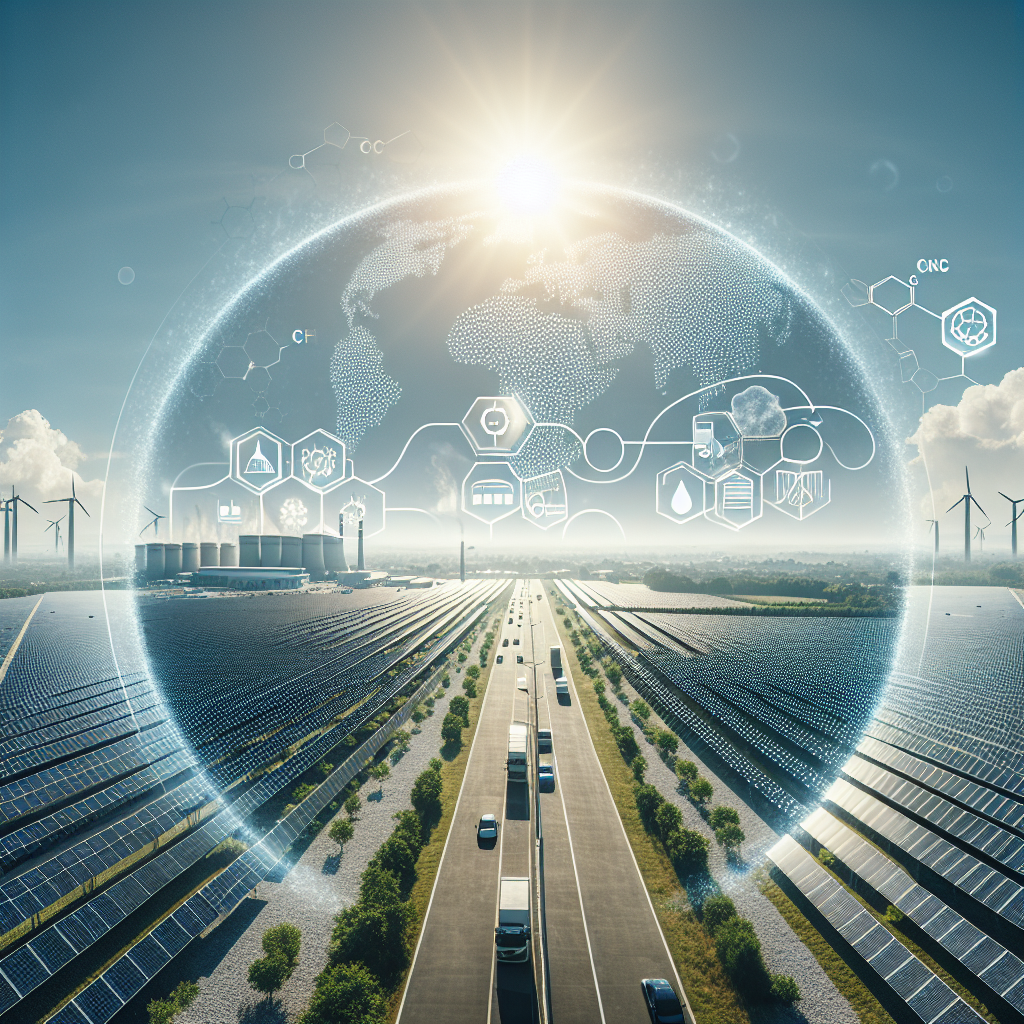
    It’s amazing to see how solar power directly contributes to lowering carbon emissions. I remember seeing figures that illustrate how much carbon dioxide (CO2) solar panels help avoid. It’s wild! Just a small installation on a residential roof can lead to substantial reductions in CO2 emissions over time.

    When the demand for electricity is met by solar energy, it directly cuts down on the burning of fossil fuels, which is a major contributor to climate change. Whenever I see those solar panels gleaming under the sun, I can’t help but feel a sense of optimism knowing they are helping take a load off our planet.

    On a larger scale, if towns, cities, and countries continue adopting solar technology, the cumulative effect is monumental. It’s this ripple effect I find truly fascinating; every new installation contributes to a cleaner, greener planet.

    Encouraging Technological Advances

    Something that excites me about solar energy is how it propels us forward in technological advancements. As the demand for solar panels increases, so does the innovation in making them more efficient and accessible. I’ve read about various breakthroughs that not only increase the energy we can capture but also reduce the costs associated with solar technology.

    These advancements often lead to better storage solutions, allowing energy generated during sunny days to be used during the night or cloudy days. And let me tell you, that’s a game changer! If you can store energy effectively, you’re minimizing the need for other energy sources even more.

    Plus, technology doesn’t just stop with solar panels. It evolves in conjunction with electric vehicles and smart homes, creating an integrated energy ecosystem that can further reduce emissions. It makes me incredibly hopeful about the potential we have to innovate for the sake of our planet.

    2. Economic Benefits of Solar Power

    Lower Electricity Bills

    Let’s be real, one of the biggest perks of switching to solar is the savings on electricity bills. I personally experienced this when I installed solar panels at home. My previous energy bills were through the roof, but now I see a significant drop. Knowing that I’m generating my own electricity gives me that independence and puts a little extra cash in my pocket.

    With net metering options available in many areas, any excess energy I generate can often be sold back to the grid. It’s like getting paid for something I was already doing! This economic benefit makes solar not just an environmentally responsible choice, but a financially smart one too.

    As more people realize these savings, it creates a demand for solar energy that can benefit the economy as a whole. The growth in the solar industry leads to more jobs and investments, and that’s win-win for everyone, I think.

    Job Creation in the Renewable Sector

    Another fascinating aspect of solar power is its ability to create jobs. As someone passionate about both the environment and economic growth, the solar industry presents a remarkable opportunity. From manufacturing to installation and maintenance, the need for skilled labor in solar energy has skyrocketed!

    I’ve seen first-hand how local communities benefit when solar projects kick off. I mean, new job opportunities empower people and lead to robust economic growth. It’s uplifting to see folks getting trained in a field that not only pays well but also aligns with sustainability.

    Moreover, this job creation supports emerging industries such as solar panel recycling and innovative technology development, creating a positive feedback loop that strengthens our economy while tackling climate change. Talk about a great way to make a living, right?

    Long-Term Savings and Investments

    When I think about the long game with solar energy, the long-term savings and investments are something that really stand out to me. While the initial installation of solar panels can be a bit pricey, the ROI is what gets me excited. The savings on energy bills compound over time, leading to financial freedom later in life.

    Even more, various incentives and tax credits are available to offset these initial costs. I can’t stress enough how important it is to research what’s available in your area; it can make a significant difference! Ultimately, that leads to broader adoption and acceptance of solar energy.

    This long-term view shifts the narrative around renewable energy from being just an environmental cause to a viable economic investment. This way, both the planet and the wallets of consumers get a massive boost.

    3. Energy Independence and Security

    Reducing Reliance on Imported Fuels

    One of the most empowering aspects of adopting solar power is gaining energy independence. I’ve noticed that many countries rely heavily on imported fuels for energy, which can be a shaky foundation. When crises happen, it can drive prices up and lead us to vulnerabilities in our energy supply.

    By investing in solar energy, we harness our own local resources and reduce the dependency on imports. It feels good knowing that my energy source is from the sun and not reliant on global markets or political issues.

    This shift not only protects consumers but strengthens national security by diversifying energy sources. The more we lean into solar, the more we can stabilize our energy systems and prevent major price fluctuations caused by world events.

    Building a Local Energy Economy

    When communities start adopting solar power, something beautiful happens: they start building their local energy economies. It’s like creating a tight-knit energy ecosystem that thrives on local resources and talent. I’ve seen this first-hand with community solar projects that involve residents coming together to fund and install shared solar systems.

    This local approach can drastically strengthen community ties and foster a sense of ownership over energy resources. I mean, when people come together for a common goal like this, it creates a sense of pride and responsibility, which I find resonates beyond energy independence.

    Additionally, local solar projects create jobs within the community, keeping money circulating nearby. It’s a virtuous cycle that expands beyond energy and benefits various aspects of local life.

    Enhancing Grid Resilience

    Something that’s really crucial when discussing energy independence is resilience. When solar installations are widespread, they can enhance the resilience of the grid. I find it fascinating how loads can be spread out across multiple local systems rather than relying on a few centralized plants.

    This decentralized approach mitigates risks from natural disasters or failures in the grid. If one solar panel goes down, the rest can still operate, which ensures a steady energy supply. That kind of security provides me with peace of mind.

    The more resilient our energy systems become, the better equipped they are to tackle challenges that we might face in the future. It makes solar part of the larger picture of building a sustainable and secure energy future.

    4. Reducing Air Pollution

    Improving Public Health

    As I’ve researched more about solar energy, I’ve come to appreciate how it fundamentally helps improve public health. Fossil fuel consumption is notorious for releasing harmful pollutants that impact air quality. Not just affecting our climate, it directly affects our bodies and health!

    Switching to solar reduces these harmful emissions, leading to cleaner air. Studies have shown a direct correlation between cleaner air and the reduction of respiratory ailments, cardiovascular problems, and other pollution-related health issues. I can’t help but feel that every solar panel installed is a step toward a healthier community.

    Plus, it’s not just about individual health. Less air pollution means less strain on healthcare systems, reducing overall healthcare costs for everyone in the long run. It feels good to know that every small effort toward solar not only helps the planet but also improves the quality of life for many people.

    Mitigating Climate Change

    We hear so much about climate change, right? A major contributor to it is definitely the emissions from fossil fuels, which are far reduced by using solar energy. I often think about how impactful it is to make choices that help our planet adapt and mitigate the effects of climate change.

    The reduction of CO2 emissions through solar energy significantly contributes to slowing global warming. With solar, we’re taking a stand. Every bit counts, and collectively, these efforts can lead to substantial improvements in our climate conditions. It’s something that gives me hope for the future!

    In addition, investing in solar energy helps create public awareness and urgency around climate issues. It encourages a conversation about sustainable practices beyond solar energy alone, setting a new narrative about what’s necessary for future generations.

    Protecting Ecosystems

    Let’s not forget the ecosystems that are at stake with energy decisions too! The pollution and habitat destruction that come from extracting and burning fossil fuels impact our wildlife and natural spaces. As someone who loves nature, this aspect really resonates with me.

    By reducing our reliance on fossil fuels through solar energy, we’re taking steps toward protecting these important ecosystems. Reports show that cleaner air and fewer water pollutants lead to healthier wildlife populations. It’s all interconnected, you know?

    Every time we choose solar, we make a commitment to preserving our planet’s biodiversity. That’s powerful! It feels amazing to be part of a movement that promotes ecological balance and encourages others to think about the environmental legacy we leave behind.

    5. Global Impact and Initiatives

    International Solar Partnerships

    It’s impressive how solar power transcends borders, right? Many countries, including developing ones, are forming international partnerships to expand solar technology. I find it inspiring to see how cooperation can lead to technological advancements that help reduce carbon emissions globally.

    These partnerships often share knowledge and resources, enabling countries to utilize solar technology more effectively. Larger solar initiatives on an international scale can push for sustainable energy policies that make a difference everywhere.

    It’s like coming together as a global community to tackle a monumental task. It reminds me that we’re all in this together and can make meaningful progress to combat climate change one solar installation at a time!

    Solar Energy in Developing Countries

    What captivates me is how solar energy can empower developing countries. Many regions lack access to reliable electricity, and solar energy presents a practical solution! Companies and NGOs are pushing for solar installations in these areas, providing sustainable electricity where it’s most needed.

    This access can facilitate education, healthcare, and economic development, creating positive ripples throughout communities. I love hearing stories about villages lighting up thanks to solar energy, opening doors that were previously closed.

    Beyond that, it also reduces reliance on wood or kerosene – both harmful to health and the environment. Instead, communities can harness sunlight to power their lives sustainably. It’s transformational, and that’s what gets my passion for solar fired up!

    Global Climate Agreements

    Lastly, I can’t help but recognize the importance of global climate agreements in this solar revolution. Initiatives like the Paris Agreement strive for common goals: reducing greenhouse gases and pushing for renewables, including solar energy. It shows how countries can work harmoniously to create a better future.

    Through these agreements, nations pledge to invest more in renewables and set targets for carbon reductions. I perceive it as a nod to the collective responsibility we all share to protect our planet.

    The advocacy for solar energy within these frameworks highlights the urgency and necessity of transitioning to cleaner energy sources. Each nation’s commitment strengthens the global movement against climate change, and that’s definitely something to cheer about!

    FAQ

    What are the main benefits of solar power in terms of emissions?

    The main benefits include the reduction of carbon emissions, improvement in air quality, and promotion of public health. Solar power creates cleaner energy without the pollutants associated with fossil fuels.

    How does solar energy contribute to economic growth?

    Solar energy promotes economic growth by saving on energy costs, creating jobs in the renewable sector, and fostering local energy economies, which circulate money within communities.

    Why is energy independence important?

    Energy independence helps to protect against vulnerabilities in fuel supply, reduces reliance on foreign imports, and enhances the security of our energy systems by diversifying energy sources.

    In what ways does solar power help in public health?

    By reducing harmful air pollution, solar power significantly lowers the incidence of respiratory and cardiovascular diseases linked to fossil fuel combustion, leading to overall better public health outcomes.

    How can individuals contribute to the global solar movement?

    Individuals can contribute by considering solar options for their homes, advocating for renewable energy policies, and supporting local initiatives that focus on solar energy adoption and education.

  • Portable Solar Power: Top 10 Solutions Compared

    Portable Solar Power: Top 10 Solutions Compared

    Understanding Portable Solar Power

    What is Portable Solar Power?

    Portable solar power is basically a way to utilize sunlight to generate electricity in a portable form. You know, those nifty little solar panels you see popping up everywhere? They can be easily transported and set up wherever there’s sunlight. I’ve used them on camping trips, and let me tell you, they’ve changed the game!

    This technology harnesses the sun’s energy and converts it into usable power through photovoltaic cells. It’s particularly handy for outdoor enthusiasts, travelers, and even for emergency situations. I remember one time we were out hiking, and my phone was about to die. Thanks to my portable solar charger, I was able to keep it running!

    Understanding how portable solar power works is the first step in figuring out which solutions fit your needs. With the right setup, you can keep your gadgets charged and your lights on, while reducing your carbon footprint—a win-win, right?

    Why Choose Portable Solar Solutions?

    There are countless reasons to consider portable solar power solutions over traditional generators. First off, they’re eco-friendly! Not contributing to fossil fuel emissions feels pretty good. Plus, who doesn’t love saving some cash on power bills? Solar power harnesses an unlimited energy source—good old sunshine!

    Secondly, these solutions are exceptionally versatile. Whether you’re camping in the woods, tailgating at a game, or dealing with a blackout, portable solar power can adapt. Trust me, I’ve used mine in all sorts of scenarios, and they’ve always come through for me!

    Lastly, the convenience factor is huge. Many portable solar devices are compact and lightweight, making them easy to carry around. It’s all about convenience, you know? You don’t want to lug heavy machinery around, especially when you’re out enjoying nature.

    The Future of Portable Solar Power

    As technology advances, the capabilities of portable solar power solutions are only going to get better. Think super lightweight panels that can charge your gear faster, or even solar bags that can harness energy as you walk. The future looks bright—pun intended!

    Moreover, more people are becoming aware of the need for sustainable energy solutions. As this awareness grows, so does the innovation in the portable solar sector. I’d love to see even more people utilizing these resources in their lives!

    In the coming years, we might even see improvements that allow for greater energy storage. Imagine being able to store enough solar energy to power your home during the night! The possibilities are endless, and I’m eager to see what’s next!

    Top 10 Portable Solar Power Solutions

    1. Solar Panel Kits

    Solar panel kits are great for those looking to set up a robust solar system. They typically come with everything you need: panels, inverters, and sometimes batteries. I remember setting mine up in just a couple of hours, and I felt like a tech wizard!

    The beauty of these kits is that they can often be expanded. So, if you start small but need more power later, you can easily add more panels. Just make sure to read the instructions carefully—I’ve learned that the hard way!

    These systems can provide enough energy for several devices, from phones to small appliances. It’s like having a mini power station right in your backyard or at your campsite!

    2. Portable Solar Chargers

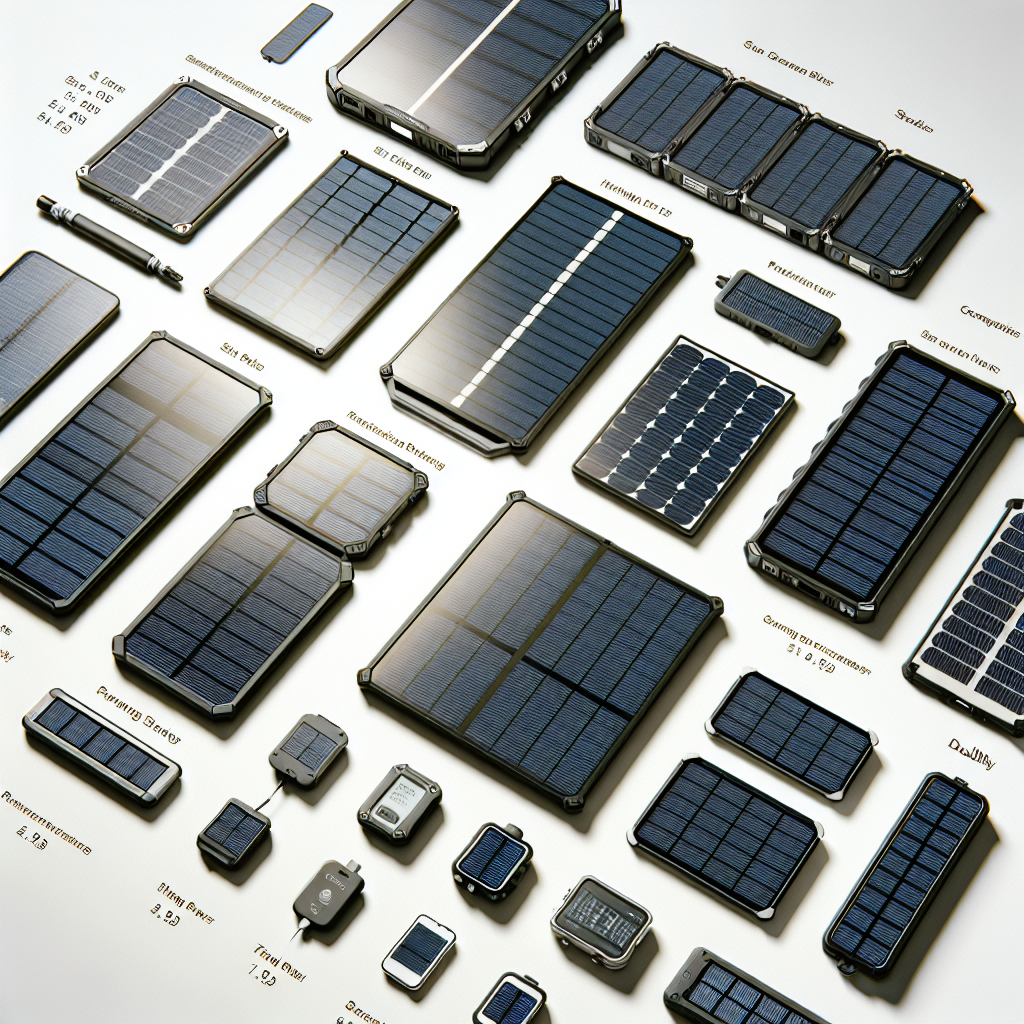
    When it comes to charging your phone or tablet on the go, portable solar chargers are your best friend. These chargers often feature built-in batteries, allowing you to store energy for later use. I love taking mine when I go on road trips—it’s been a lifesaver!

    Most portable solar chargers are compact and lightweight, making them easy to slip into your backpack. There are a variety of designs to choose from, so there’s something for everyone, no matter your style.

    Another perk? Many of them have multiple USB ports so you can charge more than one device at a time. I’ve often found myself charging my phone while my friend’s phone is plugged in, too. Sharing is caring, right?

    3. Solar-Powered Coolers

    If you’re a fan of picnics and adventures that require cold drinks, solar-powered coolers are the way to go. These aren’t your typical coolers; they keep your drinks chilled while being energy-efficient and eco-friendly. I can’t tell you how many times I’ve brewed up a cold one in the middle of a summer hike!

    These coolers usually come with built-in solar panels, meaning they can run off sunshine all day long. Some can even plug into regular wall outlets if you’re home, doubling their usefulness.

    Not only do they keep things cool, but many models also provide USB ports for charging your devices while you’re outside. It’s like they’re two appliances in one, making them a fantastic investment!

    4. Solar Lanterns

    Solar lanterns are perfect for lighting up your campsite or backyard. These portable lights harness sunlight during the day and shine bright at night. They come in various styles, making it easy to find one that suits your vibe.

    Setting up solar lanterns is a cinch. Just place them in a sunny spot during the day, and they’ll charge up for nighttime use. I’ve taken mine on camping trips, and they provide a cozy glow that makes the evenings feel so much more inviting.

    Plus, since they’re powered by the sun, you don’t have to worry about running out of batteries or gas. It’s all about taking advantage of natural energy, and I’m all for that!

    5. Solar-Powered Generators

    For those who need a bit more juice, solar-powered generators are a fantastic option. They can power everything from camping equipment to home appliances. I once used mine during a power outage, and let me tell you, it was a total lifesaver!

    These generators are a great backup plan for emergencies too. Since they charge from solar panels, as long as you have sunlight, you can keep your power needs met without any worries.

    Many models are quiet and clean, which is not something you’d get from traditional gas generators. With solar generators, I feel good knowing I’m not contributing to noise pollution while still enjoying all my gadgets!

    Conclusion

    Embracing portable solar power solutions has been one of the best choices I’ve made. Whether you’re out in nature or just want a reliable energy source at home, there’s definitely something out there for you. Remember to consider what you need and how you’ll be using the power, and you’ll definitely find the right fit!

    Frequently Asked Questions

    1. How do I choose the right portable solar solution for my needs?

    It really depends on what you’ll be using it for. Think about your power needs—are you charging small devices, running appliances, or lighting up a area? Once you know that, you can narrow down your choices!

    2. Can I leave my solar charger outside all the time?

    While many portable solar chargers are built to withstand the elements, it’s best to bring them in when not in use. Excessive weather can wear them down over time, so a little TLC goes a long way!

    3. Do solar-powered devices work on cloudy days?

    Yes, but their efficiency will be lower. Solar devices can still harness some sunlight when it’s cloudy, just not as much. I’ve used my charger on overcast days, and while it took longer to charge, it still did the job!

    4. How long does it take to charge devices using portable solar power?

    Charging times vary depending on the device and the solar panel’s power. On average, it may take anywhere from a few hours to a full day, but it’s always worth it knowing you’re using renewable energy!

    5. Are portable solar solutions worth the investment?

    Absolutely! They save you money in the long run and help reduce your carbon footprint. Plus, you can enjoy those outdoor adventures without being tethered to a power source. It’s a win-win!

  • Solar Power for Tiny Homes: Essential Guide

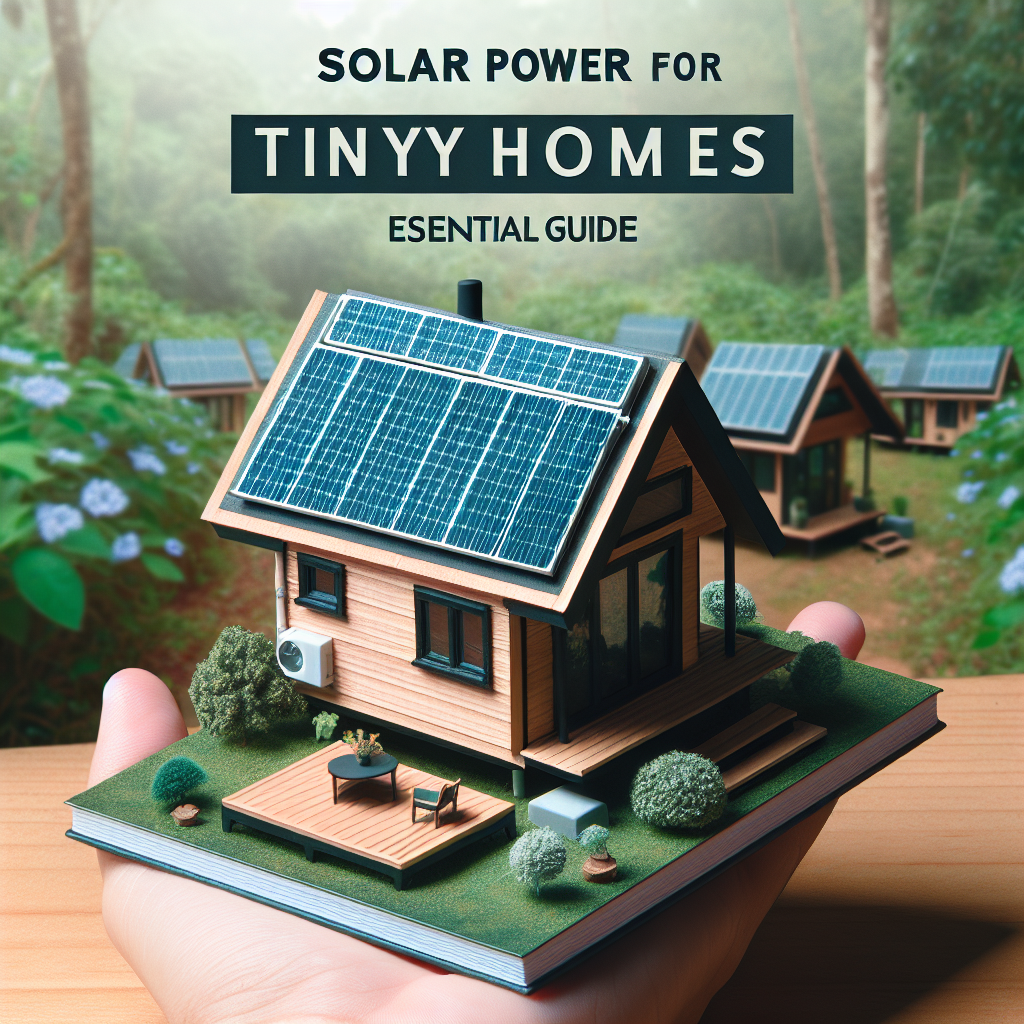
    Solar Power for Tiny Homes: Essential Guide

    Assessing Your Energy Needs

    Understanding Your Power Consumption

    Before diving into the world of solar power, you need to take a hard look at how much energy your tiny home really needs. This is the first and most crucial step. Think about everything that runs on electricity—lights, appliances, and even gadgets. Sometimes, it can feel overwhelming, but don’t stress. Grab a notebook, make a list, and note the wattage for each device you use.

    I usually recommend calculating your daily usage by estimating how many hours each device runs. For example, if you have a fridge that uses 200 watts and runs 24 hours a day, that’s 4,800 watt-hours daily. Don’t forget to add those small, often overlooked devices like phone chargers and LED lights!

    The goal here is to come up with an estimate of your daily energy consumption. This helps in choosing a solar system that’s just right for your tiny home. Believe me, getting this step right makes everything else easier down the line.

    Identifying Essential Appliances

    Once you’ve got a good handle on your overall energy consumption, it’s time to sift through and identify which appliances are absolutely essential. You might find that you can live without that toaster or a second fridge, which helps in reducing your energy needs. Prioritize appliances that enhance your lifestyle while keeping your energy draw in check, like energy-efficient LED lights or a small, energy-efficient microwave.

    Consider factors like usage frequency and wattage. If an appliance consumes more energy than it’s worth, it could be time to say goodbye. From my own experiences, downsizing appliances has made a big difference—not just in energy bills but in simply decluttering my space!

    This step is about making smart choices that fit your tiny home lifestyle while keeping energy costs low. Trust me, you’ll love the simplicity that comes with fewer gadgets sucking up juice.

    Calculating Size of the Solar System

    Okay, now comes the part where you actually size up your solar system! You have your energy needs figured out—now let’s put that to work. The type and size of solar panels you’ll need depend on your energy consumption and the average amount of sun you get in your area. You can use online calculative tools or even consult with a professional if you want some extra guidance.

    A good rule of thumb (just from my own journey) is that a typical tiny home might need anywhere from 300 to 1,200 watts of solar capacity. This depends on if you’re just aiming to run essential items or want to power everything. Based on what you calculated, you can then determine the number of panels needed. Grab a coffee; this part’s a little technical, but you’ve got this!

    Always consider the battery storage if you’re looking to use the energy when the sun isn’t shining. This setup can give you peace of mind knowing you’ll have power even on cloudy days! It’s a game-changer, for real.

    Choosing the Right Solar Equipment

    Understanding Solar Panels

    You’ve got your energy needs sorted—now it’s time for the fun part: choosing your solar panels! There are several types on the market. Monocrystalline panels tend to be more efficient, while polycrystalline panels are often cheaper but can be slightly less efficient.

    From my experience, I found that space can be a constraint in tiny homes. So, opting for a high-efficiency panel might be worth the investment, especially if you want to maximize that precious roof space! Remember to check for warranties and reliability, too; you’ll want panels that have a good track record.

    dive into some research, look into customer reviews and expert opinions. It’s okay to take your time here. After all, this is your energy future we’re talking about!

    Exploring Inverters and Charge Controllers

    Next on your list is understanding inverters and charge controllers. An inverter is crucial because it converts the DC electricity generated by your solar panels into AC electricity that your appliances use. You’ll definitely want a quality inverter to ensure everything runs smoothly without a hitch.

    Charge controllers, on the other hand, manage the power going into and coming from your batteries, preventing overcharging and ultimately prolonging battery life. It’s like having a little helper ensuring everything is balanced. Look out for MPPT (Maximum Power Point Tracking) controllers—they’re usually the most efficient and worth it!

    Investing in good quality components here can save you a ton of headaches later on, believe me. I’ve seen friends skimp on these parts, only to regret it when their systems fail unexpectedly. Do your research and make sure you’re picking the right gear! It’s all about getting the best for your tiny home.

    Battery Storage Solutions

    Battery storage is a must if you want independence and reliability in your power supply. When the sun doesn’t shine, having a solid battery storage solution allows you to keep using your appliances without worry. Look into lithium-ion batteries—they’re lightweight and pack a powerful punch!

    Again, make sure to assess how much energy you’ll need to store based on your earlier calculations. Some people may only need a smaller setup, while others with bigger energy needs will require larger battery banks. It’s about tailoring your energy system to your lifestyle—don’t hesitate to reach out for help if you’re confused!

    Don’t forget about maintenance and monitoring your system. Knowing how well everything is performing keeps you in control. Plus, it gives you peace of mind. Making the investment in good batteries pays off down the line—I can’t tell you how often I’ve had friends thank me for suggesting a decent battery storage system!

    Installing Your Solar System

    Preparing for Installation

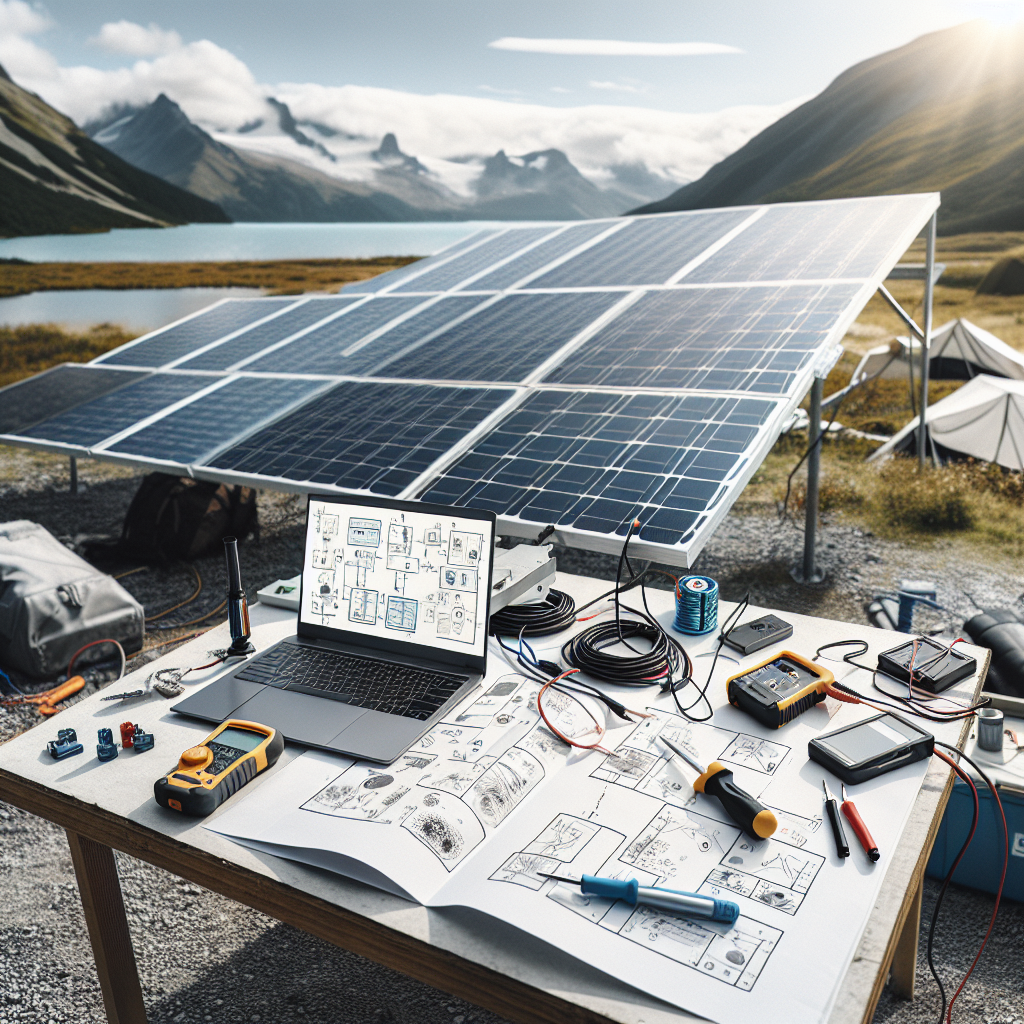
    When installation time rolls around, it’s super important to go into it equipped and informed. Depending on your comfort level, you could hire a professional or even go the DIY route. Just keep in mind, safety first! Make sure to have all your equipment, gear, and knowledge in line before jumping in.

    If you’re undertaking a DIY project like I did, make sure to read the manuals for every piece of equipment! They contain crucial information about wiring and handling. Sometimes, it’s in the details where trouble hides, so don’t skip the nitty-gritty guidelines.

    Before you start, consult local zoning laws or homeowner’s association rules. Trust me, nothing worse than finishing the job only to be told you need to take it down! It’s always a bummer when red tape gets in the way of your awesome solar setup.

    Executing the Installation

    On the day of installation, take your time! It’s easy to rush through things, but each step matters. Whether you’re mounting your panels or connecting the inverters and batteries, ensure that everything is secure and correctly wired. I recommend having a buddy help you out; it makes things not just safer but way more fun!

    Document your process with photos! Not only does it help in troubleshooting later, but it’s also an awesome way to chart your progress. Plus, it just feels good to see how far you’ve come. Remember to check all connections and ensure everything is operating as it should once everything is set up.

    Don’t forget about safety—work securely and in accordance with any local regulations. You’ll thank yourself later for being cautious now!

    Testing and Monitoring Your System

    Once everything is installed, the moment of truth has arrived—it’s time to test your system! I recommend checking voltage and ensuring everything is functioning like it should. You may want to invest in monitoring tools to keep tabs on production and performance over time. It’s all about having real-time updates on how your system is doing!

    Routine checks will help ensure that everything is running smoothly. It can be as simple as a monthly inspection to see if the panels are clean and that there’s no debris blocking sunlight. Make sure to also keep an eye on battery levels, which can indicate overall system health.

    Celebrate your achievements! Integrating solar into your tiny home journey is not just about saving money—it’s about embracing renewable energy and reducing your carbon footprint. A little effort yields a massive reward in terms of saving money and preserving the planet. You’re a champion for going solar!

    Maintaining Your Solar System

    Routine Inspections

    Keeping your solar system in top shape is essential for ensuring it performs at its best. I can’t stress enough how important routine inspections are. Looking over your panels for dirt or debris can make a significant difference in performance. Occasionally, a quick rinse with some water is all it takes to keep things efficient!

    Also, make sure that all connections remain secure and that aging components are taken care of before they fail. Being proactive here means you can dodge a lot of frustrations down the line. Maintain a record of these inspections, too—it can help you keep track of when things were checked last.

    Some folks hire professionals for yearly checks, which is worthwhile if you have the budget and want peace of mind. Just remember, a little maintenance goes a long way in ensuring your solar panels work effectively throughout their lifespan!

    Cleaning Your Solar Panels

    A clean solar panel is a happy solar panel! Dust, grime, and bird droppings can significantly cut down efficiency, so cleaning them periodically is a total must. Some people like to get up there with a sponge and hose, while others just let the rain do the work—which, honestly, can be surprisingly effective!

    If you live in a particularly dusty area or have lots of birds around, more frequent cleanings will help. In my case, I found having a cleaning schedule worked wonders. It didn’t take long, and the boost in performance made it worthwhile.

    Always ensure you take safety precautions while cleaning your solar panels. Depending on your roof type, it may be prudent to consult a professional for cleaning—or at least to show me how to do it safely!

    Keeping Up-to-Date with Technology

    The tech world is a whirlpool of constantly evolving innovations, and solar power is no different. Staying updated with the latest advancements can help you refine your solar power system. Whether it’s better battery options or more efficient panels, keeping your ear to the ground can save you money in the long run.

    You never know when a new product might help you save costs or improve efficiency. I spent some time researching new technologies and found incredible options when it came to inverters and batteries—some that have radically improved efficiency while being environmentally friendly!

    Engage with online communities or local solar workshops, as they can provide insights into experiences others have had. Staying informed can help you continue to embrace solar power and get the most bang for your buck as a proud tiny home dweller.

    FAQ

    1. How do I calculate my energy needs for a tiny home?

    Start by listing all of your appliances and devices along with their wattages. Estimate how many hours you use each one daily, then sum up the total watt-hours needed. This will give you a clear picture of your energy requirements.

    2. What type of solar panels should I choose for my tiny home?

    Monocrystalline panels are often the most efficient choice if space is limited, but polycrystalline may fit better if you’re on a tighter budget. Consider your specific needs and do research on panel efficiency and warranties.

    3. Do I need battery storage for my solar system?

    If you want to use power during the night or cloudy days, battery storage is crucial. It allows you to store excess energy generated during the day for use later on. Always consider your energy needs when choosing battery size and type.

    4. Can I install solar panels myself?

    Yes, many people choose the DIY route for solar installation. Just make sure you understand the technical aspects involved and always prioritize safety. It may also be helpful to consult professionals if you’re unsure about any steps.

    5. How do I maintain my solar panels?

    Routine inspections and cleaning are key. Look for dirt, grime, and check your connections regularly. A clean panel system works better and can save you on utility bills over time.

  • Solar Power for Remote Work Setup Guide

    Solar Power for Remote Work Setup Guide

    Understanding Solar Power Basics

    What is Solar Power?

    Let’s kick things off by breaking down what solar power really is. In simple terms, it’s energy harnessed from the sun, which we can convert into electricity. It’s like tapping into a giant battery in the sky that’s full of energy. Pretty cool, right?

    Solar panels, typically installed on roofs or in solar farms, capture sunlight and convert it to electrical energy using photovoltaic cells. These cells work their magic by allowing photons (light particles) to knock electrons free from atoms, creating a flow of electricity.

    Embracing solar power for your remote work setup not only helps reduce your carbon footprint but also can cut down on your utility bills. It’s like getting paid to work in the sunshine!

    Benefits of Solar Energy

    If you’re like me and you enjoy the idea of saving some cash while being eco-friendly, let’s dig into the benefits. First off, using solar energy reduces both your electricity bills and reliance on unstable energy markets.

    Secondly, solar energy is renewable. Unlike fossil fuels, which are finite and depleting, the sun isn’t headed for extinction anytime soon. So, you’ll always have a reliable source of energy for your work needs.

    Lastly, let’s talk about increased home value. Homes equipped with solar energy systems can be more attractive to buyers. It’s like adding a cherry on top when you decide to sell!

    Types of Solar Power Systems

    Not all solar systems are created equal. There are generally two main types of solar power systems: grid-tied and off-grid. A grid-tied system remains connected to the pavement, allowing excess energy to go back to the grid, sort of like sharing with neighbors.

    On the other hand, an off-grid system is your self-sufficient powerhouse. This setup is great for remote locations where the power grid doesn’t reach you. I have a buddy who lives in a cabin deep in the woods, and he swears by his off-grid solar system.

    Consider your power needs and location carefully when choosing your system. It’s important to find a balance that suits your work from home setup while keeping those energy bills low.

    Choosing the Right Equipment

    Solar Panels

    The first piece of the puzzle is choosing your solar panels. Look for panels with a good efficiency rating, meaning they convert more sunlight into usable energy. I learned the hard way that not all solar panels are created equally!

    Most panels come in two types: monocrystalline and polycrystalline. Monocrystalline panels are generally more efficient and take up less space. I opted for these after realizing how much roof space I had to cover.

    Do your own research or consult with a solar provider to find panels that fit your budget and energy needs. You don’t want to skimp on quality when it comes to generating your own power!

    Batteries

    Depending on whether you choose to go off-grid or not, batteries can be an essential part of your solar setup. Batteries store excess energy for use during cloudy days or at night when your panels are snoozing.

    There are various types of batteries available, with lithium-ion being one of the most common due to their long lifespan and ability to charge quickly. I remember being shocked at how much a good battery can cost, but they’re worth the investment in the long run.

    Choosing the right battery capacity depends on your energy needs and how long you want to stay powered during outages. It’s better to overestimate than underestimate!

    Inverters

    Inverters are the unsung heroes of your solar setup. They convert the direct current (DC) produced by the solar panels into alternating current (AC), which is what your devices use. Without an inverter, your solar energy wouldn’t do you a whole lot of good!

    There are two main types of inverters: string inverters and microinverters. String inverters are more common and suitable for most residential setups, while microinverters can increase efficiency in shaded areas. 

    When selecting an inverter, make sure it can handle your maximum energy output. Investing in a high-quality inverter can save a lot of hassle down the road and we all prefer smooth sailing, right?

    Installation Tips

    DIY vs Professional Installation

    Now it’s the moment of truth: installation! Depending on your skill set and comfort level, you might consider a DIY approach or hire professionals. I initially thought I could tackle it myself, but let’s just say I was glad to leave it to the experts.

    Professional installation can ensure that everything complies with local regulations and will likely come with warranties. Plus, these pros have the got-a-cool-solar-expert vibe that you might want to embrace!

    If you decide to go the DIY route, be sure you thoroughly research the process. There are plenty of online resources and kits available to guide you through it, but remember, safety first!

    Optimal Panel Placement

    Location, location, location! That’s the real estate motto, and it applies to solar panel installation too. To maximize the energy you capture, position your panels where they will receive the most sunlight throughout the day.

    Generally, south-facing roofs are ideal, but the angle and tilt can also affect output. I’d recommend consulting with a solar professional to get the perfect angle for your house. It’s a small detail that can make a huge difference.

    Don’t forget to think about potential shading from trees or buildings. A little shade can bring down your output significantly, so consider any factors that might obstruct sun exposure.

    User-Friendly Experience

    Finally, your solar power system should be user-friendly. Make sure any monitoring systems available are easy to use and offer real-time data, so you can track your energy production and consumption. This data can help you optimize your energy use.

    Some systems come with smartphone apps, which makes it super easy to keep an eye on things while sipping your coffee or binge-watching your favorite series. I find myself checking mine more often than I should, just out of curiosity.

    Make the most of the technology available, as it can play a big part in understanding how to tweak your solar usage for a more efficient and cost-effective experience.

    Maintaining Your Solar Power System

    Routine Maintenance Checks

    Now that you’re generating your own solar power, it’s essential to keep things running smoothly. Regular maintenance checks help ensure efficiency and longevity. I make it a habit to check on my system at least once a season.

    Cleaning the solar panels is often part of the routine. Dust, leaves, or bird droppings can reduce their efficiency, so keeping them clean is always a good practice. A soft brush and mild soapy water work wonders!

    Additionally, it’s wise to check the wiring and connections for any signs of wear and tear. Catching potential issues early can save you a lot of headaches down the road!

    Monitoring Energy Production

    Staying on top of your system’s performance is key. Many modern setups come with monitoring systems that track energy output in real-time. This cool tech can alert you if there’s a drop, which could mean something’s wrong.

    I’ve learned that being proactive about monitoring my system has helped me resolve issues quickly and even optimize for certain periods of high usage. It’s like having your own energy watchdog!

    Analyzing your energy generated over time can also help you understand seasonal variances and plan accordingly, whether it’s ramping up work during sunny months or using stored energy wisely during cloudy times.

    Long-term Planning for System Replacement

    Eventually, like all good things, your solar panels will reach a point where they need replacement. Most panels come with warranties ranging from 20 to 25 years, so plan accordingly. Knowing the lifespan of your system can help you budget for this future expense.

    When it comes time for replacement, consider newer technologies or upgrades that could boost efficiency. The world of solar power is constantly evolving, and you might find even better options than what you initially chose.

    If you keep up with maintenance and monitoring, you’ll have a much clearer understanding of when to replace your system, ensuring that you continue to harness the power of the sun effectively.

    Frequently Asked Questions

    1. What is the average cost of installing a solar power system?

    The cost can vary based on your location, the size of the system, and available incentives, but on average, you may be looking at anywhere from $15,000 to $25,000 before any tax credits.

    2. How long does it take to install a solar power system?

    Most installations can be done in a day or two, but don’t forget that permitting and inspection can add some time to the overall process.

    3. How does solar energy affect my property value?

    Typically, homes with solar power systems see an increase in property value. Many buyers find solar panels attractive due to the potential savings on energy bills.

    4. Can I use solar power during an outage?

    If you’re on a grid-tied system without batteries, no. But if you have an off-grid setup or a grid-tied system with a battery, you can power your home during an outage.

    5. Is solar energy environmentally friendly?

    Absolutely! Solar power reduces reliance on fossil fuels and decreases greenhouse gas emissions, contributing positively to the environment.

  • Solar Power 101: Beginner’s Guide

    Solar Power 101: Beginner’s Guide

    Understanding Solar Power Basics

    What is Solar Power?

    So, let’s kick things off with the basics! Solar power is a renewable energy source that harnesses the energy from the sun and converts it into electricity. It’s pretty fascinating, right? We’ve been getting energy from the sun since, well, forever, but technology has really caught up in making it accessible. With solar panels, sunlight strikes the cells and creates an electric current. It’s magic, but like, science magic!

    Now, what’s great about solar is that it’s not going anywhere. The sun shines, on average, 250 days a year in many places — that’s a ton of potential energy just waiting to be captured! With climate change being a hot topic (pun intended), solar power offers a cleaner alternative to fossil fuels, which is a huge win for Mother Earth.

    But hang on, we’re not just dreaming big here; solar installations are also getting more affordable! As technology improves and more folks start to use it, the costs have been coming down significantly. It’s a great time to be thinking about going solar!

    Types of Solar Power Systems

    Grid-Tied Systems

    First off, you’ve got grid-tied systems, which are the most common. These systems are connected to the utility grid. If you produce more energy than you consume, the excess goes back to the grid, and you might even get paid or receive credits. It’s like a mini loan system, but for energy!

    One thing I love about grid-tied is that you don’t need batteries. That means you can save money by not investing in energy storage. However, during a power outage, you lose power — but hey, you can always light some candles and have a cozy night in, right?

    This type of system makes it super easy to “plug into” the grid and gives you a backup, making it a solid choice for most homeowners!

    Off-Grid Systems

    Next up, the off-grid system. This one’s for the true independence lovers. With this setup, you’re completely disconnected from the utility grid, relying on solar panels and battery storage to stay powered. Think about it: the ultimate escape into nature without sacrificing modern comforts.

    While I admire the adventurous spirit of going off-grid, it’s also more complex. You have to ensure you produce enough energy to meet your needs and size your battery storage correctly. It’s like living in your own little bubble. Just picture yourself roasting marshmallows on a campfire while your friends are trying to figure out what’s wrong with the power at their houses. Jealous yet?

    But take note: living off-grid requires commitment. You’ve got to keep an eye on your energy usage and plan accordingly. It might just be the best thing you ever do or the biggest challenge — but hey, that’s the thrill of it!

    Hybrid Systems

    Lastly, let’s talk about hybrid systems, the best of both worlds. Picture this: you can connect to the grid but still have a battery storage solution as backup. This means if the power goes out, you’re still good to go. It’s like having your cake and eating it too!

    Hybrid systems allow you to maximize your energy independence while still having the safety net of the utility grid. I can’t tell you how relieving it can be knowing you’ll have power even when the grid falters.

    However, these systems can get pricier than the other two options, but if you’re looking for flexibility, it might just be worth the investment. Plus, you’re doing your part for the climate, so there’s that good vibe as well!

    The Benefits of Solar Power

    Cost Savings

    Let’s get to the juicy details: the benefits! One of the biggest perks of going solar is cost savings. After your initial investment in solar panels and installation, your monthly electricity bills can drop significantly. I mean, who doesn’t want to save some coins? It feels like you’re getting a little financial win every month!

    Not only that, but many states offer tax incentives and rebates for solar installations that can help offset costs. It’s like a cute little cherry on top of your energy cake. Look into what’s available in your area — you might be surprised!

    Plus, as energy prices continue to rise, the savings can snowball over time. Think of solar power as a long-term investment in your home’s value. When you sell your home, having solar panels can be a great selling point!

    Environmental Impact

    Then there’s the environmental impact, and let’s be real — this is a biggie. Switching to solar power can drastically reduce your carbon footprint. Less reliance on fossil fuels helps decrease air pollution and combat climate change. It feels great to know you’re helping save the planet!

    Every kilowatt-hour of solar energy generated avoids greenhouse gas emissions that come from burning fossil fuels. It’s the ultimate way to be eco-friendly while enjoying your energy without guilt! Everyone wins when we embrace clean energy.

    So, really, by investing in solar power, you’re making a change not just for yourself but for future generations. It’s like giving the earth a little hug!

    Energy Independence

    Another fantastic benefit is energy independence. With solar power, you’re not as beholden to large providers who keep raising their prices. Depending on your setup, you can generate your own energy, which gives you that sense of freedom we all crave. You’re literally powering your home! Talk about empowerment!

    This independence also leads to resilience against energy crises or shortages. In times of high demand or emergencies, you’ve got your own power supply to rely on. It’s a comforting feeling, especially if you live in an area prone to outages.

    And let’s be honest, in today’s world, who doesn’t want a little bit of that security? We all deserve to feel stable and self-reliant — and solar can definitely help you achieve that!

    How to Get Started with Solar Power

    Research Your Options

    Alright, you’re ready to take the plunge! First, the key here is research. Dive deep! Look into the different types of solar systems and see what fits your lifestyle best. I started by browsing various websites, talking to friends, and soaking up as much info as I could. Knowledge is power, especially in this arena.

    You should consider your energy needs, how much space you have for panels, and your budget. Every home is unique — it’s kinda like figuring out personal style, but for energy! Think about your goals. Are you looking to save money, be more eco-friendly, or both?

    Don’t forget to check out local regulations or incentives too. Some states have more benefits than others, and you wanna take advantage of what’s out there to help you make that switch smoothly.

    Consult with Professionals

    Next up, it’s time to chat with professionals. I can’t stress enough how helpful it was for me to reach out to solar consultants. They really helped break down all the intricate details. Plus, they can give you personalized advice based on your situation.

    They’ll assess your roof, discuss your energy usage, and tailor options that fit. It’s always a great idea to get quotes from multiple providers. Just like shopping for anything else, you want to compare prices, warranties, and services offered!

    And don’t forget to ask about installation timelines and maintenance plans. The last thing you wanna do is hop in without a good plan. So take your time here — patience is key!

    Installation

    Now we’re at the fun part — installation day! It may feel like a big deal, but think of it as a celebration of your commitment to clean energy. When the crew shows up, they’ll install your panels and connect everything to your home. It’s like unwrapping a present!

    During installation, they’ll go through some checks to ensure everything is working correctly, and they’ll explain how your system operates. I recommend sticking around to see it in action and ask any questions you might have. You’ll feel good knowing exactly how your new system works!

    After it’s up and running, it’s time to monitor your energy production! You’ll likely have access to an app or some online portal where you can watch your energy in real-time. It’s super fun and rewarding to watch your efforts pay off right before your eyes!

    Maintenance and Upkeep

    Routine Maintenance

    Once your solar system is up and running, you’ll want to think about maintenance. The good news? Solar panels require minimal upkeep. Just a bit of regular cleaning is usually enough because dust and debris can accumulate over time, especially if you live in a dusty area. I like to get up there a couple of times a year to wipe things down.

    Also, make sure to check that there aren’t any obstructions like trees or buildings that could affect the sunlight hitting your panels. Keeping things clear will ensure you’re getting the maximum benefit from your system! It’s about maintaining that sunny side up vibe.

    If your panels aren’t producing as much energy as expected, it could be a sign that something’s off. Reach out to your installer, and they can help pinpoint the problem before it becomes a major issue!

    Monitoring Performance

    Monitoring performance is key. Many systems come with monitoring tools that let you keep an eye on how much energy you’re producing. I love logging in every now and then and checking out the graphs and stats. It’s like watching your savings grow, except it’s with sunlight!

    If you notice significant drops in performance, reach out to a professional to assess. Efficient energy generation is the goal here, so staying engaged is essential. You might also find that your energy needs change over time, which is totally normal! Adjustments can be made to optimize your performance.

    Being proactive about your system means you can maximize your savings and continue benefiting from your investment in solar.

    Keeping Up with Upgrades

    Lastly, technology is always evolving, and it may be worth looking into upgrades as newer systems and technologies become available. It’s similar to how we update our phones for cooler apps; you want to stay current, so you can benefit from the latest and greatest.

    Speaking of upgrades, if you add more appliances or devices in the future, you may want to expand your solar setup. Keeping communication open with your installer will help you navigate these decisions when the time comes.

    The world of solar is constantly changing and improving, and staying informed means you’ll be ready to take advantage of any new opportunities that come your way!

    Frequently Asked Questions

    1. What is solar power?

    Solar power is energy harnessed from the sun using solar panels, which convert sunlight into electricity. It’s a renewable and clean source of energy!

    2. What are the types of solar power systems?

    There are three main types of solar power systems: grid-tied, off-grid, and hybrid systems. Each serves different needs and lifestyles.

    3. How much can I save with solar energy?

    Potential savings can vary, but many homeowners see significant reductions in their electricity bills after installing solar panels, and it can increase their home value.

    4. Do solar panels require maintenance?

    Yes, while maintenance is minimal, regular cleaning and checks are essential to ensure optimal performance of solar panels.

    5. Can I go off-grid with solar power?

    Absolutely! Off-grid solar systems allow you to be entirely self-sufficient, relying on solar energy and battery storage instead of the utility grid.

  • How to Transition Your Home to Full Solar Power

    How to Transition Your Home to Full Solar Power

    Assess Your Energy Needs

    Understanding Your Current Consumption

    Before diving headlong into the world of solar energy, it’s super important to understand how much energy you’re currently using. Take a peek at your electricity bills over the past year and look for trends. Are there months when your usage spikes? Maybe summer with all that air conditioning? Knowing your average monthly usage is the first step in sizing your solar system.

    Not only should you look at the monthly numbers, but also consider the hours during which you use the most electricity. Perhaps you run your dishwasher late at night or fire up all the LEDs in your home for movie night on Fridays. It helps to have a clear picture of your energy patterns.

    Also think about how many appliances you have running at any given time. Do you have high-energy uses like pool heaters or electric vehicle chargers? This understanding will dictate how much solar power you’ll need to produce to keep everything running smoothly!

    Future Projections

    Now that you’ve looked at your current consumption, it’s time to think about the future. Are you considering any major changes like adding electric vehicles or expanding your family? Having a baby or buying an electric car can significantly change your energy needs.

    Try to forecast your energy usage a bit. You can use a conservative estimated increase to account for future appliances or lifestyle changes. This way, you won’t end up with a system that’s too small down the road.

    Additionally, keep in mind that energy prices are usually on the rise, which means your traditional electricity costs will likely climb. Investing in solar now can save you a lot down the road as you won’t be as affected by these price increases.

    Conducting an Energy Audit

    Another smart step before going solar is to conduct an energy audit. This could be as simple as doing it yourself or hiring a professional. An audit will help to identify areas where you can improve energy efficiency in your home.

    Look for things like drafty windows, inefficient appliances, and insulation issues. Even small changes can add up to significant savings and can make your future solar system work even more efficiently.

    A good audit not only prepares you for solar energy but also gives you insight into how to lower your energy bills in the here and now. It’s a win-win if you ask me!

    Research Solar Options

    Types of Solar Systems

    There’s a whole world of solar technologies out there! At the basic level, you’ll want to choose between grid-tied systems, off-grid systems, and hybrid systems. Grid-tied systems connect with the utility grid while off-grid means you’re living it up totally independent.

    If you choose a grid-tied system, you benefit from net metering, which might allow you to sell back excess energy. That’s pretty sweet because it means some months you might actually get a check from your utility company!

    On the other hand, if you’re all about that off-grid life, you’re looking at battery storage and energy independence which can be super rewarding, but let’s be real, it often requires a bigger upfront investment.

    Solar Panel Types

    You’ll be faced with three main types of solar panels: monocrystalline, polycrystalline, and thin-film. Monocrystalline panels tend to be more efficient but are pricier. If space is limited, they might be the way to go.

    Meanwhile, polycrystalline panels are typically cheaper but can take up more room for the same power output. And then there’s thin-film, which can be flexible and lightweight but usually has the lowest efficiency overall.

    Understanding the trade-offs with these types will help you pick the right ones that suit your roof and energy needs!

    Finding a Reputable Installer

    After you’ve done your research, the next big step is finding a trustworthy solar installer. I can’t stress enough how crucial this step is! Reach out to multiple companies, read reviews, and check their certifications.

    A good installer will not only help with the logistics but will also provide you with valuable insight on the best solar options for your home. Don’t hesitate to ask questions; after all, your future solar energy needs are at stake!

    Also, look for companies that offer warranties and ongoing support. Solar isn’t a set-it-and-forget-it situation, and having someone to turn to if issues arise is invaluable.

    Financing Your Solar System

    Understanding Your Options

    So, let’s talk cash! Solar panels can be a serious investment upfront. You have various options, from buying outright, financing, leasing, or even power purchase agreements (PPAs). Each has its pros and cons.

    If you’ve got the cash flow for an outright purchase, that usually gives you the highest return on investment in the long run. However, if you’re less liquid right now, financing or leasing options are definitely worth a look.

    A PPA is where you pay for the power generated rather than the panels themselves. This can be appealing if you don’t want the hassle of ownership but want access to solar power.

    Incentives and Rebates

    Don’t forget to hunt down available incentives or rebates that can lessen the financial blow. Federal tax credits, state incentives, and utility rebates can significantly reduce the upfront cost of your solar system.

    Keep in mind these incentives hop in and out, so do your homework on what’s currently available in your area. You really don’t want to leave free money on the table!

    Your local solar installer should also be able to guide you through the available incentives, but it doesn’t hurt to have your own knowledge too.

    Long-Term Savings

    Investing in solar isn’t just about saving a buck today; it’s about planning for your financial future. With solar panels, you can significantly lower your monthly electricity bills—and in some cases, eliminate them entirely.

    Over the life of the system, which is typically around 25 years, those savings can really add up. Plus, you’ll be protected from rising energy costs and even improve your home’s value! Talk about a win-win!

    So, every time you see that sunny day, you can smile knowing that you’re saving money while helping the planet. It feels good, right?

    Installation and Maintenance

    Scheduling Your Installation

    Alright, you’ve done your homework and picked out your installer—now it’s time for the actual installation. The scheduling might take a bit, so it’s good to plan ahead. Most installations can be completed in one to three days, depending on how many panels are installed and the complexity of the job.

    Scheduling can also depend on your installer’s availability, as well as any necessary permits from your municipality. Patience is key here, especially if you’re excited to start harnessing that sweet solar energy!

    Make sure to check the weather reports for the installation days as well. They’ll want clear skies to work efficiently!

    Post-Installation Inspection

    After everything is installed, there’s likely to be a post-installation inspection. This is meant to ensure that everything is up to code and working properly. Trust me; you want this to happen because it gives you peace of mind!

    Your installer should walk you through your system, help you understand how everything operates, and show you how to monitor its performance. Take notes because this part is super useful.

    If you notice anything weird after installation, don’t hesitate to reach out to your installer for adjustments. Solar power is a long-term investment, and everything should work as expected.

    Regular Maintenance Tips

    While solar systems are generally low-maintenance, there are some things you should do regularly. Ensure your panels are clean and free from debris! Dust, leaves, and snow can hinder performance.

    If you live in a reasonably dusty area, you may want to rinse them off occasionally. Just remember, safety first! If you need to get on the roof, call in the pros unless you’re comfortable doing it yourself.

    Also, keep an eye on your energy bills and solar production. If you notice a sudden dip in energy output, it might be time for a professional inspection to troubleshoot any issues.

    Monitoring and Troubleshooting

    Tracking Your Energy Production

    Once your system is live, monitoring becomes essential. Most modern systems come with apps or online portals that let you track production in real time. This is not just cool to watch; it can clue you into issues with your system.

    Make it a habit to check in regularly. Not only can it be rewarding to see how much energy you’re producing, but it also helps catch any drops in production early on before they become bigger problems.

    Plus, you can have fun comparing sunny days to not-so-sunny days with family and friends! It’s a great way to keep the excitement about solar energy alive.

    Common Issues

    If things aren’t working as planned, don’t panic! There are common issues that can arise, and many solutions are relatively straightforward. For example, if you see drops in productivity, check for shading. Trees or new construction could be the culprits.

    Also, keep an eye out for any physical damage. If you spot any cracks or damage to the panels or wiring, that’s something an installer should check out right away.

    As always, regular cleaning and maintenance can offset many minor issues. Make that investment pay off!

    When to Call the Professionals

    If you’re not tech-savvy or just want reassurance, don’t hesitate to call the pros. Issues like inverter malfunctions or unusual spikes in your energy usage can create confusion, and it’s better to be safe than sorry. Your installer should offer ongoing support.

    Sometimes the solution can be simple, but a trained eye will know best. Building a relationship with your installer can be a game changer. They should be here to support you even after the installation is complete.

    These are your panels, your energy, and your wallet—ensuring they run smoothly is your priority. So, stay proactive!

    FAQs

    1. What is the average cost to transition to solar power?

    The cost varies depending on the size of your system and location, but on average, homeowners can expect to pay between $15,000 to $25,000 before incentives.

    2. How long does it take to install solar panels?

    Most residential solar installations take about one to three days, depending on the number of panels and your roof’s complexity.

    3. What happens if my solar panels produce more energy than I use?

    If you have a grid-tied system, you might be eligible for net metering, allowing you to sell excess energy back to the grid!

    4. Do solar panels require a lot of maintenance?

    Solar panels are generally low maintenance, but regular cleaning and occasional inspections are recommended to ensure optimal performance.

    5. Are there financial incentives for installing solar panels?

    Yes! There are federal tax credits, state incentives, and sometimes even local rebates available for solar installations, which can significantly reduce the upfront costs.