Tag: SOLAR

  • The Future of Off-Grid Solar: Innovations to Watch

    1. Advancements in Solar Technology

    High-Efficiency Solar Panels

    One of the most exciting areas in solar technology is the development of high-efficiency solar panels. These panels can convert a greater amount of sunlight into usable energy, making them ideal for off-grid applications. I’ve seen firsthand how these panels can significantly affect energy output. There’s this satisfaction from knowing that more energy means greater independence.

    The latest designs utilize advanced materials like perovskite and bifacial cells, which capture sunlight on both sides. It’s like they’re doubling down and saying, “Bring it on, sun!” The implications for off-grid users are monumental because higher efficiency means fewer panels needed for the same output.

    Imagine a vacation cabin that’s fully powered by just a couple of these high-tech panels. You wouldn’t have to sacrifice comfort and convenience just because you’re off the grid. How cool is that?

    Storage Innovations and Battery Technologies

    Moving to the next innovation, let’s talk battery tech. The heart of off-grid systems isn’t just the solar panels; it’s also how you store that energy. The latest breakthroughs in lithium-ion and solid-state batteries are game-changers. I remember when storage was a limiting factor for many, but now with these improvements, we can store energy more efficiently and safely.

    These new batteries are not only lasting longer but also charging faster. It’s a relief to know that we can harness energy during sunny days and utilize it at night without any significant losses. There’s something quite liberating about knowing that enough energy is available to power your essentials when you need them.

    Trust me, when you have a reliable energy storage solution, you can throw impromptu outdoor parties or movie nights under the stars without worrying about whether the lights will go out. Now that’s living your best off-grid life!

    Smart Technology Integration

    The integration of smart technologies into off-grid solar systems is kind of incredible. I’ve had personal experiences with smart solar management tools that allow users to monitor energy production and consumption via a phone app. It really gives you that sense of being in control.

    These systems often come equipped with AI algorithms that optimize energy usage based on your habits and forecasts. For instance, if they know you typically use more energy on weekends, they’ll ensure that your energy is well-managed in advance. I’ve found that makes a real difference in managing resources effectively.

    Plus, with features like remote troubleshooting and automated maintenance alerts, you can enjoy more peace of mind knowing that your solar setup is looking out for you.

    2. Affordability and Accessibility Improvements

    Cost-Effective Solar Products

    When it comes to off-grid solar, affordability is everything. It’s been incredibly exciting to see how the costs of solar panels and related products have been dropping over the last few years. I remember the days when going solar felt more like a luxury than a sustainable choice – but that’s definitely changing!

    More manufacturers are entering the market, driving down prices while simultaneously improving quality. As a result, consumers and small businesses looking to go off-grid are presented with incredible opportunities to find solutions without breaking the bank.

    It’s all about making off-grid living accessible to everyone. Even someone on a tighter budget can now consider a solar setup. Trust me, there’s nothing more fulfilling than knowing you’re making an eco-friendly choice without draining your wallet.

    Flexible Financing Options

    Another important piece in this affordability puzzle is the rise of flexible financing options. When I first looked into solar, I was blown away by the upfront costs. But now, many companies offer attractive financing plans like leasing or power purchase agreements (PPAs). It transforms the whole decision-making process!

    This means that you can start saving money on your energy bills from day one without having to pay the full cost upfront. It’s a win-win! You get to experience the benefits of clean energy while easing the financial burden.

    From what I’ve observed, this approach has opened the door for many families and individuals who thought living off-grid was out of reach. Now, it feels like anyone can step into this lifestyle with the right support.

    Community Solar Programs

    Lastly, community solar programs have gained traction, providing another way to make off-grid solar more accessible. These programs allow groups of residents to share the benefits of a single, larger solar installation. It’s a fantastic way for individuals who may not have suitable roofs or space for panels to join in!

    Through these programs, communities can pool resources to invest in solar technology together. I saw this taking shape in my neighborhood, and it was incredible to see neighbors uniting over a common goal: sustainability. It’s that sense of camaraderie that makes the journey worthwhile!

    Plus, with shared ownership comes shared savings. The return on investment is impressive when the community collaborates, ultimately leading to a brighter future for all involved.

    3. Policy and Regulatory Changes

    Incentives for Off-Grid Solar

    Let’s dive into the world of policy and regulatory changes. I’ve seen firsthand how government incentives can make a substantial difference in promoting off-grid solar adoption. Many regions are now offering tax credits and rebates aimed at reducing the cost of solar installations.

    These incentives can significantly lower the initial investment and thus encourage more people to consider going solar. It’s motivating to see how policymakers recognize the benefits of renewable energy and are acting to support individuals making the switch.

    This support essentially sends a message that we’re serious about sustainability and energy independence. It’s reassuring to know that you’re not alone in this journey but have support backing your efforts.

    Streamlined Permitting Processes

    Another aspect that often gets overlooked is the streamlining of permitting processes for solar installations. It can be a cumbersome experience, which is why I truly appreciate regions that have simplified the procedure. The effort to make it easier to go solar reflects the growing demand and recognition of its importance.

    This means less red tape and hassle for individuals wanting to install off-grid systems. I’ve felt the frustration of waiting on approvals, and anything that reduces that waiting game is a win in my book!

    As these processes become more accessible, it encourages more homeowners to invest in solar technology. More solar systems mean more clean energy — a true win-win!

    Collaborations Between Governments and Private Sector

    The collaboration between governments and the private sector is crucial for pushing forward the off-grid solar movement. I’ve read about several partnerships aimed at creating innovative solutions that drive down costs and improve accessibility.

    These collaborations often lead to pilot programs that test new technologies and approaches, providing valuable insight into what works best. It’s inspiring to witness these entities working together for a common cause, and it reaffirms my belief in the future of renewable energy.

    Knowing that there’s a combined effort to innovate and support off-grid solutions fills me with hope. It’s truly a beautiful thing when we can align motivations and goals toward a sustainable future.

    4. Increased Awareness and Education

    Community Workshops and Initiatives

    Education is key when it comes to solar energy, and I’m thrilled to see an increase in community workshops and educational initiatives. These programs demystify the solar installation process and show folks that going off-grid isn’t as complicated as it might seem.

    When I attended a local workshop, I was amazed at how many misconceptions were cleared up. It’s all about arming yourself with information and understanding the technologies available. It’s empowering to see communities become better informed and more enthusiastic about solar energy.

    These workshops often feature experts and testimonials from those who have successfully made the switch. Hearing their experiences solidifies the message that going off-grid is an achievable goal.

    Online Resources and Platforms

    In this digital age, a wealth of information is available online. A plethora of resources, from videos to blogs, is dedicated to educating individuals about off-grid solar. I’ve spent countless hours scrolling through this content, and it’s opened my eyes to numerous options and solutions I hadn’t considered before.

    Whether you’re looking for DIY installation tips or in-depth analyses of battery systems, the variety of online content allows everyone to find something that resonates. It’s a fantastic way to encourage more discussions about renewable energy and motivate others to take the leap.

    That continuity of learning builds strength in communities, where knowledge is shared, and everyone can benefit from the experiences of others. Together, we can harness that energy and create a movement!

    Advocacy Groups and Their Impact

    There are also numerous advocacy groups tirelessly working to spread the word about off-grid solar and its benefits. I’ve connected with some organizations that focus on promoting clean energy solutions in rural areas, providing resources and assistance to those wanting to switch.

    Their efforts are invaluable because they highlight the need for sustainable energy sources for those who may not have access to traditional power grids. I’ve seen how they tackle challenges head-on, pushing for change and raising awareness.

    Each voice counts in this movement, and the momentum these groups generate can lead to significant impacts in communities in need. It’s truly a collaborative effort toward a cleaner future!

    5. Emerging Markets and Global Trends

    Off-Grid Solutions in Developing Countries

    Off-grid solar isn’t just a trend in developed nations; it’s making waves in developing countries, too. These regions often lack access to reliable electricity, making solar an appealing option. I recently read about how off-grid systems are transforming lives in rural areas — helping families gain access to vital services, education, and opportunities.

    With affordable solar technology, local entrepreneurs are stepping up, creating jobs and fostering economic growth within their communities. It’s heartwarming to see how solar initiatives can bring about real change by empowering individuals.

    Seeing these transformations only strengthens my belief in the potential of solar energy to drive global progress. From lighting up homes to powering schools, the ripple effect of solar in developing countries is inspiring.

    Global Collaboration for Renewable Energy Initiatives

    The importance of global collaboration in renewable energy initiatives can’t be overstated. I love seeing international organizations and governments coming together to share knowledge, resources, and technologies. This united approach accelerates progress and brings about innovative solutions to global energy challenges.

    By learning from each other’s successes and mistakes, countries can adapt strategies that fit their unique circumstances. It’s amazing how one country’s success story can inspire another to take action.

    I’ve found that these discussions promote creative solutions to common problems and remind us we’re all in this together. A collective commitment to renewable energy can lead to groundbreaking advancements that change the world.

    Consumer Demand and Market Expansion

    With increased awareness comes expanded consumer demand, sparking a surge in the market for off-grid solar. As people become more eco-conscious and seek sustainable alternatives, the demand for solar products will only grow. I’ve noticed this shift firsthand, with neighbors and friends showing strong interest in green technologies.

    This shift has driven companies to innovate and provide a wider range of sustainable options. More players in the market mean more choices for consumers, which is exactly what we need! The competition helps keep prices reasonable and quality high.

    It’s thrilling to think about the kind of future we can build if we all continue pushing toward that demand for renewable energy. The best part? We can be part of the solution each step of the way!

    FAQ

    1. What are the key innovations in off-grid solar technology?

    The key innovations include advancements in high-efficiency solar panels, improved storage and battery technologies, and the integration of smart technologies that allow for better energy management.

    2. How do affordability and accessibility impact off-grid solar adoption?

    Affordability and accessibility have a significant impact as they encourage more individuals to consider solar solutions. With falling prices and flexible financing options, more people are able to invest in solar technology.

    3. What role do policies and regulations play in promoting off-grid solar?

    Policies and regulations, such as incentives and streamlined permitting processes, significantly influence the adoption of off-grid solar by making installations more cost-effective and easier for consumers.

    4. Why is education and awareness important for off-grid solar?

    Education and awareness help dispel misconceptions about solar technology. Workshops, online resources, and advocacy efforts inform potential users about the benefits, making off-grid living more attractive.

    5. How does the market for off-grid solar differ globally?

    The market for off-grid solar varies, with developing countries often utilizing solar solutions for essential services due to a lack of access to reliable electricity, while developed nations focus more on sustainability and innovation.

  • How Solar Generators Are Becoming More Affordable in 2024

    How Solar Generators Are Becoming More Affordable in 2024

    Technological Advancements in Solar Technology

    Breakthroughs in Efficiency

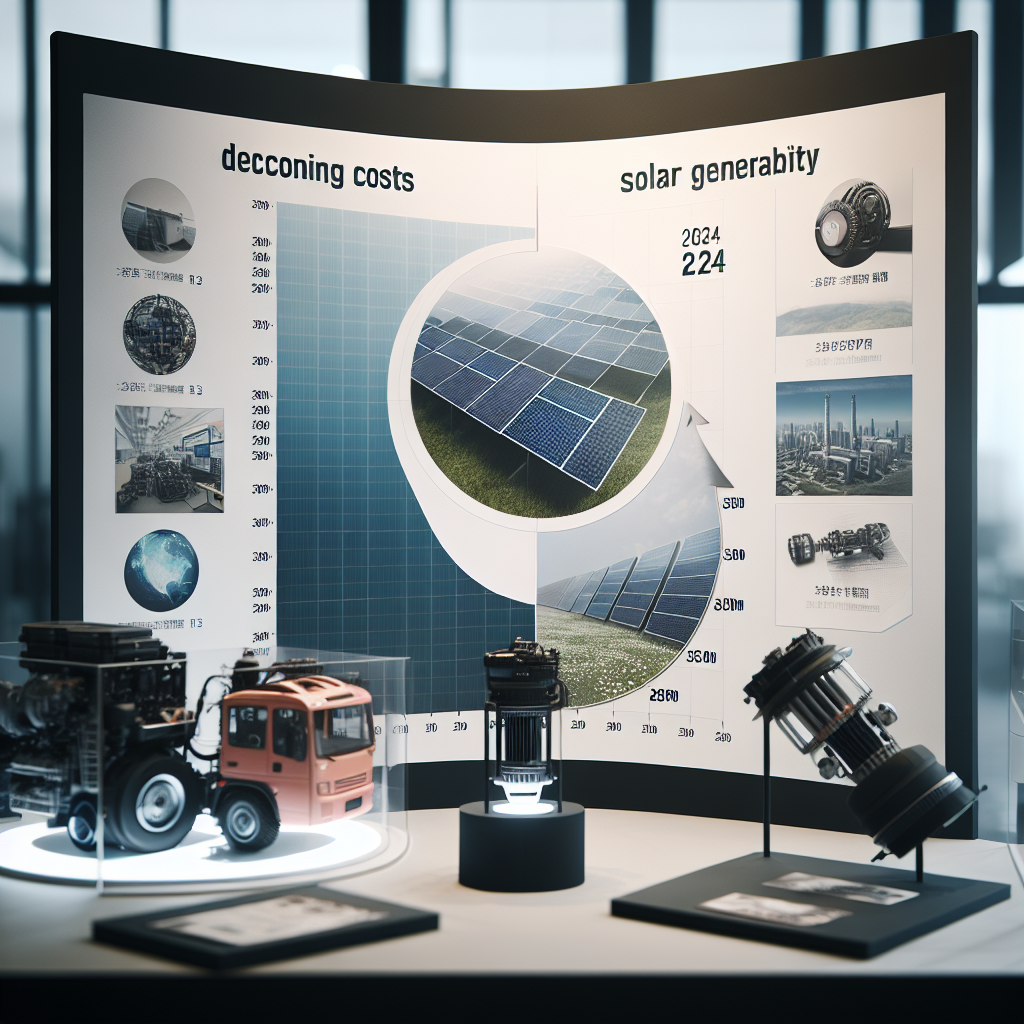
    Over the years, I’ve witnessed the incredible advancements in solar technology. It’s mind-blowing how scientific innovations have made solar generators more efficient. Systems that previously converted about 15% of sunlight into energy are now hitting numbers closer to 22%. Imagine what that kind of improvement translates to—more power, less space, and better output regardless of your installation area.

    One of the main drivers behind these breakthroughs is the development of new materials like perovskite. This new breed of solar cell isn’t just more efficient; it’s also cheaper to produce. Manufacturers are racing to implement these technologies, leading to competitive pricing, which ultimately benefits us consumers. When I see new panels hitting the market, it feels like every innovation pushes us closer to a green energy revolution.

    Efficiency improvements also come from better energy storage systems. Modern solar generators are integrating smarter battery systems that can store excess energy generated during sunny periods, making them more reliable when the sun isn’t shining. That means your investment goes further, and you can depend on these systems for a more consistent power supply.

    Decreased Manufacturing Costs

    Economies of Scale

    One of the biggest shifts I’ve noticed is how solar manufacturers are leaning into economies of scale. As demand for solar technologies rises, companies ramp up production, leading to significant cost reductions in manufacturing. This isn’t just a blip, either; it’s a long-term trend that’s solidifying the solar industry’s place in energy production.

    Buying solar panels used to feel like a luxury, but as more people embrace renewables, we’re looking at lower prices across the board. It’s kind of exciting to think that you’re not just saving on your electric bill but also contributing to a larger movement to make clean energy accessible to everyone.

    Plus, with more competition in the market, there are now tons of options for consumers. Everyone from small startups to big corporations is vying for our attention with innovative solutions that fit our budgets. It feels empowering to pick and choose what works best for my needs while also gushing over the cost savings.

    Government Incentives and Subsidies

    Financial Benefits for Homeowners

    Let’s talk money—who doesn’t love a good financial incentive, right? Governments worldwide are stepping up their game with initiatives that support solar energy adoption. From tax credits to rebates, I’ve seen firsthand how these incentives can drastically lower the initial cost of solar generators.

    When I went solar, the financial relief was a game-changer. The federal tax credit alone reduced my out-of-pocket expense significantly. It’s not just about getting free money; it’s a powerful nudge towards investing in sustainable energy solutions that we all benefit from.

    Moreover, local and state programs are popping up all over the place. Some offer low-interest loans specifically for solar installations. These help make the switch more accessible for families wary of high upfront costs. It turns the dream of clean energy into a more achievab le reality for countless folks. Feeling secure in making the switch because I know there’s financial backing? That’s a huge win in my book!

    Growing Acceptance and Awareness

    Social Shift Towards Renewable Energy

    Maybe you’ve noticed it too—the conversation around renewable energy is changing. It’s slowly becoming mainstream, and for good reason. We’re all feeling the impacts of climate change, and solar generators are often touted as a sustainable solution. This rising public awareness is driving change at an alarming rate.

    More and more people are realizing that solar isn’t just for eco-warriors or the tech-savvy; it’s for average people like you and me. I love chatting with friends about how they can save money and contribute to a greener planet. It’s nice to see that the narrative is shifting, making us all feel like we have a role to play in the larger scheme of things.

    There’s a wave of community-driven initiatives promoting solar energy, too. I’ve participated in local workshops and meet-ups, where folks swap stories and ideas about solar solutions. This collective effort not only builds awareness but also brings down costs as communities join forces to tackle solar installations together.

    Innovation in Financing Options

    Flexible Payment Plans

    When I started looking at solar generators, the financing options blew me away. Gone are the days where paying upfront is the ONLY option. Now, companies provide innovative financing solutions that help spread the cost out, allowing more people to transition to solar energy without breaking the bank.

    Think about it: programs such as solar leasing and power purchase agreements mean you can have a solar setup without the hefty upfront expenses. You can pay a regular monthly amount, which is often less than your electric bill. Talk about a stress reliever! This shift means I get to enjoy the benefits of solar energy now, while subtly saving money over time.

    The flexibility of financing alternatives has opened the doors for renters too. Not everyone owns their home, but that doesn’t mean those folks can’t take advantage of solar through shared solar programs or similar initiatives. It’s heartening to see even those who haven’t traditionally been involved in solar power finding ways to tap into the advantages.

    FAQ

    1. Why are solar generators becoming more affordable in 2024?

    Solar generators are becoming more affordable due to advancements in technology, decreased manufacturing costs, government incentives, growing public awareness, and innovative financing options. Each of these factors contributes to lowering the overall price for consumers.

    2. What technological advancements are impacting solar generators?

    Recent technological advancements include more efficient solar panels and better energy storage solutions, which allow for higher energy conversion rates and smarter energy management systems. This enhances the overall performance and reliability of solar generators.

    3. How do government incentives help in purchasing solar generators?

    Governments are offering various financial incentives like tax credits and rebates, making solar generators more affordable. These incentives help offset the initial investment and encourage more people to consider solar energy.

    4. What are the new financing options available for solar energy?

    New financing options include solar leasing and power purchase agreements that allow consumers to install solar generators without paying upfront costs. These plans spread costs over time, often resulting in lower monthly payments than traditional utility bills.

    5. How can I stay informed about new solar technologies and trends?

    Staying informed can be as simple as following reputable solar energy websites, subscribing to newsletters, or engaging in local community forums and workshops. The more we communicate about solar technology, the more educated we all become!

    There you have it! I hope this breakdown empowers you to explore solar energy with enthusiasm. After all, with so many changes happening in 2024, it’s an exciting time to go solar!

  • The Best Solar Panel Brands for Harsh Weather Conditions

    The Best Solar Panel Brands for Harsh Weather Conditions

    Hey there! If you’ve ever thought about going solar, you might have had concerns about how your panels would hold up in extreme weather. Trust me, I’ve been there! While most solar panels can handle typical weather, not all of them are built for the big league—like hailstorms, heavy snow, or scorching heat. In this article, I’m going to share my insights into the best solar panel brands that can weather the storm—literally! Let’s break this down into sections that will help you choose the right panels for your needs.

    Durability Under Extreme Conditions

    Understanding Weather Resistance Ratings

    When I first started researching solar panels, I came across a term called “weather resistance ratings.” These ratings are essential; they determine how well a solar panel can withstand extreme conditions. I learned that these ratings cover everything from strong winds to heavy snowfall. A panel with high ratings can take a beating!

    One key rating I always check is the hail impact resistance. The panels should be tested against hailstones of a certain size and speed. For instance, a panel that can withstand hailstones up to 1 inch without even a scratch is worth your investment!

    Keep an eye on certifications like IEC 61215 and IEC 61730; they speak volumes about the panel’s durability. Trust me—these ratings are not just numbers; they’re your peace of mind when the weather gets rough.

    Materials Matter

    Next up, let’s talk materials! The choice of materials can make or break a solar panel’s durability. In my experience, panels made with tempered glass are usually tougher against debris and hail since they are designed to withstand high impact.

    I also found that aluminum frames are common in better quality panels. They resist rust and corrosion, which is crucial for longevity, especially in humid or coastal areas. Ultimately, investing in the right materials can save you a headache down the line!

    So, when choosing solar panels, don’t ignore the kind of materials used. They play an integral role in ensuring your panels stand tall against the elements.

    Warranty Considerations

    Oh, the warranty! This is your safety net and something I definitely wouldn’t overlook. I always check how long the warranty lasts—most quality panels come with 25-year warranties. It’s like a promise from the manufacturer that they believe in their product’s durability.

    What I find particularly helpful are warranties that cover weather-related issues specifically. This shows the company stands behind its panels not just for performance but also for resilience in harsh conditions.

    In short, a robust warranty often reflects the quality of the solar panel. It’s worth digging into this aspect when considering your options!

    Efficiency in Variable Climates

    The Role of Temperature Coefficients

    So, here’s a fun fact: solar panels can lose efficiency as temperatures rise. I didn’t realize this at first, but the temperature coefficient is an important detail. It essentially tells you how much efficiency drops per degree Celsius increase.

    If you live in a particularly hot area, look for panels with a low temperature coefficient. Trust me, they’re worth the search. I’ve learned that these panels perform much better in scorching heat than their counterparts. Saves you time and money!

    In contrast, if you’re situated in a colder climate, panels that maintain efficiency even in low temperatures are a blessing. I’ve seen some exceptional brands that tackle all extremes effectively.

    Pmax Ratings and Real-World Performance

    The Pmax rating is another area I always check. It indicates the maximum power a panel can produce under standard test conditions (STC). However, real-world conditions vary, so the actual performance can differ.

    I usually recommend looking at real-world tests and consumer reviews to get a feel for how a panel actually performs under different weather conditions. Sometimes even the top-rated panels don’t shine in specific climates!

    This is where doing your homework pays off. Choose a panel with a solid reputation for maintaining power output across varying climates, and you won’t regret it.

    Adaptability to Local Conditions

    I can’t stress enough how local weather patterns can affect your solar panel performance. For instance, a brand that works wonders in a sunny desert might not be suitable for an area that experiences heavy snowfall.

    During my exploration, I discovered that some brands actually design panels with local weather conditions in mind. This means they’re built to handle what your region dishes out, and that’s a huge plus!

    So, consider not just the brand’s reputation but how well they adapt to local climates. This consideration makes all the difference.

    Top Brands to Consider

    Renowned Manufacturers

    Here’s the fun part! After digging through tons of data and personal experiences, I’ve found a few brands that truly stand out. For example, LG is known for their stellar performance under various weather conditions, from blistering heat to frigid cold.

    Then there’s Canadian Solar, which has a fantastic track record for durability. Their panels are rigorously tested for extreme conditions, making them a go-to choice for many homeowners in tough climates.

    Don’t forget about Q CELLS! I’ve heard many users rave about their efficient performance even in less-than-ideal weather. They maximize power generation and are built to last—what’s not to love?

    User Reviews and Community Feedback

    Diving into user reviews can be eye-opening. In my quest for the best, I turned to various solar forums and communities. Hearing from others who’ve lived with these brands during harsh conditions was invaluable.

    Many users shared their panels’ performance against storms or heavy snow, and this kind of real-life data can help guide your decision. I always advise checking these forums to get a sense of what to expect!

    Community feedback often reflects the brand’s actual reliability. Take a moment to gather real info from folks who have firsthand experiences.

    Cost vs. Performance Analysis

    Finally, let’s talk about cost. In my experience, balancing cost and performance is essential. Cheaper panels might have a poor reputation for durability, and when the big storms hit, you might end up paying more in repairs or replacements.

    I always suggest analyzing the long-term benefits versus the upfront costs. Sometimes paying slightly more for a reliable, tough panel pays off in the long run!

    On the flip side, it doesn’t hurt to be mindful of budget options. Some brands provide great value without skimping on durability, so keep your eyes peeled!

    Installation Quality

    Choosing the Right Installer

    Here’s something I’ve learned the hard way: the installation process is just as important as the panels themselves. It can be a game-changer in determining how well your system performs under harsh conditions.

    Finding a qualified installer in your area can make a huge difference. I always suggest checking their credentials, past projects, and customer reviews. A reputable installer knows how to adapt to unpredictable weather conditions, ensuring a tight fit and secure setup.

    Trust me; going with an experienced installer could save you headaches later. Make sure you choose someone who respects the intricacies of your location’s climate!

    Post-Installation Care

    Let’s talk maintenance! After installation, it’s crucial to keep an eye on your panels. Regular checks can help catch any issues before they become costly problems. Personally, I opted for a maintenance plan that includes routine inspections, and I’m so glad I did!

    If your panels collect debris or snow, a simple cleaning can enhance efficiency. It’s something I’ve implemented, and the results were significant! Investing in maintenance ensures the longevity and effectiveness of your solar system.

    So, don’t just set it and forget it. Being proactive about care can keep your panels in top shape, ready to take on whatever Mother Nature throws your way.

    Regular Performance Monitoring

    Lastly, I encourage performance monitoring. This could mean using smart monitoring systems that alert you if something’s amiss. I can’t tell you how beneficial mine has been; catching dips in performance early made a world of difference!

    Monitoring lets you easily track how your panels handle various weather conditions and helps in making informed decisions about maintenance or upgrades.

    In short, invest in tools that help you stay on top of your system. They can save you time, money, and a lot of stress!

    FAQ

    What is the best solar panel brand for harsh weather?

    While many brands excel, I’ve found that LG, Canadian Solar, and Q CELLS stand out for their durability and efficiency under extreme conditions.

    How do I know if a solar panel is weather-resistant?

    Check for weather resistance ratings, look for certifications like IEC 61215 and IEC 61730, and read user reviews specific to harsh weather performance.

    What maintenance do solar panels require in harsh weather?

    Regular inspections and cleanings are essential. Keeping them free from debris and snow can significantly enhance their performance.

    How do temperature coefficients affect solar panel performance?

    A lower temperature coefficient means the solar panel will lose less efficiency in hot weather, making it suitable for warmer climates.

    Are there warranties specific to weather-related damage?

    Yes! Many reputable brands offer warranties that cover weather-related issues, reflecting their confidence in their product’s durability.

  • How to Reduce Your Energy Bills with Solar Power Systems

    How to Reduce Your Energy Bills with Solar Power Systems

    Understanding Solar Power Basics

    What is Solar Power?

    Let’s kick things off with the basics. Solar power is energy that comes directly from the sun. Sounds simple, right? But there’s so much more to it! Basically, solar panels convert sunlight into electricity through a process called photovoltaic effect. When I first learned this, it felt like magic—turning sunbeams into energy to power my home!

    Not only is solar power renewable, but it’s pretty much an endless resource. I mean, the sun isn’t going anywhere anytime soon, so it just makes sense to tap into that energy source. And the best part? Once your solar system is up and running, harnessing the sun’s energy is practically free!

    Understanding these basics helps frame how solar power can impact your energy bills. It’s like having your own little power plant! This takes us to why many homeowners, including myself, are turning toward solar—because it’s a reliable and cost-effective way to reduce those pesky energy bills.

    Choosing the Right Solar System

    Types of Solar Panels

    Choosing the right solar system can feel a bit overwhelming, but trust me; it’s totally manageable once you break it down. There are mainly three types of solar panels: monocrystalline, polycrystalline, and thin-film. The first option, which I went with, is usually more efficient but can be pricier. Worth the investment, though!

    Polycrystalline panels are generally more affordable but slightly less efficient. Then there’s the thin-film option, which is lightweight and flexible but tends to take up more space for the same energy output. Figuring out what works best for your needs can take some research, but it pays off in the long run!

    When I upgraded my system, consulting with a solar expert really helped me make informed decisions. So, don’t hesitate to reach out for advice—figuring out the types of solar panels will lead you on the right path to saving on energy bills.

    Installation Process

    Finding the Right Installer

    Once you’ve settled on the type of solar system you want, the next step is installation. Finding a solid installer is crucial. I know all too well how important it is to work with someone dependable. Make sure to read reviews and seek referrals—it’s like buying a new car; you really wanna be sure of what you’re getting!

    An expert installer will walk you through all the necessary permits, and trust me, they know the ins and outs of what needs to be done—way more than I would! Plus, they can help predict how much you can save on energy bills with your new system, which is super helpful.

    After installation, keep in touch with your installer for any maintenance needs. A good installer won’t just drop the system and disappear; they’ll support you all the way, which helps ensure efficiency and savings down the line.

    Understanding Incentives and Rebates

    Financial Benefits of Going Solar

    Okay, let’s talk money! One of the coolest things about going solar is the financial incentives available. Depending on where you live, there might be federal, state, and even local incentives. These can significantly affect your overall costs and savings on energy bills.

    I took full advantage of the federal tax credit when I installed my solar panels—definitely one of my better financial moves. Plus, many states offer rebates that can help offset the costs of installation. So check your local programs because, hey, every little bit helps!

    Not to mention that solar energy is a long-term investment that pays off over time. Even with the upfront costs, the savings over the years just make sense! The best advice I can give here is to get familiar with these incentives. They can save you a chunk of change, which is always nice.

    Maintaining Your Solar System

    Simple Maintenance Tips

    Now that you’ve got everything in place, let’s chat about maintenance. Keeping your solar system running smoothly doesn’t have to be a hassle. First things first, I make it a point to keep the panels clean—dust, leaves, and debris can seriously cut down on efficiency.

    Checking for shading is also crucial. I once noticed a tree was growing and blocking sunlight—it was a real wake-up call! Trim any overhanging branches to maximize sunlight exposure. Regular checks can save a lot on energy bills and keep your system working like a dream.

    Lastly, stay in touch with your installer for check-ups. Having a professional routinely assess your system helps spot any issues before they turn into costly repairs. Proper maintenance truly makes a world of difference in performance and savings!

    FAQ

    1. How quickly can I expect to see savings after installing solar panels?

    Typically, homeowners begin seeing savings on their energy bills within the first month after installation. However, how quickly you see a return on investment depends on incentives and your local energy rates.

    2. Are solar panels still effective on cloudy days?

    Absolutely! Solar panels can still generate electricity even on cloudy days—though not at full capacity. They’re designed to harness as much light as possible, which is why they are still a good investment even in less sunny areas.

    3. What kind of maintenance do solar panels require?

    Most solar panel maintenance is straightforward. You should regularly clean the panels and inspect them for shading from trees or debris. Beyond that, an annual professional check-up is a good way to ensure everything is functioning well.

    4. Can I still use electricity from the grid if I have solar panels?

    Yes! If your solar system isn’t producing enough electricity (like during winter months), you can still pull energy from the grid. Many homeowners opt for a net metering system, which can allow you to receive credits for excess energy your panels generate.

    5. How long do solar panels last?

    On average, solar panels last about 25 to 30 years. Most manufacturers offer warranties for at least 25 years. As they age, their efficiency might decrease, but many still produce a significant amount of electricity beyond that time frame!

  • What You Need to Know About Solar Panel Recycling

    What You Need to Know About Solar Panel Recycling

    Understanding Solar Panels and Their Components

    What Are Solar Panels Made Of?

    So, let’s start with the basics. Solar panels are primarily made of silicon, which is a key ingredient in many electronic devices. This means that when you decide to go solar, you’re not just embracing renewable energy; you’re also dealing with materials that need special handling when they’ve outlived their usefulness.

    Along with silicon, solar panels contain various metals like silver and aluminum, as well as glass and plastics. Each of these materials has its own story when it comes to recycling, so it’s vital to understand what pieces are in your solar setup before disposing of them.

    In addition to the silicon and metals, you also have other components like the encapsulant and backing materials that can complicate the recycling process. The more you know about what your panel is made of, the better equipped you are to handle it at the end of its life.

    How Solar Panels Work

    Understanding how solar panels function sheds light on why recycling them matters. They convert sunlight into electricity through photovoltaic cells, which then power everything from your lights to your appliances.

    But when solar panels reach the end of their operational lifespan—usually around 25-30 years—they’re not just useless junk. Through effective recycling processes, the materials can be recovered and reused, reducing the demand for new raw materials.

    This process not only mitigates waste but also helps to lower overall environmental impact. The electricity generated during their life is clean and sustainable, and their recycling can ensure that impact continues in a different way.

    The Importance of Responsible Disposal

    Responsible disposal of solar panels is crucial. When improperly discarded, solar panels can contribute to e-waste issues that are already a global concern. They can leach harmful substances into the environment, affecting soil and water.

    Moreover, recycling solar panels promotes a circular economy. By recovering valuable materials, we can reduce mining and manufacturing of new resources, which often entails significant environmental costs.

    In short, thinking ahead about how we’re going to dispose of our solar panels can make a big difference in our sustainability efforts. It’s about more than just recycling; it’s about ensuring everything you invested in keeps giving back to the planet.

    Recycling Processes for Solar Panels

    Step-by-Step: How Solar Panel Recycling Works

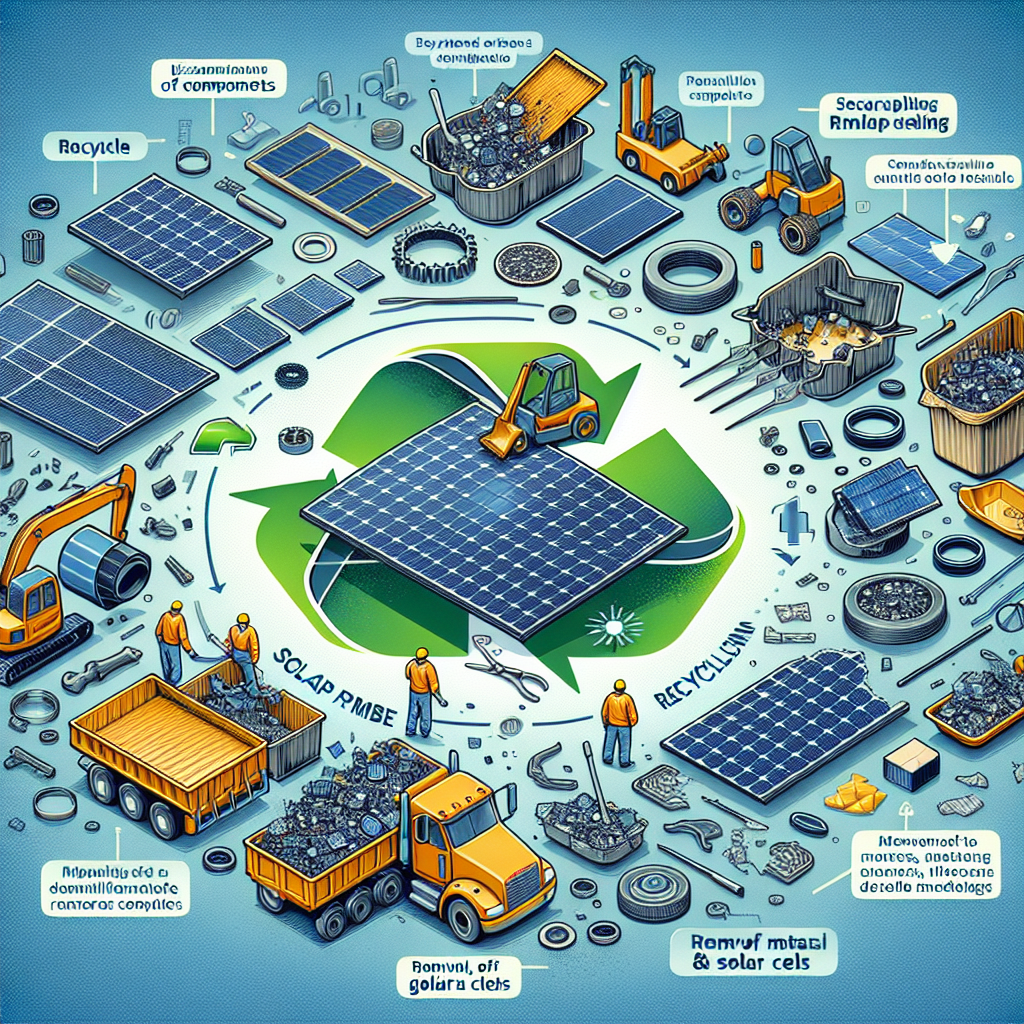
    So, how does the recycling process really work? It typically starts with the collection of the solar panels, where they are transported to a dedicated recycling facility. Here, they’re assessed for their materials and condition.

    Next up is the dismantling process. This is where the panels are broken down into their components, including glass, metals like silicon and silver, and various plastics. Each material is then prepared for its own recycling stream.

    Finally, each component is processed in a way that allows it to be reused in new products. It’s a fascinating process that helps us make the most out of what we have, turning the end of a solar panel’s life into new beginnings.

    Different Methods of Recycling

    There are different methods utilized in recycling solar panels. One common approach is mechanical recycling, where panels are physically broken down into their components. Each material is separated out for processing, which is efficient but can produce waste.

    Another method is thermal recycling, which uses high temperatures to melt and separate the materials. This can be more effective for certain substances but also requires a lot of energy.

    Some facilities even use chemical processes to recover materials, ensuring a more complete extraction of useful substances. Each method comes with its own pros and cons, and it’s interesting to see how evolving technologies are making recycling even more effective.

    Challenges in Solar Panel Recycling

    While the recycling of solar panels is essential, it’s not without its challenges. One of the biggest hurdles is the limited infrastructure for recycling, especially as more panels reach the end of their life cycle.

    Additionally, the processes involved can be quite technical and may not be accessible to every recycling facility. This lack of accessibility can lead to panels ending up in landfills instead, which totally goes against the whole reason we went solar in the first place.

    Understanding these challenges can inspire us to advocate for better recycling solutions and policies that prioritize sustainable practices in the solar industry. Ultimately, the more clouds we clear in terms of logistics, the brighter the future for solar recycling looks!

    The Role of Legislation and Policy

    Current Regulations Surrounding Solar Panel Disposal

    Legislation plays a crucial role in shaping the practices around solar panel recycling. In many areas, laws are being introduced that require manufacturers to take responsibility for their products at the end of their life.

    For instance, some countries have already implemented producer responsibility programs, where companies are obligated to manage the disposal and recycling of their solar products. This pushes for a much-needed shift in how we think about the lifecycle of solar panels.

    It’s vital to keep up with local and national regulations that pertain to solar recycling. Not only does this help hobbyists and manufacturers comply, but it also promotes broader environmental goals that benefit all of us.

    Future Legislation Trends in Solar Recycling

    As the solar market continues to grow, I foresee future regulations evolving to reflect that shift. We might see stricter standards for recyclability built into design requirements for new solar technologies.

    Additionally, incentives for using recycled materials in new products could become more common. This would further encourage manufacturers and consumers to think about sustainability as part of their energy solutions.

    Keeping an eye on these potential trends helps us stay proactive rather than reactive when it comes to the environment and energy solutions. It’s an exciting time for innovation!

    Advocacy for Improved Solar Recycling Policies

    Working together as a community to push for policies that enhance solar panel recycling can significantly influence the landscape of renewable energy. Advocating for better recycling practices can mean engaging with local governments and participating in discussions around sustainability.

    We can educate our networks about the importance of responsible disposal and the impact it has on the industry’s sustainability efforts. The more voices we have, the more likely we are to see changes in policies and practices.

    So join the conversation! Whether it’s through social media, local events, or community forums, being an advocate for proper solar panel recycling can foster change that echoes well beyond just our rooftops.

    Your Responsibilities as a Solar Panel Owner

    Knowing When to Recycle

    As a solar panel owner, it’s essential to know when it’s time to recycle your panels. Generally, if your panels are nearing or have exceeded their lifespan and are significantly underperforming, it’s time to consider your options.

    But not just performance is a trigger; if you notice any physical damage, such as cracks, or if they’ve been exposed to extreme weather conditions over time, that’s another sign they may need to be recycled.

    Staying informed about your system’s performance and efficient maintenance can extend the life of your panels, but eventually, everything reaches its end, and being prepared for that moment is crucial.

    Finding a Recycling Facility

    Once you’ve decided it’s time to recycle, the next step is finding a facility that can help you do that. Many local recycling centers are beginning to offer specialized services for solar panels, but it’s important to ensure they’re equipped to handle the unique materials involved.

    Doing a bit of research ahead of time can save a lot of hassle. Look for facilities that have certifications or partnerships with well-known recyclers. These indicators often demonstrate a commitment to environmentally responsible practices.

    Sometimes manufacturers of solar panels also provide take-back programs, so checking with your provider before deciding where to take your panels is a wise move. They may have specific solutions tailored to their products!

    Educating Yourself and Your Community

    Finally, the more you educate yourself about solar panel recycling, the better equipped you’ll be to share that knowledge with your community! Hosting a workshop or writing a blog post can help others understand why recycling is crucial.

    As the saying goes, sharing is caring! The more we spread the word, the larger the community we build around sustainable practices. Together, we can create a culture where recycling solar panels is the norm, not the exception.

    Let’s uplift each other and the planet by ensuring that our investments in solar energy don’t end up as waste. It’s about making a difference, one recycled panel at a time!

    Frequently Asked Questions

    1. Why is it important to recycle solar panels?

    Recycling solar panels is crucial to preventing e-waste, recovering valuable materials, and minimizing environmental impact. It helps support a sustainable lifecycle for the materials involved in generating solar power.

    2. What materials are recovered from solar panels during recycling?

    During the recycling process, valuable materials such as silicon, silver, glass, and aluminum are recovered. These materials can then be reused in new products, reducing the need for mining and new raw materials.

    3. How can I tell if my solar panels need recycling?

    Indications that you may need to recycle your solar panels include significant performance drops, physical damage, or if the panels are approaching the end of their lifespan (usually 25-30 years).

    4. Are there local facilities that recycle solar panels?

    Yes! Many local recycling centers are beginning to offer solar panel recycling services. It’s best to do a bit of research to find certified facilities that handle the recycling of solar materials.

    5. What can I do to advocate for better solar panel recycling practices?

    You can get involved by educating yourself and your community about solar recycling, attending local forums and workshops, and advocating for policies that support improved recycling initiatives. Every voice counts in the push for sustainability!

  • The Top Trends in Solar Energy Storage for Homes

    The Top Trends in Solar Energy Storage for Homes

    Increased Battery Efficiency

    How Efficiency Impacts Energy Storage

    When I first ventured into solar energy, I was fascinated by how battery efficiency plays a central role. Efficient batteries minimize energy wastage, allowing homeowners to utilize more of the energy they generate from their solar panels. Trust me, no one wants to spend money on a battery that’s only going to store half of what they produce!

    In recent years, manufacturers have made remarkable strides in developing batteries that can hold more energy while ensuring faster charging and discharging rates. It’s like when you finally get your coffee maker to brew that perfect cup—just makes the whole process smoother and more enjoyable!

    So, with increased efficiency, not only can we enjoy greater energy independence, but we can also lower our reliance on the grid, which is increasingly important in today’s world of rising energy costs.

    Understanding Storage Capacity

    The concept of storage capacity can be quite tricky. It’s not just about how much a battery can hold; it’s also about how usable that energy is over time. For instance, a large battery can sound awesome, but if it discharges too quickly, what’s the point?

    From my experience, investing in batteries with both high capacity and smart energy management systems is crucial. These systems help in optimizing when to store energy and when to use it. It’s like managing your finances; you’ve got to know when to save and when to spend!

    By understanding storage capacity better, you’re not just lighting up your home; you’re igniting your whole energy strategy!

    Longer Lifespans of Batteries

    No one wants to constantly replace their batteries. I’ve learned that longevity is key. Recent advancements in technology have engineered batteries to last longer than ever before. This translates not just to better efficiency but importantly, a better return on investment.

    With new materials and smart designs, manufacturers are now producing batteries that can handle numerous charge cycles without significant degradation. Imagine having a reliable energy source at home for years without the additional hassle of frequent replacements!

    This trend gives homeowners peace of mind, knowing they’ve invested wisely and joined the growing movement towards renewable energy.

    Integration with Smart Home Technology

    What is Smart Home Integration?

    Let me tell you, integrating solar storage with smart home technology is a game changer! This means connecting your solar storage battery with devices like thermostats, appliances, and even your home security system. It’s all about creating synergy between resources at home.

    For instance, your smart thermostat can optimize its usage based on energy stored, adjusting temperatures when energy is abundant. It’s like having a house that runs itself—pretty sweet, right?

    This integration not only enhances energy efficiency but also allows homeowners to monitor energy usage in real time, leading to better decision-making. I’m all for being more in control!

    Remote Monitoring and Control

    One aspect I really appreciate is the ability to monitor and control storage systems remotely. This means I can check how much energy I’m storing and using while I’m at work or even on vacation. It provides such peace of mind!

    Using apps on smartphones to tap into this data makes it easy to adjust settings, manage energy use, and even receive alerts when something needs attention. Knowing that I can intervene at any time gives me confidence that I’m maximizing my resources.

    Plus, the ability to run diagnostics and troubleshoot issues remotely saves time and money. It’s like having a personal assistant dedicated to monitoring my energy use!

    Seamless User Experience

    These advances have made solar energy batteries not just functional but also user-friendly. Honestly, I used to shy away from techy stuff, but manufacturers are really putting effort into creating intuitive interfaces. It just clicks!

    A seamless user experience means you don’t have to be an engineer to make your system work. With straightforward apps and easy-to-follow instructions, anyone can step into the world of solar energy with confidence.

    This reduces barriers for homeowners looking to adopt solar technology, promoting higher adoption rates. So, if you’re someone who likes things straightforward, you’re going to love this development!

    Cost-Effectiveness Improvements

    Price Reduction Trends

    Let’s get real for a second—cost is a huge factor when considering solar energy solutions. From my journey, I’ve seen how prices have dropped significantly due to advancements in technology and increased competition in the market. This means that going solar is more accessible than ever!

    As more companies enter the market, it drives prices down while also pushing innovation at an unprecedented rate. It’s like how computer prices have dropped—what was once unattainable is now a no-brainer for many families.

    With these improvements, many homeowners can now invest in solar energy systems without breaking the bank. You get to save money, and in the long run, it pays for itself. A win-win!

    Incentives and Financing Options

    Another fantastic trend I’ve seen is the emergence of better financing options and incentives. Different states and governments offer tax credits, rebates, and financing plans to ease the financial burden of transitioning to solar energy.

    This means it’s not just about the upfront costs anymore; there are now various pathways to make solar energy financially viable. For instance, some companies offer leasing options for solar systems, which can be a game-changer!

    These incentives help homeowners make informed decisions, allowing them to invest without the strain of a big one-time payment. It’s about making solar solutions work for anyone’s budget!

    Return on Investment (ROI)

    Speaking of finances, it’s essential to talk about ROI. When I first explored solar energy storage, knowing my total return over time became a significant decision factor. Thanks to the declining costs and advances in technology, ROI has never looked better!

    With lower upfront costs and substantial energy savings in the years to come, homeowners can expect to see their investments pay off quicker. This knowledge is a game-changer and offers peace of mind that such a move is worth every penny!

    Being able to forecast savings not only helps with planning but also makes future investments in energy solutions that much easier. It’s like budgeting for a vacation—knowing you’ll have that reward at the end makes the upfront sacrifice feel worth it.

    Emergence of Hybrid Systems

    The Hybrid Approach

    Hybrid systems are something I get really excited about! They combine different energy sources—solar, wind, and even traditional grids—to create a reliable power supply. For those who want the best of every world, this is what’s up!

    They also harness the most efficient energy source available at the time, ensuring that homeowners can utilize energy in the best possible way. Instead of being tethered to one source, you’re diversifying your energy portfolio!

    This flexibility is particularly beneficial in areas where sunlight isn’t always guaranteed. Solar when it’s sunny, wind when it’s breezy—can you feel that freedom?

    Combining Storage with Alternative Energys

    The combination of solar and other renewable energies allowing for diversified storage options fascinates me. Solar panels can work alongside geothermal or wind systems, and when you mix them, the total efficiency really skyrockets.

    This team-up can be the answer to those days when the sun isn’t shining as brightly as we’d like! It ensures that energy fluctuates less and reliability increases. Owning a solar system shouldn’t mean dealing with the frustration of unpredictability!

    The benefits are clear: reliable energy, diversified sources, and a more stable system protecting families from blackouts or price spikes. It’s definitely looking futuristic!

    Future Trends and Technologies

    As I dive into the future of solar energy, the blend of hybrid systems promises to unleash exciting innovations. We’re talking about smart grids and advanced forecasting technologies where AI could help us predict and optimize energy needs on the fly. How cool is that?

    The innovations pouring into hybrid systems create even more opportunities for sustainable living, improved energy efficiency, and—best of all—reduced environmental impact! It’s inspiring to think how these solutions can contribute to a cleaner planet for future generations.

    Embracing these trends means taking charge of our energy future. I can’t wait to see how we all benefit from these technological advancements down the line!

    FAQ

    1. What makes batteries more efficient in solar energy storage?

    Batteries have become more efficient due to advancements in materials and technology. They can store more energy and charge faster, minimizing wastage and maximizing the energy a home can use.

    2. How does smart home technology integrate with solar energy storage?

    Smart home technology allows homeowners to monitor and control their energy usage through apps, making it easier to manage how and when they store and use solar energy.

    3. Are there financial incentives to switch to solar energy storage?

    Yes, many governments offer tax credits, rebates, and financing options to encourage the adoption of solar energy, making it more affordable for homeowners.

    4. What is a hybrid solar system?

    A hybrid solar system combines solar panels with other renewable sources like wind or traditional grid connections, enhancing reliability and efficiency for energy supply.

    5. How long do solar batteries typically last?

    Modern solar batteries are designed to last many years, and advancements in technology mean that many new models have longer lifespans, often exceeding 10 years if properly maintained.

  • How to Maximize Your Savings with Solar Energy Tax Credits

    How to Maximize Your Savings with Solar Energy Tax Credits

    Understanding Solar Energy Tax Credits

    What Are Solar Energy Tax Credits?

    When I first heard about solar energy tax credits, I had so many questions. Essentially, these credits are a way for the government to encourage folks like you and me to switch to solar energy. They let you deduct a percentage of the cost of your solar energy system from your federal taxes. It’s like getting a bonus back at tax time!

    But it’s not just about saving money on your taxes. It’s also about making your home more energy efficient, which really pays off in the long run. If you ever thought about going solar, knowing about these tax credits is like having a secret weapon in your savings arsenal.

    Believe me, the benefits can be substantial. Depending on when you install your system, these credits can cover a huge chunk of your expenses. You might be able to reclaim thousands, which is pretty sweet, right?

    The Current Tax Credit Landscape

    One cool thing to keep in mind is that the solar tax credit is generally set at a certain percentage, which can change over the years. When I made the leap, the percentage was quite generous, making it an even better time to invest. Staying up-to-date with the latest info is crucial so you don’t miss out.

    Sometimes, I see folks get confused about when these credits expire or change. Don’t make the mistake of waiting too long! The more informed you are, the better decisions you’ll make, ensuring that you take full advantage of this aid.

    It’s also worth checking if there are state-specific tax credits available in your area. Some places offer additional benefits, and every little bit helps!

    Eligibility for Solar Energy Tax Credits

    If you’re like me, you want to make sure you qualify before jumping in. The good news is, if you own your home and have installed a solar energy system, you’re likely eligible! Even if you lease your solar panels, you might still be able to take advantage of these credits, depending on your arrangement.

    Moreover, the eligibility doesn’t just stop with residential installations. Businesses can also take advantage of solar energy credits. So whether you’re powering your home or a business, there’s a good chance you’re covered.

    But always double-check your eligibility criteria based on the most current laws and guidelines. It can change, and I don’t want anyone missing out simply due to a technicality!

    Choosing the Right Solar Provider

    Researching Solar Installers

    This is where the real fun starts! Choosing the right solar provider can really make or break your experience. I remember spending hours researching different companies, reading reviews, and getting quotes. Don’t rush this part—you want a trustworthy partner in this investment.

    Look for providers with solid reputations and experience in the solar industry. Ask around—word of mouth can be a powerful tool. Sometimes the quality of service varies greatly, so it pays off to do your homework.

    Also, don’t forget to check if they’re licensed, insured, and certified. You want peace of mind knowing that you’re working with professionals who know what they’re doing.

    Comparing Quotes Effectively

    I found that comparing quotes isn’t just about looking at the bottom line; it’s also about what’s included. Some companies might have hidden fees or charge more for warranty coverage. Break down each quote to see what you’re truly paying for!

    It can feel overwhelming at times, but I tackled it by creating a simple comparison chart. I listed all of the features and estimates, which really helped in making a decision that felt right. Plus, it strips away the confusion!

    Don’t hesitate to negotiate as well. Many providers are willing to work with you to get a deal that meets your budget and needs.

    Understanding Warranties and Maintenance

    Once I found a provider, I looked into what kind of warranties were included. A solid warranty can save you lots of money down the line if something goes wrong. I learned the hard way that not all warranties are created equal, so ask questions!

    Also, consider the maintenance aspect. Some providers offer maintenance packages that can extend the life of your system. Just like with any home investment, regular upkeep can make a world of difference.

    Your solar panels should last a long time, but knowing what type of maintenance you’re responsible for can save you big headaches later.

    Identifying Additional Incentives

    Local and State Incentives

    Aside from the federal tax credit, there are often state and local incentives too! I was pleasantly surprised when I found out about rebates and grants available in my area. It’s like finding extra change in your couch cushions.

    These local benefits can vary widely, so check in with your state’s energy office or do a quick online search to see what’s available. Knowing the ins and outs of these incentives can really boost your overall savings.

    Sometimes, utility companies offer perks for solar adopters as well! It’s worth asking about additional savings opportunities. You might be leaving money on the table without even knowing!

    Financing Options

    If upfront costs seem daunting, explore your financing options. There are personal loans, solar leases, or power purchase agreements available to help ease the financial load. I personally went with a loan that offered good terms, and it felt much more manageable.

    Make sure to read the fine print—certain financing solutions may not qualify for the same tax credits, and that could impact your overall savings. I learned this lesson the hard way, so trust me on this!

    Work with your provider to find the best financial approach that aligns with your budget and long-term goals. You want something that won’t break the bank but still allows you to enjoy those sweet energy savings.

    Reevaluating Your Energy Usage

    Before making the jump, I took a good hard look at my energy usage. Were there ways I could improve efficiency? Lowering my consumption dovetailed nicely with adopting solar energy. Before your system is installed, it’s a good idea to figure out what changes you can make to save even more.

    Simple adjustments like switching to energy-efficient appliances or using smart home technologies can maximize your solar savings. The cleaner your energy habits, the less you’ll rely on your system, maximizing your tax credits.

    It’s really all about being proactive and intentional, and every small change can add up over time.

    Documenting Your Solar Energy Expenses

    Keeping Accurate Records

    Now that you’ve gone through the whole process, let me tell you—keeping track of your expenses is key. I made a spreadsheet to document everything, from installation costs to additional maintenance fees. It really saved me during tax time!

    Storing your receipts and documentation in one easy-to-access spot is a game changer. Especially when it comes time to file your taxes, having everything organized makes the process much smoother.

    It also helps if you ever need to refer back to your investments or if you’re considering selling your home. Future buyers might appreciate the records of your solar energy system!

    Understanding Documentation Requirements

    Part of maximizing your savings is knowing what documents you need to submit for those tax credits. When I first started, I was confused about what the IRS wanted. When in doubt, consult a tax professional to clarify what you need.

    Commonly required documents include purchase agreements and proof of installation. Make sure you’re gathering these as you go so you don’t scramble when tax season kicks in. The easier you make it for yourself, the better!

    Having organized documentation can also speed up the filing process, meaning you can claim those credits and breathe a little easier knowing that your hard work is paying off.

    To Claim Your Credits Correctly

    Finally, once tax season rolls around, ensure you’re claiming your credits properly on your tax return. This is where getting professional help can really take the stress off your shoulders. I invested in a good tax advisor who walked me through the process. It was so worth it!

    They’ll know all the latest changes and can help you avoid missing any deductions. I remember how relieved I felt when everything was filed correctly, and those credits were applied!

    It’s all about taking action and ensuring those savings come back to you, so don’t leave money on the table just because the process seems complicated!

    Conclusion

    Maximizing your savings with solar energy tax credits involves understanding the credits available, choosing the right provider, and keeping comprehensive records. Each step not only helps you save money but also contributes to a more sustainable future. With a little effort and the right information, you’ll be reaping the benefits before you know it!

    FAQ

    1. What is a solar energy tax credit?

    A solar energy tax credit allows homeowners to deduct a percentage of the cost of buying and installing a solar energy system from their federal taxes, effectively reducing the amount of tax owed.

    2. How do I know if I qualify for a solar energy tax credit?

    If you own your home and have a solar energy system installed, you typically qualify. Even if you lease your panels, you might still be eligible. Always check the latest guidelines to ensure eligibility.

    3. Can I get state or local incentives in addition to federal tax credits?

    Absolutely! Many states and local governments offer additional incentives like rebates or grants, so be sure to research what’s available in your area.

    4. How important is it to document my solar energy expenses?

    Documenting your expenses is crucial for claiming tax credits. Keeping accurate records ensures you won’t miss any deductions and helps simplify the tax filing process.

    5. Why should I compare quotes from different solar providers?

    Different solar providers offer various pricing, warranties, and service levels. Comparing quotes helps you find the best deal, ensuring you get the most value out of your investment.

  • The Hidden Challenges of Installing Solar Roof Tiles

    The Hidden Challenges of Installing Solar Roof Tiles

    Understanding the Costs Involved

    Initial Investment

    Let’s talk about the initial investment. When I first decided to install solar roof tiles, I was shocked by the up-front costs. Unlike traditional solar panels, these tiles can be significantly pricier, and you really need to evaluate whether the long-term savings will be worth that hefty price tag.

    Once you add in labor and any necessary modifications to your roof, the costs can stack up quickly. Don’t forget to factor in permits and inspections, because those can also add more to your wallet than you might expect. If you think it’s just about the tiles, think again.

    In my experience, it helped to get several quotes and clearly understand what each included. This way, I could spot hidden fees or costs that might pop up later. Researching and budgeting is key in this initial phase.

    Hidden Maintenance Costs

    Another thing that caught me off guard was the maintenance costs. I assumed solar roof tiles would be super low maintenance because they’re, well, solar roof tiles. But after a bit of digging, I learned that like anything, they require attention too.

    Cleaning the tiles, addressing any damage or wear, and ensuring they function as intended can all incur costs. It’s wise to set aside a budget for maintenance even after installation. Trust me, it pays off to be prepared!

    Additionally, you might want to consider extended warranties or updates as technology changes over time. Staying ahead of the curve can ensure that your investment pays off well into the future.

    Long-Term Savings vs. Upfront Costs

    When it comes to long-term savings, my thoughts were mixed. On paper, solar roof tiles promise a reduction in energy bills and increased home value. But it’s not always straightforward. Sometimes, the actual savings can be less than expected, depending on local energy prices and available incentives.

    Make sure to thoroughly research local incentives as tax deductions, rebates, or even financing options that could help mitigate upfront costs. In some areas, utilities have programs designed to incentivize solar energy. You really want to tap into those!

    Ultimately, understanding these dynamics can help you see whether the long-term savings really make sense for your unique situation. It’s a balancing act that definitely requires careful consideration.

    Installing Solar Roof Tiles: The Technical Aspects

    Roof Compatibility

    One major hurdle I faced was roof compatibility. Not all roofs are created equal, and my charming old home with its steep pitch created some serious challenges during installation. Solar roof tiles require a sound roof structure.

    Before diving in, I had to seriously assess my roof’s condition. Cracks, leaks, or age can throw a wrench in things. If your roof needs repairs, prioritize that before even thinking about installing solar tiles.

    Getting a professional inspection helped me understand how to proceed. It could save you from frustration down the line if your roof isn’t compatible from the get-go.

    The Installation Process

    The installation process is more complex than one might expect. While I was excited to get started, there ended up being multiple steps I hadn’t anticipated such as removing existing roofing materials and ensuring proper alignment and sealing.

    Also, I wasn’t prepared for the time it would take. This is not a one-day job, and you might find the timeline stretching out longer than you expect. Patience was a virtue I definitely had to adopt.

    So, question whether your chosen installer is prepared for the technical aspects of solar roof installation. It can make a world of difference in avoiding headaches during the process.

    Understanding Technology

    Technology changes fast, right? Solar technologies can feel like they’re advancing daily. When I was looking into solar tiles, it was crucial for me to understand the different types and their efficiencies.

    Some tiles are more efficient than others, and keeping up with the latest developments can help prolong the life and effectiveness of your investment. I found it immensely helpful to chat with industry professionals who could explain the tech in layman’s terms.

    The more knowledge you have, the better equipped you are to make smart decisions about your solar installation and to choose products that offer the best return on investment.

    Permits and Regulations

    Navigating Local Laws

    Diving into local laws can feel like wandering through a maze. Each city or municipality has its own permitting process and regulations surrounding solar installations that I had to navigate. It felt overwhelming at times!

    Getting the right permits could take time and sometimes the wrong paperwork can lead to delays. I advise being proactive; talking to local officials and fully understanding what’s required can save many headaches down the road.

    Plus, some localities might have incentives or programs in place that can help you financially, if you know who to ask.

    Working with Authorities

    Finding the right contacts is crucial, too. It helped to build a relationship with the local authorities involved in permitting and inspections because they could provide guidance and clarity during the process. I kept open communication to ensure everyone was on the same page.

    It’s not just about checking boxes; it’s truly about understanding how to be compliant with the different rules in your area. Each area has its own set of regulations that can impact the workflow of your installation.

    Having a knowledgeable contractor can also help significantly since they’ve likely dealt with similar regulations numerous times before.

    Timeframes and Delays

    The timeframes for permitting and inspections can majorly affect your installation schedule. I learned this the hard way. What I thought would be a quick process turned into weeks-long waiting periods.

    With so many factors to consider, from reviewing applications to scheduling inspections, delays can often be outside of your control. I had to learn to adapt and be patient, which isn’t always easy—trust me!

    Double-checking timelines with your installer and building those potential delays into your planning can keep things from feeling like a total free-for-all. It just takes a little foresight!

    Potential Environmental Impacts

    Production Footprint

    Now that we’ve touched upon the nitty-gritty, let’s talk sustainability! Solar roof tiles seem like a no-brainer for environmental improvement. At least, that’s what I thought until I started looking into the production footprint.

    From the materials for the tiles to the energy used for manufacturing, I realized that not all solar tiles are created equally in terms of their environmental impacts. It’s crucial to research the brand you’re considering and understand how they produce their tiles.

    It’s always beneficial to go for companies that prioritize eco-friendly practices as much as possible. Remember, investing in sustainable energy should also align with sustainable practices.

    Lifecycle Management

    What happens once your solar roof tiles have reached the end of their lifespan? I hadn’t thought about this before diving into the installation. This raises questions about disposal and recycling. Some tiles can’t be just tossed in the trash and forgotten.

    Understanding the lifecycle of your solar roof tiles and how to responsibly recycle or dispose of them at the end of that life can influence your decision to install solar. The idea of “closing the loop” really matters in the sustainable energy realm.

    Companies that offer take-back programs or have a clear recycling path can help minimize your environmental footprint even further.

    Impact on Wildlife

    Lastly, I found that the installation of solar roofs can even have ecological effects. Think about birds, bats, and various local wildlife and how they might be affected by new installations. I’d never considered how the physical presence of solar tiles could change a local ecosystem.

    Doing a little extra research here pays off. Some studies suggest that certain solar installations can disrupt local habitats. This means understanding where to place your tiles is crucial.

    Chatting with environmental professionals or local wildlife organizations can yield insights into balancing your solar installation with local ecology.

    Choosing the Right Installer

    Finding Trusted Professionals

    All this brings us to one of the most vital elements of the process: choosing the right installer. Honestly, the perfect installer can make or break your entire experience with solar roof tiles. You want to do your homework and look for someone reputable.

    Ask around in your community for recommendations, look up reviews online, and don’t shy away from asking potential installers tough questions about their experience and qualifications. This is an investment, after all!

    Trust is essential, and making sure you hire someone who’s experienced can really lessen the burden and anxiety associated with the whole installation process.

    Getting Detailed Quotes

    Make sure to get detailed quotes from multiple installers. I’ve often found that installer estimates can wildly differ, and knowing exactly what is included can help you avoid nasty surprises down the line.

    Be wary of bids that seem too good to be true! Those lowball estimates can often mean cutting corners. You want to know the quality of materials and expertise is what you’re paying for.

    Engage in discussions with installers early and often. Clarifying what’s included ensures you are on the same page and can lead to a smoother process overall.

    Warranties and Guarantees

    Finally, keep an eye on warranties and guarantees. A good installer will stand behind their work, and you want that protection in case something goes wrong with your tiles. Don’t skip the fine print!

    Ask about not only the warranty on the solar roof tiles but also the installation itself. This safeguard will give you peace of mind as you enjoy your new energy-efficient home.

    Being diligent here can make a world of difference if you encounter issues after the installation is completed. It’s worth taking the extra time to ensure you’re covered.

    FAQs

    1. How much do solar roof tiles typically cost?

    The cost can vary widely depending on the type of tiles, your roof structure, and installation complexities, but generally, you can expect to pay more for solar roof tiles than traditional solar panels. It’s best to get multiple quotes for an accurate figure.

    2. Are solar roof tiles better than traditional solar panels?

    That totally depends on your goals! Solar roof tiles are often more visually appealing and integrate directly into your roof, while traditional panels might provide better efficiency for the cost. It’s about what fits your needs and aesthetic better.

    3. What kind of maintenance do solar roof tiles require?

    Solar roof tiles require periodic inspections, cleaning, and upkeep to ensure they remain efficient. These tasks will help catch any potential issues before they become major problems, giving you more peace of mind.

    4. How long does the installation process take?

    The installation process can vary based on installer experience and your roof’s condition. On average, it could take anywhere from a few days to a couple of weeks. Always discuss timelines with your chosen installer to set clear expectations.

    5. What happens at the end of the solar roof tiles’ lifecycle?

    It’s essential to consider disposal methods before installing. Some manufacturers offer recycling programs, while others might have strict disposal requirements. Be sure to research sustainability practices before making your choice!

  • How Solar Panels Are Improving Energy Security for Homeowners

    How Solar Panels Are Improving Energy Security for Homeowners

    Enhanced Energy Independence

    Breaking Free from the Grid

    Let me tell you, there’s something super liberating about generating your own power. I’ve always found that having solar panels installed provides a solid sense of freedom. You’re not fully reliant on the electrical grid anymore, which can be pretty unpredictable at times. It feels good knowing that I’m producing my own energy, especially when the utility prices suddenly spike.

    Plus, in our current world where extreme weather can mess with power deliveries, it’s nice to have a backup. With solar panels, if the grid goes down, I at least have my own little power station to keep the essentials running. Believe me, that peace of mind is priceless.

    In a way, it’s like having a little slice of independence. No more worrying about fluctuating energy costs or crazy bills—my energy is generated right on my roof!

    Long-term Financial Savings

    Okay, let’s chat about the wallet! Going solar isn’t just about being green; it’s about saving some green too. Initially, when I considered solar panels for my home, I was a bit hesitant due to the upfront costs. But let me tell you, over time, those savings add up!

    With solar panels, my electric bill has practically plummeted. A big chunk of what I used to spend on energy is now going towards my investment in solar. Not to mention, in many places, there are tax credits and incentives that help lighten that initial load. Seriously, it’s like the government is cheering us on to go solar!

    Once those panels are paid off, it’s like getting free energy for life. Talk about a long-term savings plan! The longer I have my solar setup, the more I feel like I’m investing in my future.

    Boosting Property Value

    Here’s a little nugget I didn’t see coming: installing solar panels can actually boost my home’s value. It’s pretty wild, right? When I decided to put in solar, I didn’t just want to cut costs; I was also looking to up my game for potential future buyers.

    Real estate markets have been all a buzz about homes with solar energy systems. Many buyers are on the lookout for homes that can help reduce their carbon footprints while also saving money. Having solar panels set me apart in a competitive market, making my home not just a place to live, but a sustainable haven.

    So, if I decide to sell down the line, I can rest easy knowing that my investment in solar will likely yield a return. It’s like a win-win situation for me as a homeowner!

    Resilience During Emergencies

    Powering Through Blackouts

    I’ve had my fair share of power outages—those moments when the lights flicker and then go out, leaving you with a sense of helplessness. But since getting my solar panels, those feelings have shifted dramatically. With a battery backup, I’m now able to keep my essential appliances running during outages.

    That kind of reliability is such a game-changer. In emergencies, when the grid goes down, I still have access to power. It’s comforting to know that I can charge my phone, keep the fridge running, and maybe even power that TV to catch up on the news or binge-watch my favorite shows.

    It’s all about being prepared, and having solar panels has made my home resilient in the face of unexpected challenges. I feel ready to tackle anything that comes my way!

    Contributing to a Sustainable Future

    Let’s not forget about the bigger picture. I’m thrilled to be part of the renewable energy revolution. Using solar panels means I’m doing my bit for the planet, and I love knowing I’m not contributing to the same old carbon emissions that diesel or coal generates.

    Every day, I feel like I’m making a difference just by powering my home sustainably. It’s a kind of action that aligns with my values, and that’s a pretty fantastic feeling. Who knew that going solar could also feed my eco-friendly spirit

    Encouraging others to consider solar has become a fun conversation starter too! I’ve had friends reach out asking about my experience and the benefits, which just creates more awareness about sustainability. This is how we create positive change!

    Reducing Environmental Impact

    Reducing my carbon footprint is something I’ve always been passionate about, and going solar is a key part of that. It’s hard to ignore the evidence; fossil fuels contribute significantly to climate change, and turning to solar energy is like giving the planet a high-five.

    Since switching to solar, I have a clear sense of contributing to something larger. It’s all about creating clean energy, and each kilowatt produced by my solar panels is one less generated from non-renewable sources.

    This shift not only feels good personally, but it also feels right socially. I feel empowered knowing that I’m part of a movement that promotes clean, renewable energy for future generations.

    Access to Government Incentives

    Understanding the Benefits

    Alright, this part is super important! When I first dove into the solar energy world, I was amazed by the various government incentives available. From tax credits to rebates, there’s money on the table for those willing to invest in solar.

    Getting familiar with these incentives was a game-changer for me financially. In my state, I discovered that I could significantly lower my installation costs and even get credits back when filing taxes. Money back? Yes, please!

    These programs often change, so keeping an eye on potential benefits can truly make a difference in the overall cost and accessibility of solar energy. Don’t leave it on the table!

    Financing Options Available

    When it comes to going solar, I get that upfront costs can feel overwhelming, but financing options have become so flexible. This was definitely a sigh of relief for me! I’ve learned about power purchase agreements (PPAs), solar loans, and leasing options that make solar accessible to more folks.

    Having choices meant I could select the best financial route that worked for my budget. Not everyone can shell out a big chunk of change upfront, and these options allow many homeowners to enjoy the benefits of solar without breaking the bank.

    Knowing I have financial flexibility when going solar opened the door for a lot of people to consider the switch. The solar energy revolution doesn’t have to be out of reach!

    Long-Term Returns on Investment

    Lastly, becoming aware of long-term ROI truly opened my eyes! Installing solar panels isn’t just a trend; it’s a long-term investment that continues to pay dividends over the years.

    Thinking about it, each month when I check my energy bill, and see the savings, I feel like I made a smart move. Plus, the long lifespan of solar panels means that I’ll likely be reaping the benefits for years to come—way beyond the initial costs.

    With energy prices on the rise, knowing I’m locked into lower, predictable payments for generated energy helps keep my budget in check. It’s that peace of mind about future stability that reassures me I made the right decision.

    FAQs

    1. How much can I save on my electricity bill with solar panels?

    While savings can vary based on your location and energy usage, many homeowners see significant reductions, often by 50% or more. Over time, this adds up to substantial savings.

    2. What are the upfront costs of installing solar panels?

    Yes, upfront costs can be substantial, typically ranging from $15,000 to $25,000. However, local incentives and financing options can significantly lower this cost.

    3. How long do solar panels last?

    Most solar panels come with warranties that last 20 to 25 years and can continue to produce energy beyond that. Regular maintenance helps in prolonging their lifespan.

    4. Can I still use power from the grid with solar panels?

    Absolutely! Many solar panel systems are grid-tied, allowing you to draw energy from the grid when necessary. This dual system enhances reliability.

    5. What should I consider before installing solar panels?

    Key factors include your roof’s orientation, local climate, budget, and available incentives. Consulting with a solar professional can help clarify what’s best for your situation.

  • The Top Solar Power Systems for Eco-Friendly Living

    The Top Solar Power Systems for Eco-Friendly Living

    1. Understanding Solar Power Systems

    What are Solar Power Systems?

    Solar power systems harness the energy from the sun to generate electricity or heat. Essentially, they convert sunlight into usable energy, either for your home or businesses. Just imagine getting all that energy for free! Personally, when I first tried to figure out how solar worked, it honestly blew my mind. The technology has come a long way and it makes it easier for anyone to switch to renewable energy.

    There are two primary types of solar systems: photovoltaic (PV) systems and solar thermal systems. PV systems use solar panels to convert sunlight directly into electricity, while solar thermal systems use the sun’s heat to produce hot water or steam for heating purposes. Each has its unique benefits, and the choice depends on your specific needs and setup.

    Understanding how these systems work lays the foundation for making a smart investment. From my experience, taking the time to grasp the basics really helps when selecting the right options for your eco-friendly living goals.

    Benefits of Solar Energy

    Going solar has a ton of benefits—both for you and for the environment. First, it drastically reduces your electricity bills. I’ve personally noticed a massive drop in my utility payments since going solar. This savings can be redirected into other enjoyable or necessary expenses.

    Secondly, solar energy is renewable and abundant. Unlike fossil fuels, which are on this never-ending depletion path, sunlight is free and available everywhere. It’s a clean source of power, making it a critical piece in reducing our carbon footprint and fighting climate change.

    Lastly, in many places, government incentives and rebates make switching to solar even more affordable. If you’re like me, every bit of financial assistance counts. Even just being aware of these can help during the installation process.

    Types of Solar Power Systems

    As a homeowner, I found it essential to delve into the types of solar power systems available. The most common types are grid-tied systems, off-grid systems, and hybrid systems. Grid-tied systems connect to the local electric grid and allow you to draw power when your solar system isn’t producing enough energy.

    On the flip side, off-grid systems operate independently of the electric grid. These are typically outfitted with battery storage, which means you can access energy no matter the time of day. This is an excellent option if you live in a remote area or just want complete independence from traditional electricity sources.

    Hybrid systems offer the best of both worlds by integrating grid access with battery storage. Some nights the grid takes care of us, while during sunny days, we rely on solar. It really allows for flexibility and maximization of renewable energy use!

    2. Choosing the Right Solar Panels

    Types of Solar Panels

    When I started my solar journey, I quickly learned that not all solar panels are created equal. There are three main types you’ll encounter: monocrystalline, polycrystalline, and thin-film. Monocrystalline panels are known for their high efficiency and sleek design, which is great if aesthetics matter to you.

    Then, there are polycrystalline panels. While they’re generally less efficient than their monocrystalline cousins, they’re often more budget-friendly. If you’re like me and need to watch your wallet, this could be a suitable option.

    Lastly, thin-film solar panels are lightweight and flexible, making them easy to install in various spaces. However, they typically require more roof space, as they have a lower efficiency than the other two. Choosing the right panel is crucial, and once you understand the differences, it becomes easier to weigh your options.

    Factors to Consider When Selecting Solar Panels

    Choosing solar panels is more than just picking a pretty color. There are several factors to consider. First, you need to think about efficiency. Higher efficiency means better performance and less space needed on your roof. Personally, I wanted panels that weren’t just pretty but wouldn’t require me to clutter my roof with tons of them.

    Next is durability. Look for panels with robust warranties and a solid track record. I went with a brand known for its longevity and performance, and it’s paid off so far with no issues. Choosing panels meant to withstand extreme weather can save you from future headaches.

    Lastly, pay attention to the cost versus output ratio. Sure, a cheap panel may look good on your budget sheet, but if it produces less energy over time, it might not be worth it. That’s where research and reviews come into play, and I found plenty of resources online to help me navigate this process.

    Installation and Maintenance of Solar Panels

    Once you’ve chosen the perfect solar panels, it’s time to talk about installation. I must say, finding a reputable installer made all the difference for me. I did my homework and selected a company with strong reviews and a solid warranty, which alleviated many of my worries.

    Post-installation, maintaining your solar panels is essential. They’re pretty low maintenance, but I still check them regularly for debris and dirt—especially after heavy storms. A simple rinse can boost their effectiveness and maintain efficiency. I set reminders in my phone to inspect them every few months to stay on top of it!

    And don’t forget about monitoring your system! Most systems come with apps these days. You can track how much energy you’re producing in real-time, and it feels like I’m watching magic happen every sunny day. It keeps you engaged and shows just how much you’re contributing to eco-friendly living.

    3. Off-Grid vs. Grid-Tied Systems

    Grid-Tied Advantage

    When I first thought about going solar, I was drawn to the grid-tied systems. The ability to draw on the grid when my setup couldn’t meet my energy needs provided comfort. It’s kind of like having a safety net in case of cloudy days.

    Plus, many grid-tied systems let you sell back excess energy to the utility company, which puts money back in your pocket. This net metering option is an absolute gem! I remember that first time I checked my utility bill and saw that credit—what a win!

    However, I did worry about the dependency on the grid. Given the unpredictability of energy availability, this type of system could leave you hanging if there’s a blackout. Still, I thought it was a fair trade-off for my lifestyle at that time.

    Off-Grid Independence

    If you’re a free spirit or live in a remote area, off-grid solar systems might fit your vibe better. After switching to solar, I caught myself daydreaming about the freedom of being completely independent. Off-grid systems require battery storage, which lets you store energy for when you need it most, like at night or during overcast days.

    These systems can feel like a breath of fresh air, providing security and self-sufficiency, especially if you live in an area prone to power outages. They do, however, require a higher upfront investment due to batteries and setup complexity, which isn’t a tiny detail to overlook.

    In the end, the idea of living off the grid sounds romantic until you realize you need to factor in the cost, maintenance, and space for energy storage. It’s essential to approach this decision with careful consideration.

    Hybrid Systems: The Best of Both Worlds

    After deciding on my own solar system, I realized that the hybrid option melded the best of both worlds together. These systems combine the connection to the grid while also offering battery storage, giving you the best options available. I mean, what’s better than being able to tap into the grid when needed and still havin’ that independence?

    Hybrid systems are super flexible, allowing for customization based on energy needs. You won’t feel boxed into one method of energy production. I appreciated this when evaluating my energy use and preferences over time.

    It’s crucial to weigh all options, though. This hybrid style can be more costly, so consider your budget and long-term energy goals. I found that many people, myself included, valued the balance between independence and accessibility—a solid compromise!

    4. Financial Incentives and Tax Credits for Solar

    Federal Tax Credits

    If you’re thinking about going solar, you’ll want to familiarize yourself with available financial incentives, especially federal tax credits. I’m talking about the Investment Tax Credit (ITC), which allows you to deduct a significant percentage of your solar system installation costs from your federal taxes. When I learned about this, it made my decision to go solar even more exciting!

    These credits can save you a hefty amount, and the percentage has varied in past years. So always stay updated on current guidelines, and remember: you’ve got to actually install your system to benefit from this lovely bonus!

    Plus, be sure to consult with a tax professional who can help you navigate the specifics of your situation. I found it incredibly helpful to have someone in my corner assisting with the nitty-gritty parts of taxes and ensuring I got my credits appropriately.

    State and Local Incentives

    Don’t sleep on local incentives; they can be just as great as federal ones! Many states and municipalities offer additional tax credits, rebates, or grants for renewable energy projects. When I dove into this part, I found that some localities even provide performance-based incentives that pay you for the solar power you generate.

    This was a huge win for me, as it meant the local government was actively supporting the adoption of green technology. Check with local regulations or utility companies—sometimes you’ll luck out with an unexpected incentive program.

    Also, certain states have net metering laws, which as mentioned before, can mean you get credits for feeding energy back into the grid. The overall savings from local and state programs can really make a difference!

    Financing Options for Solar Energy

    Buying a solar system can seem daunting at first, especially price-wise. It doesn’t have to drain your savings! Over the years, I discovered several financing methods available, from solar loans to leases and Power Purchase Agreements (PPAs). Loans generally let you own the system and qualify for incentives, whereas leases and PPAs can help those who aren’t ready for the full financial commitment but want to enjoy solar benefits now.

    Leasing means you don’t actually own the system but pay for the energy produced by the panels. On the flip side, a PPA involves paying for the power generated, which can be a smoother way to start your solar journey without the initial investment stress.

    Consider your goals and financial situation—there’s a plan out there that fits you. I found it beneficial to sit down and crunch the numbers, so I knew what would work best for my budget and lifestyle.

    5. The Future of Solar Energy

    Advancements in Solar Technology

    The future of solar energy is bright—pun intended! I’m constantly amazed by the advancements in solar panel technology. Research is leading to panels that are more efficient, more affordable, and less obtrusive in design. There’s even talk about solar skins that can blend in with your roof! How cool is that?

    With improved efficiency, more homes than ever will be able to benefit from solar energy in a smaller footprint. It honestly gives me hope for global energy solutions as we tackle climate change.

    As advancements in solar energy continue, we can look forward to more innovative energy storage solutions, which will help with our energy independence. The future is indeed looking fantastic!

    Impact on the Environment

    Switching to solar energy isn’t just about saving money; it also plays a crucial role in benefiting our planet. Reducing reliance on fossil fuels means fewer greenhouse gas emissions—something I value deeply as we seek to create a healthier environment for future generations.

    By opting for solar, we’re promoting a sustainable lifestyle, leading to cleaner air and less pollution overall. Personally, knowing I’m doing something meaningful for the planet makes every dollar I spend seem worthwhile.

    Every year, more families are embracing solar power, leading to a massive shift in energy consumption patterns, and I can’t help but feel hopeful about collective progress toward a greener planet.

    Community Involvement in Renewable Energy

    As solar energy becomes more commonplace, community-driven initiatives are starting to sprout up. From neighborhood solar co-ops that allow residents to pool resources for a collective solar project to social campaigns that promote education about renewable energy—there’s a lot happening!

    Getting involved in these local initiatives has been one of the most fulfilling experiences for me. It fosters camaraderie among neighbors while promoting sustainable energy practices. Plus, working together strengthens relationships, and there’s nothing like a community working towards a common goal to make a difference.

    Whether participating in local sustainability fairs or simply spreading the word about solar energy, everyone can contribute to the future of renewable energy one small step at a time.

    FAQs About Solar Power Systems

    1. How much can I save by switching to solar energy?

    The amount you save can vary widely depending on your location, energy usage, and the size of your solar system. However, many homeowners see savings of anywhere from 20% to 50% on their energy bills.

    2. Are solar panels expensive to install?

    Initial installation costs can be high, but thanks to falling prices for solar technology and financial incentives, many homeowners can find affordable options. The long-term savings on electricity bills often outweigh the upfront costs.

    3. What happens during cloudy days or at night?

    Ingrid-tied systems draw electricity from the grid when solar production is low. Off-grid systems use storage batteries to provide power when there’s no sunlight. So, you’ll always have a way to get power, no stress!

    4. Do I need to maintain solar panels?

    Solar panels are generally low-maintenance, with most requiring just a cleaning a few times a year to remove dirt and debris. Regular inspections can also help maximize efficiency.

    5. What is net metering?

    Net metering is a billing arrangement that allows you to receive credits on your electricity bill for any excess energy your solar system generates and sends back to the grid. This can help offset future energy costs and is an attractive benefit for many homeowners.