Tag: SOLAR

  • How Solar Power Works: Breaking Down the Basics

    How Solar Power Works: Breaking Down the Basics

    Understanding Solar Energy

    What is Solar Energy?

    Solar energy is derived from the light and heat of the sun. It’s renewable, sustainable, and much cleaner than fossil fuels. When I first started exploring solar power, it amazed me how this giant ball of gas up in the sky can provide such boundless energy.

    The sun produces energy through nuclear fusion, converting hydrogen into helium, a process that releases an astounding amount of energy. That’s what we are capturing with solar panels! It feels pretty incredible knowing that every time we harness this energy, we are taking steps toward a cleaner planet.

    This type of energy is not just great for the environment; it’s also increasingly becoming economical for homeowners and businesses alike. I was astonished to see how, over time, the savings on electricity bills could offset the cost of installation!

    Types of Solar Energy

    There are two primary types of solar energy: thermal and photovoltaic. Solar thermal harnesses heat from the sun, while photovoltaic (PV) converts sunlight directly into electricity using solar cells. The choice between them depends on what you’re trying to achieve.

    When I began my journey, I was more interested in solar photovoltaic systems because they fit better with my need for direct electricity production. It’s fascinating how PV technology has evolved over the years, making it more efficient than ever.

    Each type serves different purposes; for instance, solar thermal is often used for heating water in residential settings, while PV systems are prevalent in places aiming to generate electricity. It’s all about finding what suits your needs best!

    The Future of Solar Energy

    Moving forward, solar energy is only going to get better. I’ve read countless articles predicting that advancements in solar technology will lead to more efficient panels and possibly even energy storage solutions that will keep the lights on when the sun isn’t shining.

    Many countries are investing heavily in solar farms, and there’s a genuine shift toward clean energy. It’s exciting, really! Watching how the solar industry grows and adapts gives me hope for a greener future.

    Plus, solar power technology isn’t just for homes; it can drive entire cities! Future innovations could lead us to a time when solar energy becomes the norm rather than the exception.

    The Components of a Solar Power System

    Solar Panels

    Solar panels are the heroes of the solar energy story. Made up of many solar cells, they capture sunlight and convert it into electricity. I remember when I first saw solar panels up close; I was curious about how those little parts could produce such power!

    The efficiency of solar panels has significantly improved over the years. They’ve become sleeker, more productive, and often come with longer warranties, making the investment even more attractive. Getting familiar with the different types, like monocrystalline and polycrystalline panels, is super important.

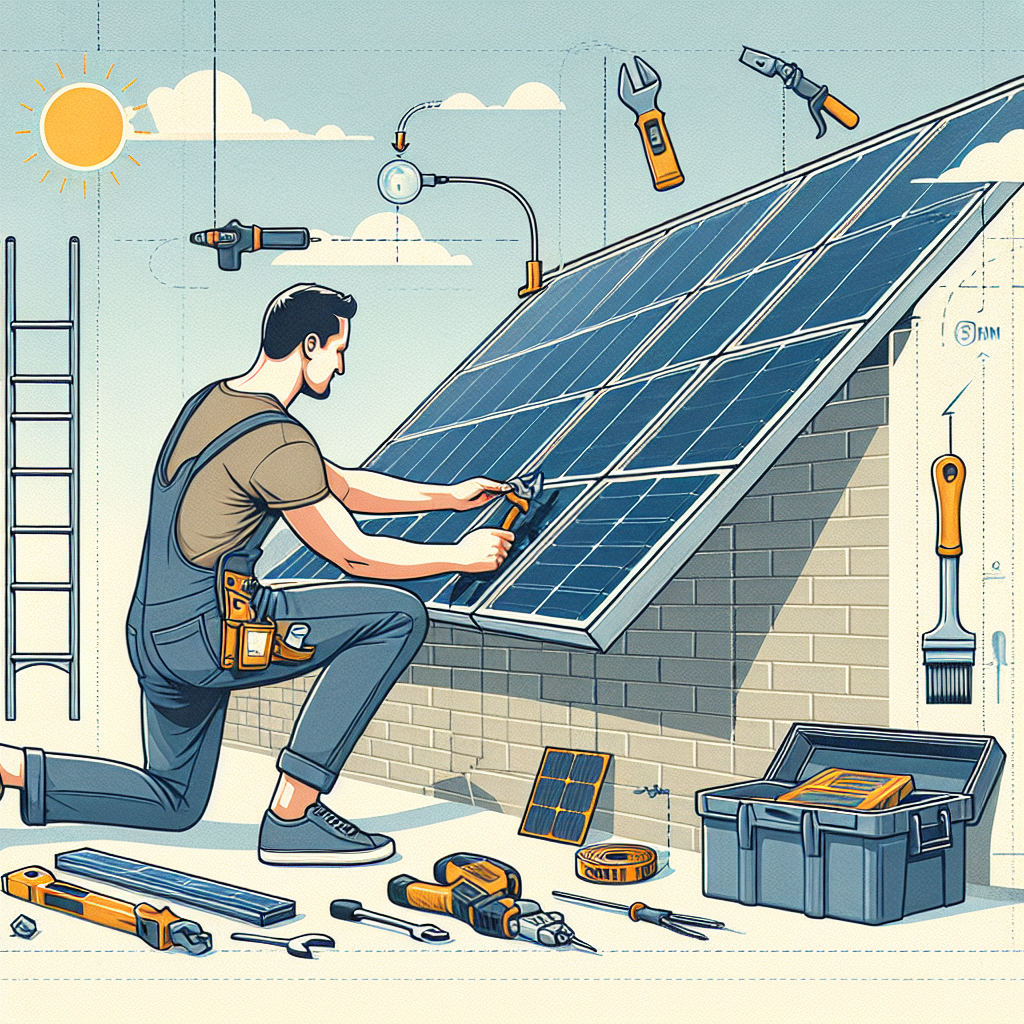
    I once helped a friend install solar panels, and it was eye-opening to see how easily they integrate into a home’s existing electrical system. Just a few panels can make a big difference in offsetting energy costs!

    Inverters

    Inverters play a critical role by converting the direct current (DC) electricity generated by solar panels into alternating current (AC) electricity, which is what most homes use. Understanding this component was a game changer for me.

    There are different types of inverters — string inverters, microinverters, and power optimizers — each serving particular setups efficiently. When I learned about microinverters, I was amazed to discover how they can help maximize production even on partially shaded panels!

    Installing high-quality inverters is just as crucial as installing good solar panels. It’s one of those things that you don’t think about until the system isn’t working quite right. So, trust me, do your research here!

    Battery Storage

    Battery storage systems are becoming more common, allowing homeowners to store excess energy for use during the night or cloudy days. Initially, I thought it was just extra gear, but in reality, it’s a key piece of the solar puzzle.

    Imagine generating power during the day but being able to utilize it at night. That’s what batteries do! I’ve had many conversations with people about how they are taking a leap with battery technology, especially with advancements that have improved their lifespan and efficiency.

    Battery storage can add to the upfront costs, but when you compare that to the potential savings over time, it starts to make sense. It’s like having a mini power plant right in your backyard that’s just waiting for you to tap into it!

    Installation Process

    Site Assessment

    The installation process begins with a thorough site assessment. This step is crucial because it helps professionals understand the unique specifications of your home, like roof orientation, shading, and local regulations. When I got my panels, they meticulously evaluated every angle of my roof, and I realized just how important this part of the process was.

    Even the smallest detail can significantly affect energy production. For example, they measured how much sunlight hit my roof throughout the day, and I was surprised to learn how even the time of year plays a role! Once they gathered all that info, it was almost like they had a game plan ready to go.

    This assessment not only ensures that you get the most energy possible but also helps in maximizing your return on investment. Trust me; you don’t want to skip this step!

    System Design

    After the assessment comes system design. This involves the layout of the solar panels, inverters, and any additional components like batteries. I found it fascinating to see the engineers work through the designs, considering factors like structural integrity and aesthetic appeal.

    Sometimes, they offered options on panel sizes and types, which was a bit overwhelming at first. But they made sure I was comfortable with my choices before moving forward. By the end of this stage, I felt confident about the system we were going to install.

    A well-thought-out design can significantly influence the performance of the solar power system. It’s where all the technical details come together with your personal needs!

    Installation Day

    Finally, we arrived at installation day! To be honest, I was just as excited as I was nervous. Watching technicians climb onto my roof and start working their magic was surreal. It’s a great idea to prepare your home for such an event, making sure the area is accessible.

    The installation process typically takes a day or two, depending on the complexity of the system. I was amazed at how quickly they worked. Before I knew it, my roof was adorned with shiny new solar panels, and it felt like a mini miraculous transformation.

    When they turned the system on for the first time, I felt a rush of pride. I was now part of the solar energy community, contributing to a shared vision of a sustainable future.

    Benefits of Solar Energy

    Environmental Impact

    One of the biggest reasons I made the switch to solar was its positive impact on the environment. Solar energy drastically reduces greenhouse gas emissions compared to traditional fossil fuels. It’s empowering to know that I’m using clean energy, contributing to cleaner air and a healthier planet.

    Over time, I’ve realized that every kilowatt of energy generated by my solar panels translates to less reliance on non-renewable resources. It’s like being part of a movement towards sustainability, and that feels good!

    Each time I hear about climate change, I remember my solar panels are my small contribution toward mitigating that challenge. I often discuss this impact with my kids, increasing their awareness and excitement about renewable energy.

    Cost Savings

    The financial benefits of using solar energy are hard to ignore. I started saving on my electricity bills right away, and several incentives helped offset the installation costs. Tax credits and rebates were a cherry on top, giving my budget a significant boost.

    Over the years, as rates continue to rise for traditional energy sources, the savings from my solar system have only increased. It’s been rewarding to see that investment pay off, and I’m shocked at how much I’ve saved compared to what I’d be spending on conventional electricity.

    Plus, some areas even allow selling back excess energy produced—a win-win situation! It’s great to know that what I generate can also help others in my community. It creates a real sense of collective benefit.

    Energy Independence

    Switching to solar gives a sense of independence. Knowing I can generate my own electricity reduces reliance on fluctuating prices from external sources. It actually feels freeing to power my own home!

    Many people worry about price spikes and energy shortages, and I see the truth in those concerns. My solar panels shield me from that uncertainty. I know I have a system in place that will continue to work as long as the sun shines.

    As climate issues become more prevalent, this energy independence is becoming increasingly attractive. Understanding this, I realize now how essential it is for everyone to consider renewable energy as a valid alternative.

    Conclusion

    Learning about solar energy has transformed my understanding of power, sustainability, and our planet’s future. From understanding the basics to seeing how this technology works for homeowners, I find it overwhelmingly positive. I hope this breakdown helps you navigate your solar power journey, whether you’re just curious or ready to dive in!

    FAQs

    1. What is solar energy?

    Solar energy is energy obtained from the sun’s light and heat, which can be converted into electricity or heat using various technologies.

    2. How do solar panels work?

    Solar panels work by using photovoltaic cells to convert sunlight into electricity. The cells absorb photons from sunlight, which excites electrons and produces direct current (DC) electricity.

    3. What are the benefits of solar energy?

    The benefits include reduced electricity bills, a positive environmental impact, energy independence, and the potential for increased home value.

    4. How long does the installation process take?

    The installation process can vary but typically takes one to two days depending on the complexity of the solar system being installed.

    5. Is solar energy cost-effective?

    Yes! Although the upfront costs can be significant, the savings on electricity bills, federal and state incentives, and increasing energy prices make solar energy a cost-effective option in the long term.

  • The Environmental Benefits of Solar Energy Systems

    The Environmental Benefits of Solar Energy Systems

    Reduction of Greenhouse Gas Emissions

    Understanding Greenhouse Gases

    I’ve always been curious about what contributes to climate change, and one of the biggest culprits are greenhouse gases. These gases, like carbon dioxide and methane, trap heat in our atmosphere, leading to global warming. Every time I think about how our daily activities contribute to this phenomenon, I feel motivated to make a change.

    When we rely on fossil fuels for energy, we’re essentially pumping more greenhouse gases into the atmosphere. The switch to solar energy is refreshing because it provides us with a cleaner alternative. Knowing that I can help reduce these emissions by harnessing the sun’s power feels pretty empowering!

    By installing solar panels, individuals and businesses can significantly cut down their carbon footprint. It’s heartening to think that every solar system installed can contribute to a collective reduction of greenhouse gases, creating a healthier environment for future generations.

    Solar Energy as a Clean Energy Source

    Solar energy is one of the cleanest forms of energy we have. Unlike fossil fuels, it produces no harmful emissions during power generation. This makes me feel good about using solar energy; it’s like giving back to the Earth. The sun is a natural resource that’s available to us, so why not make the most of it?

    When I read about the benefits of solar energy, I find it inspiring that we can harness an infinite resource without depleting it. Isn’t it great to think that each time we use solar energy, we’re making a sustainable choice? It feels like a step toward a healthier planet.

    Moreover, utilizing solar energy can alleviate the burden on our power grids, particularly during peak demand times. Every kilowatt generated from solar means less reliance on energy that emits harmful gases, making our communities cleaner and greener.

    The Role of Solar in Climate Mitigation

    As climate change continues to be a pressing issue, using solar energy systems plays a vital role in mitigating its effects. I often think about how vital our actions are in reducing climate-related disasters. Switching to solar isn’t just about saving money on electricity; it’s about being part of a larger solution.

    By adopting solar energy, we can decrease our reliance on non-renewable resources. For someone like me, who cares deeply about the environment, knowing I’m part of this shift feels rewarding. Every rooftop covered in solar panels is a step toward a cooler planet!

    Additionally, the more we invest in solar technology, the more advancements we’ll see. This innovation can lead to even more efficient systems that contribute to further reductions in greenhouse gas emissions, making our collective impact even greater.

    Conservation of Water Resources

    Water Usage in Traditional Energy Production

    When I think about energy production, water often isn’t the first thing that comes to mind, but it’s an essential component. Traditional energy production methods, especially fossil fuels and nuclear energy, use massive amounts of water for cooling and processing. It blows my mind how vital water is in these industries, yet we often take it for granted.

    Not only does this heavy water consumption stress local water supplies, but it also leads to environmental degradation. As someone who enjoys nature, the idea of polluting water sources for energy greatly concerns me. That’s where solar energy comes in as a true game-changer.

    Solar power systems don’t need water to generate electricity, which significantly reduces their impact on our precious water resources. Each time I see a solar installation, I see a future with less risk to our water ecosystems!

    Solar Panels and Their Low Water Footprint

    One of the things I love about solar panels is their minimal water footprint. While some water might be used in the manufacturing process, it’s nothing compared to what’s used in fossil fuel extraction and processing. Knowing that solar energy helps conserve water makes me feel good about my choices.

    When we install solar panels, we’re not just creating a source of clean energy; we’re also protecting our water resources. This conservation isn’t just beneficial for us in our daily lives but for future generations who will rely on these resources.

    Moreover, as climate change exacerbates drought conditions in many areas, conserving water through solar energy becomes even more critical. It’s reassuring to think that by embracing solar technology, we’re playing a role in safeguarding our water supplies in the long run.

    The Impact on Local Ecosystems

    Solar installations have a far-reaching positive impact on local ecosystems by reducing water-related stresses. When energy production doesn’t siphon off our water resources, it means healthier habitats for wildlife. As someone who loves the outdoors and enjoys hiking, I appreciate this aspect of solar energy!

    Healthy ecosystems are crucial for biodiversity and overall environmental balance. Studies have shown that areas that shift to renewable energy sources have less disruption of their natural environments, and solar energy is no exception. The less we interfere with nature, the better it can thrive.

    In essence, solar energy isn’t just about power production; it’s an investment in preserving our natural ecosystems. Making a shift to a more sustainable way of powering our lives leads to a flourishing environment for plants and animals alike.

    Decreased Air Pollution

    Understanding Air Quality Issues

    Air pollution is a nasty problem that affects our health and the health of our planet. Many of us don’t think about it until it hits home—like when we witness smog hovering over our cities. It’s shocking to realize how much pollution is tied to fossil fuel energy production.

    Switching to solar energy dramatically reduces the emissions of harmful pollutants such as sulfur dioxide and nitrogen oxide. It’s both wild and enlightening to think that simply changing our energy source can lead to clearer skies and fresher air—something everyone deserves!

    For me, fresh air is essential for a healthy lifestyle. Knowing that my choice to go solar helps combat air pollution gives me inner peace. I see each home with solar panels as a beacon of hope for cleaner air!

    The Health Benefits of Reduced Pollution

    Clean air leads to healthier communities, plain and simple. When air quality improves, the incidence of respiratory issues—like asthma and bronchitis—drops significantly. I’ve seen communities transformed as pollution decreases, allowing residents to breathe easier.

    Not just that, but reducing air pollution also means fewer hospital visits and a lowered overall healthcare burden on society. Every time I see solar panels, I think about those health benefits adding up for everyone around.

    Embracing solar energy isn’t just about reducing emissions; it’s about fostering a healthier community for all of us. Each effort we put into solar energy can lead to a marked improvement in public health—something that feels so rewarding to be a part of.

    How Solar Energy Impacts Long-Term Environmental Health

    Looking at the big picture, the long-term environmental health of our planet hinges on how we produce energy. Transitioning to solar energy systems not only improves air quality today but also lays the groundwork for a healthier tomorrow.

    By choosing solar, we’re not just improving the quality of the air we breathe; we’re investing in the sustainability of our planet. I always think of it like planting a seed for future generations. It creates a cleaner environment and contributes to the overall well-being of our ecosystem.

    In the end, the measure of a healthy planet lies in how we treat it today. Each solar power system is a step towards a greener tomorrow—one that values clean air and a robust environment.

    Economic Advantages of Solar Energy Systems

    Lower Energy Bills

    Who doesn’t want to save some cash, right? One of the first things that drew me to solar energy systems was the prospect of lower energy bills. It’s almost like getting a raise without changing jobs—what’s not to love?

    Once you install solar panels, the dependency on grid power takes a hit. In many cases, homeowners can significantly reduce or even eliminate their monthly electricity bills. It’s a no-brainer when I consider how much I spend on energy each month!

    Beyond just savings, using solar can increase home value. When I learned that homes with solar panels often sell for more, it made me even more interested in solar energy. It’s an investment that pays for itself over time!

    Job Creation in the Renewable Energy Sector

    One of the coolest aspects of the solar industry is how it stimulates job creation. Each new solar installation creates jobs, from manufacturing and installation to maintenance and sales. It’s incredible to think about all the opportunities popping up!

    For those of us who care about the economy, embracing solar energy is a step forward. By investing in renewable energy systems, we’re helping to create a workforce skilled in a high-demand field. It feels good knowing that my choice can help support jobs in my community.

    Plus, the growth of solar technology strengthens our economy by diversifying energy sources. It makes us less reliant on a single energy market, which is a smart move for the future. Go renewable energy!

    Incentives and Tax Benefits for Solar Energy

    The financial perks of going solar don’t stop at reduced energy bills. Many governments offer incentives and tax benefits for those who invest in solar energy systems. It’s like getting rewarded for making a positive change!

    These incentives can drastically lower the upfront costs of installing solar panels. When I first started researching solar energy, I was amazed at how much I could save through various programs! It made the transition feel a lot more achievable.

    Overall, the economic advantages are hard to ignore. From savings on energy bills to pulling in tax benefits, choosing solar energy can lead to some serious financial wins—while also doing your part for the environment!

    Promotion of Energy Independence

    Reducing Reliance on Imported Fuels

    One of the aspects I find fascinating about solar energy is its potential for energy independence. Many countries rely heavily on imported fuels, which can lead to economic and political vulnerabilities. Switching to solar energy allows us to generate our own power, making us less dependent on outside sources.

    This is comforting to know, especially given the unpredictability of global energy markets. I feel a sense of security in supporting an energy source that we can produce ourselves, using something as simple and abundant as sunlight.

    Decentralizing energy production through solar energy can also enhance national security. It’s a huge win for every citizen when we can produce energy locally and reduce risks associated with foreign energy dependencies.

    Empowering Local Communities

    Embracing solar energy empowers local communities in so many ways. Communities that invest in solar become leaders in sustainable practices. I love seeing neighborhoods coming together to support solar initiatives; it’s all about teamwork!

    Moreover, local energy production creates jobs, as I mentioned earlier. Solar installations can allow for at least some energy needs to be met locally, which benefits the economy and keeps funds circulating within the community.

    This shift toward solar also fosters a sense of pride. People feel proud to support an initiative that benefits both their community and the planet. It’s a movement I’m excited to be a part of, knowing we’re building a better future together!

    Future Prospects of Solar Energy

    Looking ahead, the future of solar energy is bright—and pun intended! As technology continues to advance, we can expect solar energy to become even more efficient, affordable, and accessible. It’s as if we’re just at the beginning of an exciting journey!

    With ongoing investments and innovations, we can only imagine how solar energy can transform our energy landscape. I think of the potential to create a world powered more by the sun than by fossil fuels—it’s exhilarating!

    By choosing solar energy today, we’re paving the way for future generations to enjoy cleaner, more sustainable energy sources. That’s the legacy I want to leave behind, and I encourage everyone to consider joining this movement!

    Frequently Asked Questions

    1. What are the main environmental benefits of solar energy?

    The main benefits include reducing greenhouse gas emissions, conserving water, decreasing air pollution, providing economic advantages, and promoting energy independence.

    2. How does solar energy reduce greenhouse gas emissions?

    By shifting from fossil fuels to solar energy, we drastically cut down on harmful emissions, as solar power generation does not release greenhouse gases.

    3. Are there financial incentives for installing solar panels?

    Yes! Many governments offer incentives, rebates, and tax credits for homeowners and businesses that invest in solar energy, making it more affordable.

    4. Can solar energy help with air quality?

    Absolutely! By reducing reliance on fossil fuels, which are major contributors to air pollution, solar energy leads to better air quality and public health benefits.

    5. What impact does solar energy have on local communities?

    Solar energy promotes local energy independence, creates jobs, and empowers communities. It fosters a sense of pride in contributing to sustainable practices and supports the local economy.

    This HTML article provides a comprehensive overview of the environmental benefits of solar energy systems, including well-organized sections and clear, friendly language that reflects a personal touch. The formatting ensures readability and clarity.

  • Top 5 Solar Panel Brands Compared for 2024

    Top 5 Solar Panel Brands Compared for 2024

    1. SunPower: Efficiency at Its Best

    Exceptional Efficiency Ratings

    SunPower has been a pioneer in the solar industry, and it shows in their efficiency ratings. Their panels consistently score at the top tier, often reaching up to 22-23%. This means you’re getting more power for every square foot, which is crucial if you have limited roof space. When I was choosing my panels, the efficiency was a big deal for me—higher efficiency translates to more energy savings over time.

    Moreover, their technology is cutting-edge. With their Maxeon cells, they allow for better performance in low-light conditions, which means less sun doesn’t necessarily kill your energy production.

    Apart from performance, I found SunPower’s reliability impressive. Their long warranty period reassured me that I was making a solid investment, and customer reviews generally validate this sense of security.

    Strong Warranty Offerings

    One thing that really stood out to me with SunPower was their warranty. They offer a 25-year comprehensive warranty covering both product and performance. This is significant. I mean, who doesn’t want peace of mind when investing in something like solar panels?

    In my research, I noticed that many competitors offer decent warranties, but SunPower’s commitment stands out. It covers pretty much everything you can think of—material defects and performance issues—making it hard to overlook.

    This level of assurance demonstrates their confidence in their product. If a brand can back its claims with such a substantial warranty, it speaks volumes, doesn’t it?

    Customer Support and Service

    Getting reliable support post-purchase is also essential. My experience with SunPower’s customer service has been pleasant. They have a helpful team that’s easy to reach if issues arise. When I called to ask questions during my installation, they were patient and knowledgeable, which is always a relief!

    Also, they provide ample resources and installation support materials, making the transition to solar power smoother. Not everyone’s an expert in solar tech, but with SunPower, I didn’t feel lost.

    Plus, their online portal keeps track of energy production, which I found helpful to monitor my system’s performance regularly. It’s almost like having a personal trainer for your solar system!

    2. LG: Innovation Meets Design

    Top-tier Technology

    When I think about LG, two things come to mind: innovation and sleek design. Their solar panels boast impressive technology that rivals some of the best in the market. LG’s NeON series, for example, provides high-efficiency ratings and a durable design that can withstand all sorts of weather conditions, which I greatly appreciated when considering where I live.

    Moreover, they integrate smart features that help increase performance, such as their anti-reflective coating, which means better energy absorption. Little things like this can make a significant difference in your overall energy production!

    I was particularly impressed by their performance in shaded conditions. If your roof has some trees nearby or other obstructions, LG might be an excellent option for you as I’ve seen many users report better performance even in partial shading.

    Durability and Design

    Looks aren’t everything, but they certainly help! LG panels are not only efficient but also aesthetically pleasing. Their sleek, modern appearance means they fit seamlessly on roofs without being an eyesore, something I was concerned about.

    In terms of durability, their panels come with a solid warranty and have been tested for extreme weather conditions. Knowing that my investment was built to last under harsh conditions made me feel more secure in my decision.

    On top of that, the longevity they promise lets me think about the future. With so many environmental changes happening, I appreciated the extra assurance that my panels can endure whatever might come their way!

    Reputation and Reliability

    LG’s reputation preceded itself during my research, and it’s well-deserved. They’ve been in the game for years, mastering the art of electronics and extending that expertise into solar energy.

    Most reviews I stumbled upon were overwhelmingly positive, highlighting everything from energy efficiency to great customer service. They seem to have built a community of loyal customers, which I found reassuring when making my choice.

    Ultimately, I valued their reliability and established reputation. Investing in solar panels is a long-term commitment, and I wanted a brand I could trust to uphold their end of the bargain.

    3. Canadian Solar: Value for Money

    Affordability and Financing Options

    If you’re looking for a budget-friendly option, Canadian Solar is often discussed as a top contender. They provide a decent balance between cost and quality, which was exactly what I was after when I started my solar shopping journey.

    Let’s be real here, though—solar can get pricey. I appreciated the financing options they offer. It made the leap into solar feel a lot less daunting. After comparing quotes, I recognized that Canadian Solar had one of the more competitive pricing structures.

    However, affordability doesn’t necessarily mean cheap! The quality of their panels is solid, and for a mid-range investment, they pack a lot of value.

    Performance Insights

    While Canadian Solar might not boast the highest efficiency ratings, their panels maintain respectable performance. I found that their panels perform admirably, especially under direct sunlight, which is a big plus for most homeowners. In my neighborhood, several friends opted for Canadian Solar and had no complaints about energy generation.

    Moreover, their temperature coefficients are commendable. This means that they lose less efficiency even in hotter conditions. Coming from a place where summer days could blister, this feature was essential for me.

    With good reviews on performance consistency, it’s hard to overlook Canadian Solar as an option if you’re conscious about your investment.

    Usability and Community Feedback

    A standout feature of Canadian Solar is the wealth of information available from the community. I found tons of reviews online discussing user experiences. It helped me make an informed decision based on the lived experiences of others.

    They’re also known for great customer service. During my research phase, I observed several positive experiences, with users often praising their support when needed. It’s always comforting to hear of others getting help without hassle!

    For someone like me venturing into solar for the first time, knowing there’s a supportive community made my experience feel less overwhelming.

    4. JinkoSolar: Rising Star

    Quality and Affordability

    Moving on, JinkoSolar had been steadily gaining popularity. Their panels are often touted as a sweet spot in the market because they combine quality with affordability. I found their panels to be budget-friendly while still delivering impressive performance metrics—a perfect combo for someone who’s extra cautious with spending!

    Additionally, JinkoSolar offers a variety of different panels, giving consumers many options based on their needs. During my gazing through available products, I was amazed at the wide range of choices without breaking the bank.

    This flexibility made it easier for me to find a solution tailored to my own consumption habits without sacrificing quality. A sure win in my book!

    Global Presence and Reliability

    They may be a newer player compared to others, but JinkoSolar’s reputation is rapidly growing on a global scale. They’ve become one of the largest manufacturers globally, which adds a lot of trustworthiness to the brand. It’s comforting knowing they have a solid footing in the market.

    Their panels come with extensive warranties, and while they may not carry the same prestige as SunPower or LG, they have garnered a lot of positive feedback. This kind of reliability made me weigh them heavily in my comparisons.

    Many users reported satisfaction with performance and customer service! Those personal endorsements really weigh on decisions, don’t they?

    Positive Customer Feedback

    What stood out to me was the overwhelming positive feedback from users. I took the time to read through reviews and could easily find numerous individuals sharing their satisfaction with both performance and longevity. Reports from real customers can tell you way more than lab results!

    Also, many noted how quick and efficient the installation process was, which I completely understood from my experience. That streamlined process made my transition to solar energy feel way less daunting.

    With multiple people echoing similar sentiments about JinkoSolar, it reinforced my decision to consider them a strong contender.

    5. Trina Solar: Eco-Friendly Alternative

    Environmental Commitment

    As someone who cares about the environment, I naturally veered towards Trina Solar after learning about their commitment to sustainability. They prioritize eco-friendly manufacturing processes, which aligns with my values. It felt right to support a company that takes steps to reduce its carbon footprint while providing products that can help me do the same!

    Beyond just the product, it’s their overall philosophy. I was inspired to find that Trina is invested in the research and development of new technologies aimed at sustainability. This innovation is essential as we face ongoing environmental challenges.

    When I made my purchase, I was happy knowing my investment also supported greener practices. It felt good knowing I was contributing to a movement for a better planet!

    Innovative Technology

    Trina Solar is known for their innovative approaches. Their panels utilize advanced materials and technologies that can help maximize energy yield under various conditions. For instance, they’ve adopted half-cell technology, which enhances performance through reduced resistance—something any eco-conscious consumer can appreciate!

    I’ve also read many accounts of their technology performing exceptionally well in real-world applications, confirming my suspicions that these panels pack a punch!

    No doubt, if you’re considering solar for your home, Trina has technology designed to help you harness the power of the sun effectively.

    Overall Value and Performance

    Trina Solar panels offer excellent value for the investment. They might not be the absolute top in efficiency, but when balanced with cost and durability, they’re hard to pass up. I went through the specs and saw how they measure against competitors—they consistently hold their own.

    Notably, their warranty terms are competitive. They offer a spectrum of warranties to reassure consumers, which made me feel more comfortable in my decision.

    Overall, I would say Trina is an impressive player in the market for anyone looking to enter the solar game without compromising on their values.

    Frequently Asked Questions

    1. What factors should I consider when choosing a solar panel brand?

    When selecting a solar panel brand, look at efficiency ratings, warranty terms, cost, and customer reviews. It’s essential to weigh these factors based on what’s most important to you—whether it’s saving money, maximizing efficiency, or warranty coverage.

    2. Are expensive solar panels always better?

    Not necessarily! While pricier panels often come with better efficiency and warranty coverage, it’s crucial to assess your needs and budget. Sometimes a mid-range panel may fit your situation perfectly without sacrificing performance.

    3. How long do solar panels typically last?

    Most solar panels come with a warranty lasting 25 years or more. However, many panels can continue to produce energy for 30 years or longer, albeit at a diminished efficiency as they age.

    4. Do I need to worry about maintenance for my solar panels?

    Generally, solar panels require minimal maintenance! Regular cleaning is often sufficient. Depending on your environment, you might want to have them professionally cleaned or inspected once every few years to ensure they’re operating at their best.

    5. Can I install solar panels myself?

    While some DIY enthusiasts may be able to install solar panels, it’s typically recommended to hire a professional. They ensure everything is done correctly and safely, plus they can often navigate permits and incentives more efficiently.

  • How to Maintain Solar Panels for Optimal Performance

    How to Maintain Solar Panels for Optimal Performance

    Regular Cleaning of Solar Panels

    Understanding Why Cleanliness Matters

    So, let’s kick things off with cleaning! It’s super important to keep those solar panels shining bright. Dust, dirt, leaves, and bird droppings can really build up and mess with their efficiency. Honestly, I didn’t realize how much grime could affect solar power generation until I saw the difference after a good scrub. Trust me, keeping your panels clean can lead to a noticeable increase in energy production.

    Imagine this: you walk outside, and your panels are covered in a fine layer of dust after a windy day. You might think, “It’s no big deal,” but every little fleck of dirt can reduce sunlight absorption. Cleaner panels mean better performance. Just like we need regular baths, so do our solar panels!

    Plus, cleaning isn’t just about performance—it extends the life of your panels as well. Think of it as a spa day for your solar system! Regular maintenance means fewer issues down the line, and who doesn’t love saving money in the long haul?

    How to Clean Your Solar Panels

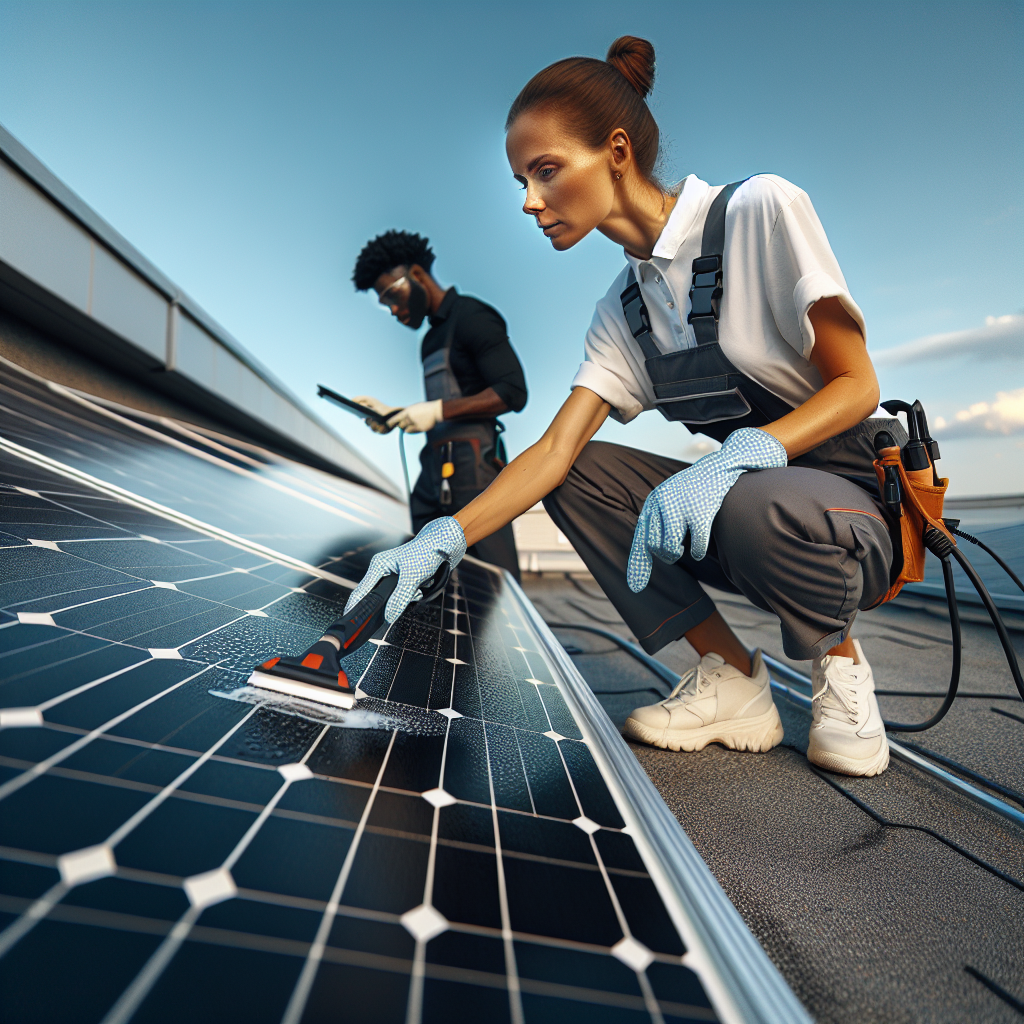
    Now, you may be wondering, “How do I even clean my panels?” Well, I’ve got a few tried-and-true methods that work like a charm. First off, always check the manufacturer’s recommendations. They often have specific guidelines that are really helpful. For instance, some panels are textured, and you need to be gentle with those so you don’t scratch anything.

    Next, grab some water, a non-abrasive sponge, and possibly a squeegee. You’ll want to focus on cool times of the day – early morning or late afternoon when the panels aren’t hot. This way, the water doesn’t evaporate too quickly and leave streaks. It can be a bit of a workout—trust me, all that stretching to reach those high panels can be a great leg day!

    If climbing up isn’t your style, hiring professionals for a deep clean is a fantastic option too. They’ve got the gear and the skills to do it right without risking any damage. Just make sure they’re insured. You don’t want to deal with any unexpected mishaps!

    How Often Should You Clean?

    This one is a bit subjective, but I generally recommend checking them every few months. If you live in a particularly dusty area or if your panels are near a lot of trees (hello, falling leaves!), you might want to clean them monthly. On the flip side, if you’re in a really clean environment, you could stretch it out to every six months.

    Seasonal changes can be a cue for cleaning too. For instance, after heavy rains or wind storms, it might be a good idea to check them out. They probably got a nice wash, but you’d be surprised at how much muck can still cling on!

    Ultimately, just keep an eye on them. If they look dirty to you, get that cleaning crew ready! Your effort pays off when you see those energy bills drop!

    Inspecting for Damage

    Why Inspections are Essential

    Next up, let’s have a chat about inspections. Think of them as check-ups for your solar panels. Just like we go for regular health check-ups, our solar systems need a little TLC in the inspection department. Over time, wear and tear, hail, or heavy storms can take a toll.

    Sometimes, the damage isn’t apparent at first glance. Things like micro-cracks or connections loosening can lead to decreased efficiency without you even noticing. I learned this the hard way when I noticed a drop in my energy output after a few weeks. That’s when I dived into understanding just how crucial regular inspections are!

    Inspections can catch problems early before they turn into costly repairs. It’s kind of like that saying, “An ounce of prevention is worth a pound of cure.” Do yourself a favor and make inspections part of your routine!

    How to Perform a Basic Inspection

    The good news is that inspections don’t have to be overwhelming. You can do a basic check yourself by looking for any visible cracks or discoloration in the panels. Make sure all the components—like inverters and wiring—look secure and in decent shape. If you notice anything off, that’s when you probably want to call in an expert.

    I usually take a moment after cleaning to give everything a once-over. It doesn’t take long, and I catch little issues before they escalate. I also like to take photos every few months to compare them. It’s amazing how visuals can help in spotting trends or problems!

    If you’re uncomfortable climbing on the roof, consider using binoculars from the ground to spot larger issues. Safety first, folks! Better to be cautious than to risk a tumble off the ladder.

    When to Call in the Professionals

    Let’s face it: while DIY is great, sometimes we need to admit when it’s time to call in an expert. If you notice significant damage, like large cracks or if the panels have moved due to debris or shifting, call a professional team. They have the right tools and knowledge to deal with more severe issues safely and effectively.

    Also, if you ever notice a drastic drop in performance that you can’t explain, please don’t hesitate to reach out for help. Better safe than sorry, right? Investing a bit in professional maintenance now can save you major bucks down the line.

    Remember, keeping your solar panels healthy and happy is worth the investment, and sometimes that means letting others take care of what we can’t handle!

    Monitoring Energy Production

    Understanding the Basics of Monitoring

    Let’s talk about monitoring! I can’t stress enough how important it is to track your energy production. I use an app that connects to my solar inverter, and it’s fabulous! It gives me real-time updates and alerts me to any issues. Monitoring isn’t just a techy buzzword; it’s like having a dashboard for your solar system.

    I can instantly see how much electricity I’m generating and compare it to my energy usage. Those numbers tell me if my system is performing at its best or if something’s off. If I notice a sudden dip, I know it’s time to take action!

    This can also help you with understanding seasonal trends. If you see less energy production in winter, you can mentally prepare and adjust your expectations. It’s all part of being a savvy solar owner!

    What to Monitor

    So, what should you actually keep an eye on? Besides the total energy production, I’d suggest also looking at the inverter’s status and even daily output vs. forecasts. Many inverters have great apps that do this for you!

    Another thing I check is the energy export and how much I’m sending back to the grid. If you’re in a net metering situation, this can show you potential savings and profits, which is super exciting! It’s like being your own energy detective.

    Don’t forget to monitor the temperature, too. Heat can affect how well your panels work, so knowing the operating temperatures can help you gauge their efficiency.

    What to Do with the Data

    Once you’ve gathered all that data, what now? Analyzing it is key! If you notice patterns, like poor energy production on cloudy days consistently, it could point to a bigger issue. It’s powerful information that can help you optimize your system. Sharing this data with your solar installer can be beneficial too—they can provide tailored advice based on your unique stats!

    These insights can also help you decide when to clean those panels next. If you see a drop in performance, that might just be your cue to pull out the hose and sponge again!

    Finally, regular monitoring contributes to the longevity of your system. The better you understand its behavior, the easier it is to maintain peak performance and make adjustments as needed.

    Scheduling Professional Maintenance

    When and How Often to Schedule

    Okay, let’s dig into professional maintenance. It’s a must-do for any serious solar user. While I think cleaning and inspections can be DIY-friendly, professional checks ensure everything is running smoothly. I usually schedule a full review annually, but I keep an eye out after major weather events, just in case.

    Annual maintenance is like a yearly health check-up for your solar panels! Technicians will inspect all components carefully, helping to prevent problems before they become noticeable or costly. They often catch things I may not be able to see myself—like minor electrical issues or wear and tear.

    Plus, they’ll usually clean the panels too, which is just a bonus! Adding that peace of mind can extend the life of your investment. I can’t imagine leaving my solar panels unchecked for years.

    Finding a Reliable Technician

    Finding the right people for the job is crucial. I always recommend doing a little research. Look for technicians who specialize in solar system maintenance. Reviews and testimonials can help you find the best fit. Ask your solar installer for recommendations as well; they often have trusted partners.

    Once you have a prospective technician, don’t hesitate to ask questions. A solid technician will gladly explain their processes and address any concerns you have. I turned to a local company someone in my neighborhood recommended, and their service was top-notch!

    Building a relationship with your technician can also be beneficial. They’ll become familiar with your unique system, leading to even better care in the future. Trust me, having a go-to person for your solar needs is priceless!

    Tips for Getting the Most Out of Professional Visits

    When you’ve scheduled your technician’s visit, prepare a checklist of things to ask about or look out for! For instance, I always have a rundown of any recent performance issues I’ve noticed. Sometimes, they might have insight based on my data. Having that list makes the visit feel productive.

    Also, don’t hesitate to inquire about upgrades or additional services. The tech might have suggestions for enhancing your existing system—who doesn’t love making something great even better?

    Following these tips ensures you and your technician get the most out of the visit, saving you time, hassle, and money in the long run.

    Frequently Asked Questions

    1. How often should I clean my solar panels?

    It’s generally recommended to clean your solar panels every few months. If you live in a dusty area or near trees, once a month might be necessary. Always check them after heavy rains or storms. Just keep an eye on their appearance, and clean when they look dirty!

    2. What are some signs of damage to solar panels?

    Look for visible cracks, discoloration, or loose connections. If performance drops significantly without explanation, that’s another red flag. A thorough inspection can help catch these issues early.

    3. Can I monitor my solar panel’s performance myself?

    Absolutely! Many solar inverters come with apps or online dashboards for monitoring. You can track energy production, check inverter status, and even analyze energy forecasts from the comfort of your smartphone.

    4. When should I call a professional for maintenance?

    If you notice major damage, significant drops in performance, or if it’s been a while since your last inspection, it’s time to call in the pros. They have the expertise and equipment to handle issues safely.

    5. What benefits do I get from scheduling professional maintenance?

    Professional maintenance ensures your system operates at peak efficiency and can catch minor issues before they turn into costly repairs. It also provides peace of mind, knowing experts are looking after your solar investment!

  • The True Cost of Solar Generators: Is It Worth It?

    The True Cost of Solar Generators: Is It Worth It?

    Initial Purchase Costs

    Understanding the Price Tag

    When I first started looking into solar generators, I was taken aback by the upfront costs. It’s not just a casual trip to the store; we’re talking about investments that range from a few hundred to a couple thousand bucks! This can be quite the sticker shock, especially if you’re used to regular electric generators that might seem significantly cheaper at face value.

    But here’s the kicker: solar generators often come with a longer lifespan. They might hit your wallet hard initially, but if you think of it as a long-term investment, the price starts to make a bit more sense. It’s important to consider factors like warranty and brand reputation when making your choice.

    Don’t forget about the accessories! Things like solar panels may not be included in the base price of the generator. Make sure to account for those extra costs when you’re budgeting, so you don’t end up in a pickle later on.

    Cost vs. Performance

    In my experience, performance and reliability are things you definitely want to pay attention to. Some solar generators may be priced lower, but when it comes to actually powering your devices, they can fall flat. Keep an eye on the wattage and battery capacity, which are key indicators of how much they can handle.

    I learned this the hard way during a camping trip, where my not-so-expensive solar generator struggled to keep my small fridge running. I ended up wishing I had pushed my budget a bit for something that could deliver. The right generator can save you money in the long run by reducing reliance on gas or other fuels, which are continually on the rise in price.

    In essence, while the initial purchase price is important, think of it as a part of the whole picture, rather than the sole factor. A higher initial investment can often lead to a better user experience and save you more dough in the long run.

    Operating Costs

    Maintenance and Upkeep

    Talking about operating costs, there’s a silver lining with solar generators: they often require less maintenance compared to gas generators. Since there are fewer moving parts, things like oil changes and air filter replacements are a thing of the past!

    However, do keep in mind that solar panels need cleaning. Dust and debris can hinder their performance, and unexpected repairs down the line can pop up. It’s always smart to set aside a little extra in your budget for those random maintenance tasks that can sneak up on you.

    In my experience, staying proactive with maintenance can save you money. Regular checks and cleaning can extend the life of your generator significantly, making those occasional costs worthwhile.

    Energy Costs and Savings

    One of the biggest benefits of going solar is, of course, the energy savings. With solar generators, you’re literally harnessing the sun’s energy for free! Depending on your location and energy needs, this can cut down your electricity bill substantially.

    My own solar generator has cut my energy costs in half. That feels like a huge win! Just be sure to calculate how much you use versus what your generator can provide—you don’t want to run your fridge and microwave simultaneously unless you’re 100% sure it can handle it.

    Also, keep an eye out for incentives! Many places offer tax breaks or rebates for going solar, which can really help offset initial costs when you’re just starting out.

    Environmental Impact

    Reducing Your Carbon Footprint

    Now, let’s talk about the feel-good aspect of solar generators: the environment. Using solar power means reducing your carbon footprint and contributing to a healthier planet. I mean, who doesn’t want to save the Earth while saving some bucks?

    Switching to renewable energy like solar can play a substantial role in battling climate change. It’s a step in the right direction—not only for you but for future generations as well.

    Plus, depending on where you live, you can boost your green credentials and sometimes even increase your property value if you go solar. It’s a win-win situation for homeowners looking to be more eco-friendly!

    Noise and Pollution Reduction

    Another huge plus with solar generators is the absence of noise and air pollution, compared to traditional generators. You won’t have to deal with the deafening roar of gasoline engines, which is especially nice during a peaceful camping trip.

    I’ve had the pleasure of enjoying the tranquility of nature without the nuisance of annoying engine noise flooding the campsite. Solar generators are remarkably quiet, letting you truly connect with your surroundings.

    In my experience, it’s super refreshing to know that my energy source doesn’t emit harmful fumes while I’m out enjoying the great outdoors or even just chilling at home.

    Long Term Value

    Durability and Lifespan

    Long-term value is often measured by how long the product will last versus how much you paid for it. Solar generators are generally built to last, especially if you go with reputable brands. Their battery life and performance can often outweigh the initial sticker shock over the years.

    I learned this when choosing between a cheaper model I was drawn to and a pricier option with rave reviews. I decided to invest in the more reliable one, and wow—years later, I still haven’t faced any major issues. It’s proven to be well worth every penny!

    And let’s not forget about advances in technology. As solar tech continues to improve, older models often become obsolete faster. So investing in a quality unit can mean more longevity—something to consider when thinking about your final choice!

    Resale Value

    If you ever decide to sell your solar generator, you’ll be glad to know they often retain a decent resale value. This is especially true for well-maintained units. People are increasingly looking into second-hand solar generators, which can give you a good chunk of change if you decide to upgrade.

    It’s great knowing that what I invested in has not only lessened my bills but then can also put some money back in my pocket down the road. Plus, it’s an appealing selling point for eco-minded buyers!

    Keep in mind that having documentation of your maintenance and usage history can help bolster resale value as well. It’s always good to show potential buyers that you’ve taken care of it.

    Conclusion

    So, is it worth it? Absolutely, but like any major purchase, it’s key to weigh those upfront costs against the long-term savings, performance, and environmental benefits. Personally, I wouldn’t switch back to traditional generators if you paid me; the advantages I’ve experienced truly outweigh all the cons. Dive deep, assess your needs, and make the best choice for you, but rest assured that the world of solar generators is a bright one!

    FAQ

    1. Are solar generators worth the initial investment?

    Yes, while the initial cost may seem high, solar generators often pay off in the long run through energy savings and less maintenance. They also provide a cleaner source of energy.

    2. How long do solar generators typically last?

    Most solar generators can last over 10 years with proper care and maintenance. Investing in a quality brand can extend that lifespan even further.

    3. Do solar generators require a lot of maintenance?

    No, solar generators typically require much less maintenance compared to gas generators. You’ll need to occasionally clean the solar panels and check the battery performance.

    4. Can solar generators power my home during an outage?

    Yes, solar generators can power your home during outages, depending on the wattage and battery capacity. Planning and knowing your essential load can make a big difference!

    5. Are there financial incentives for purchasing a solar generator?

    Yes, many areas offer incentives such as tax credits or rebates for solar energy purchases. Be sure to check with your local government or solar provider for available programs.

  • How to Install Solar Panels Yourself: A Step-by-Step Guide

    How to Install Solar Panels Yourself: A Step-by-Step Guide

    Step 1: Assessing Your Energy Needs

    Understanding Energy Consumption

    Before diving into the installation, it’s crucial to understand how much energy you actually use. I remember when I first started, I was totally lost about the numbers!

    Grab your utility bills from the past year; that’s where all the info is! Look for your monthly kilowatt-hour (kWh) usage. This will give you a baseline of how much energy your system needs to generate.

    Once you have a solid grasp of your usage, think about future needs. Are you planning to add more gadgets or appliances? This is key to making sure your solar system can handle it!

    Choosing the Right System Size

    Now that you know your consumption, it’s time to size your solar panel system. It might sound a bit technical, but don’t worry; I’ll break it down!

    A good rule of thumb is that 1 kilowatt of solar panels generates about 1,200 kWh annually. So just do a quick division of your yearly consumption by that number to figure out how much power you’ll need.

    Once you have this number, you can plan how many panels you’ll need to install while leaving room for efficiency losses and possible expansion down the road!

    Research Local Incentives and Regulations

    Let’s not forget to check what incentives are available to you. I was surprised at how many rebates and tax credits I qualified for!

    Check with your local government or energy provider about any programs that can help cover costs, or even make your installation process smoother with less paperwork.

    Also, be aware of zoning laws or Homeowners Association rules if you live in a neighborhood with those restrictions. Trust me, you don’t want to be setting up your panels only to find out it’s against the rules!

    Step 2: Gathering Your Materials

    Create a Shopping List

    Okay, time to hit the store (or the internet)! You’ll need a comprehensive shopping list. I made a checklist and it helped me stay organized.

    Start with the solar panels themselves—do some research on brands and types. Then add mounting brackets, inverters, wiring, batteries (if you’re going off-grid), and safety gear like gloves and goggles.

    And always budget a little for unexpected expenses. Trust me; they tend to pop up more than we think during DIY projects!

    Where to Buy Supplies

    Now, where to buy this stuff? Local hardware stores often have a good selection, but don’t overlook online retailers! I found some amazing deals that way!

    Be sure to shop around for competitive prices—check reviews on anything you’re not familiar with, so you don’t end up with junk. Quality is essential, especially when we’re talking about something as critical as solar energy!

    Don’t hesitate to ask for help at your local store; many employees have valuable insights on the best products to choose!

    Preparing Your Workspace

    Before you get started with installation, make sure your workspace is prepped. I cannot stress this enough; a clear area makes all the difference!

    Clean the rooftop, ensure you have all your tools at hand, and double-check that your ladder is sturdy. I once had a mishap with an unstable ladder—you don’t want to repeat that!

    Ensuring a safe and organized workspace will not only ease the installation process but also keep you injury-free. Nobody wants a trip to the emergency room mid-project!

    Step 3: Installing the Solar Panels

    Mounting the Brackets

    This is the meat of the project! Start by mounting the brackets on your roof. Be sure you follow the manufacturer’s instructions because they know what’s best for their products.

    I found it helpful to mark where I’d drill with a marker, so everything was precise. Measure twice, drill once, am I right?

    Check for any structural issues on your roof; you want to make sure it can handle the weight and won’t give out under the stress of wind or snow!

    Attaching the Panels

    Once the brackets are mounted, it’s time to attach the panels. This part feels super rewarding—seeing the panels affixed to your roof makes it feel real!

    Be careful with the wiring here. Each panel usually comes with a connector, but it’s easy to get them mixed up if you’re not paying attention.

    Don’t rush this step; double-check all connections before moving on. This is crucial for your system’s efficiency and longevity!

    Connecting the Inverter

    The inverter is like the brain of your solar system; it converts the energy from the panels into usable power for your home. I’ll admit; I was a bit intimidated by the wires!

    Read the inverter’s manual thoroughly—it’ll guide you through the wiring. When I did mine, I felt like I was solving a complex puzzle!

    Once things are connected, it’s always a good idea to test everything before you call it a day. A little precaution can save you big headaches down the line!

    Step 4: Finalizing the Installation

    Testing the System

    Alright, you’re almost there! Time to fire things up and see if your hard work paid off. I vividly remember the excitement mixed with anxiety!

    Flip the switch and monitor your system for a bit. Look for any error codes or malfunctions. The inverter usually has a display that’ll show you whether everything is functioning correctly.

    If all goes well, feel free to do a little victory dance—you’ve earned it after all that effort!

    Monitoring Your System

    Consider installing a monitoring system. Many modern inverters come with apps that can track performance, which is really useful! I downloaded one to keep tabs on my energy production.

    This way, if you encounter any issues down the line, you’ll have real-time data at your fingertips to troubleshoot.

    Plus, watching those numbers go up is oddly satisfying and motivating to save even more energy!

    Documenting Your Installation

    Don’t forget to document the entire process! I took loads of photos and notes, and they’ve come in handy when looking back or if I ever need to make adjustments.

    This documentation can also be useful for insurance purposes, especially if you’re making a claim related to your solar installation. Trust me; it’s better to have it than not!

    Share your experience in forums or social media; you might just inspire someone else to join the solar movement!

    Step 5: Enjoying the Benefits

    Reduced Energy Bills

    One of the biggest perks of installing your own solar panels is watching your energy bills drop! After installation, I was amazed at how much lower my monthly bill became.

    Just think about the savings: the more you generate, the less you pay your utility. Some months, my bill was practically nonexistent!

    This extra cash can be used for anything from home improvement projects to treating yourself, and who doesn’t love that?

    Environmental Benefits

    Installing solar panels isn’t just a financial decision; it’s an ethical one too! Every time I see those panels soaking up sunlight, I know I’m making a difference.

    By shifting to renewable energy, you’re reducing your carbon footprint, helping fight climate change, and promoting sustainable energy practices.

    Telling my friends and family about the environmental impact gave me such a sense of pride. It’s comforting to know I’m contributing towards a greener planet!

    Future Upgrades

    Last but not least, think about the future! Solar technology is constantly evolving, and what I installed today could be just the start.

    You can think about adding more panels down the line or integrating battery storage solutions. I’m already considering what upgrades might work for me in the future!

    Plus, as you cultivate more knowledge, you may find yourself tackling even more energy-efficient improvements around the house. That sounds like a win-win to me!

    Frequently Asked Questions

    1. How much does it cost to install solar panels myself?

    The cost can vary based on your system’s size, but generally, when you do it yourself, you may only pay for the panels and materials, often ranging from $3,000 to $10,000, depending on your energy needs.

    2. Do I need special permits to install solar panels?

    Yes, many areas require permits for solar installation. Always check with your local building department so you’re compliant with regulations.

    3. Can I connect my solar panels to the grid?

    Absolutely! You can either set up an off-grid system or connect to the grid, allowing you to sell excess energy back to your utility provider, which can offset costs even more!

    4. What if I encounter issues during installation?

    If you run into problems, don’t panic! Consult the manuals for your equipment, or look for online forums and communities. There’s a wealth of knowledge out there!

    5. How long do solar panels last?

    Most solar panels come with warranties of 25 years but can last much longer with proper care. They often keep functioning efficiently for 30 years or even more!

  • The Science Behind Solar Energy Efficiency Explained

    The Science Behind Solar Energy Efficiency Explained

    Hey there! If you’ve ever thought about solar energy and how it works, you’re not alone. I’ve dove deep into this world and want to share my journey with you. Let’s break down this complex topic into digestible parts and really get a grip on how solar energy efficiency works!

    Understanding Solar Cells

    What Are Solar Cells?

    So, first things first: solar cells. These little wonders are what convert sunlight into electricity. They’re made up of semiconductor materials, like silicon. This material has unique properties that allow it to absorb photons from sunlight and release electrons, which leads to electricity. It’s pretty wild!

    In a typical solar panel, you’ll find dozens of these solar cells strung together, allowing them to generate more power. It’s like a team of little workers all pitching in to do something great! But how well they function can depend on a lot of different factors, and that’s where efficiency comes into play.

    Getting familiar with these solar cells and their structure is crucial to understanding how they optimize energy production. The efficiency of a cell can vary widely; some are rated around 15%, while others can reach beyond 20%. The higher the efficiency, the more energy they can convert from the sunlight hitting them—pretty exciting!

    The Role of Temperature

    Impact of Heat on Efficiency

    You might not think about temperature when considering solar panels, but trust me, it plays a huge role in their efficiency. As the temperature rises, the efficiency of the solar cells actually decreases. It’s like they can’t handle the heat!

    This happens because the increased temperatures can lead to more electron movement within the cell, but not in a way that helps produce more electricity. Instead, it leads to what’s called a “temperature coefficient,” and this means for every degree above a certain point, the efficiency can drop.

    So, while long, sunny days are great for solar energy, if it gets too hot, we might not get as much juice as we expect. It’s essential to pay attention to this factor, especially if you’re considering solar energy in a hot climate. Some panels are designed to be more heat resistant, so looking into those can be a smart choice!

    Sunlight Angle and Intensity

    The Best Position for Solar Panels

    One of the fascinating things I’ve learned is how the angle of sunlight can affect energy production. Solar panels should be positioned to face the sun directly to maximize their exposure. This means during different times of the year and day, the angle matters a lot!

    Installing solar panels can get a bit tricky because you want them to catch those rays at the right angle. Some people even invest in tracking systems that adjust the panels as the sun moves through the sky, ensuring they’re always getting the best hit of sunlight.

    If you’re thinking about setting up solar panels, be sure to consider your roof’s angle and where the sun shines during peak hours. It might seem like a small detail, but trust me, it can make a big difference in your energy output!

    Shading Effects

    How Shadows Can Sabotage Efficiency

    Let’s chat about shading—this is a sneaky little enemy when it comes to solar efficiency. Even a small shadow from a nearby tree or building can significantly reduce the energy output of the entire panel. It’s kind of wild to think about how such a small thing can have a big impact!

    When shadows hit a panel, it can stop the flow of electricity, sort of like traffic getting jammed on the highways. That’s why planning your installation site is vital. Taking time to check for potential shading during different times of the day can save a lot of future headaches.

    There are some technologies that help mitigate this issue, like microinverters, which allow each panel to operate independently. If one gets shaded, it won’t necessarily bring the others down with it. But still, keeping an eye on those pesky shadows is necessary for getting the most bang for your buck!

    The Effect of Weather

    How Different Conditions Impact Performance

    Weather can be a real mixed bag when it comes to solar energy. While sunny days are prime for generating energy, cloudy or overly rainy days can cut energy production down quite a bit. This doesn’t mean solar panels are useless on these days, but the efficiency surely takes a hit!

    Interestingly, some studies have shown that solar panels can still generate energy even in low-light conditions. They just won’t be operating at full capacity. So, if you live in a place known for its overcast skies, you may still get some benefits—it’s just important to manage expectations.

    The role of weather can be particularly important when considering a solar investment. Understanding your local climate can help you project your potential energy output and understand how much savings you can expect!

    Conclusion

    So there you have it! Solar energy efficiency is influenced by many factors, from the materials that make up solar cells to environmental conditions like temperature and shading. Understanding these elements can help us make smarter choices about our energy solutions.

    Embracing solar technology is more than just about going green—it’s also about innovation and saving money in the long run. As we move toward a more sustainable future, understanding the science behind these systems only empowers us further.

    Thanks for joining me on this exploration! If you have questions or want to learn more, feel free to reach out. Let’s keep the conversation going about harnessing the sun’s energy effectively!

    FAQ

    1. What are solar cells made of?

    Solar cells are mainly composed of semiconductor materials, like silicon, which is vital for converting sunlight into electricity.

    2. How does temperature affect solar panel efficiency?

    Higher temperatures can reduce the efficiency of solar panels, meaning they produce less electricity when it’s too hot outside.

    3. Why is the angle of solar panels important?

    The angle determines how much direct sunlight panels can capture, which directly impacts their energy output. Optimal positioning can increase efficiency significantly.

    4. Can shading from trees impact solar panels?

    Absolutely! Any shading on a panel can significantly reduce energy output, so it’s crucial to install panels in spots that minimize shadows.

    5. What about solar efficiency in cloudy weather?

    Solar panels can still generate energy during cloudy days, but their efficiency will be lower compared to sunny conditions. They won’t stop working, though!

  • How to Maximize Energy Savings with Solar Power

    How to Maximize Energy Savings with Solar Power

    Understand Your Energy Needs

    Calculate Your Energy Consumption

    To get the ball rolling, you’ll want to assess how much energy you actually use. I remember when I first did this—what a wake-up call! Start by looking at your utility bills from the past year. Note the monthly kilowatt-hour (kWh) usage. This will give you a solid understanding of your baseline consumption.

    Once you have that figure, think about ways you can reduce that amount, even slightly. Simple changes like turning off lights and unplugging devices can lead to impressive results over time. The more you can reduce your current usage, the more money you’ll save with solar.

    Don’t forget to consider future needs as well. If you plan on adding even more gadgets or maybe an electric vehicle in the coming years, you might want to scale your solar energy production to accommodate that.

    Assess Seasonal Variations

    Now that you have a grip on your basic energy needs, it’s time to look at how your consumption might change throughout the year. I found it interesting how much more energy I used during certain seasons, especially summer and winter with the air conditioning and heating.

    Think about factors like longer daylight hours in summer, which can actually work in your favor, as solar power generation is at its peak. On the flip side, winter may see increased energy use due to heating. Make sure to account for these variations when estimating your potential savings with solar.

    You might also consider local climate considerations. If you’re in an area that sees a lot of sunshine, you’re already one step ahead in maximizing your energy production.

    Consult with Energy Experts

    Don’t hesitate to reach out to solar energy experts. I had a fantastic experience when I consulted with an advisor who really knew their stuff. They helped me pinpoint my energy consumption needs and offered tailored advice.

    These experts can provide a customized energy audit that assesses your specific requirements and might even suggest additional ways to cut back on energy use before going solar. You wouldn’t want to miss out on potential savings simply because you didn’t have the right information!

    Most solar companies offer free consultations, so take them up on it. Trust me, the insights you gain will be invaluable when it comes to your installation decision.

    Choose the Right Solar System

    Types of Solar Panels

    When diving into solar panel options, it quickly becomes clear that choosing the right type can make a huge difference. I remember feeling overwhelmed initially by all the choices out there. It’s essential to get familiar with the different panel types, like monocrystalline, polycrystalline, and thin-film panels.

    For instance, I went with monocrystalline panels myself; they’re known for their high efficiency and space-saving design. But they might be pricier upfront. Weigh your options based on performance, space, and budget when making your decision.

    Make sure you look into warranties and the reputation of the manufacturer; you don’t want to skimp on quality just to save a buck!

    Get Multiple Quotes

    One of the best things I did was collect multiple quotes from various installers. Each solar company will have different pricing and packages; comparing these helped me find the best fit for my needs. Trust me, don’t just settle for the first one you encounter!

    When getting quotes, don’t forget to ask about installation costs, maintenance options, and warranties. I was surprised by how differing the prices could be—even for seemingly similar systems. Getting that competitive edge can lead you to savings you didn’t even know were possible!

    Personal recommendations also helped me decide—usually your community has insights that online reviews don’t capture. Reach out!

    Consider Incentives and Financing Options

    There are some pretty sweet incentives out there that can help offset costs. I was amazed to learn about state and federal tax credits for going solar. Every little bit helps, right? Research your local and national incentives to see what you might qualify for.

    Financial options also come into play—whether through loans, leases, or power purchase agreements (PPAs). Each one has its pros and cons, and I suggest weighing them carefully based on your budget and financial goals.

    Sometimes even traditional financing can offer better rates, depending on your credit score and financial situation. It’s like trying to find the best deal on a new car; every incentive counts!

    Optimize the Installation Location

    Solar Panel Orientation

    I learned that the direction your panels face plays a critical role in maximizing their efficiency. Ideally, panels should face south (in the Northern Hemisphere) to soak up the most sunlight. During my install, this was one of the first things we made sure of to boost energy capture.

    You’ll also want to consider tilt. The right angle can help catch those rays more effectively, especially in areas with distinct seasons. This isn’t just a set-and-forget type of deal; it’s an important factor in getting the best bang for your solar buck!

    Work closely with your installer to determine the best orientation and pitch based on your home’s location and landscape.

    Shade Considerations

    Don’t underestimate the power of shade in diminishing panel performance. I experienced this firsthand when a neighbor planted a tree that gradually started blocking some of my sunlight. Trust me, it might seem innocuous, but you want to keep trees, buildings, and anything that could obstruct sun exposure in mind while planning.

    If you foresee possible shading, you may need to invest in higher-efficiency panels or consider alternative locations on your property for installation. Keeping solar panels shaded will hurt your savings and energy production; it’s a definite point to consider.

    Finally, it’s always wise to consider the future and how your landscape may change. A tree that’s small today could become your panels’ worst enemy down the line!

    Hire Professional Installers

    Not all heroes wear capes, but the professionals who install solar systems? They definitely do! Investing in a good solar installation team is essential. You want someone who not only knows their stuff but also understands your unique situation.

    The experience I had with my installation crew was invaluable. They provided insights and tips that I hadn’t even thought of, making the entire process smoother—avoiding future hassles like maintenance and efficiency losses.

    Research their certifications, online reviews, and their overall track record. A few extra bucks for a thoroughly vetted installer can save you in the long run.

    Monitor and Maintain Your Solar System

    Use Monitoring Tools

    This part might seem techy, but monitoring your solar energy production is essential. I decided to use an app designed for this purpose. It allowed me to track my energy production and consumption, giving me real-time feedback.

    You’ll want to keep an eye out for any drop in performance. If production dips significantly, it could indicate a problem that needs a quick fix. Ignoring it can literally cost you money!

    Many systems come with tracking options included, or you can build your own setup using third-party applications or smart devices. It’s kind of cool to see how much energy you’re creating right from your phone!

    Regular Maintenance Checks

    Like any major investment, your solar system needs some TLC. I learned that scheduling regular maintenance checks is crucial to keep everything running smoothly. You’ll want to check for dirt, debris, or any signs of damage.

    Most solar systems are relatively low-maintenance, but keeping up on this step can prevent minor issues from turning into expensive repairs down the road. It’s like taking your car in for routine oil changes—better to catch something before it becomes a big deal!

    Consult your installer for recommendations on how frequently to have maintenance done. Often, they can handle this for you—or at least guide you in the right direction!

    Adapt to Changing Technologies

    Solar technology is evolving all the time; there’s always something new under the sun! I found it beneficial to stay informed about advancements, such as battery storage systems. These can allow excess energy from sunny days to be saved for use at night.

    New tech can mean better efficiency or even more savings if you’re interested in an upgrade down the line. Make it a point to adapt and explore emerging technologies that can complement your system.

    It’s your energy savings we’re talking about, after all. Staying tuned to what’s happening in the world of solar can be super beneficial in the long run!

    Conclusion

    Maximizing energy savings with solar power is a journey, but I can assure you—it’s worth it! From understanding your energy needs to proper installation and monitoring, there’s so much you can do to ensure you get the most out of your system. It’s all about making informed decisions, staying engaged, and optimizing every aspect of your solar energy production.

    So, roll up your sleeves, get educated, and prepare to enjoy those energy savings. Trust me, you’ll be glad you took the plunge!

    Frequently Asked Questions

    1. How do I start calculating my energy needs for solar?

    Begin by checking your past utility bills. Look at your monthly kWh usage and consider any potential changes in energy needs, like buying new appliances.

    2. What types of solar panels should I consider?

    There are various options, including monocrystalline, polycrystalline, and thin-film panels. Each has its pros and cons, so assess based on your priorities like efficiency and budget.

    3. How can I find a reliable solar installer?

    Research online reviews, ask for referrals, and collect quotes from multiple installers to compare services, experience, and pricing.

    4. How often should I maintain my solar panels?

    It’s best to have maintenance checks done at least annually, but if you live in a dusty area or have regular rainfall, you might want to check more often.

    5. What are some benefits to monitoring my solar system?

    Monitoring helps you stay informed about your energy production and consumption, allowing you to catch any significant drops in performance early on, saving you money in the long run.

  • The History and Evolution of Solar Power Systems

    The History and Evolution of Solar Power Systems

    Early Beginnings of Solar Power

    Theoretical Foundations

    You know, when I first started diving into solar power, I was blown away by the fact that the concept of solar energy has roots that go way back, like way before my grandparents were even born! The theoretical foundations of solar power date back to the 19th century when folks like Edmond Becquerel discovered the photovoltaic effect. Can you imagine that? A lad experimenting with electricity gets to the core of turning sunlight into energy!

    Another key figure was Hermann Paul, who also contributed to our understanding of how sunlight could generate electricity. The energy from the sun was something people were curious about for a long time, and this early curiosity laid the groundwork for future innovations. It’s fascinating to think that the seeds for solar power were planted more than a century ago!

    Reflecting on this foundation, it’s amazing how the thirst for knowledge and exploration could eventually lead us to the solar panels we see on rooftops today. These early theories not only opened the door to practical applications but also fueled a spirit of invention that still drives solar technology forward.

    First Solar Cells

    Fast forward to the mid-20th century, and things really started heating up in the solar world. The first practical solar cell was developed in 1954 by Bell Labs. Can you picture their lab buzzing with excitement as they figured out how silicon could generate usable electricity from sunlight? This was the moment solar power transitioned from a cool idea into a practical technology! I can just imagine their high-fives!

    These initial solar cells were not perfect by any means—they were expensive and not very efficient. Back then, a solar cell’s efficiency was only about 6%. But the breakthrough was significant; it signaled the beginning of commercializing solar technology. Enthusiasts and inventors started experimenting, iterating, and pushing the boundaries of what solar power could do.

    That early innovation was just the tip of the iceberg. Those first solar cells started a ripple effect—you know, kind of like throwing a rock in a pond—that would eventually lead to advances that we benefit from today. The evolution was unstoppable; more and more players began to join the solar game.

    Commercial Applications Begin

    In the 1970s, I think we can all agree that solar power started gaining some traction in the marketplace. Countries like the U.S. began to see potential in solar energy for more than just basic applications. I mean, the 1973 oil crisis pushed the government and many folks to look for alternatives, and solar power was like, “Hey, I’m right here, waiting for my moment!”

    This period also saw the introduction of projects like the Solar One plant in California, which was one of the earliest large solar thermal power plants. It was kind of like a proof of concept for the industry. If the sun can heat water to produce steam, why not scale that up? It got people excited about the possibilities, and we started to see public interest grow.

    Looking back, it’s thrilling to see how those early initiatives helped pave the way for today’s thriving industry. Solar didn’t just sit on the sidelines; it jumped right into the spotlight and started catching everyone’s attention!

    Technological Advances in Solar Power

    Improved Efficiency

    As I dove deeper into the solar world, I realized that it wasn’t just about being able to capture sunlight—it was about how efficiently we could convert that sunlight into usable electricity. Over the years, researchers worked tirelessly to develop new materials and designs for solar cells. It wasn’t all smooth sailing, though! These innovations came from a lot of trial and error.

    By the early 2000s, engineers began experimenting with new solar cell materials, like multi-junction cells which could capture a broader spectrum of sunlight. The efficiency dramatically increased to upwards of 40% in lab settings. That’s some serious progress! You could literally feel the excitement in the air as industry experts discussed these breakthroughs.

    Now, with improved efficiency on our side, solar power could compete—and even outshine—traditional energy sources. This shift wasn’t just beneficial for companies, but it empowered everyday people to truly consider solar energy, making it more appealing to a wider audience.

    Emergence of Solar Technologies

    I’ve seen so many innovative technologies emerge from the solar revolution! From photovoltaic panels to solar thermal systems, we saw a boom in creativity. It was a perfect storm of technological advances, increased awareness about climate change, and a demand for sustainable energy that led to these new products hitting the market.

    Then, of course, there are solar batteries! I remember when that technology started making headlines. Storage options became key because, let’s be real, the sun doesn’t shine 24/7. With better battery systems, it suddenly became feasible to store energy for later use, allowing people to maximize their solar investments. You could use energy from your roof even at night—how cool is that?

    As someone who’s deeply passionate about solar, it’s exciting to see how creative solutions have come from this field. The constant evolution keeps me on my toes, and I can’t wait to see what’s next!

    Cost Reduction Trends

    We can’t talk about solar power evolution without mentioning costs. If you ask me, this has been one of the most crucial factors in making solar energy accessible to the average Joe. In the past decade, the cost of solar panels has dropped dramatically, which has been a game-changer for many families and businesses.

    Honestly, it’s wild to think that in the 1980s, solar panels cost thousands of dollars per installed kilowatt. Now, we’re talking about costs plummeting to a point where many installations can pay for themselves within a few years! People used to think it was a luxury; now it’s becoming a norm. The widespread adoption is a relief, knowing that more folks can join the clean energy revolution.

    These trends relate closely to advancements in manufacturing and technology. As more companies recognized the potential of solar, it created a competitive environment that spurred innovation and lower prices. It was like a catalyst, fueling the entire industry’s growth, allowing everyone to hop on board the solar bandwagon.

    Government Policies and Incentives

    Supportive Legislation

    Let me tell you something, government policies have played a huge role in the evolution of solar power systems! There have been numerous incentives designed to encourage the use of renewable energy. When the federal government introduced programs like the Investment Tax Credit (ITC), it effectively put solar energy on the map! This tax incentive lets homeowners deduct a significant percentage of the cost of solar energy systems from their federal taxes.

    Local governments haven’t been shy about getting involved either. Many states created their own incentives, rebates, and tax credits to promote the adoption of solar power. I remember seeing friends and family excitedly share stories about how much they were saving on installation costs thanks to these programs. It really painted solar energy in a good light!

    Having this support from the government lends credibility to solar, giving consumers confidence to invest in this technology. It’s kind of like having a big sibling who’s always got your back, giving you a little push when you need it!

    Global Initiatives

    Around the globe, countries are waking up to the importance of renewable energy sources—and solar is shining bright! I’ve personally watched various international agreements come to life, pushing nations to commit to reducing carbon emissions. The Paris Agreement, for instance, rallied countries to shift toward cleaner energy sources including solar power.

    As developing countries also embrace solar technologies, the energy landscape is changing globally. Initiatives aimed at bringing solar to remote areas are awe-inspiring. Imagine bringing electricity to communities that have never had consistent power—this is the magic of solar! I’ve seen documentaries showcasing these projects, and it’s heartwarming to see how lives are transformed.

    This global push isn’t just about the environment, but also about creating economic opportunities and fostering innovation. With world leaders invested in advancing solar technology, it’s clear that this is just the beginning of a bright future.

    Impact on Job Creation

    Lastly, I have to highlight the job growth created by the renewable energy sector, particularly in solar. It’s incredible to see how many new jobs have popped up as the demand for solar energy has exploded. From manufacturing to installation, the solar industry is a workforce powerhouse.

    I remember attending a local solar expo, and seeing how many talented folks were there—engineers, installers, salespeople—all coming together for a common cause. I realized that not only does solar energy benefit homeowners, but it also contributes significantly to the job market!

    As the industry grows, it creates a ripple effect throughout the economy. More jobs mean more opportunities for skilled workers. It’s something that not only contributes to the economy but also helps make the solar sector more robust and resilient for the future.

    The Future of Solar Power

    Emerging Trends

    Thinking about the future of solar power, I can’t help but be excited about emerging trends that are on the horizon. There’s so much innovation happening! For instance, solar panels are becoming more integrated into our architecture. I’ve seen designs that incorporate solar tiles with conventional roofing materials; it’s super sleek!

    Additionally, solar tracking systems are becoming more popular. These systems adjust the angle of the panels throughout the day to maximize sunlight absorption. This kind of tech feels like a game-changer to me, as it can dramatically increase energy output!

    As we harness the power of the sun more efficiently, it creates an opportunity for us to rely less on fossil fuels. It’s incredible to think about how these advancements could reshape our power infrastructure in the coming years!

    Sustainability and Recycling

    Another fascinating aspect is the focus on sustainability and the lifecycle of solar products. As more panels reach the end of their lifespan, it’ll be crucial for the industry to tackle the recycling processes that come with it. The push for sustainable practices has never been more relevant, and I see many companies aiming to address this challenge.

    I read about initiatives looking at repurposing old solar panels and reducing waste generated by the industry. This goes beyond just the installation; it’s about being responsible and creating a positive impact on the environment. It’s exciting to be part of a movement that really cares about sustainability!

    As consumers become more conscious of environmental issues, they can appreciate companies that prioritize recycling and sustainability. This trend can lead to a positive reputation and a loyal customer base—一个 win-win for everybody!

    Advocating for Community Solar

    Lastly, I’m really passionate about the rise of community solar projects! Not everyone can install solar panels on their roofs, but that shouldn’t exclude them from benefiting from solar energy. Community solar allows multiple people to invest in a shared solar power facility, making it accessible to a larger demographic.

    This concept isn’t just about providing energy; it’s about empowering communities. I’ve seen towns rally together to support these projects, tapping into the collective spirit of cooperation. There’s something beautiful about seeing neighbors come together for a common cause, don’t you think?

    These projects help lower energy costs for residents and increase renewable energy in the local grid. It’s an incredible way for everyone to contribute to a cleaner future without the barriers that traditional solar systems might present.

    Conclusion

    As I wrap up this little journey through the history and evolution of solar power systems, it’s clear that we’ve come a long way. The story of solar power is not just about big ideas and innovations; it’s about people, communities, and the desire to create a more sustainable world. This progress fills me with hope for the future, and I’m genuinely excited to see where solar power will take us next.

    FAQs

    1. What was the first practical solar cell made from?
    The first practical solar cell was made from silicon and was developed by Bell Labs in 1954.
    2. How have solar panel costs changed over the years?
    Solar panel costs have dramatically decreased over the last decade, making solar energy more accessible to the average consumer.
    3. What role did government incentives play in solar energy adoption?
    Government incentives, such as tax credits, have encouraged the adoption of solar energy by reducing installation costs and promoting investment in renewable energy.
    4. How does technology affect the efficiency of solar panels?
    Advancements in materials and design have significantly improved the efficiency of solar panels, enabling them to capture and convert more sunlight into usable electricity.
    5. What is community solar?
    Community solar allows multiple people to invest in a shared solar power facility, making solar energy accessible to those who may not be able to install solar panels on their own properties.
  • How Solar Panels Are Changing the Way We Use Energy

    How Solar Panels Are Changing the Way We Use Energy

    Embracing Renewable Energy Sources

    The Shift in Energy Mindset

    When I first started learning about energy sources, it was clear: the world was heavily dependent on fossil fuels. But as I continued my journey, I discovered the massive shift towards renewable energy sources, especially solar. This change in mindset isn’t just a trend; it’s a necessity due to climate change. Many folks are finally realizing that solar energy provides a viable, sustainable alternative that can power our homes without harming the planet.

    Education plays a big role in this shift. People are gaining awareness through social media, documentaries, and community initiatives. They’re understanding that by harnessing the sun’s power, we’re not just saving money, we’re contributing to a sustainable future. It’s exciting to see how grassroots movements are driving this change!

    I’ve personally felt the impact of this change. Neighbors and friends are making the switch, and it fosters a sense of community. There’s a growing pride in producing energy locally, and it’s high time we embraced this shift enthusiastically. It feels good to know we’re part of something bigger, and for me, that’s a win-win!

    Reducing Energy Costs

    The Financial Benefits of Solar

    One of the coolest perks of solar panels is how they can save you some serious dough. Seriously, when I made the leap and installed solar panels at home, I was amazed at how much my energy bill dropped. It’s like magic, but it’s science! By generating your own energy, you become less reliant on traditional energy suppliers, which can lead to substantial savings over time.

    And it’s not just about the day-to-day savings. There are also tax credits and incentives that really sweeten the deal. I remember filing my taxes that first year after installation and getting a nice break because of those credits. It feels great knowing that the government supports this transition to renewable energy.

    Lastly, let’s not forget about the long-term benefits. I’ve seen projections that homeowners with solar panels often see a good return on their investment. When you think about the rising costs of energy, having solar panels means you’re ahead of the game. It’s like having an insurance policy against future price hikes, which is a comforting thought!

    Enhancing Energy Independence

    The Power of Self-Sufficiency

    You know what’s pretty liberating? The idea of being less dependent on big energy companies. Installing solar panels at home has given me a sense of freedom I didn’t expect. It’s like saying to the energy market, “Nah, I got this!” And let me tell you, it feels amazing to produce your own electricity.

    A huge bonus is the ability to charge batteries and make power during outages. I remember one time there was a storm that knocked out power in the neighborhood for a couple of days, but I was fine thanks to my solar setup. Being energy independent means more security for you and your family.

    Plus, with new technologies like battery storage, I can store excess energy for days when the sun isn’t shining. It’s peace of mind, knowing that I’m not totally reliant on the grid. It’s freedom and control over my energy use that I genuinely cherish!

    Impact on the Environment

    Promoting a Greener Planet

    Let’s face it, the environment needs all the help it can get. When I think about my solar panels, I feel like I’m contributing to a cleaner planet. By shifting away from fossil fuels, we reduce greenhouse gas emissions, helping to combat climate change—a cause that’s close to my heart.

    Every time I see my energy meter run backward, I celebrate a small victory for Mother Earth. It encourages me to live a more sustainable life, sparking joy in small eco-friendly choices, from using less plastic to supporting local organic farms.

    With the growing demand for solar, we’re also sending a strong message to companies and governments that we care about the planet. More solar means less coal, oil, and gas, driving innovation in clean energy tech. It’s all connected; your choice can indeed ripple through society!

    The Future of Energy Use

    Innovations on the Horizon

    The solar industry is buzzing with excitement about what’s to come. I’ve been following the innovations that promise to change our energy landscape for good. Imagine solar panels that are even more efficient or thin-film solar technology that’s lightweight and easy to install!

    There’s also talk about integrating solar power in other ways, like solar roofing systems and even solar-powered devices. Just think: the more we innovate, the less we rely on traditional energy, shaping a future that’s greener. I love watching this evolution unfold!

    Additionally, as more people tap into solar, we’re likely to see decreased prices and increased accessibility. It’s a beautiful cycle—more adoption leads to more innovation leads to more efficiency. We’re not just looking at a shift in how we use energy; we’re on a trajectory to redefining it altogether!

    Frequently Asked Questions

    1. How do solar panels work?

    Solar panels work by converting sunlight into electricity through photovoltaic cells. When sunlight hits these cells, it creates direct current (DC) electricity, which is then converted into alternating current (AC) electricity for use in your home.

    2. Are there financial incentives for installing solar panels?

    Yes! Many governments offer tax credits, rebates, and incentives to encourage solar installation. These can help offset the upfront costs, making solar more accessible and affordable.

    3. What happens if my solar panels produce more energy than I use?

    If your solar panels produce excess energy, it can often be fed back into the grid through a process called net metering. You may receive credits or payments from your utility company for the energy you send back.

    4. How long does it take for solar panels to pay for themselves?

    The payback period for solar panels varies based on factors like installation costs, local electricity rates, and available incentives, but many people see a return on investment within 5 to 10 years, depending on these factors.

    5. Can solar panels work in cloudy or rainy conditions?

    Absolutely! Solar panels can still generate electricity on cloudy and rainy days, though they typically produce less power. They are designed to be efficient in various weather conditions, so don’t worry; they’ll still work!