Tag: SOLAR

  • The Best Solar Systems for Small Homes: A Buyer’s Guide

    The Best Solar Systems for Small Homes: A Buyer’s Guide

    Understanding Your Energy Needs

    Assess Your Current Usage

    Before diving into the world of solar systems, let’s take a step back and understand your energy consumption. I remember staring at my electricity bill and cringing at the numbers. It becomes essential to analyze your current energy usage, typically documented on your utility bill. This gives you a solid baseline to figure out how much energy you need to generate.

    Start by gathering information about your monthly energy consumption. It’s usually listed in kilowatt-hours (kWh), so having a calculator at the ready can really help. You want to make sure you’re not caught off guard when the sun decides to take a day off!

    Lastly, think about the future. Are you planning to expand your space, get new appliances, or maybe even add an electric vehicle? It’s smart to account for that potential growth when sizing your system.

    Assess Your Home’s Solar Potential

    Now that you know how much energy you use, it’s important to assess how much sun your home gets. Factors like roof angle, shade from trees, or nearby buildings can significantly impact how effective your solar system can be. I spent some time observing how shadows moved across my roof during different times of the day.

    Online tools and apps can help you determine how much sunlight your specific roof receives. One cool tool I found is Google’s Project Sunroof. It gives a good idea of potential solar savings, based on your location!

    Also, don’t forget about roof orientation. South-facing roofs typically get the most sun, which is ideal. If your roof doesn’t have the right orientation, don’t panic! Ground-mounted systems can be a great alternative.

    Defining Your Goals for Solar Energy

    It’s essential to define what you want to achieve with solar energy. Are you looking to save on your electric bill, reduce your carbon footprint, or perhaps become entirely energy-independent?

    I started by jotting down my aims and comparing them. For me, saving money while contributing positively to the environment was a must. Knowing your own goals helps streamline the search for the solar system that suits you best.

    Clearly defined goals will also impact the type and size of the system you choose, so it’s a vital step in the process!

    Choosing the Right Solar System for Your Home

    Types of Solar Systems

    There are mainly three options when it comes to solar systems: grid-tied, off-grid, and hybrid systems. Personally, I leaned towards a grid-tied system because it’s typically more affordable and lets you use the utility’s grid as a backup, which brought me peace of mind!

    Off-grid systems allow you to live completely independently from the utility grid. This can be awesome if you’re in a remote location, but you’ll need a good battery system and possibly a backup generator. I am still considering this for my weekend cabin in the woods!

    Hybrid systems are fancy! You can transition between grid-tied and off-grid modes, depending on what you need. They give you flexibility, but of course, they come at a higher price tag.

    Evaluating System Components

    After selecting a system type, dive into the components. Solar panels are usually the star of the show, but don’t overlook inverters and batteries. I was overwhelmed initially by the tech jargon, but once I broke it down, it became much clearer.

    Solar panels come in various types: monocrystalline, polycrystalline, and thin-film. Each has its advantages and drawbacks. Monocrystalline panels have higher efficiency rates, but thin-film panels might fit certain budgets better. Researching and reading reviews really helped me make an informed decision.

    Dive deep into inverter types too. String inverters are the most common, but microinverters can offer better performance in shady areas. It’s all about what works best for your unique situation!

    Consider Installation Services

    Choosing an installation service is a huge step that I’m very passionate about. I always suggest going with licensed professionals who specialize in solar. Not only does this ensure the job is done right, but many offer warranties and maintenance services that will give you peace down the line.

    Start by getting quotes from multiple installers. I did this and was surprised by how varied the pricing was. Selecting an installer who is well-reviewed can lead to a smoother solar journey.

    Lastly, don’t hesitate to ask questions! Your installer should be willing to guide you through every aspect of your solar journey, from the installation process to post-installation support.

    Understanding the Financial Aspects

    Initial Costs and Savings

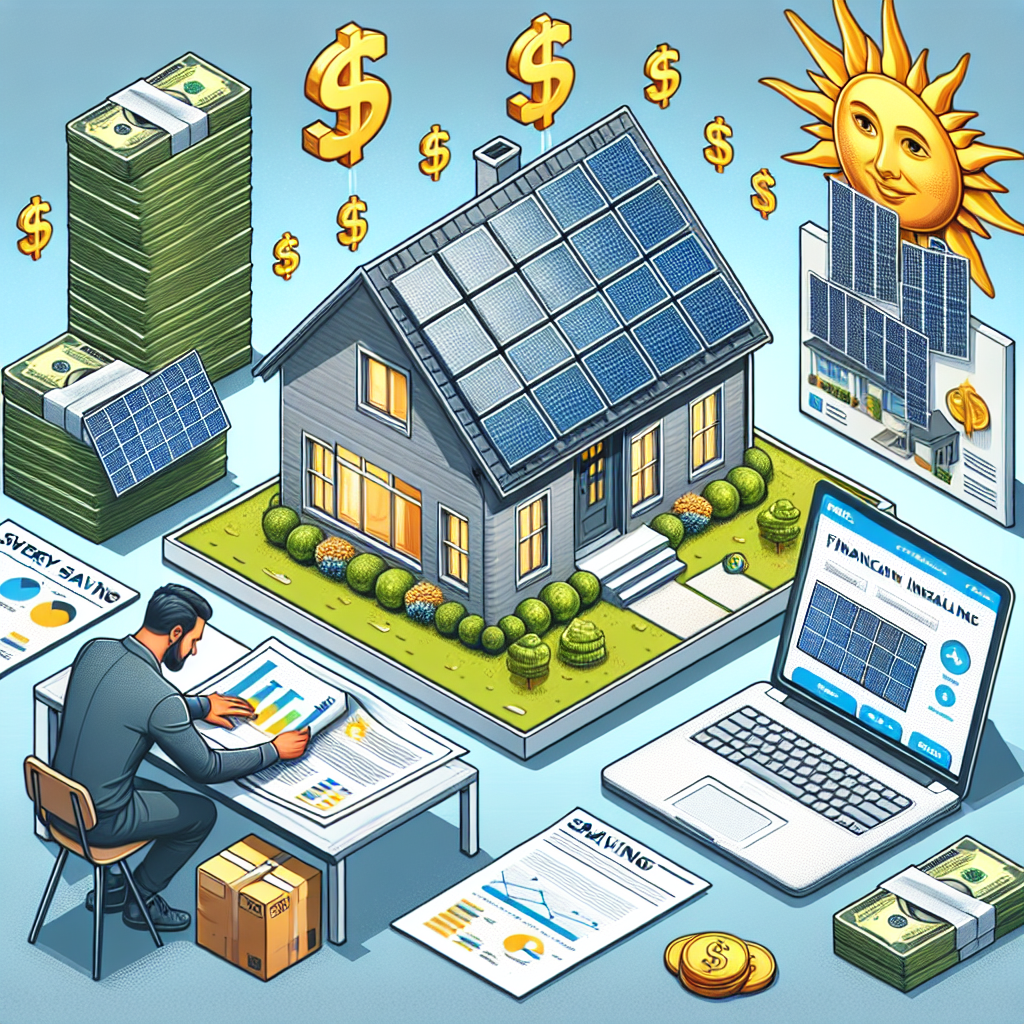
    Let’s be real, the upfront cost of solar can be daunting. However, understanding the financial aspects can help soften that blow. After speaking with multiple contractors, I got a clearer picture of the costs. Upfront investments do turn into long-term savings over time.

    Consider available incentives and rebates! I was able to take advantage of federal tax credits, which make a significant dent in the initial costs. Unfortunately, not every state offers the same incentives, so I recommend checking with local authorities.

    It’s also beneficial to think about your savings over time. Many homeowners recoup their investment within 5-10 years, which is pretty impressive when I think about it!

    Financing Options

    If shelling out all the cash upfront isn’t feasible, don’t worry—there are financing options! I explored options like solar loans and leases, which made adopting solar much easier on my wallet.

    Solar loans often have lower interest rates, and some are available without any down payment. This option allows you to pay off the initial cost gradually while still enjoying the benefits of solar energy.

    Leasing is another popular option, where you don’t own the system; the company does. You pay a fixed monthly fee but don’t get the same tax incentives or benefits as a system owner. Do your research—what works for one person might not work for you!

    Evaluating Return on Investment

    Calculating ROI is a key part of this journey. I found it beneficial to visualize my potential savings over the years against my initial investment. You can make a plan to monitor your energy bill after installation, where you’ll begin to see the real difference!

    Keep in mind that ROI can differ depending on your local energy prices and the performance of your system. Tracking this helps keep you motivated through the initial costs.

    The end goal is to ensure that you’re confident that the chosen solar system is an investment worth making for your small home!

    Maintaining Your Solar System

    Regular Cleaning and Inspections

    Now, maintenance may seem like a chore, but trust me; it’s super important! Dust, debris, and leaves can accumulate on your panels and reduce efficiency. I made it a quick habit to check and clean my panels at least once every three months.

    Additionally, I recommend scheduling professional inspections at least once a year. These inspections ensure everything is functioning correctly and can catch any minor issues before they become major headaches.

    Pro tip: remember to check your inverter’s lights and displays. These should be monitored regularly to ensure everything is running smoothly without unexpected downtimes.

    Addressing Issues Promptly

    If you start noticing dips in energy production, don’t ignore them! Problems can arise—whether it’s a malfunctioning inverter or shading issues. I learned it’s best to address concerns sooner rather than later; it saves you time and money in the long run!

    So, if you sense something’s off, don’t hesitate to reach out to your installer. Many offer support long after the installation is complete, which is a huge comfort.

    Being proactive about your system will help you keep the green energy flowing smoothly!

    Staying Informed on Technology Advances

    Lastly, stay in the loop regarding new technology! The solar industry is rapidly evolving, with new developments and products hitting the market that can enhance efficiency and reduce costs. I love reading articles and attending webinars to keep my knowledge fresh.

    Also, keep in touch with your solar installer or local solar community. They often share insights on new tech and how it could benefit your system.

    So, consider joining forums or social media groups dedicated to solar energy. Having a network can help you stay informed and connected with like-minded individuals!

    Frequently Asked Questions

    1. What size solar system do I need for my small home?

    The size of the solar system you need depends on your energy consumption and sunny days in your area. An energy audit can help tailor the right size for you!

    2. Are there financing options available for solar systems?

    Yes! Financing options include solar loans, leases, and power purchase agreements, which make it easier to manage upfront costs.

    3. How much maintenance do solar systems require?

    Solar systems generally require minimal maintenance. Regular cleaning and annual inspections are recommended to keep them in top condition.

    4. How do I monitor the performance of my solar system?

    Many systems come with apps or monitoring systems that can show real-time energy production and consumption, making it easier to track performance!

    5. What incentives are available for solar installations?

    Incentives vary by state but often include federal tax credits, local rebates, and possibly grants depending on jurisdiction. Always check what’s available in your area!

  • How to Finance Solar Panel Installation with Ease

    How to Finance Solar Panel Installation with Ease

    Understanding the Costs

    Breaking Down the Expenses

    When I first looked into solar panel installation, I was kinda overwhelmed by the numbers. It’s super important to understand what goes into that bill. You’ve got the panels themselves, the installation labor, and all those little odds and ends, like wiring and inverters. Trust me, getting a grip on this upfront helps a lot.

    Don’t forget about ongoing costs, too! Maintenance might seem minimal, but it’s important to keep your system running smoothly. Educating myself about these costs cleared so many doubts I had.

    Take the time to ask for detailed quotes from different providers. This helped me see what’s fair and what’s not. Plus, it gives you some bargaining power!

    Initial Installment Versus Long-term Savings

    One of the biggest surprises for me was realizing how solar could save me in the long run. Sure, the upfront costs can be daunting—believe me, I felt that pinch. But when I saw the potential savings on my electric bill and the increasing value of my home, it started to click.

    I like to think of it as an investment. You know, putting down a bit now for a brighter, less expensive future. Plus, with state incentives and rebates, those initial costs can shrink a lot!

    So, weigh it out: it’s not just about what you’re spending today; it’s about what you’re saving down the road.

    Exploring Financial Incentives

    Look, if you’re anything like me, you want to squeeze every penny you can from this deal. So, diving into government incentives was a game changer. I started researching federal tax credits and state offers, and wow, it really adds up!

    One tax credit I found was the Federal Investment Tax Credit (ITC). It allows you to deduct a significant percentage of your solar panel costs from your federal taxes. That was a big win for me!

    In addition to that, some states even have their own bonus programs that can drop the cost even further. I spent an afternoon getting lost in the details, and it was totally worth it.

    Choosing the Right Financing Option

    Cash Purchase Versus Loans

    So there’s a bit of a dilemma here: do you buy outright or finance it? I had to think hard about this one. If you’ve got the cash, buying might save you some interest in the long run. You own those panels free and clear!

    But if you’re like I was—cash flow a bit tight—loans can work out too. Many solar companies offer affordable financing options. The key is finding the one with the best interest rate that fits your financial situation.

    My advice? Always read the fine print and make sure you truly understand the fees involved. You don’t wanna get blindsided down the line.

    Leasing Options

    If cash flow is really an issue, leasing could be your best bet. This option allows you to install solar panels with little to no upfront payment, and you just pay a monthly fee instead.

    Leasing sounded pretty appealing at first. I mean, who doesn’t want the solar benefits without the heavy investment? But keep in mind you don’t own the panels, so you won’t get those sweet tax credits. It’s a trade-off.

    Before leaping into a lease, make sure you understand the terms. It’s worth sitting down with someone to explain all the nitty-gritty details, so you know exactly what you’re signing up for.

    Finding the Right Lender

    Once you’ve decided on how you’re going to finance, finding the right lender is key. Not all lenders are created equal. I spent hours comparing different rates and terms before making my choice.

    Researching online reviews helped me find a lender who spoke my language and wasn’t just tossing jargon around. Customer service is huge in my book; I wanted to make sure I could reach out with questions.

    And don’t forget to ask about their experience with solar financing. Finding someone who knows the ropes can save you a ton of headaches. Trust me; it’s worth it!

    Maximizing Your Savings

    Monitoring Energy Production

    Once those solar panels are up, monitoring their performance is crucial. I always check my energy production online. It’s oddly satisfying to see how much energy I’m generating!

    By keeping an eye on my system, I can spot issues before they turn into bigger problems. Plus, I love tracking my savings month by month—it really energizes my commitment to sustainability.

    Many solar panels come with monitoring apps, and you know I’m all about that tech! Being hands-on helps me stay engaged in the process and keeps me motivated.

    Understanding Your Energy Usage

    A big part of saving money with solar is understanding your energy habits. I took the time to evaluate when I’m using the most energy and adjusted my habits accordingly. For example, doing laundry during the day means I’m harnessing that sunny energy!

    With a little tweaking, you can totally optimize your energy consumption, which means less reliance on the grid and more savings in your pocket. It’s all a balancing act!

    Don’t be afraid to reach out to your local solar provider for tips on optimizing your household energy use. They’ve seen it all and can help you save even more.

    Reevaluating Your Financial Plan

    Finally, I can’t stress enough the importance of reevaluating your financial plan periodically. Sometimes my circumstances change, and I need to reassess whether my current plan is still the best fit.

    Checking in with my lender and discussing options for refinancing helped me lower my monthly payments. Life happens, and it’s totally okay to make shifts to your plan!

    Staying proactive about my finances has empowered me to make the most of my solar investment, and I encourage everyone to do the same!

    FAQs

    1. What are the main costs associated with solar panel installation?

    The main costs include the solar panels, installation labor, equipment like inverters and wiring, as well as ongoing maintenance. It’s essential to get detailed quotes for a clearer picture.

    2. Is it better to buy solar panels outright or finance them?

    It depends on your financial situation. Buying outright can save you from interest costs, while financing options can help if cash flow is tight. Always weigh the pros and cons before deciding.

    3. What incentives are available for solar panel installation?

    There are federal tax credits, state rebates, and sometimes local incentives as well. Researching these can significantly impact your overall costs.

    4. What should I look for in a solar lender?

    Look for competitive interest rates, positive customer reviews, and experience in solar financing. It’s also crucial to gauge their customer service approach to ensure they can support you throughout the process.

    5. How can I maximize my savings after installing solar panels?

    Monitor your system’s performance, understand your energy usage, and regularly reevaluate your financial plan. Make adjustments as necessary to ensure you’re getting the most out of your solar investment.

  • The Impact of Solar Energy on Your Home’s Value

    The Impact of Solar Energy on Your Home’s Value

    Increased Home Value

    Understanding Market Trends

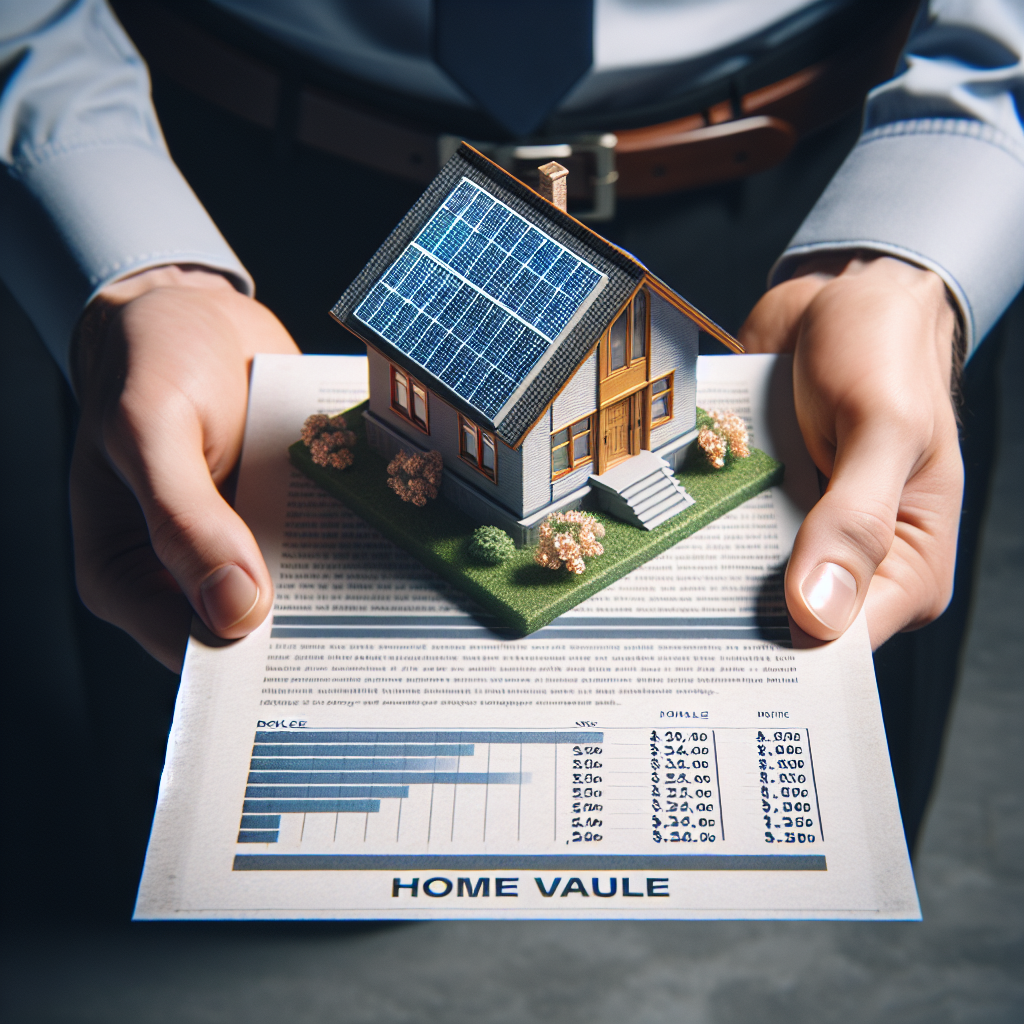
    When I first dipped my toes into the real estate market, one thing that always caught my eye was how certain features could really crank up a property’s value. Solar energy is one of those game-changers. With more people becoming eco-conscious, homes with solar panels are increasingly viewed as valuable assets. Studies have shown that homes with solar energy systems can sell for 4.1% more than comparable homes without them. That’s not chump change!

    This value bump translates directly to dollars when it comes time to sell. In my experience, many buyers are willing to pay top dollar for properties that boast energy efficiency. It’s a win-win situation, as buyers appreciate lower energy bills and sellers can cash in on these green upgrades. I know it’s something I’d be interested in as a potential homebuyer.

    If you’re looking to increase your home’s value, investing in solar panels could be one of the smartest decisions. Not only do you reap the personal benefits of energy savings, but you also set up your home for a lucrative future sale. It’s like planting a money tree that just keeps on giving!

    Energy Savings

    Lower Monthly Bills

    Who doesn’t love saving a few bucks, right? One of the most immediate perks of going solar is the reduction in monthly energy bills. Having installed solar panels at my place, I’ve seen my electricity costs drop significantly! In fact, sometimes I’m surprised when I see my bill; it’s like a little gift every month.

    This money-saving aspect isn’t just a temporary thrill – lower energy costs are something you can count on for years. For homeowners on the fence about the upfront investment, the promise of these savings makes the decision much easier. Just imagine spending that extra cash on something fun instead of giving it all to the electric company!

    Plus, many areas offer incentives or rebates for installing solar, which can help recoup initial costs. It’s refreshing to shift from paying bills to actually investing in something that pays off in the long run!

    Environmental Benefits

    Reducing Your Carbon Footprint

    From my perspective, using solar energy isn’t just about personal gain. It’s about making a larger impact. When you power your home with solar energy, you’re drastically reducing your carbon footprint, and that’s something to celebrate! As an environmentally conscious individual, I feel like I’m doing my part to help combat climate change.

    Every kilowatt-hour produced by solar panels is a kilowatt-hour not produced from fossil fuels. It’s like every little bit counts, and I love knowing that I’m contributing to a healthier planet for future generations. Plus, it feels good to be part of a movement that promotes sustainability.

    In a way, it’s also a conversation starter. I’ve had so many guests come over and marvel at my solar panels. It opens up a dialogue about energy consumption, sustainability, and what we can all do to conserve our environment. It’s amazing how energy can spark change!

    Home Insurance Benefits

    Potential for Lower Premiums

    Here’s a fun little tidbit that surprised me: having solar panels can actually influence your home insurance premiums. Many insurance companies now recognize that homes with solar systems can be less of a risk because they often have lower energy-related claims. That’s something that can work in our favor!

    I’d recommend talking to your insurance provider to see if you qualify for any discounts. It’s theoretically a ‘no-brainer’ to keep insurance costs down while also enjoying the benefits of solar power. Who doesn’t want to save money on insurance?

    Plus, you also get the added peace of mind. Not only are you reducing your carbon footprint, but you’re also investing in your home’s resilience. Having solar power can protect you from energy price fluctuations, especially during emergencies. You can sleep a little better at night knowing your home is set up for both safety and savings!

    Home Appeal

    Aesthetic Value and Innovation

    Let’s be real – when it comes to selling a home, curb appeal absolutely matters! Homes with solar panels add a modern touch and forward-thinking appeal. I personally think they give a home that “wow” factor; they show potential buyers that the home is not just a place to live but a lifestyle choice.

    It’s fascinating to see how technology and aesthetics can merge. I’ve seen homes where solar panels are integrated beautifully into the roofline and blend seamlessly with the architecture. It reflects a sense of pride in ownership and innovation that resonates well with today’s buyers.

    I often hear from friends who are shopping for homes that energy efficiency is on their wish list. Solar panels can enhance the overall look of the property while also signaling that it’s energy-efficient. In short, it’s an attractive selling point – both visually and functionally.

    Frequently Asked Questions

    1. Does installing solar panels really increase my home’s value?

    Absolutely! Research shows that homes with solar energy systems can command a higher resale price compared to similar homes without them. It’s a fantastic way to enhance your property’s marketability.

    2. How much can I save on my energy bills with solar panels?

    Many homeowners report saving between 20% to 50% on their monthly energy bills. The savings depend on factors like your location, energy usage, and the size of your solar installation, but the impact is often substantial!

    3. Are there any tax benefits or incentives for going solar?

    Yes, many local and federal programs offer tax credits and rebates for solar installations. These incentives can help offset your initial investment, making it even more attractive to switch to solar energy.

    4. Will solar panels damage my roof?

    When installed properly by professionals, solar panels don’t damage your roof; in fact, they can protect the area underneath by shielding it from the elements. It’s important to work with reputable installers who understand roofing systems.

    5. How long do solar panels last?

    Most solar panels come with a warranty of 25 years, but many can last even longer when maintained properly. It’s safe to say you’re making a long-term investment for energy savings and home value boosting!

  • Choosing Solar Power vs. Traditional Energy Sources

    Choosing Solar Power vs. Traditional Energy Sources

    Cost Efficiency

    Initial Investment

    When I first started looking into solar power, I was hit right between the eyes with the upfront costs. Installing solar panels can feel like a huge investment—sometimes amounting to tens of thousands of dollars. But let me tell you, once I crunched the numbers, I realized that this initial cost was often offset by long-term savings. Think about it, traditional energy sources require consistent payments, while the sun, well, it just keeps shining!

    What I found exciting was the variety of financing options out there: loans, leases, and even power purchase agreements. These helped break down that hefty initial cost into manageable bites. In some cases, I’ve seen people go solar with little to no down payment! Awesome, right?

    Over time, as energy prices continue to rise, my solar investment has made more sense. No more worrying about fluctuating monthly bills; instead, I enjoy the stability of a fixed payment—or sometimes, no payment at all. It’s liberating!

    Long-term Savings

    The long game is where solar really shines (pun intended). After the initial investment, the savings from solar energy can be substantial. Think about it: no more skyrocketing electricity rates to deal with! When I calculated my potential savings over 20 years, the figures were eye-opening. Many folks can save thousands, even tens of thousands. It’s kind of like having your cake and eating it too!

    Plus, the government incentives and tax credits available for solar installations can further cushion the blow. You could recoup quite a bit of your initial investment with these perks. They’re designed to encourage folks, like you and me, to go green.

    And don’t forget the potential increase in property value! Homes equipped with solar panels often sell at a premium, giving you a financial boost down the road. In my experience, that becomes a huge selling point if and when you decide to move.

    Maintenance Costs

    Another attractive feature of solar power is the incredibly low maintenance costs. I was pleasantly surprised to learn that once my system was installed, the ongoing upkeep was minimal. A quick inspection every couple of years and occasional cleaning was all it took to keep things running smoothly.

    Traditional energy sources, though? They often come with hidden costs in repairs and maintenance—think of those old gas pipelines or aging power plants. It had me seriously considering what type of energy I wanted to rely on for the long haul.

    For me, the low maintenance costs associated with solar not only save me money but also provide peace of mind. I can focus on more important things in life than stressing over energy bills and repairs!

    Environmental Impact

    Carbon Footprint

    One of the most rewarding aspects of switching to solar power is knowing I’m making a positive impact on the environment. Traditional energy sources, like coal and natural gas, have high carbon footprints. Each panel I installed helps to shrink my carbon impact while generating clean energy.

    It’s a fantastic feeling to understand that by harnessing the power of the sun, I’m contributing to cleaner air and reducing pollution. The less we rely on fossil fuels, the better off our planet—and future generations—will be!

    Even friends and family have noticed the difference. When I share my solar journey, I encourage them to think about their own footprints. It’s inspiring to see how one person’s choice can ripple out and affect a whole community.

    Renewable Energy Source

    Solar is an unstoppable force—literally! Unlike traditional energy that can run out, the sun is a renewable resource. It’s here every day, begging to be harnessed. The more I’ve learned about solar power, the more I appreciate this endless energy source.

    As I gradually shifted my dependence from traditional energy to solar, I felt great knowing that I was part of the shift towards a more sustainable future. Plus, as solar technology continues to advance, we’re witnessing better efficiency and performance every year.

    There’s something so comforting about the fact that I’m using energy that’s ultimately free from Mother Nature, rather than continuously extracting from our planet. It’s like the ultimate partnership!

    Impact on Wildlife

    It’s critical to consider how energy production affects wildlife, and solar power offers a less invasive alternative compared to non-renewable sources. Before I opened myself up to solar, I hadn’t given much thought to the impact of fracking or drilling on natural habitats.

    Solar farms, when designed thoughtfully, can coexist with wildlife. I appreciate that many developers are committed to protecting natural ecosystems while embracing solar technology. This harmonious relationship benefits everyone involved.

    When I think about my transition to solar, I feel good knowing that I’m contributing to sustainability—not only for my energy needs but also protecting our planet’s precious wildlife.

    Energy Independence

    Reducing Reliance on Grid Power

    One of the most liberating aspects of choosing solar power has been the sense of energy independence I’ve gained. Being tied to the grid means you’re at the mercy of fluctuations in prices and outages. Trust me, it’s nice to know that you can generate your own power when you need it.

    Going solar has truly transformed the way I interact with energy consumption. I’m no longer counting on the grid; instead, I’m generating my own, which gives me control and peace of mind. I can feel even more secure in the face of natural disasters or energy shortages.

    This sense of independence has empowered me and helped me appreciate the work I put into my solar transition. I’m making smarter choices regarding my energy usage and consumption.

    Resilience During Outages

    Let’s talk about power outages. Those pesky moments when the lights flicker off at the worst possible times. With a solar system, especially one paired with battery storage, I’ve found myself much less affected by outages. My family’s safety and comfort take precedence, and knowing that I can have light when the grid fails is priceless.

    In conversations with people who’ve made the switch, many share that having a backup battery has created a sense of security. It’s nice knowing I can keep our essentials running even when the grid doesn’t want to cooperate.

    There’s something about having that reliability at your fingertips. It allows me to stay grounded, even during uncertainty, which is invaluable in today’s world.

    Future Innovations

    As someone who prides themselves on keeping up with the latest tech trends, I’m excited to see how solar power evolves. The potential for innovations in solar technology means we’re just getting started with what’s possible. As advancements roll out, energy independence may only get easier to achieve.

    New materials for solar panels, more efficient batteries, and improved grid connectivity are all on the horizon. I fully believe we’ll see greater accessibility for solar energy across the globe soon. Companies are racing to create cost-effective solutions, and that’s something I can fully get behind!

    For anyone looking to the future or trying to make a clear choice between energy sources, the innovations coming forth in solar energy are definitely an exciting part of the equation to consider. It feels empowering, like we’re part of something bigger.

    Challenges and Considerations

    Installation Issues

    While the benefits of solar are super enticing, I can’t overlook the challenges. One main consideration is the installation process. Initially, I was overwhelmed by the idea of contracting and figuring out what system suited my home. Researching various options pushed me out of my comfort zone.

    Finding a reliable service provider can be tricky. I had several friends share their experiences with shoddy installers, which definitely raised my anxiety levels. But once I found the right company and went through the installation, it felt like a weight had been lifted.

    So, my advice? Take your time researching installers! Be sure to read reviews and ask the right questions. The right team makes all the difference when embarking on a solar journey.

    Weather Dependence

    Another reality check is the weather dependency factor. While solar panels work beautifully on sunny days, cloudy days can cause a dip in energy efficiency. I learned firsthand how vital it is to understand my local climate before making a decision.

    For folks in areas with more overcast weather, energy generation may vary, which can be a bit of a bummer. But many installers I spoke with encouraged me to look into battery storage to combat this. That way, I could store energy produced on sunny days for use when the clouds roll in.

    For me, this knowledge helped shape my perspective. Solar isn’t a one-size-fits-all solution—but with a little creativity and preparation, it can be tailored to nearly anyone’s needs!

    Regulatory Policies

    The maze of local regulations is something that took me by surprise. Each region has its own rules concerning solar installations—everything from permits to tax credits. This labyrinth can sometimes feel frustrating for homeowners trying to make energy transitions.

    I found it helpful to engage with local solar groups or online communities. They were packed with useful tips and shared experiences from people who’d been through the regulatory process. Understanding the legalities ahead of time made my transition a lot smoother.

    So, if you’re considering solar, take some time to familiarize yourself with local regulations. Knowledge can help you navigate the process and avoid potential pitfalls effectively!

    Conclusion

    In wrapping this all up, choosing between solar power and traditional energy sources can feel daunting at first, but the exciting potential of solar is hard to ignore. From cost savings and environmental impacts to energy independence and challenges, there’s much to dive into. However, I’ve learned firsthand that the rewards of switching to solar far outweigh the challenges. It’s a journey worth taking!

    FAQs

    1. What are the upfront costs of solar power?

    The upfront costs can be significant, sometimes ranging from $15,000 to $30,000 or more, but various financing options can help manage that initial investment, including loans, leases, or even power purchase agreements.

    2. How much can I save with solar energy?

    Many homeowners can save thousands over the lifespan of their solar system. Savings vary based on location, energy usage, and the specific solar setup you choose, but the long-term benefits are clear.

    3. What about maintenance costs for solar panels?

    One of the best parts about solar panels is their low maintenance cost! After installation, minimal upkeep is required—just occasional cleaning and periodic inspections to ensure everything is functioning properly.

    4. Is solar power dependent on sunny weather?

    Yes, solar efficiency can drop on cloudy days, but with battery storage systems, you can store excess energy generated on sunny days for use during less favorable weather.

    5. How can I find reliable solar installers?

    Do your research! Look for customer reviews, check local forums, and ask for recommendations from friends or family who’ve installed solar. Finding a reputable installer is key to a successful transition.

  • The Role of Solar Generators in Sustainable Living

    The Role of Solar Generators in Sustainable Living

    Harnessing Clean Energy

    Understanding Solar Energy

    When I first dipped my toes into the world of solar energy, I was amazed at how basic sunlight could be converted into something so useful! Solar energy harnesses the sun’s power through photovoltaic cells, which create electricity. This is a game changer for anyone living a sustainable lifestyle because it’s renewable and abundant. Imagine switching on your appliances without a worry of depleting resources!

    Plus, using solar generators eliminates reliance on fossil fuels, greatly reducing greenhouse gas emissions. I can’t stress enough how important it is to shift towards cleaner energy sources. It not only benefits our planet but also lowers our energy bills in the long run. Trust me, it feels great to know I’m doing my part for the Earth!

    To really understand solar energy, I would encourage you to research how solar panels work. The more you know, the more engaged you’ll feel in making eco-friendly choices. It’s quite a fascinating subject that’s easier to grasp than it seems at first glance!

    Benefits of Clean Energy

    One major perk I’ve noticed is how solar generators can help decrease my electrical bills significantly. By producing my own power, I’ve seen my monthly costs drop, which is a win-win situation. Not only that, but I also love the fact that solar generators can contribute to energy independence. We shouldn’t have to rely solely on large energy companies that don’t always have our best interests at heart.

    Moreover, the positive environmental impact really strikes a chord with me. With climate change being such a pressing issue, adopting sustainable practices like using solar generators contributes to reducing our carbon footprint. Every little bit adds up, and knowing I’m part of that solution gives me a sense of fulfillment.

    Lastly, having a solar generator is fantastic for emergencies. I sleep better at night knowing that if there’s a blackout, I’ve got backup power at my fingertips. It’s all about comfort and security in our chaotic world!

    Solar Generators and Their Portability

    One thing I truly love about solar generators is their portability. Unlike traditional energy solutions, solar generators can be used in various locations. I can take mine camping, tailgating, or even to a family picnic! You can literally set up your generator and power up your devices wherever you are. It’s like having a tiny power plant in your backpack!

    This portability means I can stay connected without using fossil fuels, which is super appealing. I feel great about reducing my carbon footprint while enjoying the great outdoors. It’s wild how something so simple can foster a deeper connection with nature!

    And if you’re thinking of tailing your adventures with friends, you can even share the power! I’ve powered up friends’ devices during our camping trips, making the experience all the more enjoyable and connected. It’s perfect for those who love the outdoors without wanting to sacrifice the comforts of technology.

    Cost-Effectiveness of Solar Generators

    Initial Investment vs. Long-Term Savings

    Initially, I hesitated at the thought of investing in a solar generator. Let’s be real—those upfront costs can sting a little. However, I’ve come to realize that they’re essentially an investment in my future. In a few years, I’ve started to see a noticeable reduction in my electricity bills, which makes that initial investment feel justifiable.

    Moreover, many governments offer incentives and tax breaks for those who go solar. Keeping track of these incentives has been super helpful for my wallet. I encourage everyone to do their research—these benefits can significantly offset the initial costs, making solar generators even more appealing!

    As I look down the road, it feels reassuring to know that I won’t be affected by rising utility prices. If anything, my dependence on traditional forms of energy diminishes. It’s empowering knowing I’m working towards energy autonomy!

    Maintenance Costs

    When investing in a solar generator, one question that pops to mind is, “What about maintenance?” Honestly, I’ve found that the maintenance costs are quite minimal. A solar generator generally requires very little upkeep compared to other powering options. Occasionally, I wipe down the panels and check the battery level, but that’s about it!

    This simplicity means that once you’ve set everything up, you’re free from those pesky maintenance worries that plague fossil fuel generators. It offers peace of mind that I didn’t expect. Plus, who doesn’t love the idea of low maintenance?

    It’s liberating to know that as long as the sun shines, I’ve got an effective energy source with very little hassle! That creates more time for leisure, and let’s be real, that’s something we can all appreciate.

    Return on Investment

    Over the months, I’ve calculated my savings from using a solar generator. Let me tell you—seeing those numbers adds up quickly! Not only have I cut down on my electric bills, but I’ve also gained more energy independence. It’s like getting a sweet return on an investment that keeps giving back year after year.

    As the years go by, I’ll likely recover my initial costs and move into the realm of pure savings. I keep telling my friends that if they’re serious about sustainability, they should start considering a solar generator! The ROI isn’t just financial though; it’s also about peace of mind and doing something good for the planet.

    Knowing I’m contributing to a cleaner environment while benefiting financially is the kind of double win I can only encourage others to explore. The future is green, my friends, and it’s time to be part of that movement!

    Applications of Solar Generators

    Home Energy Supply

    I absolutely love the versatility of solar generators for home energy supply. During power outages, I find solace in knowing I’ve got backup at my fingertips! I can power my fridge, keep my devices charged, and even run essential medical equipment if need be. It’s a comforting notion in today’s unpredictable world.

    The ability to provide power for small appliances and electronics gives me and my family peace of mind. Sometimes, all it takes is that extra boost of power to ensure everything functions smoothly when the grid goes offline. It’s pretty empowering!

    Plus, owning a solar generator helps me encourage friends and family to consider their own sustainable energy solutions. It’s a chain effect that I’m proud to be part of—and more people should join in and explore this alternative lifestyle!

    Outdoor Adventures

    One of the coolest parts about having a solar generator is how it revolutionizes outdoor adventures! Whether I’m camping, hiking, or picnicking, I can still enjoy the comforts of electricity. Cooking meals on my portable stove, charging my phone, or even setting up a mini movie night under the stars—all possible because I brought along my trusty solar generator!

    And oh, the looks of surprise I get when I power up my devices while surrounded by nature! It’s a nice twist on the standard camping experience. I love showcasing how we can connect to the natural world while still enjoying tech enhancements!

    It opens the door to endless possibilities for leisure and creativity during outdoor events. Just imagine having sweet tunes blasting while you and your pals roast marshmallows around a campfire—that’s a vibe I’ll never get tired of!

    Business Uses

    Solar generators are not just for personal use; they’re also changing the game for businesses! As someone who has always been a fan of sustainability, it makes sense that more companies are turning to solar generators to reduce their energy costs. It’s an opportunity for businesses to showcase their commitment to green practices.

    Imagine a local shop powered by clean energy! It resonates with customers who are increasingly focused on sustainable purchasing options. I’ve noticed that this trend strengthens customer loyalty. People feel good about supporting businesses that align with their values.

    Additionally, for those involved in event planning, having solar generators on hand can power everything from lighting to sound systems. More events are opting for eco-friendly power solutions, and it’s exciting to see businesses lead the charge toward sustainability!

    Conclusion: Embracing a Sustainable Future

    As I wrap up this exploration of solar generators and their role in sustainable living, I can confidently say that choosing solar is a lifestyle shift that brings countless rewards. From harnessing clean energy to experiencing long-term savings and enjoying the versatility they offer, every aspect excites me. It’s like transforming how we view power and our relationship with the environment!

    You don’t have to be an eco-warrior to appreciate the benefits that solar generators can bring to our lives. I personally think we should all embrace this shift towards a greener future—where every bit counts, and we invest in our planet while enjoying modern conveniences.

    So, if you haven’t already, I urge you to consider how solar generators can fit into your life. The journey to sustainability is truly a collective one, and every individual effort helps steer our planet towards a brighter future!

    FAQ

    1. What exactly is a solar generator?

    A solar generator is a device that converts sunlight into electricity and stores it for later use. It allows you to power various devices without relying on traditional energy sources.

    2. How much can I save on my electricity bills by using a solar generator?

    This can vary based on your energy consumption, but many users experience significant savings over time. As solar energy is free, the more you rely on it, the more money you potentially save!

    3. Do solar generators require a lot of maintenance?

    Nope! Solar generators generally require minimal maintenance—usually just cleaning the panels occasionally and checking the battery levels to ensure optimal performance.

    4. Can I use a solar generator for camping?

    Absolutely! That’s one of the best uses for a solar generator. They’re portable and perfect for camping trips, allowing you to power up devices and appliances on-the-go.

    5. Are there government incentives for using solar generators?

    Yes, many governments offer tax rebates and incentives for using solar energy, which can help offset your initial costs. It’s always a good idea to check local policies to see what’s available!

  • How to Troubleshoot Common Issues with Solar Panels

    How to Troubleshoot Common Issues with Solar Panels

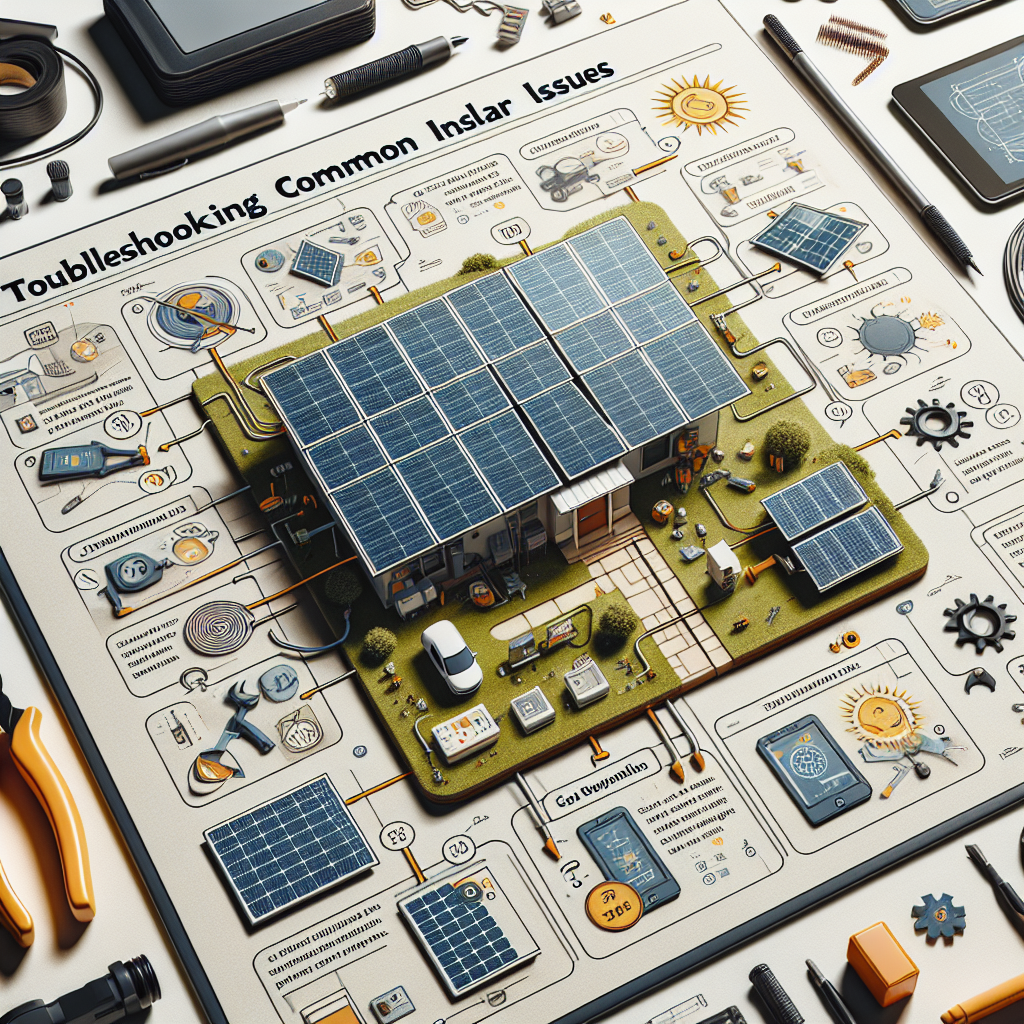
    Understanding the Basics of Solar Panels

    How Solar Panels Work

    When I first got into solar energy, I found it essential to understand how these panels do their magic. Basically, solar panels convert sunlight into electricity through photovoltaic cells. It’s like they’re little energy factories! Imagine sunlight hitting those cells and creating a direct current (DC), which is then converted into alternating current (AC) by your inverter. That’s the type of electricity we use in our homes.

    Knowing how solar panels work not only brings a sense of wonder but also equips you with the foundational knowledge for troubleshooting. When I realized this, it became easier to identify potential issues whenever I noticed something off with my system.

    So, before diving deep into troubleshooting, remember to familiarize yourself with the components of your solar power system. Energizing your curiosity can make you feel more in control of your solar asset!

    Common Myths Surrounding Solar Panels

    With solar energy’s growing popularity, I kept hearing some myths that just needed debunking! One was the idea that solar panels only work in sunny places—my friends, that is simply false. They still generate power on cloudy days, just at a lower efficiency. Knowing this helped manage my expectations a bit better.

    Another myth is that solar panels require a lot of maintenance. In reality, most systems are quite low maintenance, needing just an occasional cleaning and inspection. I used to think I’d spend hours on upkeep, but I’m pleasantly surprised it’s minimal!

    Lastly, many folks assume the upfront costs are too high. I totally get that perception, but tax credits and other incentives can significantly cut these initial costs, making solar more accessible. So, don’t let these myths convince you otherwise!

    The Importance of Monitoring Your System

    Keeping an eye on your solar panel’s performance is crucial! I can’t stress enough how monitoring can alert you to issues before they become major headaches. Many systems come with apps or software that let you track production and efficiency right from your phone. It’s super handy!

    Every month, I check my system’s performance and look for any sudden drops in electricity production. This habit helps me catch issues like shading from trees or dirt buildup on the panels early on. Trust me, preventative measures save time (and money) in the long run!

    Being proactive means I’m not just waiting for a problem to arise—I’m actively involved in my solar journey! Taking this approach has given me peace of mind knowing I am doing my best to keep things running smoothly.

    Identifying Physical Issues with the Panels

    Visual Inspections

    When I suspect something’s off with my solar panels, my first step is always a visual inspection. I get up on the roof and check for any obvious signs of damage—like cracks or discoloration. Believe me, some issues are easily spotted if you take a close look.

    It’s crucial to look for debris, like leaves or snow, that might be obstructing sunlight. When I had an issue with production once, it turned out to be a simple pine needle situation that was easy to fix!

    If you’re not comfortable climbing up there, it’s totally okay! A pair of binoculars can work wonders too. Just make sure to check regularly, as little problems can snowball into bigger issues if left unnoticed.

    Examining Wiring and Connections

    Another angle I like to inspect is the wiring and electrical connections. Loose or damaged wiring can greatly affect performance—I’ve learned this the hard way! I always ensure that all connections are secure and free of corrosion.

    Sometimes, it’s best to consult a professional if you’re unsure about your system’s electrical aspects. However, knowing what to look for can save you from unnecessary expenses down the line. It’s like being able to speak “solar” yourself!

    Don’t skip this step; even minor electrical issues can lead to significant problems. Stay vigilant, and your panels will thank you!

    Evaluating the Inverter

    Your inverter is like the brain of your solar panel system, so if something seems off, I immediately check it. Most inverters come with warning lights or error messages that indicate issues. I remember one time my inverter tripped a breaker, and the lights went red on the display—talk about panic! But a quick reset and everything was back to normal.

    Periodically, I recommend checking the inverter’s lifespan too. Most have a life span of about 5-10 years, and knowing when to replace it can prevent performance drop-offs. Make sure you stay on top of these things!

    It might seem a bit daunting, but getting to know your inverter can really boost your confidence in troubleshooting. Plus, knowing I can rely on this tech keeps me feeling secure in my energy choices!

    Dealing with Environmental Factors

    Shading and Obstructions

    Man, one of my biggest surprises was learning how much shading affects solar panel performance. I once had a tree grow taller and suddenly changed the whole dynamics of energy production. Now, I regularly evaluate my surroundings and anticipate any future obstructions that could impact my panels.

    I use online tools to check the sun’s path throughout the day, ensuring my setup gets maximum sunlight. If I suspect shading, I can consider trimming or removing obstacles. It’s essential to be proactive about it.

    Even a small branch can have a big impact, so don’t overlook this! Staying aware and adapting is key to keeping your energy production strong!

    Weather Effects

    Weather can be a mixed bag for solar panels. Of course, sunny days are the best for production, but I’ve learned to take a balanced view. Rain and cloudy days aren’t entirely detrimental; however, they do lower efficiency. It’s all part of the solar dance!

    After a heavy storm, I check for any physical damage caused to my panels or the system overall. High winds can be a concern too. My panels are fixed securely, but checking after severe weather gives me peace of mind.

    Ultimately, the weather is unpredictable, but managing the after-effects really helps maintain system integrity, keeping everything running smoothly!

    Temperature and Efficiency

    Did you know high temperatures can affect solar panel efficiency? Yeah, I found that out the hard way! While panels excel in sunny conditions, the heat can cause them to perform below their peak. I started paying more attention to how the temperature affected outputs, especially in the summer!

    Using panels designed for high efficiency in warm climates is a great step. There are also cooling solutions you can explore—just take your time and do some research to find what works for you.

    Understanding the temperature-variable dynamics of my panels has been instrumental in maximizing energy output. Don’t let Mother Nature throw you off your game—you’ll get the hang of it!

    Maintenance Practices for Solar Systems

    Regular Cleaning

    Over time, grime and dirt can accumulate on your solar panels—yep, even when you least expect it! I’ve made it a habit to clean them a couple of times a year; it keeps them efficient and in good shape. A simple rinse with water and a soft brush can do wonders, especially after any dust storms or bird activity.

    Watching my panels sparkle in the sun after a good cleaning brings a smile to my face! Just make sure to do it when they aren’t super hot; cleaning hot panels can lead to damage.

    I also recommend checking warnings from manufacturers about maintenance and cleaning. Different panel types have different requirements, and you don’t want to figure out the hard way!

    Professional Inspections

    Now, while routine cleaning is manageable, I truly believe in the power of professional inspections at least once a year. Experts can identify potential problems I might miss and ensure everything is performing at its best. It’s a bit of an investment, but the peace of mind is worth it!

    You never know what might need attention, and sometimes it’s best left to the pros. They can provide insights on new technology or upgrades that can improve efficiency too. Just having that annual check-up makes me feel a lot more secure about my investment.

    It may seem unnecessary to some, but my panels are a significant investment, and I want to maintain their value for years to come!

    Staying Updated on Technology

    The solar industry is always evolving, so I make it a point to stay updated on new technologies that could benefit my system. Whether it’s new panel designs, inverter tech, or battery storage solutions, being in the loop can help optimize my setup.

    Sometimes, I come across newer options that can save me money in the long run. Plus, a little research and learning personally enrich my experience with solar energy, and I love sharing that knowledge with friends and family!

    Remember, a little knowledge goes a long way! You want the best for your panels, so stay informed and involved in this exciting energy revolution!

    Frequently Asked Questions (FAQ)

    1. What are common signs that my solar panels need attention?

    If you notice a significant drop in energy production, debris on panels, or physical damages such as cracks, it’s time to take a closer look.

    2. Can I clean my solar panels myself?

    Yes! Regular cleaning is important, and you can do a basic rinse with water and a soft brush. Just ensure they’re cool to avoid damage.

    3. How often should I have my solar system inspected?

    I recommend a professional inspection at least once a year to catch any potential issues and ensure everything is operating efficiently.

    4. Does shading really impact solar panel performance?

    Absolutely! Shade can significantly reduce energy output, so it’s essential to manage any obstructions surrounding your panels.

    5. Are there any technology upgrades I should consider?

    Staying updated on new technologies can enhance your solar efficiency. Consider advancements in panel designs, inverters, and energy storage systems!

  • The Benefits of Upgrading to Hybrid Solar Inverters

    The Benefits of Upgrading to Hybrid Solar Inverters

    Enhanced Energy Efficiency

    Understanding How Hybrid Inverters Work

    When I first delved into the world of solar energy, I was amazed at how hybrid solar inverters operate. They don’t just convert solar energy into usable power; they also intelligently manage where that energy goes. This means you’re leveraging every ray of sunshine to its fullest. Unlike traditional inverters, hybrid models optimize energy consumption, ensuring that you use as much power as possible without excess waste.

    These smart devices allow you to monitor your energy use in real-time. This means that you can see where your energy is going, which can help you make adjustments to reduce your overall consumption. Having that visibility changed how I approached my energy use completely. It’s eye-opening, to say the least!

    Moreover, hybrid systems can store energy for later use. They typically come with battery storage options, meaning those long summer days translate into power you can draw from later, whether it’s at night or during a cloudy day. This feature is especially cool because it allows you to optimize your energy usage throughout the day.

    Lower Energy Bills

    The Savings accumulate over time

    Let’s talk about saving some cash! One of the major perks I’ve experienced since upgrading to a hybrid solar inverter is the reduction in energy bills. Initially, I found the price tag a bit daunting, but I can honestly say that the savings I’ve realized have made it worth every penny.

    Having a hybrid inverter means you’re less reliant on the grid. If you’ve ever opened up an electricity bill only to be hit with a wave of anxiety, you’ll appreciate this. By utilizing stored energy during peak hours when rates are higher, I’ve noticed a big drop in costs. It feels amazing to take control of my energy expenses!

    Ultimately, the goal for many of us is to achieve energy independence. Hybrid solar inverters bring that goal closer to reality. With reduced dependence on utility companies, you’re not just cutting costs; you’re creating a sustainable future for yourself and your family.

    Increased Energy Independence

    Understanding Energy Independence

    When I think about energy independence, it’s like a weight being lifted off my shoulders. Switching to a hybrid inverter gave me the freedom from fluctuating energy prices and the overall unpredictability of traditional energy sources. Suddenly, I felt empowered about my energy usage.

    In a world where energy prices seem to increase every year, knowing I can generate and store my own energy provides peace of mind. I’m no longer at the mercy of rising utility costs or energy shortages. I can generate my own clean energy, and it’s a game-changer.

    This independence isn’t just good for my wallet; it’s better for the environment as well. By utilizing solar power and minimizing reliance on fossil fuels, I feel like I’m doing my part in this big environmental puzzle. And let’s be honest, it feels good to contribute positively to the planet!

    Flexibility for Future Upgrades

    Planning Ahead with Technology

    One thing I learned while upgrading my system is the importance of choosing technology that has room for future growth. Hybrid solar inverters offer incredible flexibility for future upgrades, which is perfect for anyone anticipating changes in their energy needs.

    For instance, if you decide to add more solar panels or batteries down the line, a hybrid inverter can easily accommodate those changes. Rather than feeling stuck with outdated or incompatible equipment, I had the opportunity to expand my system seamlessly.

    Not only does this future-proofing allow for easier modifications, but it also helps to protect my initial investment. With technology evolving rapidly, being able to adapt means I won’t be left hanging with something obsolete in just a few years. I can upgrade when it suits me without starting from scratch!

    Contribution to Sustainability

    Doing My Part for the Environment

    One of the most gratifying aspects of upgrading to a hybrid solar inverter is knowing I’m contributing to a more sustainable future. It’s more than just a trend; it’s a movement towards cleaner energy. I genuinely feel a sense of pride when I think about my carbon footprint shrinking.

    Using solar energy means I’m tapping into a renewable resource instead of relying on finite resources that harm the planet. Every time I see that I’m generating power from the sun, I know I’m part of a solution—reducing greenhouse gas emissions and promoting cleaner air.

    Plus, it’s contagious! Talking about my transition with friends and family has sparked interest in them. I love sharing my experience because it’s not just about me; it’s about creating a ripple effect for future generations. It’s all about building a better world together!

    FAQ

    1. What are hybrid solar inverters?

    Hybrid solar inverters are devices that combine the functions of traditional solar inverters and battery storage systems. They allow you to use solar energy, store excess power, and manage your energy consumption more effectively.

    2. How much can I save on energy bills with a hybrid solar inverter?

    The savings can vary depending on various factors including energy consumption, local electricity rates, and the size of your solar system. Many people report significant reductions in their monthly bills after switching, often recouping their initial investment within a few years.

    3. Are hybrid solar inverters compatible with existing solar panels?

    In many cases, yes! Hybrid inverters can often be integrated with existing solar panels, but it’s always a good idea to consult with a professional before making the switch to ensure compatibility and efficiency.

    4. Can I add more solar panels later if I upgrade to a hybrid inverter?

    Absolutely! One of the advantages of hybrid inverters is their flexibility. If your energy needs increase, you can generally add more solar panels or batteries without needing to replace the entire system.

    5. How do hybrid solar inverters help the environment?

    By harnessing renewable solar energy, hybrid inverters reduce reliance on fossil fuels, therefore lowering greenhouse gas emissions. Using solar power contributes to cleaner air and helps combat climate change, making it a more sustainable choice for the planet.

  • How Solar Energy Enhances Your Home Resale Value

    How Solar Energy Enhances Your Home Resale Value

    Understanding the Financial Benefits of Solar Energy

    Lower Energy Bills

    Let me tell you, one of the first things I noticed after installing solar panels was the drop in my energy bills. It felt almost magical to watch my monthly costs shrink. With solar energy, you’re essentially generating your own power, which can lead to significant savings over the long run. Buyers love to see those lower bills, and they often factor this into their offer price.

    Plus, different states offer variety of incentives, tax credits, and rebates that can make solar even more appealing. I remember looking into my local incentives and discovering I could save thousands—this is attractive for potential buyers who’ll be looking for ways to save money!

    All in all, when you think about it, lower energy bills equal more cash in your pocket, and that’s a huge selling point when you want to list your home. It’s a classic case of spending a little now to save a lot later, which every savvy home buyer appreciates.

    Increased Home Value

    It’s a no-brainer that homes with solar panels tend to sell for more. Some studies even show that homes equipped with solar energy systems can sell for about 4% more than those without. I once had my home appraised, and the appraiser gave extra weight to the solar panels when figuring out the final value. That was such a comforting thought!

    When people see solar panels, they often associate them with modernity and eco-friendliness. Buyers are increasingly looking for homes that not only meet their lifestyle needs but also reflect their commitment to the environment. I can’t say I blame them; making green choices feels good!

    Think of it this way: you’re not just installing solar panels; you’re making a long-term investment that others will appreciate just as much as you do. It’s a smart choice that adds tangible value to your property, and it stands out in what can sometimes be a saturated market.

    Banking on Incentives

    I can’t stress enough how much potential buyers love tax incentives associated with solar energy. Programs vary greatly depending on where you live, but many places offer federal, state, and even local incentives. When I started my solar journey, I was amazed at how many different ways I could benefit from these programs.

    These financial perks can significantly reduce the overall cost of the solar installation, which, in turn, makes your home more appealing. As potential buyers weigh their options, knowing they’ll save money through incentives adds yet another layer of attraction to your listing.

    In short, when you’re selling your home, highlighting these available incentives can be your golden ticket. It’s like saying, “Hey, not only do you get a fantastic home, but you also get to save some serious cash.” Who wouldn’t want that?

    Enhancing Curb Appeal with Solar Panels

    Modern Look

    Let’s face it, solar panels have come a long way in terms of aesthetics. When I first thought about solar energy, I pictured clunky equipment distracting from my beautiful home. But today’s solar panels are sleek and modern, enhancing rather than detracting from curb appeal. This pop of modernity is something buyers readily notice.

    Being in the home staging business, I can say that aesthetics matter! Buyers often drive by homes before scheduling appointments to view them; if they see an attractive property with solar panels, they’ll be intrigued. It’s not just about saving money; it’s about owning a stylish and contemporary home.

    Having these panels can also spur conversations about energy efficiency and innovation. Trust me when I say showing you’re eco-conscious is a trendy move in today’s real estate market. Plus, it allows you to stand out in an area where old-school homes might dominate the scene.

    Landscaping and Energy Efficiency

    One of the unexpected benefits of installing solar panels is how they tie into the overall landscaping of your property. I love the way my solar panels seamlessly blend with my roof and my yard. If you’re thoughtful about the installation, it can look quite polished and tidy—big win for curb appeal!

    Moreover, a well-thought-out landscape gives a purposeful look, showcasing that you’re utilizing not just solar energy but optimizing your outdoor space too. I even decided to add some native plants that require minimal water, sprinkling in that eco-friendly aesthetic. It all ties together beautifully!

    Buyers appreciate a home that’s been well cared for, both inside and outside. Enhancing your landscaping while going solar sends the message that your home has been loved. This makes it more inviting and definitely stands out amongst other listings.

    Community Appeal

    Finally, one thing I’ve noticed in my neighborhood is the way solar energy promotes camaraderie. A community with solar energy feels progressive and vibrant. You start seeing neighbors chatting more often about panels and energy efficiency, creating a shared sense of purpose.

    When potential buyers come to check out your home, they aren’t just envisioning the inside; they’re thinking about the community they’ll live in. With more solar panels popping up in your area, it gives a positive vibe that many people look for when relocating.

    Plus, neighborhoods known for eco-friendly practices often attract buyers looking to make similar lifestyle choices. This trending culture can be incredibly appealing when trying to sell your home. Knowing you’re part of something bigger adds to the allure of your property!

    Solar Energy’s Role in Sustainable Living

    Promoting Responsibility

    One thing I am really passionate about is how solar energy highlights the importance of taking responsibility for our environment. Buyers are becoming increasingly conscious of their carbon footprints, and showing you’ve made strides in sustainability can be a big selling point.

    In my experience, homes that promote sustainability often sell more quickly. People want to feel good about the choices they make. I remember chatting with a buyer who was thrilled about the solar installation specifically because it meant lower emissions and a smaller carbon footprint.

    It’s more than just the physical benefits of solar energy; it’s about the mindset that comes with adopting it. By choosing solar, you’re not just enhancing your home’s resale value; you’re advocating for a healthier planet, which resonates deeply with today’s buyers.

    Community Responsibility and Solar Initiatives

    Many neighborhoods are becoming involved in solar initiatives and rebates. This community involvement can drive up demand for homes equipped with solar energy systems. My local community actually held informational sessions celebrating solar energy, and it made the idea of buying a home with solar panels even more appealing.

    Homeowners can take part in local advocacy efforts and reap the benefits while fostering a sense of belonging in their neighborhood. I’ve seen others become environmental champions, showing off their solar panels like badges of honor. There’s something that feels empowering about taking a stand for sustainability.

    Consider this: people looking at your home want to see that you’re part of a community that cares about the planet. It creates the perception of a progressive and caring environment. That’s certainly something that catches a buyer’s eye!

    Eco-Conscious Movement

    The eco-conscious movement is thriving, and being part of it not only boosts your home’s value but also gives you a layered connection with potential buyers. They’ll see your investment in solar not just as panels on a roof, but as part of a larger lifestyle. I found that buyers appreciate the stories we all have to share about our journeys toward sustainability.

    There’s this growing trend of folks buying homes with a focus on their lifestyle choices. With solar energy, buyers are looking for properties that reflect their values— homes with rooftop solar systems represent commitment to eco-friendliness and modernity.

    Create the connection; emphasize how your home represents part of this wonderful movement toward green living. It’s not just a house; it’s a chance to engage in something larger, and that resonates powerfully with a new generation of buyers.

    Frequently Asked Questions

    1. Do solar panels really increase resale value?

    Absolutely! Studies have shown that homes with solar energy systems often sell for more than comparable homes without them. The financial benefits and eco-friendly appeal add considerable value.

    2. What are the financial incentives for installing solar panels?

    There are various incentives available depending on your location, including tax credits, rebates, and net metering options that can significantly reduce your installation costs.

    3. How do solar panels affect a home’s curb appeal?

    Modern solar panels have sleek designs that can enhance a home’s aesthetic. They add a contemporary touch, signaling to buyers that the home is energy-efficient and up-to-date.

    4. Will installing solar panels attract more buyers?

    Yes! More buyers are seeking properties that align with eco-conscious values. Highlighting solar energy systems in your listing can draw more interest from potential buyers.

    5. How can I best market my home’s solar features?

    Focus on both the financial savings and environmental benefits when marketing your home. Showcase available incentives and tell your story about choosing solar to resonate with buyers.

  • The Latest Innovations in Solar Power Systems for Homes

    The Latest Innovations in Solar Power Systems for Homes

    Smart Solar Inverters

    Understanding Smart Technology

    Let me tell you, smart solar inverters are a real game-changer in the solar industry! These nifty devices not only convert the energy from your solar panels into usable electricity, but they also come packed with features that make monitoring and optimizing energy production a breeze. With built-in communication technologies, you can check your system’s performance right from an app on your smartphone. How cool is that?

    What I love about these inverters is that they provide real-time data. Imagine being able to see how much energy your home is producing or if there’s a hiccup in the system—all from your couch. Plus, they often have capabilities to connect with your home’s energy management system, helping you use electricity more efficiently. It’s like having a personal energy coach!

    Many of these inverters can automatically update with the latest software as well, meaning you’re always up-to-date with the newest tech—which is super important in such a rapidly-evolving field like solar energy.

    Improved Efficiency

    When it comes to solar inverters, the efficiency levels have skyrocketed over the last few years. We’re talking about systems that can convert up to 99% of solar energy into usable electricity. That means more power for your home and less energy wasted! Trust me, having an efficient inverter can make a big difference in your monthly utility bills.

    Furthermore, with innovations like Maximum Power Point Tracking (MPPT), these inverters can optimize the energy extracted from solar panels throughout varying conditions—think of cloudy days or when the sun is setting. It’s like having a savvy friend making sure you get the most out of your solar setup!

    I always encourage homeowners to look carefully at inverter efficiency ratings when shopping around. It’s one of those things that pays off in the long run. A quality inverter can save you a ton of headaches (and dollars) down the line!

    Remote Monitoring Capabilities

    The remote monitoring feature is honestly one of the best things about modern inverters. I remember when you had to physically go up on your roof to see if your system was performing well—how old school is that? Now, you can monitor your energy production from anywhere.

    Some smart inverters even send alerts if there’s something amiss in the system. I love how proactive this makes managing your solar power. If something goes wrong, you’ll know right away, possibly even before your electric utility notices. It’s like having a watchdog for your energy system!

    This capability not only gives peace of mind but also allows homeowners to be more engaged with their energy needs. It fosters a sense of empowerment—knowing you have the tools in place to effectively manage your home’s energy consumption.

    Home Energy Storage Solutions

    Understanding Battery Systems

    Okay, let’s chat about home energy storage systems. These babies let you store excess energy your solar panels generate, so you can use it whenever you need it. This is particularly handy during power outages or at night when sunlight is just a distant memory. I always thought of these systems like having a backup battery—one that helps you save money while keeping your house running smoothly.

    Modern batteries have come a long way in terms of efficiency and lifespan. New lithium-ion batteries are popular for their compact size and ability to last for years without losing too much charge retention. I mean, who wouldn’t want a battery that lives as long as most of your household gadgets?

    Plus, setting up a battery storage system can sometimes even get you incentives from your state or local government, making it an even sweeter deal. Just make sure to do your homework on compatibility with your existing solar setup!

    Cost-Effectiveness

    One of the coolest advancements in home energy storage is how affordable they’ve become. In the past, you could easily break the bank trying to get a decent battery storage system. But now, with different options to fit various budgets and preferences, it’s amazing to see just how accessible it has become for regular homeowners like us!

    On top of affordability, with the savings generated from using stored energy during peak hours, you might find that your investment pays for itself over time. I’ve chatted with friends who’ve noticed significant reductions in their utility bills just by using stored energy smartly. It really does feel good to save money!

    So, consider investing in a battery system for your home, especially if you find yourself often using more energy in the evening. It’s one of those innovations that truly feels like a win-win situation.

    Integration with Smart Home Technology

    One of the most thrilling things lately is how energy storage systems can integrate with your smart home tech. I remember the first time I set up my smart thermostat and realized how I could manage my home’s temperature remotely. Now, imagine being able to do something similar with your energy storage!?

    This ability allows you to optimize your energy usage based on when you have the most energy stored. If you’ve got a smart system that can learn your habits, it will know when to charge or discharge energy based on your lifestyle. Pretty impressive, right?

    So, not only can you save energy, but you can also streamline your home management systems, all while being environmentally conscious. It’s definitely the direction we should all be heading toward!

    Enhanced Solar Panel Technologies

    More Efficient Solar Cells

    The strides made in solar cell technology are straight-up mind-blowing! With advancements in materials and design, manufacturers are pushing efficiency levels beyond what we thought possible. Some panels now boast efficiencies pushing 23% or more! It’s almost like they’re supercharged!

    What’s cool is that these more efficient panels not only take up less space but also provide more power per square foot. For my own home, that means I’ve been able to install fewer panels and still meet my energy needs. I love that I’m maximizing my roof space while being eco-friendly.

    Plus, these solar cells are designed to perform better in lower light conditions, meaning they gather solar energy even when the sun isn’t blazing down. The innovations in design are making solar a viable option even in less-than-ideal weather conditions. Now that’s impressive!

    Durability and Longevity

    Another cool thing about modern solar panels is their impressive durability. Manufacturers are focusing on longevity, offering warranties that can span 25 years or more. That’s right! When you invest in solar, you’re really looking at a long-term solution.

    These improvements are often thanks to the use of better materials that help prevent issues like corrosion, fading, or physical damage. For someone who has dealt with stormy weather, I appreciate how my panels can stand up to the elements!

    Having durable solar panels not only means less maintenance and fewer replacements over time but also truly reflects the commitment to sustainability and longevity in renewable energy solutions.

    All-Weather Performance

    This innovation deserves a shout-out: all-weather solar panel performance. The latest models are designed to withstand extreme temperatures and conditions, whether it’s intense snow or scorching heat. I mean, think about it: these panels are tough cookies!

    The cool thing about this is that it allows homeowners in different climates to enjoy the benefits of solar energy without worrying too much about performance dips during seasonal changes. I know that for myself, the peace of mind that my panels will continue working through different weather is invaluable.

    This is truly a major step for solar energy—making it a reliable choice no matter where you live. It opens up the opportunity for homes in all climates to embrace renewable energy!

    Policy and Incentive Developments

    Government Support and Incentives

    Let’s not overlook the role of government support in boosting solar energy adoption. Programs like the federal solar tax credit, along with various state and local incentives, can really sweeten the deal for homeowners looking to install solar panels. It’s like getting a kickback for doing the right thing!

    Over the years, these incentives have made solar installations much more affordable. I remember hearing stories about friends who saved a chunk of change just because they took advantage of these programs. It’s all about knowing what’s out there!

    Plus, as a homeowner, when you see your investment substantially reduced through such incentives, it adds a layer of excitement and accessibility. It feels brighter when a greener future fits into your budget, doesn’t it?

    Legislation Supporting Renewable Energy

    There’s been a notable shift in the legislative landscape supporting renewable energies recently. Increasingly, policies are being enacted that support renewable energy, overall as a part of global sustainability goals. It definitely paints a hopeful future for all of us!

    I always keep an eye on local legislation and how it can impact my energy choices at home. When lawmakers push for legislation that supports renewable energy development, it opens doors for new technology and investment in solar projects. This progress directly translates into better options for consumers.

    Staying informed about these changes not only helps you as an individual but contributes to the broader cause of environmental sustainability. We’re all in this together, after all!

    Community Solar Programs

    Community solar programs are another incredible way renewable energy is being made more accessible. If your roof isn’t suitable for solar panels, these programs allow you to purchase or lease solar power from a nearby solar garden instead. How neat is that?

    This means that even renters or anyone living in a shaded area can benefit from solar energy. I’ve spoken with several folks who are thrilled to be part of community solar, enjoying green energy without the hassle of installing panels on their roofs!

    Participating in these programs is not only good for your wallet but also fosters a sense of community involvement. It’s rewarding to know that you are supporting renewable energy initiatives that help build a safer planet for generations to come.

    Integration with Electric Vehicles (EVs)

    Solar-Powered Charging Stations

    Have you seen the exciting trend of solar-powered electric vehicle (EV) charging stations? They’re popping up everywhere, and it’s a brilliant integration of two eco-friendly technologies. These stations harness solar energy to charge your car, making it one of the greenest ways to fuel your ride.

    As an EV owner myself, I can attest to how cool it feels to know that my car is powered by renewable energy. It’s like giving Mother Nature a high-five every time I plug in! Plus, many of these charging stations allow you to monitor energy usage, which is just as important while you’re on the go.

    I guarantee that as solar tech advances, we’re going to see even more innovative charging options that make EV ownership both practical and sustainable.

    Cost Savings for EV Owners

    Using solar for your EV can really rake in the savings! Forget about those spikes in gas prices; with solar charging, you’re generating your own energy. I’ve seen folks calculate their reduced fuel costs, and honestly, it can be quite substantial.

    Imagine combining a solar panel system with an EV—you’re generating energy during the day to store for nightly charging. It’s a beautiful synergy that benefits both your wallet and the environment.

    Plus, some states offer additional incentives for EV owners to switch to solar, which is like a double whammy of eco-friendliness and savings. It’s a no-brainer for anyone considering a new car!

    Future Trends in Solar and EV Technology

    The future looks bright for solar and EV tech. With the rise of solar EV technology, we’re seeing everything from integrated solar panels on cars to home charging solutions that use stored solar energy. It’s shaping a new world where renewable energy powers many aspects of our daily lives.

    You can bet I’m excited to see how these innovations unfold. It’s not just about saving the planet, but also about changing the way we think about energy consumption as a whole. Each step forward makes me more optimistic about the viability of a sustainable future.

    Stay tuned, folks—this is just the beginning of a solar-powered revolution!

    Frequently Asked Questions

    1. What is a smart solar inverter?

    A smart solar inverter is a device that converts solar energy into usable electricity while providing real-time monitoring and optimization features to enhance energy production.

    2. Why should I invest in home energy storage?

    Home energy storage allows you to store excess solar energy for use during peak hours or outages, ultimately saving you money on utility bills while providing backup power reliability.

    3. How are solar panels becoming more efficient?

    Recent advancements in materials and technology have improved solar cell efficiency, allowing panels to convert more sunlight into usable energy, even in low-light conditions.

    4. What are community solar programs?

    Community solar programs allow individuals who cannot install solar panels on their property to purchase or lease solar energy from a shared solar garden, enabling broader access to renewable energy.

    5. Can solar power be used to charge electric vehicles?

    Yes! Solar energy can power charging stations for electric vehicles, making it a sustainable and cost-effective way to fuel your EV and reduce overall energy consumption.

  • How to Integrate Solar Power with Smart Home Technology

    How to Integrate Solar Power with Smart Home Technology

    Understanding Solar Power Basics

    What is Solar Power?

    As I’ve gotten deeper into the world of renewable energy, one thing that really stood out to me is solar power. In the simplest terms, solar power is the energy we capture from the sun’s rays and convert into usable electricity. There are generally two ways to harness this energy: photovoltaic (PV) panels and solar thermal systems. The first one is quite common and is what most homeowners think of when they picture solar energy systems.

    Now, why should you even consider solar power? Well, apart from being eco-friendly, it’s a great way to cut down on your electricity bills. Can we say win-win? When installed correctly, not only do you benefit from reduced energy costs, but you also increase your home’s value. Homebuyers love the idea of energy independence!

    In latest years, the technology surrounding solar power has improved significantly. These days, solar panels are more efficient than ever, and their aesthetics are getting better too. So, if you’ve been on the fence about it, it might be time to do a little research and take the plunge!

    Smart Home Technology Overview

    What is Smart Home Technology?

    Smart home technology involves devices that can connect to the internet and communicate with each other, usually controlled via smartphone apps or voice commands. Imagine walking into a room and the lights turning on automatically, or adjusting your thermostat from anywhere you are—this is the kind of convenience we’re talking about.

    While at first glance it might seem a bit like sci-fi, smart home tech is becoming increasingly accessible. From security systems to smart lighting and energy management tools, there’s a device out there for almost anything you can dream of. I mean, who wouldn’t want to turn their home into a tech-savvy oasis?

    Integrating this technology with solar power is where the magic really happens. By connecting your solar energy system with smart home devices, you not only optimize energy use but also gain real-time insights into your power consumption. It’s pretty empowering to see how much energy you’re using and how much you’re saving!

    Choosing the Right Solar Power System

    Types of Solar Panels

    Choosing the right type of solar panel is crucial for an effective setup. There are primarily three types: monocrystalline, polycrystalline, and thin-film. Each has its pros and cons. Personally, I’ve found that monocrystalline panels tend to be the most efficient and space-saving option if you have limited roof space. Yes, they might be pricier, but trust me, they’re worth it!

    On the flip side, polycrystalline panels are generally more affordable and can deliver good performance but may take up a bit more space. If you’re going for a budget setup and have space to spare, they might just do the trick. And then there are thin-film panels—while they’re quite flexible and lightweight, they usually have lower efficiency rates.

    Take your time to weigh your options, and maybe even chat with a professional. The goal is to find a solar panel that fits well with your lifestyle and home setup.

    Integrating with Smart Home Technologies

    Smart Energy Management

    Integrating your solar system with smart home technology is the next big step. The first thing you’ll likely want is a smart energy management system. These systems monitor and control your energy usage by adjusting your smart devices according to energy production and consumption. For example, a smart thermostat can learn your habits and optimize when to use energy based on when your solar panels are generating the most power.

    Some devices can even store excess energy generated by your solar panels for later use. Imagine not just saving energy but actually using stored energy during peak times when electricity prices are higher!

    Besides managing energy use, these systems can provide detailed reports, giving insights into your energy usage patterns. I love reviewing my monthly reports; it’s great seeing how much I’ve saved, and it motivates me to keep finding ways to be more energy-efficient!

    Ensuring Compatibility and Setup

    Choosing Compatible Devices

    Not all smart home devices are created equal, and it’s vital to ensure compatibility with your solar power system. When planning your setup, look for smart home systems that feature compatibility with renewable energy sources. Popular brands usually specify this, so it’s always worth checking!

    Another important aspect is to consider communication protocols. Many devices use Wi-Fi, but some might use Zigbee or Z-Wave, which can create gaps in connectivity if they aren’t compatible with your main system. Trust me, trying to troubleshoot issues because of compatibility is frustrating—and it just takes time away from enjoying your smart setup.

    Setting things up properly from the get-go ensures that you can enjoy a seamless experience. Once I got everything hooked up correctly, the satisfaction of seeing everything work together smoothly was so rewarding!

    Benefits of Combined Systems

    Cost Savings

    One of the main reasons I integrated my smart home with solar power was to save on costs. Solar energy offers a great way to reduce electricity bills, and coupling it with smart technology enhances those savings. Smart devices can adjust their operation based on energy availability. For example, running your dishwasher or washing machine during peak solar production means you’re using the most cost-effective power possible!

    Additionally, many electric companies offer incentives for homes that generate their own energy—when you add smart home tech into the mix, it can sometimes qualify you for even more savings. I couldn’t believe the rebates I was able to snag!

    Plus, let’s not forget about the potential property value increase! Energy-efficient homes are incredibly appealing to buyers. So, not only am I saving money every month, but I’m also potentially boosting my home’s value. Talk about a win-win!

    Frequently Asked Questions

    1. Can all homes benefit from solar power?

    Yes, most homes can benefit from solar power, but factors such as location, roof orientation, and shading should be considered. Consulting with a solar energy expert can help determine your home’s suitability.

    2. How do smart home technologies actually save energy?

    Smart home technologies can optimize energy usage by adjusting the operation times of appliances and lighting based on when solar energy is available, effectively lowering overall electricity consumption.

    3. Is the initial investment in solar and smart technology worth it?

    Absolutely! Although there’s an upfront cost, the long-term savings in energy bills and potential state or federal tax incentives certainly make it a worthwhile investment for many homeowners.

    4. How do I know if my smart devices are compatible with solar energy systems?

    Check the specifications provided by the device manufacturers. Look for energy management systems that specifically mention compatibility with solar power. A little research goes a long way!

    5. Are there maintenance requirements for solar and smart systems?

    Solar panels typically require minimal maintenance—just regular cleaning and occasional inspections. Smart home devices can sometimes need software updates or battery replacements, depending on the type you choose.