Tag: SOLAR

  • How Much Do Solar Panels Actually Cost? Complete Guide

    How Much Do Solar Panels Actually Cost? Complete Guide

    Hey there! If you’ve ever found yourself daydreaming about going solar, you’re not alone. Switching to solar energy is super exciting, but let’s be real for a sec: the cost can be a bit overwhelming. In this guide, I’m going to break down the components that contribute to the overall price of solar panel systems. After all, once you have the scoop, you’ll be better equipped to make informed decisions that’ll save you bucks in the long run.

    The Basic Costs of Solar Panels

    Let’s kick things off with the very basics. When we talk about how much solar panels cost, we need to understand the main components that dictate these prices. This part is crucial if you want to get a complete picture.

    Solar Equipment

    First up is the solar equipment itself! This includes solar panels, inverters, batteries, and the mounting hardware. The price can swing wildly here, depending on the brands you choose. High-efficiency panels may cost more, but they crank out more energy, which can help you save on your electric bill.

    I remember diving into brands like LG and SunPower that were higher-priced but had excellent warranties. Trust me, investing here pays off long-term. Don’t forget to take into account the inverter—it should be just as reliable.

    And hey, batteries might feel like an afterthought, but if you want to go off-grid or have backup power, they can add a nice chunk to your costs. Make sure to do your homework!

    Installation Costs

    Next, let’s chat about installation costs. You might think, “Oh, I can just DIY this!” and while that sounds appealing, professional installation is often the way to go. Error-free installation ensures your panels will operate efficiently. It’s like hiring a pro for your car maintenance—better safe than sorry, right?

    Installation expenses include labor, permits, and inspections. Some companies bundle these costs, while others show them separately. Either way, it helps to get a few quotes to see where you can save.

    When I compared quotes, some companies were surprisingly transparent about their fees, while others had hidden costs that popped up later. Watch for those surprises like a hawk!

    Localized and Incentive-Based Costs

    Where you live plays a pivotal role too! Local regulations, available incentives, and rebates can heavily impact your overall price. Some states have super generous solar incentive programs which can help slash costs significantly.

    I live in a state that offers tax credits and rebates, so it almost felt like a no-brainer to go solar. Research your location for what’s available—you might be pleasantly surprised!

    Always keep an eye on state policies regarding net energy metering (NEM) as well. This allows you to get paid back for excess energy you generate, which adds to your savings.

    Maintenance Costs

    Now let’s pivot to maintenance costs. Who doesn’t want to know how much upkeep a solar panel system really needs? Spoiler alert: it’s not as much as you might think!

    Cleaning Your Solar Panels

    We all know that solar panels need to stay clean to be effective. That’s a no-brainer! Dust and debris can accumulate, blocking sunlight, so giving them a good wash is essential. I’ve learned that hiring someone to clean them isn’t a huge expense and “clean panels” means better efficiency, which equals better savings!

    If you’re in a rainy area, nature’s good at helping out, but think about doing a check-up a couple of times a year. For my panels, I just need a gentle rinse to keep things bright!

    There are even DIY guides out there if you’re feeling adventurous and want to tackle this job yourself. Just be cautious and safe!

    System Monitoring

    Most modern solar systems come with monitoring software that can help track energy output. It’s pretty cool, and some companies offer this service as part of the package, but remember that annual check-ins or repairs can add a little extra into your expense column.

    Seriously though, keeping an eye on how well your panels are performing lets you catch any potential issues early. I’ve used monitoring apps that send alerts, and I’ve found it’s totally worth it.

    If something breaks, you might face repair costs. But hey, usually, warranties cover the larger issues, so look at that before you purchase. You want peace of mind!

    Long-Term System Performance

    Let’s chat about how long these systems last! Most solar panels come with a warranty that lasts about 25 years. That’s incredible! However, you want to be prepared for the reality that some performance degradation is normal over time.

    It’s a good idea to look at historical energy output statistics. This will help you understand when it’s typical for panels to start underperforming. Knowing this helps manage expectations in the long haul. You don’t want to find yourself in shock a few years later!

    Regular maintenance can help maximize that longevity. Think of it as a long-term relationship with your solar panels — the more care you give, the better they’ll treat you back!

    Financing Options for Solar Panels

    Alright, folks, let’s dig into financing options. Solar costs can pile up, but there are plenty of ways to ease that financial burden. Knowing your options is essential.

    Cash Purchase

    Going all-in and buying outright is, of course, the best option if you can swing it! You won’t have to worry about monthly payments, and you’ll own your system fully from day one. Plus, you can immediately start cashing in on those savings!

    When I bought my system, it felt great to know I owned the equipment and didn’t owe anyone. However, that big upfront cost isn’t accessible to everyone. That’s the downside, really.

    But I can’t stress enough—if you can afford this route, the long-term savings (not to mention the increased home value) make it worthwhile.

    Loans and Financing Plans

    If that cash purchase gave you a panic attack, don’t sweat it! There are loan options that can help you spread the costs out. Many solar companies will offer financing plans directly, allowing you to break it down into manageable monthly payments.

    Be sure to compare interest rates and terms! I found that some loans can come with lower interest rates than my mortgage, so always ask for your best deal.

    Also, be cautious about taking on debt. Make sure the energy savings will outweigh the monthly payments. That balance is key!

    Leasing Options

    One more thing—solar leases! This option allows you to install panels without the high upfront costs, and you pay a monthly fee to use the system instead. While it’s appealing, you don’t own it, and you miss out on some of those sweet tax credits.

    Still, it’s an excellent way for folks who want to dip their toes into solar power without breaking the bank upfront. This worked for a friend of mine and they’ve loved having lower energy bills!

    Just check the fine print—some leases can increase over time and may leave you in a tricky financial situation down the line.

    The Bottom Line: Is Solar Right for You?

    Finally, the moment we’ve all been waiting for: the big question! Can you justify the costs of solar panels? It really comes down to each person’s situation. You have to weigh your options, calculate potential savings, and figure out your long-term goals.

    Assess Your Energy Needs

    First things first: assess how much energy you actually consume. I’ll tell you, my energy bills had become a nuisance before going solar, and understanding my consumption introduced me to tailored options.

    Pro tip: Getting a home energy audit can help you spot ways to cut down consumption before adding on those panels. If you’re wasting energy, why not fix that first?

    This step reshapes how you view energy use and can enlighten you about how many panels you may need down the line.

    Consult with Professionals

    I can’t stress how beneficial it is to chat with professionals before jumping in. They can help you dive deep into those numbers, projections, and systems that fit your unique needs. Spend time getting a few free consultations to help narrow down your options.

    Good conversations can lead to tailored plans that tackle your specific energy consumption, which translates to money saved!

    Trust me; I found experts who were honest and upfront, which made a big difference in my decision-making.

    Making the Right Decision

    In the end, making the right decision about solar panels comes from feeling confident in your knowledge and being aware of all the costs involved. With so much info out there, it can feel like a swamp, but taking it step by step will clarify things.

    For me, going solar turned out to be a fantastic journey—filled with learning, savings on bills, and, honestly, a little piece of mind knowing I’m contributing to a greener planet. It’s like a win-win!

    So, weigh your options, do your homework, chat with experts, and see where the road to solar takes you!

    FAQs About Solar Panel Costs

    1. What are the initial costs of solar panels?

    The initial costs commonly include the price of solar panels, inverters, batteries, and installation fees. Depending on your system’s size and the region you live in, costs can vary.

    2. Are there any recurring costs for solar panels?

    Yes, there can be maintenance costs like cleaning the panels, monitoring systems, and potentially repairs. However, many systems come with warranties that cover significant issues.

    3. Can I finance my solar panels?

    Absolutely! There are several ways to finance solar panels, including cash purchases, loans, and leasing options. Each has different implications for ownership and long-term costs.

    4. How do incentives affect solar panel costs?

    Incentives, such as tax credits and rebates, can significantly reduce the upfront cost of solar panels. They vary by state, so it’s crucial to research what’s available in your area.

    5. Is solar energy worth the investment?

    For many people, solar energy proves to be a worthwhile investment in the long run because it reduces electricity bills and increases property values. However, it really depends on your unique situation and energy needs!

  • Solar vs Gas Generators: Which Really Saves More Money?

    Solar vs Gas Generators: Which Really Saves More Money?

    Initial Investment Costs

    Understanding Upfront Costs

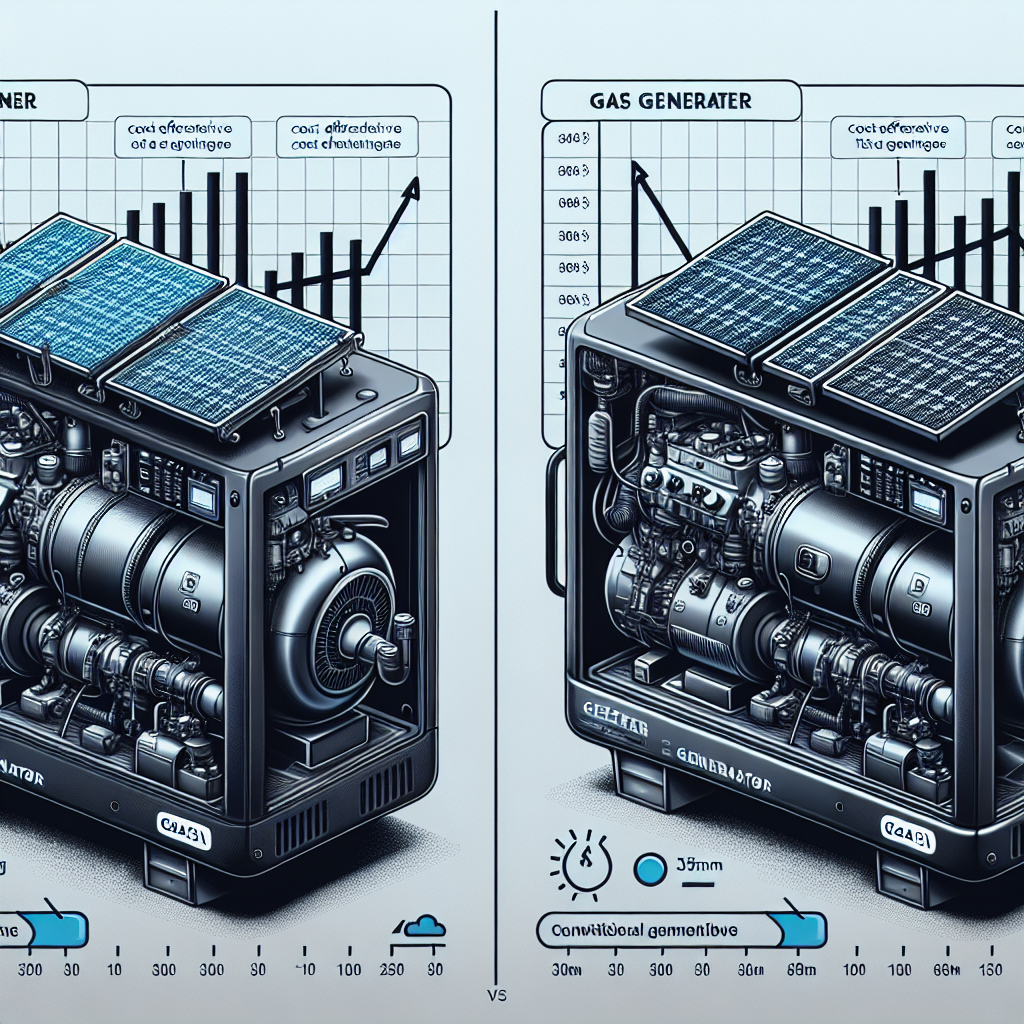
    So, first things first, when we dive into the world of generators, one of the biggest factors we need to consider is the upfront investment. Solar generators often come with a hefty price tag. We’re talking about the panels, the inverter, and of course, the storage system. My own experience has shown me that an average solar setup can run anywhere from $5,000 to $30,000, depending on how extensive your needs are. You gotta weigh that against a gas generator, which could set you back anywhere from a few hundred bucks to a couple thousand.

    But don’t let the initial sticker shock deter you. Solar energy is an investment that can pay for itself over time, especially if you live in a sunny area that benefits from electricity savings. Gas generators, while cheaper upfront, typically require more frequent replacements, maintenance checks, and fuel purchases. That’s where the hidden costs start to pile up!

    In my experience, taking a good look at your budget can really help you assess what works best for you in the long run. Do you have a lump sum ready for the solar setup, or would it be easier to manage smaller gas generator costs? It’s all about strategy!

    Operating Costs

    Fuel Expenses

    Let’s talk about operating costs for a moment. This is where I’ve really seen both sides of the coin with solar and gas generators. Gas generators need, well, gas! And prices at the pump can be all over the place. You might find yourself suddenly dishing out more money than you planned just to keep that thing running. It’s a running expense that just doesn’t quit.

    On the flip side, once you’ve installed your solar panels, your fuel is essentially free. The sun shines every day, and if you’re set up well with a good battery system, you’re not tied down to the world of fluctuating gas prices. I once went a whole summer without paying a dime on electricity bills, and it was amazing!

    Plus, let’s not forget maintenance costs. Gas generators require regular oil changes, filter replacements, and more. You may even find yourself calling in a technician from time to time for repairs. With solar, other than cleaning your panels occasionally, you’re pretty much set!

    Efficiency and Performance

    Assessing Energy Output

    Next, we’ve got efficiency and performance. Many people think, “Hey, a gas generator cranks out a ton of power!” And yes, they do deliver a substantial punch, especially for heavy-duty needs. However, think about this: solar panels convert sunlight to electricity more efficiently than ever before.

    On a sunny day, my solar setup has pumped out more energy than I could use, allowing me to send some back to the grid or store it for later. Gas generators can struggle with peak demand, leading to potential performance issues that could leave you in the lurch during crucial moments.

    Have you ever been in a situation where you need that power right away? Knowing my system is reliable and efficient is a game changer. I honestly feel a sort of peace of mind when I’m running on solar, versus the nervousness that sometimes hits when running a gas generator could fail me during those critical moments.

    Environmental Impact

    Going Green

    Now, let’s get real about the environment. Solar energy is clean, renewable, and contributes to reducing your carbon footprint. In my own case, I’ve seen the difference it can make to go solar—not just in my bills, but in how I feel about my impact on the planet.

    Gas generators, on the other hand, while useful, burn fossil fuels and emit greenhouse gases that contribute to climate change. Trust me, every time I fill up my gas can, I feel a little twinge of guilt. It’s a reminder that even though it’s convenient, there’s a long-term cost to our planet.

    There’s something gratifying about harnessing energy from the sun. I can throw parties without feeling bad about our environmental choices. Knowing that I’m part of a solution is very rewarding and adds to my overall happiness.

    Incentives and Financial Benefits

    Tax Credits and Rebates

    Let’s talk money again but in a different way—tax credits and rebates! When you decide to invest in solar, there are often incentives available that can seriously cut down your costs. For example, in many places, you can receive a tax credit on your solar investment, which could be 26% or more! That’s a big deal!

    Gas generators don’t come with the same perks. Sure, they might be cheaper upfront, but you don’t see tax deductions for maintaining fossil fuel systems. You might even end up paying more over time with added fuel and maintenance costs.

    It’s worth doing a little research into your local incentives because they can make a significant difference in the financial decision-making process for solar energy. When I found out about the rebates in my area, switching to solar felt even more like the logical choice.

    Frequently Asked Questions

    1. Which generator option is cheaper in the long run?

    Generally, solar generators can be cheaper in the long run because they don’t have ongoing fuel costs like gas generators do. The upfront cost may be higher, but the savings on electricity and minimal maintenance can tip the scales in your favor.

    2. How do I determine my energy needs?

    Assess your power consumption by reviewing your previous utility bills, or use a device to measure the energy usage of your appliances. Knowing how much energy you need will help you choose the right generator.

    3. Is solar energy reliable?

    Yes! Solar energy is reliable, especially if you have a good storage system in place. While weather affects solar output, advancements in technology have made systems more efficient and dependable.

    4. What are the maintenance requirements for solar vs. gas generators?

    Solar panels require minimal maintenance, typically just cleaning them occasionally. Gas generators need regular oil changes, filter replacements, and may require more frequent repairs.

    5. Can you really save money with solar panels?

    Absolutely! Many homeowners see substantial savings on their electricity bills after going solar, and you can capitalize on tax incentives that make going solar even more affordable.

  • Best Portable Solar Generators for Camping and Emergency Backup

    Best Portable Solar Generators for Camping and Emergency Backup

    Understanding Portable Solar Generators

    What Are They?

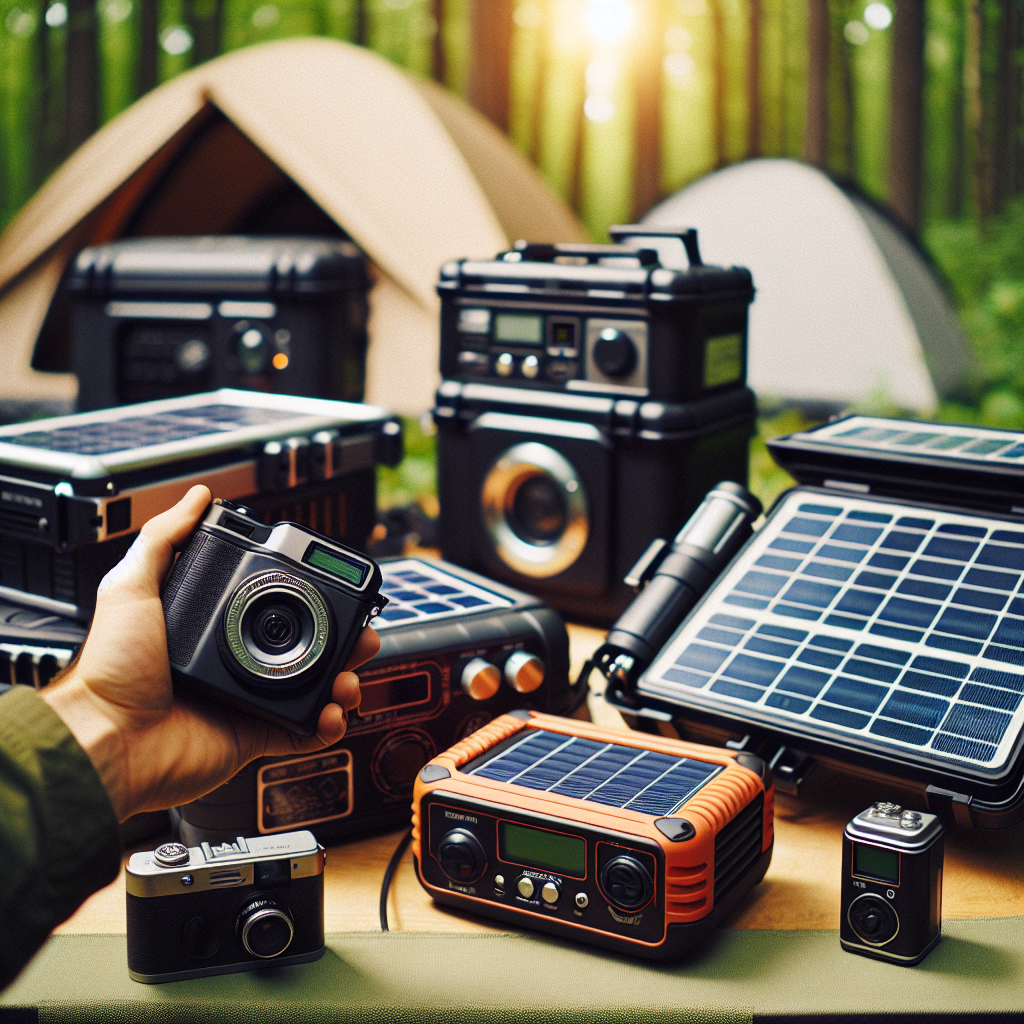
    Okay, so first off, let’s break it down. Portable solar generators are essentially power stations that harness energy from the sun. They’re a game changer for camping trips or when the power goes out. Wondering how they work? Well, they use solar panels to collect sunlight, convert it into electricity, and store it for use whenever you need it. Super neat, right?

    They’ve come a long way from the clunky machines of the past. These days, they’re compact, easily transportable, and can power a variety of devices. You can charge your phone, run your lights, or even power a mini fridge. If you’re heading out into the great outdoors or need a backup during an emergency, these generators are a lifesaver.

    Another cool thing? Many models come with multiple output ports, meaning you can plug in several devices at once. It’s like having a mini power grid right in your backpack! Now, you don’t have to sacrifice comforts while out camping or during unforeseen power outages.

    Key Features to Look For

    Battery Capacity

    So, if you’re searching for a portable solar generator, the battery capacity is one of the first things you’ll want to check out. Think of it like the size of the water tank – the larger the capacity, the longer you can run your devices. Most portable models range anywhere from 150 to 3000 watt-hours. For a weekend camping trip, something in the 300-600 watt-hour range is usually ample.

    But hey, don’t just focus on size; also consider how many devices you plan to power. If you’re planning on using multiple gadgets at once, a higher capacity will be essential. If you’re just charging your phone or running a small lantern, a smaller generator will do the trick.

    Also, check how fast it charges! A good generator should recharge substantially from both solar and AC sources. Because let’s face it, when you’re out camping, you don’t want to wait hours for it to juice back up!

    Portability and Design

    Weight and Size

    Now, let’s chat about portability. If you’re like me, you don’t want to lug around a ton of weight when you’re out in nature. Ideally, you’ll want a solar generator that’s lightweight and compact. Many of them weigh under 50 pounds, making them a breeze to carry. But don’t just grab the smallest one – it’s a balance between portability and performance.

    The size also matters! If you have limited space in your vehicle or camping gear, go for a design that fits well. Some have built-in handles, and others come with wheels for easy transport. Honestly, it’s worth trying them out in stores or checking the dimensions online so you know exactly what you’re getting into.

    Plus, some brands offer stylish designs! Who knew a portable power source could look so good? You might not be throwing a fashion show in the woods, but it’s nice to have something that doesn’t look ugly hanging out with your campsite gear.

    Solar Panel Efficiency

    Type of Panels

    When I dive into portable solar generators, one of the most crucial aspects is the efficiency of the solar panels. The type of panels used can make a significant difference in how much energy you’re collecting. Generally, there are two kinds: monocrystalline and polycrystalline. Monocrystalline panels are more efficient and take up less space, making them more desirable, especially for portable models.

    Polycrystalline panels might be cheaper but have a lower efficiency. If you’re going to be out there in the wilderness, you want every little bit of sun captured, right? I like to think of it as investing a little more upfront for a lot more energy later. Plus, better efficiency means faster charging times, which is a huge bonus on those grey, cloudy days.

    Also, consider how the panels fold or store away. Some models come with an easy-to-pack design that makes setup a breeze, while others might need some assembly. After a long hike, no one wants to struggle with complicated setup instructions!

    Budget and Value for Money

    How Much to Spend?

    Last but not least, let’s talk dollars and cents. The price of portable solar generators can vary widely, from a couple hundred bucks to several thousand. It can be tempting to go for the cheapest option, but trust me, you’ll want to find a balance between cost and quality. Invest a bit more and you’ll likely get a more reliable and durable unit that lasts longer.

    In my experience, figuring out what features you really need can save you a lot of cash. For example, if you don’t need hundreds of watts or multiple USB outputs, you don’t need to buy the top-of-the-line model. Shop around, compare features, and check reviews, because let’s be real, honest feedback from other campers can be gold!

    Lastly, keep an eye out for warranties. A long warranty can save you major headaches if your generator decides to quit on you unexpectedly. You don’t want to end up stuck with a dysfunctional pile of metal when you need it most!

    FAQ

    1. What can I power with a portable solar generator?

    You can power a variety of small electronics and appliances, including phones, lights, small refrigerators, laptops, and even some cooking devices, depending on the wattage of your generator.

    2. How long does it take to charge a solar generator?

    Charging time varies based on the solar panel output, battery capacity, and sunlight conditions. Generally, it can take anywhere from a few hours to a full day for an optimal charge with solar panels.

    3. Are portable solar generators noisy?

    Nope! One of the great things about solar generators is that they run silently compared to traditional gas generators, which is a huge plus when camping or in emergency situations.

    4. Can I use a portable solar generator indoors?

    Yes! Portable solar generators are safe to use indoors since they do not produce fumes or require fuel combustion, making them perfect for indoor backup power during emergencies.

    5. How often should I maintain my solar generator?

    Maintenance is pretty minimal. Regularly check the battery levels, clean the solar panels, and store it in a dry place. It’s also good practice to run it occasionally to ensure everything is functioning smoothly.

  • Ultimate Guide to Home Solar Panel Installation

    Ultimate Guide to Home Solar Panel Installation

    Understanding Solar Energy

    What is Solar Energy?

    First off, let’s talk about what solar energy really is. At its core, it’s energy from the sun that can be harnessed and converted into electricity. It’s pretty cool when you think about it – power from a giant ball of gas in the sky!

    When I first learned about solar energy, I was amazed to discover how the sun can power my whole house. It’s sustainable, renewable, and most importantly, it can save you a chunk of change on your energy bills over time!

    Solar panels convert sunlight into electricity through photovoltaic cells, which is a fancy way to say they take the sun’s rays and turn them into usable power. So, essentially, every hour that the sun shines, I’m generating my own electricity!

    The Benefits of Solar Power

    One of the biggest reasons I decided to go solar is the environmental impact. Using solar energy reduces your carbon footprint; it’s a win-win for your wallet and the planet! Plus, as more and more people adopt solar power, it promotes cleaner air and a healthier environment.

    Another perk? Long-term savings. While the initial investment can be a bit hefty, most homeowners eventually see a return on their investment through reduced energy costs. I’m talking about lower electric bills and, often, even credits on your electricity bill!

    Lastly, solar energy can increase your property value. Potential buyers often view homes with solar panels as attractive because they know they can save money on utilities. Who wouldn’t want to buy a house that pays them back over time?

    Common Myths about Solar Energy

    Now, let’s address some common myths because, believe me, I fell for a few before making my move. One of the biggest misconceptions is that solar panels don’t work in cloudy or rainy weather. Fact is, they do still generate power, though efficiency might dip a bit.

    Another myth I encountered was the belief that solar panels are too expensive for the average homeowner. While it’s true that the upfront costs can be significant, incentives like tax credits and grants help to reduce the burden. Plus, financing options have dramatically evolved!

    Lastly, some folks think that solar panels require a lot of maintenance. In reality, they’re pretty low-maintenance. A good cleaning a few times a year to remove dirt and debris is usually all they need. So, don’t let misinformation beat you before you even start!

    Assessing Your Home for Solar Installation

    Evaluating Your Roof

    Before diving into solar, it’s essential to assess if your roof is suitable for installation. When I climbed up on mine, I noticed it had a good south-facing angle, which is perfect for catching sunlight. If your roof is flat or has a steep pitch, don’t worry, options are still open!

    A key factor I considered was the age and condition of the roof. If it needs repairs soon, you might want to tackle that before adding solar panels. Nothing like a fresh roof to go with your shiny new panels!

    Also, think about any obstructions like trees or taller buildings. Shades can significantly impact the effectiveness of solar panels. If you’ve got a cozy oak that’s blocking sunlight, you might need to trim it back or think about panel placement.

    Understanding Your Energy Needs

    The next step is figuring out your energy consumption. I looked through my electric bills for the past year and tracked the usage during different months. It was eye-opening to see when I was using the most electricity.

    Consider what you want to power with solar. Do you plan on just powering your lights, or do you want to run the whole house? Depending on your goals, you might need a larger system. It’s crucial to map this out to avoid any surprises down the road.

    Once I gathered all my info, I used it to size my solar system correctly, ensuring it would meet my needs without overextending my budget. It’s all about balancing what you want and what fits your energy lifestyle!

    Checking Local Regulations and Incentives

    Next up, understanding your local regulations is super important. Different states have different rules about solar panel installations. I did a little research and found out that my town made it fairly easy with clear guidelines.

    Don’t forget to check what incentives or rebates might be available to you. Some states offer significant tax breaks, aside from federal incentives, that can help ease that initial financial burden. Every little bit counts, right?

    Finally, speak with your homeowners’ association (HOA) if applicable. Some places have strict rules about the aesthetics of homes, and it helped me to get clarity upfront rather than facing issues later.

    Choosing the Right Solar Panels

    Types of Solar Panels

    When I first started looking at solar panels, I was completely overwhelmed by the options. There are primarily three types: Monocrystalline, Polycrystalline, and Thin-Film. Each offers different efficiency levels and prices, so finding the right fit for your home and budget is crucial.

    Monocrystalline panels, for instance, are more efficient and take up less space, which is great if your roof isn’t huge. But they can be a bit pricier. Meanwhile, Polycrystalline panels are cheaper but typically take up more room and aren’t quite as efficient.

    Consider how much roof space you have and what your budget is when choosing. It helped me a lot to make a pro-con list for each type, considering my energy needs and financial situation!

    Finding a Reputable Installer

    Your installation company can make all the difference in the world. I knew I needed to find a trustworthy installer who had solid reviews and good customer service. Ask around, read online reviews, and look for referrals to find the right fit.

    Make sure they’re licensed and insured. This is pivotal in case anything goes wrong during installation. The last thing you want is an unlicensed company that leaves you on the hook for damages!

    Then, get multiple quotes! I gathered estimates from a few installers, which gave me a better sense of the price range and services offered. Seeing the costs laid out helped me make an informed choice without feeling rushed or pressured.

    Understanding Warranties and Performance

    Warranties are a biggie when investing in solar panels. I made sure to understand what each warranty covered—some focus on panel performance while others cover workmanship. It’s essential to choose a panel with a solid performance warranty, typically around 25 years, so you can rest easy knowing it’s covered.

    Also, think about the long-term performance of your panels. I looked at degradation rates, meaning how much efficiency the panels may lose over time. This helped me weigh which panels were truly worth my investment.

    Keep in mind that a solid warranty usually indicates a good-quality product, so don’t settle for less. It’s your roof, and it’s worth protecting with the best!

    The Installation Process

    Preparing Your Home

    Once I selected my installer and finalized the details, it was time to prepare my home. This might involve a bit of prep work like clearing any debris from your roof or adjusting garden features that could be in the way of installation.

    The install team will likely need access to both inside and outside your home, so ensure everything is clear for them. I even had to make sure my dog was secured and calm during the chaos!

    Additionally, you’ll want to be ready for a bit of noise and activity while the panels are being installed. A little patience goes a long way on installation day—you’ll be so excited when it’s complete!

    The Actual Installation Day

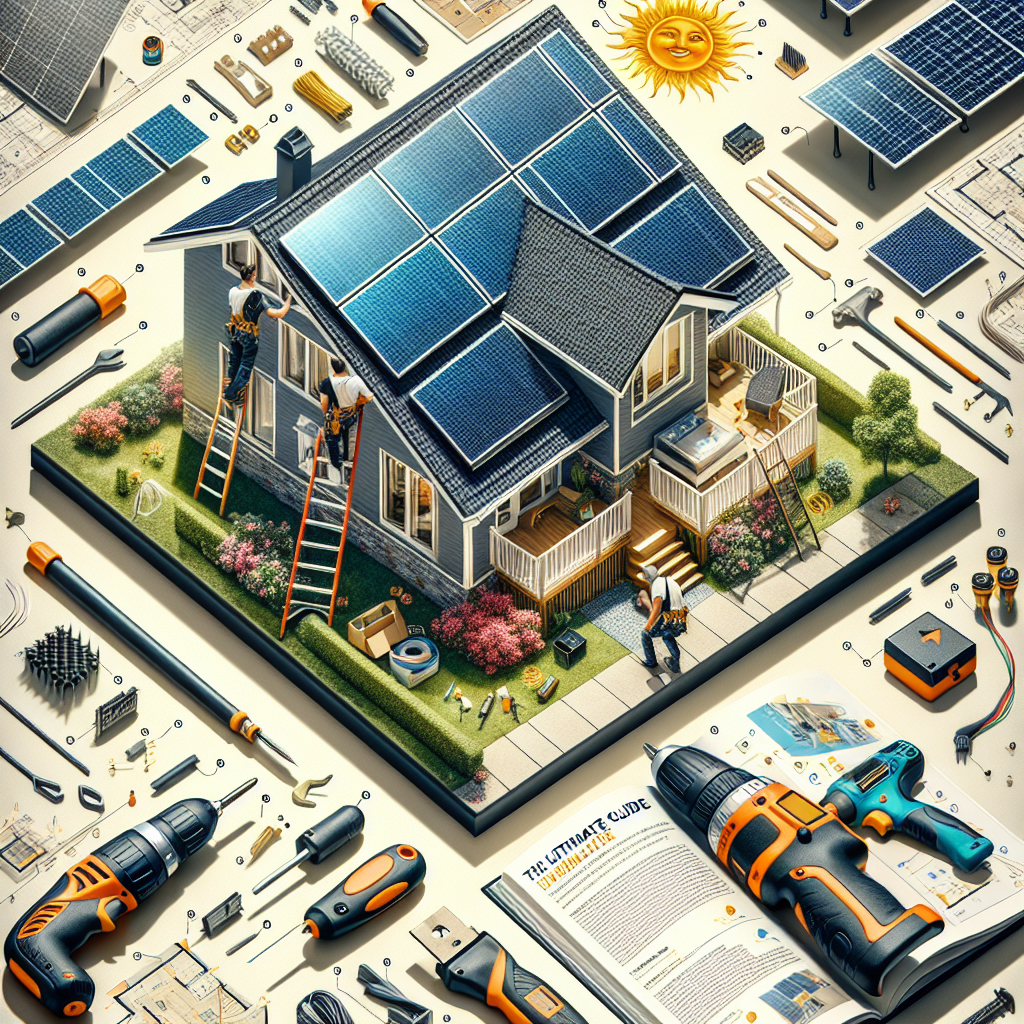
    Oh boy, installation day was exciting! The team arrived early, and with a few tools and equipment, they quickly got to work. It was really impressive to watch their efficiency. They started by laying out all the equipment and explaining the process to me, which put me at ease.

    Throughout the day, they communicated well about what they were doing and answered my questions. I loved feeling involved in the process! Soon enough, those panels were installed, and I couldn’t wait to see them up and running!

    After the panels were placed, they did some wiring and connected everything to my electrical system. And the best part? They took care of all the heavy lifting while I relaxed with my favorite drink in hand!

    Final Inspections and Connection

    After installation, there was a final inspection to ensure everything was up to code. The local authorities came in, signed off the project, and then connected it to the grid. It’s crucial so that you get all the benefits of going solar, including net metering if applicable.

    At this stage, I was also introduced to monitoring apps that let me track my energy production in real time. It’s super cool to see how much energy I generate daily!

    Following the inspection, the solar energy system was officially operational, and I felt like a proud parent watching my home embrace renewable energy!

    Maintaining Your Solar Energy System

    Regular Cleaning

    Maintaining my solar panels is a key part of keeping them working efficiently. I’ve learned that a good rinse with water every few months does wonders to remove dirt and debris. It’s a simple, low-stress task that keeps my panels in optimum shape!

    If you live in a very dusty area or have lots of bird activity, you might find yourself needing to clean them more often, which was a surprise for me. Having someone check them for me was an option I considered, as I’m not too fond of heights!

    Overall, regular cleaning is a great way to maintain your investment, and it’s not overly complicated. It’s important to make it a part of your seasonal checklist!

    Monitoring Performance

    Another important aspect of maintaining my solar panels is keeping an eye on their performance. Most modern systems come with monitoring systems that provide real-time data and alerts if something goes wrong.

    I’ve set up my monitoring app, which gives me insights into energy production and alerts me if something’s off. Being proactive helps catch any issues early on, and it’s comforting to know your system is running smoothly!

    If I notice any dips or problems, I don’t hesitate to reach out to my installer for support. It’s good to have that connection to ensure everything stays in top shape!

    Routine Inspections

    Lastly, regular professional inspections should be part of your maintenance routine. I set an appointment yearly to have a technician check everything, from the wiring to the panels themselves. It’s worth it for peace of mind.

    During these inspections, they can catch potential issues that I might have missed and do a thorough cleaning too. It’s like an annual check-up for your solar system!

    By keeping a routine schedule, I feel confident my system remains efficient, and I can enjoy the perks of solar energy without worrying about underlying issues!

    FAQs

    1. How much does it cost to install solar panels?

    The average cost can vary widely depending on the size of the system and your location, but it typically ranges between $15,000 to $25,000 before incentives. Be sure to check for local rebates or tax credits!

    2. Will solar panels work during a blackout?

    Typically, no. Standard grid-tied solar systems will shut down during a blackout for safety reasons. However, having a battery backup can allow you to use your solar energy during power outages.

    3. How long do solar panels last?

    Most solar panels come with a warranty of 25 years, but they can last much longer, sometimes up to 30-40 years with proper maintenance!

    4. Do solar panels require a lot of maintenance?

    Nope! Generally, they are pretty low maintenance. Just make sure to clean them a few times a year and have a professional check-up annually.

    5. How do I find a good solar installer?

    Check reviews, ask friends for recommendations, and compare multiple quotes. Look for installers with good credentials and solid warranties for peace of mind!

  • Do Solar Panels Work in Winter? Real Performance Guide

    Do Solar Panels Work in Winter? Real Performance Guide

    Understanding Solar Energy Production

    How Solar Panels Generate Energy

    Let’s kick things off by understanding how solar panels actually work. Essentially, solar panels convert sunlight into electricity through photovoltaic cells. These cells contain semiconductor materials that generate direct current (DC) electricity when exposed to sunlight. Pretty cool, right? This is how we turn sunshine into energy for our homes!

    Now, when it comes to winter, many folks assume that less sunlight means less energy production – and while that’s partially true, it’s not the whole story. Solar panels can still produce energy even on cloudy or snowy days. The key here is temperature and light absorption. As long as there’s some sunlight, even indirect light, panels can work their magic.

    During winter, days are shorter, but that doesn’t spell doom for solar energy. In fact, colder temperatures can actually improve the efficiency of solar panels. So, there’s that silver lining: you might just be producing energy more efficiently despite the chilly temps!

    Impacts of Snow on Solar Panels

    Do Solar Panels Accumulate Snow?

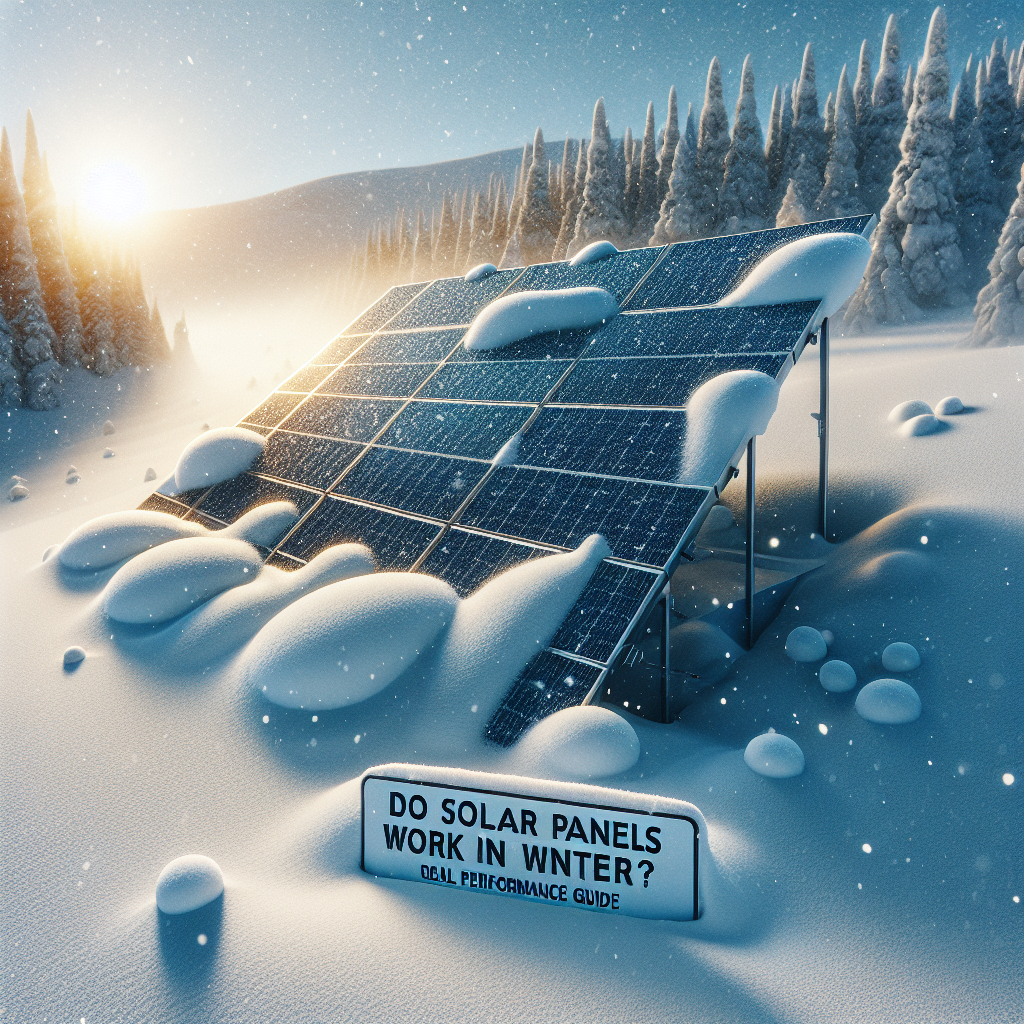
    One question I get a lot is whether solar panels can get buried under snow. The short answer? Sometimes, yes. However, most solar panels are designed at an angle that allows snow to slide right off. Even if they do accumulate some snow, it often melts off quickly due to the heat generated by the panels themselves.

    If it snows heavily, it may take some time for the panels to clear themselves, but don’t fret. Once the sun comes out, those panels typically regain their productivity pretty quickly. Additionally, any debris on the panels can reduce their efficiency, so it’s wise to regularly check and clean them if possible.

    In regions where snow is a regular winter occurrence, it’s a great idea to install solar panels at a steeper angle which prevents excessive snow build-up. Just keep in mind that the panels themselves can often handle a fair amount of snow without incurring damage!

    The Efficiency of Solar Panels in Cold Temperatures

    Why Colder Is Better

    You might be wondering why cold weather can actually boost solar panel efficiency. Well, it comes down to the physics of how they operate. High temperatures can actually reduce the voltage that panels produce. However, cooler temperatures can give a boost and optimize the output.

    This means that while solar energy output may dip during winter months due to shorter days, the panels can perform efficiently on those bright and crisp winter days. I’ve seen it firsthand; some of my best readings come during that chilly weather!

    It’s not even uncommon for solar panels in snowy areas to outperform their counterparts in sunny, hot climates during peak winter conditions. So while we all love sunny beach days, colder climates have their own advantages for solar efficiency!

    Maximizing Performance in Winter

    Solar Panel Maintenance

    Now that we know solar panels can still work in winter, the next step is maximizing their performance. Regular maintenance is key! I always make it a point to check my panels after a snowstorm. Just ensuring they are clear of snow and dirt can keep the electricity flowing in.

    Consider trimming any nearby trees or shrubs that could block sunlight. You’d be surprised how much shade can impact performance. Also, monitoring the inverter can help identify when the energy production dips. If necessary, it might be worth having a professional check on them to ensure they’re functioning correctly.

    Keeping your panels in good shape doesn’t just help with winter efficiency but extends their lifespan overall. It’s like a relationship – a little care goes a long way!

    Solar Incentives and Benefits

    Financial Perks

    Last but not least, let’s chat about the financial benefits of having solar panels. Many states offer incentives and tax credits for solar energy installation, which can significantly help reduce initial costs. Even in winter, having panels means you’re saving on energy bills, and who doesn’t love that?

    In winter, when energy consumption often spikes due to heating, the surplus energy generated from solar can offset those costs. I’ve been blown away by how much I’ve saved on my electric bills during the colder months.

    Long-term, the return on investment from solar is hard to argue with, especially considering they require very little maintenance. Plus, you’re doing your part for the environment. Talk about a win-win situation!

    Frequently Asked Questions

    1. Do solar panels work at night?

    No, solar panels require sunlight to generate electricity, so they do not work at night. However, many people use battery storage systems to store energy generated during the day for use at night.

    2. Can solar panels be installed in snowy areas?

    Absolutely! Solar panels can be very effective in snowy regions. Proper installation at an angle helps prevent snow accumulation, and the panels can still generate energy on cloudy days.

    3. Should I remove snow from my solar panels?

    In most cases, the snow will melt off the panels naturally when the sun comes out. If there is a significant accumulation that lasts too long, you may consider gently removing it, but be careful to not damage the panels.

    4. Are solar panels worth it in winter?

    Yes! Winter doesn’t mean your solar panels stop producing energy. They can still be efficient in cold temperatures, plus you can save significantly on heating costs.

    5. How much energy do solar panels produce in winter?

    Energy production in winter can vary based on sunlight levels and weather conditions, but panels can produce significant energy even during the season. It’s best to monitor your output to get a realistic understanding based on your specific conditions.

  • Solar Battery Storage: Everything You Need to Know

    Solar Battery Storage: Everything You Need to Know

    Understanding Solar Battery Storage

    What is Solar Battery Storage?

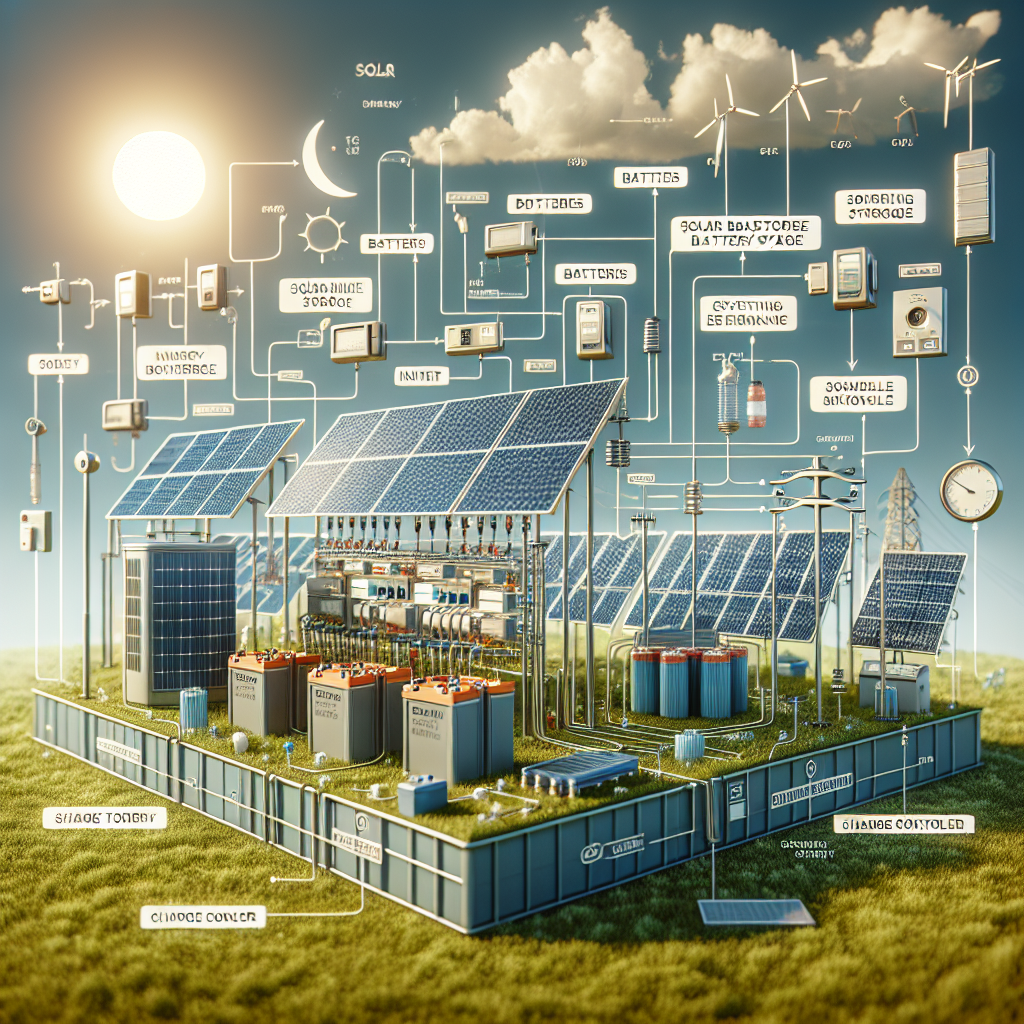
    So, let’s start from the beginning. Solar battery storage refers to a system where solar energy generated during the day is stored for use later when the sun goes down. It’s like having your cake and eating it too – you get to enjoy your solar energy even after the sun is gone!

    In a typical setup, you have solar panels converting sunlight into electricity. That energy can either be used immediately, sent back to the grid, or packed away in batteries for later use. A solar battery system can offer you more energy independence and reliability, especially during power outages.

    Recently, as renewable energy has taken off, more folks are turning to battery storage. It’s not just about saving money — it’s also about sustainability and reducing your carbon footprint. I mean, who doesn’t want to save the planet while saving on energy bills?

    Types of Solar Batteries

    Let’s chat about the different types of solar batteries out there. There are a few main players in the game: Lithium-ion, lead-acid, and flow batteries. Each has its pros and cons, but understanding them is crucial if you want to make a wise investment.

    Lithium-ion batteries are super popular because they’re lightweight and have a longer lifespan. You’ll see a lot of home setups using them because they can charge and discharge quickly, making them ideal for daily energy needs.

    On the flip side, lead-acid batteries are more affordable but often don’t last as long. If you’re on a tight budget, they might be appealing, but they might require more maintenance and replacement down the line. Flow batteries are newer and can be suitable for larger applications but might not be the best fit for every home.

    Benefits of Solar Battery Storage

    Now, let’s dive into the perks of having a solar battery system. First off, energy independence. With a battery, you’re not reliant on the grid for all your power needs. This means less worry when there’s a storm or some unexpected load-shedding.

    Another significant advantage is savings on your electricity bills. Storing your solar energy means you can use it whenever you need it instead of paying for energy during peak prices. Trust me, those savings really pile up!

    Finally, it’s eco-friendly. By relying on solar energy and having the ability to store it, you’re doing your part in reducing reliance on fossil fuels. And in today’s world, that’s something we should all be proud of!

    Selecting the Right Solar Battery System

    Assessing Your Needs

    Before you jump in and buy a solar battery, let’s take a moment to assess what you actually need. Every household is different, and understanding your energy requirements is imperative. A thorough energy audit helps determine your daily consumption, which ultimately helps in choosing the right battery.

    For instance, if you use a lot of electricity during peak hours or have appliances that consume significant power, you may need a larger battery capacity. It’s essential to think long-term here; if you plan on expanding your solar array, ensure your battery can keep up.

    Don’t forget to consider your budget! Being clear about what you can afford helps narrow down your options — after all, no one likes financial surprises!

    Evaluating Compatibility

    Another thing I learned along the way is ensuring any battery you consider is compatible with your existing solar setup. Some batteries require specific inverters or require you to upgrade certain components, which might push your costs higher than you’d anticipated.

    Take the time to speak to your installer or do a bit of online research about your current equipment to ensure everything will play nicely together. You want a smooth operation without those annoying hiccups along the way.

    Compatibility means efficiency. So choosing an incompatible battery could mean you’re losing out on those sweet solar savings. Trust me, that’s the last thing you want after investing in a whole new system!

    Installation Considerations

    Once you’ve found your ideal battery, let’s chat about installation. You might want to consider hiring a professional unless you’re very handy. Installation isn’t just about hooking things up; it’s also about safety measures and ensuring everything is compliant with local laws.

    You might also need permits, so keep that in mind. Getting everything set up legally is crucial to avoid any future headaches. I’ve heard horror stories from people who skipped this step!

    Lastly, once your system is installed, don’t forget about regular maintenance. While solar batteries are designed to last, a bit of TLC can go a long way in ensuring great performance and longevity. Think of it like taking your car for regular servicing!

    Long-Term Considerations for Solar Battery Storage

    Battery Lifespan and Performance

    Let’s talk about longevity. Most solar batteries have warranties operating between 5-15 years, but they can often last longer than that with proper care. However, it’s important to note that battery performance tends to degrade over time, so keep an eye on your system and be aware of what affects your specific battery’s lifespan.

    Temperature, charging cycles, and depth of discharge play a huge role here. Here’s the scoop — if you over-discharge your battery too often, it can shorten its lifespan. I learned this the hard way when I didn’t monitor my usage carefully!

    Regular monitoring can help catch any issues early, potentially saving you from costly replacements in the future. You can often find apps or software that allow you to track your battery performance from the comfort of your couch — talk about convenience!

    Market Trends and Innovations

    Keeping an eye on market trends is crucial if you want to get the most out of your solar battery investment. The industry is constantly evolving. Just think about it: when I first considered solar battery storage, options were pretty limited, but now, there are so many choices with new tech popping up rapidly.

    Innovation like smart battery systems can optimize performance even further by utilizing AI to predict energy needs based on past usage patterns. This means your battery could be working smarter — not harder — which is always a win in my book.

    Additionally, government incentives are changing over time, and it’s important to stay updated. You could save loads of cash just by staying in the know and acting at the right time!

    DIY vs. Professional Guidance

    The eternal debate — should you go DIY or hire a pro? As someone who loves to dabble in home improvement, I can understand the temptation to do it yourself. But let me tell you, solar battery systems can be complex.

    Unless you have solid knowledge in electrical systems or battery technology, it’s generally better to consult with experts. You’ll save time, avoid mistakes, and honestly, your sanity will thank you later.

    If you do decide to go the DIY route, please take every safety precaution seriously. Watch some instructional videos, have a clear plan, and start small. It’s super rewarding, but it can also be a little overwhelming if you bite off more than you can chew!

    Frequently Asked Questions

    1. How do I know if solar battery storage is right for me?

    Consider your energy consumption patterns, budget, and how much you want to rely on solar energy versus traditional grid power. An energy audit can be really helpful here!

    2. What’s the average lifespan of a solar battery?

    Most batteries last between 5-15 years, but some will outlast their warranty period if properly cared for and maintained.

    3. Can I install a solar battery system myself?

    While it’s possible, I recommend hiring a professional unless you’re really experienced with electrical work. Safety and compliance are super important!

    4. What are the cost factors for solar battery installation?

    Costs can vary widely based on the battery type, system size, and installation labor. Factor in the initial investment, maintenance costs, and potential savings on energy bills!

    5. What are some signs my battery is failing?

    If you notice shorter discharge times, frequent charging cycles, or any unusual noises, it may be time to inspect or replace your battery. Regular monitoring can help you catch these signs early!

  • Solar Panel Cleaning Guide: Maximize Your Energy Output

    Solar Panel Cleaning Guide: Maximize Your Energy Output

    Understanding the Importance of Regular Cleaning

    Why Clean Solar Panels?

    Let me tell you, when I first got my solar panels installed, I had no idea how important cleaning them would be. Dust, dirt, and bird droppings can all accumulate over time, and they can significantly reduce the efficiency of your panels. I learned the hard way that neglecting to clean them could mean less energy output and lower savings on my energy bills.

    Think about it: every little bit of grime can block sunlight from hitting the solar cells. That light is what generates power for my home. So, if you want to maximize your investment, regular cleaning is an absolute must.

    Plus, clean solar panels have a longer lifespan. When you take the time to care for your panels, you’re not just enhancing their efficiency; you’re also ensuring they last longer, which is a fantastic return on your investment.

    Frequency of Cleaning

    Depending on where you live, the frequency of cleaning can vary. For my panels, I found that bi-annual cleaning works wonders. However, if you live in a particularly dusty area or near lots of trees, you might want to do it more often, like every couple of months.

    Weather also plays a huge role. Rain can help wash off some debris, but after a storm, I usually check to see if a good scrub is needed. It’s also good practice to have a regular cleaning schedule, so it doesn’t sneak up on you.

    Don’t forget the seasons! In the spring, I tend to check my panels after all that pollen settles, and in the fall, it’s a must-do before the winter snow hits.

    The Benefits of Clean Panels

    Now, let’s talk perks! Aside from maximizing energy production, clean solar panels can boost your home’s curb appeal. If you ever plan on selling your house, potential buyers will definitely notice those sparkling panels.

    A clean system also means fewer maintenance issues down the line. It’s like keeping your car in good shape: the better you care for it, the less you have to spend on repairs.

    Plus, think about the environment! A more efficient solar panel helps reduce your carbon footprint, contributing to a greener planet. It’s a win-win situation when you keep your panels clean!

    Choosing the Right Cleaning Techniques

    Methods for Cleaning

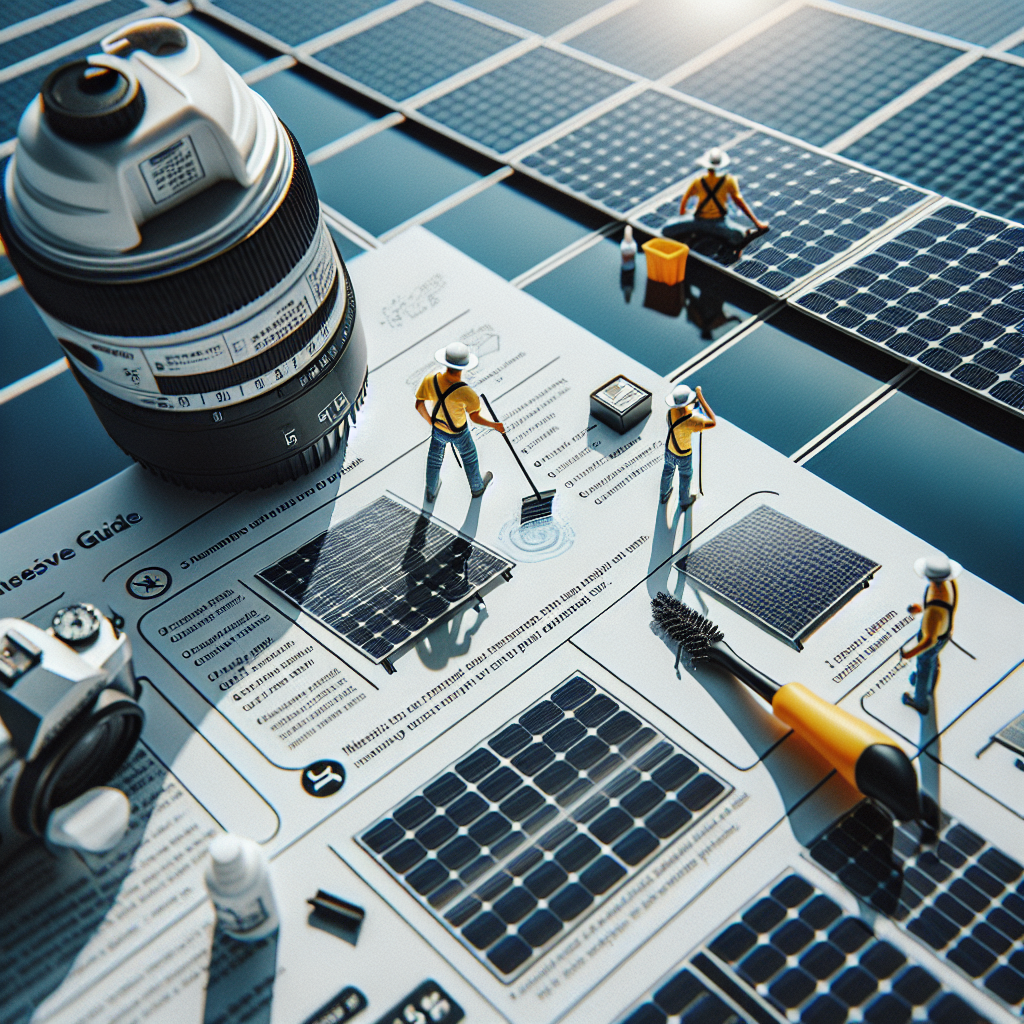
    I’ve tried a few different methods for cleaning my solar panels, and let me tell you, not all methods are created equal. The safest way I’ve found is using a soft brush and water. It’s gentle enough not to scratch the surface, yet effective at removing dirt.

    Another method I sometimes use is a spray cleaning solution designed for solar panels. Just make sure it’s environmentally friendly. Nobody wants to mess with that!

    Seriously, avoid using harsh chemicals or pressure washers. They might seem like a swift solution, but they can cause long-term damage to your panels.

    DIY vs. Professional Cleaning

    This is a big question I had when I started: should I DIY or hire a pro? I’ve done my own cleaning several times, and while it’s certainly cost-effective, I learned that it can also be time-consuming and risky.

    If you’re up on your roof, safety should be your top priority. Always wear proper gear, and if you’re feeling iffy about it, just call in the pros. They have experience and the right equipment!

    In the end, it boils down to your comfort level and how much time you want to spend. Personally, I mix it up. I do some basic cleaning myself but hire pros for annual deep cleans.

    Tools and Supplies Needed

    For my DIY cleanings, I keep things pretty simple. I use a soft-bristle broom, a bucket of soapy water, and a garden hose. That’s pretty much my cleaning toolbox!

    If you’re feeling fancy, there are also solar panel cleaning kits available with fancy brushes and squeegees. They work great and make the job a bit easier.

    Just remember to be gentle. Your goal is to clean, not to scrub away your investment!

    Safety Precautions to Keep in Mind

    Climbing Safety

    Being up on a roof can be daunting, right? I freaked out the first time I had to do it! Make sure to wear non-slip shoes and never attempt to clean on a rainy or wet day. Trust me, slipping is the last thing you want to deal with.

    Consider setting up a safety harness or have someone outside with you, just in case. It’s always better to be safe than sorry.

    And if you’re like me and you hate heights, that’s a huge sign to call the pros. There’s no shame in getting help!

    Protecting Your Equipment

    It’s not just about protecting yourself; you’ve got to take care of your panels, too! Before getting started, inspect your panels for any cracks or damage. If you see anything, it’s best to get it checked out before cleaning.

    A tip I learned is to avoid using metal tools. They can scratch your panels, and nobody wants that. Stick with soft materials to keep everything safe.

    Also, if you’re using a ladder, make sure it’s secured. I’ve had a near-miss once when I didn’t double-check, and I learned my lesson the hard way!

    Condition of Your Panels

    Pay attention to how your panels are performing. If you notice a significant drop in output, it might be time for a thorough cleaning. Sometimes, dirt builds up so much that you don’t even realize the panels need attention.

    It’s also worth noting if your panels are in a location that might require more frequent cleaning. For example, if they’re near a busy road, you may find a lot of debris collecting.

    Keep an eye out for bird droppings and leaves—these can really mess with efficiency if left unchecked!

    Regular Maintenance Tips

    Inspecting Your Panels

    Aside from the cleaning, I find it incredibly useful to regularly inspect my solar panels. I usually do a visual check every month or so to see if there’s any debris or dirt. You’ll be surprised how much can accumulate!

    Look for anything unusual. If there are dark spots or discoloration, it might be a sign of mold or mildew, which need to be dealt with promptly.

    A little upkeep can go a long way in ensuring your panels run efficiently!

    Keeping the Surrounding Area Clean

    Don’t forget, the area around your panels can wreak havoc on their cleanliness too. Trim any overhanging branches that might drop leaves or twigs onto your panels. I learned this the hard way when I had to do a deep clean thanks to my lovely tree!

    Also, consider landscaping the area to minimize debris. I added some gravel around my setup to help keep things cleaner.

    Regular yard maintenance can greatly reduce the amount of material that gets blown up onto your panels.

    Monitoring Performance

    Lastly, I highly recommend keeping an eye on the performance of your solar panels. Many systems have monitoring tools that can show you how much energy you’re generating. If you see a drop, that’s a sure sign it’s time for a cleaning!

    Making a habit of checking the performance can save you from future headaches. I discovered this tool and it’s been a game changer for my maintenance schedule!

    Staying proactive ensures you’re getting the most out of your investment without any unpleasant surprises.

    FAQ

    1. How often should I clean my solar panels?

    Generally, it’s a good idea to clean them at least twice a year, but if you live in a dusty area, you might need to do it more often.

    2. Can I use a pressure washer on my solar panels?

    No, it’s best to avoid pressure washers because they can damage the panels. Stick to soft brushes and water for cleaning!

    3. Is it safe to clean solar panels myself?

    It’s safe as long as you take proper precautions! Make sure you have safety gear and are comfortable on a roof.

    4. What tools do I need for cleaning solar panels?

    A soft brush, bucket of soapy water, and a garden hose are usually all you need. You can also find specialized solar panel cleaning kits if you prefer.

    5. What should I do if I notice damage on my solar panels?

    If you see any cracks or damage, it’s best to contact a professional to assess the situation before cleaning.

  • How Many Solar Panels Do I Need? Calculator Guide

    How Many Solar Panels Do I Need? Calculator Guide

    So, you’re thinking about going solar. First off, awesome choice! It’s a great way to save money and help the planet. But it can feel a little overwhelming at times – especially when it comes to figuring out how many solar panels you actually need. Don’t worry! I’ve been there too, and I’m here to help you break it down into manageable steps.

    Assess Your Energy Needs

    Understand Your Current Energy Consumption

    The first step is to get a clear picture of how much energy you use. Grab your electric bills from the last year and take a look at your average monthly usage. You’re mainly looking for the kilowatt-hours (kWh) you use. If you’re anything like me, the numbers can be a bit dizzying at first, but it’s crucial info!

    Now, don’t just peek at the total – you want to break it down further. Look at the monthly variations as well. During summer, your air conditioning likely makes your consumption skyrocket compared to winter months. Knowing these patterns helps you get a more accurate estimate.

    Once you have your numbers, it might be good to use an online calculator. They’re super handy for translating that data into a clear picture of your solar needs. Trust me, it’s easier than doing all the math yourself!

    Calculate Your Daily Energy Usage

    With your monthly consumption in hand, the next thing you need to do is break it down to a daily average. Divide your total annual kWh by 365 days. If you want the nitty-gritty, you can even go further and factor in your peak sunlight hours per day – which is typically about 4 to 6 hours depending on where you live.

    This step helps you see how much energy you’ll need to generate daily through your solar panels. It can feel like a mini puzzle, but don’t sweat it – once you have these figures down, it starts to look clearer!

    For those who feel uncomfortable with math, there are various apps and websites that can assist with this. Sometimes tapping into technology can make these calculations a whole lot easier!

    Consider Growth in Usage

    Life is always changing, right? Maybe you’re planning on adding new appliances, or perhaps you’re welcoming a new family member. It’s vital to think about how these factors will affect your energy consumption in the coming years. You definitely don’t want to face an unexpected energy deficit!

    When estimating future needs, consider a cushion of extra capacity. It’s better to overestimate than underestimate. Take a wild guess at what your energy needs might be five years down the road; being proactive about this can save you loads of hassle later on.

    So, keep a mental note of this. Future-proofing your energy needs aligns perfectly with the overall goal of energy independence, and it’s super smart as well!

    Evaluate Your Roof Space

    Understand Your Roof’s Solar Potential

    Now, let’s shift gears and talk about where those panels are going to go. Not all roofs are created equal! I had to check out my roof’s orientation. Ideally, you want a south-facing roof, but if that’s not an option, east and west aren’t bad either.

    If your roof has shades from trees or buildings, that can affect solar efficiency too. Sunlight is your best friend here! Work out how much sunlight your roof receives in a day to gauge the potential solar energy it can produce.

    Also, consider the slope of your roof. A pitch of around 30 degrees is best for solar panels, but a flat roof can work too! It might require a bit of customizing, but it’s absolutely workable.

    Check Your Roof’s Condition

    Before you throw any panels up, make sure your roof can handle them. If it’s old or in need of repairs, you might want to address that first to avoid tearing panels down later. I had to give mine a once-over and even got a professional opinion just to be safe.

    Research local codes and restrictions too – some areas have specific requirements for solar installation. Knowing these ahead of time can save you much headache down the road.

    It’s a good practice to think long-term. How much longer do you plan to stay in your home? If it’s forever, then now’s the time to invest in a solid roof. If you see moving in a few years, consider how that will affect your solar investment.

    Calculate Available Space

    Next up, let’s talk about actual real estate on your roof. Each solar panel takes up space, and knowing how many you can fit is key. Typically, panels are around 65 x 39 inches – that’s good to keep in mind when visualizing your layout!

    Make a rough sketch of your roof to see how many panels you could realistically install. This part is surprisingly fun, I promise! It also gives me a chance to play architect (sort of). You’ll also want to think about the pitch and how it might impact the number of panels you can place.

    Along with physical space, calculate how many panels you’ll need based on your energy needs. If you see that you can only fit, say, eight panels, but you need ten based on your calculations, it’s time to re-evaluate or consider a different location.

    Research Solar Panel Types

    Understand Different Types of Solar Panels

    Not all solar panels are created alike! You’ve got monocrystalline, polycrystalline, and thin-film panels to consider. I spent a LOT of time on this step, but trust me — knowing what’s out there can help you make an informed decision.

    Monocrystalline panels are more efficient and take up less space, while polycrystalline panels are typically cheaper but less efficient. Thin-film panels have a much lower efficiency and are used mainly in commercial settings. Each has its pros and cons, so do your homework to find the best fit for your roof and energy needs.

    Consider warranty periods too! Having a robust warranty is key, especially since solar panels are a long-term investment. I found that more established manufacturers often provide better warranties, and it’s always a good idea to backtrack and read user reviews.

    Efficiency Ratings

    When diving into solar panels, efficiency ratings are your best friends. High-efficiency panels can absorb more sunlight, meaning you’ll need fewer of them to meet your energy needs. I’ve seen some super efficient panels out there that can reach over 20% efficiency!

    For instance, if you’re tight on roof space, asking your installer about higher efficiency models might be worth your while. The upfront investment can feel like a lot, but more efficiency might save you money in the long run.

    Also, be sure to figure out how different panel types perform during less-than-perfect conditions, like cloudy or rainy weather. This could heavily affect your energy production and thus, your savings.

    Battery Storage and Inverters

    It’s also worth mentioning battery storage and inverters since they play crucial roles in your solar setup. Batteries store excess energy produced during the day, which can be used at night or during outages. If you’re a fan of energy independence, looking into a good battery option is important!

    Inverters, on the other hand, convert direct current (DC) electricity generated by solar panels into alternating current (AC) electricity that your home can use. It’s like the translator for solar! Make sure to factor in these components when planning your overall solar strategy.

    If you plan on eventually going off-grid, having solid battery storage and efficient inverters will be a must. It’s not always necessary at first, but it’s a step for future planning!

    Consult a Professional Installer

    Getting Estimates

    Once you’ve done all your homework (pat yourself on the back already!), it’s time to reach out to professional installers. I remember the first few quotes I got – it felt like a big deal! Make sure to get multiple quotes to compare prices, services included, and warranties offered.

    Each company should send someone to assess your property and discuss options. The right installer can be a gamechanger! You want someone who understands your needs and can guide you through the entire process.

    During your consultations, don’t hesitate to ask questions! Dive into details. It’s important to get clarity on installation timelines, afterwards maintenance, and any potential hidden costs. Knowledge is power!

    Understand Local Incentives

    Every state has its own incentives and rebates for going solar, and I highly recommend checking them out. Some states offer tax credits, while others have specific financing options that can lower your upfront costs.

    Something that helped me significantly was getting familiar with local policies. Make sure to ask your installer about these programs. They should be informed and can help you navigate the different financial incentives available.

    In many cases, local governments may also offer grants or low-interest loans specifically for solar installation. Keeping all these options in mind can really help you save some cash!

    Follow Up and Maintenance

    After your panels are installed, don’t think you’re off the hook! Regular maintenance is crucial. Most solar panels only need an annual checkup, but certain environmental factors might necessitate more frequent inspections. 

    Dust, debris, and tree leaves can block sunlight and reduce efficiency, so make sure to keep everything clean. Don’t be ashamed if you need to splash some water on those panels – it’s just part of the deal!

    If any issues arise, a good installer will provide excellent post-installation support. This includes helping you troubleshoot any problems and ensuring your panels stay efficient for years to come!

    Frequently Asked Questions

    How do I calculate how many solar panels I need?

    Start with your average energy consumption from your electric bills, calculate your daily usage, check your roof space, and look into different panel types before consulting a professional.

    What factors affect how many solar panels I need?

    Several factors come into play, like your energy consumption, roof space, panel efficiency, and local sunlight hours.

    What should I consider when assessing my roof for solar panels?

    Check the direction it faces, its condition, and the available space for installation. You also want to consider any shading that may occur throughout the day.

    Are there financial incentives for installing solar panels?

    Yes! Many states offer tax credits, rebates, and financing options to reduce upfront costs. Always check local programs before starting your installation.

    How can I maintain my solar panels after installation?

    Regular inspections are key! Look out for debris and dirt covering the panels, and plan for an annual professional checkup to ensure everything is functioning correctly.

  • Are Solar Panels Worth It? Real Cost vs Savings

    Are Solar Panels Worth It? Real Cost vs Savings

    The Initial Investment

    Understanding the Costs

    When I first looked into solar panels, the price definitely caught me off guard. Depending on your home and local installation rates, you could be staring down a bill in the tens of thousands. But then I learned there’s so much more under the surface that impacts that cost. From the type of panels you choose to any potential tax credits you can snag, getting a solid grasp of the costs requires some serious homework.

    Not to mention, you shouldn’t forget about inverter systems—those bad boys convert the solar energy your panels collect into usable power! The upfront costs can feel like a mountain to climb, but weighing it against what you’d save can shift the needle drastically.

    Another factor that played into my decision was the financing options. Many companies offer lease agreements or loans that spread out the upfront cost over years. Some definitely allow for manageable payments, making shiny solar panels feel more like a reality than just a dream.

    Long-term Value

    This is where things get super interesting! The initial sticker shock starts to fade once you really dive into potential long-term savings. Picture this: lower energy bills creeping in month after month as those solar panels work their magic. It’s like watching your savings account grow without doing too much!

    Your savings can also take a hike if you live in a place with lots of sunlight—thank you, Mother Nature! It’s all about harnessing that sunshine and turning it into something tangible. And let’s not ignore the property value bump; homes with solar panels can fetch a pretty penny more when it’s time to sell.

    Of course, the solar panel’s lifespan is another major selling point. Many of these systems come with warranties that run 20-25 years, so with proper upkeep, you might just find yourself riding that savings wave for decades!

    Tax Incentives and Rebates

    When I got my head around all the costs involved, soon the conversation swung to tax incentives—a potential game changers. Many places offer tax credits that encourage homeowners to invest in renewable energy. Depending on where you live, it could cover a significant portion of your system’s cost!

    Additionally, local or state governments sometimes have rebates available too, further reducing how much you have to fork over initially. Plus, these incentives can change based on the political landscape, so keeping your finger on the pulse is important. I’m always checking to see what’s available and who’s offering the best incentives!

    It’s essentially free money on the table if you take advantage of these rebates. So I’d suggest doing some digging either online or even talking to your tax professional for personalized guidance. They can steer you toward the best options and help you navigate the sometimes convoluted waters of solar incentives.

    Energy Independence

    Reducing Utility Bills

    I can’t stress enough how liberating it felt to take back control of my energy costs. With solar panels in place, I’ve been able to reduce my dependency on traditional utilities significantly. I’m not saying I’m fully off the grid yet, but getting there feels good.

    Here’s the kicker: on particularly sunny days, when my panels are producing more energy than I can use, some utilities will actually pay you back through net metering. It’s such a sweet deal—your panels can quite literally be a money-making machine!

    And as energy prices fluctuate, I feel a sense of relief knowing that my bills won’t spike like they used to. Planning future expenses becomes easier as you start relying more on the sun instead of those pesky gas and electricity rates.

    Environmental Impact

    It’s not just about the wallets; I find myself feeling pretty good doing my part for the planet too. That was a big selling point for me. Every time I turn on my lights or charge up my devices, I’m reminded that I’m tapping into clean energy and reducing my carbon footprint. Talk about feeling like a superhero!

    This is especially important in today’s climate, where we’re all feeling the pinch of environmental concerns. By harnessing solar energy, I feel like I’m contributing to tackling climate change, one panel at a time.

    Plus, let’s not forget the positive impact on local ecosystems. The more people switch to solar, the less reliant we become on fossil fuels. The ripple effect is immense, and it’s amazing to think that such a personal decision can lead to broader changes for our planet.

    Maintenance and Longevity

    Keeping Things in Check

    So here’s the scoop: while solar panels are often marketed as “zero maintenance”, let me tell you, that’s a slight exaggeration. Sure, they don’t require a ton of TLC like a garden would, but a little maintenance goes a long way. I found it best to keep the array clean from debris, dirt, and snow to ensure they maintain efficiency.

    Understandably, life gets busy. But incorporating a quick yearly inspection helps save you a lot of headaches down the line. You don’t want to be losing energy because of accumulated grime, right? I always try to climb up and check in on them once per year as part of my home maintenance routine.

    Want the good news? Most manufacturers come with solid warranties spanning from 20-25 years! That means if something goes wrong with the system, you’re likely covered. It feels reassuring knowing that I can rely on my panels for quite some time!

    Return on Investment

    Thinking about the ROI is crucial, especially when you’re dropping serious cash up front. I always like running a few numbers to analyze the return I’d get on my investment over the years. On average, people start seeing payback within 5 to 10 years—that’s not too shabby!

    The key is to understand your local solar potential. If you live in a sunny state, your payback period shrinks even more. This means I can look forward to the day when my panels are officially paying for themselves, and everything after that is pure savings!

    Some folks even end up with a positive cash flow, meaning they actually make money from their investment once they’re fully set up. It’s motivating to think about channeling funds into other areas of life or planning that dream vacation with all the savings!

    Future of Solar Energy

    Innovation on the Horizon

    The future of solar energy is bright—and I mean that literally! Exciting innovations in solar technology are appearing left and right. From more efficient photovoltaic cells to solar tiles that blend seamlessly into the roof, it feels like we’re just scratching the surface of what’s possible.

    Additionally, battery storage technology is advancing, which means I could store excess solar energy for nighttime use. It’s fascinating how the industry adapts and grows! I’m always keeping my eyes peeled for new advancements that could make owning solar even more beneficial.

    With many solar companies also pushing for sustainability in their production processes, it’s all looking up for this clean energy movement. You don’t have to have a hefty installation to get involved; many community solar options are emerging too, making it more accessible for everyone.

    The Role of Policy and Legislation

    One thing I’ve learned is that government policies have a huge impact on solar adoption. Incentives change regularly, and they can either boost or dampen enthusiasm in the market. I’ve realized the importance of staying updated on policies because it influences my decisions about whether to fully commit or hold off for a few years.

    Plus, when communities band together and advocate for solar-friendly policies, you can see real change happening. I’ve even joined local groups pushing for more sustainable energy options in our area, which feels empowering!

    By understanding the landscape of legislation, you can be better positioned to maximize the benefits and opportunities from your solar investment. It’s a learning curve, but it’s worth it!

    Frequently Asked Questions

    1. Are solar panels really worth the investment?

    From my experience, yes! The long-term savings on energy bills and potential home value increase often outweigh the initial investment.

    2. How long does it take to see a return on investment?

    Typically, you can expect to see returns within 5 to 10 years, depending on your location and energy usage.

    3. What kind of maintenance do solar panels require?

    They’re pretty low-maintenance! Regular cleaning and an annual inspection are usually sufficient to keep them running efficiently.

    4. Can solar panels increase my home’s value?

    Absolutely! Homes with solar panels often sell for a premium compared to those without.

    5. What if my area doesn’t get enough sunlight?

    No worries! Even less sunny areas can benefit from solar energy. Plus, community solar programs can be a great alternative for those who can’t install them at home.

  • 15 Best Solar Generators for Home Backup Power

    15 Best Solar Generators for Home Backup Power

    Understanding Solar Generators

    What is a Solar Generator?

    So, first off, let’s chat about what a solar generator actually is. To me, a solar generator is like a power bank, but supercharged with solar energy! Basically, it harnesses sunlight and converts it into electricity, which can be used to power up your devices or even your whole home when the lights go out. That’s something I want to put you onto!

    I remember the first time I used one during a blackout. It was super enlightening (pun definitely intended) to see how these handy devices could keep my fridge running and my phone charged without needing any fossil fuels. Seriously, it felt like magic!

    In essence, you’re not just using renewable energy; you’re jumping on the eco-friendly bandwagon and doing your bit for Mother Earth, all while enjoying the comforts of power at home. Who knew saving the planet could feel this good?

    Benefits of Using Solar Generators

    Why switch to solar generators, you ask? Well, let me lay it down for you. One of the top reasons is the cost savings over time. Once you invest, it’s nearly free electricity! Imagine cutting down your electricity bills significantly just by catching a few rays. Trust me; it feels great!

    Moreover, these generators are often portable. I’ve used mine for camping trips too! It’s like having a mini power station that’s easy to carry. You can charge up your devices, run lights, or even power small appliances while enjoying the great outdoors. Talk about versatility!

    Lastly, let’s not forget that having a solar generator provides peace of mind during emergencies. I’ll never forget that stormy night when the power went out for hours. My solar generator was my lifeline, allowing me to keep the essentials running while others were left in the dark. Pure bliss!

    Key Features to Look For

    Battery Capacity

    When you’re on the hunt for a solid solar generator, battery capacity is a biggie. This is the amount of energy your generator can store, and it’s crucial for deciding how long you can power your gadgets. I learned this the hard way with my first generator – let’s just say I ran out of juice quicker than I expected!

    Make sure to check the watt-hour (Wh) rating of the battery. To give you a heads-up, I usually aim for at least 500Wh if I want to keep the fridge running during a blackout.

    Also, try to calculate the appliances you’ll want to run. If you’re taking a few devices along for a camping trip or just a few lamps during power outages, knowing the overall consumption can make or break your solar generator experience.

    Portability and Weight

    Another thing that has made me a fan of solar generators is portability. If you plan to use it for camping or different areas of your home, the weight can be crucial. Some of these units are a bit on the hefty side, so if you’re like me, you might want something that can be easily tossed in the car.

    I’ve had my share of awkward moments trying to lug around heavy gear. That’s why I usually look for models with wheels or handles for that extra convenience.

    Remember, just because a generator is portable doesn’t mean it’s less powerful. Some of the best models pack a punch in a lightweight design, making it easier to enjoy the benefits wherever and whenever!

    Solar Panel Compatibility

    When it comes to charging your generator, you’ll want to check what solar panels it works with. Many generators come with built-in solar modules, but I recommend knowing if you’ll have to buy them separately too. It’s just smart planning!

    I once got a generator that didn’t match up well with my existing panels and boy, was that a hassle! I’d suggest looking for modular options that let you add panels as needed — kind of like building up your energy arsenal!

    Another thing to consider is the charging time. If you’re in a pinch, you’ll want a generator that can charge quickly during those sunny days. To get the most out of your purchase, check the charging specs before diving in!

    Comparing Top Models

    When to Choose a Smaller Unit

    If you’re just starting with solar generators, smaller units can be perfect. They’re usually lighter on the budget and simpler to manage. I bought a compact model for my first outing, which turned out to be more than enough for my phone and a couple of lights.

    These smaller generators are great for short trips or emergencies at home, especially if you’re just looking to charge a few small gadgets. Just remember, they might not handle larger appliances!

    This is ideal if you don’t need much electricity or are just dipping your toes into the world of solar power. Sometimes, starting small is the best way to find out what suits your needs.

    When to Opt for a Higher Capacity Model

    On the flip side, if you plan to run several devices or larger appliances, a higher-capacity model is the way to go. There was this one time I camped with buddies, and my little generator couldn’t handle the blenders we brought along. Yeah, it was a smoothie-less trip!

    You’ll need a robust unit to keep the fridge running or even run a portable heater during winter outages. Higher capacity generally means a bigger investment, but I’d argue it’s totally worth it if it keeps your home liveable until the power kicks back in!

    So, when you dive into the market, make sure you consider your future needs as well. It’s better to get the right fit than to end up needing an upgrade sooner than expected!

    Brand Comparisons

    When it comes to choosing solar generators, brand reputation can play a role. I’ve noticed that some brands just have a knack for creating reliable products. For instance, I’ve had luck with brands that specifically focus on solar technology; they tend to understand the nuances better!

    Before I settle on a model, I always check reviews from real users. It gives me confidence that I’m not just relying on flashy marketing. It’s also a learning experience – sometimes it’s in the comments that you discover useful tips or potential pitfalls.

    Choosing a well-regarded brand might mean you get a better warranty or customer service, which is something to consider if you want a hassle-free experience. I can’t stress enough how knowing you can reach out for support is comforting!

    Cost and Budgeting

    Setting Your Budget

    Before diving into purchasing a solar generator, sit down and decide on a budget. I learned early on that the best gear doesn’t always equal the most expensive. It’s essential to balance quality with what you’re willing to spend.

    Look for sales or seasonal discounts. Some retailers drop prices during certain times of the year, and my best buys have come during these periods. A little patience can go a long way!

    Don’t forget to factor in potential extra costs like solar panels (if needed), maintenance, or even accessories (like carrying cases or additional battery packs). I once bought a generator only to realize I needed extra cables, which added up!

    Long-Term Investment Considerations

    Consider solar generators as long-term investments in stored energy. I like to think of it as ensuring peace of mind instead of just purchasing a new gadget. Over time, the savings on energy bills can outweigh the upfront cost.

    Moreover, many states and regions offer incentives or tax breaks for renewable energy investments. It’s worth checking if your solar generator qualifies for any programs. This savings can make a real difference in your overall investment!

    Plus, having a solar generator not only prepares you for blackouts but also supports sustainable energy initiatives, which feels pretty good if you ask me. You’re part of a bigger movement toward cleaner energy!

    Quality vs. Price

    When shopping, it can be super tempting to just grab the cheapest option, but I’ve learned the hard way that you often get what you pay for. A well-made generator can last longer and perform better over time, which is a major plus!

    In my experience, it’s always smart to read reviews and check the build quality. If you skimp on quality, you may end up needing a replacement sooner than later, and then you’re back to square one.

    Sometimes a mid-range price point can give you the best balance of features and durability, so don’t shy away from those models that sit between the basic and high-end price tags!

    Final Thoughts and Recommendations

    My Top Recommendations

    From my personal experience, I’d suggest focusing on the brands that have solid reputations, good customer support, and warranty options. There’s comfort in knowing that should something go south, you have people backing you up.

    As for brands, I’ve had great experiences with models from Goal Zero and Jackery. They pack good power in sizes that are manageable for home and outdoor use. Each has different capacity options, so you’re ensured to find something that fits your needs.

    Finally, invest in your first solar generator wisely—research, compare, and weigh your options. Not all heroes wear capes, but I’ve got to say that a trusty solar generator can feel like a superhero when you need it most!

    Overcoming Initial Hesitations

    If you’re like I was when I first got into solar generators, you might be unsure about whether it’s worth it. Trust me, I totally get it; there’s a learning curve. But once you dive in, the benefits really begin to shine!

    Just remember, every purchase is a lesson. I’ve learned through trial and error, and to be honest, I cherish every mistake because they’ve all pushed me closer to making the right choices now.

    It’s all part of the journey, and soon enough, the worry of outages and energy bills will feel like a thing of the past. Seriously, take that leap; you won’t regret it!

    Engaging with the Community

    Don’t just stop at buying—keep engaging! Solar energy communities online are a goldmine for tips, hacks, and comparisons. I’ve found sharing my own experiences has not only helped me but also others who are looking for guidance.

    Joining forums or social media groups can elevate your understanding and keep you updated on the latest innovations and best practices. It’s like building your own little network of support!

    With so many people invested in solar power, you’ll find camaraderie! Share your stories, ask your questions, and get involved with others. Trust me; you’ll feel more connected to your solar journey.

    FAQ

    1. What is a solar generator used for?

    A solar generator is primarily used to store energy harnessed from sunlight, which can then power various electrical devices during outages or in off-grid setups.

    2. How long does it take to charge a solar generator?

    The charging time for a solar generator can vary greatly depending on its size and the solar panels used. Generally, it can take anywhere from a few hours to a full day under optimal sun conditions.

    3. Are solar generators worth the investment?

    Yes! Over time, solar generators can save you money on energy bills and provide a reliable backup power source during emergencies, making them a wise investment for many.

    4. Can I use a solar generator to power my home appliances?

    Yes, as long as the wattage of the generator meets or exceeds the power demand of your home appliances. It’s crucial to check the specifications of both your appliances and the generator.

    5. How do I maintain my solar generator?

    Maintaining a solar generator includes regular cleaning, checking for wear and tear, and ensuring that the batteries are charged periodically even when not in use, to extend their lifespan.