Tag: SOLAR

  • The Latest Trends in Solar Panel Technology for 2024

    The Latest Trends in Solar Panel Technology for 2024

    1. Enhanced Efficiency Rates

    Understanding Efficiency Ratings

    When talking about solar panel efficiency, it’s pretty fascinating how much this has come along. In past years, standard panels hovered around the 15-20% efficiency range, but that’s all changing. New technologies are pushing efficiencies into the upper 20% range or more! So, what does this mean for you? Well, it allows you to generate more energy from the same amount of sunlight.

    For someone looking to install solar panels, better efficiency means fewer panels needed to produce the same energy, which can translate into a lower installed cost and more roof space left for other needs. I remember when I first learned about this; it completely shifted how I viewed solar energy. Imagine being able to power your entire home with fewer panels!

    Additionally, advancements in materials science are continuously improving efficiency, with multi-junction solar cells capturing a broader spectrum of sunlight. Thinking about the solar technology landscape, these advancements are game-changers, especially for those in regions with less sunlight.

    Innovative Panel Designs

    Design is not just about aesthetics—these days, innovative panel designs are leading to higher performance. Companies are now creating solar panels that are bifacial, which means they can capture sunlight from both sides. This feature can significantly increase the total energy output, especially in areas with reflective surfaces like water or snow.

    I’ve seen some installations where bifacial panels are placed on rooftops with a steep pitch. The angle helps capture sunlight more effectively, and honestly, the visual appeal isn’t half bad either! In your quest for greener energy, it’s worth considering these designs to maximize your energy generation.

    Moreover, the integration of solar shingles—solar cells embedded in traditional roofing materials—has become a chic and effective option for homeowners looking for a more seamless integration. They may be slightly less efficient than traditional panels, but they make up for it in style and versatility.

    Investing in Future Technologies

    The efficiency race doesn’t stop here; there is continuous investment in technological advancements like perovskite solar cells. These next-gen cells have shown promise in lab settings, achieving efficiencies that can rival and even surpass traditional silicon-based panels.

    I can’t emphasize enough how staying updated on these investments could lead to a future where solar installations are even quicker to pay for themselves. As more companies enter this space and generate competition, costs are likely to drop further, which is a win-win for all of us aiming to go solar!

    So, keep an eye out for companies experimenting with these materials. Who knows? Your next solar panel system may be powered by the very latest and greatest in solar tech!

    2. Smart Solar Technology

    The Rise of Smart Inverters

    If you haven’t yet heard about smart inverters, you’re in for a treat. These nifty devices allow solar systems to communicate with the grid, adjust their output for optimal energy production, and even help prevent outages. I remember installing my first “dumb” inverter and wishing it could do more; smart inverters make the grid more resilient and efficient.

    Smart inverters also allow homeowners to monitor their solar electricity generation through simple apps on their smartphones. It’s super convenient to check how much energy you’re producing while you sip your morning coffee. It feels like I’m living in the future every time I check those stats!

    The beauty of smart technology doesn’t just end there; they can aid in better energy management through features like demand response. This helps you save money when electricity prices spike, which is something we can all relate to—my bill went down after I made the switch!

    Integration with Smart Home Devices

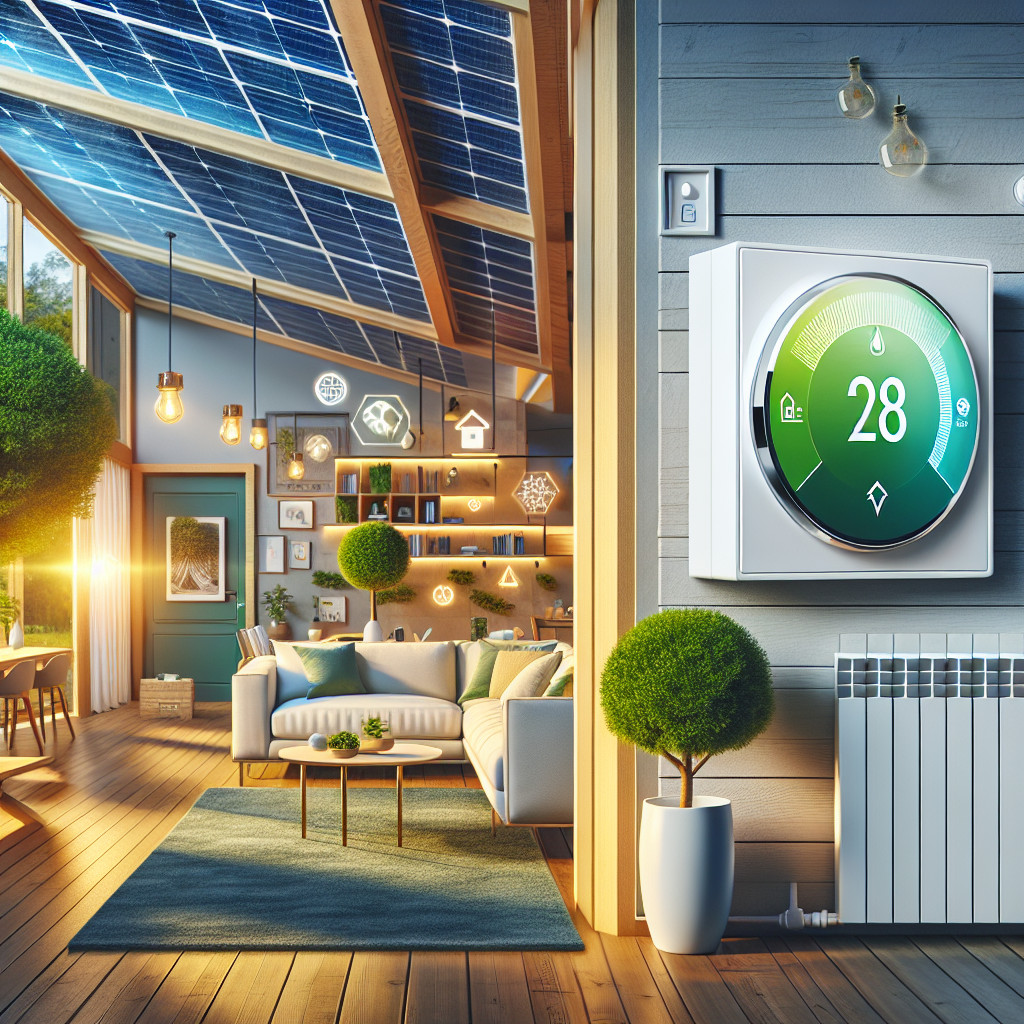
    Speaking of smart technology, integrating solar panels with other smart home devices is becoming a trend that’s too good to ignore. With devices like smart thermostats, you can use solar energy more efficiently, ensuring you don’t waste electricity when you don’t need it.

    For instance, once I got a smart thermostat, I was amazed at how seamlessly it worked with my solar setup. It automatically adjusted my home’s temperature based on my solar energy production, maximizing my efficiency without me even thinking about it!

    Integrating your solar system with smart appliances and energy storage solutions allows for even greater energy independence. I could charge my electric vehicle when the sun was shining bright without a second thought. This is where we’re heading, and it feels empowering.

    Optimizing Performance with AI

    Artificial Intelligence (AI) is becoming another game-changer in solar panel tech. With AI algorithms, we can predict energy production and consumption patterns, enabling homeowners and businesses to optimize their usage effectively. Honestly, my solar energy management has improved drastically since I learned to incorporate AI-driven tools into my setup.

    These tools analyze data from weather patterns, energy consumption habits, and even historical data to forecast energy needs. By leveraging AI, we’re not just relying on guesswork anymore; real-time data is driving our decisions, and that’s a big deal.

    Moreover, AI can help identify maintenance issues by analyzing performance data over time, suggesting repairs before major problems arise. This is an area where I’ve saved time and money, avoiding costly repairs due to monitoring my system more intelligently.

    3. Energy Storage Innovations

    The Future of Solar Batteries

    Energy storage has seen some cool developments lately. Solar batteries are becoming increasingly efficient and affordable, which is crucial for maximizing the potential of solar energy. I remember when solar batteries were almost prohibitively expensive, but recent advancements are changing the game!

    The new lithium-ion batteries are now common, featuring higher capacities and better longevity, making them perfect for home solar setups. After all, who doesn’t love the idea of being able to store solar energy for use at night or during cloudy periods? It’s like having your cake and eating it too!

    Additionally, emerging technologies like flow batteries are attracting attention. They promise longer lifespan and sustainability, which is music to my ears! It’s exciting to witness a future where I can store vast amounts of energy without worrying about degradation over time.

    Hybrid Systems Take Center Stage

    Hybrid solar systems are becoming increasingly popular. These systems combine different energy sources, like solar and battery storage, allowing for a more comprehensive approach to managing energy needs. Trust me; this combination has worked wonders for my energy security.

    For example, my hybrid system enables me to draw energy from my solar panels while simultaneously charging my battery from the grid during low-cost hours. It’s like having a backup plan that kicks in when the conditions aren’t perfect. Knowing I can rely on this setup gives me peace of mind!

    The adaptability of hybrid systems is great for addressing regional energy challenges. Whether you live in an area prone to outages or have varying solar potential, hybrid systems can be tailored to fit your needs perfectly.

    Emerging Technologies in Energy Storage

    As technology evolves, new energy storage advancements are bubbling up. Innovations such as solid-state batteries and other novel storage technologies are on the horizon. I often think about the way my energy storage capacity could skyrocket in the next few years—it’s just around the corner!

    Like I mentioned before, solid-state batteries are appealing because they have the potential for higher energy density and improved safety compared to traditional lithium-ion batteries. I can’t wait for these advancements to become commercially viable—they’re just tantalizingly close!

    These game-changing technologies mean residents can soon enjoy more efficient and effective energy storage solutions, turning solar energy into a seamless part of our daily lives.

    4. Sustainability Practices

    The Shift Towards Eco-Friendly Materials

    There’s a noticeable shift in the solar industry toward sustainability, from manufacturing processes to recycling old systems. I’ve seen firsthand how manufacturers are now focusing on eco-friendly materials in their panels. Recycled materials are helping to reduce the environmental impact—something I appreciate as a concerned citizen.

    These eco-friendly practices not only benefit the environment but also resonate well with consumers. I feel like I’m making a responsible choice every time I see a product that emphasizes sustainability. Many solar companies are embracing circular economy concepts and producing panels that can be fully recycled.

    If you’re looking into solar panels for your home, consider companies that prioritize sustainable practices; it’ll feel good knowing you’re supporting a greener future!

    Recycling Solar Panels

    Speaking of sustainability, the recycling of old solar panels is gaining momentum. With the first wave of solar panels reaching the end of their lifespan, this issue is becoming critical. In fact, I recently learned how valuable the materials in these panels can be, making recycling a smart choice.

    These panels often contain valuable components like silver, silicon, and glass—materials that can be reused in the production of new panels! Programs that facilitate this recycling process should become a priority for all of us who cherish solar energy.

    Being proactive about recycling not only helps conserve resources but also protects the environment by ensuring hazardous materials don’t end up in landfills. It’s about embracing the future of energy while being responsible stewards of our planet.

    Community Solar Initiatives

    Community solar programs are becoming another trend worth noting. These initiatives allow groups of people to invest in a shared solar project, enabling those who might not have suitable roofs to benefit from solar energy. It warms my heart to see communities come together like this.

    It’s a fantastic way to bring people together for a common cause while gaining access to renewable energy. I love how these programs not only help cut energy costs but also foster a sense of community pride and environmental consciousness.

    If you’re interested, check to see if such programs exist in your area—getting involved can be both rewarding and environmentally impactful!

    5. Government Policies and Incentives

    Understanding Tax Credits and Rebates

    Alright, let’s chat about something that can really sweeten the deal for those going solar: government incentives! Tax credits have been an absolute lifesaver for many homeowners, making solar energy more affordable. Each year, I look forward to the renewal of these tax incentives because it proves how serious we are about embracing renewables.

    In the U.S., the federal solar tax credit, which currently allows homeowners to deduct a percentage of their solar system costs from their federal taxes, has been a great motivator for many to go solar. Seriously, you could save thousands—what’s not to love about that?

    But it doesn’t stop there; various states and local governments have their own incentives as well, from grants to rebates. Staying updated on these programs is beneficial for anyone considering solar energy. They can really have a significant impact on your return on investment!

    Legislative Support for Renewable Energy

    Another exciting aspect is the growing political support for renewable energy. Increasingly, legislation is being passed to back solar initiatives, which can result in improved facilities and infrastructure for solar installations. It’s monumental how these movements can shape our energy future.

    Having seen the legislative landscape evolve, I can’t help but feel optimistic, especially as more lawmakers recognize the importance of clean energy. Community solar, net metering, and initiatives supporting energy storage are all part of this blossoming support.

    Getting involved in local advocacy can make a huge difference. By supporting legislation that promotes solar technology, we can all contribute to a shift toward a greener, more sustainable world.

    Future Prospects for Solar Energy Policies

    Looking forward, it’s amazing to think about how much impact policy changes will have on solar technologies. With countries and cities setting ambitious goals for carbon neutrality and renewable integration, the future is bright (pun intended!). It’s encouraging to see various programs roll out to protect and incentivize solar power usage.

    I often remind myself that each step we take today shapes the solar landscape of tomorrow—especially when policies are putting solar at the forefront of energy discussions. Being aware of these trends can help homeowners navigate the landscape more effectively when considering solar options.

    Ultimately, collective efforts will cultivate a thriving market for solar technologies, and I’m excited to be a part of this movement!

    Frequently Asked Questions

    1. What are the main trends in solar technology for 2024?
    The main trends include enhanced efficiency rates, smart solar technology, energy storage innovations, sustainability practices, and supportive government policies and incentives.
    2. How do smart inverters improve solar energy systems?
    Smart inverters allow solar systems to communicate with the grid, optimize energy output, and enable homeowners to monitor their energy production in real-time through apps.
    3. What is the significance of recycling solar panels?
    Recycling solar panels helps conserve resources by reusing valuable materials, reduces waste, and prevents potentially hazardous materials from ending up in landfills.
    4. How can I take advantage of government incentives for solar energy?
    Stay informed about federal, state, and local tax credits, rebates, and grants. These incentives can significantly reduce the cost of your solar panel installation.
    5. What role do community solar initiatives play?
    Community solar programs allow groups of individuals to share the benefits of a solar project, offering access to solar energy for those who cannot install panels on their own properties.
  • How Solar Inverters Impact Your Energy Efficiency

    How Solar Inverters Impact Your Energy Efficiency

    Understanding Solar Inverters

    What is a Solar Inverter?

    Let me tell you, solar inverters are an essential part of any solar panel system. In simple terms, they convert the direct current (DC) electricity generated by your solar panels into alternating current (AC) electricity, which is what most home appliances use. Without these nifty devices, your solar panels would just sit there, doing nothing for you.

    The incredible thing is that there are different types of solar inverters, like string inverters and micro-inverters. Each type has its perks and drawbacks, which I learned by researching and asking experts in the field. Understanding these differences is crucial if you want to maximize your energy efficiency.

    When I first got into solar energy, I was amazed at how much I didn’t know. Choosing the right inverter can lead to better energy performance, since it directly affects how much energy is used versus what is wasted. Knowledge is power, right?

    Enhancing Energy Conversion Efficiency

    The Role of Inverters in Energy Conversion

    Okay, so here’s something cool: solar inverters play a huge role in determining how efficiently your solar energy gets converted. The better the inverter, the less energy you lose in the conversion process. For instance, high-quality inverters can achieve conversion efficiencies of over 98%. Imagine the savings on your energy bill!

    In my own experience, I noticed a significant difference in my energy conversion rate after upgrading my inverter. It was almost like I had flipped a switch! Being able to harness more energy from the same amount of sunlight means more savings. What’s not to love?

    Every percentage point of efficiency adds up over time. Trust me, when you’re looking at your energy bills and you see that nice reduction, you’ll appreciate your inverter choice even more.

    Impact on Energy Storage Solutions

    Inverters and Battery Storage

    Let’s get down to how inverters help with energy storage. Particularly, if you’ve got a battery system paired with your solar setup, your inverter plays a massive role. Some inverters can manage the flow of energy to and from your batteries, deciding when to store energy and when to draw it. It’s like having a personal assistant for your energy!

    When I first installed my battery storage system, I was amazed at how my inverter regulated the charging and discharging cycles. This means I could rely on stored energy when the sun wasn’t shining, which drastically increased my energy efficiency.

    Having the right inverter made all the difference. It not only maximized my solar energy usage but also ensured I had enough power saved up for those cloudy days. Energy independence, baby!

    Overall System Reliability and Longevity

    The Importance of Quality Inverters

    Now, let’s chat about reliability. The quality of your solar inverter can impact the overall lifespan of your solar setup. I’ve learned that cheaper inverters might be tempting, but they often lead to failures and inefficiencies that can cost you in the long run.

    After a few years with my reliable inverter, I can say that its performance has been consistent. Regular maintenance and monitoring really keep my system healthy. It’s reassuring to know that my inverter is doing its job, and that translates to savings.

    Investing in a high-quality inverter not only boosts your energy efficiency today but also safeguards your solar investment for years to come. Long-term benefits often outweigh the initial costs. Trust me on this one!

    Maximizing Your Solar Investment

    The Financial Benefits of Efficient Inverters

    Last but definitely not least, let’s discuss the financial side of things. Choosing the right solar inverter can make your solar investment way more profitable. With a higher conversion rate and better energy management, you’ll see a significant drop in your utility bills.

    When I did the math after installing a quality inverter, it was like a light bulb went on! The savings on my monthly bills quickly started to cover the inverter’s cost. Plus, many states offer incentives for using efficient systems, which just sweetens the deal.

    Ultimately, the right solar inverter isn’t just about efficiency; it’s about turning your investment into long-term gains. And who doesn’t want more money in their pocket, right?

    Frequently Asked Questions

    1. What is the main function of a solar inverter?

    The main function of a solar inverter is to convert the direct current (DC) electricity generated by solar panels into alternating current (AC) electricity that can be used by home appliances.

    2. How does the inverter affect energy efficiency?

    A good quality inverter maximizes the conversion efficiency, meaning less energy is wasted during the transformation process. Higher efficiency directly translates to lower energy bills.

    3. Can solar inverters work with battery storage?

    Yes! Many solar inverters are designed to work in conjunction with battery storage systems, allowing optimal management of energy flow to maximize energy preservation and usage.

    4. How long do solar inverters typically last?

    Most solar inverters have a lifespan of around 5 to 10 years, depending on the type and quality. Regular maintenance can help extend their lifespan even further.

    5. Are there incentives for choosing efficient solar inverters?

    Absolutely! Many states and local governments offer financial incentives for using high-efficiency solar inverters, which can add further savings to your solar investment.

  • The Best Ways to Pair Solar Energy with Smart Thermostats

    The Best Ways to Pair Solar Energy with Smart Thermostats

    Maximizing Energy Efficiency

    Understanding Energy Usage

    When I first got into pairing solar energy with smart thermostats, I had to get a strong grasp of my energy usage. Knowing how much energy I consumed daily was key. I started tracking my heating and cooling patterns, which helped me identify high-usage periods that I could optimize.

    Surprisingly, a lot of energy is wasted during peak usage times when the rates are higher. By monitoring my usage, I could tweak my thermostat settings to align better with my solar production. It’s almost like putting together a puzzle where each piece of energy data fits into a bigger picture!

    The combination of solar energy and smart technology gave me insights into how I could become more eco-friendly while saving money. By really understanding my consumption, I was able to cut down on excess and make smarter decisions.

    Setting Up Smart Schedules

    One of the coolest features I leveraged was the smart scheduling capability of my thermostat. This took my energy efficiency game to the next level! I set up schedules that synced perfectly with when my solar panels were producing energy.

    For instance, during sunny days, I programmed my thermostat to run air conditioning or heating earlier in the day while the solar energy was abundant. My home stays comfortable, and I save a bunch on energy costs, all while using sustainable energy.

    It’s fascinating how technology helps you become proactive instead of reactive when it comes to energy usage. With smart scheduling, my thermostat adjusts based on my lifestyle, ensuring I’m using clean energy as efficiently as possible!

    Optimization of Battery Storage

    If you’ve got battery storage with your solar setup, pairing that with a smart thermostat can really bring home the savings. I remember when I first added batteries to my system; I couldn’t believe how much of a difference it made.

    By programming the thermostat to use stored energy during peak times when energy from the grid is more expensive, I could keep my energy expenses down. Those batteries allowed me to harness all that lovely solar power for later use.

    It felt like having a secret stash of cash. You never know how much you can save until you take the leap to optimize those batteries with some smart tech. Trust me; it’s worth it.

    Integrating Technology for Better Control

    Using Mobile Apps for Monitoring

    Let’s face it; who doesn’t love controlling everything right from their phone? The smart thermostat I use comes with a handy app that lets me monitor and control everything remotely. Last week, I was at a friend’s BBQ and realized I left the thermostat running unnecessarily; a quick tap on my phone, and I was able to crank it down.

    This constant access gives me peace of mind. I can see real-time energy usage and adjust as needed. Forgetting to turn off your heating or cooling when you’re not home becomes a worry of the past!

    Being able to manage my system from anywhere has taught me even more about my energy habits, allowing me to make smarter decisions quickly.

    Voice Integration for Ease of Use

    Next up, voice control! If you’re like me and love convenience, integrating voice control into your setup is a game changer. I’ve linked my smart thermostat to my voice assistant, and now I can adjust settings just by speaking—talk about futuristic!

    This feature not only adds ease of use but also helps me make adjustments based on immediate needs without having to get up. It’s perfect for those lazy weekends when I’m cozy on the couch, but my home needs a little extra cooling or heating.

    Plus, it adds that convenience factor to managing home energy with solar; I can check how much energy I’ve used just by asking! Long story short, it’s all about making everything as seamless as possible.

    Utilizing Smart Sensors

    Smart sensors are another feature I think everyone should consider! They can detect occupancy and adjust heating or cooling based on whether anyone’s in the room. I’ve found this super helpful for energy conservation.

    For instance, when I leave for the day, my thermostat automatically adjusts to save energy. No more heating or cooling empty rooms! It’s like having a personal assistant ensuring my home is always energy-efficient.

    This tech ties in beautifully with solar energy because it maximizes the advantages without me needing to lift a finger. This level of automation allows me to enjoy the comfort of my home all while staying eco-friendly.

    Choosing the Right Products

    Researching Compatible Products

    Finding the right combination of solar panels and smart thermostats doesn’t have to be daunting. I did some digging into which products work best together. The key is ensuring that your thermostat is compatible with your solar energy system.

    I found that many manufacturers provide lists of compatible devices. This was a solid starting point that helped me navigate the overwhelming sea of options out there. There’s a product for nearly every setup!

    By sticking to brands known for their quality and innovation, I felt a bit easier about making informed decisions, leading to the perfect balance of efficiency and compatibility.

    Evaluating Energy Management Systems

    An energy management system (EMS) is a great add-on that ties everything together. After purchasing a smart thermostat, it became essential for me to evaluate potential EMS options. This piece of tech helps in managing energy consumption actively.

    With a solid EMS, I gained better insights into my energy patterns. It wasn’t just about monitoring but also providing actionable insights! You get the real-time feedback that inspires conscious energy use.

    Investing in the right EMS can dramatically enhance the synergy between solar panels and smart thermostats, ensuring you’re always in control and making the best out of your investments.

    Prioritizing User Reviews

    I can’t stress enough how useful reading user reviews has been for me. Before I made any big purchases, I took the time to see what others had said about their experiences with specific products. This step prevented me from making costly mistakes.

    User reviews often highlight compatibility issues and performance problems that you may not find in advertising material. You can learn so much from the experiences of others and avoid unnecessary headaches.

    In a field as dynamic as home energy technology, staying informed through community feedback can genuinely help you in making smarter decisions in your own endeavors.

    Adapting to Seasonal Changes

    Seasonal Thermostat Adjustments

    One thing I learned quickly was that seasonal adjustments are crucial to getting the most out of my smart thermostat and solar energy system. For example, I usually set different schedules for winter versus summer.

    During winter, I maintain a cozy temperature to keep the house warm and make the most of my solar energy when the sun is out. Meanwhile, during spring and summer, my cooling settings kick in naturally as the days get warmer, helping me maximize energy efficiency.

    Tweaking these settings based on the season ensures that I remain comfortable in my home all year round, while also being mindful of energy costs, which is a win-win in my book!

    Monitoring Weather Conditions

    Weather can be unpredictable, and being in tune with it can help me plan ahead. I often check forecasts to adjust my settings proactively. For example, if a hot day is ahead, I can ensure my thermostat is set to cool down the house right before the heat hits.

    Smart thermostats can often integrate weather data into their functions, allowing for automatic adjustments. This feature has saved me a ton of effort while maximizing the efficiency of my solar panels.

    Learning to use weather to my advantage is like having a superpower. With just a little planning, I can enjoy comfort without spiking my energy bills!

    Seasonal Maintenance Checks

    Lastly, don’t forget about seasonal maintenance! I’ve learned that regularly checking my solar and thermostat systems is important to ensure everything’s running smoothly. Simple cleanings or professional checks at the start of the season can make a real difference.

    I usually schedule these checks before the weather starts changing significantly. This step ensures I am perfectly prepared for whatever the season throws my way while maintaining efficient energy use.

    A little maintenance goes a long way in this game! By staying proactive about the upkeeping of my systems, I not only prolong their lifespan but also keep my energy efficiency on point.

    Frequently Asked Questions

    1. How do I know if my thermostat is compatible with my solar energy system?

    The best way to determine compatibility is to consult the product manuals of both your solar system and thermostat. Many manufacturers also provide lists of compatible devices, which can help guide your purchasing decisions.

    2. Can a smart thermostat save me money on my energy bills?

    Absolutely! Smart thermostats can learn your habits and optimize your heating and cooling schedules for maximum efficiency, often resulting in reduced energy bills over time.

    3. What’s the best way to set up my smart thermostat with solar energy?

    Begin by monitoring your energy usage and set up schedules that align with your solar energy production. Additionally, consider optimizing battery storage to make the most of your solar power.

    4. Do smart thermostats work with all types of heating and cooling systems?

    Most smart thermostats are designed to work with various systems, but it’s essential to check for compatibility with your specific setup, whether it be a central air system, heat pump, or something else.

    5. How can I integrate voice control into my thermostat system?

    Many smart thermostats are compatible with voice assistants like Amazon Alexa or Google Assistant. You can usually set up the integration through the respective app by following simple on-screen instructions!

  • How Solar Generators Can Help You Prepare for Emergencies

    How Solar Generators Can Help You Prepare for Emergencies

    Understanding the Need for Backup Power

    Why Backup Power is Essential

    You know those moments when the lights flicker, and you’re left holding your breath wondering if the power’s going to stay? I’ve been there. Emergencies can hit at any time – whether it’s a snowstorm, hurricane, or even an unexpected blackout during summer. Having reliable backup power can truly mean the difference between chaos and some semblance of comfort.

    When the usual power supply goes down, especially in extreme weather conditions, we often face frustrating challenges. Refrigerators stop keeping our food fresh, smartphones lose their charge, and our comfort is compromised. Having a solar generator on hand allows us to sidestep that panic and stay in control.

    Moreover, in today’s tech-driven world, staying connected is crucial. Whether it’s for emergency updates or simply to reach out to loved ones, a solar generator ensures you’re powered up, keeping the lines of communication open, and providing peace of mind during unpredictable scenarios.

    Portability for Emergency Situations

    Easy to Transport

    One thing I look for in an emergency power source is portability. Let’s be real: when a severe storm is headed your way, the last thing you want is a heavy, cumbersome generator that requires a truck to move. The beauty of solar generators is their compact design. You can easily toss one in the back of your car or carry it to a different location, such as your garage or your front porch.

    I’ve done camping trips where I’ve brought along my solar generator, and it was a lifesaver – providing power for lights, charging devices, and even cooking! So, imagine how helpful it would be during an emergency at home. You can move it where it’s needed most or even take it with you if you need to evacuate.

    This portability becomes absolutely critical when you have family members who depend on electric-powered medical equipment. Knowing you can safely power those necessities no matter where you are is incredibly reassuring.

    Environmentally Friendly Solution

    Reduce Your Carbon Footprint

    As a nature lover, I have a personally vested interest in reducing my carbon footprint. That’s where solar generators come in! These nifty devices harness the energy from the sun, allowing you to generate your own power without contributing to greenhouse gas emissions. It’s eco-friendly electricity that doesn’t pollute the environment.

    During emergencies or blackouts, traditional generators often require fuel, which themselves can pose risks such as leaks or spills. I remember the time my neighbor’s gas generator caused a small scare due to a fuel leak while we were in the middle of a storm. With a solar generator, you can avoid those risks entirely. Just soak up the sun, and you’re good to go!

    On top of that, using renewable energy sources sets a positive example for your community and demonstrates that sustainability can be practical, especially in times of need. It’s a win-win: you get the power you need without harming the planet.

    Cost-Effectiveness Over Time

    Investment Worth Making

    Now, lemme tell you – I initially hesitated at the price of a solar generator. But after a few months of using it, the costs became more manageable compared to my local power bills and fuel costs. They tend to pay for themselves over time, especially in the long run with rising energy prices.

    Think about it: once you invest in a solar generator, the sunlight is free! No more trips to the gas station or hefty utility bills for the power that you generate yourself. I found that, especially after investing in some eco-friendly appliances, my overall energy costs dropped significantly.

    Not only is your wallet happy, but you’re also gaining energy independence. This means less vulnerability during price fluctuations and emergencies. For anyone who enjoys knowing they don’t have to constantly rely on external energy sources, it’s a comforting feeling.

    Versatile Usage for Daily Needs

    Beyond Emergencies

    What I love about solar generators is they’re not just for emergencies – they can be an everyday solution. Whether it’s powering outdoor events, camping trips, or even some off-grid weekend fun, I can always count on my solar setup to deliver.

    When I host backyard parties, I often use my solar generator to run lights, speakers, and even a small grill. It’s more convenient than dragging out extension cords or worrying about tripping over them. Everyone loves the ambiance, and I can relax knowing everything is powered sustainably.

    Plus, it comes in handy for hobbies as well! I’ve taken my solar generator out while working on DIY projects that require power tools. Having that portable energy source can make all the difference in convenience and creativity.

    FAQs

    What is a solar generator?

    A solar generator is a device that converts solar energy into usable electrical power. It typically includes solar panels, a battery to store energy, and an inverter to convert that energy into a format that can be used for household appliances and devices.

    How long can a solar generator provide power?

    The duration a solar generator can provide power depends on the size of the battery and the power consumption of the devices you are using. Smaller generators might provide a few hours of power for basic necessities, while larger models can last longer or power multiple devices simultaneously.

    Can I use a solar generator indoors?

    Yes! One of the benefits of solar generators is that they are typically safe to use indoors. They don’t produce harmful emissions, unlike traditional gas generators. Just ensure that there is a well-ventilated area for bigger models.

    Are solar generators worth the investment?

    Absolutely! While the initial cost can be high, solar generators can save money over time by reducing electricity costs and dependence on fuel. Plus, they provide peace of mind during emergencies.

    Do solar generators require maintenance?

    They do require some maintenance, but it’s minimal. You’ll want to keep the solar panels clean and ensure that the battery is regularly charged and maintained to extend its lifespan. Simple upkeep goes a long way!

  • The Benefits of Solar Panels for Apartment Dwellers

    The Benefits of Solar Panels for Apartment Dwellers

    Reduced Energy Bills

    How Solar Panels Lower Your Monthly Gast

    Let’s be real—no one likes seeing high energy bills at the end of the month. I remember when I first looked at my bill after installing solar panels. Talk about a jaw-dropper in the best way possible! With solar panels, I started noticing that my energy costs dropped significantly, saving me money that I could finally use for more fun things, like that quirky little café I’d been wanting to try.

    It’s all about generating your own electricity. Depending on how many panels you install and your energy usage habits, the savings can really add up. And if your apartment complex sets up a community solar project, you might even be able to access solar energy without needing to install panels directly if you rent.

    Plus, think about long-term savings. While the upfront cost might seem daunting, many states offer rebates or tax credits that can offset the installation costs. I’ve had my panels for a couple of years now, and I’d say the savings far outweigh the initial investment. Seriously, it’s like a win-win!

    Environmental Impact

    How Going Solar Helps the Planet

    One of the best feelings I’ve had since going solar is knowing that I’m doing my part for Mother Earth. Traditional energy sources are often hefty polluters, while solar power is all about clean, renewable energy. Each sunny day, I know that I’m not just saving money but also contributing to reducing my carbon footprint.

    In my own experience, even small changes can have a huge ripple effect in our communities. When more folks in my apartment complex opted for solar, it started discussions about being more eco-friendly. I genuinely believe that every little bit helps. It’s kind of like being part of a bigger movement without even leaving your home!

    Plus, solar energy contributes to renewable energy portfolios, pushing us toward a more sustainable future. I often joke with my neighbors that we’re not just apartment dwellers—we’re eco-warriors! How cool is that? It’s amazing how this switch in energy can spark joy and concern for our planet.

    Increased Property Value

    Why Solar Panels Boost Property Appeal

    Thinking about selling your apartment down the line? You might be surprised at the value that solar panels can add. I’ve noticed in my local market that properties with solar installations often catch higher bids. Interested buyers are not just looking for a place to live; they want homes that are efficient and forward-thinking.

    The cool thing is, word gets around. When friends of friends saw my solar panels and started talking about the benefits, interest in just that one little project expanded. In today’s real estate market, anything that lowers the cost of living is also a selling point!

    Plus, these days, energy efficiency is pretty much a hot ticket item. I once had a friend tell me that her house generated extra interest solely because of her solar setup. If you’re thinking about the future—and let’s be honest, who isn’t?—solar panels are definitely a worthy investment for your property.

    Energy Independence

    Taking Control of Your Energy Source

    With traditional energy sources, it’s tricky navigating fluctuations in energy prices, but with solar, I felt like I was finally in control of my power. This feeling of independence is something I simply love. There’s something freeing about producing energy for my own use and not being at the mercy of utility companies.

    Plus, if the grid goes down for any reason, it’s comforting to know that I’ve got my own backup. I remember a storm rolling through town—others were left with no power while I carried on, enjoying the comforts of my home. That kind of security is a huge perk!

    As more folks jump on the solar bandwagon, I’ve noticed a shift in the community’s mindset. There’s excitement and empowerment in the air. The more people I talk to about this energy independence, the more they realize they don’t have to rely on the traditional power structure anymore, and that’s pretty exciting.

    Community Engagement

    Building a Conscious Community

    Going solar isn’t just a personal journey; it can also foster a strong sense of community. When I installed my solar panels, I began to meet like-minded individuals who valued sustainable living. It started making me feel more connected to my neighbors.

    We’ve even hosted community events, like solar education workshops, where folks could learn more about energy efficiency and sustainable practices. The atmosphere was buzzing with ideas, and I loved being part of it! It really helped to bring us all closer, and it felt great to collaborate on something meaningful.

    Being part of a community that values sustainability means you can inspire others to think about their own energy choices. I’ve seen friends take steps towards solar, and it’s like a domino effect—you kick-start a movement without even realizing it. Creating that conscious community around solar energy is such a rewarding experience!

    Frequently Asked Questions

    1. Can I install solar panels if I rent my apartment?

    Absolutely! If your apartment allows it, installation is possible. Many rental properties are now looking into community solar programs, which let you buy into solar energy without needing to install panels on your roof.

    2. How much can I really save on my energy bills?

    While it varies widely based on your local energy rates, how much sun you get, and your energy usage, many people report savings of 20-50% on their energy bills after installing solar panels.

    3. What if I’m planning to move soon?

    If you’re considering moving, keep in mind that solar panels can increase the value of your property, making it an attractive selling point. Plus, you could enjoy the benefits while you’re still there!

    4. Are solar panels expensive to maintain?

    Not really! Most solar panels require minimal maintenance. Just keep them relatively clean and check for any shading from trees or debris. You might want to schedule a professional check-up once every few years.

    5. What if there’s not enough sunlight in my area?

    Good question! Solar technology has advanced significantly, meaning panels can still function efficiently in less-than-perfect sunlight. Also, community solar options can provide you with renewable energy even if you don’t have direct access to solar panels.

  • How to Choose the Right Solar Energy Company in Your Area

    Choosing a solar energy company can feel like searching for a needle in a haystack. With so many options out there, how do you find the right one for your specific needs? I went through this process recently and have picked up some valuable lessons along the way. I’ll break down my experience into five key areas that I wish I had known from the start. Let’s dive in!

    Researching Local Solar Energy Companies

    Understanding Your Local Market

    The first step in this journey is getting to know what’s available in your area. Local markets can differ a lot when it comes to solar options. Some companies might have exclusive contracts with local providers, while others may offer competitive pricing and incentives that you can take advantage of.

    I learned that checking relevancy is key. Use community forums and local social media groups to gauge what people are saying about different companies. Recommendations from neighbors can lead you to hidden gems that might not pop up in a typical Google search.

    Finally, look for solar companies that have a physical presence in your area. This is a significant indication that they are rooted in the community and likely to offer solid support and service after installation.

    Evaluating Reviews and Reputation

    Where to Find Reviews

    Once I compiled a list of potential companies, the next step was to sift through their reviews. Websites like Yelp and SolarReviews are invaluable resources for this process. Don’t just skim through the ratings; actually read some reviews to get a sense of both the positive and negative feedback.

    I often found that patterns began to emerge while reading multiple reviews. For example, if several customers mentioned long wait times or poor customer service, that was a huge red flag for me. But if most feedback applauded a company for its prompt installation and customer support, I took notice.

    Consider what the reviews are emphasizing—whether it’s product quality, installation experience, or maintenance support. This will give you a clearer picture of what to expect.

    Assessing Solar Panel Options and Technology

    The Importance of Quality Products

    Not all solar panels are created equal, and frankly, some are downright bad. When selecting a company, I made sure to inquire about the types of panels they offer and their efficiency ratings. High-quality panels may cost a bit more upfront, but they typically save money in the long run through greater efficiency and durability.

    Ask about warranties as well. A solid warranty can give you peace of mind. Look for companies that provide extended warranties not only on the panels themselves but also on the installation process. Quality assurance is paramount.

    Lastly, ask follow-up questions about the panels’ performance in your specific climate. Companies that genuinely care about customer satisfaction will have tailored solutions based on geographical considerations.

    Inquiring About Financing Options

    Understanding Your Financial Options

    Financing can be a tricky hurdle, and it was one I had to navigate too. There are multiple ways to finance solar installation—such as cash purchases, loans, and leasing options. Each comes with its own set of terms that can significantly affect your long-term savings.

    I realized that some companies provide solar power purchase agreements (PPAs) that let you pay for the energy your system produces, which can be a budget-friendly approach. Also, don’t shy away from asking about available tax credits or local incentives. A reputable company should be able to point you in the right direction for savings!

    Consider getting pre-approved for a solar loan before speaking with companies. This can give you a better idea of your budget and makes negotiation easier in the end.

    Confirming Licensing and Insurance

    The Importance of Proper Licensing

    Last but definitely not least, you want to make sure that any contractor you work with is properly licensed and insured. This helps protect you from any liability in case something goes wrong during installation or if the system needs maintenance down the road.

    Most states require solar installers to have specific licenses, so check with your state’s licensing board to verify that the companies you’re considering meet these requirements. A company that is transparent about its licensing is usually one you can trust.

    Don’t forget to ask about insurance coverage as well. A good solar contractor should carry liability insurance and worker’s compensation insurance for their employees. This is essential for your protection and peace of mind.

    FAQs

    1. How long does it take to install solar panels?

    Typically, solar panel installations take one to three days, depending on the size of your system and the complexity of the installation. However, waiting for permits and inspections can add extra time.

    2. Are there any tax incentives for installing solar panels?

    Yes! Many states and the federal government offer tax credits and incentives for solar installations, which can significantly reduce the amount you pay out of pocket. It’s best to check with a tax professional for specific details.

    3. How much does it typically cost to install solar panels?

    Costs can vary widely based on the size of the system, quality of equipment, and your location. On average, you might expect to pay between $15,000 and $25,000 before any incentives.

    4. What happens if I sell my house after installing solar panels?

    If you sell your home, solar panels can actually add value! Depending on your arrangement, the new homeowner may assume the financing or leasing agreements.

    5. How do I maintain my solar panels?

    Solar panels require minimal maintenance, but it’s a good idea to clean them occasionally and have them inspected by a professional yearly to ensure they’re operating efficiently.

    I hope my experience helps you on your journey to finding the right solar energy company in your area. Solar energy is an incredible investment, and with some research and diligence, you can choose a company that fits your needs perfectly!

  • The Ultimate Guide to Understanding Solar Power Tax Credits

    The Ultimate Guide to Understanding Solar Power Tax Credits

    Understanding Federal Tax Credits

    What Are Federal Tax Credits?

    When I first dove into solar energy, I was blown away by the potential savings from federal tax credits. These credits are incentives offered by the government to encourage homeowners to invest in renewable energy. The main one most folks talk about is the Investment Tax Credit (ITC). If you install solar panels, you could offset a significant portion of your costs during tax season.

    So, how does it work? Essentially, the ITC allows you to deduct a chunk of the installation costs from your federal taxes. The beauty of it is that it can really lighten the financial load. I found that knowing this credit existed changed my entire approach to affording solar energy.

    It’s also key to stay updated because these credits can change. They’ve been extended, reduced, and there’s chatter about future changes. Keeping your ear to the ground can help ensure you get the most and save as much as possible.

    Eligibility Criteria

    Now, you might be wondering if you’re even eligible for these credits, right? Generally speaking, if you own the solar system and it’s installed at your primary residence, you’re good to go! But there might be more criteria based on where you live and the specific setup.

    One of the things I learned was that if you lease your solar panels instead of owning them, you usually can’t claim the tax credit. Bogus, I know, but that’s the lay of the land. It’s super important to get clarity on ownership to make sure you as the homeowner get the benefits.

    Additionally, some states have their own specific requirements. Doing a bit of homework about your state’s regulations will avoid some last-minute headaches. Trust me, you’ll thank yourself later!

    How to Claim the Credit

    Okay, so you’ve got your solar panels up and you’re registered for the ITC; now what? Claiming the credit is actually quite straightforward. You’ll need to file Form 5695 along with your regular tax return.

    When I first filled out that form, I felt a little overwhelmed. I mean, tax forms can be intimidating! But once I started filling it out, I realized it was all about providing basic info about the installation cost and how many panels you have.

    Make sure to keep all your receipts and documentation organized, as the IRS likes to see proof. Having everything easy to find showed me that I was serious about my investment and made my life easier when filing ahead of the tax deadline.

    State-Specific Incentives

    Overview of State Incentives

    Each state has its unique charm and benefits regarding solar energy, and boy, I found that out the hard way! While the federal tax credits give you a solid start, many states have their own rebates and credits. This can significantly amplify your savings.

    For instance, I moved from California to Texas, and I quickly realized that while California had several lucrative incentives, Texas had its own set of perks. It’s fascinating to explore how different areas promote solar energy usage!

    If you dive into state incentives, you may find grants or specific programs aimed at encouraging solar installation. This can be like finding free money lying around—definitely keep your eyes peeled!

    How to Find State Incentives

    Finding these incentives isn’t as daunting as it seems. Start with your state government’s website. They usually have a resource section dedicated to renewable energy. When I tracked down my local incentives, it was easier than I thought—it just required a bit of research!

    Another option is to check out sites like the Database of State Incentives for Renewables & Efficiency (DSIRE). They provide a comprehensive overview of all kinds of incentives plus who qualifies. It’s a goldmine!

    If you’d rather skip the legwork, chatting with local solar installation companies might guide you to know what incentives you can snag. They usually keep a pulse on the latest state and federal programs.

    Understanding Local Rebates and Incentives

    Local utilities sometimes offer rebates for solar panel installations as well. I remember getting a nice chunk off my initial investment thanks to a rebate from my utility provider. It’s like bonus savings just for using renewable energy!

    But be on the lookout: these rebates can change often, so it pays to dig in as soon as you decide to install solar. The more you find, the more you can save. Once I understood the nuances, every step felt like a victory!

    Just keep in mind that some rebates may have specific eligibility rules, so read the fine print. You don’t want to find out later that you missed the chance to cash in on some sweet incentives!

    The Role of Solar Financing Options

    Different Financing Options

    Now, let’s chat about how to actually pay for all this solar goodness. There’s a variety of financing options available to homeowners. I spent a good chunk of time figuring this out, and trust me, it’s totally worth knowing your options!

    Loans are pretty popular—whether they’re secured against your home or not. I went the unsecured route, avoiding collateral but paying a slightly higher interest rate. I weighed convenience over long-term cost savings, but for you, it might be different.

    Some people even opt for power purchase agreements (PPAs), where you pay for the power generated by the system rather than the system itself. It’s kind of like taking a subscription service approach. You just need to find what fits your budget and lifestyle.

    Evaluating Costs vs. Savings

    One thing I learned is that it’s not just about the installation costs—it’s about evaluating your long-term savings as well. While the out-of-pocket expense can seem daunting, running the numbers for monthly energy savings helped me see the silver lining.

    It’s a smart idea to sit down and calculate how much you’ll save on your electricity bill over time versus the total cost of the solar system. I spiced things up by using online calculators, which made crunching numbers way more fun!

    After evaluating, I realized that my investment paid off in the long run. That gave me peace of mind whenever I faced my monthly expenses. Plus, it felt great to know I was doing my part for the environment!

    The Importance of Working with Financial Advisors

    Getting professional advice can really pay off. I didn’t realize initially how much guidance I needed until I sought out a financial advisor. They helped me weigh the pros and cons of different financing options against my personal financial situation.

    Finding the right advisor can make the entire process less stressful. They can break down the complexities of tax credits and incentives in terms that make sense! Get someone who knows their stuff—it’s worth every penny.

    This support helped me feel confident in my financial decisions moving forward, and I wish I hadn’t waited so long to do it. So, don’t shy away from seeking advice; you’re building a greener home, and that’s a great step!

    Navigating Future Changes in Legislation

    Staying Informed on Tax Law Changes

    Tax laws are a living thing—constantly shifting and changing, just like the weather! I found out the hard way how important it is to stay updated on any changes to solar power tax credits.

    A good rule of thumb is to follow organizations and advocacy groups dedicated to renewable energy. They provide updates and have resources that explain what any new laws mean for you. I would read their newsletters and it kept me in the loop.

    Even subscribing to updates from tax-related websites can guide you on any changes coming down the pipeline. You don’t want to miss a potential opportunity for savings because you weren’t aware of the rules!

    Preparing for Potential Changes

    While it’s great to be informed, it’s also helpful to have a plan. For instance, if the tax credit’s expiration is coming up, you might want to expedite your solar installation. That way, you’ll certainly be in line for those sweet credits.

    One thing I did was create a little calendar reminder to check in every few months. It was a simple way to ensure I stayed up to date. You don’t always have to chase down news; just keep it on your radar and you’ll feel a lot more secure!

    Also, if you’re part of a community solar program, your local solar provider might offer insights into upcoming changes and how they could affect you. Local connections can definitely keep you informed!

    Advocacy and Support Groups

    Speaking of knowing the ins and outs, joining advocacy groups focused on renewable energy can work wonders. When I got involved, I found a community of like-minded people who shared tips and strategies. It just felt right to be part of something bigger!

    These groups often lobby for better policies and can provide additional information about local initiatives or grants. It felt empowering to contribute and learn from fellow advocates who share my passion for the planet!

    So, when navigating any future changes in legislation, don’t go it alone. Tapping into these networks can yield valuable insights that can help you navigate the twists and turns of solar power tax credits.

    Frequently Asked Questions

    What is the federal tax credit for solar energy?

    The federal tax credit for solar energy, known as the Investment Tax Credit (ITC), allows homeowners to deduct a significant portion of solar installation costs from their federal taxes. As of recent updates, it’s generally 26%, but can vary, so always check the latest info!

    Am I eligible for state incentives?

    Eligibility for state incentives varies widely, depending on where you live and the specifics of the program. Most commonly, if you own your solar installation and it meets state guidelines, you should qualify. Always check local regulations!

    How do I claim the solar tax credit?

    To claim the solar tax credit, you’ll need to file IRS Form 5695 along with your tax return. This form helps you report your solar installation costs and claim the credit efficiently.

    What financing options are available for solar energy systems?

    Financing options for solar energy include personal loans, home equity loans, and power purchase agreements (PPAs). Each option has its pros and cons, so it’s worth doing some digging to find what suits your financial situation best.

    How do changes in legislation affect my solar tax credits?

    Changes in legislation can impact the availability and amount of solar tax credits. Staying informed about current and future tax laws is crucial. Joining advocacy groups can also help you navigate these potential changes!

  • How Solar Roof Tiles Are Revolutionizing Home Design

    How Solar Roof Tiles Are Revolutionizing Home Design

    Energy Efficiency Meets Aesthetic Appeal

    Transforming Traditional Roofs

    Have you ever looked at a standard roof and thought about how dull it seems? I mean, roofs are usually just there, right? But with solar roof tiles, we’re bringing a whole new perspective to home design. These beauties not only provide energy but also make your home stylish. I remember the first time I saw a house with these tiles; it looked like something straight out of a magazine!

    Each tile is crafted to blend seamlessly with your home’s design. Unlike traditional solar panels, which can often feel bulky, solar roof tiles fit right into your roofline. You get that clean, modern vibe while generating energy. It’s a win-win for aesthetics and functionality!

    Plus, think about curb appeal! Homeowners often overlook roofs in their home designs. With these tiles, you can actually enhance your home’s overall look, and trust me, potential buyers will notice. Who wouldn’t love to see a home that balances both beauty and efficiency?

    Cost-Effective Long-Term Solutions

    Initial Investment vs. Savings

    Now, let’s be real for a minute. The initial cost of solar roof tiles can seem a bit intimidating. I felt that way at first too. But when you dig into the long-term savings, it starts to make much more sense! Sure, you might drop a chunk of change upfront, but you’ll save on your energy bills each month.

    Life with solar roof tiles tends to be full of surprises; most homeowners end up saving money on electricity over the years. If you do the math, those savings add up quickly! And with tax rebates in many areas, your investment becomes more affordable than you might think.

    Plus, consider how resilient these roof tiles are! They often come with extensive warranties and are built to withstand the elements better than traditional roofs. So, in the long run, you might even save on maintenance costs. Sounds pretty good, right?

    Environmental Impact and Sustainability

    Reducing Your Carbon Footprint

    Another reason I’m a huge fan of solar roof tiles is their positive impact on the environment. In today’s world, sustainability is key. By using solar energy, you’re reducing your reliance on fossil fuels, which is critical for combatting climate change. Every little bit helps, and switching to solar roof tiles can be your personal contribution to a healthier planet!

    There’s something truly rewarding about knowing you’re doing your part. The energy generated from these tiles is clean and renewable, and every watt counts! It gives off this fantastic sense of responsibility, and honestly, it feels good.

    Additionally, many manufacturers are taking extra steps to use eco-friendly materials in their tiles. This means your roof isn’t just energy-efficient; it’s also made from sustainable materials. How awesome is that? You can feel good about your home’s design being kind to Mother Earth!

    Innovative Technology at Your Fingertips

    The Latest in Solar Innovations

    Let’s talk about technology! Solar roof tiles are some of the coolest innovations out there. They’re not just energy sources; they also come equipped with smart technology. That means you can monitor your energy usage right from your smartphone. How convenient is that? I love being able to check in on my energy production without even getting up!

    Many of these systems can also connect with other smart home devices. Imagine your HVAC adjusting based on the energy you’re generating—talk about futuristic living! Plus, with innovations like battery storage, you can save up energy produced during the day to use when the sun goes down.

    These advancements can feel like an investment into the future. When I think about the possibilities, I can only get excited about what’s next! Integrating this kind of technology makes your home not just smarter but also more comfortable, cozy, and ultimately livable.

    Increasing Home Value

    The Financial Benefits of Going Solar

    Lastly, let’s chat about increasing your home’s value. Homes with solar energy systems are becoming increasingly sought after. When I was looking to buy my first home, I definitely factored in energy savings into my budget. Homes with solar roof tiles often sell for higher prices and have shorter time on the market than those without.

    This increase in value can often make a huge difference in your real estate investment. It’s a bit of a no-brainer if you ask me! Potential buyers see the long-term benefits of solar energy and are willing to pay more for those perks.

    If you’re considering flipping houses or investing in property, think about how solar roof tiles can make your property stand out. It’s like giving your home that secret ingredient that suddenly makes it irresistible to buyers!

    FAQs

    1. What are solar roof tiles?

    Solar roof tiles are innovative roofing materials that serve dual purposes: they protect your home and generate solar power. They blend seamlessly with your roof’s design while capturing sunlight to create energy for your home.

    2. How much do solar roof tiles cost?

    The cost can vary significantly based on factors such as the size of your roof, the brand of tiles, and your location. Generally, the upfront investment can be high, but the energy savings add up over time, making them a cost-effective solution in the long run.

    3. Do solar roof tiles require a lot of maintenance?

    Nope! Solar roof tiles are built to last and typically require minimal maintenance. Regular cleaning to remove debris and an occasional inspection are usually enough to keep them functioning well.

    4. Can I install solar roof tiles on my existing roof?

    Yes, in many cases, solar roof tiles can be installed on existing roofs. However, it’s essential to have a qualified contractor evaluate your home to ensure it can support the new tiles without any issues.

    5. How much energy can solar roof tiles generate?

    The energy generated depends on the size of your roof, the orientation toward the sun, and local climate conditions. In many cases, they can cover a significant portion of a household’s energy needs, especially with optimal positioning!

  • The Best Practices for Maintaining Solar Panels Year-Round

    The Best Practices for Maintaining Solar Panels Year-Round

    Regular Cleaning of Solar Panels

    Understanding When to Clean

    One thing I’ve learned is that keeping my solar panels clean is key to maximizing their efficiency. Depending on where you live, dust, dirt, and bird droppings can accumulate on the panels and block sunlight. This usually happens more in dry, windy areas. I’ve noticed that after a heavy rain, the panels look better, but I still schedule routine checks.

    It’s important to pay attention to seasonal changes, too. In fall, falling leaves can be a hassle, and in certain areas, snow can cover your panels in winter. So, I mark my calendar for cleanings at least four times a year, adjusting as per local weather conditions.

    In my experience, just the act of checking them regularly helps. Even if it just means giving them a quick rinse with water on a warm day, it can make a significant difference in how well they perform.

    Choosing the Right Cleaning Tools

    When it comes to cleaning, I’ve made some choices that make my life easier. Using a soft brush and a squeegee helps avoid scratches that could reduce performance. You’ll want to avoid harsh chemicals, too; they can actually damage the panels instead of helping them.

    I’ve found that a simple mixture of water and a little mild dish soap does the trick. It’s cost-effective and doesn’t require a trip to the store to grab fancy supplies. Plus, I make sure to do this on a cooler day, so I’m not working in the blazing sun!

    If you’re not comfortable getting on the roof or using ladders, consider hiring a professional. It’s worth the peace of mind and helps maintain the integrity and longevity of your solar panels.

    Understanding System Performance Indicators

    One of the best things you can do is learn how to read your solar panel performance indicators. It’s like having a mini health check for your panels! I check the production readings regularly to see if they’re producing the usual amounts of energy.

    If there’s a noticeable drop, it’s a signal to investigate. Is it dirty? Is there a shadow falling on the panels? In my experience, knowing this early can save a lot of headaches down the road.

    Plus, many modern systems come with apps that allow me to monitor the panels from my phone, which is super convenient. I can check anytime, making it easier to stay on top of their performance.

    Inspecting for Damage

    What to Look For

    Over time, it’s just natural that everything wears down a bit, including solar panels. I make it a point to inspect mine for any visible damage. Look for cracks, scratches, or any signs that something is amiss. Small dents can sometimes affect performance, even if they’re barely noticeable.

    Weather events can also play a role. Hail or storms may leave their mark. I tend to be proactive in this area, as it’s easier to fix small issues than wait until they’ve grown into much larger, costlier problems.

    Don’t forget to check the mounting equipment and wiring, too. Make sure everything is secure and intact. A loose panel or a frayed wire could spell trouble down the line.

    Getting Professional Assessments

    While I’m all about DIY, I’ve learned to recognize when it’s time to call in the pros. An annual professional inspection can uncover hidden issues that I might miss. These technicians have the training and tools to give a thorough checkup.

    Plus, having a professional take a look means I’m meeting any warranty requirements that might exist. Some companies require regular inspections, and I definitely don’t want to risk voiding any coverage!

    Building a good relationship with a local solar technician has been beneficial. I know I can count on them for advice and feel more confident knowing my panels are in good hands.

    Keeping an Eye on the Surroundings

    The environment around my solar panels can affect their performance, a lesson I learned the hard way! I make sure there’s no overhanging tree branches or new structures blocking sunlight. If trees start growing, I’ll see about trimming them back before they create shade.

    Even things like garden decorations can cast shadows, so I make it a point to keep the area tidy and always evaluate where I plant things. It’s all about letting in as much sunlight as possible.

    Lastly, I keep an eye on the overall area for any debris that might be a future issue. I tend to clear away any dirt or leaves that might fall near the panels regularly.

    Monitoring Energy Production

    How to Use Monitoring Systems

    A good monitoring system is like the heart of my solar panel setup! Many systems today come with built-in apps that track energy production and usage. I check mine regularly to keep tabs on how much energy I’m generating and using.

    This helps me stay informed on my energy bills. If I notice any inconsistencies in production, it’s a cue for me to do a little digging. Sometimes, simple tweaks can lead to greater efficiency—a happier wallet for sure!

    In addition, understanding my energy patterns lets me know the best times to use a lot of energy. For instance, I find that in the middle of the day, I generate more power, which is great for running heavy appliances.

    Reacting to Energy Performance Changes

    If I see a marked drop in energy production, it’s time for action. Whether it’s checking for dirt or other barriers, I don’t wait. That’s indicative that something needs attention. Learning how to troubleshoot early can help avoid larger issues later on, which is always a good thing!

    Sometimes, the fluctuations can be due to weather patterns. I’ve learned to factor those in too. If my area has been overcast for days, it’s expected that production will be lower. Being able to distinguish these factors helps me maintain a clear perspective on my system’s performance.

    But if it seems like a real problem, I pick up the phone and call my technician. Getting professional advice can be vital! The faster I react, the better I can protect my investment.

    Regularly Updating Software

    Many monitoring systems have software that may need updates. I usually set reminders for checking for firmware updates. These updates often come packed with enhancements and bug fixes that help performance and offer new features.

    Keeping the software up to date means I’m getting the best out of my panels. Sometimes it’s as simple as clicking a button to ensure everything stays efficient.

    And if I run into any questions or troubleshooting along the way, there’s usually a support line available. It’s nice to know I’ve got help right at my fingertips if I need it.

    Evaluating Financial Incentives

    Understanding Local Incentives

    Part of maintaining my solar panels also involves staying aware of financial incentives available to me. So, I’ve done my homework! Many local governments offer tax rebates or credits for installation and maintenance of solar energy systems.

    Getting familiar with these options makes a big difference financially. I always make sure to file for any rebates available at tax time. It feels like a double win—saving the planet while saving my wallet!

    I keep an eye on any local programs that offer additional goodies too. Some areas may even have low-cost resources for maintenance and cleaning for solar panel owners. I’m all for saving some dough on upkeep!

    Monitoring Long-Term Savings

    Over time, I’ve tracked how paying for maintenance and inspections saves me money in the long run. Properly maintained solar panels can lead to bigger energy savings, which is always a great news story! I analyze my energy bills regularly, and it’s clear that my initial investment in solar is paying off.

    Knowing the exact savings and return on investment helps with planning finances in other areas of my life. It’s amazing how money saved on energy can be redirected into other fun ventures, like family vacations!

    By keeping meticulous records, I can forecast when I’ll fully recoup my investment. It’s like a map guiding me toward financial freedom while being eco-conscious, which is a win-win in my book!

    Renewing Contracts with Service Providers

    I’ve learned that keeping my contracts with service providers up to date counts as part of my maintenance regime too. Regular communication with my solar company ensures that I’m not missing out on any promotions or updates.

    When contracts are close to renewal dates, I review what’s still relevant and beneficial. Sometimes there are newer plans or options that can fit my needs better than the previous ones.

    Walking through these details with my service provider makes me feel more at ease. It ensures I’m not just a number in their system, but a valued customer with options to further enhance my solar experience!

    FAQs

    1. How often should I clean my solar panels?

    It’s generally a good idea to clean your solar panels at least four times a year, but it really depends on your local environment. If you live in a dusty or bird-heavy area, you might need to do it more often.

    2. What tools do I need to clean solar panels?

    You’ll want soft brushes, a squeegee, and a bucket. A mixture of water and mild dish soap is typically sufficient—no harsh chemicals!

    3. How can I monitor my solar panel performance?

    Most solar panel systems come with monitoring software or apps that let you track your performance and energy production in real-time.

    4. What signs indicate that my solar panels need repair?

    If you notice a significant drop in energy production, see visible damages like cracks or scratches, or discover loose wiring, it’s time to inspect and possibly get repairs done.

    5. Are there financial incentives for maintaining solar panels?

    Yes! Many local governments offer tax rebates or credits for installation and maintenance. It’s worth checking out your local opportunities.

  • How Solar Energy Solutions Are Powering Remote Locations

    How Solar Energy Solutions Are Powering Remote Locations

    Understanding Solar Energy Technology

    What is Solar Energy?

    Alright, let’s kick things off by diving into what solar energy is all about. Essentially, it’s energy harnessed from the sun’s rays. Now, you might be thinking, “Well, that sounds great, but how does it actually work?” Well, solar panels capture sunlight and convert it into electricity, which can then be used to power everything from your home appliances to entire communities in remote areas.

    This tech is not just for your everyday household. It’s incredibly versatile, especially for places that are off the grid. Imagine living in the middle of nowhere, where traditional electricity isn’t available. That’s where solar steps in! By tapping into this renewable energy source, remote locations can gain access to clean and reliable electricity.

    Over the years, I’ve seen firsthand how this technology has evolved. From cutting-edge solar panels to batteries that can store energy for cloudy days, the innovations just keep coming. It’s a game-changer, and more and more folks are catching on to its potential.

    Benefits of Solar Energy in Remote Areas

    Cost-Effectiveness

    Let’s chat about the money side of things, shall we? One of the biggest perks of using solar energy in remote locations is that it can be way cheaper in the long run. Think about it: if you’re in the sticks, hauling in electricity through power lines is like pulling teeth. It costs a fortune! But with solar, you’ve got this beautiful sun just shining away, ready to be harnessed without all the added infrastructure baggage.

    Some might worry about the initial setup costs for solar panels, but the savings over time can be significant. Plus, there are grants and incentives available in many regions that can help offset those initial costs. Once you’re set up, you’re in the driver’s seat when it comes to your energy costs.

    In my own neighborhood, I’ve seen a few families go solar, and let me tell you, their energy bills dropped faster than I could have imagined. They’re now using that leftover cash for vacations instead of utilities—a win-win!

    Implementation of Solar Solutions

    Installation Process

    Now, if you’re thinking about going solar, let’s break down the installation process. Initially, you’ll need to assess your energy needs and understand how much solar energy you’ll require. This might seem daunting, but it’s pretty straightforward once you get into it. Consulting with a solar provider who knows the ropes can help clear up any confusion.

    Once you’ve got a solid plan, the actual installation is relatively quick. Most of the time, it takes just a few days to get everything in place. Technicians are trained to efficiently mount panels and connect them to your home or community power grid. It’s all about making that solar magic happen!

    I remember when my buddy got his panels installed. It was like watching a team of well-orchestrated musicians at work. They worked swiftly and efficiently, and before we knew it, he had a fully functioning solar system, and the sun was powering his home!

    Solar Energy Storage Solutions

    Battery Systems

    Here’s where things get cool–solar energy storage solutions! For those remote places, you can’t always count on sunlight shining all day, every day. That’s where battery systems come into play. They store the excess energy generated during sunny days so it can be used later, like during the night or on cloudy days.

    Installing a battery system might be an additional cost, but trust me, it’s worth it. This way, you’re not left sitting in the dark when the sun goes down. You can use your stored energy whenever you really need it, which is critical for remote living.

    In my experience, having a battery system feels like having a backup plan. It provides peace of mind knowing that if something unexpected happens with the power—from weather disturbances to technical glitches—you’re covered!

    Case Studies: Successful Remote Solar Projects

    Community Solar Initiatives

    Now, let’s look at some real-life examples of how solar energy is making waves in remote locales. Many communities around the globe have embraced solar solutions. These community solar initiatives not only help individuals but can uplift entire areas economically and socially.

    Take a small village I read about; they banded together and funded a community solar project. They pooled their resources, purchased solar panels, and set them up in a common area. The result? The village was able to power communal spaces, schools, and even homes, significantly improving their quality of life.

    Seeing how a community can come together for a common goal is so inspiring. It reminds me of the power of collaboration. Everyone shares in the benefits, and it creates a stronger bond within the community. That, my friends, is what solar energy can do!

    FAQs

    1. What are the main advantages of solar energy in remote locations?

    The primary advantages include cost-effectiveness, scalability to fit energy needs, and renewable energy generation. Plus, it can provide electricity in areas where traditional power sources aren’t feasible.

    2. How does the installation process work for solar solutions?

    It involves assessing energy needs, consulting with a solar provider, and having trained technicians come to install the panels, usually within a few days. It’s a lot easier than you might think!

    3. Are battery systems really necessary for solar energy in remote areas?

    Yes! Battery systems store excess energy for use during non-sunny periods. This provides reliability and peace of mind for those living in remote areas.

    4. Can community solar projects really work?

    Absolutely! Community solar projects have shown great success in various remote areas. When communities come together, they can improve their energy access and overall quality of life.

    5. How does one begin to transition to solar energy?

    The first step is to assess your energy needs and goals. Then, connect with local solar providers who can guide you through options, costs, and the installation process. It’s an exciting journey!