Tag: solutions

  • Solar Panel Problems and Solutions Guide

    Solar Panel Problems and Solutions Guide

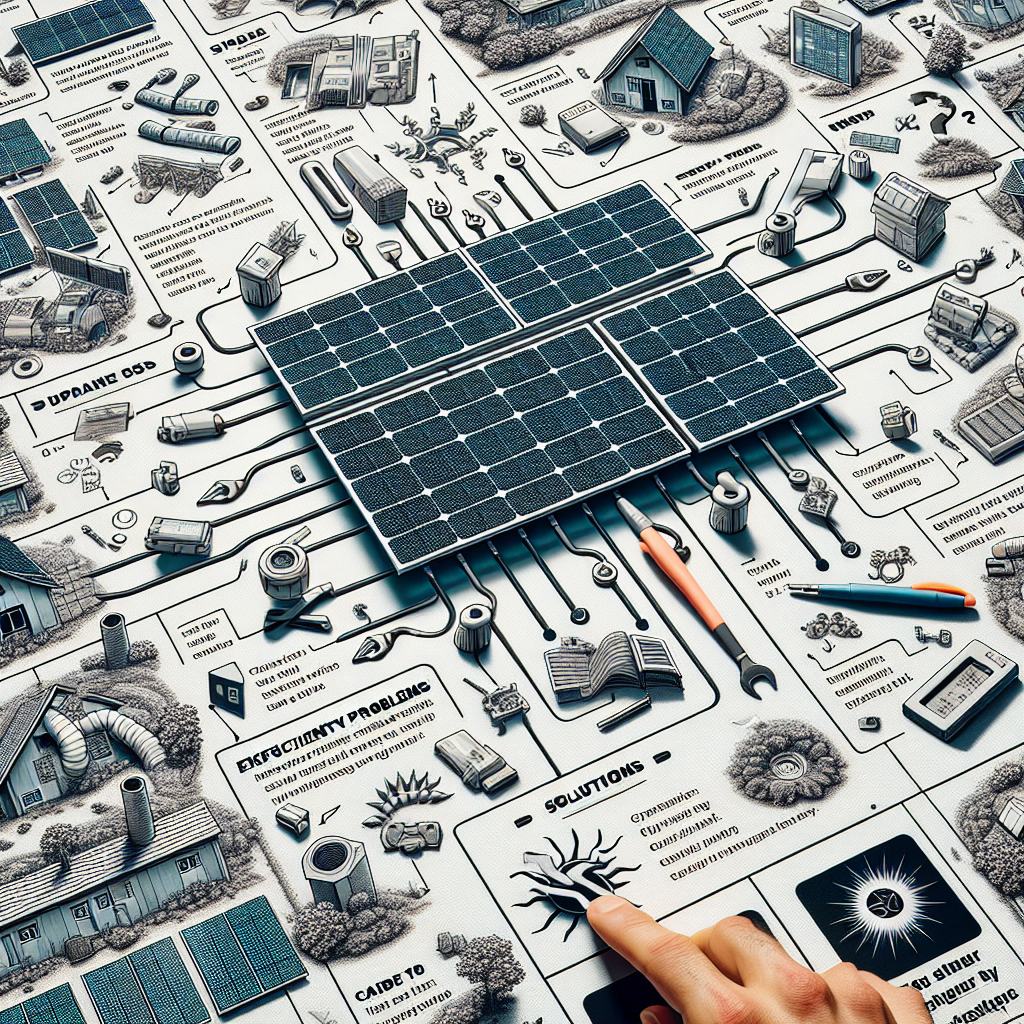
    Understanding Solar Panel Efficiency Issues

    Common Causes of Reduced Efficiency

    When I first installed my solar panels, I was thrilled by the idea of generating my own electricity. However, I quickly learned that various factors could affect their efficiency. One major issue is shading. Even a small shadow over a panel can drastically reduce its output. Remember that trees, buildings, and dirt can become unexpected culprits in siphoning off your solar energy.

    Another drag on performance is dirt and debris accumulation. The last time I checked my panels, I was shocked at how dusty they had become. This stuff doesn’t just sit there; it can block sunlight and lead to significant energy losses. Taking the time to clean your panels can make a world of difference.

    Temperature also plays a critical role. It might sound counterintuitive, but solar panels can lose efficiency if they get too hot. I learned this the hard way, only to find out later that certain types of panels are designed to be more resilient to heat. It’s crucial to choose the right type based on your climate.

    Diagnosing the Problem

    After noticing reduced output, the next step is diagnosing what’s going wrong. A quick visual inspection can tell you a lot. If you see leaves or dirt, that’s an easy fix. For more complex issues, it’s best to consult your inverter’s performance data. That little gadget is like the brain of the operation, letting you know if your panels are performing below average.

    If you suspect deeper issues, it might be worth calling in an expert. That’s what I did after failing to see any significant increase in efficiency. They checked the wiring and connections to ensure everything was in tip-top shape. It’s super comforting to get a professional opinion when you’re unsure.

    Finally, keep track of your energy bills. If they haven’t changed significantly since your installation, even after maintenance, that could indicate a system flaw. Jotting down the numbers can provide useful insights into how your system is performing over time.

    Solutions for Improving Efficiency

    To bring your solar system back to life, start with regular cleaning. I made a simple schedule to wipe down my panels every season. It’s surprisingly easy and rewarding! In winter, a little snow can act as insulation, but come spring, make it a point to clear everything.

    Consider investing in solar panel optimizers or microinverters. They help tackle shading issues by maximizing output per panel. That’s something I wish I had done earlier; it completely transformed my solar experience.

    Finally, if you live in an area with extreme temperatures, think about upgrading your panels. There are specific models that perform better in hot weather. Selecting the right panel can save you time, money, and lots of headache in the long run!

    Troubleshooting Electrical Problems

    Identifying Electrical Issues

    If your solar panels seem to be operating inefficiently, there might be electrical issues at play. I had one instance where the inverter was not functioning properly. It’s essential to check whether the inverter display is on and showing optimal output. Trust me, it’s the first thing I look for now.

    Sometimes, your solar system can experience voltage issues. A sudden drop in energy production can indicate this. If you notice fluctuations, switch off the system and inspect the connections. I got into this habit after having one too many surprises.

    Lastly, don’t ignore your circuit breaker. I learned this nugget of wisdom after facing a power outage related to my solar setup. If it trips, it could mean the load is too high or there’s a fault in your system. Always keep this in check!

    Fixing Electrical Problems

    Once you’ve diagnosed your electricity issues, the next step is fixing them. If it’s just the inverter, replacing it isn’t as daunting as it sounds. I managed to install a new inverter myself with a bit of research. Besides, it feels great to learn something new!

    For voltage issues, confirm that you have the right gauge wiring. If you’re unsure, consult with a professional or get some advice from your solar provider. In my experience, they appreciate when you ask questions and want to understand your setup better.

    With circuit breaker issues, the solution often lies in resetting it. If it continues to trip, that’s a sign that you need to call in an electrician to check for any faults or overloading problems. Don’t be shy about reaching for that phone; safety first!

    Using Monitoring Systems

    Investing in a solar monitoring system has been one of my best decisions. It allows you to keep tabs on energy production and consumption from anywhere. The app on my phone lets me see performance in real-time, and it gives me peace of mind knowing I can catch issues before they escalate.

    Some systems even provide alerts when something’s off. I love receiving notifications if energy production suddenly drops. It keeps me in the loop and allows me to address any problems promptly.

    Finally, regularly updating your monitoring software can lead to better performance and troubleshooting tools. Many manufacturers improve their systems over time, and staying updated ensures you maximize your solar investment.

    Addressing Performance Drops Due to Weather

    Impact of Weather on Solar Panels

    Weather conditions are significant players in solar panel performance. I noticed a marked drop in power output during cloudy days, which is pretty standard. It’s essential to account for your panel’s expected performance based on regional weather patterns. I did my homework, and knowing what to expect has made a difference.

    Then, there are snow and winter conditions. Surprisingly, I discovered that panels can perform rather well with snow on them, as long as they’re installed at a good angle. The sunlight can still reflect, and you might get more output than you think! But I learned to keep an eye on them so they don’t get buried.

    Moreover, heatwaves can hinder performance, too. I’ve felt the stifling heat myself, and I saw it reflected in my monthly output. Understanding how different weather conditions affect production can help set realistic expectations.

    Preparing for Seasonal Changes

    Being proactive about my solar setup has always served me well. Before the winter months hit, I schedule a thorough check-up to ensure everything is clean and functional. A little effort goes a long way, and it beats facing surprises later!

    For summer heat, I also keep track of cooling techniques for my panels. Adding shade or simply adjusting the installation angle can significantly enhance performance. I experimented with a few changes that helped keep my panels cooler.

    Lastly, prepare for storms. In wind-prone areas, using heavy-duty materials for mounting can prevent damage. I’ve learned that investing a little more upfront saves a whole lot of hassle later on.

    Long-term Effects of Weather on Solar Systems

    Over time, weather can have a more lasting impact on solar panels, too. For instance, intense UV exposure can degrade some components. My solar provider recommended regular maintenance to prolong their life, and I couldn’t agree more. Keeping everything in excellent condition is paramount.

    I’ve also learned about hail resistance ratings. Investing in panels that can withstand storms gives me peace of mind every time the weather turns wild. It’s better to be safe than sorry!

    Finally, educate yourself on warranties. Knowing what’s covered can save you from unexpected costs down the line. As I’ve gone deeper into the solar world, I’ve realized that understanding warranties can be just as crucial as knowing how the panels operate!

    Maximizing Long-term Performance

    Regular Maintenance Checks

    Establishing a routine for maintenance checks has been key to my solar panel’s longevity. I set a reminder every six months to inspect and clean my panels. It’s become part of my home routine, and I recommend it to anyone considering solar energy.

    During these checks, I ensure all connections are tight and there’s no damage. Simple visual inspections can save you lots of money in repairs. I learned firsthand that a little diligence can prevent big issues!

    Also, don’t hesitate to reach out to your solar provider for any recommended maintenance practices or tips. They often have valuable knowledge gleaned from years of experience that they love to share with customers.

    Updating System Components

    As technology develops, I found it beneficial to periodically evaluate whether my solar components need upgrades. Solar panels can become outdated, and newer models often boast better efficiency. I wouldn’t miss the chance to improve my setup if it could save me money in the long run!

    Inverter technology also evolves. If you find that your inverter isn’t keeping up with your energy needs, it might be time for a swap. I’ve seen immediate impacts in my energy production after upgrading mine!

    Lastly, always stay in touch with what’s happening in the solar industry. Innovations and new guidelines can change what you think you know about your system – I try to keep my ear to the ground!

    Financial Incentives for Maintenance

    Don’t sleep on the financial benefits of maintaining efficiency! In some areas, rebates and improvements can significantly offset costs. I’ve recouped some of my maintenance expenses through local incentives.

    Additionally, a well-maintained system often pays itself off much quicker. By concentrating on getting the most from your panels, you expedite that return on investment everyone’s raving about.

    Lastly, consider the increased property value. Studies have shown homes with solar installations can sell for more, especially if they’re in good working order. It’s a win-win staying on top of maintenance!

    FAQ Section

    What can cause solar panels to become less efficient?

    Shading, dirt accumulation, and temperature extremes are common culprits that can reduce solar panel efficiency. Ensuring they’re clean and positioned correctly is crucial!

    How do I know if my inverter is working properly?

    Checking the inverter’s display for optimal output is the first step. If you notice any drops in performance, it may be time for a closer inspection or even a replacement.

    What should I do about snow on my solar panels?

    Snow can actually benefit solar panels since they’re more efficient when cooler. However, keeping them clear can boost production if accumulation inhibits sunlight.

    How can I prolong the life of my solar panels?

    Routine maintenance checks, cleaning, and updating system components when needed are the top ways to ensure your system remains efficient and has longevity.

    Are there financial incentives for maintaining solar panels?

    Yes! Many homeowners can access local rebates or incentives for maintaining and upgrading their systems, resulting in financial return from their investments.
  • Small Space Solar Solutions: Complete Guide

    Small Space Solar Solutions: Complete Guide

    Understanding Solar Power Basics

    What is Solar Power?

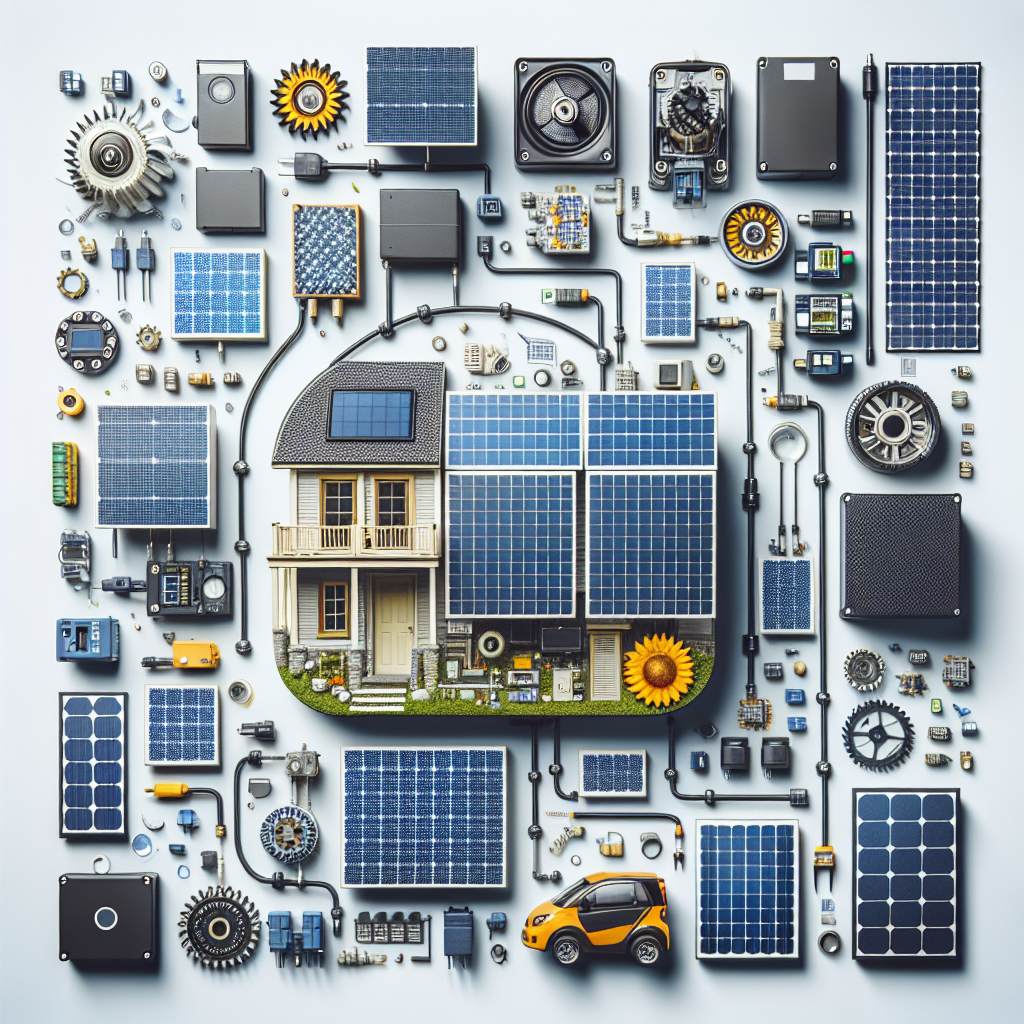
    You might have heard about solar power being harnessed from the sun’s rays, but what does that really mean? Essentially, solar power converts sunlight into electricity. This technology can benefit anyone, especially those of us in small spaces, because it offers a way to generate energy without requiring a large footprint. Learning the basics is the first step towards harnessing renewable energy for our needs.

    Picture those sunny days when all you wanted was to soak up the rays, but what if instead of just getting a tan, you could power your home? That’s the beauty of solar energy—it not only helps reduce your carbon footprint but can also be an incredible money-saver in the long run.

    In a world where energy costs are continually climbing, understanding solar power can set you apart. It’s not just about saving the environment; it’s about saving your hard-earned cash too!

    How Solar Panels Work

    Solar panels are made up of many small cells composed of silicon, which absorb sunlight. When sunlight hits the cells, it creates an electric field, allowing the flow of electricity. It’s pretty cool, right? For those of us living in compact areas or apartments, small solar panel options are available that work just as efficiently but without taking over your balcony or rooftop.

    You’ll often hear about two types of solar panels: monocrystalline and polycrystalline. Monocrystalline panels are made from a single crystal structure and are generally more efficient, which is a big bonus when you’re trying to maximize energy output in a small area.

    Understanding how these panels convert sunlight into energy can help you make better choices. The more informed you are, the better equipped you’ll be to find the right setup for your needs without any unnecessary clutter!

    Benefits of Using Solar Energy in Small Spaces

    Now, let’s chat about why going solar is fantastic, especially for those of us in smaller living spaces. The foremost benefit is the reduction in electricity bills—who doesn’t want that? Even a small solar setup can make a considerable impact on your monthly expenses.

    Plus, using solar energy is sustainable. As awareness grows around climate change, more people are looking to reduce their environmental impact. Implementing solar solutions means you’re part of the solution, which feels pretty darn good.

    Here’s another perk: many local governments offer tax incentives and rebates for solar installations. So, not only are you smartly investing in the future, but you might also snag a great deal with available grants or local programs!

    Choosing the Right Solar Solution for Your Space

    Assessing Your Energy Needs

    First things first: before you dive into buying solar equipment, assess your energy consumption. Make note of devices that consume the most electricity and what your peak hours are. You’ll want a system that matches your lifestyle—no sense in overspending for capacity you won’t use!

    Keep in mind that the average household uses about 877 kWh per month. If you’re in a small space, consider how your consumption stacks up against that. Knowing these statistics not only helps you choose the correct system but also prepares you for potential savings!

    Take some time to jot down lists, or even better, create a simple energy audit. It’ll help you visualize your usage and make informed decisions going forward.

    Available Solar Technologies

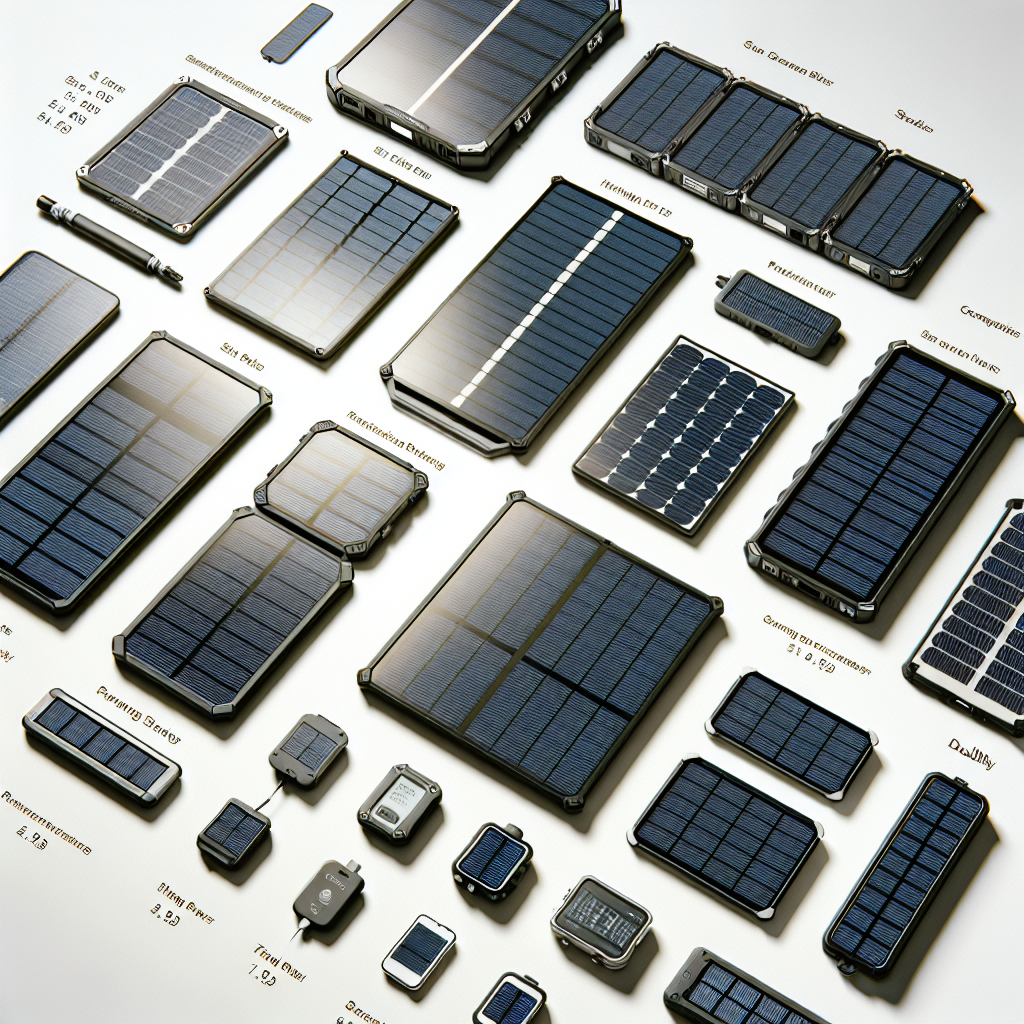
    When it comes to solar options, it’s not a one-size-fits-all deal. There’s a variety—solar panels, solar water heaters, and even portable solar generators are available! Pick what works best for your living arrangement and energy needs. For my small apartment, I found that portable solar solutions make my life easier without cluttering my space.

    You’ll also want to consider the solar inverter. This nifty device converts the raw energy collected from your solar panels into usable electricity for your home. And guess what? There are different types of inverters, so do your research to find one that fits your solar setup.

    Take it from me, knowing the different types of technologies can drastically change your experience, both in terms of efficiency and satisfaction with your solar setup! It’s like finding the perfect pair of shoes—you want the one that fits just right!

    Space Considerations and Aesthetics

    This one’s huge, especially in apartments or townhomes where space is often limited. You want to ensure aesthetic appeal isn’t sacrificed for solar energy. The good news? Many modern solar panels are sleek and stylish!

    Think about integration: could you place some panels on your roof or balcony? Or maybe you’ve got access to a communal roof space? Take the time to explore what’s feasible and won’t clutter your living area. There are even solar window films that can keep your view while still harnessing energy.

    Add to it, with some creativity, you can create a hybrid solution that combines the functionality of solar technology with your home décor. Why not turn a practical need into something visually appealing as well?

    Cost and Financial Incentives

    Understanding Installation Costs

    The first question everyone asks is, “How much is this going to set me back?” Installation costs can vary widely, but I promise it’s worth it in the long run. The size, type of technology, and installation complexity all play roles in determining overall costs.

    On average, a residential solar installation can range from around $15,000 to $25,000, depending on where you live and the specifics of your setup. That said, financing options do exist, and many companies offer payment plans, so it doesn’t have to be an all-at-once hit to your pocketbook.

    Trust me, understanding these costs upfront will prepare you rather than catching you off guard later. And don’t forget: it’s not just an investment in energy; it’s an investment in your home value too!

    Exploring Tax Credits and Rebates

    Did you know that federal tax credits can cover a significant chunk of your solar installation costs? I’m always excited when tax season rolls around, and I can utilize these solar credits. It’s like receiving a nice little bonus after working hard!

    In fact, the federal solar investment tax credit allows you to deduct a percentage of the installation costs from your taxable income. Always check for any local or state incentives too. Many states are ramping up programs to encourage renewable energy usage, making it even easier to go solar.

    In my experience, seeking out these tax benefits not only decreases the initial burden but also adds excitement to investing in renewables. Doing the right thing for the planet while benefitting financially? Count me in!

    Financing Your Solar Project

    Let’s not forget about financing options. If you don’t have the whole sum upfront, there are excellent options like solar loans and leases available. You could either pay monthly or find a plan that fits your budget without altering your financial stability.

    Solar Power Purchase Agreements (PPAs) have become popular as well, allowing you to buy the energy produced rather than the panels themselves. This strategy comes without hefty upfront costs, giving you the energy you need as you take gradual steps into a solar lifestyle.

    Just remember, it’s key to do a little homework on each option to ensure you’re getting the best deal for your circumstances. Finances shouldn’t stop you from entering the solar world—it’s all about doing what’s best for you!

    Maintaining Your Solar System

    Cleaning Solar Panels

    So, you’ve taken the plunge and installed your solar panels—congrats! Now, let’s talk maintenance, specifically cleaning. While solar panels are designed to be durable, dirt, dust, and debris can build up over time, affecting efficiency.

    I recommend establishing a cleaning schedule—every six months is a good rule of thumb. Depending on where you live, you might need to adjust based on factors like pollen or dust levels. For cleaning, a simple hose-down with water and a gentle brush does wonders!

    Before you start, however, always refer to your manufacturer guidelines. You want to keep everything shipshape without voiding warranties, right? A little care can go a long way in maximizing your solar investment!

    Monitoring Performance

    In your solar journey, understanding your system’s performance can be immensely rewarding. Most modern systems come with monitoring tools, allowing you to check how much energy you’re generating monthly. It’s like having a little scoreboard for how well you’re doing!

    Regular monitoring can help you catch any potential issues early—whether it’s a drop in efficiency or a malfunctioning inverter. Plus, it’s satisfying to see your energy production numbers climb, showing tangible proof that you’ve made a smart choice.

    So why not get invested in your energy system? Keeping tabs on performance gives you a sense of ownership that reinforces your commitment to sustainable energy!

    Recognizing When to Call a Professional

    While taking charge of your solar system is empowering, sometimes calling for backup is necessary. If you notice issues beyond simple cleaning or if your system isn’t producing as expected, don’t hesitate to reach out to a pro.

    Sometimes problems can arise from the inverter or the wiring, and troubleshooting these requires specialized knowledge. I learned the hard way that tackling complex issues alone can lead to bigger problems down the road.

    It’s a smart move to schedule regular inspections and maintenance checks by qualified technicians. They can identify and address any potential problems before they become significant hassles, helping prolong the lifespan of your solar setup!

    Frequently Asked Questions

    1. What do I need to begin my solar journey?

    Start by assessing your energy needs and gathering information on your energy bills. Also, researching solar types and available incentives in your area can help set a solid foundation for your solar project.

    2. How much space do I need for solar panels?

    It largely depends on your energy requirements, but even small rooftops or balconies can accommodate solar solutions. Assessing your layout before purchase is key!

    3. How often should I clean my solar panels?

    A good routine is to clean them every six months, or more often if you live in a particularly dusty environment. Keeping them clean optimizes performance and energy production!

    4. Are there financial incentives available for solar installation?

    Absolutely! Many areas offer federal tax credits, rebates, and even state-specific incentives that can significantly reduce costs when installing solar panels.

    5. How do I monitor my solar system’s performance?

    Most modern solar systems come equipped with monitoring tools or apps that allow you to track energy production in real-time. Regular monitoring can alert you to potential issues!

  • Portable Solar Power: Top 10 Solutions Compared

    Portable Solar Power: Top 10 Solutions Compared

    Understanding Portable Solar Power

    What is Portable Solar Power?

    Portable solar power is basically a way to utilize sunlight to generate electricity in a portable form. You know, those nifty little solar panels you see popping up everywhere? They can be easily transported and set up wherever there’s sunlight. I’ve used them on camping trips, and let me tell you, they’ve changed the game!

    This technology harnesses the sun’s energy and converts it into usable power through photovoltaic cells. It’s particularly handy for outdoor enthusiasts, travelers, and even for emergency situations. I remember one time we were out hiking, and my phone was about to die. Thanks to my portable solar charger, I was able to keep it running!

    Understanding how portable solar power works is the first step in figuring out which solutions fit your needs. With the right setup, you can keep your gadgets charged and your lights on, while reducing your carbon footprint—a win-win, right?

    Why Choose Portable Solar Solutions?

    There are countless reasons to consider portable solar power solutions over traditional generators. First off, they’re eco-friendly! Not contributing to fossil fuel emissions feels pretty good. Plus, who doesn’t love saving some cash on power bills? Solar power harnesses an unlimited energy source—good old sunshine!

    Secondly, these solutions are exceptionally versatile. Whether you’re camping in the woods, tailgating at a game, or dealing with a blackout, portable solar power can adapt. Trust me, I’ve used mine in all sorts of scenarios, and they’ve always come through for me!

    Lastly, the convenience factor is huge. Many portable solar devices are compact and lightweight, making them easy to carry around. It’s all about convenience, you know? You don’t want to lug heavy machinery around, especially when you’re out enjoying nature.

    The Future of Portable Solar Power

    As technology advances, the capabilities of portable solar power solutions are only going to get better. Think super lightweight panels that can charge your gear faster, or even solar bags that can harness energy as you walk. The future looks bright—pun intended!

    Moreover, more people are becoming aware of the need for sustainable energy solutions. As this awareness grows, so does the innovation in the portable solar sector. I’d love to see even more people utilizing these resources in their lives!

    In the coming years, we might even see improvements that allow for greater energy storage. Imagine being able to store enough solar energy to power your home during the night! The possibilities are endless, and I’m eager to see what’s next!

    Top 10 Portable Solar Power Solutions

    1. Solar Panel Kits

    Solar panel kits are great for those looking to set up a robust solar system. They typically come with everything you need: panels, inverters, and sometimes batteries. I remember setting mine up in just a couple of hours, and I felt like a tech wizard!

    The beauty of these kits is that they can often be expanded. So, if you start small but need more power later, you can easily add more panels. Just make sure to read the instructions carefully—I’ve learned that the hard way!

    These systems can provide enough energy for several devices, from phones to small appliances. It’s like having a mini power station right in your backyard or at your campsite!

    2. Portable Solar Chargers

    When it comes to charging your phone or tablet on the go, portable solar chargers are your best friend. These chargers often feature built-in batteries, allowing you to store energy for later use. I love taking mine when I go on road trips—it’s been a lifesaver!

    Most portable solar chargers are compact and lightweight, making them easy to slip into your backpack. There are a variety of designs to choose from, so there’s something for everyone, no matter your style.

    Another perk? Many of them have multiple USB ports so you can charge more than one device at a time. I’ve often found myself charging my phone while my friend’s phone is plugged in, too. Sharing is caring, right?

    3. Solar-Powered Coolers

    If you’re a fan of picnics and adventures that require cold drinks, solar-powered coolers are the way to go. These aren’t your typical coolers; they keep your drinks chilled while being energy-efficient and eco-friendly. I can’t tell you how many times I’ve brewed up a cold one in the middle of a summer hike!

    These coolers usually come with built-in solar panels, meaning they can run off sunshine all day long. Some can even plug into regular wall outlets if you’re home, doubling their usefulness.

    Not only do they keep things cool, but many models also provide USB ports for charging your devices while you’re outside. It’s like they’re two appliances in one, making them a fantastic investment!

    4. Solar Lanterns

    Solar lanterns are perfect for lighting up your campsite or backyard. These portable lights harness sunlight during the day and shine bright at night. They come in various styles, making it easy to find one that suits your vibe.

    Setting up solar lanterns is a cinch. Just place them in a sunny spot during the day, and they’ll charge up for nighttime use. I’ve taken mine on camping trips, and they provide a cozy glow that makes the evenings feel so much more inviting.

    Plus, since they’re powered by the sun, you don’t have to worry about running out of batteries or gas. It’s all about taking advantage of natural energy, and I’m all for that!

    5. Solar-Powered Generators

    For those who need a bit more juice, solar-powered generators are a fantastic option. They can power everything from camping equipment to home appliances. I once used mine during a power outage, and let me tell you, it was a total lifesaver!

    These generators are a great backup plan for emergencies too. Since they charge from solar panels, as long as you have sunlight, you can keep your power needs met without any worries.

    Many models are quiet and clean, which is not something you’d get from traditional gas generators. With solar generators, I feel good knowing I’m not contributing to noise pollution while still enjoying all my gadgets!

    Conclusion

    Embracing portable solar power solutions has been one of the best choices I’ve made. Whether you’re out in nature or just want a reliable energy source at home, there’s definitely something out there for you. Remember to consider what you need and how you’ll be using the power, and you’ll definitely find the right fit!

    Frequently Asked Questions

    1. How do I choose the right portable solar solution for my needs?

    It really depends on what you’ll be using it for. Think about your power needs—are you charging small devices, running appliances, or lighting up a area? Once you know that, you can narrow down your choices!

    2. Can I leave my solar charger outside all the time?

    While many portable solar chargers are built to withstand the elements, it’s best to bring them in when not in use. Excessive weather can wear them down over time, so a little TLC goes a long way!

    3. Do solar-powered devices work on cloudy days?

    Yes, but their efficiency will be lower. Solar devices can still harness some sunlight when it’s cloudy, just not as much. I’ve used my charger on overcast days, and while it took longer to charge, it still did the job!

    4. How long does it take to charge devices using portable solar power?

    Charging times vary depending on the device and the solar panel’s power. On average, it may take anywhere from a few hours to a full day, but it’s always worth it knowing you’re using renewable energy!

    5. Are portable solar solutions worth the investment?

    Absolutely! They save you money in the long run and help reduce your carbon footprint. Plus, you can enjoy those outdoor adventures without being tethered to a power source. It’s a win-win!

  • Best Solar Battery Storage Solutions Compared

    Best Solar Battery Storage Solutions Compared

    Understanding Solar Battery Technology

    What Is Solar Battery Storage?

    When I first started diving into solar energy, I was amazed to discover how solar battery storage worked. Basically, it involves storing excess energy generated by solar panels. So, during sunny days, when you’re collecting more energy than you’re using, that excess can be saved for later. It’s like capturing sunshine in a bottle!

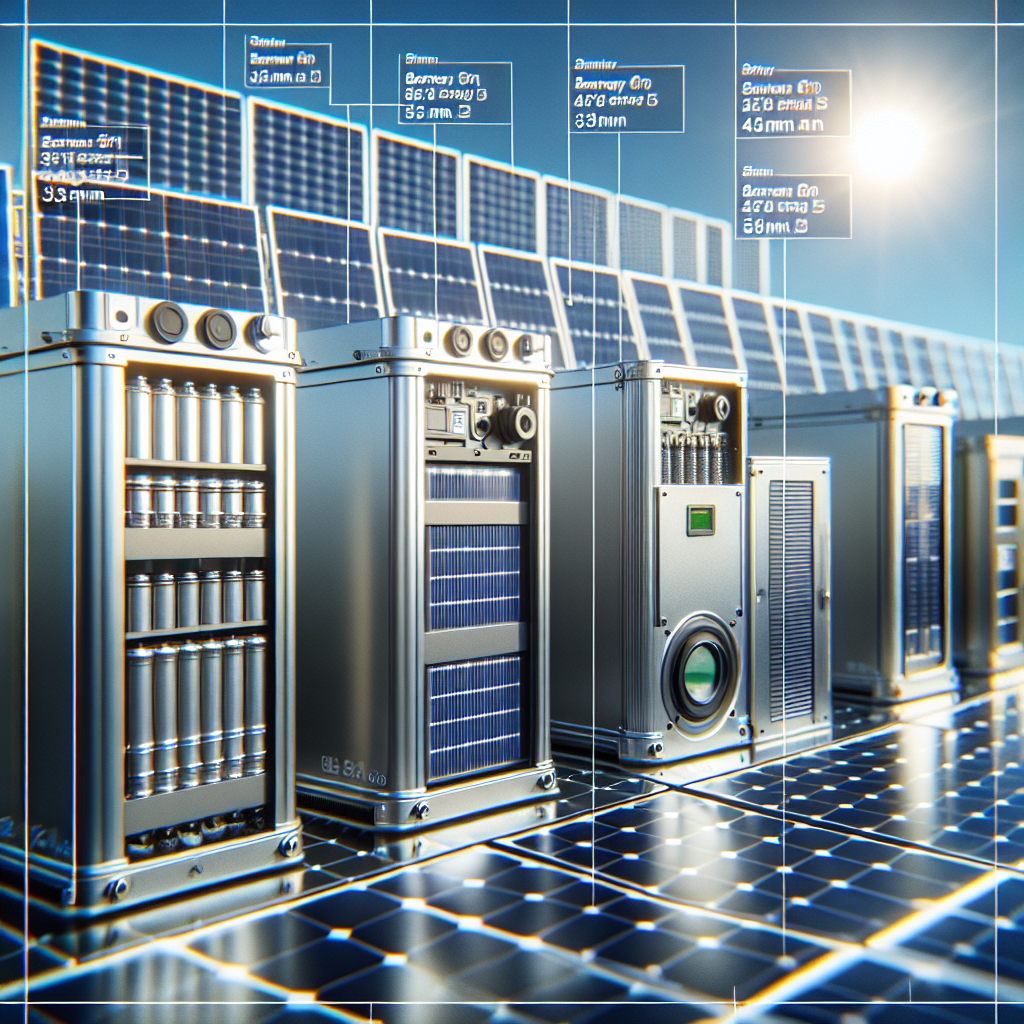
    As someone who loves DIY projects, the tech behind these batteries fascinated me. They usually come in lithium-ion or lead-acid varieties, each having unique benefits. Lithium batteries are popular due to their efficiency and longevity, whereas lead-acid options are often more budget-friendly.

    Being able to store energy means you can power your home during cloudy days or, even better, at night. This technology not only reduces reliance on the grid but can also save you some serious cash on energy bills!

    How Do They Work?

    Now, let’s get into the nitty-gritty of how these bad boys really work. When the sun shines, your solar panels convert that sunlight into electricity. If your batteries are set up the right way, this energy can be redirected to charge up the batteries.

    The process is usually managed by an inverter. Picture it like a traffic cop directing electrons—deciding whether your home uses solar power directly or charges the batteries for future use. This is crucial, especially during power outages.

    There’s something rewarding about watching your battery percentage rise, knowing you’re harnessing renewable energy and being more self-sufficient. I often sit back and think about how transformative this is for many households.

    Benefits of Solar Battery Storage

    One of the main perks I’ve found is energy independence. You’re not just relying on the grid anymore; instead, you’re empowered to use your own generated energy. It feels great knowing I can keep my lights on, thanks to my little solar power station!

    Another significant benefit is the financial aspect. Although the upfront costs may seem daunting, over time, savings on electricity bills can make it worthwhile. Plus, some places offer incentives, so it’s worth investigating your local policies.

    Lastly, it contributes to a greener planet. Using solar energy reduces your carbon footprint. It gives me a warm and fuzzy feeling to know that I’m doing my part for the environment, and I encourage everyone to explore how they can benefit as well.

    Top Solar Battery Storage Solutions

    Tesla Powerwall

    First off, let me tell you about the Tesla Powerwall. This thing has become somewhat of a household name in the solar battery world, and for good reason! It boasts a sleek design and integrates perfectly with solar panels.

    The tech inside is incredible. With its capacity to store 13.5 kWh of electricity, it can power your whole home during blackouts. I remember the first time I had an unexpected power cut and felt entirely at ease, knowing I had my Powerwall backing me up.

    One downside, though, is the price. It’s a significant investment; however, if you’ve got the budget, it’s certainly one of the best options available in the market.

    LG Chem RESU

    Moving on to the LG Chem RESU, this battery caught my eye because of its compact design and value for money. Not everyone has tons of space, and the RESU fits neatly into smaller areas, which is a HUGE plus in my book.

    Additionally, it offers a wide range of sizes to suit different needs, allowing you to start small and scale up if needed. It’s like having a custom solution right at your fingertips!

    One thing that impressed me was its robust cycle life. Reading up on its longevity made me feel assured that I wouldn’t be replacing it every few years – a big relief considering how annoying that can be!

    Generac PWRcell

    The Generac PWRcell is an interesting option that many people don’t always consider. It combines both solar battery storage and energy management features, meaning you get a two-for-one deal!

    With a modular system, it allows homeowners like me to start with a lower capacity and then add more units as needed. Flexibility? Yes, please! I love that it accommodates future energy needs while saving money and space.

    What’s also cool is the user-friendly app that lets you monitor your energy usage. As someone who’s always checking their phone, having this info at my fingertips is a nice touch!

    Installation and Setup Considerations

    Choosing the Right Location

    When you’re installing solar battery systems, location is everything. I quickly learned that placing my batteries in a cooler, ventilated area helps them perform better and last longer. I mean, who wants their tech to overheat, right?

    Also, it’s super important to ensure enough space around the units for cooling and safety. After all, we want these batteries to function effectively without any hiccups. I often joke that the right spot is like finding their ‘happy place’!

    Don’t forget about access too. You’ll want to check on them now and then, so choosing a location that’s easy to reach will definitely save you some time and headaches later on.

    Hiring Professionals vs. DIY

    One burning question I had was whether to hire a professional for the installation or tackle it myself. Ultimately, I decided that hiring an expert was worth the investment. They know all the ins and outs, ensuring everything is up to code.

    That being said, if you’re the DIY type and have some handy skills, installing your own system can be rewarding—and cost-effective! Just make sure you do your research and consult manuals carefully.

    Regardless of the option you choose, don’t shy away from asking for help or advice if you find yourself feeling overwhelmed. The last thing you want is to end up stuck! Trust me, it’s better to be safe than sorry.

    Understanding Local Regulations

    Before diving headfirst into the solar battery craze, you’ve gotta understand local regulations. They can vary significantly from place to place, and knowing what’s acceptable is key. I made a checklist to ensure I was following everything by the book!

    Another thing to consider is permitting. Depending on your area, you may need the green light before installing your system. It’s a bit of a hassle, but trust me, it’s worth having everything fall in line for a smooth-sailing installation process.

    Lastly, I found that talking to local solar experts or checking with your local government websites can provide some useful insights. Knowledge is power, my friends!

    Maintenance and Longevity of Solar Batteries

    Routine Checks

    One of the best pieces of advice I received on battery maintenance was to schedule routine checks. It’s just like taking your car in for a tune-up. Consistent monitoring can help you catch any problems before they escalate into something more serious.

    Checking the battery connections and looking out for any corrosion can save you a ton of headaches later. I once neglected to check mine, and let’s just say it didn’t end well. Lesson learned!

    Also, don’t forget about software updates! Some batteries have smart features that benefit from the latest updates. Keeping your battery’s software current ensures optimal performance.

    Caring for Battery Life

    Like anything else, proper care contributes significantly to the battery’s longevity. Avoid letting the charge run down to zero frequently; it can negatively impact the battery’s health over time. I try to keep mine at a comfortable middle ground.

    Additionally, avoiding extreme temperatures helps too. If you live in an area that gets super hot or frigid, consider insulated storage options. Making your batteries comfortable pays off in the long run.

    Regularly reviewing your usage and energy drain habits can also help extend battery life. The more aware you are, the less likely you are to overuse it. It’s a win-win!

    Upgrading When Necessary

    Eventually, you might find that your energy needs change, and that’s okay! Upgrading your batteries can be a smart move. I’ve heard from friends who expanded their systems successfully, boosting their energy storage capabilities, especially as they added electric vehicles or larger appliances.

    When considering upgrades, be sure to consult your manufacturer’s guidelines. Some batteries allow for additional modules, while others may require a completely new unit.

    The key is understanding your energy consumption and adapting accordingly. Keeping your system modernized can ensure you always have sufficient power for your needs.

    Conclusion and Final Thoughts

    Choosing the right solar battery storage solution can feel overwhelming at times, but I’ve found that the right research, flexibility, and a touch of humor can make the process enjoyable. From understanding the technology to maintenance, every step counts on your sustainability journey.

    Whether you lean towards the sleek Powerwall or the compact LG Chem, remember to consider what best fits your lifestyle and needs. Happy solar journeying! I’m excited about the future and the role solar energy will play in it.

    FAQ

    1. How do I choose the right solar battery for my home?

    Consider your energy needs, budget, and available space. Research different models and seek advice from professionals to find the best fit for your situation.

    2. What is the lifespan of solar batteries?

    Most solar batteries have a lifespan of about 5 to 15 years, depending on the type and usage. Regular maintenance can greatly enhance longevity.

    3. Can I install solar battery systems myself?

    It’s possible if you have the skills and knowledge, but hiring a professional is often recommended to ensure everything is installed correctly and safely.

    4. What happens during a power outage if I have solar battery storage?

    If you have a solar battery storage system, you’ll be able to use the stored energy during a power outage, keeping essential appliances running smoothly.

    5. Are there any incentives for installing solar battery storage?

    Yes! Many places offer tax credits or rebates for solar battery installations. It’s best to check with your local government or utility company to see what’s available.

  • The Most Affordable Solar Power Solutions in 2024

    The Most Affordable Solar Power Solutions in 2024

    Understanding Solar Power Basics

    What Is Solar Power?

    Let’s kick things off by breaking down what solar power even is. At its heart, solar power is energy from the sun that gets converted into thermal or electrical energy. It’s eco-friendly and increasingly becoming more affordable. I remember first diving into this world and being amazed at how the sun could power so many aspects of our lives!

    There are two main types of solar energy systems: photovoltaic (PV) systems, which convert sunlight directly into electricity, and solar thermal systems, which use sunlight to heat a fluid. I once thought they were pretty much the same until I actually got into the nitty-gritty and realized how different they can be in application.

    If you’re pondering whether to invest in solar energy, understanding these basics is crucial. It’s like laying a solid foundation for your house before building the walls. Without this knowledge, you’re just shooting in the dark.

    The Environmental Benefits

    One of the biggest draws for me personally when considering solar was its environmental impact. By utilizing solar power, we’re significantly reducing our carbon footprint. It doesn’t just benefit us; it benefits the planet! I mean, think about it: harnessing the sun means using a natural, renewable resource rather than fossil fuels that pollute our environment.

    Moreover, solar energy reduces greenhouse gas emissions. If we all chipped in just a little and electrified our homes with solar, we could see a dramatic decrease in air pollutants. Every little bit helps, right? I feel a sense of pride knowing my energy choices can impact future generations positively.

    Plus, as solar technology advances, it’s becoming ever so efficient. The once lofty goal of sustainability is now becoming more and more of a reality, especially for the average homeowner looking to go green without spending a fortune.

    How Solar Works in a Nutshell

    Now, let’s unwrap the mechanics of how solar power works. At its core, solar panels contain photovoltaic cells—these little guys do all the heavy lifting by converting sunlight into electricity. It’s incredible how just sunlight can be transformed into something we can use to watch TV or power our fridges!

    When sunlight hits these cells, it generates direct current (DC) electricity. This electricity is then converted into alternating current (AC) by an inverter, making it usable in our homes. And voila! You’ve got electricity straight from your roof. It’s like magic, but this time it’s backed by solid science!

    Understanding this process has really helped me appreciate the entire system. I used to take for granted how my electrons got to my devices until I saw solar in action. And trust me, it’s totally worth it to learn the basics.

    Evaluating Your Solar Needs

    Assessing Your Energy Consumption

    Before diving headfirst into solar, the first step is analyzing your current energy consumption. I remember sitting down with my utility bills, tallying everything up. It’s a bit daunting, but it’s super helpful. What I quickly learned was where my energy was going – turns out, those late-night Netflix binges were adding up!

    Once you know your average energy usage, you can better gauge how much solar power you’ll need. A little tip from me: Keep track of your energy bills over a year to account for seasonal changes. It’s amazing how those winter months can be drastically different from summer!

    Once armed with that data, you’ll have a clearer vision of how much solar power will actually meet your needs. It’s crucial for avoiding overpaying or ending up with an underwhelming system, trust me.

    Identifying Available Space

    Next on the checklist is space. It might seem obvious, but you’d be surprised at how many folks overlook it. When I was checking out solar options, I had to consider my roof’s direction, angle, and even shading from trees or nearby buildings. I’ve got this massive oak tree nearby, and boy, did that take some calculating!

    Generally, south-facing roofs are ideal for harnessing maximum sunlight, but east and west-facing roofs can be good alternatives. I ended up utilizing a mix because tossing out options felt like a crime against my potential savings!

    Also, don’t forget about ground-mounted systems if roof space isn’t an option. These require more yard space but can be aligned perfectly for optimal sun exposure. Just make sure you’re cool with losing some lawn space; it’s a trade-off!

    Local Incentives and Rebates

    Before wrapping up this section, let’s chat about money! Most states and localities have incentives and rebates for going solar. Trust me, they can really sweeten the deal. I snagged a few rebates that knocked a hefty chunk off my installation costs, and it made all the difference.

    It’s worth doing some homework! Look up government incentives at the federal, state, and local level. Some areas offer tax credits that can reduce your overall costs significantly. I felt like I hit the jackpot when I discovered how much I could save through these programs.

    So don’t just dive in without checking what’s available to you. Knowing about these financial incentives can make going solar not only an eco-friendly solution but also a wallet-friendly one!

    Choosing the Right Solar System

    Types of Solar Systems

    Navigating through solar systems can feel overwhelming, but I’m here to help simplify it for you. The main types you’ll encounter are grid-tied, off-grid, and hybrid systems. Grid-tied systems are the most common and allow you to stay connected to the utility grid while using solar energy. This was perfect for me because I remain connected, even on cloudy days!

    Then there’s the off-grid system, which is a bit like your own little island of energy. This setup is ideal for remote locations where connecting to the grid isn’t feasible. However, I found that this can require additional battery storage which can boost initial costs. If you can swing it, the independence from the grid can be liberating.

    Hybrid systems are another fantastic option; they provide the best of both worlds. You can use solar during the day but also connect to the grid, so you have a backup plan. I leaned towards this option since it gave me flexibility and reliability without much extra worry.

    Quality of Equipment

    When choosing a solar system, the quality of equipment matters. I discovered the hard way that opting for cheaper, lower-quality panels can backfire. In the long run, you could end up replacing them sooner than expected. Spending a little more up front can save you in repair and replacement costs later. I wish someone had told me this earlier!

    Look for reputable manufacturers that offer solid warranties. Good brands often stand behind their products, providing peace of mind. I spent some time researching and found companies with strong customer reviews and good warranties – it paid off!

    Don’t forget about inverters either! They convert the DC electricity to AC. It’s vital to choose a reliable inverter because if it breaks down, your solar efficiency can tank. I made sure to prioritize quality here, and it truly made a difference in my system’s performance.

    Finding a Good Installer

    Lastly, let’s not underestimate the importance of a qualified installer! This can totally make or break your solar experience. I remember feeling anxious about finding the right fit, but a little research goes a long way. Check reviews, ask for references, and don’t hesitate to interview potential installers; it’s a big decision!

    A strong installer will not only handle the installation but also help determine the right system for you. They’ll ensure everything is tailored to your needs. I found my installer by asking around in local groups; it was worth it because they had a stellar reputation!

    Don’t be shy about discussing pricing too; make sure you understand the breakdown and what you’re getting for your money. A good installer will be transparent and willing to answer all your questions. I felt super comfortable once I found my match!

    Maintaining Your Solar System

    Regular Cleaning and Inspections

    Once you’ve got your solar system up and running, maintaining it might not be the first thing on your mind, but trust me—it’s essential. Dust, leaves, or bird droppings can hinder your solar panels’ efficiency. I made it a point to check mine regularly and sometimes give them a light rinse with water.

    Also, consider scheduling professional inspections every couple of years. They’ll catch any potential issues before they escalate. It’s kinda like going to the doctor for a check-up; it’s way better to prevent problems than to solve them later!

    I’ve discovered that keeping everything clean and in good shape can significantly boost the lifespan and efficiency of my solar energy setup, making it worth the effort.

    Monitoring Performance

    Technology these days allows us to monitor our solar system’s performance from the comfort of our smartphones! This has been a game-changer for me. I installed an app that tracks energy production and gives me insights into how my system is performing.

    Monitoring can help you detect any dips in energy output or issues with the system. I remember when I noticed a sudden decline in production, which led me to call my installer right away. They caught a minor issue before it became a big headache!

    Stay proactive with monitoring, and keep tabs on energy production. Regular trends can help you catch things early and maintain high efficiency, which is what we ultimately want.

    Staying Informed About Advancements

    The world of solar technology is continually evolving. Staying informed about advancements can help refine your system. I’ve found newsletters and blogs dedicated to solar energy invaluable. They keep me in the loop about efficiency improvements, new products, and even changes in regulations or incentives.

    Every little bit of knowledge can help you save more money or optimize your system. I love knowing that I can tweak my energy setup based on the latest info. It’s like being part of a cool club of eco-warriors!

    So, don’t sleep on staying current! A small investment of your time could significantly pay off in your solar journey.

    Future of Solar Power Solutions

    Emerging Technologies

    The future looks bright for solar energy! New technologies, like solar shingles and more efficient PV cells, are emerging regularly. I can hardly contain my excitement thinking about how these advancements could make solar even more accessible and aesthetically pleasing.

    As these technologies evolve, they’re also becoming more affordable. What was once a luxury is now increasingly becoming mainstream. I can’t wait to see how this affects energy costs for everyone in the coming years!

    It’s a thrilling time for solar power, and I feel fortunate to witness this transformation as we move toward a more sustainable future.

    Community Solar Programs

    I’ve recently come across community solar programs that allow multiple households to share a single solar installation. This is fantastic news for those who may not have suitable roofs or enough funds to install their own systems. It’s like coming together for a greater cause, and it warms my heart!

    These programs empower more people to participate in solar energy and decrease reliance on fossil fuels. I’ve already seen some local initiatives pop up, and it’s impressive how communities come together for shared sustainability goals.

    In the future, I can see these programs becoming more prevalent, making solar power an even more accessible option for everyone. Sustainability is a team sport, after all!

    Policy and Regulation Changes

    Lastly, shifts in policies and regulations can greatly influence the solar landscape. Governments worldwide are making strides toward supporting renewable energy, which is promising! These changes could create better incentives and funding for solar power.

    I think it’s essential to keep an eye on legislative trends that might either bolster or hinder solar growth. Knowing what’s happening in policy circles can help you capitalize on favorable changes or prepare for potential challenges.

    As we move forward, it’s exciting to think about what policies will arise, strengthening solar adoption and paving the way for an eco-friendly future!

    Frequently Asked Questions

    1. What type of solar system is best for my home?

    The best type depends on your energy needs, location, and available space. Grid-tied systems are most common since they work parallel to the grid, while off-grid or hybrid systems might suit those looking for independence or varied energy sources.

    2. How do I maintain my solar panels?

    Regular cleaning is essential to remove any dirt or debris that could block sunlight. Monitoring systems can help detect performance dips, and consider scheduling professional inspections every couple of years to catch any potential issues early.

    3. Are there financial incentives for going solar?

    Yes! Many states and local governments offer tax credits, rebates, and other financial incentives to encourage solar adoption. Always check for available programs to maximize your savings.

    4. How does solar energy affect property value?

    Installing solar panels can increase property value since they can lower energy costs. Many homebuyers view solar installations as a positive feature, making homes with solar energy systems more attractive.

    5. What’s the future outlook for solar energy?

    As technology advances and policies shift toward supporting renewable energy, the outlook for solar energy is bright. New technologies and community solar programs are making solar more accessible, sustainable, and beneficial for everyone!

  • How Solar Energy Solutions Are Changing the Agriculture Industry

    How Solar Energy Solutions Are Changing the Agriculture Industry

    1. Solar-Powered Irrigation Systems

    The Importance of Efficient Water Management

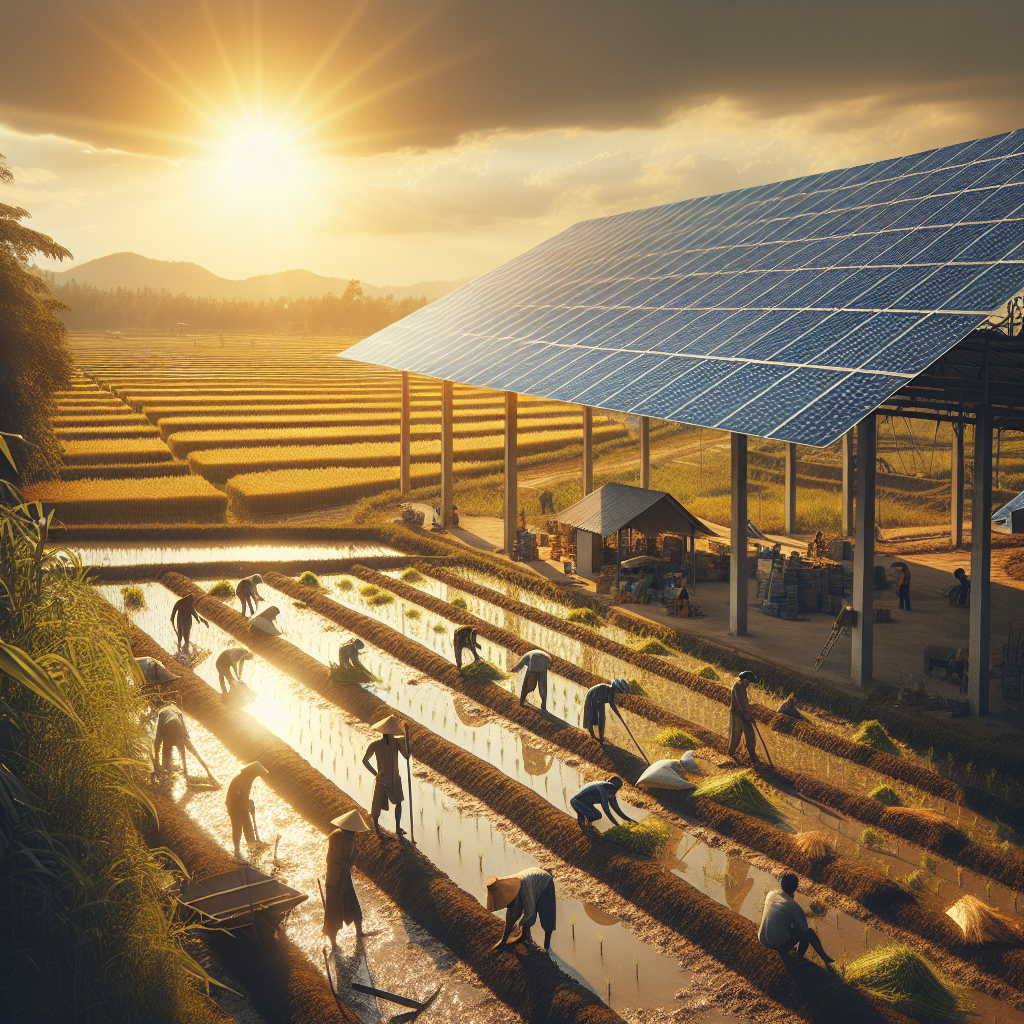
    When I first delved into the world of agriculture, one of the biggest challenges was managing water resources. We all know water is essential for farming, but with solar-powered irrigation systems, things really took a turn for the better. These systems allow farmers to use clean energy to pump water efficiently, cutting down on electricity costs significantly.

    Not only does this eco-friendly approach lower expenses, but it also promotes sustainable farming practices. Farmers can harness solar power during the day when they’re most likely to need water for their crops, ensuring that every drop counts. It’s like having a reliable buddy that never gets tired!

    The beauty of solar irrigation is that it’s easily adaptable to different types of agriculture. Whether you’re growing fruits, vegetables, or even flowers, solar-powered irrigation can be tailored to fit the needs of any farm. It’s a win-win for both the environment and agricultural productivity.

    Installation Challenges and Considerations

    Now, let’s be real: while solar irrigation systems sound fantastic, installation can be a hurdle for some. I remember when I first considered it; I had to think about the upfront costs and logistics before diving in. It’s crucial to assess your land’s needs, determine the best location for solar panels, and understand the local regulations.

    Working with a local solar provider can ease this process. They help in customizing solutions that integrate seamlessly with your farm while guiding you through permits and potential subsidies. It’s definitely worth consulting an expert – they can save you from headaches down the road.

    Plus, once installed, the maintenance is usually minimal. You just need to place your trust in the system, give it regular checks, and you’re good to go. It gives me peace of mind knowing my irrigation system is both efficient and eco-conscious.

    Long-Term Benefits to Crop Yield

    What I love most about solar-powered irrigation systems is how they positively impact crop yield. With a reliable water source, crops are healthier and more productive. That means more fruits and veggies for everyone and a boost in profit for the farmer! I’ve experienced first-hand how consistent watering translates to stronger crops.

    This… paired with lower energy costs and sustainable practices, creates a loop of growth and savings. It’s fascinating to think that something as simple as switching to solar can spark such significant changes in output and profitability.

    Ultimately, every farmer wants to provide quality produce to the community while maintaining a sustainable practice. Solar-powered irrigation helps me achieve that balance, making a real difference in the agriculture industry.

    2. Reducing Carbon Footprint and Promoting Sustainability

    The Shift Towards Renewable Energy

    Honestly, when I embarked on my farming journey, I had no idea how much the agriculture sector contributes to the carbon footprint. What turned everything around for me was discovering renewable energy and how incorporating solar solutions could drastically reduce that impact. It just felt right to align my farming practices with a cleaner, greener future.

    By utilizing solar energy, we can help mitigate climate change effects. Solar panels don’t just provide energy; they symbolize a commitment to safeguarding our planet while still reaping the rewards of agriculture. It’s a powerful movement that brings the community together.

    It’s invigorating to be part of this sustainability revolution. Seeing our collective efforts to reduce emissions and promote eco-friendliness gives me hope for the future of farming and the Earth in general.

    Financial Incentives for Farmers

    Let’s talk dollars and cents. Switching to solar not only benefits the environment, but it also taps into an array of financial incentives. Depending on where you are, there might be grants, tax breaks, or rebates available for farmers who shift towards solar. Believe me, every little bit helps!

    When I looked into it, I was pleasantly surprised at the financial assistance and programs aimed specifically at encouraging farmers to adopt solar solutions. These incentives can offset initial costs, making it much easier to commit to a sustainable practice.

    Over time, the savings on energy bills and possible increases in crop yield can lead to a serious boost in profitability. It’s about investing wisely for the long haul. Farming is no easy task, but going solar can make it a whole lot more financially manageable.

    Community Engagement and Support

    One delightful surprise was discovering how my move to solar energy brought the community closer together. I found that many neighboring farmers were thinking along the same lines, and we started collaborating on sustainability projects. Pooling resources and sharing experiences led to more innovative solutions in our farming practices.

    Community engagement around solar solutions has created a support network. Farmers within that network exchange tips, best practices, and even work together on larger solar installations. There’s something special about working side by side for a common cause; it builds camaraderie and collective strength.

    Additionally, the community’s awareness of local sustainability efforts has increased, encouraging even more conversations about responsible agriculture. Everybody benefits from a healthy, spirited community that values environmental sustainability!

    3. Empowering Farmers with Energy Independence

    A New Era of Self-Sufficiency

    One of the most liberating aspects of adopting solar energy solutions is energy independence. I can’t describe the feeling of being less reliant on traditional energy sources and skyrocketing utility bills. Having that freedom allows me to focus on what I do best: farming!

    Solar systems can produce ample electricity, helping to power everything from irrigation systems to greenhouse climate control. The idea that you can create your own energy is incredibly empowering. It frees you from the ebbs and flows of energy prices, making budget planning much easier.

    What’s even cooler is that this independence can extend to sharing excess energy with neighbors or selling it back to the grid. It truly opens up a whole new world of possibilities for farmers, enabling one to become not just producers but also energy providers.

    Tech Innovations Driving Efficiency

    With the technological advancements in solar energy solutions, I’ve found that energy independence goes hand in hand with increased efficiency. Modern solar panels boast higher absorption rates, and pairing them with battery storage systems means I can store energy for nighttime or cloudy days.

    Integrating smart technology into energy management has been a game-changer as well. Tracking energy consumption and understanding how and when I use it has allowed me to optimize processes. It eliminates waste and ensures that I’m utilizing every ounce of solar energy available.

    These technological innovations aren’t just fascinating; they are practical tools that make farming smarter and more efficient, reaffirming the vital role solar energy plays in today’s agriculture.

    Building Resilience for Future Generations

    One thing I often think about is the legacy we leave behind for future generations of farmers. By advocating for solar energy solutions, we’re not only promoting sustainable agriculture but also fostering resilience against the unpredictable climate crises we face today. It’s like passing down a gift that keeps on giving.

    Solar energy holds the promise of creating a thriving agricultural community that is prepared for the future. An investment in renewable energy is an investment in the land and the farmers who will cultivate it for generations to come. Farmers today have the opportunity to instill eco-friendly practices into their operations that can withstand the test of time.

    Reflecting on this makes me hopeful. It reminds me that by embracing new technologies now, we’re contributing positively to not just our farms, but our environment and future farming communities.

    4. Enhancing Crop Resilience to Climate Change

    Adapting Farming Techniques for Severe Weather

    Climate change is knocking at all our doors, and as a farmer, I’ve seen firsthand how adverse weather events can wreak havoc on our crops. Embracing solar energy solutions has made me realize how crucial it is to adapt our farming techniques to be more resilient. Being proactive about climate challenges is essential.

    With solar technology, I’ve been able to harness energy that supports various climate-resilient practices. This could include drip irrigation systems that use less water or integrating solar-powered ventilation for greenhouses, keeping crops safe from extreme temperatures. Adapting in these ways means less damage and better outcomes.

    Resilience isn’t just about surviving; it’s about thriving and finding ways to work with what nature offers. Builders of tomorrow’s farms might find that solar energy adaptation helps them navigate climate changes much more effectively.

    Research and Development Opportunities

    What’s genuinely exciting is the ongoing research and development in the agricultural sector, which focuses on integrating solar solutions. Collaborating with universities and research institutions can lead to discovering new resistant crop varieties that perform well in varying climates. This research generates a wealth of knowledge!

    The bottom line is that solar energy can be a catalyst for ongoing development. As universities explore various factors, farmers who implement these findings can become even more resilient as they adapt their practices based on scientific research.

    Engaging in this continuous learning fosters adaptability. I often attend workshops and talks focused on innovative approaches, which continue to strengthen our ability to face climate challenges head-on.

    Collaborative Farming Efforts

    Sometimes it takes a village, and I truly believe that pooling resources can elevate our resilience. Farmers working together can establish shared solar farms or irrigation systems built on renewable resources. This model spreads out the risks and helps us adapt more effectively to climate pressures.

    Creating cooperative networks among local farmers encourages collaboration on crop rotations, sharing knowledge on best practices, and developing joint strategies for climate adaptation. At the heart of it, we’re all in this together.

    By uplifting each other through collaboration, we enhance not just our individual sustainability but the sustainability of the entire agricultural community. Together, we can tackle anything that comes our way.

    5. Improving Economic Viability for Farmers

    The Cost-Benefit Analysis of Going Solar

    Let’s get down to brass tacks. Implementing solar energy solutions can significantly improve the economic viability of any farming operation. I remember running the numbers for my own setup, considering not just the installation costs but the long-term savings on energy bills. It was an eye-opener!

    When you factor in lower operational costs due to relying on solar energy, the investment pays for itself over time. With this decrease in overhead, farmers can allocate resources to other aspects of their operations, allowing for growth and innovation.

    Moreover, the implementation of solar can attract potential investors. Demonstrating a commitment to sustainability makes a farm more attractive to those looking to fund eco-friendly ventures. It’s an economic win-win in my book!

    Access to New Markets

    Shifting to solar energy solutions not only boosts local credibility, but it also opens doors to niche markets. Green or sustainable products are becoming more demanded by consumers. By meeting these expectations with solar energy, I’ve tapped into a market that values eco-friendliness.

    Setting up sustainable certifications can help distinguish your products on store shelves. It’s about meeting the consciousness of modern consumers who care about how their food is grown. When I started promoting the sustainable aspect of my farm, I saw an uptick in demand and community support.

    Joining cooperatives or local organic farmers’ markets can highlight this angle even more. Together, our voices can encourage more farmers to adopt sustainable practices, ultimately benefiting the economy and the local food system.

    Fostering Innovation and Adaptation

    Let’s face it: agriculture isn’t standing still. By implementing solar solutions, I have felt more inspired to innovate. The initial investment in new technology opens up windows to explore experimental practices and advanced farming techniques.

    Collaboration with technology firms to improve agritech might seem daunting, but it’s an important aspect of staying competitive. I’ve seen neighboring farms adopt tech like drone monitoring and precision agriculture, and it’s inspiring to see how solar energy can power these innovations!

    This drive toward innovation not only signifies growth for my own farm but contributes to the entire agricultural landscape. Innovation paves the way for a more robust and resilient farming industry that not only survives but thrives.

    FAQ

    1. How do solar-powered irrigation systems work?

    Solar-powered irrigation systems use solar panels to convert sunlight into electricity, which then powers water pumps. This allows farmers to efficiently transport water to crops without relying on traditional energy sources.

    2. What are the cost benefits of switching to solar energy?

    Switching to solar energy can significantly reduce energy bills and provide financial incentives such as tax breaks and grants, helping offset the initial installation costs in the long run.

    3. Can solar energy solutions help combat climate change?

    Yes! By reducing reliance on fossil fuels and lowering carbon emissions, solar energy solutions contribute to a more sustainable agricultural sector that actively fights against climate change.

    4. What types of crops benefit from solar-powered irrigation?

    Solar-powered irrigation can benefit nearly all types of crops, including fruits, vegetables, and flowers. It’s especially useful for high-value crops requiring consistent watering.

    5. How can farmers collaborate on solar energy initiatives?

    Farmers can collaborate by forming cooperatives to share resources or setting up joint solar panels. Engaging in community discussions about sustainable practices also fosters a supportive environment for such initiatives.

  • How Solar Energy Solutions Are Powering Remote Locations

    How Solar Energy Solutions Are Powering Remote Locations

    Understanding Solar Energy Technology

    What is Solar Energy?

    Alright, let’s kick things off by diving into what solar energy is all about. Essentially, it’s energy harnessed from the sun’s rays. Now, you might be thinking, “Well, that sounds great, but how does it actually work?” Well, solar panels capture sunlight and convert it into electricity, which can then be used to power everything from your home appliances to entire communities in remote areas.

    This tech is not just for your everyday household. It’s incredibly versatile, especially for places that are off the grid. Imagine living in the middle of nowhere, where traditional electricity isn’t available. That’s where solar steps in! By tapping into this renewable energy source, remote locations can gain access to clean and reliable electricity.

    Over the years, I’ve seen firsthand how this technology has evolved. From cutting-edge solar panels to batteries that can store energy for cloudy days, the innovations just keep coming. It’s a game-changer, and more and more folks are catching on to its potential.

    Benefits of Solar Energy in Remote Areas

    Cost-Effectiveness

    Let’s chat about the money side of things, shall we? One of the biggest perks of using solar energy in remote locations is that it can be way cheaper in the long run. Think about it: if you’re in the sticks, hauling in electricity through power lines is like pulling teeth. It costs a fortune! But with solar, you’ve got this beautiful sun just shining away, ready to be harnessed without all the added infrastructure baggage.

    Some might worry about the initial setup costs for solar panels, but the savings over time can be significant. Plus, there are grants and incentives available in many regions that can help offset those initial costs. Once you’re set up, you’re in the driver’s seat when it comes to your energy costs.

    In my own neighborhood, I’ve seen a few families go solar, and let me tell you, their energy bills dropped faster than I could have imagined. They’re now using that leftover cash for vacations instead of utilities—a win-win!

    Implementation of Solar Solutions

    Installation Process

    Now, if you’re thinking about going solar, let’s break down the installation process. Initially, you’ll need to assess your energy needs and understand how much solar energy you’ll require. This might seem daunting, but it’s pretty straightforward once you get into it. Consulting with a solar provider who knows the ropes can help clear up any confusion.

    Once you’ve got a solid plan, the actual installation is relatively quick. Most of the time, it takes just a few days to get everything in place. Technicians are trained to efficiently mount panels and connect them to your home or community power grid. It’s all about making that solar magic happen!

    I remember when my buddy got his panels installed. It was like watching a team of well-orchestrated musicians at work. They worked swiftly and efficiently, and before we knew it, he had a fully functioning solar system, and the sun was powering his home!

    Solar Energy Storage Solutions

    Battery Systems

    Here’s where things get cool–solar energy storage solutions! For those remote places, you can’t always count on sunlight shining all day, every day. That’s where battery systems come into play. They store the excess energy generated during sunny days so it can be used later, like during the night or on cloudy days.

    Installing a battery system might be an additional cost, but trust me, it’s worth it. This way, you’re not left sitting in the dark when the sun goes down. You can use your stored energy whenever you really need it, which is critical for remote living.

    In my experience, having a battery system feels like having a backup plan. It provides peace of mind knowing that if something unexpected happens with the power—from weather disturbances to technical glitches—you’re covered!

    Case Studies: Successful Remote Solar Projects

    Community Solar Initiatives

    Now, let’s look at some real-life examples of how solar energy is making waves in remote locales. Many communities around the globe have embraced solar solutions. These community solar initiatives not only help individuals but can uplift entire areas economically and socially.

    Take a small village I read about; they banded together and funded a community solar project. They pooled their resources, purchased solar panels, and set them up in a common area. The result? The village was able to power communal spaces, schools, and even homes, significantly improving their quality of life.

    Seeing how a community can come together for a common goal is so inspiring. It reminds me of the power of collaboration. Everyone shares in the benefits, and it creates a stronger bond within the community. That, my friends, is what solar energy can do!

    FAQs

    1. What are the main advantages of solar energy in remote locations?

    The primary advantages include cost-effectiveness, scalability to fit energy needs, and renewable energy generation. Plus, it can provide electricity in areas where traditional power sources aren’t feasible.

    2. How does the installation process work for solar solutions?

    It involves assessing energy needs, consulting with a solar provider, and having trained technicians come to install the panels, usually within a few days. It’s a lot easier than you might think!

    3. Are battery systems really necessary for solar energy in remote areas?

    Yes! Battery systems store excess energy for use during non-sunny periods. This provides reliability and peace of mind for those living in remote areas.

    4. Can community solar projects really work?

    Absolutely! Community solar projects have shown great success in various remote areas. When communities come together, they can improve their energy access and overall quality of life.

    5. How does one begin to transition to solar energy?

    The first step is to assess your energy needs and goals. Then, connect with local solar providers who can guide you through options, costs, and the installation process. It’s an exciting journey!