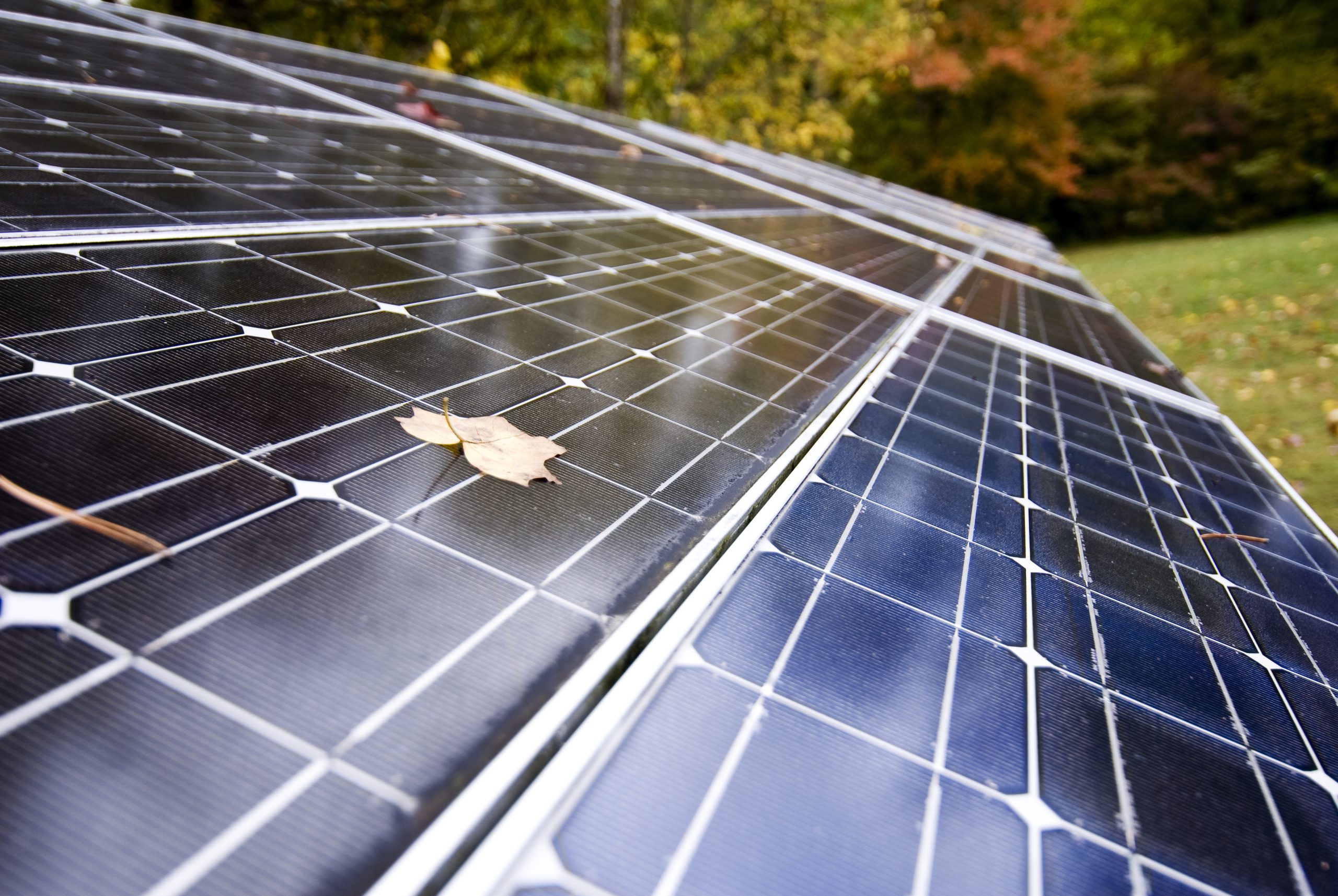
Tag: Sustainability

  • Harnessing the Sun: The Impact of Solar Energy on Our Future

    Harnessing the Sun: The Impact of Solar Energy on Our Future

    The sun, our most abundant and powerful energy source, has become a beacon of hope in an era increasingly defined by climate uncertainty. As concerns about fossil fuel depletion and environmental degradation mount, the rise of solar energy marks a pivotal shift towards sustainability. This global movement is not merely an option; it’s becoming an imperative for nations striving to reduce their carbon footprints and embrace renewable alternatives.

    Across continents, solar energy adoption is surging. Countries like Germany and China lead the charge, championing policies that promote solar installations at both residential and commercial levels. In fact, according to recent studies, solar power capacity has grown exponentially over the past decade. This trend isn’t just about harnessing sunlight; it’s also about redefining how we think about energy production. With vast stretches of desert in places like Saudi Arabia and sunny regions in Australia, potential remains untapped. Communities are awakening to the realization that investing in solar infrastructure can not only provide clean energy but also foster local economic growth.

    As we delve into the heart of this revolution, innovations in solar technology stand out as game-changers shaping our energy landscape. Modern photovoltaic cells have become more efficient than ever before—transforming sunlight into electricity with remarkable effectiveness. Moreover, advancements such as bifacial panels allow us to capture light from both sides, thereby maximizing output while minimizing land usage. Not to be overlooked are developments in storage technology; batteries now play a crucial role in enabling homeowners and businesses to maintain power even when the sun isn’t shining. These innovations don’t just make solar more viable—they position it as a cornerstone of future energy strategies worldwide.

    The economic implications of this transition are profound. Investing in solar energy isn’t merely an environmentally conscious choice; it’s also a financially savvy one. Homeowners can significantly lower their utility bills by installing rooftop panels while enjoying incentives that governments often provide to encourage renewable investments. Beyond individual savings, the solar sector is rapidly expanding job opportunities across various skill levels—from engineering roles focused on design and production to installation jobs that empower local workforces. A report from the International Renewable Energy Agency cites millions of new jobs created globally within this sector alone—an uplifting testament to how green initiatives can spur robust economic development.

    Looking ahead, one cannot ignore the vital role that solar energy plays in combating climate change—a challenge looming large over humanity’s future. By reducing reliance on fossil fuels through widespread adoption of clean technologies like solar power, we can significantly cut greenhouse gas emissions. The Intergovernmental Panel on Climate Change emphasizes that transitioning towards renewables is essential for achieving net-zero emissions by mid-century goals set forth by countries around the world.

    solar energy panels at work BteRwTpVj 1 scaled

    In conclusion, harnessing the sun presents a multifaceted solution: it fosters sustainability while invigorating economies and fighting climate change simultaneously. As we continue down this path toward embracing renewable resources like solar energy, we must remain committed—not only for ourselves but for generations yet unborn who will inherit our planet’s legacy. Together, let’s illuminate a brighter future powered by sunshine!

  • Solar Power 101: How to Tap into Renewable Energy

    Solar Power 101: How to Tap into Renewable Energy

    In an era marked by climate change and environmental concern, many are seeking sustainable alternatives for energy consumption. Among these options, solar power stands out not only as a viable solution but also as one that promises numerous benefits for our planet.

    solar energy panels at work BteRwTpVj 2 scaled

    *Is Solar Power Really Helpful to the Environment?**

    Absolutely! Solar power is one of the cleanest forms of energy available today. By harnessing sunlight, we reduce reliance on fossil fuels, which are notorious for emitting harmful greenhouse gases. Unlike conventional energy sources, solar panels generate electricity without producing air pollutants or toxic waste. The more people switch to solar energy, the lower our collective carbon footprint becomes—a crucial step toward combating global warming.

    *How Expensive is Solar Power?**

    The cost of going solar has seen a significant decline over recent years. While initial installation can be a hefty investment—often ranging from $15,000 to $25,000 depending on system size and location—many find that federal tax credits and local incentives can help offset these expenses considerably. Furthermore, once installed, solar panels can drastically reduce monthly electricity bills. In fact, many homeowners report savings within just a few years of their investment!

    *What is the Best Solar Power Generator?**

    Selecting the best solar power generator depends largely on your specific needs—be it portability or off-grid capability. However, brands like Goal Zero and Renogy have garnered positive reviews for their reliability and performance across various applications. For home use, grid-tied systems with battery storage from companies like Tesla (with their Powerwall) are often lauded for efficiency and integration with smart home technology.

    *Can I Install My Own Solar Panels?**

    Yes! If you’re handy with tools and have some electrical knowledge, DIY installation is possible—but proceed with caution! While saving money on labor costs may be tempting, improper installation could lead to inefficiencies or safety hazards. It’s advisable to consult local laws and regulations since some areas require professional installation for safety compliance.

    *What is Renewable Energy?**

    Renewable energy refers to power derived from resources that are naturally replenished on a human timescale. This includes not only solar but also wind, hydropower, geothermal, and biomass energies. As society strives towards sustainability, adopting renewable resources becomes paramount—not merely for reducing emissions but also ensuring future generations have access to safe and clean energy sources.

    *How Long Does it Take for My Solar Batteries to Recharge?**

    The recharge time of solar batteries varies based on battery type and capacity along with sunlight availability during charging hours. Generally speaking, lithium-ion batteries can take anywhere from 5-10 hours in optimal sunlight conditions to fully recharge when connected to a quality solar panel system. Monitoring your battery levels will help gauge how much sun exposure they receive during the day.

    In conclusion, tapping into solar power represents an exciting opportunity both environmentally and economically. As technology continues advancing—and costs diminish—the pathway toward cleaner energy becomes clearer than ever before. Whether you’re considering installation or simply curious about renewable options available today—embracing the sun’s potential could be your bright future!

  • Harnessing the Sun: How Solar Energy is Transforming Our Future

    Harnessing the Sun: How Solar Energy is Transforming Our Future

    In a world increasingly aware of climate change and its implications, solar energy emerges as a beacon of hope. This abundant resource, harnessed from the sun’s rays, offers an innovative approach to power generation that promises to reshape our future.

    At its core, solar energy is derived from sunlight—a natural and renewable power source. The process begins when solar panels capture photons emitted by the sun. These photovoltaic cells convert light into electricity through the photovoltaic effect, creating an efficient way to generate clean energy. Unlike fossil fuels, which release harmful emissions and contribute to global warming, solar power is environmentally friendly. By tapping into this inexhaustible resource, we can reduce our dependence on non-renewable sources while promoting sustainability.

    The realm of solar technology is a hotbed for innovation. Recent advancements have dramatically improved efficiency and accessibility. For instance, bifacial solar panels are gaining traction; they absorb sunlight from both sides, enhancing electricity production without requiring additional space. Moreover, innovations like building-integrated photovoltaics (BIPV) allow structures to blend seamlessly with their surroundings while generating energy—think solar shingles or windows! Additionally, developments in battery storage technology enable us to store excess energy for use during cloudy days or at night. Such breakthroughs signify a transformative shift in how we perceive and utilize solar technology.

    But what about the environmental impact? Solar energy plays a pivotal role in mitigating climate change by significantly lowering our carbon footprint. According to various studies, switching to solar power can reduce greenhouse gas emissions by millions of tons annually—equivalent to taking millions of cars off the road! Furthermore, the lifecycle of solar panels has been scrutinized for sustainability; with proper recycling methods now being developed, concerns surrounding waste are steadily diminishing. As more homeowners and businesses adopt this green alternative, we inch closer to achieving cleaner air and conserving precious natural resources.

    Looking ahead, the future of solar energy appears bright—figuratively speaking! Policy changes around the globe are encouraging community adoption trends that foster growth in this sector. Governments are offering tax incentives and rebates that make installing solar systems more financially feasible for households and businesses alike. In many regions, net metering policies allow users to sell excess electricity back to the grid—creating an appealing economic model that encourages investment in renewable energies.

    mg 9i5a4209 scaled

    Moreover, grassroots movements advocating for sustainable practices are emerging within communities worldwide. Neighborhood initiatives promoting shared solar arrays provide access even for those unable to install panels on their roofs due to financial constraints or physical limitations—ensuring equitable distribution of benefits across diverse populations.

    mg i5a9857 2 scaled

    In conclusion, harnessing the sun represents more than just technological progress; it’s a paradigm shift towards a sustainable future powered by clean energy. With ongoing innovations making solar systems more efficient and user-friendly coupled with supportive policies driving community adoption trends forward—we stand at the cusp of monumental change that redefines how we generate power while nurturing our planet’s health for generations to come. The sun shines brightly upon us; let’s embrace it as our ally in crafting a greener tomorrow!

  • Going Green: The Financial and Environmental Benefits of Solar Power

    Going Green: The Financial and Environmental Benefits of Solar Power

    In recent years, solar power has surged in popularity, emerging as a beacon of hope for both environmentally conscious individuals and savvy homeowners looking to save money. But what exactly is the solar advantage? Understanding the fundamentals can illuminate just how transformative this energy source can be for your wallet and the planet.

    At its core, solar power harnesses sunlight through photovoltaic (PV) cells, converting it into usable electricity. This clean energy alternative reduces reliance on fossil fuels and offers an abundance of sunshine waiting to be tapped into. With technology advancing rapidly, solar panels have become more efficient and accessible than ever before. The prospect of generating your own electricity from a renewable source is not only appealing but increasingly practical.

    Now let’s talk numbers—specifically, how going solar can lighten your financial load. Many homeowners are surprised to discover that installing a solar energy system can lead to significant savings over time. Federal tax incentives, state rebates, and local programs often exist to encourage the switch to renewable energy sources. For instance, the federal solar tax credit allows you to deduct a substantial percentage of your installation costs from your federal taxes. In some cases, this incentive alone can offset thousands of dollars in expenses!

    Furthermore, reducing monthly electricity bills is another compelling reason to consider solar energy. Once installed, your system will generate free electricity for decades—typically 25 years or more! Imagine watching your utility bill shrink while contributing positively to the environment; it’s a win-win situation that many homeowners cherish.

    Speaking of environmental benefits—let’s delve into the eco-friendly impact of adopting solar power. Traditional energy generation methods contribute significantly to greenhouse gas emissions and climate change. By choosing solar, you’re actively participating in reducing carbon footprints and promoting cleaner air quality for future generations. Each kilowatt-hour generated by solar panels mitigates harmful emissions that would otherwise result from burning fossil fuels.

    Moreover, embracing solar energy can help preserve precious natural resources such as water—energy production often requires vast amounts of water for cooling processes in conventional plants. Transitioning to a sustainable model like solar drastically minimizes these needs, making it an essential component in fighting ecological degradation.

    So how does one embark on this green journey? Making the switch doesn’t have to be daunting; there are straightforward steps you can follow:

    1. **Research**: Start by gathering information about different types of systems available—grid-tied vs. off-grid—and their respective benefits.

    2. **Assess Your Home**: Evaluate your roof space and orientation toward sunlight exposure; south-facing roofs typically yield optimal results.

    3. **Find Reputable Installers**: Seek out qualified professionals with solid reviews or recommendations who understand local regulations and financing options.

    4. **Explore Financing Options**: Investigate loans or leasing programs if upfront costs pose a barrier; many companies offer flexible payment plans tailored to individual budgets.

    5. **Monitor Performance**: Once installed, keep track of your system’s output; this ensures everything functions correctly while allowing you to witness firsthand how much you’re saving.

    Transitioning to solar power is not just about capitalizing on immediate financial rewards; it’s a commitment toward sustainability that pays dividends for years ahead—both economically and ecologically! Embrace this opportunity today because every small step counts when we strive toward greener living together!

    mg i5a9842 1 scaled

  • The Growing Role of Solar Power in Global Sustainability

    The Growing Role of Solar Power in Global Sustainability

    1. Environmental Benefits of Solar Energy

    Reducing Carbon Footprint

    Let’s start with the big one: reducing our carbon footprint. When I first dived into the solar industry, it was clear to me that fossil fuels are major culprits in climate change. With solar energy, we can significantly cut down greenhouse gas emissions. Think about it—by harnessing the sun’s natural energy, we can power our homes without choking the planet with carbon.

    Every solar panel installed helps reduce reliance on coal and gas, making clean, renewable energy a go-to source. I remember reading studies that suggested moving to solar could decrease household emissions by up to 80%. That’s huge! The more folks who jump on this bandwagon, the closer we get to a healthier planet.

    Plus, let’s not forget that the benefits go beyond just carbon. Solar systems can help alleviate local smog and improve air quality. I often find myself feeling lighter and more hopeful knowing that solar can contribute positively to our environment.

    Conserving Water Resources

    Water is life, right? A lesser-known fact is that solar energy uses way less water compared to traditional energy sources. I learned that power plants that run on coal or nuclear energy consume vast amounts of water for cooling, while solar panels don’t need that much at all. This not only conserves water but also protects our aquatic ecosystems.

    I’m often amazed when I see stats showing that solar power can save millions of gallons of water every year. Imagine less strain on rivers and lakes, which are dealing with their own challenges. Installing solar panels in our communities means we’re choosing a cleaner path that stands up for not just us but for wildlife and ecosystems too.

    The more I get educated on this, the more motivated I am to spread the word. Water conservation through solar feels like a win for everyone, and I’m all about that positive impact.

    Creating Sustainable Habitats

    Another aspect that gets me fired up is how solar energy can help restore and maintain habitats. As we convert more open land into solar farms, it’s essential to do it right. I’ve seen communities that put solar projects together and simultaneously restore local plants and wildlife habitats, which is a total win-win!

    In fact, integrating solar farms with native vegetation can encourage biodiversity. You wouldn’t believe how many small animals and bird species thrive in these environments. It feels good to know that solar installations can actually contribute to creating habitats rather than destroying them.

    While setting up solar projects, we can choose to implement eco-friendly practices that benefit both people and nature. This has taught me a lot about the importance of mindful, sustainable development and how we can foster a deeper connection with our environment.

    2. Economic Impact of Solar Power

    Job Creation in the Renewable Sector

    Shifting gears to the economic side of things, solar power is an unbelievable job creator. I’ve been involved with various programs, and it’s exciting to see how many jobs can pop up in this sector. From installation to maintenance to research and development, the solar industry is booming!

    When I attended my first solar conference, I heard that the sector had created over 250,000 jobs in just one year! That’s a lot of opportunities for folks who need work, and it’s fun to see so many young people getting excited about renewable energy careers.

    As someone who appreciates economic growth, seeing renewables contributing to our job market makes me even more passionate about solar. It’s not just about selling panels; it’s about building a future where everyone has a role in this positive change.

    Cost Reductions for Consumers

    Let’s talk about the wallet, shall we? Solar energy is becoming more affordable every year. There were times when people thought solar was just for the wealthy, but boy, has that changed! I personally witnessed the price of solar panels drop significantly over the years. This means more people can tap into clean energy and save on electricity bills.

    Owning solar panels can lead to big savings in the long run. As I help families make the leap to solar, I love sharing the stories of how individuals are slashing their energy costs. For many, the investment pays off quickly, and they relish using their savings for family adventures instead of energy bills!

    As solar policy continues to improve and incentives roll out, I’m convinced that the dream of accessible solar power for the masses is on the horizon! It’s empowering and creates a sense of freedom that I get really stoked about.

    Promoting Energy Independence

    One of the coolest benefits of solar energy that I’ve seen firsthand is the push for energy independence. When communities turn to solar, they reduce dependence on foreign oil and fossil fuels. I remember talking to activists who were passionate about local energy production, and it truly blew my mind.

    Every solar panel contributes to a more resilient energy grid, especially in times of crisis. Whether it’s natural disasters or political instability, having local energy sources can help communities bounce back faster. And that’s a feeling we all want, right?

    By embracing solar energy, we take back power—literally and figuratively. It’s a beautiful concept that allows communities to stand strong against external pressures and keeps more money circulating right where it belongs: in local economies.

    3. Technological Advancements in Solar Energy

    Innovations in Solar Panel Design

    Speaking of technology, advancements in solar panel design have been nothing short of mind-blowing. It feels like every day I hear about a new breakthrough! These innovations are changing the game by making panels more efficient and accessible. How cool is that?

    With the introduction of bifacial solar panels, for instance, we can actually harness sunlight from both sides! Increasing efficiency means more energy produced in the same amount of space, which is so crucial for urban environments where every square foot counts.

    I find it fascinating that as these designs evolve, they can start blending seamlessly into buildings—leading to what’s referred to as building-integrated photovoltaics (BIPV). It really brings sustainability into the architectural realm, and I can’t help but envision a world where every roof is a source of clean energy.

    Energy Storage Solutions

    This relates directly to one of the biggest challenges of solar energy: storing it. The solar buzz isn’t just about generating power; it’s also about how we store that power for later use. It’s been thrilling to watch the rise of advanced batteries that can store energy generated during the day for nighttime use.

    I recall being part of a workshop where experts shared how new lithium-ion batteries are making this storage more efficient and affordable. It felt like we were on the brink of a revolution. The ability to store solar energy means we can utilize it around the clock, making it an even more viable option for consumers and businesses alike.

    The potential for energy storage has truly opened up a world of possibilities. It sets the stage for greater energy resilience and a more reliable power supply, and I am here for it!

    Smart Solar Technology

    As we’re immersing deeper into tech, smart solar technology is also stepping into the limelight! Just like smartphones revolutionized communication, smart solar systems are changing how we monitor and manage our energy. I’ve been amazed at how these systems can provide real-time feedback and alerts on energy use.

    The ability to manage solar power consumption through mobile apps is a game-changer. I’ve helped friends set up their systems, and watching them track their energy production and savings has been so exciting! It empowers individuals with information and allows for more informed energy decisions.

    Not only does this elevate the user experience, but it also helps the grid. As more consumers adopt smart technology, we can collectively work towards a smarter, more efficient energy future. I get goosebumps thinking about the possibilities!

    4. Community Involvement and Solar Initiatives

    Local Solar Projects

    Community projects have really made solar power more accessible. In my journey, I’ve seen towns come together to support local solar initiatives. It’s heartwarming to see neighborhoods invest in solar co-ops that allow them to benefit from the economies of scale.

    These projects create a sense of collective purpose—everyone working together towards a common goal. It reminds me of the importance of community in the clean energy movement. Each solar initiative showcases the power of local engagement and commitment to sustainability.

    Moreover, when towns go solar, everyone benefits from decreased energy costs. I love how a community can come together to witness not just physical installations but a mental shift toward greener choices—it’s truly inspiring.

    Educational Programs on Solar Awareness

    Education is a fantastic tool for spreading the importance of solar energy. I firmly believe that the more people know, the more they’ll want to be involved. Through various educational programs—at schools, local events, and workshops—we can empower people to understand both the benefits and the technical side of solar energy.

    Getting kids engaged with solar education has been a personal highlight for me. I’ve led a few school programs, and the questions that kids ask are utterly brilliant! Their excitement about renewable energy fuels my passion to keep pushing this narrative forward.

    By building awareness, we foster an informed community that feels confident making decisions about solar energy. Engaging educational initiatives ensure that future generations understand and embrace sustainable living, which is something I’m super excited about!

    Collaborations with Non-profits

    I’ve loved seeing collaborations unfold between solar companies and non-profits, especially those aimed at underserved communities. These partnerships can bring solar power to people who might struggle to access it otherwise, and it’s just the right thing to do.

    While working alongside passionate activists, I’ve learned how these initiatives expand access to clean energy and why that’s essential for social equity. I often drive past homes powered by solar through programs designed to help those in need, and it fills my heart with joy.

    By working together, we can enhance community quality of life and ensure just transitions to renewable energy. It makes my heart swell knowing that our work can impact lives positively—because that’s what it’s all about, right?

    5. Policy and Regulation for Solar Growth

    Government Incentives for Solar Adoption

    I can’t stress enough how crucial policies are for promoting solar energy adoption. Government incentives play a big role, and I’ve seen firsthand the difference they can make. Tax credits and rebates have encouraged many homeowners and businesses to consider solar installation.

    For instance, the federal solar tax credit has encouraged a flurry of applications. I’ve heard countless stories from families who were able to go solar thanks to the significant savings that come from these policies. It’s exciting to witness more people embracing renewable energy because it has become more affordable.

    Alongside incentives, I firmly believe we need to keep advocating for more supportive policies from our local and state governments. Together, we can push for legislation that benefits both consumers and the environment as we continue to grow our solar energy resources.

    Regulatory Framework Supporting Solar Energy

    A solid regulatory framework helps ensure that solar energy development is both sustainable and efficient. I’ve been involved in discussions that address the need for robust regulations that promote fair practices among energy producers. Without a doubt, clear regulations help maintain a level playing field.

    As part of the advocacy community, I’ve seen how pushing for streamlined permitting processes can work wonders. The more we can simplify getting solar projects off the ground, the faster we transition toward renewable energy. I always find it wild to think how bureaucracy can slow things down—but there’s always room for improvement, for sure.

    In driving these changes forward, we can establish a long-term vision for solar that balances growth and sustainability. Let’s focus not just on immediate gains but create structures that support the solar industry for decades to come.

    Community Engagement in Policy Making

    Lastly, I find community engagement in the solar policy discussion super important. It’s refreshing to see local groups crafting policies that directly impact them. I’ve been part of several community forums where folks gather to voice their opinions and advocate for local solar initiatives.

    Seeing ordinary citizens rally for their right to clean energy motivates me daily. It shows how grassroots movements can create real change that resonates beyond neighborhood boundaries. Every voice counts and contributes to a larger narrative around sustainability.

    Communicating community needs to policymakers fosters a relationship of trust and respect. I wholeheartedly believe that when we empower communities to be involved, we’re all better off at the end of the day. It’s a beautiful thing!

    Frequently Asked Questions

    1. How does solar energy reduce carbon footprint?

    Solar energy helps reduce carbon footprint by providing a clean, renewable source of power that does not produce greenhouse gas emissions during operation. By replacing fossil fuels with solar power in our homes and businesses, we significantly cut down the amount of CO2 released into the atmosphere.

    2. What are the economic benefits of solar power?

    The economic benefits of solar power include job creation in the renewable energy sector, reduced energy costs for consumers, and increased energy independence. As more communities adopt solar energy, they also contribute to local economies and reduce their dependence on imported fossil fuels.

    3. Why is technology important in the solar energy sector?

    Technology plays a crucial role in improving solar panel efficiency, developing energy storage solutions, and enhancing smart solar technology. Innovations in solar technology can lead to higher energy production rates, reduced costs, and more efficient management systems, making solar power a more viable option for everyone.

    4. How can communities get involved with solar initiatives?

    Communities can get involved with solar initiatives by participating in local solar co-ops, supporting educational programs, collaborating with non-profits, and advocating for favorable policies. Engagement in these areas fosters a supportive environment for solar energy growth and creates a collective movement toward sustainability.

    5. What role do government incentives play in solar energy adoption?

    Government incentives, such as tax credits and rebates, significantly stimulate solar energy adoption by lowering installation costs for homeowners and businesses. These financial incentives encourage more individuals to invest in solar technology, thus accelerating the transition to renewable energy sources.

  • Renewable Energy: The Future or Just a Fad

    Renewable Energy: The Future or Just a Fad

    Is Solar Power Really Helpful to the Environment?

    Solar power has been hailed as one of the most environment-friendly sources of energy. It is renewable, meaning it can be replenished and does not deplete like fossil fuels do. However, some people argue that solar panels require a lot of space and materials for production which could have an adverse effect on the environment. Additionally, there are concerns about how much waste these products generate during their lifespan. Nonetheless, with proper management and disposal techniques, solar power remains a viable option in reducing carbon emissions and mitigating climate change.

    How Expensive is Solar Power?

    The cost of installing solar panels has reduced significantly over time due to advancements in technology and increased demand. While installation costs vary depending on location, size, and complexity of the project, many homeowners now find solar power more affordable than traditional electricity sources. In addition, governments offer tax credits and rebates to encourage investment in clean energy technologies such as solar power. This makes solar power a financially feasible choice for both individuals and businesses looking to reduce their energy bills while contributing to sustainability efforts.

    What is the Best Solar Power Generator?

    There are several types of solar generators available on the market today ranging from portable models to larger stationary ones. Each type has its unique features and benefits depending on individual needs. Portable solar generators are ideal for camping trips, emergency situations, and off-grid living. They come in different sizes and wattages allowing users to choose what best suits them. Stationary solar generators, on the other hand, are designed for homes and commercial use. These systems typically produce higher amounts of electricity and may include battery storage options for backup power supply. Ultimately, choosing the right generator depends on factors such as budget, intended usage, and environmental conditions.

    JM Industrial YAX 9717 scaled

    Can I Install My Own Solar Panels?

    Installing solar panels requires technical expertise and knowledge of electrical codes and safety standards. Therefore, it’s recommended to hire a professional installer who has experience in designing and installing solar power systems. However, if you prefer doing it yourself, there are DIY kits available online that provide step-by-step instructions on how to install solar panels safely. Before starting any installation work, ensure to review local building codes and obtain necessary permits to avoid legal issues down the line.

  • How Much Does Installing a Solar System Cost? And is it Worth the Investment

    How Much Does Installing a Solar System Cost? And is it Worth the Investment

    Introduction:

    Solar power has become a popular source of energy in recent years, and many people are considering installing solar systems to reduce their carbon footprint. However, one question that often comes up is how much does it cost? And whether the investment is worth it or not. In this blog post, we will explore these topics and more.

    JM Industrial YAX 9768 scaled

    Is Solar Power Really Helpful to the Environment:

    Yes, solar power is definitely helpful to the environment. It generates electricity without producing any greenhouse gas emissions or air pollution. This means that using solar power can significantly reduce your carbon footprint and help you contribute towards sustainable living. Additionally, solar panels require very little maintenance once they have been installed, which makes them an attractive option for those who want to live sustainably but don’t want to spend too much time maintaining their system.

    How Expensive is Solar Power:

    The cost of installing a solar system varies depending on several factors such as the size of the system, location, and installation costs. On average, however, a typical residential solar panel system ranges from $10,000-$35,000. While this may seem like a significant investment at first glance, there are several ways to offset the initial cost including tax credits, rebates, and financing options. Some states also offer net metering programs where homeowners can sell excess energy back to the grid, effectively reducing their overall energy bill over time.

    What is the Best Solar Power Generator:

    There are several companies that manufacture high-quality solar generators, each with its unique features and benefits. Some of the most popular brands include Goal Zero, Renogy, and HQST. These generators typically come equipped with multiple outlets, USB ports, and charging cables making them ideal for camping trips, emergency situations, and off-grid living.

    Can I Install My Own Solar Panels:

    While some homeowners choose to install their own solar panels, it is generally recommended to hire a professional installer. Professional installers have the expertise and knowledge required to ensure that the system is properly installed and meets all safety standards. They also know how to optimize the placement of the panels to maximize sun exposure and efficiency. Additionally, most insurance policies do not cover damages caused by DIY projects, so it’s best to leave the installation process to professionals.

    graphicstock man applying foam sealant with caulking gun to insulate the window HAxvr7Zhbb scaled

    Conclusion:

    In conclusion, while the initial investment of installing a solar system may be expensive, it can ultimately save you money in the long run. With advancements in technology and government incentives, now is a great time to consider switching to renewable energy sources like solar power. By taking care of our planet and reducing our carbon footprint, we can create a better future for ourselves and generations to come.

  • How Much Does Solar Power Cost? The Real Deal on Pricing

    How Much Does Solar Power Cost? The Real Deal on Pricing

    Solar power is a renewable source of energy that has been gaining popularity in recent years. With the increasing demand for sustainability and eco-friendliness, more people are turning to solar power as an alternative to traditional forms of electricity generation such as coal or natural gas. In this blog post, we will explore the cost of solar power, its benefits, and how you can choose the best solar power generator for your needs.

    Introduction to Solar Power and Its Benefits

    Solar power involves harnessing the sun’s energy through photovoltaic cells that convert light into usable electricity. The main benefit of using solar power is that it produces no greenhouse gases or other pollutants, making it a clean form of energy. Additionally, once the initial investment of installing solar panels is made, there are minimal ongoing costs associated with maintaining them. This means that over time, solar power can be cheaper than traditional forms of electricity generation.

    The Cost of Solar Power: Is It Worth the Investment?

    One of the most common concerns about switching to solar power is the upfront cost involved. While installation costs vary depending on factors like location and system size, the average cost of residential solar panel installation in the United States ranges from $10,000 to $20,000. However, many homeowners find that the long-term savings outweigh the initial expense. According to EnergySage, the typical homeowner saves between $10,000 and $30,000 over the lifetime of their solar panel system. Additionally, tax credits and rebates may be available to help offset the cost of installation.

    Choosing the Best Solar Power Generator for Your Needs

    When choosing a solar power generator, there are several factors to consider. Firstly, determine what type of system you need – off-grid or grid-tied. Off-grid systems are designed to provide electricity when the grid goes down, while grid-tied systems work alongside the existing electrical grid. Secondly, decide on the size of the system based on your energy consumption needs. Finally, research different brands and models to ensure you are getting the highest quality product at the best price point.

    Installing Your Own Solar Panels: A DIY Project or Not

    While some homeowners opt to install their own solar panels as a DIY project, it is generally recommended to hire a professional installer. Installation requires specialized knowledge and equipment, and mistakes can result in safety hazards or decreased efficiency. Professional installers also often offer warranties and guarantees on their work, providing peace of mind that the job will be done correctly.

    In conclusion, while the initial cost of switching to solar power can be significant, the long-term savings make it worth considering. By carefully selecting the right solar power generator for your needs and having it professionally installed, you can enjoy the benefits of clean, renewable energy for years to come.

    graphicstock looking up at the bright green bamboo forest SZMglbVhgd scaled

  • How to Install Your Own Solar Panels (and Save Money!) with These Simple Steps

    How to Install Your Own Solar Panels (and Save Money!) with These Simple Steps

    Solar power is a renewable source of energy that has become increasingly popular in recent years. With the rising costs of electricity and concerns about climate change, many people are turning to solar power as a way to reduce their carbon footprint and save money on their utility bills. In this blog post, we will discuss how you can install your own solar panels and save money with these simple steps.

    large solar energy panel array BFeqZppNs scaled

    Introduction to Solar Power and Its Benefits

    Solar power is generated by harnessing the energy from the sun through photovoltaic cells. These cells convert sunlight into direct current (DC) electricity, which is then converted into alternating current (AC) electricity that can be used to power your home or business. Solar power has numerous benefits, including:

    Lower electricity bills: Once you have installed your solar panels, you will generate your own electricity, meaning you will need to purchase less from the grid.

    Reduced reliance on fossil fuels: By using solar power, you can reduce your dependence on non-renewable sources of energy such as coal and natural gas.

    Environmental benefits: Using solar power reduces greenhouse gas emissions, making it an environmentally friendly option.

    The Cost of Installing Your Own Solar Panels

    While installing your own solar panels may seem expensive upfront, it can actually save you money in the long run. The cost of installation varies depending on factors such as the size of your system and where you live. However, there are several incentives available that can help offset the initial costs, including tax credits and rebates. Additionally, the cost of solar panels has decreased significantly over the past decade, making them more affordable than ever before.

    Choosing the Best Solar Power Generator for Your Needs

    When choosing a solar power generator, there are several factors to consider. These include:

    The amount of energy you consume: If you use a lot of energy, you will need a larger system to meet your needs.

    The location of your property: You will want to choose a system that is suitable for your climate and weather conditions.

    Budget: You will need to balance the cost of the system with its potential savings.

    How to Install Your Own Solar Panels in 5 Simple Steps

    Installing your own solar panels may seem daunting, but it can be done with just a few tools and some basic knowledge. Here are five simple steps to follow:

    1. Determine the best location for your solar panel array. This should be a spot that receives maximum sunlight throughout the day.

    2. Mount the solar panels onto a sturdy structure, such as a roof or pole. Make sure they are securely fastened and angled towards the sun.

    3. Connect the wiring between the solar panels and the battery bank. Use high-quality cables to ensure efficient transfer of electricity.

    4. Add batteries to store excess energy produced by the solar panels. Deep cycle batteries work well for this purpose.

    5. Test the system to make sure everything is working correctly. Adjust any settings as necessary to optimize performance.

    Renewable Energy: What It Is and Why You Should Care

    Renewable energy refers to sources of energy that are replenished naturally and do not harm the environment. Examples include wind, hydroelectric, geothermal, and biomass energy. By using renewable energy sources like solar power, we can reduce our dependence on non-renewable resources and protect the planet for future generations.

    Maintaining Your Solar Batteries and Extending Their Life

    To maintain your solar batteries and extend their life, you should perform regular maintenance tasks such as cleaning the terminals and checking the water levels in flooded lead acid batteries. Avoid discharging your batteries too deeply, as this can shorten their lifespan. Finally, consider investing in a battery management system to monitor your batteries’ health and maximize their efficiency.

  • Solar Power: The Key to a Greener Future

    Solar Power: The Key to a Greener Future

    The world is changing, and so are our energy needs. With the increasing demand for electricity and the depletion of non-renewable resources such as coal and oil, it’s time we turn towards cleaner and more sustainable sources of power. Solar power has emerged as one of the most promising alternatives, offering numerous benefits that make it an attractive option for both homeowners and businesses alike.

    Introduction to Solar Power and Its Benefits

    Solar power involves harnessing the energy from the sun through solar panels or photovoltaic cells. These cells convert sunlight into direct current (DC) electricity, which can then be converted into alternating current (AC) electricity that can be used in homes and businesses. One of the main advantages of solar power is its renewability – unlike fossil fuels, the sun will continue to shine for billions of years, providing us with limitless amounts of clean energy. Additionally, solar power is also highly efficient, with modern solar panels able to convert up to 20% of incoming sunlight into usable electricity.

    Another benefit of solar power is its cost-effectiveness. While there may be some initial costs associated with installing solar panels on your property, these expenses tend to pay off over time. In fact, many homeowners find that their investment in solar power pays for itself within just a few years due to reduced energy bills and tax credits. Furthermore, solar power systems require little maintenance once they have been installed, making them a low-cost option for long-term use.

    TA 03282016 i20101114 20101114 mg 2578 scaled

    The Cost of Going Solar: Is It Worth the Investment?

    One common concern among those considering solar power is the high upfront cost involved. However, while installation fees vary depending on factors like location and system size, many homeowners find that the savings they experience over time outweigh the initial investment. On average, homeowners save between $10,000 and $30,000 over the lifetime of their solar panel system.

    Choosing the Best Solar Panels for Your Home

    When choosing solar panels for your home, there are several key considerations to keep in mind. Firstly, you should look at the efficiency rating of each panel – this measures how much sunlight the panel can convert into electricity. Secondly, you should consider the warranty offered by the manufacturer – ideally, you want a product that comes with a comprehensive warranty to protect against any defects or malfunctions. Finally, you should think about the physical appearance of the panels – some models are designed to blend seamlessly into rooftops, while others feature bold colors and patterns.

    DIY Solar Panel Installation: Can You Do it Yourself?

    While it is possible to install solar panels yourself, it is generally recommended to hire a professional installer. This is because installing solar panels requires specialized knowledge and skills, including electrical wiring and roofing expertise. Additionally, if something goes wrong during the installation process, you could potentially void your warranty or cause damage to your property. That being said, if you feel confident in your abilities and have the necessary tools and equipment, DIY installation may be an option worth exploring.

    Renewable Energy 101: What You Need to Know About Sustainability

    As society becomes more aware of the need for sustainable practices, renewable energy sources like solar power are becoming increasingly popular. By using natural resources like sunlight to generate electricity, we can reduce our reliance on non-renewable resources and take steps towards a greener future. Whether you choose to go solar at home or support companies that prioritize sustainability, every small step counts when it comes to preserving our planet for generations to come.

    mg i5a9842 scaled