Tag: Sustainability

  • Solar Panels 101: Everything You Need to Know About Installation and Maintenance

    Solar Panels 101: Everything You Need to Know About Installation and Maintenance

    Introduction to Solar Panels

    If you’re considering making the switch to solar energy, it’s essential to understand how solar panels work and what they can do for your home. In this article, we will cover everything you need to know about installation and maintenance of solar panels.

    Types of Solar Panels

    There are several types of solar panels available on the market today. The most common type is crystalline silicon, which accounts for over 90% of all solar panel installations worldwide. Other popular options include thin-film solar panels, bifacial solar panels, and monocrystalline solar panels. Each type has its unique benefits and drawbacks, so choosing the right one depends on your specific needs and budget.

    How Solar Panels Work

    Solar panels generate electricity by converting sunlight into usable power through photovoltaic cells. When light hits these cells, electrons become excited and start moving around, creating an electrical current that can be harnessed as energy. This process generates direct current (DC) power, but a device called an inverter converts it into alternating current (AC), which can be used to power your home or fed back into the grid.

    The Benefits of Using Solar Energy

    One of the primary advantages of using solar energy is lowering your carbon footprint and reducing reliance on fossil fuels. By generating clean energy from the sun, you not only help combat climate change but also save money on your utility bill in the long run. Additionally, solar panels increase the value of your property and provide a reliable source of backup power during outages.

    Determining if Your Home is Suitable for Solar Panels

    Before investing in solar panels, it’s crucial to determine whether your home is suitable for them. Factors such as roof orientation, shading, and local weather patterns play a significant role in determining the efficiency of your system. A professional installer can conduct a site assessment and advise you on the best course of action based on your specific circumstances.

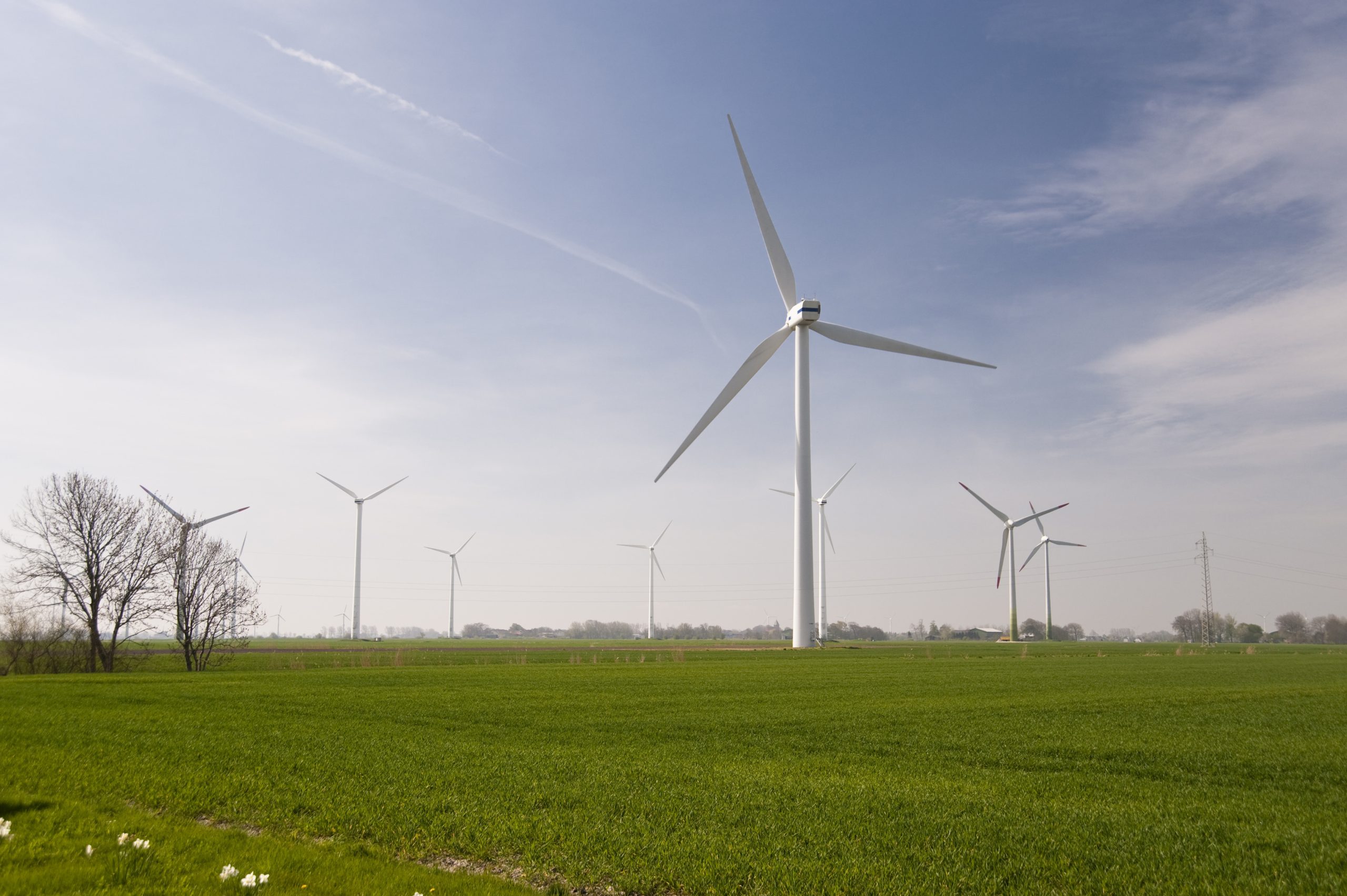
    wind energy fyHRFEqO 2 scaled

    Choosing the Right Solar Panel System for Your Needs

    Once you’ve determined that your home is suitable for solar panels, it’s time to choose the right system for your needs. Several factors come into play when selecting a solar panel system, including your energy consumption, budget, and available space. A qualified installer can help guide you through the selection process and recommend the optimal solution for your home.

    Installation Process and Timeline

    The installation process typically involves several steps, starting with a site survey and ending with connection to the grid. Depending on the complexity of your project, the entire process may take anywhere from a few days to several weeks. However, once installed, solar panels require minimal maintenance and can last up to 25 years or more.

    wind energy MyoAFVqd 1 scaled

    Maintenance Requirements for Solar Panels

    To ensure maximum performance and longevity, solar panels require regular maintenance. This includes keeping them free from dust, debris, and bird droppings, as well as inspecting them for damage or wear and tear. Most manufacturers recommend cleaning your panels at least twice per year, although some regions may require more frequent cleanings due to environmental conditions.

    Common Myths About Solar Panels Debunked

    Despite their growing popularity, there are still many misconceptions surrounding solar panels. One of the most prevalent myths is that they don’t work in cloudy climates, but this isn’t true. While solar panels do perform better in direct sunlight, they can still produce electricity even under less favorable conditions. Another common myth is that installing solar panels requires extensive renovations to your home, but this isn’t always necessary either. Many systems can be installed without major modifications to your existing structure.

    Conclusion: Why Investing in Solar Panels Is a Smart Decision

    In conclusion, investing in solar panels is a smart decision for numerous reasons. Not only do they reduce your carbon footprint and utility costs, but they also increase the value of your property and provide a reliable source of backup power during outages. With advancements in technology and government incentives, now is an excellent time to consider switching to solar energy.

  • Solar Powered Homes: The Future is Now

    Solar Powered Homes: The Future is Now

    The world is changing, and so are our homes. With the rise of renewable energy sources, more people are turning to solar power as a way to reduce their carbon footprint and save money on utility bills. In this article, we’ll explore everything you need to know about solar-powered homes, from the benefits of using solar energy in your home to how to install and maintain a solar system at home. Let’s dive right in!

    solar energy panels at work BteRwTpVj scaled

    Introduction to Solar Powered Homes

    A solar-powered home is a residence that uses photovoltaic (PV) cells to convert sunlight into electricity for household use. These PV cells are typically mounted onto rooftops or other structures where they can get the most exposure to direct sunlight possible. Once the sun hits these cells, it creates an electrical current that can be used to power appliances, lights, and even heating systems within the home.

    One of the biggest advantages of using solar energy in your home is its ability to generate clean energy without producing any greenhouse gas emissions. This means that by switching to solar power, you’re not only reducing your own carbon footprint but also contributing to a healthier planet overall. Additionally, because solar panels require little maintenance once installed, they offer a cost-effective solution for homeowners looking to lower their long-term energy costs.

    Benefits of Using Solar Energy in Your Home

    There are many reasons why homeowners choose to switch to solar power, including:

    1. Lower Utility Bills – By generating your own electricity through solar power, you may significantly reduce your monthly utility bill. Depending on your location and energy consumption patterns, you could potentially eliminate your electricity bill altogether.

    2. Reduced Carbon Footprint – As mentioned earlier, solar power generates clean energy with no greenhouse gas emissions. By making the switch to solar, you’re doing your part to help combat climate change.

    3. Property Value – Homes equipped with solar panel systems often have higher property values than those without them. If you plan to sell your home in the future, installing a solar system could increase its resale value.

    4. Tax Credit – Many countries provide tax credits for homeowners who invest in renewable energy solutions like solar power. Check with your local government to see if there are any available incentives in your area.

    How to Install and Maintain a Solar System at Home

    Installing a solar system at home requires careful planning and consideration. Here are some steps to follow when installing a solar system:

    1. Conduct an Energy Audit – Before installing a solar system, it’s essential to determine how much energy your home consumes. An energy auditor can assess your home’s energy usage and recommend ways to improve efficiency.

    2. Determine the Best Location for Solar Panels – To maximize sunlight exposure, solar panels should be placed in areas with minimal shading and maximum sunlight throughout the day. A professional installer can help identify the best placement for your panels.

    3. Choose the Right Type of Solar Panels – There are several types of solar panels available, including monocrystalline, polycrystalline, thin film, and bifacial. Consult with a professional installer to determine which type of panel will work best for your needs.

    4. Select the Appropriate Storage Solution – Depending on your energy consumption patterns, you may want to consider adding battery storage to your solar system. This allows you to store excess energy generated during the day for later use.

    5. Hire a Professional Installer – While installation instructions can be found online, it’s highly recommended to hire a licensed and insured professional installer to ensure proper installation and safety standards.

    Examples of Successful Solar-Powered Communities Around the World

    As interest in solar power continues to grow around the globe, many communities are embracing renewable energy sources. Here are just a few examples of successful solar-powered communities:

    1. Masdar City, Abu Dhabi – Located in the United Arab Emirates, Masdar City is a sustainable community designed to rely entirely on renewable energy sources, including solar power. The city features buildings with integrated solar facades and roofs, as well as a large-scale solar farm nearby.

    2. Freiburg, Germany – Known as “the solar city,” Freiburg has been committed to using renewable energy since the 1970s. Today, over half of the city’s households have solar panels installed, and the city boasts numerous public buildings with integrated solar arrays.

    3. Copenhagen, Denmark – Copenhagen has set ambitious goals to become carbon neutral by 2025, with plans to generate 80% of its energy from wind turbines and 20% from solar panels. The city has already installed thousands of solar panels on residential and commercial buildings across the city.

    Conclusion

    In conclusion, solar-powered homes represent the future of housing. Whether you’re interested in saving money on utilities, reducing your carbon footprint, or simply wanting to live off the grid, solar power offers a viable solution. From the benefits of using solar energy in your home to how to install and maintain a solar system at home, we hope this article provided all the information you need to make an informed decision about going solar.

  • The Benefits of Switching to Solar Energy

    The Benefits of Switching to Solar Energy

    Solar energy is a clean, renewable source of power that has become increasingly popular in recent years. With the rising costs of traditional forms of electricity and concerns about climate change, more people are turning to solar as an alternative solution for their energy needs. In this article, we will explore some of the benefits of switching to solar energy and how you can make the transition yourself.

    Introduction to Solar Energy

    Solar energy is generated by harnessing the sun’s rays through photovoltaic cells or thermal systems. These systems convert the sunlight into usable electricity or heat, which can be used to power homes, businesses, and other applications. The use of solar energy dates back centuries, but it wasn’t until recently that advancements in technology have made it a viable option for widespread adoption.

    Advantages of Switching to Solar Power

    There are many advantages to using solar energy over traditional forms of electricity. Here are just a few:

    Lower Costs: While there may be upfront costs associated with installing solar panels or equipment, once they are installed, you can generate your own electricity at no additional cost. This means lower monthly bills and savings over time.

    Environmentally Friendly: Solar energy is one of the most environmentally friendly sources of power available. It produces zero emissions and doesn’t contribute to air pollution or greenhouse gas emissions.

    young male engineer with solar panels in background BKW01dprj 1 scaled

    Reliability: Unlike traditional forms of electricity generation, solar energy is not subject to blackouts or brownouts. As long as the sun is shining, you can rely on solar energy to meet your needs.

    Common Misconceptions About Solar Energy Debunked

    While solar energy has gained popularity in recent years, there are still many misconceptions about its effectiveness and feasibility. Here are a few common myths debunked:

    Myth: Solar panels don’t work well in cloudy climates.

    Truth: While solar panels do perform better in direct sunlight, they can still generate electricity even under cloud cover. Additionally, advances in technology have made solar panels more efficient so that they can generate more electricity with less sunlight than before.

    Myth: Solar panels require too much maintenance.

    Truth: Once installed, solar panels require very little maintenance. They are designed to withstand weather conditions and last for decades without needing significant repairs or replacement.

    How to Make the Transition to Solar Energy

    Making the switch to solar energy can seem daunting, but it doesn’t have to be. Here are some steps you can take to get started:

    1. Assess Your Energy Needs: Before investing in solar energy, it’s essential to understand your current energy usage and needs. This will help you determine what size system you need and how much it will cost.

    2. Research Rebate Programs: Many states offer rebate programs for homeowners who install solar panels. Do some research to see if there are any incentives available in your area.

    3. Choose a Reputable Installer: Finding a reputable installer is crucial to ensuring that your solar panel system works correctly and efficiently. Ask for referrals from friends or family members who have had positive experiences with solar installation companies.

    4. Monitor Your Electricity Usage: Once your solar panel system is installed, monitor your electricity usage carefully. By tracking your consumption, you can identify areas where you can reduce your energy usage and save money on your utility bills.

    Conclusion

    IMG 8798 522 scaled

    Switching to solar energy offers numerous benefits, including lower costs, environmental friendliness, and reliability. Despite common misconceptions, solar panels can work effectively even in cloudy climates and require minimal maintenance once installed. By following these steps, you can make the transition to solar energy easily and enjoy the benefits of clean, renewable energy.

  • How to Choose the Best Solar Panels for Your Home or Business

    How to Choose the Best Solar Panels for Your Home or Business

    Introduction to Solar Power and Its Benefits:

    Solar power is a renewable source of energy that has become increasingly popular in recent years. It involves harnessing the sun’s energy through solar panels, which can be installed on rooftops or in open spaces. The benefits of using solar power are numerous; it reduces your carbon footprint, lowers your electricity bills, and provides you with a reliable source of energy even during blackouts. Additionally, solar panels have a lifespan of up to 25 years, making them an excellent long-term investment for both homeowners and business owners.

    The Cost of Solar Panels vs Traditional Energy Sources:

    While the initial cost of installing solar panels may seem high, they quickly pay for themselves over time. In fact, the cost of solar power has decreased significantly in recent years due to advancements in technology and increased demand. According to EnergySage, the average homeowner saves between $10,000 and $30,000 over the lifetime of their solar panel system. When compared to traditional energy sources such as coal and natural gas, solar power is also much cheaper in the long run, as these fossil fuels continue to rise in price.

    Choosing the Best Solar Panels for Your Needs:

    When choosing the best solar panels for your home or business, there are several factors to consider. First, determine how much energy you need based on your daily usage. You will then want to choose a solar panel system that meets those needs while fitting within your budget. Other important considerations include the efficiency rating of the panels, the warranty provided by the manufacturer, and whether the panels are certified by reputable organizations such as UL or IEEE.

    Installing Solar Panels: DIY or Hire a Professional:

    Installing solar panels requires specialized knowledge and equipment, so it is generally recommended to hire a professional installer. However, if you are skilled in DIY projects and feel comfortable working with electrical systems, you may be able to install the panels yourself. Be sure to follow all safety precautions and consult with local authorities to ensure that your installation complies with building codes and permitting requirements.

    wind turbine silhouette sunset or sunrise economic system background Hw9glvkOnMg 3 scaled

    Renewable Energy 101: What You Need to Know:

    As more people turn to renewable energy sources like solar power, it is essential to understand the basics of this technology. Renewable energy refers to any type of energy that comes from naturally occurring resources that are constantly replenished, such as wind, water, and sunlight. By transitioning to renewable energy sources, we can reduce our dependence on nonrenewable resources like oil and gas, which contribute to climate change and environmental degradation.

    Maintaining Your Solar Batteries and Recharging Time:

    Once you have installed your solar panel system, it is essential to maintain it properly to maximize its lifespan and effectiveness. This includes regularly cleaning the panels to remove dirt and debris, inspecting the wiring and connections for damage, and monitoring the performance of the system to ensure that it is functioning correctly. The recharging time for solar batteries depends on various factors, including the size of the battery, the amount of sunlight available, and the load placed on the system. On average, most solar batteries can fully charge in around eight hours when exposed to direct sunlight.

  • Solar Panels 101: Everything You Need to Know About Installing and Using Them

    Solar Panels 101: Everything You Need to Know About Installing and Using Them

    Introduction to Solar Panels

    If you’re considering making the switch to solar power, it’s essential to understand how solar panels work and what they can do for your home. In this article, we will cover everything you need to know about installing and using solar panels.

    Types of Solar Panels

    There are several types of solar panels available on the market today. The most common type is monocrystalline silicon, which is made from a single crystal of silicon. Polycrystalline silicon is another popular option that uses multiple crystals of silicon. Other types include thin-film solar cells, bifacial solar panels, and floating solar panels.

    How Do Solar Panels Work?

    Solar panels work by converting sunlight into electricity through photovoltaic (PV) cells. When light hits these cells, it causes electrons to be released, creating an electrical current. This current is then sent to an inverter, which converts it into usable AC electricity that can be used to power your home or fed back into the grid.

    TA 03282016 i20101114 20101114 mg 2578 scaled

    Benefits of Using Solar Power

    One of the primary benefits of using solar power is that it reduces your reliance on fossil fuels, helping to combat climate change and reduce greenhouse gas emissions. Additionally, solar power can help lower your energy costs over time, providing long-term savings for your household.

    The Cost of Installing Solar Panels

    The cost of installing solar panels varies depending on factors such as the size of your system, the type of panels you choose, and where you live. However, with government rebates and tax credits available in many areas, the upfront costs may be more affordable than you think.

    Determining if Your Home is Suitable for Solar Panels

    To determine if your home is suitable for solar panels, you should consider factors such as your location, roof orientation, shading, and available space. A professional installer can assess your property and provide recommendations based on your specific needs.

    Choosing the Right Solar Panel System

    When choosing a solar panel system, there are several factors to consider, including the efficiency of the panels, their warranty coverage, and the availability of technical support. It’s also important to ensure that the system is designed to meet your specific energy needs.

    Installation Process and Timeline

    The installation process for solar panels typically involves several steps, including site evaluation, design and engineering, permitting, and installation. Depending on the complexity of your project, the timeline can vary, but most installations can be completed within a few weeks.

    Maintenance Requirements for Solar Panels

    Once your solar panel system is installed, maintenance requirements are minimal. You should regularly clean the panels to maximize their efficiency, and perform occasional inspections to ensure that all components are functioning properly. Most systems come with a warranty that covers any necessary repairs or replacement parts.

    Conclusion

    Investing in solar power is not only good for the environment; it can also save you money on your energy bills over time. By understanding the basics of how solar panels work and what they can do for your home, you can make informed decisions about whether to install them on your property.

  • Solar Panels 101: Everything You Need to Know About Installing and Using Them

    Solar Panels 101: Everything You Need to Know About Installing and Using Them

    Are you thinking about making the switch to solar power? If so, you’re not alone. More and more people are choosing to install solar panels on their homes as a way to reduce their carbon footprint and save money on energy bills in the long run. But before you can start reaping the benefits of solar power, there are some things you need to know about installing and using solar panels. In this guide, we’ll cover everything from the basics of how solar panels work to determining your energy needs and choosing the right system for you. Let’s get started!

    Introduction to Solar Panels

    A solar panel is a device that converts sunlight into electricity. It’s made up of photovoltaic (PV) cells, which absorb sunlight and convert it into direct current (DC) electricity. This DC electricity then flows through an inverter, which converts it into alternating current (AC) electricity that can be used to power your home or business.

    Types of Solar Panels

    There are several types of solar panels available on the market today. The most common type is monocrystalline silicon, which is made from a single crystal of silicon and is known for its efficiency and durability. Other popular options include polycrystalline silicon, thin-film solar panels, and bifacial solar panels. Each type has its own unique advantages and disadvantages, so it’s important to do your research before deciding which one is best for you.

    How Do Solar Panels Work

    As we mentioned earlier, solar panels work by converting sunlight into electricity. When sunlight hits the PV cells in a solar panel, it causes electrons to become excited and move around. These moving electrons create an electrical current, which can be harnessed and used to power your home or business.

    The Benefits of Using Solar Power

    There are many reasons why people choose to use solar power. Here are just a few of the benefits:

    Lower energy bills: Once you’ve paid for the initial installation costs, solar panels can help you save money on your energy bills over time. Depending on where you live and how much sunlight your area receives, you may even be able to generate more electricity than you consume, allowing you to sell excess energy back to the grid.

    TA 03282016 i20101114 20101114 mg 2578 1 scaled

    Reduced carbon emissions: By switching to solar power, you can significantly reduce your carbon footprint and help combat climate change. Solar power is a clean, renewable source of energy that doesn’t produce any greenhouse gas emissions.

    Increased property value: Homes with solar panels tend to have higher property values than those without them. If you ever decide to sell your home, having solar panels installed could increase its resale value.

    Determining Your Energy Needs

    Before you can choose the right solar panel system for you, it’s essential to determine your energy needs. To do this, you’ll need to calculate how much electricity your home uses on average each day. You can do this by looking at your past utility bills or by using an online calculator. Once you know how much electricity you use, you can then figure out how many solar panels you’ll need to generate enough electricity to meet your needs.

    Choosing the Right Solar Panel System for You

    Once you’ve determined your energy needs, it’s time to choose the right solar panel system for you. There are several factors to consider when choosing a solar panel system, including:

    Cost: How much will the system cost to install? Are there any tax credits or rebates available that can offset the cost?

    Efficiency: What is the efficiency rating of the solar panels you’re considering? Higher efficiency ratings mean that the panels will generate more electricity per square foot.

    Durability: How well will the solar panels hold up over time? Look for panels that come with warranties that guarantee their performance for years to come.

    Aesthetics: Will the solar panels complement your home’s architecture and design? Consider the size, shape, and color of the panels before making a decision.

    Installing and Maintaining Your Solar Panels

    After you’ve chosen the right solar panel system for you, it’s time to install them. Professional installers can typically complete the installation process within a few days, depending on the complexity of the job. Once they’re installed, you’ll want to keep them maintained properly to ensure optimal performance. This includes regular cleanings to remove dirt and debris, inspecting the wiring and connections for damage, and monitoring the system’s output to make sure it’s generating enough electricity to meet your needs.

    Common Questions About Solar Panels Answered

    Here are answers to some of the most commonly asked questions about solar panels:

    Can I install solar panels myself? While it’s possible to install solar panels yourself, it’s generally recommended to hire a professional installer who has experience working with these systems. They can ensure that the installation is done correctly and safely.

    mg i5a3199 scaled

    How often should I clean my solar panels? The frequency with which you should clean your solar panels depends on your location and weather conditions. Generally speaking, you should aim to clean them once every six months to maximize their efficiency.

    Will my insurance company cover damages caused by hail or other extreme weather events? Most insurance companies will cover damages caused by hail or other extreme weather events, but it’s always a good idea to check with your provider to confirm what’s covered under your policy.

  • How to Choose the Best Solar Power Generator for Your Needs

    Introduction to Solar Power and Its Benefits:

    Solar power is a renewable source of energy that has been gaining popularity in recent years. It involves harnessing the sun’s energy through solar panels, which convert sunlight into electricity. One of the main benefits of using solar power is its environmental friendliness – it produces no greenhouse gas emissions or air pollution, making it an excellent alternative to traditional fossil fuels. Additionally, solar power can help reduce your energy bills over time, as well as provide you with a reliable source of backup power during outages.

    The Cost of Solar Power and Its Return on Investment:

    While installing solar panels may require a significant upfront investment, the cost of solar power has decreased significantly over the past decade due to advancements in technology and increased demand. Depending on where you live, you may be eligible for tax credits or rebates that can further offset the initial costs. Moreover, once installed, solar panels typically have low maintenance requirements and can last for decades, providing long-term savings on your energy bills. The return on investment varies depending on factors such as location, system size, and electricity rates, but generally ranges from 5-10 years.

    Choosing the Best Solar Power Generator for Your Needs:

    When choosing a solar power generator, there are several factors to consider. Firstly, determine how much electricity you need by analyzing your energy consumption patterns. This will help you choose the appropriate system size. Secondly, consider the efficiency of the solar panels – higher efficiency means more electricity generated per square foot of space. Thirdly, look at the warranty and reliability of the product, as well as any additional features such as battery storage capacity. Lastly, compare prices from different vendors to ensure you get the best value for your money.

    Installing and Maintaining Your Solar Panels:

    Once you have chosen the right solar power generator for your needs, installation is key. A professional installer can help ensure that your system is set up correctly and safely. Regular maintenance is also essential to keep your system running smoothly. This includes cleaning the solar panels regularly, inspecting the wiring and connections for damage, and ensuring that the batteries are charged properly. With proper care and attention, your solar power generator can provide you with many years of reliable service.

  • How Solar Energy is Revolutionizing the Way We Power Our Homes

    How Solar Energy is Revolutionizing the Way We Power Our Homes

    Introduction to Solar Energy:

    Solar energy is a renewable source of power that has been gaining popularity in recent years. It involves harnessing the sun’s energy and converting it into electricity using solar panels or photovoltaic cells. The use of solar energy can help reduce our dependence on fossil fuels, which are finite resources that contribute significantly to climate change. With advancements in technology, solar power has become more accessible and affordable than ever before.

    electricity generating solar energy panels BFZCTa6Ns scaled

    The Benefits of Using Solar Power in Your Home:

    There are several benefits to using solar power in your home. Firstly, solar energy is clean and renewable, meaning it does not produce any greenhouse gas emissions or other pollutants. This makes it an environmentally friendly option for powering your home. Secondly, solar power can save you money on your utility bills over time. Although there may be some upfront costs associated with installing solar panels, once they are installed, you will generate free electricity from the sun. Additionally, solar panels have a lifespan of around 25-30 years, so you can expect them to last for many years to come. Finally, solar power can increase the value of your home if you decide to sell it in the future. Many buyers are looking for homes with renewable energy sources, making your property more attractive to potential buyers.

    How Solar Panels Work and Their Efficiency Rates:

    Solar panels work by capturing sunlight and converting it into direct current (DC) electricity through photovoltaic cells. These cells are made up of layers of silicon, which absorb photons from the sun and release electrons, creating an electrical current. This DC electricity then passes through an inverter, which converts it into alternating current (AC) electricity that can be used to power your home. The efficiency rates of solar panels vary depending on their quality and design. Generally speaking, higher-quality panels with better efficiency ratings tend to cost more. However, even lower-efficiency panels can still provide significant savings on your utility bills over time.

    Common Misconceptions About Solar Energy Debunked:

    Despite the growing popularity of solar energy, there are still many misconceptions about its feasibility and effectiveness. One common myth is that solar panels only work in warm climates. In reality, solar panels can work effectively in a wide range of climates, including cold ones. Another misconception is that solar panels require constant maintenance and cleaning. While regular cleaning can improve their efficiency, most modern solar panels are designed to be low-maintenance and durable enough to withstand weather conditions without needing frequent attention. Finally, some people believe that solar panels are too expensive to be practical. While there may be some initial costs associated with installation, solar power can save you money in the long run and even increase the value of your home.

  • Solar Power: The Future of Renewable Energy

    Solar Power: The Future of Renewable Energy

    The world is changing, and so are our energy needs. We have been relying on fossil fuels for far too long, and it’s time to make a change. Solar power has emerged as one of the most promising sources of renewable energy, and it’s time we embrace it. In this blog post, we will explore everything you need to know about solar power, its benefits, and why it’s the future of renewable energy.

    Introduction to Solar Power: The Future of Renewable Energy

    Solar power is generated by harnessing the energy from the sun through photovoltaic cells. These cells convert sunlight into electricity that can be used to power homes, businesses, and even entire cities. Solar panels are typically installed on rooftops or in large, open areas where they can receive maximum exposure to the sun’s rays.

    One of the main advantages of solar power is that it produces no greenhouse gas emissions, making it an environmentally friendly option. Additionally, once the initial investment of installing solar panels is made, there are virtually no ongoing costs associated with generating electricity from the sun. This means that homeowners and business owners who switch to solar power can save money on their energy bills over time.

    Is solar power really helpful to the environment?

    Yes, absolutely! As mentioned earlier, solar power generates electricity without producing any greenhouse gas emissions. This makes it a clean source of energy that doesn’t contribute to climate change or air pollution. In fact, according to the National Renewable Energy Laboratory, solar power has the potential to reduce carbon dioxide emissions by up to 28,000 pounds per year for every household that switches to solar energy.

    How expensive is solar power and can I afford it?

    While installation costs for solar panels can be significant, the overall cost of solar power has decreased significantly over the past decade due to advancements in technology and increased demand. According to EnergySage, the average price of solar panel installations fell by more than 50% between 2010 and 2020. Additionally, many states offer tax credits and other financial incentives to encourage homeowners and businesses to switch to solar power. With these savings and incentives, switching to solar power can often pay for itself within just a few years.

    What are some common myths about solar energy?

    Despite the numerous benefits of solar power, there are still several misconceptions surrounding this form of renewable energy. One common myth is that solar panels don’t work well in cloudy climates. While solar panels do generate less electricity when exposed to less direct sunlight, they can still produce enough energy to be effective in cloudier regions. Another myth is that solar panels require frequent maintenance and repairs. However, modern solar panels are designed to last for decades with little to no maintenance required.

    Conclusion: Why investing in solar power is a wise decision for your future

    Investing in solar power is not only good for the environment but also makes sound economic sense. By reducing your reliance on traditional forms of energy, you can save money on your energy bills while also contributing to a cleaner, healthier planet. And with the increasing availability of financing options and government incentives, now is the perfect time to consider making the switch to solar power. So, if you’re ready to take control of your energy consumption and reduce your carbon footprint, look no further than solar power.

    large solar energy panel array BFeqZppNs scaled
  • The Future of Renewable Energy: How Solar Power Is Leading the Charge

    The Future of Renewable Energy: How Solar Power Is Leading the Charge

    Solar power is a clean, renewable and abundant source of energy that has been gaining popularity in recent years. With increasing concerns about climate change and the need to reduce our carbon footprint, solar power has emerged as a viable alternative to traditional fossil fuels. In this blog post, we will explore how solar power is leading the charge towards a more sustainable future.

    Introduction to Solar Power

    Solar power involves harnessing the energy from the sun through photovoltaic cells or solar panels. These panels are made up of layers of silicon wafers that convert sunlight into direct current (DC) electricity. This DC electricity is then converted into alternating current (AC) electricity which can be used to power homes and businesses.

    The Benefits of Using Solar Energy

    One of the main benefits of using solar energy is its environmental friendliness. Unlike fossil fuels, solar power does not produce greenhouse gases or other pollutants that contribute to climate change. Additionally, solar power is a renewable resource that will never run out unlike coal, oil, and natural gas. Another benefit of solar power is its cost-effectiveness. While initial installation costs may be higher, solar panels have a long lifespan and require little maintenance, making them a cost-effective option over time.

    DSC 7771 300 scaled

    How Solar Panels Work and Their Efficiency

    Solar panels work by allowing photons or particles of light from the sun to knock electrons free from atoms in a silicon wafer. These freed electrons create an electrical flow that can be captured and turned into usable electricity. The efficiency of solar panels depends on various factors such as the type of panel, its age, and the amount of sunlight it receives. Generally speaking, modern solar panels have an efficiency rate of around 20%, meaning they can generate enough electricity to power a home or business with just a few hours of sunlight per day.

    Innovations in Solar Technology

    As technology advances, so too do innovations in solar technology. One promising development is the use of perovskite solar cells, which are cheaper and more efficient than traditional silicon-based cells. Other advancements include the use of floating solar panels on bodies of water, which can increase their efficiency by reducing heat loss.

    The Cost-Effectiveness of Solar Energy

    While initial installation costs for solar panels may be high, the overall cost-effectiveness of solar energy is becoming increasingly apparent. As the demand for solar energy grows, prices continue to decrease, making it more accessible to consumers. Additionally, governments often offer tax credits and rebates for those who install solar panels, further offsetting the initial investment.

    Conclusion: Why Solar Power is the Future of Renewable Energy

    With its numerous benefits including environmental friendliness, cost-effectiveness, and technological advancements, solar power is undoubtedly the future of renewable energy. As concerns about climate change mount and the world seeks ways to reduce its carbon footprint, solar power will play a crucial role in shaping a cleaner, greener tomorrow.