Tag: Sustainability

  • The Benefits of Switching to Solar Power: Why It’s Time to Make the Change

    The Benefits of Switching to Solar Power: Why It’s Time to Make the Change

    Solar power is a clean, renewable source of energy that has been gaining popularity in recent years. With increasing concerns about climate change and environmental sustainability, many people are looking for ways to reduce their carbon footprint and switch to cleaner sources of energy. In this blog post, we will explore the benefits of switching to solar power and why it’s time to make the change.

    Introduction to Solar Power and Its Benefits

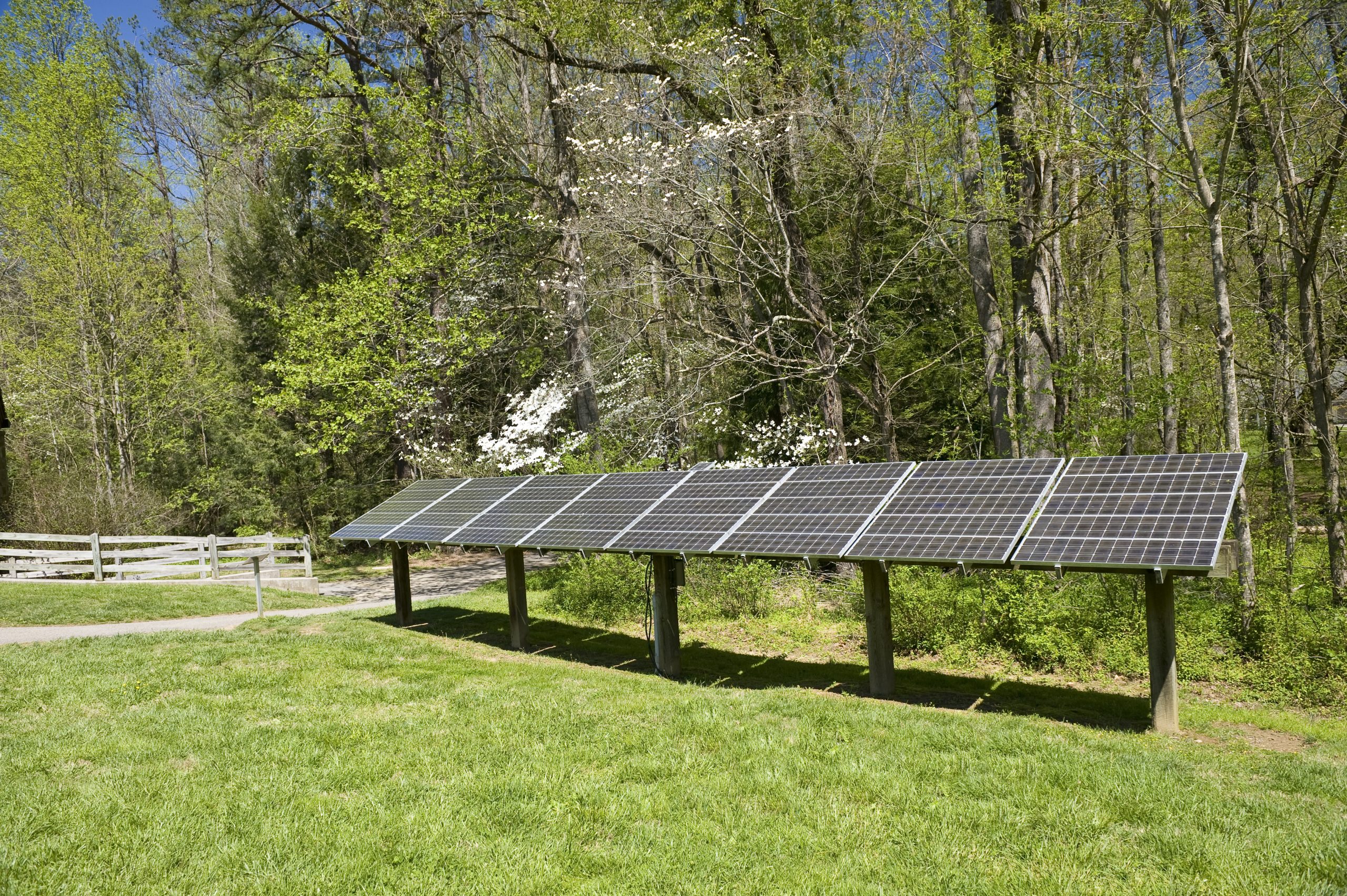
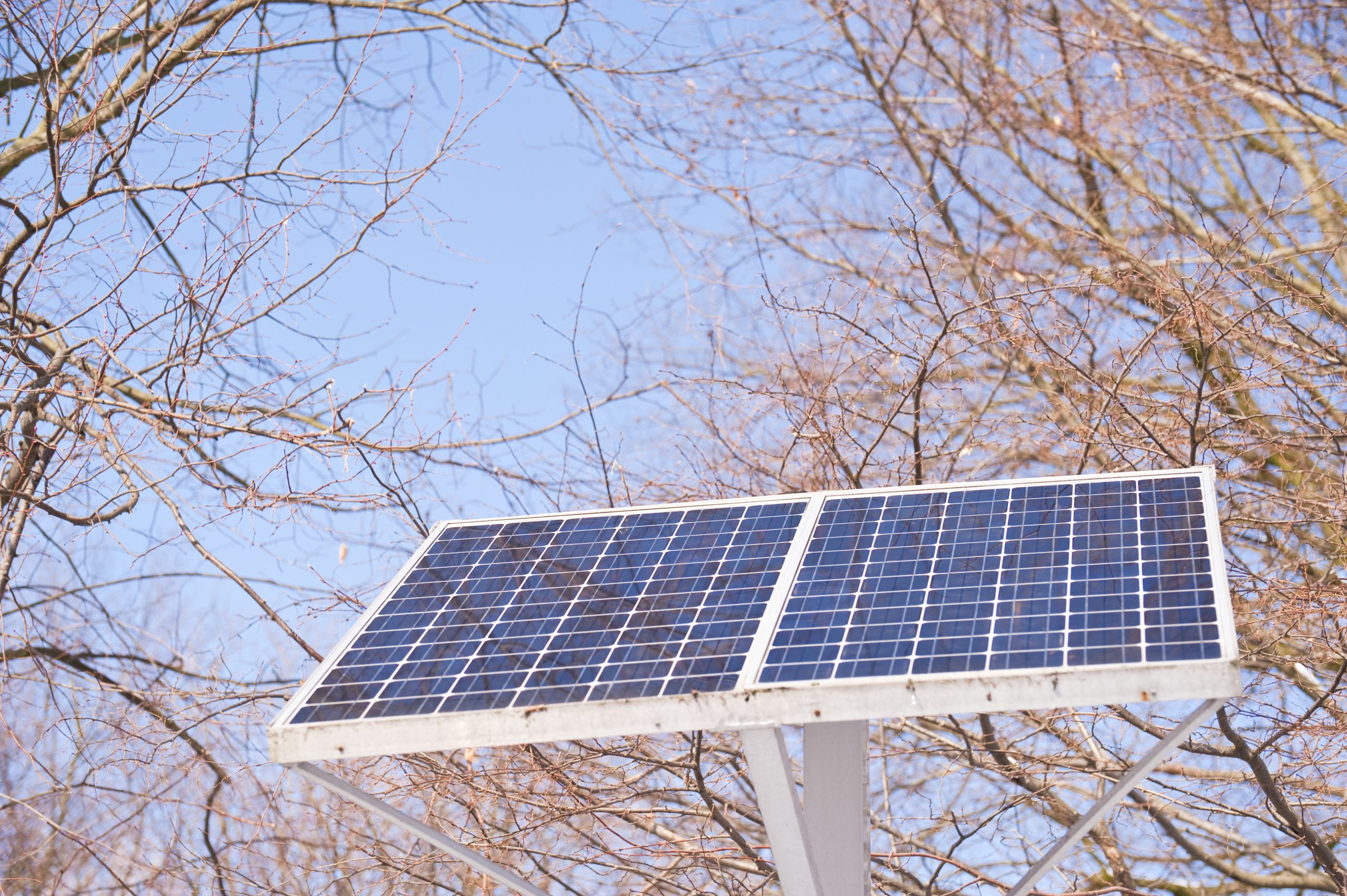
    Solar power involves harnessing the energy from the sun through photovoltaic cells or solar panels. These panels convert sunlight into electricity that can be used to power homes, businesses, and other applications. One of the main benefits of solar power is its renewable nature – unlike fossil fuels, which are finite resources, the sun’s energy is limitless and free. Additionally, solar power produces no greenhouse gas emissions, making it an environmentally friendly option.

    The Cost-Effectiveness of Switching to Solar Energy

    While there may have been some initial costs associated with installing solar panels, they have become much more affordable over time. As technology continues to improve, the cost of solar power has decreased significantly, making it competitive with traditional forms of energy such as coal and natural gas. Furthermore, once you install solar panels on your property, you can expect to save money on your monthly utility bills since you will be generating your own electricity.

    solar energy Mk2WEV9d scaled

    How Solar Panels Work and Their Efficiency Rates

    Solar panels work by converting sunlight into direct current (DC) electricity using photovoltaic cells made of silicon. The DC electricity then passes through an inverter, which converts it into alternating current (AC) electricity that can be used to power appliances and electronics in your home or business. The efficiency rates of solar panels vary depending on factors such as the type of panel, the amount of sunlight available, and the temperature. However, modern solar panels typically have efficiency rates between 15% and 20%.

    Making the Transition to Solar Power: A Step-by-Step Guide

    Switching to solar power requires careful planning and consideration. Here are some steps you can take to make the transition:

    1. Conduct research on solar power and determine if it’s feasible for your location and needs.

    2. Contact local solar installation companies and request quotes for installation.

    3. Choose a reputable company and sign a contract for installation.

    4. Schedule a site visit with the installer to assess your property and determine the best placement for the solar panels.

    5. Wait for permits and approvals from your city or county before beginning construction.

    6. Installation begins! This process usually takes several days to complete.

    7. Once installed, enjoy the benefits of producing your own clean energy and saving money on your utility bills.

    Conclusion

    In conclusion, switching to solar power offers numerous benefits including reduced reliance on nonrenewable energy sources, lowered carbon footprint, and potential savings on utility bills. While there may be upfront costs involved in installing solar panels, the long-term benefits far outweigh these expenses. We encourage everyone to consider making the switch to solar power and taking advantage of all the benefits it provides.

  • Solar Powered Homes: The Future is Now

    Solar Powered Homes: The Future is Now

    The world is changing, and so are our energy needs. With the increasing demand for electricity and the depletion of non-renewable resources, it’s time to turn towards a more sustainable source of power – solar energy. Solar power has become one of the most popular forms of renewable energy in recent years, and many homeowners are now turning to this clean and efficient form of energy to power their homes. In this article, we will explore everything you need to know about solar-powered homes, including the benefits, how to transition, and successful communities that have already made the switch.

    Introduction to Solar Powered Homes

    A solar-powered home is a residential property that generates its own electricity using photovoltaic (PV) cells or solar panels installed on the roof or walls of the building. These PV cells convert sunlight into direct current (DC) electricity, which is then converted into alternating current (AC) by an inverter to be used in the home. Solar-powered homes not only reduce reliance on traditional fossil fuels but also provide numerous other benefits such as lower utility bills, increased property value, and reduced carbon footprint.

    Benefits of Using Solar Energy in Your Home

    One of the primary benefits of using solar energy in your home is the significant reduction in electricity costs over time. Although the initial investment may seem high, solar panels can typically pay for themselves within 5-10 years through savings on utility bills. Additionally, solar-powered homes increase property values due to their eco-friendly nature and long-term cost savings. Another benefit of solar energy is its ability to generate electricity without producing any greenhouse gas emissions, making it a cleaner and healthier alternative to traditional sources of energy.

    electricity generating solar energy panels BFZCTa6Ns 3 scaled

    How to Transition to a Solar-Powered Home

    Transitioning to a solar-powered home requires careful planning and consideration. First, determine if your home is suitable for solar panel installation by assessing factors like roof orientation, shading, and available space. You should also consider your energy consumption patterns and identify areas where you can conserve energy to maximize the efficiency of your solar system. Once you have determined that your home is suitable for solar panel installation, research different types of solar systems and financing options available in your area. It’s essential to work with reputable contractors and professionals who can guide you through the process and ensure that your system meets all safety and performance standards.

    Examples of Successful Solar-Powered Communities

    Many communities around the world have successfully transitioned to solar-powered homes, demonstrating the feasibility and effectiveness of this renewable energy source. One example is the community of Wildpoldsried in Germany, which produces six times more energy than it consumes from its 7,836 solar panels installed throughout the town. Similarly, the city of Lancaster in California has set a goal of achieving zero net energy status by 2020, thanks to its widespread adoption of solar energy. By following these examples, we can create a brighter future for ourselves and generations to come.

  • Debunking Myths About Solar Power and the Environment

    Debunking Myths About Solar Power and the Environment

    Introduction to Solar Power and the Environment:

    Solar power is a renewable source of energy that has gained popularity in recent years due to its environmental benefits. Unlike traditional sources of electricity, such as coal or natural gas, solar panels produce no emissions, making them an attractive option for those who want to reduce their carbon footprint. However, there are still many myths surrounding solar power and its impact on the environment. In this post, we will debunk some common misconceptions about solar power and explore the positive effects it can have on our planet.

    Myths About Solar Power Debunked:

    1. Myth: Solar panels require too much water to manufacture and clean.

    Fact: While it’s true that solar panels do need to be cleaned periodically, they don’t use any more water than other types of electrical equipment. Additionally, most modern solar panel production facilities use very little water during the manufacturing process.

    2. Myth: Solar panels take up too much space and aren’t practical for residential use.

    Fact: The size of a solar panel depends on how much electricity you need to generate. For example, a typical residential system might consist of 20-30 panels, which could fit comfortably on a roof or in a backyard. And while solar panels may not be practical for every homeowner, they are becoming increasingly affordable and accessible, making them a viable option for many people.

    The Benefits of Solar Energy for the Environment:

    1. Solar power reduces greenhouse gas emissions: By using solar panels instead of fossil fuels, households and businesses can significantly reduce their carbon footprint. According to the National Renewable Energy Laboratory, solar power has the potential to eliminate over 28 million metric tons of CO2 emissions per year by 2050.

    2. Solar power promotes energy independence: By generating your own electricity with solar panels, you become less reliant on external sources of energy. This can help reduce our dependence on foreign oil and increase national energy security.

    3. Solar power creates jobs: As demand for solar power grows, so does the need for skilled workers to design, install, and maintain solar systems. According to the Solar Foundation, the U.S. solar industry employed over 400,000 people in 2020, and that number is expected to continue growing in the coming years.

    Conclusion: Why Solar Power is a Sustainable Choice:

    In conclusion, solar power is a sustainable choice because it produces no emissions, reduces our reliance on fossil fuels, and creates jobs. Despite what some may believe, solar panels are efficient, cost-effective, and easy to integrate into homes and businesses. So if you’re looking for ways to reduce your carbon footprint and support renewable energy, consider investing in solar power today.

    large solar energy panel array BFeqZppNs 2 scaled
  • Renewable Energy Explained: What You Need to Know about Wind, Water and Sun

    Renewable Energy Explained: What You Need to Know about Wind, Water and Sun

    Solar power is one of the most popular forms of renewable energy. It involves harnessing the sun’s energy through solar panels or photovoltaic cells that convert light into electricity. Solar power has become increasingly popular in recent years due to its environmental benefits and cost-effectiveness. In this article, we will explore everything you need to know about wind, water, and sun as sources of renewable energy.

    Is Solar Power Really Helpful to the Environment?

    The answer is a resounding yes! Solar power is considered one of the cleanest and greenest sources of energy because it produces no emissions or pollution during operation. Unlike fossil fuels like coal and oil, which release carbon dioxide and other harmful gases when burned, solar power generates electricity without any negative impact on the environment. By using solar power, we can reduce our reliance on nonrenewable resources and help combat climate change.

    How Expensive is Solar Power?

    While solar power may have been expensive in the past, the costs associated with installing solar panels have decreased significantly over time. Today, the average cost of installed residential solar systems ranges from $10,000 to $25,000 depending on location and system size. However, many homeowners are able to offset these initial costs by taking advantage of tax credits and rebates offered by local governments and utility companies. Additionally, once your solar panel system is up and running, you can expect to save money on your monthly energy bills since you won’t be relying as heavily on traditional grid electricity.

    What is the Best Solar Power Generator?

    There are several types of solar generators available on the market today, including portable solar chargers, off-grid solar kits, and backup solar generators. The best type of generator for you depends on your specific needs and budget. Portable solar chargers are great for camping trips or outdoor activities where you need to charge small electronics like smartphones or tablets. Off-grid solar kits are designed for homes or businesses located in remote areas without access to traditional grid electricity. Backup solar generators provide emergency power supply during blackouts or natural disasters.

    Can I Install My Own Solar Panels?

    Yes, you can install your own solar panels if you have the necessary skills and tools. However, installing solar panels requires careful planning and attention to detail to ensure optimal performance and safety. If you are not comfortable doing it yourself, it’s recommended to hire a professional installer who can guide you through the process and ensure that all components are properly connected and aligned.

    What is Renewable Energy?

    Renewable energy refers to any form of energy that comes from an infinite source and does not deplete over time. This includes sources such as solar, wind, hydroelectric, geothermal, and biomass. Unlike nonrenewable resources like coal and oil, renewable energy sources do not produce greenhouse gas emissions or contribute to climate change. As such, they offer a sustainable alternative to traditional forms of energy production.

    earth laying in the grass BFxS15Arj scaled

    How Long Does it Take for My Solar Batteries to Recharge?

    The amount of time it takes for your solar batteries to recharge depends on various factors such as battery capacity, weather conditions, and usage patterns. Typically, solar batteries take between 4-8 hours to fully recharge under ideal conditions (i.e., direct sunlight). However, if your batteries are partially charged or damaged, it may take longer for them to reach full capacity. To maximize your solar battery life, it’s essential to maintain proper storage and care practices, such as keeping them cool and dry, and avoiding frequent deep cycling.

  • Invest in Solar Now: How to Take Advantage of Government Incentives Before They Expire

    Invest in Solar Now: How to Take Advantage of Government Incentives Before They Expire

    Government incentives for solar energy are on the decline, but there’s still time to take advantage of them before they expire. With the increasing demand for renewable energy sources and the growing concerns about climate change, now is the perfect time to invest in solar power. Here’s how you can benefit from government incentives and start generating your own clean energy today.

    JM Industrial YAX 9717 scaled

    Introduction to Solar Incentives

    Solar incentives are financial rewards offered by governments at all levels to encourage homeowners and businesses to switch to solar energy. These incentives come in various forms, including tax credits, rebates, grants, and net metering programs. Net metering allows homeowners to sell excess electricity back to the grid, which can offset their utility bills or even earn them a profit. The federal government offers a 30% tax credit for residential and commercial solar installations, while some states offer additional incentives that vary depending on location and project size.

    Understanding the Benefits of Solar Energy

    The benefits of solar energy go beyond just saving money on utilities. By switching to solar, you’re also reducing your carbon footprint and contributing to a cleaner environment. Solar panels generate electricity without producing any greenhouse gas emissions, making it one of the most sustainable ways to produce energy. Additionally, solar panels require little maintenance once installed, so you won’t have to worry about costly repairs down the road.

    How to Qualify for Government Incentives

    To qualify for government incentives, you must first determine if you meet the eligibility requirements. For example, some incentive programs may only be available to homeowners who live in certain areas or have specific income levels. Once you’ve determined your eligibility, you will need to apply for the appropriate program through your local government agency. You may need to provide documentation such as proof of ownership, estimated costs, and other relevant information.

    Examples of Successful Solar Projects

    There are countless examples of successful solar projects across the country. One notable example is the Ivanpah Solar Electric Generating System located in California’s Mojave Desert. This solar thermal plant generates enough electricity to power over 140,000 homes using mirrors to focus sunlight onto boilers. Another example is the Long Island Solar Farm, which covers over 25 acres with more than 76,000 photovoltaic panels.

    Conclusion and Call-to-Action

    Now is the time to invest in solar energy before government incentives disappear. Not only do these incentives make solar installation more affordable, but they also help reduce our dependence on fossil fuels and promote a healthier planet. If you’re interested in learning more about solar incentives and how you can get started, contact a local solar installer today.

  • Solar Energy 101: Everything You Need to Know

    Are you interested in learning more about solar power? Whether you’re a homeowner looking to reduce your carbon footprint or an entrepreneur exploring renewable energy options for your business, understanding the basics of solar energy can help you make informed decisions. In this article, we’ll cover everything from how solar panels work to the benefits of using solar power and beyond. Let’s dive right in!

    Introduction to Solar Energy

    Simply put, solar energy is electricity generated by harnessing sunlight. This process involves converting photons (particles of light) into electrons (electric current). The most common way to do this is through the use of solar panels, which are made up of photovoltaic cells that absorb sunlight and convert it into usable electricity.

    The Benefits of Using Solar Power

    There are many reasons why people choose to use solar power. Here are just a few benefits:

    Lower utility bills: Once you have installed a solar system, you will be generating your own electricity, meaning you won’t need to rely as heavily on the grid. This can result in lower monthly utility bills.

    Reduced reliance on fossil fuels: By switching to solar power, you can reduce your dependence on nonrenewable resources like coal and oil.

    Environmental friendliness: Solar power is one of the cleanest forms of energy available, with no emissions or pollution associated with its production.

    Increased property value: Homes equipped with solar systems often sell at higher prices than those without them.

    How Solar Panels Work

    As mentioned earlier, solar panels generate electricity by absorbing sunlight and converting it into electrical currents. They are typically made up of several layers of materials, including silicon wafers, conductive metal contacts, and protective glass or plastic covers. When sunlight hits these panels, it causes electrons within the silicon material to become excited and move around, creating an electrical flow.

    Types of Solar Panels and Their Efficiency

    There are several different types of solar panels available on the market today, each with their unique set of advantages and disadvantages. Some of the most popular include:

    Monocrystalline: These panels are made from high-grade silicon and are known for their efficiency and durability. However, they tend to be more expensive than other types of panels.

    Polycrystalline: Similar to monocrystalline panels but made from multiple crystals of silicon rather than one, polycrystalline panels are slightly less efficient but generally cheaper.

    Thin film: These panels are made using thin layers of photovoltaic material deposited onto a substrate such as glass or plastic. While they are not as efficient as traditional crystalline panels, they are becoming increasingly popular due to their low cost and flexibility.

    Is Solar Power Really Helpful for the Environment

    Absolutely! As we discussed earlier, solar power is one of the cleanest forms of energy available, producing zero greenhouse gas emissions and reducing our reliance on nonrenewable resources. Additionally, solar panels require very little maintenance once they are installed, making them a highly sustainable option for homeowners and businesses alike.

    Cost-Effective Solutions for Going Solar

    While installing a solar system may seem daunting at first, there are actually plenty of cost-effective solutions available. Here are some tips for saving money when going solar:

    Consider purchasing used equipment: Many companies offer refurbished solar panels and components at significant discounts compared to new ones.

    Look for tax credits and rebates: Depending on where you live, you may qualify for federal or state tax credits or rebates for installing solar panels.

    Choose a reputable installer: Working with a trusted installation company can ensure that your system is properly sized and optimized for maximum savings.

    Best Solar Generators on the Market

    If you’re interested in backup power solutions, solar generators are a great option. Here are some of the best models currently available:

    Goal Zero Yeti 400 Lithium Portable Power Station: This generator features a sleek design and can provide up to 325 watt-hours of power. It also includes two AC outlets, two USB ports, and a 12V port.

    Renogy Phoenix 100 Watt Portable Solar Kit: This kit comes complete with a foldable solar panel, battery pack, and charge controller, allowing you to generate and store your own power off-grid.

    Suaoki S270 Portable Bluetooth Speaker and Solar Charger: If you’re looking for something more versatile, this device doubles as both a speaker and a solar charger, capable of charging smartphones, tablets, and other small electronics.

    DIY Solar Panel Installation Tips

    Installing your own solar panels can save you thousands of dollars in installation costs. Here are some DIY tips to get started:

    Determine the size and placement of your array: Before ordering any equipment, carefully measure your roof or yard space to determine the appropriate number and size of panels needed.

    Research local permitting requirements: Different municipalities may have specific rules regarding solar installations, so make sure to check with your city or county before beginning construction.

    Select high-quality components: Cheap equipment may be tempting, but investing in quality products can ensure longer lifetimes and better performance over time.

    Follow proper safety protocols: Working with electricity can be dangerous, so always wear appropriate gear and follow all necessary precautions during installation.

  • Solar Power: The Key to a Greener Future

    Solar Power: The Key to a Greener Future

    In recent years, there has been an increasing interest in renewable energy sources. One of the most popular and widely used is solar power. Solar power involves harnessing the sun’s energy and converting it into electricity that can be used for various purposes. In this blog post, we will explore the benefits of using solar energy, common misconceptions about solar power, and how you can choose the best solar panels for your home.

    Introduction to Solar Power

    Solar power is generated by capturing the energy emitted from the sun through photovoltaic cells or solar thermal systems. These systems are designed to convert the sun’s energy into usable electricity or heat. Solar power is considered one of the cleanest and most sustainable forms of energy because it produces no greenhouse gas emissions and does not deplete natural resources like fossil fuels do.

    The Benefits of Using Solar Energy

    There are many benefits to using solar power as an alternative source of energy. Here are some of them:

    1. Cost savings – While initial installation costs may be higher than traditional energy sources, solar power can save you money on your monthly utility bills over time. As technology improves and demand increases, prices continue to decrease making it more affordable for everyone.

    2. Environmental impact – By switching to solar power, you reduce your carbon footprint and contribute to a cleaner environment. It also reduces our dependence on non-renewable resources which have negative effects on air quality, water supply, and land use.

    3. Independence – With solar power, you become less reliant on external factors such as fluctuating energy prices or unpredictable weather conditions. You can generate your own electricity at any time of day, regardless of what’s happening outside.

    storyblocks wind farm in south australia B4bCR1oAEf scaled

    4. Property value – Homes with solar panel installations typically sell faster and at a higher price compared to those without. This makes investing in solar panels a wise financial decision in the long run.

    Common Misconceptions About Solar Power

    Despite its numerous advantages, there are still several myths surrounding solar power. Let’s take a look at some of these misconceptions:

    1. Solar panels only work in direct sunlight – Contrary to popular belief, solar panels don’t need direct sunlight to function efficiently. They can generate electricity even under cloudy skies or indirect light.

    2. Solar panels require frequent maintenance – Solar panels are designed to last for decades with little to no maintenance required. You just need to keep them free from dust and debris, and they should operate smoothly.

    3. Solar panels are expensive – Although the initial cost of installing solar panels may seem high, it is a worthy investment in the long term. Prices continue to drop as technology advances, and you can recoup your investment within a few years through reduced energy bills.

    4. Solar panels are ugly – While this may be subjective, modern solar panels come in different styles and colors to suit individual preferences. Some manufacturers offer sleek and stylish designs that blend seamlessly with your roofline.

    How to Choose the Best Solar Panels for Your Home

    If you decide to switch to solar power, choosing the right solar panels is crucial. Here are some tips to help you make an informed decision:

    1. Determine your energy needs – Before selecting solar panels, calculate your energy requirements based on your household consumption patterns. This helps you determine the size of the system needed to meet your demands.

    newly constructed house interior room with unfinished wood floors window and closet door electrical connections are partially unfinished BYuTX8RHs scaled

    2. Look for efficiency ratings – Solar panels are rated according to their efficiency levels. Higher efficiency means more energy output per square foot of space. Opt for panels with higher efficiency rates for better performance.

    3. Consider the warranty – Most reputable solar panel manufacturers offer a warranty covering defects and malfunctions. Check the terms and conditions of the warranty before purchasing.

    4. Installation matters – Professional installation is critical to ensure optimal performance and safety. Hire licensed contractors who specialize in solar panel installation to avoid any mishaps during installation.

    5. Budget constraints – Solar panels vary in price depending on brand, quality, and features. Set a budget that fits your needs and research different options before settling on a particular model.

    Conclusion

    Switching to solar power is not only beneficial but also necessary for a greener future. Despite common misconceptions, solar panels are efficient, durable, and easy to maintain. By following the above guidelines, you can select the best solar panels for your home and enjoy the benefits of renewable energy.

  • Solar Power: The Key to a Greener Future

    Solar Power: The Key to a Greener Future

    The world is changing, and so are our energy needs. With the increasing demand for electricity and the depletion of non-renewable resources such as coal and oil, it’s time we turn towards renewable sources of energy like solar power. Solar power has become one of the most popular forms of alternative energy due to its numerous benefits. In this blog post, we will explore everything you need to know about solar power, including its advantages, cost-effectiveness, and how to choose the best solar panels for your home. Let’s dive in!

    Introduction to Solar Power and Its Benefits

    Solar power is generated using photovoltaic (PV) cells that convert sunlight into direct current (DC) electricity. These PV cells are made up of semiconductor materials such as silicon, which absorb photons from sunlight and release electrons, creating an electrical current. This DC electricity is then converted into alternating current (AC) electricity that can be used to power homes and businesses.

    One of the biggest advantages of solar power is its environmental friendliness. Unlike traditional fossil fuels, solar power does not produce greenhouse gases or air pollution, making it a clean source of energy. Additionally, solar power is abundant and free, meaning it won’t run out like other finite resources. Another benefit of solar power is its versatility – it can be used in a variety of applications, from small residential systems to large utility-scale projects.

    electricity generating solar energy panels BFZCTa6Ns 1 scaled

    The Cost of Going Solar: Is It Worth the Investment?

    While the initial costs of installing solar panels may seem high, going solar can actually save you money in the long run. The cost of solar has decreased significantly over the past decade, making it more affordable than ever before. Depending on where you live, you may even qualify for tax credits or rebates that can offset the installation costs.

    Additionally, once your solar system is installed, you’ll see significant savings on your monthly electric bill. The amount you save will depend on factors such as your location, the size of your system, and electricity rates in your area. On average, homeowners who go solar can expect to save between $10,000 and $30,000 over the lifetime of their solar system.

    Choosing the Best Solar Panels for Your Home

    When choosing solar panels for your home, there are several factors to consider. First, you’ll want to determine the size of your system based on your energy consumption needs. You’ll also want to consider the efficiency of the panels – higher efficiency means more power output per square foot. Finally, you’ll want to look at the warranty and reliability of the panel manufacturer.

    DIY Solar Panel Installation: Can You Do it Yourself?

    While some DIY enthusiasts may attempt to install their own solar panels, it’s generally recommended to hire a professional installer. Professional installers have the knowledge and experience necessary to ensure that your system is properly designed and installed for optimal performance. Additionally, they can help navigate any permitting requirements and provide guidance on maintaining your system for maximum longevity.

    Renewable Energy 101: What You Need to Know About Sustainability

    As we move towards a greener future, it’s important to understand the basics of renewable energy. Renewable energy refers to sources of energy that can be replenished naturally within a human lifespan, such as wind, hydroelectric, geothermal, and biomass. By incorporating these sustainable practices into our daily lives, we can reduce our carbon footprint and protect the environment for generations to come.

    In conclusion, solar power is a key component of a sustainable future. Whether you’re looking to save money on your electric bills or reduce your carbon footprint, investing in solar power is a wise decision. From understanding the benefits of solar power to choosing the right solar panels for your home, we hope this blog post has provided you with all the information you need to make informed decisions about your energy choices.

  • Why Invest in Solar? A Look at the Growing Trend of Solar Energy

    Why Invest in Solar? A Look at the Growing Trend of Solar Energy

    Solar energy is one of the most promising forms of renewable energy, and it has been gaining popularity over the years. Many people are now investing in solar energy as a way to reduce their carbon footprint and save money on electricity bills. If you have been thinking about going solar but aren’t sure if it’s worth it, read on to learn more about why investing in solar energy is a great idea.

    Introduction to Solar Energy

    Solar energy is generated by harnessing the power of the sun through photovoltaic cells or solar panels. These panels convert sunlight into direct current (DC) electricity, which can then be converted into alternating current (AC) electricity that can be used to power homes and businesses. Solar energy is clean, renewable, and abundant, making it an excellent alternative to traditional fossil fuels.

    electricity generating solar energy panels BFZCTa6Ns 3 scaled

    The Benefits of Investing in Solar Energy

    There are many benefits to investing in solar energy. Here are just a few:

    Lower Electricity Bills: One of the main reasons people choose to go solar is to lower their electricity bills. By generating your own electricity, you can significantly reduce your reliance on the grid and save money on your monthly utility bills.

    Environmental Benefits: Solar energy is a clean and renewable source of energy that produces no greenhouse gas emissions or air pollution. By choosing solar, you can reduce your carbon footprint and help fight climate change.

    Property Value: Homes with solar systems tend to sell for more than those without them. In fact, studies show that homebuyers are willing to pay a premium for homes with solar panels installed.

    Common Misconceptions About Solar Energy

    While solar energy has become increasingly popular, there are still some common misconceptions about it. Here are a few:

    It’s too expensive: While installing a solar system can require a significant upfront cost, solar energy is becoming more affordable every year. Additionally, tax credits and other incentives can make solar even more cost-effective.

    It doesn’t work well in cloudy climates: While solar panels do produce less energy when they are not exposed to direct sunlight, they can still generate electricity in cloudy conditions. In fact, Germany, a country known for its cloudy weather, is one of the world leaders in solar energy production.

    Conclusion: Why You Should Consider Investing in Solar

    Investing in solar energy is a smart decision for both your wallet and the environment. With the potential to lower your electricity bills, increase your property value, and reduce your carbon footprint, solar energy is a growing trend that is here to stay. So why wait? Contact a local solar installer today to learn more about how you can start saving money and reducing your environmental impact with solar energy.

  • Why Businesses are Turning to Solar Energy for Sustainability

    Why Businesses are Turning to Solar Energy for Sustainability

    Solar energy is one of the most abundant and renewable sources of power in the world. With increasing concerns about climate change, businesses across various industries have been turning to solar energy as a sustainable source of power that can help reduce their carbon footprint while also saving money on energy costs. In this blog post, we will explore why businesses are turning to solar energy for sustainability, including its benefits, how it works, financial incentives, case studies, and ultimately why it’s time for your business to go solar.

    Introduction to Solar Energy and Sustainability

    Solar energy refers to the conversion of sunlight into electricity using photovoltaic (PV) cells or concentrated solar power systems. These systems capture the energy from the sun and convert it into usable electricity that can be used to power homes, buildings, and even entire cities. The use of solar energy has become increasingly popular due to its numerous environmental and economic benefits.

    The Benefits of Using Solar Energy for Businesses

    One of the main benefits of using solar energy for businesses is its ability to significantly reduce greenhouse gas emissions. By switching to solar energy, companies can lower their reliance on fossil fuels and decrease their overall carbon footprint. Additionally, solar energy can provide cost savings over time by reducing energy bills and stabilizing long-term energy prices. Furthermore, solar panels require little maintenance once they are installed, which means businesses can save on maintenance costs as well.

    How Solar Panels Work and Their Efficiency Rates

    Solar panels work by capturing sunlight and converting it into direct current (DC) electricity through PV cells made of silicon. This DC electricity then passes through an inverter, which converts it into alternating current (AC) electricity that can be used to power appliances and equipment within a building or facility. The efficiency rates of solar panels vary depending on factors such as weather conditions, panel orientation, and shading. However, modern solar panels typically have an efficiency rate between 15% and 20%, meaning they can generate up to 20% of their rated capacity under ideal conditions.

    wind turbine silhouette sunset or sunrise economic system background rD3eYTydnMx scaled

    Financial Incentives for Switching to Solar Energy

    There are several financial incentives available for businesses that switch to solar energy. One of the most significant incentives is the federal investment tax credit (ITC), which allows businesses to deduct 30% of the total system cost from their taxes. Many states also offer additional incentives, such as rebates or net metering programs, which allow businesses to sell excess energy back to the grid at retail rates. Additionally, many banks and financing institutions offer low-interest loans specifically designed for solar projects.

    Case Studies: Successful Businesses that Use Solar Energy

    Many successful businesses across various industries have already switched to solar energy for sustainability purposes. For example, Walmart, the largest private employer in the United States, has set a goal to obtain 100% of its energy from renewable sources by 2028. To achieve this goal, the company has installed solar panels on more than 900 of its stores nationwide. Similarly, Google has committed to achieving zero carbon emissions by 2030 and has invested heavily in solar energy to reach this target. Other notable examples include Tesla, Amazon, and Apple, all of which have implemented large-scale solar installations to power their operations.

    Conclusion: Why It’s Time for Your Business to Go Solar

    In conclusion, there are numerous reasons why businesses should consider switching to solar energy for sustainability purposes. From reduced greenhouse gas emissions to cost savings and financial incentives, solar energy offers a compelling solution for businesses looking to improve their environmental impact and bottom line. As seen with successful case studies like Walmart and Google, solar energy can not only benefit the environment but also drive innovation and growth within organizations. So, if you’re ready to take the next step towards sustainability, it’s time to consider going solar.