Tag: system

  • 10 Effective Best Solar Backup System Strategies for 2025

    10 Effective Best Solar Backup System Strategies for 2025

    1. 1. Prioritize High-Quality Battery Storage
    2. 2. Optimize Your Solar Panel Placement
    3. 3. Incorporate Smart Energy Management
    4. 4. Choose Reliable Inverter Technologies
    5. 5. Regular Maintenance and System Checks
    6. 6. Expand with Modular System Designs
    7. 7. Use Energy Monitoring Tools
    8. 8. Plan for Future Scalability
    9. 9. Understand Government Incentives and Policies
    10. 10. Partner with Certified Solar Installers

    1. Prioritize High-Quality Battery Storage

    Choosing the Right Battery Technologies for 2025

    In 2025, selecting the best solar backup system means paying close attention to the quality of your battery storage. Advanced lithium-ion batteries remain the top choice due to their durability, efficiency, and decreasing costs. When evaluating batteries, consider their capacity, cycle life, and warranty periods. Opt for systems that offer at least 10 years of reliable performance, ensuring your backup system is resilient during prolonged outages.

    For example, Tesla’s Powerwall and LG Chem’s RESU series have set industry standards for home energy storage. These systems are known for their high energy density and safety features. Investing in high-quality batteries not only guarantees consistent power supply but also maximizes your solar investment’s return over the long term.

    Additionally, emerging technologies like solid-state batteries look promising for 2025. They offer even greater safety and energy density. Keep an eye on industry trends, and consider future-proofing your system by choosing batteries with scalable options.


    Practical Tips for Battery Selection

    Always assess your household’s energy consumption patterns before choosing a battery. Use energy audits to identify peak usage times and required backup duration. A well-sized battery system reduces unnecessary costs and ensures power availability when needed.

    Trusted manufacturers often provide detailed performance data and testing results. Be sure to select batteries with proven reliability and support from local installers. Remember, the best solar backup system hinges on integrating quality batteries that match your specific needs.

    Financial Considerations

    While high-capacity batteries may have higher upfront costs, they tend to offer better value in terms of lifespan and performance. Look for options with attractive financing plans or government incentives that help offset initial expenses.


    2. Optimize Your Solar Panel Placement

    Maximizing Sun Exposure in 2025

    Your best solar backup system will perform at its peak when your solar panels are positioned optimally. In 2025, advancements in panel technology make it more critical than ever to ensure your panels capture maximum sunlight. The ideal placement depends on your geographic location, roof tilt, and shading factors.

    For instance, panels should face true south (in the Northern Hemisphere) at an angle that matches your latitude for maximum efficiency. Using solar tracking systems can further enhance energy capture by adjusting panel angles throughout the day and seasons. This approach can increase electricity generation by 20-30%, making your backup system more robust and self-sufficient.

    Addressing shading issues from trees, buildings, or nearby objects is crucial. Regular trimming and strategic landscaping can prevent shading and maintain optimal panel performance. Additionally, perform annual site assessments to ensure ongoing efficiency as surrounding environments evolve.


    Technological Innovations to Consider

    Emerging technologies like bifacial panels and solar modules with integrated micro-inverters provide higher energy yields, especially in challenging conditions. Incorporating these innovations can significantly boost your system’s backup capacity.

    In 2025, smart mounting brackets and adjustable racking systems are becoming standard, simplifying installation and fine-tuning adjustments. Investing in these features ensures your system remains at peak performance regardless of future space constraints or shading issues.

    Practical Installation Tips

    • Consult with certified solar installers who understand local sun paths and shading patterns.
    • Use solar analysis software to model optimal placement before installation.
    • Opt for tilt-adjustable mounts to adapt to seasonal sunlight variations.


    3. Incorporate Smart Energy Management

    Smart Controllers and Automation

    In 2025, integrating smart energy management systems (EMS) is a game-changer for optimizing your best solar backup system. These systems enable real-time monitoring of energy production and consumption, allowing you to prioritize critical loads during outages.

    Smart controllers can automatically switch between grid power, solar, and stored battery energy, ensuring seamless operation. For example, during a blackout, your EMS can prioritize powering essential appliances like refrigerators, medical devices, and lighting, while reducing non-essential loads.

    Automation reduces manual intervention, saving time and reducing human error. Advanced EMS platforms also provide insights into energy usage patterns, helping you identify opportunities to conserve power and extend backup durations.


    Data-Driven Optimization

    Leveraging data analytics and predictive algorithms allows your system to adapt dynamically. For instance, predictive maintenance alerts can notify you of potential battery or inverter issues before failure occurs, minimizing downtime.

    In 2025, many EMS are compatible with mobile apps, enabling remote control and troubleshooting. This flexibility is essential for maximizing system uptime during emergencies and optimizing overall performance.

    Tips for Effective Management

    1. Regularly review system analytics to identify consumption trends.
    2. Set up alerts for system anomalies or maintenance needs.
    3. Integrate your EMS with home automation for enhanced control.


    4. Choose Reliable Inverter Technologies

    String vs. Microinverters in 2025

    The inverter is the heart of your best solar backup system. In 2025, the choice between string inverters and microinverters can significantly affect system reliability and efficiency. String inverters are cost-effective and suitable for large, unobstructed roofs, while microinverters excel in complex shading scenarios and provide more granular monitoring.

    Microinverters optimize each panel’s output independently, making them ideal for mixed shading conditions or uneven roof tilts. While initially more expensive, their long-term benefits in performance and ease of maintenance are noteworthy.

    For homeowners looking for the best solar backup system that offers resilience and flexibility, microinverter systems are gaining popularity due to their robustness and modular design.


    Inverter Efficiency & Lifespan

    Choose inverters with high efficiency ratings (above 98%) to minimize energy loss. Additionally, investing in models with extended warranties ensures longevity, which is crucial for a dependable backup system.

    Many leading brands now offer smart inverters that can communicate with your energy management system, providing real-time diagnostics. This feature simplifies troubleshooting and maintains optimal system health.

    Installation and Maintenance Tips

    • Always work with certified inverter installers to ensure proper setup.
    • Schedule annual inspections to check for dirt, corrosion, or hardware issues.
    • Keep firmware updated to benefit from the latest performance improvements.


    5. Regular Maintenance and System Checks

    Maintaining Peak Performance in 2025

    A robust best solar backup system isn’t just about installation—regular maintenance is essential. In 2025, proactive checks ensure your energy system operates at peak efficiency and longevity. Routine inspections of panels, batteries, and inverters can prevent costly repairs down the line.

    Cleaning panels to remove dust or debris increases energy collection, especially in arid or polluted environments. Battery health reports and inverter performance logs should be reviewed periodically to identify potential issues early.

    Incorporating scheduled maintenance into your annual checklist guarantees that your backup system remains reliable during emergencies. Proper upkeep also helps meet warranty requirements, protecting your investment.


    DIY Tips vs. Professional Services

    While basic maintenance like cleaning panels can be DIY, complex tasks such as inverter calibration or battery testing are best left to certified professionals. Engaging experienced technicians also ensures compliance with safety standards.

    PREPARE Mag ad 970 x 250

    In 2025, many companies offer remote diagnostics tools that help homeowners monitor system health in real time. This technology simplifies maintenance schedules and minimizes downtime.

    Record Keeping for Maintenance

    • Keep detailed logs of inspections, repairs, and system performance.
    • Use digital apps or spreadsheets for tracking maintenance history.
    • This data can be valuable for warranty claims and future upgrades.


    6. Expand with Modular System Designs

    Scalability for Future Growth

    As your energy needs evolve, a modular approach to your best solar backup system ensures seamless expansion. Modular designs allow adding extra panels, batteries, or inverters without extensive overhauls, which is vital in 2025 as energy demands grow.

    Popular in both residential and small commercial installations, these systems offer flexibility, making it easier to adapt to changes like new appliances or home renovations. Start with a core setup and expand as needed.

    Many top manufacturers now develop plug-and-play modules to streamline installation and future upgrades, saving both time and money.


    Cost-Effective Expansion Strategies

    Rather than over-investing initially, plan your system with future expansion in mind. This foresight helps spread costs over time and ensures your backup system remains reliable as your household’s energy demands increase.

    Consult with installers about compatible components and potential upgrade paths to maximize your system’s lifespan and performance.

    Practical Tips for Growing Your System

    1. Choose modular inverter and battery brands known for compatibility.
    2. Assess your future energy needs annually to plan expansions.
    3. Leverage government incentives aimed at encouraging system upgrades.


    7. Use Energy Monitoring Tools

    Real-Time Data for Optimization

    In 2025, energy monitoring tools are more advanced and user-friendly than ever. These tools provide real-time data on energy generation, consumption, and storage, empowering you to make informed decisions about your best solar backup system.

    Many systems now come with mobile apps that display detailed dashboards, allowing you to track performance from anywhere. This transparency helps identify inefficiencies and optimize energy use, especially during high-demand periods or outages.

    By leveraging detailed analytics, homeowners can adjust behaviors, such as shifting appliance use to sunny periods, to maximize solar energy and extend backup capacity.


    Benefits of Energy Monitoring Integration

    Integrated monitoring reduces maintenance costs by alerting you of potential problems before they escalate. Additionally, monitoring tools can help fulfill warranties by providing detailed records of system performance and anomalies.

    Some advanced platforms even predict future energy needs based on historical data, aiding in system planning and upgrades.

    Tips for Effective Monitoring

    • Connect your system with Wi-Fi for remote access.
    • Set alerts for unusual drops in performance or system errors.
    • Regularly review data to identify trends and optimize usage.


    8. Plan for Future Scalability

    Designing for Long-Term Growth

    Planning for future growth is essential when selecting the best solar backup system in 2025. A scalable system allows easy addition of panels and storage units as your energy needs increase, protecting your investment.

    For example, starting with a modest system that can be expanded avoids premature obsolescence. Modular inverters and batteries are key components for easy scalability, reducing installation costs for future upgrades.

    This foresight ensures your system remains relevant and efficient over the years, especially as renewable energy technology continues to advance.


    Financial and Practical Implications

    Although initial costs might be higher for scalable systems, the long-term savings and flexibility justify the investment. Staying informed about emerging grants and incentives for upgrades can further reduce costs.

    Consult with your installer to develop a phased plan that aligns with budget and future goals.

    Tips for Future-Ready Systems

    1. Choose inverter and battery brands supporting modular expansion.
    2. Estimate future energy consumption based on household plans.
    3. Keep abreast of technological innovations that enhance scalability.


    9. Understand Government Incentives and Policies

    Maximizing Financial Benefits in 2025

    In 2025, government incentives for renewable energy are more accessible, making the best solar backup system a smart investment. Tax credits, rebates, and grants can significantly lower upfront costs, accelerating your return on investment.

    Stay informed about local, state, and federal policies that support solar and backup system installations. For example, programs like the Inflation Reduction Act offer substantial credits for renewable energy upgrades.

    Working with knowledgeable installers helps ensure you leverage all available incentives, making your system more affordable and boosting its overall value.


    Policy Trends and Future Outlook

    Policy landscapes are continuously evolving. In 2025, expect increased incentives tied to grid resilience and sustainability initiatives, encouraging more homeowners to invest in reliable backup systems.

    Follow updates from energy departments and industry associations to maximize benefits and stay compliant with emerging standards.

    Action Tips for Homeowners

    • Research available incentives before purchasing.
    • Work with installers experienced in navigating policy frameworks.
    • Document all transactions and paperwork for rebates and tax purposes.


    10. Partner with Certified Solar Installers

    The Importance of Professional Installation

    Choosing the right installer is crucial for ensuring your best solar backup system performs optimally. Certified professionals understand local regulations, optimal system design, and best practices for installation in 2025.

    A qualified installer ensures your system is correctly sized, efficiently installed, and compliant with safety standards. Proper installation reduces the risk of performance issues, outages, and warranty voiding.

    Research reviews, certifications, and references before selecting an installer. Partnering with reputable professionals guarantees peace of mind and the best return on your investment.


    Long-Term Support and Maintenance

    Good partnerships extend beyond installation. Choose an installer that offers ongoing support, maintenance, and system upgrades. Regular service keeps your backup system operating at peak efficiency, especially during critical events.

    Schedule annual inspections and keep communication open to address

  • The Ultimate Guide to the Best Solar System with Battery Backup for 2025

    The Ultimate Guide to the Best Solar System with Battery Backup for 2025

    Table of Contents

    1. 1. Understanding Solar System with Battery Backup
    2. 2. The Importance of Battery Storage in 2025
    3. 3. Types of Batteries Used in Solar Backup Systems
    4. 4. How to Choose the Right Solar System with Battery Backup
    5. 5. Top Brands of Solar System with Battery Backup in 2025

    1. Understanding Solar System with Battery Backup

    What Is a Solar System with Battery Backup?

    A solar system with battery backup is a solar energy setup that stores excess power generated during the day in batteries for use during nighttime or power outages. This system ensures you have a reliable power source even when the sun isn’t shining, making it ideal for both residential and commercial use.

    In 2025, the importance of having a solar system with battery backup is more significant than ever, especially as more regions experience extreme weather events and grid instability. This setup not only helps reduce electricity bills but also enhances energy independence.

    Many homeowners and businesses are turning to these systems to meet their sustainability goals while ensuring continuous power supply. The integration of smart technology allows for better management and monitoring of energy consumption.

    How Does a Solar System with Battery Backup Work?

    During the day, your solar panels capture sunlight and convert it into electricity. The excess energy, beyond what your household needs, is stored in batteries. When the sun sets or during grid outages, this stored energy is used to power your home or business.

    The system involves a charge controller, inverter, and batteries working together seamlessly. The inverter converts the stored DC power into AC power suitable for household appliances. Modern systems also include sophisticated software to optimize energy flow based on consumption patterns.

    In 2025, advancements in battery technology—such as solid-state batteries—have significantly improved the efficiency, longevity, and safety of solar systems with battery backup.


    2. The Importance of Battery Storage in 2025

    Enhancing Energy Resilience

    Battery storage is a game-changer for energy resilience. With climate change causing unpredictable weather patterns, having a solar system with battery backup ensures your power supply remains stable during storms or outages.

    In 2025, studies show that households with battery backup systems experienced 50% fewer power disruptions. Plus, they gained greater control over their energy consumption, leading to significant savings.

    Resilient energy systems are especially critical in remote areas where grid connection is unreliable or nonexistent. Investing in a reliable battery backup system means peace of mind during emergencies.

    Cost Benefits and Incentives

    The cost of batteries has decreased by over 70% since 2010, making solar system with battery backup more affordable than ever. Government incentives and tax credits further offset initial costs, encouraging adoption.

    By storing excess energy, homeowners can reduce dependency on costly peak-grid rates, leading to substantial savings annually. Moreover, some energy providers offer compensation for excess stored power fed back into the grid.

    For 2025, integrating battery storage into your solar setup is no longer optional—it’s a smart investment that pays off in resilience, savings, and sustainability.

    3. Types of Batteries Used in Solar Backup Systems

    Lithium-Ion Batteries

    Currently the most popular choice, lithium-ion batteries offer high energy density, long lifespan, and fast charging capabilities. Brands like Tesla Powerwall and LG Chem are leading in this category, providing reliable options for home and business use.

    In 2025, lithium-ion technology continues to improve, with solid-state variants promising even better safety profiles and increased durability. These batteries are ideal for those seeking high performance in a compact form.

    However, careful management is essential, as lithium-ion batteries can be sensitive to improper maintenance. Proper installation and periodic checks help maximize their lifespan.

    Lead-Acid Batteries

    Although older technology, lead-acid batteries remain an affordable option for some users. They are reliable but tend to have a shorter lifespan and lower energy density compared to lithium-ion batteries.

    Advances in sealed lead-acid batteries have improved safety and maintenance, making them suitable for small-scale systems. They are often used in hybrid setups or backup systems where cost is a primary concern.

    Considering their limitations, lead-acid batteries are less popular in 2025, but they still provide a viable option for specific applications.

    PREPARE Mag ad 970 x 250


    4. How to Choose the Right Solar System with Battery Backup

    Assess Your Energy Needs

    The first step is analyzing your energy consumption. Look at your bills from the past year to determine average daily usage. This helps you select a system size capable of meeting your needs during the most demanding times.

    In 2025, smart energy meters make it easier to monitor real-time consumption. This data enables precise sizing of your solar system with battery backup, preventing over- or under-sizing.

    Consider future energy needs as well, such as additional appliances, electric vehicles, or home expansions. Planning ahead ensures your system remains effective long-term.

    Evaluate System Components and Compatibility

    Choosing compatible inverters, batteries, and solar panels is crucial. Opt for high-efficiency panels and batteries with proven longevity and safety standards. Look for warranties and certifications to validate quality.

    Smart system integration allows for better monitoring and management. Some brands provide mobile apps that offer instant insights into system performance and battery status.

    In 2025, seamless integration of components is more accessible than ever due to advances in smart grid technology and digital interfaces.


    5. Top Brands of Solar System with Battery Backup in 2025

    Tesla Powerwall

    Tesla’s Powerwall remains a leader in 2025, known for its high capacity, sleek design, and robust warranty. It integrates smoothly with Tesla solar products or other brands, offering flexibility and reliability.

    With ongoing improvements, the Powerwall now supports larger energy storage, making it suitable for whole-home backup or even small commercial applications. Its smart software optimizes energy flow for maximum efficiency.

    Many users praise its user-friendly interface and integration with Tesla’s energy ecosystem, including solar panels and energy management systems.

    Sonnen Eco

    Sonnen’s innovative energy storage solutions emphasize sustainability, advanced software, and community energy sharing. Their Eco systems are designed to maximize self-consumption and energy independence.

    In 2025, Sonnen’s systems offer enhanced grid integration capabilities, aligning with the ongoing shift towards decentralized energy networks. Their batteries are known for durability and high performance in various climate conditions.

    Customer feedback highlights excellent customer service and comprehensive energy management options that make Sonnen a top choice for eco-conscious homeowners.

    FAQs

    1. What is the best solar system with battery backup in 2025?

    The best system depends on your specific needs, but brands like Tesla Powerwall, Sonnen Eco, and LG Chem are leading options due to their reliability and capacity. Always assess your energy requirements before choosing.

    2. How long do batteries in a solar system with battery backup last?

    The lifespan typically ranges from 10 to 15 years, depending on usage, maintenance, and battery type. Lithium-ion batteries are known for longer durability compared to lead-acid types.

    3. Can a solar system with battery backup eliminate my electricity bill?

    While it can significantly reduce or even eliminate your bill, factors such as system size, energy consumption, and local policies influence the final savings. Proper system sizing is essential for maximum benefits.

    4. Why is a solar system with battery backup essential in 2025?

    With increased climate volatility, energy independence, and rising electricity costs, having a solar system with battery backup offers resilience, savings, and peace of mind in 2025 and beyond.

    Conclusion

    Investing in the right solar system with battery backup is a smart move for 2025. It ensures you have reliable power, helps cut costs, and promotes sustainability. Whether you’re seeking energy independence or protection against outages, the right system tailored to your needs makes all the difference. As technology advances, these systems become more efficient, affordable, and essential for modern living. Consider your options carefully, and you’ll enjoy the many benefits of solar with battery backup for years to come.

  • The Ultimate Guide to the Best Solar System for Apartment Use in 2025

    The Ultimate Guide to the Best Solar System for Apartment Use in 2025

    Table of Contents

    1. 1. Understanding the Basics of Solar Systems for Apartments
    2. 2. Advantages of Installing a Solar System for Apartment Use
    3. 3. Types of Solar Systems Suitable for Apartments
    4. 4. Factors to Consider Before Installing a Solar System for Apartment Use
    5. 5. Selecting the Right Solar Panel System in 2025


    1. Understanding the Basics of Solar Systems for Apartments

    What Is a Solar System for Apartment Use?

    A solar system for apartment use is a compact, efficient setup designed specifically for small living spaces. It allows apartment residents to harness sunlight and convert it into electricity to reduce their reliance on grid power. As urban living becomes more eco-conscious, understanding the fundamentals of these systems is essential for making informed decisions in 2025.

    Unlike large-scale solar farms, solar systems for apartments are tailored to fit limited roof space, balconies, or windows. They come in various configurations, including portable panels, rooftop setups, and even window-mounted options. These systems aim to maximize energy production while minimizing installation complexity and cost.

    In 2025, advances in technology have made solar systems for apartment use more affordable and user-friendly, making solar energy accessible to a broader range of urban dwellers. Whether you’re in a small studio or a multi-bedroom apartment, the right system can significantly reduce your electricity bills and carbon footprint.

    Basic Components of an Apartment Solar System

    A typical solar system for apartment use includes solar panels, an inverter, a battery storage option, and a monitoring device. Solar panels capture sunlight and convert it into direct current (DC) electricity. The inverter then transforms DC into alternating current (AC), usable by your household appliances.

    Battery storage is optional but increasingly popular in 2025 as energy storage technology improves. It allows you to store excess energy generated during the day for use at night or during cloudy days. Monitoring devices help track energy production and consumption, ensuring optimal system performance.

    Choosing the right components depends on your energy needs, available space, and budget. Small, portable setups may suffice for basic electricity needs, while more comprehensive systems can power larger appliances.

    Why Consider a Solar System for Apartment Use?

    Urban residents are increasingly seeking sustainable energy options, driven by rising electricity costs and environmental awareness. Installing a solar system for apartment use can help you save money in the long run, reduce your carbon footprint, and even qualify for green incentives in 2025.

    Furthermore, with technological innovations, solar systems for apartments have become more aesthetically pleasing and easier to install. You can now find flexible, lightweight panels that suit various apartment layouts and restrictions.

    Overall, embracing solar energy as an apartment dweller aligns with global efforts to promote renewable energy sources, making it a smart, future-proof investment.

    2. Advantages of Installing a Solar System for Apartment Use

    Cost Savings and Financial Benefits

    One of the primary reasons to consider a solar system for apartment use in 2025 is the potential for significant cost savings. With rising electricity prices—expected to increase by 4-6% annually—the financial benefits of generating your own power are considerable.

    Many cities now offer incentives, rebates, and tax credits for installing solar energy systems in multifamily buildings or small apartments. These programs can cover up to 30% of installation costs, making solar more affordable for urban residents.

    Over time, the reduced energy bills offset the initial investment, leading to substantial savings over the system’s lifespan, which averages 25-30 years. Properly sized systems can reduce your monthly utility bills by 50% or more.

    Environmental Impact and Sustainability

    Using a solar system for apartment use is an excellent way to contribute to environmental sustainability. Solar energy is clean, renewable, and produces no greenhouse gas emissions during operation. Adopting solar in 2025 helps lessen reliance on fossil fuels.

    According to recent research, solar energy can cut household carbon footprints by up to 80%. Urban residents have a significant role to play in reducing overall pollution and promoting sustainable living by installing solar systems.

    Moreover, in densely populated areas, individual efforts collectively make a substantial impact, helping cities meet sustainability goals and combat climate change effectively.

    Convenience and Energy Independence

    Modern solar systems for apartment use offer unparalleled convenience. Portable and easy-to-install options mean residents can often set up their systems without extensive structural modifications.

    Energy independence is another key benefit. With a dedicated system, you become less vulnerable to grid outages or fluctuating energy tariffs, especially when paired with battery storage.

    Having control over your energy source provides peace of mind and empowerment, especially in 2025, as energy markets become more volatile and sustainable options become a norm.

    3. Types of Solar Systems Suitable for Apartments

    Portable Solar Panel Kits

    Portable solar panel kits are perfect for renters and those with limited space. These lightweight, foldable panels can be set up on balconies, windowsills, or even indoors, producing enough power for small appliances.

    They are easy to install and remove, making them an attractive option for apartment dwellers who frequently move or rent without permission to install permanent fixtures.

    In 2025, portable solar setups have improved in efficiency, with some models offering up to 200 watts of power, enough to charge devices, small appliances, and even support Wi-Fi routers.

    Rooftop Solar Systems for Apartments

    For those with access to the building’s roof, a rooftop solar system offers considerable benefits. These systems can be designed for shared or individual use, depending on building regulations.

    Although installation requires permission from property management, rooftop systems tend to have the highest energy generation capacity, providing substantial cost savings and energy independence.

    Innovative mounting solutions and lightweight panels in 2025 make rooftop setups more feasible in urban settings, supporting multi-family building sustainability initiatives.

    Window-Mounted Solar Panels

    Window-mounted solar panels are an innovative solution for space-constrained apartments. They can be attached directly to windows facing the sun, harnessing sunlight even indoors.

    These systems are efficient for supplemental power needs and are often reversible and easy to remove. They are also discreet, blending seamlessly into apartment aesthetics.

    PREPARE Mag ad 970 x 250

    In 2025, the efficiency of window-mounted panels continues to improve, making them more viable for residents seeking minimalistic solar solutions.

    4. Factors to Consider Before Installing a Solar System for Apartment Use

    Available Space and Orientation

    Assessing available space is critical when choosing a solar system for apartment use. Balconies, windows, or rooftops that face south (in the northern hemisphere) typically receive the most sunlight.

    Shaded areas from trees or neighboring buildings can significantly impact efficiency. In 2025, virtual simulations and apps can help you evaluate your space’s solar potential accurately.

    Optimizing orientation and minimizing shading ensures your system produces maximum energy, saving you money and boosting environmental benefits.

    Legal and HOA Regulations

    Before installation, check local laws, building codes, and homeowners association (HOA) rules. Some apartments or condos restrict modifications to building exteriors or shared spaces.

    In many cases, obtaining approval is straightforward, especially with the increasing trend toward sustainable building practices. Community agreements or incentives can also facilitate the process.

    Familiarity with regulations ensures your investment remains compliant and avoids potential legal issues down the line.

    Cost and Return on Investment

    Initial costs vary depending on the system type and size. In 2025, solar panel prices have dropped by approximately 70% over the last decade, making systems more affordable.

    Calculate potential savings based on your current energy consumption and local electricity rates. Many providers offer financing options or leasing plans that lower upfront costs.

    Understanding your expected return on investment (ROI) helps you make an informed decision, ensuring that your solar system for apartment use pays off within a reasonable timeframe.

    5. Selecting the Right Solar Panel System in 2025

    Efficiency and Durability of Panels

    In 2025, panel efficiency continues to improve, with some models achieving over 22% efficiency. High-efficiency panels can generate more power in limited space, ideal for apartment settings.

    Durability is also key. Look for panels with strong warranties and proven resistance to weather elements, especially if installed outdoors.

    Long-lasting panels ensure your system remains functional for decades, providing consistent savings and environmental benefits.

    System Size and Power Needs

    Matching your system size to your energy usage is crucial. Use recent utility bills to determine average daily consumption and select a system that meets or slightly exceeds that need.

    Oversizing can lead to unnecessary costs, while undersizing won’t meet your energy goals. In 2025, modular systems allow easy expansion if your energy needs grow.

    Power needs vary widely; some residents only need enough for small electronics, while others aim to offset most or all household consumption.

    Monitoring and Smart Technology Integration

    Modern systems incorporate smart monitoring, allowing you to track performance via mobile apps. This feature helps identify inefficiencies and optimize energy use.

    In 2025, integration with home automation and IoT devices makes managing your solar system seamless and user-friendly.

    Regular monitoring ensures your investment continues to deliver maximum benefits and helps detect potential issues early.

    Frequently Asked Questions

    1. What is the best solar system for apartment use in 2025?

    The best solar system for apartment use in 2025 depends on your space, budget, and energy needs. Portable solar kits, window-mounted panels, and rooftop systems are popular choices. Recent advances favor high-efficiency, lightweight, and space-efficient options.

    2. Is a solar system for apartment use worth the investment in 2025?

    Absolutely! With declining costs, rising utility prices, and government incentives, installing a solar system for apartment use offers excellent cost savings and environmental benefits. It’s a smart move for eco-conscious city residents.

    3. How much does a typical apartment solar system cost in 2025?

    The cost varies based on system size and type but has decreased significantly over the years. On average, small systems can range from $1,000 to $5,000, often offset by incentives and rebates. Long-term savings validate the initial investment.

    4. Can I install a solar system myself?

    Some portable or window-mounted systems are DIY-friendly. However, rooftop or structural systems usually require professional installation to ensure safety and compliance with regulations.

    5. How does a solar system for apartment use work with the grid?

    Most systems are grid-tied, meaning excess energy is fed back into the grid, earning credits or payments. In 2025, net metering policies favor apartment residents, maximizing savings and energy independence.

    Conclusion

    In 2025, choosing the right solar system for apartment use can significantly impact your energy bills, carbon footprint, and overall sustainability. From portable panels to rooftop setups, there are innovative options tailored for urban living. As renewable energy technology advances, the potential benefits only grow. By understanding your space, needs, and available options, you can make an informed decision that benefits both your wallet and the planet. Investing in a solar system for apartment use is no longer just an environmentally friendly choice — it’s a smart, future-proof decision.

  • The Ultimate Guide to the Best Solar System for House in 2025: Proven Strategies to Save Money

    The Ultimate Guide to the Best Solar System for House in 2025: Proven Strategies to Save Money

    1. Understanding Solar System Basics

    What Is a Solar System for House?

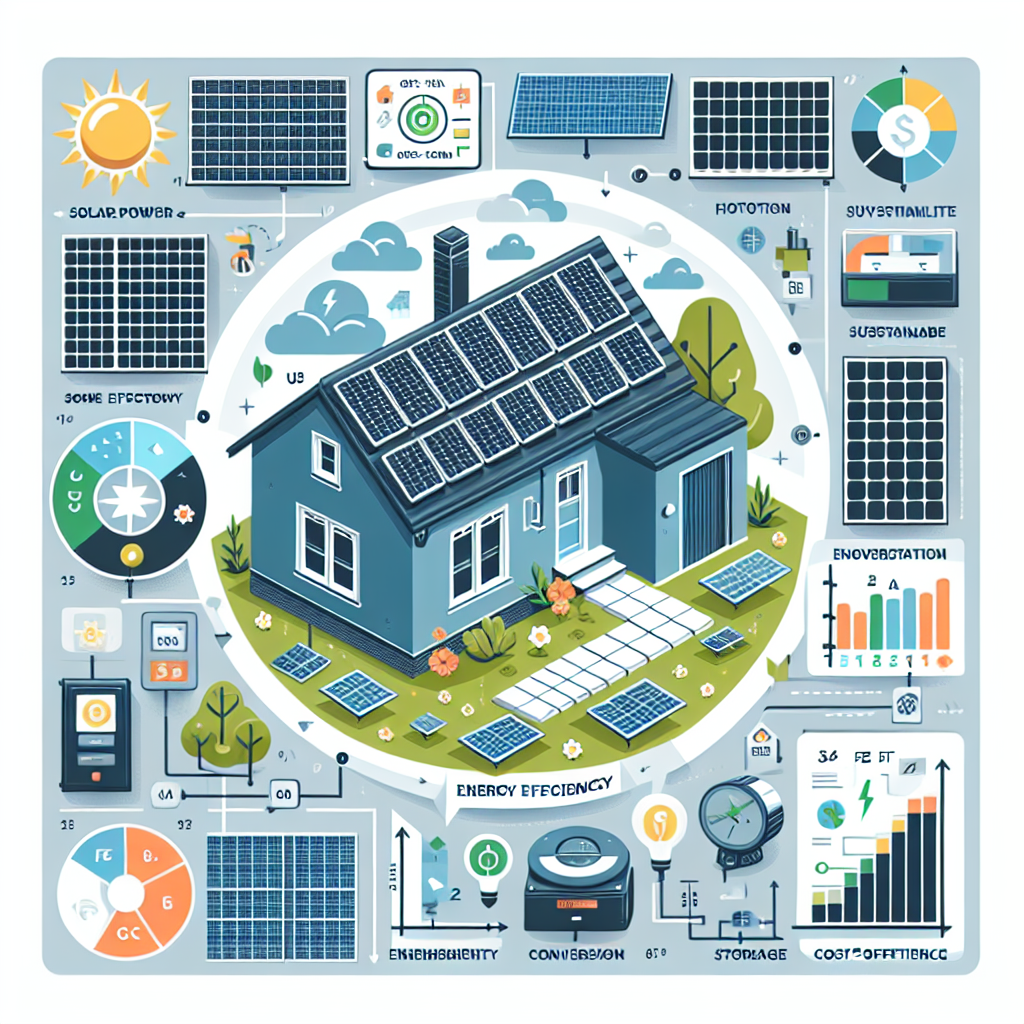
    A solar system for house refers to a setup of solar panels and related equipment designed to generate electricity from sunlight for residential use. In 2025, these systems have become more efficient and cost-effective, making them accessible for most homeowners. Understanding the basics helps you make informed decisions about installing one in your home.

    A typical residential solar system includes photovoltaic (PV) panels, an inverter, mounting hardware, and sometimes a battery storage solution. The PV panels convert sunlight into electricity, which can be used directly or stored for later. As we progress into 2025, innovations in panel technology and system design continue to improve performance.

    Choosing the right solar system for house depends on several factors, including your location, roof orientation, and energy consumption. In this guide, we’ll cover all these aspects to help you optimize your investment and save money long-term.


    2. Assessing Your Household Energy Needs

    Calculating Your Energy Consumption

    The first step to selecting the best solar system for house is understanding your household’s energy usage. Reviewing your previous utility bills over the past year provides a clear picture of your average consumption in kilowatt-hours (kWh). In 2025, many homes consume between 600 to 1,200 kWh per month depending on size and usage habits.

    Accurate assessment allows you to size your solar system appropriately, preventing overspending or undersizing. Modern energy monitors can track real-time consumption, giving you data that helps refine your system selection.

    Keep in mind that energy needs can vary seasonally, with peaks in winter or summer. Planning for these fluctuations ensures your solar system for house remains efficient and reliable all year round.

    Factors Affecting Household Energy Needs

    Several variables influence how much energy your home consumes, including the number of occupants, appliances used, and lifestyle habits. For example, homes with electric vehicles or high-efficiency appliances typically have higher energy demands.

    In 2025, the trend toward smart devices and home automation also increases energy use. Consider these factors when planning your solar system for house, to ensure it meets your current and future needs.

    Adjusting your energy consumption by adopting energy-efficient appliances and behaviors can further reduce the size and cost of your solar installation, maximizing your savings.

    3. Types of Solar Systems Available in 2025

    Grid-Tied Solar Systems

    Most homeowners opt for grid-tied solar systems, especially in 2025, due to their affordability and efficiency. These systems connect directly to the utility grid, allowing excess energy to be fed back for credits—known as net metering. This setup reduces your electricity bills significantly.

    The main advantage? Cost savings without the need for batteries. In regions with favorable net metering policies, grid-tied systems are an excellent choice for the best solar system for house.

    PREPARE Mag ad 970 x 250

    However, during power outages, grid-tied systems typically shut down unless they include a hybrid inverter with backup capability. Understanding your local regulations is crucial to choosing the right system.


    Hybrid and Off-Grid Solar Systems

    For homes wanting energy independence or in areas with unreliable grid supply, hybrid and off-grid systems are becoming more popular in 2025. Hybrid systems combine solar panels, battery storage, and connection to the grid, providing reliable power even during outages.

    Off-grid systems are fully independent, suitable for rural locations or vacation homes. Advanced battery technology, such as lithium-ion, now offers longer life and greater capacity at lower costs, making these setups more feasible.

    Deciding between hybrid and off-grid depends on your location, budget, and energy needs. Both options contribute to a sustainable future and can greatly reduce your utility bills.


    Frequently Asked Questions (FAQs)

    1. What is the best solar system for house in 2025?

    The optimal system depends on your energy needs, location, and budget. Generally, grid-tied systems with high-efficiency panels and smart inverters offer great value. Hybrid systems with batteries provide added resilience. Consulting with a local solar provider ensures you get the best solution tailored to your home.

    2. How much does a solar system for house cost in 2025?

    The average cost for a residential solar system in 2025 ranges from $10,000 to $30,000 before incentives. Prices are dropping thanks to technological advances and increased manufacturing capacity. Remember, the overall ROI is highly favorable due to lower energy bills and available subsidies.

    3. What are the main benefits of installing a solar system for house?

    Installing a solar system reduces your electricity bills, decreases carbon footprint, and increases energy independence. In addition, many regions offer tax credits and rebates that offset upfront costs, making solar an even smarter investment.

    4. Can I install a solar system by myself?

    While DIY solar installation is possible, it is generally recommended to hire professionals for safety, code compliance, and efficiency reasons. Certified installers ensure your system is optimized and compliant with local regulations.

    5. How do I maximize savings with my solar system for house in 2025?

    Maximize savings by installing the right size system, taking advantage of government incentives, and practicing energy conservation. Proper maintenance and monitoring can also boost system performance over its lifespan.

    © 2025 Your Solar Energy Guide. All rights reserved.

  • How to Troubleshoot Solar Power System Problems Quickly

    How to Troubleshoot Solar Power System Problems Quickly

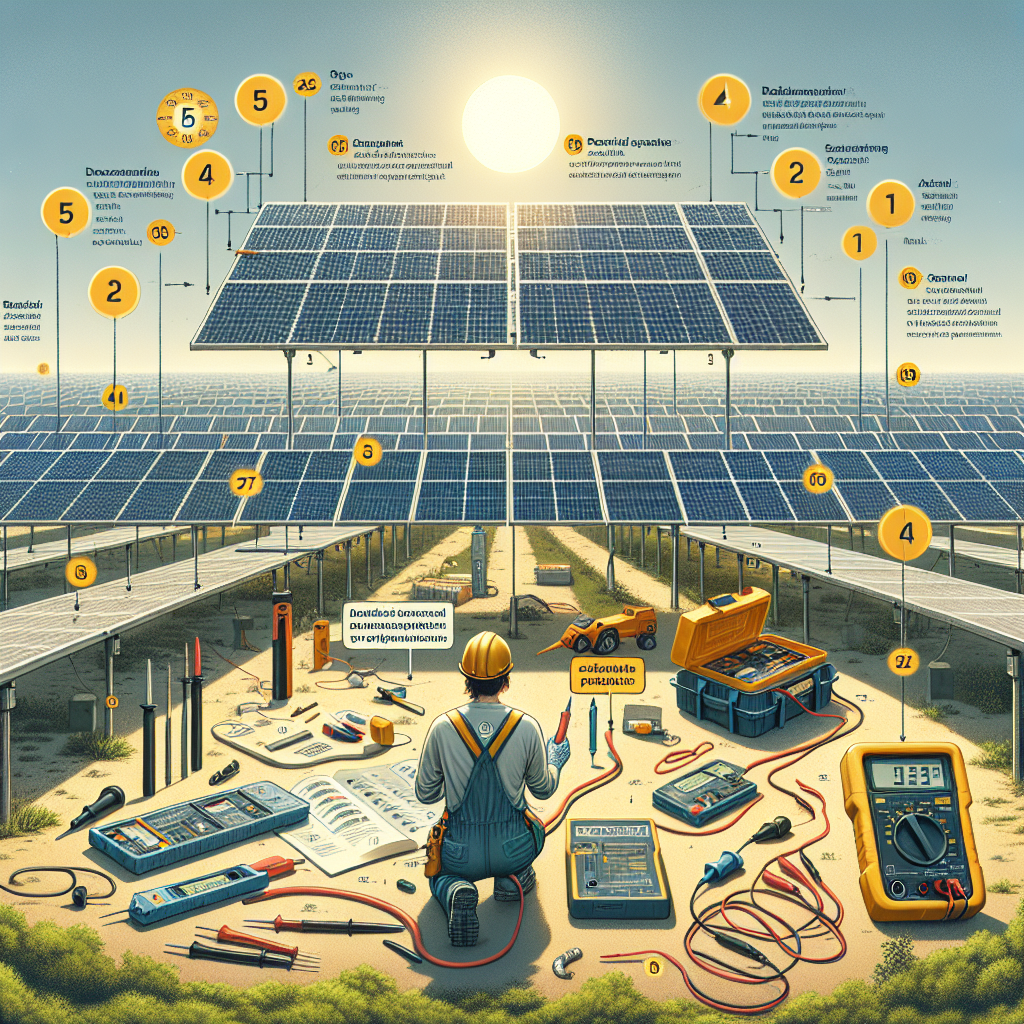
    Hey there! If you’re here, chances are you’re facing some hiccups with your solar power system. I’ve been there, and it can be a real drag! But fret not, I’m here to share some insights from my own experiences on how to troubleshoot these issues quickly and efficiently. Let’s break it down into five areas that I’ve found to be super crucial when diagnosing solar power system problems.

    Understanding System Components

    Know Your Solar Setup

    First off, getting familiar with your system’s components is key. Your solar setup usually includes solar panels, an inverter, batteries, and sometimes a charge controller. Each part has its own job, but if one blows a fuse, it can mess up the whole party. Seriously, it’s the same as knowing your car under the hood; if you don’t know what’s what, how can you fix it?

    Take some time to look over the manuals or manufacturer specs. Understanding how each component interacts with others can help pinpoint where the issue might be hanging out. Trust me, it’s easier to fix what you know!

    Also, keep an eye on the warranties for each part. If something’s gone south, sometimes it could be a manufacturer issue, and you might be able to get a replacement or repair without shelling out more cash!

    Regular Monitoring

    One of the best things you can do is keep an eye on your system’s performance. Many systems come with monitoring tools nowadays, and they’re a lifesaver. If you notice that your PV output is way off, you can act fast before it turns into a bigger problem. I can’t tell you how many folks I know who didn’t even realize their system was underperforming until their energy bill hit them like a ton of bricks!

    Checking in regularly, maybe weekly or even monthly, gives you a good feel for normal operations. It’s like checking the air in your tires—you want to catch issues before they become big problems!

    And don’t forget about visual checks! Look out for any physical debris on the panels, or signs of wear and tear on wires or connectors. Nature can wreak havoc, so stay proactive about maintenance!

    Identifying Common Issues

    Battery Problems

    Let’s face it; batteries can be a real headache. Symptoms like your system not holding a charge or showing low voltage can indicate that your batteries are on their last leg or possibly overworked. What I’ve done is make sure to schedule check-ups on my batteries at least twice a year.

    Batteries also come with their own quirks; for instance, lead-acid batteries have different needs than lithium-ion ones. Take the time to familiarize yourself with your battery type—you don’t want to be in a position where you’re treating a lithium battery like it’s a dinosaur!

    If you’ve replaced batteries before and still have issues, it may be worth checking the connections! Loose or corroded terminals can cause all sorts of juice-draining headaches.

    Inverter Troubles

    Another area where things can get tricky is with the inverter. This little gadget is like the brain of your solar power system, converting DC power to AC. If it’s acting up, everything can go haywire. I remember once my inverter was functioning but producing lower output—which turned out to be due to a faulty connection. Ouch!

    Check for any error codes on the inverter display; they usually backtrack to what’s causing the trouble. Consult your manual or look online if needed—I’ve always found forums to be super helpful when hunting down specific error messages!

    And don’t forget to check if your inverter has any firmware updates! Manufacturers often release them to improve performance or fix bugs. It can be frustrating, but sometimes updates do work wonders!

    Physical Inspections

    Panel Cleanliness

    Next up is a good old-fashioned inspection of your solar panels. These beauties need to be clean to work efficiently! Dust, leaves, and bird droppings can cover them and dramatically reduce their output. I try to clean my panels at least a couple of times a year, but it really depends on where you live and local weather conditions.

    Use a soft brush or a microfiber cloth to avoid scratching the panels. And if you’re not up for climbing a ladder, you can hire a cleaning service for roofs. Safety first, right?

    In winter, heavy snow can also blanket your panels. Nothing can sap your output quicker than a layer of snow, so make sure to remove it if possible when it’s safe to do so!

    Inspecting Connections

    While you’re up there, take a close look at the connections throughout your system. Loose or corroded wiring can lead to substantial energy losses. I can’t stress enough how vital it is to ensure everything is securely fastened and in good shape. Something as simple as a frayed wire can lead to power loss or even a fire hazard. Yikes!

    And if you’re unsure about anything during inspections, don’t hesitate to reach out to a professional. It’s better to be safe than sorry, after all!

    Many solar companies offer maintenance checks, which can save you a lot of hassle in the long run. This might help catch issues before they become critical, allowing you to kick back while someone else handles the nitty-gritty.

    Understanding System Performance

    Data Analysis

    Next on the list is measuring your system’s performance accurately. Look at the metrics your monitoring system provides. If you don’t understand the readings, it’s like staring at a foreign language. Spend some time learning what your specific metrics mean, and you’ll be able to pinpoint the issues much faster.

    If you notice recurring dips in performance, take a closer look at relevant weather patterns or energy usage trends. Sometimes factors outside your control—like shading from new tree growth—can impact your system significantly. Make sure to assess environmental impacts!

    Engaging with a solar community online can also open doors to share data and experiences. Often, others might have faced similar issues and can offer insights that could save you from unnecessary trial-and-error!

    Consumer Expectations

    Don’t forget to have realistic expectations about your system’s performance. Many residential solar panels perform well during full sunlight but can fluctuate wildly during cloud cover or in bad weather. Knowing these performance limits can help manage expectations and also prioritize when to look for issues.

    Get to know what average production should be and how much energy different weather conditions typically yield. Having these baselines can be huge when troubleshooting. If your system is consistently underperforming beyond these standards, then it’s time to dive deeper into potential issues.

    Before jumping into solutions, pause and reassess your energy needs. You might find that increased consumption or new appliances are demanding more than your system can handle, leading to confusion about issues with the system itself.

    Getting Professional Help

    When to Call the Experts

    Even with all this info, sometimes it’s best to lean on the experts. If you’ve attempted the above steps and are still in a lurch, calling a solar technician may be your best move. Don’t feel bad about it; we all need a helping hand sometimes! I personally have had to make that call on occasion, and the peace of mind is worth every penny!

    When you do reach out for help, be prepared to share all the details about what you’ve experienced. Document any error codes, performance data, and notes from your inspections. It’s a total game-changer and will help the techs get to the root of the problem faster.

    Moreover, reading reviews or asking for recommendations can ensure you’re reaching out to someone reputable. You don’t want to end up with a cowboy who may create more issues than help!

    Maintenance Contracts

    Sometimes it’s not just about fixing an issue but also preventing them altogether. Consider looking into maintenance contracts. These options can save a ton of cash down the line by ensuring regular checks and maintenance are performed on your system without having to think about it.

    Many companies offer these contracts at reasonable prices, and they can often be tailored to your specific system. This way, you’ll always have a pro at the ready should something go wrong!

    In my experience, knowing I have that reliable support is a huge relief. Just like a good insurance plan, it helps me sleep a little better at night, keeping unexpected repair bills at bay!

    FAQ

    1. How often should I check my solar system?

    It’s a good idea to perform visual inspections every month, and more thorough checks about twice a year.

    2. What are the signs my inverter is failing?

    Common signs include unfamiliar sounds, lights not turning on, or error codes appearing on the display. If you suspect an issue, definitely investigate further.

    3. Is it normal for solar panels to have lower output in winter?

    Yes, lower output in winter is quite normal, especially in locations that experience snow. Make sure they are clear of snow and debris to maximize efficiency.

    4. Can I clean my solar panels myself?

    Absolutely! Just be sure to use gentle methods and stay safe. If you’re uncomfortable, it’s always a smart decision to hire professionals.

    5. When should I seek professional help?

    If you’ve checked all the common issues and your system is still not performing well, it’s time to call in the pros. Don’t hesitate to get help when you’re feeling stumped!

  • How to Safeguard Your Solar Power System During Storms

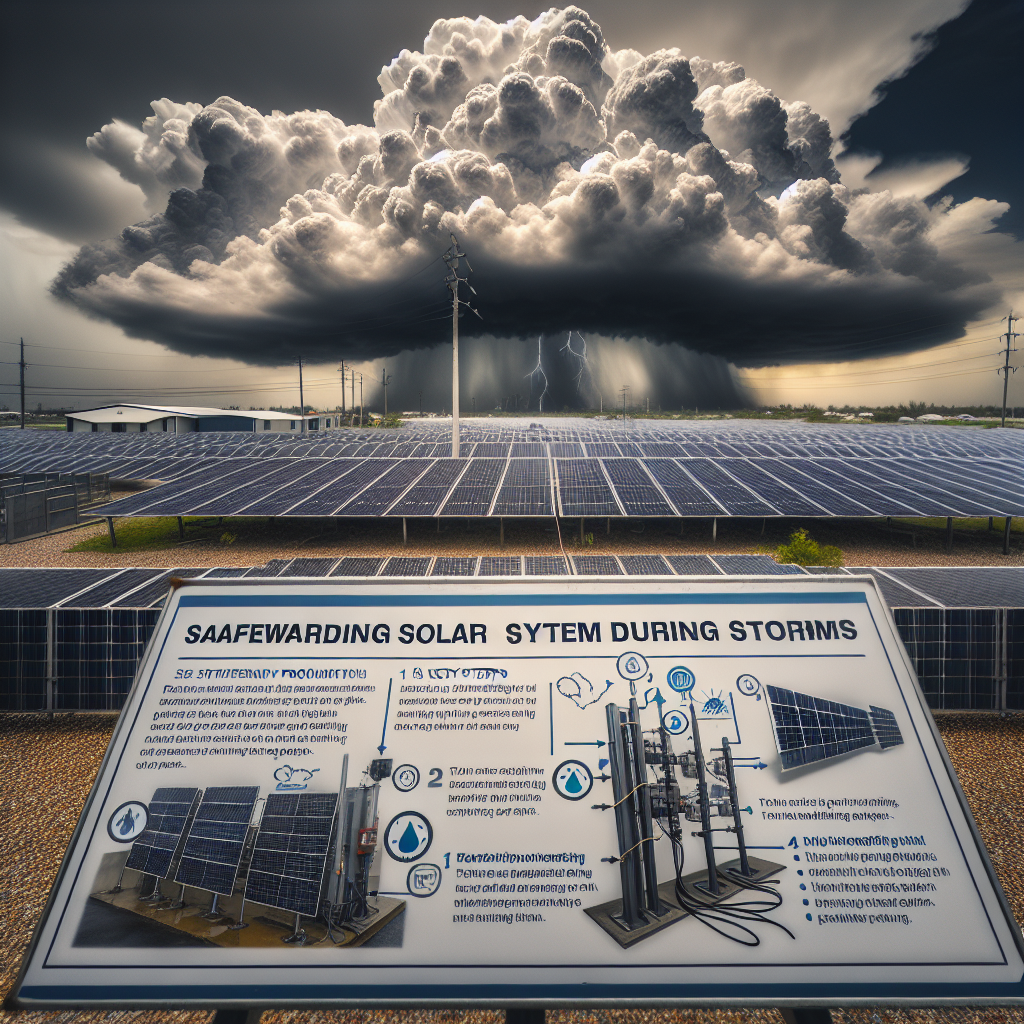
    How to Safeguard Your Solar Power System During Storms

    1. Assess Your System’s Risk

    Understanding Weather Vulnerabilities

    One of the first steps I took when considering storm protection for my solar power system was assessing the vulnerabilities inherent in my location. Each region has its own risks; for instance, areas prone to hurricanes, heavy winds, or hail need specific safeguards. You don’t just want to wait until the storm hits to realize your system has weak spots.

    Take time to research the types of storms that commonly occur in your area. Websites from local meteorological services or climate research organizations can be invaluable for gaining insight. Knowing what kind of risks you’re up against helps in forming a plan tailored to your unique situation.

    Additionally, consider talking to your neighbors who are also solar owners. They might share experiences or tips about protecting their systems that could benefit you in the long run!

    Evaluating Installation Quality

    Let me tell you—if you want to ride out the storms with your solar system intact, the installation quality matters immensely. I once had a situation where my neighbor’s system faltered due to poor installation practices.

    In my research, I found that reputable installers often follow strict guidelines and best practices. Make sure your solar panels are securely mounted to withstand high winds and that the wiring is protected from water damage. A thorough inspection can prevent catastrophic failures during storms.

    Also, ensure your panels are positioned to minimize exposure to direct hits from strong winds. Consultation with a trusted installer about the initial setup can lead to better resilience later on.

    Regular Maintenance Checks

    You better believe that having a schedule for maintenance is crucial! Regularly checking your solar power system doesn’t just extend its life; it also helps pinpoint any issues before they turn serious. My routine includes examining all components, from the batteries to the solar panels themselves.

    Look out for loose connections, dirt buildup, or potential corrosion which can all affect performance, especially during stormy weather. I find that doing these checks every few months gives me peace of mind knowing I’m doing my part to keep everything shipshape.

    Also, engaging a professional for at least an annual inspection can provide insights that I wouldn’t catch on my own—even seasoned pros can miss things sometimes!

    2. Implement Protective Measures

    Investing in Storm Shields or Covers

    One of the smartest purchases I made was storm shields. They act like a bodyguard for my solar panels. There are all kinds of options available, from temporary covers you can put on before a storm hits to permanent shields designed specifically for harsh conditions.

    When shopping around, I found out that not all shields are created equal. Some are far sturdier than others, and reading customer reviews helps to sift through the options. A bit of research pays off when it comes to finding the right materials that can withstand severe weather.

    Additionally, I learned that positioning these covers correctly is essential. Covering your panels by following the manufacturer’s instructions can ensure better protection and avoid causing unintentional damage.

    Secure Loose Parts

    Loose parts can become dangerous projectiles during storms. One time, I neglected to secure some garden furniture, and let me tell you, it was a mess afterward! For your solar power system, make sure that all cables and connections are tight and secure.

    Take the time to check for anything that could blow away or could be a hazard during high winds, not just around the solar panels but also nearby structures. This could include tree branches or even tools. I always make it a habit to do a little pre-storm ‘sweep’ of my yard.

    Being proactive about securing items helps prevent damage that could lead to costly repairs. I’ve learned over the years that being prepared is key to minimizing stress when a storm is brewing!

    Elevate Equipment Where Necessary

    If there’s one aspect I wish I’d considered earlier, it’s the elevation of key equipment. Flooding can be a significant threat to solar installations, especially in storm-prone areas. When I set up my system, I made sure to elevate it above potential water levels.

    This strategy involves placing battery banks, inverters, and other essential equipment on elevated platforms. This might mean investing in new bases or supports, but I assure you, it’s worth every penny. It saves you the headache and potential costs of water damage.

    It’s not just about having a quality solar system; it’s about designing your setup to endure nature’s unpredictability. I’ve definitely learned to think ahead in this respect!

    3. Develop an Emergency Plan

    Creating a Backup Power Strategy

    Let me tell you, when storms threaten, having a backup power strategy can be a lifesaver. I’ve created a plan around my solar system to ensure I won’t be left in the dark during outages.

    This could mean relying on a battery storage system that kicks in automatically when the grid goes down. I debated for a while whether to invest in one, and I can’t stress enough how glad I am that I did. It’s a bit like insurance—you hope you never need it, but if you do, you’re grateful to have it!

    Also, think about limiting your energy usage during storms. Prioritize what you need to keep running—like your fridge or emergency lights. I’ve learned to keep my usage efficient, especially during peak storm season.

    Establishing Communication Channels

    In a storm, communication can be crucial. I always include a step in my emergency plan to ensure I stay in contact with my loved ones. Having a group chat ready to go is helpful to quickly share updates in case of severe storms.

    I also made sure to keep emergency numbers handy, not just for family but for utility companies and local emergency services. Technology can let you down in outages, so having those contacts saved somewhere off-grid is a good strategy.

    If there’s anything I’ve learned, it’s that staying connected can mitigate a lot of worries! Planning for how to reach out for help can ease fluffier nerves during turbulent times.

    Practice Your Plan

    Once I had my emergency plan set, I knew it wasn’t enough just to write it down. Practicing my plan made all the difference—especially when I started to include my kids! It’s a little drill we have where we pretend a storm is coming and we switch into action.

    We check everything—from securing items outside to rolling our backup power strategies into practice. This way, everyone in the family knows their role, should a real storm approach. It’s good bonding time while simultaneously encouraging learning.

    Facing an emergency is less daunting when you know exactly what to do. It builds up our confidence as a family, and let me tell you, that’s a key power I don’t want to overlook!

    4. Stay Informed During Storm Season

    Monitor Weather Reports

    If there’s one thing I’ve learned, it’s the importance of keeping an eye on the weather. During storm season, I tune into local forecasts frequently. Technology advancements have made it easier than ever to receive updates, whether it’s through apps on my phone or alerts on my smart devices.

    I’ve noticed that having multiple sources for weather updates gives me a clearer picture of what to expect. When a storm is brewing, I take that information seriously and adjust my preparedness strategies accordingly.

    More than once, those early warnings helped me secure my property and solar installation before the brunt of a storm arrived. It’s all about getting that crucial heads-up before things could go south!

    Utilize Social Media for Real-Time Updates

    Social media can be a surprisingly useful tool during severe weather events. I often follow local news channels and emergency services on platforms like Twitter and Facebook for real-time updates. It’s all about knowing what’s happening in your community.

    Sometimes, social media can provide insights that regular weather reports may miss. I’ll get updates about road closures or specific emergency resources in my area, so I always keep an eye on it when bad weather is on the horizon.

    Plus, it fosters community engagement. I’ve found a bunch of local groups which share advice or support during storms—definitely a great way to keep the spirits high during storm season!

    Prepare for Post-Storm Assessments

    Once a storm passes, it doesn’t mean we’re out of the woods just yet. Getting prepared for what comes next is equally important. Immediately after storm conditions ease, I gear up to inspect my solar power system.

    The post-storm assessment involves looking for visible damage or debris that may affect my system’s performance. In one instance, after a major storm, I found small branches had fallen close to my panels. A quick clean-up ensured optimal functionality.

    It’s also a great time to assess my emergency plan based on the latest storm experience. What went well? What needs tweaking? Adapting my strategies post-storm makes every occurrence a learning curve!

    5. Consult Professionals When Needed

    Finding the Right Experts

    I cannot emphasize enough the importance of consulting professionals. While I love DIY projects, I realize when it comes to my solar power system—or any electrical work, honestly—it’s just not worth the risk to go it alone.

    Taking time to find trusted local professionals who can provide insight on installations or repairs can save a significant headache in the long run. Reviews and referrals from friends are incredible resources for finding expertise you can rely on.

    Working with experts not only provides peace of mind but also ensures your system stays compliant with local regulations and codes, which is essential especially when storms hit.

    Learning from Installers

    I made a habit of asking my installers questions whenever they performed maintenance checks. This opened the door to valuable knowledge that I could apply going forward. I learned about things I could do to keep my system in its best shape and best practices for safeguarding against storms.

    Mastering some basic knowledge about my own system has empowered me. I firmly believe that understanding how my solar power works—and what it needs to weather storms—is as crucial as the installation itself.

    Plus, getting to know your installer often leads to better customer service. They’ll remember you and be more likely to keep you informed about any updates or changes needed to maintain performance.

    Joining Community Resources

    Last but not least, I found value in joining local solar energy associations or community groups. These groups often provide resources, seminars, and learning events to help keep owners informed about safety, maintenance, and advancements in solar technology.

    Networking with fellow solar owners has given me additional strategies to safeguard my system. Plus, who doesn’t love a little camaraderie in facing the same challenges?

    Remember, we’re all in this together! Sharing experiences can make a real difference, especially when tackling storm preparations as versatile homeowners.

    Frequently Asked Questions

    1. What should I do before a storm hits?

    Before a storm, it’s wise to assess your system’s risk, secure loose parts, and consider investing in storm shields or covers.

    2. How can I stay informed during storm season?

    Monitoring local weather reports and utilizing social media for real-time updates are great ways to stay informed during storm season.

    3. What are some post-storm assessment tips?

    Following a storm, inspect your solar power installation for any physical damage or debris blocking the panels, and modify your emergency plan based on the recent experience.

    4. Should I consult professionals about my solar system?

    Yes! Consulting professionals ensures proper installation, compliance with local codes, and allows you to learn more about your solar power system.

    5. What resources can I join for more information on solar safety?

    Joining local solar energy associations or community groups can provide valuable resources and networking opportunities to help you safeguard your solar power system.

  • How to Choose the Best Solar Power System for Your Home

    How to Choose the Best Solar Power System for Your Home

    Understanding Your Energy Needs

    Assessing Your Current Energy Consumption

    First off, figuring out how much energy you use is crucial. Take a peek at your energy bills for the past year. It’s super helpful to look for patterns—like how your use spikes in the summer or winter. Jot it down. Understanding these peaks and troughs can help you figure out your average energy consumption, which is key for sizing your solar power system.

    Don’t forget to consider the main appliances in your home and how much energy they consume. You can usually find the wattage on the appliance itself or in the user manuals. Tools like energy monitors can give you a real-time look at what’s munching away at your power supply.

    Once you have this information, you can start to visualize what you’ll need in terms of solar output. Think about how much of your energy consumption you’d like to cover with solar; maybe you’re cool with going 50% green, or maybe you’re all-in for 100%. Whatever the case, make a plan!

    Evaluating Your Roof and Location

    Checking Roof Orientation and Sunlight Exposure

    Your roof plays a huge role here! Ideally, you want it to face south—this is where you get the most sun. If your roof is more east or west-facing, don’t sweat it, though. You can still make it work with a good system. It might just take a few extra panels or a slightly different arrangement.

    Next is sunlight exposure. Do any big trees or buildings cast shadows on your roof? It’s like having a pesky umbrella blocking your sunshine. If your roof gets shaded during peak sun hours, you might need to think about trimming some foliage or investing in a different placement for your panels.

    Lastly, the angle of your roof can affect solar efficiency. For those of us lucky enough to have a sloped roof, you’re in good shape! But if your roof is flat, you might need some mounts to angle the panels just right. The goal is to maximize exposure to those beautiful sun rays.

    Choosing the Right Solar Panel Technology

    Exploring Different Types of Solar Panels

    Okay, now we hit one of the most exciting parts—picking out the panels! There are generally three types to consider: monocrystalline, polycrystalline, and thin-film solar panels. Each has its perks and quirks. Monocrystalline panels are the most efficient, giving you more bang for your buck in terms of space. If you’ve got limited roof space, these are your best pals!

    Polycrystalline panels are usually a bit cheaper and slightly less efficient. If you’re on a budget and have plenty of roof space, they might be a solid option. Then we’ve got thin-film panels; they’re lightweight and flexible but often take up more space for the same energy output. Knowing your roof limits will help steer your choice.

    When you’re out shopping, definitely ask about the warranties! A good solar panel should generally come with at least 25 years of warranty, so you know it’s built to last. You want a solar investment that holds up over time because once you’ve gone green, sparking joy and energy savings is the goal!

    Assessing Installation Costs and Financing Options

    Understanding Solar Incentives and Rebates

    Let’s chat dollars and cents! We all know solar isn’t just a set-it-and-forget-it kind of deal. It’s important to understand the total installation cost upfront. Your local and federal government might offer some incentives or rebates, so be sure to do your homework. The federal solar tax credit, for example, allows you to deduct a chunk from your federal taxes.

    Also, look into state and local programs. Some areas offer cash rebates or even performance-based incentives. This can significantly lower that initial price tag, making it a lot more manageable. If you do your research, you might discover savings you didn’t know about!

    Financing is another option. Many companies offer flexible plans, including solar loans or leases. This way, you can pay as you go rather than dropping a huge sum all at once. Just make sure you understand all the terms, and find a plan that aligns with your budget and energy goals.

    Finding a Reputable Solar Installer

    Researching Potential Solar Companies

    Now, for the fun part—meeting your potential partners in solar! When looking for a reputable installer, don’t hesitate to ask for recommendations from friends or family. You trust their judgment, and word-of-mouth can often lead to discovering fantastic local companies you wouldn’t find on a large scale.

    Read online reviews and check out ratings on sites like the Better Business Bureau. Look for companies that have been around for a while—experience counts! Don’t forget to check their previous installations. A reputable installer will be proud to show off their past work and will even have customer testimonials to back it up.

    Lastly, ensure they’re properly licensed and insured. This isn’t just a box to tick; you definitely want protection in case something goes wrong during the install. A trustworthy solar company will be upfront about their credentials and ready to answer any questions you might have.

    FAQs

    1. How much can I save on my energy bills with solar power?

    Your savings can vary, but many homeowners report reductions of 50% or more on their energy bills after switching to solar. It really depends on your energy consumption and the size of your solar system.

    2. Is my roof suitable for solar panels?

    Most roofs can accommodate solar panels, but factors like orientation, angle, and shading will play a crucial role in how effective your system will be. A good installer can assess this during your consultation.

    3. How long does it take to install solar panels?

    Typically, the installation process takes about one to three days, depending on the size of your system and any complexities involved. But the entire project, from consultation to activation, can take a few weeks to a few months.

    4. What happens on cloudy days?

    Don’t worry! Solar panels still generate energy on cloudy days, although the output will be lower than on sunny days. If you live in a region with lots of overcast days, it’s smart to consider a system that can supplement your needs.

    5. Do I need to maintain my solar panels?

    Not a ton! Generally, solar panels require minimal maintenance. Just a periodic cleaning and inspection will keep them running smoothly, so you can enjoy those sunny benefits with ease!

  • Solar System Monitoring Made Easy

    Solar System Monitoring Made Easy

    Understanding the Basics of the Solar System

    The Structure of Our Solar System

    Okay, let’s kick things off by diving into what the Solar System actually looks like. Picture it like a cosmic family tree! We’ve got the Sun at the center, acting like that cool but fiery parent, with planets, moons, and other celestial bodies just trying to figure out their place. From Mercury to Neptune, each planet has its own unique vibe and characteristics.

    Now, don’t forget about those asteroids and comets! They’re like the distant cousins that occasionally swing by for a visit. Understanding this structure helps us appreciate the balance and forces at play in our cosmic neighborhood.

    As you familiarize yourself with this structure, you’ll realize how interconnected everything is. Watching this interaction can be pretty mind-blowing, and trust me, it sets the stage for mastering solar system monitoring!

    How Our Solar System Works

    Ever wonder how it all operates? Think of it as a gigantic clock where each part has a specific role. The gravitational pull from the Sun keeps everything in orbit while planets have their own rotation. Whenever I start talking about orbits, my friends roll their eyes, but honestly, it’s super interesting when you think of it as a dance party in space.

    In this grand dance, the distance from the Sun plays a crucial role. The inner planets, like Venus and Earth, are rocky, while the outer planets are more like giant gas balloons. This distinction influences everything from temperature to atmosphere!

    Ultimately, comprehending how these processes work together is a game-changer for anyone wanting to dive deeper into solar system monitoring. It’s all about recognizing patterns and changes, so don’t be afraid to ask questions!

    The Importance of Observing Our Solar System

    Monitoring helps us learn about the Earth’s environment, climate, and even the potential for life on other planets. Trust me, there’s nothing more thrilling than realizing we might not be alone in the universe! By keeping tabs on celestial bodies, we gain invaluable insights that can inform our own world.

    Plus, let’s be real—looking at the stars can be downright magical. Events like eclipses or planetary alignments offer mind-boggling experiences that remind us of our small place in this vast cosmos. It sparks curiosity and wonder, something we should all treasure!

    In my experience, gathering and analyzing data from the Solar System isn’t just scientifically essential; it creates a connection among people. Sharing discoveries with friends and family can lead to all sorts of shared experiences and discussions. Now, who doesn’t love a good stargazing session?

    Tools and Technologies for Monitoring

    Telescopes and Observatories

    One of my personal favorite tools for exploring the Solar System has to be telescopes. They bring the universe to our backyard! Even a small telescope can spark a lot of joy. I still remember the first time I looked through one and spotted Jupiter. I felt like I’d found buried treasure!

    Of course, observatories take this to a whole new level. They’re often equipped with high-tech gear that can track celestial movements effortlessly. Plus, many observatories even offer public nights where you can come and experience the wonders of the universe up close.

    Investing in some time with these tools really amplifies your understanding and appreciation of our cosmos. I bet you’ll find joy in every new discovery, just like I did!

    Online Resources and Software

    In this digital age, you can find incredible resources for solar system monitoring online. Websites and apps can show you real-time positions of planets, satellites, and other celestial events. I often check out planetarium software, which lets me explore the night sky from my living room. Talk about a cosmic Netflix!

    There are also forums and communities where stargazers share tips and tricks. Linking up with like-minded folks can further enhance your learning experience—you’ll pick up so much from shared stories and advice.

    User-friendly platforms make it easy for anyone to get started with monitoring. Just dive in at your own pace, and don’t hesitate to ask the community for help. We all start somewhere, and you’ll be amazed at what you can learn!

    Data Collection and Analysis

    Alright, let’s get a bit geeky here! The process of collecting and analyzing data from the Solar System is downright fascinating. Whether it’s tracking meteor showers or mapping planets, engaging with this data helps you understand the bigger picture.

    I usually start by logging my observations, taking notes on time, location, and specific visuals I noticed. It’s fun to see how my observations change over time—whether it’s the phases of the moon or the proximity of Venus to Earth.

    Analyzing this data can also lead to new discoveries. You never know what patterns you might uncover or what questions you’ll inspire in others. So, embrace the nerd within you and dive into the numbers—it’s way more exciting than it sounds!

    Engaging with the Community

    Local Astronomy Clubs

    Nothing beats the camaraderie of hobbyists who share the same passion for the stars. Joining local astronomy clubs is a fantastic way to meet folks who are just as enthusiastic about the universe as you are. I’ve made some of my closest friends at star parties and events organized by clubs in my area.

    These clubs often host viewing nights where members can bring their telescopes and share their favorite celestial sights. It’s such a thrill to connect with others over shared experiences, and sometimes you get to learn from seasoned astronomers who have been watching the stars for decades.

    So, if you’re thinking about getting into monitoring, I can’t recommend joining a club enough! It opens up a whole new world of discoveries while building a supportive community around you.

    Online Forums and Social Media

    In addition to local clubs, the internet makes it easier than ever to engage with fellow space enthusiasts. Social media is a goldmine for connecting with people who share your starry-eyed dreams. You can join groups, participate in discussions, and even share your own observations!

    There are tons of platforms where you can find people with similar interests; whether you’re into astrophotography, planetary science, or even just casual stargazing, you’ll find your tribe!

    I find that sharing one’s discoveries online can be super rewarding. Simply posting a stunning photo of the night sky might spark curiosity in someone else and inspire them to explore the universe as well.

    Public Outreach and Education

    Participating in outreach programs is a wonderful way to share your passion while inspiring the next generation of astronomers. I’ve done a few star-gazing events at schools and community centers, and seeing kids’ eyes light up while they look at the stars is honestly pure magic!

    Education initiatives help demystify the wonders of the Solar System, and they allow us to foster a love for science in younger folks. Who knows—you might ignite a lifelong interest in astronomy!

    Get involved and help spread the word! With every dialogue about the solar system, you’re sharing the essence of curiosity and exploration that fuels the pursuit of knowledge. Trust me, the energy is infectious!

    Conclusion: The Joy of Solar System Monitoring

    At the end of the day, solar system monitoring is all about connecting with the universe. Whether you’re peering through a telescope or just sharing stories with friends, the joy of discovery is infectious. I hope this little guide gives you the confidence to dive into solar system monitoring! Embrace the adventure and don’t hesitate to reach out if you have any questions.

    FAQs

    1. How can I start monitoring the Solar System?

    You can start monitoring by acquiring a basic telescope or even utilizing smartphone apps that depict the night sky. Additionally, participating in local astronomy clubs can enhance your experience.

    2. What are some good resources for learning?

    There are various online platforms, forums, and software available. Websites like Sky & Telescope offer articles and tutorials, while apps like Star Walk can help you identify stars and planets easily.

    3. Why is monitoring the Solar System important?

    Monitoring helps us understand environmental changes on Earth and the cosmos. It also keeps the spirit of exploration alive and may lead to discoveries about life beyond our planet.

    4. How can I engage with the astronomy community?

    Joining local clubs, online forums, or social media groups allows you to meet like-minded people who share your enthusiasm for astronomy. You can participate in events and discussions to learn and share with others.

    5. What tools do I need for monitoring?

    Starting with a basic telescope is great, but you can also use binoculars or even just your eyes! Many apps and online tools are available to help guide your stargazing and tracking efforts.

  • How to Design an Efficient Solar Power System

    How to Design an Efficient Solar Power System

    Step 1: Assess Your Energy Needs

    Understanding Your Power Consumption

    Before diving into solar panel shopping, it’s crucial to know how much energy you actually use. Start by gathering your energy bills for the past year. Then, tally up the monthly usage – this will give you a solid baseline. I remember when I first did this; I was shocked at how much energy my appliances were guzzling!

    Once you have that data, make sure to consider seasonal changes. For instance, if you use air conditioning heavily in summer or electric heating in winter, those fluctuations can impact your solar needs. It’s all about painting an accurate picture!

    Finally, be sure to account for future needs. Maybe you’re thinking of getting an electric vehicle or adding more devices. It’s smarter to overestimate your needs rather than risk underestimating them. Trust me; you don’t want your system to let you down when you need it the most!

    Determining Peak Usage Times

    Now that you know how much energy you consume, it’s time to dive into when you use that energy. This is where things get super interesting! Analyzing your peak usage times can help you decide how to set up your solar system for maximum efficiency.

    Track your usage patterns for a couple of weeks. When are you running your dishwasher? What times do you crank up the air conditioning? By identifying these peak times, you can optimize your solar power system to generate energy precisely when you need it!

    Not only does this help in saving money, but it also allows for more energy independence. I’ve noticed my energy bill shrink since I began using my solar energy right when I needed it most. It feels fantastic to be proactive about my energy consumption!

    Calculating Future Energy Needs

    As I mentioned earlier, it’s important to think ahead. Are you planning on buying new appliances or even a home office setup? You should consider potential increases in energy consumption. By projecting future energy needs, you can ensure your solar system meets not just your current lifestyle, but your future one too!

    A great way to estimate this is by researching the energy consumption of new appliances and calculating their affordability in relation to your solar capacity. For example, if you plan to add solar heating or an electric vehicle, I’d suggest looking into how much additional energy those will require.

    Being forward-thinking makes a huge difference. I’ve set my system with enough buffer to handle my future gadget cravings, and it feels great not having to stress about upgrading later!

    Step 2: Evaluate Your Location

    Sunlight Exposure

    Your solar power setup is only as good as its exposure to sunlight. I didn’t realize how much the surrounding landscape could affect my system until I had it installed! Factors like tall trees or nearby buildings can create shading issues that can impact energy production.

    To get an accurate idea of sunlight exposure, I recommend tracking the sunlight at your location over different times of the year. Using tools or apps specifically designed for this can make your life easier. Trust me; knowing how much sun your panels will receive is crucial!

    Once you’ve assessed sunlight exposure, it can also steer you towards potential panel placements. The last thing you want is a fancy solar panel system that’s hidden away in the shade. Be strategic about it!

    Local Weather Conditions

    Living in a region with consistent overcast weather? That’s a factor to consider! Depending on where you live, the efficacy of your solar system can greatly vary due to local weather patterns. Researching your area’s sunshine hours and average conditions can play a huge role in decisively planning your solar setup.

    I remember being super excited about my solar panels and then realizing that my location wasn’t as sunny as I thought. It made me adjust my calculations and expectations. However, with advancements in solar technology, even cloudy areas can generate sufficient power!

    It’s also worthwhile to take note of unusual weather conditions that might occur in your area. For instance, heavy snow can impact energy output, but knowing these factors can help you plan your upkeep and maintenance schedules effectively.

    Local Regulations and Incentives

    Don’t overlook the importance of local regulations related to solar installation. I can’t stress enough how crucial it is to know your area’s rules and potential incentives. Many local governments encourage solar energy through rebates, tax credits, or even financing options, and it’s good to be in the loop!

    Before launching into your design, grabbing information on building permits or restrictions can save you aggravation later. There might be specific guidelines on panel placement or zoning regulations that can affect your design!

    Being informed about these regulations not only helps you avoid legal headaches but also empowers you to take advantage of local incentives, potentially reducing your overall installation costs significantly.

    Step 3: Choose the Right Solar System Components

    Solar Panels

    The choice of solar panels is one of the most significant decisions you’ll make. It’s where the magic begins! From monocrystalline to polycrystalline and thin-film panels, each type has its pros and cons. Going with high-efficiency panels can often yield better performance, especially in smaller spaces.

    I went with monocrystalline panels because they are super space-efficient and I had limited real estate. They can be more expensive upfront, but the performance and longevity have paid off in the long run. Do your research, weigh your options, and consider your budget while looking for panels!

    Also, think about warranty and reputation! A solid warranty from the manufacturer is a testament to the confidence they have in their product. It’s worth looking around and seeing what options line up best with your energy goals.

    Inverters and Battery Storage

    Next up are inverters and batteries. Inverters are crucial as they convert the direct current (DC) generated by solar panels into alternating current (AC) that your home can use. I had my own battle with choosing between string inverters and microinverters—both have their perks!

    As for battery storage, if you’re in a place that experiences power outages, it’s something you should seriously consider. Batteries can store excess energy generated which can be critical during nighttime or power failures. Plus, they help to utilize solar energy efficiently during peak demands.

    The right combo of inverter and batteries can seriously maximize the output of your solar system. Do yourself a favor and consult manufacturers or local installers to find the best fit for your setup.

    Mounting Systems

    Don’t skimp on mounting systems! They’re the unsung heroes that hold your solar panels in place safely. Depending on your roof type—flat, sloped, or even ground-mounted—you’ll need a specific type of mounting system.

    Choosing the right mounting system can help ensure that your solar panels catch the most sunlight possible. I learned this the hard way; I had to reposition my panels because they weren’t getting enough exposure. Lesson learned!

    Speaking of learning, chat with your contractor and discuss the best mounting options for your location and roof conditions. This step is vital for ensuring longevity and resilience against the elements!

    Step 4: Installation and Maintenance

    Hiring Professionals vs. DIY

    Now comes the biggie: installation! You can either hire professionals or take the DIY route if you’re feeling adventurous. I thought about tackling it myself initially, but after some consideration, I opted for professionals. I mean, who really wants to mess up wiring on their roof, right?

    If you lean towards hiring professionals, do your research! Get quotes from different solar installation companies, ask about their experience, and check reviews. Many companies will typically handle local permits for you. That’s a win!

    If you feel confident in your abilities to DIY, set aside enough time and have a solid plan. Watch tutorials, read articles, and gather your materials beforehand. It’s super rewarding to see your system come together if you choose to go this route!

    Regular Maintenance Schedule

    Once your solar panels are up and running, don’t forget about maintenance! Establish a regular cleaning and inspection schedule to keep everything in check. Dust, debris, or bird droppings can reduce efficiency over time.

    I try to clean my panels a few times a year, and if you live in a snowy area, make sure the snow is cleared off, too. This small act can make a big difference in your energy output!

    Also, don’t shy away from professional inspections. They can catch potential issues before they become major problems. Plus, many warranties require regular maintenance to remain valid.

    Staying Informed on New Technologies

    The solar industry is super dynamic; new technologies pop up all the time! I like to keep myself updated whenever I can. From tracking solar policy changes to innovative technologies, staying informed can lead to better efficiency and savings.

    Being active in local solar or renewable energy groups can help you connect with other enthusiasts and stay in the loop. It’s a great way to learn from others’ experiences and make informed decisions about upgrades or improvements to your system.

    Trust me, from personal experience, being proactive and informed not only keeps my system running at its best but also inspires others to take the plunge into solar energy!

    Step 5: Monitor and Optimize Your System

    Use Monitoring Tools

    Having a monitoring system is like having a watchful guardian for your solar power setup. It helps track energy production, consumption, and system health. There are some great apps and web interfaces available to give you real-time data right at your fingertips!

    I love being able to check in and see how much energy I’m producing on a sunny day versus a cloudy day. It’s not just about knowing your system’s efficiency; it’s also a great conversation starter when friends come over!

    Plus, if something goes wonky, having real-time alerts can help you address issues quickly before they worsen. It’s surprisingly empowering to know what’s going on with your energy production!

    Adjusting for Seasonal Changes

    Your solar energy production will likely fluctuate throughout the year, depending on the weather and season. This variability is something I learned to embrace, rather than be frustrated about. Each season offers different energy dynamics!

    For example, in the winter, shorter days mean less energy production. It’s good to prepare for this change by being conservative with energy usage during those months. I find it insightful to adjust my expectations based on the time of year.

    Remember, every season brings its own unique benefits and challenges; it’s all about understanding your system and being flexible with your energy habits!

    Learning from Data

    Lastly, don’t just look at the numbers—learn from them! Analyze your monitoring data regularly and spot trends or irregularities. Understanding your system’s performance over time can shine a light on potential improvements.

    For instance, if I notice that my output dipped during certain months, I evaluate what factors might’ve contributed—was it weather-related, dirt buildup, or maybe a tree that grew too tall in the backyard?

    By actively learning from the data, I’ve been able to optimize my energy usage and make informed decisions. It’s all part of the fun of owning a solar power system!

    FAQs

    1. What is the first step in designing an efficient solar power system?

    The first step involves assessing your energy needs. You’ll want to review your energy consumption patterns and determine how much energy you use.

    2. How do I evaluate the location for my solar panels?

    When evaluating your location, consider sunlight exposure, local weather conditions, and any possible shading from trees or buildings that could affect energy production.

    3. Should I hire professionals for the solar panel installation?

    While DIY is an option if you’re confident, hiring professionals ensures that the installation is done correctly and can save you headaches down the line. Professionals can also assist with permits.

    4. How can I maintain my solar power system effectively?

    Regularly clean your solar panels, schedule inspections with professionals, and keep tabs on monitoring tools to detect any issues with your system.

    5. What technologies can I utilize to monitor my solar system’s performance?

    There are various apps and monitoring tools that provide real-time data on energy production and consumption, allowing you to track your solar system’s efficiency effectively.

  • How to Ensure the Longevity of Your Solar System

    How to Ensure the Longevity of Your Solar System

    1. Regular Maintenance Checks

    Understanding What to Inspect

    One of the first things I’ve learned about solar maintenance is that regular checks are crucial. Just like your car needs oil changes, your solar system requires periodic inspections. It’s easy to overlook this, but making it a habit can save you from major issues down the road. Look for loose wires, dirt on the panels, and any signs of wear or damage.

    During these checks, it’s also important to assess the inverter. This device is the heart of your solar system, converting sunlight into usable power. Keep an eye out for warning lights or unusual sounds—these could signal that something’s amiss.

    Lastly, don’t forget about the battery, if you have one. Like any technology, batteries have a lifespan. Regularly check their health and capacity to ensure they’re storing energy efficiently. Trust me, you’ll thank yourself later!

    Scheduling Professional Inspections

    While DIY inspections are great for catching minor issues, I can’t stress enough the value of calling a pro for a thorough check-up. Professional inspections should be done at least once a year. They have the expertise to identify potential problems that might not be apparent to the untrained eye.

    During a professional inspection, the technician will check the entire system, including wiring, grounding, and the mounting structure. This is your chance to ask all those burning questions about how to make your system work harder for you.

    Plus, having a professional take a look can also help you feel more secure about the investment you made. Knowing that everything’s running smoothly is like a warm hug for your peace of mind!

    Keeping Track of Performance

    Monitoring your solar panel’s performance is another key aspect of maintaining longevity. Most modern solar systems come with monitoring apps that let you see daily or even hourly production. I check mine regularly, and it gives me a sense of satisfaction to see those numbers rise!

    Are you producing less energy than expected? It’s worth investigating and maybe even contacting a technician. They can help determine whether it’s due to shading from nearby trees or if there’s an underlying issue that needs to be addressed.

    Taking action promptly can prevent minor issues from becoming major headaches. Staying on top of performance can be the difference between a fully functioning system and one that falters when you need it most.

    2. Keeping Panels Clean

    Why Cleanliness Matters

    Let’s face it, dirty solar panels don’t perform their best. Dust, pollen, and bird droppings can significantly reduce efficiency. It’s like trying to see through a dirty window—you might get a glimpse of what’s outside, but it’s not the full picture! Regular cleaning can help maximize your energy production.

    Depending on where you live, cleanings might need to happen every couple of months. I personally set a schedule with my family to clean the panels together—it’s a great way to bond and check in on our solar setup.

    Just remember: safety first! If your panels are on a roof, consider hiring a professional rather than trying to balance precariously while holding a hose. You don’t want to take any risks!

    DIY Cleaning Tips

    If you’re feeling adventurous and want to do it yourself, there are some great methods out there. A simple mixture of water and mild soap usually does the trick. Just be sure to use a soft brush or sponge. Harsh materials can scratch and damage the panels, which is the last thing you want!

    Always clean during cooler times of the day—early morning or late afternoon. This prevents water from evaporating too quickly, which can leave streaks. Trust me, taking your time on this will yield much better results!

    While you’re cleaning, take the opportunity to inspect the panels closely for any cracks or issues. Catching problems early can save you money and aggravation down the road.

    Investing in Professional Cleaning Services

    Sometimes, it’s just easier to hand things over to the pros. If your panels are especially large or located in hard-to-reach places, a professional cleaning service can be a smart investment. Just like I appreciate the peace of mind from a professional inspection, a deep clean from experts can help keep my system running smoothly.

    When hiring professionals, ensure they have experience with solar panels. Ask for references and verify their credentials. Not all cleaning companies understand the nuances of solar technology!

    You might also find that local solar companies often offer cleaning services as part of their maintenance packages. This can be more convenient and might even save you some money in the long run.

    3. Monitoring Environmental Factors

    Understanding Sun Exposure

    Your solar panels need sunlight—not too much, but just the right amount. Trees growing into the sunlight’s path, shadows from nearby buildings, or even debris can alter production. Watching how your panels interact with the environment can help you understand their performance better.

    Sometimes we might think moving a few branches is enough, but ensuring a clear path for sunlight might mean trimming a few trees or other obstructions entirely. It’s all about maximizing exposure!

    Dedicating some time to understand changing seasons and how they affect sunlight can really inform your decisions about where to plant new trees or place objects nearby. I keep a solar diary, tracking yearly changes, and it’s a project I absolutely love!

    Maintaining Optimal Temperature

    Did you know that solar panels actually work best at cooler temperatures? It seems counterintuitive, but as temperature rises, efficiency can drop. Make sure there’s good airflow around the panels. Clearing away any debris can help with this.

    In warmer climates, you might want to consider installing them at an angle that enhances airflow beneath them. It’s all about keeping them cool and functioning optimally!

    Also, while we do want them to be warm enough to produce energy, consistent monitoring of temperature performance can help prevent any damage due to overheating. It’s like keeping your system on the cool side and thriving!

    Seasonal Preparations

    As the seasons change, so do a few things concerning your solar system. In areas that experience heavy snow, a roof rake can be beneficial to prevent heavy snow accumulation weighing down on panels. I check on mine regularly after heavy storms!

    In fall, falling leaves can obstruct sunlight, so keeping a routine during this time ensures you’re not blocked off from solar savings. I often go out with my kids to have a little clean-up session. It’s a fun and educational family moment!

    And don’t forget about spring! Spring cleaning isn’t just for inside—your solar system will thrive when given attention to any potential growth or changes in the landscape.

    4. Investing in Quality Equipment

    Choosing Reputable Brands

    When I first looked into solar options, I quickly learned that not all solar equipment is created equal. Investing in quality brands can make a huge difference in the longevity of your system. While it might mean shelling out a bit more initially, trust me, it pays off in the long run!

    Research and reviews are your friends here. Talk to others in your community and read up on experiences. Sometimes just a little legwork can lead you to the best options available.

    Finding trusted installers who use reputable equipment is also important. I remember feeling a sigh of relief knowing professionals used trusted products when helping with my installation.

    Upgrading Components When Necessary

    Your solar system can evolve just like technology itself. Sometimes, older components may become obsolete or less effective. Staying informed about new technology and upgrades could help improve your system’s efficiency without needing to replace the entire setup.

    I took the plunge last year and upgraded my inverter, which dramatically improved energy conversion. It felt like I was strengthening the core of my solar family! Improvements like these can add years to the life of your system.

    Always consult with professionals to understand when upgrades are necessary. They can also suggest upgrades that will integrate seamlessly with your existing setup rather than cause headaches!

    Warranty Considerations

    Before making a purchase, I always check warranty options. Good equipment should come with solid warranties that can protect your investment. I feel confident knowing that my panels and inverter carry warranties that promise longevity and efficiency.

    Understanding what each warranty covers is also key. Will it cover damage from hail or debris? Knowledge is power when it comes to ensuring the longevity of your system and knowing who to contact for certain issues.

    Remember that warranties often need to be maintained by performing regular check-ups. This means staying on top of inspections to comply with any conditions set forth by the manufacturer!

    5. Educating Yourself and Staying Informed

    Keeping Up with Solar Trends

    The solar industry is ever-evolving, and staying informed can benefit you immensely! I frequently listen to podcasts and follow blogs to keep up to date with new technologies, policies, and best practices that come up in the solar space.

    Engaging with local solar communities can be a treasure trove of information! From neighbors to forums, sharing experiences can lead you to discover tips that you never even considered.

    Staying educated is a way to empower yourself as a solar homeowner, helping you understand every aspect of your system better. It’s rewarding to grasp not just how it works but why it’s an incredible investment!

    Participating in Workshops and Seminars

    Check out local workshops or online seminars. Many organizations offer sessions designed to help people like you and me become solar-literate! I’ve learned so much from attending a few of these. It’s amazing what professionals can share in a few short hours.

    Some workshops even cover troubleshooting issues, so if I run into problems, I’ll have the tools to understand and potentially solve them ahead of time. Plus, there’s a sense of community that builds when you engage in these experiences!

    Being part of these sessions can also connect you with valuable resources and contacts within the solar industry, making it easier down the line to get answers when you need them.

    Sharing Knowledge with Others

    Don’t underestimate the power of sharing what you know! Talking with friends and family about my solar journey has not only deepened my understanding but might even inspire others to consider solar energy for their own homes.

    Sometimes, I host little meet-ups where I share what I’ve learned about the solar system. It’s fun and keeps me fresh on the subject. Plus, we get to brainstorm together about ways to enhance our setups!

    It fosters a culture of curiosity and education around solar energy, helping everyone become better equipped to take care of their systems. Together, we can all contribute to a more sustainable future!

    Frequently Asked Questions

    1. How often should I have my solar panels inspected?

    It’s recommended to have your solar panels inspected at least once a year, but regular DIY checks can be done more frequently to ensure everything is in good shape.

    2. What’s the best way to clean my solar panels?

    The best way to clean your panels is with a soft brush and a mixture of water and mild soap. It’s best done during cooler parts of the day to prevent streaks.

    3. Do I need to worry about trees near my solar panels?

    Yes, trees can block sunlight, affecting energy production. It’s wise to keep an eye on their growth and trim as necessary to maximize sunlight exposure.

    4. Are all solar panels the same quality?

    No, there are significant differences in solar panel quality. Investing in reputable brands can ensure better efficiency and longevity for your system.

    5. How can I stay updated on solar technology?

    Stay informed by following solar blogs, listening to relevant podcasts, and participating in local workshops and seminars. Engaging with the community can also provide valuable insights!