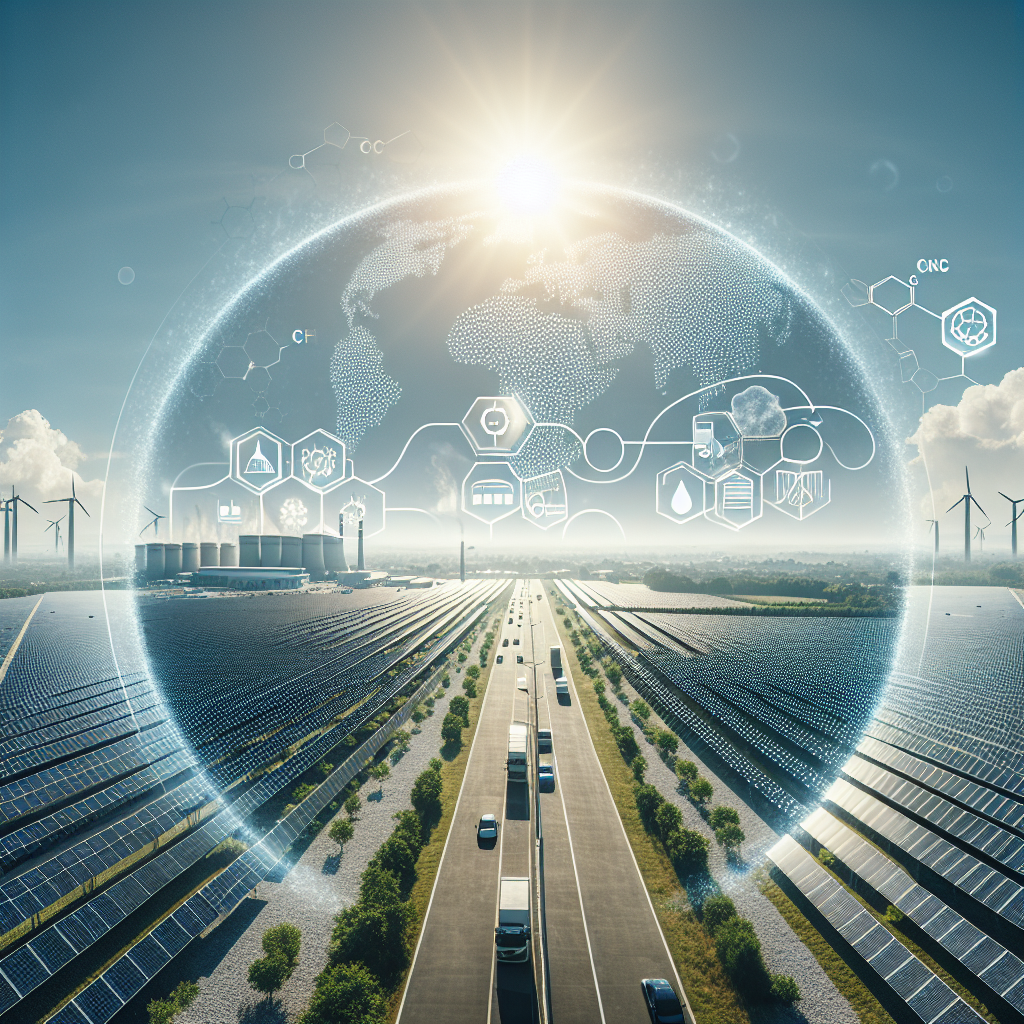
Tag: systems

  • How Solar Power Systems Are Reducing Carbon Emissions

    How Solar Power Systems Are Reducing Carbon Emissions

    1. Transition to Renewable Energy Sources

    Understanding Renewable Energy

    You know, as I’ve dived deeper into the solar energy world, what really struck me was how solar power is primarily based on renewable energy. Unlike fossil fuels, which are finite and pollute our air, solar panels harness the sun’s energy. It’s a never-ending source that’s abundant and available almost everywhere. This means that we’re actually choosing a healthier way to power our planet.

    What’s more, the practicality of solar energy is incredible. Once those solar panels are up and running, they generate power every single day, without releasing harmful emissions into the atmosphere. I feel that this transition is not just a personal investment; it’s a commitment we’re making for future generations.

    This shift to renewable energy can drastically change the energy landscape, and it encourages countries and communities to invest in other sustainable practices. The more we educate ourselves about renewable energy, the more we can encourage its adoption and reduce our reliance on carbon-heavy fuels.

    The Role of Solar Power in Emission Reduction

    It’s amazing to see how solar power directly contributes to lowering carbon emissions. I remember seeing figures that illustrate how much carbon dioxide (CO2) solar panels help avoid. It’s wild! Just a small installation on a residential roof can lead to substantial reductions in CO2 emissions over time.

    When the demand for electricity is met by solar energy, it directly cuts down on the burning of fossil fuels, which is a major contributor to climate change. Whenever I see those solar panels gleaming under the sun, I can’t help but feel a sense of optimism knowing they are helping take a load off our planet.

    On a larger scale, if towns, cities, and countries continue adopting solar technology, the cumulative effect is monumental. It’s this ripple effect I find truly fascinating; every new installation contributes to a cleaner, greener planet.

    Encouraging Technological Advances

    Something that excites me about solar energy is how it propels us forward in technological advancements. As the demand for solar panels increases, so does the innovation in making them more efficient and accessible. I’ve read about various breakthroughs that not only increase the energy we can capture but also reduce the costs associated with solar technology.

    These advancements often lead to better storage solutions, allowing energy generated during sunny days to be used during the night or cloudy days. And let me tell you, that’s a game changer! If you can store energy effectively, you’re minimizing the need for other energy sources even more.

    Plus, technology doesn’t just stop with solar panels. It evolves in conjunction with electric vehicles and smart homes, creating an integrated energy ecosystem that can further reduce emissions. It makes me incredibly hopeful about the potential we have to innovate for the sake of our planet.

    2. Economic Benefits of Solar Power

    Lower Electricity Bills

    Let’s be real, one of the biggest perks of switching to solar is the savings on electricity bills. I personally experienced this when I installed solar panels at home. My previous energy bills were through the roof, but now I see a significant drop. Knowing that I’m generating my own electricity gives me that independence and puts a little extra cash in my pocket.

    With net metering options available in many areas, any excess energy I generate can often be sold back to the grid. It’s like getting paid for something I was already doing! This economic benefit makes solar not just an environmentally responsible choice, but a financially smart one too.

    As more people realize these savings, it creates a demand for solar energy that can benefit the economy as a whole. The growth in the solar industry leads to more jobs and investments, and that’s win-win for everyone, I think.

    Job Creation in the Renewable Sector

    Another fascinating aspect of solar power is its ability to create jobs. As someone passionate about both the environment and economic growth, the solar industry presents a remarkable opportunity. From manufacturing to installation and maintenance, the need for skilled labor in solar energy has skyrocketed!

    I’ve seen first-hand how local communities benefit when solar projects kick off. I mean, new job opportunities empower people and lead to robust economic growth. It’s uplifting to see folks getting trained in a field that not only pays well but also aligns with sustainability.

    Moreover, this job creation supports emerging industries such as solar panel recycling and innovative technology development, creating a positive feedback loop that strengthens our economy while tackling climate change. Talk about a great way to make a living, right?

    Long-Term Savings and Investments

    When I think about the long game with solar energy, the long-term savings and investments are something that really stand out to me. While the initial installation of solar panels can be a bit pricey, the ROI is what gets me excited. The savings on energy bills compound over time, leading to financial freedom later in life.

    Even more, various incentives and tax credits are available to offset these initial costs. I can’t stress enough how important it is to research what’s available in your area; it can make a significant difference! Ultimately, that leads to broader adoption and acceptance of solar energy.

    This long-term view shifts the narrative around renewable energy from being just an environmental cause to a viable economic investment. This way, both the planet and the wallets of consumers get a massive boost.

    3. Energy Independence and Security

    Reducing Reliance on Imported Fuels

    One of the most empowering aspects of adopting solar power is gaining energy independence. I’ve noticed that many countries rely heavily on imported fuels for energy, which can be a shaky foundation. When crises happen, it can drive prices up and lead us to vulnerabilities in our energy supply.

    By investing in solar energy, we harness our own local resources and reduce the dependency on imports. It feels good knowing that my energy source is from the sun and not reliant on global markets or political issues.

    This shift not only protects consumers but strengthens national security by diversifying energy sources. The more we lean into solar, the more we can stabilize our energy systems and prevent major price fluctuations caused by world events.

    Building a Local Energy Economy

    When communities start adopting solar power, something beautiful happens: they start building their local energy economies. It’s like creating a tight-knit energy ecosystem that thrives on local resources and talent. I’ve seen this first-hand with community solar projects that involve residents coming together to fund and install shared solar systems.

    This local approach can drastically strengthen community ties and foster a sense of ownership over energy resources. I mean, when people come together for a common goal like this, it creates a sense of pride and responsibility, which I find resonates beyond energy independence.

    Additionally, local solar projects create jobs within the community, keeping money circulating nearby. It’s a virtuous cycle that expands beyond energy and benefits various aspects of local life.

    Enhancing Grid Resilience

    Something that’s really crucial when discussing energy independence is resilience. When solar installations are widespread, they can enhance the resilience of the grid. I find it fascinating how loads can be spread out across multiple local systems rather than relying on a few centralized plants.

    This decentralized approach mitigates risks from natural disasters or failures in the grid. If one solar panel goes down, the rest can still operate, which ensures a steady energy supply. That kind of security provides me with peace of mind.

    The more resilient our energy systems become, the better equipped they are to tackle challenges that we might face in the future. It makes solar part of the larger picture of building a sustainable and secure energy future.

    4. Reducing Air Pollution

    Improving Public Health

    As I’ve researched more about solar energy, I’ve come to appreciate how it fundamentally helps improve public health. Fossil fuel consumption is notorious for releasing harmful pollutants that impact air quality. Not just affecting our climate, it directly affects our bodies and health!

    Switching to solar reduces these harmful emissions, leading to cleaner air. Studies have shown a direct correlation between cleaner air and the reduction of respiratory ailments, cardiovascular problems, and other pollution-related health issues. I can’t help but feel that every solar panel installed is a step toward a healthier community.

    Plus, it’s not just about individual health. Less air pollution means less strain on healthcare systems, reducing overall healthcare costs for everyone in the long run. It feels good to know that every small effort toward solar not only helps the planet but also improves the quality of life for many people.

    Mitigating Climate Change

    We hear so much about climate change, right? A major contributor to it is definitely the emissions from fossil fuels, which are far reduced by using solar energy. I often think about how impactful it is to make choices that help our planet adapt and mitigate the effects of climate change.

    The reduction of CO2 emissions through solar energy significantly contributes to slowing global warming. With solar, we’re taking a stand. Every bit counts, and collectively, these efforts can lead to substantial improvements in our climate conditions. It’s something that gives me hope for the future!

    In addition, investing in solar energy helps create public awareness and urgency around climate issues. It encourages a conversation about sustainable practices beyond solar energy alone, setting a new narrative about what’s necessary for future generations.

    Protecting Ecosystems

    Let’s not forget the ecosystems that are at stake with energy decisions too! The pollution and habitat destruction that come from extracting and burning fossil fuels impact our wildlife and natural spaces. As someone who loves nature, this aspect really resonates with me.

    By reducing our reliance on fossil fuels through solar energy, we’re taking steps toward protecting these important ecosystems. Reports show that cleaner air and fewer water pollutants lead to healthier wildlife populations. It’s all interconnected, you know?

    Every time we choose solar, we make a commitment to preserving our planet’s biodiversity. That’s powerful! It feels amazing to be part of a movement that promotes ecological balance and encourages others to think about the environmental legacy we leave behind.

    5. Global Impact and Initiatives

    International Solar Partnerships

    It’s impressive how solar power transcends borders, right? Many countries, including developing ones, are forming international partnerships to expand solar technology. I find it inspiring to see how cooperation can lead to technological advancements that help reduce carbon emissions globally.

    These partnerships often share knowledge and resources, enabling countries to utilize solar technology more effectively. Larger solar initiatives on an international scale can push for sustainable energy policies that make a difference everywhere.

    It’s like coming together as a global community to tackle a monumental task. It reminds me that we’re all in this together and can make meaningful progress to combat climate change one solar installation at a time!

    Solar Energy in Developing Countries

    What captivates me is how solar energy can empower developing countries. Many regions lack access to reliable electricity, and solar energy presents a practical solution! Companies and NGOs are pushing for solar installations in these areas, providing sustainable electricity where it’s most needed.

    This access can facilitate education, healthcare, and economic development, creating positive ripples throughout communities. I love hearing stories about villages lighting up thanks to solar energy, opening doors that were previously closed.

    Beyond that, it also reduces reliance on wood or kerosene – both harmful to health and the environment. Instead, communities can harness sunlight to power their lives sustainably. It’s transformational, and that’s what gets my passion for solar fired up!

    Global Climate Agreements

    Lastly, I can’t help but recognize the importance of global climate agreements in this solar revolution. Initiatives like the Paris Agreement strive for common goals: reducing greenhouse gases and pushing for renewables, including solar energy. It shows how countries can work harmoniously to create a better future.

    Through these agreements, nations pledge to invest more in renewables and set targets for carbon reductions. I perceive it as a nod to the collective responsibility we all share to protect our planet.

    The advocacy for solar energy within these frameworks highlights the urgency and necessity of transitioning to cleaner energy sources. Each nation’s commitment strengthens the global movement against climate change, and that’s definitely something to cheer about!

    FAQ

    What are the main benefits of solar power in terms of emissions?

    The main benefits include the reduction of carbon emissions, improvement in air quality, and promotion of public health. Solar power creates cleaner energy without the pollutants associated with fossil fuels.

    How does solar energy contribute to economic growth?

    Solar energy promotes economic growth by saving on energy costs, creating jobs in the renewable sector, and fostering local energy economies, which circulate money within communities.

    Why is energy independence important?

    Energy independence helps to protect against vulnerabilities in fuel supply, reduces reliance on foreign imports, and enhances the security of our energy systems by diversifying energy sources.

    In what ways does solar power help in public health?

    By reducing harmful air pollution, solar power significantly lowers the incidence of respiratory and cardiovascular diseases linked to fossil fuel combustion, leading to overall better public health outcomes.

    How can individuals contribute to the global solar movement?

    Individuals can contribute by considering solar options for their homes, advocating for renewable energy policies, and supporting local initiatives that focus on solar energy adoption and education.

  • The Role of Technology in Enhancing Solar Power Systems

    The Role of Technology in Enhancing Solar Power Systems

    Advanced Photovoltaic Materials

    Emerging Technologies in PV

    So let me start by saying, the solar game has changed dramatically. The introduction of advanced photovoltaic materials, like perovskites, has made such a splash! These materials have the potential to boost efficiency levels while being more cost-effective to produce. I remember attending a conference where the potential of these materials was discussed. It was eye-opening to realize how much more energy we could harness from the sun.

    Perovskites are not only cheaper but also more flexible compared to the traditional silicon-based panels that we’re all used to. This means that they can be used in ways we never thought possible—think solar windows or even solar paint! Yup, it’s a wild world out there when it comes to innovation in solar tech.

    By harnessing these materials, we’re not just making solar systems more efficient but also opening up new markets. Imagine your whole building turning into a solar bank, generating energy right from its structure. It’s like having your cake and eating it too, if I do say so myself.

    Smart Inverters and Energy Management

    Understanding Smart Inverters

    Now, let’s talk smart inverters; these are the brain behind your solar systems. They do more than just convert the energy from your panels—they manage it too. Back in the day, inverters were just a necessary piece of equipment, but now they’re essential for optimizing your energy production and consumption. They react to the grid demands and can even provide real-time data, which is super helpful.

    I remember setting up my first smart inverter; I was amazed at how it could communicate with my home energy management system. It’s like having an energy coach right at my home. I could see how much energy was being generated, consumed, and even stored. This real-time awareness has not only reduced my electric bill but also helped me shift my energy usage to the most efficient times.

    Also, don’t underestimate the value of remote monitoring capabilities. If there’s a hiccup in your system, you can see it almost immediately—super handy, right? This means better maintenance and upkeep, ensuring that your solar arrays are always on point and delivering the best performance possible.

    Energy Storage Innovations

    Advancements in Battery Technology

    Now let’s dive a bit into energy storage—this is where things get really exciting. With the rise of lithium-ion and even newer solid-state batteries, the ability to store energy for later use has taken leaps forward. Remember when we all worried about whether it’s sunny enough to power our homes at night? Well, worry no more!

    One of the coolest things about modern batteries is how accessible they’ve become. I mean, not too long ago, most people couldn’t even think about having a battery storage system at home without breaking the bank. But now, it’s feasible for average homeowners to consider adding storage solutions to their solar arrays.

    What I’ve found most rewarding about utilizing these technologies is the energy independence it brings. Knowing I can store excess energy for when I need it the most is liberating! Those power outages that used to stress me out are now no big deal. With proper energy storage, my solar system is not just a current solution; it’s a long-term security blanket.

    Smart Grids and IoT Integration

    The Beauty of Smart Grids

    Then there’s the whole smart grid thing. Wow, the future really is here! Smart grids allow for better integration of renewable energy sources like solar. They can adjust and balance energy loads based on production – and that is magic, my friend. This means we’re wasting less energy and using what we have more wisely.

    The Internet of Things (IoT) makes everything smarter. I’ve witnessed firsthand how these systems communicate with each other for more efficient energy distribution. My solar panels chat away with the smart appliances in my home, syncing usage for maximum efficiency. Just the other day, my washing machine knew to wait until solar production was at its peak before running!

    This interconnectedness not only optimizes performance but also promotes cleaner energy consumption on a larger scale. As communities adopt these smart technologies, the collective impact can lead to a significant reduction in our carbon footprints. That’s a worthy cause if you ask me!

    Artificial Intelligence and Machine Learning

    Leveraging AI for Solar Efficiency

    Alright, folks, let’s not forget about Artificial Intelligence (AI)! Integrating AI and machine learning into solar systems is a game changer. Picture this: algorithms analyzing weather patterns and energy usage to predict and optimize solar production. I mean, who wouldn’t want their solar system predicting the best times to store or use their energy?

    AI can also help us with maintenance. Imagine how much easier it would be to detect potential system failures or inefficiencies through predictive analytics. In my experience, systems that incorporate this tech not only run smoother but also require less downtime for repairs or upgrades. That’s more money in my pocket at the end of the day!

    But while all this high-tech stuff sounds fancy, the reality is simpler. Involving AI makes solar more reliable and user-friendly. It’s like having a personal assistant for your energy needs—someone who’s always looking out for you and making sure your solar array is performing at its best!

    FAQ Section

    1. What are advanced photovoltaic materials?

    Advanced photovoltaic materials, like perovskites, are innovative materials that greatly enhance the efficiency and cost-effectiveness of solar panels. They allow for more flexible applications, making solar energy more accessible.

    2. How do smart inverters improve solar power systems?

    Smart inverters are essential in modern solar systems as they not only convert energy but also manage it effectively. They provide real-time data and allow for better maintenance, thus optimizing performance and decreasing energy costs.

    3. What advancements have been made in energy storage solutions?

    Recent advancements like lithium-ion and solid-state batteries have made energy storage more efficient and affordable, allowing homeowners to store excess solar energy for use when the sun isn’t shining.

    4. How do smart grids enhance solar power integration?

    Smart grids facilitate the efficient distribution of energy by adjusting and balancing loads based on production, leading to less energy waste and better overall power management.

    5. What role does AI play in enhancing solar energy systems?

    AI optimizes solar energy systems by analyzing data to enhance energy production, predict maintenance needs, and ensure systems run efficiently, creating a more reliable source of energy.

  • The Latest Trends in Home Solar Energy Systems

    The Latest Trends in Home Solar Energy Systems

    1. Increased Energy Efficiency

    Understanding Energy Efficiency in Solar Systems

    One of the coolest things I’ve noticed recently in the home solar energy scene is the emphasis on energy efficiency. When I first got into solar, it seemed like just slapping some panels on your roof would do the trick. But now, manufacturers are focusing on maximizing the amount of power generated from each panel. This means better technology that converts sunlight into electricity more effectively.

    For example, many systems are now incorporating microinverters or power optimizers. These nifty devices help optimize the performance of each solar panel individually rather than relying on the performance of the whole system. If one panel is shaded or dirty, it doesn’t drag the rest down with it. That’s a game changer for anyone serious about minimizing energy waste.

    Additionally, with the rise of smart home technology, homeowners are now able to monitor their energy consumption in real-time. Understanding when you use the most energy allows for better management and helps to save on costs over time. It’s like having a personal coach for your energy consumption!

    2. Battery Storage Solutions

    The Shift to Home Battery Systems

    Ah, battery storage! This is a trend that’s truly groundbreaking. I remember the days when solar systems were just for generating power during the day. But with advancements in battery technology, we can now store that excess power for use at night or during outages. It’s a real peace of mind knowing I can still keep my lights on, even when the grid goes down.

    Modern battery systems like the Tesla Powerwall or LG Chem Resu are being adopted by more and more homeowners. These units can store energy generated during the day and release it when needed, which means you can make the most out of your solar setup. No more depending on the utility company – I’m all about that independence!

    Plus, battery technology is continually improving, allowing for more power to be stored in smaller and more efficient packages. A few years back, I had to choose between capacity and space; now, I don’t have to worry about it. It’s pretty neat and keeps my home running seamlessly.

    3. Smart Solar Technology

    Integrating Smart Home Systems with Solar Energy

    Okay, so let’s talk tech! Smart devices are changing the way we think about energy consumption and solar systems. I love the way smart technology is being integrated into solar systems nowadays. We’re talking about solar panels that can automatically adjust their orientation to capture the most sunlight or tracking devices that follow the sun across the sky.

    I’ve also been able to sync my solar energy system with home automation technologies. This means my smart thermostats, lights, and appliances are all connected, allowing me to schedule energy usage when my solar panels are most productive. Trust me, it’s a total game changer having that kind of control!

    Moreover, smart inverters are enhancing the reliability of solar power. They help in managing the flow of energy and ensure that the grid remains stable. It makes the entire solar experience so much smoother and gives me the ability to manage my home’s energy needs better than ever before.

    4. Community Solar Programs

    The Rise of Shared Solar Initiatives

    Have you guys heard about community solar programs? These initiatives are fantastic for individuals who may not have the means to install solar panels on their own roof, or for those who live in apartments or condos. It’s like being part of a solar club! In community solar, you can buy into a shared solar farm and benefit from the collective energy produced.

    From my experience, these programs allow homeowners to receive credit on their electricity bills based on the energy generated by the farm. It’s a win-win situation for everyone involved – more people get access to clean energy without the upfront costs of personal solar installations.

    Living in a community solar initiative also brings people together with a shared purpose of sustainability. I love hearing about the positive impacts these programs are having on local economies, as they create jobs and encourage more renewable energy practices. It’s really heartwarming to see so many folks gathering around a good cause!

    5. Government Incentives and Policy Changes

    Staying Updated with Solar Energy Policies

    Last but definitely not least, we can’t ignore the role of government incentives that boost the solar energy sector. In the past few years, I’ve noticed an increase in tax credits and rebates for homeowners looking to install solar energy systems. It’s super encouraging! Every little bit helps; that tax refund can go a long way toward covering installation costs.

    Policy changes are also making it easier for homeowners to choose solar. Many states are implementing net metering policies that allow you to sell excess energy back to the grid. I’ve seen the impact this has on household bills, and it’s a brilliant way to encourage renewable energy use.

    It’s essential to stay informed about these changes, as they can differ significantly from state to state. Regularly checking with local renewable energy authorities will help you navigate the world of solar energy incentives, ensuring you take full advantage of what’s out there.

    FAQ

    1. What are the main benefits of solar energy systems for homes?

    The main benefits include reduced electricity bills, increased property value, and positive environmental impacts by relying on renewable energy sources.

    2. How do battery storage systems work with solar energy?

    Battery storage systems store excess energy produced by your solar panels during the day. You can then use this stored energy during the night or during power outages.

    3. What is community solar, and how does it work?

    Community solar allows multiple customers to share the benefits of a solar power installation. Participants can buy into a shared solar farm, receiving credits on their electricity bills based on the energy generated.

    4. Are there government incentives for installing solar systems?

    Yes! Many states offer tax credits, rebates, and incentives to encourage homeowners to install solar panels and adopt renewable energy practices.

    5. How can smart technology enhance my solar energy system?

    Smart technology can integrate with your solar system to optimize energy production and consumption, allowing better management of energy use and improving efficiency through real-time monitoring.

  • The Advantages of Portable Solar Power Systems

    The Advantages of Portable Solar Power Systems

    Flexibility and Portability

    Freedom to Explore

    You know that feeling when you want to escape the chaos of daily life and head out on an adventure? For me, portable solar power systems have provided the freedom to explore without restrictions. Whether it’s a weekend camping trip or a long road trip, having a reliable source of energy on the go means my devices stay charged without a hitch.

    What I cherish most is being able to set up my power source whenever and wherever. The lightweight design of many portable solar systems makes it easy to pack them along with my gear. They don’t weigh me down; instead, they lift my spirits knowing I can tap into clean energy anytime I want!

    Flexibility extends beyond just camping trips; I can also use my portable solar system for backyard movie nights, outdoor parties, or even just hanging out on the porch. It’s all about creating memorable experiences without being tethered to a wall outlet. It’s such a liberating feeling!

    Cost-Effectiveness

    Save on Energy Bills

    Let’s talk money because who doesn’t love saving some cash? Investing in a portable solar power system has genuinely been a game changer for my household expenses. Initially, it felt like an investment, but it quickly pays off by lowering those pesky energy bills. Every little bit counts, right?

    Each time I harness the power of the sun, it’s like having my own little energy company. I’ve seen my electric bill drop significantly since I integrated this technology into my energy routine. If I’m out camping and using my solar charger for my devices, I don’t have to stress about where the next power source is coming from.

    Plus, think about how often we waste energy on devices that we could be charging on the go. I’ve said goodbye to constant charging cycles at home and hello to a more sustainable, cost-effective lifestyle. It feels great to know I’m being responsible with my energy consumption!

    Environmental Benefits

    Go Green

    If you know me, you know I’m all about sustainability. Transitioning to portable solar power systems is one of the simplest ways I’ve been able to contribute to a cleaner planet. Using the energy from the sun means I’m reducing my carbon footprint every time I step outdoors and fire up my solar charger.

    Renewable energy is not just a trend; it’s a necessity. By harnessing solar energy, I’m saying goodbye to fossil fuel dependency. The effects of climate change are real, and I feel empowered knowing that I’m doing my part to promote environmental health while still enjoying life outdoors.

    Moreover, many of these systems are constructed from sustainable materials, making them even more eco-friendly. Knowing that I’m using something that’s designed with the earth in mind makes every experience more meaningful for me. It’s not about just solar power; it’s about making a commitment to our planet.

    Reliability in Emergencies

    Power When You Need It

    Let’s face it – life is unpredictable. Whether it’s a storm knocking out power or an unexpected blackout, having a portable solar power system has become my little safety net. In emergencies, I can rely on my solar power to keep essential devices functioning without a sweat.

    Having power during an emergency is crucial. I remember a time when a massive storm hit our area, and the electricity was out for days. Thanks to my portable solar system, I could charge my phone, keep flashlights running, and even brew coffee! It’s little victories like that which make me feel so grateful for this technology.

    The peace of mind that comes from knowing I can source energy from the sun, even when everything else seems chaotic, is invaluable. It’s the perfect backup plan. I know I can still communicate, gather information, and stay comfortable no matter what nature throws my way.

    Simple to Use and Set Up

    User-Friendly Technology

    When I first started exploring solar power, I was worried about complicated setups and technical know-how. However, one of the best surprises I had was how user-friendly portable solar power systems are. Honestly, if I can set it up, anyone can!

    The instructions are often straightforward, and most systems come with easy-to-follow diagrams. I appreciate that manufacturers have recognized the need for simplicity. Just unfold the panel, connect it to the battery, and boom – you’re harnessing renewable energy in no time!

    Whether it’s setting up the panel in the sun or connecting devices, it’s a total breeze. Plus, once I learned the ropes, I felt so empowered. I no longer had to depend on someone else to set things up for me; I could do it all on my own. And trust me, that feeling? Totally worth it!

    FAQs

    What is a portable solar power system?

    A portable solar power system is a compact solar energy setup that allows you to harness sunlight and convert it into usable electricity. These systems often include solar panels, a battery for storage, and various output options for charging devices.

    How do I know what size portable solar power system I need?

    Determining the size of the system you need depends on your power requirements. Consider what devices you will charge, how often you’ll use them, and for how long. It’s helpful to make a list of your energy needs and consult with a professional or resource to find a system that fits those needs.

    Can I use a portable solar system indoors?

    While portable solar systems are designed for outdoor use in sunlight, the panels need to be positioned in direct sunlight to generate power. Indoor use may not be effective unless you have a sunroom or place the panels in areas where they’ll receive natural light. Generally, it’s best to use them outside!

    Are portable solar systems expensive?

    The initial investment can vary widely based on the size and brand you choose. However, when you consider the long-term savings on energy bills and the environmental benefits, many find it to be a cost-effective solution. Plus, there are often sales or promotions available to help reduce the cost.

    How do I maintain my portable solar power system?

    Maintaining a portable solar system is quite simple. Regularly clean the solar panels to ensure they can efficiently collect sunlight, and check connections for any loose wires or corrosion. Store the system in a cool, dry place when not in use, and keep the battery charged to prolong its lifespan.

  • The Ultimate Guide to the Best Residential Solar Systems for 2025

    The Ultimate Guide to the Best Residential Solar Systems for 2025

    Table of Contents

    1. 1. Understanding Residential Solar Systems
    2. 2. Latest Trends in 2025 Solar Technology
    3. 3. Types of Residential Solar Systems
    4. 2025. The Future of Residential Solar Systems

    As homeowners seek sustainable and cost-effective energy solutions, residential solar systems are becoming increasingly vital in 2025. If you’re considering making the switch, understanding the latest options, technologies, and trends can help you make an informed decision. This comprehensive guide will walk you through the most important aspects of residential solar systems for 2025, ensuring you get the best system tailored to your needs.

    1. Understanding Residential Solar Systems

    What Are Residential Solar Systems?

    Residential solar systems are integrated setups of solar panels, inverters, and other components designed to generate electricity for homes. These systems harness sunlight and convert it into usable power, reducing your reliance on traditional energy sources. The key benefit is lower electricity bills and a reduced carbon footprint.

    In 2025, the technology has advanced significantly, offering more efficient and affordable options. Homeowners now have access to smarter solar solutions that include energy storage, smart monitoring, and adaptive systems to maximize output.

    Choosing the right residential solar system involves understanding your energy needs, roof suitability, and financial considerations. Local regulations and incentives also play a critical role in your decision-making process.

    Benefits of Residential Solar Systems

    Switching to residential solar systems provides multiple benefits, including cost savings, energy independence, and environmental impact reduction. According to recent studies, solar can reduce household energy bills by up to 70% in 2025.

    Additionally, solar systems increase property value. Homes equipped with solar panels tend to sell faster and at higher prices, according to real estate data. The environmental impact is equally significant—significant reductions in greenhouse gas emissions contribute to a healthier planet.

    In 2025, innovative financing options like solar leasing and power purchase agreements make solar more accessible for homeowners. These options lower upfront costs and improve payback periods.


    Efficiency Improvements

    Solar panel efficiency continues to improve in 2025, with some panels reaching over 25% efficiency. This means more power generation from the same roof space. Advanced materials like perovskite are driving this progress, offering higher performance at lower costs.

    These improvements translate into greater energy output without requiring additional installation space, making solar viable even for small or shaded roofs. Energy storage solutions are also evolving, allowing homeowners to store excess solar power for nighttime use.

    Innovations such as bifacial panels, which capture sunlight from both sides, further boost energy production, making residential solar systems even more cost-effective.

    Smart Solar Technologies

    Connected solar systems with smart monitoring enable homeowners to track and optimize energy production. IoT devices and AI-powered algorithms help identify issues, predict maintenance needs, and maximize system performance.

    In 2025, integrating these smart technologies with home automation systems offers seamless control over energy consumption. This integration can help reduce overall household energy bills and enhance sustainability efforts.

    Solar inverters are also becoming smarter, providing better grid management and enabling homes to participate in virtual power plants, increasing the value of residential solar investments.


    3. Types of Residential Solar Systems

    Grid-Tied Solar Systems

    Grid-tied systems are the most common residential solar configuration in 2025. They are connected directly to the utility grid, allowing homeowners to draw power when needed and export excess energy. Net metering policies enable you to receive credits, further reducing costs.

    This setup is cost-effective, easy to install, and ideal for those who want to minimize upfront investment. It also ensures reliability during power outages if paired with advanced inverter technology.

    In regions with generous net metering policies, grid-tied systems maximize savings and energy independence, making them a popular choice among homeowners.

    Off-Grid Solar Systems

    Off-grid solar systems operate independently of the utility grid, providing complete energy autonomy. They are ideal for remote or rural locations where grid connection is unavailable or unreliable. These systems typically include large battery banks to store excess energy.

    While off-grid setups require higher upfront costs and maintenance, advances in battery technology in 2025 have significantly improved affordability and lifespan. Lithium-ion batteries dominate the market due to their high energy density and long lifecycle.

    PREPARE Mag ad 970 x 250

    When considering off-grid solar, proper sizing is crucial. Overestimating energy needs can lead to higher costs, while underestimating can cause power shortages.


    4. How to Choose the Best Residential Solar System in 2025

    Assessing Energy Needs & Roof Suitability

    To select the best solar system, start by evaluating your household’s energy consumption patterns. Review your past utility bills to understand your average usage in kWh. Modern tools and apps can help you calculate your potential savings based on different solar configurations.

    Next, assess your roof’s suitability. Factors like shading, orientation, tilt, and material impact efficiency. In 2025, simulation software enables precise site analysis, helping you optimize panel placement.

    It’s also important to consider future energy needs—if you plan to add electric vehicle charging or electrothermal systems, your system should accommodate these loads.

    Financial Incentives & Policies in 2025

    Government incentives, tax credits, and rebates play a vital role in reducing the overall cost of residential solar systems. In 2025, many regions have expanded their support programs, making solar more affordable for homeowners.

    Federal incentives like the Solar Investment Tax Credit remain impactful, alongside local utility rebates and financing options.

    Understanding these policies and working with credible installers ensures you maximize your investment in a residential solar system.


    2025. The Future of Residential Solar Systems

    Emerging Technologies

    Looking ahead, residential solar systems will incorporate even more advanced technologies such as solar windows, flexible panels, and integrated building materials. These innovations will make solar truly seamless and invisible, delivering aesthetic and functional benefits.

    Storage solutions will become smarter, with batteries capable of self-healing and longer lifespans. Additionally, vehicle-to-grid technology will allow EVs to act as mobile energy storage units, further enhancing energy independence.

    Regulatory environments are expected to further support residential solar adoption, with increased incentives and simplified permitting processes.

    Environmental and Economic Impact

    Adopting residential solar systems in 2025 will significantly contribute to global efforts to reduce greenhouse gases. According to recent environmental reports, widespread solar adoption could cut emissions by billions of tons annually.

    Economically, the solar industry will continue to generate jobs and boost local economies, making it a win-win for communities and the environment.

    Homeowners who invest early will benefit from decreased energy costs, property value increases, and the satisfaction of contributing to a sustainable future.


    Conclusion

    In 2025, residential solar systems are more efficient, affordable, and technologically advanced than ever before. By understanding your options, evaluating your needs, and leveraging new innovations, you can make an informed decision that brings long-term savings and environmental benefits. Whether you’re considering grid-tied, off-grid, or hybrid setups, this guide offers the insights necessary to choose the best residential solar system for your home. Embrace the future of clean energy today and enjoy the numerous perks it offers in 2025 and beyond.

    Frequently Asked Questions

    1. What are the most efficient residential solar systems in 2025?

    In 2025, the most efficient residential solar systems feature bifacial panels, perovskite solar cells, and integrated smart inverter technology, offering efficiencies above 25%.

    2. How much can I save with residential solar systems in 2025?

    Homeowners can expect to save up to 70% on electricity bills, depending on location, system size, and incentives available. The investing in solar can also increase property value.

    3. Are residential solar systems worth it in 2025?

    Yes, with improved efficiency, decreasing costs, and supportive policies, residential solar systems are a smart investment for most homeowners in 2025, providing economic and environmental benefits.

    4. What should I consider before installing a residential solar system?

    Assess your energy needs, roof suitability, available incentives, and long-term goals. Consulting with a reputable installer can help tailor the best system for your home.