Tag: technology

  • Solar Panels 101: Everything You Need to Know About Installing and Using Them

    Solar Panels 101: Everything You Need to Know About Installing and Using Them

    Introduction to Solar Panels

    If you’re thinking about installing solar panels on your home or business, it can be overwhelming with all the information out there. That’s why we created this guide – to help walk you through everything you need to know about solar panels! In this article, we will cover types of solar panels, how they work, benefits of using solar power, cost of installation, finding a contractor, permitting and inspection process, maintenance tips for solar panels, and frequently asked questions about solar panels. Let’s get started!

    Types of Solar Panels

    There are several different types of solar panels available on the market today. The most common type is monocrystalline silicon, which uses high-grade silicone wafers to convert sunlight into electricity. Polycrystalline silicon is another popular option that uses lower grade silicone fragments to create smaller cells. Other types include thin film solar panels, bifacial solar panels, and floating solar panels. Each type has its own unique advantages and disadvantages depending on your specific needs.

    JM Industrial YAX 9943 scaled

    How Do Solar Panels Work?

    Solar panels work by converting sunlight into usable energy in the form of direct current (DC) electricity. This DC electricity then flows through an inverter, which converts it into alternating current (AC) electricity that can be used to power your home or business. Any excess energy produced by the solar panels can be stored in batteries for later use or fed back into the grid for credit on your utility bill.

    Benefits of Using Solar Power

    There are many benefits to using solar power as your primary source of energy. First and foremost, solar power is renewable and sustainable, meaning it won’t run out like traditional fossil fuels. It also produces no greenhouse gas emissions, making it much cleaner than other forms of energy production. Additionally, using solar power can save you money on your monthly utility bills and increase the value of your property if you decide to sell.

    The Cost of Installing Solar Panels

    The cost of installing solar panels varies widely based on factors such as location, system size, and equipment quality. However, the average cost per kilowatt hour (kWh) of installed solar capacity was around $2.85 in 2020, according to EnergySage. Many states offer tax credits and rebates for homeowners who install solar panels, which can significantly reduce the overall cost.

    wind energy fyHRFEqO 1 scaled

    Finding the Right Contractor for Your Project

    Choosing the right contractor for your solar panel project is crucial to ensure a successful installation. Look for companies with experience in the industry, positive reviews from past customers, and certifications from reputable organizations such as NABCEP or SEIA. Always ask for references and check their credentials before signing any contracts.

    Permitting and Inspection Process

    Before beginning construction on your solar panel system, you must obtain proper permitting and approval from local authorities. This includes submitting plans and drawings for review, paying fees, and passing inspections throughout the installation process. Your contractor should handle these steps for you but make sure to stay informed and involved every step of the way.

    Maintenance Tips for Solar Panels

    Once your solar panel system is up and running, there are some basic maintenance tasks you should perform regularly to keep them functioning at peak performance. These include cleaning the surface of the panels, checking for damage or wear, inspecting the wiring connections, and ensuring the mounting structure is secure. Most manufacturers recommend professional maintenance checks once a year to catch any issues early on.

    FAQs About Solar Panels

    Here are some commonly asked questions about solar panels:

    1. How long do solar panels last? Typically, solar panels have a lifespan of between 25-30 years. After this time, their efficiency may begin to decline.

    2. Can I install solar panels myself? While it’s possible to install solar panels yourself, it’s not recommended unless you have extensive knowledge and experience in electrical systems. Hiring a licensed contractor is generally safer and more efficient.

    3. What happens when it rains or snows? Solar panels are designed to withstand rain and snow, so they shouldn’t suffer any significant damage during normal weather conditions. However, heavy hailstorms or extreme weather events could potentially cause damage to the panels.

    4. Will my roof support the weight of solar panels? Before installing solar panels, it’s essential to determine whether your roof can support the additional weight. A qualified contractor can conduct a structural analysis to determine whether your roof is suitable for solar panels.

    In conclusion, installing solar panels on your home or business can provide numerous benefits including reduced energy costs, increased property value, and environmental sustainability. By understanding the basics of solar panel technology, working with a trusted contractor, and maintaining your system properly, you can enjoy the benefits of solar power for years to come.

  • Solar Panels 101: Everything You Need to Know About Installing and Using Them

    Solar Panels 101: Everything You Need to Know About Installing and Using Them

    Are you thinking about installing solar panels on your home or business? If so, there are a few things you need to know before taking the plunge. In this article, we’ll cover everything from types of solar panels to maintenance tips and FAQs. Let’s get started!

    Introduction to Solar Panels

    A solar panel is a device that converts sunlight into electricity using photovoltaic cells. These cells are made up of layers of silicon, which absorb photons from the sun and release electrons, creating an electrical current. Solar panels can be installed on rooftops, in open fields, or even floating on bodies of water. They are a clean, renewable source of energy that can help reduce our dependence on fossil fuels.

    Types of Solar Panels

    There are several different types of solar panels available on the market today. The most common type is monocrystalline, which uses a single crystal of silicon to generate electricity. Polycrystalline panels use multiple crystals of silicon, while thin-film panels are made with layers of photovoltaic material deposited onto a substrate. There are also bifacial panels, which produce electricity from both sides of the cell, and flexible panels, which can be rolled up for easy transportation.

    How Do Solar Panels Work

    When sunlight hits a solar panel, it causes the photovoltaic cells to release electrons, creating an electrical current. This current flows through wiring within the panel and is sent to an inverter, which converts the DC (direct current) power generated by the panels into AC (alternating current), which can be used to power homes and businesses. Excess energy can be stored in batteries or sold back to the grid.

    Benefits of Using Solar Power

    There are many benefits to using solar power, including:

    Lower Electric Bills: Once you have paid off the cost of installation, your solar panels will generate free electricity, reducing your monthly utility bill.

    Environmental Benefits: By generating clean energy, you can reduce your carbon footprint and contribute to a healthier planet.

    Energy Independence: With solar panels, you can become less reliant on the grid and more self-sufficient.

    Property Value: Homes with solar panels often sell for higher prices than those without them.

    The Cost of Installing Solar Panels

    The cost of installing solar panels varies depending on factors such as location, system size, and equipment quality. On average, residential systems range from $9,000 to $25,000 after tax credits and rebates. Commercial systems can cost much more, but they can also yield greater returns on investment due to larger energy demands.

    What is the Payback Period for Solar Panels

    The payback period for solar panels depends on various factors, including system costs, electricity rates, and financing options. Generally speaking, the longer you own your solar panels, the more money you will save on electricity bills. Most homeowners see a return on their investment within 7-10 years, while commercial properties may see a faster ROI due to higher energy consumption.

    Finding a Reputable Installer

    Choosing a reputable installer is crucial to ensuring the success of your solar project. Look for companies with positive reviews, high ratings from organizations like the Better Business Bureau, and experience in the industry. Be sure to ask for references and check out their previous work before making a decision.

    background of dry chopped firewood logs stacked up on top of each other in a pile SPwg6myu2fl scaled

    Permitting and Incentives

    motivational words XyMkHV scaled

    Before installing solar panels, you will need to obtain permits from your local government. Many states and municipalities offer incentives for solar projects, such as tax credits, rebates, and net metering programs. Your installer should be able to guide you through the process and help you take advantage of these opportunities.

    Maintenance and Cleaning Tips

    Once your solar panels are installed, you will want to keep them clean and well-maintained to ensure optimal performance. Here are some tips:

    Keep debris off the panels: Regularly clear away leaves, twigs, and other debris that could block sunlight from reaching the panels.

    Use a soft cloth: Avoid scratching the surface of the panels when cleaning them. Instead, use a soft cloth and gentle pressure.

    Check connections regularly: Make sure all wires and connections are secure and free of corrosion.

    Monitor output levels: Keep track of how much electricity your panels are producing to identify any issues early on.

    FAQs About Solar Panels

    Here are answers to some frequently asked questions about solar panels:

    How long do solar panels last? Most manufacturers warranty their products for at least 25 years, but many panels can last up to 30-40 years with proper care and maintenance.

    Can I install solar panels myself? While it is possible to DIY solar panel installation, it is not recommended unless you have extensive knowledge of electrical and roofing work. It is safer and more effective to hire a professional installer.

    Will my insurance company cover damage to my solar panels? Some insurance policies cover damage to solar panels, but others may require additional riders or endorsements. Check with your provider to determine what coverage you have.

  • The Latest Trends in Solar Panel Technology for 2024

    The Latest Trends in Solar Panel Technology for 2024

    1. Enhanced Efficiency Rates

    Understanding Efficiency Ratings

    When talking about solar panel efficiency, it’s pretty fascinating how much this has come along. In past years, standard panels hovered around the 15-20% efficiency range, but that’s all changing. New technologies are pushing efficiencies into the upper 20% range or more! So, what does this mean for you? Well, it allows you to generate more energy from the same amount of sunlight.

    For someone looking to install solar panels, better efficiency means fewer panels needed to produce the same energy, which can translate into a lower installed cost and more roof space left for other needs. I remember when I first learned about this; it completely shifted how I viewed solar energy. Imagine being able to power your entire home with fewer panels!

    Additionally, advancements in materials science are continuously improving efficiency, with multi-junction solar cells capturing a broader spectrum of sunlight. Thinking about the solar technology landscape, these advancements are game-changers, especially for those in regions with less sunlight.

    Innovative Panel Designs

    Design is not just about aesthetics—these days, innovative panel designs are leading to higher performance. Companies are now creating solar panels that are bifacial, which means they can capture sunlight from both sides. This feature can significantly increase the total energy output, especially in areas with reflective surfaces like water or snow.

    I’ve seen some installations where bifacial panels are placed on rooftops with a steep pitch. The angle helps capture sunlight more effectively, and honestly, the visual appeal isn’t half bad either! In your quest for greener energy, it’s worth considering these designs to maximize your energy generation.

    Moreover, the integration of solar shingles—solar cells embedded in traditional roofing materials—has become a chic and effective option for homeowners looking for a more seamless integration. They may be slightly less efficient than traditional panels, but they make up for it in style and versatility.

    Investing in Future Technologies

    The efficiency race doesn’t stop here; there is continuous investment in technological advancements like perovskite solar cells. These next-gen cells have shown promise in lab settings, achieving efficiencies that can rival and even surpass traditional silicon-based panels.

    I can’t emphasize enough how staying updated on these investments could lead to a future where solar installations are even quicker to pay for themselves. As more companies enter this space and generate competition, costs are likely to drop further, which is a win-win for all of us aiming to go solar!

    So, keep an eye out for companies experimenting with these materials. Who knows? Your next solar panel system may be powered by the very latest and greatest in solar tech!

    2. Smart Solar Technology

    The Rise of Smart Inverters

    If you haven’t yet heard about smart inverters, you’re in for a treat. These nifty devices allow solar systems to communicate with the grid, adjust their output for optimal energy production, and even help prevent outages. I remember installing my first “dumb” inverter and wishing it could do more; smart inverters make the grid more resilient and efficient.

    Smart inverters also allow homeowners to monitor their solar electricity generation through simple apps on their smartphones. It’s super convenient to check how much energy you’re producing while you sip your morning coffee. It feels like I’m living in the future every time I check those stats!

    The beauty of smart technology doesn’t just end there; they can aid in better energy management through features like demand response. This helps you save money when electricity prices spike, which is something we can all relate to—my bill went down after I made the switch!

    Integration with Smart Home Devices

    Speaking of smart technology, integrating solar panels with other smart home devices is becoming a trend that’s too good to ignore. With devices like smart thermostats, you can use solar energy more efficiently, ensuring you don’t waste electricity when you don’t need it.

    For instance, once I got a smart thermostat, I was amazed at how seamlessly it worked with my solar setup. It automatically adjusted my home’s temperature based on my solar energy production, maximizing my efficiency without me even thinking about it!

    Integrating your solar system with smart appliances and energy storage solutions allows for even greater energy independence. I could charge my electric vehicle when the sun was shining bright without a second thought. This is where we’re heading, and it feels empowering.

    Optimizing Performance with AI

    Artificial Intelligence (AI) is becoming another game-changer in solar panel tech. With AI algorithms, we can predict energy production and consumption patterns, enabling homeowners and businesses to optimize their usage effectively. Honestly, my solar energy management has improved drastically since I learned to incorporate AI-driven tools into my setup.

    These tools analyze data from weather patterns, energy consumption habits, and even historical data to forecast energy needs. By leveraging AI, we’re not just relying on guesswork anymore; real-time data is driving our decisions, and that’s a big deal.

    Moreover, AI can help identify maintenance issues by analyzing performance data over time, suggesting repairs before major problems arise. This is an area where I’ve saved time and money, avoiding costly repairs due to monitoring my system more intelligently.

    3. Energy Storage Innovations

    The Future of Solar Batteries

    Energy storage has seen some cool developments lately. Solar batteries are becoming increasingly efficient and affordable, which is crucial for maximizing the potential of solar energy. I remember when solar batteries were almost prohibitively expensive, but recent advancements are changing the game!

    The new lithium-ion batteries are now common, featuring higher capacities and better longevity, making them perfect for home solar setups. After all, who doesn’t love the idea of being able to store solar energy for use at night or during cloudy periods? It’s like having your cake and eating it too!

    Additionally, emerging technologies like flow batteries are attracting attention. They promise longer lifespan and sustainability, which is music to my ears! It’s exciting to witness a future where I can store vast amounts of energy without worrying about degradation over time.

    Hybrid Systems Take Center Stage

    Hybrid solar systems are becoming increasingly popular. These systems combine different energy sources, like solar and battery storage, allowing for a more comprehensive approach to managing energy needs. Trust me; this combination has worked wonders for my energy security.

    For example, my hybrid system enables me to draw energy from my solar panels while simultaneously charging my battery from the grid during low-cost hours. It’s like having a backup plan that kicks in when the conditions aren’t perfect. Knowing I can rely on this setup gives me peace of mind!

    The adaptability of hybrid systems is great for addressing regional energy challenges. Whether you live in an area prone to outages or have varying solar potential, hybrid systems can be tailored to fit your needs perfectly.

    Emerging Technologies in Energy Storage

    As technology evolves, new energy storage advancements are bubbling up. Innovations such as solid-state batteries and other novel storage technologies are on the horizon. I often think about the way my energy storage capacity could skyrocket in the next few years—it’s just around the corner!

    Like I mentioned before, solid-state batteries are appealing because they have the potential for higher energy density and improved safety compared to traditional lithium-ion batteries. I can’t wait for these advancements to become commercially viable—they’re just tantalizingly close!

    These game-changing technologies mean residents can soon enjoy more efficient and effective energy storage solutions, turning solar energy into a seamless part of our daily lives.

    4. Sustainability Practices

    The Shift Towards Eco-Friendly Materials

    There’s a noticeable shift in the solar industry toward sustainability, from manufacturing processes to recycling old systems. I’ve seen firsthand how manufacturers are now focusing on eco-friendly materials in their panels. Recycled materials are helping to reduce the environmental impact—something I appreciate as a concerned citizen.

    These eco-friendly practices not only benefit the environment but also resonate well with consumers. I feel like I’m making a responsible choice every time I see a product that emphasizes sustainability. Many solar companies are embracing circular economy concepts and producing panels that can be fully recycled.

    If you’re looking into solar panels for your home, consider companies that prioritize sustainable practices; it’ll feel good knowing you’re supporting a greener future!

    Recycling Solar Panels

    Speaking of sustainability, the recycling of old solar panels is gaining momentum. With the first wave of solar panels reaching the end of their lifespan, this issue is becoming critical. In fact, I recently learned how valuable the materials in these panels can be, making recycling a smart choice.

    These panels often contain valuable components like silver, silicon, and glass—materials that can be reused in the production of new panels! Programs that facilitate this recycling process should become a priority for all of us who cherish solar energy.

    Being proactive about recycling not only helps conserve resources but also protects the environment by ensuring hazardous materials don’t end up in landfills. It’s about embracing the future of energy while being responsible stewards of our planet.

    Community Solar Initiatives

    Community solar programs are becoming another trend worth noting. These initiatives allow groups of people to invest in a shared solar project, enabling those who might not have suitable roofs to benefit from solar energy. It warms my heart to see communities come together like this.

    It’s a fantastic way to bring people together for a common cause while gaining access to renewable energy. I love how these programs not only help cut energy costs but also foster a sense of community pride and environmental consciousness.

    If you’re interested, check to see if such programs exist in your area—getting involved can be both rewarding and environmentally impactful!

    5. Government Policies and Incentives

    Understanding Tax Credits and Rebates

    Alright, let’s chat about something that can really sweeten the deal for those going solar: government incentives! Tax credits have been an absolute lifesaver for many homeowners, making solar energy more affordable. Each year, I look forward to the renewal of these tax incentives because it proves how serious we are about embracing renewables.

    In the U.S., the federal solar tax credit, which currently allows homeowners to deduct a percentage of their solar system costs from their federal taxes, has been a great motivator for many to go solar. Seriously, you could save thousands—what’s not to love about that?

    But it doesn’t stop there; various states and local governments have their own incentives as well, from grants to rebates. Staying updated on these programs is beneficial for anyone considering solar energy. They can really have a significant impact on your return on investment!

    Legislative Support for Renewable Energy

    Another exciting aspect is the growing political support for renewable energy. Increasingly, legislation is being passed to back solar initiatives, which can result in improved facilities and infrastructure for solar installations. It’s monumental how these movements can shape our energy future.

    Having seen the legislative landscape evolve, I can’t help but feel optimistic, especially as more lawmakers recognize the importance of clean energy. Community solar, net metering, and initiatives supporting energy storage are all part of this blossoming support.

    Getting involved in local advocacy can make a huge difference. By supporting legislation that promotes solar technology, we can all contribute to a shift toward a greener, more sustainable world.

    Future Prospects for Solar Energy Policies

    Looking forward, it’s amazing to think about how much impact policy changes will have on solar technologies. With countries and cities setting ambitious goals for carbon neutrality and renewable integration, the future is bright (pun intended!). It’s encouraging to see various programs roll out to protect and incentivize solar power usage.

    I often remind myself that each step we take today shapes the solar landscape of tomorrow—especially when policies are putting solar at the forefront of energy discussions. Being aware of these trends can help homeowners navigate the landscape more effectively when considering solar options.

    Ultimately, collective efforts will cultivate a thriving market for solar technologies, and I’m excited to be a part of this movement!

    Frequently Asked Questions

    1. What are the main trends in solar technology for 2024?
    The main trends include enhanced efficiency rates, smart solar technology, energy storage innovations, sustainability practices, and supportive government policies and incentives.
    2. How do smart inverters improve solar energy systems?
    Smart inverters allow solar systems to communicate with the grid, optimize energy output, and enable homeowners to monitor their energy production in real-time through apps.
    3. What is the significance of recycling solar panels?
    Recycling solar panels helps conserve resources by reusing valuable materials, reduces waste, and prevents potentially hazardous materials from ending up in landfills.
    4. How can I take advantage of government incentives for solar energy?
    Stay informed about federal, state, and local tax credits, rebates, and grants. These incentives can significantly reduce the cost of your solar panel installation.
    5. What role do community solar initiatives play?
    Community solar programs allow groups of individuals to share the benefits of a solar project, offering access to solar energy for those who cannot install panels on their own properties.
  • How to Integrate Solar Power with Smart Home Technology

    How to Integrate Solar Power with Smart Home Technology

    Understanding Solar Power Basics

    What is Solar Power?

    As I’ve gotten deeper into the world of renewable energy, one thing that really stood out to me is solar power. In the simplest terms, solar power is the energy we capture from the sun’s rays and convert into usable electricity. There are generally two ways to harness this energy: photovoltaic (PV) panels and solar thermal systems. The first one is quite common and is what most homeowners think of when they picture solar energy systems.

    Now, why should you even consider solar power? Well, apart from being eco-friendly, it’s a great way to cut down on your electricity bills. Can we say win-win? When installed correctly, not only do you benefit from reduced energy costs, but you also increase your home’s value. Homebuyers love the idea of energy independence!

    In latest years, the technology surrounding solar power has improved significantly. These days, solar panels are more efficient than ever, and their aesthetics are getting better too. So, if you’ve been on the fence about it, it might be time to do a little research and take the plunge!

    Smart Home Technology Overview

    What is Smart Home Technology?

    Smart home technology involves devices that can connect to the internet and communicate with each other, usually controlled via smartphone apps or voice commands. Imagine walking into a room and the lights turning on automatically, or adjusting your thermostat from anywhere you are—this is the kind of convenience we’re talking about.

    While at first glance it might seem a bit like sci-fi, smart home tech is becoming increasingly accessible. From security systems to smart lighting and energy management tools, there’s a device out there for almost anything you can dream of. I mean, who wouldn’t want to turn their home into a tech-savvy oasis?

    Integrating this technology with solar power is where the magic really happens. By connecting your solar energy system with smart home devices, you not only optimize energy use but also gain real-time insights into your power consumption. It’s pretty empowering to see how much energy you’re using and how much you’re saving!

    Choosing the Right Solar Power System

    Types of Solar Panels

    Choosing the right type of solar panel is crucial for an effective setup. There are primarily three types: monocrystalline, polycrystalline, and thin-film. Each has its pros and cons. Personally, I’ve found that monocrystalline panels tend to be the most efficient and space-saving option if you have limited roof space. Yes, they might be pricier, but trust me, they’re worth it!

    On the flip side, polycrystalline panels are generally more affordable and can deliver good performance but may take up a bit more space. If you’re going for a budget setup and have space to spare, they might just do the trick. And then there are thin-film panels—while they’re quite flexible and lightweight, they usually have lower efficiency rates.

    Take your time to weigh your options, and maybe even chat with a professional. The goal is to find a solar panel that fits well with your lifestyle and home setup.

    Integrating with Smart Home Technologies

    Smart Energy Management

    Integrating your solar system with smart home technology is the next big step. The first thing you’ll likely want is a smart energy management system. These systems monitor and control your energy usage by adjusting your smart devices according to energy production and consumption. For example, a smart thermostat can learn your habits and optimize when to use energy based on when your solar panels are generating the most power.

    Some devices can even store excess energy generated by your solar panels for later use. Imagine not just saving energy but actually using stored energy during peak times when electricity prices are higher!

    Besides managing energy use, these systems can provide detailed reports, giving insights into your energy usage patterns. I love reviewing my monthly reports; it’s great seeing how much I’ve saved, and it motivates me to keep finding ways to be more energy-efficient!

    Ensuring Compatibility and Setup

    Choosing Compatible Devices

    Not all smart home devices are created equal, and it’s vital to ensure compatibility with your solar power system. When planning your setup, look for smart home systems that feature compatibility with renewable energy sources. Popular brands usually specify this, so it’s always worth checking!

    Another important aspect is to consider communication protocols. Many devices use Wi-Fi, but some might use Zigbee or Z-Wave, which can create gaps in connectivity if they aren’t compatible with your main system. Trust me, trying to troubleshoot issues because of compatibility is frustrating—and it just takes time away from enjoying your smart setup.

    Setting things up properly from the get-go ensures that you can enjoy a seamless experience. Once I got everything hooked up correctly, the satisfaction of seeing everything work together smoothly was so rewarding!

    Benefits of Combined Systems

    Cost Savings

    One of the main reasons I integrated my smart home with solar power was to save on costs. Solar energy offers a great way to reduce electricity bills, and coupling it with smart technology enhances those savings. Smart devices can adjust their operation based on energy availability. For example, running your dishwasher or washing machine during peak solar production means you’re using the most cost-effective power possible!

    Additionally, many electric companies offer incentives for homes that generate their own energy—when you add smart home tech into the mix, it can sometimes qualify you for even more savings. I couldn’t believe the rebates I was able to snag!

    Plus, let’s not forget about the potential property value increase! Energy-efficient homes are incredibly appealing to buyers. So, not only am I saving money every month, but I’m also potentially boosting my home’s value. Talk about a win-win!

    Frequently Asked Questions

    1. Can all homes benefit from solar power?

    Yes, most homes can benefit from solar power, but factors such as location, roof orientation, and shading should be considered. Consulting with a solar energy expert can help determine your home’s suitability.

    2. How do smart home technologies actually save energy?

    Smart home technologies can optimize energy usage by adjusting the operation times of appliances and lighting based on when solar energy is available, effectively lowering overall electricity consumption.

    3. Is the initial investment in solar and smart technology worth it?

    Absolutely! Although there’s an upfront cost, the long-term savings in energy bills and potential state or federal tax incentives certainly make it a worthwhile investment for many homeowners.

    4. How do I know if my smart devices are compatible with solar energy systems?

    Check the specifications provided by the device manufacturers. Look for energy management systems that specifically mention compatibility with solar power. A little research goes a long way!

    5. Are there maintenance requirements for solar and smart systems?

    Solar panels typically require minimal maintenance—just regular cleaning and occasional inspections. Smart home devices can sometimes need software updates or battery replacements, depending on the type you choose.

  • The Role of Technology in Enhancing Solar Power Systems

    The Role of Technology in Enhancing Solar Power Systems

    Advanced Photovoltaic Materials

    Emerging Technologies in PV

    So let me start by saying, the solar game has changed dramatically. The introduction of advanced photovoltaic materials, like perovskites, has made such a splash! These materials have the potential to boost efficiency levels while being more cost-effective to produce. I remember attending a conference where the potential of these materials was discussed. It was eye-opening to realize how much more energy we could harness from the sun.

    Perovskites are not only cheaper but also more flexible compared to the traditional silicon-based panels that we’re all used to. This means that they can be used in ways we never thought possible—think solar windows or even solar paint! Yup, it’s a wild world out there when it comes to innovation in solar tech.

    By harnessing these materials, we’re not just making solar systems more efficient but also opening up new markets. Imagine your whole building turning into a solar bank, generating energy right from its structure. It’s like having your cake and eating it too, if I do say so myself.

    Smart Inverters and Energy Management

    Understanding Smart Inverters

    Now, let’s talk smart inverters; these are the brain behind your solar systems. They do more than just convert the energy from your panels—they manage it too. Back in the day, inverters were just a necessary piece of equipment, but now they’re essential for optimizing your energy production and consumption. They react to the grid demands and can even provide real-time data, which is super helpful.

    I remember setting up my first smart inverter; I was amazed at how it could communicate with my home energy management system. It’s like having an energy coach right at my home. I could see how much energy was being generated, consumed, and even stored. This real-time awareness has not only reduced my electric bill but also helped me shift my energy usage to the most efficient times.

    Also, don’t underestimate the value of remote monitoring capabilities. If there’s a hiccup in your system, you can see it almost immediately—super handy, right? This means better maintenance and upkeep, ensuring that your solar arrays are always on point and delivering the best performance possible.

    Energy Storage Innovations

    Advancements in Battery Technology

    Now let’s dive a bit into energy storage—this is where things get really exciting. With the rise of lithium-ion and even newer solid-state batteries, the ability to store energy for later use has taken leaps forward. Remember when we all worried about whether it’s sunny enough to power our homes at night? Well, worry no more!

    One of the coolest things about modern batteries is how accessible they’ve become. I mean, not too long ago, most people couldn’t even think about having a battery storage system at home without breaking the bank. But now, it’s feasible for average homeowners to consider adding storage solutions to their solar arrays.

    What I’ve found most rewarding about utilizing these technologies is the energy independence it brings. Knowing I can store excess energy for when I need it the most is liberating! Those power outages that used to stress me out are now no big deal. With proper energy storage, my solar system is not just a current solution; it’s a long-term security blanket.

    Smart Grids and IoT Integration

    The Beauty of Smart Grids

    Then there’s the whole smart grid thing. Wow, the future really is here! Smart grids allow for better integration of renewable energy sources like solar. They can adjust and balance energy loads based on production – and that is magic, my friend. This means we’re wasting less energy and using what we have more wisely.

    The Internet of Things (IoT) makes everything smarter. I’ve witnessed firsthand how these systems communicate with each other for more efficient energy distribution. My solar panels chat away with the smart appliances in my home, syncing usage for maximum efficiency. Just the other day, my washing machine knew to wait until solar production was at its peak before running!

    This interconnectedness not only optimizes performance but also promotes cleaner energy consumption on a larger scale. As communities adopt these smart technologies, the collective impact can lead to a significant reduction in our carbon footprints. That’s a worthy cause if you ask me!

    Artificial Intelligence and Machine Learning

    Leveraging AI for Solar Efficiency

    Alright, folks, let’s not forget about Artificial Intelligence (AI)! Integrating AI and machine learning into solar systems is a game changer. Picture this: algorithms analyzing weather patterns and energy usage to predict and optimize solar production. I mean, who wouldn’t want their solar system predicting the best times to store or use their energy?

    AI can also help us with maintenance. Imagine how much easier it would be to detect potential system failures or inefficiencies through predictive analytics. In my experience, systems that incorporate this tech not only run smoother but also require less downtime for repairs or upgrades. That’s more money in my pocket at the end of the day!

    But while all this high-tech stuff sounds fancy, the reality is simpler. Involving AI makes solar more reliable and user-friendly. It’s like having a personal assistant for your energy needs—someone who’s always looking out for you and making sure your solar array is performing at its best!

    FAQ Section

    1. What are advanced photovoltaic materials?

    Advanced photovoltaic materials, like perovskites, are innovative materials that greatly enhance the efficiency and cost-effectiveness of solar panels. They allow for more flexible applications, making solar energy more accessible.

    2. How do smart inverters improve solar power systems?

    Smart inverters are essential in modern solar systems as they not only convert energy but also manage it effectively. They provide real-time data and allow for better maintenance, thus optimizing performance and decreasing energy costs.

    3. What advancements have been made in energy storage solutions?

    Recent advancements like lithium-ion and solid-state batteries have made energy storage more efficient and affordable, allowing homeowners to store excess solar energy for use when the sun isn’t shining.

    4. How do smart grids enhance solar power integration?

    Smart grids facilitate the efficient distribution of energy by adjusting and balancing loads based on production, leading to less energy waste and better overall power management.

    5. What role does AI play in enhancing solar energy systems?

    AI optimizes solar energy systems by analyzing data to enhance energy production, predict maintenance needs, and ensure systems run efficiently, creating a more reliable source of energy.

  • 10 Effective Solar Technology at Home Tips to Save Money in 2025

    10 Effective Solar Technology at Home Tips to Save Money in 2025

    1. Maximize Your Solar Panel Efficiency
    2. Implement Smart Energy Management Systems
    3. Optimize Your Energy Usage Timing
    4. Schedule Regular Maintenance and Inspections
    5. Choose High-Quality Inverters
    6. Add Battery Storage Solutions
    7. Invest in Solar Monitoring Tools
    8. Incorporate Solar Water Heaters
    9. Leverage Incentives and Tax Credits
    10. Stay Informed and Educated on Solar Trends

    1. Maximize Your Solar Panel Efficiency

    Optimal Placement and Angle

    Effective solar technology at home begins with proper placement of your solar panels. In 2025, new mounting techniques allow for finer adjustments, ensuring maximum sunlight absorption. Typically, panels should face true south in the northern hemisphere and be angled based on your latitude, which generally ranges from 30 to 45 degrees.

    Adjusting panel tilt seasonally can significantly boost efficiency—some homeowners are adopting automated tilt systems that change angle with the seasons, capturing more sunlight during winter and summer. This practice can increase your energy output by up to 20%, translating into real savings on electricity bills.

    Remember, shading from trees or nearby structures can drastically reduce your panel’s performance. Regularly trimming trees and planning your layout thoughtfully helps avoid shading issues that compromise your system’s effectiveness.

    Cleaning and Maintenance

    Keeping your panels clean is a simple yet often overlooked step. Dust, pollen, and bird droppings can reduce efficiency by 15-25%. In 2025, robotic cleaning systems are more affordable and effective, automating the cleaning process without the need for manual labor.

    Cleaning your panels once a quarter with water and a non-abrasive sponge helps maintain peak efficiency. Always check manufacturer guidelines to avoid damage and ensure longevity of your investment.

    Schedule professional inspections annually. They can identify potential issues such as cracks or wiring problems early on, preventing costly repairs and keeping your solar technology at home running at its peak.

    2. Implement Smart Energy Management Systems

    Automated Control and Monitoring

    Smart energy management systems (EMS) have become a game-changer in 2025, allowing homeowners to control and monitor their solar energy production and usage remotely. These systems use AI to optimize how energy is distributed across your appliances, maximizing savings and reducing waste.

    With real-time data, you can identify peak energy hours and adjust your energy use accordingly. For example, running your dishwasher or washing machine during peak sunlight hours maximizes solar consumption, reducing reliance on grid electricity.

    Many EMS solutions integrate seamlessly with smart home devices, giving homeowners a centralized dashboard. This allows for better decision-making and long-term savings on energy costs.

    Cost-Benefit Analysis and ROI

    Investing in a smart EMS in 2025 has a high return on investment. According to recent studies, homes with smart energy systems can reduce energy costs by 25-30%. This not only saves money but also extends the lifespan of your solar components through optimized operation.

    While upfront costs might seem significant, government incentives and rebates for installing advanced energy management systems can offset initial expenses. Over time, the savings in energy bills far outweigh the installation costs.

    Regular analysis of your energy data can also help you identify further efficiency improvements, ensuring your solar technology at home remains cost-effective for years to come.

    3. Optimize Your Energy Usage Timing

    Shift High-Power Tasks to Sunlit Hours

    One of the simplest ways to maximize solar technology at home in 2025 is by shifting energy-intensive tasks to daytime hours. Running your laundry, dishwashing, or charging EVs during peak sunlight can dramatically reduce grid dependence and increase savings.

    Consider using programmable timers or smart plugs to automate these tasks. By doing so, you avoid the need to manually remember, ensuring optimal timing that aligns with your solar generation patterns.

    This strategic approach decreases your overall energy costs and prolongs the life of your electrical system by avoiding overloads during peak usage.

    Adjusting Thermostat Settings

    Lowering or raising your thermostat during sunny periods—such as increasing cooling in summer or reducing heating in winter—can also contribute to energy efficiency. Smart thermostats learn your habits and optimize HVAC systems accordingly, working well with your solar setup.

    By aligning thermostat adjustments with solar production peaks, you can maximize self-consumption and cut energy bills significantly. Plus, this approach helps reduce your carbon footprint and aligns with eco-friendly living trends in 2025.

    In the long term, such proactive energy timing enhances the efficiency and sustainability of your solar technology at home.

    4. Schedule Regular Maintenance and Inspections

    Extending the Lifespan of Your Solar System

    Proper maintenance is crucial to ensuring your solar technology at home performs optimally over its lifespan. Regular inspections can detect minor issues like loose connections, corrosion, or physical damage before they escalate into costly repairs.

    In 2025, technological advancements have made remote diagnostics more accessible, allowing technicians to monitor your system’s health virtually and plan maintenance accordingly. This proactive approach keeps your system at peak efficiency, saving you money in the long run.

    Cleaning panels, tightening fittings, and inspecting wiring are routine tasks that should be done at least once a year. Doing so guarantees consistent energy output and prolongs the life of your investment.

    Professional Help and DIY Tips

    While some maintenance tasks can be DIY, it’s best to hire certified professionals for comprehensive inspections. They can assess inverter performance, monitor for micro-cracks, and ensure your system complies with safety standards.

    Keep a detailed log of maintenance activities and system performance metrics. This documentation helps in troubleshooting and may increase your system’s resale value.

    Remember, a well-maintained solar system is a key factor in maximizing the benefits of solar technology at home in 2025.

    5. Choose High-Quality Inverters

    Inverter Types and Features

    The inverter is a critical component of solar technology at home, converting DC energy from panels into usable AC power. In 2025, micro-inverters and string inverters with advanced features are more efficient and durable than ever before.

    Micro-inverters are particularly beneficial for homes with shaded panels or uneven sunlight exposure, as they optimize performance per panel. Meanwhile, string inverters now include smart features that enhance overall system efficiency and diagnostic capabilities.

    Investing in high-quality inverters ensures your system operates smoothly, reduces downtime, and improves total energy output, leading to direct savings on your energy bills.

    Maximizing Inverter Lifespan and Performance

    Proper sizing and installation of inverters are vital. Oversized inverters waste energy and cost more upfront, while undersized ones limit your system’s capacity. Consulting with a solar professional to select the best inverter for your setup can significantly boost performance.

    Modern inverters in 2025 include features like remote monitoring, overload protection, and self-diagnostics, which help maintain peak operation. These advancements reflect the ongoing evolution of solar technology at home, keeping homeowners ahead in energy efficiency and cost savings.

    Prioritize inverter quality and features as part of your overall solar investment for maximum long-term benefits.

    6. Add Battery Storage Solutions

    Benefits of Home Battery Systems

    Energy storage is a vital component of modern solar technology at home. Batteries enable you to store excess solar power generated during the day for use at night or during grid outages. In 2025, innovations have made batteries more affordable, efficient, and environmentally friendly.

    By integrating a battery system, you can maximize your self-consumption, reduce reliance on the grid, and achieve significant savings over time. This is especially beneficial in areas with high energy rates or frequent outages.

    Some homeowners are now adopting virtual power plants, aggregating stored energy for demand response programs, providing additional financial benefits.

    Choosing the Right Battery System

    Considering capacity, lifespan, and ecosystem compatibility are essential when selecting battery storage. Popular options in 2025 include lithium-ion solutions, which offer high efficiency and longevity.

    PREPARE Mag ad 970 x 250

    Battery warranties and modular designs provide flexibility for future expansion. While the initial investment can be substantial, government incentives and decreasing costs make batteries increasingly accessible for homeowners.

    Adding battery storage elevates your use of solar technology at home, turning your solar setup into a resilient, cost-saving powerhouse.

    7. Invest in Solar Monitoring Tools

    Real-Time Data and Performance Tracking

    Monitoring tools are essential for understanding how your solar technology at home performs daily. In 2025, advanced dashboards and apps provide real-time insights into energy production and consumption, making it easier to optimize savings.

    Detailed analytics help identify system inefficiencies and maintenance needs early, preventing long-term costs. Some systems now include AI-driven alerts, notifying homeowners of issues promptly.

    This transparency allows homeowners to make data-driven decisions that enhance their energy efficiency, like adjusting consumption patterns or scheduling maintenance.

    Cost Savings from Better Data

    By leveraging sophisticated monitoring solutions, homeowners in 2025 save an average of 15-25% on energy costs. Knowing precisely when and how your system performs allows you to optimize every kilowatt-hour for maximum savings.

    Integrating these tools with smart home ecosystems further enhances control, allowing automation and scheduled energy optimization, which directly benefits your wallet.

    Choosing the right monitoring tools is a wise investment that enhances your experience with solar technology at home while ensuring long-term savings.

    8. Incorporate Solar Water Heaters

    How Solar Water Heaters Complement Your Solar System

    Adding solar water heaters to your setup in 2025 can significantly cut your household energy costs. They use sunlight directly to heat water, alleviating the load on your main solar power system and reducing utility bills.

    This system is especially effective in sunny climates and can provide hot water 12 months of the year, making it a practical addition to your solar technology at home.

    By integrating solar water heaters, you boost overall energy efficiency, decrease carbon emissions, and increase your energy independence.

    Types and Installation Tips

    Modern solar water heaters include tankless designs and hybrid systems that maximize efficiency. Proper placement and insulation are crucial for optimal performance.

    Installation cost varies depending on system size and complexity, but federal and state incentives often offset expenses substantially. Proper maintenance ensures consistent hot water supply and system longevity.

    In 2025, solar water heating remains a smart and sustainable addition to any home wanting to enhance their solar technology at home.

    9. Leverage Incentives and Tax Credits

    Financial Benefits of Government Incentives

    In 2025, many regions continue to offer generous incentives, rebates, and tax credits to encourage solar adoption. These financial benefits significantly lower the initial investment in solar technology at home, accelerating your return on investment.

    Check your local, state, and federal programs regularly, as policies often change and new incentives become available. Combining these offers can reduce your system costs by up to 30-40%.

    Understanding and applying for these incentives can make transitioning to solar more affordable and appealing for homeowners eager to save money.

    Maximizing Your Savings

    Work with certified solar installers who can help you navigate the rebate process and ensure your system qualifies. Keep documentation organized for quicker approvals and claim processing.

    Some incentives are also transferable or can be combined with other programs like net metering, further increasing your savings.

    Taking advantage of incentives and tax credits is a key step in making the most of your solar technology at home in 2025.

    Keeping Up with Technological Advancements

    The solar industry evolves rapidly—2025 has seen significant breakthroughs in panel efficiency, battery storage, and smart home integration. Staying informed allows you to update or expand your system as new innovations become cost-effective.

    Subscribe to reputable industry newsletters, attend webinars, and participate in community forums. Understanding emerging trends ensures you make smart decisions and maximize your investment in solar technology at home.

    Continuous education also empowers you to identify scams or low-quality products, protecting your long-term investment.

    Benefits of Ongoing Learning

    By remaining current, you can plan upgrades that improve your system’s performance and savings. Trends suggest that in 2025, home-based solar tech will continue to become more efficient, affordable, and integrated with other home energy systems.

    This proactive approach helps maintain your energy independence, reduce costs, and contribute to a greener planet.

    Keep learning, experimenting, and adjusting your strategy to stay ahead in the sustainable living movement with solar technology at home in 2025.

    Conclusion

    In conclusion, effectively utilizing solar technology at home in 2025 requires a combination of strategic planning, smart investments, and ongoing education. The 10 tips shared here offer practical ways to boost efficiency, save money, and make the most of your solar energy system. Whether it’s optimizing your panel placement, integrating smart management, or leveraging incentives, every step helps you harness the sun’s power more effectively. Embracing these approaches not only benefits your wallet but also supports a sustainable future. Start implementing these tips today to enjoy the economic and environmental rewards of solar technology at home in 2025!

    FAQs

    1. What are the best ways to save money with solar technology at home in 2025?

    The best ways include optimizing panel placement, using smart energy management, adding battery storage, and leveraging government incentives. Regular maintenance and monitoring also play crucial roles.

    2. How can I maximize my solar system’s efficiency?

    Maximize efficiency by ensuring proper panel placement, keeping panels clean, upgrading inverters if needed, and integrating smart controls for real-time management.

    3. Is adding a battery storage system worthwhile in 2025?

    Yes, battery solutions allow you to store excess energy, reduce reliance on the grid, and save money on energy bills, especially with declining costs and improved technologies.

    4. How do incentives affect the overall cost of installing solar at home?

    Incentives and tax credits can significantly reduce upfront costs—sometimes up to 40%. They make solar more affordable and can improve your system’s return on investment.

    5. Where can I find the latest information on solar trends for 2025?

    Follow reputable industry websites, subscribe to solar and renewable energy newsletters, and consult with certified solar professionals to stay updated on the latest trends.

  • Solar Energy 101: Everything You Need to Know

    Solar Energy 101: Everything You Need to Know

    Have you ever wondered how solar panels work or why they are becoming increasingly popular? In this article, we will cover everything you need to know about solar energy. From the benefits of using solar power to types of solar panels and their efficiency, we’ve got it all covered!

    Introduction to Solar Energy

    Solar energy is a renewable source of energy that comes from the sun. It is clean, sustainable, and has become an attractive alternative to traditional forms of energy such as coal and oil. The use of solar energy not only reduces our dependence on fossil fuels but also helps us reduce greenhouse gas emissions and combat climate change.

    storyblocks female hands holding spring sprout seed tree on blurred background environment concept rot85l4kS scaled

    The Benefits of Using Solar Power

    There are many benefits to using solar power. First and foremost, solar energy is free! Once you have installed your solar panel system, there are no monthly bills or fees associated with generating electricity from the sun. Additionally, solar panels can increase the value of your home and make it more appealing to potential buyers in the future. Furthermore, solar energy is reliable and consistent, meaning that you can count on it to provide you with electricity when you need it most.

    How Solar Panels Work

    Solar panels work by converting sunlight into electrical energy through photovoltaic cells. These cells are made up of layers of silicon, which absorb photons from the sun and release electrons, creating an electrical current. This current is then sent to an inverter, which converts it into usable AC electricity that can be used to power your home or business.

    Types of Solar Panels and Their Efficiency

    There are several different types of solar panels available on the market today. Monocrystalline solar panels are considered to be the most efficient, with a conversion rate of around 20%. Polycrystalline solar panels are slightly less efficient at around 18%, while thin-film solar panels are even less efficient at around 14%. However, despite these differences in efficiency, all types of solar panels can help you save money on your electricity bill over time.

    Is Solar Power Really Helpful for the Environment

    Absolutely! Solar power is one of the most environmentally friendly sources of energy available today. By using solar power, you can significantly reduce your carbon footprint and help combat climate change. Additionally, solar panels do not produce any noise pollution or air pollution, making them a great choice for those who live in urban areas where air quality is a concern.

    Cost-Effective Solutions for Going Solar

    One of the biggest barriers to going solar is often the initial cost of installation. However, there are many cost-effective solutions available today that can help make solar power more accessible to everyone. For example, some states offer tax credits or rebates for installing solar panels, which can offset the initial costs. Additionally, there are now many affordable DIY solar panel kits available on the market that allow you to install your own solar panel system without breaking the bank.

    Best Solar Generators on the Market

    If you’re looking for a portable source of backup power, solar generators are a great option. There are many high-quality solar generators available on the market today, including models from brands like Goal Zero, Renogy, and Suaoki. When choosing a solar generator, look for one that has a large capacity and can charge multiple devices simultaneously.

    DIY Solar Panel Installation Tips

    Installing your own solar panel system can be a rewarding experience that saves you money on installation costs. To get started, you’ll need to determine the size of your solar panel system based on your energy needs, choose the right type of solar panels for your location, and select a suitable mounting system. Be sure to follow all safety precautions during installation and consult with a professional if necessary.

    Renewable Energy 101: What You Need to Know

    In addition to solar power, there are many other forms of renewable energy available today, including wind power, hydroelectric power, geothermal power, and biomass energy. Each form of renewable energy has its unique advantages and disadvantages, and understanding these differences can help you decide which form of renewable energy is best suited for your needs.

    Battery Maintenance and Charging Times

    Finally, if you’re using a battery-powered device or solar generator, proper maintenance and charging times are essential to ensure optimal performance. Always follow manufacturer instructions regarding battery care and charging times, and avoid exposing batteries to extreme temperatures or conditions. With these tips in mind, you’re well on your way to harnessing the power of solar energy and embracing a greener lifestyle!

  • Transparent Solar Cells (Solar Windows) by Ubiquitous energy

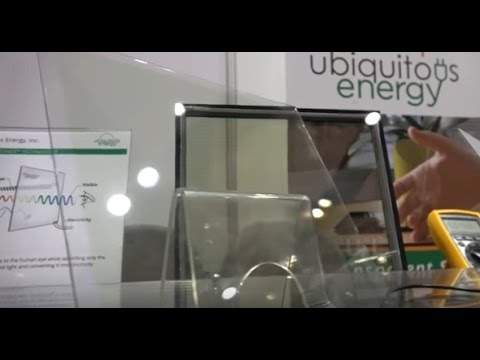
    Transparent Solar Cells (Solar Windows) by Ubiquitous energy

    They have actually developed the worlds first really transparent solar technology. ClearView Power transmits noticeable light and selectively takes in non-visible light converting it to electrical energy. It can attain power conversion efficiency over 10% while maintaining as much as 90% noticeable openness.

  • Flexible low-cost solar power by Kolon Industries

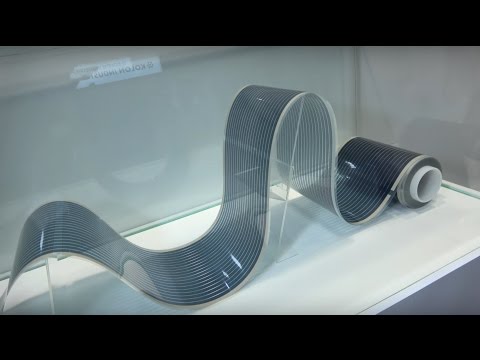
    Flexible low-cost solar power by Kolon Industries

    Kolon Industries with its Flexible Solar Panel won the Best In Show award at IDTechEx Show in Berlin 2017. Shot at the http://IDTechEx.com Show!