Tag: the best practices

  • The Best Practices for Maintaining Solar Panels Year-Round

    The Best Practices for Maintaining Solar Panels Year-Round

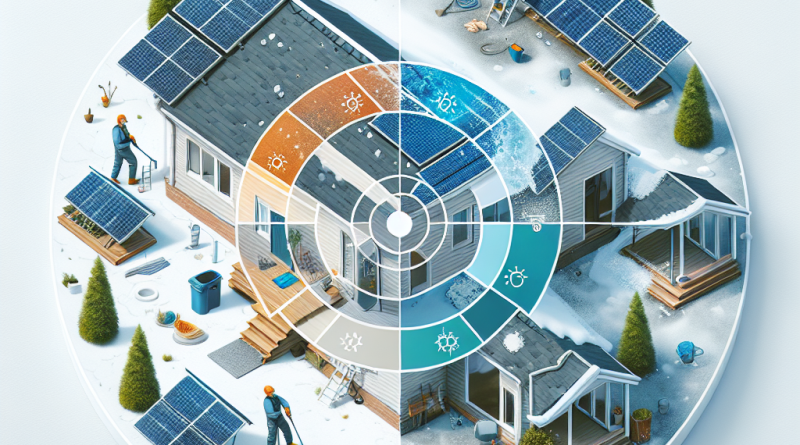
    Regular Cleaning of Solar Panels

    Understanding When to Clean

    One thing I’ve learned is that keeping my solar panels clean is key to maximizing their efficiency. Depending on where you live, dust, dirt, and bird droppings can accumulate on the panels and block sunlight. This usually happens more in dry, windy areas. I’ve noticed that after a heavy rain, the panels look better, but I still schedule routine checks.

    It’s important to pay attention to seasonal changes, too. In fall, falling leaves can be a hassle, and in certain areas, snow can cover your panels in winter. So, I mark my calendar for cleanings at least four times a year, adjusting as per local weather conditions.

    In my experience, just the act of checking them regularly helps. Even if it just means giving them a quick rinse with water on a warm day, it can make a significant difference in how well they perform.

    Choosing the Right Cleaning Tools

    When it comes to cleaning, I’ve made some choices that make my life easier. Using a soft brush and a squeegee helps avoid scratches that could reduce performance. You’ll want to avoid harsh chemicals, too; they can actually damage the panels instead of helping them.

    I’ve found that a simple mixture of water and a little mild dish soap does the trick. It’s cost-effective and doesn’t require a trip to the store to grab fancy supplies. Plus, I make sure to do this on a cooler day, so I’m not working in the blazing sun!

    If you’re not comfortable getting on the roof or using ladders, consider hiring a professional. It’s worth the peace of mind and helps maintain the integrity and longevity of your solar panels.

    Understanding System Performance Indicators

    One of the best things you can do is learn how to read your solar panel performance indicators. It’s like having a mini health check for your panels! I check the production readings regularly to see if they’re producing the usual amounts of energy.

    If there’s a noticeable drop, it’s a signal to investigate. Is it dirty? Is there a shadow falling on the panels? In my experience, knowing this early can save a lot of headaches down the road.

    Plus, many modern systems come with apps that allow me to monitor the panels from my phone, which is super convenient. I can check anytime, making it easier to stay on top of their performance.

    Inspecting for Damage

    What to Look For

    Over time, it’s just natural that everything wears down a bit, including solar panels. I make it a point to inspect mine for any visible damage. Look for cracks, scratches, or any signs that something is amiss. Small dents can sometimes affect performance, even if they’re barely noticeable.

    Weather events can also play a role. Hail or storms may leave their mark. I tend to be proactive in this area, as it’s easier to fix small issues than wait until they’ve grown into much larger, costlier problems.

    Don’t forget to check the mounting equipment and wiring, too. Make sure everything is secure and intact. A loose panel or a frayed wire could spell trouble down the line.

    Getting Professional Assessments

    While I’m all about DIY, I’ve learned to recognize when it’s time to call in the pros. An annual professional inspection can uncover hidden issues that I might miss. These technicians have the training and tools to give a thorough checkup.

    Plus, having a professional take a look means I’m meeting any warranty requirements that might exist. Some companies require regular inspections, and I definitely don’t want to risk voiding any coverage!

    Building a good relationship with a local solar technician has been beneficial. I know I can count on them for advice and feel more confident knowing my panels are in good hands.

    Keeping an Eye on the Surroundings

    The environment around my solar panels can affect their performance, a lesson I learned the hard way! I make sure there’s no overhanging tree branches or new structures blocking sunlight. If trees start growing, I’ll see about trimming them back before they create shade.

    Even things like garden decorations can cast shadows, so I make it a point to keep the area tidy and always evaluate where I plant things. It’s all about letting in as much sunlight as possible.

    Lastly, I keep an eye on the overall area for any debris that might be a future issue. I tend to clear away any dirt or leaves that might fall near the panels regularly.

    Monitoring Energy Production

    How to Use Monitoring Systems

    A good monitoring system is like the heart of my solar panel setup! Many systems today come with built-in apps that track energy production and usage. I check mine regularly to keep tabs on how much energy I’m generating and using.

    This helps me stay informed on my energy bills. If I notice any inconsistencies in production, it’s a cue for me to do a little digging. Sometimes, simple tweaks can lead to greater efficiency—a happier wallet for sure!

    In addition, understanding my energy patterns lets me know the best times to use a lot of energy. For instance, I find that in the middle of the day, I generate more power, which is great for running heavy appliances.

    Reacting to Energy Performance Changes

    If I see a marked drop in energy production, it’s time for action. Whether it’s checking for dirt or other barriers, I don’t wait. That’s indicative that something needs attention. Learning how to troubleshoot early can help avoid larger issues later on, which is always a good thing!

    Sometimes, the fluctuations can be due to weather patterns. I’ve learned to factor those in too. If my area has been overcast for days, it’s expected that production will be lower. Being able to distinguish these factors helps me maintain a clear perspective on my system’s performance.

    But if it seems like a real problem, I pick up the phone and call my technician. Getting professional advice can be vital! The faster I react, the better I can protect my investment.

    Regularly Updating Software

    Many monitoring systems have software that may need updates. I usually set reminders for checking for firmware updates. These updates often come packed with enhancements and bug fixes that help performance and offer new features.

    Keeping the software up to date means I’m getting the best out of my panels. Sometimes it’s as simple as clicking a button to ensure everything stays efficient.

    And if I run into any questions or troubleshooting along the way, there’s usually a support line available. It’s nice to know I’ve got help right at my fingertips if I need it.

    Evaluating Financial Incentives

    Understanding Local Incentives

    Part of maintaining my solar panels also involves staying aware of financial incentives available to me. So, I’ve done my homework! Many local governments offer tax rebates or credits for installation and maintenance of solar energy systems.

    Getting familiar with these options makes a big difference financially. I always make sure to file for any rebates available at tax time. It feels like a double win—saving the planet while saving my wallet!

    I keep an eye on any local programs that offer additional goodies too. Some areas may even have low-cost resources for maintenance and cleaning for solar panel owners. I’m all for saving some dough on upkeep!

    Monitoring Long-Term Savings

    Over time, I’ve tracked how paying for maintenance and inspections saves me money in the long run. Properly maintained solar panels can lead to bigger energy savings, which is always a great news story! I analyze my energy bills regularly, and it’s clear that my initial investment in solar is paying off.

    Knowing the exact savings and return on investment helps with planning finances in other areas of my life. It’s amazing how money saved on energy can be redirected into other fun ventures, like family vacations!

    By keeping meticulous records, I can forecast when I’ll fully recoup my investment. It’s like a map guiding me toward financial freedom while being eco-conscious, which is a win-win in my book!

    Renewing Contracts with Service Providers

    I’ve learned that keeping my contracts with service providers up to date counts as part of my maintenance regime too. Regular communication with my solar company ensures that I’m not missing out on any promotions or updates.

    When contracts are close to renewal dates, I review what’s still relevant and beneficial. Sometimes there are newer plans or options that can fit my needs better than the previous ones.

    Walking through these details with my service provider makes me feel more at ease. It ensures I’m not just a number in their system, but a valued customer with options to further enhance my solar experience!

    FAQs

    1. How often should I clean my solar panels?

    It’s generally a good idea to clean your solar panels at least four times a year, but it really depends on your local environment. If you live in a dusty or bird-heavy area, you might need to do it more often.

    2. What tools do I need to clean solar panels?

    You’ll want soft brushes, a squeegee, and a bucket. A mixture of water and mild dish soap is typically sufficient—no harsh chemicals!

    3. How can I monitor my solar panel performance?

    Most solar panel systems come with monitoring software or apps that let you track your performance and energy production in real-time.

    4. What signs indicate that my solar panels need repair?

    If you notice a significant drop in energy production, see visible damages like cracks or scratches, or discover loose wiring, it’s time to inspect and possibly get repairs done.

    5. Are there financial incentives for maintaining solar panels?

    Yes! Many local governments offer tax rebates or credits for installation and maintenance. It’s worth checking out your local opportunities.

  • The Best Practices for Solar Energy Use at Home

    The Best Practices for Solar Energy Use at Home

    Maximize Solar Panel Placement

    Evaluate Your Roof

    When I first decided to go solar, the placement of panels on my roof was crucial. I learned that a south-facing roof often gets the most sunlight throughout the day. This is really key if you want to get the most out of your solar system. It’s worth getting up there and measuring which areas catch the most sunlight, or even hiring a pro to help assess it.

    Don’t just consider the angle of your roof but also nearby trees or tall buildings. These can create shade and reduce efficiency. I had to trim a few branches to ensure my panels wouldn’t be shadowed during peak sunlight hours. It made a noticeable difference!

    Also, think about future growth. If there are young trees nearby, it might be worth planning for their growth in the years to come. You want to set yourself up for success down the line, not just today.

    Understand Local Regulations

    When I first jumped into the solar game, I thought it was just about installation. But boy, was I wrong! Each place has its own rules about solar panel installation. Researching local regulations is something I wish I had prioritized earlier.

    For instance, there can be zoning laws that dictate how tall your panels can be or if they’re allowed at all. And don’t forget about permits! I learned this the hard way when I had to halt my project to apply for permits. Make your life easier by checking this before you start.

    Additionally, some homeowners’ associations have their own set of rules that might restrict where or how you can put solar panels. It’s vital to know these things upfront so you don’t run into headaches later on.

    Optimize Your Angle

    Another lesson I learned was about the angle of the solar panels. Did you know that the tilt can hugely influence how much power you generate? I initially thought “flat is fine,” but found out that a tilted angle can help capture sun rays more efficiently.

    If your roof allows for it, adjust the panels to catch the sun’s rays directly, especially during peak hours. Then there are tools and apps that can help you figure out the best angle based on your location.

    And if you’re feeling extra ambitious, consider whether adjustable mounts might be right for you. They can be a bit pricey, but the boost in efficiency can make it worthwhile in the long run.

    Choose the Right Solar Technology

    Understand Different Panel Types

    Picking the right kind of solar panel can really affect how your system works. Initially, I was just drawn to the shiny ones, but I got an education on the various types available. You have monocrystalline, polycrystalline, and thin-film panels, and each has its pros and cons.

    For my home, I ended up going with monocrystalline panels because they’re known for higher efficiency rates. They might be a bit pricier, but their performance in limited space really paid off. Be sure to weigh your options based on your home’s specific needs.

    Also, check the warranties that come with different panel types! High-quality panels often come with long warranties, which is always a good indicator of their lifespan and reliability.

    Inverter Options Matter

    I neglected to pay enough attention to the inverter when I first installed my system. That’s the gadget that converts the sun’s energy into usable electricity for my home. So, there are string inverters, microinverters, and power optimizers, and each works in different ways.

    For instance, I chose microinverters because they maximize production – even if one panel is shaded, the others will still perform well. I had to weigh my budget and needs, but it turned out to be a smart move!

    Take a hard look at how you’ll want to configure your solar system and chat with your installer about the best fit for your setup. Sometimes cheaper isn’t always better; it could end up costing you more down the road.

    Battery Storage Solutions

    Solar batteries were something I didn’t fully appreciate until I started using them. These beauties store excess energy generated by your solar panels. This means you can keep the lights on even when the sun goes down, or during a power outage, which is a huge win!

    I initially thought a battery setup might be overkill for my small home, but after seeing the difference in reliability, I wish I had done it sooner. Some batteries even allow you to optimize energy use during peak rate times, which can lead to significant savings over time.

    Researching various battery options is essential. Each battery type can offer different storage lengths and discharge rates. Consult with experts, but also consider your own energy habits and needs when choosing the right one!

    Implement Energy Efficiency Practices

    Seal and Insulate Your Home

    A couple of months after my solar panels went up, I realized they weren’t the only part of the equation. Energy efficiency is just as important! Sealing up drafts around windows and doors made a noticeable change in my power consumption.

    When I went through my home, I was shocked at how many little gaps I found. I snagged some caulk and insulation strips and went to town. After sealing everything up, my energy bills dropped significantly, even in extreme weather.

    It’s super satisfying to know your home is cozy and efficient, all while working with your solar setup. Trust me, it’s not just about generating energy; it’s also about not wasting what you’ve got!

    Upgrade Appliances

    I found it hard to part with some of my old reliable appliances, but hot dang, a switch to energy-efficient models made a world of difference! Appliances with the ENERGY STAR label can use significantly less electricity, which means you’ll lower your demands on your home’s solar system.

    For example, my old fridge was a real energy guzzler. After switching to a more efficient model, I could literally see the difference on my energy bills. Plus, many modern appliances now come with smart technology that can help optimize how and when they use energy!

    When upgrading, consider your lifestyle too. Some models may have features that align perfectly with your needs, like smart controls or low energy use during peak times. Sustainable choices can lead to substantial savings.

    Monitor Your Energy Use

    Kicking off my solar journey included some eye-opening moments about my energy usage. I started to analyze where my power was going using monitoring systems. It’s surprisingly humbling when you realize how much energy you waste on unnecessary things!

    By using monitoring apps that sync with my solar system, I not only saw my energy production but also what was using the most energy. The insights helped me make smarter decisions, like running the dishwasher later in the day when the solar output was high.

    The cool thing is you can also set goals and alerts to keep on track. It’s a nifty way to engage with your energy use and incentivizes good habits. Plus, you’ll feel pretty proud seeing not only your solar production but the savings stacking up!

    Take Advantage of Incentives and Rebates

    Know Available Incentives

    I won’t lie – when I learned about the tax credits for solar installation, it was like Christmas came early! There are tons of programs out there at both local and federal levels that can help offset the costs associated with going solar.

    Make sure you do your homework to find out what’s available in your area. From tax rebates to state-funded programs, knowing where to look can save you a bundle and make the transition smoother.

    Plus, some utility companies even offer rebates for installing solar panels, or they can provide credits for energy you send back to the grid. Sweet deal, right? Don’t miss out – every bit helps!

    Consult with Professionals

    In my early days of getting solar set up, I learned the value of consulting with a pro. There are so many variables when it comes to installation, financing, and maintenance that having an expert on your side is a lifesaver.

    I can’t stress enough how invaluable it is to get a personalized consultation. These folks will tailor solutions that fit your home’s unique needs and walk you through the incentives you might qualify for.

    Plus, they often have insider knowledge about any recent changes in regulations or programs that you might not have heard about. Trust me, avoiding any unexpected surprises down the line is worth the initial investment of consulting!

    Stay Updated on Changes

    Staying connected with the latest in solar tech and policy changes is key to making the most out of your system. After my installation, I signed up for newsletters and joined online communities that focused on solar energy.

    These platforms keep you in the loop about new state incentives, updates to technology, and even methods of optimizing your solar energy use. It’s inspiring to see success stories from others and utilize that knowledge!

    Keep in mind that the solar landscape is always evolving, so continually educating yourself can result in better savings and efficiency. Remember, being proactive pays off!

    FAQ

    1. How do I know if my home is suitable for solar panels?

    The best way to determine suitability is to evaluate your roof orientation, angle, and shading from trees or buildings. Consulting with a professional installer can also provide you with insights based on your unique situation.

    2. What incentives can I apply for when installing solar panels?

    Incentives vary by location, but common ones include federal tax credits, state rebates, and utility incentives. Check with local energy authorities or the Database of State Incentives for Renewables & Efficiency for detailed information.

    3. Are solar batteries worth the investment?

    Solar batteries can be a great investment if you’re keen on maximizing your energy independence. They store excess energy for use during peak times or outages and can help you save on energy costs over time.

    4. How can I make my home more energy-efficient alongside solar energy?

    Simple steps like sealing leaks, upgrading to energy-efficient appliances, and monitoring your energy use can enhance your solar system’s effectiveness. Small changes make a big impact!

    5. Is it necessary to hire a professional for solar installation?

    While DIY can be tempting, hiring a professional ensures that everything is installed correctly and safely. They will also navigate regulations, permits, and any available incentives, which can save you time and hassle.