Tag: the best solar

  • The Best Solar Panel Kits for Small Projects in 2024

    The Best Solar Panel Kits for Small Projects in 2024

    Choosing the Right Kit for Your Needs

    Assessing Your Energy Requirements

    Before diving into the wonderful world of solar panels, it’s so important to take a moment to assess your energy needs. Do you want to power small devices or are you looking to run larger appliances? This will guide your decision on what kind of solar panel kit will work best for you. Taking stock of the wattage consumption of your devices can give you a clear picture of what you really need.

    For example, if you’re just aiming to charge a few battery packs for camping gear or lights, a smaller kit might suffice. On the other hand, powering a mini fridge or a few electronics will definitely require more robust solutions. So, jot down your gadgets’ power requirements and set some realistic expectations!

    Ultimately, understanding how much energy you need will not only help you select the right kit but will also ensure you don’t end up overspending on a system that’s way over the top for your actual usage.

    Understanding the Components of Solar Panel Kits

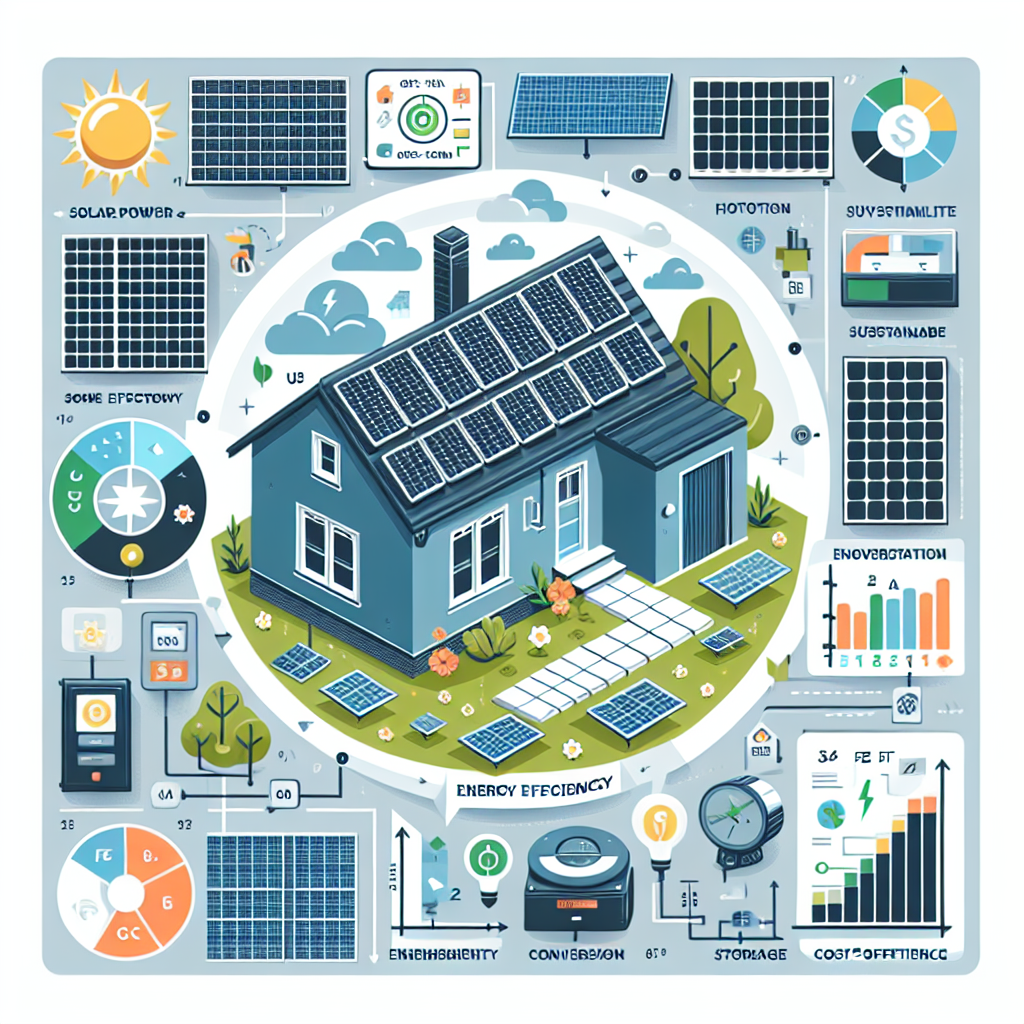
    Next up, let’s break down the typical components found in solar panel kits. Most kits will come with solar panels, a charge controller, batteries, and sometimes inverters. Each component plays a vital role in making sure you harness that sweet, sweet solar energy effectively.

    Solar panels are the star of the show – they convert sunlight into usable electricity. The charge controller ensures that your batteries are charged correctly and protects them from overcharging, which is crucial for longevity. And don’t forget about the batteries: they store the energy for when you need it. If your kit includes an inverter, it converts DC power into AC power, which is what most of your devices use.

    Understanding this setup helps demystify how these systems work together, making it easier to troubleshoot any issues you might run into down the line. Knowledge is power, and trust me, knowing your stuff can save some serious headaches!

    Setting Your Budget

    Let’s talk money – or rather, let’s talk budget. Solar projects can vary widely in cost depending on the quality and scale of the kit you choose. It’s vital to set a budget that not only fits your pocket but also aligns with your energy needs.

    When budgeting, don’t forget to factor in any additional costs such as installation (if you’re not going the DIY route), extra wires, or mounting hardware. I’ve learned the hard way that little costs can add up quickly! By planning comprehensively, you can avoid nasty surprises.

    Remember, while it’s great to snag a deal, don’t skimp on quality. Investing a bit more upfront in a reliable kit can save you money and hassle in the long run. Trust me, you won’t regret it!

    Top Picks for Small Solar Panel Kits in 2024

    Renogy 100 Watt 12 Volt Monocrystalline Solar Starter Kit

    This kit has been my go-to for small projects. It’s versatile, reliable, and easy to set up, which is perfect if you’re just starting out. The 100 watts provide enough juice to power small devices without overwhelming your setup.

    The monocrystalline panels are known for their efficiency and space-saving design. Renogy also includes a charge controller, which makes checking battery levels a breeze. It’s just plug-and-play, and who doesn’t love that?

    If you’re looking for a kit that offers solid performance without breaking the bank, I highly recommend this one. It’s perfect for backyard projects, RVs, and off-grid use!

    <h3 Goal Zero Yeti 400 Portable Power Station

    Now, this isn’t just a solar panel kit, but it’s a game-changer for small projects! The Goal Zero Yeti 400 is like the Swiss Army knife of power solutions. With various output options, it can juice up everything from phones to small refrigerators.

    Pairing it with solar panels is as simple as it gets. Just hook it up to any compatible solar panel, and you have a portable power solution that can be used anywhere. It’s lightweight and ideal for camping, tailgating, or emergency backup.

    I’ve used this system during power outages, and it really saves the day. It’s one of those tools you’ll find yourself using more than you thought you would!

    WindyNation 400 Watt Solar Panel Kit

    If you’re looking for more power, the WindyNation kit might just be your thing. It’s slightly bigger than the other kits on this list and offers great flexibility with its solar panel options. Imagine powering multiple devices at once – the dream, right?

    The installation guide is super friendly too, so even if you’re no Bob the Builder, you can get it up and running without too much fuss. It’s also great for home backup systems, which is a big perk if you’ve got frequent power cuts.

    The value for money is incredible, and you get a lot for what you pay. It’s a solid investment if you’re a hobbyist looking to dip your toes into solar energy a bit deeper!

    Utilizing Your Solar Kit Effectively

    Installation Tips

    Installing your solar panel kit can be intimidating, but trust me, it’s all part of the fun. Start by choosing the right location where your panels can soak up the sun – generally, south-facing spots are best if you’re in the Northern Hemisphere.

    Make sure there are no trees or buildings obstructing the sun’s rays. It’s always a good idea to double-check the manufacturer’s instructions during installation. If all else fails, there are tons of YouTube tutorials out there to save the day!

    Lastly, don’t forget to secure your panels firmly. Winds and severe weather can be a concern, and you don’t want your investment flying away on you. Take your time here; it will pay off.

    Maintenance for Longevity

    Now, just because solar panels are pretty low-maintenance doesn’t mean they don’t need a little love every now and then. Regularly check your panels for dirt or debris that can block sunlight – just like cleaning your car, it’s a must-do!

    Keeping an eye on the wiring and connections is equally important. Loose connections can lead to performance issues, so take a few minutes periodically to check everything is snug and secure.

    Lastly, if you live in an area with heavy snowfall, be sure to brush off the snow after a storm to minimize loss of sunlight. Your panels work hard for you; a bit of basic care goes a long way in keeping them efficient!

    Getting the Most Out of Your Generated Power

    Using the power you generate wisely can stretch your setup even further. Prioritize energy-efficient devices that consume less power, maximizing what your solar kit can do. It’s a simple change that can lead to significant savings over time.

    Consider using timers for appliances to avoid using power during peak times of the day when solar is available. It’s about creating a routine that works for you while leveraging that sweet solar energy.

    And hey, if you find yourself in a position where you have excess power, think about charging up batteries for later use. It’s like having your cake and eating it too! Store what you don’t use for cloudy days or times of high demand.

    Conclusion: The Solar Future is Bright!

    As we wrap up, I hope this guide on the best solar panel kits for small projects in 2024 has got you excited about the possibilities. Whether you’re looking to power up that camper, run some lights in the garden, or just dabble in renewable energy, there’s a kit out there that’ll fit your needs perfectly.

    Take the plunge; trust me, once you go solar, you won’t look back! For me, it’s all about gaining independence from the grid and enjoying the freedom that comes with solar energy. If you’ve got any questions or need more tips, feel free to reach out.

    FAQs

    1. How do I determine the size of the solar panel kit I need?
    Assess your energy requirements first by noting down the wattage consumption of the devices you want to power.

    2. What components are essential in a solar panel kit?
    A basic kit should include solar panels, a charge controller, batteries, and optionally an inverter for AC power.

    3. How do I install a solar panel kit?
    Choose a sunny location, follow the manufacturer’s instructions, and ensure all connections are secure.

    4. What maintenance do solar panels require?
    Regularly clean panels, check connections, and remove any snow accumulation if applicable.

    5. Can I use solar power efficiently when I have a kit?
    Yes! Use energy-efficient appliances and consider using timers to reduce consumption during peak hours.
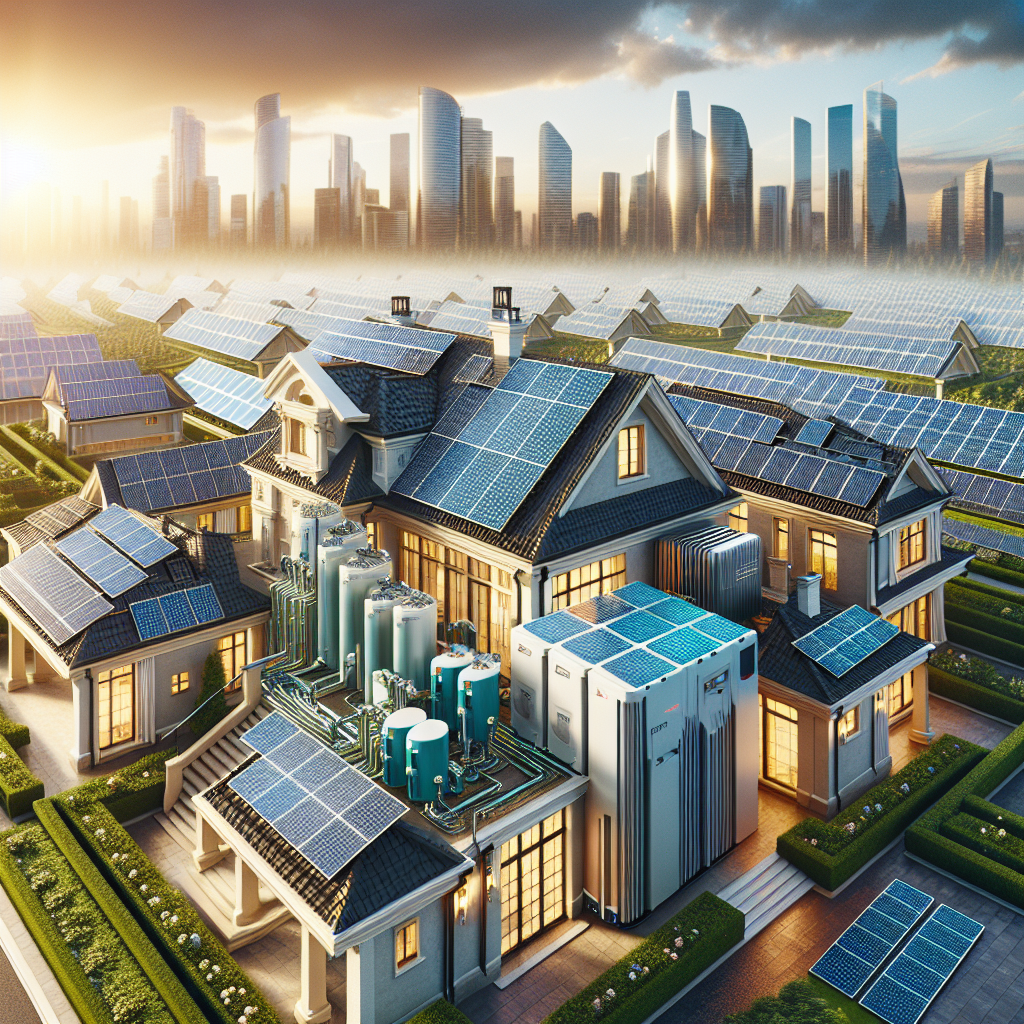

  • The Best Solar Power Systems for Large Homes in 2024

    The Best Solar Power Systems for Large Homes in 2024

    Understanding Your Energy Needs

    Assessing Your Household Consumption

    So, first off, let’s get real about energy. Every large home has its unique energy consumption patterns, and it’s essential to know what yours is. Grab your last few electric bills and look for that monthly usage. Is it consistent throughout the year, or does it spike during summers when your AC is working overtime? Understanding this will give you a solid foundation to build on.

    You also want to consider which appliances are the biggest energy hogs. Maybe it’s that super-efficient dryer or the multi-setting oven. Knowing this will not only help you decide how many solar panels you’ll need but also help you find areas where you can cut back a bit. It’s like doing a little energy audit on yourself!

    Don’t forget about future growth either! If you’re planning to add more family members, or hey, maybe that electric car you’ve been eyeing, be sure to factor that into your energy needs. Better to overestimate now and have options later.

    Evaluating Solar Potential

    The next step in this solar journey is to check out your home’s solar potential. Not every home is created equal, and factors like roof orientation and shading can really influence how effective your system will be. If you’re lucky enough to have a roof that faces south with minimal shading, you’re golden!

    Consider getting a professional solar assessment. It might sound a bit technical, but these pros can offer an incredible insight into how much energy you could realistically harvest. Use satellite imagery or apps that help you visualize solar access too. This is all about maximizing your investment!

    And hey, don’t overlook your local climate! If you live in a place with tons of sunny days, you’re looking at a great return on investment. But if the rain clouds roll by more often than not, you may need to be a bit more strategic about sizing your system.

    Choosing the Right System

    Alright, it’s system time! Choosing the right solar power system is like picking the right pair of shoes; it’s got to fit well! There are several options, like grid-tied, off-grid, and hybrid systems. I lean more towards grid-tied systems because they allow you to stay connected to the grid and draw energy when your solar panels aren’t cutting it—especially at night.

    Next up is understanding solar technology. Are monocrystalline panels your best bet, or do you want to go with polycrystalline or thin-film? Monocrystalline is usually the top performer, but polycrystalline can be a great budget-friendly option. Researching these will arm you with the knowledge you need to make an informed choice.

    Finally, consider the inverter system. The inverter is crucial as it converts the solar power generated into usable electricity. String inverters are quite common, but micro-inverters are getting more popular due to their efficiency, especially in shaded areas. Don’t skimp on this aspect; it truly makes a difference!

    Financing Your Solar Investment

    Exploring Incentives and Rebates

    Let’s talk money—because let’s face it, this is a big deal. There are a plethora of incentives and rebates available for solar installations. Check out the federal tax credits which can significantly reduce the overall cost of your solar array. Knowledge is power, my friends! Each state has its own set of benefits, so be sure to research what’s available to you.

    Also, some utility companies offer their own incentives for solar users. They may provide rebates and other perks for going solar, and you don’t want to miss out on that free cash! A little digging into those programs can pay off big-time.

    And remember: your solar investment might also increase your property value. That’s not an incentive you can cash in today, but it’s something to consider for tomorrow. It’s like siding with an extra score on your home!

    Financing Options

    With all that incentive stuff, you might still need to finance your solar installation. Traditional loans, solar loans, or even leasing options are available for homeowners. Personally, I’ve found a solar loan to be a great way to own my panels outright while keeping my cash flow in check.

    Don’t forget about solar leases! They can provide a way to go solar with little to no upfront investment, but just remember that you won’t own the panels or the SRECs (Solar Renewable Energy Certificates). You need to weigh those pros and cons carefully to find what fits your situation.

    Always shop around and read the fine print when looking at financing options. Some loans come with hidden fees, while others might offer better interest rates. Don’t just go with the first green lender you see; make sure it holds water!

    Working with Solar Installers

    Alright, you’ve got all your ducks in a row—now it’s time to find a reputable solar installer! I cannot stress how vital this step is. Go for someone who has solid reviews and a proven track record. Ask around your community or search online for feedback. Building relationships with local installers can also lead to better deals down the road.

    Ask them questions! An experienced installer should be willing to discuss your options, the installation process, and even provide estimates for performance. Get multiple quotes! This competitive nature sometimes kicks in, and you might end up scoring an awesome deal.

    Lastly, make sure your installer is familiar with local regulations and permitting processes. Trust me, the last thing you want is delays because they didn’t file the right paperwork. You have to play this like a well-oiled machine.

    Maintenance and Monitoring

    Regular System Checks

    Now that you’re on the solar power train, let’s chat about maintenance. It sounds a bit boring, but trust me, regular system checks are crucial to ensure optimal performance. Ultimately, you want to keep your panels clean and clear of debris. A yearly cleaning should do the trick, but you might want to check them more frequently during pollen season or after a big storm.

    It’s also wise to keep an eye on your inverter. Most systems have monitoring capabilities to track energy production. If you notice a drop in production, it’s time to investigate further. Real-life example: I noticed a dip in energy output just after a heavy storm, and a quick check revealed some branches had fallen onto the panels. I was glad I caught it early!

    Another tip is to engage with your installer for annual maintenance check-ups. They can spot issues before they turn into costly problems. Think of it like regular check-ups for your system to keep it healthy!

    Monitoring Performance

    Investing in a monitoring system pays off big time! Most modern systems have built-in monitoring apps or tools that let you see how your system is performing in real-time. It’s always kind of exciting to watch those numbers go up, right?

    Being proactive is key, so regularly review your monitoring data. Look for patterns and deviations from the norm, which can help you catch any potential issues early. It also helps to show you how much money you’re saving on that utility bill—motivation to keep going!

    And don’t forget to celebrate milestones! Once you hit that first full year of having solar, you’ll likely have saved a good chunk of change. Set goals for how much you’d like to reduce your energy costs each year and track your progress. It makes the effort feel worthwhile!

    Handling Repairs and Upgrades

    Even with proper maintenance, issues can arise. It’s like owning a car—sometimes, stuff just happens. If you notice problems with energy output or your system seems off, don’t wait too long to get it examined. A good installer should offer warranties and support, so use them!

    In addition to repairs, consider how and when you might want to upgrade your system. As technology evolves, newer solar technologies become available. You may decide to invest in a battery storage solution down the road, especially to store energy for night use or during outages.

    Finally, keep an eye on your panels’ warranties. If you’ve invested in premium panels, they often come with extensive warranties. Making a conscious effort to understand and leverage these can save you money in the long run!

    Frequently Asked Questions

    1. How much solar power will I need for my large home?

    The amount of solar power you need largely depends on your energy consumption patterns, roof size, and solar potential in your area. Conducting an energy audit can help determine the best solar system size for your needs.

    2. What are the best types of solar panels for large homes?

    Monocrystalline panels are often the best performers in terms of efficiency and space usage, but polycrystalline can also be a practical option if you’re looking to save a bit of cash. Consider your budget and energy goals when selecting.

    3. Are there financing options available for solar systems?

    Absolutely! There are various financing options like solar loans, leases, and incentives from both the government and local utilities that can help you manage the cost of solar panels without breaking the bank.

    4. How do I maintain my solar power system?

    Maintenance usually involves keeping your panels clean, checking the inverter regularly, and possibly scheduling annual check-ups with your installer. Monitoring systems can also help track performance to alert you of any issues.

    5. What should I do if my solar panel system isn’t performing well?

    If you notice a significant drop in performance, conduct a quick check of your panels for debris or obstructions. If everything seems fine, reach out to your installer for a professional evaluation to ensure everything is functioning correctly.

  • The Best Solar Panel Brands for Harsh Weather Conditions

    The Best Solar Panel Brands for Harsh Weather Conditions

    Hey there! If you’ve ever thought about going solar, you might have had concerns about how your panels would hold up in extreme weather. Trust me, I’ve been there! While most solar panels can handle typical weather, not all of them are built for the big league—like hailstorms, heavy snow, or scorching heat. In this article, I’m going to share my insights into the best solar panel brands that can weather the storm—literally! Let’s break this down into sections that will help you choose the right panels for your needs.

    Durability Under Extreme Conditions

    Understanding Weather Resistance Ratings

    When I first started researching solar panels, I came across a term called “weather resistance ratings.” These ratings are essential; they determine how well a solar panel can withstand extreme conditions. I learned that these ratings cover everything from strong winds to heavy snowfall. A panel with high ratings can take a beating!

    One key rating I always check is the hail impact resistance. The panels should be tested against hailstones of a certain size and speed. For instance, a panel that can withstand hailstones up to 1 inch without even a scratch is worth your investment!

    Keep an eye on certifications like IEC 61215 and IEC 61730; they speak volumes about the panel’s durability. Trust me—these ratings are not just numbers; they’re your peace of mind when the weather gets rough.

    Materials Matter

    Next up, let’s talk materials! The choice of materials can make or break a solar panel’s durability. In my experience, panels made with tempered glass are usually tougher against debris and hail since they are designed to withstand high impact.

    I also found that aluminum frames are common in better quality panels. They resist rust and corrosion, which is crucial for longevity, especially in humid or coastal areas. Ultimately, investing in the right materials can save you a headache down the line!

    So, when choosing solar panels, don’t ignore the kind of materials used. They play an integral role in ensuring your panels stand tall against the elements.

    Warranty Considerations

    Oh, the warranty! This is your safety net and something I definitely wouldn’t overlook. I always check how long the warranty lasts—most quality panels come with 25-year warranties. It’s like a promise from the manufacturer that they believe in their product’s durability.

    What I find particularly helpful are warranties that cover weather-related issues specifically. This shows the company stands behind its panels not just for performance but also for resilience in harsh conditions.

    In short, a robust warranty often reflects the quality of the solar panel. It’s worth digging into this aspect when considering your options!

    Efficiency in Variable Climates

    The Role of Temperature Coefficients

    So, here’s a fun fact: solar panels can lose efficiency as temperatures rise. I didn’t realize this at first, but the temperature coefficient is an important detail. It essentially tells you how much efficiency drops per degree Celsius increase.

    If you live in a particularly hot area, look for panels with a low temperature coefficient. Trust me, they’re worth the search. I’ve learned that these panels perform much better in scorching heat than their counterparts. Saves you time and money!

    In contrast, if you’re situated in a colder climate, panels that maintain efficiency even in low temperatures are a blessing. I’ve seen some exceptional brands that tackle all extremes effectively.

    Pmax Ratings and Real-World Performance

    The Pmax rating is another area I always check. It indicates the maximum power a panel can produce under standard test conditions (STC). However, real-world conditions vary, so the actual performance can differ.

    I usually recommend looking at real-world tests and consumer reviews to get a feel for how a panel actually performs under different weather conditions. Sometimes even the top-rated panels don’t shine in specific climates!

    This is where doing your homework pays off. Choose a panel with a solid reputation for maintaining power output across varying climates, and you won’t regret it.

    Adaptability to Local Conditions

    I can’t stress enough how local weather patterns can affect your solar panel performance. For instance, a brand that works wonders in a sunny desert might not be suitable for an area that experiences heavy snowfall.

    During my exploration, I discovered that some brands actually design panels with local weather conditions in mind. This means they’re built to handle what your region dishes out, and that’s a huge plus!

    So, consider not just the brand’s reputation but how well they adapt to local climates. This consideration makes all the difference.

    Top Brands to Consider

    Renowned Manufacturers

    Here’s the fun part! After digging through tons of data and personal experiences, I’ve found a few brands that truly stand out. For example, LG is known for their stellar performance under various weather conditions, from blistering heat to frigid cold.

    Then there’s Canadian Solar, which has a fantastic track record for durability. Their panels are rigorously tested for extreme conditions, making them a go-to choice for many homeowners in tough climates.

    Don’t forget about Q CELLS! I’ve heard many users rave about their efficient performance even in less-than-ideal weather. They maximize power generation and are built to last—what’s not to love?

    User Reviews and Community Feedback

    Diving into user reviews can be eye-opening. In my quest for the best, I turned to various solar forums and communities. Hearing from others who’ve lived with these brands during harsh conditions was invaluable.

    Many users shared their panels’ performance against storms or heavy snow, and this kind of real-life data can help guide your decision. I always advise checking these forums to get a sense of what to expect!

    Community feedback often reflects the brand’s actual reliability. Take a moment to gather real info from folks who have firsthand experiences.

    Cost vs. Performance Analysis

    Finally, let’s talk about cost. In my experience, balancing cost and performance is essential. Cheaper panels might have a poor reputation for durability, and when the big storms hit, you might end up paying more in repairs or replacements.

    I always suggest analyzing the long-term benefits versus the upfront costs. Sometimes paying slightly more for a reliable, tough panel pays off in the long run!

    On the flip side, it doesn’t hurt to be mindful of budget options. Some brands provide great value without skimping on durability, so keep your eyes peeled!

    Installation Quality

    Choosing the Right Installer

    Here’s something I’ve learned the hard way: the installation process is just as important as the panels themselves. It can be a game-changer in determining how well your system performs under harsh conditions.

    Finding a qualified installer in your area can make a huge difference. I always suggest checking their credentials, past projects, and customer reviews. A reputable installer knows how to adapt to unpredictable weather conditions, ensuring a tight fit and secure setup.

    Trust me; going with an experienced installer could save you headaches later. Make sure you choose someone who respects the intricacies of your location’s climate!

    Post-Installation Care

    Let’s talk maintenance! After installation, it’s crucial to keep an eye on your panels. Regular checks can help catch any issues before they become costly problems. Personally, I opted for a maintenance plan that includes routine inspections, and I’m so glad I did!

    If your panels collect debris or snow, a simple cleaning can enhance efficiency. It’s something I’ve implemented, and the results were significant! Investing in maintenance ensures the longevity and effectiveness of your solar system.

    So, don’t just set it and forget it. Being proactive about care can keep your panels in top shape, ready to take on whatever Mother Nature throws your way.

    Regular Performance Monitoring

    Lastly, I encourage performance monitoring. This could mean using smart monitoring systems that alert you if something’s amiss. I can’t tell you how beneficial mine has been; catching dips in performance early made a world of difference!

    Monitoring lets you easily track how your panels handle various weather conditions and helps in making informed decisions about maintenance or upgrades.

    In short, invest in tools that help you stay on top of your system. They can save you time, money, and a lot of stress!

    FAQ

    What is the best solar panel brand for harsh weather?

    While many brands excel, I’ve found that LG, Canadian Solar, and Q CELLS stand out for their durability and efficiency under extreme conditions.

    How do I know if a solar panel is weather-resistant?

    Check for weather resistance ratings, look for certifications like IEC 61215 and IEC 61730, and read user reviews specific to harsh weather performance.

    What maintenance do solar panels require in harsh weather?

    Regular inspections and cleanings are essential. Keeping them free from debris and snow can significantly enhance their performance.

    How do temperature coefficients affect solar panel performance?

    A lower temperature coefficient means the solar panel will lose less efficiency in hot weather, making it suitable for warmer climates.

    Are there warranties specific to weather-related damage?

    Yes! Many reputable brands offer warranties that cover weather-related issues, reflecting their confidence in their product’s durability.

  • How to Choose the Best Solar Power System for Your Home

    How to Choose the Best Solar Power System for Your Home

    Understanding Your Energy Needs

    Assessing Your Current Energy Consumption

    First off, figuring out how much energy you use is crucial. Take a peek at your energy bills for the past year. It’s super helpful to look for patterns—like how your use spikes in the summer or winter. Jot it down. Understanding these peaks and troughs can help you figure out your average energy consumption, which is key for sizing your solar power system.

    Don’t forget to consider the main appliances in your home and how much energy they consume. You can usually find the wattage on the appliance itself or in the user manuals. Tools like energy monitors can give you a real-time look at what’s munching away at your power supply.

    Once you have this information, you can start to visualize what you’ll need in terms of solar output. Think about how much of your energy consumption you’d like to cover with solar; maybe you’re cool with going 50% green, or maybe you’re all-in for 100%. Whatever the case, make a plan!

    Evaluating Your Roof and Location

    Checking Roof Orientation and Sunlight Exposure

    Your roof plays a huge role here! Ideally, you want it to face south—this is where you get the most sun. If your roof is more east or west-facing, don’t sweat it, though. You can still make it work with a good system. It might just take a few extra panels or a slightly different arrangement.

    Next is sunlight exposure. Do any big trees or buildings cast shadows on your roof? It’s like having a pesky umbrella blocking your sunshine. If your roof gets shaded during peak sun hours, you might need to think about trimming some foliage or investing in a different placement for your panels.

    Lastly, the angle of your roof can affect solar efficiency. For those of us lucky enough to have a sloped roof, you’re in good shape! But if your roof is flat, you might need some mounts to angle the panels just right. The goal is to maximize exposure to those beautiful sun rays.

    Choosing the Right Solar Panel Technology

    Exploring Different Types of Solar Panels

    Okay, now we hit one of the most exciting parts—picking out the panels! There are generally three types to consider: monocrystalline, polycrystalline, and thin-film solar panels. Each has its perks and quirks. Monocrystalline panels are the most efficient, giving you more bang for your buck in terms of space. If you’ve got limited roof space, these are your best pals!

    Polycrystalline panels are usually a bit cheaper and slightly less efficient. If you’re on a budget and have plenty of roof space, they might be a solid option. Then we’ve got thin-film panels; they’re lightweight and flexible but often take up more space for the same energy output. Knowing your roof limits will help steer your choice.

    When you’re out shopping, definitely ask about the warranties! A good solar panel should generally come with at least 25 years of warranty, so you know it’s built to last. You want a solar investment that holds up over time because once you’ve gone green, sparking joy and energy savings is the goal!

    Assessing Installation Costs and Financing Options

    Understanding Solar Incentives and Rebates

    Let’s chat dollars and cents! We all know solar isn’t just a set-it-and-forget-it kind of deal. It’s important to understand the total installation cost upfront. Your local and federal government might offer some incentives or rebates, so be sure to do your homework. The federal solar tax credit, for example, allows you to deduct a chunk from your federal taxes.

    Also, look into state and local programs. Some areas offer cash rebates or even performance-based incentives. This can significantly lower that initial price tag, making it a lot more manageable. If you do your research, you might discover savings you didn’t know about!

    Financing is another option. Many companies offer flexible plans, including solar loans or leases. This way, you can pay as you go rather than dropping a huge sum all at once. Just make sure you understand all the terms, and find a plan that aligns with your budget and energy goals.

    Finding a Reputable Solar Installer

    Researching Potential Solar Companies

    Now, for the fun part—meeting your potential partners in solar! When looking for a reputable installer, don’t hesitate to ask for recommendations from friends or family. You trust their judgment, and word-of-mouth can often lead to discovering fantastic local companies you wouldn’t find on a large scale.

    Read online reviews and check out ratings on sites like the Better Business Bureau. Look for companies that have been around for a while—experience counts! Don’t forget to check their previous installations. A reputable installer will be proud to show off their past work and will even have customer testimonials to back it up.

    Lastly, ensure they’re properly licensed and insured. This isn’t just a box to tick; you definitely want protection in case something goes wrong during the install. A trustworthy solar company will be upfront about their credentials and ready to answer any questions you might have.

    FAQs

    1. How much can I save on my energy bills with solar power?

    Your savings can vary, but many homeowners report reductions of 50% or more on their energy bills after switching to solar. It really depends on your energy consumption and the size of your solar system.

    2. Is my roof suitable for solar panels?

    Most roofs can accommodate solar panels, but factors like orientation, angle, and shading will play a crucial role in how effective your system will be. A good installer can assess this during your consultation.

    3. How long does it take to install solar panels?

    Typically, the installation process takes about one to three days, depending on the size of your system and any complexities involved. But the entire project, from consultation to activation, can take a few weeks to a few months.

    4. What happens on cloudy days?

    Don’t worry! Solar panels still generate energy on cloudy days, although the output will be lower than on sunny days. If you live in a region with lots of overcast days, it’s smart to consider a system that can supplement your needs.

    5. Do I need to maintain my solar panels?

    Not a ton! Generally, solar panels require minimal maintenance. Just a periodic cleaning and inspection will keep them running smoothly, so you can enjoy those sunny benefits with ease!

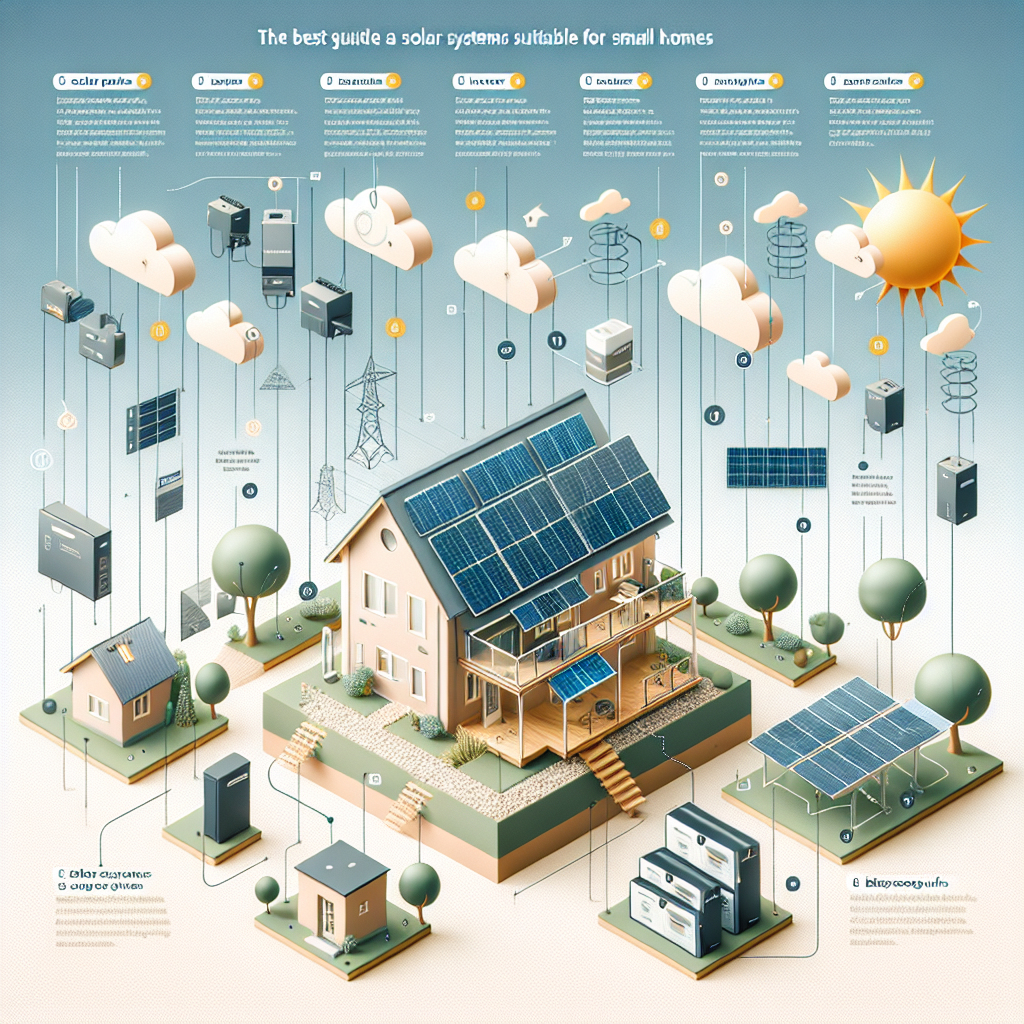
  • The Best Solar Systems for Small Homes: A Buyer’s Guide

    The Best Solar Systems for Small Homes: A Buyer’s Guide

    Understanding Your Energy Needs

    Assess Your Current Usage

    Before diving into the world of solar systems, let’s take a step back and understand your energy consumption. I remember staring at my electricity bill and cringing at the numbers. It becomes essential to analyze your current energy usage, typically documented on your utility bill. This gives you a solid baseline to figure out how much energy you need to generate.

    Start by gathering information about your monthly energy consumption. It’s usually listed in kilowatt-hours (kWh), so having a calculator at the ready can really help. You want to make sure you’re not caught off guard when the sun decides to take a day off!

    Lastly, think about the future. Are you planning to expand your space, get new appliances, or maybe even add an electric vehicle? It’s smart to account for that potential growth when sizing your system.

    Assess Your Home’s Solar Potential

    Now that you know how much energy you use, it’s important to assess how much sun your home gets. Factors like roof angle, shade from trees, or nearby buildings can significantly impact how effective your solar system can be. I spent some time observing how shadows moved across my roof during different times of the day.

    Online tools and apps can help you determine how much sunlight your specific roof receives. One cool tool I found is Google’s Project Sunroof. It gives a good idea of potential solar savings, based on your location!

    Also, don’t forget about roof orientation. South-facing roofs typically get the most sun, which is ideal. If your roof doesn’t have the right orientation, don’t panic! Ground-mounted systems can be a great alternative.

    Defining Your Goals for Solar Energy

    It’s essential to define what you want to achieve with solar energy. Are you looking to save on your electric bill, reduce your carbon footprint, or perhaps become entirely energy-independent?

    I started by jotting down my aims and comparing them. For me, saving money while contributing positively to the environment was a must. Knowing your own goals helps streamline the search for the solar system that suits you best.

    Clearly defined goals will also impact the type and size of the system you choose, so it’s a vital step in the process!

    Choosing the Right Solar System for Your Home

    Types of Solar Systems

    There are mainly three options when it comes to solar systems: grid-tied, off-grid, and hybrid systems. Personally, I leaned towards a grid-tied system because it’s typically more affordable and lets you use the utility’s grid as a backup, which brought me peace of mind!

    Off-grid systems allow you to live completely independently from the utility grid. This can be awesome if you’re in a remote location, but you’ll need a good battery system and possibly a backup generator. I am still considering this for my weekend cabin in the woods!

    Hybrid systems are fancy! You can transition between grid-tied and off-grid modes, depending on what you need. They give you flexibility, but of course, they come at a higher price tag.

    Evaluating System Components

    After selecting a system type, dive into the components. Solar panels are usually the star of the show, but don’t overlook inverters and batteries. I was overwhelmed initially by the tech jargon, but once I broke it down, it became much clearer.

    Solar panels come in various types: monocrystalline, polycrystalline, and thin-film. Each has its advantages and drawbacks. Monocrystalline panels have higher efficiency rates, but thin-film panels might fit certain budgets better. Researching and reading reviews really helped me make an informed decision.

    Dive deep into inverter types too. String inverters are the most common, but microinverters can offer better performance in shady areas. It’s all about what works best for your unique situation!

    Consider Installation Services

    Choosing an installation service is a huge step that I’m very passionate about. I always suggest going with licensed professionals who specialize in solar. Not only does this ensure the job is done right, but many offer warranties and maintenance services that will give you peace down the line.

    Start by getting quotes from multiple installers. I did this and was surprised by how varied the pricing was. Selecting an installer who is well-reviewed can lead to a smoother solar journey.

    Lastly, don’t hesitate to ask questions! Your installer should be willing to guide you through every aspect of your solar journey, from the installation process to post-installation support.

    Understanding the Financial Aspects

    Initial Costs and Savings

    Let’s be real, the upfront cost of solar can be daunting. However, understanding the financial aspects can help soften that blow. After speaking with multiple contractors, I got a clearer picture of the costs. Upfront investments do turn into long-term savings over time.

    Consider available incentives and rebates! I was able to take advantage of federal tax credits, which make a significant dent in the initial costs. Unfortunately, not every state offers the same incentives, so I recommend checking with local authorities.

    It’s also beneficial to think about your savings over time. Many homeowners recoup their investment within 5-10 years, which is pretty impressive when I think about it!

    Financing Options

    If shelling out all the cash upfront isn’t feasible, don’t worry—there are financing options! I explored options like solar loans and leases, which made adopting solar much easier on my wallet.

    Solar loans often have lower interest rates, and some are available without any down payment. This option allows you to pay off the initial cost gradually while still enjoying the benefits of solar energy.

    Leasing is another popular option, where you don’t own the system; the company does. You pay a fixed monthly fee but don’t get the same tax incentives or benefits as a system owner. Do your research—what works for one person might not work for you!

    Evaluating Return on Investment

    Calculating ROI is a key part of this journey. I found it beneficial to visualize my potential savings over the years against my initial investment. You can make a plan to monitor your energy bill after installation, where you’ll begin to see the real difference!

    Keep in mind that ROI can differ depending on your local energy prices and the performance of your system. Tracking this helps keep you motivated through the initial costs.

    The end goal is to ensure that you’re confident that the chosen solar system is an investment worth making for your small home!

    Maintaining Your Solar System

    Regular Cleaning and Inspections

    Now, maintenance may seem like a chore, but trust me; it’s super important! Dust, debris, and leaves can accumulate on your panels and reduce efficiency. I made it a quick habit to check and clean my panels at least once every three months.

    Additionally, I recommend scheduling professional inspections at least once a year. These inspections ensure everything is functioning correctly and can catch any minor issues before they become major headaches.

    Pro tip: remember to check your inverter’s lights and displays. These should be monitored regularly to ensure everything is running smoothly without unexpected downtimes.

    Addressing Issues Promptly

    If you start noticing dips in energy production, don’t ignore them! Problems can arise—whether it’s a malfunctioning inverter or shading issues. I learned it’s best to address concerns sooner rather than later; it saves you time and money in the long run!

    So, if you sense something’s off, don’t hesitate to reach out to your installer. Many offer support long after the installation is complete, which is a huge comfort.

    Being proactive about your system will help you keep the green energy flowing smoothly!

    Staying Informed on Technology Advances

    Lastly, stay in the loop regarding new technology! The solar industry is rapidly evolving, with new developments and products hitting the market that can enhance efficiency and reduce costs. I love reading articles and attending webinars to keep my knowledge fresh.

    Also, keep in touch with your solar installer or local solar community. They often share insights on new tech and how it could benefit your system.

    So, consider joining forums or social media groups dedicated to solar energy. Having a network can help you stay informed and connected with like-minded individuals!

    Frequently Asked Questions

    1. What size solar system do I need for my small home?

    The size of the solar system you need depends on your energy consumption and sunny days in your area. An energy audit can help tailor the right size for you!

    2. Are there financing options available for solar systems?

    Yes! Financing options include solar loans, leases, and power purchase agreements, which make it easier to manage upfront costs.

    3. How much maintenance do solar systems require?

    Solar systems generally require minimal maintenance. Regular cleaning and annual inspections are recommended to keep them in top condition.

    4. How do I monitor the performance of my solar system?

    Many systems come with apps or monitoring systems that can show real-time energy production and consumption, making it easier to track performance!

    5. What incentives are available for solar installations?

    Incentives vary by state but often include federal tax credits, local rebates, and possibly grants depending on jurisdiction. Always check what’s available in your area!

  • How to Select the Best Solar Panel Size for Your Home

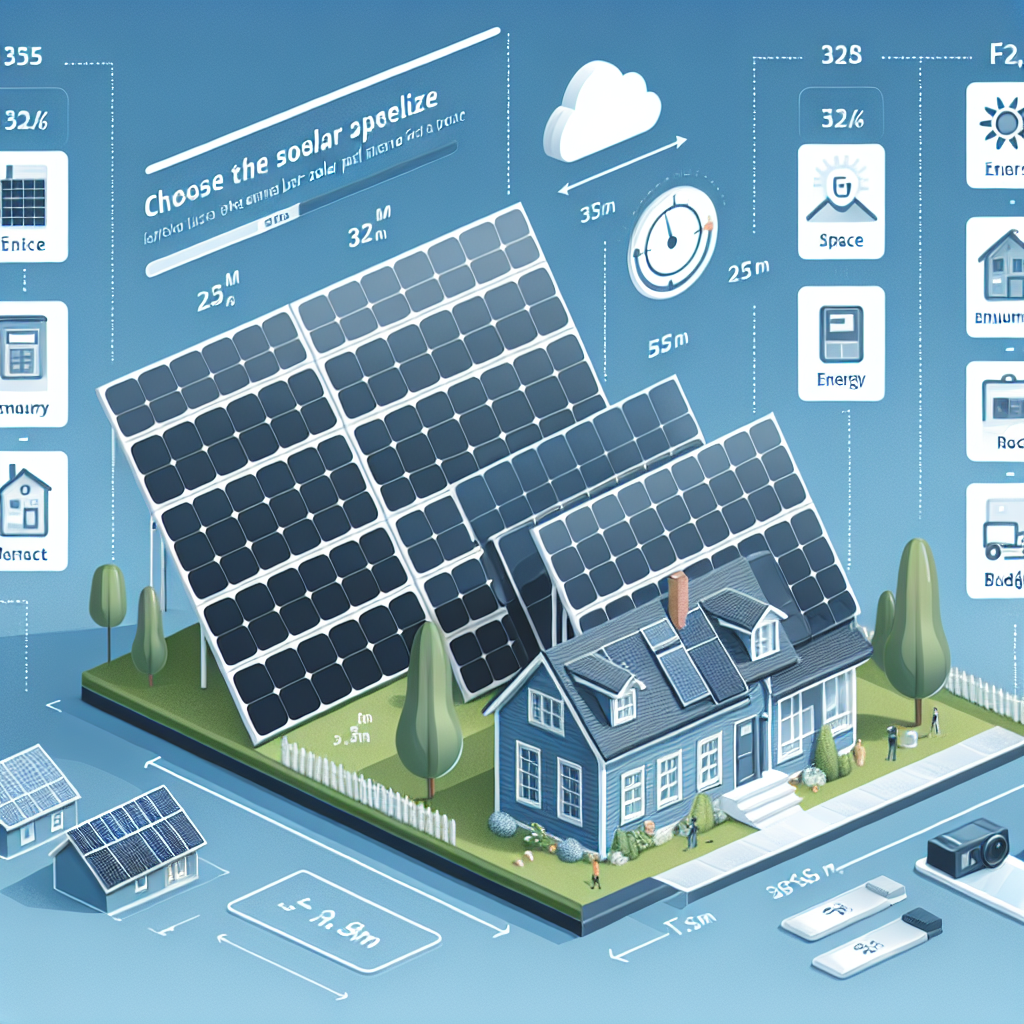
    How to Select the Best Solar Panel Size for Your Home

    Assess Your Energy Needs

    Understanding Your Energy Consumption

    Before diving into the solar panel world, I found it crucial to assess how much energy my household typically consumes. It sounds a bit tedious, but trust me; knowledge is power! Start by looking at your utility bill from the past year. Take note of your monthly usage, usually measured in kilowatt-hours (kWh). This gives you a solid baseline of how much energy you need to generate.

    Once you’ve got those numbers down, think about any future changes—like that new hot tub you’ve been dreaming about or planning to install electric vehicle charging. Adjust your baseline accordingly. It’s super important to factor in these things, or you might end up with panels that don’t meet your needs!

    So, ultimately, understanding your energy consumption is not just about current use but also about where you’re headed with your energy demands. It’s like a roadmap for your solar panel journey.

    Identifying Peak Sunlight Hours

    Next up, let’s talk about peak sunlight hours. It’s not just about slapping some panels on the roof and calling it a day; you need to know how much sunlight your area gets. This info varies by location, so grab a solar insolation chart—yeah, it sounds fancy but is super useful.

    Knowing your peak sunlight hours helps in determining how much electricity you can generate with your panels. For example, if you’re in a sunny state like Arizona, you might get about 6 to 8 hours of sunlight per day, while somewhere like Seattle might only give you about 4 to 5 hours. Your solar setup needs to match that sunny reality!

    Remember, it’s not just about total sunshine but also how consistent that sunshine is throughout the year. Understanding these patterns will help you maximize your panel size and efficiency.

    Using Energy Consumption Calculators

    I can’t stress enough how helpful energy consumption calculators are! Once you’ve gathered all your usage data and sunlight information, using a calculator can simplify everything. Many companies offer online calculators that guide you through the process.

    These tools allow you to input your monthly kWh usage, peak sunlight hours, and other variables. They’ll churn out recommendations on how many solar panels you need. It feels like having an expert in my pocket!

    Don’t forget to play around! Different inputs can yield different results. It’s a good way to see the range of options out there and help you get a clear picture of the best fit for your home.

    Evaluate the Available Space for Installation

    Considering Roof Orientation and Pitch

    Let’s dive into the physical aspect—where are you gonna put these beauties? Your roof orientation and pitch play a huge role in how effective the solar panels will be. Ideally, south-facing roofs get the most exposure, but east and west can work, too.

    If your roof isn’t directly south or there are obstacles like chimneys or trees, you may need to get creative with panel placement. When I faced this, I had to brainstorm different layouts to ensure I was getting the most bang for my buck.

    Also, consider your roof angle. A steeper pitch could impact the number of panels you can fit when compared to a flatter roof. Evaluating these elements early can save a ton of hassle down the line!

    Calculating Space Requirements

    Once you know your roof’s million-dollar details, it’s all about space! Each solar panel takes up a certain amount of square footage, and you need to calculate how many you can fit based on your energy consumption needs. Here’s where the measuring tape comes in!

    Sketch out your roof layout and start plotting where panels could go. I divided my roof into sections so I could visualize how many panels could fit while keeping in mind aesthetic appeal. We all want our homes to look good, right?

    Don’t forget to leave some room for maintenance access. You never know when a bird decides to drop by, and getting those panels cleaned should be straightforward!

    Consider Ground vs. Roof Installation

    If your roof isn’t conducive to installation (or maybe you just want a different look), there’s always the option of ground-mounted panels! This alternative allows for more flexibility in terms of positioning and angle.

    However, it does require more space—think about your yard or property size. You’ll also want to engage with your local regulations and HOAs because they sometimes have restrictions on how those ground arrays can look.

    The beauty of ground-mounted panels is that you can often tilt them to maximize performance, much easier than a fixed roof setup. Do some soul-searching to see what vibe works best for you and your property!

    Calculate the Right Number of Panels

    Determine Your Panel Output

    Now that we’ve dug deep into your energy needs, space, and all that, let’s talk numbers—the fun part! Each solar panel has a specific wattage, with the average being around 300 watts. You need to know how these panels fit into your overall energy goals.

    To calculate how many panels you need, divide your total energy consumption (remember that kWh figure we tracked?) by the panel output, adjusted for those peak sun hours we discussed. It sounds complicated, but once you get it down, it’s like riding a bike.

    You want to ensure you’re not overspending on unnecessary panels—nobody wants to pay for more than what’s needed!

    Assessing Panel Efficiency Ratings

    Here’s where I lean into my inner nerd: the efficiency ratings of your chosen solar panels matter! Higher efficiency means more energy production per panel, so if you’re tight on space, you might want to invest in panels with higher ratings.

    It’s a balancing act between efficiency, price, and the space you have available. Don’t forget, though, that some reputable brands may offer slightly lower efficiencies at a better price. So research, research, research!

    This decision is like a lifelong commitment: do your homework and make sure you’re getting something that’s worth the investment, so you don’t regret it down the line!

    Consulting with a Professional

    When in doubt, consulting with a solar professional can be invaluable! They can bring everything we’ve talked about together into a cohesive plan that suits your unique situation.

    I know it may seem like an added expense, but getting that expert eye can save you heaps of money in the long run. They’ll help you calculate and recommend adjustments based on their experience that you might not have thought of!

    Plus, they can handle permits and local regulations—those administrative hurdles that can take up so much time and energy. Don’t underestimate the power of expert guidance!

    Budgeting for Your Solar System

    Understanding Solar Panel Costs

    Let’s talk cash—budgeting for your solar system is a significant step! Costs can range widely depending on panel efficiency, brand, and installation complexities. It’s crucial to have an understanding of what you’re working with.

    Generally, the average cost of solar panels ranges from $15,000 to $30,000 before any tax credits or incentives. Knowing this, set a budget range you’re comfortable with. I aimed for the lower end and was quite pleased with the results!

    Also, many financing options are out there—so if the upfront cost seems daunting, don’t fret! You can look into loans or leasing options that can fit your financial situation better.

    Exploring Incentives and Rebates

    The world of solar incentives can feel overwhelming, but honestly, it can be a game-changer for your budget! Many states and local governments offer rebates or tax credits aimed at encouraging solar installation.

    In the U.S., the Federal Investment Tax Credit (ITC) allows you to deduct a certain percentage from your federal taxes, which can significantly lower costs. Doing a bit of homework here could save you a chunk of change.

    I recommend checking the Database of State Incentives for Renewables and Efficiency (DSIRE) to uncover what’s available in your area. Every dollar counts, right?

    Long-Term Savings Considerations

    Finally, factor in the long-term savings. It’s easy to get caught up in the initial expenses, but think about how solar panels can lead to substantial savings on your electricity bills over time.

    I was shocked at the difference on my bills after going solar. With careful calculation, many homeowners find that their panels pay for themselves over the years, sometimes even doubling their investment.

    Make sure to consider the lifespan of the panels, usually around 25 years. Factor that into your overall budget to see a fuller picture of how much you might save in the end!

    FAQ

    1. How do I calculate my energy consumption?

    Look at your utility bills over the last year to identify average monthly kWh usage. You can also add up the energy consumption of individual appliances if you want to get specific.

    2. What are peak sunlight hours?

    Peak sunlight hours refer to the time when sunlight is most direct and strongest for energy production. This varies by location, typically ranging from 4 to 8 hours a day!

    3. What if my roof isn’t suitable for solar panels?

    No worries! You can consider ground-mounted solar panels instead. They can be installed in your yard and are flexible in positioning and installation.

    4. How much do solar panels cost?

    The cost of solar panels can vary widely, but expect an average range from $15,000 to $30,000 before tax credits or incentives.

    5. Are there incentives available for going solar?

    Absolutely! Many states offer incentives, tax credits, and rebates to encourage homeowners to install solar panels. Check local resources and the DSIRE website to find what’s available in your area.

  • The Best Solar Power Solutions for Your Home Office

    The Best Solar Power Solutions for Your Home Office

    Understanding Your Energy Needs

    Calculating Your Energy Consumption

    One of the first things I did when considering solar power for my home office was to figure out how much energy I actually used. It’s super important to take a good look at your appliances, lights, and devices. I grabbed a notepad and jotted down everything I used regularly. You might be surprised at how quickly those kilowatts add up!

    Once you have your list, use a wattage calculator to estimate the total energy consumption in kilowatt-hours (kWh). I found out that my computer setup, along with some lighting, used more energy than I expected. The goal here is to understand what you need before diving into solar solutions.

    Lastly, keep in mind that energy needs can change depending on the time of year. My home office gets a lot of sunlight, which means I’m less likely to use lights during the day in the summer. It’s something to consider when planning your solar power setup.

    Identifying Peak Usage Times

    Knowing when you’re using the most energy can help you make smarter choices about your solar setup. For me, I realized that my peak usage was in the afternoon, right when the sun was shining brightest. Tracking your energy usage can be enlightening—it really helped me optimize my solar investments.

    Consider using smart plugs or energy monitors to track real-time energy consumption. There are some cool apps out there that help monitor usage, showing you which devices are drawing the most power. It’s like getting a sneak peek into your energy habits!

    Once you have this data, you can decide how much solar energy you need to offset your peak times, thus maximizing your investment. I learned that times of high usage could be optimized by utilizing solar energy when it’s most abundant.

    Setting a Budget

    So let’s talk money. Setting a budget before investing in solar solutions is critical. I made the mistake of diving in headfirst without considering my financial landscape. Start by figuring out how much you’re willing to spend upfront and how much you want to save long-term.

    Research financing options, rebates, or even tax credits available for solar installations. Some states offer fantastic incentives that can significantly reduce your initial outlay. I was lucky enough to take advantage of a state program that gave me a nice break!

    Ultimately, the budget you set will guide your choices, from choosing between different solar panel brands to whether you want to go with a full installation or a DIY approach.

    Selecting the Right Solar Panels

    Understanding Different Types of Solar Panels

    There’s a whole smorgasbord of solar panels out there! You’ve got monocrystalline, polycrystalline, and thin-film options. I personally went with monocrystalline panels because they are super efficient and take up less space.

    Monocrystalline panels have higher efficiency rates but tend to be a bit pricier. Polycrystalline panels are more affordable but slightly less efficient. If budget isn’t a big concern, go with monocrystalline. But if you’re looking to stretch your dollars, poly panels can still get the job done!

    Thin-film panels are another option, popular for larger rooftops due to their lightweight nature. However, they require a lot of space and aren’t as efficient as the other types, so I’d recommend those primarily for bigger installations.

    Assessing Quality vs. Cost

    When selecting solar panels, you really have to weigh quality against cost. Sure, you might find cheaper panels, but remember, you get what you pay for! I learned this lesson the hard way by initially opting for the lowest-priced option and then having to replace them a year later.

    Look for manufacturers that provide a solid warranty—at least 25 years is a good benchmark. This not only covers defects but also protects your investment over time. I felt way more secure knowing that my panels were good for the long haul.

    Don’t forget to read reviews! People who’ve actually installed the panels can give you insight that manufacturers won’t. Sometimes it pays to spend a little more for a lot more peace of mind.

    Installation Options

    So you’ve picked your panels—now what? Time to think about installation. I had the choice of either going the DIY route or hiring professionals. After weighing my options, I realized that professional installation was best for me, especially since I didn’t want to climb on my roof!

    DIY installation can save you some cash, but make sure you’re comfortable with electrical work and roof installation. I’ve seen tutorials online, and while they make it look easy, trust me, you’ll want to think twice!

    If you decide to hire professionals, get quotes from multiple companies. Ask them about their experience with residential projects and read reviews. It really made a difference when I chose a company with great customer feedback—they handled everything smoothly!

    Incorporating Battery Storage

    The Benefits of Battery Storage

    Let’s chat battery storage—it’s an absolute game changer! Adding battery storage to your solar setup allows you to store excess energy produced during the day to use at night or during cloudy days. It has been so helpful for me, especially with those long workdays.

    Battery systems like the Tesla Powerwall or LG Chem RESU can help you maintain energy independence, minimizing reliance on the grid. I might sound like a nerd, but having that backup during a power outage truly provides peace of mind.

    Also, don’t forget that some utility companies offer time-of-use rates that make it cheaper to use stored energy during peak hours. It’s all about making your system work for you, and battery storage helps achieve that!

    Selecting the Right Battery System

    Now that you’re sold on battery storage, how do you choose the right one? Start by sizing the system based on your energy needs. I found it helpful to determine how long I’d want power during an outage and what appliances I’d need to run.

    Look for lithium-ion batteries as they tend to be more efficient and have longer lifespans compared to lead-acid batteries. I went the lithium route, and it has paid dividends in terms of lifespan and performance.

    In addition to considering capacity, don’t overlook installation costs and warranty. A battery system can be a considerable investment, so ensure that what you choose fits your budget while offering decent backup capability.

    Integrating with Existing Solar Systems

    If you’ve already got a solar system going, adding battery storage may be straightforward. Most modern configurations make it simple to integrate battery systems. I just had to consult with my solar installer, and they handled the rest!

    Be sure that your current inverter can accommodate battery storage. If not, you may need to upgrade, which can change your budget. Checking compatibility is crucial to avoid surprises down the line.

    I loved that my installer offered a comprehensive service that included integration—they really knew their stuff! It felt great to have experts guide me through this process and take away any guesswork.

    Going Beyond Just Powering Your Office

    Using Solar for Home Energy Efficiency

    When you think about going solar, it’s not just about your office. I realized that integrating solar solutions in my entire home made a significant difference in energy efficiency. I started by upgrading appliances to ENERGY STAR-rated products, which complemented my solar setup perfectly.

    Additionally, consider other energy-efficient practices. Sealing drafts and adding insulation helped minimize energy loss in my home. I found that these small changes reduced my overall consumption, allowing me to maximize the solar energy I was generating.

    Combining solar energy with energy-efficient practices creates a win-win situation. It not only decreases your bills but also helps the environment. I love knowing I’m doing my part!

    Extending Solar Solutions Outdoors

    Another thing I discovered is how solar energy could extend beyond just office use. I started using outdoor solar lights, which not only saved money but also added some ambiance to my yard. It’s like having my little solar kingdom out there!

    Solar water heaters were another addition I considered for home energy efficiency. They dramatically reduce heating costs and can work well with a solar installation. I haven’t installed one yet, but it’s definitely on my wishlist!

    By using solar energy for outdoor endeavors, you can create a more sustainable lifestyle that resonates throughout your entire property. It’s exciting to think that so many facets of life can be powered by the sun!

    Staying Informed on Solar Innovations

    Don’t forget that solar technology is always evolving. Staying updated with innovations can lead to improvements in your energy efficiency and cost savings. I subscribe to several solar blogs and newsletters to keep me in the loop.

    Whether it’s learning about the latest charging technologies for electric cars or new efficiency ratings, these innovations could affect how I power my office and home. Engaging with the community through forums has also been enlightening!

    Continuing to educate yourself allows you to make informed decisions. This approach could even lead to future upgrades for your solar system that enhance your experience and savings.

    FAQs

    1. How do I know if solar power is right for my home office?

    The best way to determine if solar power is suitable for your home office is by assessing your energy needs, calculating your budget, and considering your long-term goals. If you find the potential for savings on your electricity bills and feel comfortable with the upfront investment, it’s likely a good fit!

    2. Are there financial incentives for installing solar panels?

    Absolutely! Many states and local governments offer financial incentives, tax credits, and rebates to encourage solar adoption. I recommend checking out local resources and the Database of State Incentives for Renewables & Efficiency (DSIRE) for up-to-date information.

    3. Can I install solar panels myself?

    It’s possible to install solar panels yourself if you’re knowledgeable about electrical work and installation processes. But don’t underestimate the complexity—it can be quite challenging! Hiring a professional is usually the safest route unless you’re very experienced.

    4. How long do solar panels last?

    Most solar panels are designed to last between 25 to 30 years, but their efficiency can degrade over time. A quality product combined with regular maintenance can keep them effective for many years beyond that initial period.

    5. What’s the best way to choose a solar installer?

    Start by getting multiple quotes and check references. Look for installers with extensive experience, excellent customer reviews, and certifications. I made sure to ask detailed questions, and it really helped me find the right fit for my project!