Tag: the best ways

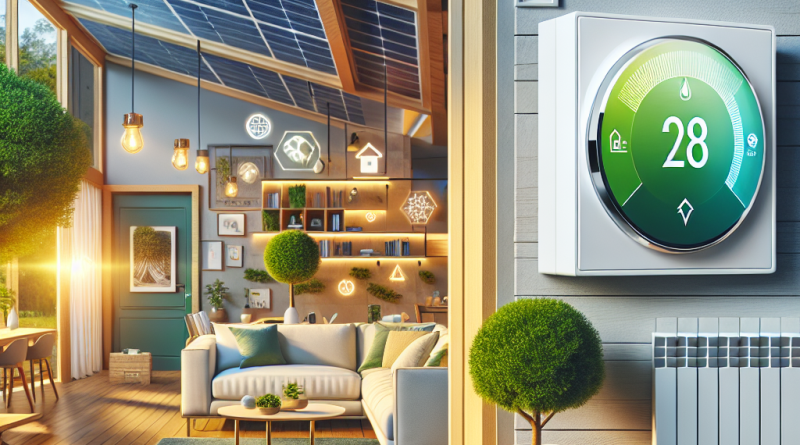
  • The Best Ways to Pair Solar Energy with Smart Thermostats

    The Best Ways to Pair Solar Energy with Smart Thermostats

    Maximizing Energy Efficiency

    Understanding Energy Usage

    When I first got into pairing solar energy with smart thermostats, I had to get a strong grasp of my energy usage. Knowing how much energy I consumed daily was key. I started tracking my heating and cooling patterns, which helped me identify high-usage periods that I could optimize.

    Surprisingly, a lot of energy is wasted during peak usage times when the rates are higher. By monitoring my usage, I could tweak my thermostat settings to align better with my solar production. It’s almost like putting together a puzzle where each piece of energy data fits into a bigger picture!

    The combination of solar energy and smart technology gave me insights into how I could become more eco-friendly while saving money. By really understanding my consumption, I was able to cut down on excess and make smarter decisions.

    Setting Up Smart Schedules

    One of the coolest features I leveraged was the smart scheduling capability of my thermostat. This took my energy efficiency game to the next level! I set up schedules that synced perfectly with when my solar panels were producing energy.

    For instance, during sunny days, I programmed my thermostat to run air conditioning or heating earlier in the day while the solar energy was abundant. My home stays comfortable, and I save a bunch on energy costs, all while using sustainable energy.

    It’s fascinating how technology helps you become proactive instead of reactive when it comes to energy usage. With smart scheduling, my thermostat adjusts based on my lifestyle, ensuring I’m using clean energy as efficiently as possible!

    Optimization of Battery Storage

    If you’ve got battery storage with your solar setup, pairing that with a smart thermostat can really bring home the savings. I remember when I first added batteries to my system; I couldn’t believe how much of a difference it made.

    By programming the thermostat to use stored energy during peak times when energy from the grid is more expensive, I could keep my energy expenses down. Those batteries allowed me to harness all that lovely solar power for later use.

    It felt like having a secret stash of cash. You never know how much you can save until you take the leap to optimize those batteries with some smart tech. Trust me; it’s worth it.

    Integrating Technology for Better Control

    Using Mobile Apps for Monitoring

    Let’s face it; who doesn’t love controlling everything right from their phone? The smart thermostat I use comes with a handy app that lets me monitor and control everything remotely. Last week, I was at a friend’s BBQ and realized I left the thermostat running unnecessarily; a quick tap on my phone, and I was able to crank it down.

    This constant access gives me peace of mind. I can see real-time energy usage and adjust as needed. Forgetting to turn off your heating or cooling when you’re not home becomes a worry of the past!

    Being able to manage my system from anywhere has taught me even more about my energy habits, allowing me to make smarter decisions quickly.

    Voice Integration for Ease of Use

    Next up, voice control! If you’re like me and love convenience, integrating voice control into your setup is a game changer. I’ve linked my smart thermostat to my voice assistant, and now I can adjust settings just by speaking—talk about futuristic!

    This feature not only adds ease of use but also helps me make adjustments based on immediate needs without having to get up. It’s perfect for those lazy weekends when I’m cozy on the couch, but my home needs a little extra cooling or heating.

    Plus, it adds that convenience factor to managing home energy with solar; I can check how much energy I’ve used just by asking! Long story short, it’s all about making everything as seamless as possible.

    Utilizing Smart Sensors

    Smart sensors are another feature I think everyone should consider! They can detect occupancy and adjust heating or cooling based on whether anyone’s in the room. I’ve found this super helpful for energy conservation.

    For instance, when I leave for the day, my thermostat automatically adjusts to save energy. No more heating or cooling empty rooms! It’s like having a personal assistant ensuring my home is always energy-efficient.

    This tech ties in beautifully with solar energy because it maximizes the advantages without me needing to lift a finger. This level of automation allows me to enjoy the comfort of my home all while staying eco-friendly.

    Choosing the Right Products

    Researching Compatible Products

    Finding the right combination of solar panels and smart thermostats doesn’t have to be daunting. I did some digging into which products work best together. The key is ensuring that your thermostat is compatible with your solar energy system.

    I found that many manufacturers provide lists of compatible devices. This was a solid starting point that helped me navigate the overwhelming sea of options out there. There’s a product for nearly every setup!

    By sticking to brands known for their quality and innovation, I felt a bit easier about making informed decisions, leading to the perfect balance of efficiency and compatibility.

    Evaluating Energy Management Systems

    An energy management system (EMS) is a great add-on that ties everything together. After purchasing a smart thermostat, it became essential for me to evaluate potential EMS options. This piece of tech helps in managing energy consumption actively.

    With a solid EMS, I gained better insights into my energy patterns. It wasn’t just about monitoring but also providing actionable insights! You get the real-time feedback that inspires conscious energy use.

    Investing in the right EMS can dramatically enhance the synergy between solar panels and smart thermostats, ensuring you’re always in control and making the best out of your investments.

    Prioritizing User Reviews

    I can’t stress enough how useful reading user reviews has been for me. Before I made any big purchases, I took the time to see what others had said about their experiences with specific products. This step prevented me from making costly mistakes.

    User reviews often highlight compatibility issues and performance problems that you may not find in advertising material. You can learn so much from the experiences of others and avoid unnecessary headaches.

    In a field as dynamic as home energy technology, staying informed through community feedback can genuinely help you in making smarter decisions in your own endeavors.

    Adapting to Seasonal Changes

    Seasonal Thermostat Adjustments

    One thing I learned quickly was that seasonal adjustments are crucial to getting the most out of my smart thermostat and solar energy system. For example, I usually set different schedules for winter versus summer.

    During winter, I maintain a cozy temperature to keep the house warm and make the most of my solar energy when the sun is out. Meanwhile, during spring and summer, my cooling settings kick in naturally as the days get warmer, helping me maximize energy efficiency.

    Tweaking these settings based on the season ensures that I remain comfortable in my home all year round, while also being mindful of energy costs, which is a win-win in my book!

    Monitoring Weather Conditions

    Weather can be unpredictable, and being in tune with it can help me plan ahead. I often check forecasts to adjust my settings proactively. For example, if a hot day is ahead, I can ensure my thermostat is set to cool down the house right before the heat hits.

    Smart thermostats can often integrate weather data into their functions, allowing for automatic adjustments. This feature has saved me a ton of effort while maximizing the efficiency of my solar panels.

    Learning to use weather to my advantage is like having a superpower. With just a little planning, I can enjoy comfort without spiking my energy bills!

    Seasonal Maintenance Checks

    Lastly, don’t forget about seasonal maintenance! I’ve learned that regularly checking my solar and thermostat systems is important to ensure everything’s running smoothly. Simple cleanings or professional checks at the start of the season can make a real difference.

    I usually schedule these checks before the weather starts changing significantly. This step ensures I am perfectly prepared for whatever the season throws my way while maintaining efficient energy use.

    A little maintenance goes a long way in this game! By staying proactive about the upkeeping of my systems, I not only prolong their lifespan but also keep my energy efficiency on point.

    Frequently Asked Questions

    1. How do I know if my thermostat is compatible with my solar energy system?

    The best way to determine compatibility is to consult the product manuals of both your solar system and thermostat. Many manufacturers also provide lists of compatible devices, which can help guide your purchasing decisions.

    2. Can a smart thermostat save me money on my energy bills?

    Absolutely! Smart thermostats can learn your habits and optimize your heating and cooling schedules for maximum efficiency, often resulting in reduced energy bills over time.

    3. What’s the best way to set up my smart thermostat with solar energy?

    Begin by monitoring your energy usage and set up schedules that align with your solar energy production. Additionally, consider optimizing battery storage to make the most of your solar power.

    4. Do smart thermostats work with all types of heating and cooling systems?

    Most smart thermostats are designed to work with various systems, but it’s essential to check for compatibility with your specific setup, whether it be a central air system, heat pump, or something else.

    5. How can I integrate voice control into my thermostat system?

    Many smart thermostats are compatible with voice assistants like Amazon Alexa or Google Assistant. You can usually set up the integration through the respective app by following simple on-screen instructions!

  • The Best Ways to Utilize Solar Energy at Home

    The Best Ways to Utilize Solar Energy at Home

    Converting Sunlight into Electricity

    Understanding Solar Panels

    First off, let’s dive into solar panels. These magical gadgets convert sunlight into electricity, and I’ve got to say, they’ve changed my whole energy game. When I installed mine, I was amazed at how much energy I could harness just from the sun’s rays. It’s almost like having a little sun-powered generator on my roof!

    There are mainly two types of panels: photovoltaic (PV) and thermal. PV panels are the ones that convert sunlight directly into electricity, while thermal panels can be used to heat water. I personally went with PV panels because, let’s face it, electricity is my main goal!

    Installing them can seem daunting, but it’s totally worth it. You may need to consult an installer, but trust me, once they’re up, you’ll start seeing those energy bills decline faster than you can say “solar energy.”

    DIY Solar Projects

    If you’re feeling a bit crafty, there are plenty of DIY projects to get you started with solar energy. I recently built a solar oven (yes, you read that right!) that cooks food using sunlight. It’s a fun project, and the taste of sun-warmed pizza is out of this world!

    There’s also solar water heaters you can assemble with a few materials. All you need is some black pipe, a water tank, and sunlight. It’s one of those projects you’ll feel proud about when you tell your friends, “Yeah, I made my own water heater!”

    Plus, these DIY projects are not just about saving money; they’re about engaging with renewable energy in a practical way. It’s hands-on learning at its finest!

    Choosing the Right System

    Picking the right solar system for your needs is crucial. You don’t want to end up with a system that’s either overkill or insufficient. My friend had a system that was way too big for her tiny apartment, and she ended up paying more than she needed!

    Take a good look at your electricity consumption and consider how much solar power you’ll realistically need. Since I love using my air conditioner, I opted for a system that could manage my moderate to high usage, which was a smart choice.

    Remember to look for warranties and check if the company has a good reputation—this is an investment for years to come. You want peace of mind with something that’s going to be on your roof for decades!

    Solar Heating Solutions

    Using Solar Water Heaters

    Solar water heaters are another way to tap into solar energy, and let me tell you, they’re a game-changer, especially during the winter months. You can save a ton on your heating bills. My hot showers have never felt better, and I know I’m doing my part for the planet!

    This kind of system uses solar collectors to absorb sunlight and heat water. It’s fairly straightforward to install and can work in conjunction with traditional water heaters for those rainy days.

    When I first set mine up, I was amazed at how quickly it heated my water. I even started experimenting with washing clothes in hot water—everything came out fresher, and I wasn’t burning through the grid for energy!

    Passive Solar Heating

    Passive solar heating is all about design and architecture—not necessarily gadgets. If you’re building or renovating, consider ways to maximize sunlight exposure in your home. I once visited a friend whose house was perfectly oriented to capture the sun’s warmth during the day.

    Large windows, thermal mass (like concrete or stone), and insulation can dramatically reduce your heating bills in winter. It’s all about harnessing the sun without the use of mechanical systems, which is both eco-friendly and cost-efficient.

    I implemented some of these strategies in my own home, like installing sun-catching windows, and it made a noticeable difference in how cozy my space feels when winter rolls around!

    Solar Air Heating Systems

    So, if you’re really into it, consider solar air heating systems. These work by circulating the air through collectors that warm it before sending it into your home. They’re especially great for workshops or garages where keeping warm is essential during colder months.

    The setup itself isn’t too complicated, and many people have noted significant reductions in their heating costs. I’ve thought about installing one in my garage for those late-night DIY projects!

    I’ve also heard that some people are even experimenting with integrating this system in combination with other types for maximum efficiency. Talk about getting creative!

    Energy Storage Solutions

    Batteries for Solar Energy Storage

    Storing your solar energy can be as important as generating it! Batteries allow you to save excess energy for when the sun isn’t shining. I recently added batteries to my system, and it has made a world of difference on cloudy days.

    These batteries store power during peak sunlight and release it for my use at night or during emergencies. It adds an extra layer of peace, knowing I have power stored and ready to go!

    When choosing a battery system, make sure you get one that suits your energy needs. There are variations in capacity and longevity, so do your homework. The upfront investment pays off when you’re no longer solely relying on the grid!

    Net Metering

    Net metering is a fantastic option for those with grid-tied solar systems. It allows you to sell back excess energy to the grid. When I learned about this, I was so excited—I could make money from my solar panels!

    Basically, you get credited for the electricity your system generates, which can offset your future bills. This is an awesome way to actually benefit financially from your solar setup.

    Most utilities have different rules regarding net metering, so check your local regulations to ensure you maximize your benefits. It’s like having a little side hustle powered by the sun!

    Solar Incentives and Tax Credits

    Don’t forget to look into incentives and tax credits available in your area. When I installed my solar panels, I was pleasantly surprised by the financial incentives offered by the government. It’s essentially free money for going green!

    These credits can significantly lower the cost of your solar installation. I would highly recommend doing a bit of research to find out what’s available in your state. You’ll be thanking yourself later when you see those numbers!

    Additionally, some local programs offer rebates or low-interest loans for solar energy. It’s worth checking—who doesn’t want to save cash while saving the planet?

    Eco-Friendly Lifestyle Choices

    Electric Vehicles and Solar Charging Stations

    If you’re into electric vehicles (EVs), pairing one with your solar system is an absolute win! I made the leap to an electric car last year, and I connected a solar charging station at home. It feels super awesome to know I’m charging my car with clean energy.

    Having a solar charging station not only saves on fuel costs but also reduces carbon emissions. It’s like taking your solar energy efforts to the next level!

    There’s just something thrilling about the thought of driving around knowing you’re not burning fossil fuels. Talk about a sustainable lifestyle!

    Community Initiatives

    Getting involved in local sustainability initiatives also plays a significant role in utilizing solar energy. Many communities are launching solar co-ops, allowing people to come together for collective purchasing. I joined one in my area, and it feels so good to be part of something bigger.

    Working in a group not only allows for better deals but also promotes awareness in the neighborhood about the benefits of solar energy. The more we spread the word, the more people will jump on board!

    Remember, every little bit counts in building a sustainable future. Plus, it’s a great way to meet like-minded folks and get inspired!

    Greening Your Other Home Operations

    Finally, don’t overlook greening your other home operations. Switching to energy-efficient appliances and reducing overall consumption complements your solar setup beautifully. I swapped my old fridge for an energy-efficient model, and it has made a notable impact on my energy usage.

    Additionally, using smart home technology to monitor energy consumption has helped me make conscious decisions. You wouldn’t believe how much money I’ve saved just by adjusting my habits!

    Incorporating these eco-friendly practices alongside solar energy empowers you to live a more sustainable lifestyle. It’s all about making conscious choices that protect our beautiful planet!

    FAQs

    1. What are the main benefits of solar energy at home?

    The main benefits of solar energy at home include reduced electricity bills, a lower carbon footprint, increased home value, and in some areas, credits for energy produced.

    2. How do I know how many solar panels I need?

    To determine how many solar panels you need, examine your monthly electricity usage, calculate your energy needs, and consult with a solar provider for a more precise assessment.

    3. Are there any government incentives for using solar energy?

    Yes, many governments offer tax credits, rebates, and net metering for solar energy systems. Be sure to research local incentives to take advantage of these opportunities!

    4. Is solar energy worth the investment?

    For most homeowners, solar energy is worth the investment due to long-term savings on electricity bills and a significant increase in home value, making it a solid financial choice.

    5. Can I install solar panels myself?

    While it is possible to install solar panels yourself if you’re handy, it’s generally recommended to hire professionals for safety, efficiency, and ensuring compliance with local regulations.