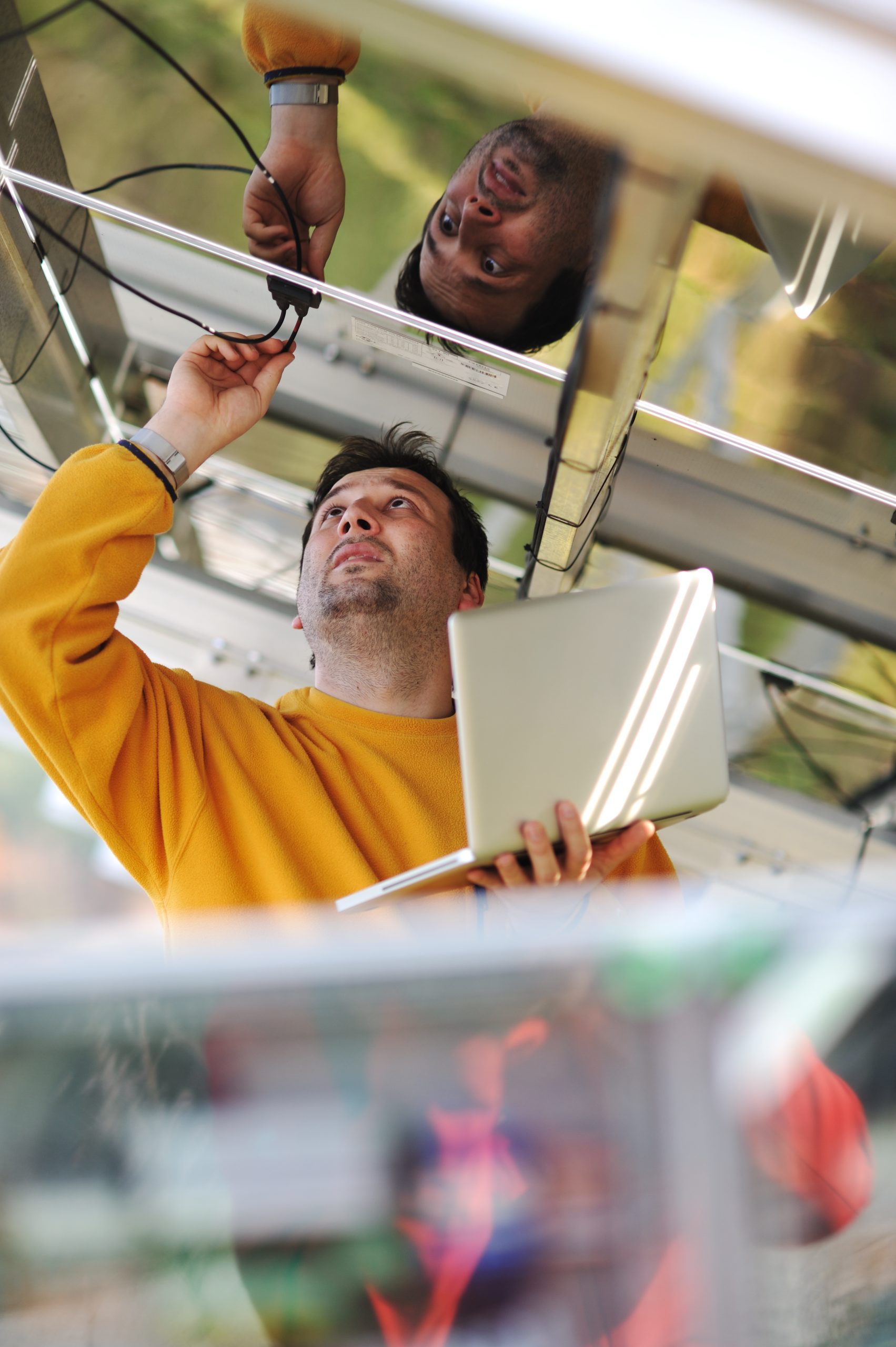
Tag: The Cost of Installing Solar Panels

  • How Solar Panels Can Save You Money in the Long Run

    How Solar Panels Can Save You Money in the Long Run

    Introduction to Solar Panels:

    Solar panels are a renewable source of energy that convert sunlight into electricity. They have become increasingly popular in recent years due to their ability to reduce carbon emissions and lower energy bills. Solar panels can be installed on rooftops, in open fields or even floating on water bodies. The technology behind solar panels has also improved over time, making them more efficient and cost-effective than ever before.

    The Cost of Installing Solar Panels:

    The initial cost of installing solar panels may seem high, but it is an investment that pays off in the long run. Depending on the size and type of system you choose, installation costs range from $10,000 to $25,000 on average. However, there are several factors that affect the overall cost, including location, availability of rebates and tax credits, and the complexity of the installation process. It’s essential to do your research and compare quotes from different contractors to ensure you get the best value for your money.

    How Much Money Can You Save with Solar Panels:

    The amount of money you save with solar panels depends on various factors such as your energy consumption patterns, the size of your system, and the local utility rates. On average, homeowners who install solar panels save between $10,000 and $30,000 over the lifetime of their systems. Additionally, solar panels increase the resale value of your property, which means you will recoup some of your initial investment when you sell your house.

    JM Industrial YAX 9943 3 scaled

    Incentives and Tax Credits for Going Solar:

    There are many financial incentives available for those who decide to go solar. These include federal tax credits, state and local rebates, and net metering programs. Under the current federal tax credit, homeowners can deduct up to 30% of the total cost of their solar panel system from their taxes. Some states offer additional incentives, so make sure to check what’s available in your area.

    Maintenance and Lifespan of Solar Panels:

    Solar panels require little maintenance once they are installed. You should clean them regularly to maximize their efficiency, but aside from that, there are no moving parts that need repair or replacement. The lifespan of solar panels varies depending on the quality of the materials used and the environmental conditions where they are installed. Most modern solar panels come with warranties of at least 25 years, meaning they will last for decades without requiring significant repairs or replacements.

    Conclusion: Is Investing in Solar Worth It?

    Installing solar panels is a smart investment that not only saves you money in the long run but also reduces your carbon footprint. While the initial cost may seem high, the numerous financial incentives and tax credits available make it easier to justify the expense. Moreover, solar panels increase the resale value of your property, providing an added benefit if you decide to sell your house. With proper maintenance, solar panels can last for decades, providing reliable and sustainable energy for your home or business.

  • How Solar Panels Can Save You Money in the Long Run

    How Solar Panels Can Save You Money in the Long Run

    Solar panels have become increasingly popular in recent years, and for good reason. They offer a renewable source of energy that can help reduce our carbon footprint while also saving us money on our electricity bills. In this blog post, we’ll explore how solar panels can save you money in the long run by covering topics such as their cost, savings potential, tax credits, maintenance requirements, and lifespan.

    Introduction to Solar Panels

    A solar panel is essentially a device that converts sunlight into electrical power. It consists of photovoltaic cells made from materials like silicon or thin-film semiconductors, which absorb light particles called photons and release electrons to create an electrical current. These cells are then connected together to form a module, which can be mounted onto rooftops or other structures where they can receive direct sunlight.

    The Cost of Installing Solar Panels

    While installing solar panels may require a significant upfront investment, it can ultimately pay off over time through reduced energy costs and increased property value. The average cost of installing residential solar panels in the United States ranges from $10,000 to $25,000, depending on factors such as system size, location, and installation complexity. However, there are many financing options available, including loans, leases, and power purchase agreements (PPAs), that can make solar more affordable for homeowners. Additionally, some states offer rebates or grants that can further offset the initial cost.

    wind turbine silhouette sunset or sunrise economic system background Hw9glvkOnMg scaled

    How Much Money Can You Save with Solar Panels?

    The amount of money you can save with solar panels depends on several variables, including your location, energy consumption patterns, and system size. On average, homeowners who install solar panels can expect to save between $10,000 and $30,000 over the lifetime of their systems. This includes both the avoided cost of purchasing electricity from the grid and any income generated from selling excess energy back to the utility company through net metering. Savings can vary widely based on local energy prices, weather conditions, and other factors, so it’s important to consult with a professional installer to determine the specific return on investment for your individual situation.

    JM Industrial YAX 9994 scaled

    Incentives and Tax Credits for Going Solar

    There are numerous federal, state, and local incentives available for homeowners who choose to go solar. One of the most significant is the federal investment tax credit (ITC), which allows individuals and businesses to deduct 30% of the cost of qualifying renewable energy projects from their taxes. Many states also offer additional incentives, such as cash rebates, sales tax exemptions, and property tax abatements. To find out what incentives are available in your area, visit the Database of State Incentives for Renewables & Efficiency (DSIRE) website.

    Maintenance and Lifespan of Solar Panels

    Solar panels require very little maintenance once they’re installed, but regular cleaning and inspection can help ensure optimal performance. Dust, dirt, and debris can accumulate on the surface of the modules, reducing their ability to capture sunlight. Cleaning should be done carefully using non-abrasive methods and equipment to avoid damaging the glass or wiring. Additionally, periodic checks should be conducted to ensure all components are functioning properly and no damage has occurred due to weather events or other causes. Most high-quality solar panels come with warranties that cover defects and performance issues, typically ranging from 25 to 30 years. With proper care and maintenance, however, they can last well beyond their warranty periods.

    Conclusion: Is Investing in Solar Worth It?

    Overall, investing in solar panels can be a wise financial decision that not only saves money on energy costs but also increases property values and reduces carbon emissions. While the initial investment may seem daunting, there are many financing options available to make solar more accessible, and the long-term benefits far outweigh the short-term expenses. Whether you’re interested in going green or simply want to cut down on your monthly bills, solar panels are definitely worth considering.

  • How Solar Panels Can Save You Money in the Long Run

    How Solar Panels Can Save You Money in the Long Run

    Are you ready to make the switch to solar energy? If so, you’re in good company. More and more homeowners are choosing to invest in solar panels as a way to reduce their carbon footprint and save money on their electricity bills over time. In this blog post, we’ll explore everything you need to know about how solar panels can save you money in the long run.

    Introduction to Solar Panels

    Solar panels are devices that convert sunlight into electrical power. They are made up of photovoltaic cells, which absorb sunlight and generate direct current (DC) electricity. This DC electricity is then converted into alternating current (AC) electricity, which can be used to power your home or fed back into the grid.

    wind energy fJWnMQqu scaled

    The Cost of Installing Solar Panels

    While installing solar panels may require an initial investment, it can ultimately save you money in the long run. The cost of installation varies depending on factors such as the size of your system and where you live. On average, residential solar panel systems range from $10,000 to $25,000 after tax credits and rebates. However, many homeowners choose to finance their solar panel systems through low-interest loans or lease agreements, making them even more affordable.

    How Much Money Can You Save with Solar Panels

    The amount of money you can save with solar panels depends on several factors, including your location, electricity usage, and the price of electricity in your area. According to EnergySage, the average homeowner saves between $10,000 and $30,000 over the lifetime of their solar panel system. Additionally, solar panels can increase the value of your home by approximately $4 per watt, according to research conducted by Zillow.

    Incentives and Tax Credits for Going Solar

    There are numerous incentives available for homeowners who decide to go solar. These include federal tax credits, state and local incentives, and utility rebates. For example, the federal government offers a tax credit worth 30% of the total cost of your solar panel system. Many states also offer additional incentives, such as property tax exemptions and sales tax exemptions.

    Maintenance and Lifespan of Solar Panels

    One of the great things about solar panels is that they require very little maintenance once they’ve been installed. Typically, all you need to do is keep them free from dust and debris, and make sure they aren’t shaded by trees or other objects. As for lifespan, most high-quality solar panels come with warranties that guarantee they will produce energy for at least 25 years. After that point, they may still continue producing energy for another decade or two.

    Conclusion: Is Investing in Solar Worth It

    If you’re looking to save money on your electricity bills and reduce your carbon footprint, investing in solar panels is definitely worth it. While there may be an initial investment required, the savings over time can be significant. Plus, with the various incentives available, the actual cost of going solar may be much lower than you think. So why not take advantage of this clean, renewable source of energy today?