Tag: The Environmental Impact of Using Solar Energy

  • The Benefits of Switching to Solar Energy

    The Benefits of Switching to Solar Energy

    Solar energy is a renewable source of power that has been gaining popularity in recent years. With the increasing demand for clean and sustainable sources of energy, many homeowners are considering switching to solar energy as an alternative to traditional forms of electricity. In this article, we will explore some of the benefits of making the switch to solar energy.

    Introduction to Solar Energy

    Solar energy is generated by harnessing the sun’s rays using photovoltaic cells or solar panels. These panels convert the sunlight into direct current (DC) electricity, which can then be converted into alternating current (AC) electricity that can be used to power your home. Solar energy is a clean and renewable source of power because it does not produce any greenhouse gas emissions or other pollutants.

    The Cost-Saving Benefits of Switching to Solar

    One of the most compelling reasons to switch to solar energy is the potential cost savings. While there may be an initial investment required to install solar panels on your property, you can save money over time by generating your own electricity instead of relying on utility companies. The exact amount of savings will depend on factors such as the size of your system, your location, and electricity rates in your area. However, studies have shown that homeowners who switch to solar energy can save thousands of dollars over the lifetime of their systems.

    How Solar Energy Can Improve Your Home’s Value

    In addition to saving money on your energy bills, installing solar panels can also increase the value of your home. According to research from the National Renewable Energy Laboratory, homes with solar panel systems sell for more than those without them. This means that if you decide to sell your home in the future, having a solar panel system installed could help you attract buyers and get a higher selling price.

    The Environmental Impact of Using Solar Energy

    Another benefit of switching to solar energy is the positive impact it can have on the environment. By using solar energy, you can reduce your carbon footprint and contribute to a cleaner and healthier planet. Solar energy produces no greenhouse gas emissions or air pollution, which makes it a much cleaner option compared to fossil fuels like coal or natural gas. Additionally, solar panels require very little maintenance once they are installed, so they do not generate waste or use resources like water or fuel.
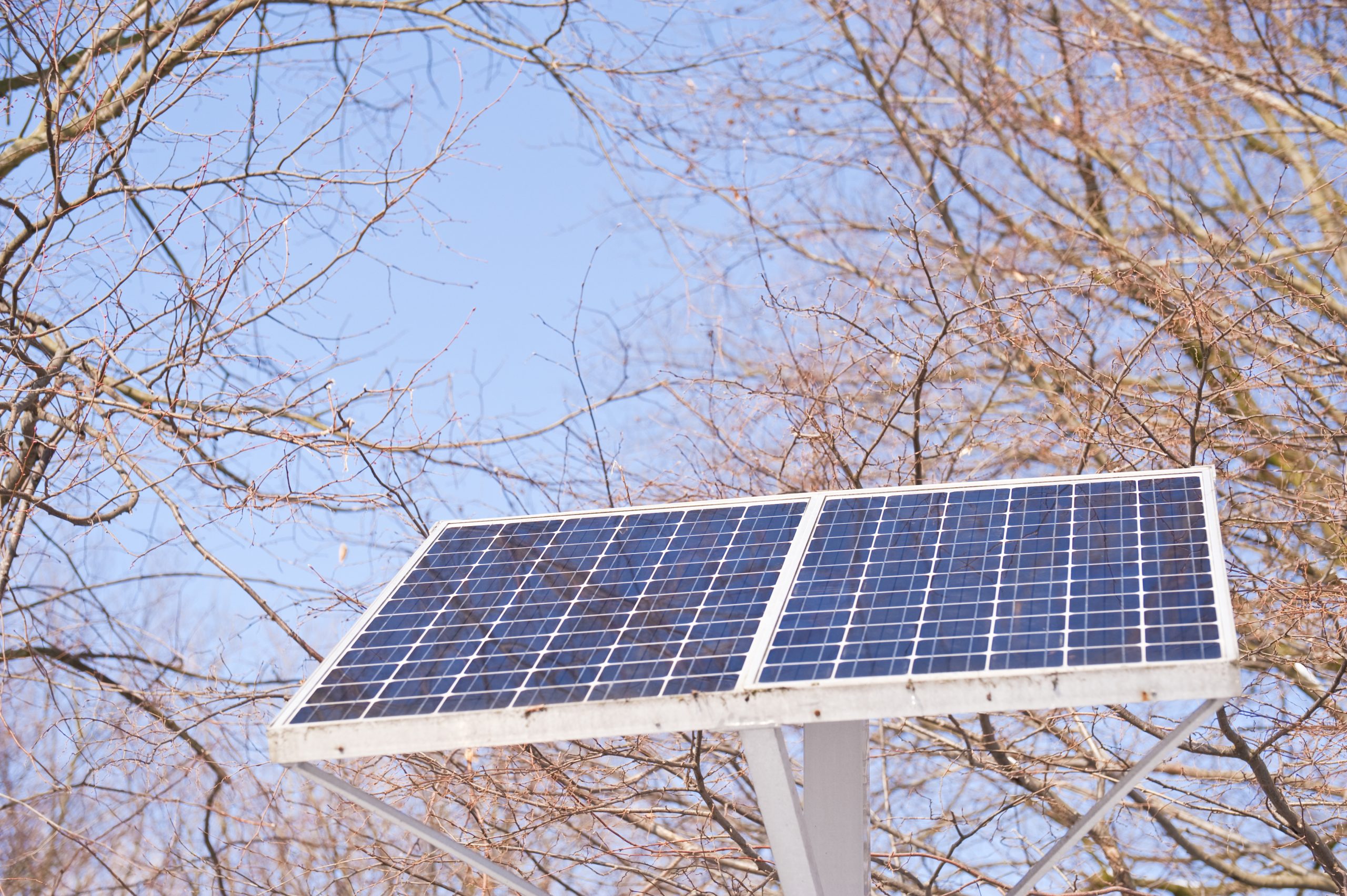
    solar energy Mk2WEV9d scaled

    Conclusion

    Switching to solar energy offers numerous benefits, including significant cost savings, increased home values, and a positive environmental impact. If you are interested in exploring the possibility of going solar, contact a local installer today to learn more about how you can make the switch.


    green leaf zkCENBj scaled
  • How Solar Panels Can Save You Money in the Long Run

    How Solar Panels Can Save You Money in the Long Run

    Solar panels have become increasingly popular in recent years, and for good reason. They offer numerous benefits that make them an attractive option for homeowners looking to reduce their carbon footprint while also saving money on energy bills. In this blog post, we’ll explore how solar panels can save you money in the long run by covering topics such as their benefits, environmental impact, common misconceptions, and why investing in solar panels is a smart decision.

    Introduction to Solar Panels and Their Benefits

    Solar panels are devices that convert sunlight into electricity using photovoltaic cells. These cells absorb light particles called photons from the sun and release electrons, which generate an electrical current. The power generated by these panels can be used immediately or stored in batteries for later use. One of the main benefits of solar panels is that they produce clean energy, meaning they don’t emit any greenhouse gases or other pollutants that contribute to climate change. Additionally, once installed, there are no recurring costs associated with generating electricity from solar panels, making them a cost-effective solution over time.

    How Much Money Can You Save with Solar Panels?

    The amount of money you can save with solar panels depends on various factors, including your location, the size of your system, and your energy consumption patterns. However, on average, homeowners who install solar panels can expect to save between $10,000 and $30,000 over the lifetime of their systems. This includes both the upfront costs of installation and the savings on energy bills over time. In some cases, homeowners may even earn a profit by selling excess energy back to the grid through net metering programs.

    The Environmental Impact of Using Solar Energy

    Using solar energy has a significant positive impact on the environment. By reducing our reliance on fossil fuels, we can decrease air pollution and lower our carbon emissions. According to the National Renewable Energy Laboratory, solar panels prevent approximately 28 million tons of carbon dioxide emissions per year. Additionally, because solar panels require little maintenance after installation, they don’t generate waste or pollution during operation.

    Common Misconceptions About Solar Panels Debunked

    One of the most common misconceptions about solar panels is that they don’t work well in cloudy climates. While it’s true that solar panels perform better in direct sunlight, they can still generate electricity under cloudy skies. Another myth is that solar panels are too expensive to be practical. While the initial costs of installation can be high, the long-term savings often outweigh the upfront expenses. Finally, many people believe that solar panels are unsightly and will detract from the appearance of their homes. However, modern solar panels come in a variety of styles and colors, allowing homeowners to choose options that complement their architecture.

    Conclusion: Why Investing in Solar Panels is a Smart Decision

    Investing in solar panels is a wise financial decision that not only saves money but also reduces our dependence on nonrenewable resources. With the potential to earn a profit through net metering programs and the ability to lock in low energy rates for decades to come, solar panels provide a stable and reliable source of income. Additionally, by choosing renewable energy sources like solar, we can help protect the planet for future generations. Overall, installing solar panels is a sound investment that offers numerous benefits to both homeowners and the environment.

    green leaf zkCENBj 1 scaled
  • How Solar Panels Can Save You Money in the Long Run

    How Solar Panels Can Save You Money in the Long Run

    Solar panels have become increasingly popular in recent years, and for good reason. They offer a number of benefits that make them an attractive option for homeowners looking to reduce their carbon footprint and save money on energy bills. In this blog post, we’ll explore how solar panels can save you money in the long run.

    Introduction to Solar Panels and Their Benefits

    Solar panels are made up of photovoltaic cells that convert sunlight into electricity. These panels can be installed on your roof or in your backyard, depending on your needs and available space. Once they’re installed, you can start generating your own clean energy and reducing your reliance on traditional power sources.

    One of the biggest advantages of using solar panels is the potential for significant cost savings over time. While there may be some initial costs associated with installing the panels, many homeowners find that they quickly recoup those expenses through reduced energy bills. Additionally, solar panels can increase the value of your home, making them a wise investment both financially and environmentally.

    How Much Money Can You Save with Solar Panels?

    The amount of money you can save with solar panels will depend on a variety of factors, including the size of your system, your location, and your energy usage patterns. However, according to EnergySage, the average homeowner saves between $10,000 and $30,000 over the lifetime of their solar panel system. This means that while there may be some upfront costs involved, most homeowners see a positive return on their investment within just a few years.

    The Environmental Impact of Using Solar Energy

    In addition to saving money, another major benefit of using solar panels is the positive impact it can have on the environment. By converting sunlight into electricity, solar panels help reduce our dependence on fossil fuels and lower greenhouse gas emissions. According to the National Renewable Energy Laboratory, solar power has the potential to reduce carbon dioxide emissions by up to 28,000 pounds per year for every household that switches to solar energy.

    Common Misconceptions About Solar Panels Debunked

    Despite the numerous benefits of using solar panels, there are still some common misconceptions about these systems that persist. One of the most prevalent myths is that solar panels don’t work well in cloudy climates. However, this simply isn’t true – even in areas with less direct sunlight, solar panels can still generate enough electricity to meet your energy needs. Another misconception is that solar panels require frequent maintenance or repairs. While it’s true that your system should be inspected periodically to ensure optimal performance, most modern solar panels are designed to last for decades with little to no maintenance required.

    wind energy fJWnMQqu 2 scaled

    Conclusion

    Overall, solar panels offer a wide range of benefits for homeowners, from significant cost savings to environmental sustainability. If you’re interested in learning more about how solar panels can save you money in the long run, consider speaking with a local installer or doing some research online. With the right information and planning, switching to solar energy can be a smart financial decision that also helps protect the planet for future generations.