Tag: the pros and cons of

  • The Pros and Cons of Hybrid Solar Systems Explained

    The Pros and Cons of Hybrid Solar Systems Explained

    Understanding Hybrid Solar Systems

    What is a Hybrid Solar System?

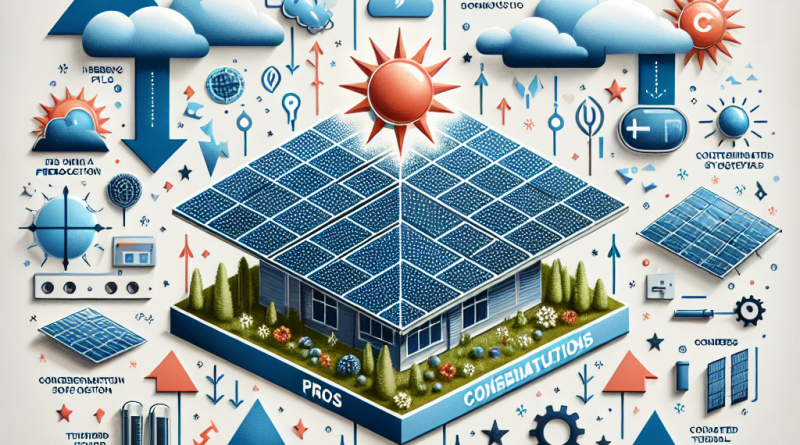
    Alright, so let’s dive into the whole hybrid solar system thing. Basically, a hybrid solar system combines standard solar panels with a battery storage system. This means you can both generate your own energy and store some of it for later use. It’s like having your cake and eating it too, right?

    What’s cool about these systems is that they give homeowners more flexibility. You don’t have to rely solely on the grid—which can be unpredictable at times. Imagine being able to power up your devices without stressing about those pesky utility bills. Now that’s a win in my book!

    In terms of setup, these systems can be a little more complex than standard solar setups. You’ve got solar panels to capture sunlight, inverters to convert that energy, and batteries to store it all. But the end result? A powerful system that’s ready to tackle energy demands even when the sun isn’t shining.

    The Advantages of Hybrid Solar Systems

    Energy Independence

    If you ask me, one of the biggest perks of hybrid solar systems is the energy independence they provide. By generating and storing your own energy, you’re less at the mercy of rising energy costs. It feels pretty liberating to know that you’re creating your own power!

    Plus, during power outages, having a hybrid system means you can keep your essentials running. Lights, fridge, even your Wi-Fi—who wouldn’t want to keep that going during an outage? I’m all in for not getting left in the dark!

    This level of autonomy not only boosts your comfort but can also increase the value of your home. Potential buyers love the idea of a home that can run on its own, especially in today’s eco-conscious market.

    Reduced Electric Bills

    Let’s talk about money savings, shall we? Hybrid solar systems help you decrease those electric bills, sometimes significantly. Of course, the amount you save can vary based on how much energy you generate and use, but I’ve seen some folks save dozens of dollars each month!

    Not only that, but being able to draw energy from your stored battery during peak usage times can maximize those savings. I’d much prefer to pull from my own battery instead of worrying about peak electrical costs from the grid.

    Over time, the reduced bills can really add up. It turns out hybrid solar systems can be a solid investment, giving you a return on what you put in in terms of installation costs.

    Environmental Impact

    Going green is a huge motivation for many homeowners—and rightly so! Hybrid solar systems allow you to produce clean, renewable energy. The fact that you’re lowering your carbon footprint while powering your home feels like a double hug for the planet.

    Every solar panel counts towards reducing reliance on fossil fuels. I always feel a little proud every time I see my energy meter running backward and knowing I’m contributing to a healthier planet.

    Moreover, as we shift towards more sustainable energy sources, hybrid systems support that transition. It’s not just a personal win; it’s a win for communities and future generations too.

    The Disadvantages of Hybrid Solar Systems

    Higher Initial Costs

    Alright, let’s face it—one of the downsides is the price tag. Setting up a hybrid system isn’t exactly pocket change. Between the solar panels, inverters, installation, and battery costs, it adds up. I’ve seen some folks hesitate because of the upfront investment required.

    While the long-term savings are appealing, I completely understand why some people might be put off by those initial costs. It can feel like an overwhelming decision, especially when it seems like you’re investing more in a system that’s not a guaranteed quick fix for energy savings.

    In addition, the maintenance of hybrid systems can involve extra costs. Maintaining the batteries and all the components can add some ongoing expenses that might not be on everyone’s radar before diving in.

    Complex Installation Process

    Let’s talk installation. It can be a bit of a headache. Setting up a hybrid solar system usually requires professionals, and that can complicate things more than a straightforward solar panel installation.

    From my experience, it’s crucial to find a reputable installer who understands the ins and outs of hybrid systems. If you don’t, you might end up with a system that isn’t functioning as efficiently as it could. Ain’t nobody got time for that!

    Lastly, the learning curve on monitoring your system can be steep. You’ll need to stay on top of how your energy is being generated and stored—hopefully not during your lunch breaks!

    Battery Limitations

    Let’s get real—the batteries in hybrid systems have limits. They have a finite lifespan and generally need replacing every few years, which adds to the overall cost of ownership.

    Moreover, not all batteries are created equal. Some may not hold enough charge for larger households, which could leave you wanting more energy storage on those cloudy days. I know I’ve looked at mine and thought, “C’mon, charge more!”

    There’s also the risk of battery technology changing. The rapid advancement in this field means that what you install today might not stack up against the impressive options coming out tomorrow. It’s a bit of a gamble!

    Conclusion

    So, there you have it! Hybrid solar systems come with their own set of pros and cons. Energy independence, reduced bills, and a smaller environmental footprint can draw you in, but don’t sleep on the higher costs and complexities.

    As with any home improvement choice, it really boils down to what you value most in your energy usage. Ultimately, it’s about finding a balance that aligns with your lifestyle and financial situation.

    If you’re considering going hybrid, I suggest doing your research, reaching out to folks in your local area who have made the switch, and maybe even taking a few quotes before making that leap!

    FAQ

    1. What is a hybrid solar system?

    A hybrid solar system combines solar panels with battery storage, allowing you to generate and store your energy, offering more independence from the grid.

    2. What are the main benefits of a hybrid solar system?

    The main benefits include energy independence, reduced electricity bills, and a positive environmental impact.

    3. What are some drawbacks of hybrid solar systems?

    Some drawbacks include the high initial costs, complex installation processes, and maintenance requirements for batteries.

    4. How much can I save on electricity with a hybrid system?

    Savings vary based on energy usage and system efficiency, but many homeowners see a noticeable decrease in their electric bills over time.

    5. How long do batteries for hybrid systems last?

    Typically, batteries for hybrid solar systems last 5 to 15 years, depending on the type of battery and how you care for them.

  • The Pros and Cons of Off-Grid Solar Systems

    The Pros and Cons of Off-Grid Solar Systems

    Independence from Utility Companies

    Choosing Your Energy Source

    One of the most liberating feelings is the independence that comes with an off-grid solar system. Personally, I was tired of depending on utility companies for my energy needs. With off-grid living, I got to choose what energy source I relied on. I started digging into solar power, and the idea of generating my own electricity was incredibly empowering. It’s sort of like being your own boss; no one can dictate when your power is up or down because of outages.

    Another cool thing about using solar energy is how I get to contribute to a healthier planet. With climate change knocking on our doors, going off-grid means I’m reducing my carbon footprint. Honestly, it’s a fantastic way to feel like part of the solution rather than just another part of the problem. Knowing that my energy is clean and sustainable has been a rewarding journey.

    However, with this freedom comes responsibility. It’s not all sunshine and rainbows (pun intended!). I discovered that I had to learn a lot about managing energy consumption and production which was a bit overwhelming at times. But honestly, every new skill I picked up made me feel more connected to my energy usage, so it’s been worth it.

    Cost Savings Over Time

    Initial Investment vs Long Term Benefits

    When I first researched off-grid solar systems, the initial investment made me cringe a bit. Let’s be real—it’s not cheap at the start. But what’s cool is how I came to appreciate that it’s more of a long-term investment. I crunched some numbers and saw that, over time, my savings would really add up. The idea of no monthly electric bills is a dream that drives me.

    Once I set everything up and learned to optimize my energy use, I started noticing the monthly savings. That feeling of not sending a chunk of my paycheck to the utility company was pure bliss. And trust me, every little bit counts, especially when you start seeing those solar tax credits kicking in too, which I was not expecting!

    Of course, you can’t ignore the maintenance costs down the road. As with any system, there can be hiccups, and I had to account for occasional repairs or replacements. But the fact that I’ve been saving on utility costs gives me peace of mind knowing that I can handle some of these expenses without breaking the bank.

    Environmental Impact

    Reducing Your Carbon Footprint

    We all know that fossil fuels are a big contributor to environmental issues, right? Transitioning to an off-grid solar system meant a massive shift for me toward using renewable energy—definitely something I wanted to embrace. Taking that step towards cleaner energy felt fulfilling. Every ray of sunshine was now working for me and for Mother Earth!

    In my experience, one of the underrated perks has to be the sense of community. I’ve met so many like-minded folks who share the same vision for a sustainable lifestyle. It’s inspiring to hear how others are tackling energy consumption and making eco-friendly decisions.

    But honestly, being environmentally conscious doesn’t just stop at picking solar! I learned to adopt a holistic lifestyle that focuses on conservation and sustainability, from minimizing waste to gardening in my backyard. Making this lifestyle switch has motivated me to not just rely on solar power, but to live in harmony with the environment as a whole.

    Self-Sustainability Challenges

    Energy Management Skills Required

    Okay, let’s talk about the not-so-fun bits. With great power (yeah, I’m still going there!) comes great responsibility. The learning curve hit me hard! I had to learn how to manage my energy use strictly. The first few months were a rollercoaster—balancing consumption with what my solar panels were generating was tricky.

    Having to constantly monitor energy use taught me some valuable skills, but it could be a headache, especially during storms or cloudy days. Sometimes, I found myself calculating power usage like it was math class—who knew going green would feel like an algebra quiz? Keeping track of battery levels and ensuring they were adequately charged became my new pastime.

    But hey, it’s not all bad! Every challenge faced turned into a learning opportunity that truly sharpened my problem-solving skills. Not to mention, the sense of accomplishment when everything clicked into place outweighed the stress. With time, I figured out what worked for me and began to find it second nature.

    The Longevity and Reliability of Solar Systems

    Durability and Maintenance

    Let’s face it, when I’ve invested hard-earned cash into something like solar panels, I want to know they’re going to last. The good news? Most of the components are designed to be durable. My research showed that, on average, solar panels have a lifespan of 25 years. That includes the inverters, which can last 5-10 years before needing replacement.

    Still, there’re always some maintenance tasks! I’ve found that cleaning the panels and inspecting the system regularly keeps everything running smoothly. Admittedly, I used to let dirt and grime build-up on them; big mistake! That little effort goes a long way in maximizing energy output.

    I also realized that harsh weather conditions can take a toll. Living in an area with fluctuating temperatures has tested my system’s durability. But hey, I’ve learned a lot about the importance of positioning the panels effectively and reinforcing any weak spots for long-term reliability.

    Frequently Asked Questions

    What is an off-grid solar system?

    An off-grid solar system is a self-sufficient solar energy system that operates independently of the electricity grid. It’s designed to provide complete energy independence by relying entirely on solar energy.

    What are the main benefits of off-grid solar systems?

    The primary benefits include energy independence, potential cost savings over time, a reduced carbon footprint, and increased self-sustainability in energy use.

    Are there any drawbacks to going off-grid?

    Yes, some drawbacks include the high initial setup costs, the need for energy management skills, and the potential for limited energy availability during adverse weather conditions.

    How do off-grid solar systems work?

    Off-grid solar systems work by capturing sunlight through solar panels, converting it into electricity, which is then used to power your home. Any excess energy can be stored in batteries for use when solar production is low.

    Can anyone install an off-grid solar system?

    While it’s possible for DIY enthusiasts to install their systems, working with a professional is often recommended to ensure correct installation and optimal performance of the solar system.