1. Understanding Solar Power Systems
What are Solar Power Systems?
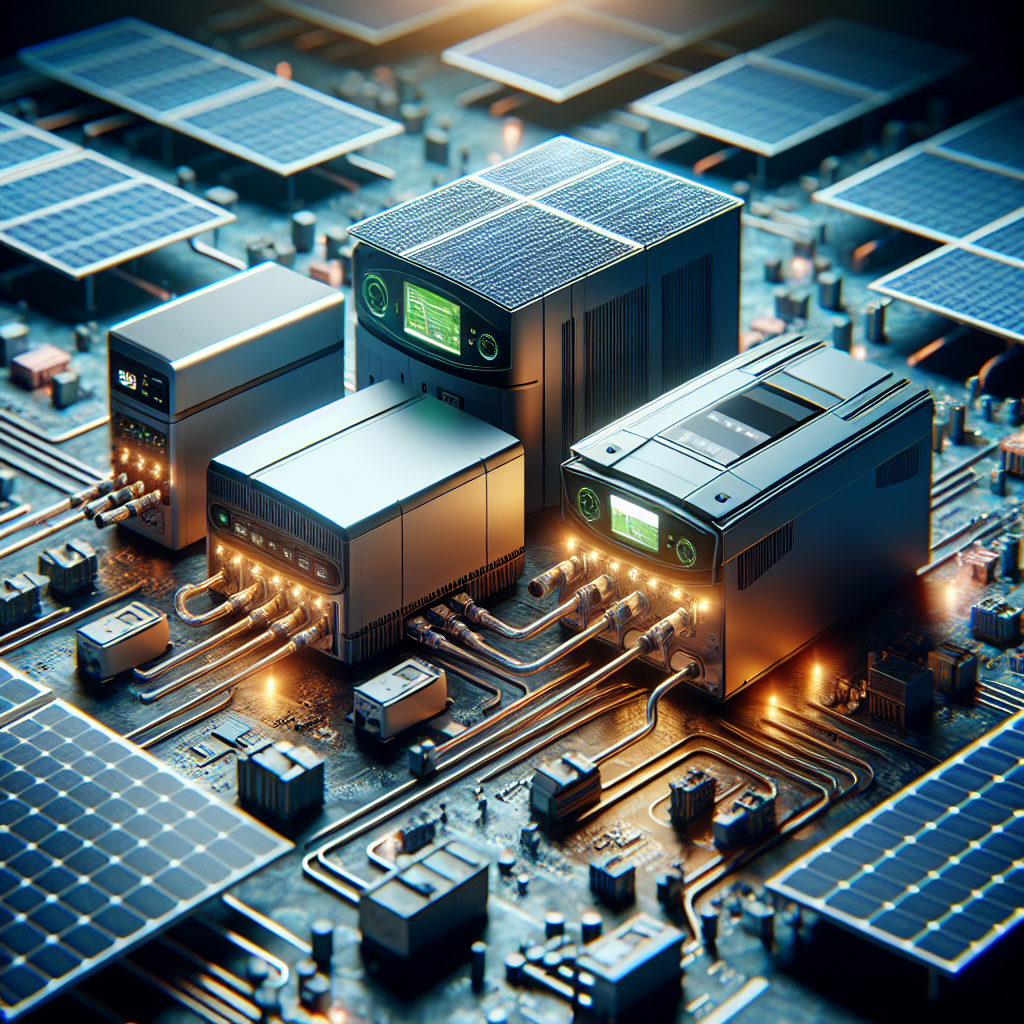
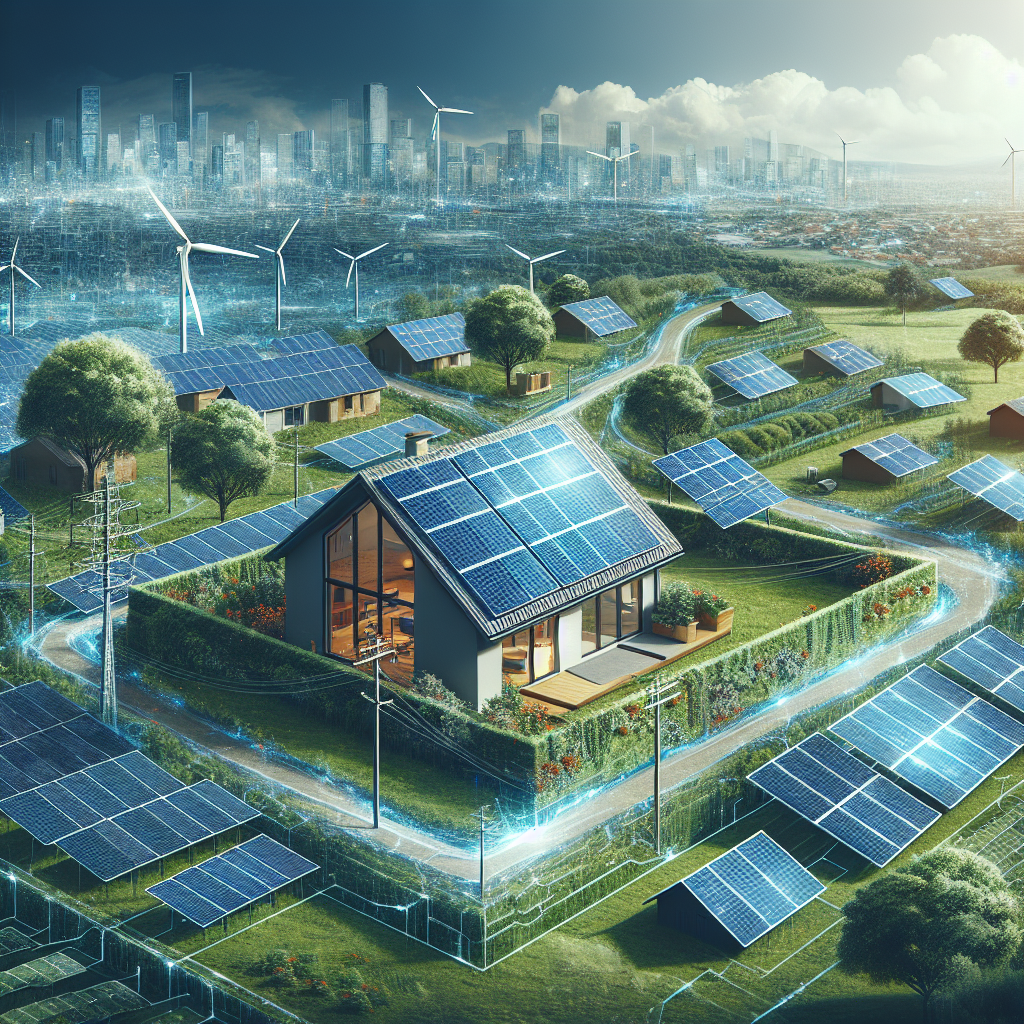
Solar power systems harness the energy from the sun to generate electricity or heat. Essentially, they convert sunlight into usable energy, either for your home or businesses. Just imagine getting all that energy for free! Personally, when I first tried to figure out how solar worked, it honestly blew my mind. The technology has come a long way and it makes it easier for anyone to switch to renewable energy.
There are two primary types of solar systems: photovoltaic (PV) systems and solar thermal systems. PV systems use solar panels to convert sunlight directly into electricity, while solar thermal systems use the sun’s heat to produce hot water or steam for heating purposes. Each has its unique benefits, and the choice depends on your specific needs and setup.
Understanding how these systems work lays the foundation for making a smart investment. From my experience, taking the time to grasp the basics really helps when selecting the right options for your eco-friendly living goals.
Benefits of Solar Energy
Going solar has a ton of benefits—both for you and for the environment. First, it drastically reduces your electricity bills. I’ve personally noticed a massive drop in my utility payments since going solar. This savings can be redirected into other enjoyable or necessary expenses.
Secondly, solar energy is renewable and abundant. Unlike fossil fuels, which are on this never-ending depletion path, sunlight is free and available everywhere. It’s a clean source of power, making it a critical piece in reducing our carbon footprint and fighting climate change.
Lastly, in many places, government incentives and rebates make switching to solar even more affordable. If you’re like me, every bit of financial assistance counts. Even just being aware of these can help during the installation process.
Types of Solar Power Systems
As a homeowner, I found it essential to delve into the types of solar power systems available. The most common types are grid-tied systems, off-grid systems, and hybrid systems. Grid-tied systems connect to the local electric grid and allow you to draw power when your solar system isn’t producing enough energy.
On the flip side, off-grid systems operate independently of the electric grid. These are typically outfitted with battery storage, which means you can access energy no matter the time of day. This is an excellent option if you live in a remote area or just want complete independence from traditional electricity sources.
Hybrid systems offer the best of both worlds by integrating grid access with battery storage. Some nights the grid takes care of us, while during sunny days, we rely on solar. It really allows for flexibility and maximization of renewable energy use!
2. Choosing the Right Solar Panels
Types of Solar Panels
When I started my solar journey, I quickly learned that not all solar panels are created equal. There are three main types you’ll encounter: monocrystalline, polycrystalline, and thin-film. Monocrystalline panels are known for their high efficiency and sleek design, which is great if aesthetics matter to you.
Then, there are polycrystalline panels. While they’re generally less efficient than their monocrystalline cousins, they’re often more budget-friendly. If you’re like me and need to watch your wallet, this could be a suitable option.
Lastly, thin-film solar panels are lightweight and flexible, making them easy to install in various spaces. However, they typically require more roof space, as they have a lower efficiency than the other two. Choosing the right panel is crucial, and once you understand the differences, it becomes easier to weigh your options.
Factors to Consider When Selecting Solar Panels
Choosing solar panels is more than just picking a pretty color. There are several factors to consider. First, you need to think about efficiency. Higher efficiency means better performance and less space needed on your roof. Personally, I wanted panels that weren’t just pretty but wouldn’t require me to clutter my roof with tons of them.
Next is durability. Look for panels with robust warranties and a solid track record. I went with a brand known for its longevity and performance, and it’s paid off so far with no issues. Choosing panels meant to withstand extreme weather can save you from future headaches.
Lastly, pay attention to the cost versus output ratio. Sure, a cheap panel may look good on your budget sheet, but if it produces less energy over time, it might not be worth it. That’s where research and reviews come into play, and I found plenty of resources online to help me navigate this process.
Installation and Maintenance of Solar Panels
Once you’ve chosen the perfect solar panels, it’s time to talk about installation. I must say, finding a reputable installer made all the difference for me. I did my homework and selected a company with strong reviews and a solid warranty, which alleviated many of my worries.
Post-installation, maintaining your solar panels is essential. They’re pretty low maintenance, but I still check them regularly for debris and dirt—especially after heavy storms. A simple rinse can boost their effectiveness and maintain efficiency. I set reminders in my phone to inspect them every few months to stay on top of it!
And don’t forget about monitoring your system! Most systems come with apps these days. You can track how much energy you’re producing in real-time, and it feels like I’m watching magic happen every sunny day. It keeps you engaged and shows just how much you’re contributing to eco-friendly living.
3. Off-Grid vs. Grid-Tied Systems
Grid-Tied Advantage
When I first thought about going solar, I was drawn to the grid-tied systems. The ability to draw on the grid when my setup couldn’t meet my energy needs provided comfort. It’s kind of like having a safety net in case of cloudy days.
Plus, many grid-tied systems let you sell back excess energy to the utility company, which puts money back in your pocket. This net metering option is an absolute gem! I remember that first time I checked my utility bill and saw that credit—what a win!
However, I did worry about the dependency on the grid. Given the unpredictability of energy availability, this type of system could leave you hanging if there’s a blackout. Still, I thought it was a fair trade-off for my lifestyle at that time.
Off-Grid Independence
If you’re a free spirit or live in a remote area, off-grid solar systems might fit your vibe better. After switching to solar, I caught myself daydreaming about the freedom of being completely independent. Off-grid systems require battery storage, which lets you store energy for when you need it most, like at night or during overcast days.
These systems can feel like a breath of fresh air, providing security and self-sufficiency, especially if you live in an area prone to power outages. They do, however, require a higher upfront investment due to batteries and setup complexity, which isn’t a tiny detail to overlook.
In the end, the idea of living off the grid sounds romantic until you realize you need to factor in the cost, maintenance, and space for energy storage. It’s essential to approach this decision with careful consideration.
Hybrid Systems: The Best of Both Worlds
After deciding on my own solar system, I realized that the hybrid option melded the best of both worlds together. These systems combine the connection to the grid while also offering battery storage, giving you the best options available. I mean, what’s better than being able to tap into the grid when needed and still havin’ that independence?
Hybrid systems are super flexible, allowing for customization based on energy needs. You won’t feel boxed into one method of energy production. I appreciated this when evaluating my energy use and preferences over time.
It’s crucial to weigh all options, though. This hybrid style can be more costly, so consider your budget and long-term energy goals. I found that many people, myself included, valued the balance between independence and accessibility—a solid compromise!
4. Financial Incentives and Tax Credits for Solar
Federal Tax Credits
If you’re thinking about going solar, you’ll want to familiarize yourself with available financial incentives, especially federal tax credits. I’m talking about the Investment Tax Credit (ITC), which allows you to deduct a significant percentage of your solar system installation costs from your federal taxes. When I learned about this, it made my decision to go solar even more exciting!
These credits can save you a hefty amount, and the percentage has varied in past years. So always stay updated on current guidelines, and remember: you’ve got to actually install your system to benefit from this lovely bonus!
Plus, be sure to consult with a tax professional who can help you navigate the specifics of your situation. I found it incredibly helpful to have someone in my corner assisting with the nitty-gritty parts of taxes and ensuring I got my credits appropriately.
State and Local Incentives
Don’t sleep on local incentives; they can be just as great as federal ones! Many states and municipalities offer additional tax credits, rebates, or grants for renewable energy projects. When I dove into this part, I found that some localities even provide performance-based incentives that pay you for the solar power you generate.
This was a huge win for me, as it meant the local government was actively supporting the adoption of green technology. Check with local regulations or utility companies—sometimes you’ll luck out with an unexpected incentive program.
Also, certain states have net metering laws, which as mentioned before, can mean you get credits for feeding energy back into the grid. The overall savings from local and state programs can really make a difference!
Financing Options for Solar Energy
Buying a solar system can seem daunting at first, especially price-wise. It doesn’t have to drain your savings! Over the years, I discovered several financing methods available, from solar loans to leases and Power Purchase Agreements (PPAs). Loans generally let you own the system and qualify for incentives, whereas leases and PPAs can help those who aren’t ready for the full financial commitment but want to enjoy solar benefits now.
Leasing means you don’t actually own the system but pay for the energy produced by the panels. On the flip side, a PPA involves paying for the power generated, which can be a smoother way to start your solar journey without the initial investment stress.
Consider your goals and financial situation—there’s a plan out there that fits you. I found it beneficial to sit down and crunch the numbers, so I knew what would work best for my budget and lifestyle.
5. The Future of Solar Energy
Advancements in Solar Technology
The future of solar energy is bright—pun intended! I’m constantly amazed by the advancements in solar panel technology. Research is leading to panels that are more efficient, more affordable, and less obtrusive in design. There’s even talk about solar skins that can blend in with your roof! How cool is that?
With improved efficiency, more homes than ever will be able to benefit from solar energy in a smaller footprint. It honestly gives me hope for global energy solutions as we tackle climate change.
As advancements in solar energy continue, we can look forward to more innovative energy storage solutions, which will help with our energy independence. The future is indeed looking fantastic!
Impact on the Environment
Switching to solar energy isn’t just about saving money; it also plays a crucial role in benefiting our planet. Reducing reliance on fossil fuels means fewer greenhouse gas emissions—something I value deeply as we seek to create a healthier environment for future generations.
By opting for solar, we’re promoting a sustainable lifestyle, leading to cleaner air and less pollution overall. Personally, knowing I’m doing something meaningful for the planet makes every dollar I spend seem worthwhile.
Every year, more families are embracing solar power, leading to a massive shift in energy consumption patterns, and I can’t help but feel hopeful about collective progress toward a greener planet.
Community Involvement in Renewable Energy
As solar energy becomes more commonplace, community-driven initiatives are starting to sprout up. From neighborhood solar co-ops that allow residents to pool resources for a collective solar project to social campaigns that promote education about renewable energy—there’s a lot happening!
Getting involved in these local initiatives has been one of the most fulfilling experiences for me. It fosters camaraderie among neighbors while promoting sustainable energy practices. Plus, working together strengthens relationships, and there’s nothing like a community working towards a common goal to make a difference.
Whether participating in local sustainability fairs or simply spreading the word about solar energy, everyone can contribute to the future of renewable energy one small step at a time.
FAQs About Solar Power Systems
1. How much can I save by switching to solar energy?
The amount you save can vary widely depending on your location, energy usage, and the size of your solar system. However, many homeowners see savings of anywhere from 20% to 50% on their energy bills.
2. Are solar panels expensive to install?
Initial installation costs can be high, but thanks to falling prices for solar technology and financial incentives, many homeowners can find affordable options. The long-term savings on electricity bills often outweigh the upfront costs.
3. What happens during cloudy days or at night?
Ingrid-tied systems draw electricity from the grid when solar production is low. Off-grid systems use storage batteries to provide power when there’s no sunlight. So, you’ll always have a way to get power, no stress!
4. Do I need to maintain solar panels?
Solar panels are generally low-maintenance, with most requiring just a cleaning a few times a year to remove dirt and debris. Regular inspections can also help maximize efficiency.
5. What is net metering?
Net metering is a billing arrangement that allows you to receive credits on your electricity bill for any excess energy your solar system generates and sends back to the grid. This can help offset future energy costs and is an attractive benefit for many homeowners.