Tag: the

  • Understanding the Difference Between Solar Generators and Power Banks

    Understanding the Difference Between Solar Generators and Power Banks

    Energy Source and Sustainability

    Solar Generators: Harnessing the Sun

    When it comes to powering up your devices or appliances, solar generators are a game-changer. They use solar panels to convert sunlight into electricity, which is then stored in batteries for later use. This is like having a little power plant right in your backyard! The sustainable aspect of solar energy helps reduce our reliance on fossil fuels, making it not just efficient, but also eco-friendly.

    One amazing thing I’ve found about solar generators is their ability to work in various conditions. Whether you’re out camping or preparing for a power outage, as long as there’s sunlight, you can generate energy. It’s incredibly liberating to know that you can stay powered up, all while helping to protect the environment.

    Not to mention, the installation can be a bit of fun, too! Setting up solar panels feels like a DIY project that you can take pride in, especially knowing that it contributes to your energy independence.

    Power Banks: Portable Convenience

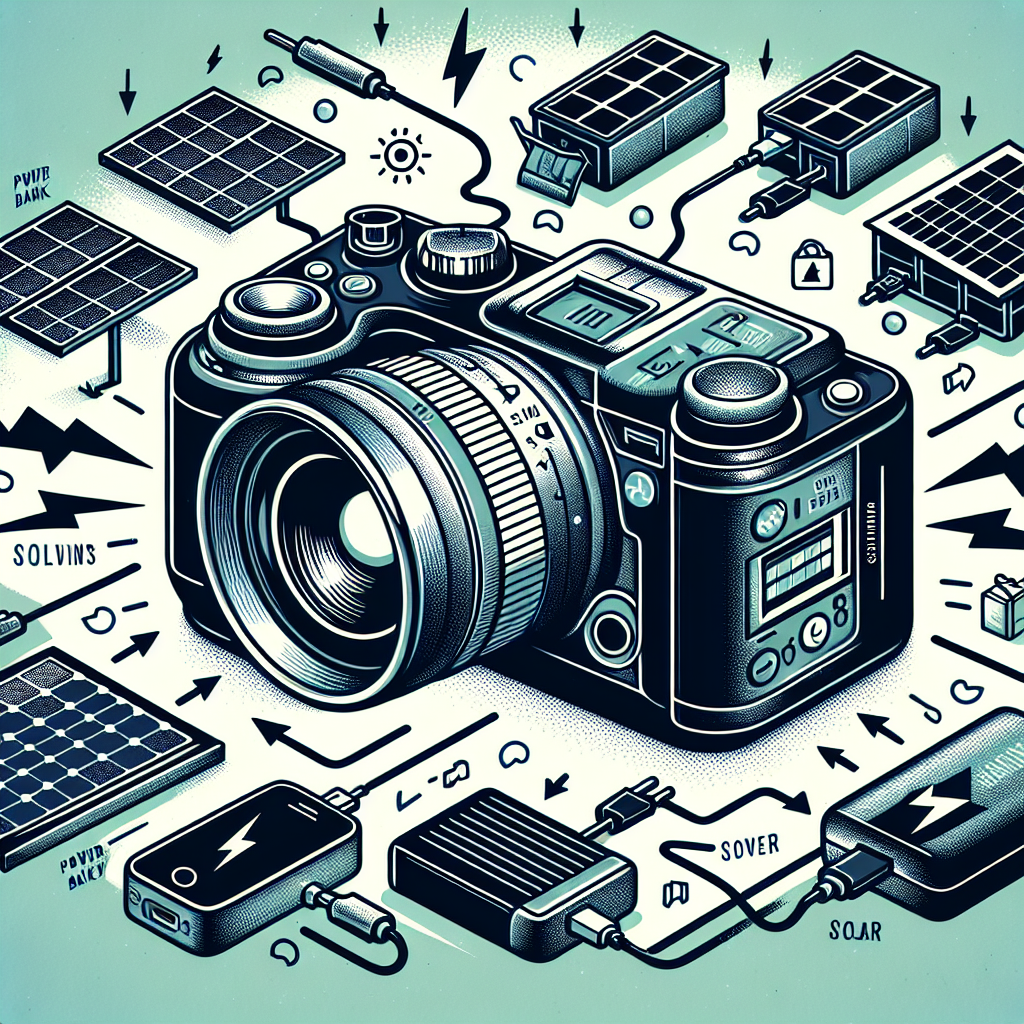
    On the other hand, power banks represent a different breed of portable energy. These compact units are designed primarily to charge small electronic devices like smartphones, tablets, and even laptops. Their appeal lies in their convenience and portability—perfect for someone like me who’s always on the go.

    What I love about power banks is that you can easily toss one into your bag without thinking twice. They’re lightweight and come in various sizes and capacities, allowing you to choose one that fits your lifestyle. However, they generally need to be charged from an electrical outlet or another power source, which can be a downside if you’re out in the wild.

    Also, some power banks even come with extra features like built-in flashlights and multiple charging ports. It’s cool to have a gadget that serves multiple purposes—talk about killing two birds with one stone!

    Environmental Impact

    When reflecting on energy choices, it’s essential to consider the environmental impact. Solar generators are inherently more sustainable since they harness an abundant and renewable energy source. It’s gratifying to think that while I’m charging my devices, I’m not contributing to greenhouse gas emissions.

    In contrast, traditional power banks often rely on batteries that, once depleted, need to be disposed of. This becomes a cycle that can harm the environment if not handled correctly. However, there are eco-friendly options available today, thanks to manufacturers who are becoming more conscious of their impact on the planet—something I genuinely appreciate.

    Ultimately, when making the choice between these two options, I think about how each fits into my values. For longer outdoor adventures, I’d reach for a solar generator. For a quick charge while commuting, I’d grab my reliable power bank.

    Capacity and Usage

    Solar Generators: Powering Up Big Time

    Solar generators tend to have higher power capacities, often measured in watt-hours (Wh). This means they can run larger devices like refrigerators or power tools for an extended period. I’ve used my solar generator during weekend camping trips, and it’s fantastic to power up a small fridge to keep my drinks cool!

    The versatility of a solar generator is remarkable. I’ve even charged my laptop outdoors while working from my tent, which helps me stay productive in nature. Plus, during power outages, it becomes an essential source to keep essentials running.

    Additionally, what’s great is that the capacity can be expanded with more solar panels—imagine doubling or tripling your power output just by adding a few panels. It feels like building an energy fortress, ready for anything!

    Power Banks: Quick Charges on the Fly

    Power banks, on the other hand, generally have a lower capacity, which makes sense considering their primary use. They’re designed for short bursts of charge to keep our gadgets alive while we’re out and about. When I’m running low on battery while scrolling Instagram or navigating, having a power bank in my bag feels like having a safety net.

    Despite their lower capacities, the latest models pack a surprising punch and can often charge multiple devices at once. It’s both practical and efficient, especially when I’m hanging out with friends and we’re all desperate to charge our devices at the same time.

    However, keep in mind that while they’re perfect for phones and tablets, trying to charge a high-demand device like a laptop can drain a power bank faster than you might expect. It’s definitely crucial to check the specifications before taking one on a trip.

    Choosing Based on Needs

    When it comes down to deciding whether a solar generator or a power bank fits your needs better, I’ve learned to ask myself a few questions. Do I need long-term power for multiple devices, or just a quick top-up for my phone? This helps greatly in narrowing things down.

    If I plan on spending a weekend in the wilderness and still want to enjoy some modern conveniences, a solar generator is definitely the way to go. Conversely, if I’m just heading out for the day or need a backup for a night out, I’m all about that power bank life.

    Ultimately, evaluating your energy needs based on your lifestyle can lead you to the best choice. And remember, it’s always about what aligns with your activities and values—whether that’s eco-friendliness or sheer convenience!

    Price and Investment

    Initial Costs of Solar Generators

    Investing in a solar generator can seem hefty at first glance. They generally have a higher initial cost than power banks due to the solar panels and battery technology involved. But trust me; it’s essential to view this as a long-term investment.

    The beauty of solar generators lies in their ability to save you money on electricity bills over time. Once set up, every kilowatt of energy generated from the sun translates directly into savings. It’s more than just a purchase; it’s a step towards self-sufficiency.

    And remember, there are often government incentives and rebates available for solar technology, which can help offset that initial cost. So it’s worth checking out those options while you plan your purchase.

    Power Banks: Budget-Friendly Options

    Power banks are great if you’re looking for something easy on the wallet. You can find various models ranging from budget to premium, catering to nearly every budget. I’ve purchased a power bank for less than the price of a fancy meal out, and I’ve used it countless times since!

    With a power bank, you’re not typically locked into a long-term investment. Their lower costs mean you can switch them out for newer models as technology improves, and I’ve often found deals that pack a lot of value for a modest price.

    However, keep in mind that cheaper power banks might not provide the same quality or longevity as their pricier counterparts. Investing in a well-reviewed product can save you from frequent replacements, which ultimately becomes a smarter financial choice!

    Value Over Time

    When assessing the overall value of each option, think about how often you’ll use them. A solar generator may feel expensive upfront but can be invaluable during power outages, emergencies, or camping trips. It’s not just about the physical device; it’s about what it offers you in those moments.

    Meanwhile, a quality power bank provides peace of mind when you’re out and about. It’s a reliable companion who helps you stay connected without stress. You might not realize how much you need it until you’re out on a hike and your phone starts pleading for a charge!

    In the end, whether you go with a solar generator or a power bank, consider how each fits into your life. When you align your purchase with your lifestyle needs, you’ll find it’s a choice worth making.

    Additional Features and Usability

    Accessories with Solar Generators

    Solar generators come with a variety of accessories that enhance their functionality and usability. They often include integrated inverters, multiple charging ports, and sometimes even smart features that allow you to monitor performance. I’ve found my solar generator incredibly easy to use with just a couple of buttons to push, making it user-friendly.

    Many solar generators have options for additional solar panels, which can be a great way to boost your energy capacity. The more panels you add, the more power you can generate, which feels like you’re constantly upgrading your gear!

    Also, some models now come with built-in apps for monitoring battery levels and energy usage. I love being able to check my energy consumption right from my smartphone—it makes energy management feel modern and interactive!

    Portability of Power Banks

    One major selling point of power banks is undoubtedly their portability. They come in compact sizes and lightweight designs that make them incredibly convenient to carry. I can easily slip mine into my pocket or backpack without a second thought.

    Some are even designed to be waterproof or rugged, making them great companions for outdoor adventures. It’s reassuring knowing that my power bank can survive the elements without a hitch.

    The fast-charging technology many power banks now incorporate is a game-changer. I’ve been amazed at how quickly they charge my devices, which means I can get back to what I enjoy without waiting around. It’s all about that efficiency!

    User Experience and Design

    Both solar generators and power banks offer varied user experiences that cater to different preferences. For instance, solar generators often feature robust designs with casing that protects against outdoor conditions. I really appreciate gear that stands up to environmental challenges, whether it’s falling off a picnic table or enduring moisture from dew.

    On the flip side, power banks often focus on sleek designs, making them stylish accessories to my tech collection. There’s a certain charm to having gadgets that look good while being super useful—it’s like technology meets fashion!

    Ultimately, evaluating how each product integrates into your daily life is crucial. Both options have their unique quirks that can enhance or simplify the user experience. Choosing between the two often comes down to personal style and preference.

    FAQs

    1. What is the primary difference between solar generators and power banks?

    Solar generators use sunlight to generate and store energy for larger devices and long-term use, while power banks are portable chargers designed for smaller electronic devices and offer quick energy boosts.

    2. Can I charge my laptop with a power bank?

    Yes, many power banks now come with the capability to charge laptops, but it’s essential to check the output specifications to ensure it matches your specific laptop’s needs.

    3. Are solar generators worth the investment?

    Absolutely! While they may have a higher upfront cost, they can save you money in the long run by reducing electricity bills and offering energy independence.

    4. How long does it take to charge a solar generator fully?

    The time it takes to fully charge a solar generator can vary based on factors like the size of the solar panels and the amount of sunlight available, but it can take anywhere from several hours to a full day.

    5. How do I choose between a solar generator and a power bank?

    Consider your power needs—if you require energy for larger devices or longer durations, go for a solar generator. For quick charges on smaller gadgets while on the go, a power bank is the better choice.

  • The Best Practices for Solar Energy Use at Home

    The Best Practices for Solar Energy Use at Home

    Maximize Solar Panel Placement

    Evaluate Your Roof

    When I first decided to go solar, the placement of panels on my roof was crucial. I learned that a south-facing roof often gets the most sunlight throughout the day. This is really key if you want to get the most out of your solar system. It’s worth getting up there and measuring which areas catch the most sunlight, or even hiring a pro to help assess it.

    Don’t just consider the angle of your roof but also nearby trees or tall buildings. These can create shade and reduce efficiency. I had to trim a few branches to ensure my panels wouldn’t be shadowed during peak sunlight hours. It made a noticeable difference!

    Also, think about future growth. If there are young trees nearby, it might be worth planning for their growth in the years to come. You want to set yourself up for success down the line, not just today.

    Understand Local Regulations

    When I first jumped into the solar game, I thought it was just about installation. But boy, was I wrong! Each place has its own rules about solar panel installation. Researching local regulations is something I wish I had prioritized earlier.

    For instance, there can be zoning laws that dictate how tall your panels can be or if they’re allowed at all. And don’t forget about permits! I learned this the hard way when I had to halt my project to apply for permits. Make your life easier by checking this before you start.

    Additionally, some homeowners’ associations have their own set of rules that might restrict where or how you can put solar panels. It’s vital to know these things upfront so you don’t run into headaches later on.

    Optimize Your Angle

    Another lesson I learned was about the angle of the solar panels. Did you know that the tilt can hugely influence how much power you generate? I initially thought “flat is fine,” but found out that a tilted angle can help capture sun rays more efficiently.

    If your roof allows for it, adjust the panels to catch the sun’s rays directly, especially during peak hours. Then there are tools and apps that can help you figure out the best angle based on your location.

    And if you’re feeling extra ambitious, consider whether adjustable mounts might be right for you. They can be a bit pricey, but the boost in efficiency can make it worthwhile in the long run.

    Choose the Right Solar Technology

    Understand Different Panel Types

    Picking the right kind of solar panel can really affect how your system works. Initially, I was just drawn to the shiny ones, but I got an education on the various types available. You have monocrystalline, polycrystalline, and thin-film panels, and each has its pros and cons.

    For my home, I ended up going with monocrystalline panels because they’re known for higher efficiency rates. They might be a bit pricier, but their performance in limited space really paid off. Be sure to weigh your options based on your home’s specific needs.

    Also, check the warranties that come with different panel types! High-quality panels often come with long warranties, which is always a good indicator of their lifespan and reliability.

    Inverter Options Matter

    I neglected to pay enough attention to the inverter when I first installed my system. That’s the gadget that converts the sun’s energy into usable electricity for my home. So, there are string inverters, microinverters, and power optimizers, and each works in different ways.

    For instance, I chose microinverters because they maximize production – even if one panel is shaded, the others will still perform well. I had to weigh my budget and needs, but it turned out to be a smart move!

    Take a hard look at how you’ll want to configure your solar system and chat with your installer about the best fit for your setup. Sometimes cheaper isn’t always better; it could end up costing you more down the road.

    Battery Storage Solutions

    Solar batteries were something I didn’t fully appreciate until I started using them. These beauties store excess energy generated by your solar panels. This means you can keep the lights on even when the sun goes down, or during a power outage, which is a huge win!

    I initially thought a battery setup might be overkill for my small home, but after seeing the difference in reliability, I wish I had done it sooner. Some batteries even allow you to optimize energy use during peak rate times, which can lead to significant savings over time.

    Researching various battery options is essential. Each battery type can offer different storage lengths and discharge rates. Consult with experts, but also consider your own energy habits and needs when choosing the right one!

    Implement Energy Efficiency Practices

    Seal and Insulate Your Home

    A couple of months after my solar panels went up, I realized they weren’t the only part of the equation. Energy efficiency is just as important! Sealing up drafts around windows and doors made a noticeable change in my power consumption.

    When I went through my home, I was shocked at how many little gaps I found. I snagged some caulk and insulation strips and went to town. After sealing everything up, my energy bills dropped significantly, even in extreme weather.

    It’s super satisfying to know your home is cozy and efficient, all while working with your solar setup. Trust me, it’s not just about generating energy; it’s also about not wasting what you’ve got!

    Upgrade Appliances

    I found it hard to part with some of my old reliable appliances, but hot dang, a switch to energy-efficient models made a world of difference! Appliances with the ENERGY STAR label can use significantly less electricity, which means you’ll lower your demands on your home’s solar system.

    For example, my old fridge was a real energy guzzler. After switching to a more efficient model, I could literally see the difference on my energy bills. Plus, many modern appliances now come with smart technology that can help optimize how and when they use energy!

    When upgrading, consider your lifestyle too. Some models may have features that align perfectly with your needs, like smart controls or low energy use during peak times. Sustainable choices can lead to substantial savings.

    Monitor Your Energy Use

    Kicking off my solar journey included some eye-opening moments about my energy usage. I started to analyze where my power was going using monitoring systems. It’s surprisingly humbling when you realize how much energy you waste on unnecessary things!

    By using monitoring apps that sync with my solar system, I not only saw my energy production but also what was using the most energy. The insights helped me make smarter decisions, like running the dishwasher later in the day when the solar output was high.

    The cool thing is you can also set goals and alerts to keep on track. It’s a nifty way to engage with your energy use and incentivizes good habits. Plus, you’ll feel pretty proud seeing not only your solar production but the savings stacking up!

    Take Advantage of Incentives and Rebates

    Know Available Incentives

    I won’t lie – when I learned about the tax credits for solar installation, it was like Christmas came early! There are tons of programs out there at both local and federal levels that can help offset the costs associated with going solar.

    Make sure you do your homework to find out what’s available in your area. From tax rebates to state-funded programs, knowing where to look can save you a bundle and make the transition smoother.

    Plus, some utility companies even offer rebates for installing solar panels, or they can provide credits for energy you send back to the grid. Sweet deal, right? Don’t miss out – every bit helps!

    Consult with Professionals

    In my early days of getting solar set up, I learned the value of consulting with a pro. There are so many variables when it comes to installation, financing, and maintenance that having an expert on your side is a lifesaver.

    I can’t stress enough how invaluable it is to get a personalized consultation. These folks will tailor solutions that fit your home’s unique needs and walk you through the incentives you might qualify for.

    Plus, they often have insider knowledge about any recent changes in regulations or programs that you might not have heard about. Trust me, avoiding any unexpected surprises down the line is worth the initial investment of consulting!

    Stay Updated on Changes

    Staying connected with the latest in solar tech and policy changes is key to making the most out of your system. After my installation, I signed up for newsletters and joined online communities that focused on solar energy.

    These platforms keep you in the loop about new state incentives, updates to technology, and even methods of optimizing your solar energy use. It’s inspiring to see success stories from others and utilize that knowledge!

    Keep in mind that the solar landscape is always evolving, so continually educating yourself can result in better savings and efficiency. Remember, being proactive pays off!

    FAQ

    1. How do I know if my home is suitable for solar panels?

    The best way to determine suitability is to evaluate your roof orientation, angle, and shading from trees or buildings. Consulting with a professional installer can also provide you with insights based on your unique situation.

    2. What incentives can I apply for when installing solar panels?

    Incentives vary by location, but common ones include federal tax credits, state rebates, and utility incentives. Check with local energy authorities or the Database of State Incentives for Renewables & Efficiency for detailed information.

    3. Are solar batteries worth the investment?

    Solar batteries can be a great investment if you’re keen on maximizing your energy independence. They store excess energy for use during peak times or outages and can help you save on energy costs over time.

    4. How can I make my home more energy-efficient alongside solar energy?

    Simple steps like sealing leaks, upgrading to energy-efficient appliances, and monitoring your energy use can enhance your solar system’s effectiveness. Small changes make a big impact!

    5. Is it necessary to hire a professional for solar installation?

    While DIY can be tempting, hiring a professional ensures that everything is installed correctly and safely. They will also navigate regulations, permits, and any available incentives, which can save you time and hassle.

  • How to Select the Best Solar Panel Size for Your Home

    How to Select the Best Solar Panel Size for Your Home

    Assess Your Energy Needs

    Understanding Your Energy Consumption

    Before diving into the solar panel world, I found it crucial to assess how much energy my household typically consumes. It sounds a bit tedious, but trust me; knowledge is power! Start by looking at your utility bill from the past year. Take note of your monthly usage, usually measured in kilowatt-hours (kWh). This gives you a solid baseline of how much energy you need to generate.

    Once you’ve got those numbers down, think about any future changes—like that new hot tub you’ve been dreaming about or planning to install electric vehicle charging. Adjust your baseline accordingly. It’s super important to factor in these things, or you might end up with panels that don’t meet your needs!

    So, ultimately, understanding your energy consumption is not just about current use but also about where you’re headed with your energy demands. It’s like a roadmap for your solar panel journey.

    Identifying Peak Sunlight Hours

    Next up, let’s talk about peak sunlight hours. It’s not just about slapping some panels on the roof and calling it a day; you need to know how much sunlight your area gets. This info varies by location, so grab a solar insolation chart—yeah, it sounds fancy but is super useful.

    Knowing your peak sunlight hours helps in determining how much electricity you can generate with your panels. For example, if you’re in a sunny state like Arizona, you might get about 6 to 8 hours of sunlight per day, while somewhere like Seattle might only give you about 4 to 5 hours. Your solar setup needs to match that sunny reality!

    Remember, it’s not just about total sunshine but also how consistent that sunshine is throughout the year. Understanding these patterns will help you maximize your panel size and efficiency.

    Using Energy Consumption Calculators

    I can’t stress enough how helpful energy consumption calculators are! Once you’ve gathered all your usage data and sunlight information, using a calculator can simplify everything. Many companies offer online calculators that guide you through the process.

    These tools allow you to input your monthly kWh usage, peak sunlight hours, and other variables. They’ll churn out recommendations on how many solar panels you need. It feels like having an expert in my pocket!

    Don’t forget to play around! Different inputs can yield different results. It’s a good way to see the range of options out there and help you get a clear picture of the best fit for your home.

    Evaluate the Available Space for Installation

    Considering Roof Orientation and Pitch

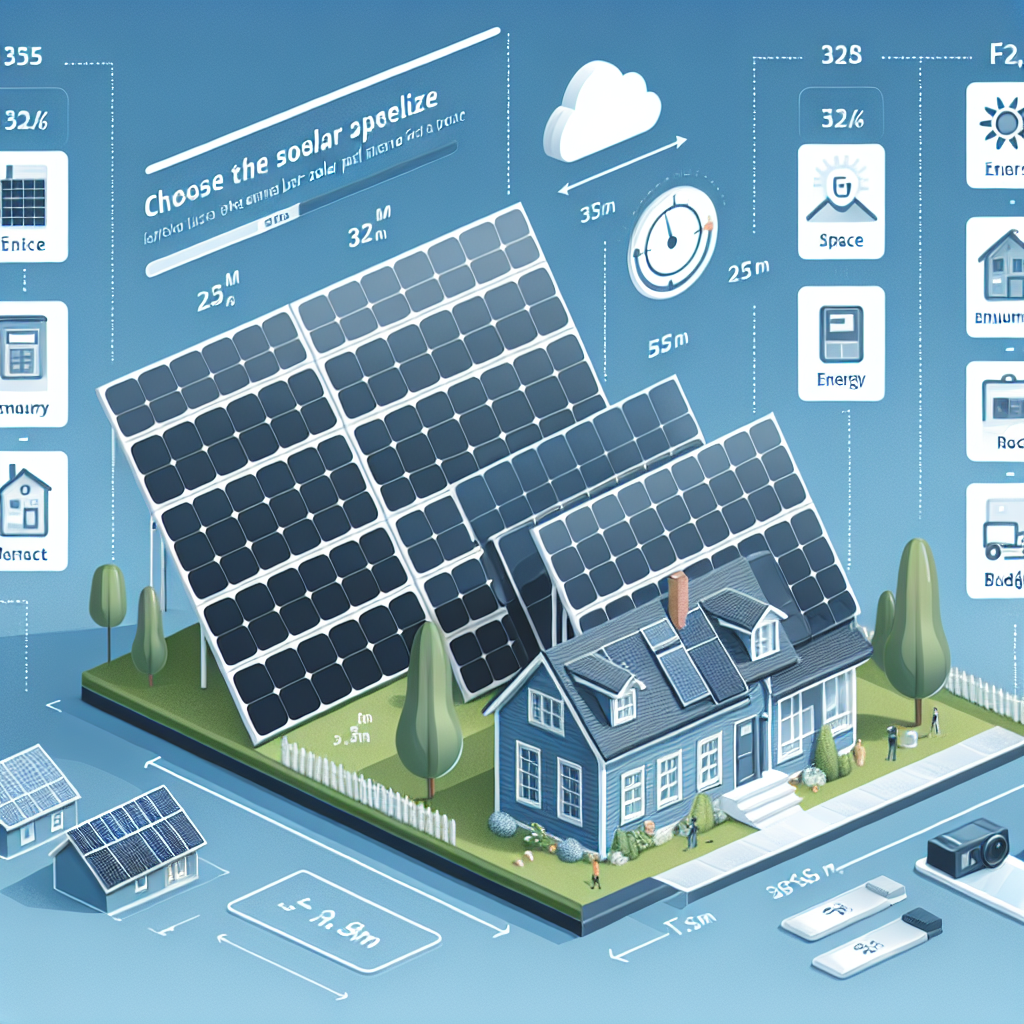
    Let’s dive into the physical aspect—where are you gonna put these beauties? Your roof orientation and pitch play a huge role in how effective the solar panels will be. Ideally, south-facing roofs get the most exposure, but east and west can work, too.

    If your roof isn’t directly south or there are obstacles like chimneys or trees, you may need to get creative with panel placement. When I faced this, I had to brainstorm different layouts to ensure I was getting the most bang for my buck.

    Also, consider your roof angle. A steeper pitch could impact the number of panels you can fit when compared to a flatter roof. Evaluating these elements early can save a ton of hassle down the line!

    Calculating Space Requirements

    Once you know your roof’s million-dollar details, it’s all about space! Each solar panel takes up a certain amount of square footage, and you need to calculate how many you can fit based on your energy consumption needs. Here’s where the measuring tape comes in!

    Sketch out your roof layout and start plotting where panels could go. I divided my roof into sections so I could visualize how many panels could fit while keeping in mind aesthetic appeal. We all want our homes to look good, right?

    Don’t forget to leave some room for maintenance access. You never know when a bird decides to drop by, and getting those panels cleaned should be straightforward!

    Consider Ground vs. Roof Installation

    If your roof isn’t conducive to installation (or maybe you just want a different look), there’s always the option of ground-mounted panels! This alternative allows for more flexibility in terms of positioning and angle.

    However, it does require more space—think about your yard or property size. You’ll also want to engage with your local regulations and HOAs because they sometimes have restrictions on how those ground arrays can look.

    The beauty of ground-mounted panels is that you can often tilt them to maximize performance, much easier than a fixed roof setup. Do some soul-searching to see what vibe works best for you and your property!

    Calculate the Right Number of Panels

    Determine Your Panel Output

    Now that we’ve dug deep into your energy needs, space, and all that, let’s talk numbers—the fun part! Each solar panel has a specific wattage, with the average being around 300 watts. You need to know how these panels fit into your overall energy goals.

    To calculate how many panels you need, divide your total energy consumption (remember that kWh figure we tracked?) by the panel output, adjusted for those peak sun hours we discussed. It sounds complicated, but once you get it down, it’s like riding a bike.

    You want to ensure you’re not overspending on unnecessary panels—nobody wants to pay for more than what’s needed!

    Assessing Panel Efficiency Ratings

    Here’s where I lean into my inner nerd: the efficiency ratings of your chosen solar panels matter! Higher efficiency means more energy production per panel, so if you’re tight on space, you might want to invest in panels with higher ratings.

    It’s a balancing act between efficiency, price, and the space you have available. Don’t forget, though, that some reputable brands may offer slightly lower efficiencies at a better price. So research, research, research!

    This decision is like a lifelong commitment: do your homework and make sure you’re getting something that’s worth the investment, so you don’t regret it down the line!

    Consulting with a Professional

    When in doubt, consulting with a solar professional can be invaluable! They can bring everything we’ve talked about together into a cohesive plan that suits your unique situation.

    I know it may seem like an added expense, but getting that expert eye can save you heaps of money in the long run. They’ll help you calculate and recommend adjustments based on their experience that you might not have thought of!

    Plus, they can handle permits and local regulations—those administrative hurdles that can take up so much time and energy. Don’t underestimate the power of expert guidance!

    Budgeting for Your Solar System

    Understanding Solar Panel Costs

    Let’s talk cash—budgeting for your solar system is a significant step! Costs can range widely depending on panel efficiency, brand, and installation complexities. It’s crucial to have an understanding of what you’re working with.

    Generally, the average cost of solar panels ranges from $15,000 to $30,000 before any tax credits or incentives. Knowing this, set a budget range you’re comfortable with. I aimed for the lower end and was quite pleased with the results!

    Also, many financing options are out there—so if the upfront cost seems daunting, don’t fret! You can look into loans or leasing options that can fit your financial situation better.

    Exploring Incentives and Rebates

    The world of solar incentives can feel overwhelming, but honestly, it can be a game-changer for your budget! Many states and local governments offer rebates or tax credits aimed at encouraging solar installation.

    In the U.S., the Federal Investment Tax Credit (ITC) allows you to deduct a certain percentage from your federal taxes, which can significantly lower costs. Doing a bit of homework here could save you a chunk of change.

    I recommend checking the Database of State Incentives for Renewables and Efficiency (DSIRE) to uncover what’s available in your area. Every dollar counts, right?

    Long-Term Savings Considerations

    Finally, factor in the long-term savings. It’s easy to get caught up in the initial expenses, but think about how solar panels can lead to substantial savings on your electricity bills over time.

    I was shocked at the difference on my bills after going solar. With careful calculation, many homeowners find that their panels pay for themselves over the years, sometimes even doubling their investment.

    Make sure to consider the lifespan of the panels, usually around 25 years. Factor that into your overall budget to see a fuller picture of how much you might save in the end!

    FAQ

    1. How do I calculate my energy consumption?

    Look at your utility bills over the last year to identify average monthly kWh usage. You can also add up the energy consumption of individual appliances if you want to get specific.

    2. What are peak sunlight hours?

    Peak sunlight hours refer to the time when sunlight is most direct and strongest for energy production. This varies by location, typically ranging from 4 to 8 hours a day!

    3. What if my roof isn’t suitable for solar panels?

    No worries! You can consider ground-mounted solar panels instead. They can be installed in your yard and are flexible in positioning and installation.

    4. How much do solar panels cost?

    The cost of solar panels can vary widely, but expect an average range from $15,000 to $30,000 before tax credits or incentives.

    5. Are there incentives available for going solar?

    Absolutely! Many states offer incentives, tax credits, and rebates to encourage homeowners to install solar panels. Check local resources and the DSIRE website to find what’s available in your area.

  • The Benefits of Solar Generators for Emergency Preparedness

    The Benefits of Solar Generators for Emergency Preparedness

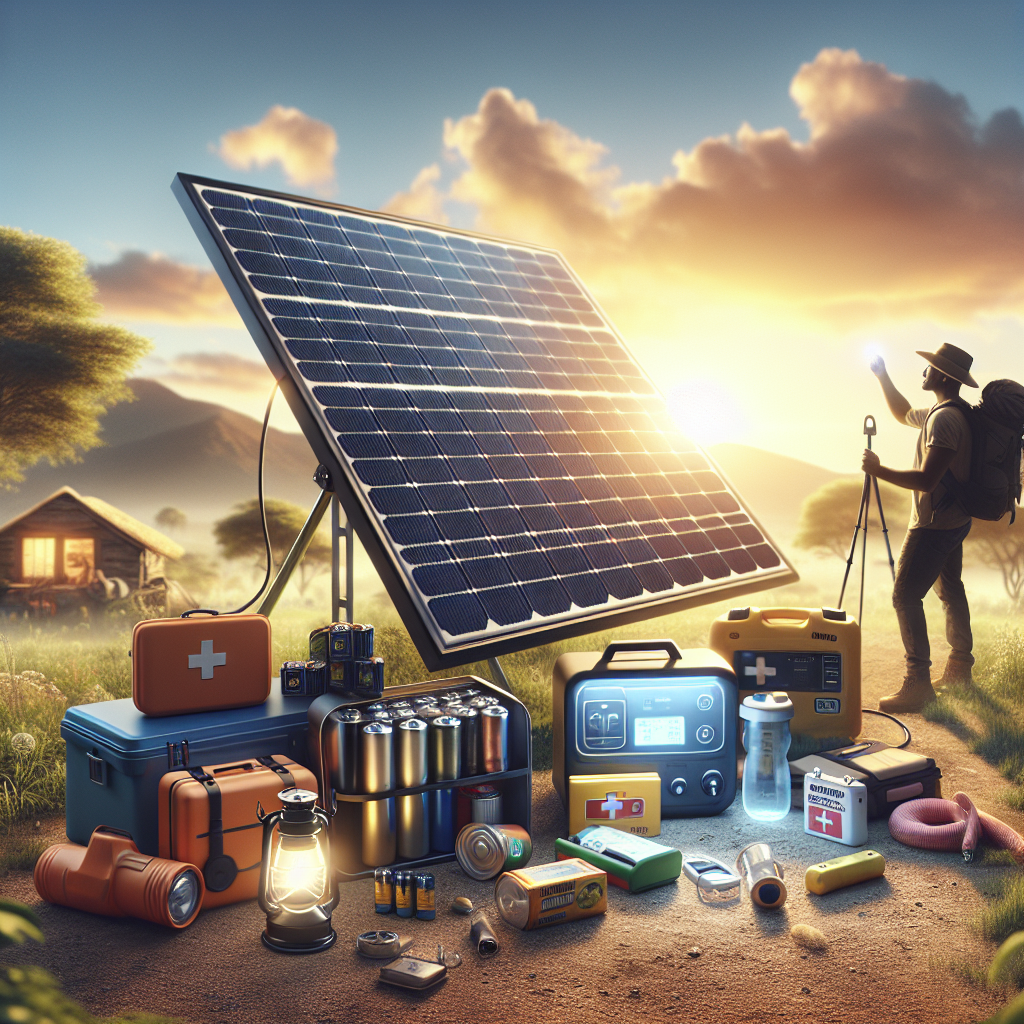
    As we all know, unforeseen emergencies can strike at any moment. Whether it’s a hurricane, wildfire, or a snowstorm, being prepared for power outages is crucial. One tool I’ve come to rely on is the solar generator. In my journey of prepping, I’ve discovered several noteworthy benefits of using solar generators for emergency preparedness. Let’s dive into the main areas that highlight these benefits!

    Clean and Renewable Energy Source

    Sustainability at Its Best

    What I absolutely love about solar generators is that they utilize sunlight, one of the most abundant and clean energy sources available. Unlike traditional generators that often rely on fossil fuels, solar generators produce power without emitting harmful pollutants. This not only helps reduce my carbon footprint but also supports the planet’s health.

    Whenever I use my solar generator, I feel good knowing that I’m doing my part to promote sustainability. It’s like giving Mother Earth a helping hand. Plus, during emergencies where conventional power sources might fail or be unavailable, solar energy is still there—waiting for us to soak it up!

    Not to mention, operating on renewable energy means I’m prepared for a longer duration with fewer environmental impacts. It really makes solar generators a win-win for both personal preparedness and ecological responsibility.

    Independence From the Grid

    Another major perk of solar generators is that they grant me a sense of independence from the traditional power grid. In a world where power outages can leave us feeling helpless, having my own self-sustaining power source is empowering. When storms hit and knock out power lines, I never panic because I know I’ve got backup.

    Imagine sipping coffee in your cozy home during a blackout, knowing that you can power essential devices like your fridge or phone. That’s the reassurance I get when using my solar generator. This independence allows me to remain self-sufficient and enjoy more peace of mind during an emergency.

    Plus, independence from the grid means I don’t have to worry about skyrocketing energy bills or fuel supply shortages. I can soak up the sun and harness that energy at no additional cost, which is pretty awesome!

    Portability and Ease of Use

    Let’s get real—one of the coolest things about solar generators is their portability. Many models are lightweight and designed for easy transport. As someone who’s always on-the-go, I find it super convenient to carry my solar generator to different locations, whether it’s camping, tailgating, or even in the backyard during a barbeque.

    Setting it up is a breeze, too! All you need to do is place it in a sunny spot, connect your devices, and voilà! It’s so simple that even my less tech-savvy friends can figure it out. That ease of use is what makes it a perfect tool for everyone, not just tech enthusiasts.

    In emergencies, portability becomes even more critical. If I ever need to evacuate or relocate due to an emergency, having a solar generator that I can easily take with me ensures that I’ve got power no matter where I am.

    Versatility in Powering Devices

    Charge Multiple Devices

    One of the fantastic features of solar generators is their ability to power multiple devices at once. Whether it’s charging my smartphone, powering a small fridge, or keeping lights on, a solar generator can handle it! I remember one stormy night when the power went out, and I was able to charge my phone, keep my laptop running, and use a small fan – all at the same time.

    This versatility means I can remain connected and comfortable during emergencies. I’ve also used my generator for outdoor activities, powering speakers for music or even running a laptop for work—it’s powerful enough to handle whatever I throw at it.

    The various ports available on most solar generators allow me to connect everything from USB devices to larger appliances, which makes it an incredibly functional tool to have on hand.

    Backup for Essential Appliances

    Another benefit I’ve found is that solar generators can act as a reliable backup for essential appliances. In a power-out scenario, the fridge is usually the first thing on my mind. Losing food is the last thing I want to experience, especially during emergencies. Luckily, I can plug in my fridge and keep my groceries safe until the power returns.

    When prepping for any situation, I always make sure that my generator can handle the crucial appliances I need. This might include lights, a coffee maker, or a water purification system—basically anything that contributes to my comfort and safety during rough times.

    This feature distinguishes solar generators from other emergency power options. I don’t only have power; I have the right amount of power to stay prepared and safe.

    Cost-Effective in the Long Run

    Investing in a solar generator can seem like a hefty sum at first, but let me tell you, it’s a cost-effective choice in the long run. Given that it uses sunlight, I’m not paying for fuel or electricity every time I need it. In addition, there are often grants, rebates, or incentives available that can help offset initial costs.

    Overall, when I think about future expenses for fuel or maintenance on traditional generators, the financial logic becomes clear. With a solar generator, I essentially have zero operating costs once it’s purchased. Just think about that! It’s a bit of an upfront investment, but the long-term savings make it worthwhile.

    Moreover, as energy prices are continually fluctuating, having a backup power source that operates independently allows me to sidestep those rising costs. A solar generator really becomes a cost-saving champion during emergencies.

    Environmental Impact and Contribution

    Reducing Carbon Footprint

    One of my favorite aspects of solar generators is their positive impact on the environment. By utilizing solar power instead of fossil fuels, I actively contribute to reducing my carbon footprint. Every time I hook up my solar generator, I remind myself that I’m using clean energy, which energizes my passion for sustainability.

    Environmental issues are serious, and I feel that even small actions can contribute to the bigger picture. When I choose to rely on solar energy, I’m doing my part to help mitigate climate change, preserve natural resources, and protect wildlife.

    Making environmentally-friendly choices doesn’t have to be daunting; using a solar generator is a simple yet impactful step I can take to promote a greener planet.

    Encouraging Others to Go Green

    When friends and family see me using my solar generator, they often get curious and ask questions. This has led me to share my knowledge and experiences—and, who knows, maybe inspire them to make similar choices. It feels great to promote green energy solutions within my community and foster conversations on sustainability.

    Using a solar generator at home also prompts discussions about renewable energy when guests are around. It’s a great way to educate and encourage others to reconsider their energy consumption habits and explore cleaner energy options.

    The ripple effect of encouraging my network to embrace greener practices can be significant. As more people move towards sustainable choices, I believe we can collectively make a difference in protecting our planet for future generations.

    Promoting Innovation in Energy Technology

    Lastly, the rise in popularity of solar generators is driving innovation in energy technology. The more people who utilize solar power, the more attention gets directed toward research and development. This means advancements in efficiency, battery storage, and overall energy technology are likely to continue growing.

    When I invest in a solar generator, I’m not just prepping for emergencies; I’m also supporting the industry that’s paving the way toward a cleaner and more sustainable future. Companies are motivated to innovate, knowing consumers are seeking out energy solutions that align with eco-friendly values.

    As consumers, our choices matter. Choosing solar generators not only benefits our immediate situation during emergencies but also contributes to a thriving market for sustainable energy solutions. Trust me, it makes a difference!

    Frequently Asked Questions

    1. What are the key benefits of using a solar generator during emergencies?

    The major benefits include clean energy sourcing, independence from the grid, portability, versatility in powering devices, and long-term cost-effectiveness, all of which significantly contribute to emergency preparedness.

    2. Can solar generators power large appliances?

    Yes, many solar generators are capable of powering both small and large appliances, provided they have adequate wattage capacity. That’s why it’s essential to check the specs to ensure it meets your needs.

    3. How do solar generators help the environment?

    Solar generators use renewable energy from the sun, leading to a decrease in carbon emissions. By relying on solar power, you’re making a commitment to reducing your carbon footprint and promoting sustainability.

    4. Are solar generators easy to transport?

    Absolutely! Most solar generators are lightweight and designed for portability, making them easy to take anywhere—whether it’s for camping trips or in case of emergency relocations.

    5. Do solar generators have any ongoing costs?

    No, once you purchase a solar generator, there are typically no ongoing fuel or electricity costs. They operate on free sunlight, making them very cost-effective in the long run.

  • The Latest Innovations in Solar Power Systems for Homes

    The Latest Innovations in Solar Power Systems for Homes

    Smart Solar Inverters

    Understanding Smart Technology

    Let me tell you, smart solar inverters are a real game-changer in the solar industry! These nifty devices not only convert the energy from your solar panels into usable electricity, but they also come packed with features that make monitoring and optimizing energy production a breeze. With built-in communication technologies, you can check your system’s performance right from an app on your smartphone. How cool is that?

    What I love about these inverters is that they provide real-time data. Imagine being able to see how much energy your home is producing or if there’s a hiccup in the system—all from your couch. Plus, they often have capabilities to connect with your home’s energy management system, helping you use electricity more efficiently. It’s like having a personal energy coach!

    Many of these inverters can automatically update with the latest software as well, meaning you’re always up-to-date with the newest tech—which is super important in such a rapidly-evolving field like solar energy.

    Improved Efficiency

    When it comes to solar inverters, the efficiency levels have skyrocketed over the last few years. We’re talking about systems that can convert up to 99% of solar energy into usable electricity. That means more power for your home and less energy wasted! Trust me, having an efficient inverter can make a big difference in your monthly utility bills.

    Furthermore, with innovations like Maximum Power Point Tracking (MPPT), these inverters can optimize the energy extracted from solar panels throughout varying conditions—think of cloudy days or when the sun is setting. It’s like having a savvy friend making sure you get the most out of your solar setup!

    I always encourage homeowners to look carefully at inverter efficiency ratings when shopping around. It’s one of those things that pays off in the long run. A quality inverter can save you a ton of headaches (and dollars) down the line!

    Remote Monitoring Capabilities

    The remote monitoring feature is honestly one of the best things about modern inverters. I remember when you had to physically go up on your roof to see if your system was performing well—how old school is that? Now, you can monitor your energy production from anywhere.

    Some smart inverters even send alerts if there’s something amiss in the system. I love how proactive this makes managing your solar power. If something goes wrong, you’ll know right away, possibly even before your electric utility notices. It’s like having a watchdog for your energy system!

    This capability not only gives peace of mind but also allows homeowners to be more engaged with their energy needs. It fosters a sense of empowerment—knowing you have the tools in place to effectively manage your home’s energy consumption.

    Home Energy Storage Solutions

    Understanding Battery Systems

    Okay, let’s chat about home energy storage systems. These babies let you store excess energy your solar panels generate, so you can use it whenever you need it. This is particularly handy during power outages or at night when sunlight is just a distant memory. I always thought of these systems like having a backup battery—one that helps you save money while keeping your house running smoothly.

    Modern batteries have come a long way in terms of efficiency and lifespan. New lithium-ion batteries are popular for their compact size and ability to last for years without losing too much charge retention. I mean, who wouldn’t want a battery that lives as long as most of your household gadgets?

    Plus, setting up a battery storage system can sometimes even get you incentives from your state or local government, making it an even sweeter deal. Just make sure to do your homework on compatibility with your existing solar setup!

    Cost-Effectiveness

    One of the coolest advancements in home energy storage is how affordable they’ve become. In the past, you could easily break the bank trying to get a decent battery storage system. But now, with different options to fit various budgets and preferences, it’s amazing to see just how accessible it has become for regular homeowners like us!

    On top of affordability, with the savings generated from using stored energy during peak hours, you might find that your investment pays for itself over time. I’ve chatted with friends who’ve noticed significant reductions in their utility bills just by using stored energy smartly. It really does feel good to save money!

    So, consider investing in a battery system for your home, especially if you find yourself often using more energy in the evening. It’s one of those innovations that truly feels like a win-win situation.

    Integration with Smart Home Technology

    One of the most thrilling things lately is how energy storage systems can integrate with your smart home tech. I remember the first time I set up my smart thermostat and realized how I could manage my home’s temperature remotely. Now, imagine being able to do something similar with your energy storage!?

    This ability allows you to optimize your energy usage based on when you have the most energy stored. If you’ve got a smart system that can learn your habits, it will know when to charge or discharge energy based on your lifestyle. Pretty impressive, right?

    So, not only can you save energy, but you can also streamline your home management systems, all while being environmentally conscious. It’s definitely the direction we should all be heading toward!

    Enhanced Solar Panel Technologies

    More Efficient Solar Cells

    The strides made in solar cell technology are straight-up mind-blowing! With advancements in materials and design, manufacturers are pushing efficiency levels beyond what we thought possible. Some panels now boast efficiencies pushing 23% or more! It’s almost like they’re supercharged!

    What’s cool is that these more efficient panels not only take up less space but also provide more power per square foot. For my own home, that means I’ve been able to install fewer panels and still meet my energy needs. I love that I’m maximizing my roof space while being eco-friendly.

    Plus, these solar cells are designed to perform better in lower light conditions, meaning they gather solar energy even when the sun isn’t blazing down. The innovations in design are making solar a viable option even in less-than-ideal weather conditions. Now that’s impressive!

    Durability and Longevity

    Another cool thing about modern solar panels is their impressive durability. Manufacturers are focusing on longevity, offering warranties that can span 25 years or more. That’s right! When you invest in solar, you’re really looking at a long-term solution.

    These improvements are often thanks to the use of better materials that help prevent issues like corrosion, fading, or physical damage. For someone who has dealt with stormy weather, I appreciate how my panels can stand up to the elements!

    Having durable solar panels not only means less maintenance and fewer replacements over time but also truly reflects the commitment to sustainability and longevity in renewable energy solutions.

    All-Weather Performance

    This innovation deserves a shout-out: all-weather solar panel performance. The latest models are designed to withstand extreme temperatures and conditions, whether it’s intense snow or scorching heat. I mean, think about it: these panels are tough cookies!

    The cool thing about this is that it allows homeowners in different climates to enjoy the benefits of solar energy without worrying too much about performance dips during seasonal changes. I know that for myself, the peace of mind that my panels will continue working through different weather is invaluable.

    This is truly a major step for solar energy—making it a reliable choice no matter where you live. It opens up the opportunity for homes in all climates to embrace renewable energy!

    Policy and Incentive Developments

    Government Support and Incentives

    Let’s not overlook the role of government support in boosting solar energy adoption. Programs like the federal solar tax credit, along with various state and local incentives, can really sweeten the deal for homeowners looking to install solar panels. It’s like getting a kickback for doing the right thing!

    Over the years, these incentives have made solar installations much more affordable. I remember hearing stories about friends who saved a chunk of change just because they took advantage of these programs. It’s all about knowing what’s out there!

    Plus, as a homeowner, when you see your investment substantially reduced through such incentives, it adds a layer of excitement and accessibility. It feels brighter when a greener future fits into your budget, doesn’t it?

    Legislation Supporting Renewable Energy

    There’s been a notable shift in the legislative landscape supporting renewable energies recently. Increasingly, policies are being enacted that support renewable energy, overall as a part of global sustainability goals. It definitely paints a hopeful future for all of us!

    I always keep an eye on local legislation and how it can impact my energy choices at home. When lawmakers push for legislation that supports renewable energy development, it opens doors for new technology and investment in solar projects. This progress directly translates into better options for consumers.

    Staying informed about these changes not only helps you as an individual but contributes to the broader cause of environmental sustainability. We’re all in this together, after all!

    Community Solar Programs

    Community solar programs are another incredible way renewable energy is being made more accessible. If your roof isn’t suitable for solar panels, these programs allow you to purchase or lease solar power from a nearby solar garden instead. How neat is that?

    This means that even renters or anyone living in a shaded area can benefit from solar energy. I’ve spoken with several folks who are thrilled to be part of community solar, enjoying green energy without the hassle of installing panels on their roofs!

    Participating in these programs is not only good for your wallet but also fosters a sense of community involvement. It’s rewarding to know that you are supporting renewable energy initiatives that help build a safer planet for generations to come.

    Integration with Electric Vehicles (EVs)

    Solar-Powered Charging Stations

    Have you seen the exciting trend of solar-powered electric vehicle (EV) charging stations? They’re popping up everywhere, and it’s a brilliant integration of two eco-friendly technologies. These stations harness solar energy to charge your car, making it one of the greenest ways to fuel your ride.

    As an EV owner myself, I can attest to how cool it feels to know that my car is powered by renewable energy. It’s like giving Mother Nature a high-five every time I plug in! Plus, many of these charging stations allow you to monitor energy usage, which is just as important while you’re on the go.

    I guarantee that as solar tech advances, we’re going to see even more innovative charging options that make EV ownership both practical and sustainable.

    Cost Savings for EV Owners

    Using solar for your EV can really rake in the savings! Forget about those spikes in gas prices; with solar charging, you’re generating your own energy. I’ve seen folks calculate their reduced fuel costs, and honestly, it can be quite substantial.

    Imagine combining a solar panel system with an EV—you’re generating energy during the day to store for nightly charging. It’s a beautiful synergy that benefits both your wallet and the environment.

    Plus, some states offer additional incentives for EV owners to switch to solar, which is like a double whammy of eco-friendliness and savings. It’s a no-brainer for anyone considering a new car!

    Future Trends in Solar and EV Technology

    The future looks bright for solar and EV tech. With the rise of solar EV technology, we’re seeing everything from integrated solar panels on cars to home charging solutions that use stored solar energy. It’s shaping a new world where renewable energy powers many aspects of our daily lives.

    You can bet I’m excited to see how these innovations unfold. It’s not just about saving the planet, but also about changing the way we think about energy consumption as a whole. Each step forward makes me more optimistic about the viability of a sustainable future.

    Stay tuned, folks—this is just the beginning of a solar-powered revolution!

    Frequently Asked Questions

    1. What is a smart solar inverter?

    A smart solar inverter is a device that converts solar energy into usable electricity while providing real-time monitoring and optimization features to enhance energy production.

    2. Why should I invest in home energy storage?

    Home energy storage allows you to store excess solar energy for use during peak hours or outages, ultimately saving you money on utility bills while providing backup power reliability.

    3. How are solar panels becoming more efficient?

    Recent advancements in materials and technology have improved solar cell efficiency, allowing panels to convert more sunlight into usable energy, even in low-light conditions.

    4. What are community solar programs?

    Community solar programs allow individuals who cannot install solar panels on their property to purchase or lease solar energy from a shared solar garden, enabling broader access to renewable energy.

    5. Can solar power be used to charge electric vehicles?

    Yes! Solar energy can power charging stations for electric vehicles, making it a sustainable and cost-effective way to fuel your EV and reduce overall energy consumption.

  • The Benefits of Upgrading to Hybrid Solar Inverters

    The Benefits of Upgrading to Hybrid Solar Inverters

    Enhanced Energy Efficiency

    Understanding How Hybrid Inverters Work

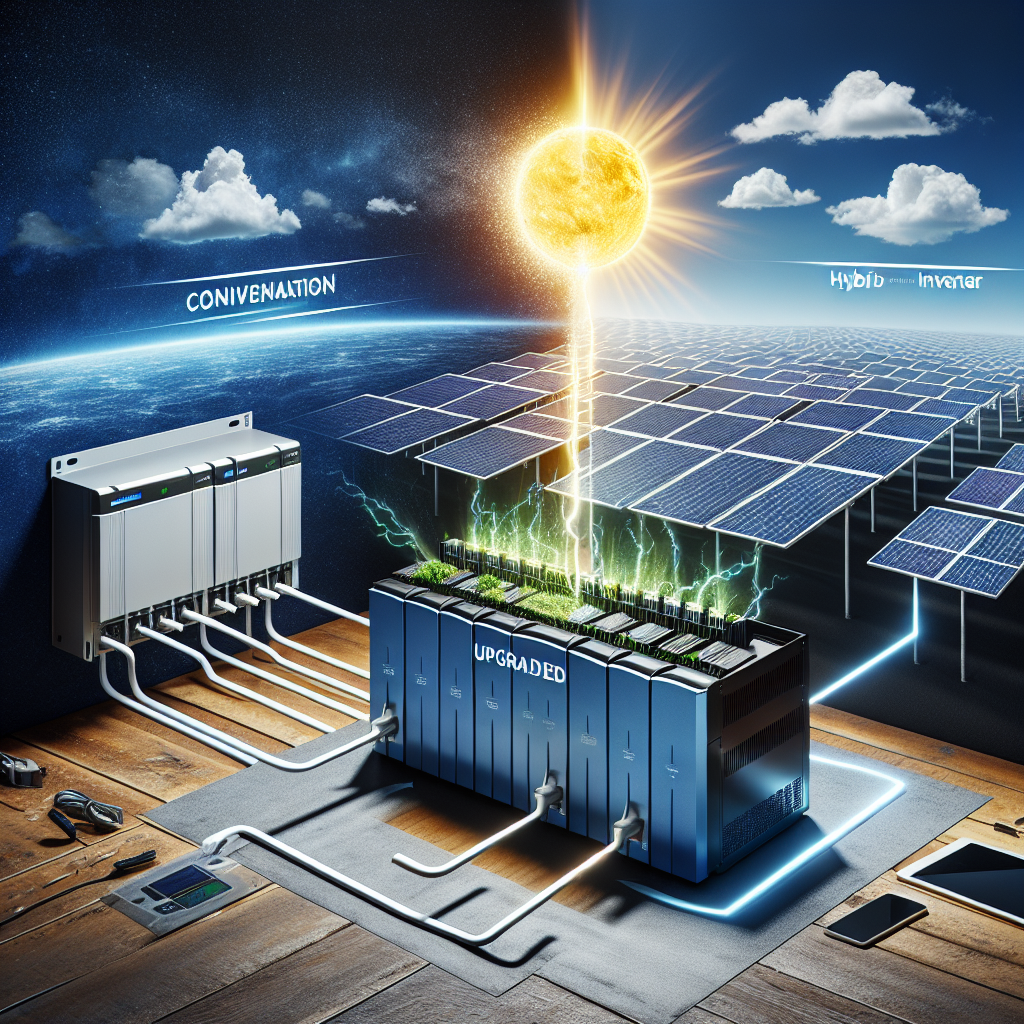
    When I first delved into the world of solar energy, I was amazed at how hybrid solar inverters operate. They don’t just convert solar energy into usable power; they also intelligently manage where that energy goes. This means you’re leveraging every ray of sunshine to its fullest. Unlike traditional inverters, hybrid models optimize energy consumption, ensuring that you use as much power as possible without excess waste.

    These smart devices allow you to monitor your energy use in real-time. This means that you can see where your energy is going, which can help you make adjustments to reduce your overall consumption. Having that visibility changed how I approached my energy use completely. It’s eye-opening, to say the least!

    Moreover, hybrid systems can store energy for later use. They typically come with battery storage options, meaning those long summer days translate into power you can draw from later, whether it’s at night or during a cloudy day. This feature is especially cool because it allows you to optimize your energy usage throughout the day.

    Lower Energy Bills

    The Savings accumulate over time

    Let’s talk about saving some cash! One of the major perks I’ve experienced since upgrading to a hybrid solar inverter is the reduction in energy bills. Initially, I found the price tag a bit daunting, but I can honestly say that the savings I’ve realized have made it worth every penny.

    Having a hybrid inverter means you’re less reliant on the grid. If you’ve ever opened up an electricity bill only to be hit with a wave of anxiety, you’ll appreciate this. By utilizing stored energy during peak hours when rates are higher, I’ve noticed a big drop in costs. It feels amazing to take control of my energy expenses!

    Ultimately, the goal for many of us is to achieve energy independence. Hybrid solar inverters bring that goal closer to reality. With reduced dependence on utility companies, you’re not just cutting costs; you’re creating a sustainable future for yourself and your family.

    Increased Energy Independence

    Understanding Energy Independence

    When I think about energy independence, it’s like a weight being lifted off my shoulders. Switching to a hybrid inverter gave me the freedom from fluctuating energy prices and the overall unpredictability of traditional energy sources. Suddenly, I felt empowered about my energy usage.

    In a world where energy prices seem to increase every year, knowing I can generate and store my own energy provides peace of mind. I’m no longer at the mercy of rising utility costs or energy shortages. I can generate my own clean energy, and it’s a game-changer.

    This independence isn’t just good for my wallet; it’s better for the environment as well. By utilizing solar power and minimizing reliance on fossil fuels, I feel like I’m doing my part in this big environmental puzzle. And let’s be honest, it feels good to contribute positively to the planet!

    Flexibility for Future Upgrades

    Planning Ahead with Technology

    One thing I learned while upgrading my system is the importance of choosing technology that has room for future growth. Hybrid solar inverters offer incredible flexibility for future upgrades, which is perfect for anyone anticipating changes in their energy needs.

    For instance, if you decide to add more solar panels or batteries down the line, a hybrid inverter can easily accommodate those changes. Rather than feeling stuck with outdated or incompatible equipment, I had the opportunity to expand my system seamlessly.

    Not only does this future-proofing allow for easier modifications, but it also helps to protect my initial investment. With technology evolving rapidly, being able to adapt means I won’t be left hanging with something obsolete in just a few years. I can upgrade when it suits me without starting from scratch!

    Contribution to Sustainability

    Doing My Part for the Environment

    One of the most gratifying aspects of upgrading to a hybrid solar inverter is knowing I’m contributing to a more sustainable future. It’s more than just a trend; it’s a movement towards cleaner energy. I genuinely feel a sense of pride when I think about my carbon footprint shrinking.

    Using solar energy means I’m tapping into a renewable resource instead of relying on finite resources that harm the planet. Every time I see that I’m generating power from the sun, I know I’m part of a solution—reducing greenhouse gas emissions and promoting cleaner air.

    Plus, it’s contagious! Talking about my transition with friends and family has sparked interest in them. I love sharing my experience because it’s not just about me; it’s about creating a ripple effect for future generations. It’s all about building a better world together!

    FAQ

    1. What are hybrid solar inverters?

    Hybrid solar inverters are devices that combine the functions of traditional solar inverters and battery storage systems. They allow you to use solar energy, store excess power, and manage your energy consumption more effectively.

    2. How much can I save on energy bills with a hybrid solar inverter?

    The savings can vary depending on various factors including energy consumption, local electricity rates, and the size of your solar system. Many people report significant reductions in their monthly bills after switching, often recouping their initial investment within a few years.

    3. Are hybrid solar inverters compatible with existing solar panels?

    In many cases, yes! Hybrid inverters can often be integrated with existing solar panels, but it’s always a good idea to consult with a professional before making the switch to ensure compatibility and efficiency.

    4. Can I add more solar panels later if I upgrade to a hybrid inverter?

    Absolutely! One of the advantages of hybrid inverters is their flexibility. If your energy needs increase, you can generally add more solar panels or batteries without needing to replace the entire system.

    5. How do hybrid solar inverters help the environment?

    By harnessing renewable solar energy, hybrid inverters reduce reliance on fossil fuels, therefore lowering greenhouse gas emissions. Using solar power contributes to cleaner air and helps combat climate change, making it a more sustainable choice for the planet.

  • The Role of Solar Generators in Sustainable Living

    The Role of Solar Generators in Sustainable Living

    Harnessing Clean Energy

    Understanding Solar Energy

    When I first dipped my toes into the world of solar energy, I was amazed at how basic sunlight could be converted into something so useful! Solar energy harnesses the sun’s power through photovoltaic cells, which create electricity. This is a game changer for anyone living a sustainable lifestyle because it’s renewable and abundant. Imagine switching on your appliances without a worry of depleting resources!

    Plus, using solar generators eliminates reliance on fossil fuels, greatly reducing greenhouse gas emissions. I can’t stress enough how important it is to shift towards cleaner energy sources. It not only benefits our planet but also lowers our energy bills in the long run. Trust me, it feels great to know I’m doing my part for the Earth!

    To really understand solar energy, I would encourage you to research how solar panels work. The more you know, the more engaged you’ll feel in making eco-friendly choices. It’s quite a fascinating subject that’s easier to grasp than it seems at first glance!

    Benefits of Clean Energy

    One major perk I’ve noticed is how solar generators can help decrease my electrical bills significantly. By producing my own power, I’ve seen my monthly costs drop, which is a win-win situation. Not only that, but I also love the fact that solar generators can contribute to energy independence. We shouldn’t have to rely solely on large energy companies that don’t always have our best interests at heart.

    Moreover, the positive environmental impact really strikes a chord with me. With climate change being such a pressing issue, adopting sustainable practices like using solar generators contributes to reducing our carbon footprint. Every little bit adds up, and knowing I’m part of that solution gives me a sense of fulfillment.

    Lastly, having a solar generator is fantastic for emergencies. I sleep better at night knowing that if there’s a blackout, I’ve got backup power at my fingertips. It’s all about comfort and security in our chaotic world!

    Solar Generators and Their Portability

    One thing I truly love about solar generators is their portability. Unlike traditional energy solutions, solar generators can be used in various locations. I can take mine camping, tailgating, or even to a family picnic! You can literally set up your generator and power up your devices wherever you are. It’s like having a tiny power plant in your backpack!

    This portability means I can stay connected without using fossil fuels, which is super appealing. I feel great about reducing my carbon footprint while enjoying the great outdoors. It’s wild how something so simple can foster a deeper connection with nature!

    And if you’re thinking of tailing your adventures with friends, you can even share the power! I’ve powered up friends’ devices during our camping trips, making the experience all the more enjoyable and connected. It’s perfect for those who love the outdoors without wanting to sacrifice the comforts of technology.

    Cost-Effectiveness of Solar Generators

    Initial Investment vs. Long-Term Savings

    Initially, I hesitated at the thought of investing in a solar generator. Let’s be real—those upfront costs can sting a little. However, I’ve come to realize that they’re essentially an investment in my future. In a few years, I’ve started to see a noticeable reduction in my electricity bills, which makes that initial investment feel justifiable.

    Moreover, many governments offer incentives and tax breaks for those who go solar. Keeping track of these incentives has been super helpful for my wallet. I encourage everyone to do their research—these benefits can significantly offset the initial costs, making solar generators even more appealing!

    As I look down the road, it feels reassuring to know that I won’t be affected by rising utility prices. If anything, my dependence on traditional forms of energy diminishes. It’s empowering knowing I’m working towards energy autonomy!

    Maintenance Costs

    When investing in a solar generator, one question that pops to mind is, “What about maintenance?” Honestly, I’ve found that the maintenance costs are quite minimal. A solar generator generally requires very little upkeep compared to other powering options. Occasionally, I wipe down the panels and check the battery level, but that’s about it!

    This simplicity means that once you’ve set everything up, you’re free from those pesky maintenance worries that plague fossil fuel generators. It offers peace of mind that I didn’t expect. Plus, who doesn’t love the idea of low maintenance?

    It’s liberating to know that as long as the sun shines, I’ve got an effective energy source with very little hassle! That creates more time for leisure, and let’s be real, that’s something we can all appreciate.

    Return on Investment

    Over the months, I’ve calculated my savings from using a solar generator. Let me tell you—seeing those numbers adds up quickly! Not only have I cut down on my electric bills, but I’ve also gained more energy independence. It’s like getting a sweet return on an investment that keeps giving back year after year.

    As the years go by, I’ll likely recover my initial costs and move into the realm of pure savings. I keep telling my friends that if they’re serious about sustainability, they should start considering a solar generator! The ROI isn’t just financial though; it’s also about peace of mind and doing something good for the planet.

    Knowing I’m contributing to a cleaner environment while benefiting financially is the kind of double win I can only encourage others to explore. The future is green, my friends, and it’s time to be part of that movement!

    Applications of Solar Generators

    Home Energy Supply

    I absolutely love the versatility of solar generators for home energy supply. During power outages, I find solace in knowing I’ve got backup at my fingertips! I can power my fridge, keep my devices charged, and even run essential medical equipment if need be. It’s a comforting notion in today’s unpredictable world.

    The ability to provide power for small appliances and electronics gives me and my family peace of mind. Sometimes, all it takes is that extra boost of power to ensure everything functions smoothly when the grid goes offline. It’s pretty empowering!

    Plus, owning a solar generator helps me encourage friends and family to consider their own sustainable energy solutions. It’s a chain effect that I’m proud to be part of—and more people should join in and explore this alternative lifestyle!

    Outdoor Adventures

    One of the coolest parts about having a solar generator is how it revolutionizes outdoor adventures! Whether I’m camping, hiking, or picnicking, I can still enjoy the comforts of electricity. Cooking meals on my portable stove, charging my phone, or even setting up a mini movie night under the stars—all possible because I brought along my trusty solar generator!

    And oh, the looks of surprise I get when I power up my devices while surrounded by nature! It’s a nice twist on the standard camping experience. I love showcasing how we can connect to the natural world while still enjoying tech enhancements!

    It opens the door to endless possibilities for leisure and creativity during outdoor events. Just imagine having sweet tunes blasting while you and your pals roast marshmallows around a campfire—that’s a vibe I’ll never get tired of!

    Business Uses

    Solar generators are not just for personal use; they’re also changing the game for businesses! As someone who has always been a fan of sustainability, it makes sense that more companies are turning to solar generators to reduce their energy costs. It’s an opportunity for businesses to showcase their commitment to green practices.

    Imagine a local shop powered by clean energy! It resonates with customers who are increasingly focused on sustainable purchasing options. I’ve noticed that this trend strengthens customer loyalty. People feel good about supporting businesses that align with their values.

    Additionally, for those involved in event planning, having solar generators on hand can power everything from lighting to sound systems. More events are opting for eco-friendly power solutions, and it’s exciting to see businesses lead the charge toward sustainability!

    Conclusion: Embracing a Sustainable Future

    As I wrap up this exploration of solar generators and their role in sustainable living, I can confidently say that choosing solar is a lifestyle shift that brings countless rewards. From harnessing clean energy to experiencing long-term savings and enjoying the versatility they offer, every aspect excites me. It’s like transforming how we view power and our relationship with the environment!

    You don’t have to be an eco-warrior to appreciate the benefits that solar generators can bring to our lives. I personally think we should all embrace this shift towards a greener future—where every bit counts, and we invest in our planet while enjoying modern conveniences.

    So, if you haven’t already, I urge you to consider how solar generators can fit into your life. The journey to sustainability is truly a collective one, and every individual effort helps steer our planet towards a brighter future!

    FAQ

    1. What exactly is a solar generator?

    A solar generator is a device that converts sunlight into electricity and stores it for later use. It allows you to power various devices without relying on traditional energy sources.

    2. How much can I save on my electricity bills by using a solar generator?

    This can vary based on your energy consumption, but many users experience significant savings over time. As solar energy is free, the more you rely on it, the more money you potentially save!

    3. Do solar generators require a lot of maintenance?

    Nope! Solar generators generally require minimal maintenance—usually just cleaning the panels occasionally and checking the battery levels to ensure optimal performance.

    4. Can I use a solar generator for camping?

    Absolutely! That’s one of the best uses for a solar generator. They’re portable and perfect for camping trips, allowing you to power up devices and appliances on-the-go.

    5. Are there government incentives for using solar generators?

    Yes, many governments offer tax rebates and incentives for using solar energy, which can help offset your initial costs. It’s always a good idea to check local policies to see what’s available!

  • The Impact of Solar Energy on Your Home’s Value

    The Impact of Solar Energy on Your Home’s Value

    Increased Home Value

    Understanding Market Trends

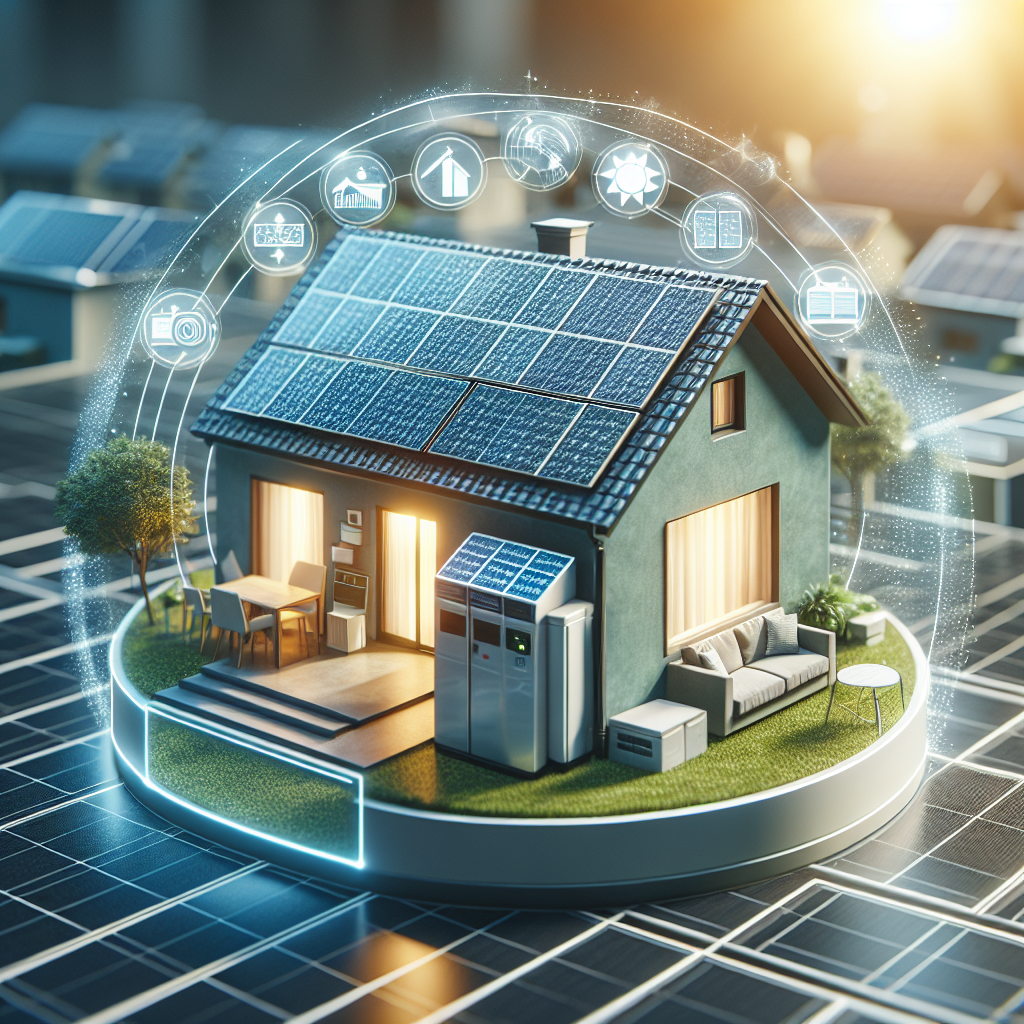
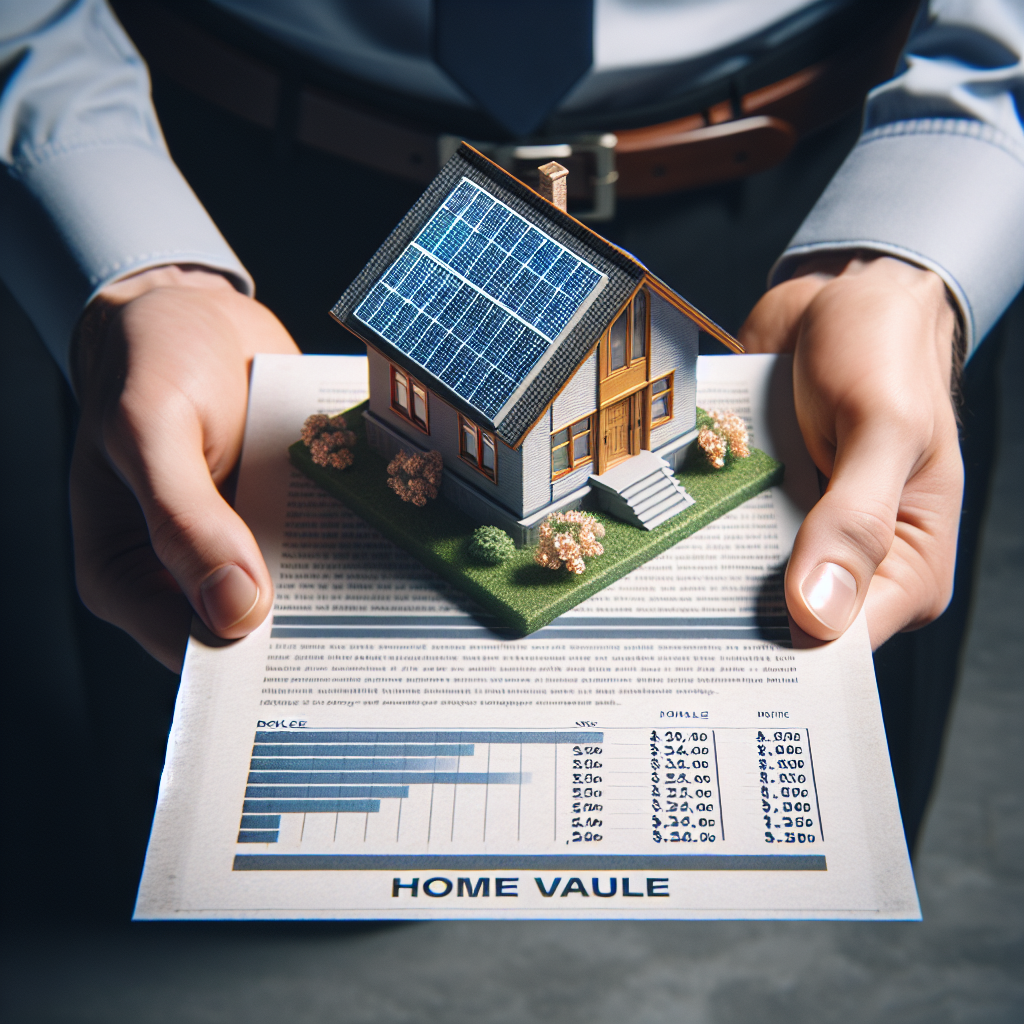
    When I first dipped my toes into the real estate market, one thing that always caught my eye was how certain features could really crank up a property’s value. Solar energy is one of those game-changers. With more people becoming eco-conscious, homes with solar panels are increasingly viewed as valuable assets. Studies have shown that homes with solar energy systems can sell for 4.1% more than comparable homes without them. That’s not chump change!

    This value bump translates directly to dollars when it comes time to sell. In my experience, many buyers are willing to pay top dollar for properties that boast energy efficiency. It’s a win-win situation, as buyers appreciate lower energy bills and sellers can cash in on these green upgrades. I know it’s something I’d be interested in as a potential homebuyer.

    If you’re looking to increase your home’s value, investing in solar panels could be one of the smartest decisions. Not only do you reap the personal benefits of energy savings, but you also set up your home for a lucrative future sale. It’s like planting a money tree that just keeps on giving!

    Energy Savings

    Lower Monthly Bills

    Who doesn’t love saving a few bucks, right? One of the most immediate perks of going solar is the reduction in monthly energy bills. Having installed solar panels at my place, I’ve seen my electricity costs drop significantly! In fact, sometimes I’m surprised when I see my bill; it’s like a little gift every month.

    This money-saving aspect isn’t just a temporary thrill – lower energy costs are something you can count on for years. For homeowners on the fence about the upfront investment, the promise of these savings makes the decision much easier. Just imagine spending that extra cash on something fun instead of giving it all to the electric company!

    Plus, many areas offer incentives or rebates for installing solar, which can help recoup initial costs. It’s refreshing to shift from paying bills to actually investing in something that pays off in the long run!

    Environmental Benefits

    Reducing Your Carbon Footprint

    From my perspective, using solar energy isn’t just about personal gain. It’s about making a larger impact. When you power your home with solar energy, you’re drastically reducing your carbon footprint, and that’s something to celebrate! As an environmentally conscious individual, I feel like I’m doing my part to help combat climate change.

    Every kilowatt-hour produced by solar panels is a kilowatt-hour not produced from fossil fuels. It’s like every little bit counts, and I love knowing that I’m contributing to a healthier planet for future generations. Plus, it feels good to be part of a movement that promotes sustainability.

    In a way, it’s also a conversation starter. I’ve had so many guests come over and marvel at my solar panels. It opens up a dialogue about energy consumption, sustainability, and what we can all do to conserve our environment. It’s amazing how energy can spark change!

    Home Insurance Benefits

    Potential for Lower Premiums

    Here’s a fun little tidbit that surprised me: having solar panels can actually influence your home insurance premiums. Many insurance companies now recognize that homes with solar systems can be less of a risk because they often have lower energy-related claims. That’s something that can work in our favor!

    I’d recommend talking to your insurance provider to see if you qualify for any discounts. It’s theoretically a ‘no-brainer’ to keep insurance costs down while also enjoying the benefits of solar power. Who doesn’t want to save money on insurance?

    Plus, you also get the added peace of mind. Not only are you reducing your carbon footprint, but you’re also investing in your home’s resilience. Having solar power can protect you from energy price fluctuations, especially during emergencies. You can sleep a little better at night knowing your home is set up for both safety and savings!

    Home Appeal

    Aesthetic Value and Innovation

    Let’s be real – when it comes to selling a home, curb appeal absolutely matters! Homes with solar panels add a modern touch and forward-thinking appeal. I personally think they give a home that “wow” factor; they show potential buyers that the home is not just a place to live but a lifestyle choice.

    It’s fascinating to see how technology and aesthetics can merge. I’ve seen homes where solar panels are integrated beautifully into the roofline and blend seamlessly with the architecture. It reflects a sense of pride in ownership and innovation that resonates well with today’s buyers.

    I often hear from friends who are shopping for homes that energy efficiency is on their wish list. Solar panels can enhance the overall look of the property while also signaling that it’s energy-efficient. In short, it’s an attractive selling point – both visually and functionally.

    Frequently Asked Questions

    1. Does installing solar panels really increase my home’s value?

    Absolutely! Research shows that homes with solar energy systems can command a higher resale price compared to similar homes without them. It’s a fantastic way to enhance your property’s marketability.

    2. How much can I save on my energy bills with solar panels?

    Many homeowners report saving between 20% to 50% on their monthly energy bills. The savings depend on factors like your location, energy usage, and the size of your solar installation, but the impact is often substantial!

    3. Are there any tax benefits or incentives for going solar?

    Yes, many local and federal programs offer tax credits and rebates for solar installations. These incentives can help offset your initial investment, making it even more attractive to switch to solar energy.

    4. Will solar panels damage my roof?

    When installed properly by professionals, solar panels don’t damage your roof; in fact, they can protect the area underneath by shielding it from the elements. It’s important to work with reputable installers who understand roofing systems.

    5. How long do solar panels last?

    Most solar panels come with a warranty of 25 years, but many can last even longer when maintained properly. It’s safe to say you’re making a long-term investment for energy savings and home value boosting!

  • The Best Solar Systems for Small Homes: A Buyer’s Guide

    The Best Solar Systems for Small Homes: A Buyer’s Guide

    Understanding Your Energy Needs

    Assess Your Current Usage

    Before diving into the world of solar systems, let’s take a step back and understand your energy consumption. I remember staring at my electricity bill and cringing at the numbers. It becomes essential to analyze your current energy usage, typically documented on your utility bill. This gives you a solid baseline to figure out how much energy you need to generate.

    Start by gathering information about your monthly energy consumption. It’s usually listed in kilowatt-hours (kWh), so having a calculator at the ready can really help. You want to make sure you’re not caught off guard when the sun decides to take a day off!

    Lastly, think about the future. Are you planning to expand your space, get new appliances, or maybe even add an electric vehicle? It’s smart to account for that potential growth when sizing your system.

    Assess Your Home’s Solar Potential

    Now that you know how much energy you use, it’s important to assess how much sun your home gets. Factors like roof angle, shade from trees, or nearby buildings can significantly impact how effective your solar system can be. I spent some time observing how shadows moved across my roof during different times of the day.

    Online tools and apps can help you determine how much sunlight your specific roof receives. One cool tool I found is Google’s Project Sunroof. It gives a good idea of potential solar savings, based on your location!

    Also, don’t forget about roof orientation. South-facing roofs typically get the most sun, which is ideal. If your roof doesn’t have the right orientation, don’t panic! Ground-mounted systems can be a great alternative.

    Defining Your Goals for Solar Energy

    It’s essential to define what you want to achieve with solar energy. Are you looking to save on your electric bill, reduce your carbon footprint, or perhaps become entirely energy-independent?

    I started by jotting down my aims and comparing them. For me, saving money while contributing positively to the environment was a must. Knowing your own goals helps streamline the search for the solar system that suits you best.

    Clearly defined goals will also impact the type and size of the system you choose, so it’s a vital step in the process!

    Choosing the Right Solar System for Your Home

    Types of Solar Systems

    There are mainly three options when it comes to solar systems: grid-tied, off-grid, and hybrid systems. Personally, I leaned towards a grid-tied system because it’s typically more affordable and lets you use the utility’s grid as a backup, which brought me peace of mind!

    Off-grid systems allow you to live completely independently from the utility grid. This can be awesome if you’re in a remote location, but you’ll need a good battery system and possibly a backup generator. I am still considering this for my weekend cabin in the woods!

    Hybrid systems are fancy! You can transition between grid-tied and off-grid modes, depending on what you need. They give you flexibility, but of course, they come at a higher price tag.

    Evaluating System Components

    After selecting a system type, dive into the components. Solar panels are usually the star of the show, but don’t overlook inverters and batteries. I was overwhelmed initially by the tech jargon, but once I broke it down, it became much clearer.

    Solar panels come in various types: monocrystalline, polycrystalline, and thin-film. Each has its advantages and drawbacks. Monocrystalline panels have higher efficiency rates, but thin-film panels might fit certain budgets better. Researching and reading reviews really helped me make an informed decision.

    Dive deep into inverter types too. String inverters are the most common, but microinverters can offer better performance in shady areas. It’s all about what works best for your unique situation!

    Consider Installation Services

    Choosing an installation service is a huge step that I’m very passionate about. I always suggest going with licensed professionals who specialize in solar. Not only does this ensure the job is done right, but many offer warranties and maintenance services that will give you peace down the line.

    Start by getting quotes from multiple installers. I did this and was surprised by how varied the pricing was. Selecting an installer who is well-reviewed can lead to a smoother solar journey.

    Lastly, don’t hesitate to ask questions! Your installer should be willing to guide you through every aspect of your solar journey, from the installation process to post-installation support.

    Understanding the Financial Aspects

    Initial Costs and Savings

    Let’s be real, the upfront cost of solar can be daunting. However, understanding the financial aspects can help soften that blow. After speaking with multiple contractors, I got a clearer picture of the costs. Upfront investments do turn into long-term savings over time.

    Consider available incentives and rebates! I was able to take advantage of federal tax credits, which make a significant dent in the initial costs. Unfortunately, not every state offers the same incentives, so I recommend checking with local authorities.

    It’s also beneficial to think about your savings over time. Many homeowners recoup their investment within 5-10 years, which is pretty impressive when I think about it!

    Financing Options

    If shelling out all the cash upfront isn’t feasible, don’t worry—there are financing options! I explored options like solar loans and leases, which made adopting solar much easier on my wallet.

    Solar loans often have lower interest rates, and some are available without any down payment. This option allows you to pay off the initial cost gradually while still enjoying the benefits of solar energy.

    Leasing is another popular option, where you don’t own the system; the company does. You pay a fixed monthly fee but don’t get the same tax incentives or benefits as a system owner. Do your research—what works for one person might not work for you!

    Evaluating Return on Investment

    Calculating ROI is a key part of this journey. I found it beneficial to visualize my potential savings over the years against my initial investment. You can make a plan to monitor your energy bill after installation, where you’ll begin to see the real difference!

    Keep in mind that ROI can differ depending on your local energy prices and the performance of your system. Tracking this helps keep you motivated through the initial costs.

    The end goal is to ensure that you’re confident that the chosen solar system is an investment worth making for your small home!

    Maintaining Your Solar System

    Regular Cleaning and Inspections

    Now, maintenance may seem like a chore, but trust me; it’s super important! Dust, debris, and leaves can accumulate on your panels and reduce efficiency. I made it a quick habit to check and clean my panels at least once every three months.

    Additionally, I recommend scheduling professional inspections at least once a year. These inspections ensure everything is functioning correctly and can catch any minor issues before they become major headaches.

    Pro tip: remember to check your inverter’s lights and displays. These should be monitored regularly to ensure everything is running smoothly without unexpected downtimes.

    Addressing Issues Promptly

    If you start noticing dips in energy production, don’t ignore them! Problems can arise—whether it’s a malfunctioning inverter or shading issues. I learned it’s best to address concerns sooner rather than later; it saves you time and money in the long run!

    So, if you sense something’s off, don’t hesitate to reach out to your installer. Many offer support long after the installation is complete, which is a huge comfort.

    Being proactive about your system will help you keep the green energy flowing smoothly!

    Staying Informed on Technology Advances

    Lastly, stay in the loop regarding new technology! The solar industry is rapidly evolving, with new developments and products hitting the market that can enhance efficiency and reduce costs. I love reading articles and attending webinars to keep my knowledge fresh.

    Also, keep in touch with your solar installer or local solar community. They often share insights on new tech and how it could benefit your system.

    So, consider joining forums or social media groups dedicated to solar energy. Having a network can help you stay informed and connected with like-minded individuals!

    Frequently Asked Questions

    1. What size solar system do I need for my small home?

    The size of the solar system you need depends on your energy consumption and sunny days in your area. An energy audit can help tailor the right size for you!

    2. Are there financing options available for solar systems?

    Yes! Financing options include solar loans, leases, and power purchase agreements, which make it easier to manage upfront costs.

    3. How much maintenance do solar systems require?

    Solar systems generally require minimal maintenance. Regular cleaning and annual inspections are recommended to keep them in top condition.

    4. How do I monitor the performance of my solar system?

    Many systems come with apps or monitoring systems that can show real-time energy production and consumption, making it easier to track performance!

    5. What incentives are available for solar installations?

    Incentives vary by state but often include federal tax credits, local rebates, and possibly grants depending on jurisdiction. Always check what’s available in your area!

  • How Solar Panels Are Changing the Way We Use Energy

    How Solar Panels Are Changing the Way We Use Energy

    Embracing Renewable Energy Sources

    The Shift in Energy Mindset

    When I first started learning about energy sources, it was clear: the world was heavily dependent on fossil fuels. But as I continued my journey, I discovered the massive shift towards renewable energy sources, especially solar. This change in mindset isn’t just a trend; it’s a necessity due to climate change. Many folks are finally realizing that solar energy provides a viable, sustainable alternative that can power our homes without harming the planet.

    Education plays a big role in this shift. People are gaining awareness through social media, documentaries, and community initiatives. They’re understanding that by harnessing the sun’s power, we’re not just saving money, we’re contributing to a sustainable future. It’s exciting to see how grassroots movements are driving this change!

    I’ve personally felt the impact of this change. Neighbors and friends are making the switch, and it fosters a sense of community. There’s a growing pride in producing energy locally, and it’s high time we embraced this shift enthusiastically. It feels good to know we’re part of something bigger, and for me, that’s a win-win!

    Reducing Energy Costs

    The Financial Benefits of Solar

    One of the coolest perks of solar panels is how they can save you some serious dough. Seriously, when I made the leap and installed solar panels at home, I was amazed at how much my energy bill dropped. It’s like magic, but it’s science! By generating your own energy, you become less reliant on traditional energy suppliers, which can lead to substantial savings over time.

    And it’s not just about the day-to-day savings. There are also tax credits and incentives that really sweeten the deal. I remember filing my taxes that first year after installation and getting a nice break because of those credits. It feels great knowing that the government supports this transition to renewable energy.

    Lastly, let’s not forget about the long-term benefits. I’ve seen projections that homeowners with solar panels often see a good return on their investment. When you think about the rising costs of energy, having solar panels means you’re ahead of the game. It’s like having an insurance policy against future price hikes, which is a comforting thought!

    Enhancing Energy Independence

    The Power of Self-Sufficiency

    You know what’s pretty liberating? The idea of being less dependent on big energy companies. Installing solar panels at home has given me a sense of freedom I didn’t expect. It’s like saying to the energy market, “Nah, I got this!” And let me tell you, it feels amazing to produce your own electricity.

    A huge bonus is the ability to charge batteries and make power during outages. I remember one time there was a storm that knocked out power in the neighborhood for a couple of days, but I was fine thanks to my solar setup. Being energy independent means more security for you and your family.

    Plus, with new technologies like battery storage, I can store excess energy for days when the sun isn’t shining. It’s peace of mind, knowing that I’m not totally reliant on the grid. It’s freedom and control over my energy use that I genuinely cherish!

    Impact on the Environment

    Promoting a Greener Planet

    Let’s face it, the environment needs all the help it can get. When I think about my solar panels, I feel like I’m contributing to a cleaner planet. By shifting away from fossil fuels, we reduce greenhouse gas emissions, helping to combat climate change—a cause that’s close to my heart.

    Every time I see my energy meter run backward, I celebrate a small victory for Mother Earth. It encourages me to live a more sustainable life, sparking joy in small eco-friendly choices, from using less plastic to supporting local organic farms.

    With the growing demand for solar, we’re also sending a strong message to companies and governments that we care about the planet. More solar means less coal, oil, and gas, driving innovation in clean energy tech. It’s all connected; your choice can indeed ripple through society!

    The Future of Energy Use

    Innovations on the Horizon

    The solar industry is buzzing with excitement about what’s to come. I’ve been following the innovations that promise to change our energy landscape for good. Imagine solar panels that are even more efficient or thin-film solar technology that’s lightweight and easy to install!

    There’s also talk about integrating solar power in other ways, like solar roofing systems and even solar-powered devices. Just think: the more we innovate, the less we rely on traditional energy, shaping a future that’s greener. I love watching this evolution unfold!

    Additionally, as more people tap into solar, we’re likely to see decreased prices and increased accessibility. It’s a beautiful cycle—more adoption leads to more innovation leads to more efficiency. We’re not just looking at a shift in how we use energy; we’re on a trajectory to redefining it altogether!

    Frequently Asked Questions

    1. How do solar panels work?

    Solar panels work by converting sunlight into electricity through photovoltaic cells. When sunlight hits these cells, it creates direct current (DC) electricity, which is then converted into alternating current (AC) electricity for use in your home.

    2. Are there financial incentives for installing solar panels?

    Yes! Many governments offer tax credits, rebates, and incentives to encourage solar installation. These can help offset the upfront costs, making solar more accessible and affordable.

    3. What happens if my solar panels produce more energy than I use?

    If your solar panels produce excess energy, it can often be fed back into the grid through a process called net metering. You may receive credits or payments from your utility company for the energy you send back.

    4. How long does it take for solar panels to pay for themselves?

    The payback period for solar panels varies based on factors like installation costs, local electricity rates, and available incentives, but many people see a return on investment within 5 to 10 years, depending on these factors.

    5. Can solar panels work in cloudy or rainy conditions?

    Absolutely! Solar panels can still generate electricity on cloudy and rainy days, though they typically produce less power. They are designed to be efficient in various weather conditions, so don’t worry; they’ll still work!