Table of Contents
- 1. Basic Solar System Setup for Tiny Homes
- 2. Choosing the Right Solar Panels in 2025
- 3. Battery Storage Solutions for Reliable Power
- 4. Using Energy-Efficient Appliances
- 5. Optimizing Solar Panel Placement and Angle
- 6. Planning for System Expandability
- 7. Maintenance and Monitoring for Longevity
- FAQ
- Conclusion
1. Basic Solar System Setup for Tiny Homes
Understanding the Components
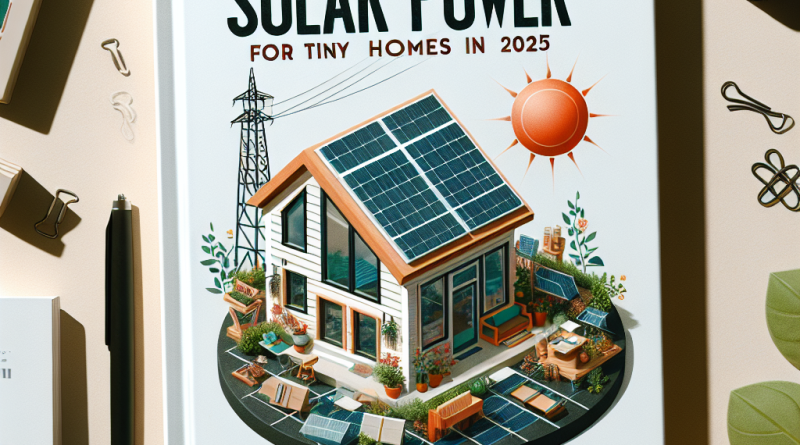
Getting started with solar power for tiny homes begins with understanding its core components: solar panels, inverters, batteries, and controllers. In 2025, the technology has advanced significantly, making setups more compact and efficient. Solar panels capture sunlight and convert it into usable electricity, while the inverter transforms direct current (DC) into alternating current (AC) for home use.
For tiny homes, a simplified system often sufficesâtypically 2-4 solar panels combined with a small inverter and a battery bank. The key is balancing power needs with available space. Smart design is crucial for maximizing efficiency in constrained environments.
Choosing the right components not only depends on your energy requirements but also on the durability and warranty offered by manufacturers. As of 2025, manufacturers include Tesla, LG, and SunPower, known for high-efficiency panels and reliable systems.
Planning Your System Layout
Designing a solar system for a tiny home is about optimizing limited space while ensuring sufficient energy production. You should start by calculating your daily energy consumption based on appliances, lighting, and electronics used.
A good rule of thumb for tiny homes is to aim for a system that can produce about 80% of your daily energy needs to account for weather variability. Proper layout and wiring ensure minimal energy losses, emphasizing the importance of professional installation or detailed DIY planning.
In 2025, integrating modular systems allows for future expansion, so consider leaving room for additional panels or batteries as your needs grow.
2. Choosing the Right Solar Panels in 2025
Types of Solar Panels Suitable for Tiny Homes
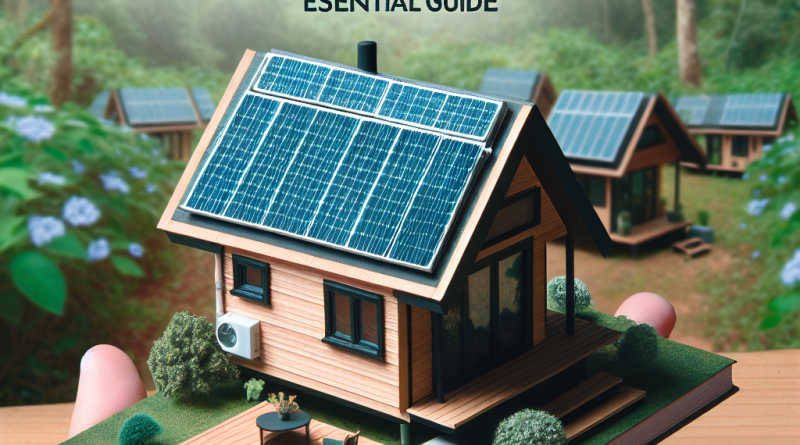
In 2025, selecting the best solar panels for your tiny home can significantly impact energy output and efficiency. The leading options include monocrystalline, polycrystalline, and thin-film panels. Monocrystalline panels remain the most efficient, offering around 22-24% efficiency, which is ideal given limited space.
Polycrystalline panels are slightly less efficient (~18-20%) but tend to be more affordable, making them a popular choice for budget-conscious tiny homeowners. Thin-film panels, although more flexible and lightweight, generally have lower efficiencies but are increasingly used for portable applications.
When choosing panels, consider their durability against weather conditions in your area and their ability to resist shading from trees or structures. Look for certifications like IEC and UL to ensure quality and safety.
Advancements in Panel Technology for 2025
Current trends show that solar panels are becoming even more efficient and versatile in 2025. Bifacial panels, which capture sunlight from both sides, are gaining popularity for tiny homes due to their higher energy yield.
Moreover, emerging perovskite solar cells promise high efficiency and lower manufacturing costs, potentially revolutionizing small-scale solar installations in the near future.
It’s crucial to stay updated with the latest innovations and select solar panels that offer the optimal balance of efficiency, cost, and size for your tiny home setup.
3. Battery Storage Solutions for Reliable Power
Choosing the Right Battery System
Reliable energy storage is vital for tiny homes relying on solar power in 2025. Lithium-ion batteries, such as Tesla Powerwall or LG Chem, dominate the market due to their high efficiency, longevity, and compact designâperfect for small spaces.
Consider your daily energy consumption to determine the optimal storage capacity. A common approach is to size your battery bank to store at least 2-3 days’ worth of energy, providing buffer against cloudy days or service interruptions.
In addition, hybrid systems combining solar panels with smart energy management can optimize battery usage, extending lifespan and maximizing energy independence.
Emerging Storage Technologies in 2025
Solid-state batteries and flow batteries are emerging as promising alternatives, offering increased safety, energy density, and longevity. These innovations may soon provide tiny homeowners with even more reliable and cost-effective options.
Grid-tied systems with backup generators or supplementary power sources are also useful for ensuring uninterrupted power, especially in remote or shaded locations.
Choosing the right battery system ensures you can depend on your solar setup, no matter the weather, making solar power for tiny homes genuinely sustainable.
4. Using Energy-Efficient Appliances
Reducing Energy Consumption in Tiny Homes
One of the simplest ways to maximize your solar power system in 2025 is to opt for energy-efficient appliances. These devices consume less power while performing the same function, essential for limited solar capacity.
Look for appliances with Energy Star ratings, LED lighting, and inverter-based electronics. For example, energy-efficient refrigerators, heating, and cooling systems can cut your usage significantly, freeing up solar capacity for other needs.
Practical tips include unplugging devices when not in use and choosing multi-purpose appliances to save space and energy.
Smart Technology for Power Management
Smart power strips, thermostats, and energy monitors help you track and control consumption effectively. You can set schedules to operate appliances during peak sunlight hours, maximizing solar energy use.
In 2025, integrating AI-powered smart systems allows predictive energy management, further reducing waste and ensuring consistent power supply.
This approach not only enhances efficiency but also prolongs your system’s lifespan and reduces maintenance needs.
5. Optimizing Solar Panel Placement and Angle
Maximizing Solar Exposure
In 2025, precise placement of your solar panels can significantly boost energy production. The goal is to maximize exposure to the sun throughout the day, especially during peak hours.
South-facing rooftops in the northern hemisphere are ideal, with tilt angles approximating your latitude (around 35°-45°). Adjustable mounting systems allow for seasonal optimization, which can increase power output by up to 25%.
Shade management is criticalâavoid trees, chimneys, or nearby structures that can cast shadows on your panels, especially during winter months when the sun is lower.
Innovative Mounting Technologies in 2025
In 2025, solar mounting systems are more versatile, with lightweight, adjustable racks, and even building-integrated photovoltaics (BIPV) that blend seamlessly with your tiny homeâs design.
Some homeowners incorporate solar-trackers that follow the sun’s path, though these are generally more expensive; careful planning often offers sufficient gains without the added complexity.
Proper placement ensures your tiny home remains efficient year-round, optimizing solar power for tiny homes.
6. Planning for System Expandability
Future-Proofing Your Solar System
In 2025, itâs wise to design your solar setup with future expansion in mind. Tiny homes often evolve over time, and your energy needs may increase with new appliances or lifestyle changes.
Choosing modular components, such as additional panels and batteries, allows you to scale your system without major overhauls. Leave extra space on your roof and electrical infrastructure for easier upgrades.
Consulting with solar professionals to develop a flexible design ensures that your system can grow cost-effectively when your needs change.
Cost-Benefit of Upgradability
Investing in expandable systems might increase initial costs but offers long-term savings and energy independence. As technology advances, newer, more efficient components will become available, making upgrades beneficial.
Having an expandable system means you wonât need to replace your entire setup when your energy requirements grow, making solar power for tiny homes a smart, scalable investment.
This future-proofing approach ensures your tiny home remains energy-efficient and self-sufficient for years to come.
7. Maintenance and Monitoring for Longevity
Keeping Your System in Top Shape
Regular maintenance maximizes the lifespan and efficiency of your solar power system. In 2025, many systems come with smart monitoring capabilities that alert you to potential issues before they become costly repairs.
Cleaning panels periodically, especially after winter storms or pollen seasons, can improve efficiency by up to 20%. Also, inspect wiring and connections annually to avoid energy leaks.
Monitoring tools allow you to track energy production and consumption in real-time, providing valuable insights for optimizing performance.
Long-Term System Sustainability
Proper maintenance extends the life of batteries and panels, reducing replacement costs over time. Many manufacturers now offer warranties up to 25 years, emphasizing the importance of adherence to maintenance protocols.
Keeping detailed logs and scheduling regular inspections ensures your solar power for tiny homes system operates reliably for decades, supporting your sustainable lifestyle.
FAQ about Solar Power for Tiny Homes in 2025
1. What is the best type of solar panel for tiny homes in 2025?
Monocrystalline panels are generally considered the best for tiny homes in 2025 due to their high efficiency and compact size, maximizing energy output in limited space.
2. How much does a typical solar power system cost for a tiny home?
In 2025, costs vary based on system size and quality, but a basic setup can range from $5,000 to $15,000, including panels, batteries, and installation. Investing in quality components ensures long-term savings and durability.
3. Can I expand my solar system later on?
Absolutely. Modern systems are designed for expandability. Planning for future upgrades by choosing scalable components and leaving space on your roof makes system expansion straightforward.
4. How long do solar panels typically last?
Most solar panels in 2025 come with warranties of 25 years and can last up to 30-40 years with proper maintenance, making them a sustainable option for tiny homes.
5. Is solar power truly cost-effective for tiny homes in 2025?
Yes, particularly as technology advances and prices decrease, leading to lower payback periods. Solar power also reduces ongoing energy costs, offering excellent long-term value for tiny homeowners.
Conclusion
In 2025, harnessing solar power for tiny homes has become more accessible, efficient, and affordable than ever. From selecting the right panels to planning for future expansion, every step plays a vital role in creating a sustainable and self-sufficient tiny living space.
By following these seven effective tips, you can optimize your solar setup, reduce energy costs, and contribute to a greener planet. Embrace the future of tiny home living with reliable, clean solar energy â your journey toward energy independence starts today!