Tag: to maintain

  • How to Maintain Solar Panels for Optimal Performance

    How to Maintain Solar Panels for Optimal Performance

    Regular Cleaning of Solar Panels

    Understanding Why Cleanliness Matters

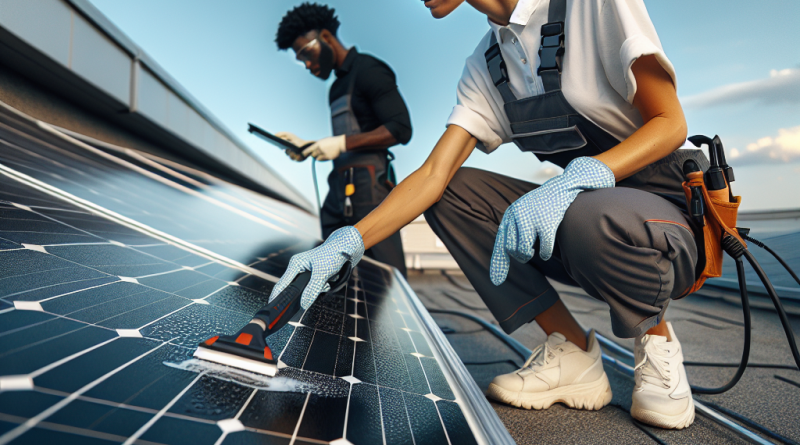
    So, let’s kick things off with cleaning! It’s super important to keep those solar panels shining bright. Dust, dirt, leaves, and bird droppings can really build up and mess with their efficiency. Honestly, I didn’t realize how much grime could affect solar power generation until I saw the difference after a good scrub. Trust me, keeping your panels clean can lead to a noticeable increase in energy production.

    Imagine this: you walk outside, and your panels are covered in a fine layer of dust after a windy day. You might think, “It’s no big deal,” but every little fleck of dirt can reduce sunlight absorption. Cleaner panels mean better performance. Just like we need regular baths, so do our solar panels!

    Plus, cleaning isn’t just about performance—it extends the life of your panels as well. Think of it as a spa day for your solar system! Regular maintenance means fewer issues down the line, and who doesn’t love saving money in the long haul?

    How to Clean Your Solar Panels

    Now, you may be wondering, “How do I even clean my panels?” Well, I’ve got a few tried-and-true methods that work like a charm. First off, always check the manufacturer’s recommendations. They often have specific guidelines that are really helpful. For instance, some panels are textured, and you need to be gentle with those so you don’t scratch anything.

    Next, grab some water, a non-abrasive sponge, and possibly a squeegee. You’ll want to focus on cool times of the day – early morning or late afternoon when the panels aren’t hot. This way, the water doesn’t evaporate too quickly and leave streaks. It can be a bit of a workout—trust me, all that stretching to reach those high panels can be a great leg day!

    If climbing up isn’t your style, hiring professionals for a deep clean is a fantastic option too. They’ve got the gear and the skills to do it right without risking any damage. Just make sure they’re insured. You don’t want to deal with any unexpected mishaps!

    How Often Should You Clean?

    This one is a bit subjective, but I generally recommend checking them every few months. If you live in a particularly dusty area or if your panels are near a lot of trees (hello, falling leaves!), you might want to clean them monthly. On the flip side, if you’re in a really clean environment, you could stretch it out to every six months.

    Seasonal changes can be a cue for cleaning too. For instance, after heavy rains or wind storms, it might be a good idea to check them out. They probably got a nice wash, but you’d be surprised at how much muck can still cling on!

    Ultimately, just keep an eye on them. If they look dirty to you, get that cleaning crew ready! Your effort pays off when you see those energy bills drop!

    Inspecting for Damage

    Why Inspections are Essential

    Next up, let’s have a chat about inspections. Think of them as check-ups for your solar panels. Just like we go for regular health check-ups, our solar systems need a little TLC in the inspection department. Over time, wear and tear, hail, or heavy storms can take a toll.

    Sometimes, the damage isn’t apparent at first glance. Things like micro-cracks or connections loosening can lead to decreased efficiency without you even noticing. I learned this the hard way when I noticed a drop in my energy output after a few weeks. That’s when I dived into understanding just how crucial regular inspections are!

    Inspections can catch problems early before they turn into costly repairs. It’s kind of like that saying, “An ounce of prevention is worth a pound of cure.” Do yourself a favor and make inspections part of your routine!

    How to Perform a Basic Inspection

    The good news is that inspections don’t have to be overwhelming. You can do a basic check yourself by looking for any visible cracks or discoloration in the panels. Make sure all the components—like inverters and wiring—look secure and in decent shape. If you notice anything off, that’s when you probably want to call in an expert.

    I usually take a moment after cleaning to give everything a once-over. It doesn’t take long, and I catch little issues before they escalate. I also like to take photos every few months to compare them. It’s amazing how visuals can help in spotting trends or problems!

    If you’re uncomfortable climbing on the roof, consider using binoculars from the ground to spot larger issues. Safety first, folks! Better to be cautious than to risk a tumble off the ladder.

    When to Call in the Professionals

    Let’s face it: while DIY is great, sometimes we need to admit when it’s time to call in an expert. If you notice significant damage, like large cracks or if the panels have moved due to debris or shifting, call a professional team. They have the right tools and knowledge to deal with more severe issues safely and effectively.

    Also, if you ever notice a drastic drop in performance that you can’t explain, please don’t hesitate to reach out for help. Better safe than sorry, right? Investing a bit in professional maintenance now can save you major bucks down the line.

    Remember, keeping your solar panels healthy and happy is worth the investment, and sometimes that means letting others take care of what we can’t handle!

    Monitoring Energy Production

    Understanding the Basics of Monitoring

    Let’s talk about monitoring! I can’t stress enough how important it is to track your energy production. I use an app that connects to my solar inverter, and it’s fabulous! It gives me real-time updates and alerts me to any issues. Monitoring isn’t just a techy buzzword; it’s like having a dashboard for your solar system.

    I can instantly see how much electricity I’m generating and compare it to my energy usage. Those numbers tell me if my system is performing at its best or if something’s off. If I notice a sudden dip, I know it’s time to take action!

    This can also help you with understanding seasonal trends. If you see less energy production in winter, you can mentally prepare and adjust your expectations. It’s all part of being a savvy solar owner!

    What to Monitor

    So, what should you actually keep an eye on? Besides the total energy production, I’d suggest also looking at the inverter’s status and even daily output vs. forecasts. Many inverters have great apps that do this for you!

    Another thing I check is the energy export and how much I’m sending back to the grid. If you’re in a net metering situation, this can show you potential savings and profits, which is super exciting! It’s like being your own energy detective.

    Don’t forget to monitor the temperature, too. Heat can affect how well your panels work, so knowing the operating temperatures can help you gauge their efficiency.

    What to Do with the Data

    Once you’ve gathered all that data, what now? Analyzing it is key! If you notice patterns, like poor energy production on cloudy days consistently, it could point to a bigger issue. It’s powerful information that can help you optimize your system. Sharing this data with your solar installer can be beneficial too—they can provide tailored advice based on your unique stats!

    These insights can also help you decide when to clean those panels next. If you see a drop in performance, that might just be your cue to pull out the hose and sponge again!

    Finally, regular monitoring contributes to the longevity of your system. The better you understand its behavior, the easier it is to maintain peak performance and make adjustments as needed.

    Scheduling Professional Maintenance

    When and How Often to Schedule

    Okay, let’s dig into professional maintenance. It’s a must-do for any serious solar user. While I think cleaning and inspections can be DIY-friendly, professional checks ensure everything is running smoothly. I usually schedule a full review annually, but I keep an eye out after major weather events, just in case.

    Annual maintenance is like a yearly health check-up for your solar panels! Technicians will inspect all components carefully, helping to prevent problems before they become noticeable or costly. They often catch things I may not be able to see myself—like minor electrical issues or wear and tear.

    Plus, they’ll usually clean the panels too, which is just a bonus! Adding that peace of mind can extend the life of your investment. I can’t imagine leaving my solar panels unchecked for years.

    Finding a Reliable Technician

    Finding the right people for the job is crucial. I always recommend doing a little research. Look for technicians who specialize in solar system maintenance. Reviews and testimonials can help you find the best fit. Ask your solar installer for recommendations as well; they often have trusted partners.

    Once you have a prospective technician, don’t hesitate to ask questions. A solid technician will gladly explain their processes and address any concerns you have. I turned to a local company someone in my neighborhood recommended, and their service was top-notch!

    Building a relationship with your technician can also be beneficial. They’ll become familiar with your unique system, leading to even better care in the future. Trust me, having a go-to person for your solar needs is priceless!

    Tips for Getting the Most Out of Professional Visits

    When you’ve scheduled your technician’s visit, prepare a checklist of things to ask about or look out for! For instance, I always have a rundown of any recent performance issues I’ve noticed. Sometimes, they might have insight based on my data. Having that list makes the visit feel productive.

    Also, don’t hesitate to inquire about upgrades or additional services. The tech might have suggestions for enhancing your existing system—who doesn’t love making something great even better?

    Following these tips ensures you and your technician get the most out of the visit, saving you time, hassle, and money in the long run.

    Frequently Asked Questions

    1. How often should I clean my solar panels?

    It’s generally recommended to clean your solar panels every few months. If you live in a dusty area or near trees, once a month might be necessary. Always check them after heavy rains or storms. Just keep an eye on their appearance, and clean when they look dirty!

    2. What are some signs of damage to solar panels?

    Look for visible cracks, discoloration, or loose connections. If performance drops significantly without explanation, that’s another red flag. A thorough inspection can help catch these issues early.

    3. Can I monitor my solar panel’s performance myself?

    Absolutely! Many solar inverters come with apps or online dashboards for monitoring. You can track energy production, check inverter status, and even analyze energy forecasts from the comfort of your smartphone.

    4. When should I call a professional for maintenance?

    If you notice major damage, significant drops in performance, or if it’s been a while since your last inspection, it’s time to call in the pros. They have the expertise and equipment to handle issues safely.

    5. What benefits do I get from scheduling professional maintenance?

    Professional maintenance ensures your system operates at peak efficiency and can catch minor issues before they turn into costly repairs. It also provides peace of mind, knowing experts are looking after your solar investment!

  • How to Maintain Your Solar Panels for Peak Performance

    How to Maintain Your Solar Panels for Peak Performance

    Regular Cleaning of Your Solar Panels

    Understanding the Importance of Cleaning

    Let me tell you, one of the most underrated aspects of maintaining solar panels is just keeping them clean. Dust, bird droppings, and leaves can really mess with the efficiency of your panels. I remember when I first got mine installed; I was shocked at just how dirty they could get after a storm or even just a windy day. It’s because those panels need to absorb sunlight to function properly, and any gunk on the surface can block that precious light.

    Solar panel cleaning is necessary at least a couple of times a year, maybe more if you live in a particularly dusty area. Trust me, I learned this the hard way when my energy output dropped dramatically before I even thought to give them a good scrub. A little routine maintenance goes a long way in keeping them running at peak performance.

    So, whether you hire a pro or decide to climb up and tackle it yourself, don’t overlook this importance. Make it a part of your seasonal home maintenance plan; it could even save you on your electric bill!

    How to Clean Your Panels Safely

    When I first started cleaning my panels, I was a bit intimidated. You obviously don’t want to scratch the surface or, heaven forbid, damage anything. I quickly found out that a soft cloth or sponge, along with some mild soap and water, is usually all you need. You won’t want to use anything abrasive or harsh chemicals that could cause corrosion or tarnish the glass.

    Make sure to do this on a cooler day, perhaps early morning or late afternoon. The hot sun can cause the soap to dry up and leave streaks, which defeats the purpose of cleaning them in the first place. Someone also told me to avoid cleaning during a drought since it can waste water. So, be mindful of that!

    If you’re cleaning them yourself, always remember to prioritize your safety. If you’re perched on a ladder, make sure it’s stable and that someone is around to help in case you need it. Sometimes it’s just better to call in a professional who has the right tools and experience, especially for those hard-to-reach areas.

    Frequency of Cleaning

    Now, how often should you actually be cleaning those panels? Well, it really depends on your surroundings. For instance, if you live near a busy road or in a city, you might find yourself needing to clean your panels more than someone living in the countryside. I generally recommend aiming for at least twice a year; spring and fall seem to work well for me.

    During dry seasons, pollen might settle on the panels, while rainy seasons might bring dirt from the gutters. If you notice a significant drop in your system’s performance, it might be a signal that a clean is overdue. It’s all about keeping a consistent schedule and paying attention to your energy output.

    Ultimately, keeping your panels clean isn’t just about aesthetics; it’s an investment in your system’s longevity and efficiency. So, keep an eye on them just like you would with your car or home—you’ll be glad you did!

    Inspecting Your Solar Panel System

    Understanding What to Look For

    Alright, so cleaning is great, but you also need to check under the hood, so to speak. For me, one of the best practices is to inspect the physical condition of the panels at least once a year. I find this gives me peace of mind—knowing everything is working as it should be. Look for any cracks or chips in the glass; they can be a sign of bigger issues down the road.

    Don’t forget to check the wiring as well! Frayed or damaged wires can not only reduce efficiency but could also pose a safety hazard. I’ve learned that a little time spent here can save you from more severe repairs later. Plus, spotting issues early can keep your system running smoothly and efficiently.

    Make it a routine! Just like you would check your smoke detectors or change your furnace filter, don’t let this slip through the cracks. Regular inspections can indeed prevent bigger headaches in the future, which is something I value a lot—nobody wants to deal with unexpected repair costs.

    Identifying System Performance Issues

    If you notice your energy bills climbing, it might be time to assess your panel’s performance. I remember my first year with solar; I was thrilled, but then, boom! The next bill came, and it was way higher than I expected. That’s when I learned to pay attention to the green light on my inverter; this will give you a quick way to visualize how things are running. If it’s showing red or is unresponsive, that’s a clue that something’s off.

    Another good practice is to familiarize yourself with your solar monitoring system. Most setups now come with an app or dashboard that tracks generation data. This will help you pinpoint performance drops and might even guide your inspection efforts. Keep an eye out for any major fluctuations and you’ll be ahead of the game!

    If you’re ever unsure, don’t hesitate to reach out to a solar professional. They can help you troubleshoot, diagnose problem areas, and recommend repairs. Sometimes it takes another set of eyes to really see what’s happening.

    Documenting Your System’s Performance

    I can’t stress the importance of keeping a log of your solar system’s performance over time. It’s like keeping a diary for your panels! By tracking how much energy you’re generating, you’ll have a clearer picture of trends and potential issues. Whenever I notice any significant drops, I check my records and start poking around for clues.

    Documentation also helps when it comes to warranty claims or if you ever decide to sell your home. Potential buyers love knowing you’ve kept things in top shape. So take a few minutes each month to jot it down or snap a screenshot. It pays off in more ways than one!

    When you see patterns over time, you can better forecast how your panels will perform based on seasonality or even changing weather patterns. It just makes good sense, and it’s super easy to do!

    Checking for Shade Impact

    Evaluating Surrounding Trees and Structures

    When I first installed my solar panels, I didn’t really think about how trees could impact my energy production. But oh boy, did I learn the hard way! Over time, I realized that those innocent-looking trees were casting more shade than I ever anticipated. It’s vital to assess your solar panel’s surroundings regularly, particularly because trees grow and buildings change.

    Stand back and evaluate your space; are any branches extending perilously close to your panels? I made it a habit to check at least once a year and trim branches if needed. You’ll want to maximize sunlight exposure to avoid losing out on energy production due to silly shadows. Just keep safety in mind if you’re climbing up to handle any tree trimming yourself.

    If you’re in an area with many mature trees, you might even want to consider discussing trimming or removal with a local arborist. It can be worth the investment not only for your solar panels but also for your yard’s overall health.

    Seasonal Changes and Their Effects

    Every season brings its own set of challenges and benefits for solar performance. For instance, I’ve noticed that during the winter months, snow can cover my panels, reducing their efficiency dramatically. On sunny winter days, I see production drop, and foggy days don’t help, either. Keeping an eye on how each season affects performance can help me strategize my utility use.

    Conversely, summer can bring heavy greenery, and I’ve often found I need to trim back more foliage than I thought. Autumn can be equally challenging; those falling leaves can pile up and block sunlight. I’ve made it a habit to walk around frequently to assess how my surroundings interact with my panels throughout the changing seasons.

    The real trick is to stay ahead of it and plan for these seasonal shifts. Adjusting your habits and preparations according to the time of year will help keep your solar energy production at its peak!

    Utilizing Technology to Monitor Shade

    Let’s talk tech! There are plenty of apps and monitoring systems out there that can help assess the impact of shade on your solar panels. I’ve been using a couple of these, and they work wonders. They help track how shade affects power generation in real-time—super impressive!

    Sensors can be placed around the panels to get alerts when sunlight is particularly low, helping you strategize any trimming that needs to get done. Integrating technology into your maintenance routine is a game changer; it’s like having your own personal assistant for solar performance.

    Don’t forget to read reviews and see what works best for your solar setup. It’s worth researching because the right tools can make all the difference in optimizing your production year-round.

    Scheduling Professional Maintenance

    When to Call in the Experts

    There are times when it’s best to leave it to the pros. I know some folks like to handle everything themselves, but let’s be real—DIY isn’t always the answer. Especially if you have older systems or if it’s been years since the last professional inspection, it’s worth scheduling some time with a solar technician.

    They can perform comprehensive checks that you might miss, particularly concerning electrical connections and inverter performance. It’s also an opportunity for them to suggest any necessary upgrades or repairs to keep your system running efficiently.

    I’ve learned over the years that investing in professional maintenance saves money in the long run. They have the expertise to spot underlying issues before they become major repairs—and that’s a win in my book!

    Choosing the Right Maintenance Provider

    When it comes to scheduling professional maintenance, choosing the right provider is crucial. I always recommend getting referrals from friends or checking out local reviews online. You want someone reliable and trustworthy because you’re letting them into your home and allowing them to evaluate your systems!

    Don’t be afraid to ask tough questions—like how their maintenance services operate. A good technician will be happy to discuss their approach and answer any concerns you have. Also, I look for experience in the industry and licensing or certifications; it really helps ensure you’re getting quality service.

    Remember, an established company will likely offer warranties or guarantees on their work too, giving you some added peace of mind. Take your time to find a maintenance provider that aligns with your needs.

    Setting Up a Maintenance Schedule

    After finding the right service provider, the next step is to establish a maintenance schedule that works for both parties. I usually opt for at least once a year, but bi-annual checks can be beneficial, especially in extreme climates or areas with lots of debris. Plus, it helps keep your panels in tip-top condition.

    Communicate with your chosen provider to set up a regular inspection schedule. I often set reminders on my phone to review how things are performing ahead of scheduled maintenance appointments. Staying proactive ensures those panels are always ready to soak up that sun!

    And don’t hesitate to ask your maintenance provider about any changes they may recommend regarding your system’s care over time—they’re the experts, after all!

    FAQ Section

    1. How often should I clean my solar panels?

    It’s generally recommended to clean your solar panels at least twice a year, but if you live in a dusty area or have lots of trees nearby, you may want to clean them more frequently. Always keep an eye on their performance to determine if they need a cleaning sooner.

    2. What should I look for during a solar panel inspection?

    During an inspection, look for cracks, damage to glass, and check the wiring for any frays or wear and tear. Also, ensure that there are no obstructions that would cause shading on the panels.

    3. Can trees shade my solar panels?

    Absolutely! Trees can create shadows that significantly reduce the efficiency of your solar panels. It’s essential to regularly evaluate your surroundings and trim any overextending branches.

    4. When should I call a professional for maintenance?

    It’s a good idea to schedule professional maintenance at least once a year. If you haven’t had maintenance in years or are experiencing performance issues, it’s time to call a technician!

    5. What technology can help monitor solar panel performance?

    There are numerous apps and monitoring systems available that help you track energy output and the effects of potential shading on your panels. Investing in these technologies is beneficial for maximizing performance.