Tag: to solar

  • The Top 3 Mistakes Homeowners Make When Switching to Solar

    The Top 3 Mistakes Homeowners Make When Switching to Solar

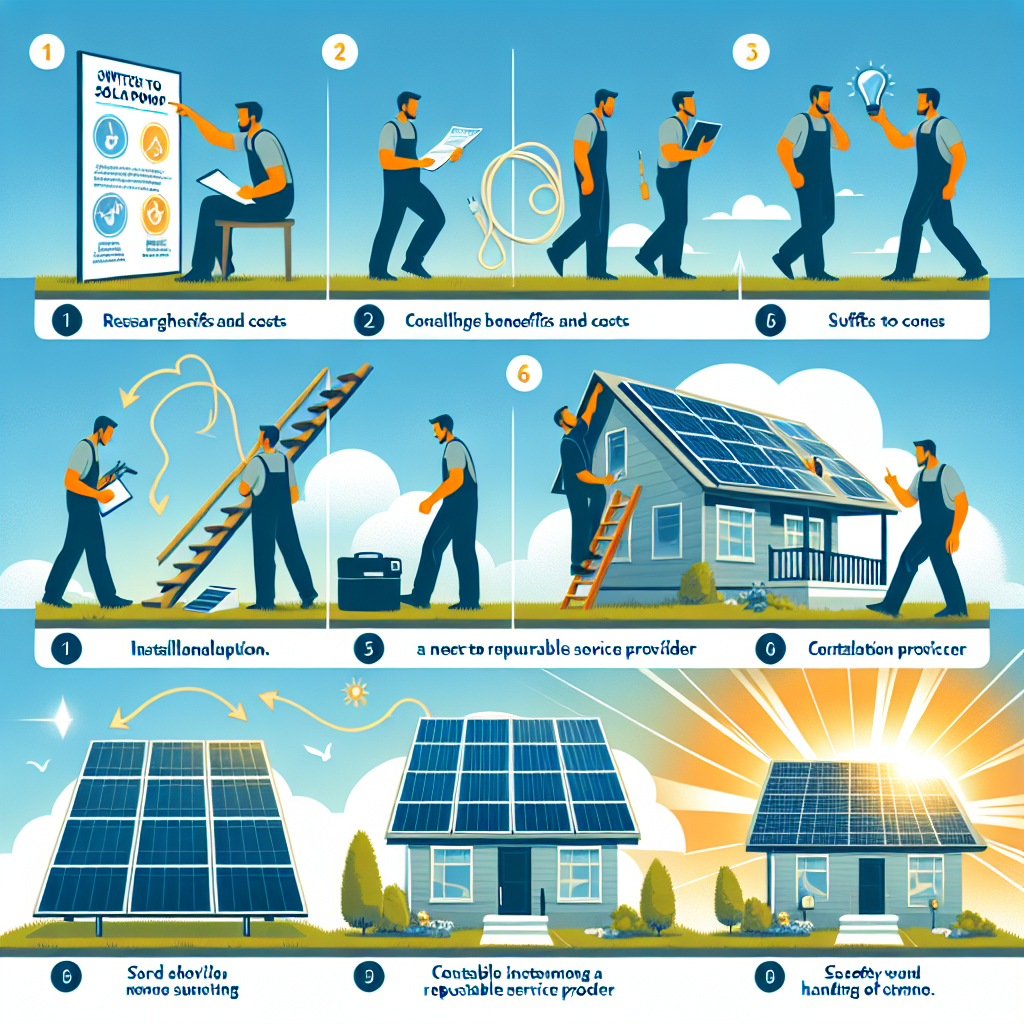
    1. Not Doing Enough Research

    Understanding Your Energy Needs

    When I first considered switching to solar, I had this vague idea of saving a ton on my energy bills, but I was clueless about my actual energy consumption. It’s super important to really understand how much energy you use in a month. Grab your electricity bills from the last year and analyze them. This will give you a clearer picture of your baseline consumption, and you can base your solar needs on that.

    Furthermore, considering your future energy needs is crucial. Are you planning to expand your family or buy an electric vehicle? If you think your energy usage will rise, factor that into your calculations now. Trust me, you don’t want to install a system and then realize it’s only meeting half of your needs and you need an upgrade.

    By getting a handle on this from the get-go, you’ll avoid one of the most common pitfalls. Without understanding your energy needs, you could end up investing in a system that’s either too small or unnecessarily big, which is just a waste of money.

    Comparing Different Providers

    Another biggie is not shopping around for different solar providers. I know, I know, researching can be a drag, but think of it as shopping for the best pair of shoes. You wouldn’t buy the first pair you try on, right? The same goes for solar companies. Take the time to compare quotes, reviews, and warranties.

    Not all solar companies provide the same quality of service or products, and you might be surprised by the price differences. I did my homework and discovered a completely different range of prices for systems that looked identical, but one company offered a far longer warranty and better customer support.

    Additionally, don’t forget to verify credentials. Make sure to check if the company is licensed and insured. It protects you against any future headaches and ensures you’re getting a professional installation.

    Ignoring Local Incentives

    Lastly, many homeowners overlook the local incentives available for solar installations. There are often state and federal tax credits, rebates, and other incentives that can significantly lower the upfront costs of going solar. When I was digging into my options, I stumbled across a state grant program that saved me a good chunk of change.

    You’ll want to check with your local government or the solar company; they should be able to guide you on what’s available in your area. Ignoring these perks is one of the most significant mistakes you can make – it’s like leaving money on the table!

    Also, keep an eye on any approved solar lease or PPA options as they might provide additional savings. These can often present you with a lower initial cost, so make sure to get clued up!

    2. Choosing the Wrong Financing Options

    Understanding Your Payment Options

    Going solar can be pricey upfront, and there are multiple ways to finance the installation. I wish someone told me just how vital it was to understand these options before going ahead. You can buy, lease, or enter into a Power Purchase Agreement (PPA), but not all methods suit everyone’s situation.

    If you have the cash, buying your system outright may give you the best long-term savings. However, leasing and PPAs can reduce the upfront costs but may lead to lower savings over time. Make sure you weigh these options against your financial situation carefully before making a decision.

    It’s tempting to say, ‘I’ll figure it out later,’ but trust me, taking the time upfront to understand these options will set you on a much better financial path.

    Overlooking Interest Rates

    If you’re going to take out a loan, don’t ignore the interest rates! When I was looking into financing my system, I learned that not all solar loans are created equal. Some come with astronomical interest rates that can totally negate your solar savings over time.

    Shop around and compare interest rates. There are some great options specifically for solar financing that offer competitive rates. Be sure to read the fine print and understand what you’re getting into—there are some predatory loans out there you want to avoid!

    Your goal should be to secure financing that has a lower interest rate so you can reap the benefits of the savings solar energy provides without getting bogged down by debt.

    Failing to Calculate Long-Term Savings

    It’s pretty easy to get caught up in the upfront costs of solar and forget about the long-term savings. Before I installed my system, I did some math (with a bit of help) to project my savings over time—and wow, was I surprised! I hadn’t realized just how much my energy bills would drop over the years.

    Calculate your projected savings over 20-25 years, which is typically the lifespan of solar panels. This helps paint a realistic picture of the return on investment you can expect over time. You may find that the initial sticker shock isn’t as scary as you thought!

    Plan for future energy price hikes too. Electricity prices are notoriously unpredictable, which means you’re future-proofing your energy costs by investing in solar!

    3. Skipping the Maintenance Plan

    Understanding Maintenance Needs

    Once you’ve got your shiny new solar panels installed, it can be tempting to think you’re done! But not so fast. I made the mistake of thinking my panels were set-and-forget. That led to a significant drop in efficiency due to dirt and debris build-up on the panels.

    Make sure to ask your installer about maintenance needs. Regular cleaning and inspections are key to keeping your panels operating optimally. Dust, leaves, and even snow can block sunlight and reduce energy production.

    Look into yearly maintenance contracts with your installation company or take the time to educate yourself on how to clean your solar panels safely if you want to do it yourself.

    Monitoring System Performance

    Monitoring your solar system’s performance is another essential habit to build. Most solar systems come with monitoring software, which allows you to track energy production in real-time. I can’t tell you how useful this feature is for spotting issues early!

    In my case, there was an unexpected drop in energy production one month, and thanks to my monitoring app, I could catch it! I contacted my installer, and they quickly resolved an unnoticed issue.

    Don’t take this capability for granted. Regularly check to ensure your system is running as expected, and keep a watchful eye on deviation from the predicted output.

    Neglecting Warranty Considerations

    Lastly, be sure you have an understanding of your warranties. Many homeowners overlook the fine print on warranties until it’s too late. When I installed my solar system, I took a good look at the warranties offered by different manufacturers. Some provided up to 25 years for parts, while others were shorter.

    Find out what is covered, what isn’t, and for how long. You don’t want to find yourself stuck with a hefty repair bill down the line due to lack of coverage. If your panels fail within the warranty period but you didn’t register the product, you might be out of luck.

    Your installation company should be your first point of contact when asking about warranty claims. Ensure you keep all necessary documentation handy. It’s just like keeping the receipt for that new gadget you bought—y’know, just in case!

    Frequently Asked Questions

    1. What are the primary mistakes homeowners make when switching to solar?

    Homeowners often fail to do enough research, choose the wrong financing options, and neglect maintenance plans. These mistakes can lead to higher costs and less energy savings over time.

    2. How can I determine my energy needs before switching to solar?

    Review your past electricity bills to analyze your energy consumption patterns. This helps you figure out how big of a solar system you will need for your home.

    3. What financing options should I consider for solar energy systems?

    You can either buy the system outright, lease it, or enter a Power Purchase Agreement (PPA). Each option has its pros and cons, so it’s essential to evaluate what works best for your financial situation.

    4. Do solar panels require maintenance?

    Yes, solar panels need regular maintenance such as cleaning and monitoring to ensure they remain efficient. It’s essential to keep an eye on their performance as well.

    5. Are there local incentives for switching to solar?

    Yes! Many local and state governments offer various incentives like tax credits, rebates, and grants to homeowners who switch to solar. Always check with your installer or local government to find out what’s available.
  • How to Transition to Solar Energy Without Breaking the Bank

    How to Transition to Solar Energy Without Breaking the Bank

    1. Assess Your Energy Needs

    Understanding Your Current Energy Usage

    First things first, you gotta know what you’re working with. Before diving into solar energy, I took a good look at my energy bills and consumption patterns. Grab a few of your previous statements. This will help you see how much power your household uses on a monthly basis.

    Remember to factor in seasonal changes too; some months are definitely worse than others. Consider whether there are appliances or devices you might be using more than you realize. It’s like shining a flashlight on your consumption habits.

    Once you see the big picture, you can proceed to understand how much solar power you’ll need to cover your usage. This will be the backbone of your solar transition strategy.

    Calculating Potential Savings

    Next, I crunched some numbers. By calculating potential savings from solar, I estimated how much I could save on my electricity bills over the years. There are plenty of online calculators that make this easier for you, too!

    Consider how incentives and rebates might impact the costs. Many states and local governments are eager to promote solar energy and tend to offer tax credits or rebates. This further sweetens the deal — a win-win!

    All this will give you a clearer idea of how much money you can save by making the switch and how long it might take to see returns on your investment. It’s essential info as you lay your groundwork!

    Setting Your Budget

    When I felt confident about my energy needs and potential savings, it was time to set a budget. I had to decide how much I was willing to spend upfront versus what I wanted to finance. There’s a big difference between paying cash or taking out a loan, folks!

    Your budget will guide your decisions moving forward. While it may be tempting to grab the fanciest equipment on the market, remember you can often accomplish your goals with mid-range systems at a lower cost.

    Be realistic and don’t forget about ongoing maintenance costs. Having a solar energy setup is a long-term commitment and budgeting accordingly will save you headaches down the road.

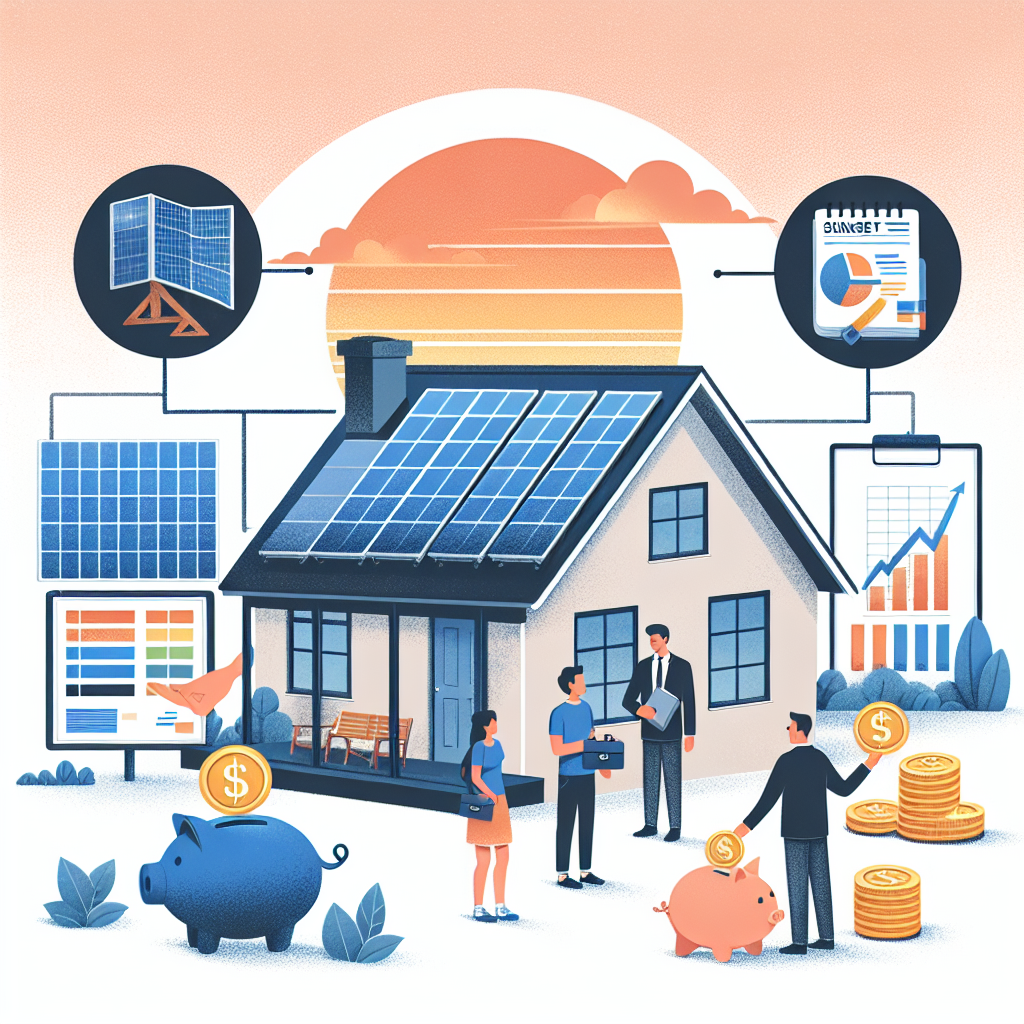
    2. Explore Financing Options

    Loans vs. Cash Purchases

    Once I had a good grip on my finances, I looked into financing options. Cash is king, but not everyone can drop a hefty lump sum right off the bat. Consider solar loans — they can help you pay for the system over time.

    If you’re not going the loan route, some vendors offer payment plans that allow you to pay gradually while enjoying the benefits of solar energy from day one. It’s basically like having your cake and eating it too!

    At the end of the day, choose the option that aligns with your financial goals and capabilities. It might even help to run scenarios of different financing arrangements to see which is a better fit for your lifestyle.

    Leasing Solar Panels

    If the idea of ownership sounds daunting, leasing solar panels is another cool option. With leasing, you pay a monthly fee to use the solar panels instead of buying them outright. This can lead to lower upfront costs and quicker installation.

    One thing to keep in mind is that leasing may limit your benefits in the long term. You won’t get the tax credits that come with ownership, and you’re essentially paying rent for the panels. Weigh your options carefully!

    I found this arrangement worked best for folks who want immediate results without breaking the bank. Just make sure to read the fine print and understand the terms before signing anything.

    Government Incentives

    Never underestimate the power of good ol’ incentives! Many states offer substantial tax credits for going solar, and federal tax credits can bring costs down significantly. I was able to save quite a bit thanks to these perks!

    Keep an eye out for local programs as well. Community-funded solar projects might provide additional financial assistance or perks to help ease the transition you’re making towards renewable energy.

    Doing research on these opportunities not only saves you money but also gives you a sense of community. It’s incredible to see how many people are in this together, pushing for greener energy solutions.

    3. Choose the Right Equipment

    Finding Quality Panels

    As I explored my options, quality solar panels became a priority for me. Just like any other product, there’s a range of quality and effectiveness. Brands may boast different efficiencies or warranties, and I quickly learned that these factors could impact overall savings down the road.

    While cheaper panels might save you money upfront, they often come with less durability and longevity. I found investing a bit more in quality gear can lead to better returns in the long haul.

    Be sure to check reviews and ask for recommendations. Fellow solar users can often provide great insights into their experiences with particular panels and brands.

    Inverters and Battery Storage

    Inverters are another crucial component of your solar system. They convert the energy captured by your panels into usable power for your home. I learned that investing in a good inverter could notably improve the efficiency of my entire setup.

    Battery storage can also be a game-changer, allowing you to store excess energy generated for later use, especially during peak hours. This was a feature that made a big difference for me, particularly during times of high demand.

    Take your time researching which types of inverters or battery options fit your goals best – each option brings various benefits to the table!

    Installation Considerations

    Choosing the right installation company was a major decision in my solar journey. Certifications and experience matter — you want professionals who know what they’re doing to ensure your system runs smoothly for years.

    I recommend getting multiple quotes and talking to past clients if possible. Don’t just look for the lowest price; look for value, reliability, and customer service too.

    Also, consider the timing of installation. Some companies have busier seasons than others. If you can schedule during the off-season, you might get a better deal and more attention to your setup.

    4. Monitor and Maintain Your System

    Regular Check-Ups

    After going solar, I quickly learned the importance of monitoring my system. Keeping an eye on how things are running ensures you’re getting the energy output you expect. Most solar setups come with monitoring apps — take advantage of those!

    Make regular check-ups part of your routine. This might involve clearing off debris or snow in the winter or checking connections and tightening cables. It keeps your system in peak condition and protects your investment.

    Some companies even offer maintenance plans, and while it’s an added expense, it could save you hassle later on. A well-maintained system performs better and lasts longer, so consider it a worthy investment!

    Understanding Performance Reports

    Analyzing performance reports can also be enlightening. These reports give you a snapshot of your energy production over time. I found this data invaluable when recalibrating my energy use or when evaluating if I needed further upgrades.

    Understanding these metrics can also be motivational. Seeing your progress in numbers can boost your commitment towards sustainability and energy efficiency.

    If something seems off, don’t hesitate to reach out to your installer or a professional for help. Early detection of issues can save you lots of trouble down the road.

    Anticipating Repairs

    Some repairs may arise, even with a well-installed system. Knowing what to expect is key. Most solar components have warranties, so keep those documents handy. If something breaks, you want to know if it’s covered!

    Having a plan for unexpected repairs can ease the financial burden. Setting aside a small fund specifically for maintenance or repairs might just save your wallet in the long run.

    Accepting that repairs may happen is part of the journey. Just as with any home improvement, being proactive helps in keeping everything running smoothly!

    5. Educate Yourself and Your Community

    Learning More about Solar Energy

    Staying educated on solar trends and products is a surefire way to get the most out of your investment. I dove into articles, webinars, and local workshops to keep learning more. The solar landscape is always changing!

    Connect with local solar associations or groups that can provide valuable insights. The more you know, the better decisions you can make regarding your household’s energy management.

    Staying informed not only empowers you but can help others too. Sharing knowledge is powerful and can inspire those around you to consider making the switch as well.

    Joining Community Initiatives

    Engaging in local initiatives can elevate your solar experience. Many communities have programs promoting collective solar purchasing. By teaming up with neighbors for group buys, you can often snag discounts and streamlining the process.

    Community initiatives can also provide platforms for discussions on legislation and local laws governing solar energy. Being part of this discourse can strengthen solar incentives and contribute to a wider movement.

    Being proactive in your community boosts awareness, and it’s just plain fun to be part of a collective goal for renewable energy. Let’s all go green together!

    Sharing Your Experience

    Finally, don’t shy away from sharing your journey! Your experiences can inspire others who are contemplating the switch to solar energy. Share your successes and mistakes — every nugget of information can be a big help to others!

    Blogging, social media, or even casual chats in your neighborhood can spark conversations about solar energy. Sharing your journey may even motivate someone else to take that leap of faith.

    Remember, solar energy isn’t just a personal benefit; it’s a step towards a sustainable future for everyone!

    Frequently Asked Questions

    1. How much can I really save by switching to solar energy?

    Your savings will depend on various factors, including your current electricity usage, available incentives, and the size of your solar system. Many users report savings of 50-100% on their utility bills.

    2. Is it better to buy or lease solar panels?

    It depends on your financial situation. Buying panels is typically more cost-effective in the long run since you will own the system and benefit from tax incentives. Leasing may offer lower initial costs but doesn’t provide the same long-term benefits.

    3. Are there maintenance costs associated with solar panels?

    Yes, maintenance is a part of owning solar panels. Regular upkeep like cleaning and system checks may incur some costs, but many systems have low maintenance needs and warranties cover most issues.

    4. What should I look for in a solar installer?

    When choosing an installer, look for certifications, experience, and positive customer reviews. It’s also beneficial to get multiple quotes to compare services and pricing before making a commitment.

    5. How long does it take to install solar panels?

    Installation typically takes 1-3 days, depending on the size of your system and any site-specific challenges. However, the entire process can take a few weeks from consultation to final connection to the grid.

  • Ultimate Guide to Solar Power Benefits for Homeowners

    Ultimate Guide to Solar Power Benefits for Homeowners

    1. Energy Savings and Cost Efficiency

    Understanding Energy Bills

    We’ve all been there, staring at a sky-high energy bill that makes you question your life choices. Switching to solar power dramatically reduces those expenses. When I made the leap, the first thing I noticed was how those monthly bills began to shrink. It’s like finding a hidden treasure every month!

    By generating your own electricity, you become less reliant on traditional power companies and their fluctuating rates. Many homeowners, including myself, have seen their bills drop significantly, sometimes by as much as 50% or more. The savings can be redirected toward vacations, home improvements, or just a bit more fun in life.

    With solar incentives and tax credits, the initial investment can pay off quickly. I remember feeling a rush of excitement when I learned about the local and federal tax breaks—it’s basically Uncle Sam helping to cover part of your roof!

    Return on Investment

    Every time I look at my home, I see an investment that’s only getting better. The value of a home equipped with solar panels typically increases, which means when it’s time to sell, I could recoup more than I initially invested. It’s like putting money into a savings account that earns interest every day.

    Homeowners who opt for solar often report an increase in their property value—upwards of 4% in many cases. Just think, if your home is valued at $300,000, that could mean an extra $12,000 in value simply because you went solar. Talk about a smart move!

    Add this financial benefit to the overall drop in energy costs, and you’ve got an unbeatable package. The combination of savings and increased home value ensures that solar energy systems are worth every penny spent.

    Reducing Dependence on Fossil Fuels

    Let’s have a heart-to-heart here. We all know our planet is in trouble due to fossil fuels. By choosing solar, I feel like I’m doing my part to switch to cleaner energy. It’s empowering to know that my home is powered by the sun, not by polluting sources.

    Every kilowatt of solar energy you produce reduces your dependence on non-renewable resources. It’s refreshing to think that a light bulb in my home represents cleaner air and a healthier planet. Plus, it makes me feel good knowing that I contribute support towards a more sustainable energy future.

    Solar energy means more than saving a few bucks; it’s about creating a lasting change for generations to come. So really, each time I flip on a switch, I’m also helping to reduce my carbon footprint. Neat, right?

    2. Environmental Benefits

    Lower Carbon Footprint

    When I think about my home and the impact I have on the environment, switching to solar just feels like the right thing to do. Solar power greatly reduces dependence on fossil fuels, which inherently cuts down on carbon emissions. Honestly, that makes me feel all warm and fuzzy inside.

    For me, the thought of my home contributing to cleaner air and a healthier planet is more than just a perk—it’s a responsibility. Perhaps even more compelling is realizing how just one solar system can eliminate about 100 tons of carbon dioxide over its lifetime. That’s like planting over 2,000 trees! Amazing, right?

    By using solar energy, I’ve noticed firsthand the tangible improvement in the air quality around my neighborhood. It’s not just about personal gain; it’s about making the world a better place for us all.

    Supporting Sustainable Development

    Another thing I love about solar power is how it promotes sustainable development. Installing solar panels fosters a cleaner industry that supports jobs focused on renewable energy. It’s encouraging to think that by choosing solar, not only am I enhancing my own home but I am also supporting an industry that creates jobs for skilled workers.

    Solar installations help stabilize energy prices while creating a more reliable energy supply for everyone. This means that homes like mine are less vulnerable to fossil fuel price fluctuations. It’s akin to being on a sturdy ship, navigating through turbulent waters along with the support of a growing industry.

    Being a part of this change feels rewarding. Knowing that my decision supports innovation and sustainability fills me with pride every time I catch a glimpse of my solar panels gleaming in the sunlight.

    Reducing Water Usage

    Water scarcity is a serious issue, and I didn’t even realize that traditional electricity generation is water-intensive. By switching to solar, I’ve reduced water use compared to conventional energy sources. In many ways, it’s a win-win situation!

    The water used in energy production is not just about quenching humans’ thirst; it’s also about protecting ecosystems. My choice to utilize solar energy means less water is diverted for energy production—and that’s crucial for maintaining local habitats.

    Even small steps matter, and it feels great to be mindful about water conservation while providing for my household’s energy needs. It’s just another layer of being eco-conscious—one decision at a time!

    3. Increased Energy Independence

    Self-Sufficiency

    Perhaps one of the most liberating aspects of going solar is the feeling of self-sufficiency. No longer do I feel at the mercy of the utility company and fluctuating energy prices. Instead, I’m able to produce my own energy, and it feels fantastic!

    It’s not just about saving money; it’s about having control over my energy production. For example, when storms hit and power outages abound, I know that sunlight will always be there to help power my home. That sense of empowerment is unbeatable!

    This independence also means less worry about future energy increases or shortages due to political or market fluctuations. With solar energy, I can rest easy, knowing that I am creating my own electricity and only paying for those exceptional moments when I rely on the grid.

    Investment in Local Economy

    In many ways, choosing solar not only benefits me but my community as well. Investing in solar means supporting local businesses related to installation and maintenance. I love knowing that my choice is helping to create jobs in my own backyard.

    The solar industry employs thousands of people, and it’s been a fantastic boost for the local economy. When I learned that every new solar job quite literally helps the community thrive, it made me feel even better about my decision.

    The investment in local resources not only strengthens community ties but also reinforces that we all play a role in this clean energy future. I see it as a shared journey towards a sustainable environment for all.

    Resilience Against Energy Crises

    With everything going on in the world, energy crises can strike without warning. Making the transition to solar power means my home is more resilient. Even during power outages, I still have access to energy, which provides peace of mind for my family.

    During those tough times when the power grid can’t be relied on, I’m able to maintain a sense of normalcy in my household. The availability of renewable energy creates stability, enabling more families like mine to weather any storm—literal or metaphorical!

    Being part of a growing shift toward renewable energy ensures that, as a community, we become stronger and less dependent on vulnerable energy systems. Just imagine how impactful that can be for the future!

    4. Tax Incentives and Rebates

    Understanding the Financial Benefits

    One of the things that really surprised me when I went solar was all the tax incentives available. I honestly thought it would be a complicated mess, yet it turned out to be quite straightforward. These incentives can cover a significant portion of installation costs—who wouldn’t want to save some money?

    In many areas, there are federal tax credits that cover up to 26% of installation costs. That’s huge! It felt like receiving a discount from my favorite store, except it was for an investment in my home and the environment.

    Many states also offer specific rebates that further decrease installation costs. All I needed was a little research, and soon I was on the way to maximizing those benefits. If I can do it, so can you!

    State and Local Programs

    Beyond federal incentives, numerous states have their own programs designed to encourage solar use. For me, discovering what my state had to offer was like finding extra chips in a bag that I thought was empty—it was a delightful surprise!

    Whether it’s performance-based incentives, solar renewable energy certificates (SRECs), or local rebates, exploring available options can really stack on the benefits. I remember feeling an overwhelming sense of gratitude for the support my community offered for those going green.

    Be sure to look into your local programs, as many offer significant savings that can make the decision to go solar even more enticing. There’s a world of options out there just waiting for you.

    Long-Term Financial Security

    Investing in solar isn’t just about immediate savings; it’s about creating long-term financial security. As energy prices continue to fluctuate, I feel comforted knowing that I can lock in a consistent energy price by using solar power.

    This stability translates into budgeting for the future. Knowing what my energy cost can be in the long run allows me to allocate resources more efficiently. It’s like having a friend who always knows the best routes to avoid traffic!

    The long-term gains of solar energy become very apparent; this is particularly true with increasing energy prices over time. I’ve created a safety net for my family’s future, and that’s something that gives me peace of mind.

    5. Enhancing Home Value and Curb Appeal

    Stylish Solar Design Options

    When I first installed solar panels, I had a vision in mind—not just practicality but aesthetics too! Today, there are so many stylish designs that integrate nicely with almost any home style. Gone are the days when solar panels were clunky and unattractive; the options now are sleek and modern.

    For me, choosing the right solar technology was a fun part of the process. I’m excited by how my panels now complement my home’s exterior. Honestly, they look so good on my rooftop; it gives the whole place a modern touch!

    Plus, many people are already looking to purchase homes with solar panels in place. It’s a pretty chic accessory and can make your property stand out to buyers, which is excellent when I think about selling someday.

    Boosting Property Value

    Research shows that homes with solar energy systems typically sell for more than those without. For me, knowing my investment contributes to future value is immense. When I eventually decide to sell my home, I can feel confident about recouping my solar investment, which is a huge plus!

    Buyers are continually searching for energy-efficient homes. By investing in solar, I’ve essentially made my property more attractive to potential buyers—all while providing a better lifestyle for my family right now.

    The solar installation bumps up the home’s market appeal in an increasingly eco-conscious market. I’ll definitely sleep easier knowing that my home is a coveted asset!

    Environmental Appeal

    And let’s face it: sustainability is trending! Today’s homebuyers are becoming more conscious of their environmental impact. When they see solar panels, they might just see a home that aligns with their values. This enhances not only the home’s value but its overall appeal.

    It’s not just a metric; it’s a movement. I can proudly say I’m part of that movement … every time someone compliments my beautiful solar setup, my heart swells with pride.

    As more people consider their carbon footprint, solar energy is increasingly viewed as a must-have rather than just a luxury. It’s a trend that’s definitely on the rise!

    Frequently Asked Questions

    1. What are the clear financial benefits of switching to solar power?

    The main financial benefits include significant savings on energy bills, various tax incentives, and an increase in property value. Many homeowners see a return on investment in just a few years!

    2. How does solar energy contribute to environmental sustainability?

    Solar energy reduces reliance on fossil fuels, decreases greenhouse gas emissions, and minimizes water usage in electricity generation. It plays a significant role in creating a cleaner and healthier planet.

    3. Are there local incentives available for installing solar panels?

    Definitely! Many states offer local rebates, performance incentives, and solar renewable energy certificates (SRECs) to homeowners who choose solar, helping to further reduce the overall cost.

    4. How do solar panels affect home resale value?

    Homes with solar installations generally sell for more than those without. They are increasingly valued by buyers who are seeking energy-efficient and environmentally friendly homes.

    5. What is the process of going solar?

    The process usually involves assessing your energy needs, obtaining quotes from solar installers, deciding on financing options, and finally, getting the system installed. It’s simpler than you might think!

  • How to Switch to Solar Power: Step-by-Step Guide

    How to Switch to Solar Power: Step-by-Step Guide

    Assess Your Energy Needs

    Understanding Your Electricity Usage

    When I first started considering solar power, I found it super helpful to get a clear picture of my energy usage. So, I dug into my electricity bills from the past year. Trust me; it’s like finding hidden treasure. You can see your monthly usage, peak hours, and how much you’re spending.

    It’s essential to understand the kilowatt-hours (kWh) you use. If you’re anything like me, you probably have a bunch of appliances, from your fridge to those funky gadgets that hang out in your garage. The more you know, the better you can plan your solar system.

    Additionally, don’t overlook seasonal variations. In summer, my AC is working overtime, while in winter, I rely more on heating. Keep track of these trends to get a true sense of your needs year-round.

    Consider Your Future Energy Needs

    Okay, so here’s the deal: your energy needs can change. Are you planning to expand your family? Wanting to buy that sweet electric car? I found it crucial to think several steps ahead. Estimating future energy consumption helps you choose the right size solar system.

    I made a rough guess about my future energy needs and it guided my choice. You might find that you need more energy in the coming years, and you don’t want to buy a system that’s too small to accommodate your lifestyle changes.

    Consider all your gadgets and potential upgrades. More devices can mean more energy, so factor that into your planning. This way, you can maximize your investment in solar power.

    Research Your Local Climate

    So, here’s where it gets interesting—climate! I had to wrap my head around how much sunlight my area gets. Where I live, some parts are sunny year-round, while others aren’t. I checked resources online and even talked to locals who had solar installed. It’s a game-changer!

    Do you know how many sunny days you have a year? It directly affects how efficient your solar system can be. You want to ensure you’re getting enough bang for your buck in those sunshine hours!

    Don’t forget about weather factors. Hail, for example, can damage panels, while shading from trees can reduce efficiency. All these elements play a role in how effective your solar power will be, so do your homework!

    Explore Financing Options

    Understand the Cost of Solar Energy Systems

    Let’s talk dollars and cents—how much is it really going to cost? When I started my journey, I was surprised to find that there are various systems, each with different costs. I strongly suggest getting multiple quotes. It helps to know what’s standard in your area.

    The costs vary based on the quality of panels and the size of the installation, which can range from a couple of thousand to tens of thousands. It’s easy to get overwhelmed, but with a bit of research, you’ll find something that aligns with your budget.

    I spent time comparing different financing models. Some people opt to buy outright, while others go for loans or leases. Each choice has its pros and cons, and can impact your long-term savings on energy bills.

    Explore Incentives and Rebates

    Let me tell you—don’t leave money on the table! Governments and utility companies often offer rebates and incentives to encourage solar power adoption. I was blown away by how much I could save once I tapped into these benefits.

    Look for federal, state, and local tax credits. Every little bit counts. For example, I saved a significant amount with the Federal Investment Tax Credit (ITC). Make sure you’re fully aware of what programs your area offers.

    I even came across low-interest financing options that were specifically tailored for solar installations. It’s like finding a hidden passage to more savings!

    Calculate Potential Savings

    Now, let’s get real about savings! I sat down with an online calculator that showed how much I could potentially save over the years. It helped paint a clearer picture of the return on my investment.

    Sure, the initial cost felt steep, but spotting those long-term savings helped me feel more comfortable with the decision. On average, solar systems can see savings within a few years if you play your cards right.

    Keep track of your current energy bills and project how they’ll change once solar kicks in. After a while, you’ll see the light (pun intended) at the end of the tunnel—lower bills and a greener footprint!

    Choose the Right Solar System

    Types of Solar Panel Systems

    Alright, so once I had my finances sorted, the fun part began—choosing the system! There are two main types: grid-tied and off-grid systems. Each suited different needs and situations.

    A grid-tied system connects to the electrical grid, so when the sun isn’t shining, you’re still covered. This was my choice since I wanted reliability without having to purchase a costly battery system. I loved knowing I could pull power from the grid anytime!

    On the flip side, off-grid systems allow you to go completely independent from the grid. They’re great if you’re out in the sticks, but the setup can be complex and pricey due to battery storage. I admired the independence it offered but chose not to go that route for my needs.

    Selecting the Right Equipment

    Choosing solar panels is like picking your favorite ice cream flavor—so many options! I researched different brands, ensuring I went for high-quality panels. Looking at reviews and ratings was key for me.

    Efficiency ratings were critical, too. I wanted panels that would capture as much sunlight as possible, so I narrowed down my search to those with high efficiency. I read about various technologies, like monocrystalline vs. polycrystalline panels, and which would work better for my situation.

    Don’t forget about inverters! They convert the energy generated into a format you can use in your home. I learned that a good inverter will last as long as your solar panels, so I invested in a reliable one.

    Hire a Reputable Installer

    This step is huge! I couldn’t stress enough the importance of finding a trustworthy solar installer. I asked friends for recommendations and even checked online reviews. A solid track record in the area was crucial for my decision.

    During consultations, I asked tons of questions—experience, warranties, installation timelines—get all the details. You should feel comfortable and confident with your choice; this is a long-term investment!

    After selecting an installer, be sure to communicate clearly about your needs and expectations. This way, everyone is on the same page, and you can avoid any hiccups during installation.

    Monitor and Maintain Your Solar System

    Keep Tabs on System Performance

    Once everything’s installed, it doesn’t just stop there! You want to keep an eye on how well your system’s performing. Most systems come with apps or online portals to track energy production and consumption.

    My system alerts me of any dips in performance, so I know when to look into potential issues. Regular checks help you catch any problems early. I can’t stress how essential it is to monitor performance!

    If you notice that your panels are underachieving, it’s time to call the installer and get their expert opinion. Early detection can save you from bigger issues down the road.

    Schedule Regular Maintenance

    Talking maintenance, it’s essential. I set up a plan for cleaning and inspecting my panels. Dust and debris can seriously reduce efficiency—a dirty solar panel can lose up to 25% of its generating capacity! Yikes.

    Even though I can wipe them clean occasionally, I found it worthwhile to hire professionals for a thorough check-up once or twice a year. They know what to look for and can spot any issues I might miss.

    Don’t forget to check the inverter periodically. They don’t typically need a lot of maintenance, but ensuring they’re functioning correctly is a must. Most issues can be taken care of early with regular care!

    Stay Informed about Technology and Regulations

    The solar world is always evolving! I make it a point to stay updated on new technologies and any changes in regulations or incentives. New panel designs are making waves and can improve efficiency.

    Additionally, if local laws or incentives change, knowing these updates could mean a boost in your savings or system performance. This knowledge keeps you ahead of the game!

    Like anything, an informed homeowner can make better decisions. Be proactive, read up, and engage with online communities or forums that focus on solar energy. You’re part of a growing movement after all!

    FAQ

    1. How do I know if my home is suited for solar panels?

    Your home should ideally have a roof that gets plenty of sunlight throughout the day with minimal shading from trees or buildings. A simple roof inspection can clarify things.

    2. What incentives are available for switching to solar energy?

    There are various federal and state tax credits, rebates offered by utility companies, and financing options, all of which can significantly lower the cost of installation.

    3. What happens if I don’t generate enough power with my solar panels?

    If your solar system can’t meet your energy needs, you’ll draw from the grid as a backup. Grid-tied systems mitigate this issue perfectly.

    4. How do I maintain my solar panel system?

    Keep your panels clean and free of debris. Regular inspections and maintenance checks by professionals will ensure long-term efficiency and performance.

    5. Is solar energy worth it?

    Absolutely! While the initial investment can seem high, the long-term savings on energy bills and the benefits to the environment make it a wise choice for many homeowners.

  • The Ultimate Guide to Solar Panels for Home Use

    The Ultimate Guide to Solar Panels for Home Use

    Hey there! If you’re thinking about jumping on the solar panel bandwagon, you’re in the right place. I’m excited to share everything I’ve learned about solar energy for home use. It’s a fantastic way to save money, reduce your carbon footprint, and enjoy the sunshine—literally! Let’s dive into the key areas covering solar panels for your home.

    Understanding Solar Panel Basics

    What Are Solar Panels?

    So, first off, what are these magic boxes that catch sunlight and turn it into electricity? Solar panels are essentially made up of photovoltaic cells that convert sunlight into energy. They’re typically installed on rooftops, but you can also find ground-mounted options if you’ve got the space. These panels harness the sun’s rays during the day, so when the sun shines, they produce power for your home.

    During my early research, I was amazed at how these panels work. They don’t need direct sunlight to function; even on cloudy days, they can still generate some energy. But the efficiency really gets a boost on sunny days. It’s all about how well those cells absorb solar radiation!

    There are different types of solar panels—monocrystalline, polycrystalline, and thin-film, to name a few. Each has its pros and cons, which can influence your choice based on your roof size, budget, and energy needs. The best part? Once installed, they require minimal maintenance!

    How Do Solar Panels Work?

    The process of converting sunlight to electricity is kinda like magic, but it’s all science! When sunlight hits the solar cells, it creates an electrical current through the photovoltaic effect. It’s fascinating to think about how that translates into power for my home.

    Have you ever wondered where that energy goes? Well, when the panels generate electricity, it flows through a system of wires to an inverter, which then converts it from direct current (DC) to alternating current (AC), the kind of electricity our homes use. Pretty neat, right?

    Plus, if your system produces more energy than you need, that surplus often gets sent back to the grid, which can earn you credits with your utility company. It’s like you’ve got your own mini power plant on your roof!

    Benefits of Solar Energy

    Now, let’s talk about why you’d want to invest in solar panels. The biggest draw for most people is the potential for savings on energy bills. After the initial setup, solar energy can drastically reduce or even eliminate your monthly electric costs—who doesn’t want that?

    Environmentally speaking, using solar energy is a game-changer. You’re reducing reliance on fossil fuels and decreasing greenhouse gas emissions, helping to combat climate change. Plus, government incentives and rebates can make it even more affordable.

    Finally, solar panels can increase your home’s value. Homebuyers are often attracted to properties with solar features because they see the long-term energy savings as a big plus. It’s a win-win situation!

    Choosing the Right Solar Panel System

    Evaluating Your Energy Needs

    Before you can choose the right system, you’ve got to know what you’re working with. Start by analyzing your energy consumption. Look at your past utility bills for a clear picture of how much energy you typically use in a month.

    Once you have your average, consider factors that might change your usage, like adding new appliances or if you plan to get an electric vehicle. This step is crucial because you want a solar system that meets or exceeds your current and future needs—don’t get stuck with an undersized system!

    I’ve learned that understanding your solar potential can also depend on your location and roof orientation. A quick web search can give you some local data and factors that affect production, like shade from trees or buildings.

    Types of Solar Panel Systems

    When it comes to solar panel setups, you’ve got a few options. The most common ones are grid-tied systems, which stay connected to the local utility grid. This setup allows you to draw power when needed and send excess energy back during sunny days.

    If you’re looking for a more independent solution, consider an off-grid system that relies solely on solar and battery storage. These are particularly great if you live in remote areas, but they can be pricier due to the need for batteries.

    Then there’s the hybrid system, which combines both. This gives you the flexibility to use grid power when necessary while still benefiting from solar. I found it helpful to consult with a professional installer to determine the best option tailored to my needs.

    Finding a Trusted Installer

    Picking the right installer is key to a successful system. After all, you wouldn’t want some shady character (pun intended!) putting up solar panels on your roof. Start by researching local solar companies and reading reviews. Ask around in your community—sometimes the best recommendations come from friends or family.

    Once you’ve narrowed it down, seek quotes from several contractors, and don’t shy away from asking questions. A good installer should be able to walk you through their process, explain your options, and help you understand financing details.

    Additionally, check if the installer is certified and has experience with the types of panels you’re interested in. I found out that some companies offer warranties on both products and installation, which can give you peace of mind for the long run!

    Installing Your Solar Panel System

    The Installation Process

    Okay, so you’re ready to install! The process may vary based on your home and system type, but generally, it starts with an assessment. An installer will inspect your roof to ensure it can support the solar panels.

    Next comes the permitting phase, and trust me, this part can be a bit of a waiting game. Depending on your location, obtaining permits can take a few weeks. But don’t worry; once everything’s approved, the exciting part begins: installation!

    The day of installation typically involves a team of professionals showing up bright and early. They’ll mount the panels, connect the wires, and set up the inverter. It usually takes a day or two, and it’s so rewarding to see the project come to life on your roof!

    Connecting to the Grid

    Once the panels are installed, it’s time to connect to the grid. In most cases, your installer will handle this step for you, but it’s important to understand the process. Your system needs to meet specific standards to ensure safety and efficiency.

    The utility company will typically send an inspector to evaluate your setup and ensure everything is up to code. Once you get the green light, you’re officially connected! You’ll be able to monitor your energy production and usage through a solar app or your utility’s online portal.

    After being hooked up, there may be a bit of a learning curve as you adjust to your new energy source. I remember checking my monitoring app constantly, marveling at how much energy we were producing!

    Maintaining Your Solar Panels

    After your system is up and running, maintenance is relatively low-key. One of the most critical tasks is keeping the panels clean. While rain can help, dust, leaves, and bird droppings can reduce efficiency, so occasional cleaning is a good idea.

    You’ll also want to keep an eye on your energy production. It’s smart to periodically compare your actual output to the estimated production provided at installation. If you notice a significant drop, it might be worth calling the installer for a check-up.

    Lastly, keep up with inspections every few years and about any warranties or service offerings your installer provides. Staying proactive will help you enjoy the benefits of solar energy for years to come!

    Financing and Incentives

    Understanding Costs

    This can be a hefty investment upfront, so let’s talk numbers. The cost varies significantly based on your location, the size of your home, and the solar panel type. On average, residential solar installations can run anywhere from $15,000 to $30,000 before any incentives.

    Many people think, “Yikes! That’s a lot!” but consider that these systems can often pay themselves off within 5 to 15 years, depending on energy usage and local electricity rates. The savings you pocket after that is what gets me excited about solar!

    It’s also smart to break down the components of the overall cost, like solar panels, inverters, installation, and any monitoring systems. Each plays a role in ensuring you get the most bang for your buck.

    Tax Credits and Incentives

    Now, let’s chat about saving some cash through tax credits. The Federal Investment Tax Credit (ITC) allows you to deduct a percentage of your solar installation from your federal taxes. As of now, that figure stands at 30%. That’s free money, folks!

    Many states and local governments also offer incentives, rebates, or even low-interest loans to help homeowners invest in solar energy. It’s worth it to look into what’s available in your area. I recommend checking out your state’s energy department website and local utility for their offerings.

    There are also solar leasing or power purchase agreements if you prefer a less expensive route upfront. With these models, you can go solar with little to no money down while just paying for the electricity produced. However, keep in mind that these arrangements won’t build equity like ownership does!

    Financing Options

    Financing solar installation has become easier over the years. Traditional bank loans, specific solar loans, or even home equity lines of credit are options to help you cover the costs. Just be sure to shop around for the best rates.

    I found that some solar companies offer their financing plans, giving you competitive interest rates and flexible payment options. Just make sure to read the fine print and understand the terms. It’s always better to be informed than stuck in a deal that doesn’t suit your needs!

    Ultimately, the goal is making solar energy accessible to everyone. Whether through incentives or financing, there are multiple ways to make this sustainable investment work for you!

    FAQs

    1. How much do solar panels cost to install?

    The cost of solar panel installation varies based on several factors, including your location, the size of your home, and the type of system you want. On average, you can expect to pay between $15,000 and $30,000 before incentives.

    2. How long do solar panels last?

    Most solar panels have a lifespan of 25 to 30 years. Many manufacturers offer warranties that guarantee the panels will produce a certain level of electricity during that period.

    3. Can solar panels work in cloudy weather?

    Yes! Solar panels can still generate electricity on cloudy days, although their efficiency is reduced. They work best in direct sunlight but can still produce energy in less-than-ideal conditions.

    4. What happens to solar panels during a power outage?

    If you have a grid-tied system without battery storage, your solar panels will shut down during an outage for safety reasons. However, with a battery storage system, you can still use the energy stored in your batteries during an outage.

    5. Are there any tax credits available for solar panel installations?

    Yes! The Federal Investment Tax Credit (ITC) allows you to deduct 30% of your solar installation costs from your federal tax return. Additionally, many states and local governments offer incentives and rebates as well.

  • Making the Switch to Solar: A Guide for Homeowners

    Making the Switch to Solar: A Guide for Homeowners

    Understanding Solar Energy Basics

    What is Solar Energy?

    Alright, let’s start with the basics! Solar energy is basically power harvested from the sun. We harness this energy using solar panels, which are made up of solar cells. These cells convert sunlight directly into electricity. It’s pretty wild to think about how much energy is just floating around out there, right?

    Every hour, enough sunlight hits the Earth to power the planet for an entire year. And thanks to advancements in technology, solar panels have become more efficient and affordable. This means that more homeowners—like you and me—can tap into clean energy without breaking the bank.

    Understanding how solar energy works helps us appreciate its potential benefits, from reducing electricity bills to lowering our carbon footprint. If you’re excited about making a difference, the sun is ready to help!

    Types of Solar Systems

    When it comes to solar systems, there are generally two main types: grid-tied and off-grid systems. I started with a grid-tied system because it connected us directly to the utility grid. This was a huge plus for me—it allowed me to lean on my utility company when the sun wasn’t shining. Score!

    Off-grid systems, on the other hand, are more independent, meaning they aren’t connected to the utility grid. While this sounds super cool, it requires extra equipment like batteries to store power for those cloudy days. A bit more of a commitment, but for some folks, it’s totally worth it.

    Each system has its pros and cons, but choosing the right one depends on your energy needs and your specific situation. Honestly, doing some research and asking questions was crucial for me, and I recommend leaning into that process.

    Benefits of Going Solar

    The coolest part about switching to solar is all the perks that come with it! First off, who doesn’t like saving some money? Having solar panels drastically cut my energy bill—sometimes by more than half! Plus, many states offer incentives and tax credits to help you get started.

    Another major benefit is environmental impact. Solar energy is clean and renewable, which means I’m reducing my carbon footprint and contributing to a healthier planet. Every bit counts when it comes to protecting Mother Earth!

    Also, let’s talk about energy independence. By producing my own electricity, I feel more secure—less reliant on fluctuating utility rates and the chaos of fossil fuel prices. It’s a freeing experience knowing that I’m taking control of my energy future.

    Assessing Your Home for Solar Potential

    Evaluating Roof Conditions

    Next up, let’s dive into assessing your roof. Not every home is inherently made for solar. I had to climb up (carefully!) and check mine out before I made the jump. Ideally, you’ll want a roof that’s in good condition, faces the right direction, and isn’t shaded by trees or buildings. My neighbors learned the hard way that a little branch lying over their panels could really mess up their energy production!

    If your roof’s reaching the end of its life, it might be worth considering a repair or replacement before installing solar panels. Trust me, it’s much easier to do it first than later! Your roofing contractor can help assess its viability for solar.

    Lastly, think about the pitch and size of your roof. The bigger and flatter your roof, the more room there is for panels—which usually translates to more energy! So measuring up is essential, folks.

    Understanding Sun Exposure

    Sun exposure matters a ton! Take a sunny day to stand outside and see how the sunlight dances on your property. I did this during the summer, and I learned which parts of my yard were basking in rays while others remained in the shadows. If trees or buildings obstruct the sunlight during peak hours, that could be a deal-breaker.

    There are great tools out there, like solar pathfinders or apps, that help you evaluate your sun exposure throughout the year. I played around with one of these apps, and it was super insightful to see how the sun moved across my property in different seasons.

    Maximizing sun exposure can boost your solar efficiency tremendously. Find out what hours your roof gets consistent sunlight and type in that info while evaluating the system you want to install. This step is vital for getting the most bang for your buck!

    Calculating Your Energy Needs

    Before jumping ahead, it’s crucial to calculate your energy needs. I learned this the hard way when my first estimate was way off! You’ll want to gather your electricity bills and track your usage over the past year, looking for trends in energy consumption.

    Once you have that information, you can better estimate how many solar panels you’ll need for your household. There are plenty of online calculators, but I recommend breaking it down manually a bit to truly understand your personal energy story. It makes the whole journey more relatable!

    Understanding your energy needs helps to ensure that your solar setup will cover your consumption without leaving you in the dark, especially during peak hours when demand soars. Trust me; you don’t want to be blowing money on energy you don’t actually use!

    Choosing the Right Solar Provider

    Researching Local Options

    Finding the right solar provider can be a tad overwhelming, let me tell you! When I started, it felt like I was lost in a sea of companies promising the world. So, I started by researching local options in my area. Word of mouth from friends and neighbors helped a ton, and online reviews can be pretty telling.

    I also compared at least three companies before making a decision. Getting multiple quotes is essential, and each company often has different financing options, warranties, and installation timelines. Take note of those discrepancies because they can make or break your experience!

    It’s worth taking the time to read up on local installers. Different installations can vary wildly by region. I was able to find a local company with great customer service that was familiar with the area’s regulations, which made a world of difference.

    Evaluating Financing Options

    Next up is figuring out how to pay for this setup! There are several ways to finance your solar system, like purchasing outright, which can be the most economical long-term. But I get it; sometimes, that upfront cost can feel daunting. I chose to take advantage of a solar loan that made the initial investment far more manageable.

    Leasing is another option. If you don’t want the responsibility of owning the system, leasing lets you pay for the power your solar panels produce without the burden of maintenance. Just make sure you know the terms inside and out!

    Regardless of which financing path you choose, be sure to factor in maintenance costs because it’s not just about installation. Solar panels are generally low maintenance, but it’s still smart to plan ahead for those potential expenses.

    Reading Reviews and Testimonials

    Nothing beats real-life experiences, so I found reading reviews and testimonials super helpful. When searching for local providers, explore their website and social media. Seeing genuine testimonials from past customers gave me peace of mind, knowing I was making the right choice.

    I also checked platforms like Yelp, Google, and Facebook for a wider view. Pay attention to recurring themes in customer reviews, whether they’re about service speed, installation quality, or after-the-fact support. Listen to the lessons they learned!

    Don’t be afraid to ask your prospective provider for references. A reputable company should be happy to share success stories and will likely encourage you to talk to their previous customers about their experience.

    Installing and Maintaining Your Solar System

    The Installation Process

    The actual installation! This is where the magic happens. After all that planning, my provider came to my house with everything they needed to make the install happen. The team took care of placing the panels, setting up the inverter, and connecting everything to my home. I couldn’t believe how fast it all went down!

    Good installers do a thorough walkthrough with you to make sure you understand every step. I was amazed at the care they took to ensure everything was perfectly aligned and functional. Watching them work really emphasized to me just how much expertise goes into this process!

    After the initial installation, they made sure everything was tested before they left. I was itching to flip the switch and see those first rays of sunshine turning into energy!

    Regular Maintenance Tips

    Once your solar system is up and running, don’t forget about maintenance! Keeping your panels clean is a must. Dust, dirt, and even bird droppings can reduce efficiency. I make it a point to rinse them off occasionally, especially during rainy seasons. It’s like a little spa day for my panels!

    Another key piece? Regular inspections of your system’s electrical components. Many providers offer monitoring services to track production and catch any potential issues. I personally recommend checking in on your system periodically, just to keep an eye on how it’s performing.

    Finally, know when to call in the pros. If you notice a drop in energy production or any apparent wear and tear, reach out to your provider. They’re there to support you even after the install is done!

    Understanding Warranties and Lifespan

    Warranties can feel pretty overwhelming, but they’re essential! Most solar panels come with a warranty of about 25 years, but other components like inverters may have shorter lifetimes. I made sure to understand the specifics before signing anything, so I knew what I was getting into.

    Be on the lookout for any maintenance warranties too. Sometimes companies offer warranties that cover services for a specific period which can save you unexpected costs down the line.

    Understanding these warranties can help you navigate any hiccups during the life of your system. You’ll want solar energy doing its job without unexpected surprises! Quality systems should keep working hard for years to come.

    FAQs about Switching to Solar

    1. How much can I save by switching to solar?

    The savings depend on countless factors like your energy usage, the size of your solar system, and local electricity prices. However, many homeowners report significant savings—sometimes 30-50% off their monthly energy bills!

    2. What happens if my solar panels generate more electricity than I use?

    If your panels generate more energy than you consume, most utility companies will credit you for that surplus energy. This process is often referred to as “net metering.” You might be surprised at the credits you can build up for your next electricity bills!

    3. Is it worth the investment?

    For many, yes! Solar panels pay for themselves over time through savings on your energy bill and with incentives. Plus, the peace of mind and environmental benefits? Let’s just say, it’s hard to put a price on a cleaner planet!

    4. Can I install solar panels myself?

    While DIY solar installation is possible, I recommend working with professionals. It can be complex and often requires permits. Expert installation ensures your system meets all requirements and operates efficiently.

    5. What if I sell my house?

    If you sell your home, having solar panels can be a big selling point! You may need to decide whether to transfer the solar lease, pay it off, or include it as part of the home sale. It’s worthwhile to consult with a real estate agent about the best option!