Tag: trends

  • The Latest Trends in Solar Panel Technology for 2024

    The Latest Trends in Solar Panel Technology for 2024

    1. Enhanced Efficiency Rates

    Understanding Efficiency Ratings

    When talking about solar panel efficiency, it’s pretty fascinating how much this has come along. In past years, standard panels hovered around the 15-20% efficiency range, but that’s all changing. New technologies are pushing efficiencies into the upper 20% range or more! So, what does this mean for you? Well, it allows you to generate more energy from the same amount of sunlight.

    For someone looking to install solar panels, better efficiency means fewer panels needed to produce the same energy, which can translate into a lower installed cost and more roof space left for other needs. I remember when I first learned about this; it completely shifted how I viewed solar energy. Imagine being able to power your entire home with fewer panels!

    Additionally, advancements in materials science are continuously improving efficiency, with multi-junction solar cells capturing a broader spectrum of sunlight. Thinking about the solar technology landscape, these advancements are game-changers, especially for those in regions with less sunlight.

    Innovative Panel Designs

    Design is not just about aesthetics—these days, innovative panel designs are leading to higher performance. Companies are now creating solar panels that are bifacial, which means they can capture sunlight from both sides. This feature can significantly increase the total energy output, especially in areas with reflective surfaces like water or snow.

    I’ve seen some installations where bifacial panels are placed on rooftops with a steep pitch. The angle helps capture sunlight more effectively, and honestly, the visual appeal isn’t half bad either! In your quest for greener energy, it’s worth considering these designs to maximize your energy generation.

    Moreover, the integration of solar shingles—solar cells embedded in traditional roofing materials—has become a chic and effective option for homeowners looking for a more seamless integration. They may be slightly less efficient than traditional panels, but they make up for it in style and versatility.

    Investing in Future Technologies

    The efficiency race doesn’t stop here; there is continuous investment in technological advancements like perovskite solar cells. These next-gen cells have shown promise in lab settings, achieving efficiencies that can rival and even surpass traditional silicon-based panels.

    I can’t emphasize enough how staying updated on these investments could lead to a future where solar installations are even quicker to pay for themselves. As more companies enter this space and generate competition, costs are likely to drop further, which is a win-win for all of us aiming to go solar!

    So, keep an eye out for companies experimenting with these materials. Who knows? Your next solar panel system may be powered by the very latest and greatest in solar tech!

    2. Smart Solar Technology

    The Rise of Smart Inverters

    If you haven’t yet heard about smart inverters, you’re in for a treat. These nifty devices allow solar systems to communicate with the grid, adjust their output for optimal energy production, and even help prevent outages. I remember installing my first “dumb” inverter and wishing it could do more; smart inverters make the grid more resilient and efficient.

    Smart inverters also allow homeowners to monitor their solar electricity generation through simple apps on their smartphones. It’s super convenient to check how much energy you’re producing while you sip your morning coffee. It feels like I’m living in the future every time I check those stats!

    The beauty of smart technology doesn’t just end there; they can aid in better energy management through features like demand response. This helps you save money when electricity prices spike, which is something we can all relate to—my bill went down after I made the switch!

    Integration with Smart Home Devices

    Speaking of smart technology, integrating solar panels with other smart home devices is becoming a trend that’s too good to ignore. With devices like smart thermostats, you can use solar energy more efficiently, ensuring you don’t waste electricity when you don’t need it.

    For instance, once I got a smart thermostat, I was amazed at how seamlessly it worked with my solar setup. It automatically adjusted my home’s temperature based on my solar energy production, maximizing my efficiency without me even thinking about it!

    Integrating your solar system with smart appliances and energy storage solutions allows for even greater energy independence. I could charge my electric vehicle when the sun was shining bright without a second thought. This is where we’re heading, and it feels empowering.

    Optimizing Performance with AI

    Artificial Intelligence (AI) is becoming another game-changer in solar panel tech. With AI algorithms, we can predict energy production and consumption patterns, enabling homeowners and businesses to optimize their usage effectively. Honestly, my solar energy management has improved drastically since I learned to incorporate AI-driven tools into my setup.

    These tools analyze data from weather patterns, energy consumption habits, and even historical data to forecast energy needs. By leveraging AI, we’re not just relying on guesswork anymore; real-time data is driving our decisions, and that’s a big deal.

    Moreover, AI can help identify maintenance issues by analyzing performance data over time, suggesting repairs before major problems arise. This is an area where I’ve saved time and money, avoiding costly repairs due to monitoring my system more intelligently.

    3. Energy Storage Innovations

    The Future of Solar Batteries

    Energy storage has seen some cool developments lately. Solar batteries are becoming increasingly efficient and affordable, which is crucial for maximizing the potential of solar energy. I remember when solar batteries were almost prohibitively expensive, but recent advancements are changing the game!

    The new lithium-ion batteries are now common, featuring higher capacities and better longevity, making them perfect for home solar setups. After all, who doesn’t love the idea of being able to store solar energy for use at night or during cloudy periods? It’s like having your cake and eating it too!

    Additionally, emerging technologies like flow batteries are attracting attention. They promise longer lifespan and sustainability, which is music to my ears! It’s exciting to witness a future where I can store vast amounts of energy without worrying about degradation over time.

    Hybrid Systems Take Center Stage

    Hybrid solar systems are becoming increasingly popular. These systems combine different energy sources, like solar and battery storage, allowing for a more comprehensive approach to managing energy needs. Trust me; this combination has worked wonders for my energy security.

    For example, my hybrid system enables me to draw energy from my solar panels while simultaneously charging my battery from the grid during low-cost hours. It’s like having a backup plan that kicks in when the conditions aren’t perfect. Knowing I can rely on this setup gives me peace of mind!

    The adaptability of hybrid systems is great for addressing regional energy challenges. Whether you live in an area prone to outages or have varying solar potential, hybrid systems can be tailored to fit your needs perfectly.

    Emerging Technologies in Energy Storage

    As technology evolves, new energy storage advancements are bubbling up. Innovations such as solid-state batteries and other novel storage technologies are on the horizon. I often think about the way my energy storage capacity could skyrocket in the next few years—it’s just around the corner!

    Like I mentioned before, solid-state batteries are appealing because they have the potential for higher energy density and improved safety compared to traditional lithium-ion batteries. I can’t wait for these advancements to become commercially viable—they’re just tantalizingly close!

    These game-changing technologies mean residents can soon enjoy more efficient and effective energy storage solutions, turning solar energy into a seamless part of our daily lives.

    4. Sustainability Practices

    The Shift Towards Eco-Friendly Materials

    There’s a noticeable shift in the solar industry toward sustainability, from manufacturing processes to recycling old systems. I’ve seen firsthand how manufacturers are now focusing on eco-friendly materials in their panels. Recycled materials are helping to reduce the environmental impact—something I appreciate as a concerned citizen.

    These eco-friendly practices not only benefit the environment but also resonate well with consumers. I feel like I’m making a responsible choice every time I see a product that emphasizes sustainability. Many solar companies are embracing circular economy concepts and producing panels that can be fully recycled.

    If you’re looking into solar panels for your home, consider companies that prioritize sustainable practices; it’ll feel good knowing you’re supporting a greener future!

    Recycling Solar Panels

    Speaking of sustainability, the recycling of old solar panels is gaining momentum. With the first wave of solar panels reaching the end of their lifespan, this issue is becoming critical. In fact, I recently learned how valuable the materials in these panels can be, making recycling a smart choice.

    These panels often contain valuable components like silver, silicon, and glass—materials that can be reused in the production of new panels! Programs that facilitate this recycling process should become a priority for all of us who cherish solar energy.

    Being proactive about recycling not only helps conserve resources but also protects the environment by ensuring hazardous materials don’t end up in landfills. It’s about embracing the future of energy while being responsible stewards of our planet.

    Community Solar Initiatives

    Community solar programs are becoming another trend worth noting. These initiatives allow groups of people to invest in a shared solar project, enabling those who might not have suitable roofs to benefit from solar energy. It warms my heart to see communities come together like this.

    It’s a fantastic way to bring people together for a common cause while gaining access to renewable energy. I love how these programs not only help cut energy costs but also foster a sense of community pride and environmental consciousness.

    If you’re interested, check to see if such programs exist in your area—getting involved can be both rewarding and environmentally impactful!

    5. Government Policies and Incentives

    Understanding Tax Credits and Rebates

    Alright, let’s chat about something that can really sweeten the deal for those going solar: government incentives! Tax credits have been an absolute lifesaver for many homeowners, making solar energy more affordable. Each year, I look forward to the renewal of these tax incentives because it proves how serious we are about embracing renewables.

    In the U.S., the federal solar tax credit, which currently allows homeowners to deduct a percentage of their solar system costs from their federal taxes, has been a great motivator for many to go solar. Seriously, you could save thousands—what’s not to love about that?

    But it doesn’t stop there; various states and local governments have their own incentives as well, from grants to rebates. Staying updated on these programs is beneficial for anyone considering solar energy. They can really have a significant impact on your return on investment!

    Legislative Support for Renewable Energy

    Another exciting aspect is the growing political support for renewable energy. Increasingly, legislation is being passed to back solar initiatives, which can result in improved facilities and infrastructure for solar installations. It’s monumental how these movements can shape our energy future.

    Having seen the legislative landscape evolve, I can’t help but feel optimistic, especially as more lawmakers recognize the importance of clean energy. Community solar, net metering, and initiatives supporting energy storage are all part of this blossoming support.

    Getting involved in local advocacy can make a huge difference. By supporting legislation that promotes solar technology, we can all contribute to a shift toward a greener, more sustainable world.

    Future Prospects for Solar Energy Policies

    Looking forward, it’s amazing to think about how much impact policy changes will have on solar technologies. With countries and cities setting ambitious goals for carbon neutrality and renewable integration, the future is bright (pun intended!). It’s encouraging to see various programs roll out to protect and incentivize solar power usage.

    I often remind myself that each step we take today shapes the solar landscape of tomorrow—especially when policies are putting solar at the forefront of energy discussions. Being aware of these trends can help homeowners navigate the landscape more effectively when considering solar options.

    Ultimately, collective efforts will cultivate a thriving market for solar technologies, and I’m excited to be a part of this movement!

    Frequently Asked Questions

    1. What are the main trends in solar technology for 2024?
    The main trends include enhanced efficiency rates, smart solar technology, energy storage innovations, sustainability practices, and supportive government policies and incentives.
    2. How do smart inverters improve solar energy systems?
    Smart inverters allow solar systems to communicate with the grid, optimize energy output, and enable homeowners to monitor their energy production in real-time through apps.
    3. What is the significance of recycling solar panels?
    Recycling solar panels helps conserve resources by reusing valuable materials, reduces waste, and prevents potentially hazardous materials from ending up in landfills.
    4. How can I take advantage of government incentives for solar energy?
    Stay informed about federal, state, and local tax credits, rebates, and grants. These incentives can significantly reduce the cost of your solar panel installation.
    5. What role do community solar initiatives play?
    Community solar programs allow groups of individuals to share the benefits of a solar project, offering access to solar energy for those who cannot install panels on their own properties.
  • The Top Trends in Solar Energy Storage for Homes

    The Top Trends in Solar Energy Storage for Homes

    Increased Battery Efficiency

    How Efficiency Impacts Energy Storage

    When I first ventured into solar energy, I was fascinated by how battery efficiency plays a central role. Efficient batteries minimize energy wastage, allowing homeowners to utilize more of the energy they generate from their solar panels. Trust me, no one wants to spend money on a battery that’s only going to store half of what they produce!

    In recent years, manufacturers have made remarkable strides in developing batteries that can hold more energy while ensuring faster charging and discharging rates. It’s like when you finally get your coffee maker to brew that perfect cup—just makes the whole process smoother and more enjoyable!

    So, with increased efficiency, not only can we enjoy greater energy independence, but we can also lower our reliance on the grid, which is increasingly important in today’s world of rising energy costs.

    Understanding Storage Capacity

    The concept of storage capacity can be quite tricky. It’s not just about how much a battery can hold; it’s also about how usable that energy is over time. For instance, a large battery can sound awesome, but if it discharges too quickly, what’s the point?

    From my experience, investing in batteries with both high capacity and smart energy management systems is crucial. These systems help in optimizing when to store energy and when to use it. It’s like managing your finances; you’ve got to know when to save and when to spend!

    By understanding storage capacity better, you’re not just lighting up your home; you’re igniting your whole energy strategy!

    Longer Lifespans of Batteries

    No one wants to constantly replace their batteries. I’ve learned that longevity is key. Recent advancements in technology have engineered batteries to last longer than ever before. This translates not just to better efficiency but importantly, a better return on investment.

    With new materials and smart designs, manufacturers are now producing batteries that can handle numerous charge cycles without significant degradation. Imagine having a reliable energy source at home for years without the additional hassle of frequent replacements!

    This trend gives homeowners peace of mind, knowing they’ve invested wisely and joined the growing movement towards renewable energy.

    Integration with Smart Home Technology

    What is Smart Home Integration?

    Let me tell you, integrating solar storage with smart home technology is a game changer! This means connecting your solar storage battery with devices like thermostats, appliances, and even your home security system. It’s all about creating synergy between resources at home.

    For instance, your smart thermostat can optimize its usage based on energy stored, adjusting temperatures when energy is abundant. It’s like having a house that runs itself—pretty sweet, right?

    This integration not only enhances energy efficiency but also allows homeowners to monitor energy usage in real time, leading to better decision-making. I’m all for being more in control!

    Remote Monitoring and Control

    One aspect I really appreciate is the ability to monitor and control storage systems remotely. This means I can check how much energy I’m storing and using while I’m at work or even on vacation. It provides such peace of mind!

    Using apps on smartphones to tap into this data makes it easy to adjust settings, manage energy use, and even receive alerts when something needs attention. Knowing that I can intervene at any time gives me confidence that I’m maximizing my resources.

    Plus, the ability to run diagnostics and troubleshoot issues remotely saves time and money. It’s like having a personal assistant dedicated to monitoring my energy use!

    Seamless User Experience

    These advances have made solar energy batteries not just functional but also user-friendly. Honestly, I used to shy away from techy stuff, but manufacturers are really putting effort into creating intuitive interfaces. It just clicks!

    A seamless user experience means you don’t have to be an engineer to make your system work. With straightforward apps and easy-to-follow instructions, anyone can step into the world of solar energy with confidence.

    This reduces barriers for homeowners looking to adopt solar technology, promoting higher adoption rates. So, if you’re someone who likes things straightforward, you’re going to love this development!

    Cost-Effectiveness Improvements

    Price Reduction Trends

    Let’s get real for a second—cost is a huge factor when considering solar energy solutions. From my journey, I’ve seen how prices have dropped significantly due to advancements in technology and increased competition in the market. This means that going solar is more accessible than ever!

    As more companies enter the market, it drives prices down while also pushing innovation at an unprecedented rate. It’s like how computer prices have dropped—what was once unattainable is now a no-brainer for many families.

    With these improvements, many homeowners can now invest in solar energy systems without breaking the bank. You get to save money, and in the long run, it pays for itself. A win-win!

    Incentives and Financing Options

    Another fantastic trend I’ve seen is the emergence of better financing options and incentives. Different states and governments offer tax credits, rebates, and financing plans to ease the financial burden of transitioning to solar energy.

    This means it’s not just about the upfront costs anymore; there are now various pathways to make solar energy financially viable. For instance, some companies offer leasing options for solar systems, which can be a game-changer!

    These incentives help homeowners make informed decisions, allowing them to invest without the strain of a big one-time payment. It’s about making solar solutions work for anyone’s budget!

    Return on Investment (ROI)

    Speaking of finances, it’s essential to talk about ROI. When I first explored solar energy storage, knowing my total return over time became a significant decision factor. Thanks to the declining costs and advances in technology, ROI has never looked better!

    With lower upfront costs and substantial energy savings in the years to come, homeowners can expect to see their investments pay off quicker. This knowledge is a game-changer and offers peace of mind that such a move is worth every penny!

    Being able to forecast savings not only helps with planning but also makes future investments in energy solutions that much easier. It’s like budgeting for a vacation—knowing you’ll have that reward at the end makes the upfront sacrifice feel worth it.

    Emergence of Hybrid Systems

    The Hybrid Approach

    Hybrid systems are something I get really excited about! They combine different energy sources—solar, wind, and even traditional grids—to create a reliable power supply. For those who want the best of every world, this is what’s up!

    They also harness the most efficient energy source available at the time, ensuring that homeowners can utilize energy in the best possible way. Instead of being tethered to one source, you’re diversifying your energy portfolio!

    This flexibility is particularly beneficial in areas where sunlight isn’t always guaranteed. Solar when it’s sunny, wind when it’s breezy—can you feel that freedom?

    Combining Storage with Alternative Energys

    The combination of solar and other renewable energies allowing for diversified storage options fascinates me. Solar panels can work alongside geothermal or wind systems, and when you mix them, the total efficiency really skyrockets.

    This team-up can be the answer to those days when the sun isn’t shining as brightly as we’d like! It ensures that energy fluctuates less and reliability increases. Owning a solar system shouldn’t mean dealing with the frustration of unpredictability!

    The benefits are clear: reliable energy, diversified sources, and a more stable system protecting families from blackouts or price spikes. It’s definitely looking futuristic!

    Future Trends and Technologies

    As I dive into the future of solar energy, the blend of hybrid systems promises to unleash exciting innovations. We’re talking about smart grids and advanced forecasting technologies where AI could help us predict and optimize energy needs on the fly. How cool is that?

    The innovations pouring into hybrid systems create even more opportunities for sustainable living, improved energy efficiency, and—best of all—reduced environmental impact! It’s inspiring to think how these solutions can contribute to a cleaner planet for future generations.

    Embracing these trends means taking charge of our energy future. I can’t wait to see how we all benefit from these technological advancements down the line!

    FAQ

    1. What makes batteries more efficient in solar energy storage?

    Batteries have become more efficient due to advancements in materials and technology. They can store more energy and charge faster, minimizing wastage and maximizing the energy a home can use.

    2. How does smart home technology integrate with solar energy storage?

    Smart home technology allows homeowners to monitor and control their energy usage through apps, making it easier to manage how and when they store and use solar energy.

    3. Are there financial incentives to switch to solar energy storage?

    Yes, many governments offer tax credits, rebates, and financing options to encourage the adoption of solar energy, making it more affordable for homeowners.

    4. What is a hybrid solar system?

    A hybrid solar system combines solar panels with other renewable sources like wind or traditional grid connections, enhancing reliability and efficiency for energy supply.

    5. How long do solar batteries typically last?

    Modern solar batteries are designed to last many years, and advancements in technology mean that many new models have longer lifespans, often exceeding 10 years if properly maintained.

  • The Future of Solar Energy: Trends to Watch in 2024

    The Future of Solar Energy: Trends to Watch in 2024

    Innovation in Solar Panel Technology

    Advancements in Efficiency

    Over the years, I’ve been fascinated by how solar technology has evolved, especially in terms of efficiency. It’s like watching a magic show; every time you think they can’t top themselves, they pull off an astonishing trick! In 2024, we’re likely to see solar panels that convert sunlight into energy with unprecedented efficiency rates. Recent breakthroughs in materials science, particularly with perovskite solar cells, promise to improve conversion rates dramatically.

    The beauty of these advancements is that they not only generate more electricity from the same amount of sunlight but also do so at a lower cost. This is a game-changer for homeowners looking to go green without breaking the bank. It’s exhilarating, knowing that innovation is pushing the boundaries of what solar energy can achieve.

    Furthermore, pairing advanced solar panels with smart technologies enables users to optimize energy usage in real-time. Imagine a system that not only tracks solar generation but optimally manages energy consumption—now that’s the kind of efficiency we all need!

    Integration with Energy Storage

    Speaking of energy management, the integration of solar energy systems with effective storage solutions is another trend I’m excited about. Battery technology has seen amazing improvements, and as a result, homeowners can store excess energy generated during the day for use at night. This coupling of solar with storage means we can rely on renewable energy around the clock, not just when the sun is shining.

    What I love about this integration is that it gives consumers more control over their energy supply. It’s like having a personal power plant! We’re moving away from dependency on traditional energy sources, and that feels incredibly liberating. The ability to draw from stored energy can also help you save on your utility bills, which everyone can appreciate!

    Looking at 2024, I expect to see more solar-plus-storage solutions being offered by various companies, ensuring that these setups are not only affordable but also user-friendly. I can’t wait to see how these innovations will influence energy independence!

    Enhanced Aesthetic Designs

    Now, let’s talk about looks! Historically, some Solar panels haven’t won any beauty contests. However, in 2024, the designs are getting a major facelift. Solar technology is becoming increasingly aesthetically pleasing, thanks to advancements in design and materials. This means that panels can now blend seamlessly into rooftops, making them less of an eyesore and more of an energy-generating accessory to your home.

    As a homeowner myself, I totally understand how important aesthetics can be. After all, we want our homes to look great while being environmentally responsible. Companies are investing in BIPV (Building-Integrated Photovoltaics) that work not just as energy producers, but as roof tiles or windows. This harmonious blend of function and beauty is something that excites me immensely!

    The trend towards more aesthetically pleasing solar technology is opening the door for a wider audience to adopt it. If you can have a solar roof that looks gorgeous while saving you money, will you even think twice? I can’t wait to see how this evolves!

    Government Policies and Incentives

    Continued Financial Incentives

    One of the guiding stars in the solar industry is government support. Looking ahead in 2024, I’m noticing that federal and local incentives are being strengthened to encourage more homeowners to embrace solar energy. Tax rebates, grants, and net metering systems are all on the table, providing financial relief for those who take the solar plunge.

    In my experience, navigating through the maze of policies can be a bit challenging, but the potential savings are well worth the effort. Government backing plays a crucial role in making solar energy financially viable for many households. It’s just plain smart to take advantage of these incentives while they last!

    So, as we step into 2024, I strongly believe that fully understanding these incentives is just as important as understanding the technology itself. Staying informed will help maximize your savings, so don’t sleep on it!

    Regulatory Changes

    With changes in administration come new policies, and that can significantly impact the solar market. I’ve seen it swing from supportive to restrictive at times. Therefore, keeping an eye on regulatory trends will serve as a vital compass as we navigate these waters.

    In 2024, it’s anticipated that more unified regulations will come into play, making it easier for homeowners and businesses to adopt solar technology across various states. Streamlining these processes can remove many headaches associated with the installation and use of solar energy systems.

    I encourage everyone to be aware of how local and state legislation influences your access to solar power. Reading up on new regulations and getting involved in community discussions can make a world of difference!

    Support for Community Solar Projects

    Another exciting trend is the growing support for community solar projects. These initiatives allow people who can’t install solar panels on their homes—think renters or those with shaded rooftops—to benefit from solar energy. It’s like banding together in a neighborhood to create your own power source!

    From my experience, community solar farms encourage collective investment and foster a sense of shared purpose. Plus, they can be an excellent option for those who aren’t ready to invest in individual solar systems but still want to participate in the renewable energy movement. In 2024, I fully anticipate seeing more communities coming together to harness solar power through these projects.

    This democratization of solar energy not only leads to increased energy resilience but also strengthens community ties. Who knew going solar could also bring neighborhoods closer together?

    Sustainability and Environmental Impact

    Circular Economy Initiatives

    As the conversation about sustainability grows louder, the solar industry is taking note. I’m really inspired by the emergence of circular economy concepts, especially in 2024. The focus is shifting to not just energy production but also encompassing the entire lifecycle of solar products—think manufacturing, usage, and disposal!

    For instance, companies are beginning to incorporate recycled materials in their production processes. This makes sense, considering the environmental implications of sourcing raw materials. Embracing circularity helps reduce waste and extends the life of solar technology, which is a win-win in my book.

    More importantly, I’m excited about emerging programs that facilitate the recycling of old solar panels. Once they reach the end of their life, finding ways to recover and reuse those materials isn’t just smart business; it’s essential for our planet!

    Reducing Carbon Footprint

    The beauty of solar energy lies in its ability to significantly reduce our carbon footprint. Transitioning towards renewable energy has never been more pivotal, and in 2024, I’m seeing more businesses and households make that leap. This commitment to cleaner energy sources directly contributes to the fight against climate change.

    It’s heartening to witness a growing awareness of how making small changes, like opting for solar, can have huge impacts on our environment. I love being part of conversations that promote this shift to renewables; it’s empowering to see so many people take action!

    Organizations climate consciousness is also gaining momentum, and many companies are setting measurable sustainability goals. As they pursue greener practices, they motivate consumers to follow suit. Together, I believe we can truly make a difference.

    Consumer Awareness and Responsibility

    Consumer awareness is a powerful driver of change, and it’s something I feel strongly about. In 2024, it’s becoming increasingly essential for consumers to educate themselves on solar options. There’s a wealth of information available; it’s all about sifting through it to find what’s best for you and your loved ones.

    Moreover, with the rise of social media, people are sharing their solar journeys, which helps demystify the process. My social feeds are filled with stories showcasing the savings and benefits of going solar, and it really resonates with others contemplating the switch. It’s about building a culture of informed choices!

    By taking responsibility for our energy consumption and its environmental impact, we contribute significantly to a sustainable future. I’m thrilled by the prospect of more individuals adopting this mindset in the coming years!

    Technological Collaborations and Partnerships

    Cross-Industry Collaborations

    The future is brighter than ever, thanks to the collaborations sprouting up across various industries. For example, partnerships between tech companies and solar manufacturers are leading to groundbreaking innovations. I think about how synergistic relationships can lead to new products that make solar systems smarter and more efficient.

    These types of collaborations are essential for overcoming challenges in solar technology. The joint efforts can help streamline production, reduce costs, and enhance user experiences. This is exactly what we need as we shift towards a more sustainable energy landscape!

    As we move into 2024, I anticipate seeing even more industries joining forces to create unique solar solutions—it’s like the Avengers of the energy world assembling for a common cause!

    Public-Private Partnerships

    Public-private partnerships are becoming an increasingly popular trend in the solar sector. Local governments and private companies working together can create innovative programs that support the adoption of solar energy.

    From my observations, these collaborations often lead to more successful solar initiatives, whether it’s community solar programs or city-wide solar energy plans. They tap into the strengths of both sectors and work toward a shared vision of clean energy for all.

    I really think these partnerships can pave the way for scalable solar projects, making it more accessible for everyday folks. It’s all about providing tools and resources while creating a supportive environment for solar energy to thrive!

    Global Partnerships to Tackle Challenges

    The solar energy movement knows no borders. I’ve witnessed an increasing number of global partnerships aimed at tackling solar challenges, especially those that come with expanding solar access in developing regions. Sharing technology and expertise helps propel this transition forward on a global scale.

    In 2024, I foresee these international collaborations gaining even more traction. Countries can learn from each other’s successes and obstacles in solar energy adoption. This exchange of knowledge is vital to creating more effective solutions tailored to varying local conditions.

    So, whether it’s developing better solar infrastructure for underprivileged communities or sharing best practices for deployment, these collaborations are essential for our planet’s sustainable energy future. The more we work together, the more we can achieve!

    FAQs About Solar Energy Trends in 2024

    1. What are the key technological advancements expected in solar energy in 2024?

    We’re likely to see improvements in solar panel efficiency, integration with energy storage systems, and more aesthetically pleasing designs for residential solar installations.

    2. How are government policies impacting solar energy adoption?

    Government incentives are crucial for making solar more affordable. In 2024, we can expect more financial supports and streamlined regulations to encourage adoption.

    3. Can solar energy systems benefit renters or those without suitable roofs?

    Absolutely! Community solar projects are becoming more popular, allowing renters or anyone without suitable roofs to gain benefits from solar energy.

    4. What role does consumer awareness play in solar energy growth?

    Consumer awareness drives demand for solar technologies. As more people understand the benefits of solar, they’re more likely to consider making the switch themselves.

    5. How can global partnerships contribute to solar energy advancements?

    Global partnerships facilitate knowledge sharing and technology transfer, which help countries tackle unique challenges in solar energy deployment, enabling wider access to clean energy solutions.

  • The Latest Trends in Home Solar Energy Systems

    The Latest Trends in Home Solar Energy Systems

    1. Increased Energy Efficiency

    Understanding Energy Efficiency in Solar Systems

    One of the coolest things I’ve noticed recently in the home solar energy scene is the emphasis on energy efficiency. When I first got into solar, it seemed like just slapping some panels on your roof would do the trick. But now, manufacturers are focusing on maximizing the amount of power generated from each panel. This means better technology that converts sunlight into electricity more effectively.

    For example, many systems are now incorporating microinverters or power optimizers. These nifty devices help optimize the performance of each solar panel individually rather than relying on the performance of the whole system. If one panel is shaded or dirty, it doesn’t drag the rest down with it. That’s a game changer for anyone serious about minimizing energy waste.

    Additionally, with the rise of smart home technology, homeowners are now able to monitor their energy consumption in real-time. Understanding when you use the most energy allows for better management and helps to save on costs over time. It’s like having a personal coach for your energy consumption!

    2. Battery Storage Solutions

    The Shift to Home Battery Systems

    Ah, battery storage! This is a trend that’s truly groundbreaking. I remember the days when solar systems were just for generating power during the day. But with advancements in battery technology, we can now store that excess power for use at night or during outages. It’s a real peace of mind knowing I can still keep my lights on, even when the grid goes down.

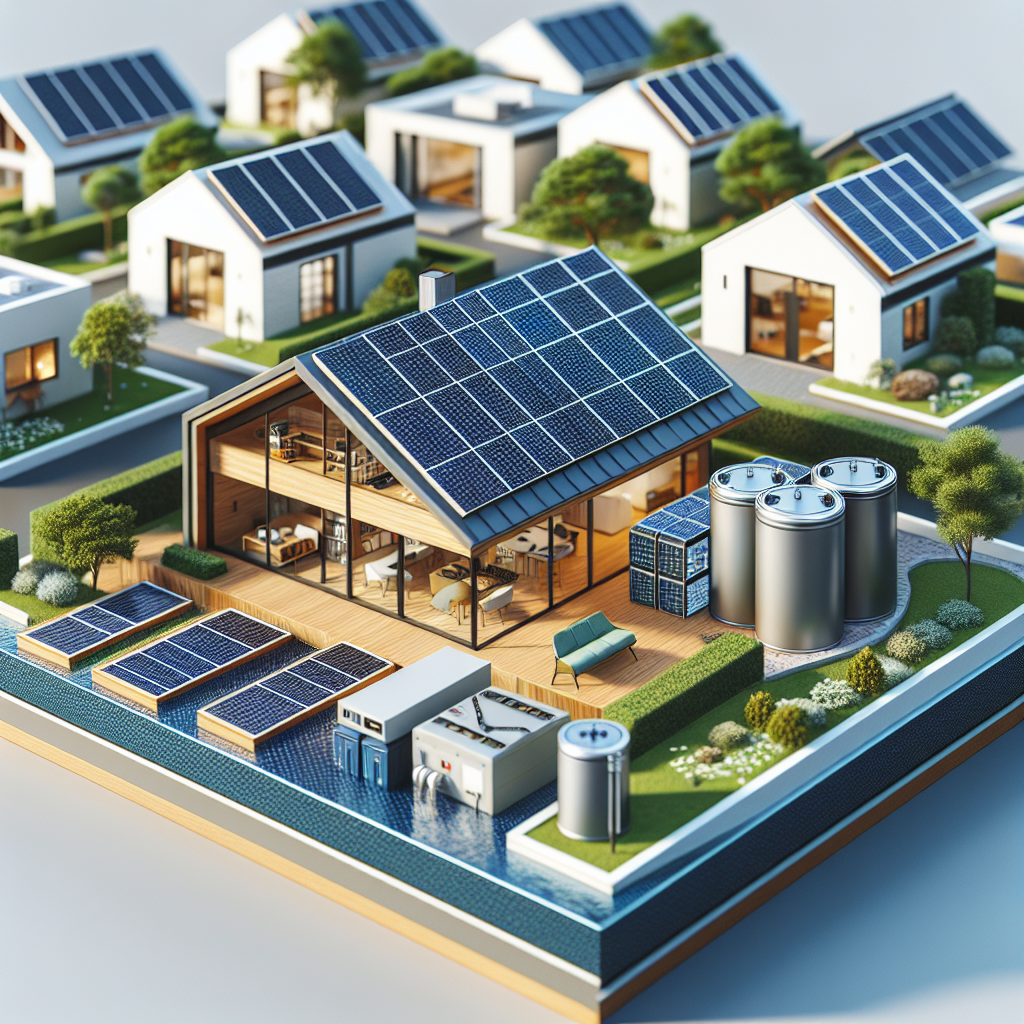
    Modern battery systems like the Tesla Powerwall or LG Chem Resu are being adopted by more and more homeowners. These units can store energy generated during the day and release it when needed, which means you can make the most out of your solar setup. No more depending on the utility company – I’m all about that independence!

    Plus, battery technology is continually improving, allowing for more power to be stored in smaller and more efficient packages. A few years back, I had to choose between capacity and space; now, I don’t have to worry about it. It’s pretty neat and keeps my home running seamlessly.

    3. Smart Solar Technology

    Integrating Smart Home Systems with Solar Energy

    Okay, so let’s talk tech! Smart devices are changing the way we think about energy consumption and solar systems. I love the way smart technology is being integrated into solar systems nowadays. We’re talking about solar panels that can automatically adjust their orientation to capture the most sunlight or tracking devices that follow the sun across the sky.

    I’ve also been able to sync my solar energy system with home automation technologies. This means my smart thermostats, lights, and appliances are all connected, allowing me to schedule energy usage when my solar panels are most productive. Trust me, it’s a total game changer having that kind of control!

    Moreover, smart inverters are enhancing the reliability of solar power. They help in managing the flow of energy and ensure that the grid remains stable. It makes the entire solar experience so much smoother and gives me the ability to manage my home’s energy needs better than ever before.

    4. Community Solar Programs

    The Rise of Shared Solar Initiatives

    Have you guys heard about community solar programs? These initiatives are fantastic for individuals who may not have the means to install solar panels on their own roof, or for those who live in apartments or condos. It’s like being part of a solar club! In community solar, you can buy into a shared solar farm and benefit from the collective energy produced.

    From my experience, these programs allow homeowners to receive credit on their electricity bills based on the energy generated by the farm. It’s a win-win situation for everyone involved – more people get access to clean energy without the upfront costs of personal solar installations.

    Living in a community solar initiative also brings people together with a shared purpose of sustainability. I love hearing about the positive impacts these programs are having on local economies, as they create jobs and encourage more renewable energy practices. It’s really heartwarming to see so many folks gathering around a good cause!

    5. Government Incentives and Policy Changes

    Staying Updated with Solar Energy Policies

    Last but definitely not least, we can’t ignore the role of government incentives that boost the solar energy sector. In the past few years, I’ve noticed an increase in tax credits and rebates for homeowners looking to install solar energy systems. It’s super encouraging! Every little bit helps; that tax refund can go a long way toward covering installation costs.

    Policy changes are also making it easier for homeowners to choose solar. Many states are implementing net metering policies that allow you to sell excess energy back to the grid. I’ve seen the impact this has on household bills, and it’s a brilliant way to encourage renewable energy use.

    It’s essential to stay informed about these changes, as they can differ significantly from state to state. Regularly checking with local renewable energy authorities will help you navigate the world of solar energy incentives, ensuring you take full advantage of what’s out there.

    FAQ

    1. What are the main benefits of solar energy systems for homes?

    The main benefits include reduced electricity bills, increased property value, and positive environmental impacts by relying on renewable energy sources.

    2. How do battery storage systems work with solar energy?

    Battery storage systems store excess energy produced by your solar panels during the day. You can then use this stored energy during the night or during power outages.

    3. What is community solar, and how does it work?

    Community solar allows multiple customers to share the benefits of a solar power installation. Participants can buy into a shared solar farm, receiving credits on their electricity bills based on the energy generated.

    4. Are there government incentives for installing solar systems?

    Yes! Many states offer tax credits, rebates, and incentives to encourage homeowners to install solar panels and adopt renewable energy practices.

    5. How can smart technology enhance my solar energy system?

    Smart technology can integrate with your solar system to optimize energy production and consumption, allowing better management of energy use and improving efficiency through real-time monitoring.