Tag: types

  • Solar Panel Types Compared: Which Should You Buy?

    Solar Panel Types Compared: Which Should You Buy?

    Monocrystalline Solar Panels

    What Are They?

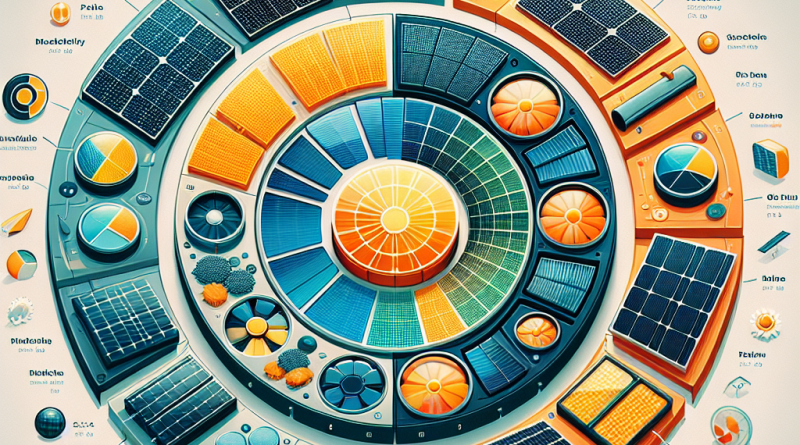
    Monocrystalline solar panels are like the crème de la crème of solar technology. They’re made from a single crystal structure, which sounds fancy, right? Basically, this means they’re super efficient—often boasting efficiencies of over 20%. I remember the first time I saw them; they were sleek, black, and just looked right at home on a roof.

    These panels are made from silicon that’s been melted down and formed into bars, which are then sliced to create the wafers for the panels. What’s cool about them is that the purity of the silicon boosts their performance. If you really want to maximize your energy output in a limited space, these babies are worth considering.

    However, I’ve gotta mention that they tend to come with a higher price tag. So if you’re on a tight budget, you might want to weigh your options carefully before jumping in.

    Advantages of Monocrystalline

    One of the biggest perks of monocrystalline panels is their longevity. I’ve seen some of these panels come with warranties of up to 25 years! They’re built to stand the test of time. Plus, their efficiency means you get more power per square foot. If you live in an area with limited roof space, you’ll appreciate this greatly.

    Another awesome feature is that they perform better in warmer conditions compared to other types. So if you live in a sweltering area, you won’t be losing out on energy like you might with other panels. I know a few homeowners who’ve praised how well their monocrystalline panels have held up during hot summers.

    Lastly, aesthetically speaking, they look pretty sleek. If you care about curb appeal, these panels have a nice, uniform look that many find appealing. Trust me, they’re bound to impress your neighbors!

    Disadvantages of Monocrystalline

    Now, let’s keep it real—these panels aren’t without their faults. As I mentioned, they tend to be pricier. If you’re working on a strict budget, this could be a downside you have to consider. Sometimes, it’s all about finding that balance between cost and efficiency.

    Another thing to keep in mind is that they can be less resilient to shading. If your rooftop is shaded by trees or buildings, you might want to consider a type that doesn’t mind the shade. A good friend of mine learned that the hard way—his gorgeous monocrystalline panels didn’t perform nearly as well as he anticipated.

    Finally, manufacturing these panels has a higher energy input compared to others. So, if you’re keen on making an environmentally friendly choice, this factor might make you reconsider. As I’ve learned, sometimes a smart investment doesn’t just mean money—it also means being mindful of your carbon footprint.

    Polycrystalline Solar Panels

    What Are They?

    Next up, we have polycrystalline solar panels. These guys are often seen as the more affordable cousin of monocrystalline panels. Made from multiple silicon crystals, they appear speckled and have a blue hue. The first time I installed these, I thought it was cool how they looked in the sunlight!

    These panels are produced by melting raw silicon and pouring it into a mold, which then cools. This process is a bit more straightforward than making monocrystalline panels, which helps keep costs down. If you see a deal on solar panels, there’s a good chance these are what you’re looking at.

    While they might lag behind in efficiency—often around 15-20%—they can still get the job done, especially for those of us just starting with solar energy. If you’re worried about a hefty bill, polycrystalline panels might give you that sweet spot between cost and performance.

    Advantages of Polycrystalline

    One of the main draws of polycrystalline panels is their price point. If you’re not looking to break the bank, these panels can be a fantastic entry into solar energy. I’ve chatted with many homeowners who were able to afford a full setup without needing to get a second mortgage!

    They’re also relatively easy to produce, which can contribute to a lower environmental impact during manufacturing. Less energy-intensive production can definitely be a plus for eco-conscious consumers like myself.

    Lastly, these panels perform decently in high temperatures, though perhaps not as well as monocrystalline ones. If you live in a temperate area, you’ll likely find that they work just fine in your home setup without any major issues.

    Disadvantages of Polycrystalline

    However, they do have their downsides. First off, their efficiency isn’t as high as monocrystalline panels. So, if you’ve got limited space, you might need to install more panels to get the same energy output. This factor is something I had to consider when planning my own setup.

    They also tend to have a shorter lifespan—usually around 25 years. This isn’t a deal-breaker, but it’s worth noting if you’re looking for something that lasts a bit longer. I did notice a few friends opting for monocrystalline panels because they wanted that peace of mind.

    Finally, aesthetics can be a concern. They typically have more of a patchy look compared to the sleek monocrystalline panels. If the visual appeal matters to you, it might be something to think about when making your choice.

    Thin-Film Solar Panels

    What Are They?

    Thin-film solar panels are often the underdog in the solar world. I’ve found them to be quite interesting as they’re made by layering thin sheets of photovoltaic material, making them incredibly lightweight and versatile. This can be a game changer, especially for certain installations.

    These panels come in three main types: amorphous silicon, cadmium telluride, and copper indium gallium selenide. The versatility of materials used is pretty fascinating. For instance, because they can be applied to flexible materials, I’ve seen them used in unconventional ways, like on building facades or even vehicles!

    While they’re not as efficient as the crystalline options, they thrive best in low-light conditions. If you find yourself in an area with frequent cloudy days, thin-film might just suit your needs perfectly. I’ve had friends swear by these for their unique applications.

    Advantages of Thin-Film

    One of the biggest advantages? Flexibility! Literally! Thin-film panels can be installed on a variety of surfaces. If you need something that can adapt to a specific shape or curve, these panels can do the trick—and they still perform!

    They also tend to be cheaper to produce and install. If you’re working with a tighter budget or looking for a unique installation, this can be a big selling point. I’ve seen folks take a chance on thin-film panels because they simply wanted something different.

    Lastly, they perform better in heat and shady conditions than their crystalline counterparts. If your area has lots of trees or you’re dealing with other shading issues, these panels might give you better performance overall. Trust me; you won’t miss out on energy just because it’s a bit cloudy.

    Disadvantages of Thin-Film

    On the flip side, it’s important to chat about the downsides. One significant issue I came across is lower efficiency ratings—usually around 10-15%. This means you’ll need a lot more roof space to produce the same amount of power as the other panels. For those folks with smaller roofs, this can pose a challenge.

    Additionally, their lifespan is shorter, typically around 10-20 years. You might need to think about replacing them sooner than the crystalline options. I’ve had friends who were surprised by this fact, so it’s worth mentioning upfront.

    Also, they’re more sensitive to high temperatures and can degrade faster under extreme conditions. If you live in a hot climate, this sensitivity could affect performance. It’s something I carefully considered when weighing my own options.

    Conclusion

    When it comes to choosing the right solar panel, it all boils down to your specific needs and circumstances. If you’ve got the budget and want maximum efficiency, monocrystalline panels are a solid choice. If you’re looking for a more affordable option, polycrystalline might be what you need.

    And hey, if you want something unique or plan to deal with shading, thin-film panels could be your best bet. I think the key takeaway here is to assess your situation and be honest about your priorities, whether it’s cost, efficiency, or aesthetics.

    Ultimately, we all want to harness the power of the sun, and each type of panel can get you there. So, explore your options, do your homework, and find what works best for you!

    FAQ

    1. What is the difference between monocrystalline and polycrystalline solar panels?

    Monocrystalline panels are made from a single silicon crystal and are typically more efficient but also pricier. Polycrystalline panels are made from multiple silicon crystals, which makes them more affordable but slightly less efficient.

    2. How do thin-film solar panels compare in efficiency?

    Thin-film solar panels tend to have lower efficiency levels, usually around 10-15%. They do, however, perform better in low-light conditions and heat, making them suitable for certain locations.

    3. What are the lifespan expectations for each solar panel type?

    Monocrystalline and polycrystalline panels generally last about 25 years, while thin-film panels have a shorter lifespan of about 10-20 years.

    4. Are solar panels worth the investment?

    Absolutely! Solar panels can significantly reduce your energy bills and contribute to a more sustainable lifestyle. Many places even offer incentives to make the investment more attractive.

    5. Can I mix different types of solar panels on one installation?

    While it’s possible to mix different types of solar panels, it’s usually not recommended due to differences in efficiency and output. It’s best to use the same type for optimal performance.

  • Solar Panel Mounting Guide: All Roof Types

    Solar Panel Mounting Guide: All Roof Types

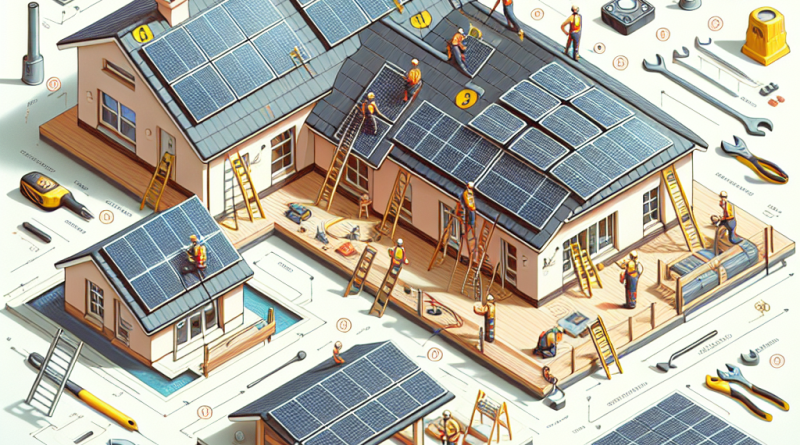
    Hey there! If you’ve been thinking about going solar, you’re not alone. Many of us are making the shift towards renewable energy, and it’s pretty exciting. One of the most important aspects of getting solar panels installed is understanding how to mount them effectively on different roof types. Today, I’ll share my insights into this topic and break it down into five major areas that I wish I had known when I started. Let’s dive right in!

    Selecting Your Mounting System

    Understand Your Roof Type

    First things first, you need to figure out what type of roof you have. Is it flat, sloped, tiled, or metal? Knowing this is key. Each roof type has its own set of requirements and best practices. For example, a flat roof allows for a different mounting strategy than a pitched roof.

    Once you identify your roof style, you can research specific mounting systems tailored for that type. Each system will have its own pros and cons, which I learned often through trial and error or by chatting with experts. Talk about a learning curve!

    In my case, I was amazed at how much my roof type affected the installation process. So, get ready to do a bit of homework. Trust me, it’s worth it!

    Choosing the Right Mounting Equipment

    Now, onto equipment. You need to choose what kind of mounts you’ll be using. Railing mounts, ballast systems, and even pole mounts are all options. I found that companies like IronRidge and Unirac offer solid systems. Just make sure to select ones that come with a good warranty, because let’s face it, you don’t want to be replacing these things anytime soon.

    Don’t skimp on quality here! I once tried to save a few bucks by opting for a cheaper mount, and my panels didn’t sit right. It wasn’t pretty! Investing in good quality gear now can save you headaches down the line.

    Also, remember that local building codes often dictate what type of mounting hardware you can use. Always check those before making a purchase. Don’t get caught off-guard, believe me, I’ve been there!

    Tools You’ll Need

    Before you start the installation, let’s talk tools. You’ll typically need a drill, a wrench, a level, and potentially a saw if adjustments are necessary. The right tools make all the difference!

    When I first took on a DIY solar project, I didn’t have all the tools I needed and ended up making extra trips to the store. Ugh, frustrating! So it’s definitely worth it to double-check your tool inventory before diving in.

    If you’re feeling unsure or overwhelmed, it might also be worth hiring a professional for the installation. Sometimes investing in their expertise pays off!

    Preparing Your Roof for Installation

    Cleaning and Inspection

    Before you can get into the nitty-gritty of installation, your roof needs a good cleaning. Any debris like leaves, branches, or even moss can cause problems down the line. Plus, a clean surface is essential for securing the mounts properly.

    After cleaning, inspect your roof thoroughly. Look for any damage, missing shingles, or weak spots. I’ll never forget the time I overlooked a small leak, which turned into a bigger issue later on. Take the time now to avoid future headaches!

    If you find any damage, it’s wise to fix that before installing solar. You want a solid foundation for those panels, not something that’s going to cave under pressure.

    Planning Your Layout

    Next comes planning your panel layout. This isn’t just about aesthetics; it’s also about optimal energy collection. The angles and direction matter a lot! I learned that you want your panels facing true south (in the Northern Hemisphere) for maximum efficiency.

    Don’t forget about potential shading from trees or nearby buildings. I made the mistake of assuming I could get away with placing panels under some branches, and boy was I wrong!

    Use online tools like Google SketchUp to visualize your layout before you start drilling. It can save a ton of time and ensure you’re making the best use of available sunlight.

    Permits and Regulations

    Alright, let’s not forget about the legal side of things. Before you start nailing anything down, it’s crucial to check local codes and obtain the necessary permits. Each town or city can have different requirements. I personally made a call to my local office to clarify, and I’m so glad I did!

    Failing to secure the right permits can lead to fines or even having to remove your panels. Trust me, you don’t want to deal with that kind of hassle. I’ve watched friends go through that nightmare.

    Once you have all the paperwork sorted, you’re one step closer to having those panels up and running!

    Installing the Mounting Hardware

    Secure the Mounts

    With everything prepped, it’s installation time! Start by securing the mounts according to the layout you planned. Make sure to follow the instructions that come with your equipment closely. The last thing you want is to have to redo work because something is off.

    I can’t stress enough how important it is to use a level during this part. I had one panel that needed a second chance because it wasn’t level, and it drove me up the wall!

    Also, ensure that you’re tightening those mounts adequately. A loose mount can wiggle and cause damage, so don’t cut corners!

    Install the Panels

    Next step: it’s time to install your solar panels on those mounts! I was a bit anxious during my first installation, but it was mostly straightforward. If you’ve done your homework and have help, you should be good to go.

    Use care when lifting them; panels can be fragile. I recommend having a buddy help out to avoid any accidents. Plus, it makes the whole experience way more enjoyable.

    After placing them, double-check all connections and mounts. Better safe than sorry here!

    Connect to the Electrical System

    I know, I know—this is the part where things can get technical! Connecting your solar system to your home’s electrical system is essential for actually using the power generated.

    At this point, I suggest consulting a professional electrician if you’re not comfortable working with electricity. There’s no shame in it! The last thing you want is an electrical mishap that puts you or your home at risk.

    For those who are confident, be sure to follow local wiring codes. Once connected, you’re almost there! Just wait for the joy of seeing your energy meter run backward!

    Finalizing Your Installation

    Inspection and Testing

    After everything is installed, it’s important to do a thorough inspection. Check all your connections and mounts once more. I caught a few minor issues during this phase that could have escalated later!

    Next comes testing! Turn on the system and make sure everything is functioning as intended. There’s nothing quite like that first moment when you see your power meter start spinning backwards.

    If anything looks off, don’t hesitate to reach out to a professional to make sure everything is in line. Better safe than sorry—right?

    Maintenance Plans

    Once you’re up and running, establish a maintenance routine. Clean your panels a couple of times a year or anytime they look dirty. A little upkeep goes a long way in ensuring optimum efficiency!

    Don’t forget to monitor your system’s performance regularly. Most systems come with monitoring tools that will help you stay on top of how much energy you’re producing.

    And if you notice any issues, address them quickly. I once let a small issue linger, and it cost me some energy production—not cool!

    Linking with Net Metering

    The final step in this journey is often net metering, which lets you take advantage of the energy your system generates. It can be a bit of a game-changer when it comes to your energy bills.

    You’ll need to work with your energy provider to ensure they recognize and support your system. This can be an easy process, or it can take some effort to get everything aligned—so stay patient!

    Once it’s all set, you’ll be ready to enjoy the benefits of solar energy—and that’s a great feeling!

    FAQs about the Solar Panel Mounting Guide

    1. What should I consider when selecting a mounting system for solar panels?

    When selecting a mounting system, consider your roof type, the quality of the mounts, and local building codes. Each roof type necessitates different approaches, so it’s crucial to match the hardware accordingly.

    2. How do I prepare my roof before installing solar panels?

    First, you need to clean your roof and do a thorough inspection for any damage. After that, plan your layout and ensure you have the necessary permits to proceed with the installation.

    3. Can I install solar panels myself, or should I hire a professional?

    If you’re handy and confident in your abilities, a DIY installation is possible. However, if electrical work or roof access makes you nervous, hiring a professional is a smart choice to avoid any risks.

    4. How often should I inspect and maintain my solar panels?

    You should inspect and clean your solar panels at least a couple of times a year. Regular maintenance ensures they operate efficiently and any potential issues are spotted early.

    5. What is net metering and how does it work?

    Net metering allows you to receive credit for the excess energy your solar panels generate. When your system produces more energy than you consume, the surplus is sent back to the grid, offsetting costs on your future electricity bills.

    I hope this guide helps you on your solar journey! Remember, every roof is unique, and so is each installation process. Take your time, do your research, and you’ll be enjoying the benefits of clean energy in no time!

  • Solar Battery Types Explained

    Solar Battery Types Explained

    Lead-Acid Batteries

    Overview of Lead-Acid Batteries

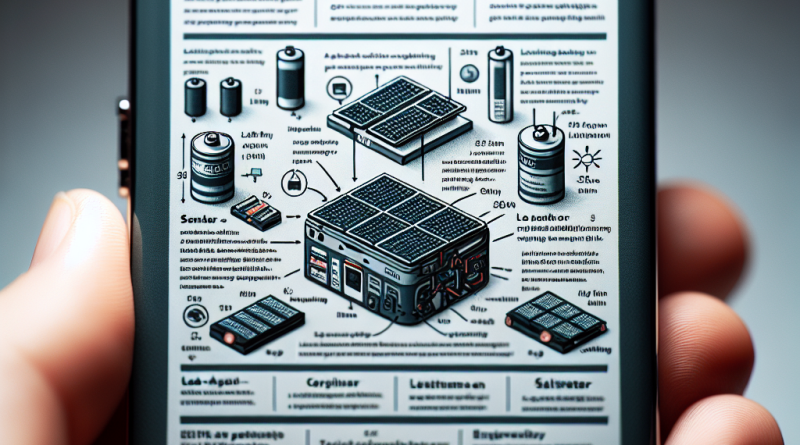
    So, let me start with lead-acid batteries! These bad boys have been around for ages, and you’ll often see them used in a bunch of applications from cars to backup power systems. They’re super affordable and utilize lead and sulfuric acid to generate electricity. It’s kinda cool how such simple materials can do such a mighty job!

    One thing about lead-acid batteries is their reliability. Although they’re not the most efficient out there, they can handle quite a bit of punishment and still perform. It’s like having an old truck that keeps going despite the bumps on the road. They’re also recyclable, which is a huge plus if you’re into environmentally-friendly options.

    However, they do come with their quirks. They tend to be heavier and bulkier compared to modern batteries, plus their lifespan can be shorter if they’re mismanaged. But, hey, for someone starting out in solar, they offer a practical entry point!

    Pros and Cons of Lead-Acid Batteries

    Let’s talk about why you might want to use lead-acid batteries. First up, they’re less costly! And when you’re dipping your toes into renewable energy, keeping the budget in check is key. Plus, as I mentioned, they are pretty reliable, so if something does go sideways, you’re likely to be covered.

    On the flip side, lead-acid batteries have their downsides too, like being heavy. If you’re trying to set up a compact solar system, these batteries can be a bit of a hassle to work with. Also, they don’t last as long as their lithium counterparts, which means you might have to replace them sooner rather than later.

    Ultimately, lead-acid batteries are a solid option for those who are just getting into solar. They provide a hands-on learning experience, and if you play your cards right, they won’t break the bank while you figure things out.

    Suitable Applications for Lead-Acid Batteries

    Where can you actually use lead-acid batteries? Think of remote cabins or off-grid locations—they’re perfect for these setups! They store energy during the day from your solar panels and keep your lights on at night without a glitch.

    If you’re running a small business or a home with moderate energy needs, they can certainly do the trick. Plus, if your solar setup is small, you won’t need a giant battery bank, making lead-acid a good match.

    Lastly, if you’re not dealing with extreme energy demands, lead-acid batteries can be a well-balanced choice. Just make sure to keep an eye on their maintenance to get the best out of them!

    Lithium-Ion Batteries

    What Are Lithium-Ion Batteries?

    Jumping over to lithium-ion batteries… ah, the shiny new tech! These batteries are the rockstars in the energy storage world. Known for their lightweight design and high energy density, they’re pretty much what you’d want in a modern solar system.

    They’re called lithium-ion because they use lithium salts for electricity generation. What’s great is that they charge and discharge faster than lead-acid batteries, so if you’ve got a bit more demand for energy, these babies will keep up without breaking a sweat.

    One downside? They can be pricier. But hey, if you think of it as an investment in your system’s efficiency and longevity, it kind of justifies the cost. You’ll also find them easily recyclable, which is a cherry on top when considering our environment!

    Benefits of Using Lithium-Ion Batteries

    The advantages of lithium-ion batteries are quite impressive. Their lifespan is significantly longer than lead-acid ones, usually lasting 10-15 years. So, obviously less hassle for you in the long run! Plus, they’re super lightweight, making installation and handling a lot easier.

    Efficiency is also a big selling point. They can store more energy in a smaller space and allow for faster charging. This means you can utilize more of your solar energy during the day and draw on that power at night without worrying about running out.

    Another plus? Lithium-ion batteries don’t have the same memory effect as lead-acid batteries. This means you don’t have to worry about damaging them by regularly partially discharging them; you can charge them whenever it suits you without a second thought.

    Key Applications for Lithium-Ion Batteries

    So where do we use lithium-ion batteries? Oh man, they’re suitable for just about any solar setup! Whether you’re powering a home, RV, or even an electric vehicle, they’ll fit right in. Their versatility is what makes them so popular among solar enthusiasts.

    They shine in setups that require high performance, like off-grid living or in areas where energy demands fluctuate significantly. With their efficiency and rapid charging capabilities, they’re truly awesome for those who want something reliable.

    Another application is in energy storage systems connected to the grid. Homeowners are using these batteries not just for backup energy but to sell excess back to the grid, making them a financially savvy option in the long run.

    Saltwater Batteries

    Introduction to Saltwater Batteries

    Now let’s dive into saltwater batteries—a newer, eco-friendly option that I think is super exciting! As the name implies, these batteries use saltwater as an electrolyte, making them safer and more sustainable over traditional battery options.

    They’re a great alternative because they eliminate some of the toxic materials found in many other batteries. I mean, who doesn’t want to help the environment while getting power? The chemistry is quite unique and interesting; rather than heavy metals, they lean on sodium, which is far more harmless and abundant.

    However, it’s essential to note that they are still developing and might not be available everywhere just yet. But as they continue to grow in popularity, I foresee them becoming a staple in solar energy storage!

    Advantages of Saltwater Batteries

    Saltwater batteries bring a host of benefits to the table. For starters, they are far safer to handle. In case of a leak, saltwater won’t pose the same health risks that lead or lithium can. That means they can offer peace of mind for anyone concerned about hazardous materials.

    Additionally, they are often more environmentally friendly. Their manufacturing process uses less energy, and as I mentioned, they are made from abundant materials, which is a big win for sustainability lovers.

    On the downside, they can have lower energy density, which means they might be a bit bulkier for the same amount of energy. However, this trade-off seems reasonable considering the other advantages they offer.

    Best Uses for Saltwater Batteries

    When it comes to applications, saltwater batteries can work well for residential solar systems looking for an eco-friendly option. They’re not quite ready to take the stage center for high-demand situations yet, but for moderate energy needs, they can fit the bill perfectly.

    Another area they perform well is modular systems that can expand over time. If you start small and want to add more storage, these batteries can grow with you while keeping your eco-friendly values intact.

    All in all, they present a fascinating alternative if you’re looking to minimize your impact on the earth while still harnessing solar energy effectively.

    Flow Batteries

    Understanding Flow Batteries

    Flow batteries are the next big thing, and I’m stoked to share about them! Picture huge tanks of liquid electrolyte solution supplying power instead of a traditional solid battery. They’re a different yet innovative approach to energy storage.

    The most common type uses vanadium, which allows charging and discharging to happen independently of how much energy is stored in the system. This means they can be scaled to meet different energy needs easily—which is super handy!

    Flow batteries might not be the typical choice for a residential setup because of their size and cost, but they are gaining traction for commercial or utility-scale applications owing to their impressive characteristics.

    Features of Flow Batteries

    One major feature is their long cycle life. These batteries can last for decades with minimal degradation—unlike others that start losing capacity pretty quickly. This means investing in a flow battery could save you cash and headaches down the road.

    They’re also lower maintenance, which is a relief! The fact that they can be discharged and charged independently means you get flexible energy storage solutions without the fuss.

    However, while they’re great for big applications, they’re not quite ready for small home systems just yet. Their size can be a drawback for residential setups, but if you’re operating in a commercial environment, they are definitely worth considering!

    Ideal Use Cases for Flow Batteries

    Flow batteries fit like a glove in large-scale energy systems like wind or solar farms. They can store massive amounts while providing a steady energy supply, which is crucial for meeting grid demands.

    They also can be excellent for electric utilities that need to balance supply and demand. Their scalability and long service life can provide a robust foundation for renewable integration.

    If you’re delving into the world of energy storage on a larger scale, flow batteries could be your go-to, enabling everything from community solar projects to industrial applications. Just keep an eye on the evolving market; they might be a game changer in the near future!

    Frequently Asked Questions

    What is the most common type of solar battery?

    The most common types of solar batteries are lead-acid and lithium-ion batteries. Lead-acid batteries are usually cheaper and easier to find, while lithium-ion batteries offer better efficiency and longevity.

    How long do solar batteries usually last?

    Typically, lead-acid batteries can last around 5-7 years, while lithium-ion batteries can last anywhere from 10 to 15 years or more, making them a better long-term investment.

    What are saltwater batteries good for?

    Saltwater batteries are solid for residential solar systems looking for a safe, environmentally friendly option. They work best for moderate energy needs and modular systems that can grow over time.

    Can flow batteries be used in homes?

    Flow batteries are usually not the best fit for residential setups due to their size and cost. They are more suited for large-scale or commercial applications where considerable amounts of energy storage are needed.

    What is the eco-friendliest battery for solar power?

    Saltwater batteries tend to be the most eco-friendly option available today, as they use safe materials and have a less damaging production process compared to traditional lead-acid or lithium-ion batteries.