Tag: understanding

  • The Ultimate Guide to Understanding Solar Power Tax Credits

    The Ultimate Guide to Understanding Solar Power Tax Credits

    Understanding Federal Tax Credits

    What Are Federal Tax Credits?

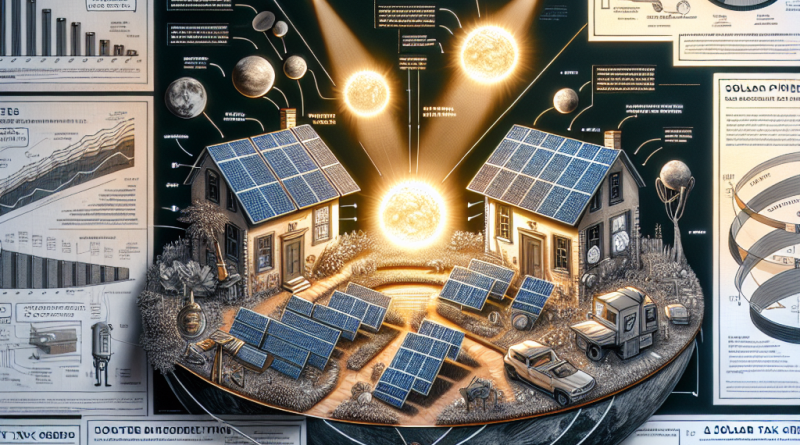
    When I first dove into solar energy, I was blown away by the potential savings from federal tax credits. These credits are incentives offered by the government to encourage homeowners to invest in renewable energy. The main one most folks talk about is the Investment Tax Credit (ITC). If you install solar panels, you could offset a significant portion of your costs during tax season.

    So, how does it work? Essentially, the ITC allows you to deduct a chunk of the installation costs from your federal taxes. The beauty of it is that it can really lighten the financial load. I found that knowing this credit existed changed my entire approach to affording solar energy.

    It’s also key to stay updated because these credits can change. They’ve been extended, reduced, and there’s chatter about future changes. Keeping your ear to the ground can help ensure you get the most and save as much as possible.

    Eligibility Criteria

    Now, you might be wondering if you’re even eligible for these credits, right? Generally speaking, if you own the solar system and it’s installed at your primary residence, you’re good to go! But there might be more criteria based on where you live and the specific setup.

    One of the things I learned was that if you lease your solar panels instead of owning them, you usually can’t claim the tax credit. Bogus, I know, but that’s the lay of the land. It’s super important to get clarity on ownership to make sure you as the homeowner get the benefits.

    Additionally, some states have their own specific requirements. Doing a bit of homework about your state’s regulations will avoid some last-minute headaches. Trust me, you’ll thank yourself later!

    How to Claim the Credit

    Okay, so you’ve got your solar panels up and you’re registered for the ITC; now what? Claiming the credit is actually quite straightforward. You’ll need to file Form 5695 along with your regular tax return.

    When I first filled out that form, I felt a little overwhelmed. I mean, tax forms can be intimidating! But once I started filling it out, I realized it was all about providing basic info about the installation cost and how many panels you have.

    Make sure to keep all your receipts and documentation organized, as the IRS likes to see proof. Having everything easy to find showed me that I was serious about my investment and made my life easier when filing ahead of the tax deadline.

    State-Specific Incentives

    Overview of State Incentives

    Each state has its unique charm and benefits regarding solar energy, and boy, I found that out the hard way! While the federal tax credits give you a solid start, many states have their own rebates and credits. This can significantly amplify your savings.

    For instance, I moved from California to Texas, and I quickly realized that while California had several lucrative incentives, Texas had its own set of perks. It’s fascinating to explore how different areas promote solar energy usage!

    If you dive into state incentives, you may find grants or specific programs aimed at encouraging solar installation. This can be like finding free money lying around—definitely keep your eyes peeled!

    How to Find State Incentives

    Finding these incentives isn’t as daunting as it seems. Start with your state government’s website. They usually have a resource section dedicated to renewable energy. When I tracked down my local incentives, it was easier than I thought—it just required a bit of research!

    Another option is to check out sites like the Database of State Incentives for Renewables & Efficiency (DSIRE). They provide a comprehensive overview of all kinds of incentives plus who qualifies. It’s a goldmine!

    If you’d rather skip the legwork, chatting with local solar installation companies might guide you to know what incentives you can snag. They usually keep a pulse on the latest state and federal programs.

    Understanding Local Rebates and Incentives

    Local utilities sometimes offer rebates for solar panel installations as well. I remember getting a nice chunk off my initial investment thanks to a rebate from my utility provider. It’s like bonus savings just for using renewable energy!

    But be on the lookout: these rebates can change often, so it pays to dig in as soon as you decide to install solar. The more you find, the more you can save. Once I understood the nuances, every step felt like a victory!

    Just keep in mind that some rebates may have specific eligibility rules, so read the fine print. You don’t want to find out later that you missed the chance to cash in on some sweet incentives!

    The Role of Solar Financing Options

    Different Financing Options

    Now, let’s chat about how to actually pay for all this solar goodness. There’s a variety of financing options available to homeowners. I spent a good chunk of time figuring this out, and trust me, it’s totally worth knowing your options!

    Loans are pretty popular—whether they’re secured against your home or not. I went the unsecured route, avoiding collateral but paying a slightly higher interest rate. I weighed convenience over long-term cost savings, but for you, it might be different.

    Some people even opt for power purchase agreements (PPAs), where you pay for the power generated by the system rather than the system itself. It’s kind of like taking a subscription service approach. You just need to find what fits your budget and lifestyle.

    Evaluating Costs vs. Savings

    One thing I learned is that it’s not just about the installation costs—it’s about evaluating your long-term savings as well. While the out-of-pocket expense can seem daunting, running the numbers for monthly energy savings helped me see the silver lining.

    It’s a smart idea to sit down and calculate how much you’ll save on your electricity bill over time versus the total cost of the solar system. I spiced things up by using online calculators, which made crunching numbers way more fun!

    After evaluating, I realized that my investment paid off in the long run. That gave me peace of mind whenever I faced my monthly expenses. Plus, it felt great to know I was doing my part for the environment!

    The Importance of Working with Financial Advisors

    Getting professional advice can really pay off. I didn’t realize initially how much guidance I needed until I sought out a financial advisor. They helped me weigh the pros and cons of different financing options against my personal financial situation.

    Finding the right advisor can make the entire process less stressful. They can break down the complexities of tax credits and incentives in terms that make sense! Get someone who knows their stuff—it’s worth every penny.

    This support helped me feel confident in my financial decisions moving forward, and I wish I hadn’t waited so long to do it. So, don’t shy away from seeking advice; you’re building a greener home, and that’s a great step!

    Navigating Future Changes in Legislation

    Staying Informed on Tax Law Changes

    Tax laws are a living thing—constantly shifting and changing, just like the weather! I found out the hard way how important it is to stay updated on any changes to solar power tax credits.

    A good rule of thumb is to follow organizations and advocacy groups dedicated to renewable energy. They provide updates and have resources that explain what any new laws mean for you. I would read their newsletters and it kept me in the loop.

    Even subscribing to updates from tax-related websites can guide you on any changes coming down the pipeline. You don’t want to miss a potential opportunity for savings because you weren’t aware of the rules!

    Preparing for Potential Changes

    While it’s great to be informed, it’s also helpful to have a plan. For instance, if the tax credit’s expiration is coming up, you might want to expedite your solar installation. That way, you’ll certainly be in line for those sweet credits.

    One thing I did was create a little calendar reminder to check in every few months. It was a simple way to ensure I stayed up to date. You don’t always have to chase down news; just keep it on your radar and you’ll feel a lot more secure!

    Also, if you’re part of a community solar program, your local solar provider might offer insights into upcoming changes and how they could affect you. Local connections can definitely keep you informed!

    Advocacy and Support Groups

    Speaking of knowing the ins and outs, joining advocacy groups focused on renewable energy can work wonders. When I got involved, I found a community of like-minded people who shared tips and strategies. It just felt right to be part of something bigger!

    These groups often lobby for better policies and can provide additional information about local initiatives or grants. It felt empowering to contribute and learn from fellow advocates who share my passion for the planet!

    So, when navigating any future changes in legislation, don’t go it alone. Tapping into these networks can yield valuable insights that can help you navigate the twists and turns of solar power tax credits.

    Frequently Asked Questions

    What is the federal tax credit for solar energy?

    The federal tax credit for solar energy, known as the Investment Tax Credit (ITC), allows homeowners to deduct a significant portion of solar installation costs from their federal taxes. As of recent updates, it’s generally 26%, but can vary, so always check the latest info!

    Am I eligible for state incentives?

    Eligibility for state incentives varies widely, depending on where you live and the specifics of the program. Most commonly, if you own your solar installation and it meets state guidelines, you should qualify. Always check local regulations!

    How do I claim the solar tax credit?

    To claim the solar tax credit, you’ll need to file IRS Form 5695 along with your tax return. This form helps you report your solar installation costs and claim the credit efficiently.

    What financing options are available for solar energy systems?

    Financing options for solar energy include personal loans, home equity loans, and power purchase agreements (PPAs). Each option has its pros and cons, so it’s worth doing some digging to find what suits your financial situation best.

    How do changes in legislation affect my solar tax credits?

    Changes in legislation can impact the availability and amount of solar tax credits. Staying informed about current and future tax laws is crucial. Joining advocacy groups can also help you navigate these potential changes!

  • Understanding the Difference Between Solar Generators and Power Banks

    Understanding the Difference Between Solar Generators and Power Banks

    Energy Source and Sustainability

    Solar Generators: Harnessing the Sun

    When it comes to powering up your devices or appliances, solar generators are a game-changer. They use solar panels to convert sunlight into electricity, which is then stored in batteries for later use. This is like having a little power plant right in your backyard! The sustainable aspect of solar energy helps reduce our reliance on fossil fuels, making it not just efficient, but also eco-friendly.

    One amazing thing I’ve found about solar generators is their ability to work in various conditions. Whether you’re out camping or preparing for a power outage, as long as there’s sunlight, you can generate energy. It’s incredibly liberating to know that you can stay powered up, all while helping to protect the environment.

    Not to mention, the installation can be a bit of fun, too! Setting up solar panels feels like a DIY project that you can take pride in, especially knowing that it contributes to your energy independence.

    Power Banks: Portable Convenience

    On the other hand, power banks represent a different breed of portable energy. These compact units are designed primarily to charge small electronic devices like smartphones, tablets, and even laptops. Their appeal lies in their convenience and portability—perfect for someone like me who’s always on the go.

    What I love about power banks is that you can easily toss one into your bag without thinking twice. They’re lightweight and come in various sizes and capacities, allowing you to choose one that fits your lifestyle. However, they generally need to be charged from an electrical outlet or another power source, which can be a downside if you’re out in the wild.

    Also, some power banks even come with extra features like built-in flashlights and multiple charging ports. It’s cool to have a gadget that serves multiple purposes—talk about killing two birds with one stone!

    Environmental Impact

    When reflecting on energy choices, it’s essential to consider the environmental impact. Solar generators are inherently more sustainable since they harness an abundant and renewable energy source. It’s gratifying to think that while I’m charging my devices, I’m not contributing to greenhouse gas emissions.

    In contrast, traditional power banks often rely on batteries that, once depleted, need to be disposed of. This becomes a cycle that can harm the environment if not handled correctly. However, there are eco-friendly options available today, thanks to manufacturers who are becoming more conscious of their impact on the planet—something I genuinely appreciate.

    Ultimately, when making the choice between these two options, I think about how each fits into my values. For longer outdoor adventures, I’d reach for a solar generator. For a quick charge while commuting, I’d grab my reliable power bank.

    Capacity and Usage

    Solar Generators: Powering Up Big Time

    Solar generators tend to have higher power capacities, often measured in watt-hours (Wh). This means they can run larger devices like refrigerators or power tools for an extended period. I’ve used my solar generator during weekend camping trips, and it’s fantastic to power up a small fridge to keep my drinks cool!

    The versatility of a solar generator is remarkable. I’ve even charged my laptop outdoors while working from my tent, which helps me stay productive in nature. Plus, during power outages, it becomes an essential source to keep essentials running.

    Additionally, what’s great is that the capacity can be expanded with more solar panels—imagine doubling or tripling your power output just by adding a few panels. It feels like building an energy fortress, ready for anything!

    Power Banks: Quick Charges on the Fly

    Power banks, on the other hand, generally have a lower capacity, which makes sense considering their primary use. They’re designed for short bursts of charge to keep our gadgets alive while we’re out and about. When I’m running low on battery while scrolling Instagram or navigating, having a power bank in my bag feels like having a safety net.

    Despite their lower capacities, the latest models pack a surprising punch and can often charge multiple devices at once. It’s both practical and efficient, especially when I’m hanging out with friends and we’re all desperate to charge our devices at the same time.

    However, keep in mind that while they’re perfect for phones and tablets, trying to charge a high-demand device like a laptop can drain a power bank faster than you might expect. It’s definitely crucial to check the specifications before taking one on a trip.

    Choosing Based on Needs

    When it comes down to deciding whether a solar generator or a power bank fits your needs better, I’ve learned to ask myself a few questions. Do I need long-term power for multiple devices, or just a quick top-up for my phone? This helps greatly in narrowing things down.

    If I plan on spending a weekend in the wilderness and still want to enjoy some modern conveniences, a solar generator is definitely the way to go. Conversely, if I’m just heading out for the day or need a backup for a night out, I’m all about that power bank life.

    Ultimately, evaluating your energy needs based on your lifestyle can lead you to the best choice. And remember, it’s always about what aligns with your activities and values—whether that’s eco-friendliness or sheer convenience!

    Price and Investment

    Initial Costs of Solar Generators

    Investing in a solar generator can seem hefty at first glance. They generally have a higher initial cost than power banks due to the solar panels and battery technology involved. But trust me; it’s essential to view this as a long-term investment.

    The beauty of solar generators lies in their ability to save you money on electricity bills over time. Once set up, every kilowatt of energy generated from the sun translates directly into savings. It’s more than just a purchase; it’s a step towards self-sufficiency.

    And remember, there are often government incentives and rebates available for solar technology, which can help offset that initial cost. So it’s worth checking out those options while you plan your purchase.

    Power Banks: Budget-Friendly Options

    Power banks are great if you’re looking for something easy on the wallet. You can find various models ranging from budget to premium, catering to nearly every budget. I’ve purchased a power bank for less than the price of a fancy meal out, and I’ve used it countless times since!

    With a power bank, you’re not typically locked into a long-term investment. Their lower costs mean you can switch them out for newer models as technology improves, and I’ve often found deals that pack a lot of value for a modest price.

    However, keep in mind that cheaper power banks might not provide the same quality or longevity as their pricier counterparts. Investing in a well-reviewed product can save you from frequent replacements, which ultimately becomes a smarter financial choice!

    Value Over Time

    When assessing the overall value of each option, think about how often you’ll use them. A solar generator may feel expensive upfront but can be invaluable during power outages, emergencies, or camping trips. It’s not just about the physical device; it’s about what it offers you in those moments.

    Meanwhile, a quality power bank provides peace of mind when you’re out and about. It’s a reliable companion who helps you stay connected without stress. You might not realize how much you need it until you’re out on a hike and your phone starts pleading for a charge!

    In the end, whether you go with a solar generator or a power bank, consider how each fits into your life. When you align your purchase with your lifestyle needs, you’ll find it’s a choice worth making.

    Additional Features and Usability

    Accessories with Solar Generators

    Solar generators come with a variety of accessories that enhance their functionality and usability. They often include integrated inverters, multiple charging ports, and sometimes even smart features that allow you to monitor performance. I’ve found my solar generator incredibly easy to use with just a couple of buttons to push, making it user-friendly.

    Many solar generators have options for additional solar panels, which can be a great way to boost your energy capacity. The more panels you add, the more power you can generate, which feels like you’re constantly upgrading your gear!

    Also, some models now come with built-in apps for monitoring battery levels and energy usage. I love being able to check my energy consumption right from my smartphone—it makes energy management feel modern and interactive!

    Portability of Power Banks

    One major selling point of power banks is undoubtedly their portability. They come in compact sizes and lightweight designs that make them incredibly convenient to carry. I can easily slip mine into my pocket or backpack without a second thought.

    Some are even designed to be waterproof or rugged, making them great companions for outdoor adventures. It’s reassuring knowing that my power bank can survive the elements without a hitch.

    The fast-charging technology many power banks now incorporate is a game-changer. I’ve been amazed at how quickly they charge my devices, which means I can get back to what I enjoy without waiting around. It’s all about that efficiency!

    User Experience and Design

    Both solar generators and power banks offer varied user experiences that cater to different preferences. For instance, solar generators often feature robust designs with casing that protects against outdoor conditions. I really appreciate gear that stands up to environmental challenges, whether it’s falling off a picnic table or enduring moisture from dew.

    On the flip side, power banks often focus on sleek designs, making them stylish accessories to my tech collection. There’s a certain charm to having gadgets that look good while being super useful—it’s like technology meets fashion!

    Ultimately, evaluating how each product integrates into your daily life is crucial. Both options have their unique quirks that can enhance or simplify the user experience. Choosing between the two often comes down to personal style and preference.

    FAQs

    1. What is the primary difference between solar generators and power banks?

    Solar generators use sunlight to generate and store energy for larger devices and long-term use, while power banks are portable chargers designed for smaller electronic devices and offer quick energy boosts.

    2. Can I charge my laptop with a power bank?

    Yes, many power banks now come with the capability to charge laptops, but it’s essential to check the output specifications to ensure it matches your specific laptop’s needs.

    3. Are solar generators worth the investment?

    Absolutely! While they may have a higher upfront cost, they can save you money in the long run by reducing electricity bills and offering energy independence.

    4. How long does it take to charge a solar generator fully?

    The time it takes to fully charge a solar generator can vary based on factors like the size of the solar panels and the amount of sunlight available, but it can take anywhere from several hours to a full day.

    5. How do I choose between a solar generator and a power bank?

    Consider your power needs—if you require energy for larger devices or longer durations, go for a solar generator. For quick charges on smaller gadgets while on the go, a power bank is the better choice.