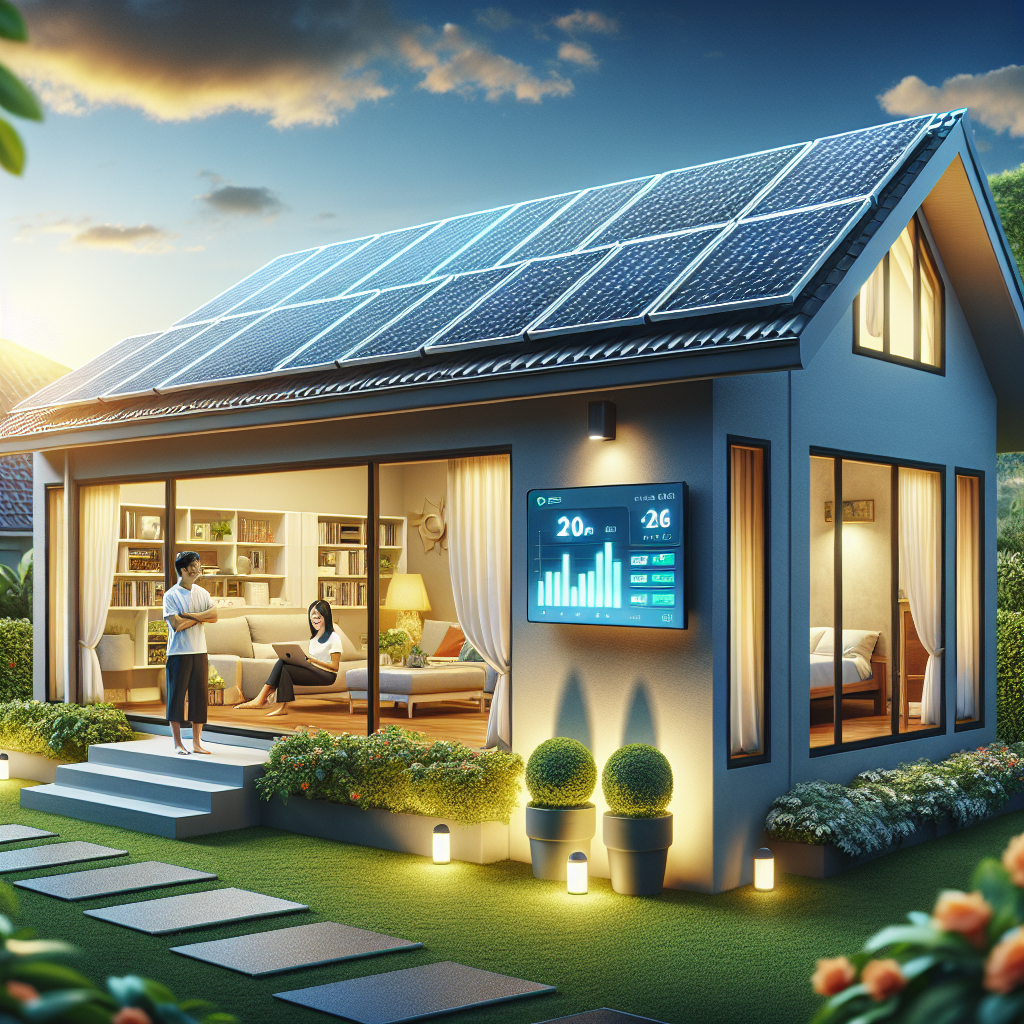
Tag: use

  • The Ultimate Guide to Solar Energy for Home Use in 2025: 7 Effective Tips

    The Ultimate Guide to Solar Energy for Home Use in 2025: 7 Effective Tips

    Table of Contents

    1. 1. Assessing Your Home’s Solar Potential
    2. 2. Choosing the Right Solar Panel System
    3. 3. Understanding Solar Incentives and Rebates
    4. 4. Proper Installation and Orientation
    5. 5. Managing Energy Storage Effectively
    6. 6. Monitoring and Maintaining Your Solar System
    7. 7. Maximizing Cost Savings and Environmental Impact
    8. FAQ Section
    9. Conclusion

    1. Assessing Your Home’s Solar Potential

    Understanding Sunlight Exposure

    Before diving into solar energy for home use, it’s crucial to evaluate how much sunlight your property receives. Factors like roof orientation, shading from trees or nearby buildings, and seasonal variations impact solar potential. As of 2025, advancements in solar mapping tools and software make this assessment easier than ever. I recommend using free online resources or consulting with a solar professional to get an accurate picture.

    Good sunlight exposure is essential; ideally, your roof should face south in the Northern Hemisphere for maximum efficiency. Even partial shading can significantly reduce energy output, so identifying shade sources ahead of time can save you money and effort.

    Real-world example: In my experience, a homeowner in California improved their solar system’s performance by trimming trees that cast shadows on their roof. After a thorough assessment, they increased their energy yield by 20%, which paid off in energy savings throughout 2025.

    Calculating Your Energy Needs

    Knowing your current energy consumption helps in designing a suitable solar system. Review your utility bills over the past year to understand your average daily and monthly energy use. In 2025, most utility companies provide detailed breakdowns that simplify this process.

    Once you have your data, you can estimate the size of your solar system—generally measured in kilowatts (kW)—necessary to meet your home’s needs. Consider future changes as well, such as adding electric vehicles or home appliances, which may increase your energy requirements.

    Tip: Use online calculators to refine your estimates or work with a solar provider for a personalized analysis. This step ensures that your investment targets the right capacity, maximizing efficiency and savings.

    Evaluating Roof Condition and Space

    A functional roof in good condition is vital for solar panel installation. Check for structural integrity and potential repairs needed. In 2025, the trend toward lightweight, durable materials has made installations more flexible, even on less traditional roof types like metal or flat roofs.

    Ensure enough space for the number of panels needed—typically, a standard residential system requires 300-400 square feet of clear roof area. You’ll want to optimize panel placement based on sunlight exposure and avoid obstructions.

    Pro tip: Some homeowners use ground-mounted systems if roof space is limited, providing flexibility and easier maintenance. Consulting with a solar professional helps determine the best approach for your home.


    2. Choosing the Right Solar Panel System

    Types of Solar Panels Available in 2025

    In 2025, solar technology offers several panel options to fit different needs and budgets. The most common types include monocrystalline, polycrystalline, and thin-film panels. Monocrystalline panels tend to be more efficient and space-saving, making them ideal for limited roof space.

    Polycrystalline panels are generally more affordable but slightly less efficient. Thin-film options are flexible and lightweight, suitable for unique installation scenarios, although they typically have lower efficiency ratings.

    When selecting your system, consider your budget, space constraints, and energy goals. High-efficiency panels may have a higher upfront cost but can generate more power over time, leading to better long-term savings.

    Inverter Options and Energy Conversion

    The inverter is a crucial component that converts the DC electricity produced by panels into usable AC power. In 2025, microinverters and power optimizers have gained popularity due to their increased efficiency and better performance in shaded conditions.

    Choosing the right inverter impacts your system’s overall energy production. Microinverters are installed on each panel, allowing for independent operation—this boosts resilience if some panels are shaded or dirty.

    Research indicates that advanced inverter technology can improve system output by up to 25% in variable sunlight conditions—a significant advantage for maximizing solar energy for home use.

    Considering Future Expandability

    Planning for future energy needs is wise. Many systems in 2025 are designed with scalability in mind, allowing you to add more panels or energy storage units later.

    Assess your long-term plans, such as installing an electric vehicle or upgrading appliances, and choose a system that can grow accordingly. This flexibility can save you money and prevent the hassle of replacing your entire solar setup prematurely.

    Insight: Modular systems are becoming more accessible, providing straightforward options for expansion without extensive reconfigurations.


    3. Understanding Solar Incentives and Rebates

    Federal and State Incentives in 2025

    Taking advantage of available incentives is one of the best ways to lower the cost of solar energy for home use in 2025. The federal Investment Tax Credit (ITC) remains a key driver, offering up to 30% rebate on solar installations.

    States often supplement federal incentives with local rebates, tax credits, or performance-based incentives. For example, California leads the nation with numerous rebate programs that significantly reduce upfront costs.

    Researching the specific incentives for your area can result in substantial savings. Consult with local government agencies or a seasoned solar provider for detailed information.

    Financing Options and Payment Plans

    Various financing options make solar energy accessible for homeowners. From solar loans and leases to power purchase agreements (PPAs), you have flexibility in how you fund your system.

    In 2025, innovative financing models offer low-interest loans and extended payment plans, making it easier to afford solar panels without a large initial investment. Many providers also offer zero-down programs.

    Tip: Carefully compare the long-term savings and contractual terms before choosing a financing method. This step ensures your solar investment aligns with your financial goals and maximizes benefits.

    Maximizing Financial Returns

    Properly leveraging incentives and tax credits enhances your return on investment. Keep diligent records of all expenditures and formal documentation for tax purposes.

    Additionally, some states or local utilities provide performance-based incentives that reward your system’s actual energy output, further boosting your savings.

    Pro tip: Regularly review updates on incentives in 2025 to ensure you’re getting the maximum benefit available, as policies frequently change.


    4. Proper Installation and Orientation

    Best Practices for Rooftop Solar Installation

    Correct installation is paramount to maximizing solar energy for home use. Ensure panels are securely mounted with a proper tilt angle—typically between 30-45 degrees for optimum sunlight capture in most regions.

    Professional installation guarantees safety, efficiency, and durability. Certified installers in 2025 use advanced tools and techniques to optimize panel placement and wiring, reducing future maintenance costs.

    Real-world example: A homeowner in Texas experienced a 15% increase in energy production after reorienting their panels following a professional assessment.

    Orientation and Tilt for Maximum Efficiency

    In the northern hemisphere, south-facing roofs provide the best exposure. East and west orientations can work but typically produce less overall energy. Tilt angles should be optimized based on your latitude and seasonal sun angles.

    Adjustments or tracking systems are becoming more popular in 2025, allowing panels to follow the sun throughout the day, thereby increasing daily energy yields.

    Tip: For homes in the southern hemisphere, north-facing installations are equivalent. Customize your system setup accordingly for the best results.

    Permits and Regulations to Consider

    Before installation, verify local building codes, zoning laws, and permit requirements. Many regions in 2025 have streamlined permitting processes, but compliance remains essential.

    Non-compliance could lead to fines or removal of the system, so working with experienced installers familiar with local regulations is wise.

    PREPARE Mag ad 970 x 250

    Expert advice: Keep comprehensive documentation of permits and approvals for future reference or resale considerations.


    5. Managing Energy Storage Effectively

    Recent Advances in Solar Batteries

    Energy storage is critical for maximizing solar energy for home use, especially when grid power is unreliable or expensive. In 2025, lithium-ion batteries dominate the market, offering higher capacity and longer lifespans.

    Homeowners are increasingly integrating solar batteries with their panels to store excess energy generated during the day for nighttime use, significantly reducing reliance on grid electricity.

    Real-world example: A family in Florida reduced their utility bills by 60% after installing a home battery system paired with solar panels.

    Size and Capacity Considerations

    Selecting the appropriate storage capacity depends on your consumption patterns and solar generation. For most households, a battery capable of at least 10-15 kWh is recommended to cover essential loads during outages or peak pricing times.

    Oversizing can be beneficial if you plan to expand your system or have high energy demands, but it also increases upfront costs. Balance is key.

    Tip: Consult a professional to analyze your energy profile and find the optimal battery capacity for your needs.

    Integrating Storage into Your Solar System

    Modern systems allow seamless integration with smart home devices, enabling automation and real-time energy management. In 2025, IoT-enabled energy management systems help optimize charging/discharging cycles for maximum savings.

    Ensure compatibility between your solar panels, inverter, and battery system. Proper integration maximizes efficiency and extends the lifespan of all components.

    Research and select reputable brands with proven reliability and good warranties to protect your investment.


    6. Monitoring and Maintaining Your Solar System

    Advanced Monitoring Technologies

    Keeping track of your solar system’s performance is easier than ever in 2025 thanks to smart monitoring systems. These provide real-time data on energy production, system health, and efficiency metrics.

    Apps and online dashboards allow homeowners to detect issues early, like shading problems, dirt accumulation, or equipment malfunction.

    Pro tip: Regularly checking system performance ensures sustained energy output and maximizes your savings over time.

    Routine Maintenance Tips

    Maintenance involves cleaning panels periodically to remove dust, dirt, or snow—especially in dry or snowy regions. In 2025, self-cleaning panels with hydrophobic coatings are available to reduce manual effort.

    Inspect wiring, mounting hardware, and inverters annually to prevent potential issues. Schedule professional inspections every 1-2 years for optimal performance.

    Outcome: Proper maintenance can extend your system’s lifespan beyond 25 years, ensuring continuous benefits from your investment.

    Troubleshooting Common Problems

    If your solar system isn’t performing as expected, check for shading, dirt, or inverter alerts via your monitoring app. Sometimes simple fixes like cleaning panels or clearing shading sources fix the problem.

    When issues persist, contacting your installer or a certified technician is advisable. They can run diagnostic tests and address more complex faults.

    Actionable tip: Keep a maintenance log and monitor system alerts to maintain peak performance in 2025 and beyond.


    7. Maximizing Cost Savings and Environmental Impact

    Strategies for Reducing Your Energy Costs

    In 2025, combining solar energy for home use with energy-efficient appliances and smart home technology can amplify savings. Using programmable thermostats, LED lighting, and Energy Star-rated appliances decreases overall consumption, making your solar system more impactful.

    Consider time-of-use rates offered by utilities; shifting high-energy tasks to off-peak hours enhances economic benefits.

    Another tip: Feed excess solar energy back into the grid with net metering programs, earning credits that further offset your energy costs.

    Environmental Benefits of Switching to Solar

    Transitioning to solar reduces your carbon footprint significantly. On average, a home with a solar system in 2025 can save several tons of CO₂ annually—equivalent to planting hundreds of trees.

    Solar energy for home use plays a crucial role in combating climate change and promoting sustainable energy sources. The decreasing costs and increasing efficiency of solar panels in 2025 make it more accessible and beneficial than ever.

    Real-world data: Recent research shows that widespread residential solar adoption could cut household emissions by up to 80%.

    Community Solar and Shared Resources

    If your roof isn’t suitable for solar panels, community solar projects offer an alternative way to benefit from renewable energy. These initiatives allow multiple households to share the output of a centralized solar farm.

    In 2025, community solar is growing rapidly, providing affordable access to solar benefits without requiring individual roof installations.

    Pro tip: Joining local solar cooperatives can support collective energy sustainability and reduce costs for participants.


    FAQ Section

    Q1. What are the main benefits of solar energy for home use in 2025?

    Solar energy for home use in 2025 offers significant benefits, including reducing energy bills, increasing energy independence, decreasing carbon emissions, and increasing property value. Advances in technology have made solar systems more efficient, affordable, and easier to maintain.

    Q2. How do I determine if my home is suitable for solar energy?

    Assess your roof’s orientation, shading, and structural integrity. Use online solar mapping tools and consult with professionals for an accurate evaluation. In 2025, new tools help homeowners easily analyze solar potential and make informed decisions.

    Q3. What incentives are available for solar energy for home use in 2025?

    The federal Investment Tax Credit (ITC) remains in effect, covering up to 30% of system costs. States also offer rebates, tax credits, and performance incentives. Many utilities have net metering programs, allowing homeowners to earn credits for excess energy exported to the grid.

    Q4. How can I maximize the efficiency of my solar system?

    Choose high-quality panels, optimize orientation and tilt, keep panels clean, and use smart monitoring systems. Proper installation, regular maintenance, and energy management strategies ensure your solar energy for home use system performs at peak efficiency.

    Q5. Is energy storage necessary for solar energy for home use?

    While not mandatory, energy storage enhances your system’s effectiveness by allowing you to store excess energy for nighttime or cloudy days. Modern batteries in 2025 provide reliable backup power, maximize savings, and support energy independence.

    Conclusion

    In 2025, harnessing solar energy for home use has never been more practical, affordable, and impactful. From assessing your home’s solar potential and choosing the right system, to understanding incentives and maintaining efficiency, the journey toward sustainable living is accessible for many homeowners. Embracing solar energy not only reduces your energy bills but also contributes significantly to environmental conservation. By following these 7 effective tips, you’ll be well on your way to maximizing the benefits of solar power in 2025 and beyond. Remember, taking proactive steps today in implementing solar energy for home use secures a greener, more sustainable future for your family and the planet.

  • The Ultimate Guide to the Best Solar Generator for Home Use in 2025

    The Ultimate Guide to the Best Solar Generator for Home Use in 2025

    Table of Contents

    1. 1. Why Choose a Solar Generator for Home Use in 2025?
    2. 2. Key Features to Look for in a Solar Generator for Home Use


    3. 3. Top Solar Generator Brands for 2025
    4. 4. Comparing Battery Storage Capacities
    5. 5. Power Output and Capacity Considerations
    6. 2025. The Future of Solar Generators for Home Use

    1. Why Choose a Solar Generator for Home Use in 2025?

    Renewable Energy Trends in 2025

    As we advance into 2025, the adoption of renewable energy sources continues to accelerate. Solar energy remains at the forefront, providing a clean, sustainable power solution. A solar generator for home use is increasingly popular because it allows homeowners to reduce reliance on grid electricity, lower energy bills, and contribute to environmental conservation. According to recent studies, solar energy adoption has grown by over 25% in residential sectors in 2024, and this trend is expected to surge in 2025.

    Switching to a solar generator offers practical benefits, especially during peak energy costs or grid outages. With the right system, you can power essential appliances, charge devices, and even run small HVAC systems. This makes solar generators indispensable for emergency preparedness and off-grid living. For homeowners looking to future-proof their energy needs, investing in a reliable solar generator for home use in 2025 is a smart move.

    Moreover, technological advancements have made solar generators more efficient, portable, and affordable. New battery chemistries and energy management algorithms enhance performance, making these systems more attractive for everyday home use. As a result, more consumers are making the switch to solar generators that meet their needs while supporting a greener planet.


    2. Key Features to Look for in a Solar Generator for Home Use

    Power Capacity and Output

    When selecting a solar generator for home use, one of the most critical factors is its power capacity. In 2025, top models offer anywhere from 1,000 to over 5,000 watt-hours of storage, enough to run essential appliances during outages or off-grid scenarios. Assess your energy needs carefully—consider the wattage of the devices you wish to power, such as refrigerators, lighting, or communication systems. A generator with sufficient capacity ensures you won’t be caught short during emergencies.

    A key consideration is the inverter capacity, which determines the surge and continuous power output. Pure sine wave inverters are preferred for sensitive electronics, ensuring clean and stable power. Look for models that can handle the startup demands of appliances like refrigerators or microwave ovens. High-quality inverters also tend to last longer and operate more efficiently.

    Furthermore, choosing a solar generator with expandable capacity can future-proof your system. Some units allow adding extra batteries or solar panels, which is ideal for growing energy needs or increasing backup duration over time. In 2025, flexibility and scalability are highly valued features in home solar generators.

    Recharge Options and Solar Compatibility

    Recharging options greatly influence the usability of a solar generator for home use. In 2025, the best models support multiple recharge methods, including solar panels, AC wall outlets, and even car adapters. This multi-source flexibility ensures that your generator can be maintained regardless of weather conditions or emergency circumstances. Solar panel compatibility is especially crucial—look for units that support fast-charging panels and offer multiple input ports.

    High-efficiency solar panels are more prevalent in 2025, with some systems supporting solar input of over 300 watts. This allows for quicker recharge times, which is essential during prolonged power outages or off-grid adventures. Additionally, portable folding solar panels make setup easier and more adaptable for different environments.

    Battery management systems (BMS) also play a vital role—they optimize charging, extend battery lifespan, and protect against overcharge or over-discharge. Ensuring your solar generator has a robust BMS guarantees reliable performance and longevity, making it a smart investment for long-term home use in 2025.


    3. Top Solar Generator Brands for 2025

    Leading Manufacturers and Their Offerings

    In 2025, several brands stand out in the market for their innovative and reliable solar generators for home use. Brands like Goal Zero, Jackery, Bluetti, and EcoFlow continue to lead with models that combine high capacity, portability, and advanced features. For instance, Goal Zero’s Yeti series remains a popular choice, offering versatile recharging options and expandable batteries.

    Jackery’s Solar Generator 1500 and EcoFlow’s Delta series are praised for their robust build quality and fast charging capabilities. These companies invest heavily in R&D to improve energy efficiency and user experience. When selecting a brand, consider factors such as warranty, customer support, and compatibility with various solar panels.

    It’s also worth noting emerging brands that are disrupting the industry with innovative features like integrated app controls, AI-powered energy management, and ultra-fast recharge options. Prioritizing a trusted and reputable brand ensures peace of mind and long-term performance for your home energy needs in 2025.

    PREPARE Mag ad 970 x 250


    4. Comparing Battery Storage Capacities

    Why Battery Storage Matters

    Battery storage capacity is at the heart of a solar generator for home use. A larger battery means longer backup power during outages or extended off-grid adventures. In 2025, options range from compact, portable units with 500Wh to massive systems exceeding 20,000Wh for whole-home backup. Understanding your daily energy consumption helps in selecting the right size.

    For example, a typical refrigerator uses about 150Wh per day, while a laptop consumes roughly 50Wh. If your goal is to sustain these appliances during an outage, a generator with a 1,000Wh capacity might suffice. However, for backup of multiple devices or longer durations, invest in higher-capacity batteries.

    Additionally, the efficiency of energy conversion and the depth of discharge — how much of the battery’s capacity can be used without damage — influence overall usable capacity. In 2025, newer batteries such as lithium iron phosphate (LiFePO4) offer better longevity and safety, making higher capacities more practical and cost-effective over time.


    5. Power Output and Capacity Considerations

    Matching Power Output to Home Appliances

    One of the most important factors when choosing a solar generator for home use is matching its power output to your household needs. A generator’s continuous power rating determines what appliances can run simultaneously. For instance, a 2000W inverter comfortably powers most refrigerators, TVs, and lights.

    Peak surge capacity is also essential—some appliances demand higher initial power during startup, such as refrigerators or air conditioners. Selecting a model with a surge capacity at least 20-30% higher than your largest load ensures reliable operation.

    As of 2025, manufacturers focus on providing models with high surge capacity and efficient energy conversion. This means you can run multiple appliances during an outage without risking overload or damage. Properly assessing your power needs helps you select a solar generator that acts as a true home backup system.


    Frequently Asked Questions

    1. What is the best solar generator for home use in 2025?

    The top choices depend on your specific needs, but models from EcoFlow, Jackery, and Goal Zero are consistently rated highly for their capacity, portability, and features in 2025.

    2. How do I determine the right size solar generator for my home?

    Calculate your daily energy consumption by listing essential appliances and their wattage. Choose a model with at least 20-30% higher capacity than your total needs to ensure reliable backup power.

    3. Can a solar generator power a whole house?

    Most portable solar generators are suitable for powering essential loads only. Whole-house backup typically requires integrated solar power systems with larger capacity inverters and batteries.

    4. How long do solar generators last?

    With proper maintenance and high-quality batteries such as LiFePO4, your solar generator can last 10 years or more, making it a worthwhile investment for 2025 and beyond.

    5. Why is the ‘solar generator for home use’ important in 2025?

    As energy costs rise and climate concerns grow, having a reliable, sustainable power backup becomes essential. A solar generator for home use in 2025 ensures resilience, savings, and environmental benefits.

    Conclusion

    Choosing the best solar generator for home use in 2025 is a decision that can enhance your energy independence, save money, and reduce your carbon footprint. From understanding key features like capacity, power output, and recharge options to selecting trusted brands, this guide aims to help you make informed choices. As technology advances rapidly, investing in a reliable solar generator today ensures you’re prepared for future energy needs. Power your home sustainably in 2025 and beyond — a solar generator for home use is an investment in peace of mind, efficiency, and a greener planet.

  • The Ultimate Guide to the Best Solar System for Apartment Use in 2025

    The Ultimate Guide to the Best Solar System for Apartment Use in 2025

    Table of Contents

    1. 1. Understanding the Basics of Solar Systems for Apartments
    2. 2. Advantages of Installing a Solar System for Apartment Use
    3. 3. Types of Solar Systems Suitable for Apartments
    4. 4. Factors to Consider Before Installing a Solar System for Apartment Use
    5. 5. Selecting the Right Solar Panel System in 2025


    1. Understanding the Basics of Solar Systems for Apartments

    What Is a Solar System for Apartment Use?

    A solar system for apartment use is a compact, efficient setup designed specifically for small living spaces. It allows apartment residents to harness sunlight and convert it into electricity to reduce their reliance on grid power. As urban living becomes more eco-conscious, understanding the fundamentals of these systems is essential for making informed decisions in 2025.

    Unlike large-scale solar farms, solar systems for apartments are tailored to fit limited roof space, balconies, or windows. They come in various configurations, including portable panels, rooftop setups, and even window-mounted options. These systems aim to maximize energy production while minimizing installation complexity and cost.

    In 2025, advances in technology have made solar systems for apartment use more affordable and user-friendly, making solar energy accessible to a broader range of urban dwellers. Whether you’re in a small studio or a multi-bedroom apartment, the right system can significantly reduce your electricity bills and carbon footprint.

    Basic Components of an Apartment Solar System

    A typical solar system for apartment use includes solar panels, an inverter, a battery storage option, and a monitoring device. Solar panels capture sunlight and convert it into direct current (DC) electricity. The inverter then transforms DC into alternating current (AC), usable by your household appliances.

    Battery storage is optional but increasingly popular in 2025 as energy storage technology improves. It allows you to store excess energy generated during the day for use at night or during cloudy days. Monitoring devices help track energy production and consumption, ensuring optimal system performance.

    Choosing the right components depends on your energy needs, available space, and budget. Small, portable setups may suffice for basic electricity needs, while more comprehensive systems can power larger appliances.

    Why Consider a Solar System for Apartment Use?

    Urban residents are increasingly seeking sustainable energy options, driven by rising electricity costs and environmental awareness. Installing a solar system for apartment use can help you save money in the long run, reduce your carbon footprint, and even qualify for green incentives in 2025.

    Furthermore, with technological innovations, solar systems for apartments have become more aesthetically pleasing and easier to install. You can now find flexible, lightweight panels that suit various apartment layouts and restrictions.

    Overall, embracing solar energy as an apartment dweller aligns with global efforts to promote renewable energy sources, making it a smart, future-proof investment.

    2. Advantages of Installing a Solar System for Apartment Use

    Cost Savings and Financial Benefits

    One of the primary reasons to consider a solar system for apartment use in 2025 is the potential for significant cost savings. With rising electricity prices—expected to increase by 4-6% annually—the financial benefits of generating your own power are considerable.

    Many cities now offer incentives, rebates, and tax credits for installing solar energy systems in multifamily buildings or small apartments. These programs can cover up to 30% of installation costs, making solar more affordable for urban residents.

    Over time, the reduced energy bills offset the initial investment, leading to substantial savings over the system’s lifespan, which averages 25-30 years. Properly sized systems can reduce your monthly utility bills by 50% or more.

    Environmental Impact and Sustainability

    Using a solar system for apartment use is an excellent way to contribute to environmental sustainability. Solar energy is clean, renewable, and produces no greenhouse gas emissions during operation. Adopting solar in 2025 helps lessen reliance on fossil fuels.

    According to recent research, solar energy can cut household carbon footprints by up to 80%. Urban residents have a significant role to play in reducing overall pollution and promoting sustainable living by installing solar systems.

    Moreover, in densely populated areas, individual efforts collectively make a substantial impact, helping cities meet sustainability goals and combat climate change effectively.

    Convenience and Energy Independence

    Modern solar systems for apartment use offer unparalleled convenience. Portable and easy-to-install options mean residents can often set up their systems without extensive structural modifications.

    Energy independence is another key benefit. With a dedicated system, you become less vulnerable to grid outages or fluctuating energy tariffs, especially when paired with battery storage.

    Having control over your energy source provides peace of mind and empowerment, especially in 2025, as energy markets become more volatile and sustainable options become a norm.

    3. Types of Solar Systems Suitable for Apartments

    Portable Solar Panel Kits

    Portable solar panel kits are perfect for renters and those with limited space. These lightweight, foldable panels can be set up on balconies, windowsills, or even indoors, producing enough power for small appliances.

    They are easy to install and remove, making them an attractive option for apartment dwellers who frequently move or rent without permission to install permanent fixtures.

    In 2025, portable solar setups have improved in efficiency, with some models offering up to 200 watts of power, enough to charge devices, small appliances, and even support Wi-Fi routers.

    Rooftop Solar Systems for Apartments

    For those with access to the building’s roof, a rooftop solar system offers considerable benefits. These systems can be designed for shared or individual use, depending on building regulations.

    Although installation requires permission from property management, rooftop systems tend to have the highest energy generation capacity, providing substantial cost savings and energy independence.

    Innovative mounting solutions and lightweight panels in 2025 make rooftop setups more feasible in urban settings, supporting multi-family building sustainability initiatives.

    Window-Mounted Solar Panels

    Window-mounted solar panels are an innovative solution for space-constrained apartments. They can be attached directly to windows facing the sun, harnessing sunlight even indoors.

    These systems are efficient for supplemental power needs and are often reversible and easy to remove. They are also discreet, blending seamlessly into apartment aesthetics.

    PREPARE Mag ad 970 x 250

    In 2025, the efficiency of window-mounted panels continues to improve, making them more viable for residents seeking minimalistic solar solutions.

    4. Factors to Consider Before Installing a Solar System for Apartment Use

    Available Space and Orientation

    Assessing available space is critical when choosing a solar system for apartment use. Balconies, windows, or rooftops that face south (in the northern hemisphere) typically receive the most sunlight.

    Shaded areas from trees or neighboring buildings can significantly impact efficiency. In 2025, virtual simulations and apps can help you evaluate your space’s solar potential accurately.

    Optimizing orientation and minimizing shading ensures your system produces maximum energy, saving you money and boosting environmental benefits.

    Legal and HOA Regulations

    Before installation, check local laws, building codes, and homeowners association (HOA) rules. Some apartments or condos restrict modifications to building exteriors or shared spaces.

    In many cases, obtaining approval is straightforward, especially with the increasing trend toward sustainable building practices. Community agreements or incentives can also facilitate the process.

    Familiarity with regulations ensures your investment remains compliant and avoids potential legal issues down the line.

    Cost and Return on Investment

    Initial costs vary depending on the system type and size. In 2025, solar panel prices have dropped by approximately 70% over the last decade, making systems more affordable.

    Calculate potential savings based on your current energy consumption and local electricity rates. Many providers offer financing options or leasing plans that lower upfront costs.

    Understanding your expected return on investment (ROI) helps you make an informed decision, ensuring that your solar system for apartment use pays off within a reasonable timeframe.

    5. Selecting the Right Solar Panel System in 2025

    Efficiency and Durability of Panels

    In 2025, panel efficiency continues to improve, with some models achieving over 22% efficiency. High-efficiency panels can generate more power in limited space, ideal for apartment settings.

    Durability is also key. Look for panels with strong warranties and proven resistance to weather elements, especially if installed outdoors.

    Long-lasting panels ensure your system remains functional for decades, providing consistent savings and environmental benefits.

    System Size and Power Needs

    Matching your system size to your energy usage is crucial. Use recent utility bills to determine average daily consumption and select a system that meets or slightly exceeds that need.

    Oversizing can lead to unnecessary costs, while undersizing won’t meet your energy goals. In 2025, modular systems allow easy expansion if your energy needs grow.

    Power needs vary widely; some residents only need enough for small electronics, while others aim to offset most or all household consumption.

    Monitoring and Smart Technology Integration

    Modern systems incorporate smart monitoring, allowing you to track performance via mobile apps. This feature helps identify inefficiencies and optimize energy use.

    In 2025, integration with home automation and IoT devices makes managing your solar system seamless and user-friendly.

    Regular monitoring ensures your investment continues to deliver maximum benefits and helps detect potential issues early.

    Frequently Asked Questions

    1. What is the best solar system for apartment use in 2025?

    The best solar system for apartment use in 2025 depends on your space, budget, and energy needs. Portable solar kits, window-mounted panels, and rooftop systems are popular choices. Recent advances favor high-efficiency, lightweight, and space-efficient options.

    2. Is a solar system for apartment use worth the investment in 2025?

    Absolutely! With declining costs, rising utility prices, and government incentives, installing a solar system for apartment use offers excellent cost savings and environmental benefits. It’s a smart move for eco-conscious city residents.

    3. How much does a typical apartment solar system cost in 2025?

    The cost varies based on system size and type but has decreased significantly over the years. On average, small systems can range from $1,000 to $5,000, often offset by incentives and rebates. Long-term savings validate the initial investment.

    4. Can I install a solar system myself?

    Some portable or window-mounted systems are DIY-friendly. However, rooftop or structural systems usually require professional installation to ensure safety and compliance with regulations.

    5. How does a solar system for apartment use work with the grid?

    Most systems are grid-tied, meaning excess energy is fed back into the grid, earning credits or payments. In 2025, net metering policies favor apartment residents, maximizing savings and energy independence.

    Conclusion

    In 2025, choosing the right solar system for apartment use can significantly impact your energy bills, carbon footprint, and overall sustainability. From portable panels to rooftop setups, there are innovative options tailored for urban living. As renewable energy technology advances, the potential benefits only grow. By understanding your space, needs, and available options, you can make an informed decision that benefits both your wallet and the planet. Investing in a solar system for apartment use is no longer just an environmentally friendly choice — it’s a smart, future-proof decision.

  • The Ultimate Guide to Solar Power for Emergency Use in 2025: 7 Effective Strategies

    The Ultimate Guide to Solar Power for Emergency Use in 2025: 7 Effective Strategies


    1. Assessing Your Emergency Power Needs in 2025

    Understanding Your Power Consumption

    Before investing in solar power for emergency use, it’s vital to analyze your household’s power consumption. In 2025, households are increasingly reliant on electronic devices, making it critical to identify essential appliances like lights, phones, and medical devices. Conduct a detailed power audit to determine the total wattage needed during an outage.

    This step helps you decide on the size and capacity of your solar setup. For instance, if your essential devices draw a total of 300 watts, you will need a system that can reliably supply at least that amount during an emergency. Keep in mind that power needs may fluctuate, so consider some buffer capacity.

    Remember, a well-assessed energy demand ensures your solar power for emergency use remains sufficient during unforeseen events. Efficient planning minimizes waste and maximizes the utility of your solar investments in 2025.

    Planning for Variable Weather Conditions

    In 2025, weather variability remains a key challenge for solar power systems. Cloud cover, storms, and snow can significantly reduce solar energy output. When evaluating your needs, factor in seasonal fluctuations to ensure your system can handle low-sun periods.

    Installing a slightly larger system or including energy storage solutions can counteract these variability issues. Proper planning guarantees that your solar power for emergency use remains dependable even in adverse weather conditions.

    Additionally, keep an eye on the weather forecast apps that now integrate solar production estimates—this data helps you better plan for energy availability during critical times.

    2. Choosing the Right Portable Solar Panels

    Types of Portable Solar Panels in 2025

    When selecting solar panels for emergency use, portability and efficiency are key. In 2025, popular options include foldable monocrystalline panels, lightweight flexible panels, and compact monolithic modules. Monocrystalline panels offer higher efficiency rates—up to 23%—which is essential during limited sunlight hours.

    Flexible solar panels are perfect for camping or emergency kits because they are lightweight and durable. Their ability to conform to different surfaces makes them versatile in emergency scenarios where space is limited.

    Choosing the right type depends on your specific needs—whether portability, durability, or maximum efficiency takes priority. Be sure to invest in certified panels with good warranties for long-term reliability.

    Proper Usage and Maintenance of Portable Solar Panels

    To get the most out of your portable solar panels for emergency use, regular maintenance is necessary. Keep panels clean, free from dirt and debris, as even a slight layer can reduce efficiency by up to 20%. In 2025, cleaning with a soft cloth and non-abrasive cleaner is recommended.

    Position panels strategically to maximize sun exposure, ideally facing true south in the Northern Hemisphere at an angle equal to your latitude. During emergency scenarios, quick deployment and orientation can make a huge difference.

    Lastly, store your portable solar panels in a dry, cool place when not in use. Well-maintained panels ensure reliable performance when emergencies strike.


    3. Investing in Solar Battery Storage Systems

    Choosing the Best Batteries for 2025

    Battery storage is a cornerstone of effective solar power for emergency use. In 2025, lithium-ion batteries remain the top choice due to their high energy density, longer lifespan, and decreasing costs. Brands like Tesla Powerwall, LG Chem, and Sonnen offer reliable options that integrate seamlessly with solar setups.

    When selecting batteries, consider capacity (kWh), self-discharge rates, and their ability to operate in extreme temperatures—common in emergency scenarios. Higher capacity batteries can store enough energy to sustain critical devices for days.

    Investing in smart battery management systems allows you to monitor and optimize energy flow. This is crucial in emergencies when every bit of stored energy counts.

    Maximizing Battery Lifecycle and Safety

    Proper maintenance extends battery life. Keep batteries in cool, dry environments and avoid overcharging or deep discharges. In 2025, advanced battery management systems automate these functions, increasing longevity and safety.

    Routine checks and periodic firmware updates from manufacturers also enhance performance. When properly maintained, your solar battery system can reliably support emergency needs for years.

    Always adhere to safety guidelines, especially when dealing with high-voltage systems—safety should be your top priority during installation and maintenance.


    4. Building a Solar Power Emergency Kit

    Essential Components for 2025

    A comprehensive solar power emergency kit in 2025 should include portable solar panels, batteries, inverters, and essential cables and connectors. This kit allows for versatile use, whether in a home, vehicle, or outdoor setting.

    Invest in lightweight, durable components that withstand rough conditions. For example, ruggedized inverters can handle surges and high temperatures typical of emergency environments.

    Adding solar-powered USB chargers and LED lights makes the kit practical for everyday use and emergencies alike, ensuring communication and illumination when grid power is down.

    Tips for Assembling and Maintaining Your Kit

    Organization is key. Keep all components in a sturdy, portable container with labels and instructions. Regularly check connections and test the system to ensure readiness.

    In 2025, advancements in portable power technology mean you can include compact power banks with integrated solar charging—an excellent addition for quick deployment.

    Practice setting up your emergency kit periodically. Familiarity ensures quick deployment during actual emergencies, reducing stress and delays.

    PREPARE Mag ad 970 x 250


    5. Implementing Off-Grid Solar Solutions

    Designing Autonomous Power Systems in 2025

    Off-grid solar solutions are increasingly popular in 2025 for ensuring survival during severe emergencies. These systems operate independently of mains power, offering reliable electricity for critical needs.

    Designing an effective off-grid system involves selecting suitable solar panels, batteries, and inverters. A common approach is combining fixed solar arrays with portable options for flexibility during crises.

    Properly designed systems can power water pumps, refrigeration, and medical devices, providing greater independence and security when grid infrastructure fails.

    Legal and Regulatory Considerations

    Before installing off-grid solar systems, check local regulations and permits. In some regions, building codes require specific certifications, especially for larger installations.

    2025 legislation more often supports renewable energy independence, simplifying permitting processes and encouraging emergency preparedness investments.

    By staying compliant, you avoid legal complications and ensure your off-grid setup is safe and reliable under all circumstances.


    6. Optimizing Solar Power Usage During Power Outages

    Smart Energy Management in 2025

    Maximizing the efficiency of your solar power for emergency use starts with smart energy management. Use timers, power strips, and energy-efficient devices to minimize waste.

    In 2025, smart home systems integrate with solar setups to automatically switch to battery power during outages, ensuring critical devices remain powered without manual intervention.

    Monitoring systems give real-time data on energy production and consumption, enabling you to make informed decisions during emergencies.

    Practical Tips for Extended Outages

    During prolonged outages, prioritize essential devices and limit non-essential power use. Consider solar-powered backup chargers for cell phones and essential appliances.

    Solar power for emergency use becomes more effective when users adopt conservation strategies, such as unplugging unused devices and minimizing lighting usage.

    Implementing these tips ensures your solar setup supports your needs efficiently during crises, especially in 2025 where innovations have streamlined energy conservation.


    7. Staying Informed About Solar Innovations in 2025

    Latest Trends and Technologies

    Staying updated on solar innovations helps you maximize solar power for emergency use. In 2025, breakthroughs include higher efficiency panels, integrated energy storage, and smarter controllers.

    Manufacturers are releasing modular systems that can be expanded easily—ideal for adapting to increasing power needs over time.

    Additionally, advances in AI-powered energy management optimize system performance, ensuring reliable power during unforeseen events.

    Where to Find Reliable Information

    Follow industry leaders, attend renewable energy expos, and subscribe to trusted tech publications for the latest updates. Government agencies also provide guidance on emergency preparedness with renewable energy solutions.

    Joining local or online communities dedicated to solar power can introduce you to practical tips and peer-reviewed recommendations specific to 2025 models and strategies.

    Staying informed ensures your solar power for emergency use remains reliable, efficient, and adapted to emerging technologies.

    Frequently Asked Questions

    Q1: What is the most reliable solar system for emergency use in 2025?

    The most reliable systems typically combine high-efficiency monocrystalline panels, robust battery storage like lithium-ion, and smart energy management features. Brands like Tesla Powerwall and Sonnen lead the industry with tested reliability.

    Q2: How many solar panels do I need for emergency backup in 2025?

    The number of panels depends on your energy needs and panel efficiency. A typical setup for essentials might require 2-4 panels, generating around 300-600 watts, coupled with sufficient battery capacity for extended outages.

    Q3: Can I install solar power for emergency use myself?

    Yes, DIY kits are available, especially portable solutions. However, for permanent systems, professional installation ensures safety, code compliance, and optimal performance. Consulting with solar experts in 2025 is recommended.

    Q4: How does weather affect solar power for emergency use in 2025?

    Cloudy and stormy weather reduces solar output by up to 80%. In 2025, integrating energy storage and planning for seasonal variability can help maintain power availability during bad weather conditions.

    Q5: Why is solar power for emergency use important in 2025?

    As climate unpredictability increases, having a reliable solar power backup ensures safety, communication, and basic living needs during crises. Solar power offers a renewable, off-grid, and scalable solution for emergencies.

    Conclusion

    In 2025, maximizing your preparedness with solar power for emergency use is more feasible and vital than ever. From selecting the right portable panels to investing in advanced battery systems, these strategies help ensure you stay powered during unexpected crises. Stay informed about latest innovations, build a comprehensive emergency kit, and optimize your energy management to make the most of solar energy in emergencies. Remember, being proactive with solar power for emergency use not only enhances safety but also fosters independence and resilience in today’s unpredictable world.


  • The Ultimate Guide to the Best Solar Battery for Home Use in 2025

    The Ultimate Guide to the Best Solar Battery for Home Use in 2025


    1. Understanding Solar Batteries and Their Importance in 2025

    What Is a Solar Battery for Home Use?

    A solar battery for home use is a rechargeable energy storage device that captures and stores excess electricity generated by your solar panels. In 2025, these batteries are more efficient and affordable than ever, enabling homeowners to maximize their renewable energy usage. They enable you to store sunlight during the day and use it during nighttime or cloudy days, ensuring a reliable power supply.

    This technology is vital as more households aim for energy independence and seek to reduce their reliance on grid power. Solar batteries provide backup power during outages and help optimize energy costs, especially with rising electricity rates.

    For example, a popular choice in 2025 is the lithium-ion battery, known for its longevity and high energy density. Homeowners often pair these with their solar systems to create a resilient and sustainable energy solution.

    Why Are They Critical in 2025?

    With advancements in renewable energy, the role of a solar battery for home use has never been more critical. In 2025, increasing grid instability and the push for green energy mean that stored solar power is a practical necessity. Homeowners equipped with reliable batteries can smoothly transition to zero-energy bills and backup power during emergencies.

    Furthermore, smart battery management systems, integrated with AI, make the operation seamless, optimizing energy flow and lifespan. According to recent statistics, over 60% of new solar installations in 2025 include energy storage, reflecting their importance.

    In essence, a solar battery for home use in 2025 isn’t just a luxury but a strategic asset for anyone looking to embrace sustainable living fully.

    2. Key Features to Look for in a Solar Battery for Home Use

    Capacity and Storage Sizes

    Choosing the right capacity is crucial to meet your household’s energy needs. In 2025, typical residential solar batteries range from 10 kWh to 20 kWh. If your household has high energy consumption, opting for a larger capacity ensures you have enough stored power during peak times or outages.

    To determine the ideal size, consider your average daily energy usage, the size of your solar array, and your backup power requirements. A detailed energy audit can help you identify the perfect match.

    Smart sizing helps avoid overspending on unnecessary capacity while ensuring reliability. Many modern batteries also offer modular options, allowing future expansion as your energy needs grow.

    Efficiency and Lifespan

    Battery efficiency determines how much of the stored energy you can actually use. In 2025, the most efficient solar batteries achieve efficiencies of over 95%. High efficiency translates to less energy loss during storage and retrieval, maximizing your investment.

    The lifespan of a solar battery for home use is another critical factor. Today, lithium-ion batteries often last between 10 to 15 years, with proper maintenance. Advanced designs incorporate thermal management systems that extend battery health.

    Understanding the warranty and expected cycle life is also essential. A reliable 2025 solar battery should come with at least a 10-year warranty, covering capacity retention and performance.


    3. Top Solar Battery Brands in 2025

    Leading Manufacturers and Their Offerings

    Some of the most trusted brands in 2025 include Tesla, LG Chem, and Sonnen. Tesla’s Powerwall 3 continues to be a leader with high capacity and excellent integration features.

    LG Chem offers reliable, scalable solutions suitable for various household sizes. Sonnen, a German company, emphasizes sustainability and smart energy management.

    PREPARE Mag ad 970 x 250

    When choosing a brand, consider their warranty support, system integrations, and customer reviews. Investing in a reputable brand ensures better reliability and service in the long term.

    Comparison of Features and Prices

    In 2025, prices vary significantly based on capacity, technology, and brand. While Tesla’s Powerwall starts around $11,000 installed, some newer brands offer similar capacity at lower prices, making home energy storage more accessible.

    Features like app control, grid interaction, and smart optimization are also points of comparison. Balancing cost and features helps find the best solar battery for home use tailored to your needs.

    Always look for independent reviews and third-party testing results to make an informed decision before purchasing.

    4. Installation Tips and Best Practices

    Professional Installation vs. DIY

    Installing a solar battery for home use is complex and best handled by certified professionals. Proper installation ensures safety, optimal performance, and adherence to local codes.

    DIY approaches may save money upfront but pose risks, including improper wiring or failure to meet warranty conditions. Hiring experienced installers guarantees your system functions correctly and safely.

    In 2025, many installers use advanced software to plan placements that maximize efficiency and minimize safety hazards.

    Placement and Safety Considerations

    Choosing the right location for your battery involves ensuring proper ventilation, protection from extreme weather, and proximity to your solar inverter. Many batteries are installed indoors or in dedicated outdoor enclosures.

    Fire safety is paramount. Ensure your installation complies with fire codes and uses approved fire-resistant enclosures. Regular inspections help maintain safe operation over the battery’s lifespan.

    Consult your installer and local authorities for guidelines specific to your region, ensuring compliance and safety at all times.

    Frequently Asked Questions

    1. What is the best solar battery for home use in 2025?
    In 2025, the best solar battery for home use depends on your specific needs, but Tesla Powerwall 3 and LG Chem’s Resu series are among the top contenders due to their efficiency, longevity, and smart features.
    2. How long does a solar battery last?
    Most high-quality lithium-ion solar batteries last between 10 and 15 years with proper maintenance. Advanced models may offer even longer lifespans.
    3. Can a solar battery save me money?
    Yes. By storing excess solar power, a solar battery can help reduce your reliance on grid electricity, leading to lower utility bills, especially in 2025 where rates continue to rise.
    4. Is installation complicated?
    While technically complex, professional installation simplifies the process. Always hire certified installers to ensure safety and optimal system performance.
    5. What should I consider before buying a solar battery for home use?
    Consider your household’s energy needs, budget, available space, and desired backup capabilities. Review features like capacity, efficiency, warranty, and brand reputation.

    Conclusion

    As we look to 2025, the importance of a reliable solar battery for home use is clearer than ever. It not only enhances your energy independence but also offers peace of mind during power outages and helps reduce electricity bills. When selecting the right solar battery, focus on key features such as capacity, efficiency, and brand reputation to ensure you make an investment that will serve your household well for many years. Embracing solar energy storage now sets the foundation for a more sustainable and resilient future.

    From understanding the top brands to installation best practices, this guide aims to empower you to make informed decisions regarding your home’s solar battery needs in 2025.

    © 2025 Your Solar Energy Guide. All rights reserved.

  • The Ultimate Guide to Solar Electricity for Home Use in 2025: 7 Effective Tips

    The Ultimate Guide to Solar Electricity for Home Use in 2025: 7 Effective Tips

    1. Understand the Basics of Solar Electricity for Home Use

    1. Understand the Basics of Solar Electricity for Home Use

    How Solar Electricity Works

    Establishing a solid understanding of how solar electricity for home use works is crucial before investing in a system. Solar panels, also known as photovoltaic (PV) modules, convert sunlight into direct current (DC) electricity through photovoltaic cells. This electricity then flows to an inverter, which converts it into usable alternating current (AC) for your home’s appliances.

    As homeowners, knowing the process helps in making informed decisions, especially with the 2025 advancements in technology. For example, newer panel designs have increased efficiency rates, making solar electricity a more viable option even in shaded or less sunny areas.

    According to recent studies, the global solar PV capacity has grown exponentially, with more than 900 gigawatts installed worldwide as of 2024. This trend indicates the vital role solar electricity for home use will play in sustainable living.

    The Advantages of Solar Electricity for Home Use

    Switching to solar energy provides remakably low operating costs—often saving homeowners thousands over the system’s lifetime. Additionally, solar helps reduce carbon footprint significantly, essential for combating climate change in 2025.

    With advancements in solar technology, additional benefits include higher efficiency panels, integrated storage solutions, and smarter monitoring tools. These innovations maximize your system’s output and ensure a steady supply of clean energy.

    Many homeowners report increased property value and energy independence. As electricity prices continue to rise, solar electricity for home use becomes an increasingly attractive investment.

    2. Assess Your Home’s Solar Potential

    Sunlight Exposure and Shading Analysis

    Before installing a solar system, evaluate your home’s sunlight exposure. Use tools like sun path diagrams to determine how much sunlight your roof receives throughout the day and year. In 2025, there are advanced apps and tools that provide detailed shading analysis, factoring in nearby trees, buildings, and seasonal variations.

    Minimizing shading is essential since even small obstructions can significantly reduce the efficiency of your solar electricity for home use. Consider trimming or removing trees and choosing the optimal roof sections for panel placement.

    Proper assessment helps you avoid costly mistakes and ensures maximum energy production, making your investment more worthwhile.

    Roof Orientation and Tilt

    The orientation and tilt of your roof significantly influence your solar system’s productivity. In the Northern Hemisphere, south-facing rooftops typically produce the most energy, while tilted surfaces can optimize sunlight absorption.

    Newer systems in 2025 utilize adjustable mounts that can be fine-tuned to capture optimal sunlight even on east or west-facing roofs. This flexibility expands the number of homes where solar electricity for home use is practical.

    Accurately assessing these factors allows for better system design and helps maximize your energy yield, leading to higher savings and faster return on investment.

    3. Choose the Right Solar Panel Technology

    Types of Solar Panels Available in 2025

    In 2025, the market offers various solar panel technologies, including monocrystalline, polycrystalline, and thin-film panels. Monocrystalline panels are the most efficient, making them ideal for limited space, whereas polycrystalline panels are more affordable but slightly less efficient.

    Recent innovations have led to the development of bifacial panels, capable of capturing sunlight from both sides, increasing energy production for the same surface area. These are increasingly popular for home installations.

    Choosing the right technology depends on your budget, available space, and energy goals. Investing in high-efficiency panels can boost your solar electricity for home use and accelerate your savings.

    Emerging Technologies and Future Trends

    By 2025, emerging solar technologies include perovskite solar cells, which promise higher efficiency and lower manufacturing costs. These innovations are expected to revolutionize residential solar solutions.

    Integrated solar roof tiles and flexible solar films offer new aesthetic options, blending seamlessly into your home’s architecture. These options increase the attractiveness of adopting solar electricity for home use.

    Staying informed about technological trends ensures you select the most efficient, durable, and cost-effective panels available in 2025, securing long-term benefits.

    4. Optimize Your System Design and Placement

    System Size and Energy Needs

    Accurately calculating your household’s energy consumption ensures you install the right-sized solar system. Overestimating can lead to unnecessary costs, while underestimating leaves potential savings on the table.

    Use your utility bills from the past year to assess your average monthly energy use. There are online calculators and consulting services that help design an optimal system tailored to your needs.

    In 2025, smart design tools incorporate real-time data and weather patterns to fine-tune system sizing for maximum efficiency in solar electricity for home use.

    Panel Placement and Angle Optimization

    Optimal placement and tilt can significantly enhance your system’s performance. For example, ensuring panels face true south with a tilt angle roughly equal to your latitude maximizes sunlight absorption.

    New adjustable mounting systems in 2025 make it easier to optimize panel angles throughout the year, capturing more sunlight during different seasons.

    Proper placement reduces shading and structural issues, contributing to longer panel lifespan and better output, ensuring your investment in solar electricity for home use yields high returns.

    PREPARE Mag ad 970 x 250

    5. Maximize Efficiency with Smart Inverters and Storage

    Choosing the Right Inverter

    Inverters are critical components that influence the overall efficiency of your solar electricity for home use system. The latest models in 2025 include string inverters, microinverters, and hybrid options with energy storage integration.

    Smart inverters offer better grid compatibility, remote monitoring, and grid support functionalities, which are increasingly important with evolving regulations.

    Investing in high-quality inverters ensures your system performs reliably and efficiently, maximizing your energy savings and independence.

    Energy Storage Solutions

    Adding batteries provides backup power and allows you to store excess solar energy for use during nights or cloudy days. In 2025, advanced lithium-ion and solid-state batteries are more affordable and longer-lasting.

    Properly-sized storage systems can increase your self-consumption of solar electricity for home use, reducing reliance on grid electricity and lowering bills.

    Smart management systems coordinate energy flow, maximizing efficiency and longevity of your storage components—making your solar setup more resilient and cost-effective.

    6. Stay Informed on Incentives and Regulations in 2025

    Government Incentives and Tax Credits

    In 2025, many governments worldwide continue to support residential solar installations through incentives, rebates, and tax credits. These programs significantly reduce upfront costs and improve return on investment.

    Be aware of federal and local policies that encourage clean energy adoption, such as the U.S. federal Investment Tax Credit (ITC), which is expected to stay in effect with phased enhancements in 2025.

    Researching these incentives helps you plan financially and accelerates your journey to solar electricity for home use, making sustainability more affordable.

    Regulations and Permitting

    Local regulations and permitting processes can vary, affecting your installation timeline. In 2025, streamlined processes and online permits have become more common, reducing bureaucratic hurdles.

    Understanding building codes, grid interconnection policies, and homeowner association rules ensures smoother installation and compliance.

    Staying informed prevents delays and additional costs, allowing you to enjoy the benefits of solar electricity for home use faster.

    7. Regular Maintenance and Monitoring

    Maintaining Your Solar System

    Routine inspections and cleaning help preserve peak performance. Dirty panels or loose connections can reduce efficiency by up to 25%, according to recent reports.

    In 2025, automated cleaning systems and remote monitoring tools make maintenance easier and more efficient.

    Regular maintenance extends your system’s lifespan, ensures safety, and maximizes your solar electricity for home use benefits over the long term.

    Monitoring System Performance

    Smart monitoring platforms provide real-time data on system output, alerting you to issues immediately. This allows for quick troubleshooting and minimal downtime.

    Incorporating data analytics, these platforms optimize your system’s operation, prevent losses, and help you understand patterns in energy production.

    Keeping track of your system’s performance ensures continued efficiency, higher savings, and a better understanding of your investment’s value.

    Frequently Asked Questions about Solar Electricity for Home Use in 2025

    Q1: How much can I save with solar electricity for home use in 2025?

    Many homeowners report saving between 20% and 70% on energy bills, depending on system size, location, and energy consumption. With technological advances and incentives in 2025, these savings are becoming more accessible and substantial.

    Q2: Is my home suitable for solar electricity for home use?

    Most homes with sufficient sunlight exposure, especially those with south-facing roofs, are suitable. Comprehensive site assessments in 2025 include shading analysis and tilt optimization to determine feasibility precisely.

    Q3: What is the typical payback period for a solar system in 2025?

    In general, the payback period ranges from 5 to 10 years, influenced by installation costs, incentives, and local electricity rates. Technological efficiencies are reducing this period further in 2025.

    Q4: How do I maintain my solar panels effectively?

    Regular cleaning, inspection for damage, and monitoring system performance are key. Automated cleaning systems and remote diagnostics are increasingly common in 2025 to simplify maintenance.

    Q5: What are the future trends in solar electricity for home use?

    Expect innovations like perovskite cells, integrated solar roofing, and smarter energy management systems, making solar electricity for home use more affordable, efficient, and integrated into daily life in 2025.

    Conclusion

    Embracing solar electricity for home use in 2025 is an excellent move toward energy independence, cost savings, and environmental sustainability. By understanding its basics, assessing your property, choosing the right technology, and staying informed on incentives, you can optimize your solar investment. Remember, staying proactive with maintenance and monitoring ensures ongoing efficiency and performance. This comprehensive guide aims to equip you with the knowledge and confidence needed to harness solar power effectively in 2025 and beyond.

    © 2025 Your Solar Energy Guide. All rights reserved.

  • The Ultimate Guide to Solar Power Use in 2025: 7 Effective Strategies to Maximize Results

    The Ultimate Guide to Solar Power Use in 2025: 7 Effective Strategies to Maximize Results


    1. Embrace Solar Panel Innovations in 2025

    Advancements in Solar Cell Technology

    In 2025, solar panel technology has reached new heights. Innovative materials like perovskite cells are now more affordable and efficient—some reaching over 30% energy conversion rates. These breakthroughs mean that your solar power use can be significantly increased without expanding your roof space. Staying current with these advancements ensures you benefit from the most efficient systems available.

    Real-world examples show that homes equipped with these new panels generate more energy even during cloudy days or partial shading, making a notable impact on your energy bills.

    Revolutionary Flexible Solar Panels

    Flexible solar panels can be installed on curved surfaces and unconventional spaces, expanding your options for solar power use. This flexibility allows for innovative designs and higher integration into everyday environments.

    Many commercial and residential users are now incorporating flexible panels into roofing, windows, and even outdoor furniture—maximizing solar energy capture from diverse surfaces.

    Investing in these technologies in 2025 means you can improve your solar power use efficiency without major structural modifications.


    2. Optimize Your Solar System with Smart Technology

    Smart Inverters and Monitoring Systems

    Smart inverters automatically adjust to changing sunlight conditions, optimizing power conversion and reducing waste—enhancing your solar power use. These devices communicate with apps, providing real-time data on system performance, so you can make informed decisions.

    Monitoring systems help identify underperforming panels or shading issues, allowing quick interventions to maintain maximum efficiency.

    In 2025, integrating these smart systems is more affordable and user-friendly than ever, making them essential for homeowners and businesses alike.

    AI-Driven Energy Management

    Artificial intelligence tools analyze your energy consumption patterns and adjust your solar system operation accordingly. This automation ensures that you consume more solar energy during peak production times, reducing reliance on grid power.

    Applying AI in your solar power system not only enhances your efficiency but also saves money over time by optimally managing energy use.

    These technologies are particularly beneficial for businesses aiming to reduce operational costs and carbon footprints through improved solar power use.


    3. Proper Maintenance and Cleaning Techniques

    Routine Inspection and Troubleshooting

    Regular inspections ensure your solar panels operate at peak efficiency. Look for signs of dirt, debris, or shading that may hinder sunlight absorption. In 2025, use remote monitoring tools to quickly identify issues without invasive inspections.

    Prompt troubleshooting can prevent minor problems from escalating, maintaining the high level of solar power use you aim for.

    Set up a maintenance schedule that fits your system’s size and location, keeping your investment in optimal condition.

    PREPARE Mag ad 970 x 250

    Effective Cleaning Methods

    Cleaning solar panels involves removing dust, bird droppings, and other residues that block sunlight. Use gentle cleaning techniques and environmentally friendly solutions to avoid damage.

    Frequency depends on your local environment. Dry, dusty areas may require monthly cleaning, while milder climates might need less frequent maintenance.

    Investing in automated cleaning systems in 2025 can make maintaining your solar power use effortless and more efficient.


    Participate in Solar Workshops and Forums

    Staying informed about the latest innovations and policies related to solar power use is crucial. Attend workshops, webinars, and industry conferences—many of which are now virtual in 2025.

    This proactive approach ensures you’re aware of new incentives, technology upgrades, and best practices, maximizing your system’s performance.

    Networking with industry professionals helps you make smarter decisions and adapt quickly to changing solar trends.

    Regular Review of Energy Goals

    Set achievable goals for your solar power use each year—whether it’s increasing capacity, improving efficiency, or reducing costs. Reassess these goals as new technologies emerge and as your energy consumption patterns evolve.

    This ongoing process allows you to optimize your investment and ensure you’re getting the most out of your solar system in 2025.

    Conclusion

    In 2025, effective maximation of your solar power use depends on embracing technological innovations, strategic system management, and continual education. By following these 7 strategies, you can significantly enhance your energy efficiency, reduce costs, and contribute to a sustainable future. Remember, staying ahead in solar power use is not just about installing panels but actively managing and optimizing your system for maximum results. Now is the perfect time to leverage the latest trends and tools to power your life more sustainably and cost-effectively.

    Frequently Asked Questions

    What is the best way to improve my solar power use in 2025?

    The best way involves staying updated with technological advances, investing in smart system integrations, and maintaining your system regularly.

    How can I maximize solar power use on a limited budget?

    Focus on optimizing placement, cleaning panels regularly, and monitoring system performance through affordable smart apps.

    What are the latest innovations in solar panel technology for 2025?

    Perovskite solar cells, flexible panels, and high-efficiency bifacial modules are leading innovations enhancing solar power use this year.

    Why is energy storage important for solar power use in 2025?

    Battery storage allows you to store excess energy generated during peak times, making your solar power use more reliable and efficient, especially during cloudy days or at night.

    Are there government incentives for solar power use in 2025?

    Yes, many governments continue to offer tax credits, rebates, and other incentives to encourage solar energy adoption, helping you maximize the benefits of solar power use.


  • The Ultimate Guide to Solar for Residential Use in 2025: 10 Effective Strategies

    The Ultimate Guide to Solar for Residential Use in 2025: 10 Effective Strategies


    1. 1. Optimizing Solar Panel Placement
    2. 2. Integrating Battery Storage Systems
    3. 3. Choosing the Right Solar Inverters
    4. 4. Understanding Solar Incentives and Tax Credits
    5. 5. Monitoring and Managing Energy Usage
    6. 6. Scaling Your Solar System for Future Growth
    7. 7. Selecting High-Quality Solar Components
    8. 8. Utilizing Smart Home Energy Solutions
    9. 9. Staying Informed on 2025 Solar Trends
    10. 10. Educating Yourself and Your Family about Solar Options
    11. FAQ

    1. Optimizing Solar Panel Placement

    Maximizing Sunlight Exposure

    Ensuring your solar panels are positioned to receive maximum sunlight is paramount. In 2025, with increasingly efficient panel designs, optimal placement can significantly boost energy output. Typically, panels should face true south in the northern hemisphere, with an tilt angle adjusted to your latitude—about 30-45 degrees—depending on your location.

    Avoid shading from trees, buildings, or other obstructions during peak sunlight hours, usually between 9 am and 3 pm. Tools like solar pathfinder apps or shade analysis software help homeowners make better placement decisions.

    Additionally, consider seasonal variations — tilt adjustments for different times of the year can optimize energy capture. In practice, fixed mounts with optimal tilt often provide a good balance for year-round performance.

    Choosing the Best Roof Type

    The type of roof influences how well your solar for residential use system performs. Flat roofs and angled roofs both serve well but require different mounting solutions. Metal roofs are highly compatible because panels can be directly mounted, reducing installation costs.

    For shingle or tile roofs, lightweight mounting systems prevent damage and facilitate easier maintenance. Ensuring your roof’s condition is vital—if replacement is imminent, consider installing solar panels beforehand for added value.

    In 2025, innovations such as integrated solar shingles begin to offer seamless aesthetics while maintaining high performance. These options are gaining popularity for homeowners seeking a sleek look.

    2. Integrating Battery Storage Systems

    Benefits of Home Battery Storage

    Battery storage allows you to store excess solar energy generated during the day for use at night or during power outages. As of 2025, home batteries like Tesla Powerwall and LG Chem are more affordable and efficient than ever, making solar for residential use more attractive.

    By integrating batteries, homeowners can maximize their self-consumption, reduce reliance on the grid, and potentially sell stored energy back during peak demand, earning credits or revenue.

    In storm-prone regions, batteries provide resilience, ensuring continuous power during outages. This is especially important for critical appliances or home security systems.

    Choosing the Right Battery System

    Factors to consider include capacity (kWh), power output, lifespan, and cost. For average homes in 2025, a 10-15 kWh system generally suffices to meet daily energy needs.

    Compatibility with your existing solar setup and future scalability are also key. Some systems offer modular expansion, allowing you to add more batteries as your energy needs grow.

    Proper installation and professional consultation ensure safety, optimal performance, and long-term reliability of your home battery system.

    3. Choosing the Right Solar Inverters

    Types of Solar Inverters

    Inverters are the heart of your solar array, converting DC to AC power. In 2025, string inverters, microinverters, and power optimizers are popular options, each with advantages depending on your setup.

    Microinverters, installed at each panel, improve performance when partial shading occurs and simplify system expansion. String inverters are more cost-effective for larger, unobstructed arrays.

    Hybrid inverters that support battery storage are becoming standard for integrated solar and storage solutions, offering flexibility and efficiency.

    Efficiency and Reliability

    Look for inverters with high efficiency ratings (above 97%) to maximize energy conversion. Reliability and warranty coverage are equally critical—most top brands offer 10-25 year warranties.

    In 2025, smart inverters with internet connectivity enable remote monitoring and troubleshooting, ensuring your system performs optimally year-round.

    Choosing the right inverter setup can significantly impact the overall performance of your solar for residential use system and your savings over time.

    4. Understanding Solar Incentives and Tax Credits

    Federal and State Incentives

    The U.S. federal government continues to offer a solar Investment Tax Credit (ITC), which in 2025 provides up to 30% off your solar installation costs. Many states and local agencies also offer additional incentives, rebates, or grants.

    Taking advantage of these programs can significantly reduce your upfront investment and improve your return on investment.

    Research local policies to maximize your benefits, as incentives vary widely across regions.

    Financial Benefits of Going Solar

    With incentives, the average payback period for a residential solar system in 2025 drops to around 7-9 years. Plus, the rising cost of grid electricity means solar for residential use pays for itself faster.

    Many homeowners see increased property values, as solar installations are regarded positively in real estate markets.

    It’s essential to stay updated with changing policies; consult a local solar expert or financial advisor to tailor incentives to your specific situation.

    5. Monitoring and Managing Energy Usage

    Smart Monitoring Technologies

    Modern solar systems come equipped with advanced monitoring platforms that provide real-time data on production, consumption, and system health. In 2025, these platforms are more user-friendly, accessible via smartphones and tablets.

    Tracking your energy consumption helps identify wasteful habits and areas for efficiency improvements, ultimately optimizing your solar for residential use.

    Set alerts for irregularities or performance dips, enabling proactive maintenance and maximizing your investment.

    Energy Management Strategies

    Effective management includes shifting high-energy tasks to sunny days, installing smart thermostats, and using programmable appliances. These measures enhance savings and reduce reliance on the grid.

    Consider integrating your monitoring system with home automation to automate energy-saving actions based on production data or usage patterns.

    In 2025, AI-driven energy management offers personalized insights, making it easier to optimize your solar system’s performance.

    6. Scaling Your Solar System for Future Growth

    Designing for Expansion

    When planning your solar for residential use, consider future energy needs. Modular systems with expandable inverters and additional panels make scaling straightforward.

    Assess your long-term goals—adding an electric vehicle (EV) or battery storage can substantially increase your system size over time.

    Early planning minimizes additional installation costs and maximizes your system’s lifespan and efficiency.

    PREPARE Mag ad 970 x 250

    Practical Tips for Expansion

    Keep wiring and electrical components accessible for future upgrades. Select inverter models compatible with extra panels and batteries.

    Document your current setup and future plans, and consult professionals to ensure seamless system integration.

    Regularly review your energy needs and infrastructure to identify opportune moments for expansion, maximizing your investment in solar for residential use.

    7. Choosing High-Quality Solar Components

    Top-Selling Solar Panels

    In 2025, high-efficiency monocrystalline panels dominate the market, offering up to 22% efficiency. Brands like SunPower, Q CELLS, and Panasonic are well-regarded for durability and performance.

    Look for warranties of 25 years or more and certifications such as IEC and UL standards to ensure quality.

    Investing in high-quality panels results in better performance over time, lowering your overall cost per kWh.

    Durability and Maintenance

    Choose components resistant to local climate conditions—be it heavy snow, high winds, or salty air. Proper maintenance, like regular cleaning, prolongs lifespan.

    Stay informed about advancements in panel technology that improve resistance and efficiency.

    High-quality components are essential for making your solar for residential use setup reliable and permanent.

    8. Utilizing Smart Home Energy Solutions

    Smart Thermostats and Appliances

    Smart devices can adjust their operation based on solar production, helping you save energy and money. For example, smart thermostats can shift heating or cooling to sunny periods.

    Energy-efficient appliances that communicate with your system guarantee optimal usage during peak sunlight hours, reducing grid dependence.

    In 2025, integrating these solutions creates a holistic approach to energy management, bolstering your solar for residential use efforts.

    Automation for Energy Savings

    Automation systems can prioritize solar energy use, turn off unnecessary devices, or schedule tasks during optimal times. This saves money and prolongs equipment life.

    Custom routines tailored to your lifestyle ensure efficiency without sacrificing comfort.

    By combining automation with your solar system, you maximize renewable energy utilization and reduce your energy bills.

    Emerging Technologies

    Advances like perovskite solar cells and bifacial panels are transforming the industry in 2025. These innovations increase efficiency and aesthetics for residential installations.

    Stay updated through industry publications, webinars, and local solar associations to leverage new opportunities.

    Early adoption of cutting-edge tech can give you an advantage in optimizing your solar for residential use.

    Policy and Market Changes

    Policy shifts can significantly impact incentives and the economics of solar. Monitoring legislative updates helps plan future investments wisely.

    The smart homeowner in 2025 stays informed and adapts quickly to market trends to maximize their solar benefits.

    Consult with experts periodically to reassess your system’s potential and stay ahead in the solar landscape.

    10. Educating Yourself and Your Family about Solar Options

    Understanding the Basics

    Knowledge empowers you to make informed decisions. Learn about how solar works, system configurations, and maintenance requirements.

    Visit local showrooms, attend webinars, and review credible online resources—many manufacturers provide comprehensive guides.

    When everyone understands the benefits, your family can participate actively in energy-saving practices.

    Shared Responsibility and Engagement

    Encourage family involvement in energy monitoring and conservation efforts. This promotes sustainability habits and ensures your investment in solar for residential use pays off.

    Set goals together, like reducing overall energy consumption or tracking savings.

    Educational engagement ensures your whole household contributes to making your solar system as efficient and productive as possible.

    Frequently Asked Questions

    1. What is the best way to start with solar for residential use in 2025?

    Begin with an energy audit to understand your needs. Consult with a professional to design a suitable system that maximizes your space and budget. Don’t forget to explore available incentives and choose quality components.

    2. How much can I save with solar for residential use in 2025?

    Average savings depend on your location, energy consumption, and system size, but many homeowners can reduce their electricity bills by 50% or more. The rapid improvements in technology and incentives in 2025 make solar increasingly cost-effective.

    3. Is battery storage necessary for solar for residential use?

    While not mandatory, batteries enhance system resilience, reduce grid dependence, and maximize self-consumption. In 2025, more affordable and efficient home batteries make this a compelling option.

    4. How do government incentives impact my solar investment?

    Incentives like the federal ITC and state rebates can significantly reduce upfront costs, improving your ROI. Staying informed about policy changes in 2025 can help you plan your installation effectively.

    5. Can I expand my solar system later?

    Yes, designing your system with scalability in mind allows future expansion as your energy needs grow. Modular components and professional planning are key for seamless upgrades.

    Conclusion

    As we look to 2025, optimizing your approach to solar for residential use is more accessible and rewarding than ever. From smart placement and high-quality components to leveraging incentives and energy management systems, you can maximize your savings, reduce your carbon footprint, and enjoy energy independence. Staying informed and actively managing your system ensures you get the most out of your investment in renewable energy. Embrace these strategies to make your home truly solar-powered in 2025!

  • The Ultimate Guide to Solar for Home Use in 2025: 7 Effective Strategies to Save Money

    The Ultimate Guide to Solar for Home Use in 2025: 7 Effective Strategies to Save Money

    Table of Contents

    1. 1. Choosing the Right Solar Panel System
    2. 2. Optimizing Your Roof Space for Solar
    3. 3. Leveraging Incentives and Tax Credits
    4. 4. Integrating Battery Storage Solutions
    5. 5. Monitoring and Maintaining Your Solar System
    6. 6. Maximizing Solar Energy Efficiency
    7. 7. Future Trends in Solar for Home Use in 2025

    1. Choosing the Right Solar Panel System

    Understanding Different Types of Solar Panels

    When considering solar for home use in 2025, selecting the appropriate solar panel type is crucial. Monocrystalline panels are known for their high efficiency, making them a popular choice for homeowners seeking maximum output in limited space. Polycrystalline panels, while slightly less efficient, are more affordable and still effective for many applications. Thin-film panels are lightweight and versatile but tend to have lower efficiency ratings.

    Research indicates that monocrystalline panels can achieve efficiencies of over 20%, translating into more energy production per square foot. For homeowners aiming to reduce electricity bills, investing in high-efficiency panels can provide significant long-term savings, especially as energy demands increase in 2025.

    It’s essential to assess your energy needs and roof space before choosing a solar panel type. Consulting with a solar installation professional can help determine which option offers the best balance of cost, efficiency, and durability for your specific situation.

    Factors to Consider When Selecting Solar Panels

    Beyond efficiency, there are other considerations such as durability, warranty, and aesthetics. Look for panels with proven weather resistance, especially in areas prone to hail, snow, or high winds. Most reputable brands offer warranties of 25 years or more, ensuring peace of mind.

    In 2025, the aesthetic aspect is gaining importance. Sleek, low-profile panels that blend seamlessly with your roof are more popular among homeowners. Your choice should complement your home’s style while providing reliable energy generation.

    Actionable Tip: Request detailed specifications and comparisons from multiple suppliers to make an informed decision, and don’t forget to check reviews for real-world performance insights.


    2. Optimizing Your Roof Space for Solar

    Maximizing Solar Exposure

    Effective use of your roof space is vital for optimal solar for home use in 2025. Position panels to maximize sun exposure—preferably facing south in the Northern Hemisphere. Avoid shading from trees, chimneys, or neighboring structures. Conducting a sunlight analysis, possibly with professional tools, helps identify the best locations on your roof.

    Trim or remove overhanging branches that cast shadows during peak sunlight hours. Even small obstructions can significantly reduce your system’s efficiency, so proactive maintenance is essential.

    For homes with complex roof designs, consider custom mounting solutions or ground-mounted systems to ensure optimal orientation and tilt, which can lead to a 15-20% increase in energy production.

    Using Roof Space Effectively

    Install solar panels in a way that aligns with your aesthetic preferences and energy needs. Bivolt or adjustable mounting brackets can optimize panel angles throughout the year, especially important as the sun’s path shifts seasonally.

    In 2025, some homeowners are exploring innovative rack systems that allow adjustable tilt, maximizing solar for home use regardless of changing weather patterns and seasonal sun angles.

    Pro Tip: Always consult a professional to ensure your roof can support the added weight and modifications necessary for solar panel installation.

    3. Leveraging Incentives and Tax Credits

    Current Incentives in 2025

    The US government and many local authorities offer generous incentives for adopting solar for home use in 2025. Federal tax credits can cover up to 30-40% of your installation costs, significantly reducing upfront investments. Additionally, some states provide rebates, sales tax exemptions, and performance-based incentives.

    Staying informed about these incentives can dramatically lower your payback period, making solar a more attractive investment.

    Example: California’s rebate programs and New York’s solar programs offer substantial financial support to homeowners, encouraging widespread adoption.

    How to Maximize Financial Benefits

    Ensure all paperwork is correctly filed and deadlines met to qualify for these incentives. Work with a knowledgeable solar provider who can assist in securing and applying for grants, rebates, and tax credits.

    Consider pairing incentives with financing options like solar loans or leases, which can reduce initial costs while still capturing the financial advantages of solar for home use.

    Tip: Keep copies of all documents and certifications related to your solar installation for future tax or incentive claims.


    4. Integrating Battery Storage Solutions

    Why Battery Storage Matters in 2025

    Battery storage technology has advanced rapidly, and in 2025, integrating storage with your solar system is a smart move for solar for home use. Batteries allow you to store excess energy generated during the day for use at night or during outages, increasing your energy independence.

    According to recent studies, homes with integrated batteries can reduce grid dependence by up to 80%, providing significant savings on utility bills and enhanced resilience.

    Furthermore, government incentives are increasingly covering the cost of battery systems, making them more accessible for homeowners.

    Selecting the Right Battery System

    Options range from lithium-ion batteries to newer solid-state technologies. Lithium-ion remains the most popular for its high energy density, longevity, and declining costs. Consider capacity, lifespan, and warranty when choosing a system.

    Installation specifics depend on your existing solar setup and energy needs. For example, a 10 kWh battery might cover typical night-time consumption for a family of four, while larger households may require more capacity.

    Action Tip: Regularly review your energy use patterns to determine if additional storage capacity or smarter load management can optimize savings.

    PREPARE Mag ad 970 x 250

    5. Monitoring and Maintaining Your Solar System

    Importance of Monitoring

    Advanced monitoring systems in 2025 provide real-time data on your solar for home use performance. Apps and dashboards allow you to track energy production, consumption, and system health remotely.

    This continuous oversight helps identify issues early, such as panel dirt, shading, or inverter problems, ensuring maximum efficiency.

    Many systems now include predictive analytics, preemptively flagging maintenance needs and suggesting corrective actions.

    Maintenance Tips for Longevity

    Regular cleaning of panels, especially after pollen, dust, or snowfalls, maximizes energy output. Checking for debris or shading sources keeps your system running at peak performance.

    Annual inspections by certified technicians can detect potential problems early and extend the lifespan of components like inverters and batteries.

    In 2025, smart maintenance solutions leverage AI and machine learning to predict failures before they occur, saving homeowners time and money.

    6. Maximizing Solar Energy Efficiency

    Optimizing System Design

    Designing your solar system for efficiency involves proper sizing, orientation, and tilt angle. Consulting with professionals ensures that your system captures the maximum possible sunlight throughout the year.

    In 2025, bifacial panels, which utilize sunlight from both sides, are increasingly popular. They can boost energy yield by up to 20%, especially in reflective environments.

    Additionally, incorporating microinverters or power optimizers can enhance performance with shading or complex roof geometries.

    Smart Energy Management

    Implementing smart energy management systems can help prioritize solar energy use for appliances, heating, and cooling, reducing reliance on the grid.

    Scheduling high-energy tasks during peak sunlight hours allows you to utilize more of your solar production, saving money and reducing carbon footprint.

    Tip: Use apps that analyze your consumption patterns and suggest optimal operational times for appliances.

    Emerging Technologies

    In 2025, innovations like perovskite solar cells and transparent solar panels are poised to revolutionize the industry. These new materials promise higher efficiencies and aesthetic flexibility, making solar for home use more versatile and integrated into building materials.

    Building-integrated photovoltaics (BIPV) enable seamless incorporation of solar cells into windows, facades, and roofing materials, reducing visual impact and expanding design options.

    Research suggests that these advancements could increase residential solar capacity while maintaining cost competitiveness.

    Policy and Market Developments

    Expect continued policy support encouraging renewable energy adoption. Market trends indicate falling costs of solar components and energy storage, making solar for home use more affordable than ever.

    Shared solar models and community solar programs will expand access for homeowners unable to install on their roofs.

    In conclusion, staying informed about these trends allows homeowners to leverage the full potential of solar for home use in 2025.

    Frequently Asked Questions

    1. What is the best way to start with solar for home use in 2025?

    Begin by assessing your energy needs, conducting a roof analysis, and consulting with licensed solar professionals. Research current incentives and choose high-efficiency panels suited for your space.

    2. How much can I save with solar for home use in 2025?

    Savings vary based on location, system size, and energy consumption, but many homeowners save 20-50% on their electricity bills annually. The integration of batteries and smart systems can further enhance savings.

    3. Are there government incentives for solar for home use in 2025?

    Yes, in 2025, many incentives are available, including federal tax credits, state rebates, and local programs designed to reduce the initial investment costs and promote renewable energy adoption.

    4. Is it worth installing solar panels now, considering future trends?

    Absolutely. With advancing technology, decreasing costs, and supportive policies in 2025, solar for home use remains one of the best investment options for long-term savings and energy independence.

    5. How do I maintain my solar system for optimal performance?

    Regular cleaning, inspections, and system monitoring are key. Use smart technology and professional checkups to ensure your system operates efficiently over its lifespan.

    Conclusion

    In 2025, harnessing the power of solar for home use is more accessible and beneficial than ever. By choosing the right system, optimizing installation, and leveraging incentives, homeowners can significantly reduce their energy costs while contributing to a greener planet. Whether you’re just starting or looking to upgrade your existing setup, these strategies will help you make the most of solar energy this year and beyond.

    Remember, investing in solar for home use not only pays off financially but also supports a sustainable future. Get started today and enjoy the benefits for decades to come!

  • The Environmental Benefits of Solar Generators for Home Use

    The Environmental Benefits of Solar Generators for Home Use

    When I first heard about solar generators, I was curious but also skeptical. I had always associated solar energy with big, bulky panels and complicated setups. But after diving into the subject, I realized just how beneficial these devices can be. So, let’s break down the environmental benefits of solar generators for home use into some key areas that I found really enlightening.

    Reduction of Carbon Footprint

    One of the first things that grabbed my attention was how solar generators can significantly reduce our carbon footprint. It’s almost like a no-brainer; using renewable energy means relying less on fossil fuels.

    Cleaner Energy Source

    The primary advantage of solar power is that it’s clean. Unlike traditional generators that run on gasoline or diesel, solar generators harness sunlight to produce energy. This means you’re not pumping carbon emissions into the atmosphere every time you need power.

    Moreover, the lifecycle of solar technology produces far fewer emissions compared to conventional electricity sources. I’ve seen firsthand how switching to solar can reduce pollution levels, sometimes even in densely populated areas.

    When you power your home with solar energy, you’re actively participating in the fight against climate change—something we can all get on board with, right?

    Longevity of Resources

    Another factor is the longevity of the solar energy resources themselves. The sun is not going anywhere—it’s a renewable energy source that’s going to be around for billions of years. By utilizing solar generators, we reduce our dependence on depleting fossil fuels.

    I often think back to my days before solar; it felt like we were racing against the clock to make the most of our resources. Switching to solar has drastically changed that perspective. I feel good knowing that we’re leaving something for future generations.

    By investing in solar technology, we’re making a decision that is both environmentally sound and sustainable. It’s a win-win!

    Promoting Biodiversity

    Using solar generators can also help promote biodiversity. Dirty energy sources often lead to environmental degradation, which negatively impacts wildlife and their habitats.

    When clean energy alternatives take over, we see a reduction in habitat destruction. My local area has noticed an increase in wildlife populations since more people are making the switch to clean energy.

    We have a responsibility to maintain natural habitats for future generations. By choosing solar, we help foster a healthier ecosystem in our backyards and beyond.

    Less Noise Pollution

    Noise pollution is something we tend to overlook when we think about environmental impacts. But believe me, it’s worth talking about!

    Quiet Operation

    Solar generators operate almost silently, unlike their gasoline counterparts. I remember the days when my neighbors would fire up their noisy gasoline generators for backup, and you’d hear the roar from blocks away.

    Now, with a solar generator, everything is peaceful and quiet. I can enjoy a calm day in my garden without the background noise of an engine rumbling.

    This not only makes for a more enjoyable home environment but also contributes to the tranquility of the surrounding area. Less noise means a more pleasant atmosphere for both humans and wildlife.

    Reduction in Stress and Anxiety

    Believe it or not, noise can increase stress levels in our daily lives. A quieter environment helps reduce anxiety, and switching to a solar generator has done wonders for my peace of mind.

    Having a serene home environment is essential for well-being. Since adopting solar, I can focus more on my hobbies and spend quality time with loved ones without the stress of noise blaring from a generator.

    It’s one of those unexpected benefits I never thought about until I lived it. Quietly powering my home feels refreshing!

    Community Impact

    Not only does reduced noise benefit individual households, but it also plays a role in community living. A quieter neighborhood creates a better quality of life for everyone. I’ve noticed how neighbors have been responding positively to the shift toward cleaner energy.

    It encourages conversations around sustainability and well-being, fostering a sense of community that I really appreciate.

    More people are inclined to consider going solar when they see or hear about its benefits in real life, creating a ripple effect that continues to promote renewable energy use.

    Long-Term Financial Savings

    Switching to solar generators might feel like a hefty investment upfront, but trust me, the long-term savings are undeniable.

    Reduced Energy Bills

    Once I made the switch, my energy bills decreased dramatically. I couldn’t believe how much cash I was saving, not to mention the lower utility bills that came with using solar energy.

    Many solar generators can be set up to run your entire home, helping to eliminate the need for traditional energy sources and even allowing for net metering opportunities where you can sell energy back to the grid!

    The feeling of saving money while contributing to environmental health is empowering. It’s like hitting two birds with one stone.

    Tax Incentives and Rebates

    In addition to saving on monthly bills, many places offer tax incentives and rebates for installing solar systems. I’ve taken advantage of these programs firsthand, and it’s a great way to offset the initial costs.

    It’s comforting to know that our government encourages this kind of responsible energy use. I suggest checking what’s available in your area—it could really lighten the financial load.

    This isn’t just about saving a few bucks; it’s about investing in a more sustainable future!

    Increased Home Value

    Lastly, installing a solar generator can increase the resale value of your home. Many homebuyers are looking for eco-friendly options, and having solar in place can make your property more attractive.

    I’ve seen homes in my neighborhood get snapped up quicker simply because they had solar energy systems in place. It’s reassuring to know that my environmental choices also pay off in the long run.

    Investing in solar doesn’t just enhance my current lifestyle; it’s a smart move for the future. I love knowing that my home is equipped with reliable, eco-friendly energy.

    Contribution to Energy Independence

    Energy independence is something I hold near and dear to my heart, and it’s another fantastic benefit of using solar generators.

    Less Reliance on Fossil Fuels

    Every time we choose solar, we lessen our dependence on fossil fuels. It’s like the more we embrace solar, the more we secure a healthier energy future.

    This shift is crucial, especially as global energy consumption continues to rise. By adopting solar generators, we’re directly contributing to a systemic change towards renewable energy sources.

    It gives me comfort to think that each kilowatt produced by a solar generator is one less unit of traditional energy being consumed.

    Resilience During Power Outages

    One of the most significant perks of solar generators is their ability to keep your home running during power outages. I can recall some crazy storms that left me in the dark for days.

    Having a solar generator means I’m not thrown into chaos when the grid goes down. It makes my home resilient and prepared for whatever nature throws our way.

    This reliability is why many people are taking steps towards energy independence. It revs up the notion of self-sufficiency, and that’s what excites me.

    Encouraging Innovations in Renewable Energy

    Finally, by using solar generators, we send a message to businesses and innovators: we want more renewable solutions! It’s like forming a community of like-minded individuals pushing for a better future.

    My enthusiasm for solar energy inspires me to support ongoing innovations. It’s fascinating to see how rapidly this technology is evolving. We are a part of cultivating a brighter, more sustainable landscape.

    Knowing that I contribute to this movement is incredibly fulfilling.

    Frequently Asked Questions

    1. What are the environmental benefits of solar generators?

    Solar generators help reduce carbon footprints, minimize noise pollution, and promote increase energy independence, among other benefits. They use renewable energy sources rather than fossil fuels, leading to cleaner air and water.

    2. Do solar generators really save money on energy bills?

    Yes! Solar generators reduce or even eliminate monthly energy costs, and you might even earn money through net metering. Plus, there are often tax credits and rebates available for homeowners.

    3. Can I use a solar generator during power outages?

    Absolutely! One of the key benefits of solar generators is their ability to provide power during outages, ensuring that you maintain a reliable energy source when you need it most.

    4. Are solar generators noisy?

    Nope! A significant advantage of solar generators is their nearly silent operation, unlike traditional gasoline generators. This makes for a peaceful home environment.

    5. How do solar generators contribute to community sustainability?

    By reducing reliance on fossil fuels and decreasing carbon emissions, communities that transition to solar generators can enjoy improved air quality and promote a more sustainable future together.