Tag: vs

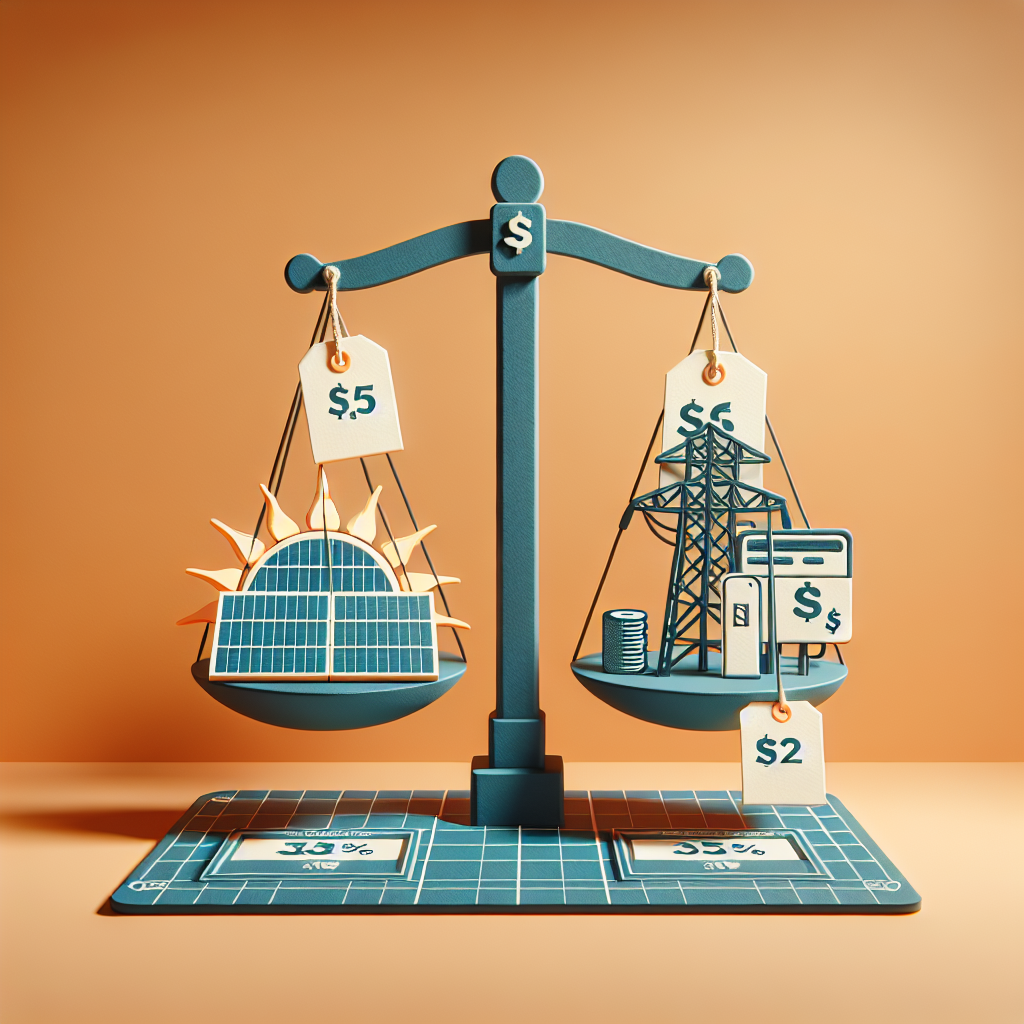
  • Solar vs Traditional Power: Which Saves More Money?

    Solar vs Traditional Power: Which Saves More Money?

    Understanding the Costs of Solar Power

    Initial Investment vs Long-Term Savings

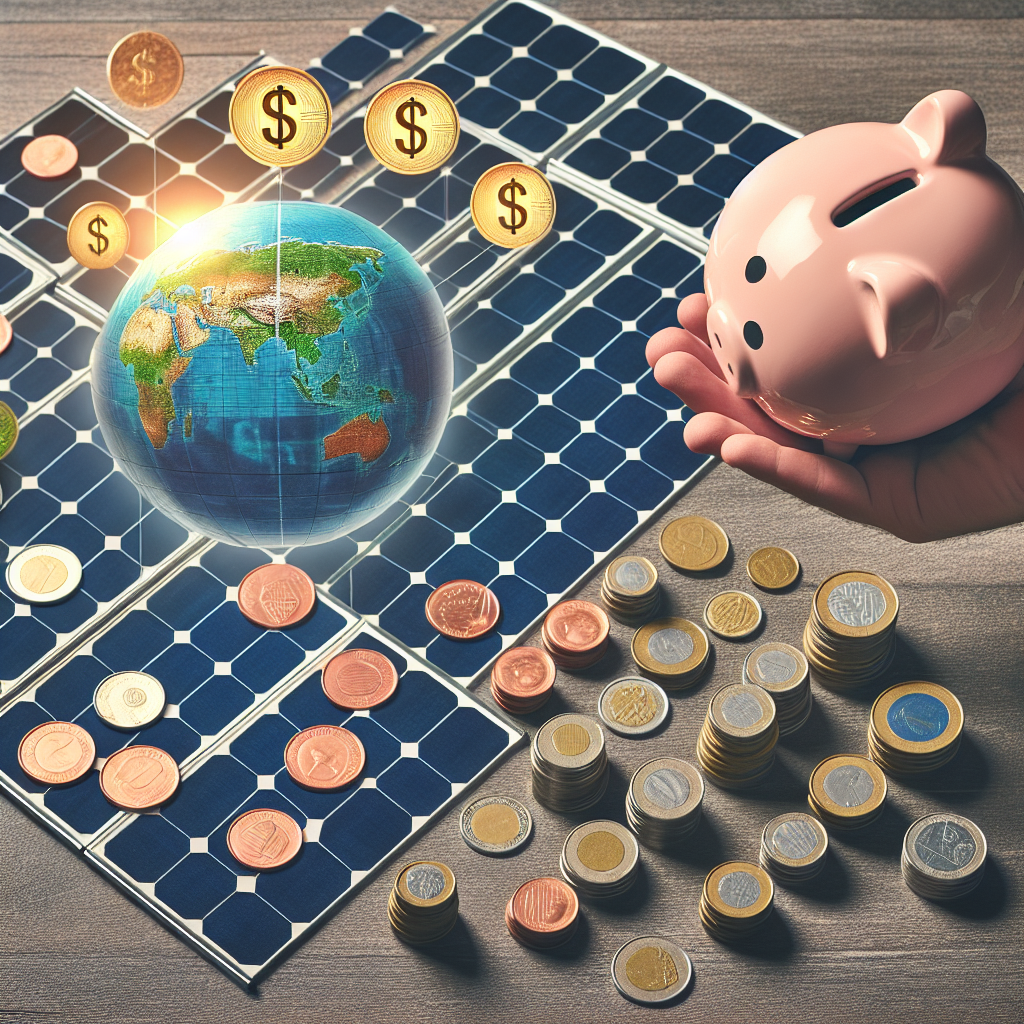
    When I first considered going solar, the upfront costs seemed pretty steep. You know, panels, inverters, installation—it’s not exactly pocket change. But here’s the kicker: once you get through that initial investment, your electricity bills can drop significantly. In my case, I saw immediate savings within the first few months.

    Most people don’t realize that those big upfront costs can actually pay off in the long run. Think of solar panels as an investment. Sure, you might spend a few thousand dollars upfront, but the savings on your electric bill and the potential for increases in your home’s value make it worthwhile. It’s like planting a money tree in your backyard!

    Also, don’t forget about government incentives and rebates. They can reduce your initial costs considerably, and depending on where you live, you might find some great offers that make solar even more attractive. So, make sure to research what’s available in your area!

    The Reliability of Traditional Power Sources

    Stability and Consistency

    When I was weighing my energy options, traditional power sources, like coal or natural gas, seemed dependable. You flip a switch, and boom—your lights come on. No hassles. There’s something comforting about that consistency, right? For many of us, it feels relatively risk-free.

    However, that reliability often comes at a cost over time. Electricity rates can rise unpredictably based on market fluctuations, and let me tell you, those bills can sting! I used to dread the monthly statement with that annoying little chart showing my energy usage going up.

    If things get rough in the market, traditional power sources can lead to increased costs for homeowners. It’s important to know that your “reliable” energy source may not stay that way forever. So consider how the stability of traditional power stacks up against the potential savings with solar.

    Environmental Impact and Costs

    Going Green is the New Trend

    One of the big reasons I shifted towards solar was the environmental aspect. Traditional power sources are infamous for their carbon footprint. Just think about it—fossil fuels contribute to climate change, and I didn’t want to be part of that problem. Going solar felt like a step in the right direction, you know?

    Now, you might be thinking, “But what about the cost?” Well, here’s another twist: solar energy is renewable. That means I don’t have to worry about running out of sunlight anytime soon! Unlike traditional sources, which can dry up or become more expensive due to scarcity, the sun is pretty much limitless.

    Moreover, adopting solar can strengthen my local economy, creating green jobs in my community. Investing in renewable energy sources helps encourage a sustainable future. So, it’s not just about the money saved—it’s about making a difference in the world around us!

    Maintenance and Long-Term Costs

    What to Expect with Solar Panels

    One thing that amazed me about solar panels is how little maintenance they actually require. Once they’re installed, it’s pretty much a set-it-and-forget-it situation. Occasional cleaning and a check-up every so often is all you really need. This is great because I’m not handy myself; I prefer to leave it to the pros.

    In contrast, traditional power sources usually come with additional maintenance costs. Think about the utilities that come to fix outages, manage infrastructure, and even the upkeep of the plants producing power. It adds up over time and can be a hidden cost that sneaks up on you.

    So, if you’re looking for a low-maintenance option, solar has got you covered. It allows me to budget my costs better without the surprise repair bills that come with traditional energy sources!

    Conclusion: Making the Right Choice for You

    Assessing Your Needs and Future Plans

    In the end, deciding between solar or traditional power comes down to personal preference and circumstances. I took a good look at my financial situation, what I really wanted from my energy source, and how I planned to live in the future. If you’re in it for the long haul, solar might just be the way to go!

    Though traditional power offers stability, the rising costs can be a troubling reality. With solar, you’re not just investing in energy; you’re investing in your home and your planet. Plus, it feels awesome when I consider how much I’ve saved and how I’m contributing to a cleaner environment!

    Whatever you decide, just be sure to weigh all your options, do your homework, and choose what feels right for you. Whether it’s solar or traditional power, your decision should align with your budget and values.

    FAQ

    1. How much can I really save with solar energy?

    It varies by location, electricity rates, and the size of the solar installation, but many homeowners see significant savings, often amounting to thousands of dollars over the system’s lifespan.

    2. What are the downsides of solar energy?

    Some potential downsides include high initial costs, dependence on sunlight (which can vary), and the need for space for installation. However, these are often outweighed by long-term savings.

    3. Are there financing options for solar panels?

    Yes! Many companies offer financing options, leases, or power purchase agreements that can make solar more accessible. Research local incentives too!

    4. What maintenance do solar panels require?

    Solar panels are low-maintenance. Regular cleaning and occasional professional check-ups are usually enough to keep them running efficiently.

    5. Can I still use traditional power if I install solar panels?

    Absolutely! Many solar systems are grid-tied, which means you can still draw power from the traditional grid when necessary, providing you with a backup option.

  • Choosing Solar Power vs. Traditional Energy Sources

    Choosing Solar Power vs. Traditional Energy Sources

    Cost Efficiency

    Initial Investment

    When I first started looking into solar power, I was hit right between the eyes with the upfront costs. Installing solar panels can feel like a huge investment—sometimes amounting to tens of thousands of dollars. But let me tell you, once I crunched the numbers, I realized that this initial cost was often offset by long-term savings. Think about it, traditional energy sources require consistent payments, while the sun, well, it just keeps shining!

    What I found exciting was the variety of financing options out there: loans, leases, and even power purchase agreements. These helped break down that hefty initial cost into manageable bites. In some cases, I’ve seen people go solar with little to no down payment! Awesome, right?

    Over time, as energy prices continue to rise, my solar investment has made more sense. No more worrying about fluctuating monthly bills; instead, I enjoy the stability of a fixed payment—or sometimes, no payment at all. It’s liberating!

    Long-term Savings

    The long game is where solar really shines (pun intended). After the initial investment, the savings from solar energy can be substantial. Think about it: no more skyrocketing electricity rates to deal with! When I calculated my potential savings over 20 years, the figures were eye-opening. Many folks can save thousands, even tens of thousands. It’s kind of like having your cake and eating it too!

    Plus, the government incentives and tax credits available for solar installations can further cushion the blow. You could recoup quite a bit of your initial investment with these perks. They’re designed to encourage folks, like you and me, to go green.

    And don’t forget the potential increase in property value! Homes equipped with solar panels often sell at a premium, giving you a financial boost down the road. In my experience, that becomes a huge selling point if and when you decide to move.

    Maintenance Costs

    Another attractive feature of solar power is the incredibly low maintenance costs. I was pleasantly surprised to learn that once my system was installed, the ongoing upkeep was minimal. A quick inspection every couple of years and occasional cleaning was all it took to keep things running smoothly.

    Traditional energy sources, though? They often come with hidden costs in repairs and maintenance—think of those old gas pipelines or aging power plants. It had me seriously considering what type of energy I wanted to rely on for the long haul.

    For me, the low maintenance costs associated with solar not only save me money but also provide peace of mind. I can focus on more important things in life than stressing over energy bills and repairs!

    Environmental Impact

    Carbon Footprint

    One of the most rewarding aspects of switching to solar power is knowing I’m making a positive impact on the environment. Traditional energy sources, like coal and natural gas, have high carbon footprints. Each panel I installed helps to shrink my carbon impact while generating clean energy.

    It’s a fantastic feeling to understand that by harnessing the power of the sun, I’m contributing to cleaner air and reducing pollution. The less we rely on fossil fuels, the better off our planet—and future generations—will be!

    Even friends and family have noticed the difference. When I share my solar journey, I encourage them to think about their own footprints. It’s inspiring to see how one person’s choice can ripple out and affect a whole community.

    Renewable Energy Source

    Solar is an unstoppable force—literally! Unlike traditional energy that can run out, the sun is a renewable resource. It’s here every day, begging to be harnessed. The more I’ve learned about solar power, the more I appreciate this endless energy source.

    As I gradually shifted my dependence from traditional energy to solar, I felt great knowing that I was part of the shift towards a more sustainable future. Plus, as solar technology continues to advance, we’re witnessing better efficiency and performance every year.

    There’s something so comforting about the fact that I’m using energy that’s ultimately free from Mother Nature, rather than continuously extracting from our planet. It’s like the ultimate partnership!

    Impact on Wildlife

    It’s critical to consider how energy production affects wildlife, and solar power offers a less invasive alternative compared to non-renewable sources. Before I opened myself up to solar, I hadn’t given much thought to the impact of fracking or drilling on natural habitats.

    Solar farms, when designed thoughtfully, can coexist with wildlife. I appreciate that many developers are committed to protecting natural ecosystems while embracing solar technology. This harmonious relationship benefits everyone involved.

    When I think about my transition to solar, I feel good knowing that I’m contributing to sustainability—not only for my energy needs but also protecting our planet’s precious wildlife.

    Energy Independence

    Reducing Reliance on Grid Power

    One of the most liberating aspects of choosing solar power has been the sense of energy independence I’ve gained. Being tied to the grid means you’re at the mercy of fluctuations in prices and outages. Trust me, it’s nice to know that you can generate your own power when you need it.

    Going solar has truly transformed the way I interact with energy consumption. I’m no longer counting on the grid; instead, I’m generating my own, which gives me control and peace of mind. I can feel even more secure in the face of natural disasters or energy shortages.

    This sense of independence has empowered me and helped me appreciate the work I put into my solar transition. I’m making smarter choices regarding my energy usage and consumption.

    Resilience During Outages

    Let’s talk about power outages. Those pesky moments when the lights flicker off at the worst possible times. With a solar system, especially one paired with battery storage, I’ve found myself much less affected by outages. My family’s safety and comfort take precedence, and knowing that I can have light when the grid fails is priceless.

    In conversations with people who’ve made the switch, many share that having a backup battery has created a sense of security. It’s nice knowing I can keep our essentials running even when the grid doesn’t want to cooperate.

    There’s something about having that reliability at your fingertips. It allows me to stay grounded, even during uncertainty, which is invaluable in today’s world.

    Future Innovations

    As someone who prides themselves on keeping up with the latest tech trends, I’m excited to see how solar power evolves. The potential for innovations in solar technology means we’re just getting started with what’s possible. As advancements roll out, energy independence may only get easier to achieve.

    New materials for solar panels, more efficient batteries, and improved grid connectivity are all on the horizon. I fully believe we’ll see greater accessibility for solar energy across the globe soon. Companies are racing to create cost-effective solutions, and that’s something I can fully get behind!

    For anyone looking to the future or trying to make a clear choice between energy sources, the innovations coming forth in solar energy are definitely an exciting part of the equation to consider. It feels empowering, like we’re part of something bigger.

    Challenges and Considerations

    Installation Issues

    While the benefits of solar are super enticing, I can’t overlook the challenges. One main consideration is the installation process. Initially, I was overwhelmed by the idea of contracting and figuring out what system suited my home. Researching various options pushed me out of my comfort zone.

    Finding a reliable service provider can be tricky. I had several friends share their experiences with shoddy installers, which definitely raised my anxiety levels. But once I found the right company and went through the installation, it felt like a weight had been lifted.

    So, my advice? Take your time researching installers! Be sure to read reviews and ask the right questions. The right team makes all the difference when embarking on a solar journey.

    Weather Dependence

    Another reality check is the weather dependency factor. While solar panels work beautifully on sunny days, cloudy days can cause a dip in energy efficiency. I learned firsthand how vital it is to understand my local climate before making a decision.

    For folks in areas with more overcast weather, energy generation may vary, which can be a bit of a bummer. But many installers I spoke with encouraged me to look into battery storage to combat this. That way, I could store energy produced on sunny days for use when the clouds roll in.

    For me, this knowledge helped shape my perspective. Solar isn’t a one-size-fits-all solution—but with a little creativity and preparation, it can be tailored to nearly anyone’s needs!

    Regulatory Policies

    The maze of local regulations is something that took me by surprise. Each region has its own rules concerning solar installations—everything from permits to tax credits. This labyrinth can sometimes feel frustrating for homeowners trying to make energy transitions.

    I found it helpful to engage with local solar groups or online communities. They were packed with useful tips and shared experiences from people who’d been through the regulatory process. Understanding the legalities ahead of time made my transition a lot smoother.

    So, if you’re considering solar, take some time to familiarize yourself with local regulations. Knowledge can help you navigate the process and avoid potential pitfalls effectively!

    Conclusion

    In wrapping this all up, choosing between solar power and traditional energy sources can feel daunting at first, but the exciting potential of solar is hard to ignore. From cost savings and environmental impacts to energy independence and challenges, there’s much to dive into. However, I’ve learned firsthand that the rewards of switching to solar far outweigh the challenges. It’s a journey worth taking!

    FAQs

    1. What are the upfront costs of solar power?

    The upfront costs can be significant, sometimes ranging from $15,000 to $30,000 or more, but various financing options can help manage that initial investment, including loans, leases, or even power purchase agreements.

    2. How much can I save with solar energy?

    Many homeowners can save thousands over the lifespan of their solar system. Savings vary based on location, energy usage, and the specific solar setup you choose, but the long-term benefits are clear.

    3. What about maintenance costs for solar panels?

    One of the best parts about solar panels is their low maintenance cost! After installation, minimal upkeep is required—just occasional cleaning and periodic inspections to ensure everything is functioning properly.

    4. Is solar power dependent on sunny weather?

    Yes, solar efficiency can drop on cloudy days, but with battery storage systems, you can store excess energy generated on sunny days for use during less favorable weather.

    5. How can I find reliable solar installers?

    Do your research! Look for customer reviews, check local forums, and ask for recommendations from friends or family who’ve installed solar. Finding a reputable installer is key to a successful transition.

  • Solar vs Gas Generators: Which Really Saves More Money?

    Solar vs Gas Generators: Which Really Saves More Money?

    Initial Investment Costs

    Understanding Upfront Costs

    So, first things first, when we dive into the world of generators, one of the biggest factors we need to consider is the upfront investment. Solar generators often come with a hefty price tag. We’re talking about the panels, the inverter, and of course, the storage system. My own experience has shown me that an average solar setup can run anywhere from $5,000 to $30,000, depending on how extensive your needs are. You gotta weigh that against a gas generator, which could set you back anywhere from a few hundred bucks to a couple thousand.

    But don’t let the initial sticker shock deter you. Solar energy is an investment that can pay for itself over time, especially if you live in a sunny area that benefits from electricity savings. Gas generators, while cheaper upfront, typically require more frequent replacements, maintenance checks, and fuel purchases. That’s where the hidden costs start to pile up!

    In my experience, taking a good look at your budget can really help you assess what works best for you in the long run. Do you have a lump sum ready for the solar setup, or would it be easier to manage smaller gas generator costs? It’s all about strategy!

    Operating Costs

    Fuel Expenses

    Let’s talk about operating costs for a moment. This is where I’ve really seen both sides of the coin with solar and gas generators. Gas generators need, well, gas! And prices at the pump can be all over the place. You might find yourself suddenly dishing out more money than you planned just to keep that thing running. It’s a running expense that just doesn’t quit.

    On the flip side, once you’ve installed your solar panels, your fuel is essentially free. The sun shines every day, and if you’re set up well with a good battery system, you’re not tied down to the world of fluctuating gas prices. I once went a whole summer without paying a dime on electricity bills, and it was amazing!

    Plus, let’s not forget maintenance costs. Gas generators require regular oil changes, filter replacements, and more. You may even find yourself calling in a technician from time to time for repairs. With solar, other than cleaning your panels occasionally, you’re pretty much set!

    Efficiency and Performance

    Assessing Energy Output

    Next, we’ve got efficiency and performance. Many people think, “Hey, a gas generator cranks out a ton of power!” And yes, they do deliver a substantial punch, especially for heavy-duty needs. However, think about this: solar panels convert sunlight to electricity more efficiently than ever before.

    On a sunny day, my solar setup has pumped out more energy than I could use, allowing me to send some back to the grid or store it for later. Gas generators can struggle with peak demand, leading to potential performance issues that could leave you in the lurch during crucial moments.

    Have you ever been in a situation where you need that power right away? Knowing my system is reliable and efficient is a game changer. I honestly feel a sort of peace of mind when I’m running on solar, versus the nervousness that sometimes hits when running a gas generator could fail me during those critical moments.

    Environmental Impact

    Going Green

    Now, let’s get real about the environment. Solar energy is clean, renewable, and contributes to reducing your carbon footprint. In my own case, I’ve seen the difference it can make to go solar—not just in my bills, but in how I feel about my impact on the planet.

    Gas generators, on the other hand, while useful, burn fossil fuels and emit greenhouse gases that contribute to climate change. Trust me, every time I fill up my gas can, I feel a little twinge of guilt. It’s a reminder that even though it’s convenient, there’s a long-term cost to our planet.

    There’s something gratifying about harnessing energy from the sun. I can throw parties without feeling bad about our environmental choices. Knowing that I’m part of a solution is very rewarding and adds to my overall happiness.

    Incentives and Financial Benefits

    Tax Credits and Rebates

    Let’s talk money again but in a different way—tax credits and rebates! When you decide to invest in solar, there are often incentives available that can seriously cut down your costs. For example, in many places, you can receive a tax credit on your solar investment, which could be 26% or more! That’s a big deal!

    Gas generators don’t come with the same perks. Sure, they might be cheaper upfront, but you don’t see tax deductions for maintaining fossil fuel systems. You might even end up paying more over time with added fuel and maintenance costs.

    It’s worth doing a little research into your local incentives because they can make a significant difference in the financial decision-making process for solar energy. When I found out about the rebates in my area, switching to solar felt even more like the logical choice.

    Frequently Asked Questions

    1. Which generator option is cheaper in the long run?

    Generally, solar generators can be cheaper in the long run because they don’t have ongoing fuel costs like gas generators do. The upfront cost may be higher, but the savings on electricity and minimal maintenance can tip the scales in your favor.

    2. How do I determine my energy needs?

    Assess your power consumption by reviewing your previous utility bills, or use a device to measure the energy usage of your appliances. Knowing how much energy you need will help you choose the right generator.

    3. Is solar energy reliable?

    Yes! Solar energy is reliable, especially if you have a good storage system in place. While weather affects solar output, advancements in technology have made systems more efficient and dependable.

    4. What are the maintenance requirements for solar vs. gas generators?

    Solar panels require minimal maintenance, typically just cleaning them occasionally. Gas generators need regular oil changes, filter replacements, and may require more frequent repairs.

    5. Can you really save money with solar panels?

    Absolutely! Many homeowners see substantial savings on their electricity bills after going solar, and you can capitalize on tax incentives that make going solar even more affordable.

  • Are Solar Panels Worth It? Real Cost vs Savings

    Are Solar Panels Worth It? Real Cost vs Savings

    The Initial Investment

    Understanding the Costs

    When I first looked into solar panels, the price definitely caught me off guard. Depending on your home and local installation rates, you could be staring down a bill in the tens of thousands. But then I learned there’s so much more under the surface that impacts that cost. From the type of panels you choose to any potential tax credits you can snag, getting a solid grasp of the costs requires some serious homework.

    Not to mention, you shouldn’t forget about inverter systems—those bad boys convert the solar energy your panels collect into usable power! The upfront costs can feel like a mountain to climb, but weighing it against what you’d save can shift the needle drastically.

    Another factor that played into my decision was the financing options. Many companies offer lease agreements or loans that spread out the upfront cost over years. Some definitely allow for manageable payments, making shiny solar panels feel more like a reality than just a dream.

    Long-term Value

    This is where things get super interesting! The initial sticker shock starts to fade once you really dive into potential long-term savings. Picture this: lower energy bills creeping in month after month as those solar panels work their magic. It’s like watching your savings account grow without doing too much!

    Your savings can also take a hike if you live in a place with lots of sunlight—thank you, Mother Nature! It’s all about harnessing that sunshine and turning it into something tangible. And let’s not ignore the property value bump; homes with solar panels can fetch a pretty penny more when it’s time to sell.

    Of course, the solar panel’s lifespan is another major selling point. Many of these systems come with warranties that run 20-25 years, so with proper upkeep, you might just find yourself riding that savings wave for decades!

    Tax Incentives and Rebates

    When I got my head around all the costs involved, soon the conversation swung to tax incentives—a potential game changers. Many places offer tax credits that encourage homeowners to invest in renewable energy. Depending on where you live, it could cover a significant portion of your system’s cost!

    Additionally, local or state governments sometimes have rebates available too, further reducing how much you have to fork over initially. Plus, these incentives can change based on the political landscape, so keeping your finger on the pulse is important. I’m always checking to see what’s available and who’s offering the best incentives!

    It’s essentially free money on the table if you take advantage of these rebates. So I’d suggest doing some digging either online or even talking to your tax professional for personalized guidance. They can steer you toward the best options and help you navigate the sometimes convoluted waters of solar incentives.

    Energy Independence

    Reducing Utility Bills

    I can’t stress enough how liberating it felt to take back control of my energy costs. With solar panels in place, I’ve been able to reduce my dependency on traditional utilities significantly. I’m not saying I’m fully off the grid yet, but getting there feels good.

    Here’s the kicker: on particularly sunny days, when my panels are producing more energy than I can use, some utilities will actually pay you back through net metering. It’s such a sweet deal—your panels can quite literally be a money-making machine!

    And as energy prices fluctuate, I feel a sense of relief knowing that my bills won’t spike like they used to. Planning future expenses becomes easier as you start relying more on the sun instead of those pesky gas and electricity rates.

    Environmental Impact

    It’s not just about the wallets; I find myself feeling pretty good doing my part for the planet too. That was a big selling point for me. Every time I turn on my lights or charge up my devices, I’m reminded that I’m tapping into clean energy and reducing my carbon footprint. Talk about feeling like a superhero!

    This is especially important in today’s climate, where we’re all feeling the pinch of environmental concerns. By harnessing solar energy, I feel like I’m contributing to tackling climate change, one panel at a time.

    Plus, let’s not forget the positive impact on local ecosystems. The more people switch to solar, the less reliant we become on fossil fuels. The ripple effect is immense, and it’s amazing to think that such a personal decision can lead to broader changes for our planet.

    Maintenance and Longevity

    Keeping Things in Check

    So here’s the scoop: while solar panels are often marketed as “zero maintenance”, let me tell you, that’s a slight exaggeration. Sure, they don’t require a ton of TLC like a garden would, but a little maintenance goes a long way. I found it best to keep the array clean from debris, dirt, and snow to ensure they maintain efficiency.

    Understandably, life gets busy. But incorporating a quick yearly inspection helps save you a lot of headaches down the line. You don’t want to be losing energy because of accumulated grime, right? I always try to climb up and check in on them once per year as part of my home maintenance routine.

    Want the good news? Most manufacturers come with solid warranties spanning from 20-25 years! That means if something goes wrong with the system, you’re likely covered. It feels reassuring knowing that I can rely on my panels for quite some time!

    Return on Investment

    Thinking about the ROI is crucial, especially when you’re dropping serious cash up front. I always like running a few numbers to analyze the return I’d get on my investment over the years. On average, people start seeing payback within 5 to 10 years—that’s not too shabby!

    The key is to understand your local solar potential. If you live in a sunny state, your payback period shrinks even more. This means I can look forward to the day when my panels are officially paying for themselves, and everything after that is pure savings!

    Some folks even end up with a positive cash flow, meaning they actually make money from their investment once they’re fully set up. It’s motivating to think about channeling funds into other areas of life or planning that dream vacation with all the savings!

    Future of Solar Energy

    Innovation on the Horizon

    The future of solar energy is bright—and I mean that literally! Exciting innovations in solar technology are appearing left and right. From more efficient photovoltaic cells to solar tiles that blend seamlessly into the roof, it feels like we’re just scratching the surface of what’s possible.

    Additionally, battery storage technology is advancing, which means I could store excess solar energy for nighttime use. It’s fascinating how the industry adapts and grows! I’m always keeping my eyes peeled for new advancements that could make owning solar even more beneficial.

    With many solar companies also pushing for sustainability in their production processes, it’s all looking up for this clean energy movement. You don’t have to have a hefty installation to get involved; many community solar options are emerging too, making it more accessible for everyone.

    The Role of Policy and Legislation

    One thing I’ve learned is that government policies have a huge impact on solar adoption. Incentives change regularly, and they can either boost or dampen enthusiasm in the market. I’ve realized the importance of staying updated on policies because it influences my decisions about whether to fully commit or hold off for a few years.

    Plus, when communities band together and advocate for solar-friendly policies, you can see real change happening. I’ve even joined local groups pushing for more sustainable energy options in our area, which feels empowering!

    By understanding the landscape of legislation, you can be better positioned to maximize the benefits and opportunities from your solar investment. It’s a learning curve, but it’s worth it!

    Frequently Asked Questions

    1. Are solar panels really worth the investment?

    From my experience, yes! The long-term savings on energy bills and potential home value increase often outweigh the initial investment.

    2. How long does it take to see a return on investment?

    Typically, you can expect to see returns within 5 to 10 years, depending on your location and energy usage.

    3. What kind of maintenance do solar panels require?

    They’re pretty low-maintenance! Regular cleaning and an annual inspection are usually sufficient to keep them running efficiently.

    4. Can solar panels increase my home’s value?

    Absolutely! Homes with solar panels often sell for a premium compared to those without.

    5. What if my area doesn’t get enough sunlight?

    No worries! Even less sunny areas can benefit from solar energy. Plus, community solar programs can be a great alternative for those who can’t install them at home.

  • Solar Roof vs Solar Panels: Which is Better?

    Solar Roof vs Solar Panels: Which is Better?

    Cost and Investment

    Understanding the Initial Costs

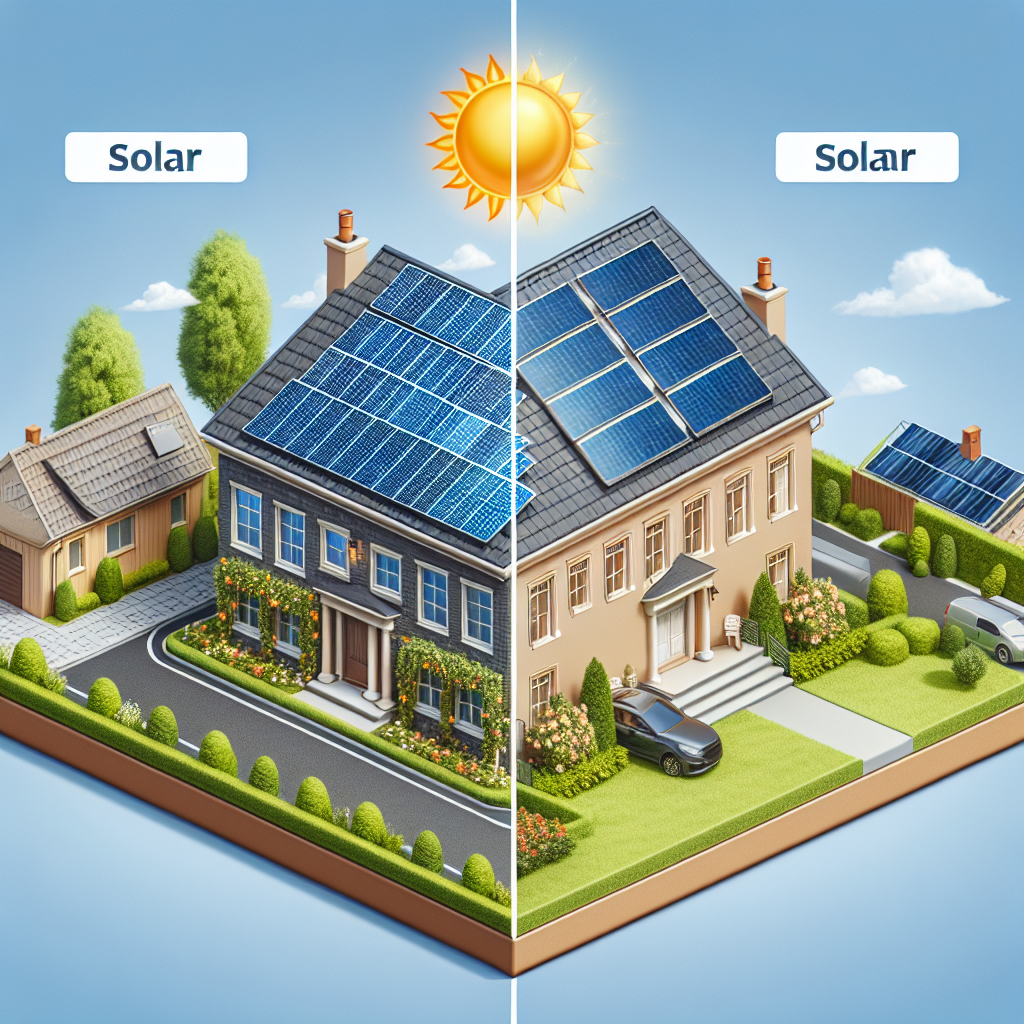
    Okay, let’s get real about money. When you think about solar options, the first thing that pops into mind is usually the cost. Solar Roofs, like the ones Tesla offers, are super sleek but can set you back a pretty penny. If you want that aesthetic appeal combined with functionality, you might be looking at a hefty price tag. On the flip side, traditional solar panels are often cheaper upfront. While they require a roof to install them on, the installation costs tend to be less steep than fully replacing your roof with solar shingles.

    But don’t just think about the sticker price. Think long-term. Solar panels might have lower initial costs, but consider the durability and lifespan of each option too. Solar roofs are made to last. Over time, the investment can balance out, especially with warranties that guarantee performance for decades. It’s kind of like choosing between a college degree and a trade. Both are valid choices and can pay off, but the paths to get there are different.

    When evaluating these options, don’t forget about incentives. Tax credits and rebates can dramatically change the equation. In my experience, reaching out to local utilities or government programs has been a game-changer. You’d be surprised how much you can save with a little research.

    Energy Efficiency and Output

    Comparing Energy Production

    Let’s dive into the nitty-gritty of how much energy these options generate. Traditional solar panels generally boast higher energy efficiency compared to solar roofs. Depending on your location, you might get better output on a sunny day with conventional panels. They’ve been around longer and the technology is well-established, resulting in better performance metrics in many cases.

    But that doesn’t mean Solar Roofs are slouches when it comes to energy. They’ve improved significantly over the years and can generate enough power for most average households. What I find interesting is that they are designed to blend in seamlessly with your home while capturing sunlight. Talk about multi-tasking! It’s like wearing funky sunglasses but still being able to see brilliantly.

    Ultimately, the best choice will come down to your specific limitations and goals. Do you have a large roof space? Traditional panels might deliver better yields. If you live in a neighborhood governed by strict homeowners associations, a solar roof might help you sidestep some of those aesthetic battles.

    Installation and Maintenance

    Understanding the Installation Process

    Let’s talk install—both options have their own quirks. Traditional solar panels usually get slapped on top of your existing roof, and installation is relatively quick and straightforward. I’ve seen installations happen in just a day or two! But here’s the deal: if your roof’s nearing its end-of-life stage, you might want to replace it first, which adds time and expense.

    In contrast, installing a Solar Roof is more involved. The crew needs to remove your old roof and put in the solar shingles, which means you’re probably looking at a few more days of labor. If you’re like me and don’t like disruption in your home, this longer timeline can feel like a pain.

    Maintenance-wise, both options generally require minimal upkeep, but you might want to keep an eye on debris and clean the panels or shingles periodically. In my own home, I’ve found that a little TLC goes a long way. A clean surface means more sun exposure and better energy production, so it’s worth the effort.

    Aesthetics and Property Value

    How Do They Look?

    A biggie! Curb appeal matters, and I’m a fan of keeping my home looking fresh. Solar panels tend to be that noticeable add-on on your roof that can either look charming or outright clunky depending on design. If you’re into that classic rooftop look but still want to harness solar energy, I’d say make sure you choose panels that are sleek and blend in. Some companies are designing lower-profile panels, and that’s great news!

    Now, let’s talk Solar Roofs. These babies are designed to replace your entire roof while generating renewable energy at the same time. For many folks, they provide a ‘wow’ factor I find hard to resist. I mean, who wouldn’t want their roof to look stylish and modern? They give off that refined vibe—almost like the new black of rooftops.

    But remember, style aside, the value they might bring to your home varies. Homebuyers are increasingly interested in energy efficiency, so either option could boost your home’s value, depending on your market. It’s always a good idea to keep an eye on real estate trends and homeowners’ preferences in your area.

    Environmental Impact

    Eco-Friendliness of Each Option

    When it comes to Mother Earth, I think we’d all agree that every little bit counts. Both solar roofs and panels help reduce reliance on fossil fuels. Solar roofs may have a slight advantage here, given that they replace traditional roofing materials, which means you’re not just adding something on top of your home—you’ve got a renewable energy plant in disguise!

    Traditional solar panels have been around longer, which means the recycling options are better established, but they’re also modules that will need to be disposed of at some point. In my experience, it’s a good idea to check how the company handles end-of-life components. Transparency in recycling commitments is essential to consider.

    Ultimately, both choices are a step in the right direction if you’re looking to reduce your carbon footprint. It’s refreshing to see so many more homeowners making the switch. Every little action helps in our fight against climate change, and remember, it’s about progress, not perfection. We’re all in it together!

    FAQs

    FAQ 1: Which option is more cost-effective?

    Generally, traditional solar panels tend to have a lower upfront cost, but Solar Roofs can offer long-term savings depending on durability and warranties.

    FAQ 2: How do I know which system is best for my home?

    It depends on several factors including your budget, aesthetic preferences, roof condition, and energy needs. Consulting with a solar expert can help guide your decision.

    FAQ 3: Do both options require the same amount of maintenance?

    Both systems usually require low maintenance, though some attention to cleaning and inspections can help improve efficiency over time.

    FAQ 4: Will either system increase my property value?

    Yes, both systems can potentially increase property value, but the extent often depends on your local real estate market’s preferences.

    FAQ 5: Are there any incentives for installing solar energy systems?

    Yes! Many areas offer tax credits, rebates, and other financial incentives for solar energy installations, but it’s crucial to check local programs to take full advantage.

  • Monocrystalline vs Polycrystalline Solar Panels

    Monocrystalline vs Polycrystalline Solar Panels

    Efficiency

    Understanding Efficiency Ratings

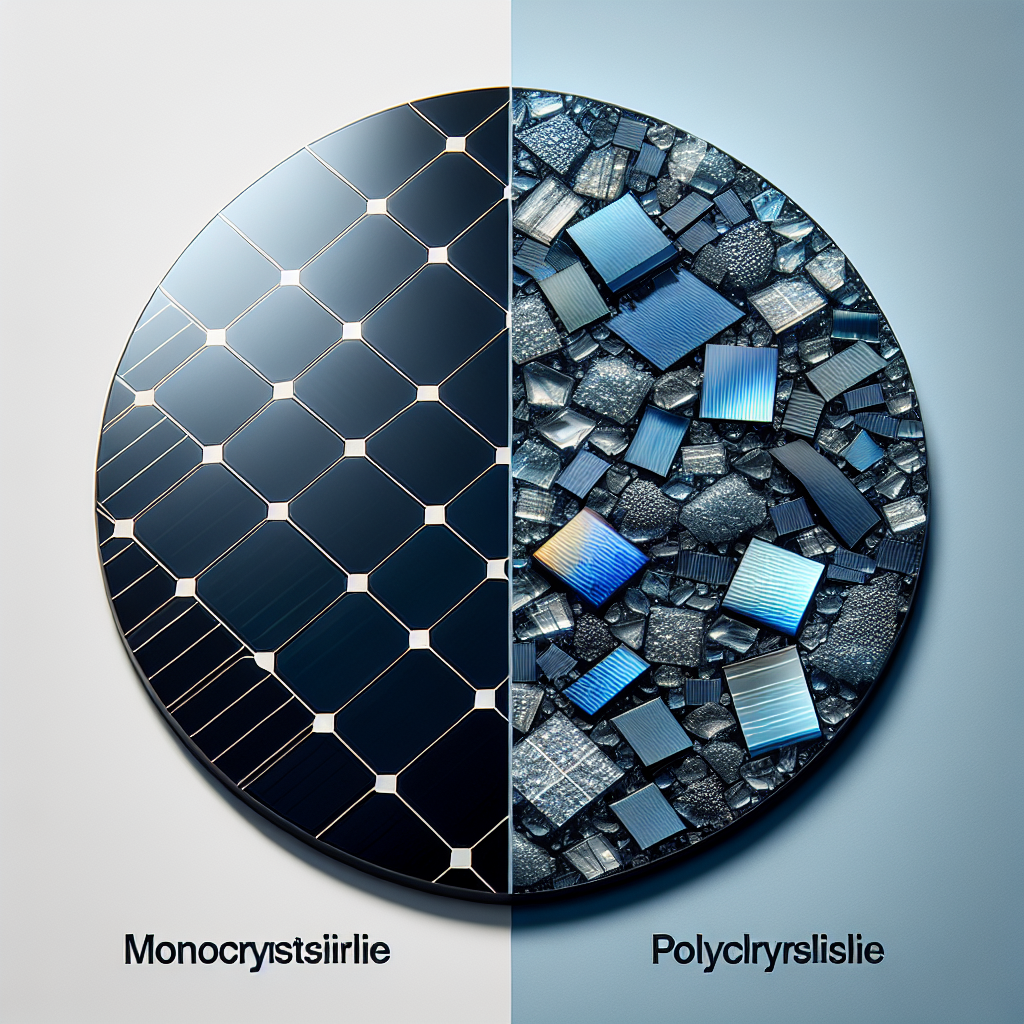
    When it comes to solar panels, efficiency is like the bread and butter of the conversation. I learned early on that it measures how well a solar panel converts sunlight into usable energy. This bit of information is crucial, especially if you want to maximize your solar investment. Monocrystalline panels typically shine in this department, often boasting efficiencies around 15% to 22%.

    These bad boys have a higher efficiency due to their pure silicon composition, which allows for more energy production per square meter. On the other hand, polycrystalline panels, while improving, usually range between 13% and 16% efficiency. They’re still a solid choice, especially when roof space is at a premium.

    When I was comparing my options, I realized that investing in a more efficient panel can mean fewer panels overall. This not only saves space but also leaves less room for maintenance issues down the line. Efficiency matters, folks!

    Cost

    Upfront Costs

    Let’s talk money, shall we? The beauty of solar energy is in its potential savings, but the upfront costs can be a shocker. Monocrystalline panels generally come with a heftier price tag. I remember getting quotes that made my jaw drop, with these panels costing about 20% to 30% more than their poly counterparts.

    Polycrystalline panels are usually the budget-friendly option—perfect if you’re just dipping your toes into solar energy. They might not have the same efficiency, but for a lot of people, the lower price can make them more appealing at first glance.

    However, don’t forget to consider long-term savings! Monocrystalline panels might require a larger investment, but their higher efficiency could mean lower electricity bills over time, so it’s worth weighing the pros and cons carefully!

    Space Requirements

    Panel Size and Output

    Space is often a make-or-break factor for homeowners, and I totally get that. If your roof isn’t sporting the biggest surface area, then the type of solar panel you choose becomes crucial. Monocrystalline panels, thanks to their efficiency, can deliver more power from less space. This was a crucial factor for me when I was figuring out how to fit everything on my rooftop.

    Conversely, polycrystalline panels tend to be larger and less efficient. So, if space is tight, you might find yourself needing to install more poly panels to get the same output as fewer monocrystalline ones, which could complicate things.

    My advice? Always consider your roof’s size and orientation before plopping down cash on either type. A great fit leads to great performance, and that’s what we all want at the end of the day!

    Longevity and Warranty

    Understanding Lifespans

    No one likes the idea of replacing solar panels anytime soon, right? So, checking the longevity and warranty of the solar panels should be high on your priority list. Based on my research, monocrystalline panels typically last longer—upwards of 25 years, with warranties that often reflect that longevity. That peace of mind is priceless!

    On the flip side, polycrystalline panels typically have a slightly shorter lifespan, ranging around 20 to 25 years, though many manufacturers offer decent warranties. I’ve found that understanding the warranties is crucial; after all, they’re a promise—a safety net really.

    For me, longevity played a big role in choosing monocrystalline over poly. It’s all about knowing you’re safe for the long haul while harnessing that sweet, sweet solar energy.

    Environmental Impact

    Eco-friendliness of Production

    Last but certainly not least is the environmental angle. Who doesn’t want to save the planet, right? Monocrystalline panels, due to their efficient silicon production, generally have a lower carbon footprint per energy produced compared to polycrystalline. That’s something I really dig!

    This isn’t to say poly panels are bad—they just have a higher environmental impact during production. So, if you’re looking to keep your eco-footprint in check, that might sway your decision.

    Ultimately, choosing solar energy is a step towards sustainability, no matter which type you pick. But, if we can also make choices that are better for the environment, then even better, right?

    Frequently Asked Questions

    1. What is the main difference between monocrystalline and polycrystalline solar panels?

    The main difference lies in their efficiency and manufacturing process. Monocrystalline panels are made from a single crystal structure, making them more efficient and compact, while polycrystalline panels are made from multiple silicon crystals, resulting in a slightly less efficient product.

    2. Which solar panels last longer?

    Generally, monocrystalline panels tend to last longer than polycrystalline panels, with lifespans typically exceeding 25 years, while poly panels might last around 20 to 25 years.

    3. Are polycrystalline panels cheaper?

    Yes, polycrystalline panels are often more affordable upfront compared to monocrystalline panels, making them an attractive option for those on a tighter budget.

    4. Do monocrystalline panels produce more power?

    Yes! Monocrystalline panels are typically more efficient, meaning they can produce more power per square meter compared to polycrystalline panels, especially in low light conditions.

    5. Which type is better for small roofs?

    Monocrystalline panels are usually a better fit for small roofs due to their higher efficiency and power output. This means you can get more energy even with limited space.

  • DIY vs Professional Solar Installation

    DIY vs Professional Solar Installation

    Cost Comparison

    Initial Expenses

    When I first dove into the world of solar, cost was a major concern for me. If you’re considering a solar installation, the upfront costs for professional installations can be pretty steep. You’re looking at spending anywhere from $15,000 to $30,000, depending on your home’s size and location. On the flip side, DIY kits can start as low as a few thousand bucks. That’s quite a tempting difference!

    However, remember that cheap doesn’t always mean cheerful. DIY kits might save you cash initially, but they can come with hidden costs, especially if you’re not as handy as you’d like to think. Unexpected repairs or mistakes can add to your final bill, and trust me, those costs pile up faster than you can say “solar panel!”

    So, while the numbers might look better for a DIY approach, weigh in all aspects before making a decision. Sometimes it’s better to spend more upfront for peace of mind in the long run.

    Long-Term Savings

    Let’s chat about savings over time. With a professional solar installation, you’ll typically see a better return on investment (ROI) due to higher efficiency and access to better technology. I mean, imagine saving hundreds, if not thousands, on your electricity bill every year! That’s a no-brainer right there.

    On the other hand, DIY systems can pay off too. But they might require more maintenance than you’d be willing to tackle. It’s crucial to keep your panels clean, functioning, and updated, which I found out the hard way. If you let things slide, those savings can quickly dwindle.

    Ultimately, it’s about what works best for your financial situation. Look at your electricity costs, and calculate how long it would take before your solar panels start generating true savings for you.

    Financing Options

    Financing can be a game-changer. Many homeowners are surprised to find that professional installers often have great financing plans. You could pay in installments, reducing the burden of a huge one-time payment. I remember searching for the right company and finding one that had terms I could definitely work with!

    Conversely, DIY systems typically don’t offer financing options. Most people pay upfront for their kits, which can be a challenge if you’re caught off guard by the total cost. It’s like going out for dinner and forgetting your wallet – awkward, right?

    When you’re weighing these options, also think about how long you plan to stay in your home. Sometimes a professional install, with reliable features and goodwill if things go awry, can be worth the investment in the long haul.

    Installation Ease

    Skill Level Required

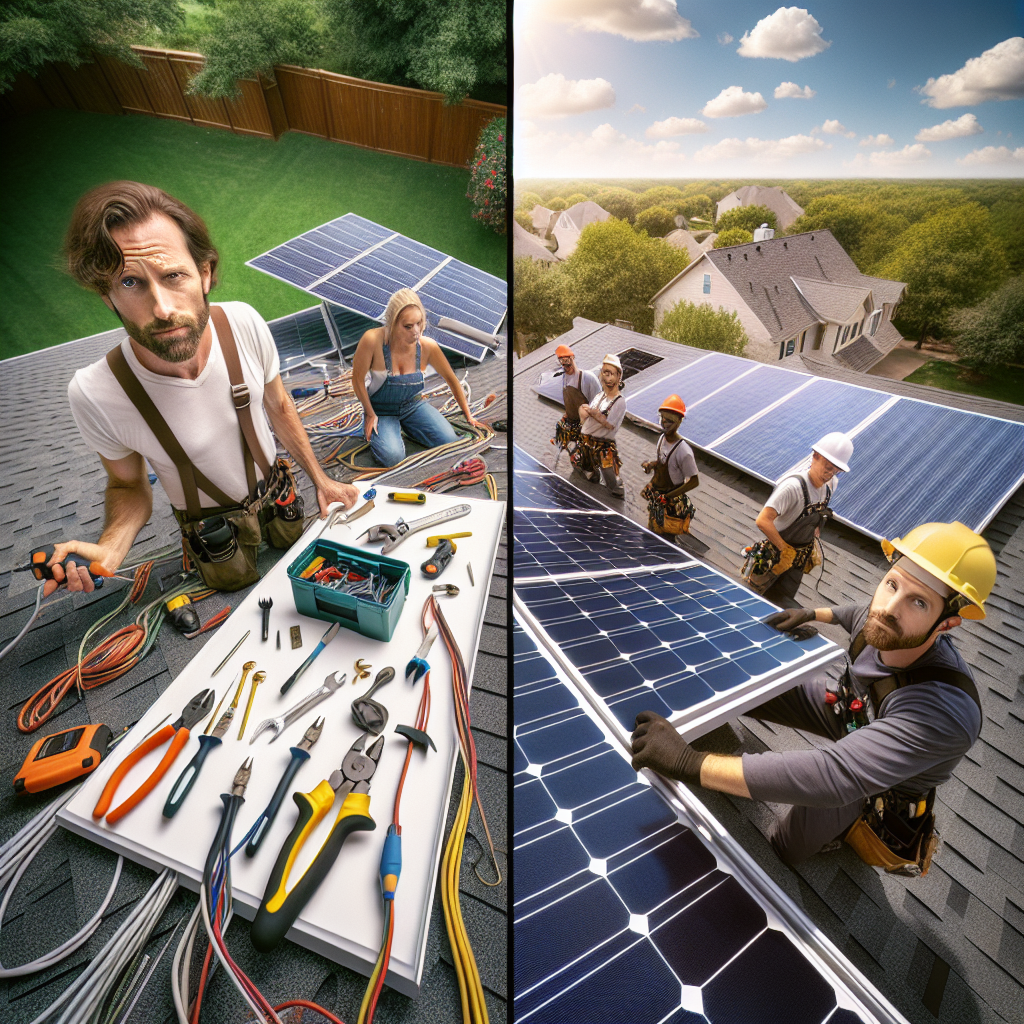
    This is where I had my personal revelations. Trust me, I thought I was tech-savvy until I tried to install my own solar panel system. If you’re someone who loves DIY projects and has a reasonable amount of electrical knowledge, you might find a DIY install manageable. But don’t underestimate the complexity involved!

    For the majority of folks, professional installation is the way to go. Technicians come with experience, knowledge, and the right tools. I’ve watched them work, and they make it look effortless. Their understanding of local codes and regulations is simply something I didn’t want to gamble with on my own.

    At the end of the day, ask yourself: do you want to spend your weekend wrestling with installation and potential mistakes, or sipping a cold drink while someone else takes care of it? Choice is yours!

    Time Commitment

    Let me tell ya, solar installation takes time, whether you’re going DIY or professional. The DIY route could stretch over multiple weekends, especially for people who have other commitments. I thought I could knock mine out in a weekend, but I underestimated how involved the process could be.

    On the professional side, installation can often be done in just a day or two! I remember being amazed watching a crew work together, efficiently navigating the installation with an expert’s touch. I couldn’t help but feel a little jealous of their skill!

    If you’re eager to enjoy the benefits of solar power sooner rather than later, a professional service may save you a significant chunk of time. Sometimes the quicker, simpler decision is the best one.

    Permits and Regulations

    Here’s a little nugget I picked up – permits can be a hassle. Going the DIY route means you’ll need to dive into local regulations and get the proper permits yourself. It’s like a treasure hunt but the prize is some headache you didn’t bargain for!

    With professional installers, they typically handle permits for you. It’s all part of their service. I found this to be a sweet deal because the last thing I wanted was to deal with bureaucracy on top of everything else.

    Make sure to check regulations in your area, whether you’re going DIY or professional. Ensuring everything is compliant can save you from potential fines down the line.

    System Performance

    Efficiency of Installation

    Let’s dive right into something super important – efficiency. Professional installs often guarantee performance metrics and might even give you a warranty! I have to say, that peace of mind is worth its weight in gold after going through the troubles of a DIY installation.

    In contrast, DIY systems may not perform at the same level, especially if incorrectly installed. You could be left with sad, underperforming panels that don’t give you the electricity you need. I’ve seen it happen, and trust me; it’s not fun discovering nearly half the output you were expecting.

    Efficiency also ties into how well the installation was carried out, which is another tick mark in the professional column. Many companies also offer ongoing support to ensure optimal performance. Double win!

    Long-Term Maintenance

    Maintenance can be a drag. With professional installs, maintenance can often be included or offered at a discount. I can’t express how nice it is to sit back, relax, and have professionals take care of things. They know the systems inside and out, and they can catch little issues before they become big headaches!

    With DIY, however, it’s all on you, and I quickly discovered that regular maintenance wasn’t as easy as I thought. From cleaning panels to minor fixes, the ongoing responsibility can be daunting. Plus, if you miss something, you could be losing efficiency without even realizing it!

    Weigh that maintenance commitment carefully. If you’re not keen on the upkeep, a professional install can save time and headache in the long run.

    Technology Updates

    Technology in solar is always evolving! The latest panels can significantly outperform older models. When you go professional, installers often have access to cutting-edge technology and will stay updated with the latest innovations.

    If you’re going DIY, it’s tough to keep up! You’re stuck with whatever you purchase and could miss out on future efficiencies that could save you more energy and cash. I mean, I love gadgets, but keeping track of all this could be a full-time job!

    Updating a system can also be more complicated with a DIY setup. Professional companies can guide you on how to upgrade or integrate new tech down the line, making this a significant advantage.

    Warranty and Support

    Extent of Warranties

    Warranties are a crucial factor when considering solar. Most professional installations come with extensive warranties, which are a huge relief. I learned that if something goes wrong, you’re covered!

    Diving into DIY, you might find minimal warranties on parts. Often, the responsibility falls back on you if something breaks. That’s a risk I wasn’t willing to take after my learning curve with my own setup.

    Warranties might be daunting, but understanding them can make a significant difference in protecting your investment, ensuring you’re not left high and dry!

    Access to Customer Support

    With professionals, you usually have access to customer support if things hit a snag. I’ve found that knowing there’s someone I can call when things go awry is priceless. They have the expertise and experience to troubleshoot issues fast.

    For DIY enthusiasts, you’re pretty much on your own unless you’ve got a neighbor who knows about solar setups. That can be pretty isolating! If things go wrong, it could take longer to get your system back online.

    Deciding on professional installations can make a difference in receiving quick and effective support. When the sun is shining, you want your panels to be working, not stuck in a troubleshooting maze!

    Service After Installation

    Finally, let’s talk about follow-up service. Professional installers often check on your system after installation to ensure everything’s running smoothly. It’s like having a solar buddy who’s always looking out for you!

    As for DIY, well, I found that checking on my system became less frequent over time, and naturally, that led to hiccups. It’s easy to forget when life gets busy!

    Going with a reliable installer means they’ll usually do follow-ups and maintenance checks, which keeps you motivated to ensure everything continues running smoothly.

    Conclusion

    Ultimately, choosing between DIY and professional solar installation boils down to your circumstances and what fits into your life better. Each has its distinct pros and cons, so weigh them all carefully! Good luck with your journey into solar; I’m sure whichever path you choose, you’ll learn loads and feel great about contributing to a more sustainable future!

    FAQs

    1. Is DIY solar installation cheaper than professional installation?

    Generally, yes, DIY systems can be cheaper at first glance. However, consider potential hidden costs and maintenance that might arise.

    2. How much technical knowledge do I need for DIY solar installation?

    A fair amount! You should be familiar with electrical work and local building codes to avoid issues down the line.

    3. Can I upgrade a DIY solar system easily?

    Upgrading a DIY solar system can be trickier without professional guidance. It’s essential to research options before committing.

    4. What kind of warranty can I expect from professional installations?

    Most professionals offer warranties ranging from 10 to 25 years, covering equipment and workmanship, which provides peace of mind.

    5. How do I choose between DIY and professional services?

    Consider your budget, skill level, and the complexity of doing it yourself versus the peace of mind that comes with professional help.

  • Solar vs Grid Power: Cost Comparison

    Solar vs Grid Power: Cost Comparison

    Initial Investment Costs

    Understanding Solar Panel Costs

    Starting with solar panels, I’ve often found that the initial investment can be a real doozy. When you’re shelling out for the panels themselves, installation, and any necessary permits, it can feel like you’re buying a small car. However, those shiny panels don’t just sit there—they’re investments in your future electricity savings. Depending on your system, you might be looking at anywhere between $10,000 to $30,000, but the sweet part is the potential savings over time.

    Keep in mind, though, that prices can vary significantly based on your location and the size of the system you’re putting in. For instance, if you live in a sunny area, you might not need as many panels to generate the same amount of power as someone in a cloudier region. Plus, incentives and tax credits can help reduce that upfront cost, which is a major relief.

    In my own journey, I had to weigh the cost against my monthly electric bill. Seeing the savings piling up after a couple of years made that hefty investment worth it, and I felt pretty proud owning my green energy setup!

    Grid Connection Fees

    On the flip side, let’s chat about grid power. When you’re plugged into the grid, you definitely have some costs associated with that. Utilities often charge a connection fee, and then there’s the monthly bill based on how much energy you use. These can add up quickly—especially during peak times when prices skyrocket.

    As I dug deeper into my own electric bills, I was shocked at how much I was shelling out during summer months when AC usage peaks. Every time I’d see that bill spike, it felt like a punch to the gut. It made me really reconsider keeping the lights on without a backup plan.

    In some cases, you might also have to deal with “demand charges,” which are based on your highest electricity use in a month. It’s like getting penalized for having a big party! So be sure to check with your local utility about what fees are in play, because it can really add up over time.

    Long-Term Savings

    Benefits of Solar Savings

    When it comes to long-term savings, solar has some serious advantages. Once you’ve paid off your solar panel system, your electricity costs can plummet to nearly zero! It’s like getting a free pass on your electricity bill. Plus, if you’re in a net metering program, you might even get credits for sending energy back to the grid.

    From my experience, after a few years of worrying about those pesky electric bills, I started to notice a huge dip in my expenses. It can be tough at first, but eventually, those savings start to shine through, and it feels great knowing that I’m contributing to a sustainable future.

    Remember, though, the payoff period varies. Depending on your location, the insurance costs, maintenance, and how much sunlight your area gets, you might expect returns on your investment in anywhere from 5 to 15 years. It’s a long game, but I can confidently say it’s been worth it—both for my wallet and for the planet!

    Utility Rate Fluctuations

    With grid power, there’s always a catch. Utility rates aren’t set in stone; they can fluctuate based on demand, which is something I learned the hard way. Every few years, it seems like my electricity provider would throw a rate hike into the mix, leaving me scrambling to budget around it.

    The unpredictability of those costs was frustrating. It felt like every time I got used to a certain rate, bam! There it was—another increase eating away at my spending money. I began to realize that, over time, sticking with the grid could become a slippery slope.

    In contrast, those fixed rates with solar—especially if you leverage financing—can bring peace of mind. Sure, there may be occasional increases in maintenance costs, but the freedom from those unpredictable bills is liberating!

    Environmental Costs

    The Case for Solar Energy

    One of the most compelling reasons I turned to solar was its positive impact on the environment. While those traditional power plants can churn out pollution like nobody’s business, solar feels like a breath of fresh air. Literally! The fewer fossil fuels burned means a smaller carbon footprint, which is something I take pretty seriously.

    Even though I can’t feel the impact directly, I love knowing that I’m helping to reduce greenhouse gases. Every time I looked at those panels soaking up the sun, it reminded me of my part in the larger fight against climate change. And honestly, that peace of mind is priceless.

    Participating in solar energy is a way of showing commitment not just to personal savings, but to a cleaner planet. It’s exciting to be part of a community that’s moving toward sustainability. It motivates me to keep pushing for greener practices in all areas of my life.

    Environmental Impact of Grid Power

    Now, let’s not sugarcoat it—the grid has its downsides when it comes to the environment. Relying on fossil fuels can lead to a multitude of problems: from air and water pollution to habitat destruction. Seeing the impact of energy production on local ecosystems weighed heavily on my conscience.

    While I was disconnecting myself from some of that burden with solar, I couldn’t help but think about those who are still tied to the grid. The idea that traditional electricity generation can really harm our planet is sobering, and it made me more determined to advocate for renewable energies.

    Switching to solar has empowered me to champion eco-friendly practices. It feels good to make choices that benefit me financially and contribute to the global effort to protect our natural resources.

    Financial Risks and Incentives

    Understanding Solar Incentives

    One of the big winners with solar is the financial incentives the government offers. Honestly, I wasn’t aware of just how many options were out there until I did some digging. Tax credits can really help knock down that initial price, which made my decision to go solar even easier.

    Many states also offer rebates that can cut your costs. This was a game-changer for me. It’s like a gift for making an eco-friendly choice. I suggest anyone considering solar do their research—there are plenty of offers to take advantage of!

    Once I realized that there are also financing options available, I felt a weight lift off my shoulders. I didn’t have to scrape together the total cost upfront; I could spread the payments out over time, making it more manageable.

    Risks Associated with Grid Reliance

    On the other hand, being solely reliant on the grid brings some financial risks that can make anyone uneasy. Every rate hike adds stress, and if my utility ever faced insolvency or had to shut down, what did that mean for my electricity access? It was a scary thought, honestly.

    I remember discussing this concern with friends who also rely on grid power. It can feel like we’re at the mercy of corporations and policies far beyond our control. The unpredictability of future costs became an undeniable risk factor for me.

    With solar, I felt more in control of my electricity situation. While there’s always some risk involved (like equipment failing), it seemed far less daunting than the unknowns of remaining solely reliant on the grid.

    Conclusion and Final Thoughts

    In conclusion, the Solar vs Grid Power: Cost Comparison is certainly complex, but from my experience, the benefits of solar power seem to outweigh the grid’s allure. Sure, the initial investment can be steep, but that long-term savings, environmental impact, and financial control are reasons enough to make the switch. Ultimately, it’s really about what you value in the long run. Are you willing to invest in a cleaner future—or risk the uncertainty that comes with traditional power? For me, the choice was clear!

    FAQ

    1. What are the initial costs associated with solar panels?

    The initial costs for solar panels can typically range from $10,000 to $30,000, depending on your system size and location. There may be state and federal incentives that can help reduce these upfront costs.

    2. How can I tell if going solar is worth it for me?

    Start by analyzing your yearly electrical costs and consider potential savings over time. If you live in a sunny area, contribute to environmental efforts, and feel comfortable with long-term investments, solar could be a great choice for you!

    3. What are some risks of relying on grid power?

    Reliance on the grid exposes you to unpredictable utility rates, potential company insolvency, and environmental harm due to fossil fuel consumption which could affect your overall expenses and well-being.

    4. What incentives are available for solar energy?

    There are many incentives, including tax credits and state rebates, that can significantly lower installation costs. It’s always a good idea to research what’s available in your area before making a decision.

    5. How does solar energy impact the environment compared to grid power?

    Solar energy drastically reduces reliance on fossil fuels, leading to a significant decrease in greenhouse gas emissions and other pollutants. In contrast, grid power often relies on non-renewable resources that can harm the planet.

  • The Ultimate 2025 Guide to Solar Energy vs Electric Bill: 5 Powerful Strategies to Save Big

    The Ultimate 2025 Guide to Solar Energy vs Electric Bill: 5 Powerful Strategies to Save Big


    1. 1. Understanding the Basics of Solar Energy vs Electric Bill
    2. 2. The Financial Impact of Solar Power in 2025
    3. 3. Technology Trends Shaping Solar Energy vs Electric Bill
    4. 4. Policy Changes Affecting Solar and Electricity Costs
    5. 5. Practical Tips to Reduce Your Electric Bill

    1. Understanding the Basics of Solar Energy vs Electric Bill

    What Exactly Is Solar Energy?

    Solar energy harnesses sunlight to generate electricity through photovoltaic (PV) panels. This renewable resource has become more cost-effective and accessible, especially in 2025, with innovations reducing the installation costs and increasing efficiency. When considering solar energy vs electric bill, it’s essential to understand how solar panels can significantly offset your reliance on traditional utility providers.

    Solar panels work by converting sunlight directly into electricity. This process is sustainable and many homeowners are now choosing solar as a long-term investment. In 2025, solar technology has advanced, making systems more durable and efficient, thus providing better savings on electric bills over time.

    When comparing solar energy vs electric bill, note that your electric bill includes both the energy you consume and additional fees, taxes, and surcharges. Solar power offers a way to reduce or even eliminate some of those costs, especially when combined with battery storage options.

    The Components of Your Electric Bill

    Your electric bill consists of several parts: energy consumption charges, fixed connection fees, and various surcharges. The cost of electricity generally fluctuates based on supply and demand, fuel prices, and regulatory policies. In 2025, utilities are evolving, but many still pass rising costs onto consumers.

    Understanding these components helps you evaluate whether switching to solar can truly save you money. A typical household might spend between $100 and $200 monthly on electricity, and solar can often reduce that by 50% or more, depending on system size and local rates.

    By exploring the dynamics of your electric bill, you can better appreciate why the debate of solar energy vs electric bill is so relevant today and why many are opting for cleaner, cheaper alternatives.


    2. The Financial Impact of Solar Power in 2025

    Cost Trends and Incentives

    In 2025, the cost of installing solar panels has dropped by nearly 70% over the last decade, making solar a more attractive option than ever before. Moreover, many governments and local agencies continue to offer incentives, tax credits, and rebates that can substantially reduce your initial investment.

    Federal programs now provide up to a 30% tax credit on solar installations, and some states offer additional incentives or net metering policies. These financial benefits make the comparison of solar energy vs electric bill even more favorable for homeowners considering solar in 2025.

    Understanding these incentives helps you plan a cost-effective switch. Many homeowners find that their solar investment pays for itself within 5-7 years through savings on electric bills.

    Return on Investment and Long-Term Savings

    The goal with solar is not only to reduce your electric bill but to generate savings over the long term. In 2025, studies show an average return on investment of around 12-15% annually, which is highly competitive compared to traditional savings accounts or stocks.

    For example, a household paying $150/month can save approximately $1,800 annually in electric costs with a well-designed solar system. Over 25 years, those savings compound significantly, often surpassing the initial system cost.

    Furthermore, as utility rates continue rising each year—some by as much as 3-5%—your solar-powered system becomes an even smarter financial choice against the backdrop of solar energy vs electric bill debates.

    Innovations in Solar Panel Efficiency

    2025 is a year of exciting advancements in solar technology. Panels now boast efficiencies over 25%, meaning they convert more sunlight into electricity. This translates into smaller systems producing more power, saving space and reducing installation costs.

    Enhanced materials and manufacturing processes have extended panels’ lifespan beyond 30 years, guaranteeing long-term performance. These improvements increase the viability of solar energy vs electric bill as a sustainable financial solution for households and businesses alike.

    Additionally, bifacial solar panels, which capture sunlight on both sides, are gaining popularity, further boosting energy yields and making solar installations more cost-effective.

    Battery Storage and Smart Energy Management

    Energy storage technology has advanced rapidly in 2025. Modern lithium-ion batteries now offer higher capacities at lower costs, enabling homeowners to store excess solar energy for use during cloudy days or nighttime. This dramatically enhances the savings and reliability of solar systems.

    Smart energy management systems optimize energy consumption and storage, ensuring you use the most cost-effective energy as prices fluctuate throughout the day. This integration makes solar energy vs electric bill comparison more favorable, especially in areas with dynamic utility rates.

    Investing in storage not only amplifies your savings but also provides energy independence, making solar a smarter choice in the evolving power landscape.


    4. Policy Changes Affecting Solar and Electricity Costs

    Government Policies Supporting Solar Adoption

    In 2025, governments worldwide continue to support clean energy initiatives, aiming to reach net-zero emissions by 2050. Policies include streamlined permitting, increased rebates, and favorable net metering laws—factors that tilt the scales in favor of solar energy vs electric bill.

    Some regions are also implementing stricter regulations on fossil fuels, which will likely drive utility rates upward. These policy shifts make solar an increasingly attractive option for cost savings and energy security.

    PREPARE Mag ad 970 x 250

    Staying informed about local and national policies can help you leverage available programs and maximize your solar investment benefits.

    Utility Rate Trends and Their Impact

    Utility companies are adjusting their rate structures in 2025, often introducing demand charges and time-of-use tariffs. These changes can increase your electric bill significantly if you’re not generating your own power.

    By installing solar panels, you can mitigate these rising costs and even benefit from lower rates during peak hours through smart energy management.

    Understanding how policy and rate changes impact the economic comparison of solar energy vs electric bill empowers consumers to make informed decisions.


    5. Practical Tips to Reduce Your Electric Bill

    Upgrade to Energy-Efficient Appliances

    One of the easiest ways to cut your electric bill is by upgrading to energy-efficient appliances. In 2025, smart refrigerators, LED lighting, and high-efficiency HVAC systems are standard features that significantly lower energy consumption.

    These appliances consume less power while maintaining excellent performance, creating cost savings that complement your solar investment.

    Start by identifying the highest energy-consuming appliances in your home and prioritize upgrading those for immediate impact.

    Implement Smart Home Technologies

    Smart thermostats, lighting, and energy monitors help optimize your energy usage. These tools allow you to control and schedule your power consumption, reducing waste and expenses.

    In combination with solar energy, smart systems make it easier to maximize savings and minimize your electric bill.

    For example, setting your thermostat to adjust automatically during peak solar production hours can boost your energy savings significantly.

    Change Usage Habits and Routine

    Simple behavioral changes, like doing laundry or running the dishwasher during daylight hours, can have a noticeable impact on your electric costs.

    Small adjustments—turned into habits—can lead to substantial savings over time, especially when paired with a solar energy system. Be mindful of peak hours and long-term consumption patterns.

    This proactive approach enhances your overall savings strategy, making you less dependent on utility rates and more on self-sufficient solar power.

    Frequently Asked Questions

    Q1: How does solar energy vs electric bill comparison look in 2025?

    With declining solar costs and rising utility rates, solar energy vs electric bill is increasingly skewed in favor of solar investments. Many households see reductions of over 50% on their monthly bills, with long-term savings outweighing initial costs.

    Q2: Can I eliminate my electric bill entirely with solar energy in 2025?

    Yes, if you install a sufficiently sized solar system and incorporate battery storage, it’s possible to zero out your electric bill, especially in sunny regions. However, it depends on your energy usage and local policies.

    Q3: What are the biggest advantages of choosing solar energy vs electric bill?

    Primary benefits include cost savings, energy independence, environmental impact, and protection against rising utility rates. Solar enables you to generate your own power and reduce reliance on the grid.

    Q4: How do government incentives impact the solar energy vs electric bill cost comparison?

    Incentives like tax credits, rebates, and net metering significantly improve the financial return on solar systems in 2025, making it easier to save money compared to traditional electric bills.

    Q5: What practical steps can I take today to lower my electric bill?

    Upgrade appliances, utilize smart energy management, participate in demand response programs, and consider installing solar panels. These combined efforts can dramatically reduce your energy expenses.

    Conclusion

    In 2025, the ongoing evolution of solar energy technology, supportive policies, and rising utility rates make the comparison of solar energy vs electric bill more compelling than ever. With strategic investments, such as installing solar panels and adopting energy-efficient habits, you can maximize savings and gain energy independence. Whether you’re looking to lower your monthly costs or reduce your carbon footprint, understanding these trends and strategies is essential. Remember, the key to saving big in 2025 lies in harnessing solar power effectively—making the choice of solar energy vs electric bill an investment that pays off for years to come.