Tag: what to know

  • Is Solar Panel Installation Worth It? Here’s What to Know

    Is Solar Panel Installation Worth It? Here’s What to Know

    The Financial Benefits of Solar Panels

    Initial Costs and Savings

    When I first considered solar panel installation, the upfront costs seemed daunting. But here’s the deal: even though you’re shelling out a chunk of change initially, the long-term savings often outweigh the costs. In many areas, financial incentives and rebates can help lessen the pinch. It’s like getting a kickback just for switching to renewable energy!

    Think about it: with solar panels, your electricity bills can drastically reduce or even disappear. I remember my first month after installation when the bill was barely there. It felt like I’d struck gold! But don’t forget to do the math based on your location and available incentives; that varies. 

    Beyond just savings, there’s also the improved value of your home. If you’re planning to sell, buyers are often keen on solar energy features. Who wouldn’t want a house that saves them money on utilities? It’s a win-win!

    Tax Credits and Incentives

    One of the coolest surprises I found out while researching solar panels was the tax credits available. The federal solar tax credit allows you to deduct a significant percentage of your solar system costs directly from your federal taxes. This isn’t a loan; it’s a savings—how awesome is that?

    Additionally, many states, municipalities, and even some utility companies offer their incentives. Every little bit counts, right? The landscape of rebates and credits is constantly changing, so it’s worth checking in on what’s available in your area.

    Don’t leave money on the table! If you’re serious about going solar, get familiar with these benefits. They can significantly cut down your financial investment in the long haul.

    Payback Period

    One thing that might concern you is the payback period. This term refers to how long it will take for the savings on your electricity bills to cover the cost of your solar system. From my experience, most systems pay themselves off within 5 to 7 years. That may seem like a long time, but remember, you’re investing in a sustainable future!

    After the payback period, you’re basically enjoying free electricity. Think of all those Netflix binges or late-night snacks you can indulge in without the guilt of rising electricity bills. Calculate your local energy rates and expected energy production to get a clearer picture for your home.

    And for those who like concrete numbers, take your average monthly bill, multiply by 12 for annual costs, and see how it compares to your estimated savings. Trust me, seeing those figures laid out can be super motivating!

    Environmental Impact

    Reducing Your Carbon Footprint

    By now, you’ve probably heard the term “carbon footprint.” Basically, it’s the total carbon dioxide emissions caused by your activities. When I installed solar panels, I felt fantastic knowing I was doing my part to reduce my emissions. It’s like putting a little cape on my back and saying, “Yes, I’m an environmental hero!”

    Solar energy harnesses the power of the sun, which is renewable and abundant. Unlike fossil fuels, solar doesn’t emit harmful pollutants that contribute to climate change. Even small efforts, like installing solar panels, can contribute to a larger movement toward sustainability.

    Every kWh generated reduces the need for energy from traditional sources, which translates into cleaner air and reduced dependence on finite resources. It’s a beautiful cycle, and I’m proud to play my part.

    Long-lasting Energy Solutions

    Solar panels aren’t just a fad; they are becoming a staple of energy solutions. The technology has improved dramatically over the years, meaning they’re more efficient and reliable than ever before. I love having a power source that’s not only renewable but also reliable during those summer sun-soaked days!

    Moreover, as more people adopt solar, we start to see an even greater shift in energy solutions and innovations. Solar storage systems, like batteries, are evolving to help homeowners use their generated energy more effectively, which is so cool!

    Investing in solar panels means you’re ahead of the curve. You’re not just generating electricity; you’re contributing to a movement that encourages innovation and sustainable practices in the energy sector.

    Community Impact

    In my neighborhood, the awareness about solar has definitely increased since I installed my system. It’s like dominoes falling—when one person goes solar, others start to investigate their options. A green community can lead to reduced energy prices and increased local jobs in the renewable energy sector. Isn’t that something we can all vibe with?

    Plus, the more people who go green, the larger the market for renewable energy solutions becomes. This encourages companies to invest in cleaner technologies and can even lead to more community solar programs, where folks share energy generated from a collective solar installation. Teamwork makes the dream work, right?

    Supporting local solar businesses can also boost your local economy. You’re not just making a decision for your home; you’re encouraging a community-wide shift toward better energy practices.

    Installation Process

    Finding a Reputable Installer

    Alright, let’s get down to the nitty-gritty—the installation process! The first step is finding a reputable installer. This is crucial because you need someone who knows their stuff, and who is trusted in the community. I did a ton of research before settling on my installer. Don’t just settle on the first name you find!

    Look for reviews, ask neighbors for recommendations, and check their licenses and certifications. Trust me, taking the time to find the right pro is worth it, even if it means initially getting bids that seem a little high. You’re investing in your home and your future here!

    Once you find an installer, I suggest meeting in person to discuss your expectations and concerns. Getting to know your installer will ensure you’re on the same page throughout the process.

    The Installation Day

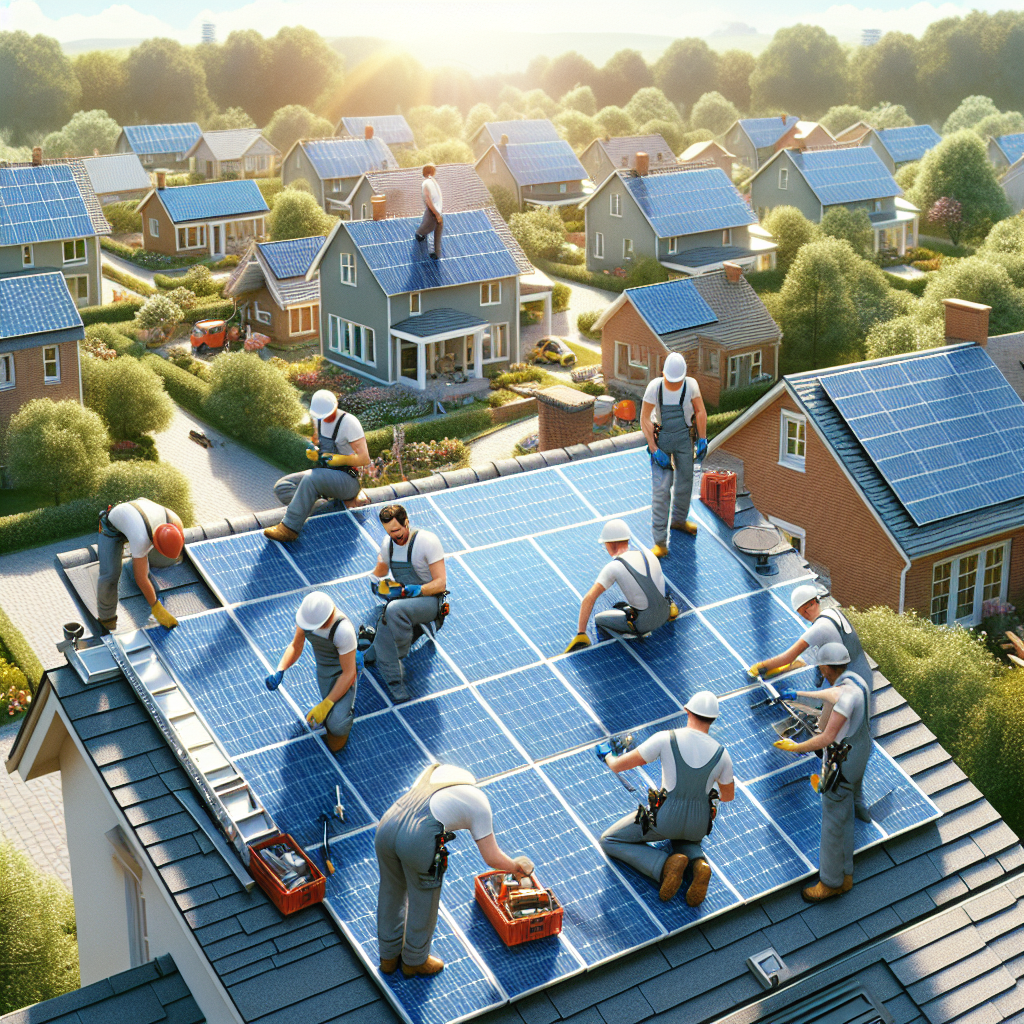
    Let’s talk about the big day—the installation! I remember waking up excited (and a bit anxious) to see my solar panels come to life. The crew showed up early, and they were professional and friendly, which eased my nerves. They took care of everything, from permits to final inspections, and it felt so seamless.

    During the installation, they installed the mounting system first, followed by the solar panels. It was fascinating to watch how it all came together, piece by piece. And just like that, my roof was transformed into a mini power plant! Energy efficiency at its finest!

    By the end of the day, they explained how everything worked and set up my monitoring system. Talk about instant gratification! Seeing the numbers roll in once my system started generating energy was worth every bit of that initial investment!

    Maintenance and Monitoring

    The great thing about solar panels is the minimal maintenance required. Just keep them clean, and they’ll likely last you 25 years or more! I was initially worried about how to maintain mine, but it turns out regular checks are often sufficient. Many installers even provide monitoring tools to ensure everything is running smoothly.

    I’ve found it helpful to occasionally check the performance through the app provided by my installer. You can see real-time data regarding energy production, which is super motivating! If you ever notice a dip in production, a quick call to your installer can help diagnose any issues.

    All in all, maintaining solar panels is a breeze compared to the traditional systems. Combined with the reduced utility bills, I’d say it’s a win-win!

    Final Thoughts

    After weighing all of this, I can genuinely say installing solar panels was one of the smartest decisions I ever made. Not only do I enjoy savings on my bills, but I also get to contribute to a more sustainable world. Sure, there are aspects to consider like upfront costs, installation processes, and maintenance—but the payoff, both financially and environmentally, makes it all worthwhile!

    Thinking about going solar? Do your research, find a stellar installer, and jump in! It’s an investment that aligns with both your wallet and the planet.

    FAQs

    1. How much does it cost to install solar panels?

    The costs vary widely depending on the size of your system, your location, and the installer. However, the average cost in the U.S. can range from $15,000 to $25,000 before incentives.

    2. How much can I save with solar panels?

    On average, homeowners save between $10,000 to $30,000 over the lifespan of their solar energy systems, depending on various factors like local energy rates and how much energy you consume.

    3. What happens if my solar panels don’t produce enough energy?

    If your solar panels aren’t producing enough energy, many users can draw power from the grid, and sometimes go back to their utility provider’s system for the additional energy needed.

    4. Do solar panels require a lot of maintenance?

    No, solar panels require minimal maintenance. Regular check-ups and occasional cleaning are usually all that’s needed to keep your system functioning efficiently.

    5. Can I install solar panels myself?

    While it’s technically possible to install solar panels yourself, it’s not recommended due to safety concerns and local regulations. Hiring professionals ensures your system is installed correctly and safely.
  • Solar Panel Warranty Guide: What to Know

    Solar Panel Warranty Guide: What to Know

    Understanding the Types of Warranties

    Equipment Warranty

    When I first jumped into the world of solar energy, one of the first things I learned was about the equipment warranty. This warranty typically covers the actual solar panels and other hardware used in your system. Think of it as your safety net for those unexpected issues that pop up. If you buy panels that are supposed to last for 25 years, you want that warranty to back it up.

    Most manufacturers offer these warranties for different durations, and they’re a crucial piece of the puzzle when making your decision. If something happens to the panels due to manufacturing defects, you want to ensure you’re protected. A strong warranty will give you peace of mind knowing that you won’t be left high and dry!

    It’s also worth noting that conditions often apply, like regular system maintenance or installation by certified professionals. So, always read the fine print. Trust me, you’ll be glad you did.

    Performance Warranty

    Now, onto the performance warranty! This is where things get a little more interesting. This warranty guarantees a certain level of performance over time—usually a percentage of efficiency. So, if your solar panels don’t meet those performance levels, you might be entitled to a repair or even a replacement.

    The catch? Some manufacturers might specify performance drops over the years. For instance, they might promise that panels will still operate at 80% efficiency after 25 years. Understanding these nuances helps when evaluating which panels are worth your hard-earned cash.

    Performance warranties can be your best friend, but just like the equipment warranty, make sure you know the terms. It’s like the fine print on a loan agreement; it could save you in the long run.

    What to Look For in a Warranty

    So, you’re wondering what to actually look for in a good warranty? I’ve been there! I remember sifting through all the options, trying to figure out which ones offered the best protection. A good tip is to look for warranties that offer long coverage periods—ideally, 25 years for both equipment and performance.

    Additionally, pay attention to the customer support side of things. Do they have a good reputation for honoring claims? Good customer service can make all the difference if you ever need to file a claim. You want a company that’s not going to leave you hanging!

    Last but not least, compare warranties from different manufacturers. This might take a little time, but it’s totally worth it for your peace of mind. Remember, you’re making an investment, so it’s important to cover all the bases.

    Navigating Warranty Claims

    Filing a Claim

    When my first solar panel broke down—yeah, it was an experience—I learned quickly about the process of filing a claim. The first thing you’ll want to do is gather all necessary documents, including proof of purchase and the warranty itself. This makes things way easier when you’re talking to customer service.

    Next, it’s crucial to follow the manufacturer’s claim process to the letter. Different companies have their own procedures, so be sure to check what they require. Some might ask for photographs of the issue, while others could want a formal written claim.

    Don’t get discouraged if it feels tedious. Just stay organized, and you’ll increase your chances of a smooth process. Once I got the hang of it, I realized it wasn’t so bad!

    Common Pitfalls to Avoid

    While filing a warranty claim, there are some pitfalls you’ll want to avoid. One massive mistake I made was not keeping receipts and installation documents. I can’t stress enough how important it is to keep those organized and easy to find!

    Another common issue is not reading the warranty details carefully. As I mentioned earlier, there are often stipulations that can trip you up. You might miss something that could void the warranty if you’re not careful.

    And finally, don’t wait too long to file a claim. There are usually time limits on how long you can wait after noticing an issue. If you catch a problem, get on it right away. You’ll thank yourself later!

    Getting Support

    After I filed my claim, I realized the importance of good customer service. It makes such a difference to know that you have someone on your side who understands the ins and outs of the warranty process. If you aren’t getting the support you need, don’t be afraid to escalate the situation!

    Consider joining forums or local solar groups where you can share experiences. Often, others have been in your shoes and can provide valuable insights on what works best when dealing with specific companies.

    Ultimately, having a solid support system while navigating warranty claims makes the whole process smoother and much less stressful.

    Best Practices for Keeping Your Warranty Valid

    Routine Maintenance

    A big tip I’ve picked up over the years is the importance of routine maintenance. Keeping your system clean and well-maintained can prevent a lot of issues down the line. You’ll want to regularly check for dirt or debris that might block sunlight or affect performance.

    If you’re not comfortable doing maintenance yourself, hiring a professional can be a smart move. Trust me; the small investment can save you from costly repairs or even invalidating your warranty!

    Documentation is key here, too. Keep a log of maintenance tasks, as some warranties may require proof for coverage. It’s like keeping notes for a school project—keep it organized, and it’ll help you out later on.

    Documentation and Record Keeping

    As I mentioned earlier, having your paperwork organized is essential. This includes your purchase receipt, installation documents, and any maintenance records you keep. A well-kept folder makes it super easy to whip out documents when you need them!

    Go digital if you can! Scanning documents or storing them in the cloud can make retrieval a breeze. I can’t tell you how many times I’ve lost physical paperwork just when I needed it most, so I prefer keeping things in my email or cloud storage now.

    Remember, the more information you have readily available, the less stressful your warranty claims will be. You’ll be more prepared for anything that comes your way.

    Understanding Conditions

    Finally, understanding the conditions attached to your warranty is crucial to keeping it valid. Things like installation requirements, maintenance schedules, and usage policies often come into play. If you’re unsure about anything, don’t hesitate to ask questions before finalizing your purchase!

    Also, make it a habit to review your warranty regularly. This can help you stay informed about what is covered and ensure you’re meeting all necessary conditions. I keep a sticky note on my fridge as a reminder to check it quarterly.

    It sounds a bit tedious, but trust me, it pays to be proactive. Being informed will make you feel more in control and less likely to encounter surprises when issues arise.

    Choosing the Right Manufacturer

    Researching Manufacturer Reputation

    Choosing the right manufacturer is a game changer for your solar panel investment. I spent a lot of time digging into reviews and experiences shared by other customers. It’s like researching a movie before deciding to watch it; you need to know if it’s worth your time and money!

    Websites that review solar companies are great resources. They’ll often break down factors like warranty offerings, customer service experiences, and product quality. This helped me a ton when I was trying to narrow my options.

    Don’t overlook word of mouth, either. Friends, family, or even neighbors who’ve installed solar can give insight that you simply won’t find online. Everyone has a unique story, and a personal recommendation can go a long way!

    Comparing Warranty Offerings

    Once you’ve whittled down your choices, it’s time to compare warranty offerings. I like to make a pros and cons list for each manufacturer. That way, I can easily compare what I’m getting with each option.

    Pay special attention to the length of both equipment and performance warranties. Some companies might offer a longer warranty on one but not the other. Knowing the fine details helps you make a more informed decision.

    Also, don’t hesitate to ask manufacturers directly about their warranties. A company that is upfront and transparent about their policies will likely treat you well in the long run if issues arise—a good sign!

    Final Thoughts and Recommendations

    At the end of the day, taking the time to choose a manufacturer with solid warranty offerings can save you a headache later. It’s an investment, and you should be able to enjoy the benefits without worrying about your warranty coverage!

    Talk to other solar owners, attend local solar expos, or join community groups. These interactions can provide invaluable insight into what to expect from specific manufacturers.

    And remember, always trust your gut! If something feels off or rules seem too good to be true, it might be worth digging a little deeper. You’ll thank yourself later.

    Frequently Asked Questions

    What types of warranties should I look for when buying solar panels?

    When purchasing solar panels, look for two main types of warranties: equipment warranties that cover defects in materials and workmanship, and performance warranties that guarantee a certain level of efficiency over time.

    How long do solar panel warranties typically last?

    Most solar panel manufacturers offer warranties that last anywhere from 10 to 25 years. It’s essential to carefully review the terms to ensure you’re covered for the lifespan of your investment.

    What should I do if I need to file a warranty claim?

    Start by gathering all necessary documentation, such as your purchase receipt and warranty details. Carefully follow the manufacturer’s specified claim process to ensure a smooth claim experience.

    How can I keep my solar panel warranty valid?

    To keep your warranty valid, perform routine maintenance on your panels, keep detailed records of any maintenance performed, and thoroughly understand the warranty conditions to meet all requirements.

    Is it worth getting solar panels with a longer warranty?

    Yes! A longer warranty generally reflects the manufacturer’s confidence in their product. It can provide you with peace of mind knowing that your investment is protected for an extended period.