Tag: which

  • Solar vs Traditional Power: Which Saves More Money?

    Solar vs Traditional Power: Which Saves More Money?

    Understanding the Costs of Solar Power

    Initial Investment vs Long-Term Savings

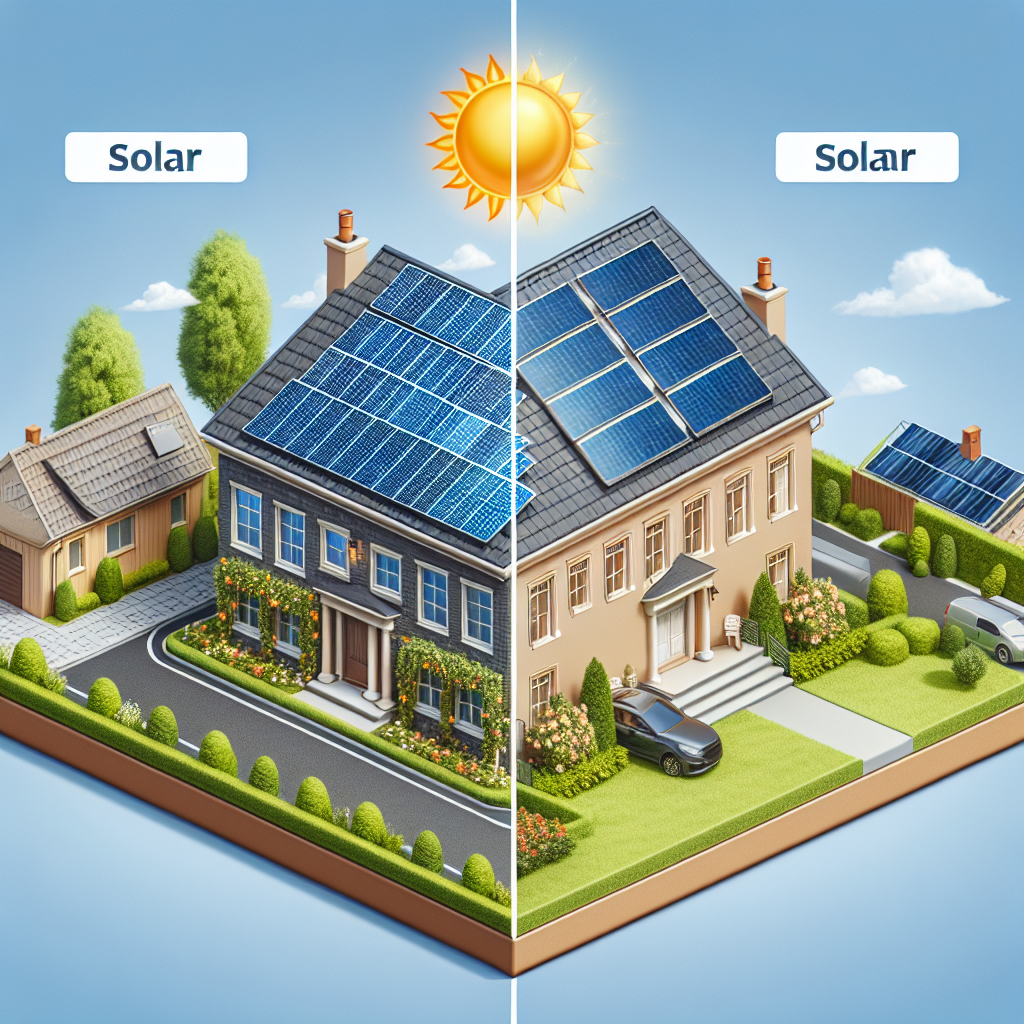
    When I first considered going solar, the upfront costs seemed pretty steep. You know, panels, inverters, installation—it’s not exactly pocket change. But here’s the kicker: once you get through that initial investment, your electricity bills can drop significantly. In my case, I saw immediate savings within the first few months.

    Most people don’t realize that those big upfront costs can actually pay off in the long run. Think of solar panels as an investment. Sure, you might spend a few thousand dollars upfront, but the savings on your electric bill and the potential for increases in your home’s value make it worthwhile. It’s like planting a money tree in your backyard!

    Also, don’t forget about government incentives and rebates. They can reduce your initial costs considerably, and depending on where you live, you might find some great offers that make solar even more attractive. So, make sure to research what’s available in your area!

    The Reliability of Traditional Power Sources

    Stability and Consistency

    When I was weighing my energy options, traditional power sources, like coal or natural gas, seemed dependable. You flip a switch, and boom—your lights come on. No hassles. There’s something comforting about that consistency, right? For many of us, it feels relatively risk-free.

    However, that reliability often comes at a cost over time. Electricity rates can rise unpredictably based on market fluctuations, and let me tell you, those bills can sting! I used to dread the monthly statement with that annoying little chart showing my energy usage going up.

    If things get rough in the market, traditional power sources can lead to increased costs for homeowners. It’s important to know that your “reliable” energy source may not stay that way forever. So consider how the stability of traditional power stacks up against the potential savings with solar.

    Environmental Impact and Costs

    Going Green is the New Trend

    One of the big reasons I shifted towards solar was the environmental aspect. Traditional power sources are infamous for their carbon footprint. Just think about it—fossil fuels contribute to climate change, and I didn’t want to be part of that problem. Going solar felt like a step in the right direction, you know?

    Now, you might be thinking, “But what about the cost?” Well, here’s another twist: solar energy is renewable. That means I don’t have to worry about running out of sunlight anytime soon! Unlike traditional sources, which can dry up or become more expensive due to scarcity, the sun is pretty much limitless.

    Moreover, adopting solar can strengthen my local economy, creating green jobs in my community. Investing in renewable energy sources helps encourage a sustainable future. So, it’s not just about the money saved—it’s about making a difference in the world around us!

    Maintenance and Long-Term Costs

    What to Expect with Solar Panels

    One thing that amazed me about solar panels is how little maintenance they actually require. Once they’re installed, it’s pretty much a set-it-and-forget-it situation. Occasional cleaning and a check-up every so often is all you really need. This is great because I’m not handy myself; I prefer to leave it to the pros.

    In contrast, traditional power sources usually come with additional maintenance costs. Think about the utilities that come to fix outages, manage infrastructure, and even the upkeep of the plants producing power. It adds up over time and can be a hidden cost that sneaks up on you.

    So, if you’re looking for a low-maintenance option, solar has got you covered. It allows me to budget my costs better without the surprise repair bills that come with traditional energy sources!

    Conclusion: Making the Right Choice for You

    Assessing Your Needs and Future Plans

    In the end, deciding between solar or traditional power comes down to personal preference and circumstances. I took a good look at my financial situation, what I really wanted from my energy source, and how I planned to live in the future. If you’re in it for the long haul, solar might just be the way to go!

    Though traditional power offers stability, the rising costs can be a troubling reality. With solar, you’re not just investing in energy; you’re investing in your home and your planet. Plus, it feels awesome when I consider how much I’ve saved and how I’m contributing to a cleaner environment!

    Whatever you decide, just be sure to weigh all your options, do your homework, and choose what feels right for you. Whether it’s solar or traditional power, your decision should align with your budget and values.

    FAQ

    1. How much can I really save with solar energy?

    It varies by location, electricity rates, and the size of the solar installation, but many homeowners see significant savings, often amounting to thousands of dollars over the system’s lifespan.

    2. What are the downsides of solar energy?

    Some potential downsides include high initial costs, dependence on sunlight (which can vary), and the need for space for installation. However, these are often outweighed by long-term savings.

    3. Are there financing options for solar panels?

    Yes! Many companies offer financing options, leases, or power purchase agreements that can make solar more accessible. Research local incentives too!

    4. What maintenance do solar panels require?

    Solar panels are low-maintenance. Regular cleaning and occasional professional check-ups are usually enough to keep them running efficiently.

    5. Can I still use traditional power if I install solar panels?

    Absolutely! Many solar systems are grid-tied, which means you can still draw power from the traditional grid when necessary, providing you with a backup option.
  • Solar vs Gas Generators: Which Really Saves More Money?

    Solar vs Gas Generators: Which Really Saves More Money?

    Initial Investment Costs

    Understanding Upfront Costs

    So, first things first, when we dive into the world of generators, one of the biggest factors we need to consider is the upfront investment. Solar generators often come with a hefty price tag. We’re talking about the panels, the inverter, and of course, the storage system. My own experience has shown me that an average solar setup can run anywhere from $5,000 to $30,000, depending on how extensive your needs are. You gotta weigh that against a gas generator, which could set you back anywhere from a few hundred bucks to a couple thousand.

    But don’t let the initial sticker shock deter you. Solar energy is an investment that can pay for itself over time, especially if you live in a sunny area that benefits from electricity savings. Gas generators, while cheaper upfront, typically require more frequent replacements, maintenance checks, and fuel purchases. That’s where the hidden costs start to pile up!

    In my experience, taking a good look at your budget can really help you assess what works best for you in the long run. Do you have a lump sum ready for the solar setup, or would it be easier to manage smaller gas generator costs? It’s all about strategy!

    Operating Costs

    Fuel Expenses

    Let’s talk about operating costs for a moment. This is where I’ve really seen both sides of the coin with solar and gas generators. Gas generators need, well, gas! And prices at the pump can be all over the place. You might find yourself suddenly dishing out more money than you planned just to keep that thing running. It’s a running expense that just doesn’t quit.

    On the flip side, once you’ve installed your solar panels, your fuel is essentially free. The sun shines every day, and if you’re set up well with a good battery system, you’re not tied down to the world of fluctuating gas prices. I once went a whole summer without paying a dime on electricity bills, and it was amazing!

    Plus, let’s not forget maintenance costs. Gas generators require regular oil changes, filter replacements, and more. You may even find yourself calling in a technician from time to time for repairs. With solar, other than cleaning your panels occasionally, you’re pretty much set!

    Efficiency and Performance

    Assessing Energy Output

    Next, we’ve got efficiency and performance. Many people think, “Hey, a gas generator cranks out a ton of power!” And yes, they do deliver a substantial punch, especially for heavy-duty needs. However, think about this: solar panels convert sunlight to electricity more efficiently than ever before.

    On a sunny day, my solar setup has pumped out more energy than I could use, allowing me to send some back to the grid or store it for later. Gas generators can struggle with peak demand, leading to potential performance issues that could leave you in the lurch during crucial moments.

    Have you ever been in a situation where you need that power right away? Knowing my system is reliable and efficient is a game changer. I honestly feel a sort of peace of mind when I’m running on solar, versus the nervousness that sometimes hits when running a gas generator could fail me during those critical moments.

    Environmental Impact

    Going Green

    Now, let’s get real about the environment. Solar energy is clean, renewable, and contributes to reducing your carbon footprint. In my own case, I’ve seen the difference it can make to go solar—not just in my bills, but in how I feel about my impact on the planet.

    Gas generators, on the other hand, while useful, burn fossil fuels and emit greenhouse gases that contribute to climate change. Trust me, every time I fill up my gas can, I feel a little twinge of guilt. It’s a reminder that even though it’s convenient, there’s a long-term cost to our planet.

    There’s something gratifying about harnessing energy from the sun. I can throw parties without feeling bad about our environmental choices. Knowing that I’m part of a solution is very rewarding and adds to my overall happiness.

    Incentives and Financial Benefits

    Tax Credits and Rebates

    Let’s talk money again but in a different way—tax credits and rebates! When you decide to invest in solar, there are often incentives available that can seriously cut down your costs. For example, in many places, you can receive a tax credit on your solar investment, which could be 26% or more! That’s a big deal!

    Gas generators don’t come with the same perks. Sure, they might be cheaper upfront, but you don’t see tax deductions for maintaining fossil fuel systems. You might even end up paying more over time with added fuel and maintenance costs.

    It’s worth doing a little research into your local incentives because they can make a significant difference in the financial decision-making process for solar energy. When I found out about the rebates in my area, switching to solar felt even more like the logical choice.

    Frequently Asked Questions

    1. Which generator option is cheaper in the long run?

    Generally, solar generators can be cheaper in the long run because they don’t have ongoing fuel costs like gas generators do. The upfront cost may be higher, but the savings on electricity and minimal maintenance can tip the scales in your favor.

    2. How do I determine my energy needs?

    Assess your power consumption by reviewing your previous utility bills, or use a device to measure the energy usage of your appliances. Knowing how much energy you need will help you choose the right generator.

    3. Is solar energy reliable?

    Yes! Solar energy is reliable, especially if you have a good storage system in place. While weather affects solar output, advancements in technology have made systems more efficient and dependable.

    4. What are the maintenance requirements for solar vs. gas generators?

    Solar panels require minimal maintenance, typically just cleaning them occasionally. Gas generators need regular oil changes, filter replacements, and may require more frequent repairs.

    5. Can you really save money with solar panels?

    Absolutely! Many homeowners see substantial savings on their electricity bills after going solar, and you can capitalize on tax incentives that make going solar even more affordable.

  • Solar Panel Types Compared: Which Should You Buy?

    Solar Panel Types Compared: Which Should You Buy?

    Monocrystalline Solar Panels

    What Are They?

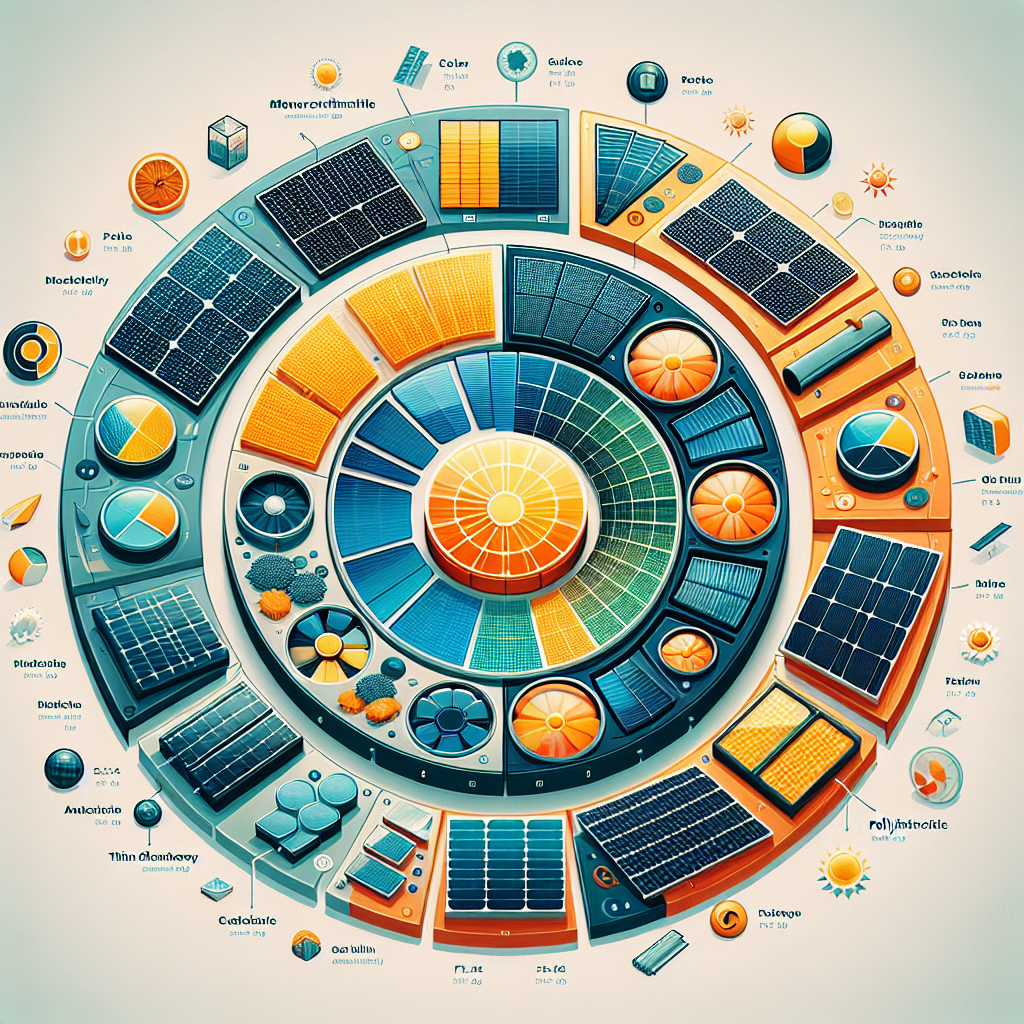
    Monocrystalline solar panels are like the crème de la crème of solar technology. They’re made from a single crystal structure, which sounds fancy, right? Basically, this means they’re super efficient—often boasting efficiencies of over 20%. I remember the first time I saw them; they were sleek, black, and just looked right at home on a roof.

    These panels are made from silicon that’s been melted down and formed into bars, which are then sliced to create the wafers for the panels. What’s cool about them is that the purity of the silicon boosts their performance. If you really want to maximize your energy output in a limited space, these babies are worth considering.

    However, I’ve gotta mention that they tend to come with a higher price tag. So if you’re on a tight budget, you might want to weigh your options carefully before jumping in.

    Advantages of Monocrystalline

    One of the biggest perks of monocrystalline panels is their longevity. I’ve seen some of these panels come with warranties of up to 25 years! They’re built to stand the test of time. Plus, their efficiency means you get more power per square foot. If you live in an area with limited roof space, you’ll appreciate this greatly.

    Another awesome feature is that they perform better in warmer conditions compared to other types. So if you live in a sweltering area, you won’t be losing out on energy like you might with other panels. I know a few homeowners who’ve praised how well their monocrystalline panels have held up during hot summers.

    Lastly, aesthetically speaking, they look pretty sleek. If you care about curb appeal, these panels have a nice, uniform look that many find appealing. Trust me, they’re bound to impress your neighbors!

    Disadvantages of Monocrystalline

    Now, let’s keep it real—these panels aren’t without their faults. As I mentioned, they tend to be pricier. If you’re working on a strict budget, this could be a downside you have to consider. Sometimes, it’s all about finding that balance between cost and efficiency.

    Another thing to keep in mind is that they can be less resilient to shading. If your rooftop is shaded by trees or buildings, you might want to consider a type that doesn’t mind the shade. A good friend of mine learned that the hard way—his gorgeous monocrystalline panels didn’t perform nearly as well as he anticipated.

    Finally, manufacturing these panels has a higher energy input compared to others. So, if you’re keen on making an environmentally friendly choice, this factor might make you reconsider. As I’ve learned, sometimes a smart investment doesn’t just mean money—it also means being mindful of your carbon footprint.

    Polycrystalline Solar Panels

    What Are They?

    Next up, we have polycrystalline solar panels. These guys are often seen as the more affordable cousin of monocrystalline panels. Made from multiple silicon crystals, they appear speckled and have a blue hue. The first time I installed these, I thought it was cool how they looked in the sunlight!

    These panels are produced by melting raw silicon and pouring it into a mold, which then cools. This process is a bit more straightforward than making monocrystalline panels, which helps keep costs down. If you see a deal on solar panels, there’s a good chance these are what you’re looking at.

    While they might lag behind in efficiency—often around 15-20%—they can still get the job done, especially for those of us just starting with solar energy. If you’re worried about a hefty bill, polycrystalline panels might give you that sweet spot between cost and performance.

    Advantages of Polycrystalline

    One of the main draws of polycrystalline panels is their price point. If you’re not looking to break the bank, these panels can be a fantastic entry into solar energy. I’ve chatted with many homeowners who were able to afford a full setup without needing to get a second mortgage!

    They’re also relatively easy to produce, which can contribute to a lower environmental impact during manufacturing. Less energy-intensive production can definitely be a plus for eco-conscious consumers like myself.

    Lastly, these panels perform decently in high temperatures, though perhaps not as well as monocrystalline ones. If you live in a temperate area, you’ll likely find that they work just fine in your home setup without any major issues.

    Disadvantages of Polycrystalline

    However, they do have their downsides. First off, their efficiency isn’t as high as monocrystalline panels. So, if you’ve got limited space, you might need to install more panels to get the same energy output. This factor is something I had to consider when planning my own setup.

    They also tend to have a shorter lifespan—usually around 25 years. This isn’t a deal-breaker, but it’s worth noting if you’re looking for something that lasts a bit longer. I did notice a few friends opting for monocrystalline panels because they wanted that peace of mind.

    Finally, aesthetics can be a concern. They typically have more of a patchy look compared to the sleek monocrystalline panels. If the visual appeal matters to you, it might be something to think about when making your choice.

    Thin-Film Solar Panels

    What Are They?

    Thin-film solar panels are often the underdog in the solar world. I’ve found them to be quite interesting as they’re made by layering thin sheets of photovoltaic material, making them incredibly lightweight and versatile. This can be a game changer, especially for certain installations.

    These panels come in three main types: amorphous silicon, cadmium telluride, and copper indium gallium selenide. The versatility of materials used is pretty fascinating. For instance, because they can be applied to flexible materials, I’ve seen them used in unconventional ways, like on building facades or even vehicles!

    While they’re not as efficient as the crystalline options, they thrive best in low-light conditions. If you find yourself in an area with frequent cloudy days, thin-film might just suit your needs perfectly. I’ve had friends swear by these for their unique applications.

    Advantages of Thin-Film

    One of the biggest advantages? Flexibility! Literally! Thin-film panels can be installed on a variety of surfaces. If you need something that can adapt to a specific shape or curve, these panels can do the trick—and they still perform!

    They also tend to be cheaper to produce and install. If you’re working with a tighter budget or looking for a unique installation, this can be a big selling point. I’ve seen folks take a chance on thin-film panels because they simply wanted something different.

    Lastly, they perform better in heat and shady conditions than their crystalline counterparts. If your area has lots of trees or you’re dealing with other shading issues, these panels might give you better performance overall. Trust me; you won’t miss out on energy just because it’s a bit cloudy.

    Disadvantages of Thin-Film

    On the flip side, it’s important to chat about the downsides. One significant issue I came across is lower efficiency ratings—usually around 10-15%. This means you’ll need a lot more roof space to produce the same amount of power as the other panels. For those folks with smaller roofs, this can pose a challenge.

    Additionally, their lifespan is shorter, typically around 10-20 years. You might need to think about replacing them sooner than the crystalline options. I’ve had friends who were surprised by this fact, so it’s worth mentioning upfront.

    Also, they’re more sensitive to high temperatures and can degrade faster under extreme conditions. If you live in a hot climate, this sensitivity could affect performance. It’s something I carefully considered when weighing my own options.

    Conclusion

    When it comes to choosing the right solar panel, it all boils down to your specific needs and circumstances. If you’ve got the budget and want maximum efficiency, monocrystalline panels are a solid choice. If you’re looking for a more affordable option, polycrystalline might be what you need.

    And hey, if you want something unique or plan to deal with shading, thin-film panels could be your best bet. I think the key takeaway here is to assess your situation and be honest about your priorities, whether it’s cost, efficiency, or aesthetics.

    Ultimately, we all want to harness the power of the sun, and each type of panel can get you there. So, explore your options, do your homework, and find what works best for you!

    FAQ

    1. What is the difference between monocrystalline and polycrystalline solar panels?

    Monocrystalline panels are made from a single silicon crystal and are typically more efficient but also pricier. Polycrystalline panels are made from multiple silicon crystals, which makes them more affordable but slightly less efficient.

    2. How do thin-film solar panels compare in efficiency?

    Thin-film solar panels tend to have lower efficiency levels, usually around 10-15%. They do, however, perform better in low-light conditions and heat, making them suitable for certain locations.

    3. What are the lifespan expectations for each solar panel type?

    Monocrystalline and polycrystalline panels generally last about 25 years, while thin-film panels have a shorter lifespan of about 10-20 years.

    4. Are solar panels worth the investment?

    Absolutely! Solar panels can significantly reduce your energy bills and contribute to a more sustainable lifestyle. Many places even offer incentives to make the investment more attractive.

    5. Can I mix different types of solar panels on one installation?

    While it’s possible to mix different types of solar panels, it’s usually not recommended due to differences in efficiency and output. It’s best to use the same type for optimal performance.

  • Solar Roof vs Solar Panels: Which is Better?

    Solar Roof vs Solar Panels: Which is Better?

    Cost and Investment

    Understanding the Initial Costs

    Okay, let’s get real about money. When you think about solar options, the first thing that pops into mind is usually the cost. Solar Roofs, like the ones Tesla offers, are super sleek but can set you back a pretty penny. If you want that aesthetic appeal combined with functionality, you might be looking at a hefty price tag. On the flip side, traditional solar panels are often cheaper upfront. While they require a roof to install them on, the installation costs tend to be less steep than fully replacing your roof with solar shingles.

    But don’t just think about the sticker price. Think long-term. Solar panels might have lower initial costs, but consider the durability and lifespan of each option too. Solar roofs are made to last. Over time, the investment can balance out, especially with warranties that guarantee performance for decades. It’s kind of like choosing between a college degree and a trade. Both are valid choices and can pay off, but the paths to get there are different.

    When evaluating these options, don’t forget about incentives. Tax credits and rebates can dramatically change the equation. In my experience, reaching out to local utilities or government programs has been a game-changer. You’d be surprised how much you can save with a little research.

    Energy Efficiency and Output

    Comparing Energy Production

    Let’s dive into the nitty-gritty of how much energy these options generate. Traditional solar panels generally boast higher energy efficiency compared to solar roofs. Depending on your location, you might get better output on a sunny day with conventional panels. They’ve been around longer and the technology is well-established, resulting in better performance metrics in many cases.

    But that doesn’t mean Solar Roofs are slouches when it comes to energy. They’ve improved significantly over the years and can generate enough power for most average households. What I find interesting is that they are designed to blend in seamlessly with your home while capturing sunlight. Talk about multi-tasking! It’s like wearing funky sunglasses but still being able to see brilliantly.

    Ultimately, the best choice will come down to your specific limitations and goals. Do you have a large roof space? Traditional panels might deliver better yields. If you live in a neighborhood governed by strict homeowners associations, a solar roof might help you sidestep some of those aesthetic battles.

    Installation and Maintenance

    Understanding the Installation Process

    Let’s talk install—both options have their own quirks. Traditional solar panels usually get slapped on top of your existing roof, and installation is relatively quick and straightforward. I’ve seen installations happen in just a day or two! But here’s the deal: if your roof’s nearing its end-of-life stage, you might want to replace it first, which adds time and expense.

    In contrast, installing a Solar Roof is more involved. The crew needs to remove your old roof and put in the solar shingles, which means you’re probably looking at a few more days of labor. If you’re like me and don’t like disruption in your home, this longer timeline can feel like a pain.

    Maintenance-wise, both options generally require minimal upkeep, but you might want to keep an eye on debris and clean the panels or shingles periodically. In my own home, I’ve found that a little TLC goes a long way. A clean surface means more sun exposure and better energy production, so it’s worth the effort.

    Aesthetics and Property Value

    How Do They Look?

    A biggie! Curb appeal matters, and I’m a fan of keeping my home looking fresh. Solar panels tend to be that noticeable add-on on your roof that can either look charming or outright clunky depending on design. If you’re into that classic rooftop look but still want to harness solar energy, I’d say make sure you choose panels that are sleek and blend in. Some companies are designing lower-profile panels, and that’s great news!

    Now, let’s talk Solar Roofs. These babies are designed to replace your entire roof while generating renewable energy at the same time. For many folks, they provide a ‘wow’ factor I find hard to resist. I mean, who wouldn’t want their roof to look stylish and modern? They give off that refined vibe—almost like the new black of rooftops.

    But remember, style aside, the value they might bring to your home varies. Homebuyers are increasingly interested in energy efficiency, so either option could boost your home’s value, depending on your market. It’s always a good idea to keep an eye on real estate trends and homeowners’ preferences in your area.

    Environmental Impact

    Eco-Friendliness of Each Option

    When it comes to Mother Earth, I think we’d all agree that every little bit counts. Both solar roofs and panels help reduce reliance on fossil fuels. Solar roofs may have a slight advantage here, given that they replace traditional roofing materials, which means you’re not just adding something on top of your home—you’ve got a renewable energy plant in disguise!

    Traditional solar panels have been around longer, which means the recycling options are better established, but they’re also modules that will need to be disposed of at some point. In my experience, it’s a good idea to check how the company handles end-of-life components. Transparency in recycling commitments is essential to consider.

    Ultimately, both choices are a step in the right direction if you’re looking to reduce your carbon footprint. It’s refreshing to see so many more homeowners making the switch. Every little action helps in our fight against climate change, and remember, it’s about progress, not perfection. We’re all in it together!

    FAQs

    FAQ 1: Which option is more cost-effective?

    Generally, traditional solar panels tend to have a lower upfront cost, but Solar Roofs can offer long-term savings depending on durability and warranties.

    FAQ 2: How do I know which system is best for my home?

    It depends on several factors including your budget, aesthetic preferences, roof condition, and energy needs. Consulting with a solar expert can help guide your decision.

    FAQ 3: Do both options require the same amount of maintenance?

    Both systems usually require low maintenance, though some attention to cleaning and inspections can help improve efficiency over time.

    FAQ 4: Will either system increase my property value?

    Yes, both systems can potentially increase property value, but the extent often depends on your local real estate market’s preferences.

    FAQ 5: Are there any incentives for installing solar energy systems?

    Yes! Many areas offer tax credits, rebates, and other financial incentives for solar energy installations, but it’s crucial to check local programs to take full advantage.