Tag: wind power

  • Renewable Energy Explained: What You Need to Know about Wind, Water and Sunlight

    Renewable Energy Explained: What You Need to Know about Wind, Water and Sunlight

    Solar power is one of the most popular forms of renewable energy. It involves harnessing the sun’s energy through solar panels or photovoltaic cells that convert light into electricity. Solar power has become increasingly popular in recent years due to its numerous benefits for both homeowners and the environment. In this article, we will explore everything you need to know about renewable energy sources with a focus on wind, water, and sunlight.

    wind energy MyoAFVqd scaled

    Introduction to Renewable Energy: What You Need to Know

    Renewable energy refers to any form of energy that comes from natural resources such as wind, water, and sunlight. Unlike fossil fuels which are finite and contribute significantly to climate change, renewable energy sources are sustainable and do not harm the environment. Some other types of renewable energy include geothermal energy, hydroelectric power, and biomass energy. The use of renewable energy has been steadily growing over the past decade, driven by concerns about climate change and the desire to reduce dependence on non-renewable energy sources.

    The Benefits of Solar Power for the Environment

    One of the main advantages of using solar power is its environmental friendliness. Solar power generates no greenhouse gas emissions, making it an excellent alternative to traditional fossil fuel-based electricity generation. Additionally, solar power does not produce air pollution or require large amounts of water like some conventional power plants. By switching to solar power, individuals can help reduce their carbon footprint and support efforts towards combating climate change.

    Is Solar Power Really Expensive?

    While there may have been some initial high costs associated with installing solar panels, advancements in technology have made them more affordable than ever before. With government tax credits and rebates available in many areas, the cost of installation can be greatly reduced. Furthermore, once installed, solar panels require little maintenance and can last up to 25 years, providing long-term savings on utility bills.

    How Can I Install My Own Solar Panels?

    Installing your own solar panels may seem daunting at first, but it is possible with proper planning and research. First, determine if your location receives enough sunlight throughout the year to make solar power feasible. Then, assess the amount of electricity you consume and calculate how much solar capacity you would need to meet those needs. Once you have determined these factors, research different types of solar panels and select ones that fit your budget and specifications. Finally, hire a professional installer who can guide you through the process and ensure that all safety measures are taken.

    Conclusion: Why Choose Renewable Energy Sources

    In conclusion, choosing renewable energy sources such as solar power is essential for reducing our impact on the environment while also saving money on utilities in the long run. While there may still be challenges facing widespread adoption of renewable energy, continued investment and innovation in this sector will undoubtedly lead to greater progress towards a cleaner and greener future.

  • Renewable Energy 101: Understanding Solar, Wind, and Hydroelectric Power

    Renewable Energy 101: Understanding Solar, Wind, and Hydroelectric Power

    Sustainability is the buzzword of our time. People are becoming more conscious about their carbon footprint and looking for ways to reduce it. One way to do this is by using renewable energy sources such as solar power, wind power, and hydroelectric power. In this article, we will explore these three types of renewable energy in detail.

    Introduction to Renewable Energy

    Renewable energy refers to any type of energy that comes from a source that can be replenished naturally over time. This includes solar power, wind power, hydropower, geothermal energy, and biomass energy. Unlike fossil fuels like coal or oil, which take millions of years to form and cannot be replaced once they have been used up, renewable energy sources can be continually replenished without running out.

    Understanding Solar Power

    Solar power is one of the most popular forms of renewable energy. It involves harnessing the energy emitted by the sun through photovoltaic cells on solar panels. These panels convert the light into electricity that can be used to power homes, businesses, and even entire cities. The benefits of solar power include:

    Lower Electric Bills: Once you install solar panels, your reliance on traditional utility companies decreases, resulting in lower monthly bills.

    Reduced Carbon Footprint: By generating clean energy, you contribute less to greenhouse gas emissions and air pollution.

    Long-Term Savings: Although there may be an initial investment required for installation, solar panels typically last between 25-30 years with little maintenance needed.

    Is Solar Power Really Helpful for the Environment?

    One common misconception about solar power is that it requires too much water to produce enough energy. However, unlike other forms of energy production such as coal or natural gas, solar power does not require any water at all. Additionally, solar panels don’t emit any greenhouse gases or air pollutants during operation, making them a truly clean energy source.

    How Expensive is Solar Power?

    While installing solar panels may initially seem expensive, the cost has significantly decreased over the past decade due to advancements in technology and increased demand. Depending on where you live, you may also qualify for tax credits or rebates that can further offset the costs. Overall, while there may be some upfront expenses involved, going solar can save you money in the long run.

    What is the Best Solar Power Generator?

    There are many different types of solar generators available on the market today, ranging from small portable units to large stationary systems. Some factors to consider when choosing a generator include your budget, energy needs, and intended use. A qualified professional can help guide you towards the best option based on your specific requirements.

    Can I Install My Own Solar Panels?

    Installing solar panels yourself can be challenging but possible if you have the right skills and tools. However, it’s recommended to hire a licensed contractor who specializes in solar panel installation to ensure proper setup and maximize efficiency. They can also provide guidance on local permitting requirements and safety standards.

    Understanding Wind and Hydroelectric Power

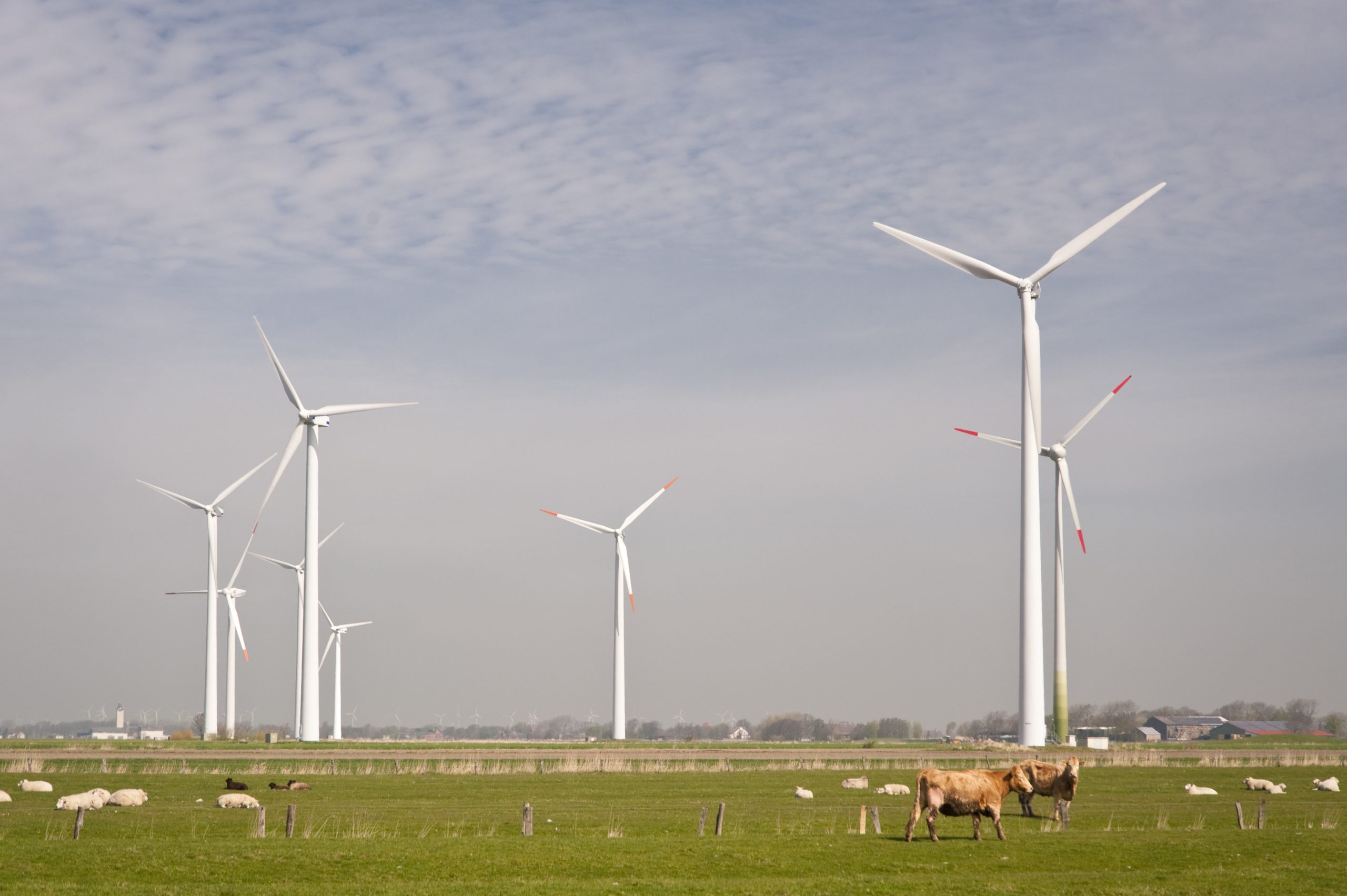
    Wind power involves capturing the kinetic energy generated by moving air currents through turbines. This energy is then converted into electricity that can be used to power homes and businesses. Benefits of wind power include:

    Cost Effective: Wind power is now cheaper than nuclear and coal power generation in many parts of the world.

    Reliable Source of Energy: Wind is a consistent resource that doesn’t fluctuate like solar or hydroelectric power.

    Hydroelectric power uses the force of falling water to turn turbines and generate electricity. While this form of energy production is highly efficient, it can also cause environmental concerns such as altered river flows and impacts on aquatic ecosystems. Advantages of hydroelectric power include:

    High Efficiency: Hydropower plants can convert up to 90% of the energy produced into usable electricity.

    Low Operating Costs: Once built, hydroelectric facilities require minimal operating costs compared to other forms of energy production.

    Conclusion

    In conclusion, renewable energy sources such as solar, wind, and hydroelectric power offer numerous advantages over traditional fossil fuel-based energy production. From reducing carbon emissions to lowering electric bills, transitioning to sustainable energy sources is crucial for both the environment and our wallets. Whether you choose to go solar, wind, or hydroelectric, exploring alternative energy options is a step towards a greener future.

    mg i5a9855 scaled