Tag: with solar

  • How to Upgrade Your Home with Solar Energy Storage

    How to Upgrade Your Home with Solar Energy Storage

    Understanding Solar Energy Storage Systems

    What is Solar Energy Storage?

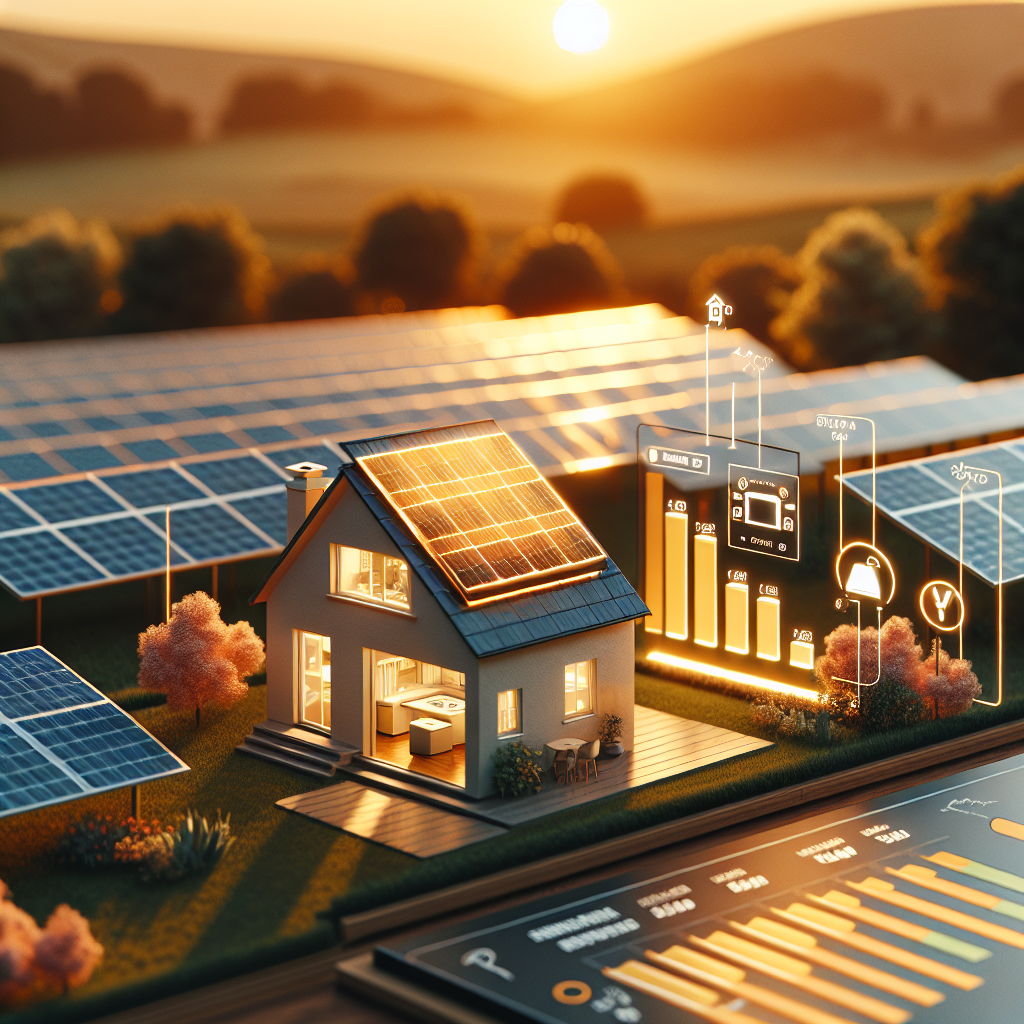
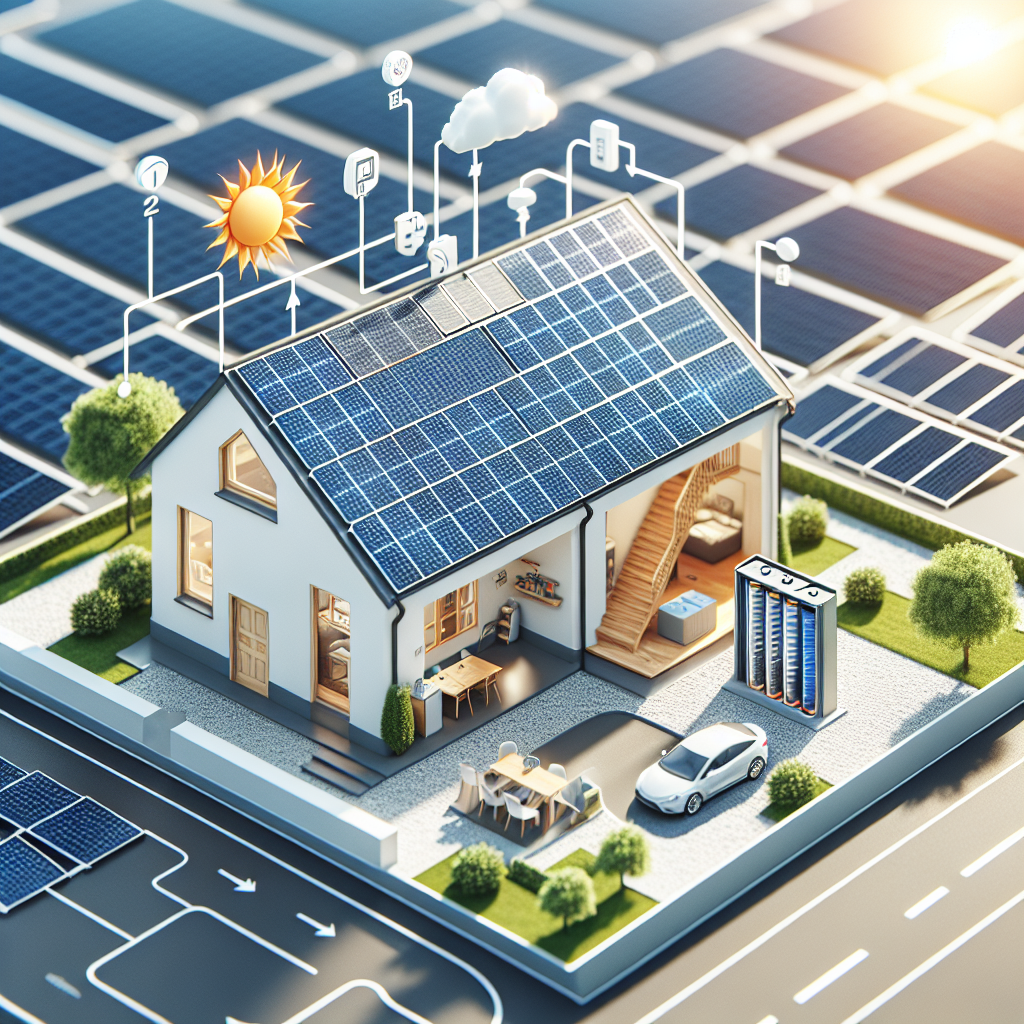
    So, you’re thinking about hopping on the solar energy bandwagon? Great choice! Solar energy storage systems are essentially batteries that store energy generated by your solar panels. This stored energy can be used when the sun isn’t shining. They come in various forms, like lithium-ion batteries and lead-acid systems. Personally, I’ve found lithium-ion batteries to really pack a punch when it comes to efficiency.

    What these storage systems do is pretty nifty: they ensure you have a consistent power supply, day or night. Remember that feeling of relief when you grab your phone just before heading to bed, and it’s at a solid 80%? That’s how your home should feel with a reliable storage system! You can kick those energy bills to the curb and put the power back in your hands. Talk about a glow-up for your home!

    Another fantastic aspect is that they can power crucial devices during outages. Imagine a storm hits, and everyone’s scrambling for candles. But with your solar storage system, you’ve got lights shining and Netflix buffering. Now that’s a total win-win!

    Choosing the Right Solar Storage System for Your Home

    Assessing Your Energy Needs

    The first step here is all about knowing your own energy habits. Ask yourself, what appliances do I use the most? How much energy do they gobble? Once you nail this down, you can figure out how much storage capacity you really need. I remember mapping out my energy usage, like a mini science project! It was super informative and helped me make an informed decision.

    There’s a handy formula I picked up along the way: if you want to power your refrigerator, consider that it uses about 100-800 watts. If it runs for about 24 hours, you’d be looking at needing some pretty significant storage capacity. So, figure out your go-to systems, and count all the wattage they need. This is where the real planning begins!

    Doing this upfront saves you some serious cash in the long run. A common pitfall is overcommitting to a system that’s way bigger than your needs, or underwhelming oneself with too little storage. Trust me, understanding your usage is like finding your sweet spot in the energy world.

    Installation Process for Solar Energy Storage

    Hiring Professionals vs. DIY

    When it comes to installing solar energy storage systems, the decision between a pro installation or going the DIY route can be a total game-changer. Sure, saving some bucks is tempting, but sometimes it’s just worth it to have someone who knows their stuff do the install. I had friends insist on DIY, and let’s just say, it ended up taking way longer than anticipated.

    Picking a qualified installer is crucial. Look for certifications, reviews, and experience to ensure you’re getting the right help. When I finally chose a professional team, they walked me through the entire process and even made awesome suggestions tailored to my needs. The ease and peace of mind were totally worth it.

    But if you’re a true hands-on person, then go for it! Just make sure to do your homework. There are resources and forums where others share their DIY journeys—it’s like having a whole team behind you. You might discover tips and tricks that can save you time and hassle!

    Maximizing the Benefits of Solar Energy Storage

    Monitoring Your Energy Consumption

    After getting your system up and running, the next step is maximizing that return on investment. Keeping tabs on your energy usage is key! Many solar systems come with monitoring apps or dashboards that show how much energy you’re generating and consuming. I love checking mine; it’s like a mini video game where I track my progress and hit those energy-saving goals.

    With monitoring, I also noticed patterns in my usage. Turns out, I was using a ton of energy during peak hours. Shifting those tasks to times when energy is cheaper—thanks to my stored solar power—helps slice those bills down significantly. It’s all about being a smart player in the energy game!

    Don’t forget about maintenance! Regular checkups can keep your system in shape and running efficiently. It’s like taking your car for regular oil changes. A little attention goes a long way in prolonging the life of your system.

    Understanding the Financial Implications

    Initial Costs vs. Long-Term Savings

    Now, let’s talk dollars and cents! The upfront cost of solar storage systems can seem steep, but let me tell you, the long-term savings are where it’s at! You’ve got to consider the energy prices over the next decade. If you can lock in cheaper energy now, you’re saving more in the future. I did a little math (with some help; math is not my strong suit!) and realized my investment would be paid off in a couple of years. Major win!

    Don’t forget to explore any local incentives or rebates available in your area. These can dramatically shave off the initial costs, making the switch more attractive. I found that mine offered quite a few rebates, which was an unexpected bonus when finalizing my budget.

    In the end, understanding the financial implications means looking at both the short and long term. It’s all about making a shift that not only benefits the green side of things, but also your pocketbook. And let’s be honest, who doesn’t love hearing that little notification that you’ve saved some cash?

    FAQs About Upgrading Your Home with Solar Energy Storage

    1. How does solar energy storage work?

    Solar energy storage systems generally work by capturing energy produced during the day when the sun is shining and storing it in batteries for later use. This allows you to use solar energy even when the sun sets or when there are power outages.

    2. Is it worth it to install solar energy storage?

    Absolutely! While there’s an upfront investment, the potential for long-term savings on energy bills, combined with energy independence and decreased reliance on the grid, makes it a worthwhile upgrade for many homeowners.

    3. What types of batteries are used for solar energy storage?

    The most common types include lithium-ion batteries, which are known for their efficiency and longevity, and lead-acid batteries, which tend to be more affordable but have shorter lifespans.

    4. How do I find a reliable installer for my solar storage system?

    Look for installers with good reviews, appropriate certifications, and experience in the field. Don’t hesitate to ask for references and check their previous work.

    5. Can I install solar energy storage myself?

    Yes, if you have the technical know-how, you can opt for a DIY installation. Make sure to research thoroughly and follow all safety guidelines. However, hiring a professional can give you peace of mind and ensure everything is done correctly.
  • How to Create an Energy-Efficient Home with Solar Power

    1. Understanding Solar Power Basics

    What is Solar Power?

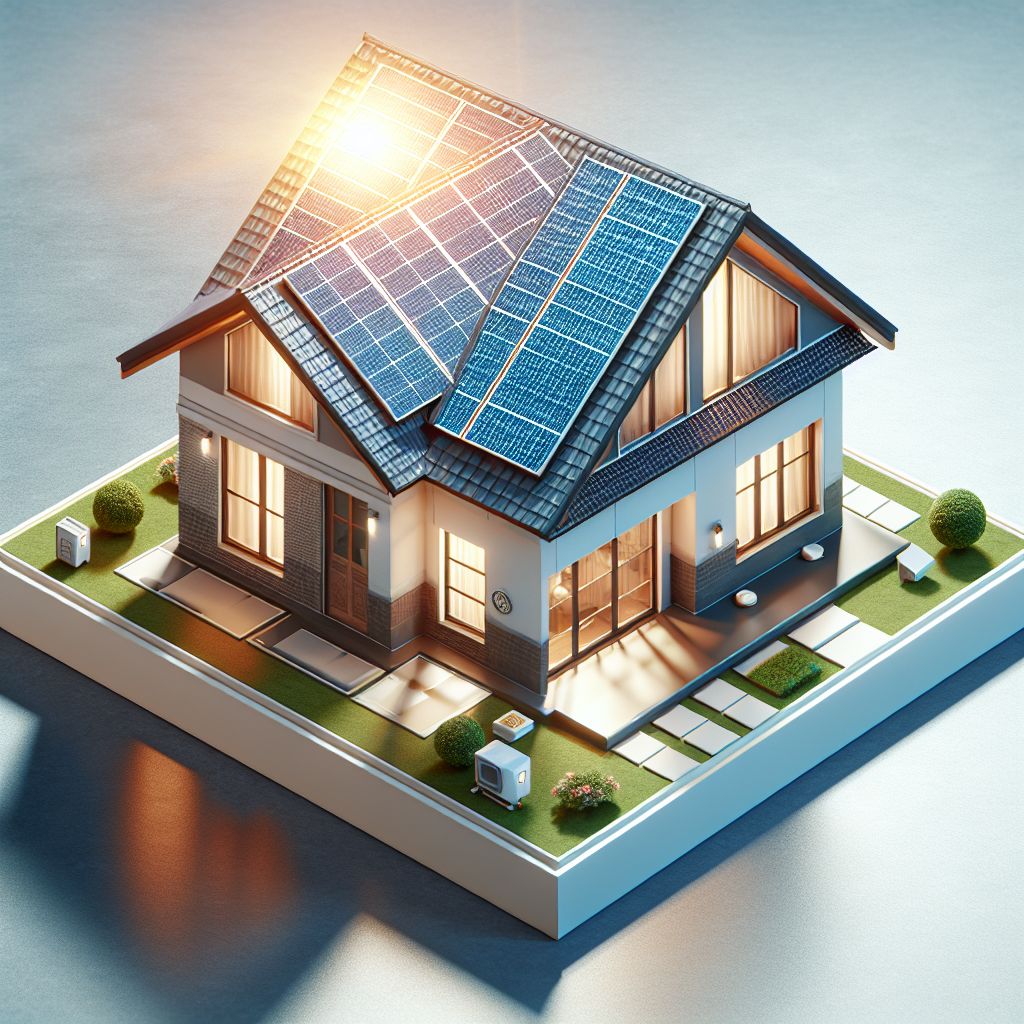
    Alright, let’s kick things off by understanding what solar power really is. In simple terms, it’s energy generated from sunlight. It’s amazing how this free resource can be so powerful! Solar panels, which are basically large photovoltaic cells, convert sunlight into electricity. This energy can then be used to power your home, run appliances, or even charge your electric car. How cool is that?

    The beauty of solar power is that it’s renewable, meaning it won’t run out anytime soon—definitely a big plus in today’s fast-paced world. And honestly, who doesn’t want to harness the sun’s rays to keep their home running? Plus, the technology has advanced so much that it’s now more efficient and accessible than ever!

    On top of that, using solar power means you’re reducing your carbon footprint. You’re not just saving money on your bills, but you’re also doing something great for our planet. Win-win, am I right?

    How Does Solar Power Work?

    So, you might be wondering, “How does all this magic happen?” Here’s the scoop: solar panels are made up of photovoltaic cells that absorb sunlight. When these cells absorb sunlight, they create an electric current that can be captured and used. It’s almost like turning sunshine into electricity—who knew the sun could do all that?

    A solar inverter then converts this direct current (DC) into alternating current (AC), which is the kind of electricity that powers our homes. Pretty neat, huh? The energy is then sent to your electrical panel and distributed throughout your house to power everything from your refrigerator to your lights.

    If you generate more energy than you use, you can even send that excess energy back to the grid—hello feedback loop! This not only allows you to earn energy credits but also contributes to renewable energy resources in your area.

    Advantages of Solar Power

    Let’s talk benefits! First off, solar power can significantly lower your electricity bills. Depending on the size of your solar installation, you could save thousands over time. Imagine a world where your electric bill is virtually non-existent. Sounds like a dream, right?

    Beyond the savings, there are also government incentives available, like tax credits and rebates, aimed at encouraging homeowners to make the switch. This financial support can help offset the initial costs of installation.

    And don’t forget about the environment! Switching to solar means reducing greenhouse gas emissions and reliance on fossil fuels. It’s a step in the right direction for sustainability, and who knows, you might inspire your neighbors to go green too!

    2. Assessing Your Energy Needs

    Calculating Your Energy Consumption

    Before diving into solar, it’s super important to get a grasp on your current energy needs. This means taking a step back and looking at your monthly electricity bills. Check out how much energy you consume each month to get a baseline. This helps you determine what size solar system you may need.

    Make a list of all the major appliances in your home: your fridge, HVAC system, washing machine, and so forth. You’d be surprised how much energy these bad boys consume! The goal is to add up your total energy usage and see what part of that can potentially be covered by solar power.

    By understanding your consumption patterns, you’ll have a clearer idea of the type of solar system that suits you best—after all, there’s no point in overpaying for a system that generates more electricity than you’ll ever use!

    Evaluating Your Property’s Solar Potential

    Next up, evaluating whether your home is a good fit for solar power. The orientation of your roof, for example, plays a huge role here. South-facing roofs generally get the most sunlight, which is ideal for solar panels. If your roof isn’t facing the right way, don’t fret! There are other options like solar ground mounts that can work well too.

    You’ll also need to consider any shading from nearby trees or buildings, which could impact how much sunlight your panels receive. Sometimes a simple trim can make a huge difference! It’s all about getting that sweet sunlight on your panels.

    Lastly, consider how much space you have for installation. You want to make sure there’s enough room for the number of panels you’ll need to effectively meet your energy goals. Doing a little research ahead of time can save you time and money down the line.

    Choosing the Right System Size

    Alright, you’ve assessed your energy needs and property potential, now it’s decision time! When choosing a system size, take into account your energy consumption and potential future needs. If you plan on buying an electric vehicle or adding more appliances in the future, you might want to upsize your system right off the bat.

    Generally, a good rule of thumb is that one solar panel can produce about 300 watts per hour. Multiply that by the number of peak sunlight hours in your area, and you’ll have a better idea of how much energy you can generate. Working with a professional can also help you create a customized system size plan.

    And don’t forget to think about efficiency! Buying high-efficiency panels may increase your upfront costs, but they can generate more power in less space, making them worth the investment in the long run.

    3. Choosing the Right Solar Panel

    Types of Solar Panels

    When diving into the world of solar panels, you’ll discover there are generally three types: monocrystalline, polycrystalline, and thin-film. Monocrystalline panels are the most efficient but can be pricier. Polycrystalline panels are a more budget-friendly option that still gets the job done, while thin-film panels can be great for unique installations, but they don’t quite pack the same punch as the other two.

    It’s like choosing between a luxury sports car, a reliable sedan, and a practical hatchback. It all comes down to your needs and budget.

    Do your research and figure out what’s right for you. Sometimes you can even combine different types of panels to optimize your energy generation!

    Comparing Efficiency Ratings

    Efficiency ratings are super important when it comes to solar panels. In basic terms, this rating tells you how much sunlight is converted into usable electricity. The higher the efficiency, the more power you get from each panel, which can be a lifesaver when space is limited.

    As a general benchmark, look for panels that offer 15% efficiency or higher. While it might be tempting to opt for the cheaper option, remember that investing in higher-efficiency panels can lead to better output in the long run.

    Take your time comparing different panels’ specs and consider consulting a solar professional who can point you in the right direction. Trust me, you won’t want to skip this step!

    Evaluating Warranty and Lifespan

    When selecting your solar panels, it’s also essential to consider the warranty and lifespan of the products. Most quality solar panels come with a manufacturer’s warranty of about 25 years, which is a good indication of durability.

    It’s crucial to understand what’s covered under the warranty. Is it just the panels, or does it include labor too? Make sure you’re fully informed so there are no surprises later.

    A long lifespan typically means you’re making a solid investment. Pair this with high efficiency, and you’ve got yourself a winning combination!

    4. Installation Process

    Finding a Qualified Installer

    Now that you’ve done the research, it’s time to find a qualified installer! Not all solar installation companies are created equal, so look for ones with good reviews, practical experience, and solid warranties.

    Ask family and friends for recommendations, or check out online platforms where users share their experiences. It’s worth doing your homework to ensure you’ll be working with reputable folks!

    Once you’ve narrowed it down, get several quotes to compare not just pricing but also customer service and installation timelines. If a company seems too cheap, they might cut corners, which is the last thing you want.

    The Installation Process

    Once you’ve found the right installer, you’ll get an overview of the installation process. Generally, it begins with an inspection of your roof and property to ensure everything is good to go. Your installer will then discuss the best placement for panels and the equipment involved.

    Once the planning wraps up, the actual installation can typically be done in just one to three days, depending on your system size and roof complexity. It often involves mounting the panels and connecting them to your home’s electrical system.

    Post-installation, your installer will conduct tests to ensure everything is functioning correctly. They should also provide guidance on how to monitor the system’s performance moving forward.

    Permits and Regulations

    Before your installation kicks off, your installer will likely handle necessary permits and adhere to local regulations. In many areas, there are specific guidelines for solar panel installation, and your installer should be knowledgeable about these.

    It might seem like a hassle, but these regulations are there for your safety and the environment. Plus, having the right permits can save you from fines or costly repositioning later down the line.

    So, double check that your installer is on top of this—it’ll save everyone time and headaches in the long run!

    5. Monitoring and Maintenance

    Keeping an Eye on Energy Production

    Congratulations on your new solar system! Now, the fun part is keeping track of how much energy it produces. Most systems come with monitoring tools that you can access via an app or website, giving you real-time data on your solar production.

    Monitoring allows you to spot any potential issues early on. Are you getting less energy than usual? Maybe it’s time for a check-up! Just like with any major home investment, keeping an eye on performance will ensure you’re getting the best bang for your buck.

    Plus, seeing your solar contributions makes you feel good! It’s nice to track how you’re saving on energy bills and helping the planet at the same time.

    Regular Maintenance Tips

    Solar panels are generally pretty low-maintenance, but a few habits can help keep them in peak condition. For instance, it’s a good idea to keep your panels clean. Dust, leaves, and bird droppings can reduce efficiency, so consider a gentle wash when they start looking grimy.

    It’s also important to regularly check the connections and wiring. If you see any issues, contact your installer right away; catching problems early is a great way to avoid costly repairs later on.

    Overall, you’ll want to schedule professional inspections every few years to ensure everything is all good. This proactive approach can keep your system running efficiently for years to come.

    Understanding Inverter Lifespan

    Lastly, don’t forget about your solar inverter. While the panels may last well over 25 years, inverters typically have a lifespan of about 5 to 10 years. Knowing this, you should budget for future replacements when needed.

    Most modern inverters come with warranties, so make sure to check what’s included. When the time comes for a replacement, upgrading to a better inverter can also boost your system’s efficiency.

    Keeping an eye on the inverter’s performance is just as important as checking on the panels. A well-maintained inverter will keep your solar system running smoothly and help you get the most from your investment!

    Frequently Asked Questions

    1. How much can I save on my electricity bills with solar power?

    On average, homeowners can save 50 – 80% on their electricity bills with a well-designed solar system. Actual savings will vary based on your location, energy usage, and the size of your system.

    2. Do I need to have a sunny roof for solar panels?

    No, while sunny roofs are ideal, solar panels can also generate energy on cloudy days. Shaded areas can be supplemented with micro-inverters or optimizers to maximize production.

    3. What happens during a power outage?

    Typically, your solar system will shut down during a power outage for safety reasons. However, you can add a battery storage system to store energy for use during outages.

    4. Are there tax incentives for going solar?

    Yes, many regions offer tax credits, rebates, and incentives to homeowners who install solar systems. Make sure to check your local laws for specific opportunities.

    5. How long does it take to install solar panels?

    On average, the installation process takes about 1 to 3 days, depending on the complexity of your system and the size of your roof. Your installer can provide a more specific timeline based on your unique situation.

  • How to Reduce Your Energy Bills with Solar Power Systems

    How to Reduce Your Energy Bills with Solar Power Systems

    Understanding Solar Power Basics

    What is Solar Power?

    Let’s kick things off with the basics. Solar power is energy that comes directly from the sun. Sounds simple, right? But there’s so much more to it! Basically, solar panels convert sunlight into electricity through a process called photovoltaic effect. When I first learned this, it felt like magic—turning sunbeams into energy to power my home!

    Not only is solar power renewable, but it’s pretty much an endless resource. I mean, the sun isn’t going anywhere anytime soon, so it just makes sense to tap into that energy source. And the best part? Once your solar system is up and running, harnessing the sun’s energy is practically free!

    Understanding these basics helps frame how solar power can impact your energy bills. It’s like having your own little power plant! This takes us to why many homeowners, including myself, are turning toward solar—because it’s a reliable and cost-effective way to reduce those pesky energy bills.

    Choosing the Right Solar System

    Types of Solar Panels

    Choosing the right solar system can feel a bit overwhelming, but trust me; it’s totally manageable once you break it down. There are mainly three types of solar panels: monocrystalline, polycrystalline, and thin-film. The first option, which I went with, is usually more efficient but can be pricier. Worth the investment, though!

    Polycrystalline panels are generally more affordable but slightly less efficient. Then there’s the thin-film option, which is lightweight and flexible but tends to take up more space for the same energy output. Figuring out what works best for your needs can take some research, but it pays off in the long run!

    When I upgraded my system, consulting with a solar expert really helped me make informed decisions. So, don’t hesitate to reach out for advice—figuring out the types of solar panels will lead you on the right path to saving on energy bills.

    Installation Process

    Finding the Right Installer

    Once you’ve settled on the type of solar system you want, the next step is installation. Finding a solid installer is crucial. I know all too well how important it is to work with someone dependable. Make sure to read reviews and seek referrals—it’s like buying a new car; you really wanna be sure of what you’re getting!

    An expert installer will walk you through all the necessary permits, and trust me, they know the ins and outs of what needs to be done—way more than I would! Plus, they can help predict how much you can save on energy bills with your new system, which is super helpful.

    After installation, keep in touch with your installer for any maintenance needs. A good installer won’t just drop the system and disappear; they’ll support you all the way, which helps ensure efficiency and savings down the line.

    Understanding Incentives and Rebates

    Financial Benefits of Going Solar

    Okay, let’s talk money! One of the coolest things about going solar is the financial incentives available. Depending on where you live, there might be federal, state, and even local incentives. These can significantly affect your overall costs and savings on energy bills.

    I took full advantage of the federal tax credit when I installed my solar panels—definitely one of my better financial moves. Plus, many states offer rebates that can help offset the costs of installation. So check your local programs because, hey, every little bit helps!

    Not to mention that solar energy is a long-term investment that pays off over time. Even with the upfront costs, the savings over the years just make sense! The best advice I can give here is to get familiar with these incentives. They can save you a chunk of change, which is always nice.

    Maintaining Your Solar System

    Simple Maintenance Tips

    Now that you’ve got everything in place, let’s chat about maintenance. Keeping your solar system running smoothly doesn’t have to be a hassle. First things first, I make it a point to keep the panels clean—dust, leaves, and debris can seriously cut down on efficiency.

    Checking for shading is also crucial. I once noticed a tree was growing and blocking sunlight—it was a real wake-up call! Trim any overhanging branches to maximize sunlight exposure. Regular checks can save a lot on energy bills and keep your system working like a dream.

    Lastly, stay in touch with your installer for check-ups. Having a professional routinely assess your system helps spot any issues before they turn into costly repairs. Proper maintenance truly makes a world of difference in performance and savings!

    FAQ

    1. How quickly can I expect to see savings after installing solar panels?

    Typically, homeowners begin seeing savings on their energy bills within the first month after installation. However, how quickly you see a return on investment depends on incentives and your local energy rates.

    2. Are solar panels still effective on cloudy days?

    Absolutely! Solar panels can still generate electricity even on cloudy days—though not at full capacity. They’re designed to harness as much light as possible, which is why they are still a good investment even in less sunny areas.

    3. What kind of maintenance do solar panels require?

    Most solar panel maintenance is straightforward. You should regularly clean the panels and inspect them for shading from trees or debris. Beyond that, an annual professional check-up is a good way to ensure everything is functioning well.

    4. Can I still use electricity from the grid if I have solar panels?

    Yes! If your solar system isn’t producing enough electricity (like during winter months), you can still pull energy from the grid. Many homeowners opt for a net metering system, which can allow you to receive credits for excess energy your panels generate.

    5. How long do solar panels last?

    On average, solar panels last about 25 to 30 years. Most manufacturers offer warranties for at least 25 years. As they age, their efficiency might decrease, but many still produce a significant amount of electricity beyond that time frame!

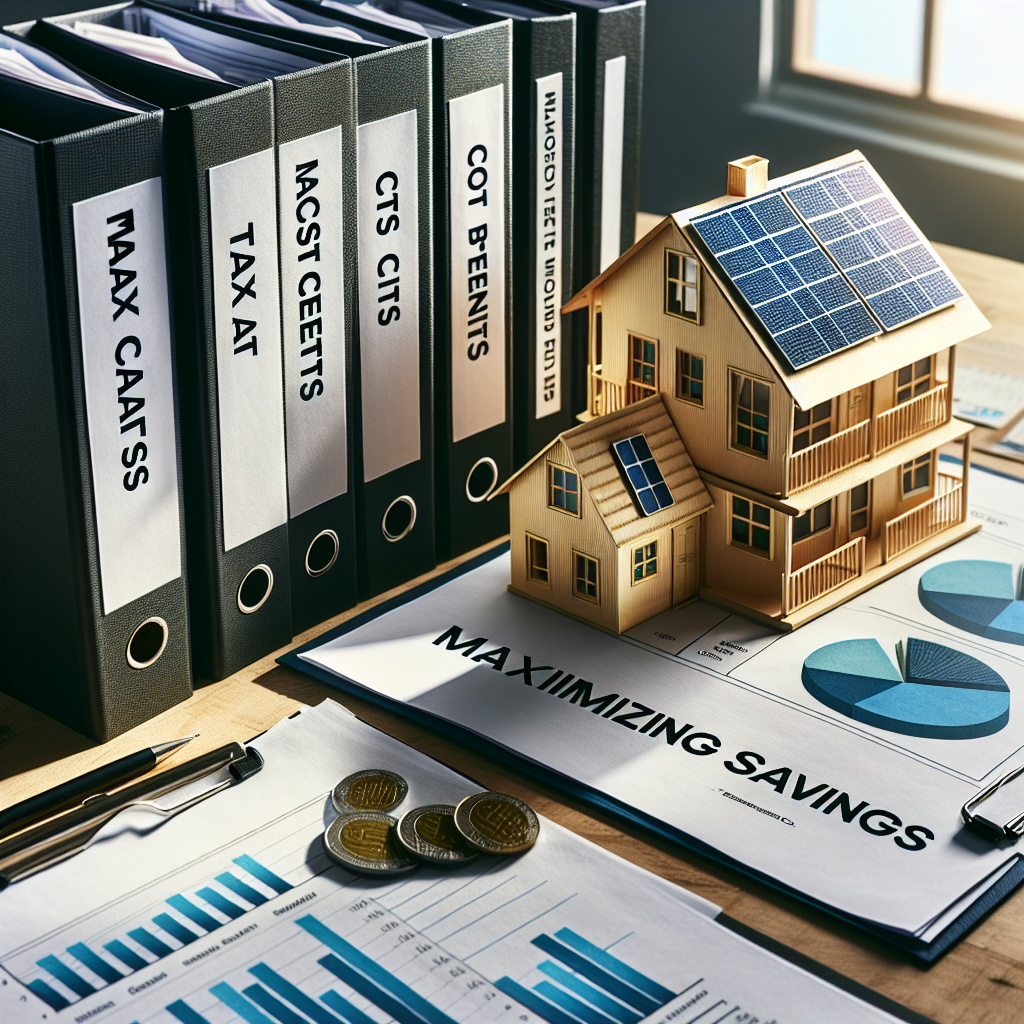
  • How to Maximize Your Savings with Solar Energy Tax Credits

    How to Maximize Your Savings with Solar Energy Tax Credits

    Understanding Solar Energy Tax Credits

    What Are Solar Energy Tax Credits?

    When I first heard about solar energy tax credits, I had so many questions. Essentially, these credits are a way for the government to encourage folks like you and me to switch to solar energy. They let you deduct a percentage of the cost of your solar energy system from your federal taxes. It’s like getting a bonus back at tax time!

    But it’s not just about saving money on your taxes. It’s also about making your home more energy efficient, which really pays off in the long run. If you ever thought about going solar, knowing about these tax credits is like having a secret weapon in your savings arsenal.

    Believe me, the benefits can be substantial. Depending on when you install your system, these credits can cover a huge chunk of your expenses. You might be able to reclaim thousands, which is pretty sweet, right?

    The Current Tax Credit Landscape

    One cool thing to keep in mind is that the solar tax credit is generally set at a certain percentage, which can change over the years. When I made the leap, the percentage was quite generous, making it an even better time to invest. Staying up-to-date with the latest info is crucial so you don’t miss out.

    Sometimes, I see folks get confused about when these credits expire or change. Don’t make the mistake of waiting too long! The more informed you are, the better decisions you’ll make, ensuring that you take full advantage of this aid.

    It’s also worth checking if there are state-specific tax credits available in your area. Some places offer additional benefits, and every little bit helps!

    Eligibility for Solar Energy Tax Credits

    If you’re like me, you want to make sure you qualify before jumping in. The good news is, if you own your home and have installed a solar energy system, you’re likely eligible! Even if you lease your solar panels, you might still be able to take advantage of these credits, depending on your arrangement.

    Moreover, the eligibility doesn’t just stop with residential installations. Businesses can also take advantage of solar energy credits. So whether you’re powering your home or a business, there’s a good chance you’re covered.

    But always double-check your eligibility criteria based on the most current laws and guidelines. It can change, and I don’t want anyone missing out simply due to a technicality!

    Choosing the Right Solar Provider

    Researching Solar Installers

    This is where the real fun starts! Choosing the right solar provider can really make or break your experience. I remember spending hours researching different companies, reading reviews, and getting quotes. Don’t rush this part—you want a trustworthy partner in this investment.

    Look for providers with solid reputations and experience in the solar industry. Ask around—word of mouth can be a powerful tool. Sometimes the quality of service varies greatly, so it pays off to do your homework.

    Also, don’t forget to check if they’re licensed, insured, and certified. You want peace of mind knowing that you’re working with professionals who know what they’re doing.

    Comparing Quotes Effectively

    I found that comparing quotes isn’t just about looking at the bottom line; it’s also about what’s included. Some companies might have hidden fees or charge more for warranty coverage. Break down each quote to see what you’re truly paying for!

    It can feel overwhelming at times, but I tackled it by creating a simple comparison chart. I listed all of the features and estimates, which really helped in making a decision that felt right. Plus, it strips away the confusion!

    Don’t hesitate to negotiate as well. Many providers are willing to work with you to get a deal that meets your budget and needs.

    Understanding Warranties and Maintenance

    Once I found a provider, I looked into what kind of warranties were included. A solid warranty can save you lots of money down the line if something goes wrong. I learned the hard way that not all warranties are created equal, so ask questions!

    Also, consider the maintenance aspect. Some providers offer maintenance packages that can extend the life of your system. Just like with any home investment, regular upkeep can make a world of difference.

    Your solar panels should last a long time, but knowing what type of maintenance you’re responsible for can save you big headaches later.

    Identifying Additional Incentives

    Local and State Incentives

    Aside from the federal tax credit, there are often state and local incentives too! I was pleasantly surprised when I found out about rebates and grants available in my area. It’s like finding extra change in your couch cushions.

    These local benefits can vary widely, so check in with your state’s energy office or do a quick online search to see what’s available. Knowing the ins and outs of these incentives can really boost your overall savings.

    Sometimes, utility companies offer perks for solar adopters as well! It’s worth asking about additional savings opportunities. You might be leaving money on the table without even knowing!

    Financing Options

    If upfront costs seem daunting, explore your financing options. There are personal loans, solar leases, or power purchase agreements available to help ease the financial load. I personally went with a loan that offered good terms, and it felt much more manageable.

    Make sure to read the fine print—certain financing solutions may not qualify for the same tax credits, and that could impact your overall savings. I learned this lesson the hard way, so trust me on this!

    Work with your provider to find the best financial approach that aligns with your budget and long-term goals. You want something that won’t break the bank but still allows you to enjoy those sweet energy savings.

    Reevaluating Your Energy Usage

    Before making the jump, I took a good hard look at my energy usage. Were there ways I could improve efficiency? Lowering my consumption dovetailed nicely with adopting solar energy. Before your system is installed, it’s a good idea to figure out what changes you can make to save even more.

    Simple adjustments like switching to energy-efficient appliances or using smart home technologies can maximize your solar savings. The cleaner your energy habits, the less you’ll rely on your system, maximizing your tax credits.

    It’s really all about being proactive and intentional, and every small change can add up over time.

    Documenting Your Solar Energy Expenses

    Keeping Accurate Records

    Now that you’ve gone through the whole process, let me tell you—keeping track of your expenses is key. I made a spreadsheet to document everything, from installation costs to additional maintenance fees. It really saved me during tax time!

    Storing your receipts and documentation in one easy-to-access spot is a game changer. Especially when it comes time to file your taxes, having everything organized makes the process much smoother.

    It also helps if you ever need to refer back to your investments or if you’re considering selling your home. Future buyers might appreciate the records of your solar energy system!

    Understanding Documentation Requirements

    Part of maximizing your savings is knowing what documents you need to submit for those tax credits. When I first started, I was confused about what the IRS wanted. When in doubt, consult a tax professional to clarify what you need.

    Commonly required documents include purchase agreements and proof of installation. Make sure you’re gathering these as you go so you don’t scramble when tax season kicks in. The easier you make it for yourself, the better!

    Having organized documentation can also speed up the filing process, meaning you can claim those credits and breathe a little easier knowing that your hard work is paying off.

    To Claim Your Credits Correctly

    Finally, once tax season rolls around, ensure you’re claiming your credits properly on your tax return. This is where getting professional help can really take the stress off your shoulders. I invested in a good tax advisor who walked me through the process. It was so worth it!

    They’ll know all the latest changes and can help you avoid missing any deductions. I remember how relieved I felt when everything was filed correctly, and those credits were applied!

    It’s all about taking action and ensuring those savings come back to you, so don’t leave money on the table just because the process seems complicated!

    Conclusion

    Maximizing your savings with solar energy tax credits involves understanding the credits available, choosing the right provider, and keeping comprehensive records. Each step not only helps you save money but also contributes to a more sustainable future. With a little effort and the right information, you’ll be reaping the benefits before you know it!

    FAQ

    1. What is a solar energy tax credit?

    A solar energy tax credit allows homeowners to deduct a percentage of the cost of buying and installing a solar energy system from their federal taxes, effectively reducing the amount of tax owed.

    2. How do I know if I qualify for a solar energy tax credit?

    If you own your home and have a solar energy system installed, you typically qualify. Even if you lease your panels, you might still be eligible. Always check the latest guidelines to ensure eligibility.

    3. Can I get state or local incentives in addition to federal tax credits?

    Absolutely! Many states and local governments offer additional incentives like rebates or grants, so be sure to research what’s available in your area.

    4. How important is it to document my solar energy expenses?

    Documenting your expenses is crucial for claiming tax credits. Keeping accurate records ensures you won’t miss any deductions and helps simplify the tax filing process.

    5. Why should I compare quotes from different solar providers?

    Different solar providers offer various pricing, warranties, and service levels. Comparing quotes helps you find the best deal, ensuring you get the most value out of your investment.

  • How to Maximize Energy Savings with Solar Power

    How to Maximize Energy Savings with Solar Power

    Understand Your Energy Needs

    Calculate Your Energy Consumption

    To get the ball rolling, you’ll want to assess how much energy you actually use. I remember when I first did this—what a wake-up call! Start by looking at your utility bills from the past year. Note the monthly kilowatt-hour (kWh) usage. This will give you a solid understanding of your baseline consumption.

    Once you have that figure, think about ways you can reduce that amount, even slightly. Simple changes like turning off lights and unplugging devices can lead to impressive results over time. The more you can reduce your current usage, the more money you’ll save with solar.

    Don’t forget to consider future needs as well. If you plan on adding even more gadgets or maybe an electric vehicle in the coming years, you might want to scale your solar energy production to accommodate that.

    Assess Seasonal Variations

    Now that you have a grip on your basic energy needs, it’s time to look at how your consumption might change throughout the year. I found it interesting how much more energy I used during certain seasons, especially summer and winter with the air conditioning and heating.

    Think about factors like longer daylight hours in summer, which can actually work in your favor, as solar power generation is at its peak. On the flip side, winter may see increased energy use due to heating. Make sure to account for these variations when estimating your potential savings with solar.

    You might also consider local climate considerations. If you’re in an area that sees a lot of sunshine, you’re already one step ahead in maximizing your energy production.

    Consult with Energy Experts

    Don’t hesitate to reach out to solar energy experts. I had a fantastic experience when I consulted with an advisor who really knew their stuff. They helped me pinpoint my energy consumption needs and offered tailored advice.

    These experts can provide a customized energy audit that assesses your specific requirements and might even suggest additional ways to cut back on energy use before going solar. You wouldn’t want to miss out on potential savings simply because you didn’t have the right information!

    Most solar companies offer free consultations, so take them up on it. Trust me, the insights you gain will be invaluable when it comes to your installation decision.

    Choose the Right Solar System

    Types of Solar Panels

    When diving into solar panel options, it quickly becomes clear that choosing the right type can make a huge difference. I remember feeling overwhelmed initially by all the choices out there. It’s essential to get familiar with the different panel types, like monocrystalline, polycrystalline, and thin-film panels.

    For instance, I went with monocrystalline panels myself; they’re known for their high efficiency and space-saving design. But they might be pricier upfront. Weigh your options based on performance, space, and budget when making your decision.

    Make sure you look into warranties and the reputation of the manufacturer; you don’t want to skimp on quality just to save a buck!

    Get Multiple Quotes

    One of the best things I did was collect multiple quotes from various installers. Each solar company will have different pricing and packages; comparing these helped me find the best fit for my needs. Trust me, don’t just settle for the first one you encounter!

    When getting quotes, don’t forget to ask about installation costs, maintenance options, and warranties. I was surprised by how differing the prices could be—even for seemingly similar systems. Getting that competitive edge can lead you to savings you didn’t even know were possible!

    Personal recommendations also helped me decide—usually your community has insights that online reviews don’t capture. Reach out!

    Consider Incentives and Financing Options

    There are some pretty sweet incentives out there that can help offset costs. I was amazed to learn about state and federal tax credits for going solar. Every little bit helps, right? Research your local and national incentives to see what you might qualify for.

    Financial options also come into play—whether through loans, leases, or power purchase agreements (PPAs). Each one has its pros and cons, and I suggest weighing them carefully based on your budget and financial goals.

    Sometimes even traditional financing can offer better rates, depending on your credit score and financial situation. It’s like trying to find the best deal on a new car; every incentive counts!

    Optimize the Installation Location

    Solar Panel Orientation

    I learned that the direction your panels face plays a critical role in maximizing their efficiency. Ideally, panels should face south (in the Northern Hemisphere) to soak up the most sunlight. During my install, this was one of the first things we made sure of to boost energy capture.

    You’ll also want to consider tilt. The right angle can help catch those rays more effectively, especially in areas with distinct seasons. This isn’t just a set-and-forget type of deal; it’s an important factor in getting the best bang for your solar buck!

    Work closely with your installer to determine the best orientation and pitch based on your home’s location and landscape.

    Shade Considerations

    Don’t underestimate the power of shade in diminishing panel performance. I experienced this firsthand when a neighbor planted a tree that gradually started blocking some of my sunlight. Trust me, it might seem innocuous, but you want to keep trees, buildings, and anything that could obstruct sun exposure in mind while planning.

    If you foresee possible shading, you may need to invest in higher-efficiency panels or consider alternative locations on your property for installation. Keeping solar panels shaded will hurt your savings and energy production; it’s a definite point to consider.

    Finally, it’s always wise to consider the future and how your landscape may change. A tree that’s small today could become your panels’ worst enemy down the line!

    Hire Professional Installers

    Not all heroes wear capes, but the professionals who install solar systems? They definitely do! Investing in a good solar installation team is essential. You want someone who not only knows their stuff but also understands your unique situation.

    The experience I had with my installation crew was invaluable. They provided insights and tips that I hadn’t even thought of, making the entire process smoother—avoiding future hassles like maintenance and efficiency losses.

    Research their certifications, online reviews, and their overall track record. A few extra bucks for a thoroughly vetted installer can save you in the long run.

    Monitor and Maintain Your Solar System

    Use Monitoring Tools

    This part might seem techy, but monitoring your solar energy production is essential. I decided to use an app designed for this purpose. It allowed me to track my energy production and consumption, giving me real-time feedback.

    You’ll want to keep an eye out for any drop in performance. If production dips significantly, it could indicate a problem that needs a quick fix. Ignoring it can literally cost you money!

    Many systems come with tracking options included, or you can build your own setup using third-party applications or smart devices. It’s kind of cool to see how much energy you’re creating right from your phone!

    Regular Maintenance Checks

    Like any major investment, your solar system needs some TLC. I learned that scheduling regular maintenance checks is crucial to keep everything running smoothly. You’ll want to check for dirt, debris, or any signs of damage.

    Most solar systems are relatively low-maintenance, but keeping up on this step can prevent minor issues from turning into expensive repairs down the road. It’s like taking your car in for routine oil changes—better to catch something before it becomes a big deal!

    Consult your installer for recommendations on how frequently to have maintenance done. Often, they can handle this for you—or at least guide you in the right direction!

    Adapt to Changing Technologies

    Solar technology is evolving all the time; there’s always something new under the sun! I found it beneficial to stay informed about advancements, such as battery storage systems. These can allow excess energy from sunny days to be saved for use at night.

    New tech can mean better efficiency or even more savings if you’re interested in an upgrade down the line. Make it a point to adapt and explore emerging technologies that can complement your system.

    It’s your energy savings we’re talking about, after all. Staying tuned to what’s happening in the world of solar can be super beneficial in the long run!

    Conclusion

    Maximizing energy savings with solar power is a journey, but I can assure you—it’s worth it! From understanding your energy needs to proper installation and monitoring, there’s so much you can do to ensure you get the most out of your system. It’s all about making informed decisions, staying engaged, and optimizing every aspect of your solar energy production.

    So, roll up your sleeves, get educated, and prepare to enjoy those energy savings. Trust me, you’ll be glad you took the plunge!

    Frequently Asked Questions

    1. How do I start calculating my energy needs for solar?

    Begin by checking your past utility bills. Look at your monthly kWh usage and consider any potential changes in energy needs, like buying new appliances.

    2. What types of solar panels should I consider?

    There are various options, including monocrystalline, polycrystalline, and thin-film panels. Each has its pros and cons, so assess based on your priorities like efficiency and budget.

    3. How can I find a reliable solar installer?

    Research online reviews, ask for referrals, and collect quotes from multiple installers to compare services, experience, and pricing.

    4. How often should I maintain my solar panels?

    It’s best to have maintenance checks done at least annually, but if you live in a dusty area or have regular rainfall, you might want to check more often.

    5. What are some benefits to monitoring my solar system?

    Monitoring helps you stay informed about your energy production and consumption, allowing you to catch any significant drops in performance early on, saving you money in the long run.

  • How to Troubleshoot Common Issues with Solar Panels

    How to Troubleshoot Common Issues with Solar Panels

    Understanding the Basics of Solar Panels

    How Solar Panels Work

    When I first got into solar energy, I found it essential to understand how these panels do their magic. Basically, solar panels convert sunlight into electricity through photovoltaic cells. It’s like they’re little energy factories! Imagine sunlight hitting those cells and creating a direct current (DC), which is then converted into alternating current (AC) by your inverter. That’s the type of electricity we use in our homes.

    Knowing how solar panels work not only brings a sense of wonder but also equips you with the foundational knowledge for troubleshooting. When I realized this, it became easier to identify potential issues whenever I noticed something off with my system.

    So, before diving deep into troubleshooting, remember to familiarize yourself with the components of your solar power system. Energizing your curiosity can make you feel more in control of your solar asset!

    Common Myths Surrounding Solar Panels

    With solar energy’s growing popularity, I kept hearing some myths that just needed debunking! One was the idea that solar panels only work in sunny places—my friends, that is simply false. They still generate power on cloudy days, just at a lower efficiency. Knowing this helped manage my expectations a bit better.

    Another myth is that solar panels require a lot of maintenance. In reality, most systems are quite low maintenance, needing just an occasional cleaning and inspection. I used to think I’d spend hours on upkeep, but I’m pleasantly surprised it’s minimal!

    Lastly, many folks assume the upfront costs are too high. I totally get that perception, but tax credits and other incentives can significantly cut these initial costs, making solar more accessible. So, don’t let these myths convince you otherwise!

    The Importance of Monitoring Your System

    Keeping an eye on your solar panel’s performance is crucial! I can’t stress enough how monitoring can alert you to issues before they become major headaches. Many systems come with apps or software that let you track production and efficiency right from your phone. It’s super handy!

    Every month, I check my system’s performance and look for any sudden drops in electricity production. This habit helps me catch issues like shading from trees or dirt buildup on the panels early on. Trust me, preventative measures save time (and money) in the long run!

    Being proactive means I’m not just waiting for a problem to arise—I’m actively involved in my solar journey! Taking this approach has given me peace of mind knowing I am doing my best to keep things running smoothly.

    Identifying Physical Issues with the Panels

    Visual Inspections

    When I suspect something’s off with my solar panels, my first step is always a visual inspection. I get up on the roof and check for any obvious signs of damage—like cracks or discoloration. Believe me, some issues are easily spotted if you take a close look.

    It’s crucial to look for debris, like leaves or snow, that might be obstructing sunlight. When I had an issue with production once, it turned out to be a simple pine needle situation that was easy to fix!

    If you’re not comfortable climbing up there, it’s totally okay! A pair of binoculars can work wonders too. Just make sure to check regularly, as little problems can snowball into bigger issues if left unnoticed.

    Examining Wiring and Connections

    Another angle I like to inspect is the wiring and electrical connections. Loose or damaged wiring can greatly affect performance—I’ve learned this the hard way! I always ensure that all connections are secure and free of corrosion.

    Sometimes, it’s best to consult a professional if you’re unsure about your system’s electrical aspects. However, knowing what to look for can save you from unnecessary expenses down the line. It’s like being able to speak “solar” yourself!

    Don’t skip this step; even minor electrical issues can lead to significant problems. Stay vigilant, and your panels will thank you!

    Evaluating the Inverter

    Your inverter is like the brain of your solar panel system, so if something seems off, I immediately check it. Most inverters come with warning lights or error messages that indicate issues. I remember one time my inverter tripped a breaker, and the lights went red on the display—talk about panic! But a quick reset and everything was back to normal.

    Periodically, I recommend checking the inverter’s lifespan too. Most have a life span of about 5-10 years, and knowing when to replace it can prevent performance drop-offs. Make sure you stay on top of these things!

    It might seem a bit daunting, but getting to know your inverter can really boost your confidence in troubleshooting. Plus, knowing I can rely on this tech keeps me feeling secure in my energy choices!

    Dealing with Environmental Factors

    Shading and Obstructions

    Man, one of my biggest surprises was learning how much shading affects solar panel performance. I once had a tree grow taller and suddenly changed the whole dynamics of energy production. Now, I regularly evaluate my surroundings and anticipate any future obstructions that could impact my panels.

    I use online tools to check the sun’s path throughout the day, ensuring my setup gets maximum sunlight. If I suspect shading, I can consider trimming or removing obstacles. It’s essential to be proactive about it.

    Even a small branch can have a big impact, so don’t overlook this! Staying aware and adapting is key to keeping your energy production strong!

    Weather Effects

    Weather can be a mixed bag for solar panels. Of course, sunny days are the best for production, but I’ve learned to take a balanced view. Rain and cloudy days aren’t entirely detrimental; however, they do lower efficiency. It’s all part of the solar dance!

    After a heavy storm, I check for any physical damage caused to my panels or the system overall. High winds can be a concern too. My panels are fixed securely, but checking after severe weather gives me peace of mind.

    Ultimately, the weather is unpredictable, but managing the after-effects really helps maintain system integrity, keeping everything running smoothly!

    Temperature and Efficiency

    Did you know high temperatures can affect solar panel efficiency? Yeah, I found that out the hard way! While panels excel in sunny conditions, the heat can cause them to perform below their peak. I started paying more attention to how the temperature affected outputs, especially in the summer!

    Using panels designed for high efficiency in warm climates is a great step. There are also cooling solutions you can explore—just take your time and do some research to find what works for you.

    Understanding the temperature-variable dynamics of my panels has been instrumental in maximizing energy output. Don’t let Mother Nature throw you off your game—you’ll get the hang of it!

    Maintenance Practices for Solar Systems

    Regular Cleaning

    Over time, grime and dirt can accumulate on your solar panels—yep, even when you least expect it! I’ve made it a habit to clean them a couple of times a year; it keeps them efficient and in good shape. A simple rinse with water and a soft brush can do wonders, especially after any dust storms or bird activity.

    Watching my panels sparkle in the sun after a good cleaning brings a smile to my face! Just make sure to do it when they aren’t super hot; cleaning hot panels can lead to damage.

    I also recommend checking warnings from manufacturers about maintenance and cleaning. Different panel types have different requirements, and you don’t want to figure out the hard way!

    Professional Inspections

    Now, while routine cleaning is manageable, I truly believe in the power of professional inspections at least once a year. Experts can identify potential problems I might miss and ensure everything is performing at its best. It’s a bit of an investment, but the peace of mind is worth it!

    You never know what might need attention, and sometimes it’s best left to the pros. They can provide insights on new technology or upgrades that can improve efficiency too. Just having that annual check-up makes me feel a lot more secure about my investment.

    It may seem unnecessary to some, but my panels are a significant investment, and I want to maintain their value for years to come!

    Staying Updated on Technology

    The solar industry is always evolving, so I make it a point to stay updated on new technologies that could benefit my system. Whether it’s new panel designs, inverter tech, or battery storage solutions, being in the loop can help optimize my setup.

    Sometimes, I come across newer options that can save me money in the long run. Plus, a little research and learning personally enrich my experience with solar energy, and I love sharing that knowledge with friends and family!

    Remember, a little knowledge goes a long way! You want the best for your panels, so stay informed and involved in this exciting energy revolution!

    Frequently Asked Questions (FAQ)

    1. What are common signs that my solar panels need attention?

    If you notice a significant drop in energy production, debris on panels, or physical damages such as cracks, it’s time to take a closer look.

    2. Can I clean my solar panels myself?

    Yes! Regular cleaning is important, and you can do a basic rinse with water and a soft brush. Just ensure they’re cool to avoid damage.

    3. How often should I have my solar system inspected?

    I recommend a professional inspection at least once a year to catch any potential issues and ensure everything is operating efficiently.

    4. Does shading really impact solar panel performance?

    Absolutely! Shade can significantly reduce energy output, so it’s essential to manage any obstructions surrounding your panels.

    5. Are there any technology upgrades I should consider?

    Staying updated on new technologies can enhance your solar efficiency. Consider advancements in panel designs, inverters, and energy storage systems!

  • Enhancing Your Home’s Energy Efficiency with Solar

    Enhancing Your Home’s Energy Efficiency with Solar

    Understanding Solar Energy Basics

    What is Solar Energy?

    Solar energy is simply energy that we get from the sun. It’s like nature’s ultimate gift! I remember the first time I learned about solar panels and how they convert sunlight into electricity. It blew my mind! By harnessing this energy, we can reduce our reliance on fossil fuels and keep our environment pristine.

    The process involves photovoltaic cells, which are the magic behind solar panels. They absorb sunlight, initiating a reaction that generates electricity. This means that even on those cloudy days, solar energy can still be captured, which was a real surprise for me at first!

    Plus, solar energy is renewable! You don’t have to worry about running out as long as the sun is shining, and it’s available in abundance. This realization alone motivated me to dive deeper into solar energy solutions for my home.

    Benefits of Solar Energy

    One of the best parts about using solar energy is the cost savings. I mean, who doesn’t love saving money? Once you install solar panels, your electricity bills can drop significantly—sometimes even disappear altogether! That’s dough I’d rather spend elsewhere.

    Not to mention, there’s a positive impact on the environment. Using solar energy means reducing greenhouse gas emissions. Every bit counts, right? Knowing that I’m contributing to the health of our planet pushes me to promote this solution to friends and family.

    And let’s not forget about solar incentives! There are tax credits and rebates that make going solar so much easier on the wallet. I took advantage of many of these, leading to a much lower upfront cost for my installation.

    Choosing the Right Solar Technology

    Choosing the right solar technology is key to ensuring efficiency in your home. There are two main types of solar panels: monocrystalline and polycrystalline. I opted for monocrystalline because they are more efficient and take up less space—perfect for my cozy roof.

    It’s crucial to research and consider which technology fits your energy needs and budget. Also, be on the lookout for new technologies like thin-film solar cells. They’re becoming more popular and could be the wave of the future!

    Lastly, don’t forget about battery storage options! Having a battery backup ensures that even when the sun goes down, your home still has power. Trust me, after a few power outages, you’ll want this security in your life.

    Assessing Your Home’s Energy Needs

    Conducting an Energy Audit

    Before diving headfirst into solar, I’ll tell you – it’s so important to understand your current energy consumption. Conducting an energy audit at home will give you a clear picture of how much energy you use. It’s like looking under the hood of your car before a road trip!

    I started my audit by checking my utility bills for the past year and noting peak usage times. It’s a bit tedious, but you get to see how much energy those appliances really pull. You might be shocked to discover which devices are energy hogs!

    After that, I didn’t stop! I inspected insulation, windows, and appliances. A small leak in insulation can cause more energy loss than you think, and it will lead to higher energy usage—making solar less effective if not tackled first.

    Setting Goals for Solar Adoption

    After understanding your energy needs, it’s essential to set clear goals for what you want to achieve with solar. Are you looking to power your entire home or just a portion? For me, I aimed to go as close to 100% as possible but had to balance that with budget constraints.

    Additionally, consider the timeline for your solar setup. Do you want to install as soon as possible, or do you have some flexibility? Having a timeline helped me stay focused on my goals and ensured I didn’t jump into any rushed decisions.

    Lastly, keep improvement goals in the mix! As you switch to solar, you might also want to explore further energy-saving measures, like adding smart home technology or energy-efficient appliances—synergy is key!

    Calculating Your Solar Requirements

    Now that you’ve got your audit and goals, it’s time to crunch some numbers! Start by estimating your solar panel needs based on your energy consumption. Tools like solar calculators can give a good starting point. I remember being amazed by how many panels could be required to fully meet my energy needs!

    Next, consider your roof space. This part was key for me! I had to make sure my roof could handle the number of panels I needed without feeling cramped or cluttered. An expert can help with this if you’re unsure!

    Finally, look at your local weather trends. If you live in a sunny area, your output will be higher, while regions with heavy snowfall or frequent rain might require more panels to meet energy needs. That’s just the reality of solar!

    Installing Solar Panels

    Choosing a Reputable Installer

    Alright, it’s the moment we’ve all been waiting for—installation! But first, you want to choose a reputable installer. Do some homework. Ask friends, read reviews, and get recommendations. For me, the right installer made all the difference—they really walked me through everything.

    During your search, ask potential installers about their experience, qualifications, and warranties. A solid company will stand by their work and products, which gives peace of mind in the long run.

    Also, don’t forget to get multiple quotes! This helped me find a competitive price and good fit for my project. Don’t shy away from negotiating terms; it’s all part of the process!

    Understanding the Installation Process

    Installation was super exciting! It started with a thorough survey of my home to ensure the best mounting options. Then came the actual installation of the solar panels, wiring, and inverter. I even got to watch the crew in action, which was way cooler than I expected!

    There’s usually a bit of disruption during installation, like having a crew on your roof, but the excitement outweighed any hassle. Plus, they took every step to keep my home clean and tidy throughout the process.

    Once everything was installed, the final touches included connecting to the grid and a quick inspection. Seeing it all come together was so rewarding; honestly, I felt like a mini electricity mogul!

    Monitoring Your Solar System

    Once the installation is complete, don’t just sit back and relax. Monitoring your solar system is vital! Most solar panels come with an app or a monitoring tool that lets you see how much energy you’re producing and using in real-time.

    This part is super interesting! I enjoy tracking my energy production and comparing it against my usage. It’s almost like a little game to see how much energy I can “save” each day! And if anything goes wrong, the monitoring system alerts you to address it quickly.

    Always keep an eye out for maintenance too. While solar panels are pretty low-maintenance, a good cleaning every now and then helps them perform at their best, and trust me, a little care goes a long way!

    Maximizing Your Solar Energy Output

    Regular Maintenance Practices

    Now, here’s where the real fun begins: maximizing your solar energy output! Regular maintenance is key. A simple wash of your panels can do wonders. I swear, my panels looked like brand new after a good scrub, and they performed significantly better too!

    Also, keep an eye out for overhanging branches or debris that might block sunlight. I learned this the hard way when one of my trees started to grow and cast a shadow, and trust me, it made a real difference in my output!

    Lastly, ensure your inverter is in good shape, as it translates the energy your panels produce. If something isn’t working right, it can decrease overall efficiency; staying aware can prevent this easily!

    Utilizing Smart Energy Solutions

    Integrating smart energy solutions with your solar setup is a game changer! Smart thermostats, energy-efficient appliances, and energy storage systems can make the most of your solar energy. I invested in a smart thermostat that learned my habits and optimized my usage in tandem with my solar generation.

    This technology doesn’t just make life easier; it actively works to cut down on energy wastage. For example, my air conditioning system knows when I’m home and when it can save energy by adjusting the temperature, all while keeping me comfortable!

    With storage solutions like batteries, I can use my solar energy even at night. It’s like having a little stash of sunshine to power my home when the sun goes down. What a great feeling!

    Evaluating Your Energy Production

    Finally, it’s time to evaluate your energy production regularly. Seeing how your system performs can be so motivating. I remember feeling proud of my growth once I could compare months of production and savings!

    This process involves analyzing your utility bills alongside your solar monitoring data. This helps you understand your return on investment and assess whether you need to make adjustments to your system or energy usage habits.

    I’ve found monthly check-ins help me stay engaged with my solar system. Plus, if I spot issues early, I can address them before they become major problems, keeping my system in tip-top shape!

    FAQ – Frequently Asked Questions

    1. What are the initial costs of installing solar panels?

    The initial costs can vary widely depending on the size of your system, type of panels, and local installation costs. Generally, homeowners should budget anywhere from $15,000 to $30,000, but remember to look into financing options and incentives that can reduce this cost!

    2. How long does it take to install solar panels?

    Installation usually takes between one to three days, depending on the size and complexity of the system. After that, your installer will coordinate with your local utility for grid connection, which can take additional days to weeks.

    3. Do solar panels work in cloudy weather?

    Yes! Solar panels can still generate electricity during cloudy days, although their output may be reduced. They work best in direct sunlight, but they are designed to perform even in less-than-ideal conditions.

    4. How much maintenance do solar panels require?

    Solar panels are relatively low-maintenance. However, I recommend cleaning them occasionally to remove dust, leaves, or snow, and having an inspection done yearly to ensure everything is functioning optimally!

    5. Will solar panels increase my home value?

    Absolutely! Many studies indicate that homes with solar energy systems tend to sell for more than those without. Plus, buyers nowadays are increasingly interested in energy efficiency and sustainability, making it an attractive feature!

    Thanks for reading! I hope this guide on enhancing your home’s energy efficiency with solar energy helps you navigate your own solar journey.

  • How to Upgrade Your Home with Solar Power

    How to Upgrade Your Home with Solar Power

    Assessing Your Energy Needs

    Understanding Your Current Usage

    Before diving headfirst into solar energy, it’s crucial to figure out how much energy your home currently consumes. I took a close look at my electricity bills from the past year. This gave me a decent idea of my average usage. Don’t forget to consider things like seasonal variations – summer often brings more use due to cooling systems.

    You can also use smart meters or energy monitors to get real-time data on your energy usage. It’s like having a fitness tracker, but for your home! Just keep an eye on those peak usage times, when you’re using the most energy, to figure out how much solar power you’ll actually need.

    This assessment is key. Not only does it help in sizing your solar system, but it also reveals opportunities for energy efficiency improvements. Trust me, knowing your habits can guide every step of your solar journey.

    Identifying Future Needs

    Think about any potential changes in your lifestyle. Are you planning to add more appliances, or maybe even an electric vehicle? These things can significantly bump up your energy consumption. When I upgraded my home, I made space for a future EV and adjusted my solar plans accordingly.

    Also, consider family growth or upgrades like a home office. As our lives shift, so do our energy needs. Take all of these future needs into account. You’ll thank yourself later when you don’t have to face an upgrade sooner than expected.

    This foresight can completely change your solar setup calculations, shaping not just your current consumption but also your future plans.

    Evaluating Your Roof’s Potential

    Alright, let’s talk about your roof. Is it in good condition? It’s one of the main areas to check before making any big decisions. If your roof has seen better days, you might want to repair or replace it before installing solar panels.

    Also, consider the direction and tilt of your roof. South-facing roofs generally collect the most sunlight, while shaded areas can significantly lessen performance. I had to get a bit nerdy and do the math on my roof angles and surrounding trees to maximize my solar gain.

    Finally, don’t forget about local building codes and regulations. A little research here can save you from future headaches. It’s better to know what you’re up against before you start climbing up there!

    Choosing the Right Solar System

    Types of Solar Panels

    You’ve got choices! When I was picking my solar panels, I learned about three main types: monocrystalline, polycrystalline, and thin-film. Each has its pros and cons. Monocrystalline, for instance, is super efficient but can hit harder in the wallet.

    Polycrystalline panels are more affordable but slightly less efficient. The thin-film panels offer flexibility and can be used in unique spaces, but they usually take up more room.

    To make my choice, I weighed my budget against my performance expectations. This balance is critical for getting a system that works efficiently for my needs.

    Inverters and Storage Solutions

    Let’s talk inverters—these gadgets convert the DC electricity your solar panels generate into AC electricity that’s usable in your home. There are string inverters, microinverters, and power optimizers to choose from. Each has its own perks, and I spent time comparing their efficiency and costs.

    If you want a bit of security in your solar system, think about including battery storage. Battery systems store excess energy for when the sun isn’t shining. It’s pretty sweet not to rely solely on the grid, especially during a power outage.

    When I added a battery to my system, it felt like a game-changer. I could use solar energy even when the sun wasn’t out, making me feel more self-sufficient.

    Installation Options

    You can go the DIY route, hire a contractor, or use a solar company for installation. There’s no one-size-fits-all answer here. Personally, I opted for a company just to ensure everything was done right. It’s worth my peace of mind.

    Before signing any agreements, check their ratings and reviews. I did my homework by gathering multiple quotes and comparing services. Don’t be afraid to negotiate! Remember, you’re making a significant investment.

    Also factor in warranty options. A strong warranty can save you from unexpected costs down the road. In the solar world, it’s often better safe than sorry!

    Financing and Incentives

    Understanding Costs

    Okay, let’s get real about money. Solar can be a big investment initially, and understanding the costs involved is essential. I learned to expect costs for equipment, installation, permits, and maintenance.

    Don’t skip out on additional fees that might pop up. I found it helpful to create a detailed budget covering all these aspects. It definitely made me feel more in control of my finances.

    Don’t get intimidated; there are often many options available that can help ease the financial burden. Knowledge is power, especially when it comes to solar investments!

    Tax Credits and Incentives

    The good news? There are often federal, state, and local incentives, such as tax credits, that can help reduce your overall costs. For instance, I was thrilled when I discovered that my state offered substantial tax credits for installation!

    Make sure you do your research on what’s available in your area. Government resources and local solar companies can often guide you on what to expect.

    Be prepared to fill out some forms, but trust me, the savings are usually totally worth the effort.

    Financing Options

    If paying upfront isn’t in the cards, consider financing options. I explored various possibilities, including solar loans and leasing options. Each path has its own benefits and drawbacks, so understand them before you leap.

    Look into what works best for your financial situation. Maybe a solar lease could be a good fit, where you make monthly payments while enjoying the benefits of solar power.

    An informed decision will benefit you in the long run. Take your time to evaluate what route suits your budget and goals best.

    Installation and Maintenance

    Preparing for Installation

    The big day is around the corner! Preparing for installation is simply about ensuring everything’s in place. I made sure my roof was clear of debris and my yard was accessible to workers.

    Communication is key, too. I called my installer to clarify expectations and timelines. Knowing what to expect can ease the stress of installation day.

    Also, consider how installation might impact your living space. I made a plan for my pets and took days off work to manage disruptions. Just play it safe!

    Post-Installation Advice

    Once everything’s installed, there’s often a sense of relief. But don’t forget about the next steps. I took my time reading the manuals and getting familiar with components of my new system.

    Remember, your installer should present you with an explanation of how everything works, but don’t hesitate to ask questions, too! Knowledge empowers you to engage with your energy system genuinely.

    Enjoy the benefits of your investment by tracking its performance and savings. I started using online dashboards to keep tabs on energy production, and it’s genuinely rewarding to watch the numbers rack up!

    Maintenance Tips

    Sure, solar systems are low maintenance, but they still need some TLC. I discovered that periodic cleaning and inspections could significantly continue performance. Dust and debris can build up, especially if you live in a dusty area.

    Consult your warranty for maintenance requirements—some solar companies have recommendations for maintenance schedules. I found I could manage much of the cleaning myself, but I opted for professional checks once a year.

    Staying on top of upkeep keeps your system running smoothly. Who wouldn’t want to maintain their investment?

    Monitoring Your Solar System

    Using Monitoring Tools

    Most solar systems come with monitoring tools that allow you to check energy production. I love having this transparency because it keeps me informed. Each monitoring tool can provide insights into how much energy is being produced and used.

    You can typically access these tools from your smartphone or computer. I found it super convenient to glance at my app and see how much solar energy I was generating daily.

    Being proactive means catching any issues early. If things don’t look right, you can reach out to your solar provider before minor problems become major headaches.

    Tracking Savings

    It’s all about those savings, right? Tracking how much you save on your electricity bill monthly is key. I created a spreadsheet to monitor the differences before and after installation, and I was pleasantly surprised!

    Keep in mind that these savings increase over time, especially if energy rates go up. It can often feel like you’re getting money back in your pocket.

    This data can also help when you’re thinking about future upgrades or investments. Knowing exactly how much you save can guide your financial decisions moving forward.

    Adapt and Improve

    Your solar journey doesn’t end after installation. Keeping an eye on performance and finding ways to improve energy efficiency should be the ongoing challenge. You might consider upgrades like smart home devices that optimize energy usage or EV charging. Going green opens up new possibilities for your lifestyle!

    Stay engaged with the community! Join solar forums or local groups to share experiences and learn from others. It helps not just your journey but often sheds light on innovative ideas.

    Ultimately, staying proactive can help you maximize the benefits of going solar. The investment is just the beginning—exploring new avenues for efficiency is where the fun really begins!

    FAQs

    1. How do I know if solar power is right for my home?

    Start by assessing your energy needs and roof suitability. A solid evaluation of your current energy use and future needs helps determine if solar is a good fit.

    2. What type of solar panels should I choose?

    Your choice between monocrystalline, polycrystalline, and thin-film depends on your budget and efficiency needs. Monocrystalline panels are efficient but pricier, while polycrystalline offers a balance between cost and performance.

    3. Are there any tax incentives for installing solar panels?

    Yes! Federal, state, and even local incentives can significantly reduce your installation costs. Always check to see what offers are available in your area.

    4. How much maintenance does a solar system need?

    Solar systems require low maintenance, generally involving occasional cleaning and yearly inspections. Regular upkeep ensures your system runs efficiently.

    5. Can I monitor my solar system’s performance?

    Absolutely! Most systems come with monitoring tools allowing you to track energy production and savings through apps or web platforms. It’s a great way to stay informed!

  • How to Build a Sustainable Home with Solar Power

    How to Build a Sustainable Home with Solar Power

    1. Assessing Your Home’s Solar Potential

    Understanding Site Characteristics

    When I first thought about harnessing solar power for my home, I quickly discovered the importance of site characteristics. It’s essential to look at the layout of your property. Is your home shaded by trees or other structures? If so, that could limit the sunlight that hits your solar panels. I had to spend some time analyzing the sun’s trajectory throughout the seasons to find the sweet spot where I’d get the most bang for my buck.

    Next, consider the pitch of your roof. If it’s too steep or too flat, it could affect how well your solar panels perform. I had to do a little research to determine the optimal angles when it comes to solar panel installation. For instance, a south-facing roof usually captures the most sun if you’re in the northern hemisphere.

    Lastly, think about local weather patterns. With my area being somewhat cloudy during the winter, I realized that I’d need a system that could still efficiently produce power during those less sunny months. Knowing your local climate will guide your decisions moving forward.

    How to Evaluate Solar Access

    So, here’s the deal – once you’ve got a good idea of your site’s characteristics, you must evaluate the solar access. I used tools like solar pathfinders and online mapping software to visualize how sun moves across my property throughout the year. Trust me; it makes a big difference in planning your entire solar setup.

    This part can feel a bit overwhelming, especially if you’re not a numbers person. But fear not; gathering data from a few sunny days can even give you a sneak peek at your home’s potential energy production. I started keeping a sun diary to see how each panel’s placement would fare.

    Now, if you’re feeling a bit fancy, there are companies that offer drone assessments for solar access. That’s a bit of an investment, but it can provide results that are spot on. Just consider what works best for your budget and comfort level!

    Consulting with Solar Experts

    After doing all the preliminary homework, I realized that consulting with solar experts was essential. They break down the technical side and help remove the guesswork. I reached out to a couple of local solar companies and set up consultations.

    During these meetings, I found that asking the right questions really mattered! It’s essential to inquire about their experiences, previous installations, and what warranties they offer. You’ll want to make sure that they can customize a system that meets your unique needs.

    Don’t hesitate to ask for references! I found it super helpful to hear from previous customers about their experiences – it definitely shaped my decision-making process.

    2. Choosing the Right Solar System

    Understanding Different Types of Solar Panels

    Now, let’s dive into the good stuff – choosing the right solar system! I was initially overwhelmed by the vast options available, but after doing some research, I got the hang of the different types of solar panels. There are mainly two: monocrystalline and polycrystalline panels, each with its pros and cons.

    Monocrystalline panels tend to be more efficient and take up less space, which is great if you’re tight on room. I ended up choosing these because I wanted to maximize my energy output without overhauling my whole roof.

    On the flip side, polycrystalline panels are typically more budget-friendly but tend to require a little more space. If you’re working with a larger area, these could be great, too. I found myself weighing long-term energy efficiency against my upfront costs, which was a valuable experience!

    Inverters and Battery Storage

    Once I nailed down the type of panels I wanted, the next step was understanding inverters and battery storage options. Think of inverters as the brain of your solar system – they convert the energy harvested from your panels into usable power for your home.

    There are string inverters, microinverters, and power optimizers – each one has its unique benefits. I decided on microinverters because they perform better in shaded conditions (which I had to consider given my neighborhood).

    Battery storage is also crucial, especially if you’re looking into taking full advantage of solar energy. Initially, I thought I could get away without them, until I learned about fluctuating energy needs and how batteries can store extra energy for those cloudy days or during power outages. Definitely worth considering for long-term savings!

    Cost vs. Benefits Analysis

    While building a sustainable home with solar power is exciting, it’s also essential to do a cost-benefit analysis. I sat down with a calculator and started crunching numbers on installation costs, available rebates, and the expected savings on my energy bills over time.

    It’s easy to get carried away with the potential environmental impact of solar energy, but I had to make sure it made financial sense for me, too. I found out about federal tax credits that significantly influenced my decision, so it’s super important to research what’s available in your area.

    In the end, weighing the upfront investment against the long-term savings showcased that solar energy is not just good for the planet but also my pocketbook! I felt more confident jumping into this venture knowing I had a solid financial plan in place.

    3. Installing Your Solar Panels

    Preparing Your Roof

    Getting to the installation phase was both exciting and nerve-wracking! One of the first steps was preparing my roof. I was surprised at how critical this step is; if your roof isn’t up to snuff, all your hard work could go down the drain.

    I had to make sure my roof was structurally sound, which might mean getting a professional inspection. I ended up reinforcing some areas to ensure my panels could withstand weather elements. Better safe than sorry!

    Don’t forget to clear debris and clean your roof beforehand. A clean workspace makes for better installation. I was amazed at how refreshing it felt to get everything prepped properly before diving in.

    Hiring Professional Installers vs. DIY

    At this point, I had to decide whether to hire professionals or tackle the installation myself. While I love DIY projects, I realized that this isn’t your average weekend project. I wanted to ensure that everything was done right, so I decided to hire professionals.

    Working with trained experts alleviated my stress level immensely. Plus, they completed the work in a fraction of the time it would’ve taken me alone. I enjoyed finally seeing my vision come to life without worrying about making any costly mistakes.

    However, if you’re handy and up for the challenge, go for it! Just ensure you’ve done ample research, and have someone who can help along the way. You’ll feel like a solar rockstar once you’re done!

    Final Inspections and Connections

    Installation isn’t the end of the road; the final inspections and connections are key steps to ensuring everything runs smoothly. I organized for both local officials and the solar company to come back for a ‘final walkthrough’.

    This step was super important because it verified everything was in compliance with local codes and regulations. I got a little anxious but also felt confident thanks to the preparation from the installing team.

    Once everything got the green light, it was time to connect my solar system to the grid. This is when it felt like the real party began, as I officially joined the solar community! I couldn’t wait to start seeing my new energy system in action.

    4. Understanding Maintenance and Safety

    Regular Maintenance Practices

    Alright, let’s talk maintenance – this part is crucial if you want your solar system to thrive! I quickly learned that routine maintenance helps prevent minor issues from becoming major ones.

    I made a schedule for cleaning my panels a few times a year. You wouldn’t believe how much dust and debris can stack up, especially if you live in a windy area! After a good cleaning, I noticed a significant increase in energy production.

    Also, keep an eye on the inverter; it gives you real-time updates on your system’s performance. I found it reassuring to monitor the data, as it helped me identify potential issues before they spiraled out of control.

    Safety Precautions to Consider

    With great power comes great responsibility, right? Safety around solar systems can’t be overstated. I made sure to educate myself about electrical safety and what to do in case of a malfunction.

    If you’re doing any work on the roof or around your solar panels, ensure you wear proper gear and consider safety equipment. One time, I almost slipped while cleaning – thank goodness for sturdy ladders and a partner to help!

    Most importantly, don’t forget about the dangers of high voltage. If you’re unsure at any point, please consult professionals rather than risking your health. It’s always better to be safe than to scramble when things go wrong.

    What to Do in Case of Damage

    Sometimes, despite our best efforts, shingles or solar panels can get damaged – whether from hail, strong winds, or other unexpected occurrences. When I faced minor damage to a few panels, I made sure to have my installer provide a clear plan for repair.

    I learned to document everything, including photographs of the damage and any relevant communication with my installer or insurance company. Knowing this process inside and out has helped navigate any bumps in the road smoothly.

    I also did a deep dive into my homeowner’s insurance policy to make sure it covered any solar panel damage. It’s crazy how many people overlook this step but can save you major headaches down the line!

    5. Enjoying the Benefits of Solar Power

    Lower Energy Bills

    Let me tell you – seeing those lower energy bills is one of the highlights of transitioning to solar power! After a few months of use, I got my first bill post-solar installation, and I was ecstatic to discover my savings. Seriously, it felt like Christmas!

    The way solar energy works allows you to significantly offset your energy consumption. It felt amazing to think about how much money I saved while being eco-friendly. I even started sharing my solar savings with friends and family; it feels good to inspire others!

    Plus, I noticed that as energy rates increased in my area, my savings continued to grow. It made my investment in solar power feel even smarter over time.

    Environmental Impact

    Going solar isn’t just about saving money; it’s also about the positive impact on the environment. I made a conscious choice to reduce my carbon footprint, and every day, I feel good knowing that I’m contributing to a cleaner, healthier planet.

    I dove into the numbers, and they blew my mind. My home solar system potentially reduces my carbon dioxide emissions by tons each year, and that’s a massive win in my book!

    It’s empowering to be part of a larger movement towards sustainability; I often connect with my local solar community to share experiences and best practices. Together, we can make a big difference!

    Energy Independence

    Finally, the sense of energy independence that I felt once I went solar is unparalleled! No longer did I feel at the mercy of utility companies and fluctuating energy prices. This shift made my life feel more stable.

    With my solar setup, I have the option to go off-grid if I want, and that availability adds a layer of comfort amidst unpredictable energy crises. It’s like I have my mini-power plant, and that’s just cool!

    I’ve even considered expanding my solar setup to include more advanced technology like battery storage. Being energy-independent creates a sense of security that is incredibly gratifying!

    Frequently Asked Questions

    1. How can I assess if my home is suitable for solar power?

    The best way to assess your home’s suitability for solar power is by examining the roof’s orientation and angle, analyzing shading from trees or buildings, and considering local weather patterns. Consulting with solar energy experts can also provide valuable insights.

    2. What are the different types of solar panels?

    Solar panels primarily come in two types: monocrystalline and polycrystalline. Monocrystalline panels are generally more efficient and space-saving, while polycrystalline panels are more budget-friendly. Your choice depends on your specific needs and preferences.

    3. Is DIY installation a good option for solar panels?

    While DIY installation can be feasible if you’re handy, solar installations often come with complex electrical and structural requirements. Hiring professionals is usually the safer and more efficient option to ensure that everything is set up correctly.

    4. What maintenance do solar panels require?

    Solar panels require minimal maintenance, but it’s essential to clean them several times a year from dust and debris. Regularly checking the performance of your inverter and monitoring for dirt buildup will help maintain optimal efficiency.

    5. What are the long-term benefits of installing solar panels?

    Long-term benefits of solar panels include significant savings on energy bills, a reduced carbon footprint, and increased energy independence. You’ll also enjoy the potential appreciation of your property value due to green energy solutions.