Tag: works:

  • How Solar Power Works: Breaking Down the Basics

    How Solar Power Works: Breaking Down the Basics

    Understanding Solar Energy

    What is Solar Energy?

    Solar energy is derived from the light and heat of the sun. It’s renewable, sustainable, and much cleaner than fossil fuels. When I first started exploring solar power, it amazed me how this giant ball of gas up in the sky can provide such boundless energy.

    The sun produces energy through nuclear fusion, converting hydrogen into helium, a process that releases an astounding amount of energy. That’s what we are capturing with solar panels! It feels pretty incredible knowing that every time we harness this energy, we are taking steps toward a cleaner planet.

    This type of energy is not just great for the environment; it’s also increasingly becoming economical for homeowners and businesses alike. I was astonished to see how, over time, the savings on electricity bills could offset the cost of installation!

    Types of Solar Energy

    There are two primary types of solar energy: thermal and photovoltaic. Solar thermal harnesses heat from the sun, while photovoltaic (PV) converts sunlight directly into electricity using solar cells. The choice between them depends on what you’re trying to achieve.

    When I began my journey, I was more interested in solar photovoltaic systems because they fit better with my need for direct electricity production. It’s fascinating how PV technology has evolved over the years, making it more efficient than ever.

    Each type serves different purposes; for instance, solar thermal is often used for heating water in residential settings, while PV systems are prevalent in places aiming to generate electricity. It’s all about finding what suits your needs best!

    The Future of Solar Energy

    Moving forward, solar energy is only going to get better. I’ve read countless articles predicting that advancements in solar technology will lead to more efficient panels and possibly even energy storage solutions that will keep the lights on when the sun isn’t shining.

    Many countries are investing heavily in solar farms, and there’s a genuine shift toward clean energy. It’s exciting, really! Watching how the solar industry grows and adapts gives me hope for a greener future.

    Plus, solar power technology isn’t just for homes; it can drive entire cities! Future innovations could lead us to a time when solar energy becomes the norm rather than the exception.

    The Components of a Solar Power System

    Solar Panels

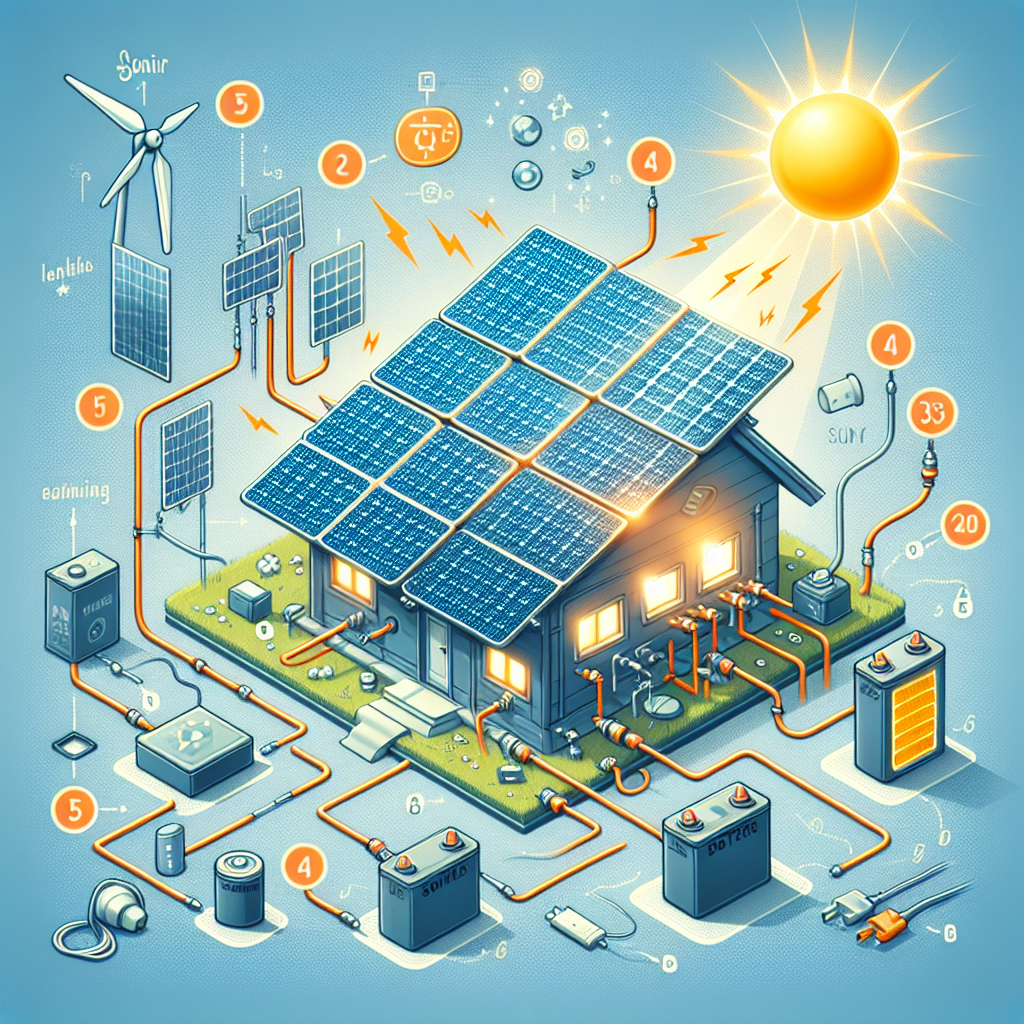
    Solar panels are the heroes of the solar energy story. Made up of many solar cells, they capture sunlight and convert it into electricity. I remember when I first saw solar panels up close; I was curious about how those little parts could produce such power!

    The efficiency of solar panels has significantly improved over the years. They’ve become sleeker, more productive, and often come with longer warranties, making the investment even more attractive. Getting familiar with the different types, like monocrystalline and polycrystalline panels, is super important.

    I once helped a friend install solar panels, and it was eye-opening to see how easily they integrate into a home’s existing electrical system. Just a few panels can make a big difference in offsetting energy costs!

    Inverters

    Inverters play a critical role by converting the direct current (DC) electricity generated by solar panels into alternating current (AC) electricity, which is what most homes use. Understanding this component was a game changer for me.

    There are different types of inverters — string inverters, microinverters, and power optimizers — each serving particular setups efficiently. When I learned about microinverters, I was amazed to discover how they can help maximize production even on partially shaded panels!

    Installing high-quality inverters is just as crucial as installing good solar panels. It’s one of those things that you don’t think about until the system isn’t working quite right. So, trust me, do your research here!

    Battery Storage

    Battery storage systems are becoming more common, allowing homeowners to store excess energy for use during the night or cloudy days. Initially, I thought it was just extra gear, but in reality, it’s a key piece of the solar puzzle.

    Imagine generating power during the day but being able to utilize it at night. That’s what batteries do! I’ve had many conversations with people about how they are taking a leap with battery technology, especially with advancements that have improved their lifespan and efficiency.

    Battery storage can add to the upfront costs, but when you compare that to the potential savings over time, it starts to make sense. It’s like having a mini power plant right in your backyard that’s just waiting for you to tap into it!

    Installation Process

    Site Assessment

    The installation process begins with a thorough site assessment. This step is crucial because it helps professionals understand the unique specifications of your home, like roof orientation, shading, and local regulations. When I got my panels, they meticulously evaluated every angle of my roof, and I realized just how important this part of the process was.

    Even the smallest detail can significantly affect energy production. For example, they measured how much sunlight hit my roof throughout the day, and I was surprised to learn how even the time of year plays a role! Once they gathered all that info, it was almost like they had a game plan ready to go.

    This assessment not only ensures that you get the most energy possible but also helps in maximizing your return on investment. Trust me; you don’t want to skip this step!

    System Design

    After the assessment comes system design. This involves the layout of the solar panels, inverters, and any additional components like batteries. I found it fascinating to see the engineers work through the designs, considering factors like structural integrity and aesthetic appeal.

    Sometimes, they offered options on panel sizes and types, which was a bit overwhelming at first. But they made sure I was comfortable with my choices before moving forward. By the end of this stage, I felt confident about the system we were going to install.

    A well-thought-out design can significantly influence the performance of the solar power system. It’s where all the technical details come together with your personal needs!

    Installation Day

    Finally, we arrived at installation day! To be honest, I was just as excited as I was nervous. Watching technicians climb onto my roof and start working their magic was surreal. It’s a great idea to prepare your home for such an event, making sure the area is accessible.

    The installation process typically takes a day or two, depending on the complexity of the system. I was amazed at how quickly they worked. Before I knew it, my roof was adorned with shiny new solar panels, and it felt like a mini miraculous transformation.

    When they turned the system on for the first time, I felt a rush of pride. I was now part of the solar energy community, contributing to a shared vision of a sustainable future.

    Benefits of Solar Energy

    Environmental Impact

    One of the biggest reasons I made the switch to solar was its positive impact on the environment. Solar energy drastically reduces greenhouse gas emissions compared to traditional fossil fuels. It’s empowering to know that I’m using clean energy, contributing to cleaner air and a healthier planet.

    Over time, I’ve realized that every kilowatt of energy generated by my solar panels translates to less reliance on non-renewable resources. It’s like being part of a movement towards sustainability, and that feels good!

    Each time I hear about climate change, I remember my solar panels are my small contribution toward mitigating that challenge. I often discuss this impact with my kids, increasing their awareness and excitement about renewable energy.

    Cost Savings

    The financial benefits of using solar energy are hard to ignore. I started saving on my electricity bills right away, and several incentives helped offset the installation costs. Tax credits and rebates were a cherry on top, giving my budget a significant boost.

    Over the years, as rates continue to rise for traditional energy sources, the savings from my solar system have only increased. It’s been rewarding to see that investment pay off, and I’m shocked at how much I’ve saved compared to what I’d be spending on conventional electricity.

    Plus, some areas even allow selling back excess energy produced—a win-win situation! It’s great to know that what I generate can also help others in my community. It creates a real sense of collective benefit.

    Energy Independence

    Switching to solar gives a sense of independence. Knowing I can generate my own electricity reduces reliance on fluctuating prices from external sources. It actually feels freeing to power my own home!

    Many people worry about price spikes and energy shortages, and I see the truth in those concerns. My solar panels shield me from that uncertainty. I know I have a system in place that will continue to work as long as the sun shines.

    As climate issues become more prevalent, this energy independence is becoming increasingly attractive. Understanding this, I realize now how essential it is for everyone to consider renewable energy as a valid alternative.

    Conclusion

    Learning about solar energy has transformed my understanding of power, sustainability, and our planet’s future. From understanding the basics to seeing how this technology works for homeowners, I find it overwhelmingly positive. I hope this breakdown helps you navigate your solar power journey, whether you’re just curious or ready to dive in!

    FAQs

    1. What is solar energy?

    Solar energy is energy obtained from the sun’s light and heat, which can be converted into electricity or heat using various technologies.

    2. How do solar panels work?

    Solar panels work by using photovoltaic cells to convert sunlight into electricity. The cells absorb photons from sunlight, which excites electrons and produces direct current (DC) electricity.

    3. What are the benefits of solar energy?

    The benefits include reduced electricity bills, a positive environmental impact, energy independence, and the potential for increased home value.

    4. How long does the installation process take?

    The installation process can vary but typically takes one to two days depending on the complexity of the solar system being installed.

    5. Is solar energy cost-effective?

    Yes! Although the upfront costs can be significant, the savings on electricity bills, federal and state incentives, and increasing energy prices make solar energy a cost-effective option in the long term.

  • Solar Energy Myths: What Actually Works?

    Solar Energy Myths: What Actually Works?

    Myth 1: Solar Energy is Too Expensive

    Understanding the Costs

    When I first considered solar energy, the price tag threw me off. I mean, who wants to fork out a huge chunk of change upfront? But the truth is, the costs have dropped significantly over the past few years. I remember talking to my neighbor, who made the switch, and he shared that his system paid for itself in just a few years through energy savings and tax incentives.

    Plus, many states offer rebates and financing options that can make solar more affordable than it seems. I always tell people, don’t let the sticker price scare you off. Look at the long-term picture; you’re investing in your future while contributing to a greener planet.

    Exploring the financial options can really change your perspective. I discovered options like solar leases or power purchase agreements (PPAs), which can mitigate those upfront costs completely. It may be worth exploring what your area has to offer!

    Myth 2: Solar Panels Only Work in Sunny Areas

    Weather Myths Busted

    This notion had me doubting whether solar was right for me living in a slightly overcast region. I thought, “What’s the point of putting panels up if they won’t get enough sun?” But then reality hit – solar panels actually work pretty efficiently in cloudy weather! I learned that they absorb sunlight, not just direct sunlight. Ain’t that cool?

    Actually, I visited a friend who lives in a place that’s notorious for rain, and he proudly showed off his solar setup. Despite the cloudy skies, his energy bills were slashed. The technology has improved to the point where the production isn’t just reliant on full brightness.

    Turns out, as long as there’s daylight, solar panels will generate some electricity. So, if you’re living in a cloudier area, don’t count solar energy out! You can still harness that power effectively.

    Myth 3: Solar Energy Isn’t Reliable

    Debunking Reliability Concerns

    Reliability is a biggie! I was worried about whether my system would actually generate enough energy when needed. The truth is that solar technology has come a long way. Many systems include battery storage, which can store energy for those less sunny days or when the grid goes down. I remember hearing about friends who had a backup power source thanks to their solar setup during a storm, and it saved their fridge and freezer from spoiling. Major win!

    Additionally, I also found that there are hybrid systems that integrate solar and grid power, allowing you to pull from both sources as needed, ensuring you’re never left in the dark. It’s a seamless way to have reliable energy, and I felt at ease knowing I could switch between sources without a hitch.

    The advancements in technology mean that solar is now more reliable than ever, so I wouldn’t settle for that outdated myth. If you do your research and choose the right system, you’ll be all set!

    Myth 4: Solar Energy Requires Too Much Maintenance

    Maintenance Realities

    Here’s one I’ve often heard – solar panels are a hassle to maintain. But let me clear this up: solar panels are surprisingly low-maintenance. I’ve had mine for a few years now, and honestly, the most I do is a quick wash every six months or so to keep dirt and debris off. It’s a simple job!

    Most of the systems out there are built to withstand the elements. I’ve talked to multiple installers, and they’ve told me that modern panels are designed with durability in mind. They’re tough cookies, resisting weather-related wear and tear better than most people give them credit for.

    And don’t forget about warranties! Most solar panel companies offer warranties ranging from 20 to 25 years. That’s assurance I rarely get with other home appliances. Once it’s up and running, you can pretty much forget about it, which is a huge relief.

    Myth 5: Solar Energy is Not Effective in Winter

    Winter Performance Insights

    This myth is a sneaky one! I mean, who wants to invest in a system that’s only good for half the year? But I dug a bit deeper, and guess what? Solar panels can actually perform well in cold weather! They are based on the intensity of sunlight rather than the temperature.

    As long as there’s sunlight, solar technologies will work – and trust me, some of the most efficient solar production can occur during bitter winter months. I’ve seen it happen. My neighbor’s panels were doing just fine during last winter’s chilly blasts, all while he enjoyed some serious energy savings.

    And don’t forget about snow! While it might cover the panels temporarily, it usually melts off quickly. The panels are designed in a way that allows them to shed snow easily when the sun starts shining again. So it’s not a deal-breaker during the colder months! Embrace winter with solar!

    Frequently Asked Questions

    1. What are the main costs associated with solar energy systems?

    The main costs include the purchase price of the solar panels, installation fees, and potential maintenance costs, though many systems are low-maintenance.

    2. Can solar panels function during rainy or cloudy days?

    Yes! Solar panels can still generate electricity even on cloudy days, although production may be reduced.

    3. How often do I need to maintain my solar panel system?

    Generally, solar panels require minimal maintenance. Cleaning them a couple of times a year is usually sufficient.

    4. Is investing in solar energy worth it?

    Absolutely! Solar energy can lead to significant savings on energy bills, increased home value, and positive environmental impacts.

    5. Do solar panels work efficiently in winter conditions?

    Yes! Solar panels can work efficiently in winter, as they are based on sunlight intensity rather than temperature.

  • Solar for Historic Homes: What Works Best

    Solar for Historic Homes: What Works Best

    Understanding the Unique Challenges

    Architectural Integrity

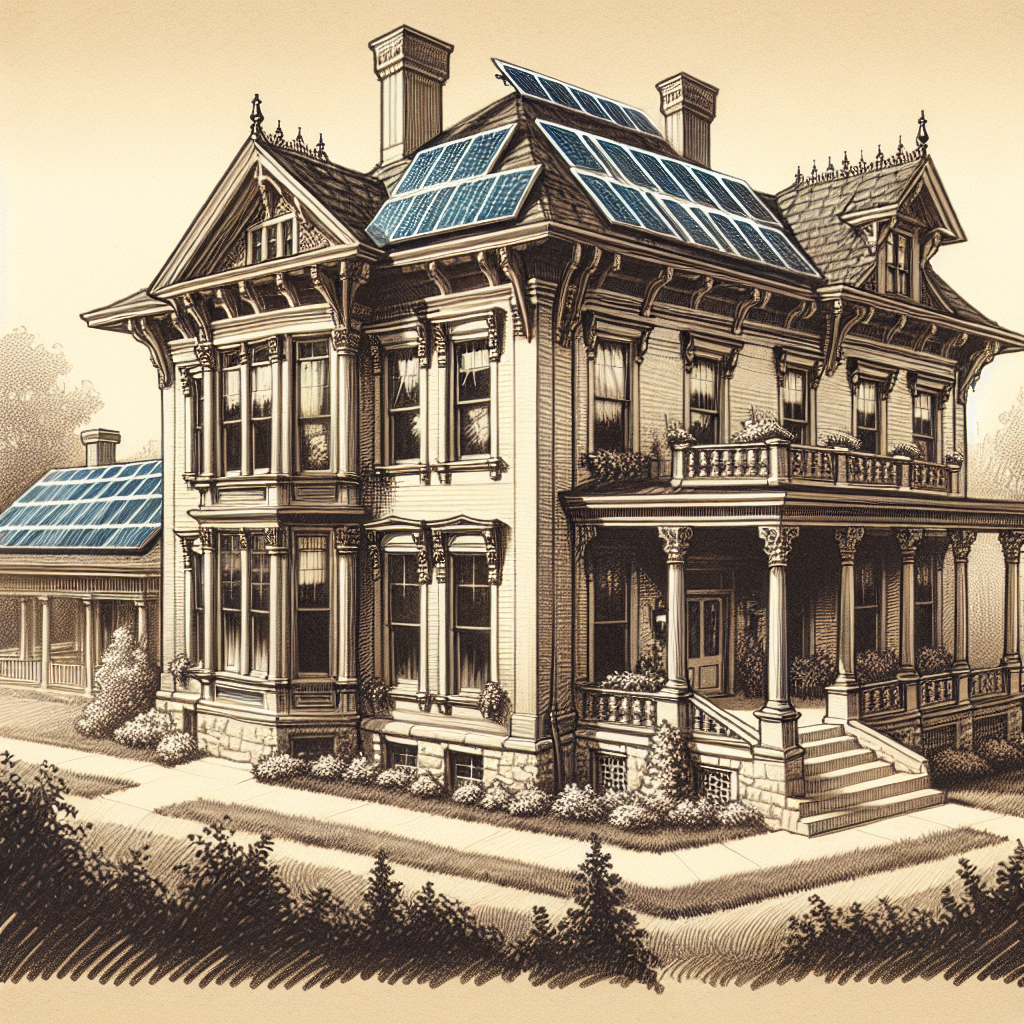
    One of the biggest hurdles in installing solar technology in historic homes is preserving their architectural integrity. These homes often have specific styles and historical significance that need to be honored. I remember walking through my own neighborhood, and seeing beautiful Victorian homes with intricate woodwork that simply couldn’t have solar panels sticking up like sore thumbs. The first step is to find ways to incorporate solar solutions that complement the design rather than detract from it.

    When considering solar panel placements, it’s crucial to think about roof orientation and Materials. A flat roof might allow for more hidden installations, while gabled roofs offer unique opportunities for aesthetics. I’ve seen some homeowners opt for solar shingles that mimic the look of traditional roofing materials, blending seamlessly into their homes.

    Consulting with a preservationist or architect familiar with your home’s style can help navigate these decisions. Don’t approach it as a daunting task, think of it as a creative challenge to honor the past while embracing future technology!

    Selecting the Right Technology

    Solar Panels Versus Solar Shingles

    When venturing into solar energy, the right technology can make all the difference. I’ve had extensive conversations with homeowners who are faced with the choice between traditional solar panels and solar shingles. Solar panels are typically more powerful and easy to install, but they can stand out on a historic roof. On the flip side, solar shingles offer a more integrated look, but they might have slightly lower efficiency.

    It’s essential to weigh the pros and cons with an energy consultant. I personally favor solar shingle installations for homes where aesthetics are a priority. They can sometimes be a bit pricier, but the visual benefits often outweigh the costs. Your choice here should align with your values regarding aesthetics and energy needs.

    Don’t forget to consider newer technologies like bifacial panels! These allow light to be captured from multiple angles, which is great if your home gets a fair amount of reflection off surrounding structures. Exploring all your tech options can be rewarding.

    Incorporating Battery Storage

    The Benefits of Backup Power

    Oh man, battery storage is something I didn’t appreciate enough at first! Having battery storage paired with your solar system is like having a safety net. Not only can it power your home during outages, but it also maximizes your solar energy usage when the sun’s not shining. It’s something I learned was crucial, especially when severe weather events knock out power lines.

    The latest battery technologies have come a long way. There are options that are more efficient and can store larger amounts of energy. I remember attending a community workshop where someone shared how their energy bills dropped significantly after adding battery storage. It really is a game changer.

    Furthermore, having battery storage can help bypass peak electricity costs, allowing you to utilize the energy you’ve stored during those high-rate times. It provides not just energy stability, but financial peace of mind in a way that aligns beautifully with maintaining a historic home.

    Engaging with Local Regulations

    Understanding Historic Preservation Laws

    Alright, let’s chat about the red tape. Engaging with local regulations can feel a little overwhelming, and I’ve been there. It’s crucial to educate yourself about the preservation laws in your area. Most towns have specific guidelines that dictate what can and cannot be done to historic properties.

    Start by reaching out to your local government or preservation society. In my case, they were extremely helpful in guiding me through the requirements and I even made some friends along the way! Make sure to have a clear plan outlining how your solar project will respect the home’s historical significance.

    Obtaining a permit can often be easier than anticipated. The key is to demonstrate that your solar installation is sensitive to the home’s character. So get your ducks in a row and tackle these bureaucratic hurdles head-on!

    Finding the Right Contractors

    Choosing Experienced Professionals

    This might be the most crucial step in your solar journey! Finding the right contractor who is experienced in working with historic homes can make or break your project. I’ve seen some individuals hire the cheapest option only to end up with issues that could have been avoided with a bit of research.

    Start by asking for recommendations from friends or neighbors. There are also numerous online reviews—take your time to sift through them. Look for contractors who showcase their past work on historic properties. It’s a good sign when they have a portfolio that includes beautiful installations that maintain the home’s integrity.

    Once you gather a list, set up interviews, and don’t hesitate to ask questions. I suggest asking how they deal with local regulations, and how specifically they’ve handled historic properties in the past. Building that rapport is key; you want someone who understands your vision and can execute it seamlessly!

    Conclusion

    Incorporating solar energy into historic homes may seem challenging, but breaking it down into thoughtful steps can make the process smoother. There’s a tangible joy in marrying modern technology with historic beauty, as I’ve experienced firsthand. And it’s not just about energy; it’s about pride in our homes and our choices for a sustainable future. So go forth and explore the possibilities!

    FAQs

    1. Can I install solar panels on my historic home without special permissions?

    Typically, yes, you will need special permissions as many local regulations exist to protect the integrity of historic homes. Always check with your local preservation officer.

    2. What are solar shingles, and how do they differ from solar panels?

    Solar shingles are roofing materials that generate electricity, while solar panels are mounted above the roof. Shingles tend to blend into the home’s architecture better.

    3. Do solar energy installations require maintenance?

    Yes, solar installations require periodic maintenance, including cleaning the panels and checking battery health. However, they are generally low-maintenance once installed.

    4. How do I find a contractor skilled in solar installations for historic homes?

    Start with referrals from friends, check online reviews, and look for contractors who specialize in historic properties. Conduct interviews to ensure they understand the unique requirements.

    5. Will solar energy significantly reduce my electricity bills?

    Yes! Many homeowners see a substantial decrease in their electricity bills after installing solar systems, especially when paired with energy storage solutions.

  • The Ultimate Guide to How Solar Energy Works in 2025: 7 Effective Strategies

    The Ultimate Guide to How Solar Energy Works in 2025: 7 Effective Strategies

    Welcome to your definitive guide on understanding how solar energy works in 2025. Whether you’re considering installing solar panels or just want to learn more about renewable energy, this article will walk you through the key concepts, innovative strategies, and practical tips to maximize your solar power usage this year.


    1. The Basics of Solar Cell Technology

    Understanding Solar Cells

    Solar cells, also known as photovoltaic (PV) cells, are the foundational components of solar panels. They convert sunlight directly into electricity through semiconductor materials, primarily silicon. In 2025, advancements have made these cells more efficient and affordable than ever before. This is crucial for understanding how solar energy works, as these tiny devices are the heart of solar power systems.

    Modern solar cells utilize innovative layering techniques to capture more sunlight and reduce energy loss. Multi-junction solar cells, for example, can achieve efficiencies over 40%, which is a significant leap from the early models. Breaking down the basic structure helps demystify the process: silicon wafers are treated to create positive and negative layers, forming a p-n junction.

    For a homeowner or business owner, understanding these basics can help you choose the right type of solar panel that fits your energy needs in 2025. High-efficiency panels can generate more power in limited space, a critical factor in urban environments.

    Evolution of Solar Cell Materials

    While silicon remains dominant, newer materials like perovskite and thin-film solar cells are gaining ground. These materials promise higher efficiency, less waste, and more flexible installation options. As of 2025, research shows perovskite solar cells reaching efficiencies over 25% in lab conditions.

    Utilizing diverse materials expands the potential for solar energy to reach more applications, from portable devices to large-scale solar farms. The evolution of materials directly contributes to how solar energy works. They influence the rate at which sunlight can be converted into usable electricity and how cost-effective the technology is.

    By keeping an eye on material innovation, consumers and developers can make smarter choices to suit specific needs, whether in remote locations or urban rooftops.


    2. Photovoltaic Effect Explained

    Foundational Science Behind Solar Power

    The core principle behind how solar energy works is the photovoltaic effect. In simple terms, when sunlight hits the solar cell’s semiconductor material, it energizes electrons, creating an electric current. This process transforms light into direct current (DC) electricity that can be used immediately or stored in batteries.

    Understanding this effect helps in grasping the efficiency and performance of solar panels. In 2025, techniques such as passivation layers and surface texturing have improved how well solar cells absorb sunlight and convert it into electricity.

    The photovoltaic effect is not just a scientific curiosity; it’s the engine powering solar energy systems worldwide. It informs the design and placement of solar panels to maximize sunlight capture throughout the day.

    PREPARE Mag ad 970 x 250

    Enhancing the Photovoltaic Process

    Researchers and engineers are constantly seeking ways to optimize this process. In 2025, innovations like bifacial panels that capture sunlight from both sides are making a significant impact. These panels can generate up to 30% more electricity by utilizing reflected light from the ground.

    Another enhancement involves using anti-reflective coatings and textured surfaces to reduce light loss. These improvements stem from a deep understanding of the photovoltaic effect and how to manipulate light interactions at the nano-level.

    Practical takeaway: Installing tilt angles and orientations that match the sun’s path can amplify the benefits derived from the photovoltaic effect, making your solar energy setup more productive.


    Emerging Innovations

    Looking ahead to 2025, solar technology is poised for remarkable growth with innovations like perovskite-silicon tandem cells achieving 30-35% efficiencies. These tandem configurations combine different materials to harness more sunlight and convert it into electricity more effectively. As a result, more households and businesses will have access to affordable, highly efficient solar solutions.

    Furthermore, the integration of AI and IoT into solar systems enables smarter energy management. In 2025, smart controllers predict energy consumption and optimize panel output, ensuring maximum efficiency at all times. This makes understanding how solar energy works crucial, as more systems become intelligent and interconnected.

    Urban solar deployment is also evolving. Building-integrated photovoltaics (BIPV) allow solar panels to be embedded directly into building materials, making solar power more aesthetically pleasing and versatile.

    Policy and Economic Impact

    Government incentives and improved financing options continue to make solar energy accessible. In 2025, policies worldwide favor renewable energy adoption, which accelerates the transition away from fossil fuels. This trend underscores the importance of understanding how solar energy works for informed investment and policy decisions.

    Additionally, declining costs—down over 80% since 2010—mean solar is becoming competitive without subsidies in many regions. The combination of technological advances and policy support makes solar energy a cornerstone of the global energy mix in 2025.

    Staying updated on these trends will help consumers and stakeholders leverage solar power effectively, ensuring a sustainable future.

    Frequently Asked Questions

    1. How does solar energy work at a basic level?
    Solar energy works by converting sunlight into electricity through photovoltaic cells using the photovoltaic effect. When sunlight hits the solar panels, electrons are energized, creating a flow of electric current.
    2. What are the main components of a solar power system?
    A typical solar power system includes solar panels, inverters, batteries (optional), and mounting systems. These components work together to generate, convert, store, and deliver electricity.
    3. How efficient are solar panels in 2025?
    In 2025, high-quality solar panels can achieve efficiencies of over 20-30%, with some advanced models reaching up to 35% using tandem cell technology.
    4. What are future trends in how solar energy works?
    Emerging trends include tandem solar cells, AI-powered energy management, building-integrated photovoltaics, and ultra-efficient new materials, all aimed at increasing output and reducing costs.
    5. Why is understanding how solar energy works important?
    Understanding how solar energy works helps homeowners, businesses, and policymakers make better decisions regarding technology, investment, and sustainability efforts, facilitating a cleaner energy future.


    © 2025 Your Solar Energy Expert. All rights reserved.