Tag: you need

  • What You Need to Know About Solar Panel Recycling

    What You Need to Know About Solar Panel Recycling

    Understanding Solar Panels and Their Components

    What Are Solar Panels Made Of?

    So, let’s start with the basics. Solar panels are primarily made of silicon, which is a key ingredient in many electronic devices. This means that when you decide to go solar, you’re not just embracing renewable energy; you’re also dealing with materials that need special handling when they’ve outlived their usefulness.

    Along with silicon, solar panels contain various metals like silver and aluminum, as well as glass and plastics. Each of these materials has its own story when it comes to recycling, so it’s vital to understand what pieces are in your solar setup before disposing of them.

    In addition to the silicon and metals, you also have other components like the encapsulant and backing materials that can complicate the recycling process. The more you know about what your panel is made of, the better equipped you are to handle it at the end of its life.

    How Solar Panels Work

    Understanding how solar panels function sheds light on why recycling them matters. They convert sunlight into electricity through photovoltaic cells, which then power everything from your lights to your appliances.

    But when solar panels reach the end of their operational lifespan—usually around 25-30 years—they’re not just useless junk. Through effective recycling processes, the materials can be recovered and reused, reducing the demand for new raw materials.

    This process not only mitigates waste but also helps to lower overall environmental impact. The electricity generated during their life is clean and sustainable, and their recycling can ensure that impact continues in a different way.

    The Importance of Responsible Disposal

    Responsible disposal of solar panels is crucial. When improperly discarded, solar panels can contribute to e-waste issues that are already a global concern. They can leach harmful substances into the environment, affecting soil and water.

    Moreover, recycling solar panels promotes a circular economy. By recovering valuable materials, we can reduce mining and manufacturing of new resources, which often entails significant environmental costs.

    In short, thinking ahead about how we’re going to dispose of our solar panels can make a big difference in our sustainability efforts. It’s about more than just recycling; it’s about ensuring everything you invested in keeps giving back to the planet.

    Recycling Processes for Solar Panels

    Step-by-Step: How Solar Panel Recycling Works

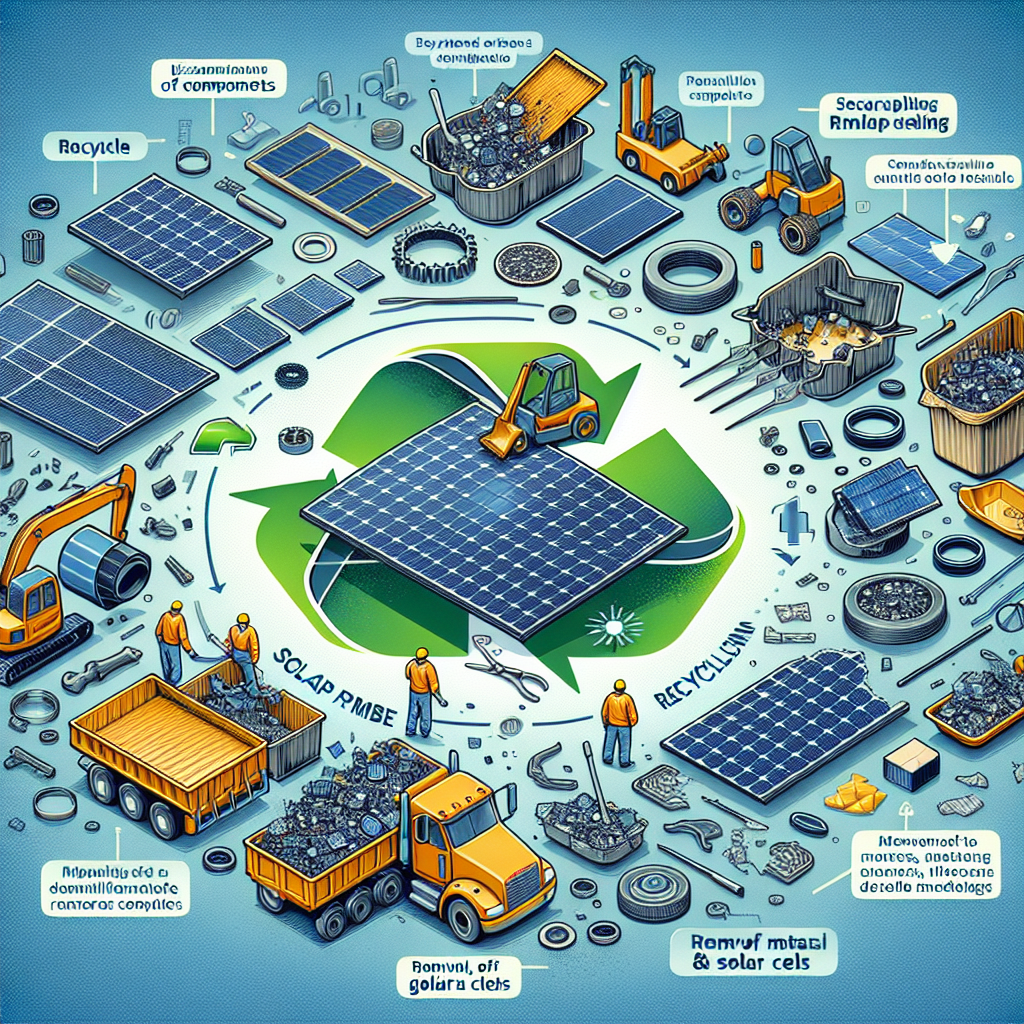
    So, how does the recycling process really work? It typically starts with the collection of the solar panels, where they are transported to a dedicated recycling facility. Here, they’re assessed for their materials and condition.

    Next up is the dismantling process. This is where the panels are broken down into their components, including glass, metals like silicon and silver, and various plastics. Each material is then prepared for its own recycling stream.

    Finally, each component is processed in a way that allows it to be reused in new products. It’s a fascinating process that helps us make the most out of what we have, turning the end of a solar panel’s life into new beginnings.

    Different Methods of Recycling

    There are different methods utilized in recycling solar panels. One common approach is mechanical recycling, where panels are physically broken down into their components. Each material is separated out for processing, which is efficient but can produce waste.

    Another method is thermal recycling, which uses high temperatures to melt and separate the materials. This can be more effective for certain substances but also requires a lot of energy.

    Some facilities even use chemical processes to recover materials, ensuring a more complete extraction of useful substances. Each method comes with its own pros and cons, and it’s interesting to see how evolving technologies are making recycling even more effective.

    Challenges in Solar Panel Recycling

    While the recycling of solar panels is essential, it’s not without its challenges. One of the biggest hurdles is the limited infrastructure for recycling, especially as more panels reach the end of their life cycle.

    Additionally, the processes involved can be quite technical and may not be accessible to every recycling facility. This lack of accessibility can lead to panels ending up in landfills instead, which totally goes against the whole reason we went solar in the first place.

    Understanding these challenges can inspire us to advocate for better recycling solutions and policies that prioritize sustainable practices in the solar industry. Ultimately, the more clouds we clear in terms of logistics, the brighter the future for solar recycling looks!

    The Role of Legislation and Policy

    Current Regulations Surrounding Solar Panel Disposal

    Legislation plays a crucial role in shaping the practices around solar panel recycling. In many areas, laws are being introduced that require manufacturers to take responsibility for their products at the end of their life.

    For instance, some countries have already implemented producer responsibility programs, where companies are obligated to manage the disposal and recycling of their solar products. This pushes for a much-needed shift in how we think about the lifecycle of solar panels.

    It’s vital to keep up with local and national regulations that pertain to solar recycling. Not only does this help hobbyists and manufacturers comply, but it also promotes broader environmental goals that benefit all of us.

    Future Legislation Trends in Solar Recycling

    As the solar market continues to grow, I foresee future regulations evolving to reflect that shift. We might see stricter standards for recyclability built into design requirements for new solar technologies.

    Additionally, incentives for using recycled materials in new products could become more common. This would further encourage manufacturers and consumers to think about sustainability as part of their energy solutions.

    Keeping an eye on these potential trends helps us stay proactive rather than reactive when it comes to the environment and energy solutions. It’s an exciting time for innovation!

    Advocacy for Improved Solar Recycling Policies

    Working together as a community to push for policies that enhance solar panel recycling can significantly influence the landscape of renewable energy. Advocating for better recycling practices can mean engaging with local governments and participating in discussions around sustainability.

    We can educate our networks about the importance of responsible disposal and the impact it has on the industry’s sustainability efforts. The more voices we have, the more likely we are to see changes in policies and practices.

    So join the conversation! Whether it’s through social media, local events, or community forums, being an advocate for proper solar panel recycling can foster change that echoes well beyond just our rooftops.

    Your Responsibilities as a Solar Panel Owner

    Knowing When to Recycle

    As a solar panel owner, it’s essential to know when it’s time to recycle your panels. Generally, if your panels are nearing or have exceeded their lifespan and are significantly underperforming, it’s time to consider your options.

    But not just performance is a trigger; if you notice any physical damage, such as cracks, or if they’ve been exposed to extreme weather conditions over time, that’s another sign they may need to be recycled.

    Staying informed about your system’s performance and efficient maintenance can extend the life of your panels, but eventually, everything reaches its end, and being prepared for that moment is crucial.

    Finding a Recycling Facility

    Once you’ve decided it’s time to recycle, the next step is finding a facility that can help you do that. Many local recycling centers are beginning to offer specialized services for solar panels, but it’s important to ensure they’re equipped to handle the unique materials involved.

    Doing a bit of research ahead of time can save a lot of hassle. Look for facilities that have certifications or partnerships with well-known recyclers. These indicators often demonstrate a commitment to environmentally responsible practices.

    Sometimes manufacturers of solar panels also provide take-back programs, so checking with your provider before deciding where to take your panels is a wise move. They may have specific solutions tailored to their products!

    Educating Yourself and Your Community

    Finally, the more you educate yourself about solar panel recycling, the better equipped you’ll be to share that knowledge with your community! Hosting a workshop or writing a blog post can help others understand why recycling is crucial.

    As the saying goes, sharing is caring! The more we spread the word, the larger the community we build around sustainable practices. Together, we can create a culture where recycling solar panels is the norm, not the exception.

    Let’s uplift each other and the planet by ensuring that our investments in solar energy don’t end up as waste. It’s about making a difference, one recycled panel at a time!

    Frequently Asked Questions

    1. Why is it important to recycle solar panels?

    Recycling solar panels is crucial to preventing e-waste, recovering valuable materials, and minimizing environmental impact. It helps support a sustainable lifecycle for the materials involved in generating solar power.

    2. What materials are recovered from solar panels during recycling?

    During the recycling process, valuable materials such as silicon, silver, glass, and aluminum are recovered. These materials can then be reused in new products, reducing the need for mining and new raw materials.

    3. How can I tell if my solar panels need recycling?

    Indications that you may need to recycle your solar panels include significant performance drops, physical damage, or if the panels are approaching the end of their lifespan (usually 25-30 years).

    4. Are there local facilities that recycle solar panels?

    Yes! Many local recycling centers are beginning to offer solar panel recycling services. It’s best to do a bit of research to find certified facilities that handle the recycling of solar materials.

    5. What can I do to advocate for better solar panel recycling practices?

    You can get involved by educating yourself and your community about solar recycling, attending local forums and workshops, and advocating for policies that support improved recycling initiatives. Every voice counts in the push for sustainability!
  • Off-Grid Solar Power: Everything You Need to Know

    Off-Grid Solar Power: Everything You Need to Know

    Understanding Off-Grid Solar Systems

    What is Off-Grid Solar Power?

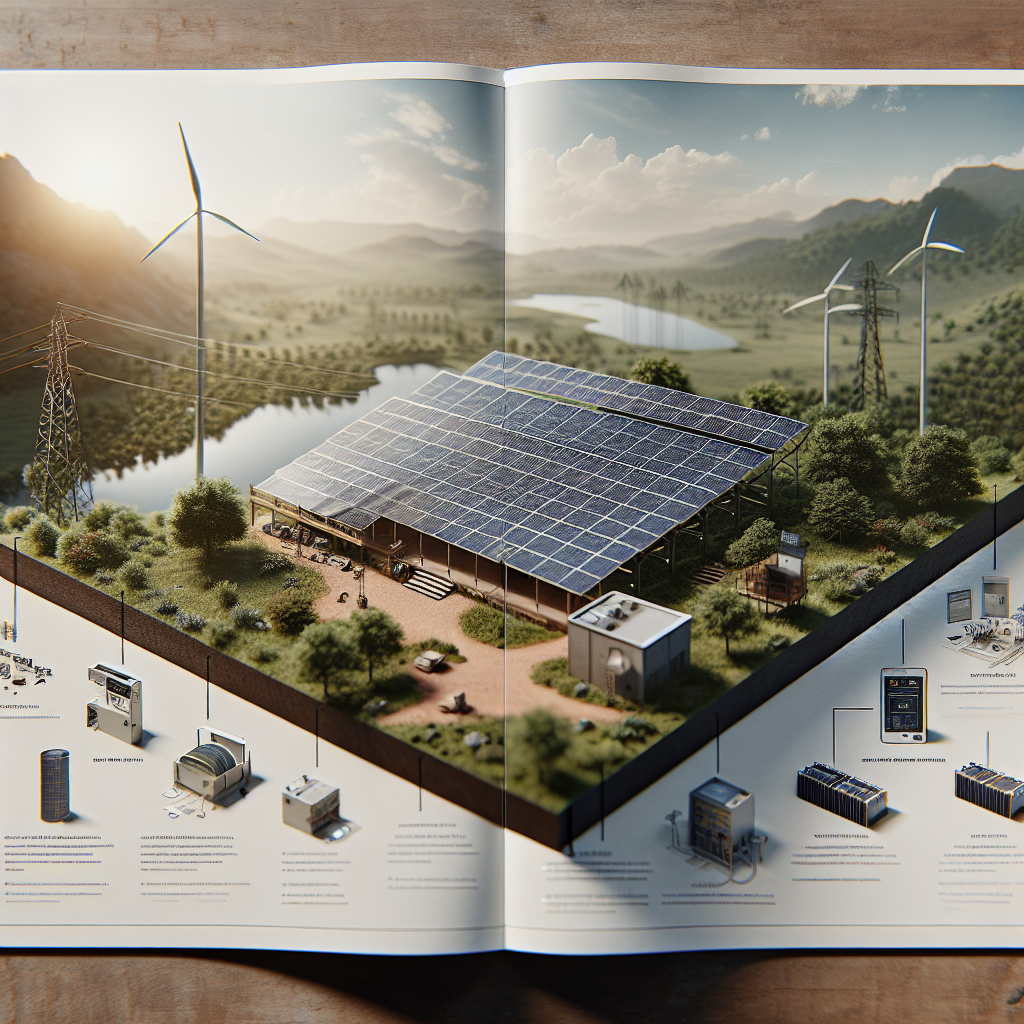
    Okay, so first off, let’s get clear on what off-grid solar power actually means. Simply put, it refers to solar energy systems that operate independently of the centralized power grid. This setup is perfect for those looking to achieve energy independence, especially in remote areas where connecting to the grid isn’t practical.

    When I first took the plunge into off-grid living, I was amazed at how liberating it felt. I didn’t have to rely on anyone else for my power needs. Using solar panels, I could generate my own electricity and power my life, whether I was out in the woods or living in a cozy cabin.

    But it’s not just about independence; it’s also about sustainability. Off-grid solar systems can drastically reduce your carbon footprint and contribute to a greener planet. I mean, who doesn’t want to do their part for Mother Nature, right?

    Components of an Off-Grid System

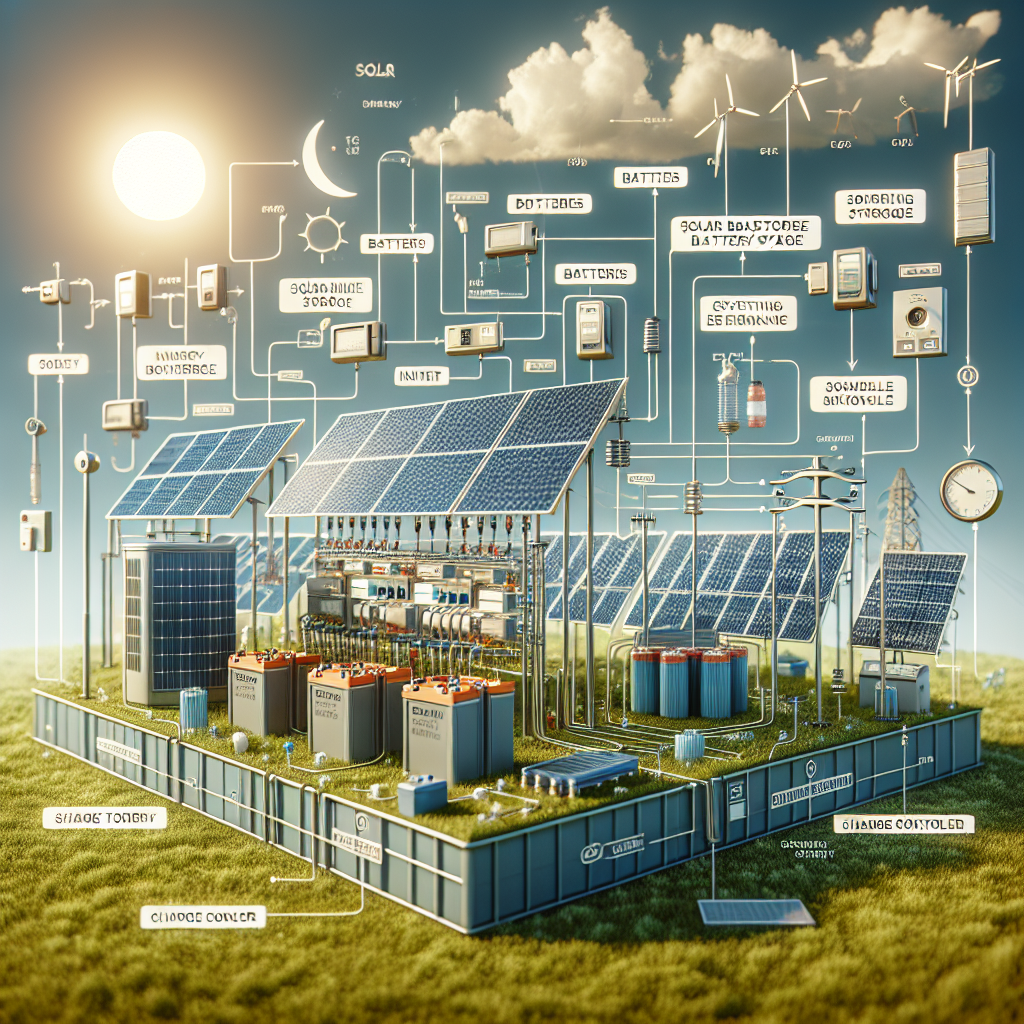
    Now, let’s talk parts. An off-grid solar power system typically consists of solar panels, a charge controller, batteries, and an inverter. Each component has a unique role in making the system work smoothly.

    The solar panels convert sunlight into electricity, which is charged into the batteries by the charge controller. These batteries store energy, so you have power even when the sun isn’t shining. Finally, the inverter changes the stored DC electricity into usable AC power for your home appliances. It’s a nifty little setup!

    When I was setting this up, I had to take a bit of time to research the right components that fit my energy needs. Trust me, investing in quality equipment pays off big time in the long run.

    Advantages and Challenges

    While being off the grid is fantastic, there are both advantages and challenges. The biggest perk for me was the reduction in electricity bills. Once everything was set up, my power was practically free!

    However, it’s not all sunshine and rainbows. The initial setup costs can be high, and you need to ensure your system is designed well enough to handle your energy needs. Plus, if you’re in a less sunny area or during winter months, you might struggle with insufficient power.

    It’s essential to do thorough research and planning before going off-grid. Understanding your energy consumption habits can save you lots of headaches—and probably some money—in the long run.

    How to Calculate Your Energy Needs

    Assess Your Daily Usage

    The first thing I did when moving toward an off-grid lifestyle was calculate how much energy I used daily. This meant listing out all my appliances, their wattage, and how many hours I used them. It felt a bit like going back to school with all the math involved!

    But once I wrapped my head around the numbers, it turned out to be super relieving. Knowing how much energy I consumed allowed me to tailor my solar system to meet my specific needs instead of just guessing.

    This step is crucial to ensure you’re investing in the right amount of solar. Trust me, you don’t want to end up with a system that doesn’t cover your energy use, especially during those cloudy days.

    Solar Panel Output

    Next up, understanding solar panel output. Not all solar panels are created equal! They vary significantly in efficiency, size, and output rating. When I chose my panels, I made sure to pick ones that had high efficiency and a good warranty. You want something that’ll last!

    Calculating how many panels you need means dividing your total daily kilowatt-hours (kWh) by the solar panel output rating. This will help you get a good estimate of how many panels you should install for your energy usage.

    Keep in mind that different factors—like location and weather—can affect performance, so I usually added a bit extra to my calculations just to be safe.

    Battery Storage Considerations

    Finally, let’s talk batteries. Selecting the right battery storage is crucial since they are what keeps your lights on when the sun goes down. I opted for lithium-ion batteries because of their longevity and efficiency, but lead-acid batteries are also popular for a reason—they’re usually cheaper!

    When figuring out how many batteries you’ll need, I considered how much energy I wanted to store. A good rule of thumb is to have enough batteries to cover 2-3 days of energy use. That way, if there are a couple of cloudy days in a row, you won’t be left in the dark.

    Also, don’t forget about battery maintenance! It’s something that can be easily overlooked, but regular checks can prolong their lifespan significantly.

    Installation Process

    Planning Your System

    The installation process can seem daunting, but it’s all about planning. I drew up a diagram of where I wanted my panels installed and how everything would connect. Visualizing helped me avoid mistakes once the real work began.

    I also spent time checking local regulations regarding solar installations. Some places have specific guidelines or permits that you need to adhere to. It’s better to tackle this upfront to avoid headaches later on!

    Involving professionals is always a good idea if you feel overwhelmed. They bring expertise to the table and can help streamline the installation process.

    Installing Solar Panels

    When it came time to install the solar panels, I felt like such a boss! It was hard work, but really rewarding to see my system coming together. Depending on your setup, you may need to mount the panels on a roof or ground mount them in your yard. I went for a ground-mounted system because it made maintenance simpler.

    For anyone who decides to take this route, just be sure your panels are angled correctly for maximum sunlight exposure. It’s key to rotate those bad boys to capture the most sun throughout the day!

    Also, make sure to use proper tools and safety equipment. It’s always better to be safe, especially when working on ladders or rooftops!

    Connecting Other Components

    With the panels up, the next step is connecting everything: the charge controller, batteries, and inverter. This part sometimes felt like piecing together a puzzle. I had to double-check each connection to ensure it was all correct; one wrong move can throw off the entire system!

    Online tutorials and videos were my best friends during this stage. There’s a wealth of info out there that can guide you through the process like a pro. And if you’re ever unsure, calling in a certified technician is a solid option.

    After hooking everything up, watching the system come to life was such a thrill! I finally saw my panels generating energy, and it felt like I’d conquered a huge mountain.

    Maintenance and Troubleshooting

    Regular Maintenance Practices

    Let’s chat about keeping your system in tip-top shape. Even the best solar systems need a bit of TLC now and then. I set a schedule to clean my panels and check connections regularly, especially after big storms or heavy dust.

    A clean panel can be more efficient, so I occasionally used a hose and a soft brush to remove any debris. Just be gentle; you don’t want to scratch the surface!

    Beyond cleaning, it’s good to keep an eye on the battery health as well. Sometimes battery cells can get imbalanced, so occasionally checking their charge status helps ensure everything runs smoothly.

    Signs of System Failure

    Now, even with the best planning, issues can crop up. Some signs of system failure include persistent low voltage readings or batteries not charging correctly. When I experienced this, it was super frustrating!

    Whenever you notice something off, it’s essential to investigate right away. If the issue isn’t something obvious like dirt on the panels, you might need to consult with a pro to diagnose and fix the problem.

    Staying ahead of potential issues can save you loads of heartache down the road. Plus, knowing the common problems can help you troubleshoot like a champ!

    Upgrading Your System

    Last but not least, let’s talk upgrades. As time passed, my energy needs changed, and I found myself wanting to add more panels and batteries. Thankfully, the beauty of off-grid solar is that you can tweak and upgrade your system as needed.

    When considering upgrades, analyze your current setup. Are you using your energy efficiently? Maybe adding energy-efficient appliances can make a huge difference without investing heavily in extra panels.

    But should you choose to expand, there are plenty of resources available to help you understand what modifications are best for your existing system. Embracing the upgrades keeps everything running smoothly and efficiently!

    FAQs

    1. Is off-grid solar power really cost-effective?

    Absolutely! While the upfront costs can be high, many folks quickly see reductions in their electricity bills. Plus, once it’s set up, you start generating free power!

    2. How much maintenance do solar power systems require?

    It’s minimal! Regular cleaning of the panels and checking battery health is typically all that’s needed. Make it part of your seasonal chores, and you’re golden!

    3. Can I connect my off-grid system to the grid later?

    This depends on your local regulations, but many systems can be designed for grid-tied compatibility. It’s always best to check with an expert before making any plans.

    4. What if I live in an area with less sunlight?

    No worries! You can adjust by adding more panels or investing in more efficient batteries. Research how other off-grid people in your area handle it for ideas!

    5. Do I need a lot of land for solar panels?

    Not at all! Many installations are suitable for smaller spaces, especially with vertical panels. Be creative with your setup!

    So there you have it—everything you need to kickstart your off-grid solar journey! If I can do it, so can you! Happy solar setup!

  • Solar Energy Tax Credits: What You Need to Know

    Solar Energy Tax Credits: What You Need to Know

    Understanding Solar Energy Tax Credits

    What Are Solar Energy Tax Credits?

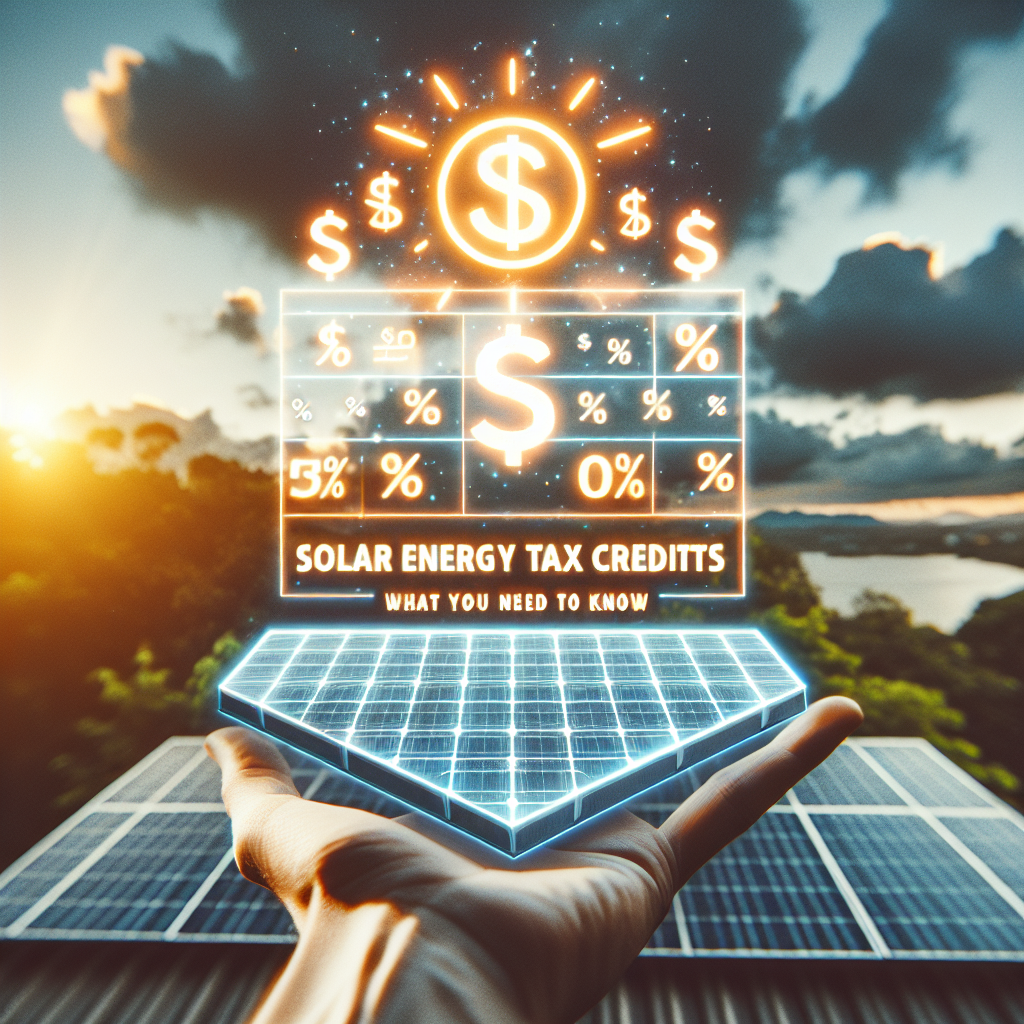
    So, let’s kick things off with the basics. Solar energy tax credits are financial incentives offered by the government to make solar power more affordable. When you decide to go solar, you’re not just reducing your electricity bill; you can also reduce your tax liability. How cool is that? These are basically credits that you can apply against the amount of tax you owe, so they can be quite a beneficial scenario if you’re looking to invest in renewable energy.

    In simple terms, whenever you install qualifying solar energy systems in your home or business, you can claim a certain percentage of the installation costs as a tax credit. This is a fantastic way to lower the financial barrier of going green!

    And the incentive didn’t stop there! Over the years, updates and extensions have been made to these credits, which makes it a sweet deal for anyone considering making the switch to solar energy.

    The Importance of the Federal Solar Investment Tax Credit (ITC)

    The Federal Solar Investment Tax Credit (ITC) has been a game changer for the solar industry. This credit allows you to deduct a substantial percentage of your solar panel installation costs from your federal taxes. If you ask me, that’s like getting paid to go green!

    As of now, the ITC offers a credit of 26% through 2022, which will step down to 22% in 2023. Knowing that makes me feel like I need to get on that solar bandwagon ASAP before rates drop! So keep an eye on those dates, guys.

    Using the ITC not only makes your solar setup more affordable but also contributes to reducing reliance on fossil fuels—talk about a win-win!

    State-Specific Incentives

    While the federal credit is amazing, don’t overlook additional state-specific incentives that can sweeten the deal even more! In my experience, every state has different rules and perks, from rebates to additional tax credits or grants for solar installations.

    For instance, some states might offer rebates that give you a chunk of cash back after installation, while others may have programs that reduce your property taxes if you go solar. This can significantly change the overall cost perspective.

    So, do your homework on what’s available in your state. Trust me, a little research can lead to huge savings!

    Eligibility Requirements for Solar Tax Credits

    Who Qualifies for the Tax Credits?

    When I first started diving into solar energy, one of my biggest questions was, “Do I even qualify for these tax credits?” The good news is, if you own your home, you’re often eligible for the federal tax credit. However, there are specific guidelines you need to follow.

    You’ll need to have an eligible solar energy system installed—this generally means it should be new and meet certain standards set by the IRS. Whether you’re installing solar panels, solar water heaters, or even battery storage systems, make sure they meet technical guidelines!

    Remember that for rental properties or businesses, different qualifications will apply, so it’s worth checking into that if you don’t live in the property yourself.

    What Installation Costs Are Covered?

    Not all costs are created equal when it comes to tax credits. The costs that qualify for the solar tax credit are typically the installation expenses, which can include the price of materials and labor. However, I found that it’s crucial to ask your installer for a detailed quote that breaks down these costs.

    Some folks might be surprised to learn that permits, equipment for the solar system, and even the sales tax on the system itself might be eligible for the credit! Every little bit helps, right?

    Taking the time to investigate exactly what gets covered will save you stress and potentially money down the line.

    Documenting Your Installation

    When it comes to filing for tax credits, documentation is key! Don’t leave things to chance—make sure you’re keeping track of all the necessary paperwork. In my experience, I learned the hard way that proper documentation can save you headaches later on.

    Keep your installation contract, all invoices, and photos of your completed system. When tax season comes around, it’s easier to have everything organized rather than scrambling to find those documents.

    Plus, if you ever face an audit, having comprehensive records will be invaluable. Trust me, it’s worth the effort!

    Tax Credit Application Process

    Filing Taxes with Solar Credits

    Alright, so after you’ve installed your solar system and gathered all that documentation, it’s time to think about filing your taxes. The good news is that you will fill out IRS Form 5695 to claim your credit!

    Those forms can seem intimidating at first, but it’s not as scary as it sounds. Just take a deep breath and follow the instructions! You’ll input the total cost of your solar energy installation, and the form will do the math for you—easy peasy!

    If you’re confused at any point, don’t hesitate to ask a tax professional for help. It’s better to get it right from the start than to make costly mistakes.

    Deadlines and Important Dates

    Every year, the deadline for applying for tax credits usually coincides with the income tax filing deadline—April 15 in the U.S. But if you’re like me and always seem to file your taxes at the last minute, remember that extensions won’t apply to tax credits; they expire based on the year.

    It’s essential to keep an eye on the calendar, especially if you’re planning upgrades or installations in anticipation of the upcoming tax year. Mark those important dates down!

    This way, you can avoid missing out on any potential savings. No one wants to be that person who loses money just because they forgot a deadline!

    The Role of Tax Professionals

    Now, I can’t stress enough how beneficial it is to consult with a tax professional, especially regarding something as intricate as solar tax credits. I learned this the hard way, trust me.

    They can guide you through the requirements and ensure that you’re maximizing your benefits when tax time rolls around. Plus, they can help navigate those tricky forms and provide specific advice based on your situation.

    In my book, having a seasoned pro on your side makes the process way less overwhelming and far more rewarding.

    Future of Solar Tax Credits

    Potential Changes on the Horizon

    As someone who’s pretty plugged into the solar scene, I can tell you that the future of solar tax credits is buzzing with potential changes. Governments continuously assess climate policies, which means the credits can evolve as new regulations are established.

    Keeping an eye on proposed legislation or changes to the ITC will help you stay ahead of the game. I mean, wouldn’t it just be a drag to plan something only to find out that the rules have shifted?

    By staying informed, you can make better decisions regarding your solar investment. It’s always wise to adapt and be ready for changes!

    Long-Term Financial Benefits

    Investing in solar energy isn’t just about getting a quick tax credit; it’s about long-term savings. From my own perspective, the real beauty of solar lies in the reduction of your monthly energy bills and the increase in your property value.

    Over the years, many homeowners have reported their solar panels significantly boosted their resale value. And who doesn’t want to pass that on to the next owner? It’s a savvy investment in the long run!

    So, while you’re eyeing those tax credits, remember to visualize how solar can change your lifestyle and finances in the future!

    Encouraging More People to Go Solar

    At the end of the day, the goal of solar tax credits is simple: to encourage more folks to invest in renewable energy. The more people that switch to solar, the more momentum we gain in the fight against climate change.

    Every household that moves to solar represents a step towards sustainability. I’m super passionate about getting the word out and driving more interest in solar options.

    Let’s face it, the more informed people are about tax credits and their benefits, the more likely they’ll give solar a try. And that’s exactly how we build a brighter, greener future!

    FAQ

    1. What are solar energy tax credits?

    Solar energy tax credits are financial incentives that reduce your tax liability when you install solar energy systems in your home or business.

    2. How much can I deduct with these tax credits?

    As of 2022, you can deduct 26% of your solar installation costs from your federal taxes. This percentage will decrease to 22% in 2023.

    3. Who qualifies for solar tax credits?

    Homeowners who install eligible solar systems can claim tax credits. You typically must own the system and have the installation done by a qualified contractor.

    4. How do I apply for the solar tax credits?

    You can apply by filing IRS Form 5695 along with your tax return. Be sure to keep all relevant documents and receipts related to your installation!

    5. Are there state-specific incentives for solar energy?

    Yes! Many states offer additional rebates, tax credits, and programs that reduce costs for homeowners investing in solar energy. Research what’s available in your state to maximize savings!

  • Solar Battery Storage: Everything You Need to Know

    Solar Battery Storage: Everything You Need to Know

    Understanding Solar Battery Storage

    What is Solar Battery Storage?

    So, let’s start from the beginning. Solar battery storage refers to a system where solar energy generated during the day is stored for use later when the sun goes down. It’s like having your cake and eating it too – you get to enjoy your solar energy even after the sun is gone!

    In a typical setup, you have solar panels converting sunlight into electricity. That energy can either be used immediately, sent back to the grid, or packed away in batteries for later use. A solar battery system can offer you more energy independence and reliability, especially during power outages.

    Recently, as renewable energy has taken off, more folks are turning to battery storage. It’s not just about saving money — it’s also about sustainability and reducing your carbon footprint. I mean, who doesn’t want to save the planet while saving on energy bills?

    Types of Solar Batteries

    Let’s chat about the different types of solar batteries out there. There are a few main players in the game: Lithium-ion, lead-acid, and flow batteries. Each has its pros and cons, but understanding them is crucial if you want to make a wise investment.

    Lithium-ion batteries are super popular because they’re lightweight and have a longer lifespan. You’ll see a lot of home setups using them because they can charge and discharge quickly, making them ideal for daily energy needs.

    On the flip side, lead-acid batteries are more affordable but often don’t last as long. If you’re on a tight budget, they might be appealing, but they might require more maintenance and replacement down the line. Flow batteries are newer and can be suitable for larger applications but might not be the best fit for every home.

    Benefits of Solar Battery Storage

    Now, let’s dive into the perks of having a solar battery system. First off, energy independence. With a battery, you’re not reliant on the grid for all your power needs. This means less worry when there’s a storm or some unexpected load-shedding.

    Another significant advantage is savings on your electricity bills. Storing your solar energy means you can use it whenever you need it instead of paying for energy during peak prices. Trust me, those savings really pile up!

    Finally, it’s eco-friendly. By relying on solar energy and having the ability to store it, you’re doing your part in reducing reliance on fossil fuels. And in today’s world, that’s something we should all be proud of!

    Selecting the Right Solar Battery System

    Assessing Your Needs

    Before you jump in and buy a solar battery, let’s take a moment to assess what you actually need. Every household is different, and understanding your energy requirements is imperative. A thorough energy audit helps determine your daily consumption, which ultimately helps in choosing the right battery.

    For instance, if you use a lot of electricity during peak hours or have appliances that consume significant power, you may need a larger battery capacity. It’s essential to think long-term here; if you plan on expanding your solar array, ensure your battery can keep up.

    Don’t forget to consider your budget! Being clear about what you can afford helps narrow down your options — after all, no one likes financial surprises!

    Evaluating Compatibility

    Another thing I learned along the way is ensuring any battery you consider is compatible with your existing solar setup. Some batteries require specific inverters or require you to upgrade certain components, which might push your costs higher than you’d anticipated.

    Take the time to speak to your installer or do a bit of online research about your current equipment to ensure everything will play nicely together. You want a smooth operation without those annoying hiccups along the way.

    Compatibility means efficiency. So choosing an incompatible battery could mean you’re losing out on those sweet solar savings. Trust me, that’s the last thing you want after investing in a whole new system!

    Installation Considerations

    Once you’ve found your ideal battery, let’s chat about installation. You might want to consider hiring a professional unless you’re very handy. Installation isn’t just about hooking things up; it’s also about safety measures and ensuring everything is compliant with local laws.

    You might also need permits, so keep that in mind. Getting everything set up legally is crucial to avoid any future headaches. I’ve heard horror stories from people who skipped this step!

    Lastly, once your system is installed, don’t forget about regular maintenance. While solar batteries are designed to last, a bit of TLC can go a long way in ensuring great performance and longevity. Think of it like taking your car for regular servicing!

    Long-Term Considerations for Solar Battery Storage

    Battery Lifespan and Performance

    Let’s talk about longevity. Most solar batteries have warranties operating between 5-15 years, but they can often last longer than that with proper care. However, it’s important to note that battery performance tends to degrade over time, so keep an eye on your system and be aware of what affects your specific battery’s lifespan.

    Temperature, charging cycles, and depth of discharge play a huge role here. Here’s the scoop — if you over-discharge your battery too often, it can shorten its lifespan. I learned this the hard way when I didn’t monitor my usage carefully!

    Regular monitoring can help catch any issues early, potentially saving you from costly replacements in the future. You can often find apps or software that allow you to track your battery performance from the comfort of your couch — talk about convenience!

    Market Trends and Innovations

    Keeping an eye on market trends is crucial if you want to get the most out of your solar battery investment. The industry is constantly evolving. Just think about it: when I first considered solar battery storage, options were pretty limited, but now, there are so many choices with new tech popping up rapidly.

    Innovation like smart battery systems can optimize performance even further by utilizing AI to predict energy needs based on past usage patterns. This means your battery could be working smarter — not harder — which is always a win in my book.

    Additionally, government incentives are changing over time, and it’s important to stay updated. You could save loads of cash just by staying in the know and acting at the right time!

    DIY vs. Professional Guidance

    The eternal debate — should you go DIY or hire a pro? As someone who loves to dabble in home improvement, I can understand the temptation to do it yourself. But let me tell you, solar battery systems can be complex.

    Unless you have solid knowledge in electrical systems or battery technology, it’s generally better to consult with experts. You’ll save time, avoid mistakes, and honestly, your sanity will thank you later.

    If you do decide to go the DIY route, please take every safety precaution seriously. Watch some instructional videos, have a clear plan, and start small. It’s super rewarding, but it can also be a little overwhelming if you bite off more than you can chew!

    Frequently Asked Questions

    1. How do I know if solar battery storage is right for me?

    Consider your energy consumption patterns, budget, and how much you want to rely on solar energy versus traditional grid power. An energy audit can be really helpful here!

    2. What’s the average lifespan of a solar battery?

    Most batteries last between 5-15 years, but some will outlast their warranty period if properly cared for and maintained.

    3. Can I install a solar battery system myself?

    While it’s possible, I recommend hiring a professional unless you’re really experienced with electrical work. Safety and compliance are super important!

    4. What are the cost factors for solar battery installation?

    Costs can vary widely based on the battery type, system size, and installation labor. Factor in the initial investment, maintenance costs, and potential savings on energy bills!

    5. What are some signs my battery is failing?

    If you notice shorter discharge times, frequent charging cycles, or any unusual noises, it may be time to inspect or replace your battery. Regular monitoring can help you catch these signs early!