Tag: your energy

  • How to Calculate Your Energy Needs for Solar Power Systems

    How to Calculate Your Energy Needs for Solar Power Systems

    Hey there! If you’re diving into the world of solar power, I can totally relate! It’s an exciting journey toward energy independence. Today, I’m eager to share some insights on how to calculate your energy needs for solar power systems. This info will help you figure out how much solar juice you need to keep the lights on in your home (literally)! Let’s break it down into five easy-peasy areas. Here we go!

    1. Understanding Your Current Energy Consumption

    Analyze Your Utility Bills

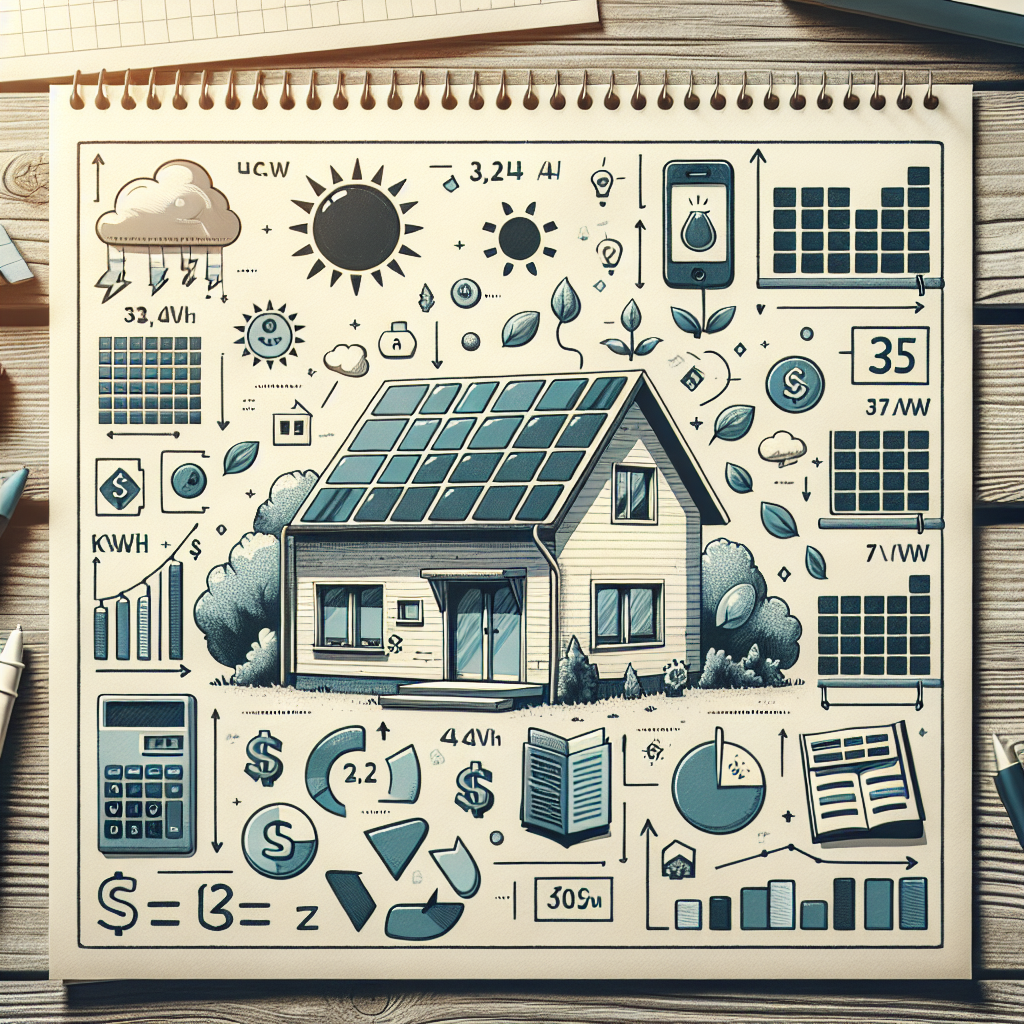
    First things first, take a look at your utility bills. Yes, I know they can be a drag, but they’re gold mines of information! Look for your monthly usage in kilowatt-hours (kWh). This number gives you a baseline idea of how much energy you consume. You’ll want to record this over a year to get an average. Seasonal changes can sometimes make your bills go wild!

    From my experience, I found it helpful to chart my usage. I created a simple spreadsheet and logged my kWh every month. It revealed patterns I never noticed before. Maybe you use more energy during the winter because of heating, or perhaps summer months are all about running the A/C! This exercise will help you understand where most of your energy goes.

    Once you gather your data, calculate your average monthly energy consumption. This figure is essential for sizing your solar power system! The more accurate your current consumption, the better you can estimate the solar energy you’ll need.

    Identify High-Energy Appliances

    Next, let’s dig into your appliances. Trust me, some of them are energy hogs! Start by listing all your major home appliances—refrigerator, washer, dryer, or that fancy espresso machine! Note how many hours each device runs daily. For example, if your fridge runs 24/7, it needs more energy than a light bulb that’s only on for three hours.

    Afterward, research the energy consumption for each appliance, usually listed in watts. It’s often in the user manual or you can find it online. Multiply the wattage by the hours of use, then divide by 1,000 to convert watt-hours to kilowatt-hours. I know it sounds a bit tedious, but this gives you a clearer picture of where you might save energy.

    By recognizing which appliances use the most energy, you can make informed decisions about which ones to optimize or replace. Bonus tip: consider switching to energy-efficient appliances if you’re upgrading, they can make a noticeable difference in your usage!

    Consider Lifestyle Factors

    Now, let’s talk about lifestyle. Your habits can significantly affect energy consumption. For example, if you work from home, your energy might be higher during the day compared to a typical 9-5. If you have kids, their activity levels can also influence your energy needs!

    I also recommend thinking about lifestyle changes you plan to make. Are you planning to get an electric vehicle? Those babies can suck up a lot of energy! Adjusting your lifestyle might save energy or add to your requirements based on usage.

    Don’t forget about those smart home devices that keep coming out! While they can save energy in some cases, they can also add to your overall consumption. If you’re adding any new energy-demanding gadgets, factor that into your calculations, it all adds up!

    2. Calculate Your Solar Power Needs

    Determine Solar Panel Output

    Alright, now that we know how much energy we use, it’s time to see how much solar power we need! The first step is understanding how much energy a solar panel can produce. This usually depends on the panel’s wattage and the amount of sunlight it receives, which is measured in peak sun hours.

    I remember when I was hunting for solar panels, I saw lots of different wattages—some were 250 watts, others were 350 watts or more. I calculated the average sunlight hours based on my location. For example, if you get 5 hours of full sun exposure and have 300-watt panels, that’s about 1.5 kWh a day from one panel. Easy-peasy math, right?

    Understanding panel output helps plan how many panels you’ll need. The formula to know is: Daily energy needs / panel output = the number of panels. This gives you a good rough estimate to work with!

    Account for System Losses

    But wait, there’s more! You can’t just assume you’ll get 100% of the solar power to your home. There are losses due to factors like shading, inverter efficiency, and temperature variations. It’s common to factor in about 20% for system losses. This will give you a more realistic picture of what you’ll actually get from your solar setup.

    Here’s how I approached it: once I figured out how many panels I’d need, I multiplied that number by 1.2 (to account for losses). Better safe than sorry, right? It turned out to be a wise move down the line, as my system functioned to expectations!

    In other words, if you calculated you needed 10 panels, you should plan for around 12. Just think of it as a buffer zone to ensure your energy needs are met, especially on days when the sun doesn’t want to cooperate!

    Assess Future Energy Needs

    Finally, factor in the future! As our lives change, so will our energy needs. If you’re planning to renovate your home or get that dream pool, you’ll want to adjust your solar needs accordingly. I found it useful to plan for the long term and consider how my family’s energy consumption might increase.

    Don’t forget to consider technology upgrades too! Maybe you’ll add that fancy smart home system or a new electric vehicle in the next few years. It’s all about planning ahead and ensuring your solar system can handle possible changes in energy demand.

    Planning for future energy needs helps avoid scaling problems down the road. I’m all about flexibility, so I prefer to accommodate for growth interms of energy consumption right from the get-go!

    3. Choosing the Right Solar System Type

    Grid-Tied Systems

    When it comes to choosing the right system, grid-tied solar installations are super popular! They allow you to stay connected to the grid, which means you can draw power from it when your solar output is low. This arrangement generally requires fewer batteries, which makes it more cost-effective upfront.

    Having a grid-tied system means you can sell excess power back to the grid, too! This can be such a sweet perk, turning your solar setup into a little income source. During sunny days, you might find your meter running backward—how cool is that?

    However, keep in mind that if the grid goes down, so does your system. You won’t have power unless you invest in battery storage, which can add to the cost. It’s a trade-off to consider based on your home’s setup.

    Off-Grid Systems

    If being independent from the grid sounds like your jam, then off-grid systems are the way to go! This setup requires a larger initial investment because you’ll need batteries to store energy for use when the sun isn’t shining. It is ideal for remote places, or if you value energy independence above all.

    From what I’ve seen, living off-grid gives you total control over your energy usage. You can also potentially live in harmony with the environment, generating your power cleanly. But, it does come with challenges—like managing battery life and ensuring you generate enough power for your needs.

    Plus, off-grid living often requires more planning for future needs. Being proactive about your energy needs becomes crucial, as you can’t easily “just plug in” when things get tough. It’s a rewarding challenge for those who are committed!

    Hybrid Systems

    Lastly, we’ve got hybrid systems, which combine the best of both worlds! You get the benefits of being connected to the grid while also having battery storage. This way, you’re covered when the grid goes down AND can profit from selling excess energy.

    The cool thing about hybrid systems is that they allow you to rely on solar power yet have a backup plan. I love having peace of mind knowing I won’t be left in the dark during outages!

    However, hybrid systems can be a bit more complex and costlier than standard grid-tied setups. It’s important to evaluate your energy needs and budget. Bye-bye stress, hello flexibility!

    4. Sizing Your Solar System

    Calculating Required Solar Panel Size

    Once you have your system type figured out and energy needs established, it’s time to size your system. This involves calculating the total wattage of solar panels you’ll need to produce the energy you require. It’s the moment of truth!

    Here’s a nifty calculation I learned: take your total daily energy needs (kWh) and divide it by the average daily sunlight hours in your area. This gives you the total number of watts required per hour. Divide that figure by the wattage of your solar panels to hone in on exactly how many you need.

    Your solar contractor can help you double-check these calculations too! They have specialized software and tools to ensure accuracy. Being a team player in this aspect helps—collaboration is key!

    Considering Roof Space

    Don’t forget about where the panels will be installed! If you have limited roof space, this can also determine how many panels you can fit. I once thought I could fit my dream setup easily, but had to consider aesthetics and my roof’s layout. There’s no use crowding the panels if they won’t function optimally!

    Before installation, make sure to consult with your contractor about available space and layouts. They might suggest roof orientations that could enhance performance. Utilizing space wisely while maximizing efficiency is what it’s all about!

    In some cases, ground-mounted systems can be a great alternative if roof space is limited. They offer more flexibility in terms of orientation and can incorporate more panels. Get creative with your setup!

    Budgeting for Your Solar System

    Okay, let’s chat about the elephant in the room: the budget! Solar systems can be costly upfront, but remember, it’s an investment in your future! Be sure to factor in costs not just for the panels themselves, but also installation, inverters, permitting, and potential maintenance down the line.

    When I first calculated my budget, I made a fancy spreadsheet (seriously, I’m a nerd for that!). It helped me compare costs against my projected savings in energy bills. In some cases, incentives or tax credits can also alleviate some financial pressure, so look into those options!

    Don’t be shy about discussing financing options if an upfront payment is a hurdle. Many solar companies offer financing plans that make it easier to go solar. Remember, the goal is to save money in the long run, so even if it takes a bit to set up, it’ll be worth it down the line!

    5. Making the Most of Your Solar Power System

    Regular Maintenance

    Now that you’ve got your system up and running, it’s important to maintain it. Regular check-ups can prevent small issues from turning into big problems. Make sure you check for debris on the panels or any shading that could reduce efficiency.

    I can’t stress enough how helpful it is to schedule annual inspections with your solar contractor. They can keep up with any updates or changes in regulations, too. Staying proactive with maintenance ensures your system is running at its best for years to come!

    Moreover, keep tabs on your inverter. Some inverters have app notifications that alert you to any issues. Catching something early can save you money in repairs, so pay attention to those alerts!

    Monitoring Energy Production

    One of the greatest perks of having a solar system is that you can actually track how much energy you’re producing! Most systems come with monitoring software that can show you real-time data. I love checking my production levels and seeing how much power I’m generating each day.

    This data isn’t just about bragging rights; it also helps identify any issues. If you notice your daily production dropping unexpectedly, it’s a signal to investigate further. Maybe there’s a problem with the inverter or debris blocking your panels. Stay curious!

    Some systems even allow you to see how much energy you’re saving versus traditional utilities. It’s an empowering experience knowing you’re doing your part for the planet, and it keeps you motivated to continue your energy-saving journey.

    Educating Yourself and Others

    Lastly, never stop learning! The world of solar energy is evolving rapidly with new technologies and best practices. Staying informed helps you optimize your system and might inspire others to consider their own solar solutions.

    I often share my journey with friends and family, encouraging them to explore solar options. From talking about the financial benefits to discussing environmental impacts, it’s an enriching conversation. You never know who might get excited about going solar too!

    Join forums and community groups related to solar energy, where you can ask questions and share experiences. Together, we can drive the solar movement forward and contribute to a greener future!

    Frequently Asked Questions

    1. How can I determine the right solar system size for my home?

    To determine the right size for your solar system, start with your average monthly energy consumption in kWh. Then calculate how much sunlight your location typically receives. Use the formula: Daily energy needs divided by peak sunlight hours to gauge how much wattage you need.

    2. What are the main benefits of choosing solar power?

    Solar power can significantly reduce your electricity bills, increase your home’s value, and decrease your carbon footprint. Plus, it offers energy independence and can even allow you to sell excess energy back to the grid!

    3. How much maintenance do solar power systems require?

    Solar systems are generally low-maintenance. Regularly clean the panels and keep an eye on your inverter to ensure everything is functioning efficiently. An annual professional inspection can help catch issues before they escalate.

    4. Can I install solar panels myself?

    While it might be tempting to DIY, it’s generally recommended to hire professionals. Proper installation is crucial for safety and optimal performance. Plus, many local governments require permits and inspections for installations.

    5. Will solar panels work on cloudy days?

    Yes, solar panels can still produce energy on cloudy days, though efficiency may be lower. They work on the principle of light absorption, not just direct sunlight. So, you’ll still get some energy generation during overcast conditions!
  • How Solar Inverters Impact Your Energy Efficiency

    How Solar Inverters Impact Your Energy Efficiency

    Understanding Solar Inverters

    What is a Solar Inverter?

    Let me tell you, solar inverters are an essential part of any solar panel system. In simple terms, they convert the direct current (DC) electricity generated by your solar panels into alternating current (AC) electricity, which is what most home appliances use. Without these nifty devices, your solar panels would just sit there, doing nothing for you.

    The incredible thing is that there are different types of solar inverters, like string inverters and micro-inverters. Each type has its perks and drawbacks, which I learned by researching and asking experts in the field. Understanding these differences is crucial if you want to maximize your energy efficiency.

    When I first got into solar energy, I was amazed at how much I didn’t know. Choosing the right inverter can lead to better energy performance, since it directly affects how much energy is used versus what is wasted. Knowledge is power, right?

    Enhancing Energy Conversion Efficiency

    The Role of Inverters in Energy Conversion

    Okay, so here’s something cool: solar inverters play a huge role in determining how efficiently your solar energy gets converted. The better the inverter, the less energy you lose in the conversion process. For instance, high-quality inverters can achieve conversion efficiencies of over 98%. Imagine the savings on your energy bill!

    In my own experience, I noticed a significant difference in my energy conversion rate after upgrading my inverter. It was almost like I had flipped a switch! Being able to harness more energy from the same amount of sunlight means more savings. What’s not to love?

    Every percentage point of efficiency adds up over time. Trust me, when you’re looking at your energy bills and you see that nice reduction, you’ll appreciate your inverter choice even more.

    Impact on Energy Storage Solutions

    Inverters and Battery Storage

    Let’s get down to how inverters help with energy storage. Particularly, if you’ve got a battery system paired with your solar setup, your inverter plays a massive role. Some inverters can manage the flow of energy to and from your batteries, deciding when to store energy and when to draw it. It’s like having a personal assistant for your energy!

    When I first installed my battery storage system, I was amazed at how my inverter regulated the charging and discharging cycles. This means I could rely on stored energy when the sun wasn’t shining, which drastically increased my energy efficiency.

    Having the right inverter made all the difference. It not only maximized my solar energy usage but also ensured I had enough power saved up for those cloudy days. Energy independence, baby!

    Overall System Reliability and Longevity

    The Importance of Quality Inverters

    Now, let’s chat about reliability. The quality of your solar inverter can impact the overall lifespan of your solar setup. I’ve learned that cheaper inverters might be tempting, but they often lead to failures and inefficiencies that can cost you in the long run.

    After a few years with my reliable inverter, I can say that its performance has been consistent. Regular maintenance and monitoring really keep my system healthy. It’s reassuring to know that my inverter is doing its job, and that translates to savings.

    Investing in a high-quality inverter not only boosts your energy efficiency today but also safeguards your solar investment for years to come. Long-term benefits often outweigh the initial costs. Trust me on this one!

    Maximizing Your Solar Investment

    The Financial Benefits of Efficient Inverters

    Last but definitely not least, let’s discuss the financial side of things. Choosing the right solar inverter can make your solar investment way more profitable. With a higher conversion rate and better energy management, you’ll see a significant drop in your utility bills.

    When I did the math after installing a quality inverter, it was like a light bulb went on! The savings on my monthly bills quickly started to cover the inverter’s cost. Plus, many states offer incentives for using efficient systems, which just sweetens the deal.

    Ultimately, the right solar inverter isn’t just about efficiency; it’s about turning your investment into long-term gains. And who doesn’t want more money in their pocket, right?

    Frequently Asked Questions

    1. What is the main function of a solar inverter?

    The main function of a solar inverter is to convert the direct current (DC) electricity generated by solar panels into alternating current (AC) electricity that can be used by home appliances.

    2. How does the inverter affect energy efficiency?

    A good quality inverter maximizes the conversion efficiency, meaning less energy is wasted during the transformation process. Higher efficiency directly translates to lower energy bills.

    3. Can solar inverters work with battery storage?

    Yes! Many solar inverters are designed to work in conjunction with battery storage systems, allowing optimal management of energy flow to maximize energy preservation and usage.

    4. How long do solar inverters typically last?

    Most solar inverters have a lifespan of around 5 to 10 years, depending on the type and quality. Regular maintenance can help extend their lifespan even further.

    5. Are there incentives for choosing efficient solar inverters?

    Absolutely! Many states and local governments offer financial incentives for using high-efficiency solar inverters, which can add further savings to your solar investment.

  • How to Reduce Your Energy Bills with Solar Power Systems

    How to Reduce Your Energy Bills with Solar Power Systems

    Understanding Solar Power Basics

    What is Solar Power?

    Let’s kick things off with the basics. Solar power is energy that comes directly from the sun. Sounds simple, right? But there’s so much more to it! Basically, solar panels convert sunlight into electricity through a process called photovoltaic effect. When I first learned this, it felt like magic—turning sunbeams into energy to power my home!

    Not only is solar power renewable, but it’s pretty much an endless resource. I mean, the sun isn’t going anywhere anytime soon, so it just makes sense to tap into that energy source. And the best part? Once your solar system is up and running, harnessing the sun’s energy is practically free!

    Understanding these basics helps frame how solar power can impact your energy bills. It’s like having your own little power plant! This takes us to why many homeowners, including myself, are turning toward solar—because it’s a reliable and cost-effective way to reduce those pesky energy bills.

    Choosing the Right Solar System

    Types of Solar Panels

    Choosing the right solar system can feel a bit overwhelming, but trust me; it’s totally manageable once you break it down. There are mainly three types of solar panels: monocrystalline, polycrystalline, and thin-film. The first option, which I went with, is usually more efficient but can be pricier. Worth the investment, though!

    Polycrystalline panels are generally more affordable but slightly less efficient. Then there’s the thin-film option, which is lightweight and flexible but tends to take up more space for the same energy output. Figuring out what works best for your needs can take some research, but it pays off in the long run!

    When I upgraded my system, consulting with a solar expert really helped me make informed decisions. So, don’t hesitate to reach out for advice—figuring out the types of solar panels will lead you on the right path to saving on energy bills.

    Installation Process

    Finding the Right Installer

    Once you’ve settled on the type of solar system you want, the next step is installation. Finding a solid installer is crucial. I know all too well how important it is to work with someone dependable. Make sure to read reviews and seek referrals—it’s like buying a new car; you really wanna be sure of what you’re getting!

    An expert installer will walk you through all the necessary permits, and trust me, they know the ins and outs of what needs to be done—way more than I would! Plus, they can help predict how much you can save on energy bills with your new system, which is super helpful.

    After installation, keep in touch with your installer for any maintenance needs. A good installer won’t just drop the system and disappear; they’ll support you all the way, which helps ensure efficiency and savings down the line.

    Understanding Incentives and Rebates

    Financial Benefits of Going Solar

    Okay, let’s talk money! One of the coolest things about going solar is the financial incentives available. Depending on where you live, there might be federal, state, and even local incentives. These can significantly affect your overall costs and savings on energy bills.

    I took full advantage of the federal tax credit when I installed my solar panels—definitely one of my better financial moves. Plus, many states offer rebates that can help offset the costs of installation. So check your local programs because, hey, every little bit helps!

    Not to mention that solar energy is a long-term investment that pays off over time. Even with the upfront costs, the savings over the years just make sense! The best advice I can give here is to get familiar with these incentives. They can save you a chunk of change, which is always nice.

    Maintaining Your Solar System

    Simple Maintenance Tips

    Now that you’ve got everything in place, let’s chat about maintenance. Keeping your solar system running smoothly doesn’t have to be a hassle. First things first, I make it a point to keep the panels clean—dust, leaves, and debris can seriously cut down on efficiency.

    Checking for shading is also crucial. I once noticed a tree was growing and blocking sunlight—it was a real wake-up call! Trim any overhanging branches to maximize sunlight exposure. Regular checks can save a lot on energy bills and keep your system working like a dream.

    Lastly, stay in touch with your installer for check-ups. Having a professional routinely assess your system helps spot any issues before they turn into costly repairs. Proper maintenance truly makes a world of difference in performance and savings!

    FAQ

    1. How quickly can I expect to see savings after installing solar panels?

    Typically, homeowners begin seeing savings on their energy bills within the first month after installation. However, how quickly you see a return on investment depends on incentives and your local energy rates.

    2. Are solar panels still effective on cloudy days?

    Absolutely! Solar panels can still generate electricity even on cloudy days—though not at full capacity. They’re designed to harness as much light as possible, which is why they are still a good investment even in less sunny areas.

    3. What kind of maintenance do solar panels require?

    Most solar panel maintenance is straightforward. You should regularly clean the panels and inspect them for shading from trees or debris. Beyond that, an annual professional check-up is a good way to ensure everything is functioning well.

    4. Can I still use electricity from the grid if I have solar panels?

    Yes! If your solar system isn’t producing enough electricity (like during winter months), you can still pull energy from the grid. Many homeowners opt for a net metering system, which can allow you to receive credits for excess energy your panels generate.

    5. How long do solar panels last?

    On average, solar panels last about 25 to 30 years. Most manufacturers offer warranties for at least 25 years. As they age, their efficiency might decrease, but many still produce a significant amount of electricity beyond that time frame!

  • How Solar Power Can Slash Your Energy Bills

    How Solar Power Can Slash Your Energy Bills

    Understanding Solar Energy Basics

    What is Solar Power?

    So, let’s kick things off with the basics. Solar power is energy harnessed from the sun using various technologies. The most common way is through solar panels, which convert sunlight directly into electricity. It sounds like magic, but it’s really just good old physics at work!

    These solar panels are made up of photovoltaic (PV) cells that capture sunlight and transform it into usable electric energy. Depending on where you live, the solar potential can be fantastic, meaning you could generate quite a lot of your electricity directly from the sun’s rays!

    With climate change and rising energy costs, teaching ourselves about solar energy helps not only our wallets but also our planet. I mean, who wouldn’t want to feel like a superhero while saving the Earth and cash at the same time?

    The Importance of the Transition

    Transitioning to solar power is crucial for several reasons. First up, it significantly reduces fossil fuel dependence, which is vital for combating global warming. Every kilowatt produced through solar is one less that comes from polluting sources.

    Moreover, embracing solar energy can lead to long-term savings. Energy bills can be a real drain, and solar power offers a way to cut those down significantly. It’s a bit like switching to a more fuel-efficient car—you save bucks in the long run!

    Lastly, solar energy is a renewable resource, meaning it’s endlessly available and won’t run out like oil and gas. I can’t stress enough how liberating it feels to switch to energy that’s always there for the taking—sunshine!

    Technology Choices

    When diving into solar power, it’s essential to consider the various technologies available. You’ve got traditional solar panels, which are the most commonly recognized, but there are also solar thermal systems and even emerging technologies like solar shingles.

    For example, solar shingles lay flat on your roof and look just like regular roof tiles. They blend in so well that you’d hardly know they’re generating power! This kind of innovation is exciting and a testament to how far we’ve come in making solar energy more accessible and aesthetic.

    Choosing the right technology depends on your budget and aesthetics. Take the time to do a little homework and see what fits best for your lifestyle and home setup!

    Financial Incentives

    Government Rebates

    One of the coolest things about going solar is the financial incentives out there. Many governments offer rebates and tax credits for homeowners who install solar panels. These financial boosts can significantly lower the cost of installation, making it way more manageable.

    In the United States, for instance, there’s a federal solar tax credit that can be up to 26% of your installation costs. That’s money back in your pocket! You’d be crazy not to take advantage of it. Just make sure to check the eligibility requirements in your area before diving in.

    Another neat option is local utility rebates, which can vary from one area to another. Many states have their own incentive programs that sweeten the deal even further, so it’s worth asking your provider about those options!

    Financing Options

    If upfront costs are giving you cold feet, don’t sweat it! There are plenty of financing options available to help spread the load. Solar loans allow you to pay for the panels over time while still enjoying the lower energy bills right away.

    Plus, there are power purchase agreements (PPAs), where a company installs the solar system at no cost to you, and you simply pay for the power it generates—usually at a lower rate than your local utility. It’s like having your cake and eating it too!

    Make sure you explore all available financing paths; several programs are designed to make solar energy more accessible to everybody, regardless of your current financial situation. Don’t let money hold you back!

    Long-Term Savings

    Now, let’s talk about the cherry on top—long-term savings! Once you’ve got your solar system up and running, your electricity bills can drop dramatically. Imagine paying little to nothing for energy—sounds sweet, right?

    Typically, solar systems pay for themselves within a few years, depending on energy consumption and location. After that, it’s like you’ve hit the jackpot! The more you produce, the less you pay. And if you generate extra energy, you might even sell it back to the grid!

    Plus, let’s not forget that solar panels increase property value. You’re not just saving money; you’re also investing in your home. Buyers love the idea of lower energy bills, which can make your property even more attractive in the long run.

    Environmental Benefits

    Reduces Carbon Footprint

    Switching to solar power isn’t just about saving money; it’s about helping our planet too. By using solar energy, you significantly reduce your carbon footprint. Every little bit counts, baby! The less reliance on fossil fuels cuts down on harmful emissions, making the air a bit cleaner for all of us.

    Many people don’t realize how much energy they use daily, but when you switch over to solar, you’re actively reducing that impact. It’s genuinely empowering to know that you’re making a difference.

    Taking responsibility for our energy choices can have a ripple effect. The more people go solar, the more it encourages others to follow, leading to a larger impact on climate change trends overall. It’s like joining a big, beautiful solar family!

    Conservation of Resources

    Another fantastic aspect of solar energy is its ability to conserve our limited natural resources. When we harness energy directly from the sun, we lessen the demand for carbon-intensive resources like coal and natural gas that are quickly depleting.

    By tapping into solar, you’re taking a stand for a sustainable future. This renewable energy source is abundant and practically limitless on a human timescale, so you won’t be scrambling for resources down the line like with fossil fuels.

    It feels great to know that every ray of sunshine is just waiting to be utilized! So, not only are you saving your bills, but you’re also participating in a vital movement to protect our planet for future generations.

    Promoting Sustainability

    Switching to solar power also promotes sustainability in your community. As more people adopt solar, it generates awareness and enthusiasm about clean energy. Neighbors might start discussions on how to lower energy costs, which can progress into community-focused solar projects.

    Also, solar installations can lead to job creation in the renewable energy sector. Local economies benefit because there’s a demand for skilled labor to install and maintain these systems, boosting local employment and innovation.

    Being part of the solar movement is not just about what’s happening at your home; it’s about contributing to a larger cause. The more we talk about renewable energy, the more we inspire others to think sustainably and make a change!

    Conclusion

    Embracing solar energy has never been more crucial. From understanding the basics to taking advantage of financial incentives, the benefits are clear. And it feels great not only to be saving money but also to protect our environment for future generations. I’ve seen firsthand how solar can change lives, so if you’re even a bit curious, I encourage you to research and explore the possibilities!

    FAQs

    1. How much can I save by switching to solar power?

    Your savings will vary based on energy consumption, location, and system size, but many homeowners find significant reductions on their electricity bills, often saving thousands over time!

    2. Are there any upfront costs?

    While solar systems do require an initial investment, there are many financing options available, including loans and power purchase agreements, to help spread those costs over time.

    3. How long does it take to see a return on investment?

    Typically, homeowners see their solar systems pay for themselves in about 5 to 7 years on average, but this can vary based on energy prices and usage patterns.

    4. Does solar power work in cloudy climates?

    Absolutely! While solar panels are less efficient in cloudy weather, they still produce energy. You’ll be surprised at how much power they can generate even when it’s not sunny!

    5. What happens if I generate more energy than I use?

    Any excess energy generated can be sold back to the grid, meaning you can actually earn credits or payments from your utility provider. How’s that for a bonus?

  • Solar Panel Cleaning Guide: Maximize Your Energy Output

    Solar Panel Cleaning Guide: Maximize Your Energy Output

    Understanding the Importance of Regular Cleaning

    Why Clean Solar Panels?

    Let me tell you, when I first got my solar panels installed, I had no idea how important cleaning them would be. Dust, dirt, and bird droppings can all accumulate over time, and they can significantly reduce the efficiency of your panels. I learned the hard way that neglecting to clean them could mean less energy output and lower savings on my energy bills.

    Think about it: every little bit of grime can block sunlight from hitting the solar cells. That light is what generates power for my home. So, if you want to maximize your investment, regular cleaning is an absolute must.

    Plus, clean solar panels have a longer lifespan. When you take the time to care for your panels, you’re not just enhancing their efficiency; you’re also ensuring they last longer, which is a fantastic return on your investment.

    Frequency of Cleaning

    Depending on where you live, the frequency of cleaning can vary. For my panels, I found that bi-annual cleaning works wonders. However, if you live in a particularly dusty area or near lots of trees, you might want to do it more often, like every couple of months.

    Weather also plays a huge role. Rain can help wash off some debris, but after a storm, I usually check to see if a good scrub is needed. It’s also good practice to have a regular cleaning schedule, so it doesn’t sneak up on you.

    Don’t forget the seasons! In the spring, I tend to check my panels after all that pollen settles, and in the fall, it’s a must-do before the winter snow hits.

    The Benefits of Clean Panels

    Now, let’s talk perks! Aside from maximizing energy production, clean solar panels can boost your home’s curb appeal. If you ever plan on selling your house, potential buyers will definitely notice those sparkling panels.

    A clean system also means fewer maintenance issues down the line. It’s like keeping your car in good shape: the better you care for it, the less you have to spend on repairs.

    Plus, think about the environment! A more efficient solar panel helps reduce your carbon footprint, contributing to a greener planet. It’s a win-win situation when you keep your panels clean!

    Choosing the Right Cleaning Techniques

    Methods for Cleaning

    I’ve tried a few different methods for cleaning my solar panels, and let me tell you, not all methods are created equal. The safest way I’ve found is using a soft brush and water. It’s gentle enough not to scratch the surface, yet effective at removing dirt.

    Another method I sometimes use is a spray cleaning solution designed for solar panels. Just make sure it’s environmentally friendly. Nobody wants to mess with that!

    Seriously, avoid using harsh chemicals or pressure washers. They might seem like a swift solution, but they can cause long-term damage to your panels.

    DIY vs. Professional Cleaning

    This is a big question I had when I started: should I DIY or hire a pro? I’ve done my own cleaning several times, and while it’s certainly cost-effective, I learned that it can also be time-consuming and risky.

    If you’re up on your roof, safety should be your top priority. Always wear proper gear, and if you’re feeling iffy about it, just call in the pros. They have experience and the right equipment!

    In the end, it boils down to your comfort level and how much time you want to spend. Personally, I mix it up. I do some basic cleaning myself but hire pros for annual deep cleans.

    Tools and Supplies Needed

    For my DIY cleanings, I keep things pretty simple. I use a soft-bristle broom, a bucket of soapy water, and a garden hose. That’s pretty much my cleaning toolbox!

    If you’re feeling fancy, there are also solar panel cleaning kits available with fancy brushes and squeegees. They work great and make the job a bit easier.

    Just remember to be gentle. Your goal is to clean, not to scrub away your investment!

    Safety Precautions to Keep in Mind

    Climbing Safety

    Being up on a roof can be daunting, right? I freaked out the first time I had to do it! Make sure to wear non-slip shoes and never attempt to clean on a rainy or wet day. Trust me, slipping is the last thing you want to deal with.

    Consider setting up a safety harness or have someone outside with you, just in case. It’s always better to be safe than sorry.

    And if you’re like me and you hate heights, that’s a huge sign to call the pros. There’s no shame in getting help!

    Protecting Your Equipment

    It’s not just about protecting yourself; you’ve got to take care of your panels, too! Before getting started, inspect your panels for any cracks or damage. If you see anything, it’s best to get it checked out before cleaning.

    A tip I learned is to avoid using metal tools. They can scratch your panels, and nobody wants that. Stick with soft materials to keep everything safe.

    Also, if you’re using a ladder, make sure it’s secured. I’ve had a near-miss once when I didn’t double-check, and I learned my lesson the hard way!

    Condition of Your Panels

    Pay attention to how your panels are performing. If you notice a significant drop in output, it might be time for a thorough cleaning. Sometimes, dirt builds up so much that you don’t even realize the panels need attention.

    It’s also worth noting if your panels are in a location that might require more frequent cleaning. For example, if they’re near a busy road, you may find a lot of debris collecting.

    Keep an eye out for bird droppings and leaves—these can really mess with efficiency if left unchecked!

    Regular Maintenance Tips

    Inspecting Your Panels

    Aside from the cleaning, I find it incredibly useful to regularly inspect my solar panels. I usually do a visual check every month or so to see if there’s any debris or dirt. You’ll be surprised how much can accumulate!

    Look for anything unusual. If there are dark spots or discoloration, it might be a sign of mold or mildew, which need to be dealt with promptly.

    A little upkeep can go a long way in ensuring your panels run efficiently!

    Keeping the Surrounding Area Clean

    Don’t forget, the area around your panels can wreak havoc on their cleanliness too. Trim any overhanging branches that might drop leaves or twigs onto your panels. I learned this the hard way when I had to do a deep clean thanks to my lovely tree!

    Also, consider landscaping the area to minimize debris. I added some gravel around my setup to help keep things cleaner.

    Regular yard maintenance can greatly reduce the amount of material that gets blown up onto your panels.

    Monitoring Performance

    Lastly, I highly recommend keeping an eye on the performance of your solar panels. Many systems have monitoring tools that can show you how much energy you’re generating. If you see a drop, that’s a sure sign it’s time for a cleaning!

    Making a habit of checking the performance can save you from future headaches. I discovered this tool and it’s been a game changer for my maintenance schedule!

    Staying proactive ensures you’re getting the most out of your investment without any unpleasant surprises.

    FAQ

    1. How often should I clean my solar panels?

    Generally, it’s a good idea to clean them at least twice a year, but if you live in a dusty area, you might need to do it more often.

    2. Can I use a pressure washer on my solar panels?

    No, it’s best to avoid pressure washers because they can damage the panels. Stick to soft brushes and water for cleaning!

    3. Is it safe to clean solar panels myself?

    It’s safe as long as you take proper precautions! Make sure you have safety gear and are comfortable on a roof.

    4. What tools do I need for cleaning solar panels?

    A soft brush, bucket of soapy water, and a garden hose are usually all you need. You can also find specialized solar panel cleaning kits if you prefer.

    5. What should I do if I notice damage on my solar panels?

    If you see any cracks or damage, it’s best to contact a professional to assess the situation before cleaning.

  • How to Choose a Solar Generator for Your Energy Needs

    How to Choose a Solar Generator for Your Energy Needs

    1. Determine Your Power Requirements

    Understanding Your Devices

    Before diving into the sea of solar generators, let’s first take a moment to assess what you’re actually going to power. It’s like planning a road trip: you need to know your destination, right? Whether it’s your phone, a mini fridge, or a whole RV, jot down the wattage of each device. You’ll find this info on the device’s label. If you can’t find it, a quick Googling can do wonders.

    Some devices are energy hogs. For instance, a blender can gin up to 700 watts, while a phone charger only needs around 5-20 watts. So, when you calculate your total power needs, consider all your tech. Remember, you might need to power these devices simultaneously, especially if you plan on using them in a crunch.

    Don’t forget to factor in some extra wattage for unforeseen circumstances! Having a buffer ensures that you won’t be left in the dark or without power. Just like leaving space in your bag for souvenirs! Trust me; it’ll save you some headaches later on.

    Daily Usage & Battery Capacity

    Next up, let’s talk about how long you plan to use these devices. This comes down to knowing the daily usage hours and matching it to battery capacity. The capacity is generally listed in amp-hours (Ah) and tells you how much energy it can store. For instance, if you have a generator with a capacity of 100 Ah, and a device that draws 10 amps, you can run that device for about 10 hours. Simple math, right?

    Maybe you’re gearing up for a weekend camping trip or a bigger preparation for emergencies. Either way, understanding how long your devices will run is crucial to avoid that dreaded ‘power-out’ moment. It’s like knowing how much gas you need for your trip, only to find out you forgot to fill up!

    So, take time to map it all out. I’ll admit this part can be brain-draining, but once you’ve got your numbers crunched, it feels oh-so-satisfying to see it all laid out. You’re setting the stage for a smooth sail ahead!

    Future Needs

    Think ahead! Sure, you may only need to power a few gadgets right now, but what about later? It’s like planting a seed—today, it’s just a little sprout, but tomorrow it could be towering over everything else. Are you planning on adding more devices, or maybe even stepping up to a larger energy setup in the future? Always consider your potential needs.

    Investing in a solar generator with room for expansion can save you time and money. It might be a tad more expensive upfront, but hey, who doesn’t love a little foresight? Getting something that won’t be obsolete in two years is key.

    Whether you’re eyeing more camping gadgets or prepping for emergencies, future-proofing your solar choice gives you room to breathe and adapt. It’s all about making sure you’re covered for whatever life throws your way!

    2. Assess Portability and Weight

    Ease of Transport

    Now, this is something I can personally relate to. If you’re like me and you love getting out and about, then portability should be high on your list. A solar generator that weighs a ton isn’t going to make your outdoor adventures very fun. Think about how you’ll be moving it from your car to your campsite or the backyard barbeque.

    Generally speaking, lightweight models are preferable, especially for camping trips or power outages at home. My advice? Look for models with built-in handles or wheels. Trust me, your back will thank you later! It’s not just a good workout; I’ve experienced too many trips where I’ve wished for an easier carry.

    Also, consider how much space it will take up in your vehicle. If you’re an over-packer like me, you probably don’t want to have to rearrange everything just to fit your generator. Compact designs often help in these scenarios, making it easier to stash without taking up the whole cargo space.

    Durability Factors

    When taking your solar generator on adventures, you’ll encounter various weather conditions—rain, shine, or even a windy day. That’s why looking for a durable model is paramount. A good solar generator should withstand the occasional bumps and bruises of life, especially if you plan on hiking or camping.

    Check for features like rugged casing and weather resistance. I once went with a generator that didn’t fare well in a downpour, and let’s just say, it wasn’t a pleasant experience. Look for user reviews and testimonials to see how other folks have fared under different conditions.

    Durability also ties into how long you expect your generator to last. Investing in high-quality materials might cost a bit more upfront, but it can save you money in the long run. Plus, you won’t have to deal with the hassle of replacements—ain’t nobody got time for that!

    Size Considerations

    Size matters when it comes to fitting your solar generator into your lifestyle. Depending on your power needs, you might need a larger unit or a smaller, portable one. It’s all about balance! Think about your living situation—are you using it in a van, a tiny home, or a sprawling backyard?

    Then there’s also the factor of what kind of lifestyle you live. If you’re typically on the move, a smaller size is key. But if you’re more stationary and can handle a bigger unit, then go for it! I’ve learned that striking the right balance makes all the difference in usability.

    Lastly, I’d recommend checking dimensions before you buy. It’s easy to overlook, but measuring your intended space can save you tons of frustration in the end. No more “surprise, it doesn’t fit!” moments, right?

    3. Evaluate Battery Type and Lifespan

    Lithium vs. Lead-Acid

    Let’s get down to the nitty-gritty of battery types because this is where things can get a bit technical. Lithium-ion batteries have taken the market by storm—and for good reason! They’re lightweight, charge quickly, and last a long time, which are all top points for someone who hates waiting around.

    On the flip side, you’ll find lead-acid batteries hanging around. While they’re typically more affordable, they also weigh a ton and have shorter lifespans. Seriously, considering the weight difference, I would choose lithium batteries just for the sheer ease of handling. Plus, the longer lifespan makes them a better long-term investment.

    If you have no idea which one to pick, just remember this: if you want something lightweight with a longer shelf life, go for lithium. If you’re looking at budget options and don’t mind the extra weight, lead-acid could work temporarily. It’s all about what vibe you’re going for!

    Charging Cycle & Lifespan

    A battery’s charging cycle can dictate its usability, so pay close attention. Lithium batteries can typically support around 2000-5000 charge cycles, while lead-acid usually range between 500-1000. That’s a huge difference! It’s like getting a new car vs. a used one—one is more reliable than the other.

    Knowing the lifespan of the battery can help you plan better. If you’re needing a consistent power source—especially for emergencies—it might be worth investing a little more on a quality battery. In my experience, having a reliable source gives greater peace of mind in a pinch.

    It’s also helpful to look into warranties. Good manufacturers will stand behind their products with fair warranties, which is an excellent indication of reliability. So keep an eye out for those! It’s a smart move that protects your investment.

    Self-Discharge Rate

    The self-discharge rate refers to how much battery capacity is lost over time when not in use. Imagine having your solar generator all set up, only to find that it’s drained down despite not using it. Bummer, am I right? Lithium batteries generally have a lower self-discharge rate than lead-acid, meaning you won’t lose juice while it’s sitting in storage.

    This factor can make a significant difference, especially if you’re not a regular user. As I’ve learned from experience, the last thing you want is to pull it out during a blackout only to find it’s low on power. It’s like a cruel joke that nobody finds funny!

    Ultimately, pay attention to the self-discharge rate when shopping around. It’s an easy-to-overlook detail, but it sure can impact your overall experience. I’ve learned to keep this in mind to ensure my generator is always ready to rock when I need it.

    4. Cost Considerations

    Understanding Your Budget

    Getting a quality solar generator doesn’t mean you have to sell a kidney. But let’s be real, knowing your budget beforehand is super important. It helps narrow down your choices and saves you a headache while browsing. There are fantastic options at various price points, so don’t feel pressured to splurge.

    Start by setting a limit. I usually frame it around what I’m willing to spend without feeling guilty later. That way, I can have a clearer view of what’s feasible for me! Look into entry-level models to get a feel for what you want, and then you can upgraded based on what features you find appealing.

    Be sure to keep the balance between what you need and what you want. Sometimes, I chase every flashy feature, but then I realize I don’t even need them! Keeping a checklist can really help with this—it helps you stay grounded.

    Additional Costs

    When budgeting, ensure you account for the extras. Shipping, accessories, and even solar panels if the generator doesn’t come with them can pile up. No one likes surprise costs—trust me, I’ve learned that the hard way! It’s like going grocery shopping and realizing you didn’t budget for snacks.

    Consider the long-term costs too. How efficient is the generator? Will it save you cash on energy bills in the long term? Think of it as an investment that pays you back over time. It’s worth weighing everything before you open your wallet.

    Don’t forget about ongoing maintenance costs. Some units may require more upkeep than others, and I’ve learned that factoring in maintenance can prevent future headaches. It allows for smoother sailing down the line!

    Exploring Brands and Options

    Brand reputation can give you insights into quality and reliability. I like to pause and do a little research to see what users are saying. Popular brands usually have a solid backing, but that doesn’t always guarantee you’ll find what fits your needs best. Reading reviews can be super informative, showing real people’s experiences.

    However, it’s not just about the big names. Smaller companies might offer fantastic products that just haven’t gained traction yet. Be flexible and open-minded; explore a variety of options that could offer hidden gems at lower price points.

    In the end, it’s all about feeling confident in your purchase. These days, there are plenty of resources to help make decisions easier. So dive into the details, and you’ll be amazed at what you uncover!

    5. Read User Reviews and Comparisons

    Gaining Practical Insights

    Reading user reviews is a game changer. Experience shared by real users can give you practical insights you won’t find anywhere else. Those reviews often cover things like usability, durability, and any downfalls they encountered. I usually take time to go through them to gauge a product’s actual performance in day-to-day life.

    Keep an eye out for patterns in the feedback. For example, if multiple users mention the same issue, that’s a red flag you can’t ignore. It’s like having a built-in advisory panel right at your fingertips, helping me dodge pitfalls others may have fallen into.

    Don’t just take the five-star ratings at face value, either. Sometimes negative reviews contain valuable bits of information that can help steer you in a better direction. It’s all about learning from others—after all, we’re in this together!

    Comparing Different Models

    Side-by-side comparisons can save you a ton of time and energy. There are handy charts and guides available that lay out pros and cons for each product category. When I was shopping for my first generator, doing these comparisons helped me get my head around the options without getting overwhelmed.

    This method opens your eyes to what’s available and helps inform your decisions based on direct comparisons. Look for features like charging capabilities, inverter size, and user ratings all in the same place. It accelerates your understanding and helps you spot what’s truly a must-have versus just a “nice to have.”

    It’s kind of like comparing the prices of coffee makers—once you see all your options, you can make a better choice. You’ll end up with something tailored to your energy needs and your preferences, which is always a win!

    Consulting Forums and Community Feedback

    One of my favorite things to do while researching is to cruise through forums and social media groups. These communities often have passionate members sharing advice, tips, and reviews that may not pop up on more official channels. It’s like having access to a think tank focused on solar generators!

    Communities can be rich with answers, so don’t shy away from asking questions. A simple “What’s your experience with X model?” can yield fantastic insights and recommendations you may have missed otherwise. Plus, you get that sense of camaraderie among folks who are looking to harness solar power too.

    Diving into discussions can provide added perspectives and help clarify any lingering questions or doubts. I’ve found that personal interactions add layers of understanding that you just don’t get from marketing material.

    FAQ Section

    1. How do I know how much power I need from a solar generator?

    Start by listing all the devices you plan to power, then check their wattage requirements. Sum it all up and consider how long you plan on using them to find a generator that fits your needs.

    2. Why is battery type important when choosing a solar generator?

    Battery type affects things like weight, lifespan, and charging cycles. Lithium-ion batteries typically offer better performance and longevity compared to lead-acid batteries, making them a popular choice.

    3. What should I consider when looking for a portable solar generator?

    Portability is key! Look for lightweight models with handles or wheels. Also, think about how much space it will take in your vehicle and the level of durability it has for outdoor use.

    4. Are user reviews reliable when selecting a solar generator?

    Absolutely! User reviews provide practical insights and real-world experiences. Look for patterns in feedback to guide your decision, and consider both positive and negative reviews for a balanced view.

    5. How do I calculate the costs involved with a solar generator?

    When pricing, consider the initial cost, shipping, any additional accessories, and potential maintenance. It’s also wise to think about long-term savings on energy bills when choosing your model.