Tag: your home

  • How to Upgrade Your Home with Solar Energy Storage

    How to Upgrade Your Home with Solar Energy Storage

    Understanding Solar Energy Storage Systems

    What is Solar Energy Storage?

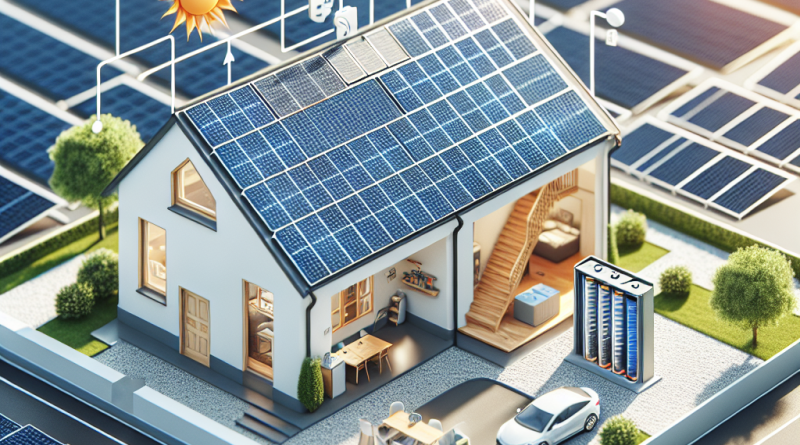
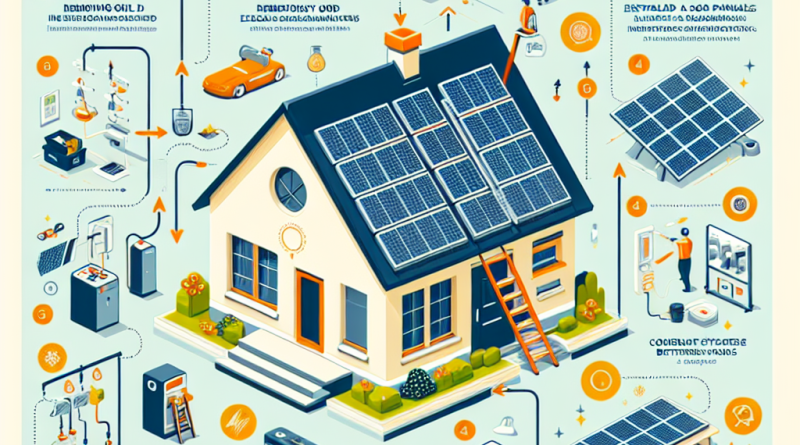
    So, you’re thinking about hopping on the solar energy bandwagon? Great choice! Solar energy storage systems are essentially batteries that store energy generated by your solar panels. This stored energy can be used when the sun isn’t shining. They come in various forms, like lithium-ion batteries and lead-acid systems. Personally, I’ve found lithium-ion batteries to really pack a punch when it comes to efficiency.

    What these storage systems do is pretty nifty: they ensure you have a consistent power supply, day or night. Remember that feeling of relief when you grab your phone just before heading to bed, and it’s at a solid 80%? That’s how your home should feel with a reliable storage system! You can kick those energy bills to the curb and put the power back in your hands. Talk about a glow-up for your home!

    Another fantastic aspect is that they can power crucial devices during outages. Imagine a storm hits, and everyone’s scrambling for candles. But with your solar storage system, you’ve got lights shining and Netflix buffering. Now that’s a total win-win!

    Choosing the Right Solar Storage System for Your Home

    Assessing Your Energy Needs

    The first step here is all about knowing your own energy habits. Ask yourself, what appliances do I use the most? How much energy do they gobble? Once you nail this down, you can figure out how much storage capacity you really need. I remember mapping out my energy usage, like a mini science project! It was super informative and helped me make an informed decision.

    There’s a handy formula I picked up along the way: if you want to power your refrigerator, consider that it uses about 100-800 watts. If it runs for about 24 hours, you’d be looking at needing some pretty significant storage capacity. So, figure out your go-to systems, and count all the wattage they need. This is where the real planning begins!

    Doing this upfront saves you some serious cash in the long run. A common pitfall is overcommitting to a system that’s way bigger than your needs, or underwhelming oneself with too little storage. Trust me, understanding your usage is like finding your sweet spot in the energy world.

    Installation Process for Solar Energy Storage

    Hiring Professionals vs. DIY

    When it comes to installing solar energy storage systems, the decision between a pro installation or going the DIY route can be a total game-changer. Sure, saving some bucks is tempting, but sometimes it’s just worth it to have someone who knows their stuff do the install. I had friends insist on DIY, and let’s just say, it ended up taking way longer than anticipated.

    Picking a qualified installer is crucial. Look for certifications, reviews, and experience to ensure you’re getting the right help. When I finally chose a professional team, they walked me through the entire process and even made awesome suggestions tailored to my needs. The ease and peace of mind were totally worth it.

    But if you’re a true hands-on person, then go for it! Just make sure to do your homework. There are resources and forums where others share their DIY journeys—it’s like having a whole team behind you. You might discover tips and tricks that can save you time and hassle!

    Maximizing the Benefits of Solar Energy Storage

    Monitoring Your Energy Consumption

    After getting your system up and running, the next step is maximizing that return on investment. Keeping tabs on your energy usage is key! Many solar systems come with monitoring apps or dashboards that show how much energy you’re generating and consuming. I love checking mine; it’s like a mini video game where I track my progress and hit those energy-saving goals.

    With monitoring, I also noticed patterns in my usage. Turns out, I was using a ton of energy during peak hours. Shifting those tasks to times when energy is cheaper—thanks to my stored solar power—helps slice those bills down significantly. It’s all about being a smart player in the energy game!

    Don’t forget about maintenance! Regular checkups can keep your system in shape and running efficiently. It’s like taking your car for regular oil changes. A little attention goes a long way in prolonging the life of your system.

    Understanding the Financial Implications

    Initial Costs vs. Long-Term Savings

    Now, let’s talk dollars and cents! The upfront cost of solar storage systems can seem steep, but let me tell you, the long-term savings are where it’s at! You’ve got to consider the energy prices over the next decade. If you can lock in cheaper energy now, you’re saving more in the future. I did a little math (with some help; math is not my strong suit!) and realized my investment would be paid off in a couple of years. Major win!

    Don’t forget to explore any local incentives or rebates available in your area. These can dramatically shave off the initial costs, making the switch more attractive. I found that mine offered quite a few rebates, which was an unexpected bonus when finalizing my budget.

    In the end, understanding the financial implications means looking at both the short and long term. It’s all about making a shift that not only benefits the green side of things, but also your pocketbook. And let’s be honest, who doesn’t love hearing that little notification that you’ve saved some cash?

    FAQs About Upgrading Your Home with Solar Energy Storage

    1. How does solar energy storage work?

    Solar energy storage systems generally work by capturing energy produced during the day when the sun is shining and storing it in batteries for later use. This allows you to use solar energy even when the sun sets or when there are power outages.

    2. Is it worth it to install solar energy storage?

    Absolutely! While there’s an upfront investment, the potential for long-term savings on energy bills, combined with energy independence and decreased reliance on the grid, makes it a worthwhile upgrade for many homeowners.

    3. What types of batteries are used for solar energy storage?

    The most common types include lithium-ion batteries, which are known for their efficiency and longevity, and lead-acid batteries, which tend to be more affordable but have shorter lifespans.

    4. How do I find a reliable installer for my solar storage system?

    Look for installers with good reviews, appropriate certifications, and experience in the field. Don’t hesitate to ask for references and check their previous work.

    5. Can I install solar energy storage myself?

    Yes, if you have the technical know-how, you can opt for a DIY installation. Make sure to research thoroughly and follow all safety guidelines. However, hiring a professional can give you peace of mind and ensure everything is done correctly.

  • How to Choose the Best Solar Power System for Your Home

    How to Choose the Best Solar Power System for Your Home

    Understanding Your Energy Needs

    Assessing Your Current Energy Consumption

    First off, figuring out how much energy you use is crucial. Take a peek at your energy bills for the past year. It’s super helpful to look for patterns—like how your use spikes in the summer or winter. Jot it down. Understanding these peaks and troughs can help you figure out your average energy consumption, which is key for sizing your solar power system.

    Don’t forget to consider the main appliances in your home and how much energy they consume. You can usually find the wattage on the appliance itself or in the user manuals. Tools like energy monitors can give you a real-time look at what’s munching away at your power supply.

    Once you have this information, you can start to visualize what you’ll need in terms of solar output. Think about how much of your energy consumption you’d like to cover with solar; maybe you’re cool with going 50% green, or maybe you’re all-in for 100%. Whatever the case, make a plan!

    Evaluating Your Roof and Location

    Checking Roof Orientation and Sunlight Exposure

    Your roof plays a huge role here! Ideally, you want it to face south—this is where you get the most sun. If your roof is more east or west-facing, don’t sweat it, though. You can still make it work with a good system. It might just take a few extra panels or a slightly different arrangement.

    Next is sunlight exposure. Do any big trees or buildings cast shadows on your roof? It’s like having a pesky umbrella blocking your sunshine. If your roof gets shaded during peak sun hours, you might need to think about trimming some foliage or investing in a different placement for your panels.

    Lastly, the angle of your roof can affect solar efficiency. For those of us lucky enough to have a sloped roof, you’re in good shape! But if your roof is flat, you might need some mounts to angle the panels just right. The goal is to maximize exposure to those beautiful sun rays.

    Choosing the Right Solar Panel Technology

    Exploring Different Types of Solar Panels

    Okay, now we hit one of the most exciting parts—picking out the panels! There are generally three types to consider: monocrystalline, polycrystalline, and thin-film solar panels. Each has its perks and quirks. Monocrystalline panels are the most efficient, giving you more bang for your buck in terms of space. If you’ve got limited roof space, these are your best pals!

    Polycrystalline panels are usually a bit cheaper and slightly less efficient. If you’re on a budget and have plenty of roof space, they might be a solid option. Then we’ve got thin-film panels; they’re lightweight and flexible but often take up more space for the same energy output. Knowing your roof limits will help steer your choice.

    When you’re out shopping, definitely ask about the warranties! A good solar panel should generally come with at least 25 years of warranty, so you know it’s built to last. You want a solar investment that holds up over time because once you’ve gone green, sparking joy and energy savings is the goal!

    Assessing Installation Costs and Financing Options

    Understanding Solar Incentives and Rebates

    Let’s chat dollars and cents! We all know solar isn’t just a set-it-and-forget-it kind of deal. It’s important to understand the total installation cost upfront. Your local and federal government might offer some incentives or rebates, so be sure to do your homework. The federal solar tax credit, for example, allows you to deduct a chunk from your federal taxes.

    Also, look into state and local programs. Some areas offer cash rebates or even performance-based incentives. This can significantly lower that initial price tag, making it a lot more manageable. If you do your research, you might discover savings you didn’t know about!

    Financing is another option. Many companies offer flexible plans, including solar loans or leases. This way, you can pay as you go rather than dropping a huge sum all at once. Just make sure you understand all the terms, and find a plan that aligns with your budget and energy goals.

    Finding a Reputable Solar Installer

    Researching Potential Solar Companies

    Now, for the fun part—meeting your potential partners in solar! When looking for a reputable installer, don’t hesitate to ask for recommendations from friends or family. You trust their judgment, and word-of-mouth can often lead to discovering fantastic local companies you wouldn’t find on a large scale.

    Read online reviews and check out ratings on sites like the Better Business Bureau. Look for companies that have been around for a while—experience counts! Don’t forget to check their previous installations. A reputable installer will be proud to show off their past work and will even have customer testimonials to back it up.

    Lastly, ensure they’re properly licensed and insured. This isn’t just a box to tick; you definitely want protection in case something goes wrong during the install. A trustworthy solar company will be upfront about their credentials and ready to answer any questions you might have.

    FAQs

    1. How much can I save on my energy bills with solar power?

    Your savings can vary, but many homeowners report reductions of 50% or more on their energy bills after switching to solar. It really depends on your energy consumption and the size of your solar system.

    2. Is my roof suitable for solar panels?

    Most roofs can accommodate solar panels, but factors like orientation, angle, and shading will play a crucial role in how effective your system will be. A good installer can assess this during your consultation.

    3. How long does it take to install solar panels?

    Typically, the installation process takes about one to three days, depending on the size of your system and any complexities involved. But the entire project, from consultation to activation, can take a few weeks to a few months.

    4. What happens on cloudy days?

    Don’t worry! Solar panels still generate energy on cloudy days, although the output will be lower than on sunny days. If you live in a region with lots of overcast days, it’s smart to consider a system that can supplement your needs.

    5. Do I need to maintain my solar panels?

    Not a ton! Generally, solar panels require minimal maintenance. Just a periodic cleaning and inspection will keep them running smoothly, so you can enjoy those sunny benefits with ease!

  • How Solar Energy Enhances Your Home Resale Value

    How Solar Energy Enhances Your Home Resale Value

    Understanding the Financial Benefits of Solar Energy

    Lower Energy Bills

    Let me tell you, one of the first things I noticed after installing solar panels was the drop in my energy bills. It felt almost magical to watch my monthly costs shrink. With solar energy, you’re essentially generating your own power, which can lead to significant savings over the long run. Buyers love to see those lower bills, and they often factor this into their offer price.

    Plus, different states offer variety of incentives, tax credits, and rebates that can make solar even more appealing. I remember looking into my local incentives and discovering I could save thousands—this is attractive for potential buyers who’ll be looking for ways to save money!

    All in all, when you think about it, lower energy bills equal more cash in your pocket, and that’s a huge selling point when you want to list your home. It’s a classic case of spending a little now to save a lot later, which every savvy home buyer appreciates.

    Increased Home Value

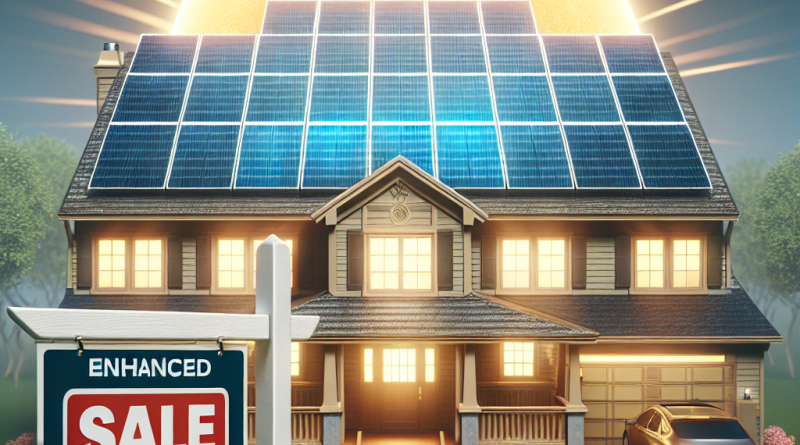
    It’s a no-brainer that homes with solar panels tend to sell for more. Some studies even show that homes equipped with solar energy systems can sell for about 4% more than those without. I once had my home appraised, and the appraiser gave extra weight to the solar panels when figuring out the final value. That was such a comforting thought!

    When people see solar panels, they often associate them with modernity and eco-friendliness. Buyers are increasingly looking for homes that not only meet their lifestyle needs but also reflect their commitment to the environment. I can’t say I blame them; making green choices feels good!

    Think of it this way: you’re not just installing solar panels; you’re making a long-term investment that others will appreciate just as much as you do. It’s a smart choice that adds tangible value to your property, and it stands out in what can sometimes be a saturated market.

    Banking on Incentives

    I can’t stress enough how much potential buyers love tax incentives associated with solar energy. Programs vary greatly depending on where you live, but many places offer federal, state, and even local incentives. When I started my solar journey, I was amazed at how many different ways I could benefit from these programs.

    These financial perks can significantly reduce the overall cost of the solar installation, which, in turn, makes your home more appealing. As potential buyers weigh their options, knowing they’ll save money through incentives adds yet another layer of attraction to your listing.

    In short, when you’re selling your home, highlighting these available incentives can be your golden ticket. It’s like saying, “Hey, not only do you get a fantastic home, but you also get to save some serious cash.” Who wouldn’t want that?

    Enhancing Curb Appeal with Solar Panels

    Modern Look

    Let’s face it, solar panels have come a long way in terms of aesthetics. When I first thought about solar energy, I pictured clunky equipment distracting from my beautiful home. But today’s solar panels are sleek and modern, enhancing rather than detracting from curb appeal. This pop of modernity is something buyers readily notice.

    Being in the home staging business, I can say that aesthetics matter! Buyers often drive by homes before scheduling appointments to view them; if they see an attractive property with solar panels, they’ll be intrigued. It’s not just about saving money; it’s about owning a stylish and contemporary home.

    Having these panels can also spur conversations about energy efficiency and innovation. Trust me when I say showing you’re eco-conscious is a trendy move in today’s real estate market. Plus, it allows you to stand out in an area where old-school homes might dominate the scene.

    Landscaping and Energy Efficiency

    One of the unexpected benefits of installing solar panels is how they tie into the overall landscaping of your property. I love the way my solar panels seamlessly blend with my roof and my yard. If you’re thoughtful about the installation, it can look quite polished and tidy—big win for curb appeal!

    Moreover, a well-thought-out landscape gives a purposeful look, showcasing that you’re utilizing not just solar energy but optimizing your outdoor space too. I even decided to add some native plants that require minimal water, sprinkling in that eco-friendly aesthetic. It all ties together beautifully!

    Buyers appreciate a home that’s been well cared for, both inside and outside. Enhancing your landscaping while going solar sends the message that your home has been loved. This makes it more inviting and definitely stands out amongst other listings.

    Community Appeal

    Finally, one thing I’ve noticed in my neighborhood is the way solar energy promotes camaraderie. A community with solar energy feels progressive and vibrant. You start seeing neighbors chatting more often about panels and energy efficiency, creating a shared sense of purpose.

    When potential buyers come to check out your home, they aren’t just envisioning the inside; they’re thinking about the community they’ll live in. With more solar panels popping up in your area, it gives a positive vibe that many people look for when relocating.

    Plus, neighborhoods known for eco-friendly practices often attract buyers looking to make similar lifestyle choices. This trending culture can be incredibly appealing when trying to sell your home. Knowing you’re part of something bigger adds to the allure of your property!

    Solar Energy’s Role in Sustainable Living

    Promoting Responsibility

    One thing I am really passionate about is how solar energy highlights the importance of taking responsibility for our environment. Buyers are becoming increasingly conscious of their carbon footprints, and showing you’ve made strides in sustainability can be a big selling point.

    In my experience, homes that promote sustainability often sell more quickly. People want to feel good about the choices they make. I remember chatting with a buyer who was thrilled about the solar installation specifically because it meant lower emissions and a smaller carbon footprint.

    It’s more than just the physical benefits of solar energy; it’s about the mindset that comes with adopting it. By choosing solar, you’re not just enhancing your home’s resale value; you’re advocating for a healthier planet, which resonates deeply with today’s buyers.

    Community Responsibility and Solar Initiatives

    Many neighborhoods are becoming involved in solar initiatives and rebates. This community involvement can drive up demand for homes equipped with solar energy systems. My local community actually held informational sessions celebrating solar energy, and it made the idea of buying a home with solar panels even more appealing.

    Homeowners can take part in local advocacy efforts and reap the benefits while fostering a sense of belonging in their neighborhood. I’ve seen others become environmental champions, showing off their solar panels like badges of honor. There’s something that feels empowering about taking a stand for sustainability.

    Consider this: people looking at your home want to see that you’re part of a community that cares about the planet. It creates the perception of a progressive and caring environment. That’s certainly something that catches a buyer’s eye!

    Eco-Conscious Movement

    The eco-conscious movement is thriving, and being part of it not only boosts your home’s value but also gives you a layered connection with potential buyers. They’ll see your investment in solar not just as panels on a roof, but as part of a larger lifestyle. I found that buyers appreciate the stories we all have to share about our journeys toward sustainability.

    There’s this growing trend of folks buying homes with a focus on their lifestyle choices. With solar energy, buyers are looking for properties that reflect their values— homes with rooftop solar systems represent commitment to eco-friendliness and modernity.

    Create the connection; emphasize how your home represents part of this wonderful movement toward green living. It’s not just a house; it’s a chance to engage in something larger, and that resonates powerfully with a new generation of buyers.

    Frequently Asked Questions

    1. Do solar panels really increase resale value?

    Absolutely! Studies have shown that homes with solar energy systems often sell for more than comparable homes without them. The financial benefits and eco-friendly appeal add considerable value.

    2. What are the financial incentives for installing solar panels?

    There are various incentives available depending on your location, including tax credits, rebates, and net metering options that can significantly reduce your installation costs.

    3. How do solar panels affect a home’s curb appeal?

    Modern solar panels have sleek designs that can enhance a home’s aesthetic. They add a contemporary touch, signaling to buyers that the home is energy-efficient and up-to-date.

    4. Will installing solar panels attract more buyers?

    Yes! More buyers are seeking properties that align with eco-conscious values. Highlighting solar energy systems in your listing can draw more interest from potential buyers.

    5. How can I best market my home’s solar features?

    Focus on both the financial savings and environmental benefits when marketing your home. Showcase available incentives and tell your story about choosing solar to resonate with buyers.

  • How to Select the Best Solar Panel Size for Your Home

    How to Select the Best Solar Panel Size for Your Home

    Assess Your Energy Needs

    Understanding Your Energy Consumption

    Before diving into the solar panel world, I found it crucial to assess how much energy my household typically consumes. It sounds a bit tedious, but trust me; knowledge is power! Start by looking at your utility bill from the past year. Take note of your monthly usage, usually measured in kilowatt-hours (kWh). This gives you a solid baseline of how much energy you need to generate.

    Once you’ve got those numbers down, think about any future changes—like that new hot tub you’ve been dreaming about or planning to install electric vehicle charging. Adjust your baseline accordingly. It’s super important to factor in these things, or you might end up with panels that don’t meet your needs!

    So, ultimately, understanding your energy consumption is not just about current use but also about where you’re headed with your energy demands. It’s like a roadmap for your solar panel journey.

    Identifying Peak Sunlight Hours

    Next up, let’s talk about peak sunlight hours. It’s not just about slapping some panels on the roof and calling it a day; you need to know how much sunlight your area gets. This info varies by location, so grab a solar insolation chart—yeah, it sounds fancy but is super useful.

    Knowing your peak sunlight hours helps in determining how much electricity you can generate with your panels. For example, if you’re in a sunny state like Arizona, you might get about 6 to 8 hours of sunlight per day, while somewhere like Seattle might only give you about 4 to 5 hours. Your solar setup needs to match that sunny reality!

    Remember, it’s not just about total sunshine but also how consistent that sunshine is throughout the year. Understanding these patterns will help you maximize your panel size and efficiency.

    Using Energy Consumption Calculators

    I can’t stress enough how helpful energy consumption calculators are! Once you’ve gathered all your usage data and sunlight information, using a calculator can simplify everything. Many companies offer online calculators that guide you through the process.

    These tools allow you to input your monthly kWh usage, peak sunlight hours, and other variables. They’ll churn out recommendations on how many solar panels you need. It feels like having an expert in my pocket!

    Don’t forget to play around! Different inputs can yield different results. It’s a good way to see the range of options out there and help you get a clear picture of the best fit for your home.

    Evaluate the Available Space for Installation

    Considering Roof Orientation and Pitch

    Let’s dive into the physical aspect—where are you gonna put these beauties? Your roof orientation and pitch play a huge role in how effective the solar panels will be. Ideally, south-facing roofs get the most exposure, but east and west can work, too.

    If your roof isn’t directly south or there are obstacles like chimneys or trees, you may need to get creative with panel placement. When I faced this, I had to brainstorm different layouts to ensure I was getting the most bang for my buck.

    Also, consider your roof angle. A steeper pitch could impact the number of panels you can fit when compared to a flatter roof. Evaluating these elements early can save a ton of hassle down the line!

    Calculating Space Requirements

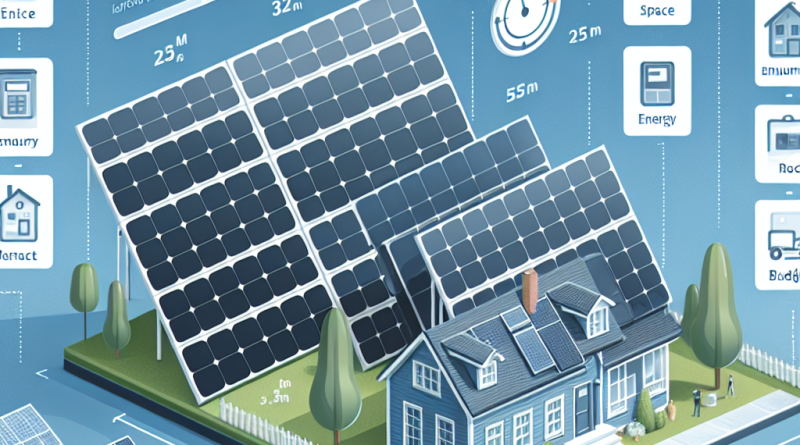
    Once you know your roof’s million-dollar details, it’s all about space! Each solar panel takes up a certain amount of square footage, and you need to calculate how many you can fit based on your energy consumption needs. Here’s where the measuring tape comes in!

    Sketch out your roof layout and start plotting where panels could go. I divided my roof into sections so I could visualize how many panels could fit while keeping in mind aesthetic appeal. We all want our homes to look good, right?

    Don’t forget to leave some room for maintenance access. You never know when a bird decides to drop by, and getting those panels cleaned should be straightforward!

    Consider Ground vs. Roof Installation

    If your roof isn’t conducive to installation (or maybe you just want a different look), there’s always the option of ground-mounted panels! This alternative allows for more flexibility in terms of positioning and angle.

    However, it does require more space—think about your yard or property size. You’ll also want to engage with your local regulations and HOAs because they sometimes have restrictions on how those ground arrays can look.

    The beauty of ground-mounted panels is that you can often tilt them to maximize performance, much easier than a fixed roof setup. Do some soul-searching to see what vibe works best for you and your property!

    Calculate the Right Number of Panels

    Determine Your Panel Output

    Now that we’ve dug deep into your energy needs, space, and all that, let’s talk numbers—the fun part! Each solar panel has a specific wattage, with the average being around 300 watts. You need to know how these panels fit into your overall energy goals.

    To calculate how many panels you need, divide your total energy consumption (remember that kWh figure we tracked?) by the panel output, adjusted for those peak sun hours we discussed. It sounds complicated, but once you get it down, it’s like riding a bike.

    You want to ensure you’re not overspending on unnecessary panels—nobody wants to pay for more than what’s needed!

    Assessing Panel Efficiency Ratings

    Here’s where I lean into my inner nerd: the efficiency ratings of your chosen solar panels matter! Higher efficiency means more energy production per panel, so if you’re tight on space, you might want to invest in panels with higher ratings.

    It’s a balancing act between efficiency, price, and the space you have available. Don’t forget, though, that some reputable brands may offer slightly lower efficiencies at a better price. So research, research, research!

    This decision is like a lifelong commitment: do your homework and make sure you’re getting something that’s worth the investment, so you don’t regret it down the line!

    Consulting with a Professional

    When in doubt, consulting with a solar professional can be invaluable! They can bring everything we’ve talked about together into a cohesive plan that suits your unique situation.

    I know it may seem like an added expense, but getting that expert eye can save you heaps of money in the long run. They’ll help you calculate and recommend adjustments based on their experience that you might not have thought of!

    Plus, they can handle permits and local regulations—those administrative hurdles that can take up so much time and energy. Don’t underestimate the power of expert guidance!

    Budgeting for Your Solar System

    Understanding Solar Panel Costs

    Let’s talk cash—budgeting for your solar system is a significant step! Costs can range widely depending on panel efficiency, brand, and installation complexities. It’s crucial to have an understanding of what you’re working with.

    Generally, the average cost of solar panels ranges from $15,000 to $30,000 before any tax credits or incentives. Knowing this, set a budget range you’re comfortable with. I aimed for the lower end and was quite pleased with the results!

    Also, many financing options are out there—so if the upfront cost seems daunting, don’t fret! You can look into loans or leasing options that can fit your financial situation better.

    Exploring Incentives and Rebates

    The world of solar incentives can feel overwhelming, but honestly, it can be a game-changer for your budget! Many states and local governments offer rebates or tax credits aimed at encouraging solar installation.

    In the U.S., the Federal Investment Tax Credit (ITC) allows you to deduct a certain percentage from your federal taxes, which can significantly lower costs. Doing a bit of homework here could save you a chunk of change.

    I recommend checking the Database of State Incentives for Renewables and Efficiency (DSIRE) to uncover what’s available in your area. Every dollar counts, right?

    Long-Term Savings Considerations

    Finally, factor in the long-term savings. It’s easy to get caught up in the initial expenses, but think about how solar panels can lead to substantial savings on your electricity bills over time.

    I was shocked at the difference on my bills after going solar. With careful calculation, many homeowners find that their panels pay for themselves over the years, sometimes even doubling their investment.

    Make sure to consider the lifespan of the panels, usually around 25 years. Factor that into your overall budget to see a fuller picture of how much you might save in the end!

    FAQ

    1. How do I calculate my energy consumption?

    Look at your utility bills over the last year to identify average monthly kWh usage. You can also add up the energy consumption of individual appliances if you want to get specific.

    2. What are peak sunlight hours?

    Peak sunlight hours refer to the time when sunlight is most direct and strongest for energy production. This varies by location, typically ranging from 4 to 8 hours a day!

    3. What if my roof isn’t suitable for solar panels?

    No worries! You can consider ground-mounted solar panels instead. They can be installed in your yard and are flexible in positioning and installation.

    4. How much do solar panels cost?

    The cost of solar panels can vary widely, but expect an average range from $15,000 to $30,000 before tax credits or incentives.

    5. Are there incentives available for going solar?

    Absolutely! Many states offer incentives, tax credits, and rebates to encourage homeowners to install solar panels. Check local resources and the DSIRE website to find what’s available in your area.

  • How to Transition Your Home to Full Solar Power

    How to Transition Your Home to Full Solar Power

    Assess Your Energy Needs

    Understanding Your Current Consumption

    Before diving headlong into the world of solar energy, it’s super important to understand how much energy you’re currently using. Take a peek at your electricity bills over the past year and look for trends. Are there months when your usage spikes? Maybe summer with all that air conditioning? Knowing your average monthly usage is the first step in sizing your solar system.

    Not only should you look at the monthly numbers, but also consider the hours during which you use the most electricity. Perhaps you run your dishwasher late at night or fire up all the LEDs in your home for movie night on Fridays. It helps to have a clear picture of your energy patterns.

    Also think about how many appliances you have running at any given time. Do you have high-energy uses like pool heaters or electric vehicle chargers? This understanding will dictate how much solar power you’ll need to produce to keep everything running smoothly!

    Future Projections

    Now that you’ve looked at your current consumption, it’s time to think about the future. Are you considering any major changes like adding electric vehicles or expanding your family? Having a baby or buying an electric car can significantly change your energy needs.

    Try to forecast your energy usage a bit. You can use a conservative estimated increase to account for future appliances or lifestyle changes. This way, you won’t end up with a system that’s too small down the road.

    Additionally, keep in mind that energy prices are usually on the rise, which means your traditional electricity costs will likely climb. Investing in solar now can save you a lot down the road as you won’t be as affected by these price increases.

    Conducting an Energy Audit

    Another smart step before going solar is to conduct an energy audit. This could be as simple as doing it yourself or hiring a professional. An audit will help to identify areas where you can improve energy efficiency in your home.

    Look for things like drafty windows, inefficient appliances, and insulation issues. Even small changes can add up to significant savings and can make your future solar system work even more efficiently.

    A good audit not only prepares you for solar energy but also gives you insight into how to lower your energy bills in the here and now. It’s a win-win if you ask me!

    Research Solar Options

    Types of Solar Systems

    There’s a whole world of solar technologies out there! At the basic level, you’ll want to choose between grid-tied systems, off-grid systems, and hybrid systems. Grid-tied systems connect with the utility grid while off-grid means you’re living it up totally independent.

    If you choose a grid-tied system, you benefit from net metering, which might allow you to sell back excess energy. That’s pretty sweet because it means some months you might actually get a check from your utility company!

    On the other hand, if you’re all about that off-grid life, you’re looking at battery storage and energy independence which can be super rewarding, but let’s be real, it often requires a bigger upfront investment.

    Solar Panel Types

    You’ll be faced with three main types of solar panels: monocrystalline, polycrystalline, and thin-film. Monocrystalline panels tend to be more efficient but are pricier. If space is limited, they might be the way to go.

    Meanwhile, polycrystalline panels are typically cheaper but can take up more room for the same power output. And then there’s thin-film, which can be flexible and lightweight but usually has the lowest efficiency overall.

    Understanding the trade-offs with these types will help you pick the right ones that suit your roof and energy needs!

    Finding a Reputable Installer

    After you’ve done your research, the next big step is finding a trustworthy solar installer. I can’t stress enough how crucial this step is! Reach out to multiple companies, read reviews, and check their certifications.

    A good installer will not only help with the logistics but will also provide you with valuable insight on the best solar options for your home. Don’t hesitate to ask questions; after all, your future solar energy needs are at stake!

    Also, look for companies that offer warranties and ongoing support. Solar isn’t a set-it-and-forget-it situation, and having someone to turn to if issues arise is invaluable.

    Financing Your Solar System

    Understanding Your Options

    So, let’s talk cash! Solar panels can be a serious investment upfront. You have various options, from buying outright, financing, leasing, or even power purchase agreements (PPAs). Each has its pros and cons.

    If you’ve got the cash flow for an outright purchase, that usually gives you the highest return on investment in the long run. However, if you’re less liquid right now, financing or leasing options are definitely worth a look.

    A PPA is where you pay for the power generated rather than the panels themselves. This can be appealing if you don’t want the hassle of ownership but want access to solar power.

    Incentives and Rebates

    Don’t forget to hunt down available incentives or rebates that can lessen the financial blow. Federal tax credits, state incentives, and utility rebates can significantly reduce the upfront cost of your solar system.

    Keep in mind these incentives hop in and out, so do your homework on what’s currently available in your area. You really don’t want to leave free money on the table!

    Your local solar installer should also be able to guide you through the available incentives, but it doesn’t hurt to have your own knowledge too.

    Long-Term Savings

    Investing in solar isn’t just about saving a buck today; it’s about planning for your financial future. With solar panels, you can significantly lower your monthly electricity bills—and in some cases, eliminate them entirely.

    Over the life of the system, which is typically around 25 years, those savings can really add up. Plus, you’ll be protected from rising energy costs and even improve your home’s value! Talk about a win-win!

    So, every time you see that sunny day, you can smile knowing that you’re saving money while helping the planet. It feels good, right?

    Installation and Maintenance

    Scheduling Your Installation

    Alright, you’ve done your homework and picked out your installer—now it’s time for the actual installation. The scheduling might take a bit, so it’s good to plan ahead. Most installations can be completed in one to three days, depending on how many panels are installed and the complexity of the job.

    Scheduling can also depend on your installer’s availability, as well as any necessary permits from your municipality. Patience is key here, especially if you’re excited to start harnessing that sweet solar energy!

    Make sure to check the weather reports for the installation days as well. They’ll want clear skies to work efficiently!

    Post-Installation Inspection

    After everything is installed, there’s likely to be a post-installation inspection. This is meant to ensure that everything is up to code and working properly. Trust me; you want this to happen because it gives you peace of mind!

    Your installer should walk you through your system, help you understand how everything operates, and show you how to monitor its performance. Take notes because this part is super useful.

    If you notice anything weird after installation, don’t hesitate to reach out to your installer for adjustments. Solar power is a long-term investment, and everything should work as expected.

    Regular Maintenance Tips

    While solar systems are generally low-maintenance, there are some things you should do regularly. Ensure your panels are clean and free from debris! Dust, leaves, and snow can hinder performance.

    If you live in a reasonably dusty area, you may want to rinse them off occasionally. Just remember, safety first! If you need to get on the roof, call in the pros unless you’re comfortable doing it yourself.

    Also, keep an eye on your energy bills and solar production. If you notice a sudden dip in energy output, it might be time for a professional inspection to troubleshoot any issues.

    Monitoring and Troubleshooting

    Tracking Your Energy Production

    Once your system is live, monitoring becomes essential. Most modern systems come with apps or online portals that let you track production in real time. This is not just cool to watch; it can clue you into issues with your system.

    Make it a habit to check in regularly. Not only can it be rewarding to see how much energy you’re producing, but it also helps catch any drops in production early on before they become bigger problems.

    Plus, you can have fun comparing sunny days to not-so-sunny days with family and friends! It’s a great way to keep the excitement about solar energy alive.

    Common Issues

    If things aren’t working as planned, don’t panic! There are common issues that can arise, and many solutions are relatively straightforward. For example, if you see drops in productivity, check for shading. Trees or new construction could be the culprits.

    Also, keep an eye out for any physical damage. If you spot any cracks or damage to the panels or wiring, that’s something an installer should check out right away.

    As always, regular cleaning and maintenance can offset many minor issues. Make that investment pay off!

    When to Call the Professionals

    If you’re not tech-savvy or just want reassurance, don’t hesitate to call the pros. Issues like inverter malfunctions or unusual spikes in your energy usage can create confusion, and it’s better to be safe than sorry. Your installer should offer ongoing support.

    Sometimes the solution can be simple, but a trained eye will know best. Building a relationship with your installer can be a game changer. They should be here to support you even after the installation is complete.

    These are your panels, your energy, and your wallet—ensuring they run smoothly is your priority. So, stay proactive!

    FAQs

    1. What is the average cost to transition to solar power?

    The cost varies depending on the size of your system and location, but on average, homeowners can expect to pay between $15,000 to $25,000 before incentives.

    2. How long does it take to install solar panels?

    Most residential solar installations take about one to three days, depending on the number of panels and your roof’s complexity.

    3. What happens if my solar panels produce more energy than I use?

    If you have a grid-tied system, you might be eligible for net metering, allowing you to sell excess energy back to the grid!

    4. Do solar panels require a lot of maintenance?

    Solar panels are generally low maintenance, but regular cleaning and occasional inspections are recommended to ensure optimal performance.

    5. Are there financial incentives for installing solar panels?

    Yes! There are federal tax credits, state incentives, and sometimes even local rebates available for solar installations, which can significantly reduce the upfront costs.

  • How to Make the Most of Your Home Solar Investment

    How to Make the Most of Your Home Solar Investment

    Understand Your Energy Needs

    Assess Your Current Energy Consumption

    So, first things first, I had to figure out how much energy my household actually consumed. It’s surprising how quickly those little gadgets can rack up the electricity bills. I went through my past utility bills and noticed patterns over the months—­seasons, holidays, and all that jazz. This step is key because it helps you figure out how much solar power you need to generate.

    Next up, I took a mental (and literal) inventory of all the major appliances and devices in my home. Do I really need to run that power-hungry air conditioner all summer? Or could I save some cash by opting for a more energy-efficient model? Understanding this sets the foundation for my solar investment.

    Once I had a solid grasp on my energy usage, I set goals. Maybe I’d like to produce enough solar energy to cover 80% of my needs instead of going fully off-grid. This gave me a clearer picture and made the whole investment feel more manageable and achievable.

    Choose the Right Solar System

    Types of Solar Panels

    Alright, now that I’ve got my energy needs mapped out, it’s time to dive into choosing the right solar panels. Trust me, I spent hours researching this! There are three main types: monocrystalline, polycrystalline, and thin-film panels. Monocrystalline panels are usually more efficient but come with a higher price tag.

    Polycrystalline panels are a solid choice as well—they’re less expensive and still do a decent job. Thin-film panels? They’re more affordable but are typically less efficient, so I had to weigh my options. Each type has its pros and cons, and it’s all about what suits my situation best.

    Most importantly, I learned that efficiency ratings matter. I looked for panels with at least a 15-20% efficiency rating. Higher efficiency means less space taken up on my roof and more solar energy generated during the day.

    Consider Installation Options

    DIY vs. Professional Installation

    With so much info on solar systems, I had to decide how I’d get the panels on my roof. The DIY route crossed my mind—it sounded fun and would save some cash. However, after reading up and watching how-to videos, I realized the technical work involved could be a bit overwhelming.

    Ultimately, I opted for professional installation, and it was totally worth it. The installers took care of all the permits, inspections, and tricky wire connections. Plus, I got to sit back and enjoy a nice cup of coffee while they did all the heavy lifting!

    Having paid professionals also meant I could leverage their experience. They understood my roof’s layout and angles, helping me maximize sunlight exposure. Honestly, I felt pretty good knowing I made the right call on this one.

    Take Advantage of Incentives

    Federal and State Tax Credits

    When I decided to install solar panels, I didn’t just think about the long-term savings on my energy bills—I also looked into financial incentives offered by the government. Did you know that the federal solar tax credit can cover a generous chunk of your installation cost? It was a game changer for me!

    I dug into local and state programs as well. Some states offer additional rebates, low-interest loans, or even grants for solar projects. Honestly, it took a bit of digging, but the savings were so worth it. It’s money I could invest in upgrading my system or even putting towards another home project.

    Staying updated on these incentives is super important. Laws change, and new opportunities pop up every year. Signing up for newsletters or following relevant social media accounts helped me stay ahead of the game and snag every dime I could.

    Monitor and Maintain Your System

    Regular Check-Ups

    Alright, I’ve got my solar panels up and running, but my job doesn’t just stop there. To really milk the investment, routine check-ups are essential! I started out by setting reminders every few months to clean the panels and inspect for any debris that might be blocking the sunlight.

    Monitoring software came in handy too. I can check how much energy my system generates daily and spot any potential issues. If I noticed a dip in production, it was time to investigate—maybe there’s dirt or maybe something’s off with the inverter. Staying proactive means fewer headaches down the road.

    Lastly, I made sure to schedule a professional inspection annually. It’s a small price to pay for peace of mind. Technicians can catch issues I might miss and perform any upgrades that could boost efficiency, keeping everything running smoothly!

    Frequently Asked Questions

    1. How do I know if my home is suitable for solar panels?

    A great starting point is to evaluate your roof’s orientation and shading. Ideally, you’ll want a south-facing roof with minimal shade. You can also contact a local solar provider for an assessment.

    2. What’s the average cost of installing solar panels?

    The cost can vary widely based on your location and the size of your system, but it typically ranges from $15,000 to $25,000 before incentives. However, don’t forget about those tax credits!

    3. Can I still get solar if I live in a cloudy area?

    Absolutely! Solar panels can still generate energy even on cloudy days. Technological advancements have made them more effective in various weather conditions.

    4. How long does the installation process take?

    Generally, it could take anywhere from a few days to a couple of weeks, depending on the complexity of your system and local permitting processes. Once the permits are sorted, the actual installation goes pretty quickly!

    5. What happens if I produce more energy than I need?

    If you generate more energy than you consume, many utility companies allow you to sell that excess back to the grid through net metering. This can help offset your electricity costs even further!

  • How to Upgrade Your Home with Solar Power

    How to Upgrade Your Home with Solar Power

    Assessing Your Energy Needs

    Understanding Your Current Usage

    Before diving headfirst into solar energy, it’s crucial to figure out how much energy your home currently consumes. I took a close look at my electricity bills from the past year. This gave me a decent idea of my average usage. Don’t forget to consider things like seasonal variations – summer often brings more use due to cooling systems.

    You can also use smart meters or energy monitors to get real-time data on your energy usage. It’s like having a fitness tracker, but for your home! Just keep an eye on those peak usage times, when you’re using the most energy, to figure out how much solar power you’ll actually need.

    This assessment is key. Not only does it help in sizing your solar system, but it also reveals opportunities for energy efficiency improvements. Trust me, knowing your habits can guide every step of your solar journey.

    Identifying Future Needs

    Think about any potential changes in your lifestyle. Are you planning to add more appliances, or maybe even an electric vehicle? These things can significantly bump up your energy consumption. When I upgraded my home, I made space for a future EV and adjusted my solar plans accordingly.

    Also, consider family growth or upgrades like a home office. As our lives shift, so do our energy needs. Take all of these future needs into account. You’ll thank yourself later when you don’t have to face an upgrade sooner than expected.

    This foresight can completely change your solar setup calculations, shaping not just your current consumption but also your future plans.

    Evaluating Your Roof’s Potential

    Alright, let’s talk about your roof. Is it in good condition? It’s one of the main areas to check before making any big decisions. If your roof has seen better days, you might want to repair or replace it before installing solar panels.

    Also, consider the direction and tilt of your roof. South-facing roofs generally collect the most sunlight, while shaded areas can significantly lessen performance. I had to get a bit nerdy and do the math on my roof angles and surrounding trees to maximize my solar gain.

    Finally, don’t forget about local building codes and regulations. A little research here can save you from future headaches. It’s better to know what you’re up against before you start climbing up there!

    Choosing the Right Solar System

    Types of Solar Panels

    You’ve got choices! When I was picking my solar panels, I learned about three main types: monocrystalline, polycrystalline, and thin-film. Each has its pros and cons. Monocrystalline, for instance, is super efficient but can hit harder in the wallet.

    Polycrystalline panels are more affordable but slightly less efficient. The thin-film panels offer flexibility and can be used in unique spaces, but they usually take up more room.

    To make my choice, I weighed my budget against my performance expectations. This balance is critical for getting a system that works efficiently for my needs.

    Inverters and Storage Solutions

    Let’s talk inverters—these gadgets convert the DC electricity your solar panels generate into AC electricity that’s usable in your home. There are string inverters, microinverters, and power optimizers to choose from. Each has its own perks, and I spent time comparing their efficiency and costs.

    If you want a bit of security in your solar system, think about including battery storage. Battery systems store excess energy for when the sun isn’t shining. It’s pretty sweet not to rely solely on the grid, especially during a power outage.

    When I added a battery to my system, it felt like a game-changer. I could use solar energy even when the sun wasn’t out, making me feel more self-sufficient.

    Installation Options

    You can go the DIY route, hire a contractor, or use a solar company for installation. There’s no one-size-fits-all answer here. Personally, I opted for a company just to ensure everything was done right. It’s worth my peace of mind.

    Before signing any agreements, check their ratings and reviews. I did my homework by gathering multiple quotes and comparing services. Don’t be afraid to negotiate! Remember, you’re making a significant investment.

    Also factor in warranty options. A strong warranty can save you from unexpected costs down the road. In the solar world, it’s often better safe than sorry!

    Financing and Incentives

    Understanding Costs

    Okay, let’s get real about money. Solar can be a big investment initially, and understanding the costs involved is essential. I learned to expect costs for equipment, installation, permits, and maintenance.

    Don’t skip out on additional fees that might pop up. I found it helpful to create a detailed budget covering all these aspects. It definitely made me feel more in control of my finances.

    Don’t get intimidated; there are often many options available that can help ease the financial burden. Knowledge is power, especially when it comes to solar investments!

    Tax Credits and Incentives

    The good news? There are often federal, state, and local incentives, such as tax credits, that can help reduce your overall costs. For instance, I was thrilled when I discovered that my state offered substantial tax credits for installation!

    Make sure you do your research on what’s available in your area. Government resources and local solar companies can often guide you on what to expect.

    Be prepared to fill out some forms, but trust me, the savings are usually totally worth the effort.

    Financing Options

    If paying upfront isn’t in the cards, consider financing options. I explored various possibilities, including solar loans and leasing options. Each path has its own benefits and drawbacks, so understand them before you leap.

    Look into what works best for your financial situation. Maybe a solar lease could be a good fit, where you make monthly payments while enjoying the benefits of solar power.

    An informed decision will benefit you in the long run. Take your time to evaluate what route suits your budget and goals best.

    Installation and Maintenance

    Preparing for Installation

    The big day is around the corner! Preparing for installation is simply about ensuring everything’s in place. I made sure my roof was clear of debris and my yard was accessible to workers.

    Communication is key, too. I called my installer to clarify expectations and timelines. Knowing what to expect can ease the stress of installation day.

    Also, consider how installation might impact your living space. I made a plan for my pets and took days off work to manage disruptions. Just play it safe!

    Post-Installation Advice

    Once everything’s installed, there’s often a sense of relief. But don’t forget about the next steps. I took my time reading the manuals and getting familiar with components of my new system.

    Remember, your installer should present you with an explanation of how everything works, but don’t hesitate to ask questions, too! Knowledge empowers you to engage with your energy system genuinely.

    Enjoy the benefits of your investment by tracking its performance and savings. I started using online dashboards to keep tabs on energy production, and it’s genuinely rewarding to watch the numbers rack up!

    Maintenance Tips

    Sure, solar systems are low maintenance, but they still need some TLC. I discovered that periodic cleaning and inspections could significantly continue performance. Dust and debris can build up, especially if you live in a dusty area.

    Consult your warranty for maintenance requirements—some solar companies have recommendations for maintenance schedules. I found I could manage much of the cleaning myself, but I opted for professional checks once a year.

    Staying on top of upkeep keeps your system running smoothly. Who wouldn’t want to maintain their investment?

    Monitoring Your Solar System

    Using Monitoring Tools

    Most solar systems come with monitoring tools that allow you to check energy production. I love having this transparency because it keeps me informed. Each monitoring tool can provide insights into how much energy is being produced and used.

    You can typically access these tools from your smartphone or computer. I found it super convenient to glance at my app and see how much solar energy I was generating daily.

    Being proactive means catching any issues early. If things don’t look right, you can reach out to your solar provider before minor problems become major headaches.

    Tracking Savings

    It’s all about those savings, right? Tracking how much you save on your electricity bill monthly is key. I created a spreadsheet to monitor the differences before and after installation, and I was pleasantly surprised!

    Keep in mind that these savings increase over time, especially if energy rates go up. It can often feel like you’re getting money back in your pocket.

    This data can also help when you’re thinking about future upgrades or investments. Knowing exactly how much you save can guide your financial decisions moving forward.

    Adapt and Improve

    Your solar journey doesn’t end after installation. Keeping an eye on performance and finding ways to improve energy efficiency should be the ongoing challenge. You might consider upgrades like smart home devices that optimize energy usage or EV charging. Going green opens up new possibilities for your lifestyle!

    Stay engaged with the community! Join solar forums or local groups to share experiences and learn from others. It helps not just your journey but often sheds light on innovative ideas.

    Ultimately, staying proactive can help you maximize the benefits of going solar. The investment is just the beginning—exploring new avenues for efficiency is where the fun really begins!

    FAQs

    1. How do I know if solar power is right for my home?

    Start by assessing your energy needs and roof suitability. A solid evaluation of your current energy use and future needs helps determine if solar is a good fit.

    2. What type of solar panels should I choose?

    Your choice between monocrystalline, polycrystalline, and thin-film depends on your budget and efficiency needs. Monocrystalline panels are efficient but pricier, while polycrystalline offers a balance between cost and performance.

    3. Are there any tax incentives for installing solar panels?

    Yes! Federal, state, and even local incentives can significantly reduce your installation costs. Always check to see what offers are available in your area.

    4. How much maintenance does a solar system need?

    Solar systems require low maintenance, generally involving occasional cleaning and yearly inspections. Regular upkeep ensures your system runs efficiently.

    5. Can I monitor my solar system’s performance?

    Absolutely! Most systems come with monitoring tools allowing you to track energy production and savings through apps or web platforms. It’s a great way to stay informed!

  • The Best Solar Power Solutions for Your Home Office

    The Best Solar Power Solutions for Your Home Office

    Understanding Your Energy Needs

    Calculating Your Energy Consumption

    One of the first things I did when considering solar power for my home office was to figure out how much energy I actually used. It’s super important to take a good look at your appliances, lights, and devices. I grabbed a notepad and jotted down everything I used regularly. You might be surprised at how quickly those kilowatts add up!

    Once you have your list, use a wattage calculator to estimate the total energy consumption in kilowatt-hours (kWh). I found out that my computer setup, along with some lighting, used more energy than I expected. The goal here is to understand what you need before diving into solar solutions.

    Lastly, keep in mind that energy needs can change depending on the time of year. My home office gets a lot of sunlight, which means I’m less likely to use lights during the day in the summer. It’s something to consider when planning your solar power setup.

    Identifying Peak Usage Times

    Knowing when you’re using the most energy can help you make smarter choices about your solar setup. For me, I realized that my peak usage was in the afternoon, right when the sun was shining brightest. Tracking your energy usage can be enlightening—it really helped me optimize my solar investments.

    Consider using smart plugs or energy monitors to track real-time energy consumption. There are some cool apps out there that help monitor usage, showing you which devices are drawing the most power. It’s like getting a sneak peek into your energy habits!

    Once you have this data, you can decide how much solar energy you need to offset your peak times, thus maximizing your investment. I learned that times of high usage could be optimized by utilizing solar energy when it’s most abundant.

    Setting a Budget

    So let’s talk money. Setting a budget before investing in solar solutions is critical. I made the mistake of diving in headfirst without considering my financial landscape. Start by figuring out how much you’re willing to spend upfront and how much you want to save long-term.

    Research financing options, rebates, or even tax credits available for solar installations. Some states offer fantastic incentives that can significantly reduce your initial outlay. I was lucky enough to take advantage of a state program that gave me a nice break!

    Ultimately, the budget you set will guide your choices, from choosing between different solar panel brands to whether you want to go with a full installation or a DIY approach.

    Selecting the Right Solar Panels

    Understanding Different Types of Solar Panels

    There’s a whole smorgasbord of solar panels out there! You’ve got monocrystalline, polycrystalline, and thin-film options. I personally went with monocrystalline panels because they are super efficient and take up less space.

    Monocrystalline panels have higher efficiency rates but tend to be a bit pricier. Polycrystalline panels are more affordable but slightly less efficient. If budget isn’t a big concern, go with monocrystalline. But if you’re looking to stretch your dollars, poly panels can still get the job done!

    Thin-film panels are another option, popular for larger rooftops due to their lightweight nature. However, they require a lot of space and aren’t as efficient as the other types, so I’d recommend those primarily for bigger installations.

    Assessing Quality vs. Cost

    When selecting solar panels, you really have to weigh quality against cost. Sure, you might find cheaper panels, but remember, you get what you pay for! I learned this lesson the hard way by initially opting for the lowest-priced option and then having to replace them a year later.

    Look for manufacturers that provide a solid warranty—at least 25 years is a good benchmark. This not only covers defects but also protects your investment over time. I felt way more secure knowing that my panels were good for the long haul.

    Don’t forget to read reviews! People who’ve actually installed the panels can give you insight that manufacturers won’t. Sometimes it pays to spend a little more for a lot more peace of mind.

    Installation Options

    So you’ve picked your panels—now what? Time to think about installation. I had the choice of either going the DIY route or hiring professionals. After weighing my options, I realized that professional installation was best for me, especially since I didn’t want to climb on my roof!

    DIY installation can save you some cash, but make sure you’re comfortable with electrical work and roof installation. I’ve seen tutorials online, and while they make it look easy, trust me, you’ll want to think twice!

    If you decide to hire professionals, get quotes from multiple companies. Ask them about their experience with residential projects and read reviews. It really made a difference when I chose a company with great customer feedback—they handled everything smoothly!

    Incorporating Battery Storage

    The Benefits of Battery Storage

    Let’s chat battery storage—it’s an absolute game changer! Adding battery storage to your solar setup allows you to store excess energy produced during the day to use at night or during cloudy days. It has been so helpful for me, especially with those long workdays.

    Battery systems like the Tesla Powerwall or LG Chem RESU can help you maintain energy independence, minimizing reliance on the grid. I might sound like a nerd, but having that backup during a power outage truly provides peace of mind.

    Also, don’t forget that some utility companies offer time-of-use rates that make it cheaper to use stored energy during peak hours. It’s all about making your system work for you, and battery storage helps achieve that!

    Selecting the Right Battery System

    Now that you’re sold on battery storage, how do you choose the right one? Start by sizing the system based on your energy needs. I found it helpful to determine how long I’d want power during an outage and what appliances I’d need to run.

    Look for lithium-ion batteries as they tend to be more efficient and have longer lifespans compared to lead-acid batteries. I went the lithium route, and it has paid dividends in terms of lifespan and performance.

    In addition to considering capacity, don’t overlook installation costs and warranty. A battery system can be a considerable investment, so ensure that what you choose fits your budget while offering decent backup capability.

    Integrating with Existing Solar Systems

    If you’ve already got a solar system going, adding battery storage may be straightforward. Most modern configurations make it simple to integrate battery systems. I just had to consult with my solar installer, and they handled the rest!

    Be sure that your current inverter can accommodate battery storage. If not, you may need to upgrade, which can change your budget. Checking compatibility is crucial to avoid surprises down the line.

    I loved that my installer offered a comprehensive service that included integration—they really knew their stuff! It felt great to have experts guide me through this process and take away any guesswork.

    Going Beyond Just Powering Your Office

    Using Solar for Home Energy Efficiency

    When you think about going solar, it’s not just about your office. I realized that integrating solar solutions in my entire home made a significant difference in energy efficiency. I started by upgrading appliances to ENERGY STAR-rated products, which complemented my solar setup perfectly.

    Additionally, consider other energy-efficient practices. Sealing drafts and adding insulation helped minimize energy loss in my home. I found that these small changes reduced my overall consumption, allowing me to maximize the solar energy I was generating.

    Combining solar energy with energy-efficient practices creates a win-win situation. It not only decreases your bills but also helps the environment. I love knowing I’m doing my part!

    Extending Solar Solutions Outdoors

    Another thing I discovered is how solar energy could extend beyond just office use. I started using outdoor solar lights, which not only saved money but also added some ambiance to my yard. It’s like having my little solar kingdom out there!

    Solar water heaters were another addition I considered for home energy efficiency. They dramatically reduce heating costs and can work well with a solar installation. I haven’t installed one yet, but it’s definitely on my wishlist!

    By using solar energy for outdoor endeavors, you can create a more sustainable lifestyle that resonates throughout your entire property. It’s exciting to think that so many facets of life can be powered by the sun!

    Staying Informed on Solar Innovations

    Don’t forget that solar technology is always evolving. Staying updated with innovations can lead to improvements in your energy efficiency and cost savings. I subscribe to several solar blogs and newsletters to keep me in the loop.

    Whether it’s learning about the latest charging technologies for electric cars or new efficiency ratings, these innovations could affect how I power my office and home. Engaging with the community through forums has also been enlightening!

    Continuing to educate yourself allows you to make informed decisions. This approach could even lead to future upgrades for your solar system that enhance your experience and savings.

    FAQs

    1. How do I know if solar power is right for my home office?

    The best way to determine if solar power is suitable for your home office is by assessing your energy needs, calculating your budget, and considering your long-term goals. If you find the potential for savings on your electricity bills and feel comfortable with the upfront investment, it’s likely a good fit!

    2. Are there financial incentives for installing solar panels?

    Absolutely! Many states and local governments offer financial incentives, tax credits, and rebates to encourage solar adoption. I recommend checking out local resources and the Database of State Incentives for Renewables & Efficiency (DSIRE) for up-to-date information.

    3. Can I install solar panels myself?

    It’s possible to install solar panels yourself if you’re knowledgeable about electrical work and installation processes. But don’t underestimate the complexity—it can be quite challenging! Hiring a professional is usually the safest route unless you’re very experienced.

    4. How long do solar panels last?

    Most solar panels are designed to last between 25 to 30 years, but their efficiency can degrade over time. A quality product combined with regular maintenance can keep them effective for many years beyond that initial period.

    5. What’s the best way to choose a solar installer?

    Start by getting multiple quotes and check references. Look for installers with extensive experience, excellent customer reviews, and certifications. I made sure to ask detailed questions, and it really helped me find the right fit for my project!