Tag: your home’s

  • How to Optimize Your Home’s Solar Energy Setup for Maximum Savings

    How to Optimize Your Home’s Solar Energy Setup for Maximum Savings

    Evaluate Your Solar Needs and Goals

    Understanding Your Energy Consumption

    First things first, let’s figure out how much energy your home actually uses. This is kind of like knowing how much gas you need before a long road trip. I grabbed my last few electricity bills, broke down the numbers, and found out my peak months and low months. This helped me understand my household’s energy consumption patterns, which is super important when designing your solar setup.

    When assessing your electricity usage, I also considered the lifestyle changes we might make in the future. Are we thinking of getting an electric car or adding more tech gadgets? These changes can significantly impact your energy needs. Just like planning for growth, your solar energy system should have a bit of flexibility to adapt.

    Lastly, I even reached out to my local electricity provider for rate quotes and peak usage times. This way, I could maximize my savings by using solar when the grid rates were highest. Knowledge is power, right? The more you know about your energy consumption, the better decisions you can make.

    Choose the Right Solar Technology

    Selecting Between Solar Panels and Solar Roof Shingles

    When I first dipped my toes into the solar energy pool, I was stuck on one big question: should I get traditional solar panels or opt for solar roof shingles? Traditional panels can be a bit of an eyesore on some homes, while shingles blend seamlessly with your roof. So, weighing aesthetics versus functionality was important for me.

    Another consideration was the efficiency ratings. Some of those high-tech solar panels were boasting impressive efficiency, while others were just okay. I did my homework and looked for reputable brands known for both durability and efficiency. This was key as I wanted to make sure my investment paid off.

    Ultimately, it came down to how much I was willing to invest upfront versus what I’d save in the long run. I like shiny things, but I also appreciate smart investing. So, remember to balance your desires with practicality!

    Optimize Your Installation Location

    Choosing the Best Roof Spot

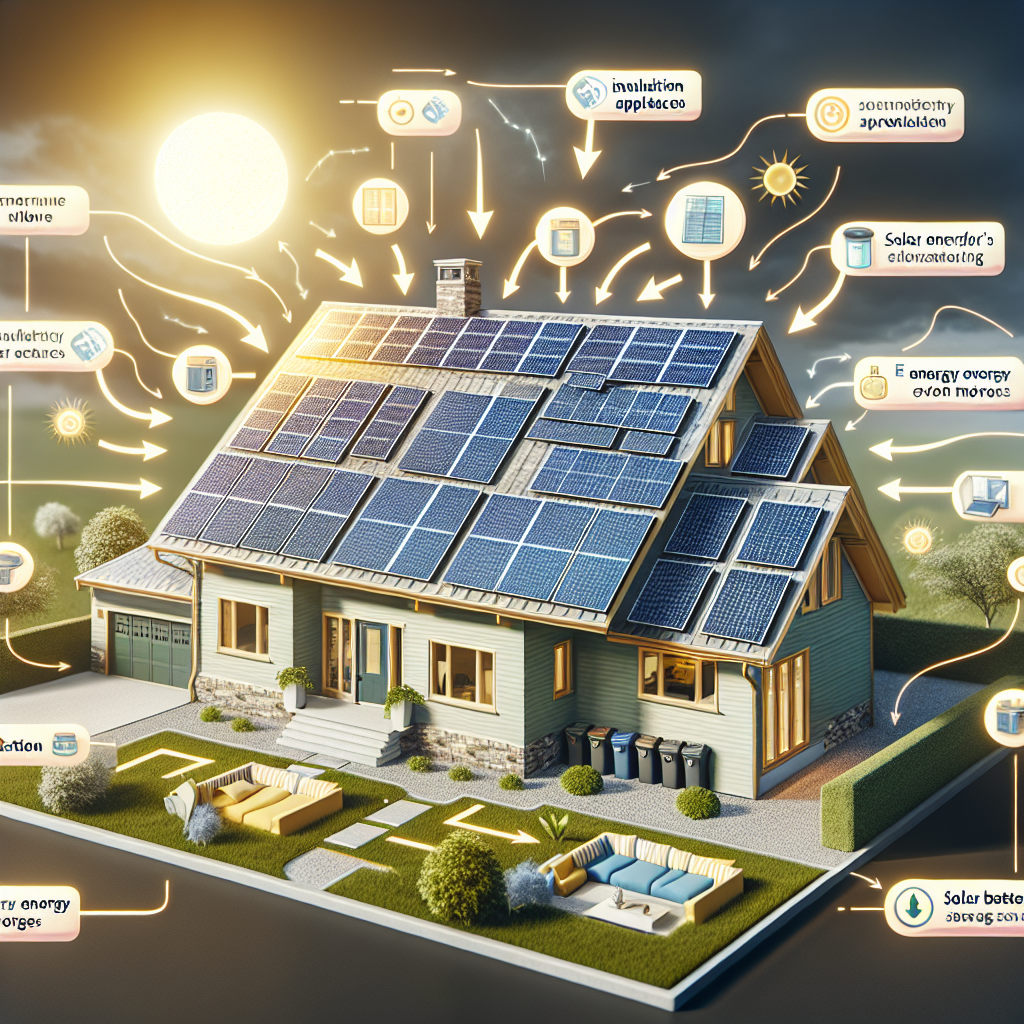
    Location, location, location! This phrase isn’t just for real estate; it totally applies to solar installations too. I took a good look at my roof orientation and pitch. Ideally, south-facing roofs receive the most sunlight, which is critical if you want to maximize your solar output.

    Then there’s shading from trees or buildings. If you’ve got a large tree casting shadows on your roof, it might be time for a trim! Even a few branches can significantly reduce your panel’s efficiency. I can’t stress how important it is to harness as much sunlight as possible, especially if you want to save those bucks.

    Lastly, I considered whether my roof’s condition could handle the installation. Anytime you’re investing in something like solar panels, you want to make sure the base is sturdy and reliable. No one wants to deal with leaks after spending a chunk of change, right?

    Take Advantage of Incentives and Rebates

    Researching Local Incentives

    Here’s where the real treasure lies! Depending on where you live, various incentives and rebates can slay that upfront cost. When I started digging into this, I was blown away by what was available – some states practically rolled out the red carpet for solar homeowners!

    Check with local government agencies, and don’t forget to look into federal options too. There are incentives that allow you to claim a portion of your costs on your taxes, which is fab because that effectively lowers your overall solar investment.

    Sometimes, local utilities offer rebates or lower rates for homes with solar energy systems. It’s like they reward you for being eco-conscious! So, I made sure to snag every discount I could, and it felt great watching my overall installation costs shrink!

    Monitor and Maintain Your Solar Energy System

    Regular Check-Ups Are Key

    Finally, here’s where I get a little bit of ‘dad advice’ on you: maintenance is crucial. I learned early on that once the solar system was installed, it didn’t just run itself. Regular check-ups, even if that just means periodically cleaning the panels, ensure that everything is functioning optimally.

    I had to make sure that debris like leaves or dust wasn’t affecting my panels. Even a little grime can seriously cut into your solar efficiency, and I didn’t want that. Plus, some companies offer warranties and monitoring software, which can alert you if there’s something amiss.

    Staying on top of maintenance makes me feel proactive. It’s sort of like taking care of a pet; you want to ensure it’s healthy and happy! Keeping tabs on my solar system means I can avoid hefty repair costs down the line, and at the end of the day, it encourages me to keep going green.

    FAQ

    1. How do I determine my home’s energy needs?

    Start by reviewing your past electricity bills. Take note of your highest months and think about future energy changes like electric vehicles or additional appliances that may require more power.

    2. What factors should I consider when choosing solar panels?

    Efficiency ratings, aesthetics, cost, and the reputation of the manufacturer are key factors. Look for a balance between performance and appearance that fits your home.

    3. How do I find out about solar incentives in my area?

    Check your local government websites, talk to your utility provider, and visit resources like the Database of State Incentives for Renewables & Efficiency (DSIRE) to uncover available rebates and credits.

    4. What maintenance do solar energy systems require?

    Ongoing maintenance typically involves cleaning the panels, monitoring performance through software (if available), and scheduling professional inspections to check for any issues or necessary repairs.

    5. Can solar panels really save me money?

    Yes! By generating your own electricity, you can significantly reduce or even eliminate your electricity bills. Plus, with incentives, you might lower your setup costs too.

    This article is structured to be engaging, informative, and friendly, presenting personal insights while providing clear guidance on optimizing a home’s solar energy setup. The HTML format is organized with headings and subsections for easy navigation.
  • The Impact of Solar Energy on Your Home’s Value

    The Impact of Solar Energy on Your Home’s Value

    Increased Home Value

    Understanding Market Trends

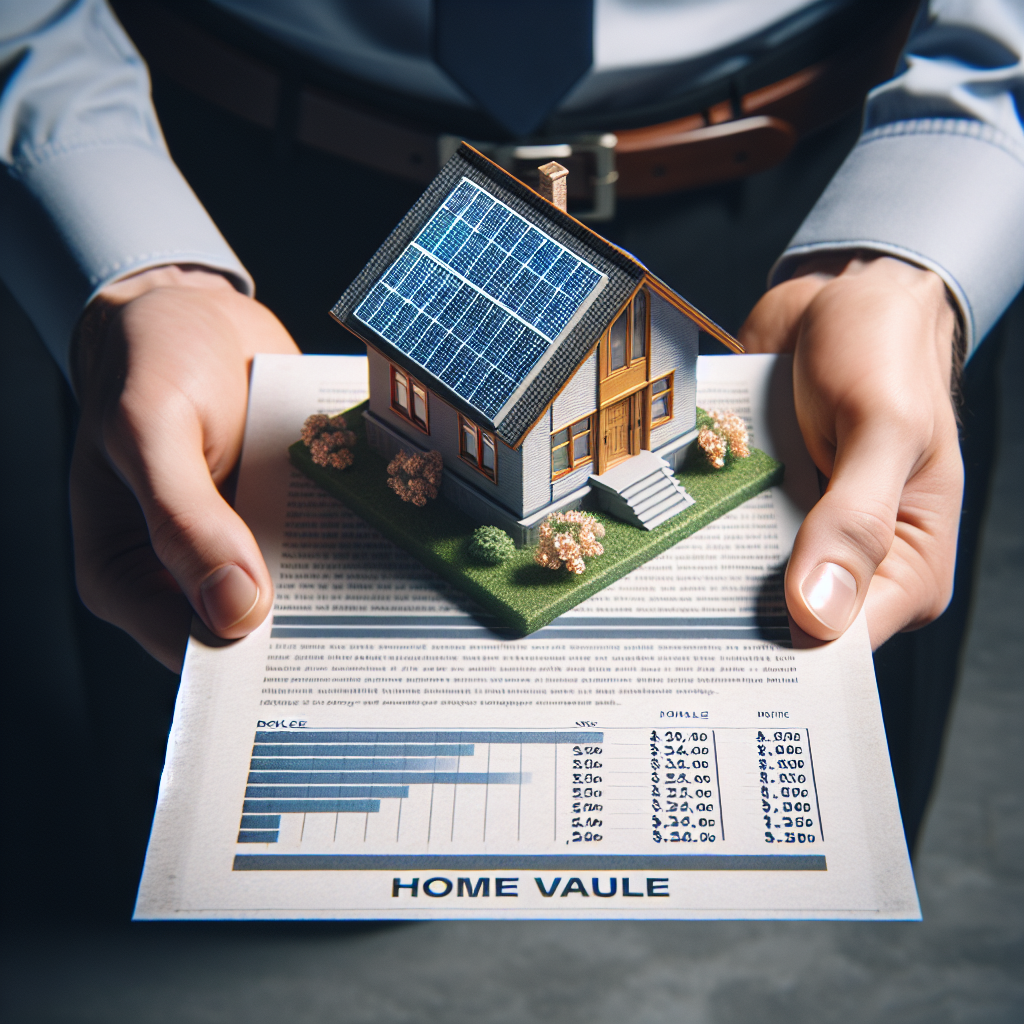
    When I first dipped my toes into the real estate market, one thing that always caught my eye was how certain features could really crank up a property’s value. Solar energy is one of those game-changers. With more people becoming eco-conscious, homes with solar panels are increasingly viewed as valuable assets. Studies have shown that homes with solar energy systems can sell for 4.1% more than comparable homes without them. That’s not chump change!

    This value bump translates directly to dollars when it comes time to sell. In my experience, many buyers are willing to pay top dollar for properties that boast energy efficiency. It’s a win-win situation, as buyers appreciate lower energy bills and sellers can cash in on these green upgrades. I know it’s something I’d be interested in as a potential homebuyer.

    If you’re looking to increase your home’s value, investing in solar panels could be one of the smartest decisions. Not only do you reap the personal benefits of energy savings, but you also set up your home for a lucrative future sale. It’s like planting a money tree that just keeps on giving!

    Energy Savings

    Lower Monthly Bills

    Who doesn’t love saving a few bucks, right? One of the most immediate perks of going solar is the reduction in monthly energy bills. Having installed solar panels at my place, I’ve seen my electricity costs drop significantly! In fact, sometimes I’m surprised when I see my bill; it’s like a little gift every month.

    This money-saving aspect isn’t just a temporary thrill – lower energy costs are something you can count on for years. For homeowners on the fence about the upfront investment, the promise of these savings makes the decision much easier. Just imagine spending that extra cash on something fun instead of giving it all to the electric company!

    Plus, many areas offer incentives or rebates for installing solar, which can help recoup initial costs. It’s refreshing to shift from paying bills to actually investing in something that pays off in the long run!

    Environmental Benefits

    Reducing Your Carbon Footprint

    From my perspective, using solar energy isn’t just about personal gain. It’s about making a larger impact. When you power your home with solar energy, you’re drastically reducing your carbon footprint, and that’s something to celebrate! As an environmentally conscious individual, I feel like I’m doing my part to help combat climate change.

    Every kilowatt-hour produced by solar panels is a kilowatt-hour not produced from fossil fuels. It’s like every little bit counts, and I love knowing that I’m contributing to a healthier planet for future generations. Plus, it feels good to be part of a movement that promotes sustainability.

    In a way, it’s also a conversation starter. I’ve had so many guests come over and marvel at my solar panels. It opens up a dialogue about energy consumption, sustainability, and what we can all do to conserve our environment. It’s amazing how energy can spark change!

    Home Insurance Benefits

    Potential for Lower Premiums

    Here’s a fun little tidbit that surprised me: having solar panels can actually influence your home insurance premiums. Many insurance companies now recognize that homes with solar systems can be less of a risk because they often have lower energy-related claims. That’s something that can work in our favor!

    I’d recommend talking to your insurance provider to see if you qualify for any discounts. It’s theoretically a ‘no-brainer’ to keep insurance costs down while also enjoying the benefits of solar power. Who doesn’t want to save money on insurance?

    Plus, you also get the added peace of mind. Not only are you reducing your carbon footprint, but you’re also investing in your home’s resilience. Having solar power can protect you from energy price fluctuations, especially during emergencies. You can sleep a little better at night knowing your home is set up for both safety and savings!

    Home Appeal

    Aesthetic Value and Innovation

    Let’s be real – when it comes to selling a home, curb appeal absolutely matters! Homes with solar panels add a modern touch and forward-thinking appeal. I personally think they give a home that “wow” factor; they show potential buyers that the home is not just a place to live but a lifestyle choice.

    It’s fascinating to see how technology and aesthetics can merge. I’ve seen homes where solar panels are integrated beautifully into the roofline and blend seamlessly with the architecture. It reflects a sense of pride in ownership and innovation that resonates well with today’s buyers.

    I often hear from friends who are shopping for homes that energy efficiency is on their wish list. Solar panels can enhance the overall look of the property while also signaling that it’s energy-efficient. In short, it’s an attractive selling point – both visually and functionally.

    Frequently Asked Questions

    1. Does installing solar panels really increase my home’s value?

    Absolutely! Research shows that homes with solar energy systems can command a higher resale price compared to similar homes without them. It’s a fantastic way to enhance your property’s marketability.

    2. How much can I save on my energy bills with solar panels?

    Many homeowners report saving between 20% to 50% on their monthly energy bills. The savings depend on factors like your location, energy usage, and the size of your solar installation, but the impact is often substantial!

    3. Are there any tax benefits or incentives for going solar?

    Yes, many local and federal programs offer tax credits and rebates for solar installations. These incentives can help offset your initial investment, making it even more attractive to switch to solar energy.

    4. Will solar panels damage my roof?

    When installed properly by professionals, solar panels don’t damage your roof; in fact, they can protect the area underneath by shielding it from the elements. It’s important to work with reputable installers who understand roofing systems.

    5. How long do solar panels last?

    Most solar panels come with a warranty of 25 years, but many can last even longer when maintained properly. It’s safe to say you’re making a long-term investment for energy savings and home value boosting!

  • Enhancing Your Home’s Energy Efficiency with Solar

    Enhancing Your Home’s Energy Efficiency with Solar

    Understanding Solar Energy Basics

    What is Solar Energy?

    Solar energy is simply energy that we get from the sun. It’s like nature’s ultimate gift! I remember the first time I learned about solar panels and how they convert sunlight into electricity. It blew my mind! By harnessing this energy, we can reduce our reliance on fossil fuels and keep our environment pristine.

    The process involves photovoltaic cells, which are the magic behind solar panels. They absorb sunlight, initiating a reaction that generates electricity. This means that even on those cloudy days, solar energy can still be captured, which was a real surprise for me at first!

    Plus, solar energy is renewable! You don’t have to worry about running out as long as the sun is shining, and it’s available in abundance. This realization alone motivated me to dive deeper into solar energy solutions for my home.

    Benefits of Solar Energy

    One of the best parts about using solar energy is the cost savings. I mean, who doesn’t love saving money? Once you install solar panels, your electricity bills can drop significantly—sometimes even disappear altogether! That’s dough I’d rather spend elsewhere.

    Not to mention, there’s a positive impact on the environment. Using solar energy means reducing greenhouse gas emissions. Every bit counts, right? Knowing that I’m contributing to the health of our planet pushes me to promote this solution to friends and family.

    And let’s not forget about solar incentives! There are tax credits and rebates that make going solar so much easier on the wallet. I took advantage of many of these, leading to a much lower upfront cost for my installation.

    Choosing the Right Solar Technology

    Choosing the right solar technology is key to ensuring efficiency in your home. There are two main types of solar panels: monocrystalline and polycrystalline. I opted for monocrystalline because they are more efficient and take up less space—perfect for my cozy roof.

    It’s crucial to research and consider which technology fits your energy needs and budget. Also, be on the lookout for new technologies like thin-film solar cells. They’re becoming more popular and could be the wave of the future!

    Lastly, don’t forget about battery storage options! Having a battery backup ensures that even when the sun goes down, your home still has power. Trust me, after a few power outages, you’ll want this security in your life.

    Assessing Your Home’s Energy Needs

    Conducting an Energy Audit

    Before diving headfirst into solar, I’ll tell you – it’s so important to understand your current energy consumption. Conducting an energy audit at home will give you a clear picture of how much energy you use. It’s like looking under the hood of your car before a road trip!

    I started my audit by checking my utility bills for the past year and noting peak usage times. It’s a bit tedious, but you get to see how much energy those appliances really pull. You might be shocked to discover which devices are energy hogs!

    After that, I didn’t stop! I inspected insulation, windows, and appliances. A small leak in insulation can cause more energy loss than you think, and it will lead to higher energy usage—making solar less effective if not tackled first.

    Setting Goals for Solar Adoption

    After understanding your energy needs, it’s essential to set clear goals for what you want to achieve with solar. Are you looking to power your entire home or just a portion? For me, I aimed to go as close to 100% as possible but had to balance that with budget constraints.

    Additionally, consider the timeline for your solar setup. Do you want to install as soon as possible, or do you have some flexibility? Having a timeline helped me stay focused on my goals and ensured I didn’t jump into any rushed decisions.

    Lastly, keep improvement goals in the mix! As you switch to solar, you might also want to explore further energy-saving measures, like adding smart home technology or energy-efficient appliances—synergy is key!

    Calculating Your Solar Requirements

    Now that you’ve got your audit and goals, it’s time to crunch some numbers! Start by estimating your solar panel needs based on your energy consumption. Tools like solar calculators can give a good starting point. I remember being amazed by how many panels could be required to fully meet my energy needs!

    Next, consider your roof space. This part was key for me! I had to make sure my roof could handle the number of panels I needed without feeling cramped or cluttered. An expert can help with this if you’re unsure!

    Finally, look at your local weather trends. If you live in a sunny area, your output will be higher, while regions with heavy snowfall or frequent rain might require more panels to meet energy needs. That’s just the reality of solar!

    Installing Solar Panels

    Choosing a Reputable Installer

    Alright, it’s the moment we’ve all been waiting for—installation! But first, you want to choose a reputable installer. Do some homework. Ask friends, read reviews, and get recommendations. For me, the right installer made all the difference—they really walked me through everything.

    During your search, ask potential installers about their experience, qualifications, and warranties. A solid company will stand by their work and products, which gives peace of mind in the long run.

    Also, don’t forget to get multiple quotes! This helped me find a competitive price and good fit for my project. Don’t shy away from negotiating terms; it’s all part of the process!

    Understanding the Installation Process

    Installation was super exciting! It started with a thorough survey of my home to ensure the best mounting options. Then came the actual installation of the solar panels, wiring, and inverter. I even got to watch the crew in action, which was way cooler than I expected!

    There’s usually a bit of disruption during installation, like having a crew on your roof, but the excitement outweighed any hassle. Plus, they took every step to keep my home clean and tidy throughout the process.

    Once everything was installed, the final touches included connecting to the grid and a quick inspection. Seeing it all come together was so rewarding; honestly, I felt like a mini electricity mogul!

    Monitoring Your Solar System

    Once the installation is complete, don’t just sit back and relax. Monitoring your solar system is vital! Most solar panels come with an app or a monitoring tool that lets you see how much energy you’re producing and using in real-time.

    This part is super interesting! I enjoy tracking my energy production and comparing it against my usage. It’s almost like a little game to see how much energy I can “save” each day! And if anything goes wrong, the monitoring system alerts you to address it quickly.

    Always keep an eye out for maintenance too. While solar panels are pretty low-maintenance, a good cleaning every now and then helps them perform at their best, and trust me, a little care goes a long way!

    Maximizing Your Solar Energy Output

    Regular Maintenance Practices

    Now, here’s where the real fun begins: maximizing your solar energy output! Regular maintenance is key. A simple wash of your panels can do wonders. I swear, my panels looked like brand new after a good scrub, and they performed significantly better too!

    Also, keep an eye out for overhanging branches or debris that might block sunlight. I learned this the hard way when one of my trees started to grow and cast a shadow, and trust me, it made a real difference in my output!

    Lastly, ensure your inverter is in good shape, as it translates the energy your panels produce. If something isn’t working right, it can decrease overall efficiency; staying aware can prevent this easily!

    Utilizing Smart Energy Solutions

    Integrating smart energy solutions with your solar setup is a game changer! Smart thermostats, energy-efficient appliances, and energy storage systems can make the most of your solar energy. I invested in a smart thermostat that learned my habits and optimized my usage in tandem with my solar generation.

    This technology doesn’t just make life easier; it actively works to cut down on energy wastage. For example, my air conditioning system knows when I’m home and when it can save energy by adjusting the temperature, all while keeping me comfortable!

    With storage solutions like batteries, I can use my solar energy even at night. It’s like having a little stash of sunshine to power my home when the sun goes down. What a great feeling!

    Evaluating Your Energy Production

    Finally, it’s time to evaluate your energy production regularly. Seeing how your system performs can be so motivating. I remember feeling proud of my growth once I could compare months of production and savings!

    This process involves analyzing your utility bills alongside your solar monitoring data. This helps you understand your return on investment and assess whether you need to make adjustments to your system or energy usage habits.

    I’ve found monthly check-ins help me stay engaged with my solar system. Plus, if I spot issues early, I can address them before they become major problems, keeping my system in tip-top shape!

    FAQ – Frequently Asked Questions

    1. What are the initial costs of installing solar panels?

    The initial costs can vary widely depending on the size of your system, type of panels, and local installation costs. Generally, homeowners should budget anywhere from $15,000 to $30,000, but remember to look into financing options and incentives that can reduce this cost!

    2. How long does it take to install solar panels?

    Installation usually takes between one to three days, depending on the size and complexity of the system. After that, your installer will coordinate with your local utility for grid connection, which can take additional days to weeks.

    3. Do solar panels work in cloudy weather?

    Yes! Solar panels can still generate electricity during cloudy days, although their output may be reduced. They work best in direct sunlight, but they are designed to perform even in less-than-ideal conditions.

    4. How much maintenance do solar panels require?

    Solar panels are relatively low-maintenance. However, I recommend cleaning them occasionally to remove dust, leaves, or snow, and having an inspection done yearly to ensure everything is functioning optimally!

    5. Will solar panels increase my home value?

    Absolutely! Many studies indicate that homes with solar energy systems tend to sell for more than those without. Plus, buyers nowadays are increasingly interested in energy efficiency and sustainability, making it an attractive feature!

    Thanks for reading! I hope this guide on enhancing your home’s energy efficiency with solar energy helps you navigate your own solar journey.