Tag: your

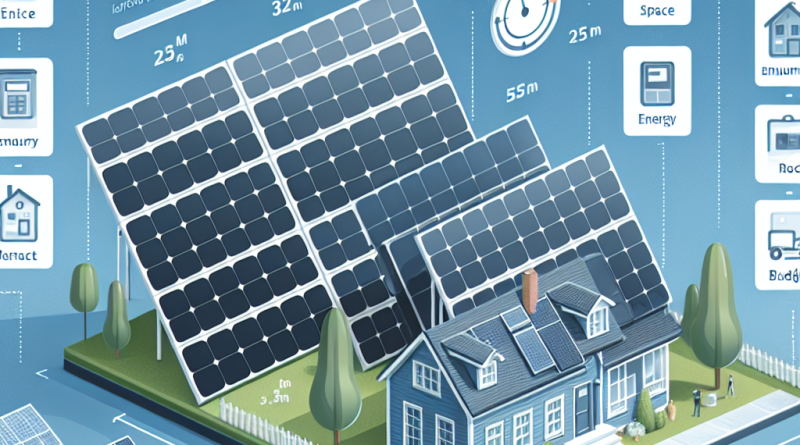
  • How to Optimize Your Home’s Solar Energy Setup for Maximum Savings

    How to Optimize Your Home’s Solar Energy Setup for Maximum Savings

    Evaluate Your Solar Needs and Goals

    Understanding Your Energy Consumption

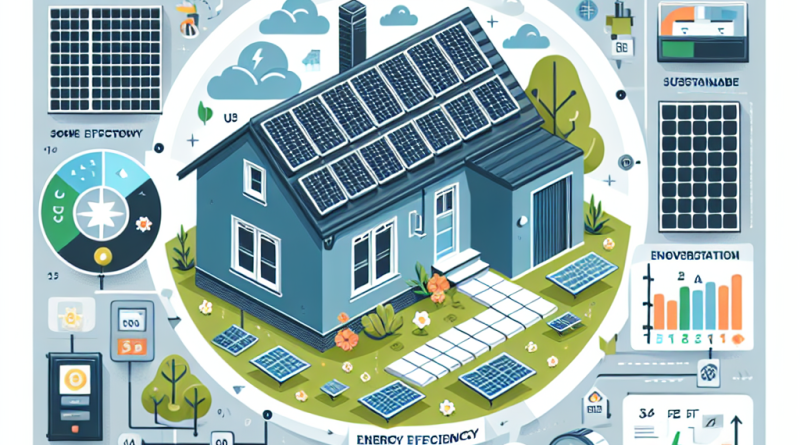
    First things first, let’s figure out how much energy your home actually uses. This is kind of like knowing how much gas you need before a long road trip. I grabbed my last few electricity bills, broke down the numbers, and found out my peak months and low months. This helped me understand my household’s energy consumption patterns, which is super important when designing your solar setup.

    When assessing your electricity usage, I also considered the lifestyle changes we might make in the future. Are we thinking of getting an electric car or adding more tech gadgets? These changes can significantly impact your energy needs. Just like planning for growth, your solar energy system should have a bit of flexibility to adapt.

    Lastly, I even reached out to my local electricity provider for rate quotes and peak usage times. This way, I could maximize my savings by using solar when the grid rates were highest. Knowledge is power, right? The more you know about your energy consumption, the better decisions you can make.

    Choose the Right Solar Technology

    Selecting Between Solar Panels and Solar Roof Shingles

    When I first dipped my toes into the solar energy pool, I was stuck on one big question: should I get traditional solar panels or opt for solar roof shingles? Traditional panels can be a bit of an eyesore on some homes, while shingles blend seamlessly with your roof. So, weighing aesthetics versus functionality was important for me.

    Another consideration was the efficiency ratings. Some of those high-tech solar panels were boasting impressive efficiency, while others were just okay. I did my homework and looked for reputable brands known for both durability and efficiency. This was key as I wanted to make sure my investment paid off.

    Ultimately, it came down to how much I was willing to invest upfront versus what I’d save in the long run. I like shiny things, but I also appreciate smart investing. So, remember to balance your desires with practicality!

    Optimize Your Installation Location

    Choosing the Best Roof Spot

    Location, location, location! This phrase isn’t just for real estate; it totally applies to solar installations too. I took a good look at my roof orientation and pitch. Ideally, south-facing roofs receive the most sunlight, which is critical if you want to maximize your solar output.

    Then there’s shading from trees or buildings. If you’ve got a large tree casting shadows on your roof, it might be time for a trim! Even a few branches can significantly reduce your panel’s efficiency. I can’t stress how important it is to harness as much sunlight as possible, especially if you want to save those bucks.

    Lastly, I considered whether my roof’s condition could handle the installation. Anytime you’re investing in something like solar panels, you want to make sure the base is sturdy and reliable. No one wants to deal with leaks after spending a chunk of change, right?

    Take Advantage of Incentives and Rebates

    Researching Local Incentives

    Here’s where the real treasure lies! Depending on where you live, various incentives and rebates can slay that upfront cost. When I started digging into this, I was blown away by what was available – some states practically rolled out the red carpet for solar homeowners!

    Check with local government agencies, and don’t forget to look into federal options too. There are incentives that allow you to claim a portion of your costs on your taxes, which is fab because that effectively lowers your overall solar investment.

    Sometimes, local utilities offer rebates or lower rates for homes with solar energy systems. It’s like they reward you for being eco-conscious! So, I made sure to snag every discount I could, and it felt great watching my overall installation costs shrink!

    Monitor and Maintain Your Solar Energy System

    Regular Check-Ups Are Key

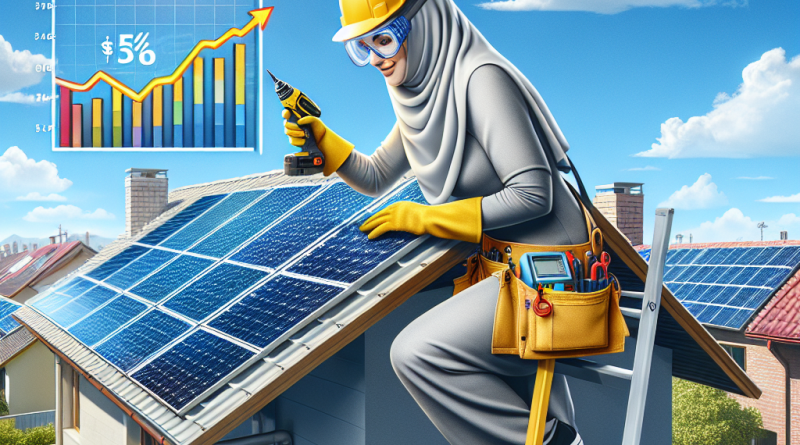
    Finally, here’s where I get a little bit of ‘dad advice’ on you: maintenance is crucial. I learned early on that once the solar system was installed, it didn’t just run itself. Regular check-ups, even if that just means periodically cleaning the panels, ensure that everything is functioning optimally.

    I had to make sure that debris like leaves or dust wasn’t affecting my panels. Even a little grime can seriously cut into your solar efficiency, and I didn’t want that. Plus, some companies offer warranties and monitoring software, which can alert you if there’s something amiss.

    Staying on top of maintenance makes me feel proactive. It’s sort of like taking care of a pet; you want to ensure it’s healthy and happy! Keeping tabs on my solar system means I can avoid hefty repair costs down the line, and at the end of the day, it encourages me to keep going green.

    FAQ

    1. How do I determine my home’s energy needs?

    Start by reviewing your past electricity bills. Take note of your highest months and think about future energy changes like electric vehicles or additional appliances that may require more power.

    2. What factors should I consider when choosing solar panels?

    Efficiency ratings, aesthetics, cost, and the reputation of the manufacturer are key factors. Look for a balance between performance and appearance that fits your home.

    3. How do I find out about solar incentives in my area?

    Check your local government websites, talk to your utility provider, and visit resources like the Database of State Incentives for Renewables & Efficiency (DSIRE) to uncover available rebates and credits.

    4. What maintenance do solar energy systems require?

    Ongoing maintenance typically involves cleaning the panels, monitoring performance through software (if available), and scheduling professional inspections to check for any issues or necessary repairs.

    5. Can solar panels really save me money?

    Yes! By generating your own electricity, you can significantly reduce or even eliminate your electricity bills. Plus, with incentives, you might lower your setup costs too.

    This article is structured to be engaging, informative, and friendly, presenting personal insights while providing clear guidance on optimizing a home’s solar energy setup. The HTML format is organized with headings and subsections for easy navigation.

  • How to Safeguard Your Solar Power System During Storms

    How to Safeguard Your Solar Power System During Storms

    1. Assess Your System’s Risk

    Understanding Weather Vulnerabilities

    One of the first steps I took when considering storm protection for my solar power system was assessing the vulnerabilities inherent in my location. Each region has its own risks; for instance, areas prone to hurricanes, heavy winds, or hail need specific safeguards. You don’t just want to wait until the storm hits to realize your system has weak spots.

    Take time to research the types of storms that commonly occur in your area. Websites from local meteorological services or climate research organizations can be invaluable for gaining insight. Knowing what kind of risks you’re up against helps in forming a plan tailored to your unique situation.

    Additionally, consider talking to your neighbors who are also solar owners. They might share experiences or tips about protecting their systems that could benefit you in the long run!

    Evaluating Installation Quality

    Let me tell you—if you want to ride out the storms with your solar system intact, the installation quality matters immensely. I once had a situation where my neighbor’s system faltered due to poor installation practices.

    In my research, I found that reputable installers often follow strict guidelines and best practices. Make sure your solar panels are securely mounted to withstand high winds and that the wiring is protected from water damage. A thorough inspection can prevent catastrophic failures during storms.

    Also, ensure your panels are positioned to minimize exposure to direct hits from strong winds. Consultation with a trusted installer about the initial setup can lead to better resilience later on.

    Regular Maintenance Checks

    You better believe that having a schedule for maintenance is crucial! Regularly checking your solar power system doesn’t just extend its life; it also helps pinpoint any issues before they turn serious. My routine includes examining all components, from the batteries to the solar panels themselves.

    Look out for loose connections, dirt buildup, or potential corrosion which can all affect performance, especially during stormy weather. I find that doing these checks every few months gives me peace of mind knowing I’m doing my part to keep everything shipshape.

    Also, engaging a professional for at least an annual inspection can provide insights that I wouldn’t catch on my own—even seasoned pros can miss things sometimes!

    2. Implement Protective Measures

    Investing in Storm Shields or Covers

    One of the smartest purchases I made was storm shields. They act like a bodyguard for my solar panels. There are all kinds of options available, from temporary covers you can put on before a storm hits to permanent shields designed specifically for harsh conditions.

    When shopping around, I found out that not all shields are created equal. Some are far sturdier than others, and reading customer reviews helps to sift through the options. A bit of research pays off when it comes to finding the right materials that can withstand severe weather.

    Additionally, I learned that positioning these covers correctly is essential. Covering your panels by following the manufacturer’s instructions can ensure better protection and avoid causing unintentional damage.

    Secure Loose Parts

    Loose parts can become dangerous projectiles during storms. One time, I neglected to secure some garden furniture, and let me tell you, it was a mess afterward! For your solar power system, make sure that all cables and connections are tight and secure.

    Take the time to check for anything that could blow away or could be a hazard during high winds, not just around the solar panels but also nearby structures. This could include tree branches or even tools. I always make it a habit to do a little pre-storm ‘sweep’ of my yard.

    Being proactive about securing items helps prevent damage that could lead to costly repairs. I’ve learned over the years that being prepared is key to minimizing stress when a storm is brewing!

    Elevate Equipment Where Necessary

    If there’s one aspect I wish I’d considered earlier, it’s the elevation of key equipment. Flooding can be a significant threat to solar installations, especially in storm-prone areas. When I set up my system, I made sure to elevate it above potential water levels.

    This strategy involves placing battery banks, inverters, and other essential equipment on elevated platforms. This might mean investing in new bases or supports, but I assure you, it’s worth every penny. It saves you the headache and potential costs of water damage.

    It’s not just about having a quality solar system; it’s about designing your setup to endure nature’s unpredictability. I’ve definitely learned to think ahead in this respect!

    3. Develop an Emergency Plan

    Creating a Backup Power Strategy

    Let me tell you, when storms threaten, having a backup power strategy can be a lifesaver. I’ve created a plan around my solar system to ensure I won’t be left in the dark during outages.

    This could mean relying on a battery storage system that kicks in automatically when the grid goes down. I debated for a while whether to invest in one, and I can’t stress enough how glad I am that I did. It’s a bit like insurance—you hope you never need it, but if you do, you’re grateful to have it!

    Also, think about limiting your energy usage during storms. Prioritize what you need to keep running—like your fridge or emergency lights. I’ve learned to keep my usage efficient, especially during peak storm season.

    Establishing Communication Channels

    In a storm, communication can be crucial. I always include a step in my emergency plan to ensure I stay in contact with my loved ones. Having a group chat ready to go is helpful to quickly share updates in case of severe storms.

    I also made sure to keep emergency numbers handy, not just for family but for utility companies and local emergency services. Technology can let you down in outages, so having those contacts saved somewhere off-grid is a good strategy.

    If there’s anything I’ve learned, it’s that staying connected can mitigate a lot of worries! Planning for how to reach out for help can ease fluffier nerves during turbulent times.

    Practice Your Plan

    Once I had my emergency plan set, I knew it wasn’t enough just to write it down. Practicing my plan made all the difference—especially when I started to include my kids! It’s a little drill we have where we pretend a storm is coming and we switch into action.

    We check everything—from securing items outside to rolling our backup power strategies into practice. This way, everyone in the family knows their role, should a real storm approach. It’s good bonding time while simultaneously encouraging learning.

    Facing an emergency is less daunting when you know exactly what to do. It builds up our confidence as a family, and let me tell you, that’s a key power I don’t want to overlook!

    4. Stay Informed During Storm Season

    Monitor Weather Reports

    If there’s one thing I’ve learned, it’s the importance of keeping an eye on the weather. During storm season, I tune into local forecasts frequently. Technology advancements have made it easier than ever to receive updates, whether it’s through apps on my phone or alerts on my smart devices.

    I’ve noticed that having multiple sources for weather updates gives me a clearer picture of what to expect. When a storm is brewing, I take that information seriously and adjust my preparedness strategies accordingly.

    More than once, those early warnings helped me secure my property and solar installation before the brunt of a storm arrived. It’s all about getting that crucial heads-up before things could go south!

    Utilize Social Media for Real-Time Updates

    Social media can be a surprisingly useful tool during severe weather events. I often follow local news channels and emergency services on platforms like Twitter and Facebook for real-time updates. It’s all about knowing what’s happening in your community.

    Sometimes, social media can provide insights that regular weather reports may miss. I’ll get updates about road closures or specific emergency resources in my area, so I always keep an eye on it when bad weather is on the horizon.

    Plus, it fosters community engagement. I’ve found a bunch of local groups which share advice or support during storms—definitely a great way to keep the spirits high during storm season!

    Prepare for Post-Storm Assessments

    Once a storm passes, it doesn’t mean we’re out of the woods just yet. Getting prepared for what comes next is equally important. Immediately after storm conditions ease, I gear up to inspect my solar power system.

    The post-storm assessment involves looking for visible damage or debris that may affect my system’s performance. In one instance, after a major storm, I found small branches had fallen close to my panels. A quick clean-up ensured optimal functionality.

    It’s also a great time to assess my emergency plan based on the latest storm experience. What went well? What needs tweaking? Adapting my strategies post-storm makes every occurrence a learning curve!

    5. Consult Professionals When Needed

    Finding the Right Experts

    I cannot emphasize enough the importance of consulting professionals. While I love DIY projects, I realize when it comes to my solar power system—or any electrical work, honestly—it’s just not worth the risk to go it alone.

    Taking time to find trusted local professionals who can provide insight on installations or repairs can save a significant headache in the long run. Reviews and referrals from friends are incredible resources for finding expertise you can rely on.

    Working with experts not only provides peace of mind but also ensures your system stays compliant with local regulations and codes, which is essential especially when storms hit.

    Learning from Installers

    I made a habit of asking my installers questions whenever they performed maintenance checks. This opened the door to valuable knowledge that I could apply going forward. I learned about things I could do to keep my system in its best shape and best practices for safeguarding against storms.

    Mastering some basic knowledge about my own system has empowered me. I firmly believe that understanding how my solar power works—and what it needs to weather storms—is as crucial as the installation itself.

    Plus, getting to know your installer often leads to better customer service. They’ll remember you and be more likely to keep you informed about any updates or changes needed to maintain performance.

    Joining Community Resources

    Last but not least, I found value in joining local solar energy associations or community groups. These groups often provide resources, seminars, and learning events to help keep owners informed about safety, maintenance, and advancements in solar technology.

    Networking with fellow solar owners has given me additional strategies to safeguard my system. Plus, who doesn’t love a little camaraderie in facing the same challenges?

    Remember, we’re all in this together! Sharing experiences can make a real difference, especially when tackling storm preparations as versatile homeowners.

    Frequently Asked Questions

    1. What should I do before a storm hits?

    Before a storm, it’s wise to assess your system’s risk, secure loose parts, and consider investing in storm shields or covers.

    2. How can I stay informed during storm season?

    Monitoring local weather reports and utilizing social media for real-time updates are great ways to stay informed during storm season.

    3. What are some post-storm assessment tips?

    Following a storm, inspect your solar power installation for any physical damage or debris blocking the panels, and modify your emergency plan based on the recent experience.

    4. Should I consult professionals about my solar system?

    Yes! Consulting professionals ensures proper installation, compliance with local codes, and allows you to learn more about your solar power system.

    5. What resources can I join for more information on solar safety?

    Joining local solar energy associations or community groups can provide valuable resources and networking opportunities to help you safeguard your solar power system.

  • How to Maximize Your Savings with Solar Energy Tax Credits

    How to Maximize Your Savings with Solar Energy Tax Credits

    Understanding Solar Energy Tax Credits

    What Are Solar Energy Tax Credits?

    When I first heard about solar energy tax credits, I had so many questions. Essentially, these credits are a way for the government to encourage folks like you and me to switch to solar energy. They let you deduct a percentage of the cost of your solar energy system from your federal taxes. It’s like getting a bonus back at tax time!

    But it’s not just about saving money on your taxes. It’s also about making your home more energy efficient, which really pays off in the long run. If you ever thought about going solar, knowing about these tax credits is like having a secret weapon in your savings arsenal.

    Believe me, the benefits can be substantial. Depending on when you install your system, these credits can cover a huge chunk of your expenses. You might be able to reclaim thousands, which is pretty sweet, right?

    The Current Tax Credit Landscape

    One cool thing to keep in mind is that the solar tax credit is generally set at a certain percentage, which can change over the years. When I made the leap, the percentage was quite generous, making it an even better time to invest. Staying up-to-date with the latest info is crucial so you don’t miss out.

    Sometimes, I see folks get confused about when these credits expire or change. Don’t make the mistake of waiting too long! The more informed you are, the better decisions you’ll make, ensuring that you take full advantage of this aid.

    It’s also worth checking if there are state-specific tax credits available in your area. Some places offer additional benefits, and every little bit helps!

    Eligibility for Solar Energy Tax Credits

    If you’re like me, you want to make sure you qualify before jumping in. The good news is, if you own your home and have installed a solar energy system, you’re likely eligible! Even if you lease your solar panels, you might still be able to take advantage of these credits, depending on your arrangement.

    Moreover, the eligibility doesn’t just stop with residential installations. Businesses can also take advantage of solar energy credits. So whether you’re powering your home or a business, there’s a good chance you’re covered.

    But always double-check your eligibility criteria based on the most current laws and guidelines. It can change, and I don’t want anyone missing out simply due to a technicality!

    Choosing the Right Solar Provider

    Researching Solar Installers

    This is where the real fun starts! Choosing the right solar provider can really make or break your experience. I remember spending hours researching different companies, reading reviews, and getting quotes. Don’t rush this part—you want a trustworthy partner in this investment.

    Look for providers with solid reputations and experience in the solar industry. Ask around—word of mouth can be a powerful tool. Sometimes the quality of service varies greatly, so it pays off to do your homework.

    Also, don’t forget to check if they’re licensed, insured, and certified. You want peace of mind knowing that you’re working with professionals who know what they’re doing.

    Comparing Quotes Effectively

    I found that comparing quotes isn’t just about looking at the bottom line; it’s also about what’s included. Some companies might have hidden fees or charge more for warranty coverage. Break down each quote to see what you’re truly paying for!

    It can feel overwhelming at times, but I tackled it by creating a simple comparison chart. I listed all of the features and estimates, which really helped in making a decision that felt right. Plus, it strips away the confusion!

    Don’t hesitate to negotiate as well. Many providers are willing to work with you to get a deal that meets your budget and needs.

    Understanding Warranties and Maintenance

    Once I found a provider, I looked into what kind of warranties were included. A solid warranty can save you lots of money down the line if something goes wrong. I learned the hard way that not all warranties are created equal, so ask questions!

    Also, consider the maintenance aspect. Some providers offer maintenance packages that can extend the life of your system. Just like with any home investment, regular upkeep can make a world of difference.

    Your solar panels should last a long time, but knowing what type of maintenance you’re responsible for can save you big headaches later.

    Identifying Additional Incentives

    Local and State Incentives

    Aside from the federal tax credit, there are often state and local incentives too! I was pleasantly surprised when I found out about rebates and grants available in my area. It’s like finding extra change in your couch cushions.

    These local benefits can vary widely, so check in with your state’s energy office or do a quick online search to see what’s available. Knowing the ins and outs of these incentives can really boost your overall savings.

    Sometimes, utility companies offer perks for solar adopters as well! It’s worth asking about additional savings opportunities. You might be leaving money on the table without even knowing!

    Financing Options

    If upfront costs seem daunting, explore your financing options. There are personal loans, solar leases, or power purchase agreements available to help ease the financial load. I personally went with a loan that offered good terms, and it felt much more manageable.

    Make sure to read the fine print—certain financing solutions may not qualify for the same tax credits, and that could impact your overall savings. I learned this lesson the hard way, so trust me on this!

    Work with your provider to find the best financial approach that aligns with your budget and long-term goals. You want something that won’t break the bank but still allows you to enjoy those sweet energy savings.

    Reevaluating Your Energy Usage

    Before making the jump, I took a good hard look at my energy usage. Were there ways I could improve efficiency? Lowering my consumption dovetailed nicely with adopting solar energy. Before your system is installed, it’s a good idea to figure out what changes you can make to save even more.

    Simple adjustments like switching to energy-efficient appliances or using smart home technologies can maximize your solar savings. The cleaner your energy habits, the less you’ll rely on your system, maximizing your tax credits.

    It’s really all about being proactive and intentional, and every small change can add up over time.

    Documenting Your Solar Energy Expenses

    Keeping Accurate Records

    Now that you’ve gone through the whole process, let me tell you—keeping track of your expenses is key. I made a spreadsheet to document everything, from installation costs to additional maintenance fees. It really saved me during tax time!

    Storing your receipts and documentation in one easy-to-access spot is a game changer. Especially when it comes time to file your taxes, having everything organized makes the process much smoother.

    It also helps if you ever need to refer back to your investments or if you’re considering selling your home. Future buyers might appreciate the records of your solar energy system!

    Understanding Documentation Requirements

    Part of maximizing your savings is knowing what documents you need to submit for those tax credits. When I first started, I was confused about what the IRS wanted. When in doubt, consult a tax professional to clarify what you need.

    Commonly required documents include purchase agreements and proof of installation. Make sure you’re gathering these as you go so you don’t scramble when tax season kicks in. The easier you make it for yourself, the better!

    Having organized documentation can also speed up the filing process, meaning you can claim those credits and breathe a little easier knowing that your hard work is paying off.

    To Claim Your Credits Correctly

    Finally, once tax season rolls around, ensure you’re claiming your credits properly on your tax return. This is where getting professional help can really take the stress off your shoulders. I invested in a good tax advisor who walked me through the process. It was so worth it!

    They’ll know all the latest changes and can help you avoid missing any deductions. I remember how relieved I felt when everything was filed correctly, and those credits were applied!

    It’s all about taking action and ensuring those savings come back to you, so don’t leave money on the table just because the process seems complicated!

    Conclusion

    Maximizing your savings with solar energy tax credits involves understanding the credits available, choosing the right provider, and keeping comprehensive records. Each step not only helps you save money but also contributes to a more sustainable future. With a little effort and the right information, you’ll be reaping the benefits before you know it!

    FAQ

    1. What is a solar energy tax credit?

    A solar energy tax credit allows homeowners to deduct a percentage of the cost of buying and installing a solar energy system from their federal taxes, effectively reducing the amount of tax owed.

    2. How do I know if I qualify for a solar energy tax credit?

    If you own your home and have a solar energy system installed, you typically qualify. Even if you lease your panels, you might still be eligible. Always check the latest guidelines to ensure eligibility.

    3. Can I get state or local incentives in addition to federal tax credits?

    Absolutely! Many states and local governments offer additional incentives like rebates or grants, so be sure to research what’s available in your area.

    4. How important is it to document my solar energy expenses?

    Documenting your expenses is crucial for claiming tax credits. Keeping accurate records ensures you won’t miss any deductions and helps simplify the tax filing process.

    5. Why should I compare quotes from different solar providers?

    Different solar providers offer various pricing, warranties, and service levels. Comparing quotes helps you find the best deal, ensuring you get the most value out of your investment.

  • How to Reduce Your Energy Bills with Solar Power Systems

    How to Reduce Your Energy Bills with Solar Power Systems

    Understanding Solar Power Basics

    What is Solar Power?

    Let’s kick things off with the basics. Solar power is energy that comes directly from the sun. Sounds simple, right? But there’s so much more to it! Basically, solar panels convert sunlight into electricity through a process called photovoltaic effect. When I first learned this, it felt like magic—turning sunbeams into energy to power my home!

    Not only is solar power renewable, but it’s pretty much an endless resource. I mean, the sun isn’t going anywhere anytime soon, so it just makes sense to tap into that energy source. And the best part? Once your solar system is up and running, harnessing the sun’s energy is practically free!

    Understanding these basics helps frame how solar power can impact your energy bills. It’s like having your own little power plant! This takes us to why many homeowners, including myself, are turning toward solar—because it’s a reliable and cost-effective way to reduce those pesky energy bills.

    Choosing the Right Solar System

    Types of Solar Panels

    Choosing the right solar system can feel a bit overwhelming, but trust me; it’s totally manageable once you break it down. There are mainly three types of solar panels: monocrystalline, polycrystalline, and thin-film. The first option, which I went with, is usually more efficient but can be pricier. Worth the investment, though!

    Polycrystalline panels are generally more affordable but slightly less efficient. Then there’s the thin-film option, which is lightweight and flexible but tends to take up more space for the same energy output. Figuring out what works best for your needs can take some research, but it pays off in the long run!

    When I upgraded my system, consulting with a solar expert really helped me make informed decisions. So, don’t hesitate to reach out for advice—figuring out the types of solar panels will lead you on the right path to saving on energy bills.

    Installation Process

    Finding the Right Installer

    Once you’ve settled on the type of solar system you want, the next step is installation. Finding a solid installer is crucial. I know all too well how important it is to work with someone dependable. Make sure to read reviews and seek referrals—it’s like buying a new car; you really wanna be sure of what you’re getting!

    An expert installer will walk you through all the necessary permits, and trust me, they know the ins and outs of what needs to be done—way more than I would! Plus, they can help predict how much you can save on energy bills with your new system, which is super helpful.

    After installation, keep in touch with your installer for any maintenance needs. A good installer won’t just drop the system and disappear; they’ll support you all the way, which helps ensure efficiency and savings down the line.

    Understanding Incentives and Rebates

    Financial Benefits of Going Solar

    Okay, let’s talk money! One of the coolest things about going solar is the financial incentives available. Depending on where you live, there might be federal, state, and even local incentives. These can significantly affect your overall costs and savings on energy bills.

    I took full advantage of the federal tax credit when I installed my solar panels—definitely one of my better financial moves. Plus, many states offer rebates that can help offset the costs of installation. So check your local programs because, hey, every little bit helps!

    Not to mention that solar energy is a long-term investment that pays off over time. Even with the upfront costs, the savings over the years just make sense! The best advice I can give here is to get familiar with these incentives. They can save you a chunk of change, which is always nice.

    Maintaining Your Solar System

    Simple Maintenance Tips

    Now that you’ve got everything in place, let’s chat about maintenance. Keeping your solar system running smoothly doesn’t have to be a hassle. First things first, I make it a point to keep the panels clean—dust, leaves, and debris can seriously cut down on efficiency.

    Checking for shading is also crucial. I once noticed a tree was growing and blocking sunlight—it was a real wake-up call! Trim any overhanging branches to maximize sunlight exposure. Regular checks can save a lot on energy bills and keep your system working like a dream.

    Lastly, stay in touch with your installer for check-ups. Having a professional routinely assess your system helps spot any issues before they turn into costly repairs. Proper maintenance truly makes a world of difference in performance and savings!

    FAQ

    1. How quickly can I expect to see savings after installing solar panels?

    Typically, homeowners begin seeing savings on their energy bills within the first month after installation. However, how quickly you see a return on investment depends on incentives and your local energy rates.

    2. Are solar panels still effective on cloudy days?

    Absolutely! Solar panels can still generate electricity even on cloudy days—though not at full capacity. They’re designed to harness as much light as possible, which is why they are still a good investment even in less sunny areas.

    3. What kind of maintenance do solar panels require?

    Most solar panel maintenance is straightforward. You should regularly clean the panels and inspect them for shading from trees or debris. Beyond that, an annual professional check-up is a good way to ensure everything is functioning well.

    4. Can I still use electricity from the grid if I have solar panels?

    Yes! If your solar system isn’t producing enough electricity (like during winter months), you can still pull energy from the grid. Many homeowners opt for a net metering system, which can allow you to receive credits for excess energy your panels generate.

    5. How long do solar panels last?

    On average, solar panels last about 25 to 30 years. Most manufacturers offer warranties for at least 25 years. As they age, their efficiency might decrease, but many still produce a significant amount of electricity beyond that time frame!

  • How to Choose the Right Solar Energy Company in Your Area

    Choosing a solar energy company can feel like searching for a needle in a haystack. With so many options out there, how do you find the right one for your specific needs? I went through this process recently and have picked up some valuable lessons along the way. I’ll break down my experience into five key areas that I wish I had known from the start. Let’s dive in!

    Researching Local Solar Energy Companies

    Understanding Your Local Market

    The first step in this journey is getting to know what’s available in your area. Local markets can differ a lot when it comes to solar options. Some companies might have exclusive contracts with local providers, while others may offer competitive pricing and incentives that you can take advantage of.

    I learned that checking relevancy is key. Use community forums and local social media groups to gauge what people are saying about different companies. Recommendations from neighbors can lead you to hidden gems that might not pop up in a typical Google search.

    Finally, look for solar companies that have a physical presence in your area. This is a significant indication that they are rooted in the community and likely to offer solid support and service after installation.

    Evaluating Reviews and Reputation

    Where to Find Reviews

    Once I compiled a list of potential companies, the next step was to sift through their reviews. Websites like Yelp and SolarReviews are invaluable resources for this process. Don’t just skim through the ratings; actually read some reviews to get a sense of both the positive and negative feedback.

    I often found that patterns began to emerge while reading multiple reviews. For example, if several customers mentioned long wait times or poor customer service, that was a huge red flag for me. But if most feedback applauded a company for its prompt installation and customer support, I took notice.

    Consider what the reviews are emphasizing—whether it’s product quality, installation experience, or maintenance support. This will give you a clearer picture of what to expect.

    Assessing Solar Panel Options and Technology

    The Importance of Quality Products

    Not all solar panels are created equal, and frankly, some are downright bad. When selecting a company, I made sure to inquire about the types of panels they offer and their efficiency ratings. High-quality panels may cost a bit more upfront, but they typically save money in the long run through greater efficiency and durability.

    Ask about warranties as well. A solid warranty can give you peace of mind. Look for companies that provide extended warranties not only on the panels themselves but also on the installation process. Quality assurance is paramount.

    Lastly, ask follow-up questions about the panels’ performance in your specific climate. Companies that genuinely care about customer satisfaction will have tailored solutions based on geographical considerations.

    Inquiring About Financing Options

    Understanding Your Financial Options

    Financing can be a tricky hurdle, and it was one I had to navigate too. There are multiple ways to finance solar installation—such as cash purchases, loans, and leasing options. Each comes with its own set of terms that can significantly affect your long-term savings.

    I realized that some companies provide solar power purchase agreements (PPAs) that let you pay for the energy your system produces, which can be a budget-friendly approach. Also, don’t shy away from asking about available tax credits or local incentives. A reputable company should be able to point you in the right direction for savings!

    Consider getting pre-approved for a solar loan before speaking with companies. This can give you a better idea of your budget and makes negotiation easier in the end.

    Confirming Licensing and Insurance

    The Importance of Proper Licensing

    Last but definitely not least, you want to make sure that any contractor you work with is properly licensed and insured. This helps protect you from any liability in case something goes wrong during installation or if the system needs maintenance down the road.

    Most states require solar installers to have specific licenses, so check with your state’s licensing board to verify that the companies you’re considering meet these requirements. A company that is transparent about its licensing is usually one you can trust.

    Don’t forget to ask about insurance coverage as well. A good solar contractor should carry liability insurance and worker’s compensation insurance for their employees. This is essential for your protection and peace of mind.

    FAQs

    1. How long does it take to install solar panels?

    Typically, solar panel installations take one to three days, depending on the size of your system and the complexity of the installation. However, waiting for permits and inspections can add extra time.

    2. Are there any tax incentives for installing solar panels?

    Yes! Many states and the federal government offer tax credits and incentives for solar installations, which can significantly reduce the amount you pay out of pocket. It’s best to check with a tax professional for specific details.

    3. How much does it typically cost to install solar panels?

    Costs can vary widely based on the size of the system, quality of equipment, and your location. On average, you might expect to pay between $15,000 and $25,000 before any incentives.

    4. What happens if I sell my house after installing solar panels?

    If you sell your home, solar panels can actually add value! Depending on your arrangement, the new homeowner may assume the financing or leasing agreements.

    5. How do I maintain my solar panels?

    Solar panels require minimal maintenance, but it’s a good idea to clean them occasionally and have them inspected by a professional yearly to ensure they’re operating efficiently.

    I hope my experience helps you on your journey to finding the right solar energy company in your area. Solar energy is an incredible investment, and with some research and diligence, you can choose a company that fits your needs perfectly!

  • How Solar Inverters Impact Your Energy Efficiency

    How Solar Inverters Impact Your Energy Efficiency

    Understanding Solar Inverters

    What is a Solar Inverter?

    Let me tell you, solar inverters are an essential part of any solar panel system. In simple terms, they convert the direct current (DC) electricity generated by your solar panels into alternating current (AC) electricity, which is what most home appliances use. Without these nifty devices, your solar panels would just sit there, doing nothing for you.

    The incredible thing is that there are different types of solar inverters, like string inverters and micro-inverters. Each type has its perks and drawbacks, which I learned by researching and asking experts in the field. Understanding these differences is crucial if you want to maximize your energy efficiency.

    When I first got into solar energy, I was amazed at how much I didn’t know. Choosing the right inverter can lead to better energy performance, since it directly affects how much energy is used versus what is wasted. Knowledge is power, right?

    Enhancing Energy Conversion Efficiency

    The Role of Inverters in Energy Conversion

    Okay, so here’s something cool: solar inverters play a huge role in determining how efficiently your solar energy gets converted. The better the inverter, the less energy you lose in the conversion process. For instance, high-quality inverters can achieve conversion efficiencies of over 98%. Imagine the savings on your energy bill!

    In my own experience, I noticed a significant difference in my energy conversion rate after upgrading my inverter. It was almost like I had flipped a switch! Being able to harness more energy from the same amount of sunlight means more savings. What’s not to love?

    Every percentage point of efficiency adds up over time. Trust me, when you’re looking at your energy bills and you see that nice reduction, you’ll appreciate your inverter choice even more.

    Impact on Energy Storage Solutions

    Inverters and Battery Storage

    Let’s get down to how inverters help with energy storage. Particularly, if you’ve got a battery system paired with your solar setup, your inverter plays a massive role. Some inverters can manage the flow of energy to and from your batteries, deciding when to store energy and when to draw it. It’s like having a personal assistant for your energy!

    When I first installed my battery storage system, I was amazed at how my inverter regulated the charging and discharging cycles. This means I could rely on stored energy when the sun wasn’t shining, which drastically increased my energy efficiency.

    Having the right inverter made all the difference. It not only maximized my solar energy usage but also ensured I had enough power saved up for those cloudy days. Energy independence, baby!

    Overall System Reliability and Longevity

    The Importance of Quality Inverters

    Now, let’s chat about reliability. The quality of your solar inverter can impact the overall lifespan of your solar setup. I’ve learned that cheaper inverters might be tempting, but they often lead to failures and inefficiencies that can cost you in the long run.

    After a few years with my reliable inverter, I can say that its performance has been consistent. Regular maintenance and monitoring really keep my system healthy. It’s reassuring to know that my inverter is doing its job, and that translates to savings.

    Investing in a high-quality inverter not only boosts your energy efficiency today but also safeguards your solar investment for years to come. Long-term benefits often outweigh the initial costs. Trust me on this one!

    Maximizing Your Solar Investment

    The Financial Benefits of Efficient Inverters

    Last but definitely not least, let’s discuss the financial side of things. Choosing the right solar inverter can make your solar investment way more profitable. With a higher conversion rate and better energy management, you’ll see a significant drop in your utility bills.

    When I did the math after installing a quality inverter, it was like a light bulb went on! The savings on my monthly bills quickly started to cover the inverter’s cost. Plus, many states offer incentives for using efficient systems, which just sweetens the deal.

    Ultimately, the right solar inverter isn’t just about efficiency; it’s about turning your investment into long-term gains. And who doesn’t want more money in their pocket, right?

    Frequently Asked Questions

    1. What is the main function of a solar inverter?

    The main function of a solar inverter is to convert the direct current (DC) electricity generated by solar panels into alternating current (AC) electricity that can be used by home appliances.

    2. How does the inverter affect energy efficiency?

    A good quality inverter maximizes the conversion efficiency, meaning less energy is wasted during the transformation process. Higher efficiency directly translates to lower energy bills.

    3. Can solar inverters work with battery storage?

    Yes! Many solar inverters are designed to work in conjunction with battery storage systems, allowing optimal management of energy flow to maximize energy preservation and usage.

    4. How long do solar inverters typically last?

    Most solar inverters have a lifespan of around 5 to 10 years, depending on the type and quality. Regular maintenance can help extend their lifespan even further.

    5. Are there incentives for choosing efficient solar inverters?

    Absolutely! Many states and local governments offer financial incentives for using high-efficiency solar inverters, which can add further savings to your solar investment.

  • How to Evaluate the ROI of Your Solar Panel Investment

    How to Evaluate the ROI of Your Solar Panel Investment

    Hey there! So, you’ve got some solar panels on your roof or maybe you’re thinking about diving into the solar world. Either way, I’m here to help you figure out the return on investment (ROI) for that sun-powered beauty. I’ve been down this road myself, and I’ve learned quite a bit along the way, which is why I’m excited to share my insights with you!

    Understand Your Initial Investment

    What Costs Are Involved?

    Alright, before we even think about profits, let’s talk about how much this bad boy is going to cost you. When I first started, I didn’t realize the amount of money I had to fork out just for installation and equipment. You’ve got the cost of the panels, inverters, and, of course, that installation fee which can add up in a hurry. Keep track of all of these because they’re the foundation of your ROI calculation!

    Don’t forget about any permits or inspections you might need! They may seem small but can take a significant bite out of your budget. Each step adds up, and trust me, it is crucial to know what you’re committing to financially before you jump in.

    Lastly, consider any financing options. I had a loan for my panels, and the interest rates impacted my overall costs. Make sure to add up any potential financing costs to see the full picture. Don’t want any surprises down the line, right?

    Incentives and Rebates

    Now let’s put a positive spin on that investment! Many states offer fantastic incentives that can actually reduce the cost of your installation. I remember the day I found out about the tax credits and local rebates—it felt like finding a treasure map! Always search for state and federal incentives. You might be surprised at how much you can save.

    Each rebate and incentive can significantly lower your initial costs. Tools like the DSIRE database make this research much easier. Check this out as it’s a goldmine for uncovering programs specific to your area.

    Just keep in mind that these incentives are often time-sensitive. Jump on them while they’re hot! The sooner you figure this out, the better, because it could impact your total investment and, you guessed it, your ROI.

    Calculating Total Costs

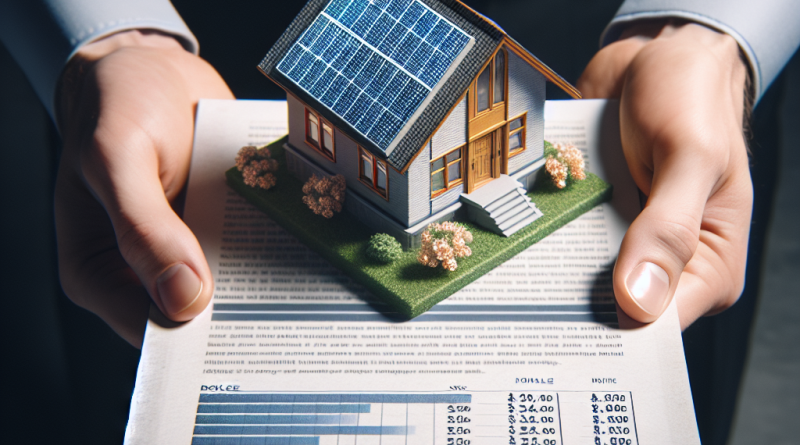
    So now that we’ve gathered all those pesky costs, let’s wrap them all up in a neat little package. I found it helpful to create a simple spreadsheet to track everything. Take your initial investment from above, subtract any incentives you’ve learned about, and voilà! You have your adjusted total investment.

    But don’t stop there! Include potential maintenance costs. I learned the hard way that keeping those panels clean and maintained is key to performance, and it doesn’t always come free. It may not seem like a big deal, but these costs can stack up over the years.

    All this will give you your clear starting point for calculating ROI. By knowing exactly what you’ve laid down in dollars, you can better appreciate how much you’ll gain in the long run!

    Assess Energy Savings

    Estimating Your Energy Production

    Okay, so now we’ve got the costs down. Next, it’s time to talk about how much energy your panels will actually produce. I began by examining my electricity usage to get a feel for what to expect. This is usually expressed in kilowatt-hours.

    Most installers provide you with an estimate of how much energy your system will produce. You can also consult online calculators or local solar providers for assistance. For me, understanding this was a game-changer—it painted a clear picture of my future savings. Knowledge is power, folks!

    For some real-world experience: after installation, keep monitoring your energy production—it can change with seasons and weather patterns. Make adjustments based on what you observe; this helps refine your savings estimates even more.

    Calculating Monetary Savings

    Once you’ve got a handle on how much energy your panels will produce, now we can translate that into actual money saved. Just take those kilowatt-hours and multiply them by your local electricity rate. Bam! You have your annual savings!

    Don’t forget to include any fluctuations in electricity rates! I mean, they can creep up every year, and as they rise, your savings will feel even bigger. Being informed about this developing trend can make a huge difference in planning for the future.

    Also, calculate how long your panels will last. Most solar panels come with warranties of 20-25 years. Keep this length in mind when you’re determining the long-term savings. You might be amazed at the total savings this will yield over the life of your investment!

    Account for Net Metering

    If your state offers net metering, paaaarty! This means you can sell back excess power your system generates. Seriously, this was one of the biggest surprises for me. If I wasn’t using all that energy, I could actually put it back into the grid and receive credits on my utility bill.

    Make sure to find out whether your solar provider supports this. It can significantly boost your overall energy savings. Examine your utility company’s policies, which can vary widely by region. It may feel like doing copious amounts of homework but trust me; it pays off.

    When you account for net metering, you’ll have a more complete picture of your energy savings. It’s a step I overlooked at first, but once I got it down, it made a world of difference!

    Evaluate Increased Property Value

    Solar’s Impact on Home Resale

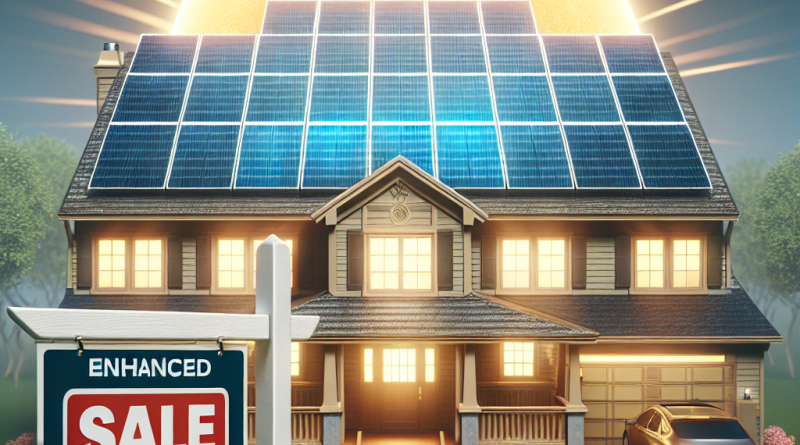
    Let’s chat about property value. One of the best parts about having solar panels is the boost in your property’s value. When I was looking at homes, you bet I got excited when I saw solar on the roof! Studies show that homes with solar sell faster and at a higher price than those without.

    Research shows that buyers are more willing than ever to pay a premium for homes with added energy efficiency. I even talked to a real estate friend who mentioned a percentage increase in homes with solar. That kind of news absolutely thrilled me.

    Always keep your local market in mind. The value added can vary, and it’s essential to work with an experienced realtor who understands solar’s impact in your area. Trust me, it’s definitely worth it to know what to expect!

    Long-term Financial Benefit

    Over time, those solar panels aren’t just slashing your bills; they’re contributing to your wealth as well. Even if you’re not planning to sell anytime soon, think about how they affect your net worth. I considered my solar system as part of my investment portfolio once I realized how much value it’s going to add over the years.

    When I looked at the overall picture—savings, increased home value, and long-term benefits—I was blown away by the impact. You’ll find this understanding of value tremendously helps in recognizing the overall ROI of your solar panels.

    Make sure to periodically reassess this value and how it fits into your future plans. This helps you maintain full awareness of the economic benefits from your solar investment.

    Market Trends

    Finally, keep an eye on how solar trends affect property values. I always stay updated on local and national solar policies, which helps me keep a pulse on property values. With the moves toward sustainable energy, I suspect this trend will continue to rise.

    There are even blossoming local solar co-ops where you can engage with like-minded folks! By keeping inside that loop, I often hear about developments that can raise my home’s value even more.

    Take the time to research and stay informed. This knowledge not only helps you understand your current investment but also impacts any future investments in solar.

    Perform the ROI Calculation

    Bringing It All Together

    Now we’ve got all these glamorous numbers, but let’s get down to the nitty-gritty of calculating your actual ROI. Here’s a simple formula you can use: ROI = (Net Profit / Total Cost) x 100%. Easy peasy, right? This’ll give you the percentage of your return.

    Your net profit is the total savings and any added property value compared to the total cost we put together earlier. For me, seeing that percentage was the icing on the cake—it made all my efforts worth it!

    If you’re not quite hitting the numbers you expected, remember: ROI can fluctuate over time based on energy costs and system performance. Regularly revisit and reassess your numbers to make sure you’re always informed about your ROI.

    Monitoring Your System

    Remember, your solar panels aren’t a “set it and forget it” type of investment. I learned to consistently monitor my energy output and overall savings. This helps you stay engaged and can be a fun project if you’re into that kind of thing!

    Many apps and platforms can help you monitor your system performance. I’ve used a few, and the data is usually pretty fascinating. Paying attention to how they’re performing gives you deeper insight into your investment.

    Also, don’t shy away from reaching out to your solar company if you notice discrepancies. They should provide maintenance and tips to ensure your panels are functioning at full capacity.

    Setting Future Goals

    Lastly, always look ahead. Consider what you want for your energy future, including whether you’ll expand your system or incorporate battery storage down the road. Those choices heavily influence future ROI calculations.

    Setting benchmarks based on your current ROI can help you identify milestones for performance and savings, guiding any future investments. Charting growth allows you to spot trends easily and helps you adjust for the best possible outcomes.

    Remember, investing in solar isn’t just about today; it’s about making informed choices for your future. Keep dreaming big and let those sunshine dollars roll in!

    Frequently Asked Questions

    1. What is the average ROI for solar panels?

    The ROI for solar panels can vary, but many homeowners see a return of 10-20% over the lifespan of the system, depending on energy savings, local incentives, and property value increases!

    2. How long do solar panels typically last?

    Most solar panels come with warranties of 20-25 years, but with proper maintenance, they can last even longer than that, often producing power for 30+ years!

    3. Are there financing options available for solar installation?

    Absolutely! Many solar companies offer financing options such as loans, leases, or power purchase agreements. It’s worth exploring to find a plan that suits your budget.

    4. What incentives are available for solar panel installation?

    Incentives can include federal tax credits, state rebates, and even local utility programs that encourage renewable energy. Check resources like the DSIRE database to find specific programs in your area.

    5. How often should I evaluate my solar investment?

    It’s a good idea to evaluate your solar investment annually or whenever significant changes occur, such as updated energy rates or home modifications. Keeping tabs helps maximize your ROI!

  • How to Upgrade Your Home with Solar Energy Storage

    How to Upgrade Your Home with Solar Energy Storage

    Understanding Solar Energy Storage Systems

    What is Solar Energy Storage?

    So, you’re thinking about hopping on the solar energy bandwagon? Great choice! Solar energy storage systems are essentially batteries that store energy generated by your solar panels. This stored energy can be used when the sun isn’t shining. They come in various forms, like lithium-ion batteries and lead-acid systems. Personally, I’ve found lithium-ion batteries to really pack a punch when it comes to efficiency.

    What these storage systems do is pretty nifty: they ensure you have a consistent power supply, day or night. Remember that feeling of relief when you grab your phone just before heading to bed, and it’s at a solid 80%? That’s how your home should feel with a reliable storage system! You can kick those energy bills to the curb and put the power back in your hands. Talk about a glow-up for your home!

    Another fantastic aspect is that they can power crucial devices during outages. Imagine a storm hits, and everyone’s scrambling for candles. But with your solar storage system, you’ve got lights shining and Netflix buffering. Now that’s a total win-win!

    Choosing the Right Solar Storage System for Your Home

    Assessing Your Energy Needs

    The first step here is all about knowing your own energy habits. Ask yourself, what appliances do I use the most? How much energy do they gobble? Once you nail this down, you can figure out how much storage capacity you really need. I remember mapping out my energy usage, like a mini science project! It was super informative and helped me make an informed decision.

    There’s a handy formula I picked up along the way: if you want to power your refrigerator, consider that it uses about 100-800 watts. If it runs for about 24 hours, you’d be looking at needing some pretty significant storage capacity. So, figure out your go-to systems, and count all the wattage they need. This is where the real planning begins!

    Doing this upfront saves you some serious cash in the long run. A common pitfall is overcommitting to a system that’s way bigger than your needs, or underwhelming oneself with too little storage. Trust me, understanding your usage is like finding your sweet spot in the energy world.

    Installation Process for Solar Energy Storage

    Hiring Professionals vs. DIY

    When it comes to installing solar energy storage systems, the decision between a pro installation or going the DIY route can be a total game-changer. Sure, saving some bucks is tempting, but sometimes it’s just worth it to have someone who knows their stuff do the install. I had friends insist on DIY, and let’s just say, it ended up taking way longer than anticipated.

    Picking a qualified installer is crucial. Look for certifications, reviews, and experience to ensure you’re getting the right help. When I finally chose a professional team, they walked me through the entire process and even made awesome suggestions tailored to my needs. The ease and peace of mind were totally worth it.

    But if you’re a true hands-on person, then go for it! Just make sure to do your homework. There are resources and forums where others share their DIY journeys—it’s like having a whole team behind you. You might discover tips and tricks that can save you time and hassle!

    Maximizing the Benefits of Solar Energy Storage

    Monitoring Your Energy Consumption

    After getting your system up and running, the next step is maximizing that return on investment. Keeping tabs on your energy usage is key! Many solar systems come with monitoring apps or dashboards that show how much energy you’re generating and consuming. I love checking mine; it’s like a mini video game where I track my progress and hit those energy-saving goals.

    With monitoring, I also noticed patterns in my usage. Turns out, I was using a ton of energy during peak hours. Shifting those tasks to times when energy is cheaper—thanks to my stored solar power—helps slice those bills down significantly. It’s all about being a smart player in the energy game!

    Don’t forget about maintenance! Regular checkups can keep your system in shape and running efficiently. It’s like taking your car for regular oil changes. A little attention goes a long way in prolonging the life of your system.

    Understanding the Financial Implications

    Initial Costs vs. Long-Term Savings

    Now, let’s talk dollars and cents! The upfront cost of solar storage systems can seem steep, but let me tell you, the long-term savings are where it’s at! You’ve got to consider the energy prices over the next decade. If you can lock in cheaper energy now, you’re saving more in the future. I did a little math (with some help; math is not my strong suit!) and realized my investment would be paid off in a couple of years. Major win!

    Don’t forget to explore any local incentives or rebates available in your area. These can dramatically shave off the initial costs, making the switch more attractive. I found that mine offered quite a few rebates, which was an unexpected bonus when finalizing my budget.

    In the end, understanding the financial implications means looking at both the short and long term. It’s all about making a shift that not only benefits the green side of things, but also your pocketbook. And let’s be honest, who doesn’t love hearing that little notification that you’ve saved some cash?

    FAQs About Upgrading Your Home with Solar Energy Storage

    1. How does solar energy storage work?

    Solar energy storage systems generally work by capturing energy produced during the day when the sun is shining and storing it in batteries for later use. This allows you to use solar energy even when the sun sets or when there are power outages.

    2. Is it worth it to install solar energy storage?

    Absolutely! While there’s an upfront investment, the potential for long-term savings on energy bills, combined with energy independence and decreased reliance on the grid, makes it a worthwhile upgrade for many homeowners.

    3. What types of batteries are used for solar energy storage?

    The most common types include lithium-ion batteries, which are known for their efficiency and longevity, and lead-acid batteries, which tend to be more affordable but have shorter lifespans.

    4. How do I find a reliable installer for my solar storage system?

    Look for installers with good reviews, appropriate certifications, and experience in the field. Don’t hesitate to ask for references and check their previous work.

    5. Can I install solar energy storage myself?

    Yes, if you have the technical know-how, you can opt for a DIY installation. Make sure to research thoroughly and follow all safety guidelines. However, hiring a professional can give you peace of mind and ensure everything is done correctly.