Tag: diy solar

  • The Best DIY Solar Panel Kits for Beginners in 2024

    The Best DIY Solar Panel Kits for Beginners in 2024

    Understanding Solar Energy and Its Benefits

    What is Solar Energy?

    So let’s kick things off with the basics: solar energy is basically the energy we capture from the sun. It’s clean, renewable, and comes straight from our favorite giant ball of light in the sky. By using solar panels, we can convert that sunlight into electricity for our homes.

    This isn’t just some techy mumbo-jumbo; I’ve experienced first-hand how harnessing the sun can reduce my power bills. Imagine slashing your electric bill while simultaneously doing your bit for Mother Earth. It’s a win-win!

    Plus, with all the advancements in solar technology, it’s becoming easier than ever for folks like us (who may not have a PhD in engineering) to tap into this amazing resource.

    Benefits of DIY Solar Panels

    Diving into DIY solar panels is super rewarding. One major plus is cost savings. Instead of shelling out thousands for professionally installed systems, DIY kits let you snag a deal while learning something cool along the way.

    Then there’s the bragging rights. Seriously, when you tell your friends you built your own solar panel, their jaws drop. You’ll feel like a renewable energy rockstar!

    Lastly, you get to pick the components that suit your specific needs. No one-size-fits-all nonsense. You design it your way, tailored to your energy goals and lifestyle. It’s your project, after all!

    Environmental Impact

    Let’s not forget about the green side of things. Using renewable energy reduces your carbon footprint, contributing to a healthier planet. Solar energy doesn’t emit harmful pollutants – it’s got that clean reputation!

    By going solar, you’re supporting the shift away from fossil fuels. And let’s be real, we all want to leave a better world for future generations. Plus, with every installation, you’re joining a community of eco-warriors aiming for a sustainable future.

    It’s a great feeling knowing that your DIY venture not only makes financial sense but also benefits our environment. That’s something to feel proud of!

    Choosing the Right DIY Solar Panel Kit

    Assessing Your Energy Needs

    The first step while choosing your kit is figuring out your energy needs. How much electricity does your household use? It’s a good idea to track your energy consumption over a month or so to get an accurate picture.

    Once you have a baseline, you can do some math to decide what kind of solar panel kit will work for you. This part might seem tricky, but it’s super important to ensure you get something that will cover your needs without going overboard.

    If this feels daunting, don’t sweat it. Many online calculators can help you assess your energy needs quickly, so you can focus more on picking the right kit!

    Comparing Different Kits

    After you know what you need, it’s time to shop around. Not all solar kits are created equal. Some come with more panels or better technology. I remember looking through the options, feeling overwhelmed by the choices.

    Check reviews and compare specifications carefully. Features like efficiency ratings, warranties, and customer support can really make a difference in your satisfaction down the road.

    Online communities, like DIY forums or local solar groups, can be goldmines of information. Don’t hesitate to ask for opinions on what others recommend and their personal experiences with different kits.

    Budget Considerations

    Alright, so money talk. When you’re choosing a DIY solar panel kit, it’s super important to stick to your budget. Trust me, costs can add up quickly, especially if you start adding fancy features.

    But don’t just automatically go for the cheapest option. Sometimes you get what you pay for, and I’ve learned the hard way that trying to save bucks upfront might lead to more expenses down the line if things go wrong.

    Set a budget that allows for a quality product while still keeping some funds aside for installation or any additional equipment you might need, like inverters and wiring. It’s all about balancing what you want with what you can afford!

    Installation Process for DIY Solar Panel Kits

    Preparation and Tools Needed

    Once you’ve got your kit, it’s time for the fun part – installation! But first things first: prepare your workspace and gather all the necessary tools. I can’t stress enough how helpful this step is.

    You’ll need basic things like screwdrivers, pliers, and maybe a drill. Make sure to read through your kit’s instructions carefully; they will usually have a handy list of tools you’ll need. Don’t be that person who has to make three trips to the hardware store!

    Also, check the weather before starting. You don’t want to be up on your roof in a downpour – trust me, that’s just a recipe for disaster.

    Following the Instructions

    When it comes to putting it all together, consistency is key. Follow the instructions step by step. I usually find it helpful to lay out all components before starting so I can visualize how it all fits together.

    As you go, take your time with each phase. If something doesn’t make sense, don’t hesitate to reach out to online communities or check YouTube for visual guides; there’s a ton of resources out there that can help clear things up.

    This part is where the magic happens – assembling the parts into a working unit is super satisfying. Patience is a virtue, so enjoy the process!

    Testing and Final Adjustments

    After you’ve assembled everything, it’s time for the big test. Switch it on and see if it’s generating power! If all goes well, you should see those voltages rising and feel that surge of accomplishment.

    If not, don’t panic. Check every connection and ensure everything is in order. Sometimes it might just need a little tweaking. I found myself needing to adjust my wiring a couple of times during my first install.

    Once you’ve made sure it’s working perfectly, take a step back and admire your handiwork. You’ve just turned sunlight into electricity! That’s pretty rad, isn’t it?

    Maintenance and Troubleshooting

    Regular Maintenance Tips

    All right, now that your DIY solar panels are up and running, let’s talk maintenance. Just like a car, you’ve got to keep an eye on things to ensure it runs smoothly. Cleaning the panels is essential; dirt and dust can block sunlight and reduce effectiveness.

    I typically keep an eye on my panels seasonally. A gentle rinse with water is often all they need, but if you’ve got a lot of grime, a soft sponge and mild detergent can work wonders.

    Also, periodically check for overhanging branches or debris that might cast shadows. Your goal is to get as much sun as possible, after all!

    Common Issues and Solutions

    Even the best laid plans can go awry sometimes, right? If you start noticing a drop in performance, it may be time to do some troubleshooting. Check for obstructions, and recheck your connections and inverter performance.

    Sometimes, especially after a storm, my panels needed some adjustments. Being proactive about common issues like shading, cable damage, or inverter failure can save you headaches later on.

    If things get tricky, don’t hesitate to refer to your kit’s manual or search for specific solutions online. The DIY solar community is super helpful and can often provide insights you might not have thought of!

    Upgrades and Future Expansion

    Finally, let’s talk about future-proofing your setup. As your energy needs grow, or if you start getting the fever for even more solar power, think about potential upgrades or expansions.

    You may want to add more panels or incorporate battery storage to save energy for those not-so-sunny days. Planning for growth means you can customize your setup as your life changes, and who doesn’t love flexibility?

    Plus, don’t forget to keep abreast of the latest in solar tech; new innovations pop up regularly. Who knows, in a couple of years, there might be even more efficient panels or systems that catch your eye!

    FAQs

    1. Can I install a DIY solar panel kit by myself?

    Absolutely! Many DIY solar panel kits are designed with beginners in mind. With some basic tools and a little patience, you can successfully install your kit.

    2. How long does the installation process typically take?

    The installation duration can vary based on your experience and the kit. Generally, it takes anywhere from a few hours to a couple of days. Just take your time and follow the instructions carefully!

    3. What maintenance do solar panels require?

    Maintaining solar panels includes regular cleaning, checking for damage, and ensuring that they aren’t obstructed by debris or overhanging branches. A little attention goes a long way!

    4. Can I expand my solar panel system later on?

    Yes, many systems are designed to be modular, meaning you can add more panels or equipment over time as your energy needs change. Just keep that in mind during your initial setup!

    5. Are there any financial incentives for installing solar panels?

    Yes! Many places offer tax credits, rebates, or other financial incentives for installing solar panels. It’s definitely worth checking out local policies when considering your installation!
  • DIY Solar Panel Installation: Step-by-Step Guide

    DIY Solar Panel Installation: Step-by-Step Guide

    Step 1: Planning Your Solar Panel System

    Assessing Your Energy Needs

    Before diving into the installation process, the first thing I did was assess my energy needs. This means looking at my monthly electricity bill and figuring out how much energy I actually use. It’s crucial to know your consumption because it helps in determining how many panels I would need.

    I spent some time making a list of all the appliances I use regularly, noting their wattage and how many hours I use them daily. You’d be surprised at how quickly the numbers add up! There’s nothing worse than installing a fancy new solar system only to find out it doesn’t meet my needs.

    Once I had a clear understanding of my energy requirements, I could move on to picking the right solar panel system. I recommend using online calculators or consulting with a solar professional if you’re unsure. Trust me, getting this step right will save you a lot of headaches down the road!

    Choosing the Right Location

    The next bit of planning involved choosing the right location for the panels. I knew I wanted to put them on my roof, so I spent time considering the direction my roof faces and whether trees nearby might block sunlight. This part was crucial because I needed to maximize exposure to sunlight for better energy production.

    Another thing to think about is how much space you have available. I had to measure not only the roof space but also the area around the house to ensure there would be no obstructions. If you’re thinking about ground-mounted panels, make sure you have a nice sunny spot without shadows!

    Lastly, don’t forget to check local regulations! Some places have specific codes about where solar panels can be installed. I had a quick chat with my local zoning office and, thankfully, there were no surprises.

    Budgeting for Your Solar Project

    No one likes talking about money, but budgeting is a big part of the planning phase. I put together a budget that covered not just the cost of the panels and equipment, but also installation (if I went that route), permits, and any potential upgrades to my electrical system.

    It’s important to know your budget ahead of time because solar can get pricey. I did my homework and found various financing options, including rebates and tax credits. Every little bit helps when you’re trying to make this green investment!

    Also, I made sure to leave a little wiggle room in my budget for unexpected expenses. As any DIYer will tell you, surprises tend to pop up when you least expect them!

    Step 2: Gathering Your Materials

    What You’ll Need

    Once I hammered out the planning phase, I moved on to gathering materials. I started with the solar panels themselves and added a few other components to my list, including an inverter, mounting hardware, and wiring. I found it easier to buy these components from a single supplier to ensure compatibility.

    Another item on my must-have list was a battery (if I wanted energy independence during the night). I did a lot of research on different types of batteries and ended up going for a lithium-ion model. It was definitely more pricy, but I found it to be worth it for reliability and longevity.

    Don’t forget tools! At this stage, I made sure I had all the tools ready, including a drill, screwdriver set, and measuring tape. I learned the hard way that having your tools on hand saves a ton of time and reduces the chances of frustration.

    Finding Reliable Suppliers

    With my material list in hand, I started hunting for reliable suppliers. Websites like Home Depot and Lowe’s were a good starting point, but I also looked for local suppliers who specialized in solar. Supporting local businesses is important to me, and often they have better advice and customer service.

    I reached out to a few local suppliers and was pleasantly surprised by how knowledgeable they were. They answered some of my questions and helped me fine-tune my materials list based on what I wanted to achieve. Reaching out for advice is always a good idea!

    Make sure to compare prices and check reviews before finalizing your supplier. It really pays off to do a little homework and ensure you’re getting quality materials at a fair price.

    Ordering and Organizing

    Once I settled on my suppliers, it was time to place the orders. I made a conscious effort to keep everything organized, creating a checklist for what was ordered and when it would arrive. It’s surprisingly easy to lose track when you’re juggling various items!

    After everything was ordered, I made sure I had a designated space in my garage to store all the equipment. Keeping it tidy and out of the way made things a lot smoother when the installation day finally arrived.

    And, of course, I kept an eye on the delivery dates! I found it helpful to set reminders for myself, ensuring that I could stay on top of everything and avoid any last-minute rushes.

    Step 3: Installing the Solar Panels

    Safety First

    When installation day rolled around, I knew safety was going to be a top priority. I dug out my hard hat, safety glasses, and gloves. I can’t stress how important it is to protect yourself while working, especially when you’re on the roof and dealing with electrical components.

    Additionally, I made sure to have someone with me throughout the process. There’s no reason to tackle this alone, and having a buddy made it safer and a lot more fun! Plus, sharing the experience made it easier to lift and handle larger panels.

    Remember to check the weather, too! I planned my installation for a clear day — rain or high winds would not mix well with this kind of project. Trust me, the safer you are, the smoother the process will be!

    Mounting the Panels

    After suiting up, the first step in the installation was mounting the panels. I started by following the installation manual carefully. It’s like building a piece of IKEA furniture — one wrong move and it can all go sideways!

    I made sure to double-check my measurements before drilling into the roof. I had to secure the mounting brackets properly to ensure the panels would stay in place during harsh weather conditions. It felt good to finally see those panels up there glinting in the sunlight!

    Once the brackets were secure, attaching the panels was a piece of cake. I had the right tools and everything fell into place nicely. I was giddy with excitement as I installed the last panel and stood back to admire my handiwork.

    Wiring and Inverting

    With the panels mounted securely, it was time for the electrical side of things. I took my time to carefully connect the wires from the solar panels to the inverter, making sure everything was done according to the instructions. This step is where I felt my inner electrical engineer come out!

    Once all my connections were in place, I double-checked everything. It’s one of those things where you just have to be sure. My buddy and I double-checked it together, and it was reassuring to have a second set of eyes!

    Finally, the moment of truth arrived — flipping the switch to turn on the inverter. I can’t describe the rush I felt as the lights flickered to life, and I knew my new solar system was up and running! It’s moments like these that make all the hard work totally worth it.

    Step 4: Connecting to the Grid

    Understanding Grid-Tied Systems

    If you’ve accompanied me on this solar journey so far, you’ve likely heard me talk about grid-tied systems. These systems allow you to remain connected to your local power grid, which means any extra power you produce can be sent back, earning you credits!

    Before I made the final connection, I took some time to understand how utility companies work with solar. Not all utilities have the same policies regarding net metering, so I made sure to research what my local utility offered. Knowing this really helped me understand the potential savings!

    I also reached out to my utility provider to inform them of my new solar installation. Believe it or not, many providers come to inspect your system and ensure it’s set up safely and correctly. Getting this part right is crucial to enjoying your new solar power without worries!

    Installing a Safety Disconnect

    A key component of connecting to the grid is installing a safety disconnect switch. This allows me (and any emergency responders) to shut down the solar power system safely when needed. I can’t stress enough how important this step is for safety!

    I carefully planned the placement of the disconnect switch, making it easily accessible and clearly marked. It’s one of those things that you hope you never have to use, but it’s crucial to have it just in case.

    Remember, always consult the local regulations regarding the installation of disconnect switches! I double-checked my local codes and made sure everything was compliant. You definitely don’t want to run into any legal issues down the line.

    Final Inspection

    After everything was plugged in and connected, it was time for a final inspection. I set up an appointment with my local code enforcement or utility technician to come by and check everything. It felt a bit nerve-wracking, but I was confident everything was done according to the rules!

    During the inspection, the technician checked wiring, the inverter, and overall system performance. He offered some valuable feedback and answered a few of my questions. It was enlightening to get insights from someone with experience.

    In the end, having my installation inspected gave me peace of mind. I knew that not only was my solar system functional, but it was also safe for me and my family. Plus, I was able to receive all the necessary documentation for the utility company!

    Step 5: Maintenance and Monitoring

    Regular Cleaning

    Once my solar panels were up and running, I quickly realized that regular maintenance would be key to keeping everything functioning smoothly. I learned that keeping my panels clean helps maximize efficiency. Debris, dust, and bird droppings can accumulate and affect performance!

    On sunny days, I’d get out there with a hose and gently rinse off the panels. It’s amazing how quickly they can get dirty, especially after a storm. I also keep an eye on any nearby trees or foliage, making sure nothing starts overshadowing my panels.

    Trust me, it’s a small effort compared to the benefits of a well-maintained solar panel system. Plus, it gave me another reason to get outside and enjoy the sunshine!

    Monitoring Energy Output

    An often-overlooked part of maintaining solar panels is monitoring energy output regularly. I invested in a monitoring system that tracks how much energy my solar panels produce. It’s been super insightful and helps me see how well my system is performing.

    Through the monitoring system, I can easily identify any dips in production and take action if needed. If my panels aren’t performing as expected, I know there might be something wrong that needs fixing, whether it’s shadows, dirt buildup, or electrical issues.

    Plus, it’s nice to see the savings add up each month. I get a real kick out of checking it! It’s like a game to get the most out of my panels and be as energy-efficient as possible.

    Staying Informed and Adjustments

    The final step in my solar journey is staying informed about advancements in technology and energy system options. Solar technology keeps evolving, and I want to make sure I’m getting the best bang for my buck. I often read articles and participate in local events pertaining to solar energy; it’s been a great way to learn!

    Over time, I learned that it might be worth considering battery storage or even expanding my solar capacity. Each year, the prices for solar components seem to drop, and it’s nice to stay updated on what’s possible.

    Finally, remember to connect with local solar communities, online forums, or support groups. Sharing experiences with fellow solar enthusiasts has been both comforting and enlightening, providing a huge wealth of knowledge and camaraderie in the green energy movement!

    FAQ

    1. How much can I save by installing solar panels?

    Your savings can vary based on your energy consumption, local energy prices, and any available incentives. Many people can significantly reduce or even eliminate their electricity bills.

    2. Do I need to hire a professional for installation?

    While you can DIY the installation, hiring a professional ensures it’s done correctly and safely. Plus, many states require a licensed installer for systems that are grid-tied.

    3. How do I choose the right solar panels?

    Look for panels with high efficiency rates, a good warranty, and reputable brand backing. Research and comparisons can provide valuable insights into your options.

    4. What maintenance is required for solar panels?

    Regular cleaning and monitoring of energy output are critical. Additionally, checking for any obstructions or dirt buildup can help maintain efficiency over time.

    5. Can I install solar panels myself?

    Yes, with research and the right skills, you can install them yourself. However, be sure to check local codes and regulations. Safety and proper installation practices are crucial!

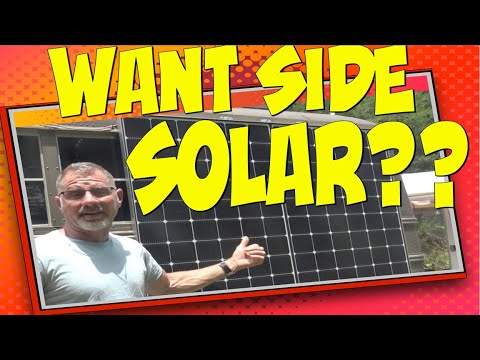
  • Installing solar panels on the side of my rig | How I did it

    Installing solar panels on the side of my rig | How I did it

    Basically, I advise circuitry panels in series rather than parallel due to the voltage pressure pressing the present longer varieties with more force. Merely do it the way I did and use a 30 amp breaker on the PV side and youll be great. Simply make sure those panels are really strong and arent going to bump anybody on the head that might be walking by.

    Essentially, I suggest circuitry panels in series rather than parallel due to the voltage pressure pushing the existing longer ranges with more force. Simply make sure those panels are actually strong and arent going to bump anybody on the head that might be strolling by.

    Visit my Amazon buy Solar sets, The WiFi set I use and trust, and encouraged products that I swear by: https://www.amazon.com/shop/enigmaticnomadics.
    Join me on Instagram: https://www.instagram.com/enigmatic_nomadics.
    Sign up with the nomadic community! Enigmatic Nomadic Facebook group: https://www.facebook.com/groups/538279133607451.

    I constantly worth Channel help!
    https://www.patreon.com/bePatron?u=4433132.
    Idea with Bitcoin! 3LLDcAE3C7j9NZEu36CjUMTQr6YzHuCv8q.
    Establish a cryptocurrency account and begin your own crypto investing account utilizing my affiliate link and we both get $10 dollar worth on Bitcoin here! https://www.coinbase.com/join/dimon_7.
    #vanlife #vanbuildfest #skoolie.

    I hope I didnt lose any person on the wiring part of the video. Basically, I recommend circuitry panels in series rather than parallel due to the voltage pressure pushing the existing longer varieties with more force. Simply do it the way I did and utilize a 30 amp breaker on the PV side and youll be great. Just make specific those panels are actually strong and arent going to bump any person on the head that may be walking by. Thanks for seeing and go get em!

    The Victron MPPT solar controller can be bought together with the Battleborn lithium batteries can be sourced straight from Battleborn which has an EXCELLENT technical help department that can stroll you through any questions you may have. https://battlebornbatteries.com
    Assistance number: (855) 292-2831
    Latches: https://amzn.to/3eM4KEL
    Aluminum framing: https://amzn.to/2AghRz1
    Hinges: https://amzn.to/2YIfWMP
    Stainless-steel screws: https://amzn.to/3g8lQNg
    Nuts: https://amzn.to/2BciSIV
    Countersink bit: https://amzn.to/3dI2HAg
    Usage washers on everything and the rest I got at Home Depot.;).

    Basically, I recommend circuitry panels in series rather than parallel due to the voltage pressure pushing the existing longer ranges with more force. Just make specific those panels are truly strong and arent going to bump anybody on the head that may be walking by.

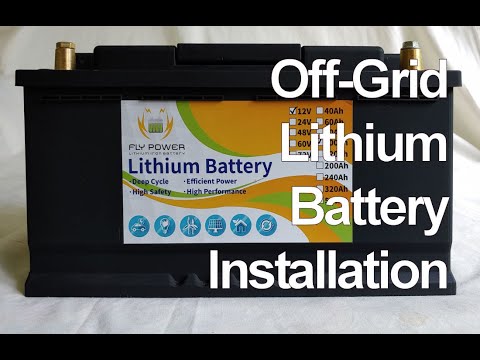
  • Off-Grid Solar Power System:  Lithium Battery Installation using FLY POWER 100-ah 12-Volt batteries.

    Off-Grid Solar Power System: Lithium Battery Installation using FLY POWER 100-ah 12-Volt batteries.

    In this video, I will show how I moved from wet lead-acid batteries to FLY POWER 100-ah 12-Volt Lithium batteries for my new solar batteries in my off-grid solar power system.
    This is an updated solar style that must use more power for my solar power requirements. In my off-grid solar energy setup system I will be keeping my lead-acid batteries in place as a back-up in the meantime.
    These are economical, deep-cycle Lithium batteries for diy off-grid solar power systems. These batteries are ending up being more inexpensive as time goes on, and by purchasing these batteries one at a time for my off-grid solar energy system, I can establish my Lithium battery power at a practical cost. Use this link below for go to Amazon for the FLY POWER 100-ah 12-Volt Lithium batteries: https://amzn.to/3xqiVcL
    Will Prowse has really previously discussed these batteries, that I must tear them apart and see what is inside. I did not tear them apart, as he recommended, due to the reality that Shoestring can not spend for that.