Tag: for

  • The Best Solar Panel Kits for Small Projects in 2024

    The Best Solar Panel Kits for Small Projects in 2024

    Choosing the Right Kit for Your Needs

    Assessing Your Energy Requirements

    Before diving into the wonderful world of solar panels, it’s so important to take a moment to assess your energy needs. Do you want to power small devices or are you looking to run larger appliances? This will guide your decision on what kind of solar panel kit will work best for you. Taking stock of the wattage consumption of your devices can give you a clear picture of what you really need.

    For example, if you’re just aiming to charge a few battery packs for camping gear or lights, a smaller kit might suffice. On the other hand, powering a mini fridge or a few electronics will definitely require more robust solutions. So, jot down your gadgets’ power requirements and set some realistic expectations!

    Ultimately, understanding how much energy you need will not only help you select the right kit but will also ensure you don’t end up overspending on a system that’s way over the top for your actual usage.

    Understanding the Components of Solar Panel Kits

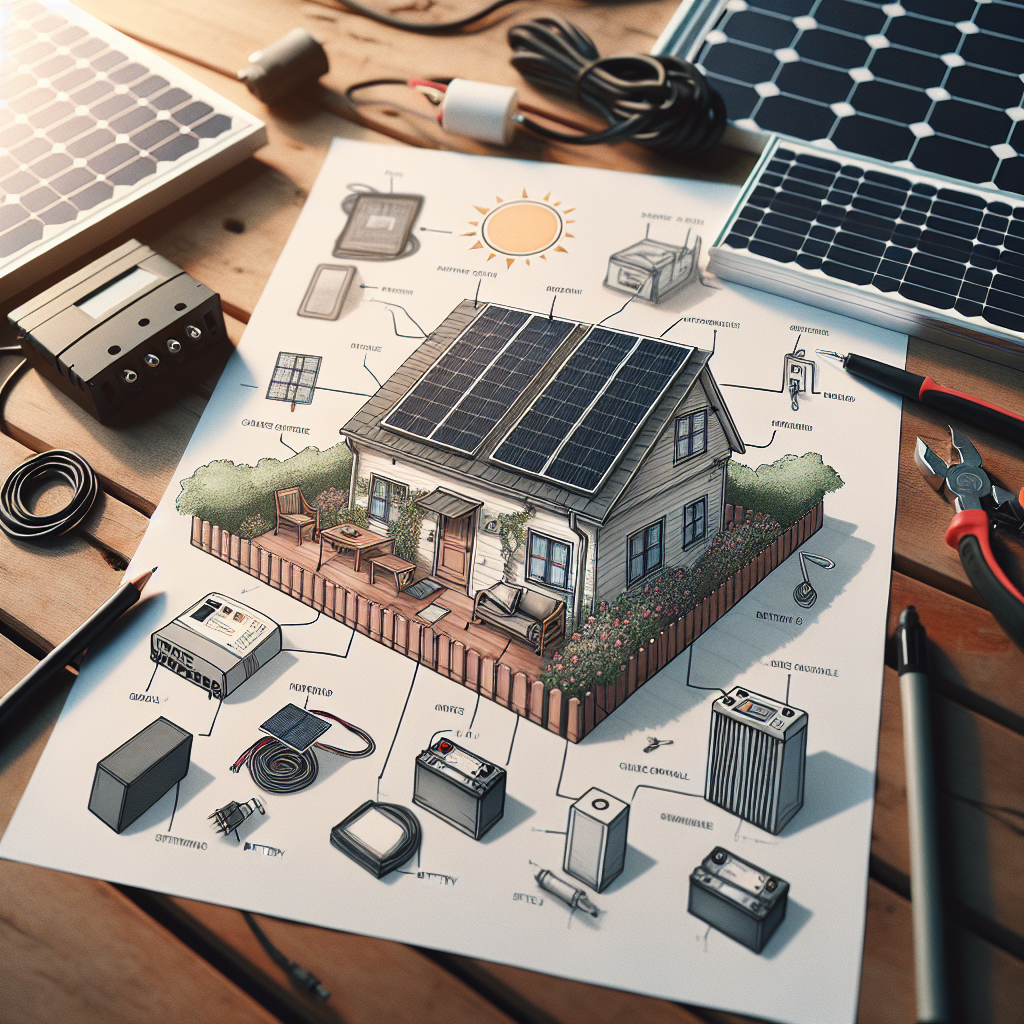
    Next up, let’s break down the typical components found in solar panel kits. Most kits will come with solar panels, a charge controller, batteries, and sometimes inverters. Each component plays a vital role in making sure you harness that sweet, sweet solar energy effectively.

    Solar panels are the star of the show – they convert sunlight into usable electricity. The charge controller ensures that your batteries are charged correctly and protects them from overcharging, which is crucial for longevity. And don’t forget about the batteries: they store the energy for when you need it. If your kit includes an inverter, it converts DC power into AC power, which is what most of your devices use.

    Understanding this setup helps demystify how these systems work together, making it easier to troubleshoot any issues you might run into down the line. Knowledge is power, and trust me, knowing your stuff can save some serious headaches!

    Setting Your Budget

    Let’s talk money – or rather, let’s talk budget. Solar projects can vary widely in cost depending on the quality and scale of the kit you choose. It’s vital to set a budget that not only fits your pocket but also aligns with your energy needs.

    When budgeting, don’t forget to factor in any additional costs such as installation (if you’re not going the DIY route), extra wires, or mounting hardware. I’ve learned the hard way that little costs can add up quickly! By planning comprehensively, you can avoid nasty surprises.

    Remember, while it’s great to snag a deal, don’t skimp on quality. Investing a bit more upfront in a reliable kit can save you money and hassle in the long run. Trust me, you won’t regret it!

    Top Picks for Small Solar Panel Kits in 2024

    Renogy 100 Watt 12 Volt Monocrystalline Solar Starter Kit

    This kit has been my go-to for small projects. It’s versatile, reliable, and easy to set up, which is perfect if you’re just starting out. The 100 watts provide enough juice to power small devices without overwhelming your setup.

    The monocrystalline panels are known for their efficiency and space-saving design. Renogy also includes a charge controller, which makes checking battery levels a breeze. It’s just plug-and-play, and who doesn’t love that?

    If you’re looking for a kit that offers solid performance without breaking the bank, I highly recommend this one. It’s perfect for backyard projects, RVs, and off-grid use!

    <h3 Goal Zero Yeti 400 Portable Power Station

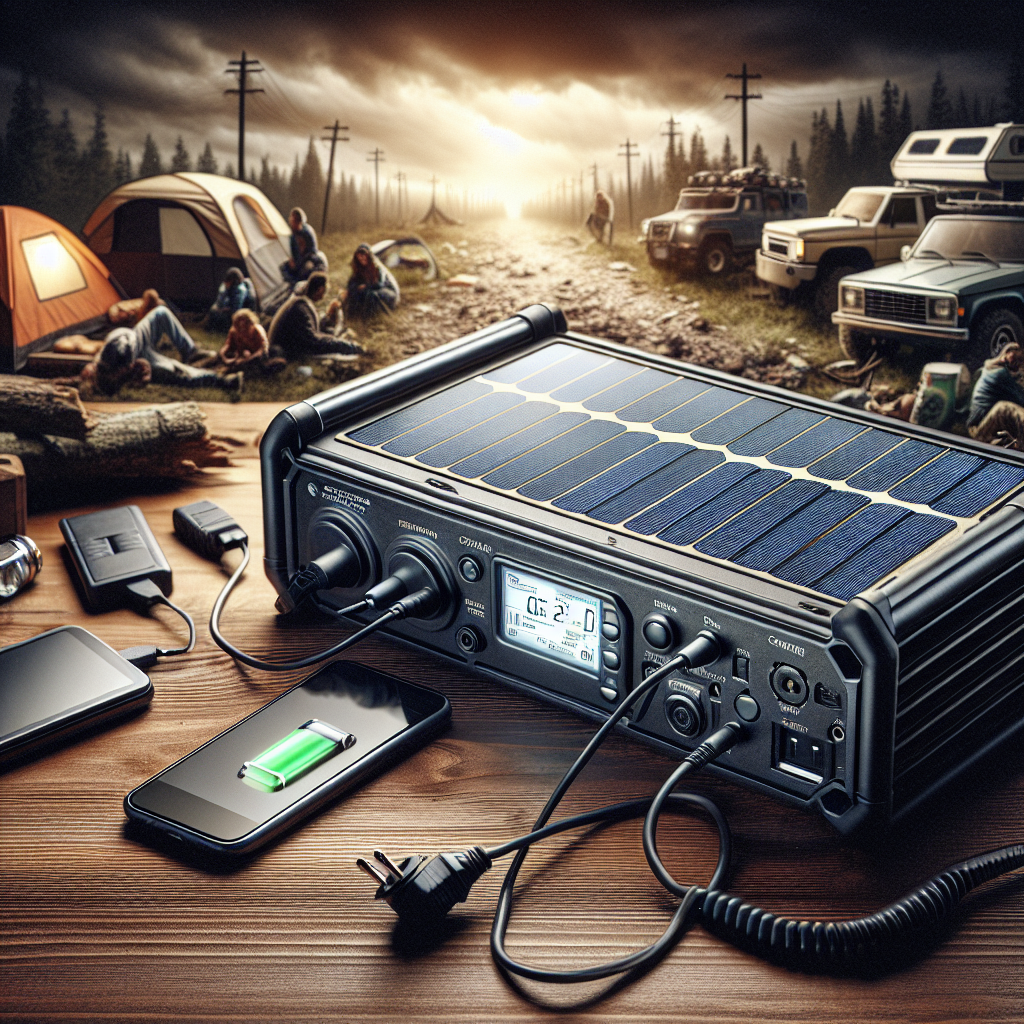
    Now, this isn’t just a solar panel kit, but it’s a game-changer for small projects! The Goal Zero Yeti 400 is like the Swiss Army knife of power solutions. With various output options, it can juice up everything from phones to small refrigerators.

    Pairing it with solar panels is as simple as it gets. Just hook it up to any compatible solar panel, and you have a portable power solution that can be used anywhere. It’s lightweight and ideal for camping, tailgating, or emergency backup.

    I’ve used this system during power outages, and it really saves the day. It’s one of those tools you’ll find yourself using more than you thought you would!

    WindyNation 400 Watt Solar Panel Kit

    If you’re looking for more power, the WindyNation kit might just be your thing. It’s slightly bigger than the other kits on this list and offers great flexibility with its solar panel options. Imagine powering multiple devices at once – the dream, right?

    The installation guide is super friendly too, so even if you’re no Bob the Builder, you can get it up and running without too much fuss. It’s also great for home backup systems, which is a big perk if you’ve got frequent power cuts.

    The value for money is incredible, and you get a lot for what you pay. It’s a solid investment if you’re a hobbyist looking to dip your toes into solar energy a bit deeper!

    Utilizing Your Solar Kit Effectively

    Installation Tips

    Installing your solar panel kit can be intimidating, but trust me, it’s all part of the fun. Start by choosing the right location where your panels can soak up the sun – generally, south-facing spots are best if you’re in the Northern Hemisphere.

    Make sure there are no trees or buildings obstructing the sun’s rays. It’s always a good idea to double-check the manufacturer’s instructions during installation. If all else fails, there are tons of YouTube tutorials out there to save the day!

    Lastly, don’t forget to secure your panels firmly. Winds and severe weather can be a concern, and you don’t want your investment flying away on you. Take your time here; it will pay off.

    Maintenance for Longevity

    Now, just because solar panels are pretty low-maintenance doesn’t mean they don’t need a little love every now and then. Regularly check your panels for dirt or debris that can block sunlight – just like cleaning your car, it’s a must-do!

    Keeping an eye on the wiring and connections is equally important. Loose connections can lead to performance issues, so take a few minutes periodically to check everything is snug and secure.

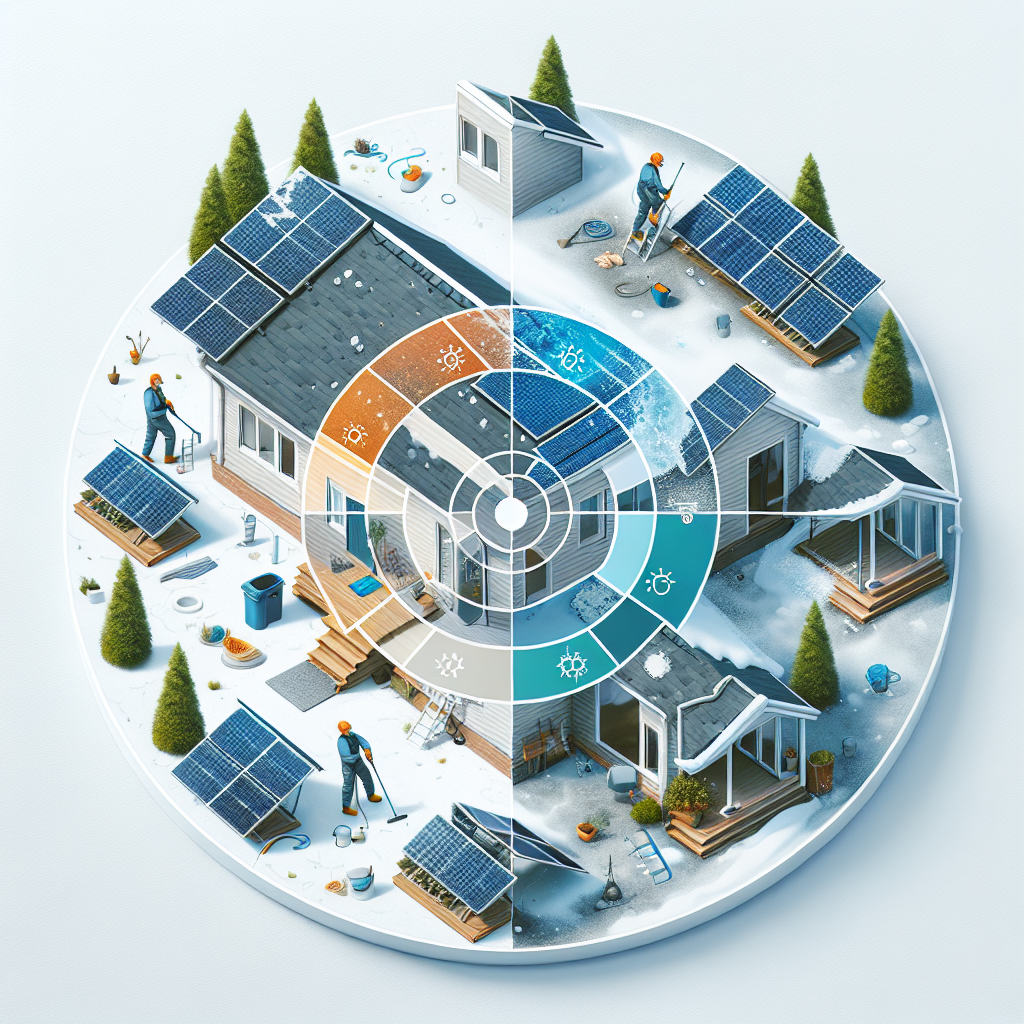
    Lastly, if you live in an area with heavy snowfall, be sure to brush off the snow after a storm to minimize loss of sunlight. Your panels work hard for you; a bit of basic care goes a long way in keeping them efficient!

    Getting the Most Out of Your Generated Power

    Using the power you generate wisely can stretch your setup even further. Prioritize energy-efficient devices that consume less power, maximizing what your solar kit can do. It’s a simple change that can lead to significant savings over time.

    Consider using timers for appliances to avoid using power during peak times of the day when solar is available. It’s about creating a routine that works for you while leveraging that sweet solar energy.

    And hey, if you find yourself in a position where you have excess power, think about charging up batteries for later use. It’s like having your cake and eating it too! Store what you don’t use for cloudy days or times of high demand.

    Conclusion: The Solar Future is Bright!

    As we wrap up, I hope this guide on the best solar panel kits for small projects in 2024 has got you excited about the possibilities. Whether you’re looking to power up that camper, run some lights in the garden, or just dabble in renewable energy, there’s a kit out there that’ll fit your needs perfectly.

    Take the plunge; trust me, once you go solar, you won’t look back! For me, it’s all about gaining independence from the grid and enjoying the freedom that comes with solar energy. If you’ve got any questions or need more tips, feel free to reach out.

    FAQs

    1. How do I determine the size of the solar panel kit I need?
    Assess your energy requirements first by noting down the wattage consumption of the devices you want to power.

    2. What components are essential in a solar panel kit?
    A basic kit should include solar panels, a charge controller, batteries, and optionally an inverter for AC power.

    3. How do I install a solar panel kit?
    Choose a sunny location, follow the manufacturer’s instructions, and ensure all connections are secure.

    4. What maintenance do solar panels require?
    Regularly clean panels, check connections, and remove any snow accumulation if applicable.

    5. Can I use solar power efficiently when I have a kit?
    Yes! Use energy-efficient appliances and consider using timers to reduce consumption during peak hours.
  • Solar Energy Companies Near Me: Tips for Choosing the Right One

    Solar Energy Companies Near Me: Tips for Choosing the Right One

    Understanding Your Solar Needs

    Assessing Your Energy Consumption

    Before diving into the deep end of solar energy, it’s super important to take a good look at your energy consumption. Seriously, this is where you’ll find out how much juice you’re using and what size system you’ll need. Grab your past energy bills and start breaking down your monthly usage. You’ll get a clearer picture of what your home requires. Trust me, you don’t wanna overspend on a system that’s way too big or too small for your needs.

    Once you’ve got your numbers, think about future needs too! Are you planning on getting an electric vehicle or adding more appliances? Keep those in mind as they could affect your solar needs. More than likely, your energy requirements will change, so having some foresight can really pay off.

    Lastly, don’t forget to consider your roof’s orientation and shading. If your house is covered in trees, that could impact how much sunlight your panels will actually get. It’s like finding the perfect spot on the beach – you want the sun, but not the shade!

    Researching Local Solar Companies

    Checking Reviews and Ratings

    This part is like going on a first date—make sure you do your homework! Start by checking online reviews for solar companies in your area. Websites like Yelp, Google Reviews, or even social media can give you great insights into other customers’ experiences. Pay attention to their responsiveness, installation efficiency, and how well they handle customer service. You definitely want a company that’s all about making you happy.

    Speaking of ratings, don’t forget to look at their ratings from organizations such as the Better Business Bureau. This can be a good indicator of the company’s reputation and reliability. Remember, a little digging can save you a whole lot of hassle later on!

    Also, ask around in your community! Friends, neighbors, or local groups can offer personal recommendations which can be gold. Real-life experiences often highlight things you won’t find in a review.

    Evaluating Pricing and Financing Options

    Understanding Quotes and Estimates

    So, once you’ve shortlisted a few solar companies, it’s time to tackle the world of pricing. Prepare yourself! When you request quotes, some companies will lowball their estimates to get your attention, while others might offer premium options. Don’t just look at the bottom line—check what’s included. Are there hidden costs for equipment or installation? It’s crucial to know that you’re not getting tricked!

    Another magic word here is ‘customized.’ Look for companies that offer tailored solutions! A good solar provider should take the time to evaluate your specific situation and craft a quote based on that. In my experience, this shows they care about you rather than just making a sale.

    Financing is key too! You might want to explore whether they offer loans, leases, or power purchase agreements (PPAs). Each option has its perks and downsides, so familiarize yourself before hopping on board. Choosing the financing option that works for you can save you loads of stress down the road!

    Inquiring About Warranties and Maintenance

    Understanding Warranty Terms

    When it comes to solar panels, warranties can mean the difference between a good investment and a headache. Most manufacturers offer product and performance warranties, so you’ll want to clarify what’s offered. A solid warranty can give you peace of mind as it protects you from unexpected issues.

    Read the fine print! Make sure you understand what the warranty covers and for how long. It’s crucial to know what’s included regarding repairs or replacements because you don’t wanna be left hanging with a broken panel and no support.

    Also, how about regular maintenance? Some companies offer service contracts that you might want to look into. Keeping your system in tip-top shape will not only extend its life but also assure maximum efficiency.

    Getting Contracts in Order

    Reading the Fine Print

    When you’ve finally chosen your solar company, it’s time to get everything in writing. Contracts can be long and boring, but trust me, it’s worth it to read them thoroughly! Make sure all details are laid out, including pricing, installation timelines, and warranty coverage. You want to be crystal clear on what you’re signing up for.

    If you see something that seems off, don’t hesitate to ask questions. A reputable company will be more than happy to clarify anything you don’t understand. If they brush you off, that could be a red flag that they’re not the right fit!

    Lastly, double-check the cancellation policy. Things change, and knowing your options if you need to cancel could save you a bunch of stress later on.

    FAQ

    1. How do I know if solar energy is right for me?

    Start by assessing your energy consumption and future needs. If you’re proactive about it and find that solar can save you money or effectively meet your energy needs, it might be the right choice!

    2. What factors should I consider when selecting a solar company?

    Look at their reviews, pricing, financing options, warranties, and how thorough they are in understanding your unique needs. Each company should take the time to evaluate your situation instead of just giving you a cookie-cutter quote.

    3. Are solar panel warranties worth it?

    Absolutely! Warranties protect you from unexpected repair costs and ensure the longevity of your system. Always choose a company that offers solid warranties and understands your concerns.

    4. What financing options are available for solar energy systems?

    Typically, you can choose between purchasing your system outright, getting a loan, leasing, or entering a power purchase agreement (PPA). Each option has its benefits depending on your financial situation.

    5. How important is maintenance for solar panels?

    Regular maintenance is crucial for the efficiency and longevity of your solar panels. Some companies offer maintenance contracts, which can help ensure that everything is running perfectly smoothly over the years.

  • The Best Solar Power Systems for Large Homes in 2024

    The Best Solar Power Systems for Large Homes in 2024

    Understanding Your Energy Needs

    Assessing Your Household Consumption

    So, first off, let’s get real about energy. Every large home has its unique energy consumption patterns, and it’s essential to know what yours is. Grab your last few electric bills and look for that monthly usage. Is it consistent throughout the year, or does it spike during summers when your AC is working overtime? Understanding this will give you a solid foundation to build on.

    You also want to consider which appliances are the biggest energy hogs. Maybe it’s that super-efficient dryer or the multi-setting oven. Knowing this will not only help you decide how many solar panels you’ll need but also help you find areas where you can cut back a bit. It’s like doing a little energy audit on yourself!

    Don’t forget about future growth either! If you’re planning to add more family members, or hey, maybe that electric car you’ve been eyeing, be sure to factor that into your energy needs. Better to overestimate now and have options later.

    Evaluating Solar Potential

    The next step in this solar journey is to check out your home’s solar potential. Not every home is created equal, and factors like roof orientation and shading can really influence how effective your system will be. If you’re lucky enough to have a roof that faces south with minimal shading, you’re golden!

    Consider getting a professional solar assessment. It might sound a bit technical, but these pros can offer an incredible insight into how much energy you could realistically harvest. Use satellite imagery or apps that help you visualize solar access too. This is all about maximizing your investment!

    And hey, don’t overlook your local climate! If you live in a place with tons of sunny days, you’re looking at a great return on investment. But if the rain clouds roll by more often than not, you may need to be a bit more strategic about sizing your system.

    Choosing the Right System

    Alright, it’s system time! Choosing the right solar power system is like picking the right pair of shoes; it’s got to fit well! There are several options, like grid-tied, off-grid, and hybrid systems. I lean more towards grid-tied systems because they allow you to stay connected to the grid and draw energy when your solar panels aren’t cutting it—especially at night.

    Next up is understanding solar technology. Are monocrystalline panels your best bet, or do you want to go with polycrystalline or thin-film? Monocrystalline is usually the top performer, but polycrystalline can be a great budget-friendly option. Researching these will arm you with the knowledge you need to make an informed choice.

    Finally, consider the inverter system. The inverter is crucial as it converts the solar power generated into usable electricity. String inverters are quite common, but micro-inverters are getting more popular due to their efficiency, especially in shaded areas. Don’t skimp on this aspect; it truly makes a difference!

    Financing Your Solar Investment

    Exploring Incentives and Rebates

    Let’s talk money—because let’s face it, this is a big deal. There are a plethora of incentives and rebates available for solar installations. Check out the federal tax credits which can significantly reduce the overall cost of your solar array. Knowledge is power, my friends! Each state has its own set of benefits, so be sure to research what’s available to you.

    Also, some utility companies offer their own incentives for solar users. They may provide rebates and other perks for going solar, and you don’t want to miss out on that free cash! A little digging into those programs can pay off big-time.

    And remember: your solar investment might also increase your property value. That’s not an incentive you can cash in today, but it’s something to consider for tomorrow. It’s like siding with an extra score on your home!

    Financing Options

    With all that incentive stuff, you might still need to finance your solar installation. Traditional loans, solar loans, or even leasing options are available for homeowners. Personally, I’ve found a solar loan to be a great way to own my panels outright while keeping my cash flow in check.

    Don’t forget about solar leases! They can provide a way to go solar with little to no upfront investment, but just remember that you won’t own the panels or the SRECs (Solar Renewable Energy Certificates). You need to weigh those pros and cons carefully to find what fits your situation.

    Always shop around and read the fine print when looking at financing options. Some loans come with hidden fees, while others might offer better interest rates. Don’t just go with the first green lender you see; make sure it holds water!

    Working with Solar Installers

    Alright, you’ve got all your ducks in a row—now it’s time to find a reputable solar installer! I cannot stress how vital this step is. Go for someone who has solid reviews and a proven track record. Ask around your community or search online for feedback. Building relationships with local installers can also lead to better deals down the road.

    Ask them questions! An experienced installer should be willing to discuss your options, the installation process, and even provide estimates for performance. Get multiple quotes! This competitive nature sometimes kicks in, and you might end up scoring an awesome deal.

    Lastly, make sure your installer is familiar with local regulations and permitting processes. Trust me, the last thing you want is delays because they didn’t file the right paperwork. You have to play this like a well-oiled machine.

    Maintenance and Monitoring

    Regular System Checks

    Now that you’re on the solar power train, let’s chat about maintenance. It sounds a bit boring, but trust me, regular system checks are crucial to ensure optimal performance. Ultimately, you want to keep your panels clean and clear of debris. A yearly cleaning should do the trick, but you might want to check them more frequently during pollen season or after a big storm.

    It’s also wise to keep an eye on your inverter. Most systems have monitoring capabilities to track energy production. If you notice a drop in production, it’s time to investigate further. Real-life example: I noticed a dip in energy output just after a heavy storm, and a quick check revealed some branches had fallen onto the panels. I was glad I caught it early!

    Another tip is to engage with your installer for annual maintenance check-ups. They can spot issues before they turn into costly problems. Think of it like regular check-ups for your system to keep it healthy!

    Monitoring Performance

    Investing in a monitoring system pays off big time! Most modern systems have built-in monitoring apps or tools that let you see how your system is performing in real-time. It’s always kind of exciting to watch those numbers go up, right?

    Being proactive is key, so regularly review your monitoring data. Look for patterns and deviations from the norm, which can help you catch any potential issues early. It also helps to show you how much money you’re saving on that utility bill—motivation to keep going!

    And don’t forget to celebrate milestones! Once you hit that first full year of having solar, you’ll likely have saved a good chunk of change. Set goals for how much you’d like to reduce your energy costs each year and track your progress. It makes the effort feel worthwhile!

    Handling Repairs and Upgrades

    Even with proper maintenance, issues can arise. It’s like owning a car—sometimes, stuff just happens. If you notice problems with energy output or your system seems off, don’t wait too long to get it examined. A good installer should offer warranties and support, so use them!

    In addition to repairs, consider how and when you might want to upgrade your system. As technology evolves, newer solar technologies become available. You may decide to invest in a battery storage solution down the road, especially to store energy for night use or during outages.

    Finally, keep an eye on your panels’ warranties. If you’ve invested in premium panels, they often come with extensive warranties. Making a conscious effort to understand and leverage these can save you money in the long run!

    Frequently Asked Questions

    1. How much solar power will I need for my large home?

    The amount of solar power you need largely depends on your energy consumption patterns, roof size, and solar potential in your area. Conducting an energy audit can help determine the best solar system size for your needs.

    2. What are the best types of solar panels for large homes?

    Monocrystalline panels are often the best performers in terms of efficiency and space usage, but polycrystalline can also be a practical option if you’re looking to save a bit of cash. Consider your budget and energy goals when selecting.

    3. Are there financing options available for solar systems?

    Absolutely! There are various financing options like solar loans, leases, and incentives from both the government and local utilities that can help you manage the cost of solar panels without breaking the bank.

    4. How do I maintain my solar power system?

    Maintenance usually involves keeping your panels clean, checking the inverter regularly, and possibly scheduling annual check-ups with your installer. Monitoring systems can also help track performance to alert you of any issues.

    5. What should I do if my solar panel system isn’t performing well?

    If you notice a significant drop in performance, conduct a quick check of your panels for debris or obstructions. If everything seems fine, reach out to your installer for a professional evaluation to ensure everything is functioning correctly.

  • The Ultimate Checklist for Setting Up Solar Power at Home

    The Ultimate Checklist for Setting Up Solar Power at Home

    Assess Your Energy Needs

    Understanding Your Electricity Consumption

    Before diving headfirst into the solar energy pool, it’s crucial to get a grip on your energy consumption. Take a good look at your electric bills; they’ll show you how much power your household uses. Look at the averages over the past few months, factoring in seasonal changes that might affect your usage. This step will give you a strong baseline.

    Next, think about appliances you use regularly. Consider both significant energy eaters like refrigerators and HVAC systems, and the smaller gadgets like chargers and light bulbs. It’s astonishing how much juice those little things can consume if you don’t keep an eye on them. Plugging them into an energy meter can provide more insight into their power consumption.

    Finally, project any future changes—for example, if you’re planning to upgrade to energy-intensive appliances or even adding a new family member. Knowing your current needs helps you understand how much solar power you need to generate for optimal efficiency.

    Calculating Your Solar Needs

    Once you’re aware of your energy consumption, calculating solar needs comes next. A solar energy calculator can be a handy tool here. These calculators generally require your average monthly consumption and some basic info about your location. The results can guide you on the system size you’ll need.

    Don’t stop there; consider the potential for peak usage times. For instance, if most of your energy use happens during the day while the sun’s shining, you might benefit more from a larger solar setup. It’s all about aligning solar generation with usage.

    Finally, consult with a professional installer. They’ll provide insights tailored to your unique situation and location, often using advanced tools and knowledge of local regulations to help you pinpoint your exact needs.

    Evaluating Your Home’s Suitability

    Your home’s environment can basically make or break your solar adventure. Start by inspecting your roof. Is it facing the right direction? South-facing roofs tend to get the most sun exposure, but east and west can be decent too. You want minimal shading from the surrounding trees or buildings; those shadows can hugely impact your solar production.

    Next, think about the structural integrity. Older roofs might need repairs or even a replacement before you add solar panels. It’s a drag to put all that money into solar, only to have to tear it down later for repairs!

    Finally, take into account the local climate. If you live in an area prone to cloudy days or heavy snowfall, it may impact the overall efficiency of your solar system. Look for options that focus on all-weather performance, and consult local experts who understand your climate’s specific challenges.

    Choose the Right Solar System

    Types of Solar Systems

    Once you’ve assessed your energy needs and home suitability, it’s time to pick out your solar system type. The three main options include grid-tied, off-grid, and hybrid systems. Grid-tied systems are the most common and are connected to the utility grid. They’re often the most affordable and provide benefits like net metering.

    If you’re feeling adventurous, there’s the off-grid system. It’s perfect if you want to be independent and not reliant on utility companies, but it can be pricier due to battery storage needs. And let’s not forget the hybrid system, which combines the best of both worlds, allowing for battery storage while also connecting to the grid.

    Take some time to think about your lifestyle and budget. For most people, a grid-tied system is the way to go, but if you live in a remote area or want total freedom from the grid, maybe consider going fully off-grid.

    Evaluating Financial Options

    Now comes the fun part—figuring out how to pay for this all! There are several financing options available. You could outright purchase a solar system, but that’s a significant upfront investment. Many folks explore loans or even leases, which can help spread out the costs over time.

    Don’t forget about incentives! Check for local and federal tax credits that can save you loads of cash. Many areas offer rebates and grants for solar installation, which can significantly reduce your initial outlay. It never hurts to do a little digging online.

    And, of course, think about the long-term savings on your energy bill. While solar systems can be pricey up front, over time, the reduction in monthly bills often pays for itself and then some.

    Choosing a Qualified Installer

    Selecting the right installer is crucial. Start with research and get referrals from friends or online communities. Look for professionals with positive reviews and a solid reputation in the solar industry. It’s not just about cost but also quality and experience.

    Check their certifications and licenses. Make sure they are accredited by organizations like the North American Board of Certified Energy Practitioners (NABCEP). This is a big deal in ensuring your installer knows their stuff.

    Finally, get multiple quotes. This doesn’t just help you compare costs; it also helps you understand what’s included in each proposal. Be sure to ask about warranties and maintenance services too; you want someone who’s going to be there for you long-term.

    Prepare for Installation

    Getting Your Home Ready

    Once you’ve selected a system and an installer, it’s time to prepare your home. First off, ensure your roof is cleared of any debris and accessible for the crew. A clean workspace ensures that installation runs smoothly without unnecessary delays.

    Next, coordinate with your installer about how the installation will go down. You may need to be available for questions or approvals during the process. Understanding the timeline helps you manage your schedule—no one likes surprises, right?

    Also, inform your neighbors about the installation. A little heads-up goes a long way and keeps the peace, especially if heavy equipment is involved. Everyone appreciates knowing what’s happening around them!

    Post-Installation Inspection

    After installation, conduct a thorough walk-through with the installer. Ensure everything is up to your standards and ask any lingering questions. Don’t hold back; you’re investing a lot of cash here, and it should match your expectations.

    Check that all paperwork, including warranties and any maintenance agreements, is in place. These documents are crucial for future reference and might come in handy if any hiccups arise down the line.

    Take some time to learn how to use the monitoring system that comes with your solar setup. Many systems provide mobile apps that let you track usage and efficiency right from your phone. It’s a great way to stay connected to your new eco-friendly home setup!

    Ongoing Maintenance and Support

    Your solar system is now up and running, but don’t just forget about it! Regular maintenance helps to ensure that it’s performing at its peak efficiency. Cleaning debris off the panels and checking for shading issues or other potential obstructions will go a long way.

    Stay connected with your installer for periodic check-ups. They can provide advice on how to keep your system in tip-top shape and alert you to any adjustments or upgrades that might be beneficial down the road.

    Lastly, keep an eye on your energy production. If you notice any significant drops in efficiency, don’t hesitate to reach out for help. Early detection can often resolve issues without much fuss, ensuring you get the most out of your solar system!

    FAQ

    1. How do I know if solar power is right for my home?

    Assess your energy consumption, evaluate your roof’s suitability, and consider local regulations. If your home receives good sunlight exposure and you want to save on energy costs, solar might be a great option!

    2. What are the main types of solar systems available?

    The main types are grid-tied, off-grid, and hybrid systems. Each has its perks and is suitable for different needs, so weigh your options based on your lifestyle and energy goals.

    3. Are there financing options available for solar systems?

    Yes, there are various financing options, including outright purchasing, loans, and leases. Additionally, look for tax credits and rebates that can help lower your overall costs.

    4. What should I look for in a solar installer?

    Search for a qualified installer with solid experience and good reviews. Make sure they’re licensed and certified, and don’t hesitate to get multiple quotes to compare services.

    5. What maintenance does a solar system require?

    Regular cleaning and checks for obstructions are essential. It’s also wise to schedule periodic inspections with your installer to ensure everything is functioning correctly.

  • How to Get Government Incentives for Solar Energy Installation

    How to Get Government Incentives for Solar Energy Installation

    Understanding Solar Energy Incentives

    What Are Government Incentives?

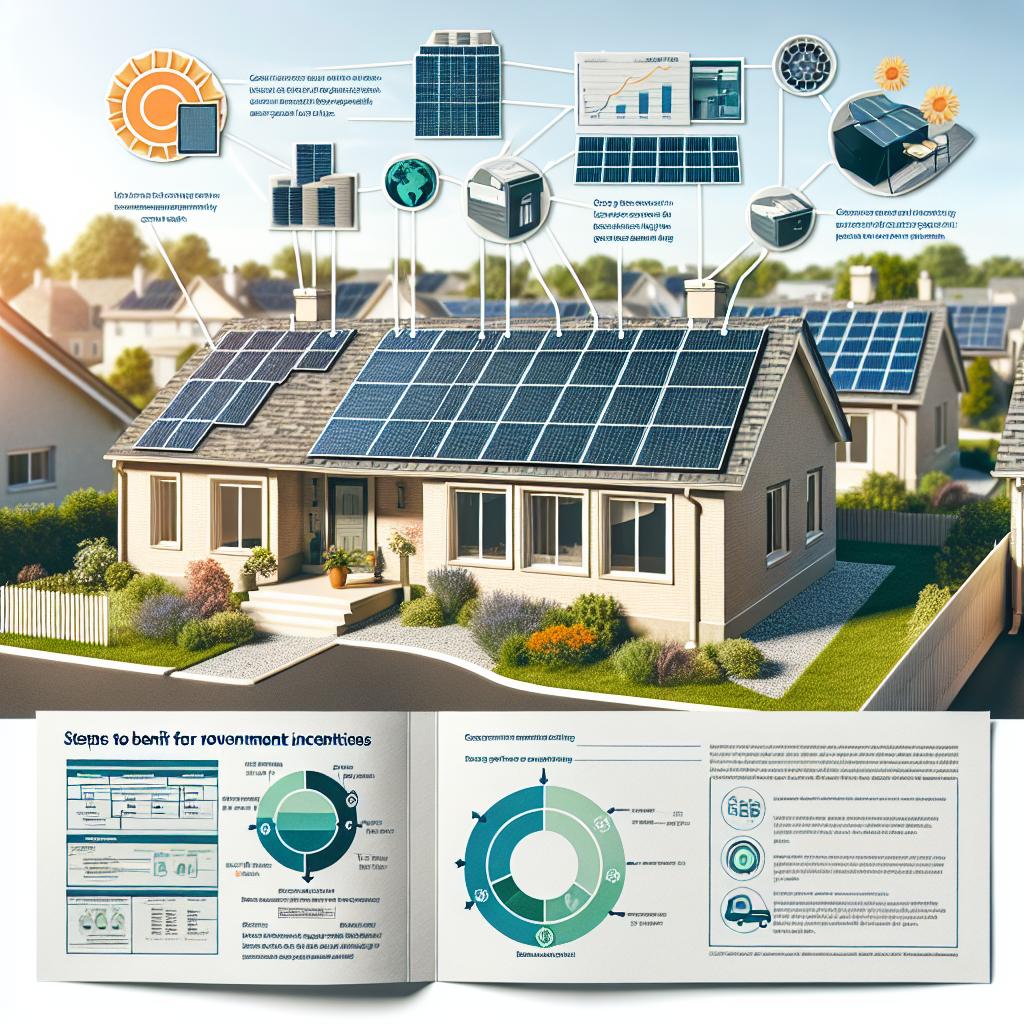
    Government incentives for solar energy installations are basically financial benefits offered by federal, state, and sometimes local governments to encourage you to go solar. These can come in the form of tax credits, rebates, grants, and even low-interest loans. The goal is to make solar energy more accessible for homeowners and businesses, which ultimately helps the environment by reducing reliance on fossil fuels.

    From my perspective, these incentives can really lighten the financial load when installing solar panels. I remember when I installed my panels, having those rebates made a notable difference in the initial investment. It’s like getting a pat on the back for saving the planet while also benefiting your wallet!

    Keep in mind, though, that incentives can vary based on where you live. Each state has different rules and offerings, so it’s important to do some local research for the specific benefits available in your area.

    Researching Available Programs

    Finding Local and Federal Programs

    When I was first looking to go solar, the sheer number of programs out there seemed overwhelming. I started with the Database of State Incentives for Renewables & Efficiency (DSIRE), which is a fantastic resource. It lists every incentive available by state and even offers information about local programs.

    Additionally, checking in with your local utility companies can often lead you to hidden gems of information. They frequently offer their own rebates as part of their renewable energy goals. I remember discovering a rebate that cut my installation costs significantly just by asking my utility provider!

    If you’re still feeling lost, there are organizations and solar advocates who can help you navigate the complexities. Don’t hesitate to reach out; people love sharing their successes and tips!

    Evaluating Solar Energy Systems

    Choosing the Right System for You

    Once I understood the incentives, it was time to pick the right solar energy system. It’s important to remember that not all systems are created equal. Depending on your energy needs, your roof’s orientation, and even your aesthetic preferences, your solar panel choice can vary considerably.

    I found solar calculators online that helped me assess my energy needs based on usage. By doing some math and comparing it to different systems, I got a clearer picture of what would work best for me. Coupled with the financial incentives, this helped narrow my options significantly.

    Plus, reading reviews and seeing actual installations in my area gave me confidence in my choice. I even visited a few friends who had panels installed, which provided invaluable insight.

    Applying for Incentives

    Filling Out the Necessary Forms

    Once I selected the system I wanted, it was time to tackle the application processes for incentives. I won’t lie; it can feel a bit tedious. But ensuring that I filled everything out correctly made a massive difference in how quickly I started receiving benefits.

    Many times, my solar installation company helped me with the paperwork. They were seasoned pros when it came to these applications and provided me numerous forms to ensure I did it right. I just made sure to double-check and sign where needed, which saved me a lot of hassle in the long run!

    Remember, missing paperwork or incorrect information can delay your incentives. So, it pays to be thorough and to keep copies of everything you submit!

    Monitoring Your Incentive Benefits

    Keeping Track of Incentives and Rebates

    After installation and getting my incentives, I found it extremely helpful to actively monitor them. I installed an app on my phone that kept tabs on both my energy production and the financial benefits I was receiving. It’s nice to see how much energy I’ve saved and know that I’ve truly made a difference.

    I also made it a habit to review my tax credits during tax season. This way, I could maximize my benefits and ensure I wasn’t missing any deductions. I even consulted with a tax professional who was savvy about energy incentives; it was worth every penny to ensure I was on track!

    Staying engaged with your solar energy system not only keeps you informed about your savings but can also appeal to future upgrades or maintenance needs down the line. You never know how new incentives might pop up either!

    FAQs

    1. What types of government incentives are available for solar energy installation?

    Incentives can range from federal tax credits, state rebates, and grants, to performance-based incentives. Each location may have different offerings, so check local resources for specifics.

    2. How can I find out about programs in my area?

    The Database of State Incentives for Renewables & Efficiency (DSIRE) is a great place to start. Additionally, contact your local utility companies as they often have their own programs aimed at encouraging solar energy.

    3. Do I need to handle the paperwork myself?

    Not necessarily! Many solar installers will help guide you through the paperwork needed to apply for incentives. Just make sure to keep copies of everything you submit.

    4. Can I still get incentives if I live in an apartment?

    In some cases, yes! You might be able to invest in community solar programs or work with your landlord for individual installations. It’s worth investigating the options available in your area.

    5. Are there any incentives for maintenance or upgrades to existing solar systems?

    Yes, some states offer incentives for maintenance or upgrades, but these vary by location. Always check local resources and programs to see what’s available as technology and offerings continue to evolve.

  • The Environmental Benefits of Solar Generators for Home Use

    The Environmental Benefits of Solar Generators for Home Use

    When I first heard about solar generators, I was curious but also skeptical. I had always associated solar energy with big, bulky panels and complicated setups. But after diving into the subject, I realized just how beneficial these devices can be. So, let’s break down the environmental benefits of solar generators for home use into some key areas that I found really enlightening.

    Reduction of Carbon Footprint

    One of the first things that grabbed my attention was how solar generators can significantly reduce our carbon footprint. It’s almost like a no-brainer; using renewable energy means relying less on fossil fuels.

    Cleaner Energy Source

    The primary advantage of solar power is that it’s clean. Unlike traditional generators that run on gasoline or diesel, solar generators harness sunlight to produce energy. This means you’re not pumping carbon emissions into the atmosphere every time you need power.

    Moreover, the lifecycle of solar technology produces far fewer emissions compared to conventional electricity sources. I’ve seen firsthand how switching to solar can reduce pollution levels, sometimes even in densely populated areas.

    When you power your home with solar energy, you’re actively participating in the fight against climate change—something we can all get on board with, right?

    Longevity of Resources

    Another factor is the longevity of the solar energy resources themselves. The sun is not going anywhere—it’s a renewable energy source that’s going to be around for billions of years. By utilizing solar generators, we reduce our dependence on depleting fossil fuels.

    I often think back to my days before solar; it felt like we were racing against the clock to make the most of our resources. Switching to solar has drastically changed that perspective. I feel good knowing that we’re leaving something for future generations.

    By investing in solar technology, we’re making a decision that is both environmentally sound and sustainable. It’s a win-win!

    Promoting Biodiversity

    Using solar generators can also help promote biodiversity. Dirty energy sources often lead to environmental degradation, which negatively impacts wildlife and their habitats.

    When clean energy alternatives take over, we see a reduction in habitat destruction. My local area has noticed an increase in wildlife populations since more people are making the switch to clean energy.

    We have a responsibility to maintain natural habitats for future generations. By choosing solar, we help foster a healthier ecosystem in our backyards and beyond.

    Less Noise Pollution

    Noise pollution is something we tend to overlook when we think about environmental impacts. But believe me, it’s worth talking about!

    Quiet Operation

    Solar generators operate almost silently, unlike their gasoline counterparts. I remember the days when my neighbors would fire up their noisy gasoline generators for backup, and you’d hear the roar from blocks away.

    Now, with a solar generator, everything is peaceful and quiet. I can enjoy a calm day in my garden without the background noise of an engine rumbling.

    This not only makes for a more enjoyable home environment but also contributes to the tranquility of the surrounding area. Less noise means a more pleasant atmosphere for both humans and wildlife.

    Reduction in Stress and Anxiety

    Believe it or not, noise can increase stress levels in our daily lives. A quieter environment helps reduce anxiety, and switching to a solar generator has done wonders for my peace of mind.

    Having a serene home environment is essential for well-being. Since adopting solar, I can focus more on my hobbies and spend quality time with loved ones without the stress of noise blaring from a generator.

    It’s one of those unexpected benefits I never thought about until I lived it. Quietly powering my home feels refreshing!

    Community Impact

    Not only does reduced noise benefit individual households, but it also plays a role in community living. A quieter neighborhood creates a better quality of life for everyone. I’ve noticed how neighbors have been responding positively to the shift toward cleaner energy.

    It encourages conversations around sustainability and well-being, fostering a sense of community that I really appreciate.

    More people are inclined to consider going solar when they see or hear about its benefits in real life, creating a ripple effect that continues to promote renewable energy use.

    Long-Term Financial Savings

    Switching to solar generators might feel like a hefty investment upfront, but trust me, the long-term savings are undeniable.

    Reduced Energy Bills

    Once I made the switch, my energy bills decreased dramatically. I couldn’t believe how much cash I was saving, not to mention the lower utility bills that came with using solar energy.

    Many solar generators can be set up to run your entire home, helping to eliminate the need for traditional energy sources and even allowing for net metering opportunities where you can sell energy back to the grid!

    The feeling of saving money while contributing to environmental health is empowering. It’s like hitting two birds with one stone.

    Tax Incentives and Rebates

    In addition to saving on monthly bills, many places offer tax incentives and rebates for installing solar systems. I’ve taken advantage of these programs firsthand, and it’s a great way to offset the initial costs.

    It’s comforting to know that our government encourages this kind of responsible energy use. I suggest checking what’s available in your area—it could really lighten the financial load.

    This isn’t just about saving a few bucks; it’s about investing in a more sustainable future!

    Increased Home Value

    Lastly, installing a solar generator can increase the resale value of your home. Many homebuyers are looking for eco-friendly options, and having solar in place can make your property more attractive.

    I’ve seen homes in my neighborhood get snapped up quicker simply because they had solar energy systems in place. It’s reassuring to know that my environmental choices also pay off in the long run.

    Investing in solar doesn’t just enhance my current lifestyle; it’s a smart move for the future. I love knowing that my home is equipped with reliable, eco-friendly energy.

    Contribution to Energy Independence

    Energy independence is something I hold near and dear to my heart, and it’s another fantastic benefit of using solar generators.

    Less Reliance on Fossil Fuels

    Every time we choose solar, we lessen our dependence on fossil fuels. It’s like the more we embrace solar, the more we secure a healthier energy future.

    This shift is crucial, especially as global energy consumption continues to rise. By adopting solar generators, we’re directly contributing to a systemic change towards renewable energy sources.

    It gives me comfort to think that each kilowatt produced by a solar generator is one less unit of traditional energy being consumed.

    Resilience During Power Outages

    One of the most significant perks of solar generators is their ability to keep your home running during power outages. I can recall some crazy storms that left me in the dark for days.

    Having a solar generator means I’m not thrown into chaos when the grid goes down. It makes my home resilient and prepared for whatever nature throws our way.

    This reliability is why many people are taking steps towards energy independence. It revs up the notion of self-sufficiency, and that’s what excites me.

    Encouraging Innovations in Renewable Energy

    Finally, by using solar generators, we send a message to businesses and innovators: we want more renewable solutions! It’s like forming a community of like-minded individuals pushing for a better future.

    My enthusiasm for solar energy inspires me to support ongoing innovations. It’s fascinating to see how rapidly this technology is evolving. We are a part of cultivating a brighter, more sustainable landscape.

    Knowing that I contribute to this movement is incredibly fulfilling.

    Frequently Asked Questions

    1. What are the environmental benefits of solar generators?

    Solar generators help reduce carbon footprints, minimize noise pollution, and promote increase energy independence, among other benefits. They use renewable energy sources rather than fossil fuels, leading to cleaner air and water.

    2. Do solar generators really save money on energy bills?

    Yes! Solar generators reduce or even eliminate monthly energy costs, and you might even earn money through net metering. Plus, there are often tax credits and rebates available for homeowners.

    3. Can I use a solar generator during power outages?

    Absolutely! One of the key benefits of solar generators is their ability to provide power during outages, ensuring that you maintain a reliable energy source when you need it most.

    4. Are solar generators noisy?

    Nope! A significant advantage of solar generators is their nearly silent operation, unlike traditional gasoline generators. This makes for a peaceful home environment.

    5. How do solar generators contribute to community sustainability?

    By reducing reliance on fossil fuels and decreasing carbon emissions, communities that transition to solar generators can enjoy improved air quality and promote a more sustainable future together.

  • The Latest Trends in Solar Panel Technology for 2024

    The Latest Trends in Solar Panel Technology for 2024

    1. Enhanced Efficiency Rates

    Understanding Efficiency Ratings

    When talking about solar panel efficiency, it’s pretty fascinating how much this has come along. In past years, standard panels hovered around the 15-20% efficiency range, but that’s all changing. New technologies are pushing efficiencies into the upper 20% range or more! So, what does this mean for you? Well, it allows you to generate more energy from the same amount of sunlight.

    For someone looking to install solar panels, better efficiency means fewer panels needed to produce the same energy, which can translate into a lower installed cost and more roof space left for other needs. I remember when I first learned about this; it completely shifted how I viewed solar energy. Imagine being able to power your entire home with fewer panels!

    Additionally, advancements in materials science are continuously improving efficiency, with multi-junction solar cells capturing a broader spectrum of sunlight. Thinking about the solar technology landscape, these advancements are game-changers, especially for those in regions with less sunlight.

    Innovative Panel Designs

    Design is not just about aesthetics—these days, innovative panel designs are leading to higher performance. Companies are now creating solar panels that are bifacial, which means they can capture sunlight from both sides. This feature can significantly increase the total energy output, especially in areas with reflective surfaces like water or snow.

    I’ve seen some installations where bifacial panels are placed on rooftops with a steep pitch. The angle helps capture sunlight more effectively, and honestly, the visual appeal isn’t half bad either! In your quest for greener energy, it’s worth considering these designs to maximize your energy generation.

    Moreover, the integration of solar shingles—solar cells embedded in traditional roofing materials—has become a chic and effective option for homeowners looking for a more seamless integration. They may be slightly less efficient than traditional panels, but they make up for it in style and versatility.

    Investing in Future Technologies

    The efficiency race doesn’t stop here; there is continuous investment in technological advancements like perovskite solar cells. These next-gen cells have shown promise in lab settings, achieving efficiencies that can rival and even surpass traditional silicon-based panels.

    I can’t emphasize enough how staying updated on these investments could lead to a future where solar installations are even quicker to pay for themselves. As more companies enter this space and generate competition, costs are likely to drop further, which is a win-win for all of us aiming to go solar!

    So, keep an eye out for companies experimenting with these materials. Who knows? Your next solar panel system may be powered by the very latest and greatest in solar tech!

    2. Smart Solar Technology

    The Rise of Smart Inverters

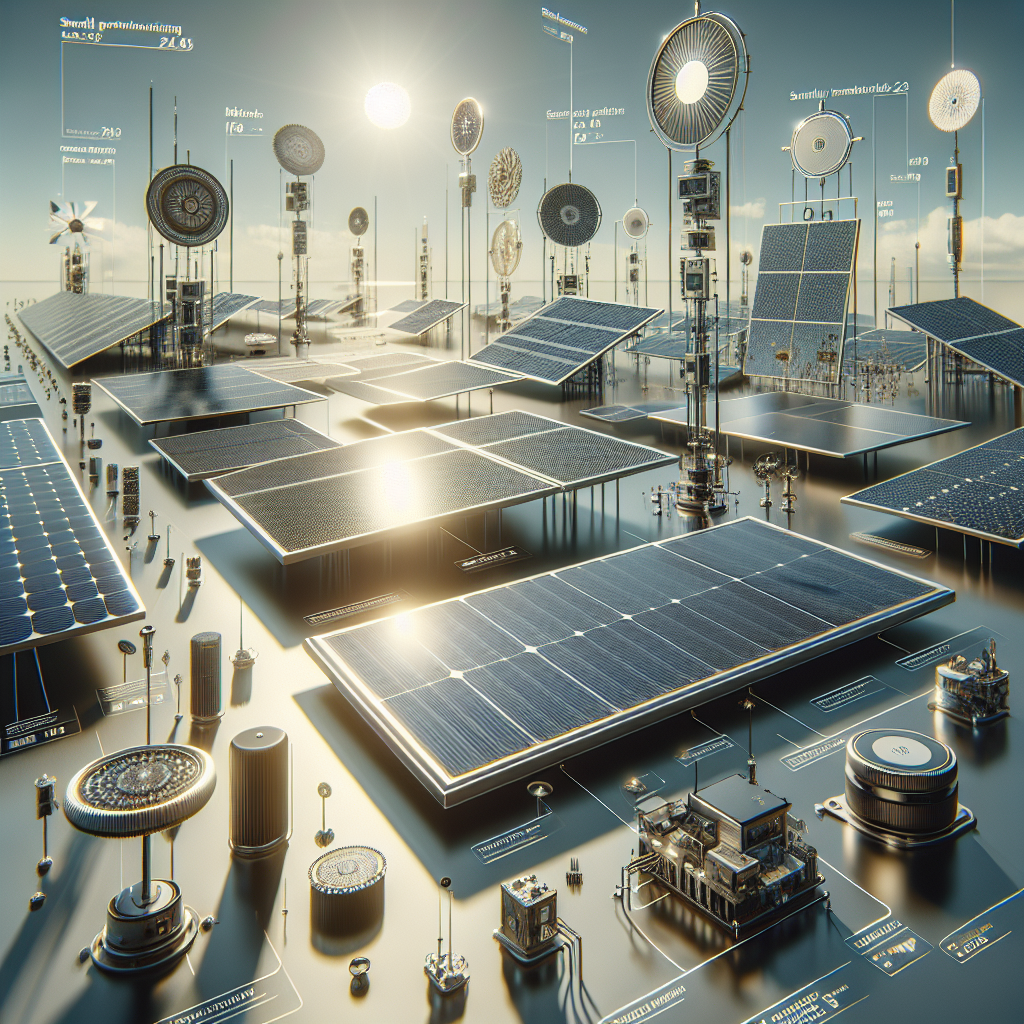
    If you haven’t yet heard about smart inverters, you’re in for a treat. These nifty devices allow solar systems to communicate with the grid, adjust their output for optimal energy production, and even help prevent outages. I remember installing my first “dumb” inverter and wishing it could do more; smart inverters make the grid more resilient and efficient.

    Smart inverters also allow homeowners to monitor their solar electricity generation through simple apps on their smartphones. It’s super convenient to check how much energy you’re producing while you sip your morning coffee. It feels like I’m living in the future every time I check those stats!

    The beauty of smart technology doesn’t just end there; they can aid in better energy management through features like demand response. This helps you save money when electricity prices spike, which is something we can all relate to—my bill went down after I made the switch!

    Integration with Smart Home Devices

    Speaking of smart technology, integrating solar panels with other smart home devices is becoming a trend that’s too good to ignore. With devices like smart thermostats, you can use solar energy more efficiently, ensuring you don’t waste electricity when you don’t need it.

    For instance, once I got a smart thermostat, I was amazed at how seamlessly it worked with my solar setup. It automatically adjusted my home’s temperature based on my solar energy production, maximizing my efficiency without me even thinking about it!

    Integrating your solar system with smart appliances and energy storage solutions allows for even greater energy independence. I could charge my electric vehicle when the sun was shining bright without a second thought. This is where we’re heading, and it feels empowering.

    Optimizing Performance with AI

    Artificial Intelligence (AI) is becoming another game-changer in solar panel tech. With AI algorithms, we can predict energy production and consumption patterns, enabling homeowners and businesses to optimize their usage effectively. Honestly, my solar energy management has improved drastically since I learned to incorporate AI-driven tools into my setup.

    These tools analyze data from weather patterns, energy consumption habits, and even historical data to forecast energy needs. By leveraging AI, we’re not just relying on guesswork anymore; real-time data is driving our decisions, and that’s a big deal.

    Moreover, AI can help identify maintenance issues by analyzing performance data over time, suggesting repairs before major problems arise. This is an area where I’ve saved time and money, avoiding costly repairs due to monitoring my system more intelligently.

    3. Energy Storage Innovations

    The Future of Solar Batteries

    Energy storage has seen some cool developments lately. Solar batteries are becoming increasingly efficient and affordable, which is crucial for maximizing the potential of solar energy. I remember when solar batteries were almost prohibitively expensive, but recent advancements are changing the game!

    The new lithium-ion batteries are now common, featuring higher capacities and better longevity, making them perfect for home solar setups. After all, who doesn’t love the idea of being able to store solar energy for use at night or during cloudy periods? It’s like having your cake and eating it too!

    Additionally, emerging technologies like flow batteries are attracting attention. They promise longer lifespan and sustainability, which is music to my ears! It’s exciting to witness a future where I can store vast amounts of energy without worrying about degradation over time.

    Hybrid Systems Take Center Stage

    Hybrid solar systems are becoming increasingly popular. These systems combine different energy sources, like solar and battery storage, allowing for a more comprehensive approach to managing energy needs. Trust me; this combination has worked wonders for my energy security.

    For example, my hybrid system enables me to draw energy from my solar panels while simultaneously charging my battery from the grid during low-cost hours. It’s like having a backup plan that kicks in when the conditions aren’t perfect. Knowing I can rely on this setup gives me peace of mind!

    The adaptability of hybrid systems is great for addressing regional energy challenges. Whether you live in an area prone to outages or have varying solar potential, hybrid systems can be tailored to fit your needs perfectly.

    Emerging Technologies in Energy Storage

    As technology evolves, new energy storage advancements are bubbling up. Innovations such as solid-state batteries and other novel storage technologies are on the horizon. I often think about the way my energy storage capacity could skyrocket in the next few years—it’s just around the corner!

    Like I mentioned before, solid-state batteries are appealing because they have the potential for higher energy density and improved safety compared to traditional lithium-ion batteries. I can’t wait for these advancements to become commercially viable—they’re just tantalizingly close!

    These game-changing technologies mean residents can soon enjoy more efficient and effective energy storage solutions, turning solar energy into a seamless part of our daily lives.

    4. Sustainability Practices

    The Shift Towards Eco-Friendly Materials

    There’s a noticeable shift in the solar industry toward sustainability, from manufacturing processes to recycling old systems. I’ve seen firsthand how manufacturers are now focusing on eco-friendly materials in their panels. Recycled materials are helping to reduce the environmental impact—something I appreciate as a concerned citizen.

    These eco-friendly practices not only benefit the environment but also resonate well with consumers. I feel like I’m making a responsible choice every time I see a product that emphasizes sustainability. Many solar companies are embracing circular economy concepts and producing panels that can be fully recycled.

    If you’re looking into solar panels for your home, consider companies that prioritize sustainable practices; it’ll feel good knowing you’re supporting a greener future!

    Recycling Solar Panels

    Speaking of sustainability, the recycling of old solar panels is gaining momentum. With the first wave of solar panels reaching the end of their lifespan, this issue is becoming critical. In fact, I recently learned how valuable the materials in these panels can be, making recycling a smart choice.

    These panels often contain valuable components like silver, silicon, and glass—materials that can be reused in the production of new panels! Programs that facilitate this recycling process should become a priority for all of us who cherish solar energy.

    Being proactive about recycling not only helps conserve resources but also protects the environment by ensuring hazardous materials don’t end up in landfills. It’s about embracing the future of energy while being responsible stewards of our planet.

    Community Solar Initiatives

    Community solar programs are becoming another trend worth noting. These initiatives allow groups of people to invest in a shared solar project, enabling those who might not have suitable roofs to benefit from solar energy. It warms my heart to see communities come together like this.

    It’s a fantastic way to bring people together for a common cause while gaining access to renewable energy. I love how these programs not only help cut energy costs but also foster a sense of community pride and environmental consciousness.

    If you’re interested, check to see if such programs exist in your area—getting involved can be both rewarding and environmentally impactful!

    5. Government Policies and Incentives

    Understanding Tax Credits and Rebates

    Alright, let’s chat about something that can really sweeten the deal for those going solar: government incentives! Tax credits have been an absolute lifesaver for many homeowners, making solar energy more affordable. Each year, I look forward to the renewal of these tax incentives because it proves how serious we are about embracing renewables.

    In the U.S., the federal solar tax credit, which currently allows homeowners to deduct a percentage of their solar system costs from their federal taxes, has been a great motivator for many to go solar. Seriously, you could save thousands—what’s not to love about that?

    But it doesn’t stop there; various states and local governments have their own incentives as well, from grants to rebates. Staying updated on these programs is beneficial for anyone considering solar energy. They can really have a significant impact on your return on investment!

    Legislative Support for Renewable Energy

    Another exciting aspect is the growing political support for renewable energy. Increasingly, legislation is being passed to back solar initiatives, which can result in improved facilities and infrastructure for solar installations. It’s monumental how these movements can shape our energy future.

    Having seen the legislative landscape evolve, I can’t help but feel optimistic, especially as more lawmakers recognize the importance of clean energy. Community solar, net metering, and initiatives supporting energy storage are all part of this blossoming support.

    Getting involved in local advocacy can make a huge difference. By supporting legislation that promotes solar technology, we can all contribute to a shift toward a greener, more sustainable world.

    Future Prospects for Solar Energy Policies

    Looking forward, it’s amazing to think about how much impact policy changes will have on solar technologies. With countries and cities setting ambitious goals for carbon neutrality and renewable integration, the future is bright (pun intended!). It’s encouraging to see various programs roll out to protect and incentivize solar power usage.

    I often remind myself that each step we take today shapes the solar landscape of tomorrow—especially when policies are putting solar at the forefront of energy discussions. Being aware of these trends can help homeowners navigate the landscape more effectively when considering solar options.

    Ultimately, collective efforts will cultivate a thriving market for solar technologies, and I’m excited to be a part of this movement!

    Frequently Asked Questions

    1. What are the main trends in solar technology for 2024?
    The main trends include enhanced efficiency rates, smart solar technology, energy storage innovations, sustainability practices, and supportive government policies and incentives.
    2. How do smart inverters improve solar energy systems?
    Smart inverters allow solar systems to communicate with the grid, optimize energy output, and enable homeowners to monitor their energy production in real-time through apps.
    3. What is the significance of recycling solar panels?
    Recycling solar panels helps conserve resources by reusing valuable materials, reduces waste, and prevents potentially hazardous materials from ending up in landfills.
    4. How can I take advantage of government incentives for solar energy?
    Stay informed about federal, state, and local tax credits, rebates, and grants. These incentives can significantly reduce the cost of your solar panel installation.
    5. What role do community solar initiatives play?
    Community solar programs allow groups of individuals to share the benefits of a solar project, offering access to solar energy for those who cannot install panels on their own properties.
  • How Solar Generators Can Help You Prepare for Emergencies

    How Solar Generators Can Help You Prepare for Emergencies

    Understanding the Need for Backup Power

    Why Backup Power is Essential

    You know those moments when the lights flicker, and you’re left holding your breath wondering if the power’s going to stay? I’ve been there. Emergencies can hit at any time – whether it’s a snowstorm, hurricane, or even an unexpected blackout during summer. Having reliable backup power can truly mean the difference between chaos and some semblance of comfort.

    When the usual power supply goes down, especially in extreme weather conditions, we often face frustrating challenges. Refrigerators stop keeping our food fresh, smartphones lose their charge, and our comfort is compromised. Having a solar generator on hand allows us to sidestep that panic and stay in control.

    Moreover, in today’s tech-driven world, staying connected is crucial. Whether it’s for emergency updates or simply to reach out to loved ones, a solar generator ensures you’re powered up, keeping the lines of communication open, and providing peace of mind during unpredictable scenarios.

    Portability for Emergency Situations

    Easy to Transport

    One thing I look for in an emergency power source is portability. Let’s be real: when a severe storm is headed your way, the last thing you want is a heavy, cumbersome generator that requires a truck to move. The beauty of solar generators is their compact design. You can easily toss one in the back of your car or carry it to a different location, such as your garage or your front porch.

    I’ve done camping trips where I’ve brought along my solar generator, and it was a lifesaver – providing power for lights, charging devices, and even cooking! So, imagine how helpful it would be during an emergency at home. You can move it where it’s needed most or even take it with you if you need to evacuate.

    This portability becomes absolutely critical when you have family members who depend on electric-powered medical equipment. Knowing you can safely power those necessities no matter where you are is incredibly reassuring.

    Environmentally Friendly Solution

    Reduce Your Carbon Footprint

    As a nature lover, I have a personally vested interest in reducing my carbon footprint. That’s where solar generators come in! These nifty devices harness the energy from the sun, allowing you to generate your own power without contributing to greenhouse gas emissions. It’s eco-friendly electricity that doesn’t pollute the environment.

    During emergencies or blackouts, traditional generators often require fuel, which themselves can pose risks such as leaks or spills. I remember the time my neighbor’s gas generator caused a small scare due to a fuel leak while we were in the middle of a storm. With a solar generator, you can avoid those risks entirely. Just soak up the sun, and you’re good to go!

    On top of that, using renewable energy sources sets a positive example for your community and demonstrates that sustainability can be practical, especially in times of need. It’s a win-win: you get the power you need without harming the planet.

    Cost-Effectiveness Over Time

    Investment Worth Making

    Now, lemme tell you – I initially hesitated at the price of a solar generator. But after a few months of using it, the costs became more manageable compared to my local power bills and fuel costs. They tend to pay for themselves over time, especially in the long run with rising energy prices.

    Think about it: once you invest in a solar generator, the sunlight is free! No more trips to the gas station or hefty utility bills for the power that you generate yourself. I found that, especially after investing in some eco-friendly appliances, my overall energy costs dropped significantly.

    Not only is your wallet happy, but you’re also gaining energy independence. This means less vulnerability during price fluctuations and emergencies. For anyone who enjoys knowing they don’t have to constantly rely on external energy sources, it’s a comforting feeling.

    Versatile Usage for Daily Needs

    Beyond Emergencies

    What I love about solar generators is they’re not just for emergencies – they can be an everyday solution. Whether it’s powering outdoor events, camping trips, or even some off-grid weekend fun, I can always count on my solar setup to deliver.

    When I host backyard parties, I often use my solar generator to run lights, speakers, and even a small grill. It’s more convenient than dragging out extension cords or worrying about tripping over them. Everyone loves the ambiance, and I can relax knowing everything is powered sustainably.

    Plus, it comes in handy for hobbies as well! I’ve taken my solar generator out while working on DIY projects that require power tools. Having that portable energy source can make all the difference in convenience and creativity.

    FAQs

    What is a solar generator?

    A solar generator is a device that converts solar energy into usable electrical power. It typically includes solar panels, a battery to store energy, and an inverter to convert that energy into a format that can be used for household appliances and devices.

    How long can a solar generator provide power?

    The duration a solar generator can provide power depends on the size of the battery and the power consumption of the devices you are using. Smaller generators might provide a few hours of power for basic necessities, while larger models can last longer or power multiple devices simultaneously.

    Can I use a solar generator indoors?

    Yes! One of the benefits of solar generators is that they are typically safe to use indoors. They don’t produce harmful emissions, unlike traditional gas generators. Just ensure that there is a well-ventilated area for bigger models.

    Are solar generators worth the investment?

    Absolutely! While the initial cost can be high, solar generators can save money over time by reducing electricity costs and dependence on fuel. Plus, they provide peace of mind during emergencies.

    Do solar generators require maintenance?

    They do require some maintenance, but it’s minimal. You’ll want to keep the solar panels clean and ensure that the battery is regularly charged and maintained to extend its lifespan. Simple upkeep goes a long way!

  • The Benefits of Solar Panels for Apartment Dwellers

    The Benefits of Solar Panels for Apartment Dwellers

    Reduced Energy Bills

    How Solar Panels Lower Your Monthly Gast

    Let’s be real—no one likes seeing high energy bills at the end of the month. I remember when I first looked at my bill after installing solar panels. Talk about a jaw-dropper in the best way possible! With solar panels, I started noticing that my energy costs dropped significantly, saving me money that I could finally use for more fun things, like that quirky little café I’d been wanting to try.

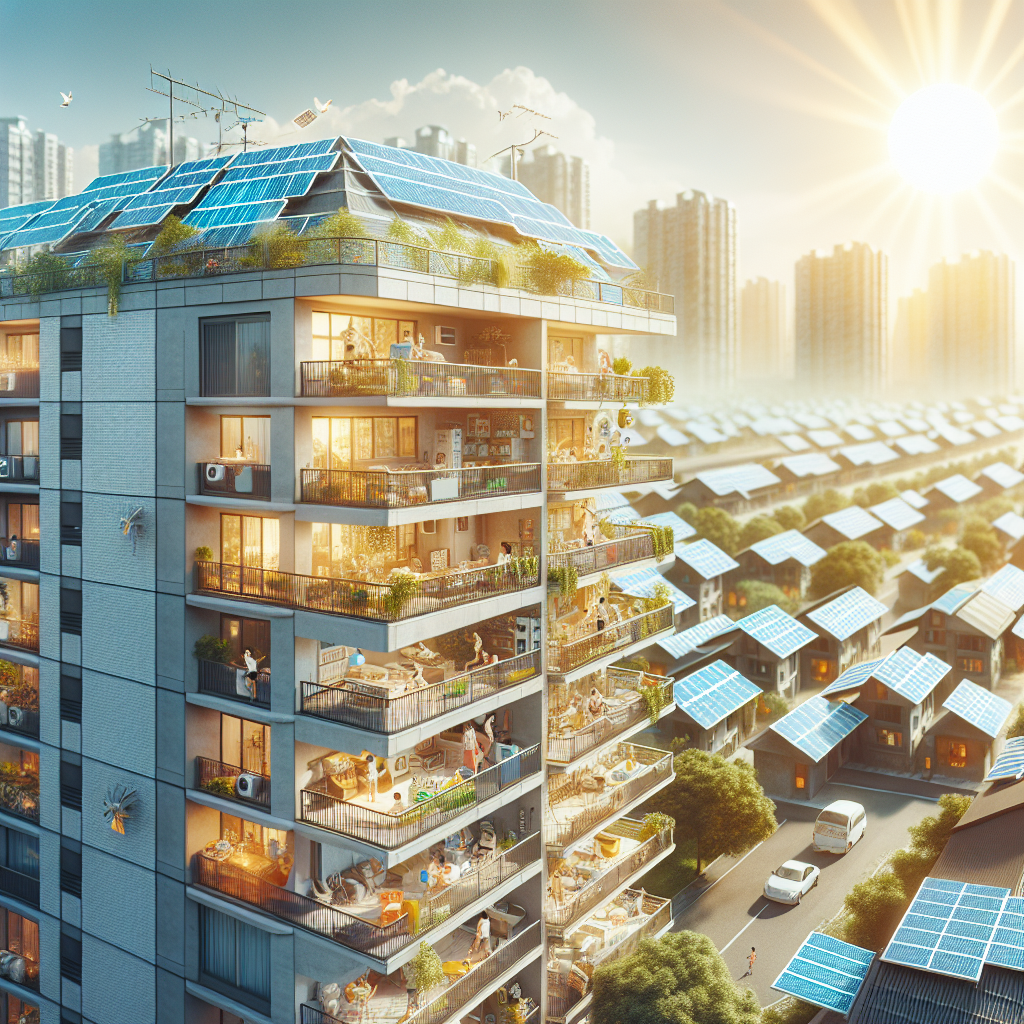
    It’s all about generating your own electricity. Depending on how many panels you install and your energy usage habits, the savings can really add up. And if your apartment complex sets up a community solar project, you might even be able to access solar energy without needing to install panels directly if you rent.

    Plus, think about long-term savings. While the upfront cost might seem daunting, many states offer rebates or tax credits that can offset the installation costs. I’ve had my panels for a couple of years now, and I’d say the savings far outweigh the initial investment. Seriously, it’s like a win-win!

    Environmental Impact

    How Going Solar Helps the Planet

    One of the best feelings I’ve had since going solar is knowing that I’m doing my part for Mother Earth. Traditional energy sources are often hefty polluters, while solar power is all about clean, renewable energy. Each sunny day, I know that I’m not just saving money but also contributing to reducing my carbon footprint.

    In my own experience, even small changes can have a huge ripple effect in our communities. When more folks in my apartment complex opted for solar, it started discussions about being more eco-friendly. I genuinely believe that every little bit helps. It’s kind of like being part of a bigger movement without even leaving your home!

    Plus, solar energy contributes to renewable energy portfolios, pushing us toward a more sustainable future. I often joke with my neighbors that we’re not just apartment dwellers—we’re eco-warriors! How cool is that? It’s amazing how this switch in energy can spark joy and concern for our planet.

    Increased Property Value

    Why Solar Panels Boost Property Appeal

    Thinking about selling your apartment down the line? You might be surprised at the value that solar panels can add. I’ve noticed in my local market that properties with solar installations often catch higher bids. Interested buyers are not just looking for a place to live; they want homes that are efficient and forward-thinking.

    The cool thing is, word gets around. When friends of friends saw my solar panels and started talking about the benefits, interest in just that one little project expanded. In today’s real estate market, anything that lowers the cost of living is also a selling point!

    Plus, these days, energy efficiency is pretty much a hot ticket item. I once had a friend tell me that her house generated extra interest solely because of her solar setup. If you’re thinking about the future—and let’s be honest, who isn’t?—solar panels are definitely a worthy investment for your property.

    Energy Independence

    Taking Control of Your Energy Source

    With traditional energy sources, it’s tricky navigating fluctuations in energy prices, but with solar, I felt like I was finally in control of my power. This feeling of independence is something I simply love. There’s something freeing about producing energy for my own use and not being at the mercy of utility companies.

    Plus, if the grid goes down for any reason, it’s comforting to know that I’ve got my own backup. I remember a storm rolling through town—others were left with no power while I carried on, enjoying the comforts of my home. That kind of security is a huge perk!

    As more folks jump on the solar bandwagon, I’ve noticed a shift in the community’s mindset. There’s excitement and empowerment in the air. The more people I talk to about this energy independence, the more they realize they don’t have to rely on the traditional power structure anymore, and that’s pretty exciting.

    Community Engagement

    Building a Conscious Community

    Going solar isn’t just a personal journey; it can also foster a strong sense of community. When I installed my solar panels, I began to meet like-minded individuals who valued sustainable living. It started making me feel more connected to my neighbors.

    We’ve even hosted community events, like solar education workshops, where folks could learn more about energy efficiency and sustainable practices. The atmosphere was buzzing with ideas, and I loved being part of it! It really helped to bring us all closer, and it felt great to collaborate on something meaningful.

    Being part of a community that values sustainability means you can inspire others to think about their own energy choices. I’ve seen friends take steps towards solar, and it’s like a domino effect—you kick-start a movement without even realizing it. Creating that conscious community around solar energy is such a rewarding experience!

    Frequently Asked Questions

    1. Can I install solar panels if I rent my apartment?

    Absolutely! If your apartment allows it, installation is possible. Many rental properties are now looking into community solar programs, which let you buy into solar energy without needing to install panels on your roof.

    2. How much can I really save on my energy bills?

    While it varies widely based on your local energy rates, how much sun you get, and your energy usage, many people report savings of 20-50% on their energy bills after installing solar panels.

    3. What if I’m planning to move soon?

    If you’re considering moving, keep in mind that solar panels can increase the value of your property, making it an attractive selling point. Plus, you could enjoy the benefits while you’re still there!

    4. Are solar panels expensive to maintain?

    Not really! Most solar panels require minimal maintenance. Just keep them relatively clean and check for any shading from trees or debris. You might want to schedule a professional check-up once every few years.

    5. What if there’s not enough sunlight in my area?

    Good question! Solar technology has advanced significantly, meaning panels can still function efficiently in less-than-perfect sunlight. Also, community solar options can provide you with renewable energy even if you don’t have direct access to solar panels.

  • The Best Practices for Maintaining Solar Panels Year-Round

    The Best Practices for Maintaining Solar Panels Year-Round

    Regular Cleaning of Solar Panels

    Understanding When to Clean

    One thing I’ve learned is that keeping my solar panels clean is key to maximizing their efficiency. Depending on where you live, dust, dirt, and bird droppings can accumulate on the panels and block sunlight. This usually happens more in dry, windy areas. I’ve noticed that after a heavy rain, the panels look better, but I still schedule routine checks.

    It’s important to pay attention to seasonal changes, too. In fall, falling leaves can be a hassle, and in certain areas, snow can cover your panels in winter. So, I mark my calendar for cleanings at least four times a year, adjusting as per local weather conditions.

    In my experience, just the act of checking them regularly helps. Even if it just means giving them a quick rinse with water on a warm day, it can make a significant difference in how well they perform.

    Choosing the Right Cleaning Tools

    When it comes to cleaning, I’ve made some choices that make my life easier. Using a soft brush and a squeegee helps avoid scratches that could reduce performance. You’ll want to avoid harsh chemicals, too; they can actually damage the panels instead of helping them.

    I’ve found that a simple mixture of water and a little mild dish soap does the trick. It’s cost-effective and doesn’t require a trip to the store to grab fancy supplies. Plus, I make sure to do this on a cooler day, so I’m not working in the blazing sun!

    If you’re not comfortable getting on the roof or using ladders, consider hiring a professional. It’s worth the peace of mind and helps maintain the integrity and longevity of your solar panels.

    Understanding System Performance Indicators

    One of the best things you can do is learn how to read your solar panel performance indicators. It’s like having a mini health check for your panels! I check the production readings regularly to see if they’re producing the usual amounts of energy.

    If there’s a noticeable drop, it’s a signal to investigate. Is it dirty? Is there a shadow falling on the panels? In my experience, knowing this early can save a lot of headaches down the road.

    Plus, many modern systems come with apps that allow me to monitor the panels from my phone, which is super convenient. I can check anytime, making it easier to stay on top of their performance.

    Inspecting for Damage

    What to Look For

    Over time, it’s just natural that everything wears down a bit, including solar panels. I make it a point to inspect mine for any visible damage. Look for cracks, scratches, or any signs that something is amiss. Small dents can sometimes affect performance, even if they’re barely noticeable.

    Weather events can also play a role. Hail or storms may leave their mark. I tend to be proactive in this area, as it’s easier to fix small issues than wait until they’ve grown into much larger, costlier problems.

    Don’t forget to check the mounting equipment and wiring, too. Make sure everything is secure and intact. A loose panel or a frayed wire could spell trouble down the line.

    Getting Professional Assessments

    While I’m all about DIY, I’ve learned to recognize when it’s time to call in the pros. An annual professional inspection can uncover hidden issues that I might miss. These technicians have the training and tools to give a thorough checkup.

    Plus, having a professional take a look means I’m meeting any warranty requirements that might exist. Some companies require regular inspections, and I definitely don’t want to risk voiding any coverage!

    Building a good relationship with a local solar technician has been beneficial. I know I can count on them for advice and feel more confident knowing my panels are in good hands.

    Keeping an Eye on the Surroundings

    The environment around my solar panels can affect their performance, a lesson I learned the hard way! I make sure there’s no overhanging tree branches or new structures blocking sunlight. If trees start growing, I’ll see about trimming them back before they create shade.

    Even things like garden decorations can cast shadows, so I make it a point to keep the area tidy and always evaluate where I plant things. It’s all about letting in as much sunlight as possible.

    Lastly, I keep an eye on the overall area for any debris that might be a future issue. I tend to clear away any dirt or leaves that might fall near the panels regularly.

    Monitoring Energy Production

    How to Use Monitoring Systems

    A good monitoring system is like the heart of my solar panel setup! Many systems today come with built-in apps that track energy production and usage. I check mine regularly to keep tabs on how much energy I’m generating and using.

    This helps me stay informed on my energy bills. If I notice any inconsistencies in production, it’s a cue for me to do a little digging. Sometimes, simple tweaks can lead to greater efficiency—a happier wallet for sure!

    In addition, understanding my energy patterns lets me know the best times to use a lot of energy. For instance, I find that in the middle of the day, I generate more power, which is great for running heavy appliances.

    Reacting to Energy Performance Changes

    If I see a marked drop in energy production, it’s time for action. Whether it’s checking for dirt or other barriers, I don’t wait. That’s indicative that something needs attention. Learning how to troubleshoot early can help avoid larger issues later on, which is always a good thing!

    Sometimes, the fluctuations can be due to weather patterns. I’ve learned to factor those in too. If my area has been overcast for days, it’s expected that production will be lower. Being able to distinguish these factors helps me maintain a clear perspective on my system’s performance.

    But if it seems like a real problem, I pick up the phone and call my technician. Getting professional advice can be vital! The faster I react, the better I can protect my investment.

    Regularly Updating Software

    Many monitoring systems have software that may need updates. I usually set reminders for checking for firmware updates. These updates often come packed with enhancements and bug fixes that help performance and offer new features.

    Keeping the software up to date means I’m getting the best out of my panels. Sometimes it’s as simple as clicking a button to ensure everything stays efficient.

    And if I run into any questions or troubleshooting along the way, there’s usually a support line available. It’s nice to know I’ve got help right at my fingertips if I need it.

    Evaluating Financial Incentives

    Understanding Local Incentives

    Part of maintaining my solar panels also involves staying aware of financial incentives available to me. So, I’ve done my homework! Many local governments offer tax rebates or credits for installation and maintenance of solar energy systems.

    Getting familiar with these options makes a big difference financially. I always make sure to file for any rebates available at tax time. It feels like a double win—saving the planet while saving my wallet!

    I keep an eye on any local programs that offer additional goodies too. Some areas may even have low-cost resources for maintenance and cleaning for solar panel owners. I’m all for saving some dough on upkeep!

    Monitoring Long-Term Savings

    Over time, I’ve tracked how paying for maintenance and inspections saves me money in the long run. Properly maintained solar panels can lead to bigger energy savings, which is always a great news story! I analyze my energy bills regularly, and it’s clear that my initial investment in solar is paying off.

    Knowing the exact savings and return on investment helps with planning finances in other areas of my life. It’s amazing how money saved on energy can be redirected into other fun ventures, like family vacations!

    By keeping meticulous records, I can forecast when I’ll fully recoup my investment. It’s like a map guiding me toward financial freedom while being eco-conscious, which is a win-win in my book!

    Renewing Contracts with Service Providers

    I’ve learned that keeping my contracts with service providers up to date counts as part of my maintenance regime too. Regular communication with my solar company ensures that I’m not missing out on any promotions or updates.

    When contracts are close to renewal dates, I review what’s still relevant and beneficial. Sometimes there are newer plans or options that can fit my needs better than the previous ones.

    Walking through these details with my service provider makes me feel more at ease. It ensures I’m not just a number in their system, but a valued customer with options to further enhance my solar experience!

    FAQs

    1. How often should I clean my solar panels?

    It’s generally a good idea to clean your solar panels at least four times a year, but it really depends on your local environment. If you live in a dusty or bird-heavy area, you might need to do it more often.

    2. What tools do I need to clean solar panels?

    You’ll want soft brushes, a squeegee, and a bucket. A mixture of water and mild dish soap is typically sufficient—no harsh chemicals!

    3. How can I monitor my solar panel performance?

    Most solar panel systems come with monitoring software or apps that let you track your performance and energy production in real-time.

    4. What signs indicate that my solar panels need repair?

    If you notice a significant drop in energy production, see visible damages like cracks or scratches, or discover loose wiring, it’s time to inspect and possibly get repairs done.

    5. Are there financial incentives for maintaining solar panels?

    Yes! Many local governments offer tax rebates or credits for installation and maintenance. It’s worth checking out your local opportunities.