Tag: for

  • How to Choose the Best Solar Power System for Your Home

    How to Choose the Best Solar Power System for Your Home

    Understanding Your Energy Needs

    Assessing Your Current Energy Consumption

    First off, figuring out how much energy you use is crucial. Take a peek at your energy bills for the past year. It’s super helpful to look for patterns—like how your use spikes in the summer or winter. Jot it down. Understanding these peaks and troughs can help you figure out your average energy consumption, which is key for sizing your solar power system.

    Don’t forget to consider the main appliances in your home and how much energy they consume. You can usually find the wattage on the appliance itself or in the user manuals. Tools like energy monitors can give you a real-time look at what’s munching away at your power supply.

    Once you have this information, you can start to visualize what you’ll need in terms of solar output. Think about how much of your energy consumption you’d like to cover with solar; maybe you’re cool with going 50% green, or maybe you’re all-in for 100%. Whatever the case, make a plan!

    Evaluating Your Roof and Location

    Checking Roof Orientation and Sunlight Exposure

    Your roof plays a huge role here! Ideally, you want it to face south—this is where you get the most sun. If your roof is more east or west-facing, don’t sweat it, though. You can still make it work with a good system. It might just take a few extra panels or a slightly different arrangement.

    Next is sunlight exposure. Do any big trees or buildings cast shadows on your roof? It’s like having a pesky umbrella blocking your sunshine. If your roof gets shaded during peak sun hours, you might need to think about trimming some foliage or investing in a different placement for your panels.

    Lastly, the angle of your roof can affect solar efficiency. For those of us lucky enough to have a sloped roof, you’re in good shape! But if your roof is flat, you might need some mounts to angle the panels just right. The goal is to maximize exposure to those beautiful sun rays.

    Choosing the Right Solar Panel Technology

    Exploring Different Types of Solar Panels

    Okay, now we hit one of the most exciting parts—picking out the panels! There are generally three types to consider: monocrystalline, polycrystalline, and thin-film solar panels. Each has its perks and quirks. Monocrystalline panels are the most efficient, giving you more bang for your buck in terms of space. If you’ve got limited roof space, these are your best pals!

    Polycrystalline panels are usually a bit cheaper and slightly less efficient. If you’re on a budget and have plenty of roof space, they might be a solid option. Then we’ve got thin-film panels; they’re lightweight and flexible but often take up more space for the same energy output. Knowing your roof limits will help steer your choice.

    When you’re out shopping, definitely ask about the warranties! A good solar panel should generally come with at least 25 years of warranty, so you know it’s built to last. You want a solar investment that holds up over time because once you’ve gone green, sparking joy and energy savings is the goal!

    Assessing Installation Costs and Financing Options

    Understanding Solar Incentives and Rebates

    Let’s chat dollars and cents! We all know solar isn’t just a set-it-and-forget-it kind of deal. It’s important to understand the total installation cost upfront. Your local and federal government might offer some incentives or rebates, so be sure to do your homework. The federal solar tax credit, for example, allows you to deduct a chunk from your federal taxes.

    Also, look into state and local programs. Some areas offer cash rebates or even performance-based incentives. This can significantly lower that initial price tag, making it a lot more manageable. If you do your research, you might discover savings you didn’t know about!

    Financing is another option. Many companies offer flexible plans, including solar loans or leases. This way, you can pay as you go rather than dropping a huge sum all at once. Just make sure you understand all the terms, and find a plan that aligns with your budget and energy goals.

    Finding a Reputable Solar Installer

    Researching Potential Solar Companies

    Now, for the fun part—meeting your potential partners in solar! When looking for a reputable installer, don’t hesitate to ask for recommendations from friends or family. You trust their judgment, and word-of-mouth can often lead to discovering fantastic local companies you wouldn’t find on a large scale.

    Read online reviews and check out ratings on sites like the Better Business Bureau. Look for companies that have been around for a while—experience counts! Don’t forget to check their previous installations. A reputable installer will be proud to show off their past work and will even have customer testimonials to back it up.

    Lastly, ensure they’re properly licensed and insured. This isn’t just a box to tick; you definitely want protection in case something goes wrong during the install. A trustworthy solar company will be upfront about their credentials and ready to answer any questions you might have.

    FAQs

    1. How much can I save on my energy bills with solar power?

    Your savings can vary, but many homeowners report reductions of 50% or more on their energy bills after switching to solar. It really depends on your energy consumption and the size of your solar system.

    2. Is my roof suitable for solar panels?

    Most roofs can accommodate solar panels, but factors like orientation, angle, and shading will play a crucial role in how effective your system will be. A good installer can assess this during your consultation.

    3. How long does it take to install solar panels?

    Typically, the installation process takes about one to three days, depending on the size of your system and any complexities involved. But the entire project, from consultation to activation, can take a few weeks to a few months.

    4. What happens on cloudy days?

    Don’t worry! Solar panels still generate energy on cloudy days, although the output will be lower than on sunny days. If you live in a region with lots of overcast days, it’s smart to consider a system that can supplement your needs.

    5. Do I need to maintain my solar panels?

    Not a ton! Generally, solar panels require minimal maintenance. Just a periodic cleaning and inspection will keep them running smoothly, so you can enjoy those sunny benefits with ease!
  • Top 5 Solar Panel Brands Compared for 2024

    Top 5 Solar Panel Brands Compared for 2024

    1. SunPower: Efficiency at Its Best

    Exceptional Efficiency Ratings

    SunPower has been a pioneer in the solar industry, and it shows in their efficiency ratings. Their panels consistently score at the top tier, often reaching up to 22-23%. This means you’re getting more power for every square foot, which is crucial if you have limited roof space. When I was choosing my panels, the efficiency was a big deal for me—higher efficiency translates to more energy savings over time.

    Moreover, their technology is cutting-edge. With their Maxeon cells, they allow for better performance in low-light conditions, which means less sun doesn’t necessarily kill your energy production.

    Apart from performance, I found SunPower’s reliability impressive. Their long warranty period reassured me that I was making a solid investment, and customer reviews generally validate this sense of security.

    Strong Warranty Offerings

    One thing that really stood out to me with SunPower was their warranty. They offer a 25-year comprehensive warranty covering both product and performance. This is significant. I mean, who doesn’t want peace of mind when investing in something like solar panels?

    In my research, I noticed that many competitors offer decent warranties, but SunPower’s commitment stands out. It covers pretty much everything you can think of—material defects and performance issues—making it hard to overlook.

    This level of assurance demonstrates their confidence in their product. If a brand can back its claims with such a substantial warranty, it speaks volumes, doesn’t it?

    Customer Support and Service

    Getting reliable support post-purchase is also essential. My experience with SunPower’s customer service has been pleasant. They have a helpful team that’s easy to reach if issues arise. When I called to ask questions during my installation, they were patient and knowledgeable, which is always a relief!

    Also, they provide ample resources and installation support materials, making the transition to solar power smoother. Not everyone’s an expert in solar tech, but with SunPower, I didn’t feel lost.

    Plus, their online portal keeps track of energy production, which I found helpful to monitor my system’s performance regularly. It’s almost like having a personal trainer for your solar system!

    2. LG: Innovation Meets Design

    Top-tier Technology

    When I think about LG, two things come to mind: innovation and sleek design. Their solar panels boast impressive technology that rivals some of the best in the market. LG’s NeON series, for example, provides high-efficiency ratings and a durable design that can withstand all sorts of weather conditions, which I greatly appreciated when considering where I live.

    Moreover, they integrate smart features that help increase performance, such as their anti-reflective coating, which means better energy absorption. Little things like this can make a significant difference in your overall energy production!

    I was particularly impressed by their performance in shaded conditions. If your roof has some trees nearby or other obstructions, LG might be an excellent option for you as I’ve seen many users report better performance even in partial shading.

    Durability and Design

    Looks aren’t everything, but they certainly help! LG panels are not only efficient but also aesthetically pleasing. Their sleek, modern appearance means they fit seamlessly on roofs without being an eyesore, something I was concerned about.

    In terms of durability, their panels come with a solid warranty and have been tested for extreme weather conditions. Knowing that my investment was built to last under harsh conditions made me feel more secure in my decision.

    On top of that, the longevity they promise lets me think about the future. With so many environmental changes happening, I appreciated the extra assurance that my panels can endure whatever might come their way!

    Reputation and Reliability

    LG’s reputation preceded itself during my research, and it’s well-deserved. They’ve been in the game for years, mastering the art of electronics and extending that expertise into solar energy.

    Most reviews I stumbled upon were overwhelmingly positive, highlighting everything from energy efficiency to great customer service. They seem to have built a community of loyal customers, which I found reassuring when making my choice.

    Ultimately, I valued their reliability and established reputation. Investing in solar panels is a long-term commitment, and I wanted a brand I could trust to uphold their end of the bargain.

    3. Canadian Solar: Value for Money

    Affordability and Financing Options

    If you’re looking for a budget-friendly option, Canadian Solar is often discussed as a top contender. They provide a decent balance between cost and quality, which was exactly what I was after when I started my solar shopping journey.

    Let’s be real here, though—solar can get pricey. I appreciated the financing options they offer. It made the leap into solar feel a lot less daunting. After comparing quotes, I recognized that Canadian Solar had one of the more competitive pricing structures.

    However, affordability doesn’t necessarily mean cheap! The quality of their panels is solid, and for a mid-range investment, they pack a lot of value.

    Performance Insights

    While Canadian Solar might not boast the highest efficiency ratings, their panels maintain respectable performance. I found that their panels perform admirably, especially under direct sunlight, which is a big plus for most homeowners. In my neighborhood, several friends opted for Canadian Solar and had no complaints about energy generation.

    Moreover, their temperature coefficients are commendable. This means that they lose less efficiency even in hotter conditions. Coming from a place where summer days could blister, this feature was essential for me.

    With good reviews on performance consistency, it’s hard to overlook Canadian Solar as an option if you’re conscious about your investment.

    Usability and Community Feedback

    A standout feature of Canadian Solar is the wealth of information available from the community. I found tons of reviews online discussing user experiences. It helped me make an informed decision based on the lived experiences of others.

    They’re also known for great customer service. During my research phase, I observed several positive experiences, with users often praising their support when needed. It’s always comforting to hear of others getting help without hassle!

    For someone like me venturing into solar for the first time, knowing there’s a supportive community made my experience feel less overwhelming.

    4. JinkoSolar: Rising Star

    Quality and Affordability

    Moving on, JinkoSolar had been steadily gaining popularity. Their panels are often touted as a sweet spot in the market because they combine quality with affordability. I found their panels to be budget-friendly while still delivering impressive performance metrics—a perfect combo for someone who’s extra cautious with spending!

    Additionally, JinkoSolar offers a variety of different panels, giving consumers many options based on their needs. During my gazing through available products, I was amazed at the wide range of choices without breaking the bank.

    This flexibility made it easier for me to find a solution tailored to my own consumption habits without sacrificing quality. A sure win in my book!

    Global Presence and Reliability

    They may be a newer player compared to others, but JinkoSolar’s reputation is rapidly growing on a global scale. They’ve become one of the largest manufacturers globally, which adds a lot of trustworthiness to the brand. It’s comforting knowing they have a solid footing in the market.

    Their panels come with extensive warranties, and while they may not carry the same prestige as SunPower or LG, they have garnered a lot of positive feedback. This kind of reliability made me weigh them heavily in my comparisons.

    Many users reported satisfaction with performance and customer service! Those personal endorsements really weigh on decisions, don’t they?

    Positive Customer Feedback

    What stood out to me was the overwhelming positive feedback from users. I took the time to read through reviews and could easily find numerous individuals sharing their satisfaction with both performance and longevity. Reports from real customers can tell you way more than lab results!

    Also, many noted how quick and efficient the installation process was, which I completely understood from my experience. That streamlined process made my transition to solar energy feel way less daunting.

    With multiple people echoing similar sentiments about JinkoSolar, it reinforced my decision to consider them a strong contender.

    5. Trina Solar: Eco-Friendly Alternative

    Environmental Commitment

    As someone who cares about the environment, I naturally veered towards Trina Solar after learning about their commitment to sustainability. They prioritize eco-friendly manufacturing processes, which aligns with my values. It felt right to support a company that takes steps to reduce its carbon footprint while providing products that can help me do the same!

    Beyond just the product, it’s their overall philosophy. I was inspired to find that Trina is invested in the research and development of new technologies aimed at sustainability. This innovation is essential as we face ongoing environmental challenges.

    When I made my purchase, I was happy knowing my investment also supported greener practices. It felt good knowing I was contributing to a movement for a better planet!

    Innovative Technology

    Trina Solar is known for their innovative approaches. Their panels utilize advanced materials and technologies that can help maximize energy yield under various conditions. For instance, they’ve adopted half-cell technology, which enhances performance through reduced resistance—something any eco-conscious consumer can appreciate!

    I’ve also read many accounts of their technology performing exceptionally well in real-world applications, confirming my suspicions that these panels pack a punch!

    No doubt, if you’re considering solar for your home, Trina has technology designed to help you harness the power of the sun effectively.

    Overall Value and Performance

    Trina Solar panels offer excellent value for the investment. They might not be the absolute top in efficiency, but when balanced with cost and durability, they’re hard to pass up. I went through the specs and saw how they measure against competitors—they consistently hold their own.

    Notably, their warranty terms are competitive. They offer a spectrum of warranties to reassure consumers, which made me feel more comfortable in my decision.

    Overall, I would say Trina is an impressive player in the market for anyone looking to enter the solar game without compromising on their values.

    Frequently Asked Questions

    1. What factors should I consider when choosing a solar panel brand?

    When selecting a solar panel brand, look at efficiency ratings, warranty terms, cost, and customer reviews. It’s essential to weigh these factors based on what’s most important to you—whether it’s saving money, maximizing efficiency, or warranty coverage.

    2. Are expensive solar panels always better?

    Not necessarily! While pricier panels often come with better efficiency and warranty coverage, it’s crucial to assess your needs and budget. Sometimes a mid-range panel may fit your situation perfectly without sacrificing performance.

    3. How long do solar panels typically last?

    Most solar panels come with a warranty lasting 25 years or more. However, many panels can continue to produce energy for 30 years or longer, albeit at a diminished efficiency as they age.

    4. Do I need to worry about maintenance for my solar panels?

    Generally, solar panels require minimal maintenance! Regular cleaning is often sufficient. Depending on your environment, you might want to have them professionally cleaned or inspected once every few years to ensure they’re operating at their best.

    5. Can I install solar panels myself?

    While some DIY enthusiasts may be able to install solar panels, it’s typically recommended to hire a professional. They ensure everything is done correctly and safely, plus they can often navigate permits and incentives more efficiently.

  • How to Maintain Solar Panels for Optimal Performance

    How to Maintain Solar Panels for Optimal Performance

    Regular Cleaning of Solar Panels

    Understanding Why Cleanliness Matters

    So, let’s kick things off with cleaning! It’s super important to keep those solar panels shining bright. Dust, dirt, leaves, and bird droppings can really build up and mess with their efficiency. Honestly, I didn’t realize how much grime could affect solar power generation until I saw the difference after a good scrub. Trust me, keeping your panels clean can lead to a noticeable increase in energy production.

    Imagine this: you walk outside, and your panels are covered in a fine layer of dust after a windy day. You might think, “It’s no big deal,” but every little fleck of dirt can reduce sunlight absorption. Cleaner panels mean better performance. Just like we need regular baths, so do our solar panels!

    Plus, cleaning isn’t just about performance—it extends the life of your panels as well. Think of it as a spa day for your solar system! Regular maintenance means fewer issues down the line, and who doesn’t love saving money in the long haul?

    How to Clean Your Solar Panels

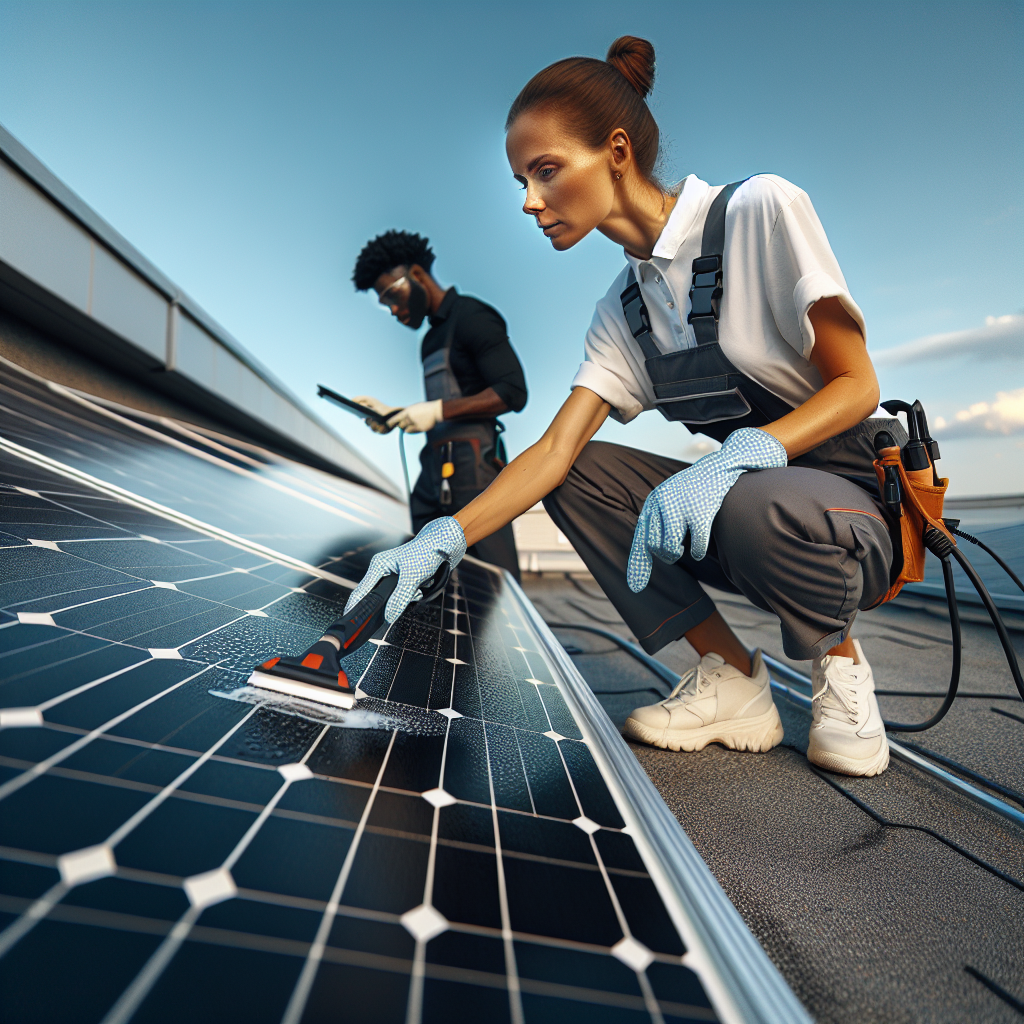
    Now, you may be wondering, “How do I even clean my panels?” Well, I’ve got a few tried-and-true methods that work like a charm. First off, always check the manufacturer’s recommendations. They often have specific guidelines that are really helpful. For instance, some panels are textured, and you need to be gentle with those so you don’t scratch anything.

    Next, grab some water, a non-abrasive sponge, and possibly a squeegee. You’ll want to focus on cool times of the day – early morning or late afternoon when the panels aren’t hot. This way, the water doesn’t evaporate too quickly and leave streaks. It can be a bit of a workout—trust me, all that stretching to reach those high panels can be a great leg day!

    If climbing up isn’t your style, hiring professionals for a deep clean is a fantastic option too. They’ve got the gear and the skills to do it right without risking any damage. Just make sure they’re insured. You don’t want to deal with any unexpected mishaps!

    How Often Should You Clean?

    This one is a bit subjective, but I generally recommend checking them every few months. If you live in a particularly dusty area or if your panels are near a lot of trees (hello, falling leaves!), you might want to clean them monthly. On the flip side, if you’re in a really clean environment, you could stretch it out to every six months.

    Seasonal changes can be a cue for cleaning too. For instance, after heavy rains or wind storms, it might be a good idea to check them out. They probably got a nice wash, but you’d be surprised at how much muck can still cling on!

    Ultimately, just keep an eye on them. If they look dirty to you, get that cleaning crew ready! Your effort pays off when you see those energy bills drop!

    Inspecting for Damage

    Why Inspections are Essential

    Next up, let’s have a chat about inspections. Think of them as check-ups for your solar panels. Just like we go for regular health check-ups, our solar systems need a little TLC in the inspection department. Over time, wear and tear, hail, or heavy storms can take a toll.

    Sometimes, the damage isn’t apparent at first glance. Things like micro-cracks or connections loosening can lead to decreased efficiency without you even noticing. I learned this the hard way when I noticed a drop in my energy output after a few weeks. That’s when I dived into understanding just how crucial regular inspections are!

    Inspections can catch problems early before they turn into costly repairs. It’s kind of like that saying, “An ounce of prevention is worth a pound of cure.” Do yourself a favor and make inspections part of your routine!

    How to Perform a Basic Inspection

    The good news is that inspections don’t have to be overwhelming. You can do a basic check yourself by looking for any visible cracks or discoloration in the panels. Make sure all the components—like inverters and wiring—look secure and in decent shape. If you notice anything off, that’s when you probably want to call in an expert.

    I usually take a moment after cleaning to give everything a once-over. It doesn’t take long, and I catch little issues before they escalate. I also like to take photos every few months to compare them. It’s amazing how visuals can help in spotting trends or problems!

    If you’re uncomfortable climbing on the roof, consider using binoculars from the ground to spot larger issues. Safety first, folks! Better to be cautious than to risk a tumble off the ladder.

    When to Call in the Professionals

    Let’s face it: while DIY is great, sometimes we need to admit when it’s time to call in an expert. If you notice significant damage, like large cracks or if the panels have moved due to debris or shifting, call a professional team. They have the right tools and knowledge to deal with more severe issues safely and effectively.

    Also, if you ever notice a drastic drop in performance that you can’t explain, please don’t hesitate to reach out for help. Better safe than sorry, right? Investing a bit in professional maintenance now can save you major bucks down the line.

    Remember, keeping your solar panels healthy and happy is worth the investment, and sometimes that means letting others take care of what we can’t handle!

    Monitoring Energy Production

    Understanding the Basics of Monitoring

    Let’s talk about monitoring! I can’t stress enough how important it is to track your energy production. I use an app that connects to my solar inverter, and it’s fabulous! It gives me real-time updates and alerts me to any issues. Monitoring isn’t just a techy buzzword; it’s like having a dashboard for your solar system.

    I can instantly see how much electricity I’m generating and compare it to my energy usage. Those numbers tell me if my system is performing at its best or if something’s off. If I notice a sudden dip, I know it’s time to take action!

    This can also help you with understanding seasonal trends. If you see less energy production in winter, you can mentally prepare and adjust your expectations. It’s all part of being a savvy solar owner!

    What to Monitor

    So, what should you actually keep an eye on? Besides the total energy production, I’d suggest also looking at the inverter’s status and even daily output vs. forecasts. Many inverters have great apps that do this for you!

    Another thing I check is the energy export and how much I’m sending back to the grid. If you’re in a net metering situation, this can show you potential savings and profits, which is super exciting! It’s like being your own energy detective.

    Don’t forget to monitor the temperature, too. Heat can affect how well your panels work, so knowing the operating temperatures can help you gauge their efficiency.

    What to Do with the Data

    Once you’ve gathered all that data, what now? Analyzing it is key! If you notice patterns, like poor energy production on cloudy days consistently, it could point to a bigger issue. It’s powerful information that can help you optimize your system. Sharing this data with your solar installer can be beneficial too—they can provide tailored advice based on your unique stats!

    These insights can also help you decide when to clean those panels next. If you see a drop in performance, that might just be your cue to pull out the hose and sponge again!

    Finally, regular monitoring contributes to the longevity of your system. The better you understand its behavior, the easier it is to maintain peak performance and make adjustments as needed.

    Scheduling Professional Maintenance

    When and How Often to Schedule

    Okay, let’s dig into professional maintenance. It’s a must-do for any serious solar user. While I think cleaning and inspections can be DIY-friendly, professional checks ensure everything is running smoothly. I usually schedule a full review annually, but I keep an eye out after major weather events, just in case.

    Annual maintenance is like a yearly health check-up for your solar panels! Technicians will inspect all components carefully, helping to prevent problems before they become noticeable or costly. They often catch things I may not be able to see myself—like minor electrical issues or wear and tear.

    Plus, they’ll usually clean the panels too, which is just a bonus! Adding that peace of mind can extend the life of your investment. I can’t imagine leaving my solar panels unchecked for years.

    Finding a Reliable Technician

    Finding the right people for the job is crucial. I always recommend doing a little research. Look for technicians who specialize in solar system maintenance. Reviews and testimonials can help you find the best fit. Ask your solar installer for recommendations as well; they often have trusted partners.

    Once you have a prospective technician, don’t hesitate to ask questions. A solid technician will gladly explain their processes and address any concerns you have. I turned to a local company someone in my neighborhood recommended, and their service was top-notch!

    Building a relationship with your technician can also be beneficial. They’ll become familiar with your unique system, leading to even better care in the future. Trust me, having a go-to person for your solar needs is priceless!

    Tips for Getting the Most Out of Professional Visits

    When you’ve scheduled your technician’s visit, prepare a checklist of things to ask about or look out for! For instance, I always have a rundown of any recent performance issues I’ve noticed. Sometimes, they might have insight based on my data. Having that list makes the visit feel productive.

    Also, don’t hesitate to inquire about upgrades or additional services. The tech might have suggestions for enhancing your existing system—who doesn’t love making something great even better?

    Following these tips ensures you and your technician get the most out of the visit, saving you time, hassle, and money in the long run.

    Frequently Asked Questions

    1. How often should I clean my solar panels?

    It’s generally recommended to clean your solar panels every few months. If you live in a dusty area or near trees, once a month might be necessary. Always check them after heavy rains or storms. Just keep an eye on their appearance, and clean when they look dirty!

    2. What are some signs of damage to solar panels?

    Look for visible cracks, discoloration, or loose connections. If performance drops significantly without explanation, that’s another red flag. A thorough inspection can help catch these issues early.

    3. Can I monitor my solar panel’s performance myself?

    Absolutely! Many solar inverters come with apps or online dashboards for monitoring. You can track energy production, check inverter status, and even analyze energy forecasts from the comfort of your smartphone.

    4. When should I call a professional for maintenance?

    If you notice major damage, significant drops in performance, or if it’s been a while since your last inspection, it’s time to call in the pros. They have the expertise and equipment to handle issues safely.

    5. What benefits do I get from scheduling professional maintenance?

    Professional maintenance ensures your system operates at peak efficiency and can catch minor issues before they turn into costly repairs. It also provides peace of mind, knowing experts are looking after your solar investment!

  • The Best Solar Systems for Small Homes: A Buyer’s Guide

    The Best Solar Systems for Small Homes: A Buyer’s Guide

    Understanding Your Energy Needs

    Assess Your Current Usage

    Before diving into the world of solar systems, let’s take a step back and understand your energy consumption. I remember staring at my electricity bill and cringing at the numbers. It becomes essential to analyze your current energy usage, typically documented on your utility bill. This gives you a solid baseline to figure out how much energy you need to generate.

    Start by gathering information about your monthly energy consumption. It’s usually listed in kilowatt-hours (kWh), so having a calculator at the ready can really help. You want to make sure you’re not caught off guard when the sun decides to take a day off!

    Lastly, think about the future. Are you planning to expand your space, get new appliances, or maybe even add an electric vehicle? It’s smart to account for that potential growth when sizing your system.

    Assess Your Home’s Solar Potential

    Now that you know how much energy you use, it’s important to assess how much sun your home gets. Factors like roof angle, shade from trees, or nearby buildings can significantly impact how effective your solar system can be. I spent some time observing how shadows moved across my roof during different times of the day.

    Online tools and apps can help you determine how much sunlight your specific roof receives. One cool tool I found is Google’s Project Sunroof. It gives a good idea of potential solar savings, based on your location!

    Also, don’t forget about roof orientation. South-facing roofs typically get the most sun, which is ideal. If your roof doesn’t have the right orientation, don’t panic! Ground-mounted systems can be a great alternative.

    Defining Your Goals for Solar Energy

    It’s essential to define what you want to achieve with solar energy. Are you looking to save on your electric bill, reduce your carbon footprint, or perhaps become entirely energy-independent?

    I started by jotting down my aims and comparing them. For me, saving money while contributing positively to the environment was a must. Knowing your own goals helps streamline the search for the solar system that suits you best.

    Clearly defined goals will also impact the type and size of the system you choose, so it’s a vital step in the process!

    Choosing the Right Solar System for Your Home

    Types of Solar Systems

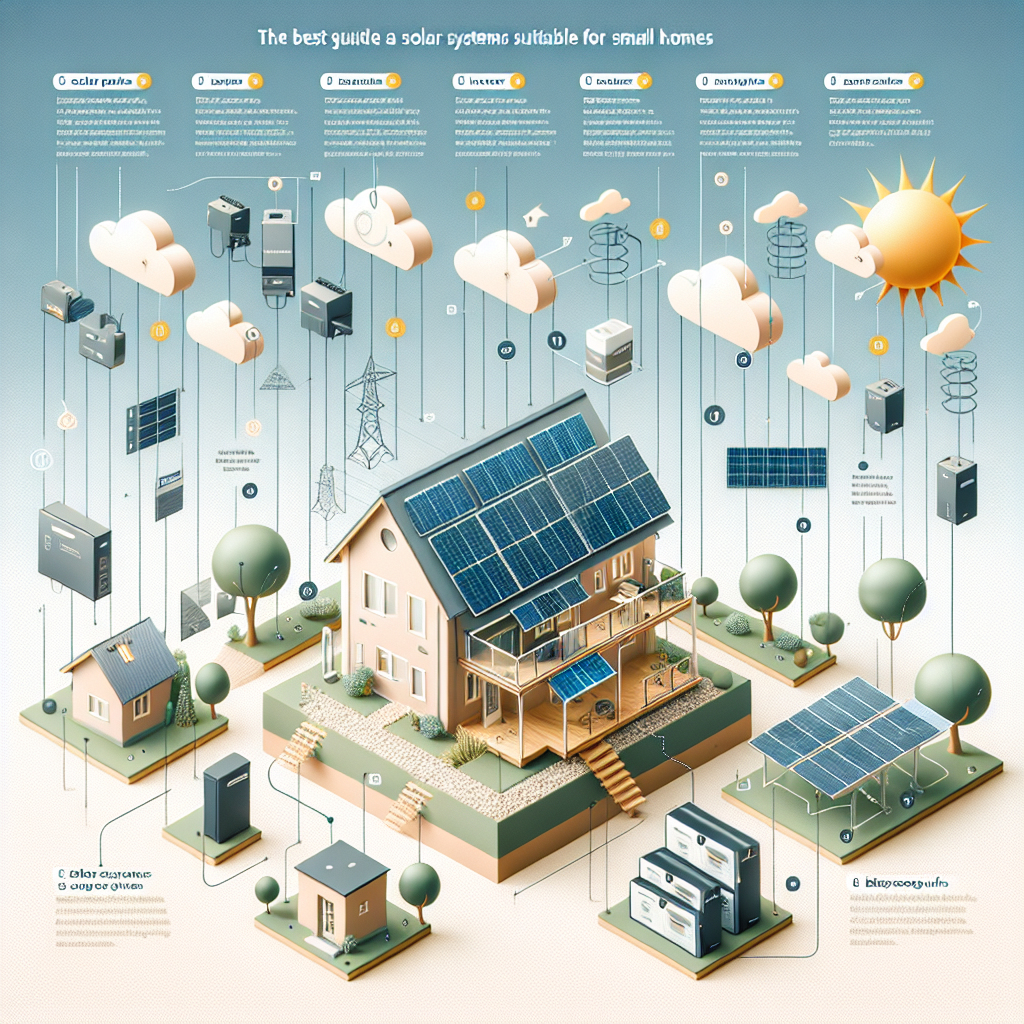
    There are mainly three options when it comes to solar systems: grid-tied, off-grid, and hybrid systems. Personally, I leaned towards a grid-tied system because it’s typically more affordable and lets you use the utility’s grid as a backup, which brought me peace of mind!

    Off-grid systems allow you to live completely independently from the utility grid. This can be awesome if you’re in a remote location, but you’ll need a good battery system and possibly a backup generator. I am still considering this for my weekend cabin in the woods!

    Hybrid systems are fancy! You can transition between grid-tied and off-grid modes, depending on what you need. They give you flexibility, but of course, they come at a higher price tag.

    Evaluating System Components

    After selecting a system type, dive into the components. Solar panels are usually the star of the show, but don’t overlook inverters and batteries. I was overwhelmed initially by the tech jargon, but once I broke it down, it became much clearer.

    Solar panels come in various types: monocrystalline, polycrystalline, and thin-film. Each has its advantages and drawbacks. Monocrystalline panels have higher efficiency rates, but thin-film panels might fit certain budgets better. Researching and reading reviews really helped me make an informed decision.

    Dive deep into inverter types too. String inverters are the most common, but microinverters can offer better performance in shady areas. It’s all about what works best for your unique situation!

    Consider Installation Services

    Choosing an installation service is a huge step that I’m very passionate about. I always suggest going with licensed professionals who specialize in solar. Not only does this ensure the job is done right, but many offer warranties and maintenance services that will give you peace down the line.

    Start by getting quotes from multiple installers. I did this and was surprised by how varied the pricing was. Selecting an installer who is well-reviewed can lead to a smoother solar journey.

    Lastly, don’t hesitate to ask questions! Your installer should be willing to guide you through every aspect of your solar journey, from the installation process to post-installation support.

    Understanding the Financial Aspects

    Initial Costs and Savings

    Let’s be real, the upfront cost of solar can be daunting. However, understanding the financial aspects can help soften that blow. After speaking with multiple contractors, I got a clearer picture of the costs. Upfront investments do turn into long-term savings over time.

    Consider available incentives and rebates! I was able to take advantage of federal tax credits, which make a significant dent in the initial costs. Unfortunately, not every state offers the same incentives, so I recommend checking with local authorities.

    It’s also beneficial to think about your savings over time. Many homeowners recoup their investment within 5-10 years, which is pretty impressive when I think about it!

    Financing Options

    If shelling out all the cash upfront isn’t feasible, don’t worry—there are financing options! I explored options like solar loans and leases, which made adopting solar much easier on my wallet.

    Solar loans often have lower interest rates, and some are available without any down payment. This option allows you to pay off the initial cost gradually while still enjoying the benefits of solar energy.

    Leasing is another popular option, where you don’t own the system; the company does. You pay a fixed monthly fee but don’t get the same tax incentives or benefits as a system owner. Do your research—what works for one person might not work for you!

    Evaluating Return on Investment

    Calculating ROI is a key part of this journey. I found it beneficial to visualize my potential savings over the years against my initial investment. You can make a plan to monitor your energy bill after installation, where you’ll begin to see the real difference!

    Keep in mind that ROI can differ depending on your local energy prices and the performance of your system. Tracking this helps keep you motivated through the initial costs.

    The end goal is to ensure that you’re confident that the chosen solar system is an investment worth making for your small home!

    Maintaining Your Solar System

    Regular Cleaning and Inspections

    Now, maintenance may seem like a chore, but trust me; it’s super important! Dust, debris, and leaves can accumulate on your panels and reduce efficiency. I made it a quick habit to check and clean my panels at least once every three months.

    Additionally, I recommend scheduling professional inspections at least once a year. These inspections ensure everything is functioning correctly and can catch any minor issues before they become major headaches.

    Pro tip: remember to check your inverter’s lights and displays. These should be monitored regularly to ensure everything is running smoothly without unexpected downtimes.

    Addressing Issues Promptly

    If you start noticing dips in energy production, don’t ignore them! Problems can arise—whether it’s a malfunctioning inverter or shading issues. I learned it’s best to address concerns sooner rather than later; it saves you time and money in the long run!

    So, if you sense something’s off, don’t hesitate to reach out to your installer. Many offer support long after the installation is complete, which is a huge comfort.

    Being proactive about your system will help you keep the green energy flowing smoothly!

    Staying Informed on Technology Advances

    Lastly, stay in the loop regarding new technology! The solar industry is rapidly evolving, with new developments and products hitting the market that can enhance efficiency and reduce costs. I love reading articles and attending webinars to keep my knowledge fresh.

    Also, keep in touch with your solar installer or local solar community. They often share insights on new tech and how it could benefit your system.

    So, consider joining forums or social media groups dedicated to solar energy. Having a network can help you stay informed and connected with like-minded individuals!

    Frequently Asked Questions

    1. What size solar system do I need for my small home?

    The size of the solar system you need depends on your energy consumption and sunny days in your area. An energy audit can help tailor the right size for you!

    2. Are there financing options available for solar systems?

    Yes! Financing options include solar loans, leases, and power purchase agreements, which make it easier to manage upfront costs.

    3. How much maintenance do solar systems require?

    Solar systems generally require minimal maintenance. Regular cleaning and annual inspections are recommended to keep them in top condition.

    4. How do I monitor the performance of my solar system?

    Many systems come with apps or monitoring systems that can show real-time energy production and consumption, making it easier to track performance!

    5. What incentives are available for solar installations?

    Incentives vary by state but often include federal tax credits, local rebates, and possibly grants depending on jurisdiction. Always check what’s available in your area!

  • The Latest Innovations in Solar Power Systems for Homes

    The Latest Innovations in Solar Power Systems for Homes

    Smart Solar Inverters

    Understanding Smart Technology

    Let me tell you, smart solar inverters are a real game-changer in the solar industry! These nifty devices not only convert the energy from your solar panels into usable electricity, but they also come packed with features that make monitoring and optimizing energy production a breeze. With built-in communication technologies, you can check your system’s performance right from an app on your smartphone. How cool is that?

    What I love about these inverters is that they provide real-time data. Imagine being able to see how much energy your home is producing or if there’s a hiccup in the system—all from your couch. Plus, they often have capabilities to connect with your home’s energy management system, helping you use electricity more efficiently. It’s like having a personal energy coach!

    Many of these inverters can automatically update with the latest software as well, meaning you’re always up-to-date with the newest tech—which is super important in such a rapidly-evolving field like solar energy.

    Improved Efficiency

    When it comes to solar inverters, the efficiency levels have skyrocketed over the last few years. We’re talking about systems that can convert up to 99% of solar energy into usable electricity. That means more power for your home and less energy wasted! Trust me, having an efficient inverter can make a big difference in your monthly utility bills.

    Furthermore, with innovations like Maximum Power Point Tracking (MPPT), these inverters can optimize the energy extracted from solar panels throughout varying conditions—think of cloudy days or when the sun is setting. It’s like having a savvy friend making sure you get the most out of your solar setup!

    I always encourage homeowners to look carefully at inverter efficiency ratings when shopping around. It’s one of those things that pays off in the long run. A quality inverter can save you a ton of headaches (and dollars) down the line!

    Remote Monitoring Capabilities

    The remote monitoring feature is honestly one of the best things about modern inverters. I remember when you had to physically go up on your roof to see if your system was performing well—how old school is that? Now, you can monitor your energy production from anywhere.

    Some smart inverters even send alerts if there’s something amiss in the system. I love how proactive this makes managing your solar power. If something goes wrong, you’ll know right away, possibly even before your electric utility notices. It’s like having a watchdog for your energy system!

    This capability not only gives peace of mind but also allows homeowners to be more engaged with their energy needs. It fosters a sense of empowerment—knowing you have the tools in place to effectively manage your home’s energy consumption.

    Home Energy Storage Solutions

    Understanding Battery Systems

    Okay, let’s chat about home energy storage systems. These babies let you store excess energy your solar panels generate, so you can use it whenever you need it. This is particularly handy during power outages or at night when sunlight is just a distant memory. I always thought of these systems like having a backup battery—one that helps you save money while keeping your house running smoothly.

    Modern batteries have come a long way in terms of efficiency and lifespan. New lithium-ion batteries are popular for their compact size and ability to last for years without losing too much charge retention. I mean, who wouldn’t want a battery that lives as long as most of your household gadgets?

    Plus, setting up a battery storage system can sometimes even get you incentives from your state or local government, making it an even sweeter deal. Just make sure to do your homework on compatibility with your existing solar setup!

    Cost-Effectiveness

    One of the coolest advancements in home energy storage is how affordable they’ve become. In the past, you could easily break the bank trying to get a decent battery storage system. But now, with different options to fit various budgets and preferences, it’s amazing to see just how accessible it has become for regular homeowners like us!

    On top of affordability, with the savings generated from using stored energy during peak hours, you might find that your investment pays for itself over time. I’ve chatted with friends who’ve noticed significant reductions in their utility bills just by using stored energy smartly. It really does feel good to save money!

    So, consider investing in a battery system for your home, especially if you find yourself often using more energy in the evening. It’s one of those innovations that truly feels like a win-win situation.

    Integration with Smart Home Technology

    One of the most thrilling things lately is how energy storage systems can integrate with your smart home tech. I remember the first time I set up my smart thermostat and realized how I could manage my home’s temperature remotely. Now, imagine being able to do something similar with your energy storage!?

    This ability allows you to optimize your energy usage based on when you have the most energy stored. If you’ve got a smart system that can learn your habits, it will know when to charge or discharge energy based on your lifestyle. Pretty impressive, right?

    So, not only can you save energy, but you can also streamline your home management systems, all while being environmentally conscious. It’s definitely the direction we should all be heading toward!

    Enhanced Solar Panel Technologies

    More Efficient Solar Cells

    The strides made in solar cell technology are straight-up mind-blowing! With advancements in materials and design, manufacturers are pushing efficiency levels beyond what we thought possible. Some panels now boast efficiencies pushing 23% or more! It’s almost like they’re supercharged!

    What’s cool is that these more efficient panels not only take up less space but also provide more power per square foot. For my own home, that means I’ve been able to install fewer panels and still meet my energy needs. I love that I’m maximizing my roof space while being eco-friendly.

    Plus, these solar cells are designed to perform better in lower light conditions, meaning they gather solar energy even when the sun isn’t blazing down. The innovations in design are making solar a viable option even in less-than-ideal weather conditions. Now that’s impressive!

    Durability and Longevity

    Another cool thing about modern solar panels is their impressive durability. Manufacturers are focusing on longevity, offering warranties that can span 25 years or more. That’s right! When you invest in solar, you’re really looking at a long-term solution.

    These improvements are often thanks to the use of better materials that help prevent issues like corrosion, fading, or physical damage. For someone who has dealt with stormy weather, I appreciate how my panels can stand up to the elements!

    Having durable solar panels not only means less maintenance and fewer replacements over time but also truly reflects the commitment to sustainability and longevity in renewable energy solutions.

    All-Weather Performance

    This innovation deserves a shout-out: all-weather solar panel performance. The latest models are designed to withstand extreme temperatures and conditions, whether it’s intense snow or scorching heat. I mean, think about it: these panels are tough cookies!

    The cool thing about this is that it allows homeowners in different climates to enjoy the benefits of solar energy without worrying too much about performance dips during seasonal changes. I know that for myself, the peace of mind that my panels will continue working through different weather is invaluable.

    This is truly a major step for solar energy—making it a reliable choice no matter where you live. It opens up the opportunity for homes in all climates to embrace renewable energy!

    Policy and Incentive Developments

    Government Support and Incentives

    Let’s not overlook the role of government support in boosting solar energy adoption. Programs like the federal solar tax credit, along with various state and local incentives, can really sweeten the deal for homeowners looking to install solar panels. It’s like getting a kickback for doing the right thing!

    Over the years, these incentives have made solar installations much more affordable. I remember hearing stories about friends who saved a chunk of change just because they took advantage of these programs. It’s all about knowing what’s out there!

    Plus, as a homeowner, when you see your investment substantially reduced through such incentives, it adds a layer of excitement and accessibility. It feels brighter when a greener future fits into your budget, doesn’t it?

    Legislation Supporting Renewable Energy

    There’s been a notable shift in the legislative landscape supporting renewable energies recently. Increasingly, policies are being enacted that support renewable energy, overall as a part of global sustainability goals. It definitely paints a hopeful future for all of us!

    I always keep an eye on local legislation and how it can impact my energy choices at home. When lawmakers push for legislation that supports renewable energy development, it opens doors for new technology and investment in solar projects. This progress directly translates into better options for consumers.

    Staying informed about these changes not only helps you as an individual but contributes to the broader cause of environmental sustainability. We’re all in this together, after all!

    Community Solar Programs

    Community solar programs are another incredible way renewable energy is being made more accessible. If your roof isn’t suitable for solar panels, these programs allow you to purchase or lease solar power from a nearby solar garden instead. How neat is that?

    This means that even renters or anyone living in a shaded area can benefit from solar energy. I’ve spoken with several folks who are thrilled to be part of community solar, enjoying green energy without the hassle of installing panels on their roofs!

    Participating in these programs is not only good for your wallet but also fosters a sense of community involvement. It’s rewarding to know that you are supporting renewable energy initiatives that help build a safer planet for generations to come.

    Integration with Electric Vehicles (EVs)

    Solar-Powered Charging Stations

    Have you seen the exciting trend of solar-powered electric vehicle (EV) charging stations? They’re popping up everywhere, and it’s a brilliant integration of two eco-friendly technologies. These stations harness solar energy to charge your car, making it one of the greenest ways to fuel your ride.

    As an EV owner myself, I can attest to how cool it feels to know that my car is powered by renewable energy. It’s like giving Mother Nature a high-five every time I plug in! Plus, many of these charging stations allow you to monitor energy usage, which is just as important while you’re on the go.

    I guarantee that as solar tech advances, we’re going to see even more innovative charging options that make EV ownership both practical and sustainable.

    Cost Savings for EV Owners

    Using solar for your EV can really rake in the savings! Forget about those spikes in gas prices; with solar charging, you’re generating your own energy. I’ve seen folks calculate their reduced fuel costs, and honestly, it can be quite substantial.

    Imagine combining a solar panel system with an EV—you’re generating energy during the day to store for nightly charging. It’s a beautiful synergy that benefits both your wallet and the environment.

    Plus, some states offer additional incentives for EV owners to switch to solar, which is like a double whammy of eco-friendliness and savings. It’s a no-brainer for anyone considering a new car!

    Future Trends in Solar and EV Technology

    The future looks bright for solar and EV tech. With the rise of solar EV technology, we’re seeing everything from integrated solar panels on cars to home charging solutions that use stored solar energy. It’s shaping a new world where renewable energy powers many aspects of our daily lives.

    You can bet I’m excited to see how these innovations unfold. It’s not just about saving the planet, but also about changing the way we think about energy consumption as a whole. Each step forward makes me more optimistic about the viability of a sustainable future.

    Stay tuned, folks—this is just the beginning of a solar-powered revolution!

    Frequently Asked Questions

    1. What is a smart solar inverter?

    A smart solar inverter is a device that converts solar energy into usable electricity while providing real-time monitoring and optimization features to enhance energy production.

    2. Why should I invest in home energy storage?

    Home energy storage allows you to store excess solar energy for use during peak hours or outages, ultimately saving you money on utility bills while providing backup power reliability.

    3. How are solar panels becoming more efficient?

    Recent advancements in materials and technology have improved solar cell efficiency, allowing panels to convert more sunlight into usable energy, even in low-light conditions.

    4. What are community solar programs?

    Community solar programs allow individuals who cannot install solar panels on their property to purchase or lease solar energy from a shared solar garden, enabling broader access to renewable energy.

    5. Can solar power be used to charge electric vehicles?

    Yes! Solar energy can power charging stations for electric vehicles, making it a sustainable and cost-effective way to fuel your EV and reduce overall energy consumption.

  • The Benefits of Solar Generators for Emergency Preparedness

    The Benefits of Solar Generators for Emergency Preparedness

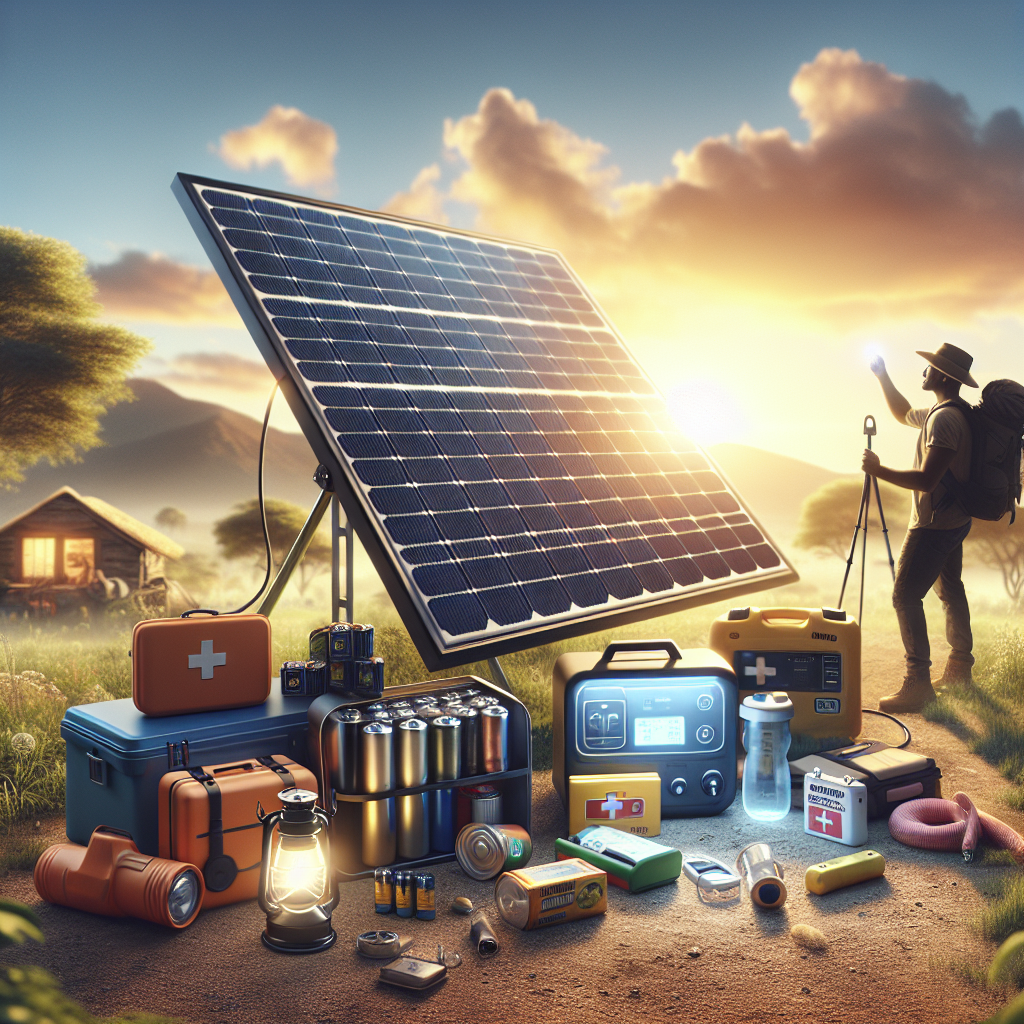
    As we all know, unforeseen emergencies can strike at any moment. Whether it’s a hurricane, wildfire, or a snowstorm, being prepared for power outages is crucial. One tool I’ve come to rely on is the solar generator. In my journey of prepping, I’ve discovered several noteworthy benefits of using solar generators for emergency preparedness. Let’s dive into the main areas that highlight these benefits!

    Clean and Renewable Energy Source

    Sustainability at Its Best

    What I absolutely love about solar generators is that they utilize sunlight, one of the most abundant and clean energy sources available. Unlike traditional generators that often rely on fossil fuels, solar generators produce power without emitting harmful pollutants. This not only helps reduce my carbon footprint but also supports the planet’s health.

    Whenever I use my solar generator, I feel good knowing that I’m doing my part to promote sustainability. It’s like giving Mother Earth a helping hand. Plus, during emergencies where conventional power sources might fail or be unavailable, solar energy is still there—waiting for us to soak it up!

    Not to mention, operating on renewable energy means I’m prepared for a longer duration with fewer environmental impacts. It really makes solar generators a win-win for both personal preparedness and ecological responsibility.

    Independence From the Grid

    Another major perk of solar generators is that they grant me a sense of independence from the traditional power grid. In a world where power outages can leave us feeling helpless, having my own self-sustaining power source is empowering. When storms hit and knock out power lines, I never panic because I know I’ve got backup.

    Imagine sipping coffee in your cozy home during a blackout, knowing that you can power essential devices like your fridge or phone. That’s the reassurance I get when using my solar generator. This independence allows me to remain self-sufficient and enjoy more peace of mind during an emergency.

    Plus, independence from the grid means I don’t have to worry about skyrocketing energy bills or fuel supply shortages. I can soak up the sun and harness that energy at no additional cost, which is pretty awesome!

    Portability and Ease of Use

    Let’s get real—one of the coolest things about solar generators is their portability. Many models are lightweight and designed for easy transport. As someone who’s always on-the-go, I find it super convenient to carry my solar generator to different locations, whether it’s camping, tailgating, or even in the backyard during a barbeque.

    Setting it up is a breeze, too! All you need to do is place it in a sunny spot, connect your devices, and voilà! It’s so simple that even my less tech-savvy friends can figure it out. That ease of use is what makes it a perfect tool for everyone, not just tech enthusiasts.

    In emergencies, portability becomes even more critical. If I ever need to evacuate or relocate due to an emergency, having a solar generator that I can easily take with me ensures that I’ve got power no matter where I am.

    Versatility in Powering Devices

    Charge Multiple Devices

    One of the fantastic features of solar generators is their ability to power multiple devices at once. Whether it’s charging my smartphone, powering a small fridge, or keeping lights on, a solar generator can handle it! I remember one stormy night when the power went out, and I was able to charge my phone, keep my laptop running, and use a small fan – all at the same time.

    This versatility means I can remain connected and comfortable during emergencies. I’ve also used my generator for outdoor activities, powering speakers for music or even running a laptop for work—it’s powerful enough to handle whatever I throw at it.

    The various ports available on most solar generators allow me to connect everything from USB devices to larger appliances, which makes it an incredibly functional tool to have on hand.

    Backup for Essential Appliances

    Another benefit I’ve found is that solar generators can act as a reliable backup for essential appliances. In a power-out scenario, the fridge is usually the first thing on my mind. Losing food is the last thing I want to experience, especially during emergencies. Luckily, I can plug in my fridge and keep my groceries safe until the power returns.

    When prepping for any situation, I always make sure that my generator can handle the crucial appliances I need. This might include lights, a coffee maker, or a water purification system—basically anything that contributes to my comfort and safety during rough times.

    This feature distinguishes solar generators from other emergency power options. I don’t only have power; I have the right amount of power to stay prepared and safe.

    Cost-Effective in the Long Run

    Investing in a solar generator can seem like a hefty sum at first, but let me tell you, it’s a cost-effective choice in the long run. Given that it uses sunlight, I’m not paying for fuel or electricity every time I need it. In addition, there are often grants, rebates, or incentives available that can help offset initial costs.

    Overall, when I think about future expenses for fuel or maintenance on traditional generators, the financial logic becomes clear. With a solar generator, I essentially have zero operating costs once it’s purchased. Just think about that! It’s a bit of an upfront investment, but the long-term savings make it worthwhile.

    Moreover, as energy prices are continually fluctuating, having a backup power source that operates independently allows me to sidestep those rising costs. A solar generator really becomes a cost-saving champion during emergencies.

    Environmental Impact and Contribution

    Reducing Carbon Footprint

    One of my favorite aspects of solar generators is their positive impact on the environment. By utilizing solar power instead of fossil fuels, I actively contribute to reducing my carbon footprint. Every time I hook up my solar generator, I remind myself that I’m using clean energy, which energizes my passion for sustainability.

    Environmental issues are serious, and I feel that even small actions can contribute to the bigger picture. When I choose to rely on solar energy, I’m doing my part to help mitigate climate change, preserve natural resources, and protect wildlife.

    Making environmentally-friendly choices doesn’t have to be daunting; using a solar generator is a simple yet impactful step I can take to promote a greener planet.

    Encouraging Others to Go Green

    When friends and family see me using my solar generator, they often get curious and ask questions. This has led me to share my knowledge and experiences—and, who knows, maybe inspire them to make similar choices. It feels great to promote green energy solutions within my community and foster conversations on sustainability.

    Using a solar generator at home also prompts discussions about renewable energy when guests are around. It’s a great way to educate and encourage others to reconsider their energy consumption habits and explore cleaner energy options.

    The ripple effect of encouraging my network to embrace greener practices can be significant. As more people move towards sustainable choices, I believe we can collectively make a difference in protecting our planet for future generations.

    Promoting Innovation in Energy Technology

    Lastly, the rise in popularity of solar generators is driving innovation in energy technology. The more people who utilize solar power, the more attention gets directed toward research and development. This means advancements in efficiency, battery storage, and overall energy technology are likely to continue growing.

    When I invest in a solar generator, I’m not just prepping for emergencies; I’m also supporting the industry that’s paving the way toward a cleaner and more sustainable future. Companies are motivated to innovate, knowing consumers are seeking out energy solutions that align with eco-friendly values.

    As consumers, our choices matter. Choosing solar generators not only benefits our immediate situation during emergencies but also contributes to a thriving market for sustainable energy solutions. Trust me, it makes a difference!

    Frequently Asked Questions

    1. What are the key benefits of using a solar generator during emergencies?

    The major benefits include clean energy sourcing, independence from the grid, portability, versatility in powering devices, and long-term cost-effectiveness, all of which significantly contribute to emergency preparedness.

    2. Can solar generators power large appliances?

    Yes, many solar generators are capable of powering both small and large appliances, provided they have adequate wattage capacity. That’s why it’s essential to check the specs to ensure it meets your needs.

    3. How do solar generators help the environment?

    Solar generators use renewable energy from the sun, leading to a decrease in carbon emissions. By relying on solar power, you’re making a commitment to reducing your carbon footprint and promoting sustainability.

    4. Are solar generators easy to transport?

    Absolutely! Most solar generators are lightweight and designed for portability, making them easy to take anywhere—whether it’s for camping trips or in case of emergency relocations.

    5. Do solar generators have any ongoing costs?

    No, once you purchase a solar generator, there are typically no ongoing fuel or electricity costs. They operate on free sunlight, making them very cost-effective in the long run.

  • How to Select the Best Solar Panel Size for Your Home

    How to Select the Best Solar Panel Size for Your Home

    Assess Your Energy Needs

    Understanding Your Energy Consumption

    Before diving into the solar panel world, I found it crucial to assess how much energy my household typically consumes. It sounds a bit tedious, but trust me; knowledge is power! Start by looking at your utility bill from the past year. Take note of your monthly usage, usually measured in kilowatt-hours (kWh). This gives you a solid baseline of how much energy you need to generate.

    Once you’ve got those numbers down, think about any future changes—like that new hot tub you’ve been dreaming about or planning to install electric vehicle charging. Adjust your baseline accordingly. It’s super important to factor in these things, or you might end up with panels that don’t meet your needs!

    So, ultimately, understanding your energy consumption is not just about current use but also about where you’re headed with your energy demands. It’s like a roadmap for your solar panel journey.

    Identifying Peak Sunlight Hours

    Next up, let’s talk about peak sunlight hours. It’s not just about slapping some panels on the roof and calling it a day; you need to know how much sunlight your area gets. This info varies by location, so grab a solar insolation chart—yeah, it sounds fancy but is super useful.

    Knowing your peak sunlight hours helps in determining how much electricity you can generate with your panels. For example, if you’re in a sunny state like Arizona, you might get about 6 to 8 hours of sunlight per day, while somewhere like Seattle might only give you about 4 to 5 hours. Your solar setup needs to match that sunny reality!

    Remember, it’s not just about total sunshine but also how consistent that sunshine is throughout the year. Understanding these patterns will help you maximize your panel size and efficiency.

    Using Energy Consumption Calculators

    I can’t stress enough how helpful energy consumption calculators are! Once you’ve gathered all your usage data and sunlight information, using a calculator can simplify everything. Many companies offer online calculators that guide you through the process.

    These tools allow you to input your monthly kWh usage, peak sunlight hours, and other variables. They’ll churn out recommendations on how many solar panels you need. It feels like having an expert in my pocket!

    Don’t forget to play around! Different inputs can yield different results. It’s a good way to see the range of options out there and help you get a clear picture of the best fit for your home.

    Evaluate the Available Space for Installation

    Considering Roof Orientation and Pitch

    Let’s dive into the physical aspect—where are you gonna put these beauties? Your roof orientation and pitch play a huge role in how effective the solar panels will be. Ideally, south-facing roofs get the most exposure, but east and west can work, too.

    If your roof isn’t directly south or there are obstacles like chimneys or trees, you may need to get creative with panel placement. When I faced this, I had to brainstorm different layouts to ensure I was getting the most bang for my buck.

    Also, consider your roof angle. A steeper pitch could impact the number of panels you can fit when compared to a flatter roof. Evaluating these elements early can save a ton of hassle down the line!

    Calculating Space Requirements

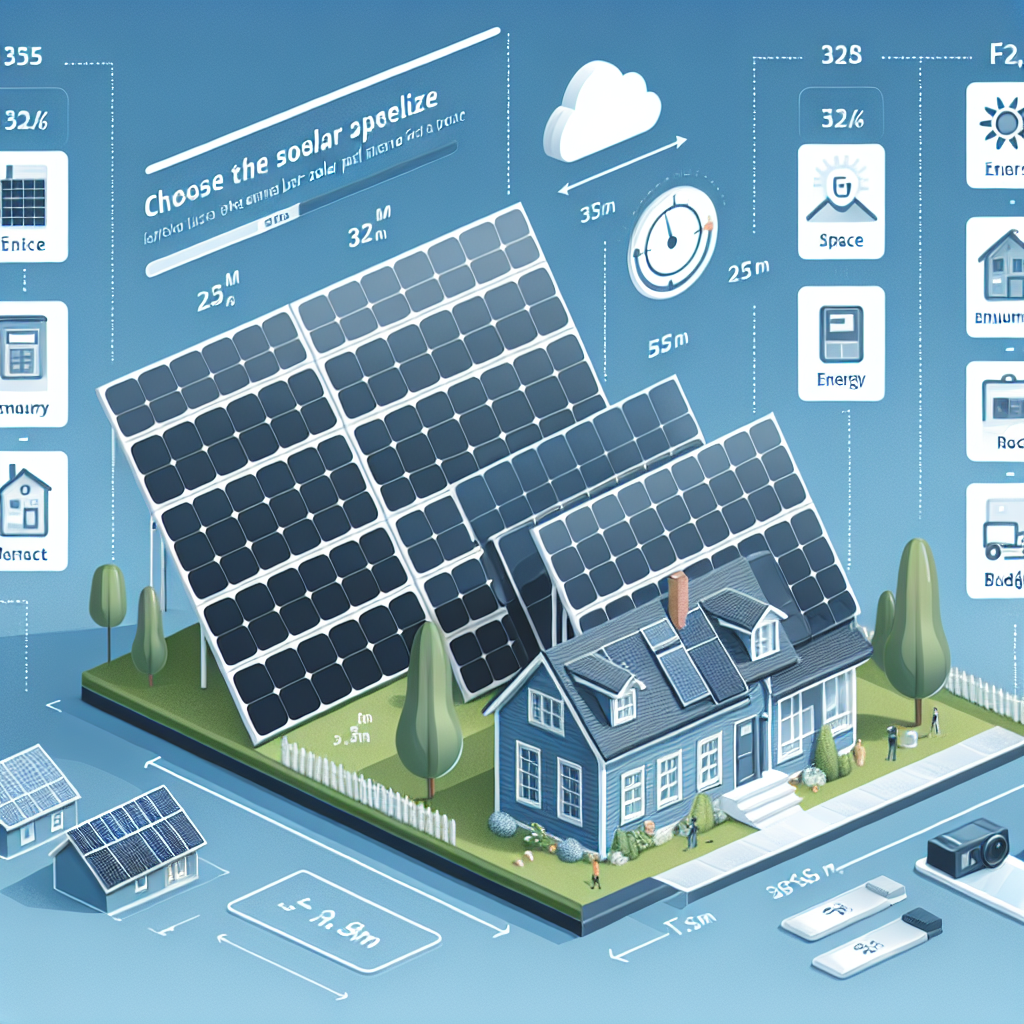
    Once you know your roof’s million-dollar details, it’s all about space! Each solar panel takes up a certain amount of square footage, and you need to calculate how many you can fit based on your energy consumption needs. Here’s where the measuring tape comes in!

    Sketch out your roof layout and start plotting where panels could go. I divided my roof into sections so I could visualize how many panels could fit while keeping in mind aesthetic appeal. We all want our homes to look good, right?

    Don’t forget to leave some room for maintenance access. You never know when a bird decides to drop by, and getting those panels cleaned should be straightforward!

    Consider Ground vs. Roof Installation

    If your roof isn’t conducive to installation (or maybe you just want a different look), there’s always the option of ground-mounted panels! This alternative allows for more flexibility in terms of positioning and angle.

    However, it does require more space—think about your yard or property size. You’ll also want to engage with your local regulations and HOAs because they sometimes have restrictions on how those ground arrays can look.

    The beauty of ground-mounted panels is that you can often tilt them to maximize performance, much easier than a fixed roof setup. Do some soul-searching to see what vibe works best for you and your property!

    Calculate the Right Number of Panels

    Determine Your Panel Output

    Now that we’ve dug deep into your energy needs, space, and all that, let’s talk numbers—the fun part! Each solar panel has a specific wattage, with the average being around 300 watts. You need to know how these panels fit into your overall energy goals.

    To calculate how many panels you need, divide your total energy consumption (remember that kWh figure we tracked?) by the panel output, adjusted for those peak sun hours we discussed. It sounds complicated, but once you get it down, it’s like riding a bike.

    You want to ensure you’re not overspending on unnecessary panels—nobody wants to pay for more than what’s needed!

    Assessing Panel Efficiency Ratings

    Here’s where I lean into my inner nerd: the efficiency ratings of your chosen solar panels matter! Higher efficiency means more energy production per panel, so if you’re tight on space, you might want to invest in panels with higher ratings.

    It’s a balancing act between efficiency, price, and the space you have available. Don’t forget, though, that some reputable brands may offer slightly lower efficiencies at a better price. So research, research, research!

    This decision is like a lifelong commitment: do your homework and make sure you’re getting something that’s worth the investment, so you don’t regret it down the line!

    Consulting with a Professional

    When in doubt, consulting with a solar professional can be invaluable! They can bring everything we’ve talked about together into a cohesive plan that suits your unique situation.

    I know it may seem like an added expense, but getting that expert eye can save you heaps of money in the long run. They’ll help you calculate and recommend adjustments based on their experience that you might not have thought of!

    Plus, they can handle permits and local regulations—those administrative hurdles that can take up so much time and energy. Don’t underestimate the power of expert guidance!

    Budgeting for Your Solar System

    Understanding Solar Panel Costs

    Let’s talk cash—budgeting for your solar system is a significant step! Costs can range widely depending on panel efficiency, brand, and installation complexities. It’s crucial to have an understanding of what you’re working with.

    Generally, the average cost of solar panels ranges from $15,000 to $30,000 before any tax credits or incentives. Knowing this, set a budget range you’re comfortable with. I aimed for the lower end and was quite pleased with the results!

    Also, many financing options are out there—so if the upfront cost seems daunting, don’t fret! You can look into loans or leasing options that can fit your financial situation better.

    Exploring Incentives and Rebates

    The world of solar incentives can feel overwhelming, but honestly, it can be a game-changer for your budget! Many states and local governments offer rebates or tax credits aimed at encouraging solar installation.

    In the U.S., the Federal Investment Tax Credit (ITC) allows you to deduct a certain percentage from your federal taxes, which can significantly lower costs. Doing a bit of homework here could save you a chunk of change.

    I recommend checking the Database of State Incentives for Renewables and Efficiency (DSIRE) to uncover what’s available in your area. Every dollar counts, right?

    Long-Term Savings Considerations

    Finally, factor in the long-term savings. It’s easy to get caught up in the initial expenses, but think about how solar panels can lead to substantial savings on your electricity bills over time.

    I was shocked at the difference on my bills after going solar. With careful calculation, many homeowners find that their panels pay for themselves over the years, sometimes even doubling their investment.

    Make sure to consider the lifespan of the panels, usually around 25 years. Factor that into your overall budget to see a fuller picture of how much you might save in the end!

    FAQ

    1. How do I calculate my energy consumption?

    Look at your utility bills over the last year to identify average monthly kWh usage. You can also add up the energy consumption of individual appliances if you want to get specific.

    2. What are peak sunlight hours?

    Peak sunlight hours refer to the time when sunlight is most direct and strongest for energy production. This varies by location, typically ranging from 4 to 8 hours a day!

    3. What if my roof isn’t suitable for solar panels?

    No worries! You can consider ground-mounted solar panels instead. They can be installed in your yard and are flexible in positioning and installation.

    4. How much do solar panels cost?

    The cost of solar panels can vary widely, but expect an average range from $15,000 to $30,000 before tax credits or incentives.

    5. Are there incentives available for going solar?

    Absolutely! Many states offer incentives, tax credits, and rebates to encourage homeowners to install solar panels. Check local resources and the DSIRE website to find what’s available in your area.

  • Solar Panels for Sale: What to Look for in 2024

    Solar Panels for Sale: What to Look for in 2024

    Panel Efficiency

    Understanding Efficiency Ratings

    When it comes to solar panels, one of the first things I learned is that efficiency ratings are critical. This rating tells you how well a solar panel converts sunlight into usable electricity. Typically, more efficient panels can produce more energy in smaller spaces. So if you’re like me and have a limited roof area, this could make a huge difference.

    Most residential solar panels on the market have efficiencies ranging from about 15% to 22%. The higher the efficiency, the better the performance over the years. I remember choosing panels with a higher efficiency upfront, and let me tell you, it has really paid off over time with lower energy bills and adequate energy production.

    So, as you shop, definitely pay attention to these ratings, but also note that the more efficient panels tend to be pricier. It’s all about weighing your budget with your energy needs, and maybe even future-proofing your home for years to come.

    Durability and Warranty

    Choosing Long-lasting Materials

    One thing I really zeroed in on when buying my solar panels was their durability. I’m sure you’ve heard horror stories about equipment breaking down or, worse still, panels degrading after just a few years. So, I did my homework and looked for panels made with high-quality materials, such as tempered glass and corrosion-resistant frames.

    Choosing durable solar panels means they can withstand harsh weather—especially if you’re in an area prone to hail or heavy winds. The last thing I wanted was to invest in a system that wouldn’t hold up against nature’s tests.

    Don’t forget to check the warranty! A solid warranty can give you peace of mind; I found that most manufacturers offer a product warranty of around 10-25 years. This coverage indicates the company stands behind their product, adding another layer of trust into your purchase.

    Solar Technology Trends

    Keeping Up with Innovations

    The solar landscape is changing rapidly, and it’s crucial to stay updated on the latest advancements. Just a few years ago, I was amazed to learn how far solar technology has come with bifacial panels and solar tiles. These innovations can offer improved efficiency and aesthetics for homes looking to integrate solar seamlessly.

    Bifacial panels, for example, are designed to capture sunlight from both sides—yielding even more energy production. I remember thinking how incredible that sounded and how greatly it could impact energy output for homeowners.

    Being familiar with trends like these can help you make informed decisions while shopping for solar panels. You’ll not only want performance but also newer technologies that may offer benefits my generation of panels doesn’t, which can keep you ahead of your energy game.

    Cost and Incentives

    Navigating Your Budget

    Let’s face it, cost is often a major consideration when it comes to shopping for solar panels. I spent a good amount of time weighing my options, looking for panels that fit my budget while still delivering solid performance. Price ranges can vary greatly depending on the brand, efficiency, and technology.

    You also have to consider installation costs and whether those costs align with what I call the ‘value proposition’ of solar energy. Over time, the savings on your energy bill needs to outweigh what you’re spending on these systems upfront.

    But don’t forget about incentives! Many states offer tax credits or rebates for solar panel installation. This can significantly help bring down your overall cost. I certainly took the time to check out local laws and programs that helped me save a bundle!

    Installation Process

    Choosing the Right Installer

    Once you’ve chosen the perfect panels, the next crucial step is finding an installation team you can trust. I vividly remember my search for qualified solar installers – it was eye-opening! A well-done installation can make all the difference in maximizing the performance of your system.

    Look for companies with solid reputations and reviews. It’s super important to hear from other homeowners about their experiences. I spent time reading feedback and contacting a few references before making my decision. There’s no rush here, folks—this is an investment for many years!

    Additionally, ensure that the installer understands all local codes and permits. A good installer handled all that for me and made the entire process so much easier. Plus, I felt more at ease knowing I had experienced hands on my side.

    FAQs

    1. What should I look for when choosing solar panels?

    Look for high efficiency ratings, durable construction, technology trends, overall cost, available incentives, and a reputable installer to get the best value for your investment.

    2. How long do solar panels last?

    Most solar panels come with warranties that last from 10 to 25 years, but they can continue to produce energy even longer, often up to 30 years, depending on maintenance and exposure to the elements.

    3. Are there any government incentives for solar installation?

    Yes! Many states offer tax credits, rebates, or other financial incentives for solar panel installation, which can significantly reduce the upfront costs.

    4. How do I find a reliable solar installer?

    Research and read reviews about different installers in your area. Ask for references from past clients and make sure they have experience in the local market and knowledge of necessary codes and permits.

    5. What are bifacial solar panels?

    Bifacial solar panels are designed to capture sunlight from both sides, allowing for increased energy production compared to traditional monopolar panels, making them a compelling option for maximizing energy output.

  • Best Portable Solar Generators for Camping and Emergency Backup

    Best Portable Solar Generators for Camping and Emergency Backup

    Understanding Portable Solar Generators

    What Are They?

    Okay, so first off, let’s break it down. Portable solar generators are essentially power stations that harness energy from the sun. They’re a game changer for camping trips or when the power goes out. Wondering how they work? Well, they use solar panels to collect sunlight, convert it into electricity, and store it for use whenever you need it. Super neat, right?

    They’ve come a long way from the clunky machines of the past. These days, they’re compact, easily transportable, and can power a variety of devices. You can charge your phone, run your lights, or even power a mini fridge. If you’re heading out into the great outdoors or need a backup during an emergency, these generators are a lifesaver.

    Another cool thing? Many models come with multiple output ports, meaning you can plug in several devices at once. It’s like having a mini power grid right in your backpack! Now, you don’t have to sacrifice comforts while out camping or during unforeseen power outages.

    Key Features to Look For

    Battery Capacity

    So, if you’re searching for a portable solar generator, the battery capacity is one of the first things you’ll want to check out. Think of it like the size of the water tank – the larger the capacity, the longer you can run your devices. Most portable models range anywhere from 150 to 3000 watt-hours. For a weekend camping trip, something in the 300-600 watt-hour range is usually ample.

    But hey, don’t just focus on size; also consider how many devices you plan to power. If you’re planning on using multiple gadgets at once, a higher capacity will be essential. If you’re just charging your phone or running a small lantern, a smaller generator will do the trick.

    Also, check how fast it charges! A good generator should recharge substantially from both solar and AC sources. Because let’s face it, when you’re out camping, you don’t want to wait hours for it to juice back up!

    Portability and Design

    Weight and Size

    Now, let’s chat about portability. If you’re like me, you don’t want to lug around a ton of weight when you’re out in nature. Ideally, you’ll want a solar generator that’s lightweight and compact. Many of them weigh under 50 pounds, making them a breeze to carry. But don’t just grab the smallest one – it’s a balance between portability and performance.

    The size also matters! If you have limited space in your vehicle or camping gear, go for a design that fits well. Some have built-in handles, and others come with wheels for easy transport. Honestly, it’s worth trying them out in stores or checking the dimensions online so you know exactly what you’re getting into.

    Plus, some brands offer stylish designs! Who knew a portable power source could look so good? You might not be throwing a fashion show in the woods, but it’s nice to have something that doesn’t look ugly hanging out with your campsite gear.

    Solar Panel Efficiency

    Type of Panels

    When I dive into portable solar generators, one of the most crucial aspects is the efficiency of the solar panels. The type of panels used can make a significant difference in how much energy you’re collecting. Generally, there are two kinds: monocrystalline and polycrystalline. Monocrystalline panels are more efficient and take up less space, making them more desirable, especially for portable models.

    Polycrystalline panels might be cheaper but have a lower efficiency. If you’re going to be out there in the wilderness, you want every little bit of sun captured, right? I like to think of it as investing a little more upfront for a lot more energy later. Plus, better efficiency means faster charging times, which is a huge bonus on those grey, cloudy days.

    Also, consider how the panels fold or store away. Some models come with an easy-to-pack design that makes setup a breeze, while others might need some assembly. After a long hike, no one wants to struggle with complicated setup instructions!

    Budget and Value for Money

    How Much to Spend?

    Last but not least, let’s talk dollars and cents. The price of portable solar generators can vary widely, from a couple hundred bucks to several thousand. It can be tempting to go for the cheapest option, but trust me, you’ll want to find a balance between cost and quality. Invest a bit more and you’ll likely get a more reliable and durable unit that lasts longer.

    In my experience, figuring out what features you really need can save you a lot of cash. For example, if you don’t need hundreds of watts or multiple USB outputs, you don’t need to buy the top-of-the-line model. Shop around, compare features, and check reviews, because let’s be real, honest feedback from other campers can be gold!

    Lastly, keep an eye out for warranties. A long warranty can save you major headaches if your generator decides to quit on you unexpectedly. You don’t want to end up stuck with a dysfunctional pile of metal when you need it most!

    FAQ

    1. What can I power with a portable solar generator?

    You can power a variety of small electronics and appliances, including phones, lights, small refrigerators, laptops, and even some cooking devices, depending on the wattage of your generator.

    2. How long does it take to charge a solar generator?

    Charging time varies based on the solar panel output, battery capacity, and sunlight conditions. Generally, it can take anywhere from a few hours to a full day for an optimal charge with solar panels.

    3. Are portable solar generators noisy?

    Nope! One of the great things about solar generators is that they run silently compared to traditional gas generators, which is a huge plus when camping or in emergency situations.

    4. Can I use a portable solar generator indoors?

    Yes! Portable solar generators are safe to use indoors since they do not produce fumes or require fuel combustion, making them perfect for indoor backup power during emergencies.

    5. How often should I maintain my solar generator?

    Maintenance is pretty minimal. Regularly check the battery levels, clean the solar panels, and store it in a dry place. It’s also good practice to run it occasionally to ensure everything is functioning smoothly.

  • 15 Best Solar Generators for Home Backup Power

    15 Best Solar Generators for Home Backup Power

    Understanding Solar Generators

    What is a Solar Generator?

    So, first off, let’s chat about what a solar generator actually is. To me, a solar generator is like a power bank, but supercharged with solar energy! Basically, it harnesses sunlight and converts it into electricity, which can be used to power up your devices or even your whole home when the lights go out. That’s something I want to put you onto!

    I remember the first time I used one during a blackout. It was super enlightening (pun definitely intended) to see how these handy devices could keep my fridge running and my phone charged without needing any fossil fuels. Seriously, it felt like magic!

    In essence, you’re not just using renewable energy; you’re jumping on the eco-friendly bandwagon and doing your bit for Mother Earth, all while enjoying the comforts of power at home. Who knew saving the planet could feel this good?

    Benefits of Using Solar Generators

    Why switch to solar generators, you ask? Well, let me lay it down for you. One of the top reasons is the cost savings over time. Once you invest, it’s nearly free electricity! Imagine cutting down your electricity bills significantly just by catching a few rays. Trust me; it feels great!

    Moreover, these generators are often portable. I’ve used mine for camping trips too! It’s like having a mini power station that’s easy to carry. You can charge up your devices, run lights, or even power small appliances while enjoying the great outdoors. Talk about versatility!

    Lastly, let’s not forget that having a solar generator provides peace of mind during emergencies. I’ll never forget that stormy night when the power went out for hours. My solar generator was my lifeline, allowing me to keep the essentials running while others were left in the dark. Pure bliss!

    Key Features to Look For

    Battery Capacity

    When you’re on the hunt for a solid solar generator, battery capacity is a biggie. This is the amount of energy your generator can store, and it’s crucial for deciding how long you can power your gadgets. I learned this the hard way with my first generator – let’s just say I ran out of juice quicker than I expected!

    Make sure to check the watt-hour (Wh) rating of the battery. To give you a heads-up, I usually aim for at least 500Wh if I want to keep the fridge running during a blackout.

    Also, try to calculate the appliances you’ll want to run. If you’re taking a few devices along for a camping trip or just a few lamps during power outages, knowing the overall consumption can make or break your solar generator experience.

    Portability and Weight

    Another thing that has made me a fan of solar generators is portability. If you plan to use it for camping or different areas of your home, the weight can be crucial. Some of these units are a bit on the hefty side, so if you’re like me, you might want something that can be easily tossed in the car.

    I’ve had my share of awkward moments trying to lug around heavy gear. That’s why I usually look for models with wheels or handles for that extra convenience.

    Remember, just because a generator is portable doesn’t mean it’s less powerful. Some of the best models pack a punch in a lightweight design, making it easier to enjoy the benefits wherever and whenever!

    Solar Panel Compatibility

    When it comes to charging your generator, you’ll want to check what solar panels it works with. Many generators come with built-in solar modules, but I recommend knowing if you’ll have to buy them separately too. It’s just smart planning!

    I once got a generator that didn’t match up well with my existing panels and boy, was that a hassle! I’d suggest looking for modular options that let you add panels as needed — kind of like building up your energy arsenal!

    Another thing to consider is the charging time. If you’re in a pinch, you’ll want a generator that can charge quickly during those sunny days. To get the most out of your purchase, check the charging specs before diving in!

    Comparing Top Models

    When to Choose a Smaller Unit

    If you’re just starting with solar generators, smaller units can be perfect. They’re usually lighter on the budget and simpler to manage. I bought a compact model for my first outing, which turned out to be more than enough for my phone and a couple of lights.

    These smaller generators are great for short trips or emergencies at home, especially if you’re just looking to charge a few small gadgets. Just remember, they might not handle larger appliances!

    This is ideal if you don’t need much electricity or are just dipping your toes into the world of solar power. Sometimes, starting small is the best way to find out what suits your needs.

    When to Opt for a Higher Capacity Model

    On the flip side, if you plan to run several devices or larger appliances, a higher-capacity model is the way to go. There was this one time I camped with buddies, and my little generator couldn’t handle the blenders we brought along. Yeah, it was a smoothie-less trip!

    You’ll need a robust unit to keep the fridge running or even run a portable heater during winter outages. Higher capacity generally means a bigger investment, but I’d argue it’s totally worth it if it keeps your home liveable until the power kicks back in!

    So, when you dive into the market, make sure you consider your future needs as well. It’s better to get the right fit than to end up needing an upgrade sooner than expected!

    Brand Comparisons

    When it comes to choosing solar generators, brand reputation can play a role. I’ve noticed that some brands just have a knack for creating reliable products. For instance, I’ve had luck with brands that specifically focus on solar technology; they tend to understand the nuances better!

    Before I settle on a model, I always check reviews from real users. It gives me confidence that I’m not just relying on flashy marketing. It’s also a learning experience – sometimes it’s in the comments that you discover useful tips or potential pitfalls.

    Choosing a well-regarded brand might mean you get a better warranty or customer service, which is something to consider if you want a hassle-free experience. I can’t stress enough how knowing you can reach out for support is comforting!

    Cost and Budgeting

    Setting Your Budget

    Before diving into purchasing a solar generator, sit down and decide on a budget. I learned early on that the best gear doesn’t always equal the most expensive. It’s essential to balance quality with what you’re willing to spend.

    Look for sales or seasonal discounts. Some retailers drop prices during certain times of the year, and my best buys have come during these periods. A little patience can go a long way!

    Don’t forget to factor in potential extra costs like solar panels (if needed), maintenance, or even accessories (like carrying cases or additional battery packs). I once bought a generator only to realize I needed extra cables, which added up!

    Long-Term Investment Considerations

    Consider solar generators as long-term investments in stored energy. I like to think of it as ensuring peace of mind instead of just purchasing a new gadget. Over time, the savings on energy bills can outweigh the upfront cost.

    Moreover, many states and regions offer incentives or tax breaks for renewable energy investments. It’s worth checking if your solar generator qualifies for any programs. This savings can make a real difference in your overall investment!

    Plus, having a solar generator not only prepares you for blackouts but also supports sustainable energy initiatives, which feels pretty good if you ask me. You’re part of a bigger movement toward cleaner energy!

    Quality vs. Price

    When shopping, it can be super tempting to just grab the cheapest option, but I’ve learned the hard way that you often get what you pay for. A well-made generator can last longer and perform better over time, which is a major plus!

    In my experience, it’s always smart to read reviews and check the build quality. If you skimp on quality, you may end up needing a replacement sooner than later, and then you’re back to square one.

    Sometimes a mid-range price point can give you the best balance of features and durability, so don’t shy away from those models that sit between the basic and high-end price tags!

    Final Thoughts and Recommendations

    My Top Recommendations

    From my personal experience, I’d suggest focusing on the brands that have solid reputations, good customer support, and warranty options. There’s comfort in knowing that should something go south, you have people backing you up.

    As for brands, I’ve had great experiences with models from Goal Zero and Jackery. They pack good power in sizes that are manageable for home and outdoor use. Each has different capacity options, so you’re ensured to find something that fits your needs.

    Finally, invest in your first solar generator wisely—research, compare, and weigh your options. Not all heroes wear capes, but I’ve got to say that a trusty solar generator can feel like a superhero when you need it most!

    Overcoming Initial Hesitations

    If you’re like I was when I first got into solar generators, you might be unsure about whether it’s worth it. Trust me, I totally get it; there’s a learning curve. But once you dive in, the benefits really begin to shine!

    Just remember, every purchase is a lesson. I’ve learned through trial and error, and to be honest, I cherish every mistake because they’ve all pushed me closer to making the right choices now.

    It’s all part of the journey, and soon enough, the worry of outages and energy bills will feel like a thing of the past. Seriously, take that leap; you won’t regret it!

    Engaging with the Community

    Don’t just stop at buying—keep engaging! Solar energy communities online are a goldmine for tips, hacks, and comparisons. I’ve found sharing my own experiences has not only helped me but also others who are looking for guidance.

    Joining forums or social media groups can elevate your understanding and keep you updated on the latest innovations and best practices. It’s like building your own little network of support!

    With so many people invested in solar power, you’ll find camaraderie! Share your stories, ask your questions, and get involved with others. Trust me; you’ll feel more connected to your solar journey.

    FAQ

    1. What is a solar generator used for?

    A solar generator is primarily used to store energy harnessed from sunlight, which can then power various electrical devices during outages or in off-grid setups.

    2. How long does it take to charge a solar generator?

    The charging time for a solar generator can vary greatly depending on its size and the solar panels used. Generally, it can take anywhere from a few hours to a full day under optimal sun conditions.

    3. Are solar generators worth the investment?

    Yes! Over time, solar generators can save you money on energy bills and provide a reliable backup power source during emergencies, making them a wise investment for many.

    4. Can I use a solar generator to power my home appliances?

    Yes, as long as the wattage of the generator meets or exceeds the power demand of your home appliances. It’s crucial to check the specifications of both your appliances and the generator.

    5. How do I maintain my solar generator?

    Maintaining a solar generator includes regular cleaning, checking for wear and tear, and ensuring that the batteries are charged periodically even when not in use, to extend their lifespan.