Tag: How It Works and Why It’s Important

  • The Future of Renewable Energy: How Solar Power Is Leading the Charge

    The Future of Renewable Energy: How Solar Power Is Leading the Charge

    Solar power is a form of renewable energy that has been gaining popularity in recent years. It involves harnessing the sun’s energy and converting it into electricity using solar panels. But what makes solar power so special, and why is it becoming an increasingly popular choice for homeowners and businesses alike? Let’s take a closer look at this incredible source of clean energy.

    Introduction to Solar Power: How It Works and Why It’s Important

    Solar panels are made up of photovoltaic cells that convert sunlight into direct current (DC) electricity. This DC electricity then passes through an inverter, which converts it into alternating current (AC) electricity that can be used to power your home or business. The best part about solar power is that it produces no greenhouse gas emissions, making it a clean and sustainable source of energy.

    The Benefits of Solar Energy: From Lower Bills to a Cleaner Planet

    One of the most obvious benefits of solar power is that it can help you save money on your energy bills. By generating your own electricity, you rely less on traditional utility companies, which means lower monthly bills. Additionally, solar power reduces our reliance on fossil fuels, which not only helps reduce carbon emissions but also decreases our dependence on foreign oil.

    Common Misconceptions About Solar Panels Debunked

    Many people believe that solar panels require constant maintenance or that they don’t work well in cloudy weather. However, these beliefs couldn’t be further from the truth. In reality, solar panels are designed to withstand all types of weather conditions, including rain, snow, and even hail. And while they do need to be cleaned occasionally, maintenance requirements are minimal.

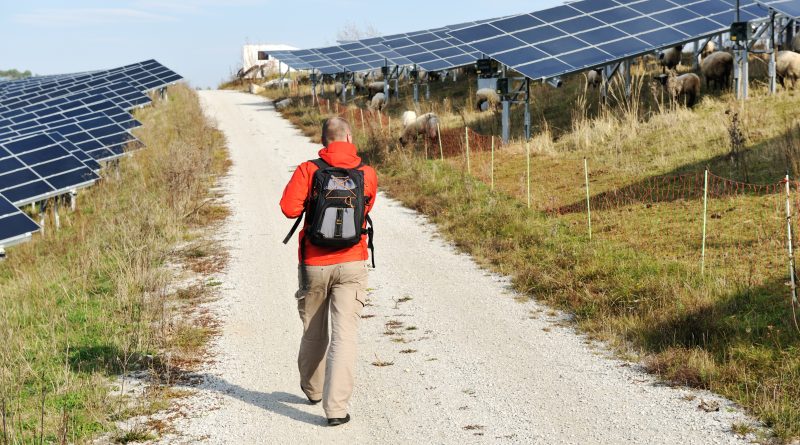
    man walking on a countryside road with solar panels BYSI2jpri scaled

    Innovations in Solar Technology: What the Future Holds for Renewable Energy

    As technology continues to advance, we’re seeing new innovations in solar energy that promise to make it even more efficient and cost-effective. One example is thin-film solar panels, which use less silicon than traditional panels and can be applied to a variety of surfaces, including roof tiles and windows. Another promising development is floating solar arrays, which allow us to utilize previously unused bodies of water as sources of solar power.

    Conclusion: Why Solar Power Is the Key to a Sustainable Tomorrow

    Solar power offers numerous benefits, from reducing our carbon footprint to saving money on energy bills. As technology continues to improve, we’re likely to see even greater advancements in solar energy, making it an increasingly viable option for homes and businesses around the world. If we want to create a sustainable tomorrow, investing in renewable energy sources like solar power is essential.

  • The Future of Renewable Energy: How Solar Power Is Leading the Charge

    The Future of Renewable Energy: How Solar Power Is Leading the Charge

    Solar power is one of the most promising forms of renewable energy, and it’s easy to see why. Not only does solar power offer a clean and sustainable source of electricity, but it also has the potential to revolutionize the way we power our homes and businesses. In this blog post, we’ll explore everything you need to know about solar power, from how it works to its many benefits and innovative technologies that are shaping the future of renewable energy.

    Introduction to Solar Power: How It Works and Why It’s Important

    Solar panels work by converting sunlight into usable electricity through photovoltaic cells. These cells are made up of layers of silicon, which absorb photons from the sun and release electrons, creating an electrical current. This current can then be used to power your home or business, reducing your reliance on fossil fuels and lowering your carbon footprint.

    The Benefits of Solar Energy: From Lower Bills to a Cleaner Planet

    One of the biggest advantages of solar power is its ability to reduce energy bills over time. While there may be some initial costs associated with installing solar panels, once they’re installed, you’ll be generating free electricity from the sun. Additionally, solar power produces no greenhouse gas emissions, making it a cleaner and more environmentally friendly option than traditional sources of energy like coal or natural gas.

    Common Misconceptions About Solar Panels Debunked

    Despite the many benefits of solar power, there are still some common misconceptions about solar panels that persist. One of the most prevalent myths is that solar panels don’t work in cloudy weather or at night. While it’s true that solar panels generate less electricity when there’s less sunlight available, modern solar systems are designed to store excess energy during peak hours for use later. Another misconception is that solar panels require frequent maintenance or repairs. In reality, solar panels are incredibly durable and require very little maintenance beyond occasional cleaning.

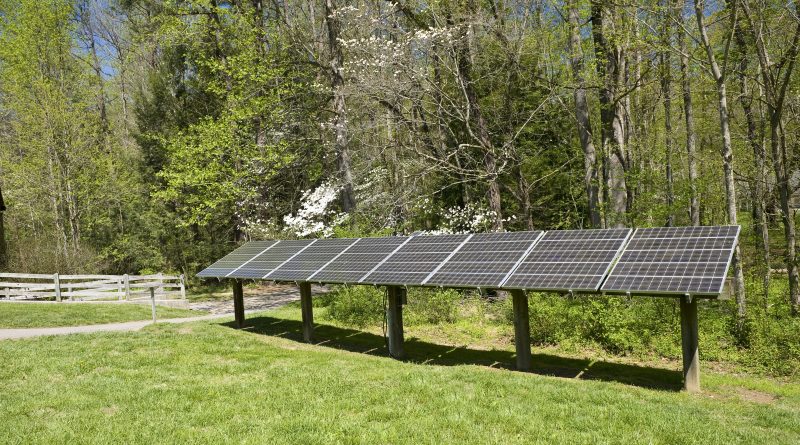
    electricity generating solar energy panels BFZCTa6Ns 2 scaled

    Innovations in Solar Technology: What’s Next for Renewable Energy

    As technology continues to advance, so too do the possibilities for solar power. Some of the latest innovations in solar include flexible and lightweight solar panels that can be rolled up like a rug, as well as floating solar arrays that can be deployed on bodies of water. There’s even research being done into using artificial photosynthesis to convert sunlight directly into fuel, offering yet another exciting possibility for renewable energy.

    Conclusion: How You Can Get Started with Solar Power Today

    If you’re interested in exploring solar power for your own home or business, there are plenty of resources available to help get started. Many states now offer tax credits and other incentives for residents who install solar panels, making it easier than ever to make the switch to renewable energy. Whether you choose to go solar yourself or simply learn more about the benefits of solar power, one thing is clear: solar energy is leading the charge towards a brighter, cleaner future.

  • The Future of Renewable Energy: How Solar Power Is Leading the Charge

    The Future of Renewable Energy: How Solar Power Is Leading the Charge

    Solar power is a form of renewable energy that has been gaining popularity in recent years. It involves harnessing the sun’s energy and converting it into electricity using solar panels. But what makes solar power so special, and why is it becoming an increasingly popular choice for homeowners and businesses alike? Let’s take a closer look at this incredible source of clean energy.

    Introduction to Solar Power: How It Works and Why It’s Important

    Solar panels are made up of photovoltaic cells that convert sunlight into direct current (DC) electricity. This DC electricity then passes through an inverter, which converts it into alternating current (AC) electricity that can be used to power your home or business. The best part about solar power is that it produces no greenhouse gas emissions, making it a clean and sustainable source of energy.

    The Benefits of Solar Energy: From Lower Bills to a Cleaner Planet

    One of the biggest benefits of solar power is its ability to lower utility bills. By generating your own electricity from the sun, you can reduce your reliance on traditional fossil fuels and save money on your monthly energy bills. Additionally, solar power helps to reduce carbon emissions and combat climate change by producing clean energy. With more people turning to solar power, we can create a cleaner planet for future generations.

    Common Misconceptions About Solar Panels Debunked

    There are many misconceptions about solar panels that prevent people from investing in them. One common myth is that they don’t work well in cloudy weather. While solar panels do produce less energy when there is less sunlight available, they still generate some electricity even under cloudy skies. Another myth is that solar panels require constant maintenance. In reality, once installed, solar panels require very little maintenance and can last for decades.

    Innovations in Solar Technology: What’s Next for Renewable Energy

    As technology continues to advance, new innovations in solar power are emerging. For example, researchers are working on developing transparent solar panels that could be used as windows or roof tiles. These would allow buildings to generate their own electricity while also providing natural light and heat. Other advancements include floating solar farms and solar-powered cars. As these technologies continue to evolve, we will see even greater adoption of solar power around the world.

    Conclusion: Why Solar Power Is the Future of Sustainability

    With all of the benefits of solar power, it’s clear why it’s becoming such a popular option for homeowners and businesses alike. Not only does it help to reduce our impact on the environment, but it also saves us money on our energy bills over time. And with continued advances in solar technology, we can expect to see even greater adoption of this clean and sustainable source of energy in the coming years. So if you’re looking for a way to reduce your carbon footprint and save money on your energy bills, consider going solar today.

    wind turbine

  • The Future of Renewable Energy: How Solar Power Is Leading the Charge

    The Future of Renewable Energy: How Solar Power Is Leading the Charge

    Solar power is no longer a futuristic dream. It’s a reality that’s changing the way we generate electricity and reducing our reliance on fossil fuels. As concerns about climate change mount, solar energy has become an increasingly popular choice for homeowners, businesses, and governments around the world. But what makes solar power so special? And how can it help us build a more sustainable future? Let’s take a closer look at this incredible technology and its potential to transform our planet.

    Introduction to Solar Power: How It Works and Why It’s Important

    Solar panels work by converting sunlight into electrical energy using photovoltaic cells. These cells are made up of layers of silicon, which absorb photons from the sun and release electrons, creating an electrical current. This current is then sent through wiring in the panel and converted into usable AC (alternating current) electricity. The great thing about solar power is that it produces zero emissions and doesn’t require any fuel or water to operate. Plus, once you install a system, there are virtually no maintenance costs.

    The Benefits of Solar Energy: From Lower Bills to a Cleaner Planet

    One of the biggest benefits of solar power is that it can save you money on your utility bills. Depending on where you live, electricity rates can be very high, especially during peak usage times like summer afternoons. With solar panels, you can generate your own electricity and reduce your dependence on the grid. In some cases, you may even be able to sell excess energy back to the utility company, earning credits on your bill or cash payments.

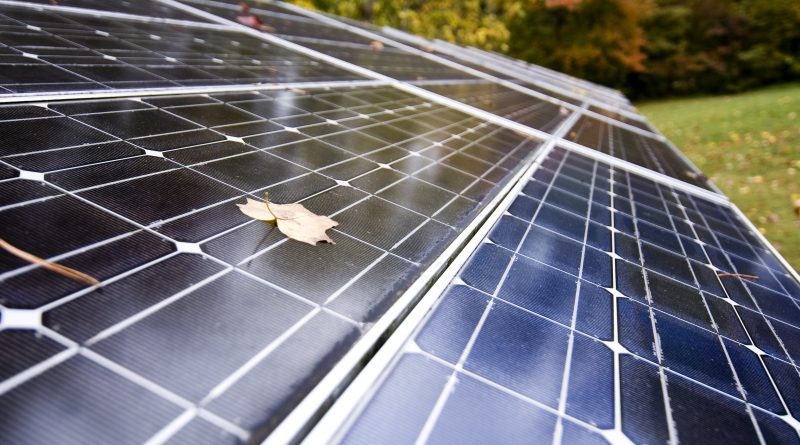
    solar energy panels at work BteRwTpVj 1 scaled
    a single wind turbine over a cloud filled blue sky BF0 uG 0Hj scaled

    But beyond the financial benefits, solar power also offers significant environmental advantages. By generating clean energy, we can reduce our carbon footprint and help combat climate change. According to the National Renewable Energy Laboratory, solar power has the potential to avoid 28 million metric tons of CO2 emissions per year by 2050. That’s equivalent to taking over 5 million cars off the road!

    Common Misconceptions About Solar Panels Debunked

    Despite the many benefits of solar power, there are still some common misconceptions about solar panels that persist. One of the most prevalent myths is that they don’t work well in cloudy climates. While it’s true that solar panels do perform better in direct sunlight, they can still generate electricity in cloudy conditions. In fact, Germany, one of the world leaders in solar power, has a relatively cloudy climate but generates over half of its electricity from renewables.

    Another misconception is that solar panels are too expensive to be practical. While installation costs have fallen dramatically in recent years, it’s true that installing a solar system can be a significant investment. However, with tax incentives, rebates, and other financing options available, many homeowners find that solar pays for itself within just a few years.

    Innovations in Solar Technology: What the Future Holds for Renewable Energy

    As demand for solar power continues to grow, researchers and engineers are working hard to develop new technologies that will make solar energy even more efficient and cost-effective. Some promising areas of innovation include:

    Perovskite solar cells: these next-generation cells use a different type of material than traditional silicon cells, allowing them to potentially achieve higher efficiencies and lower costs.

    Floating solar arrays: as land becomes scarce for large-scale solar projects, floating arrays on bodies of water could provide a solution, offering additional benefits such as reduced evaporation and cooling of the panels.

    Energy storage: while solar power is generated during daylight hours, storing excess energy for use when the sun isn’t shining is critical for meeting energy demands. Advances in battery technology and other forms of energy storage are making it easier to integrate solar into the grid.

    Conclusion: Why Solar Power Is the Key to a Sustainable Tomorrow

    As we face unprecedented challenges such as climate change, air pollution, and resource depletion, it’s clear that we need to shift towards cleaner, more sustainable sources of energy. Solar power has emerged as a leading contender in this effort, offering numerous economic, environmental, and social benefits. Whether you’re a homeowner looking to slash your utility bills or a policymaker seeking to promote renewable energy, solar power is worth considering. With continued innovation and support from consumers and governments alike, solar power can play a key role in building a brighter, more sustainable tomorrow.